
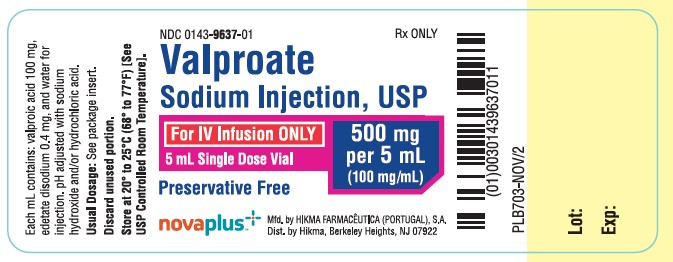
Valproate Sodium 100 mg/mL Injection
🆔 Identity & classification
Where does this data come from?
🏷️ RxNorm drug class
This medicine belongs to the Mood Stabilizer class.
Where does this data come from?
🏭 Manufacturer & labeler
Where does this data come from?
🩺 Clinical
- Divalproex is used for three main things: controlling certain types of seizures (epilepsy), treating acute manic or mixed episodes in bipolar disorder, and preventing migraines. Wh...
- What exactly is divalproex used for — my doctor prescribed it but I'm not totally sure why.
- That depends on your specific form. If you're taking the extended-release tablet, you take it once a day and should swallow it whole — don't crush or chew it. The delayed-release t...
- How should I take it — does it matter when during the day or whether I eat first?
Patient education
Supplement & herbal interactions
Where does this data come from?
Ask a licensed pharmacist directly — free, answered by our team.
🧪 Inactive Ingredients / Excipients
Inactive ingredients, also called excipients, are components of the drug product other than the active ingredient. They may include fillers, dyes, coatings, preservatives, flavors, or other formulation ingredients.
💡 Tap an ingredient (hover on desktop) to see what it is and why it’s used.
-
0.40 mg / 1 mL
UNII 7FLD91C86K
Edetate disodium is a chemical compound that binds and removes certain metal ions. In medicines, it acts as a preservative and stabilizer by preventing metals like calcium from interfering with the product's shelf life and consistency.
-
UNII QTT17582CB
A strong acid used to adjust and maintain the proper pH level in liquid medicines, ensuring stability and preventing breakdown of active ingredients.
-
UNII 55X04QC32I
A strong alkaline chemical used to adjust and maintain the pH balance of liquid medicines. It helps keep the medicine stable and ensures it stays effective during storage.
-
UNII 059QF0KO0R
Water is a liquid solvent that dissolves and mixes ingredients together in liquid medicines, syrups, and injections. It helps distribute the active drug evenly throughout the product.
4 inactive ingredients listed in the exact product block matched to this NDC.
Where does this data come from?
ingredient classCode="IACT" elements from the exact product block matched by this NDC. Label-section narrative from DailyMed / the openFDA label index is shown separately when available.Inactive ingredient FAQ
Are inactive ingredients the same for every manufacturer?
Why might an inactive ingredient be missing?
Can inactive ingredients matter?
💲 Pricing
A drug doesn't have one price. Each row is a different public payment system, and none is what you'd pay at the counter — that depends on your insurance. The ⓘ on each row explains what it measures.
| Price system | Per each | Per package |
|---|---|---|
| Retail pharmacies payNADAC · weekly | Not in the retail survey — common for institutional, discontinued, or low-volume packs. | |
| Medicaid paysCMS SDUD · 12 mo | $0.2414 | $2.41 / 10 vials |
| Medicare drug plans payPart D · quarterly | No Part D plan price is available for this NDC in our data. | |
| Medicare Part B allowsASP · J3379 | $0.014 / J3379 unit | — |
Where does this data come from?
🧾 Billing & reimbursement
Where does this data come from?
🔁 Therapeutic equivalents
| Product | Labeler | Pack | NADAC/unit | TE | Status | Price vs. this |
|---|---|---|---|---|---|---|
| Valproate Sodium 100 mg/mLthis 00143-9637-10 | Hikma | 10 vials | — | AP | FDA listed | — |
| Valproate Sodium 500 mg/5mL 00143-9785-10 | Hikma | 10 vials | — | AP | FDA listed | — |
| Valproate Sodium 100 mg/mL 25021-0797-05 | Sagent | 10 vials | — | AP | FDA listed | — |
| Valproate Sodium 100 mg/mL 63323-0494-16 | Fresenius | 10 vials | — | AP | FDA listed | — |
Where does this data come from?
⏳ Availability & generic status
This product is an FDA-approved generic. Other versions of the same drug are listed under Therapeutic equivalents, least expensive first.
Where does this data come from?
🗺️ Medicaid utilization & spend
📊 Medicare Part D spend CMS · PART D · 2026 (Q1)
🔬 Reported adverse events (FAERS)
Top reported reactions
Age at onset
Reporter sex
Serious outcomes
Where does this data come from?
📦 Packaging — all sizes for this product
| Package NDC | Description | Marketing start | Status |
|---|---|---|---|
| 00143-9637-10 You're viewing this | 10 VIAL, SINGLE-DOSE in 1 TRAY (0143-9637-10) / 5 mL in 1 VIAL, SINGLE-DOSE (0143-9637-01) | 2013-04-15 | Active |
🧭 About this NDC listing & data coverage
What data is (and isn’t) available for this NDC — tap to expand
| NDC identity (package / product / labeler codes) | ✓ Available |
| Labeler | ✓ Available |
| Product & package description | ✓ Available |
| Marketing category & status | ✓ Available |
| Active ingredient / dosage form / route | ✓ Available |
| FDA label (SPL via DailyMed) | ✓ Available |
| Package photos | ✓ Available |
| Inactive ingredients (structured) | ✓ Available |
| NADAC pharmacy acquisition price (CMS) | — Not published for this NDC CMS publishes NADAC only for NDCs reported in its retail-pharmacy survey. |
| Orange Book / therapeutic-equivalence data | ✓ Available |
| HCPCS J-code billing crosswalk | ✓ Available |
| Medicaid utilization (CMS SDUD) | ✓ Available |
Questions about this listing
Why is there no price listed?
Is the NDC printed on the package the same as the 11-digit billing NDC?
What do the three segments of this NDC mean?
Is this package still being marketed?
Who lists this product with the FDA?
Do I need a prescription for this product?
Does this product have a billing J-code?
Where does this data come from?
📄 Full prescribing information FDA SPL
🚨 Boxed Warning ▾
WARNING: LIFE THREATENING ADVERSE REACTIONS Hepatotoxicity General Population: Hepatic failure resulting in fatalities has occurred in patients receiving valproate and its derivatives. These incidents usually have occurred during the first six months of treatment. Serious or fatal hepatotoxicity may be preceded by non-specific symptoms such as malaise, weakness, lethargy, facial edema, anorexia, and vomiting.
In patients with epilepsy, a loss of seizure control may also occur. Patients should be monitored closely for appearance of these symptoms. Serum liver tests should be performed prior to therapy and at frequent intervals thereafter, especially during the first six months [see WARNINGS AND PRECAUTIONS ( 5.1 )].
Children under the age of two years are at a considerably increased risk of developing fatal hepatotoxicity, especially those on multiple anticonvulsants, those with congenital metabolic disorders, those with severe seizure disorders accompanied by mental retardation, and those with organic brain disease. When Valproate Sodium Injection is used in this patient group, it should be used with extreme caution and as a sole agent. The benefits of therapy should be weighed against the risks.
The incidence of fatal hepatotoxicity decreases considerably in progressively older patient groups. Patients with Mitochondrial Disease: There is an increased risk of valproate-induced acute liver failure and resultant deaths in patients with hereditary neurometabolic syndromes caused by DNA mutations of the mitochondrial DNA Polymerase γ (POLG) gene (e.g. Alpers Huttenlocher Syndrome).
Valproate Sodium Injection is contraindicated in patients known to have mitochondrial disorders caused by POLG mutations and children under two years of age who are clinically suspected of having a mitochondrial disorder [see CONTRAINDICATIONS ( 4 )]. In patients over two years of age who are clinically suspected of having a hereditary mitochondrial disease, Valproate Sodium Injection should only be used after other anticonvulsants have failed. This older group of patients should be closely monitored during treatment with Valproate Sodium Injection for the development of acute liver injury with regular clinical assessments and serum liver testing.
POLG mutation screening should be performed in accordance with current clinical practice [see WARNINGS AND PRECAUTIONS ( 5.1 )]. Fetal Risk Valproate can cause major congenital malformations, particularly neural tube defects (e.g., spina bifida). In addition, valproate can cause decreased IQ scores and neurodevelopmental disorders following in utero exposure.
Valproate is therefore contraindicated for prophylaxis of migraine headaches in pregnant women and in women of childbearing potential who are not using effective contraception [see CONTRAINDICATIONS (4)]. Valproate should not be used to treat women with epilepsy or bipolar disorder who are pregnant or who plan to become pregnant unless other medications have failed to provide adequate symptom control or are otherwise unacceptable. Valproate should not be administered to a woman of childbearing potential unless other medications have failed to provide adequate symptom control or are otherwise unacceptable.
In such situations, effective contraception should be used [see WARNINGS AND PRECAUTIONS ( 5.2 , 5.3 , 5.4 ) and PATIENT COUNSELING INFORMATION ( 17 )]. Pancreatitis Cases of life-threatening pancreatitis have been reported in both children and adults receiving valproate. Some of the cases have been described as hemorrhagic with a rapid progression from initial symptoms to death.
Cases have been reported shortly after initial use as well as after several years of use. Patients and guardians should be warned that abdominal pain, nausea, vomiting, and/or anorexia can be symptoms of pancreatitis that require prompt medical evaluation. If pancreatitis is diagnosed, valproate should ordinarily be discontinued.
Alternative treatment for the underlying medical…
🎯 Indications and Usage ▾
1 INDICATIONS AND USAGE Valproate Sodium Injection is indicated as an intravenous alternative in patients in whom oral administration of valproate products is temporarily not feasible in the following conditions: Monotherapy and adjunctive therapy of complex partial seizures and simple and complex absence seizures; adjunctive therapy in patients with multiple seizure types that include absence seizures ( 1 )
1.1Epilepsy Valproate Sodium Injection is indicated as an intravenous alternative in patients for whom oral administration of valproate products is temporarily not feasible in the following conditions: Valproate Sodium Injection is indicated as monotherapy and adjunctive therapy in the treatment of patients with complex partial seizures that occur either in isolation or in association with other types of seizures. Valproate Sodium Injection is also indicated for use as sole and adjunctive therapy in the treatment of patients with simple and complex absence seizures, and adjunctively in patients with multiple seizure types that include absence seizures.
Simple absence is defined as very brief clouding of the sensorium or loss of consciousness accompanied by certain generalized epileptic discharges without other detectable clinical signs. Complex absence is the term used when other signs are also present. See WARNINGS AND PRECAUTIONS ( 5.1 ) for statement regarding fatal hepatic dysfunction.
1.2Important Limitations Because of the risk to the fetus of decreased IQ, neurodevelopmental disorders, neural tube defects, and other major congenital malformations, which may occur very early in pregnancy, valproate should not be used to treat women with epilepsy or bipolar disorder who are pregnant or who plan to become pregnant unless other medications have failed to provide adequate symptom control or are otherwise unacceptable. Valproate should not be administered to a woman of childbearing potential unless other medications have failed to provide adequate symptom control or are otherwise unacceptable [see WARNINGS AND PRECAUTIONS ( 5.2 , 5.3 , 5.4 ), USE IN SPECIFIC POPULATIONS ( 8.1 ), and PATIENT COUNSELING INFORMATION ( 17 )].
For prophylaxis of migraine headaches, valproate is contraindicated in women who are pregnant and in women of childbearing potential who are not using effective contraception [see CONTRAINIDICATIONS ( 4 )].
⏱️ Dosage and Administration ▾
2 DOSAGE AND ADMINISTRATION Valproate Sodium Injection is intended for intravenous use only. Epilepsy Complex Partial Seizures in Adults and Children 10 years of age or older: Initial dose is 10 to 15 mg/kg/day, increasing at 1 week intervals by 5 to 10 mg/kg/day to achieve optimal clinical response. Maximum recommended dose is 60 mg/kg/day ( 2.1 ).
Simple and Complex Absence Seizures: Initial dose is 10 to 15 mg/kg/day, increasing at 1 week intervals by 5 to 10 mg/kg/day to achieve optimal clinical response. Maximum recommended dose is 60 mg/kg/day ( 2.1 ).
2.1Epilepsy Valproate Sodium Injection is for intravenous use only. Use of Valproate Sodium Injection for periods of more than 14 days has not been studied. Patients should be switched to oral valproate products as soon as it is clinically feasible.
Valproate Sodium Injection should be administered as a 60 minute infusion (but not more than 20 mg/min) with the same frequency as the oral products, although plasma concentration monitoring and dosage adjustments may be necessary. In one clinical safety study, approximately 90 patients with epilepsy and with no measurable plasma levels of valproate were given single infusions of Valproate Sodium Injection (up to 15 mg/kg and mean dose of 1184 mg) over 5-10 minutes (1.5-3.0 mg/kg/min). Patients generally tolerated the more rapid infusions well [see ADVERSE REACTIONS ( 6.1 ) ].
This study was not designed to assess the effectiveness of these regimens. For pharmacokinetics with rapid infusions, see CLINICAL PHARMACOLOGY ( 12.3 ) . Initial Exposure to Valproate The following dosage recommendations were obtained from studies utilizing oral divalproex sodium products.
Complex Partial Seizures For adults and children 10 years of age or older. Monotherapy (Initial Therapy) Valproate Sodium Injection has not been systematically studied as initial therapy. Patients should initiate therapy at 10 to 15 mg/kg/day.
The dosage should be increased by 5 to 10 mg/kg/week to achieve optimal clinical response. Ordinarily, optimal clinical response is achieved at daily doses below 60 mg/kg/day. If satisfactory clinical response has not been achieved, plasma levels should be measured to determine whether or not they are in the usually accepted therapeutic range (50 to 100 mcg/mL).
No recommendation regarding the safety of valproate for use at doses above 60 mg/kg/day can be made. The probability of thrombocytopenia increases significantly at total trough valproate plasma concentrations above 110 mcg/mL in females and 135 mcg/mL in males. The benefit of improved seizure control with higher doses should be weighed against the possibility of a greater incidence of adverse reactions.
Conversion to Monotherapy Patients should initiate therapy at 10 to 15 mg/kg/day. The dosage should be increased by 5 to 10 mg/kg/week to achieve optimal clinical response. Ordinarily, optimal clinical response is achieved at daily doses below 60 mg/kg/day.
If satisfactory clinical response has not been achieved, plasma levels should be measured to determine whether or not they are in the usually accepted therapeutic range (50-100 mcg/mL). No recommendation regarding the safety of valproate for use at doses above 60 mg/kg/day can be made. Concomitant antiepilepsy drug (AED) dosage can ordinarily be reduced by approximately 25% every 2 weeks.
This reduction may be started at initiation of Valproate Sodium Injection therapy, or delayed by 1 to 2 weeks if there is a concern that seizures are likely to occur with a reduction. The speed and duration of withdrawal of the concomitant AED can be highly variable, and patients should be monitored closely during this period for increased seizure frequency. Adjunctive Therapy Valproate Sodium Injection may be added to the patient’s regimen at a dosage of 10 to 15 mg/kg/day.
The dosage may be increased by 5 to 10 mg/kg/week to achieve optimal clinical response. Ordinarily, optimal clinical response is achieved at daily doses below 60…
💊 Dosage Forms and Strengths ▾
3 DOSAGE FORMS AND STRENGTHS Valproate Sodium Injection, USP equivalent to 100 mg of valproic acid per mL, is a clear, colorless solution in 5 mL single dose vials, available in trays of 10 vials. Recommended storage: Store vials at 20º to 25ºC (68º to 77ºF) [See USP Controlled Room Temperature]. No preservatives have been added. Unused portion of container should be discarded. Injection: 100 mg per mL in a 5 mL single dose vial ( 3 )
⛔ Contraindications ▾
4 CONTRAINDICATIONS Valproate Sodium Injection should not be administered to patients with hepatic disease or significant hepatic dysfunction [see WARNINGS AND PRECAUTIONS ( 5.1 ) ]. Valproate Sodium Injection is contraindicated in patients known to have mitochondrial disorders caused by mutations in mitochondrial DNA polymerase γ (POLG; e.g., Alpers-Huttenlocher Syndrome) and children under two years of age who are suspected of having a POLG-related disorder [see WARNINGS AND PRECAUTIONS ( 5.1 ) ]. Valproate Sodium Injection is contraindicated in patients with known hypersensitivity to the drug [see WARNINGS AND PRECAUTIONS ( 5.11 ) ].
Valproate Sodium Injection is contraindicated in patients with known urea cycle disorders [see WARNINGS AND PRECAUTIONS ( 5.6 ) ]. For use in prophylaxis of migraine headaches: Valproate is contraindicated in women who are pregnant and in women of childbearing potential who are not using effective contraception [see WARNINGS AND PRECAUTIONS ( 5.2 , 5.3 , 5.4 ) and USE IN SPECIFIC POPULATIONS ( 8.1 )]. Hepatic disease or significant hepatic dysfunction ( 4 , 5.1 ) Known mitochondrial disorders caused by mutations in mitochondrial DNA polymerase γ (POLG) ( 4 , 5.1 ) Suspected POLG-related disorder in children under two years of age ( 4 , 5.1 ) Known hypersensitivity to the drug ( 4 , 5.11 ) Urea cycle disorders ( 4 , 5.6 ) Prophylaxis of migraine headaches: Pregnant women, women of childbearing potential not using effective contraception ( 4 , 8.1 )
⚠️ Warnings and Cautions ▾
5 WARNINGS AND PRECAUTIONS Hepatotoxicity; evaluate high risk populations and monitor serum liver tests ( 5.1 ) Birth defects, decreased IQ, and neurodevelopmental disorders following in utero exposure; should not be used to treat women with epilepsy or bipolar disorder who are pregnant or who plan to become pregnant or to treat a woman of childbearing potential unless other medications have failed to provide adequate symptom control or are otherwise unacceptable ( 5.2 , 5.3 , 5.4 ) Pancreatitis; Valproate Sodium Injection should ordinarily be discontinued ( 5.5 ) Bleeding and other hematopoietic disorders; monitor platelet counts and coagulation tests ( 5.7 ) Hyperammonemia and hyperammonemic encephalopathy; measure ammonia level if unexplained lethargy and vomiting or changes in mental status, and also with concomitant topiramate use; consider discontinuation of valproate therapy ( 5.6 , 5.8 , 5.9 ) Hypothermia; Hypothermia has been reported during valproate therapy with or without associated hyperammonemia.
This adverse reaction can also occur in patients using concomitant topiramate ( 5.10 ) Drug Reaction with Eosinophilia and Systemic Symptoms (DRESS)/Multiorgan hypersensitivity reaction; discontinue Valproate Sodium Injection ( 5.11 ) Somnolence in the elderly can occur. Valproate Sodium Injection dosage should be increased slowly and with regular monitoring for fluid and nutritional intake ( 5.13 )
5.1Hepatotoxicity General Information on Hepatotoxicity Hepatic failure resulting in fatalities has occurred in patients receiving valproate. These incidents usually have occurred during the first six months of treatment. Serious or fatal hepatotoxicity may be preceded by non-specific symptoms such as malaise, weakness, lethargy, facial edema, anorexia, and vomiting.
In patients with epilepsy, a loss of seizure control may also occur. Patients should be monitored closely for appearance of these symptoms. Serum liver tests should be performed prior to therapy and at frequent intervals thereafter, especially during the first six months of valproate therapy.
However, healthcare providers should not rely totally on serum biochemistry since these tests may not be abnormal in all instances, but should also consider the results of careful interim medical history and physical examination. Caution should be observed when administering valproate products to patients with a prior history of hepatic disease. Patients on multiple anticonvulsants, children, those with congenital metabolic disorders, those with severe seizure disorders accompanied by mental retardation, and those with organic brain disease may be at particular risk.
See below, “Patients with Known or Suspected Mitochondrial Disease.” Experience has indicated that children under the age of two years are at a considerably increased risk of developing fatal hepatotoxicity, especially those with the aforementioned conditions. When Valproate Sodium Injection is used in this patient group, it should be used with extreme caution and as a sole agent. The benefits of therapy should be weighed against the risks.
Use of Valproate Sodium Injection has not been studied in children below the age of 2 years. In progressively older patient groups experience in epilepsy has indicated that the incidence of fatal hepatotoxicity decreases considerably. Patients with Known or Suspected Mitochondrial Disease Valproate Sodium Injection is contraindicated in patients known to have mitochondrial disorders caused by POLG mutations and children under two years of age who are clinically suspected of having a mitochondrial disorder [see CONTRAINDICATIONS ( 4 ) ].
Valproate-induced acute liver failure and liver-related deaths have been reported in patients with hereditary neurometabolic syndromes caused by mutations in the gene for mitochondrial DNA polymerase γ (POLG) (e.g., Alpers- Huttenlocher Syndrome) at a higher rate than those without these syndromes. Most of the reported cases of liver failure…
🤒 Adverse Reactions ▾
6 ADVERSE REACTIONS The following serious adverse reactions are described below and elsewhere in the labeling: Hepatic failure [see Warnings and Precautions ( 5.1 ) ] Birth defects [see Warnings and Precautions ( 5.2 ) ] Decreased IQ following in utero exposure [see Warnings and Precautions ( 5.3 ) ] Pancreatitis [see Warnings and Precautions ( 5.5 ) ] Hyperammonemic encephalopathy [see Warnings and Precautions ( 5.6 , 5.8 , 5.9 )] Bleeding and other hematopoietic disorders [see Warnings and Precautions ( 5.7 ) ] Hypothermia [see Warnings and Precautions ( 5.10 )] Drug Reaction with Eosinophilia and Systemic Symptoms (DRESS)/Multiorgan hypersensitivity reactions [see Warnings and Precautions ( 5.11 ) ] Somnolence in the elderly [see Warnings and Precautions ( 5.13 ) ] Because clinical studies are conducted under widely varying conditions, adverse reaction rates observed in the clinical studies of a drug cannot be directly compared to rates in the clinical studies of another drug and may not reflect the rates observed in practice.
The adverse reactions that can result from Valproate Sodium Injection use include all of those associated with oral forms of valproate. The following describes experience specifically with Valproate Sodium Injection. Valproate Sodium Injection has been generally well tolerated in clinical trials involving 111 healthy adult male volunteers and 352 patients with epilepsy, given at doses of 125 to 6,000 mg (total daily dose).
A total of 2% of patients discontinued treatment with Valproate Sodium Injection due to adverse reactions. The most common adverse reactions leading to discontinuation were 2 cases each of nausea/vomiting and elevated amylase. Other adverse reactions leading to discontinuation were hallucinations, pneumonia, headache, injection site reaction, and abnormal gait.
Dizziness and injection site pain were observed more frequently at a 100 mg/min infusion rate than at rates up to 33 mg/min. At a 200 mg/min rate, dizziness and taste perversion occurred more frequently than at a 100 mg/min rate. The maximum rate of infusion studied was 200 mg/min.
Adverse reactions reported by at least 0.5% of all subjects/patients in clinical trials of Valproate Sodium Injection are summarized in Table 1. Table 1. Adverse Reactions Reported During Studies of Valproate Sodium Injection Body System/Reaction N = 463 Body as a Whole Chest Pain 1.7% Headache 4.3% Injection Site Inflammation 0.6% Injection Site Pain 2.6% Injection Site Reaction 2.4% Pain (unspecified) 1.3% Cardiovascular Vasodilation 0.9% Dermatologic Sweating 0.9% Digestive System Abdominal Pain 1.1% Diarrhea 0.9% Nausea 3.2% Vomiting 1.3% Nervous System Dizziness 5.2% Euphoria 0.9% Hypesthesia 0.6% Nervousness 0.9% Paresthesia 0.9% Somnolence 1.7% Tremor 0.6% Respiratory Pharyngitis 0.6% Special Senses Taste Perversion 1.9% In a separate clinical safety trial, 112 patients with epilepsy were given infusions of Valproate Sodium Injection (up to 15 mg/kg) over 5 to 10 minutes (1.5 - 3.0 mg/kg/min).
The common adverse reactions (> 2%) were somnolence (10.7%), dizziness (7.1%), paresthesia (7.1%), asthenia (7.1%), nausea (6.3%), and headache (2.7%). While the incidence of these adverse reactions was generally higher than in Table 1 (experience encompassing the standard, much slower infusion rates), e.g., somnolence (1.7%), dizziness (5.2%), paresthesia (0.9%), asthenia (0%), nausea (3.2%), and headache (4.3%), a direct comparison between the incidence of adverse reactions in the 2 cohorts cannot be made because of differences in patient populations and study designs.
Ammonia levels have not been systematically studied after IV valproate, so that an estimate of the incidence of hyperammonemia after IV Valproate Sodium Injection cannot be provided. Hyperammonemia with encephalopathy has been reported in 2 patients after infusions of Valproate Sodium Injection. Adverse reactions occurring in at least 5% of patients treated with divalproex sodium in Mo…
🔄 Drug Interactions ▾
7 DRUG INTERACTIONS Hepatic enzyme-inducing drugs (e.g., phenytoin, carbamazepine, phenobarbital, primidone, rifampin) can increase valproate clearance, while enzyme inhibitors (e.g., felbamate) can decrease valproate clearance. Therefore increased monitoring of valproate and concomitant drug concentrations and dosage adjustment are indicated whenever enzyme-inducing or inhibiting drugs are introduced or withdrawn ( 7.1 ) Aspirin, carbapenem antibiotics, estrogen-containing hormonal contraceptives: Monitoring of valproate concentrations is recommended ( 7.1 ) Co-administration of valproate can affect the pharmacokinetics of other drugs (e.g. diazepam, ethosuximide, lamotrigine, phenytoin) by inhibiting their metabolism or protein binding displacement ( 7.2 ) Patients stabilized on rufinamide should begin valproate therapy at a low dose, and titrate to clinically effective dose ( 7.2 ) Dosage adjustment of amitriptyline/nortriptyline, propofol, warfarin, and zidovudine may be necessary if used concomitantly with Valproate Sodium Injection ( 7.2 ) Topiramate: Hyperammonemia and encephalopathy ( 5.9 , 7.3 )
7.1Effects of Co-Administered Drugs on Valproate Clearance Drugs that affect the level of expression of hepatic enzymes, particularly those that elevate levels of glucuronosyltransferases (such as ritonavir), may increase the clearance of valproate. For example, phenytoin, carbamazepine, and phenobarbital (or primidone) can double the clearance of valproate. Thus, patients on monotherapy will generally have longer half-lives and higher concentrations than patients receiving polytherapy with antiepilepsy drugs.
In contrast, drugs that are inhibitors of cytochrome P450 isozymes, e.g., antidepressants, may be expected to have little effect on valproate clearance because cytochrome P450 microsomal mediated oxidation is a relatively minor secondary metabolic pathway compared to glucuronidation and beta-oxidation. Because of these changes in valproate clearance, monitoring of valproate and concomitant drug concentrations should be increased whenever enzyme inducing drugs are introduced or withdrawn. The following list provides information about the potential for an influence of several commonly prescribed medications on valproate pharmacokinetics.
The list is not exhaustive nor could it be, since new interactions are continuously being reported. Drugs for which a potentially important interaction has been observed Aspirin A study involving the co-administration of aspirin at antipyretic doses (11 to 16 mg/kg) with valproate to pediatric patients (n = 6) revealed a decrease in protein binding and an inhibition of metabolism of valproate. Valproate free fraction was increased 4-fold in the presence of aspirin compared to valproate alone.
The β-oxidation pathway consisting of 2-E-valproic acid, 3-OH-valproic acid, and 3-keto valproic acid was decreased from 25% of total metabolites excreted on valproate alone to 8.3% in the presence of aspirin. Caution should be observed if valproate and aspirin are to be co‑administered. Carbapenem Antibiotics A clinically significant reduction in serum valproic acid concentration has been reported in patients receiving carbapenem antibiotics (for example, ertapenem, imipenem, meropenem this is not a complete list) and may result in loss of seizure control.
The mechanism of this interaction is not well understood. Serum valproic acid concentrations should be monitored frequently after initiating carbapenem therapy. Alternative antibacterial or anticonvulsant therapy should be considered if serum valproic acid concentrations drop significantly or seizure control deteriorates [see WARNINGS AND PRECAUTIONS ( 5.12 ) ].
Estrogen-Containing Hormonal Contraceptives Estrogen-containing hormonal contraceptives may increase the clearance of valproate, which may result in decreased concentration of valproate and potentially increased seizure frequency. Prescribers should monitor serum valproate concentrations a…
👥 Use in Specific Populations ▾
8 USE IN SPECIFIC POPULATIONS Pregnancy: Valproate Sodium Injection can cause congenital malformations including neural tube defects, decreased IQ, and neurodevelopmental disorders ( 5.2 , 5.3 , 8.1 ) Pediatric: Children under the age of two years are at considerably higher risk of fatal hepatotoxicity ( 5.1 , 8.4 ) Geriatric: Reduce starting dose, increase dosage more slowly; monitor fluid and nutritional intake, and somnolence ( 5.13 , 8.5 )
8.1Pregnancy Pregnancy Exposure Registry There is a pregnancy exposure registry that monitors pregnancy outcomes in women exposed to antiepileptic drugs (AEDs), including Valproate Sodium Injection, during pregnancy. Encourage women who are taking Valproate Sodium Injection during pregnancy to enroll in the North American Antiepileptic Drug (NAAED) Pregnancy Registry by calling toll free 1-888-233-2334 or visiting the website, http://www.aedpregnancyregistry.org/. This must be done by the patient herself.
Risk Summary For use in prophylaxis of migraine headaches, valproate is contraindicated in women who are pregnant and in women of childbearing potential who are not using effective contraception [see CONTRAINDICATIONS ( 4 )]. For use in epilepsy or bipolar disorder, valproate should not be used to treat women who are pregnant or who plan to become pregnant unless other medications have failed to provide adequate symptom control or are otherwise unacceptable [see BOXED WARNING and WARNINGS AND PRECAUTIONS ( 5.2 , 5.3 )].
Women with epilepsy who become pregnant while taking valproate should not discontinue valproate abruptly, as this can precipitate status epilepticus with resulting maternal and fetal hypoxia and threat to life. Maternal valproate use during pregnancy for any indication increases the risk of congenital malformations, particularly neural tube defects including spina bifida, but also malformations involving other body systems (e.g., craniofacial defects including oral clefts, cardiovascular malformations, hypospadias, limb malformations).
This risk is dose-dependent; however, a threshold dose below which no risk exists cannot be established. In utero exposure to valproate may also result in hearing impairment or hearing loss. Valproate polytherapy with other AEDs has been associated with an increased frequency of congenital malformations compared with AED monotherapy.
The risk of major structural abnormalities is greatest during the first trimester; however, other serious developmental effects can occur with valproate use throughout pregnancy. The rate of congenital malformations among babies born to epileptic mothers who used valproate during pregnancy has been shown to be about four times higher than the rate among babies born to epileptic mothers who used other anti-seizure monotherapies [see WARNINGS AND PRECAUTIONS ( 5.2 ) and DATA (Human)]. Epidemiological studies have indicated that children exposed to valproate in utero have lower IQ scores and a higher risk of neurodevelopmental disorders compared to children exposed to either another AED in utero or to no AEDs in utero [see WARNINGS AND PRECAUTIONS ( 5.3 ) and DATA (Human)].
An observational study has suggested that exposure to valproate products during pregnancy increases the risk of autism spectrum disorders [see DATA (Human)]. In animal studies, valproate administration during pregnancy resulted in fetal structural malformations similar to those seen in humans and neurobehavioral deficits in the offspring at clinically revelant doses [see DATA (Animal)]. There have been reports of hypoglycemia in neonates and fatal cases of hepatic failure in infants following maternal use of valproate during pregnancy.
Pregnant women taking valproate may develop hepatic failure or clotting abnormalities including thrombocytopenia, hypofibrinogenemia, and/or decrease in other coagulation factors, which may result in hemorrhagic complications in the neonate including death [see WARNINGS AND PRECAUTIONS ( 5.1 , 5.8 )]. Available…
🤰 Pregnancy ▾
8.1Pregnancy Pregnancy Exposure Registry There is a pregnancy exposure registry that monitors pregnancy outcomes in women exposed to antiepileptic drugs (AEDs), including Valproate Sodium Injection, during pregnancy. Encourage women who are taking Valproate Sodium Injection during pregnancy to enroll in the North American Antiepileptic Drug (NAAED) Pregnancy Registry by calling toll free 1-888-233-2334 or visiting the website, http://www.aedpregnancyregistry.org/. This must be done by the patient herself.
Risk Summary For use in prophylaxis of migraine headaches, valproate is contraindicated in women who are pregnant and in women of childbearing potential who are not using effective contraception [see CONTRAINDICATIONS ( 4 )]. For use in epilepsy or bipolar disorder, valproate should not be used to treat women who are pregnant or who plan to become pregnant unless other medications have failed to provide adequate symptom control or are otherwise unacceptable [see BOXED WARNING and WARNINGS AND PRECAUTIONS ( 5.2 , 5.3 )].
Women with epilepsy who become pregnant while taking valproate should not discontinue valproate abruptly, as this can precipitate status epilepticus with resulting maternal and fetal hypoxia and threat to life. Maternal valproate use during pregnancy for any indication increases the risk of congenital malformations, particularly neural tube defects including spina bifida, but also malformations involving other body systems (e.g., craniofacial defects including oral clefts, cardiovascular malformations, hypospadias, limb malformations).
This risk is dose-dependent; however, a threshold dose below which no risk exists cannot be established. In utero exposure to valproate may also result in hearing impairment or hearing loss. Valproate polytherapy with other AEDs has been associated with an increased frequency of congenital malformations compared with AED monotherapy.
The risk of major structural abnormalities is greatest during the first trimester; however, other serious developmental effects can occur with valproate use throughout pregnancy. The rate of congenital malformations among babies born to epileptic mothers who used valproate during pregnancy has been shown to be about four times higher than the rate among babies born to epileptic mothers who used other anti-seizure monotherapies [see WARNINGS AND PRECAUTIONS ( 5.2 ) and DATA (Human)]. Epidemiological studies have indicated that children exposed to valproate in utero have lower IQ scores and a higher risk of neurodevelopmental disorders compared to children exposed to either another AED in utero or to no AEDs in utero [see WARNINGS AND PRECAUTIONS ( 5.3 ) and DATA (Human)].
An observational study has suggested that exposure to valproate products during pregnancy increases the risk of autism spectrum disorders [see DATA (Human)]. In animal studies, valproate administration during pregnancy resulted in fetal structural malformations similar to those seen in humans and neurobehavioral deficits in the offspring at clinically revelant doses [see DATA (Animal)]. There have been reports of hypoglycemia in neonates and fatal cases of hepatic failure in infants following maternal use of valproate during pregnancy.
Pregnant women taking valproate may develop hepatic failure or clotting abnormalities including thrombocytopenia, hypofibrinogenemia, and/or decrease in other coagulation factors, which may result in hemorrhagic complications in the neonate including death [see WARNINGS AND PRECAUTIONS ( 5.1 , 5.8 )]. Available prenatal diagnostic testing to detect neural tube and other defects should be offered to pregnant women using valproate. Evidence suggests that folic acid supplementation prior to conception and during the first trimester of pregnancy decreases the risk for congenital neural tube defects in the general population.
It is not known whether the risk of neural tube defects or decreased IQ in the offspring of women receiving valproate is reduced by…
🧒 Pediatric Use ▾
8.4Pediatric Use Experience with oral valproate has indicated that pediatric patients under the age of two years are at a considerably increased risk of developing fatal hepatotoxicity, especially those with the aforementioned conditions [see BOXED WARNING ]. The safety of Valproate Sodium Injection has not been studied in individuals below the age of 2 years. If a decision is made to use Valproate Sodium Injection in this age group, it should be used with extreme caution and as a sole agent.
The benefits of therapy should be weighed against the risks. Above the age of 2 years, experience in epilepsy has indicated that the incidence of fatal hepatotoxicity decreases considerably in progressively older patient groups. Younger children, especially those receiving enzyme-inducing drugs, will require larger maintenance doses to attain targeted total and unbound valproate concentrations.
The variability in free fraction limits the clinical usefulness of monitoring total serum valproic acid concentrations. Interpretation of valproic acid concentrations in children should include consideration of factors that affect hepatic metabolism and protein binding. Pediatric Clinical Trials No unique safety concerns were identified in the 35 patients age 2 to 17 years who received Valproate Sodium Injection in clinical trials.
One twelve-month study was conducted to evaluate the safety of divalproex sodium sprinkle capsules in the indication of partial seizures (169 patients aged 3 to 10 years). The safety and tolerability of divalproex sodium in pediatric patients were shown to be comparable to those in adults [see ADVERSE REACTIONS ( 6 ) ]. Juvenile Animal Toxicology In studies of valproate in immature animals, toxic effects not observed in adult animals included retinal dysplasia in rats treated during the neonatal period (from postnatal day 4) and nephrotoxicity in rats treated during the neonatal and juvenile (from postnatal day 14) periods.
The no-effect dose for these findings was less than the maximum recommended human dose on a mg/m 2 basis.
🧓 Geriatric Use ▾
8.5Geriatric Use No patients above the age of 65 years were enrolled in double-blind prospective clinical trials of mania associated with bipolar illness. In a case review study of 583 patients, 72 patients (12%) were greater than 65 years of age. A higher percentage of patients above 65 years of age reported accidental injury, infection, pain, somnolence, and tremor.
Discontinuation of valproate was occasionally associated with the latter two events. It is not clear whether these events indicate additional risk or whether they result from preexisting medical illness and concomitant medication use among these patients. A study of elderly patients with dementia revealed drug related somnolence and discontinuation for somnolence [see WARNINGS AND PRECAUTIONS ( 5.13 ) ].
The starting dose should be reduced in these patients, and dosage reductions or discontinuation should be considered in patients with excessive somnolence [see DOSAGE AND ADMINISTRATION ( 2.2 ) ]. No unique safety concerns were identified in the 21 patients > 65 years of age receiving Valproate Sodium Injection in clinical trials.
🆘 Overdosage ▾
10 OVERDOSAGE Overdosage with valproate may result in somnolence, heart block, deep coma and hypernatremia. Fatalities have been reported; however patients have recovered from valproate serum concentrations as high as 2120 mcg/mL. In overdose situations, the fraction of drug not bound to protein is high and hemodialysis or tandem hemodialysis plus hemoperfusion may result in significant removal of drug.
General supportive measures should be applied with particular attention to the maintenance of adequate urinary output. Naloxone has been reported to reverse the CNS depressant effects of valproate overdosage. Because naloxone could theoretically also reverse the antiepileptic effects of valproate, it should be used with caution in patients with epilepsy.
🧬 Clinical Pharmacology ▾
12 CLINICAL PHARMACOLOGY
12.1Mechanism of Action Valproate sodium exists as the valproate ion in the blood. The mechanisms by which valproate exerts its therapeutic effects have not been established. It has been suggested that its activity in epilepsy is related to increased brain concentrations of gamma-aminobutyric acid (GABA).
12.2Pharmacodynamics The relationship between plasma concentration and clinical response is not well documented. One contributing factor is the nonlinear, concentration dependent protein binding of valproate which affects the clearance of the drug. Thus, monitoring of total serum valproate cannot provide a reliable index of the bioactive valproate species.
For example, because the plasma protein binding of valproate is concentration dependent, the free fraction increases from approximately 10% at 40 mcg/mL to 18.5% at 130 mcg/mL. Higher than expected free fractions occur in the elderly, in hyperlipidemic patients, and in patients with hepatic and renal diseases. Epilepsy The therapeutic range in epilepsy is commonly considered to be 50 to 100 mcg/mL of total valproate, although some patients may be controlled with lower or higher plasma concentrations.
Equivalent doses of Valproate Sodium Injection and divalproex sodium yield equivalent plasma levels of the valproate ion [see CLINICAL PHARMACOLOGY ( 12.3 ) ].
12.3Pharmacokinetics Bioavailability Equivalent doses of intravenous (IV) valproate and oral valproate products are expected to result in equivalent C max , C min , and total systemic exposure to the valproate ion when the IV valproate is administered as a 60 minute infusion. However, the rate of valproate ion absorption may vary with the formulation used. These differences should be of minor clinical importance under the steady state conditions achieved in chronic use in the treatment of epilepsy.
Administration of divalproex sodium tablets and IV valproate (given as a one hour infusion), 250 mg every 6 hours for 4 days to 18 healthy male volunteers resulted in equivalent AUC, C max , C min at steady state, as well as after the first dose. The T max after IV Valproate Sodium Injection occurs at the end of the one hour infusion, while the T max after oral dosing with divalproex sodium occurs at approximately 4 hours. Because the kinetics of unbound valproate are linear, bioequivalence between Valproate Sodium Injection and divalproex sodium up to the maximum recommended dose of 60 mg/kg/day can be assumed.
The AUC and C max resulting from administration of IV valproate 500 mg as a single one hour infusion and a single 500 mg dose of valproic acid syrup to 17 healthy male volunteers were also equivalent. Patients maintained on valproic acid doses of 750 mg to 4250 mg daily (given in divided doses every 6 hours) as oral divalproex sodium alone (n = 24) or with another stabilized antiepileptic drug [carbamazepine (n = 15), phenytoin (n = 11), or phenobarbital (n = 1)], showed comparable plasma levels for valproic acid when switching from oral divalproex sodium to IV valproate (1‑hour infusion).
Eleven healthy volunteers were given single infusions of 1000 mg IV valproate over 5, 10, 30, and 60 minutes in a 4-period crossover study. Total valproate concentrations were measured; unbound concentrations were not measured. After the 5 minute infusions (mean rate of 2.8 mg/kg/min), mean C max was 145 ± 32 mcg/mL, while after the 60 minute infusions, mean C max was 115 ± 8 mcg/mL.
Ninety to 120 minutes after infusion initiation, total valproate concentrations were similar for all 4 rates of infusion. Because protein binding is nonlinear at higher total valproate concentrations, the corresponding increase in unbound C max at faster infusion rates will be greater. Distribution Protein Binding The plasma protein binding of valproate is concentration dependent and the free fraction increases from approximately 10% at 40 mcg/mL to 18.5% at 130 mcg/mL.
Protein binding of valproate is reduced in the elderly…
🧬 Mechanism of Action ▾
12.1Mechanism of Action Valproate sodium exists as the valproate ion in the blood. The mechanisms by which valproate exerts its therapeutic effects have not been established. It has been suggested that its activity in epilepsy is related to increased brain concentrations of gamma-aminobutyric acid (GABA).
📦 How Supplied / Storage and Handling ▾
16 HOW SUPPLIED/STORAGE AND HANDLING Valproate Sodium Injection, USP, equivalent to 100 mg of valproic acid per mL, is a clear, colorless solution in 5 mL single dose vials, available in trays of 10 vials (NDC 0143-9637-10). Recommended storage: Store vials at 20° to 25°C (68° to 77°F) with excursions between 15° and 30°C (59° and 86°F) [See USP Controlled Room Temperature]. No preservatives have been added. Unused portion of container should be discarded.
📋 Description ▾
11 DESCRIPTION Valproate sodium is the sodium salt of valproic acid designated as sodium 2-propylpentanoate. Valproate sodium has the following structure: Valproate sodium has a molecular weight of 166.2. It occurs as an essentially white and odorless, crystalline, deliquescent powder.
Valproate Sodium Injection, USP is available in 5 mL single dose vials for intravenous injection. Each mL contains valproate sodium equivalent to 100 mg valproic acid, edetate disodium 0.40 mg, and water for injection to volume. The pH is adjusted to 7.6 with sodium hydroxide and/or hydrochloric acid.
The solution is clear and colorless. Chemical Structure
💬 Information for Patients ▾
17 PATIENT COUNSELING INFORMATION Hepatotoxicity Warn patients and guardians that nausea, vomiting, abdominal pain, anorexia, diarrhea, asthenia, and/or jaundice can be symptoms of hepatotoxicity and, therefore, require further medical evaluation promptly [see WARNINGS AND PRECAUTIONS ( 5.1 ) ]. Pancreatitis Warn patients and guardians that abdominal pain, nausea, vomiting, and/or anorexia can be symptoms of pancreatitis and, therefore, require further medical evaluation promptly [see WARNINGS AND PRECAUTIONS ( 5.5 ) ].
Birth Defects and Decreased IQ Inform pregnant women and women of childbearing potential (including girls beginning the onset of puberty) that use of valproate during pregnancy increases the risk of birth defects, decreased IQ, and neurodevelopmental disorders in children who were exposed in utero. Advise women to use effective contraception while using valproate. When appropriate, counsel these patients about alternative therapeutic options.
This is particularly important when valproate use is considered for a condition not usually associated with permanent injury or death such as prophylaxis of migraine headache [see CONTRAINDICATIONS ( 4 ), WARNINGS AND PRECAUTIONS ( 5.2 , 5.3 , 5.4 ), and USE IN SPECIFIC POPULATIONS ( 8.1 )]. Pregnancy Registry Advise women of childbearing potential to discuss pregnancy planning with their doctor and to contact their doctor immediately if they think they are pregnant. Encourage women who are taking valproate to enroll in the North American Antiepileptic Drug (NAAED) Pregnancy Registry if they become pregnant.
This registry is collecting information about the safety of antiepileptic drugs during pregnancy. To enroll, patients can call the toll free number 1-888-233-2334 or visit the website, http://www.aedpregnancyregistry.org/ [see USE IN SPECIFIC POPULATIONS ( 8.1 )]. Hyperammonemia Inform patients of the signs and symptoms associated with hyperammonemic encephalopathy and to notify the prescriber if any of these symptoms occur [see WARNINGS AND PRECAUTIONS ( 5.8 , 5.9 ) ].
CNS Depression Since valproate products may produce CNS depression, especially when combined with another CNS depressant (e.g., alcohol), advise patients not to engage in hazardous activities, such as driving an automobile or operating dangerous machinery, until it is known that they do not become drowsy from the drug. Multiorgan Hypersensitivity Reactions Instruct patients that a fever associated with other organ system involvement (rash, lymphadenopathy, etc.) may be drug-related and should be reported to the physician immediately [see WARNINGS AND PRECAUTIONS ( 5.11 ) ].
Rx Only Manufactured by: HIKMA FARMACÊUTICA (PORTUGAL), S.A. Estrada do Rio da Mó, 8, 8A e 8B - Fervença - 2705-906 Terrugem SNT, PORTUGAL Distributed by: Hikma Pharmaceuticals USA Inc. Berkeley Heights, NJ 07922 Novaplus is a registered trademark of Vizient, Inc.
Revised: January 2021 PIN321-NOV/8