
Menopur menotropins Kit — NDC 55566-7501-2 (Billing 55566-7501-02)
This is a package of Menopur menotropins Kit from Ferring Pharmaceuticals Inc., marketed since Oct 2004 and currently FDA-listed; retail pharmacies pay about $252.12 per unit (NADAC). It is this product's only package size.
NDC database record
One package, one record: these facts belong to NDC 55566-7501-2 alone.
- Record
- FDA NDC Directory package listing · Human prescription drug
- Code segments
- 55566 labeler · 7501 product · 2 package
- Package marketed since
- Oct 29, 2004
- Sample package
- No — commercial package
- Listing certified through
- Dec 31, 2027
- Barcode (UPC-A, from the NDC)
- 3 5556675012 9
- FDA record last changed
- Jul 24, 2026
Identity & classification
Regulatory identifiers FDA, NLM and CMS codes for this package
Drug-database identifiers Medi-Span GPI and First Databank GCN / HICL / AHFS classification
- GSN (GCN sequence number): 058907
- GCN: 24436
- GPI-14 (Medi-Span): 30062050002175
- HICL (First Databank): 002823
- AHFS class code: 68:18.08.00
- RxCUI (RxNorm): 314097
Where does this data come from?
- FDA openFDA NDC Directory · synced Oct 8, 2026
- FDA label on DailyMed · label index refreshed Oct 8, 2026
- RxNorm (NLM RxNav) · catalog refreshed Oct 1, 2026
- Medi-Span GPI (licensed)
- First Databank (licensed) · refreshed Oct 8, 2026
RxNorm drug class
This medicine belongs to the Gonadotropin class.
Where does this data come from?
- RxClass (NLM) · catalog refreshed Oct 1, 2026
Clinical
Patient education
Supplement & herbal interactions
Some supplements/herbs that may interact with Menotropins — tap one for details:
Where does this data come from?
- MedlinePlus (NLM) · refreshed Oct 8, 2026
- FDA label on DailyMed · label index refreshed Oct 8, 2026
Ask a licensed pharmacist directly — free, answered by our team.
Pricing
A drug doesn't have one price. Each row is a different public payment system, and none is what you'd pay at the counter — that depends on your insurance. The ⓘ on each row explains what it measures.
| Price system | Per ea | Per package |
|---|---|---|
| Retail pharmacies payNADAC · weekly | $252.119 | — |
| Medicaid paysCMS SDUD · 12 mo | No recent Medicaid claims on file for this NDC — rare and low-volume NDCs are suppressed in the public data. | |
| Medicare drug plans payPart D · quarterly | No Part D plan price is available for this NDC in our data. | |
Where does this data come from?
- CMS NADAC weekly file · file of Oct 7, 2026
- CMS ASP pricing files · refreshed Sep 20, 2026
- CMS Medicaid State Drug Utilization Data · refreshed Oct 8, 2026
- CMS Part D plan pricing files · refreshed Sep 24, 2026
- VA National Acquisition Center price file
Packaging — all sizes for this product
| Package NDC | Description | Marketing start | Marketing end | Status |
|---|---|---|---|---|
| 55566-7501-02 You're viewing this Main listing | 1 CARTON in 1 CARTON / 1 KIT in 1 CARTON * 1 INJECTION, POWDER, LYOPHILIZED, FOR SOLUTION in 1 VIAL, SINGLE-DOSE * 1 INJECTION in 1 VIAL | 2004-10-29 | — | Active |
Therapeutic equivalents
| Product | Labeler | Pack | NADAC/unit | TE | Status | Price vs. this |
|---|---|---|---|---|---|---|
| Menopurthis 55566-7501-02 | Ferring | 1 kit | $252.119 | — | Availability likely | — |
Where does this data come from?
- FDA openFDA NDC Directory · synced Oct 8, 2026
- FDA Purple Book · refreshed Oct 5, 2026
- CMS NADAC weekly file · file of Oct 7, 2026
Availability & biosimilar status
Biologics have no small-molecule generics; biosimilar competition is tracked in the FDA Purple Book.
Where does this data come from?
- FDA Purple Book · refreshed Oct 5, 2026
What it looks like
Where does this data come from?
- FDA label on DailyMed · label index refreshed Oct 8, 2026
Inactive Ingredients / Excipients
Inactive ingredients, also called excipients, are components of the drug product other than the active ingredient. They may include fillers, dyes, coatings, preservatives, flavors, or other formulation ingredients.
Where does this data come from?
IACT rows and label-wide narrative are kept separate; availability and product-level specificity depend on the submitted label.- FDA label on DailyMed · label index refreshed Oct 8, 2026
- FDA openFDA NDC Directory · synced Oct 8, 2026
Inactive ingredient FAQ
Are inactive ingredients the same for every manufacturer?
Why might an inactive ingredient be missing?
Can inactive ingredients matter?
Manufacturer & labeler
More NDCs from Ferring Pharmaceuticals Inc. labeler code 55566
- DDAVP Desmopressin Acetate .1 mg Tablet NDC 55566-2600-0
- DDAVP Desmopressin Acetate .2 mg Tablet NDC 55566-2700-0
- Cervidil Dinoprostone 10 mg/241mg Insert NDC 55566-2800-1
- Stimate desmopressin acetate 1.5 mg/mL Spray NDC 55566-3000-0
- ENDOMETRIN Progesterone 100 mg Insert NDC 55566-6500-3
- CLENPIQ SODIUM PICOSULFATE, MAGNESIUM OXIDE, and ANHYDROUS CITRIC ACID 10 mg/175mL; 3.5 g/175mL; 12 g/175mL Liquid NDC 55566-6800-1
- FIRMAGON Degarelix Kit NDC 55566-8303-1
- FIRMAGON Degarelix Kit NDC 55566-8403-1
- Rebyota Donor Human Stool 50000000000 [CFU]/150mL Suspension NDC 55566-9800-2
Where does this data come from?
- FDA openFDA NDC Directory · synced Oct 8, 2026
- Drugs@FDA
Full prescribing information FDA SPL
🎯 Indications and Usage ▾
1 INDICATIONS AND USAGE MENOPUR ® (menotropins for injection) is a gonadotropin indicated for: Development of multiple follicles and pregnancy in ovulatory women as part of an Assisted Reproductive Technology (ART) cycle ( 1 ) Development of Multiple Follicles and Pregnancy in Ovulatory Women as Part of an Assisted Reproductive Technology (ART) Cycle Prior to initiation of treatment with MENOPUR ® (menotropins for injection): Perform a complete gynecologic and endocrinologic evaluation, and diagnose the cause of infertility Exclude the possibility of pregnancy Evaluate the fertility status of the male partner Exclude a diagnosis of primary ovarian failure
⏱️ Dosage and Administration ▾
2 DOSAGE AND ADMINISTRATION Initial starting dose of the first cycle - 225 International Units per day, administered subcutaneously ( 2.2 ) Dosage adjustments after 5 days and by no more than 150 International Units at each adjustment ( 2.2 ) Do not administer doses greater than 450 International Units per day ( 2.2 ) MENOPUR may be administered together with BRAVELLE ® (urofollitropin for injection, purified). Only the total starting dose of 225 International Units (150 International Units of MENOPUR and 75 International Units of BRAVELLE or 75 International Units of MENOPUR and 150 International Units of BRAVELLE) was studied in a clinical trial.
( 2.2 )
2.1General Dosing Information Parenteral drug products should be inspected visually for particulate matter and discoloration prior to administration, whenever solution and container permit. Administer MENOPUR subcutaneously in the abdomen as described in Instructions for Use. MENOPUR may be administered together with BRAVELLE ® (urofollitropin for injection, purified).
2.2Recommended Dosing for Assisted Reproductive Technology The recommended dosing scheme for patients undergoing IVF follows a stepwise approach and is individualized for each woman. The recommended initial dose of MENOPUR for women who have received a GnRH agonist for pituitary suppression is 225 International Units. MENOPUR may be administered together with BRAVELLE and the total initial dose when the products are combined should not exceed 225 International Units (150 International Units of MENOPUR and 75 International Units of BRAVELLE or 75 International Units of MENOPUR and 150 International Units of BRAVELLE).
Beginning on cycle day 2 or 3, a starting dose of 225 International Units of MENOPUR is administered subcutaneously daily. Adjust the dose after 5 days based on the woman's ovarian response, as determined by ultrasound evaluation of follicular growth and serum estradiol levels. Do not make additional dosage adjustments more frequently than every 2 days or by more than 150 International Units at each adjustment.
Continue treatment until adequate follicular development is evident, and then administer hCG. Withhold the administration of hCG in cases where the ovarian monitoring suggests an increased risk of OHSS on the last day of MENOPUR therapy [ see Warnings and Precautions (5.1 , 5.2 , 5.10) ]. Do not administer daily doses of MENOPUR or MENOPUR in combination with BRAVELLE that exceed 450 International Units .
Therapy should not exceed 20 days.
💊 Dosage Forms and Strengths ▾
3 DOSAGE FORMS AND STRENGTHS Lyophilized powder for Injection containing 75 International Units FSH and 75 International Units of LH activity, supplied as lyophilized powder or pellet in sterile vials with diluent vials and Q•Cap® vial adapters. Lyophilized powder for injection: containing 75 IU FSH and 75 IU of LH activity, supplied as lyophilized powder or pellet in sterile vials with diluent vials and Q•Cap® vial adapters. ( 3 )
⛔ Contraindications ▾
4 CONTRAINDICATIONS MENOPUR is contraindicated in women who exhibit: Prior hypersensitivity to MENOPUR or menotropins products or one of their excipients High levels of FSH indicating primary ovarian failure [see Indications and Usage (1) ] Pregnancy MENOPUR may cause fetal harm when administered to a pregnant woman [see Use in Specific Populations (8.1) ]. MENOPUR is contraindicated in women who are pregnant. If this drug is used during pregnancy, or if the woman becomes pregnant while taking this drug, the woman should be apprised of the potential hazard to a fetus.
Presence of uncontrolled non-gonadal endocrinopathies (e.g., thyroid, adrenal, or pituitary disorders) [see Indications and Usage (1) ] Sex hormone dependent tumors of the reproductive tract and accessory organs Tumors of pituitary gland or hypothalamus Abnormal uterine bleeding of undetermined origin Ovarian cyst or enlargement of undetermined origin, not due to polycystic ovary syndrome MENOPUR is contraindicated in women who exhibit: Prior hypersensitivity to MENOPUR or menotropins products or one of their excipients ( 4 ) High levels of FSH indicating primary ovarian failure ( 4 ) Pregnancy ( 4 ) Presence of uncontrolled non-gonadal endocrinopathies ( 4 ) Sex hormone dependent tumors of the reproductive tract and accessory organ ( 4 ) Tumors of pituitary gland or hypothalamus ( 4 ) Abnormal uterine bleeding of undetermined origin ( 4 ) Ovarian cyst or enlargement of undetermined origin, not due to polycystic ovary syndrome ( 4 )
⚠️ Warnings and Cautions ▾
5 WARNINGS AND PRECAUTIONS MENOPUR should only be used by physicians who are experienced in infertility treatment. MENOPUR contains gonadotropic substances capable of causing in women, Ovarian Hyperstimulation Syndrome (OHSS) with or without pulmonary or vascular complications [see Warnings and Precautions (5.2 , 5.3) ] and multiple births [see Warnings and Precautions (5.5) ] . Gonadotropin therapy requires the availability of appropriate monitoring facilities [see Warnings and Precautions (5.10) ] .
Use the lowest effective dose. Abnormal Ovarian Enlargement ( 5.1 ) Ovarian Hyperstimulation Syndrome (OHSS) ( 5.2 ) Pulmonary and Vascular Complications ( 5.3 ) Ovarian Torsion ( 5.4 ) Multi-fetal Gestation and Birth ( 5.5 ) Congenital Malformation ( 5.6 ) Ectopic Pregnancy ( 5.7 ) Spontaneous Abortion ( 5.8 ) Ovarian Neoplasms ( 5.9 )
5.1Abnormal Ovarian Enlargement In order to minimize the hazards associated with abnormal ovarian enlargement that may occur with MENOPUR therapy, treatment should be individualized and the lowest effective dose should be used [see Dosage and Administration (2.2) ] . Use of ultrasound monitoring of ovarian response and/or measurement of serum estradiol levels is important to minimize the risk of ovarian stimulation [see Warnings and Precautions (5.10) ] . If the ovaries are abnormally enlarged on the last day of MENOPUR therapy, hCG should not be administered in order to reduce the chance of developing Ovarian Hyperstimulation Syndrome (OHSS) [see Warnings and Precautions (5.2) ] .
Prohibit intercourse in women with significant ovarian enlargement because of the danger of hemoperitoneum resulting from rupture of ovarian cysts [see Warnings and Precautions (5.2) ] .
5.2Ovarian Hyperstimulation Syndrome (OHSS) OHSS is a medical event distinct from uncomplicated ovarian enlargement and may progress rapidly to become a serious medical event. OHSS is characterized by a dramatic increase in vascular permeability, which can result in a rapid accumulation of fluid in the peritoneal cavity, thorax, and potentially, the pericardium. The early warning signs of development of OHSS are severe pelvic pain, nausea, vomiting, and weight gain.
Abdominal pain, abdominal distension, gastrointestinal symptoms including nausea, vomiting and diarrhea, severe ovarian enlargement, weight gain, dyspnea, and oliguria have been reported with OHSS. Clinical evaluation may reveal hypovolemia, hemoconcentration, electrolyte imbalances, ascites, hemoperitoneum, pleural effusion, hydrothorax, acute pulmonary distress, and thromboembolic reactions [see Warnings and Precautions (5.3) ]. Transient liver function test abnormalities suggestive of hepatic dysfunction, with or without morphologic changes on liver biopsy, have been reported in association with OHSS.
OHSS occurs after gonadotropin treatment has been discontinued and it can develop rapidly, reaching its maximum about seven to ten days following treatment. Usually, OHSS resolves spontaneously with the onset of menses. If there is evidence that OHSS may be developing prior to hCG administration [see Warnings and Precautions (5.1) ] , the hCG must be withheld.
Cases of OHSS are more common, more severe, and more protracted if pregnancy occurs; therefore, women should be assessed for the development of OHSS for at least two weeks after hCG administration. If serious OHSS occurs, gonadotropins, including hCG, should be stopped and consideration should be given as to whether the woman needs to be hospitalized. Treatment is primarily symptomatic and overall should consist of bed rest, fluid and electrolyte management, and analgesics (if needed).
Because the use of diuretics can accentuate the diminished intravascular volume, diuretics should be avoided except in the late phase of resolution as described below. The management of OHSS may be divided into three phases as follows: Acute Phase: Management should be directed at preventing hemoconcentration due to loss of intravascul… [Excerpted — this section continues on DailyMed.]
🤒 Adverse Reactions ▾
6 ADVERSE REACTIONS The following serious adverse reactions are discussed elsewhere in the labeling: Abnormal Ovarian Enlargement [see Warnings and Precautions (5.1) ] Ovarian Hyperstimulation Syndrome [see Warnings and Precautions (5.2) ] Atelectasis, acute respiratory distress syndrome and exacerbation of asthma [see Warnings and Precautions (5.3) ] Thromboembolic events [see Warnings and Precautions (5.3) ] Ovarian Torsion [see Warnings and Precautions (5.4) ] Multi-fetal Gestation and Birth [see Warnings and Precautions (5.5) ] Congenital Malformations [see Warnings and Precautions (5.6) ] Ectopic Pregnancy [see Warnings and Precautions (5.7) ] Spontaneous Abortion [see Warnings and Precautions (5.8) ] Ovarian Neoplasms [see Warnings and Precautions (5.9) ] The most common adverse reactions (≥2%) in ART include: abdominal cramps; abdomen enlarged; abdominal pain; headache; injection site pain and reaction; injection site inflammation; OHSS ( 6.1 ) To report SUSPECTED ADVERSE REACTIONS, contact Ferring Pharmaceuticals Inc. at 1-888-FERRING (1-888-337-7464) or FDA at 1-800-FDA-1088 or www.fda.gov/medwatch .
6.1Clinical Trial Experience Because clinical trials are conducted under widely varying conditions, adverse reaction rates observed in the clinical trials of a drug cannot be directly compared to rates in the clinical trial of another drug and may not reflect the rates observed in practice. In two single cycle, open label, multinational, multicenter, comparative trials, a total of 434 normal ovulatory infertile women were randomized and received subcutaneously administered MENOPUR as part of an in vitro fertilization (IVF) cycle (both trials) or intracytoplasmic sperm injection (ICSI) cycle (one of the two trials).
All women received pituitary down-regulation with gonadotropin releasing hormone (GnRH) agonist before stimulation. Adverse Reactions occurring at an incidence of ≥ 2% in women receiving MENOPUR are shown in Table 1. Table 1: MENOPUR Administered Subcutaneously in Women Undergoing IVF and ICSI.
Adverse Reactions with Incidence of 2% or Greater Occurring on or After GnRH Administration. Body System/Preferred Term IVF n=434 N % Body as a whole Abdominal cramps 13
3.0 Abdomen enlarged 10
2.3 Abdominal pain 29
6.7 Headache 27
6.2 Injection site pain + reaction 17
3.9 Injection site inflammation 10
2.3 Urogenital Ovarian Hyperstimulation Syndrome (OHSS) 27
6.2In addition, thrombophlebitis was reported in less than 1% of subjects. In an open label, US, multicenter, comparative IVF and ICSI trial, MENOPUR and BRAVELLE were administered in the same syringe to 60 normal ovulatory infertile women. OHSS, post retrieval cramping and nausea and spontaneous abortion were the most common adverse reactions occurring at an incidence of ≥ 5% in women receiving the combination of MENOPUR and BRAVELLE.
In another open label, US multicenter, comparative trial for ovulation induction in anovulatory or oligovulatory infertile women, 76 subjects received subcutaneous or intramuscular injections of MENOPUR. The most common adverse reactions occurring at an incidence of ≥ 5% in women receiving MENOPUR were: headache; OHSS; injection site reaction, abdominal cramps, fullness and pain; and nausea.
6.2Postmarketing Experience The following adverse reactions have been reported during postmarketing use of gonadotropins. Because these reactions were reported voluntarily from a population of uncertain size, the frequency or a causal relationship to MENOPUR cannot be reliably determined. Gastrointestinal disorders: abdominal pain, abdominal pain lower, abdominal distension, nausea, vomiting, abdominal discomfort General disorders and administration site conditions: injection site reactions (most frequently reported injection site reaction was injection site pain), fatigue Nervous system disorders: headache, dizziness Reproductive system disorders: OHSS [see Warnings and Precautions (5.2) ] , pelvic pain, ovarian cyst, breast complaints (incl… [Excerpted — this section continues on DailyMed.]
🔄 Drug Interactions ▾
7 DRUG INTERACTIONS No drug/drug interaction studies in humans have been conducted for MENOPUR. No drug/drug interaction studies have been conducted for MENOPUR in humans. ( 7 )
👥 Use in Specific Populations ▾
8 USE IN SPECIFIC POPULATIONS Pregnancy Category X. Do not use MENOPUR in pregnant women. ( 4 , 8.1 ) Nursing Mothers: It is not known whether this drug is excreted in human milk. ( 8.3 ) Pediatric Use: Safety and efficacy not established. ( 8.4 ) Renal and Hepatic Insufficiency: Safety, efficacy, and pharmacokinetics of MENOPUR in women with renal or hepatic insufficiency have not been established. ( 8.6 )
8.1Pregnancy Teratogenic effects Pregnancy Category X [see Contraindications (4) ] .
8.3Nursing Mothers It is not known whether this drug is excreted in human milk. Because many drugs are excreted in human milk and because of the potential for serious adverse reactions in the nursing infant from MENOPUR, a decision should be made whether to discontinue nursing or to discontinue the drug, taking into account the importance of the drug to the mother.
8.4Pediatric Use Safety and effectiveness in pediatric patients have not been established.
8.6Renal and Hepatic Insufficiency Safety, efficacy, and pharmacokinetics of MENOPUR in women with renal or hepatic insufficiency have not been established.
🤰 Pregnancy ▾
8.1Pregnancy Teratogenic effects Pregnancy Category X [see Contraindications (4) ] .
🧒 Pediatric Use ▾
8.4Pediatric Use Safety and effectiveness in pediatric patients have not been established.
🆘 Overdosage ▾
10 OVERDOSAGE Aside from possible OHSS [see Warnings and Precautions (5.2) ] and multiple gestations [see Warnings and Precautions (5.5) ] , there is no additional information on the consequences of acute overdosage with MENOPUR.
🧬 Clinical Pharmacology ▾
12 CLINICAL PHARMACOLOGY
12.1Mechanism of Action MENOPUR, administered for 7 to 20 days, produces ovarian follicular growth and maturation in women who do not have primary ovarian failure. Treatment with MENOPUR in most instances results only in follicular growth and maturation. When sufficient follicular maturation has occurred, hCG must be given to induce ovulation.
12.3Pharmacokinetics Two open-label, randomized, controlled trials were conducted to assess the pharmacokinetics of MENOPUR. Study 2003-02 compared single doses of subcutaneous administration of the US and European (EU) formulations of MENOPUR in 57 healthy, pre-menopausal females who had undergone pituitary suppression. The study established that the two formulations are bioequivalent.
Study 2000-03 assessed single and multiple doses of MENOPUR administered subcutaneously and intramuscularly in a 3 phase crossover design in 33 healthy, pre-menopausal females who had undergone pituitary suppression. The primary pharmacokinetic endpoints were FSH AUC and C max values. The results are summarized in Table 2.
Table 2: FSH Pharmacokinetic Parameters [Mean (SD)] Following MENOPUR Administration (Study 2000-03) PK Parameters Single Dose (225 IU) Multiple Dose (225 IU × 1 day then 150 IU × 6 days) Subcutaneous Intramuscular Subcutaneous Intramuscular C max Single dose C max , AUC 120 and multiple dose C maxss , AUC ss (mIU/mL) 8.5 (2.5) 7.8 (2.4) 15.0 (3.6) 12.5 (2.3) T max (hr) 17.9 (5.8) 27.5 (25.4) 8.0 (3.0) 9.0 (7.0) AUC† (hr-mlU/mL) 726.2 (243.0) 656.1 (233.7) 622.7 (153.0) 546.2 (91.2) Absorption The subcutaneous route of administration trends toward greater bioavailability than the intramuscular route for single and multiple doses of MENOPUR.
Distribution Human tissue or organ distribution of FSH and LH has not been studied for MENOPUR. Metabolism Metabolism of FSH and LH has not been studied for MENOPUR in humans. Excretion The elimination half-lives for FSH in the multiple-dose phase were similar (11-13 hours) for subcutaneously administered MENOPUR and intramuscularly administered MENOPUR.
🧬 Mechanism of Action ▾
12.1Mechanism of Action MENOPUR, administered for 7 to 20 days, produces ovarian follicular growth and maturation in women who do not have primary ovarian failure. Treatment with MENOPUR in most instances results only in follicular growth and maturation. When sufficient follicular maturation has occurred, hCG must be given to induce ovulation.
📦 How Supplied / Storage and Handling ▾
16 HOW SUPPLIED/STORAGE AND HANDLING
16.1How Supplied MENOPUR (menotropins for injection) is supplied in sterile vials as a lyophilized, white to off-white powder or pellet. Each vial of MENOPUR is accompanied by a vial of sterile diluent containing 2 mL of 0.9% Sodium Chloride for Injection, USP: 75 International Units FSH and 75 International Units of LH activity, supplied as NDC 55566-7501-2: Box of 5 vials + 5 vials diluent + 5 Q•Cap vial adapters
16.2Storage and Handling Lyophilized powder may be stored refrigerated or at room temperature (3° to 25° C/37° to 77°F) until dispensed. Protect from light. Use immediately after reconstitution. Discard unused material.
📦 Storage and Handling ▾
16.2Storage and Handling Lyophilized powder may be stored refrigerated or at room temperature (3° to 25° C/37° to 77°F) until dispensed. Protect from light. Use immediately after reconstitution. Discard unused material.
📋 Description ▾
11 DESCRIPTION MENOPUR is a preparation of gonadotropins (FSH and LH activity), extracted from the urine of postmenopausal women, which has undergone additional steps for purification. MENOPUR is a sterile, lyophilized powder intended for subcutaneous (SC) injection after reconstitution with sterile 0.9% Sodium Chloride Injection, USP. Each vial of MENOPUR contains 75 International Units of follicle-stimulating hormone (FSH) activity and 75 International Units of luteinizing hormone (LH) activity, plus 21 mg lactose monohydrate and 0.005 mg Polysorbate 20 and Sodium Phosphate Buffer (Sodium Phosphate Dibasic, Heptahydrate and Phosphoric Acid).
The biological activity of MENOPUR is determined using the bioassays for FSH (ovarian weight gain assay in female rats) and LH (seminal vesicle weight gain assay in male rats), modified to increase the accuracy and reproducibility of these assays. The FSH and LH activity assays are standardized using the Fourth International Standard for Urinary FSH and Urinary LH, November 2000, by the Expert Committee on Biological Standardization of the World Health Organization (WHO ECBS). Both FSH and LH are glycoproteins that are acidic and water-soluble.
Human Chorionic Gonadotropin (hCG) is detected in MENOPUR. MENOPUR has been mixed in vitro with BRAVELLE with no evidence of aggregation. Therapeutic class: Infertility
💬 Information for Patients ▾
17 PATIENT COUNSELING INFORMATION See FDA-approved patient labeling (Patient Information and Instructions for Use).
17.1Dosing and Use Instruct women on the correct usage and dosing of MENOPUR [see Dosage and Administration (2.2) ] . Caution women not to change the dosage or the schedule of administration unless she is told to do so by her healthcare provider.
17.2Duration and Monitoring Required Prior to beginning therapy with MENOPUR, inform women about the time commitment and monitoring procedures necessary for treatment [see Dosage and Administration (2.2) and Warnings and Precautions (5.10) ] .
17.3Instructions Regarding a Missed Dose Inform the woman that if she misses or forgets to take a dose of MENOPUR, the next dose should not be doubled and she should call her healthcare provider for further dosing instructions.
17.4Ovarian Hyperstimulation Syndrome Inform women regarding the risks of OHSS [see Warnings and Precautions (5.2) ] and OHSS-associated symptoms including lung and blood vessel problems [see Warnings and Precautions (5.3) ] and ovarian torsion [see Warnings and Precautions (5.4) ] with the use of MENOPUR.
17.5Multi-fetal Gestation and Birth Inform women regarding the risk of multi-fetal gestation and birth with the use of MENOPUR [see Warnings and Precautions (5.5) ] Vials of sterile diluent of 0.9% Sodium Chloride Injection, USP manufactured for Ferring Pharmaceuticals Inc.
🍼 Nursing Mothers ▾
8.3Nursing Mothers It is not known whether this drug is excreted in human milk. Because many drugs are excreted in human milk and because of the potential for serious adverse reactions in the nursing infant from MENOPUR, a decision should be made whether to discontinue nursing or to discontinue the drug, taking into account the importance of the drug to the mother.
🧬 Pharmacokinetics ▾
12.3Pharmacokinetics Two open-label, randomized, controlled trials were conducted to assess the pharmacokinetics of MENOPUR. Study 2003-02 compared single doses of subcutaneous administration of the US and European (EU) formulations of MENOPUR in 57 healthy, pre-menopausal females who had undergone pituitary suppression. The study established that the two formulations are bioequivalent.
Study 2000-03 assessed single and multiple doses of MENOPUR administered subcutaneously and intramuscularly in a 3 phase crossover design in 33 healthy, pre-menopausal females who had undergone pituitary suppression. The primary pharmacokinetic endpoints were FSH AUC and C max values. The results are summarized in Table 2.
Table 2: FSH Pharmacokinetic Parameters [Mean (SD)] Following MENOPUR Administration (Study 2000-03) PK Parameters Single Dose (225 IU) Multiple Dose (225 IU × 1 day then 150 IU × 6 days) Subcutaneous Intramuscular Subcutaneous Intramuscular C max Single dose C max , AUC 120 and multiple dose C maxss , AUC ss (mIU/mL) 8.5 (2.5) 7.8 (2.4) 15.0 (3.6) 12.5 (2.3) T max (hr) 17.9 (5.8) 27.5 (25.4) 8.0 (3.0) 9.0 (7.0) AUC† (hr-mlU/mL) 726.2 (243.0) 656.1 (233.7) 622.7 (153.0) 546.2 (91.2) Absorption The subcutaneous route of administration trends toward greater bioavailability than the intramuscular route for single and multiple doses of MENOPUR.
Distribution Human tissue or organ distribution of FSH and LH has not been studied for MENOPUR. Metabolism Metabolism of FSH and LH has not been studied for MENOPUR in humans. Excretion The elimination half-lives for FSH in the multiple-dose phase were similar (11-13 hours) for subcutaneously administered MENOPUR and intramuscularly administered MENOPUR.
🔬 Clinical Studies ▾
14 CLINICAL STUDIES The efficacy of MENOPUR was established in one randomized, open-label, multicenter, multinational (in Europe and Israel), comparative clinical trial of women undergoing in vitro fertilization (IVF) or IVF plus intracytoplasmic injection (ICSI) to achieve pregnancy. All women began ovarian stimulation as part of an IVF cycle following pituitary suppression with a GnRH agonist. A total of 373 patients were randomized to the MENOPUR arm.
Randomization was stratified by insemination technique [conventional IVF vs. ICSI]. Efficacy was assessed based on the primary efficacy parameter of continuing pregnancy.
The initial daily dose of MENOPUR was 225 International Units administered subcutaneously for five days. Thereafter, the dose was individualized according to each patient's response, up to a maximum of 450 IU/day for a total maximum duration of stimulation of 20 days. Treatment outcomes are summarized in Table 3.
Table 3: Efficacy Outcome in IVF Study (one cycle of treatment) Parameter Subcutaneously Administered MENOPUR n=373 Continuing Pregnancy (%) Continuing pregnancy was defined as ultrasound visualization of gestational sac with fetal heartbeat at ≥10 weeks after ET 87 (23) Non-inferior to comparator recombinant human FSH based on a two-sided 95% confidence interval, intent-to-treat analysis Clinical Pregnancy (%) 98 (26) Secondary efficacy parameter. Study was not powered to demonstrate differences in this parameter
🧪 Nonclinical Toxicology ▾
13 NONCLINICAL TOXICOLOGY
13.1Carcinogenesis, Mutagenesis, Impairment of Fertility Long-term toxicity studies in animals have not been performed to evaluate the carcinogenic potential of menotropins.
📄 Carcinogenesis, Mutagenesis, Impairment of Fertility ▾
13.1Carcinogenesis, Mutagenesis, Impairment of Fertility Long-term toxicity studies in animals have not been performed to evaluate the carcinogenic potential of menotropins.
📄 Patient Package Insert ▾
Patient Information MENOPUR ® (Men-oh-pyoor) (menotropins for injection) for subcutaneous use Read this Patient Information before you start using MENOPUR ® (menotropins for injection) and each time you get a refill. There may be new information. This information does not take the place of talking to your healthcare provider about your medical condition or your treatment.
What is MENOPUR? MENOPUR is a prescription medicine that contains follicle stimulating hormone (FSH) and luteinizing hormone (LH). MENOPUR causes your ovaries to make multiple (more than 1) eggs as part of an Assisted Reproductive Technology (ART) cycle.
Who should not use MENOPUR? Do not use MENOPUR if you: are allergic to menotropins or any of the ingredients in MENOPUR. See the end of this leaflet for a complete list of ingredients in MENOPUR. have ovaries that no longer make eggs (primary ovarian failure) are pregnant or think you may be pregnant.
If MENOPUR is taken while you are pregnant, it may harm your baby. have problems with your thyroid gland, adrenal gland or pituitary gland that are not controlled by taking medicine. have a tumor in your female organs, including your ovaries, breast, or uterus that may get worse with high levels of estrogen have a tumor of your pituitary gland or hypothalamus have abnormal bleeding from your uterus or vagina and the cause is not known have ovarian cysts or enlarged ovaries, not due to a problem called polycystic ovary syndrome (PCOS) What should I tell my healthcare provider before using MENOPUR?
Before you use MENOPUR, tell your healthcare provider if you: have been told by a healthcare provider that you are at an increased risk for blood clots (thrombosis) have ever had a blood clot (thrombosis), or anyone in your family has ever had a blood clot had twisting of your ovary (ovarian torsion) had or have a cyst in your ovary have any other medical conditions are breast feeding or plan to breast feed. It is not known if MENOPUR passes into your breast milk. You and your healthcare provider should decide if you will use MENOPUR or breastfeed.
You should not do both. Tell your healthcare provider about all the medicines you take , including prescription and over-the-counter medicines, vitamins, and herbal supplements. Know the medicines you take.
Keep a list of them to show your healthcare provider and pharmacist when you get a new medicine. How should I use MENOPUR? Read the Instructions for Use at the end of this Patient Information about the right way to use MENOPUR or MENOPUR mixed with BRAVELLE ® (urofollitropin for injection, purified).
Use MENOPUR exactly as your healthcare provider tells you to use it. Your healthcare provider will tell you how much MENOPUR to use and when to use it. Your healthcare provider may change your dose of MENOPUR if needed.
If you miss a dose of MENOPUR, call your healthcare provider right away. Do not double the amount of MENOPUR you are using. You may need more than 1 vial of MENOPUR for your dose.
MENOPUR may be mixed with BRAVELLE in the same syringe. What are possible side effects of MENOPUR? MENOPUR may cause serious side effects, including: ovaries that are too large.
MENOPUR may cause your ovaries to be abnormally large. Symptoms of large ovaries include bloating or pain in your lower stomach (pelvic) area. If your ovaries become too large your healthcare provider may tell you that you should not have intercourse (sex) so you do not rupture an ovarian cyst. ovarian hyperstimulation syndrome (OHSS).
Using MENOPUR may cause OHSS. OHSS is a serious medical condition that can happen when your ovaries produce too many eggs (overstimulated). OHSS can cause fluid to suddenly build up in the area of your stomach, chest, heart, and cause blood clots to form.
OHSS may also happen after you stop using MENOPUR. Stop using MENOPUR and call your healthcare provider or go to the nearest hospital emergency room right away if you have any of the following symptoms of OHSS: severe pelvic or… [Excerpted — this section continues on DailyMed.]
📖 Instructions for Use ▾
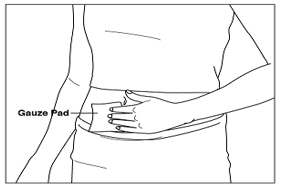
Instructions for Use MENOPUR ® (Men-oh-pyoor) (menotropins for injection) for subcutaneous use Your healthcare provider should show you how to mix and inject MENOPUR ® (menotropins for injection) or MENOPUR mixed with BRAVELLE ® (urofollitropin for injection, purified) before you do it for the first time. Before using MENOPUR or MENOPUR mixed with BRAVELLE for the first time, read this Instructions for Use carefully. Keep this leaflet in a safe place and read it when you have questions.
Supplies you will need to give your injection of MENOPUR or MENOPUR mixed with BRAVELLE. See Figure A. a clean, flat surface to work on, like a table vials of MENOPUR powder (and BRAVELLE powder if you are going to mix the 2 medicines) 1 vial of 0.9% Sodium Chloride, USP used for mixing the medicine alcohol pads rubbing alcohol gauze pads 1 sterile syringe and 1 sterile needle with cap. Your healthcare provider should tell you which syringe and needle to use. the Q•Cap ® (vial adapter) that comes with your medicine a sharps disposal container for throwing away your used needles and syringes.
See " Disposing of your used needles and syringes " at the end of these instructions. Step 1. Preparing your MENOPUR or MENOPUR mixed with BRAVELLE.
Wash your hands well with soap and water and dry them with a clean towel. Place all the supplies you need on the clean surface you already prepared. Check the vial(s) of MENOPUR (and BRAVELLE if needed) to make sure there is powder or a pellet in the vial(s).
If you do not see any powder in the vial(s) do not use the vial and call your pharmacist or healthcare provider. Check the 0.9% Sodium Chloride, USP vial to make sure that the liquid is clear and does not contain any particles. If you see any particles in the liquid or the liquid is discolored, do not use the vial and call your pharmacist or healthcare provider.
Check the Q•Cap blister pack package to make sure it is intact. Do not use if the package is damaged. Remove the plastic cap(s) from the vial(s) of MENOPUR (and BRAVELLE if needed) and 0.9% Sodium Chloride, USP vial(s).
See Figure B. Wipe the tops of the vials with alcohol and allow them to dry. Do not touch the tops of the vials after you have wiped them.
See Figure C. Place the vial of 0.9% Sodium Chloride, USP on the table. Open the Q•Cap blister pack by peeling back the lidding (See Figure D) .
Do not take the Q•Cap out of the blister pack at this time. Do not touch the spike or connector (luer) ends of the Q•Cap. Hold the 0.9% Sodium Chloride, USP vial in 1 hand.
With your other hand, hold the sides of the Q•Cap blister pack, turn the Q•Cap blister pack over, and place it on top of the vial. Push the Q•Cap straight down into the rubber stopper of the vial until the Q•Cap spike pierces the top of the vial and snaps into place. See Figure E.
Do not use the Q•Cap if it falls out of the blister pack. Throw it away and get a new one. Remove the blister pack and throw it away in your household trash.
Do not touch the connector end (luer) of the Q•Cap. See Figure F . Take the syringe and pull down on the syringe plunger rod until you have reached the line that corresponds with the amount of 0.9% Sodium Chloride, USP that your healthcare provider told you to use (typically 1 mL).
Air is just being drawn into the syringe at this step. See Figure G. NOTE: The usual amount of 0.9% Sodium Chloride, USP used to mix your MENOPUR is 1 mL.
Be very careful not to touch the syringe plunger during this step. Place the tip of the syringe into the connector end (luer) of the Q•Cap then twist the syringe clockwise until it is tight. Be careful not to overtighten the syringe.
See Figure H. Slowly push down on the syringe plunger to push the air from the syringe into the vial. See Figure I.
Keeping the syringe and Q•Cap together, turn the vial upside down and pull down on the syringe plunger to withdraw the right amount of 0.9% Sodium Chloride, USP from the vial. Your healthcare provider should tell you the right amo… [Excerpted — this section continues on DailyMed.]
📄 Package Label / Principal Display Panel ▾
PRINCIPAL DISPLAY PANEL - Kit Carton NDC 55566-7501-2 Menopur ® 75 IU (menotropins for injection) 5 single dose vials of Menotropins for Injection 5 single dose vials of 0.9% Sodium Chloride Injection, USP, 2 mL 5 Q•Cap ® Vial Adapters FOR SUBCUTANEOUS INJECTION ONLY Rx only Q•Cap ® Vial Adapters for Needle-Free Reconstitution For exclusive use with Ferring reproductive health products FERRING PHARMACEUTICALS PRINCIPAL DISPLAY PANEL - Kit Carton
About this NDC listing & data coverage
Kit / multi-component package
This NDC identifies a kit — a package containing more than one component. Structured data (pricing, ingredients, equivalents) is often reported per component rather than for the kit NDC itself, which can make this page look thinner than the components' own pages.
What data is (and isn’t) available for this NDC — tap to expand
| NDC identity (package / product / labeler codes) | ✓ Available |
| Labeler | ✓ Available |
| Product & package description | ✓ Available |
| Marketing category & status | ✓ Available |
| Active ingredient / dosage form / route | ✓ Available |
| FDA label (SPL via DailyMed) | ✓ Available |
| Package photos | ✓ Available |
| Inactive ingredients (structured) | — Not published for this NDC The labeler did not submit a structured excipient list, or no SPL is available. |
| NADAC pharmacy acquisition price (CMS) | ✓ Available |
| Orange Book / therapeutic-equivalence data | — Not published for this NDC Applies only to products approved under an NDA/ANDA; many listings are out of scope. |
| HCPCS J-code billing crosswalk | — Not published for this NDC Most self-administered / retail products have no J-code — that is normal. |
| Medicaid utilization (CMS SDUD) | — Not published for this NDC CMS reports utilization only for NDCs with Medicaid claims above its privacy threshold. |