
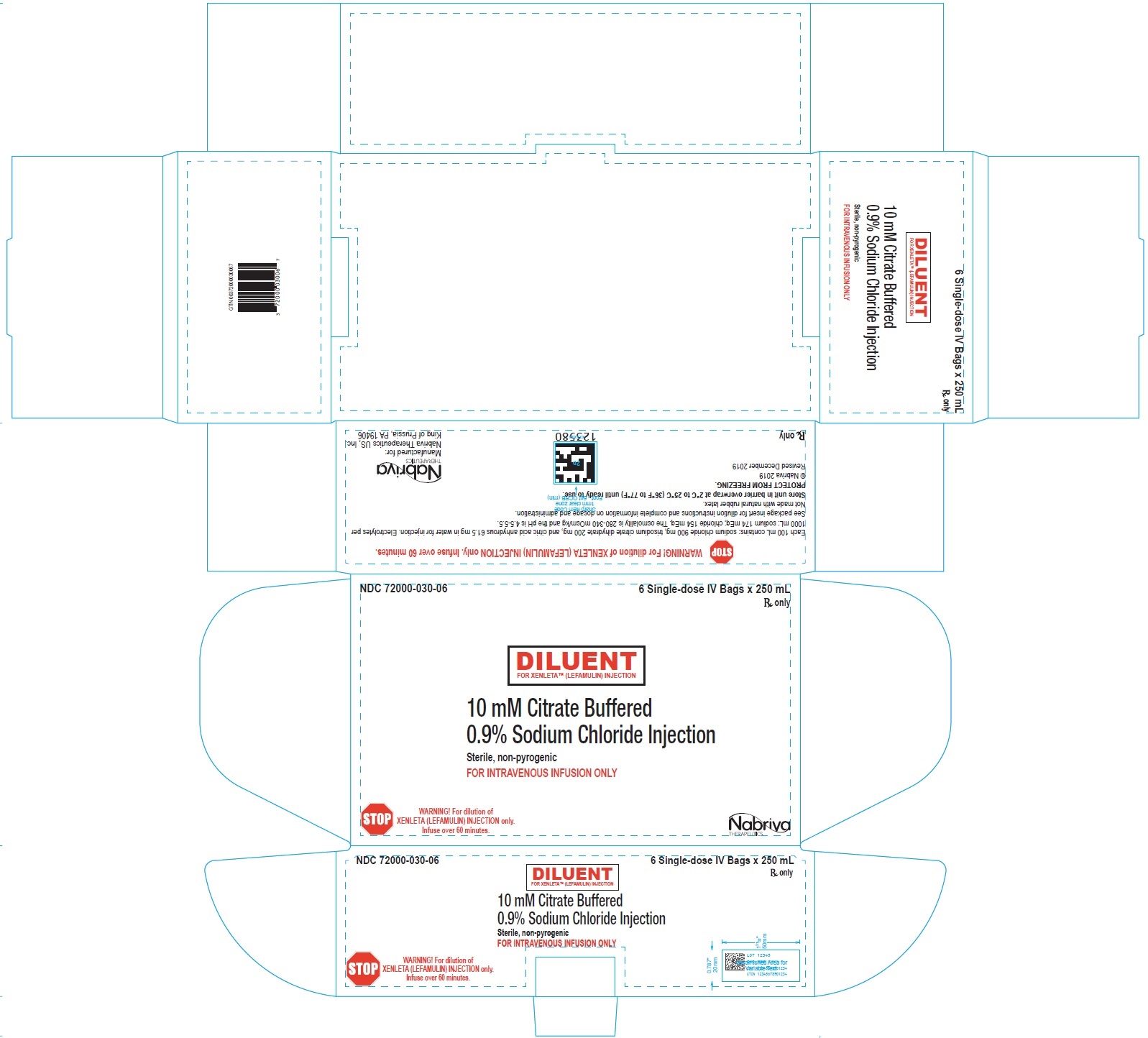
Citric Buffered Normal Saline anhydrous citric acid 166 mg/270mL Injection, Solution
🆔 Identity & classification
Where does this data come from?
🏭 Manufacturer & labeler
Where does this data come from?
🩺 Clinical
Patient education
Supplement & herbal interactions
Where does this data come from?
Ask a licensed pharmacist directly — free, answered by our team.
💊 What it looks like
Where does this data come from?
🧪 Inactive Ingredients / Excipients
Inactive ingredients, also called excipients, are components of the drug product other than the active ingredient. They may include fillers, dyes, coatings, preservatives, flavors, or other formulation ingredients.
Where does this data come from?
IACT rows and label-wide narrative are kept separate; availability and product-level specificity depend on the submitted label.Inactive ingredient FAQ
Are inactive ingredients the same for every manufacturer?
Why might an inactive ingredient be missing?
Can inactive ingredients matter?
💲 Pricing
A drug doesn't have one price. Each row is a different public payment system, and none is what you'd pay at the counter — that depends on your insurance. The ⓘ on each row explains what it measures.
| Price system | Per mL | Per package |
|---|---|---|
| Retail pharmacies payNADAC · weekly | Not in the retail survey — common for institutional, discontinued, or low-volume packs. | |
| Medicaid paysCMS SDUD · 12 mo | No recent Medicaid claims on file for this NDC — rare and low-volume NDCs are suppressed in the public data. | |
| Medicare drug plans payPart D · quarterly | No Part D plan price is available for this NDC in our data. | |
Where does this data come from?
🔁 Therapeutic equivalents
| Product | Labeler | Pack | NADAC/unit | TE | Status | Price vs. this |
|---|---|---|---|---|---|---|
| Citric Buffered Normal Saline 166 mg/270mLthis 72000-0030-06 | Nabriva | 270 ml | — | — | Discontinued | — |
Where does this data come from?
⏳ Availability & generic status
We did not find an FDA-approved generic match for this exact strength, form and route. Patent/protection dates below may affect future generic timing.
Why the date isn’t exact: Generic timing can change because patents may be challenged, settled, licensed, added, removed, or worked around with a narrower label — and FDA approval does not always mean a pharmacy can get the generic today.
🛈 What do these terms mean?
- Patent
- Legal protection listed in the Orange Book that may delay generic approval or launch. Issued by the U.S. Patent & Trademark Office.
- Substance patent
- Covers the active drug molecule itself — the hardest to design around. A generic generally can’t launch until it expires.
- Formulation (product) patent
- Covers a specific formulation or dosage form. A generic can sometimes work around it with a different formulation.
- Method-of-use patent
- A patent covering one specific approved use of the drug — not necessarily the whole molecule. A generic can sometimes launch with a “skinny label” that carves out the protected use and keeps the others.
- Skinny label
- A generic label that omits a still-patented use when the FDA allows it — letting a generic reach the market for the unprotected uses.
- Exclusivity
- FDA-granted marketing protection, separate from patents — e.g. 5-yr new chemical entity, 7-yr orphan drug, or a +6-month pediatric extension.
- Paragraph IV
- A generic applicant’s formal challenge to a listed patent. It can potentially lead to earlier generic entry, but often involves litigation or a settlement.
- RLD / RS
- Reference Listed Drug — the brand product the FDA uses as the reference for generic applications. Reference Standard — the product the FDA expects generics to compare against in bioequivalence testing.
- TE / AB rating
- FDA therapeutic-equivalence rating. An AB rating generally means the FDA considers a generic therapeutically equivalent to — and substitutable for — the brand.
- LOE (loss of exclusivity)
- The latest patent or exclusivity currently listed — the loss-of-exclusivity / latest-listed-protection date shown on this page. Paragraph-IV challenges and settlements can move the real date earlier; FDA approval and a manufacturer’s decision to market can move it later.
Built from the FDA Orange Book. The bars above are scaled to each protection’s expiry; the red LOE marker is the last one to lapse.
| Patent | Type | Use code | Expires |
|---|---|---|---|
| US 12121582 ↗ | Drug product | — | Jun 14, 2036 |
| US 8071643 ↗ | Drug substance | — | Mar 25, 2033 |
| US 8153689 ↗ | Drug substance | — | Mar 19, 2028 |
| Code | What it grants | Expires |
|---|---|---|
| NCE | New Chemical Entity (5-year) | Aug 19, 2024 |
| GAIN | Qualified Infectious Disease Product (+5-year) | Aug 19, 2029 |
Is there a generic version of DILUENT FOR LEFAMULIN(XENLETA)?
The FDA approved a generic — why can’t I get it at my pharmacy yet?
Why do different websites show different generic release dates?
What does “FDA listed” mean?
What does a patent or protection date mean here?
What does “current Orange Book estimate” mean?
Can a generic come out before the last patent expires?
Can a generic come out after the listed dates?
What is the difference between patents and exclusivity?
Why are there multiple patent dates?
Where does this data come from?
📦 Packaging — all sizes for this product
| Package NDC | Description | Marketing start | Status |
|---|---|---|---|
| 72000-0030-06 You're viewing this | 6 BAG in 1 CARTON (72000-030-06) / 270 mL in 1 BAG (72000-030-01) | 2019-09-09 | Inactivated by FDA |
🧭 About this NDC listing & data coverage
What data is (and isn’t) available for this NDC — tap to expand
| NDC identity (package / product / labeler codes) | ✓ Available |
| Labeler | ✓ Available |
| Product & package description | ✓ Available |
| Marketing category & status | ✓ Available |
| Active ingredient / dosage form / route | ✓ Available |
| FDA label (SPL via DailyMed) | ✓ Available |
| Package photos | ✓ Available |
| Inactive ingredients (structured) | — Not published for this NDC The labeler did not submit a structured excipient list, or no SPL is available. |
| NADAC pharmacy acquisition price (CMS) | — Not published for this NDC CMS publishes NADAC only for NDCs reported in its retail-pharmacy survey. |
| Orange Book / therapeutic-equivalence data | ✓ Available |
| HCPCS J-code billing crosswalk | — Not published for this NDC Most self-administered / retail products have no J-code — that is normal. |
| Medicaid utilization (CMS SDUD) | — Not published for this NDC CMS reports utilization only for NDCs with Medicaid claims above its privacy threshold. |
Questions about this listing
Why is there no price listed?
What does the discontinued status mean for this NDC?
Is the NDC printed on the package the same as the 11-digit billing NDC?
What do the three segments of this NDC mean?
Who lists this product with the FDA?
Do I need a prescription for this product?
Where does this data come from?
📄 Full prescribing information FDA SPL
🎯 Indications and Usage ▾
1 INDICATIONS AND USAGE XENLETA is a pleuromutilin antibacterial indicated for the treatment of adults with community-acquired bacterial pneumonia (CABP) caused by susceptible microorganisms. ( 1.1 ) To reduce the development of drug resistant bacteria and maintain the effectiveness of XENLETA and other antibacterial drugs, XENLETA should be used only to treat or prevent infections that are proven or strongly suspected to be caused by bacteria. ( 1.2 )
1.1Community-Acquired Bacterial Pneumonia (CABP) XENLETA is indicated for the treatment of adults with community-acquired bacterial pneumonia (CABP) caused by the following susceptible microorganisms: Streptococcus pneumoniae , Staphylococcus aureus (methicillin-susceptible isolates), Haemophilus influenzae , Legionella pneumophila , Mycoplasma pneumoniae , and Chlamydophila pneumoniae .
1.2Usage To reduce the development of drug-resistant bacteria and maintain the effectiveness of XENLETA and other antibacterial drugs, XENLETA should be used only to treat or prevent infections that are proven or strongly suspected to be caused by susceptible bacteria. When culture and susceptibility information are available, they should be considered in selecting or modifying antibacterial therapy. In the absence of such data, local epidemiology and susceptibility patterns may contribute to the empiric selection of therapy.
⏱️ Dosage and Administration ▾
2 DOSAGE AND ADMINISTRATION For treatment of adults with CABP, the recommended dosage of XENLETA is as follows: *With the option to switch to XENLETA Tablets 600 mg every 12 hours to complete the treatment course. Dosage Treatment Duration 150 mg every 12 hours by intravenous infusion over 60 minutes* ( 2.1 ) 5 to 7 days 600 mg orally every 12 hours.( 2.1 ) 5 days Patients with Hepatic Impairment : Reduce the dosage of XENLETA Injection to 150 mg infused over 60 minutes every 24 hours in patients with severe hepatic impairment (Child-Pugh Class C).
XENLETA Tablets have not been studied in and are not recommended for patients with moderate (Child-Pugh Class B) or severe hepatic impairment ( 2.2 ). Administration Instruction for XENLETA Tablets : Take at least 1 hour before a meal or 2 hours after a meal. Swallow XENLETA Tablets whole with water (6 to 8 ounces).
( 2.3 ) Administration Instruction for XENLETA Injection : Infuse over 60 minutes. ( 2.3 ) See Full Prescribing Information for additional information on the administration and preparation of XENLETA Tablets and Injection. ( 2.4 )
2.1Recommended Dosage For treatment of adults with CABP, the recommended dosage of XENLETA is described in Table 1 below. For patients with severe hepatic impairment, dosage adjustment is required [see Dosage and Administration ( 2.2 )] . Table 1: Dosage of XENLETA in Adult CABP Patients *With the option to switch to XENLETA Tablets 600 mg every 12 hours to complete the treatment course.
Dosage Treatment Duration 150 mg every 12 hours by intravenous infusion over 60 minutes* 5 to 7 days 600 mg orally every 12 hours 5 days
2.2Dosage Adjustment for Patients with Hepatic Impairment Monitor patients with hepatic impairment for adverse reactions associated with XENLETA Injection and Tablets throughout the treatment period [see Use in Specific Populations ( 8.6 ) and Clinical Pharmacology ( 12.3 )]. XENLETA Injection Reduce the dosage of XENLETA Injection to 150 mg infused intravenously over 60 minutes every 24 hours for patients with severe hepatic impairment (Child-Pugh Class C). No dosage adjustment of XENLETA Injection is needed for patients with mild (Child-Pugh Class A) or moderate (Child-Pugh Class B) hepatic impairment.
XENLETA Tablets XENLETA Tablets have not been studied in and are not recommended for patients with moderate (Child-Pugh Class B) or severe (Child-Pugh Class C) hepatic impairment. No dosage adjustment of XENLETA Tablets is needed for patients with mild hepatic impairment (Child-Pugh Class A).
2.3Important Administration Instructions XENLETA Injection Administer XENLETA Injection by intravenous infusion over 60 minutes. Must dilute in a 250 mL solution of 10 mM citrate buffered 0.9% sodium chloride for injection supplied with XENLETA Injection before use [see Dosage and Administration ( 2.4 )] . XENLETA Tablets Take XENLETA Tablets at least 1 hour before a meal or 2 hours after a meal.
Swallow XENLETA Tablets whole with water (6 to 8 ounces). Do not crush or divide XENLETA Tablets [see Clinical Pharmacology ( 12.3 )]. Missed Dose If a dose is missed, the patient should take the dose as soon as possible and anytime up to 8 hours prior to the next scheduled dose.
If less than 8 hours remain before the next scheduled dose, do not take the missed dose, and resume dosing at the next scheduled dose.
2.4Preparation of XENLETA Injection for Intravenous Infusion Dilute the entire 15 mL vial of XENLETA Injection into the diluent bag supplied with XENLETA injection that contains 250 mL of 10 mM citrate buffered 0.9% sodium chloride. Use aseptic technique when adding XENLETA Injection into the diluent bag. Mix thoroughly.
Parenteral drug products should be inspected visually for particulate matter and discoloration prior to administration, whenever solution and container permit. Use the diluent bag only if the solution is clear and the container is undamaged. Do not use the diluent bag in series connections.
Do not add other additives…
💊 Dosage Forms and Strengths ▾
3 DOSAGE FORMS AND STRENGTHS XENLETA Injection Clear, colorless solution in a single-dose clear glass vial. Each vial contains 150 mg of lefamulin in 15 mL of 0.9% sodium chloride for further dilution [see Dosage and Administration ( 2.4 )] . XENLETA Tablets Blue, oval, film-coated tablet with ‘LEF 600’ printed in black on one side.
Each tablet contains 600 mg of lefamulin. Injection A single-dose clear glass vial containing 150 mg of lefamulin in 15 mL of 0.9% sodium chloride for further dilution prior to intravenous infusion. ( 3 ) Tablets 600 mg of lefamulin.
( 3 )
⛔ Contraindications ▾
4 CONTRAINDICATIONS XENLETA is contraindicated in patients with known hypersensitivity to lefamulin, pleuromutilin class drugs, or any of the components of XENLETA. ( 4.1 ) Concomitant use of XENLETA tablets with CYP3A substrates that prolong the QT interval is contraindicated. ( 4.2 )
4.1Hypersensitivity XENLETA is contraindicated in patients with known hypersensitivity to lefamulin, pleuromutilin class drugs, or any of the components of XENLETA.
4.2CYP3A4 Substrates That Prolong the QT Interval XENLETA Tablets are contraindicated with sensitive CYP3A4 substrates that prolong the QT interval (for example, pimozide). Concomitant administration of oral XENLETA with sensitive CYP3A4 substrates may result in increased plasma concentrations of these drugs, leading to QT prolongation and cases of torsades de pointes [see Warnings and Precautions ( 5.1 ), Drug Interactions ( 7.2 ), and Clinical Pharmacology ( 12.3 )] .
⚠️ Warnings and Cautions ▾
5 WARNINGS AND PRECAUTIONS QT Prolongation : Avoid use in patients with known QT prolongation, ventricular arrhythmias including torsades de pointes, and patients receiving drugs that prolong the QT interval such as antiarrhythmic agents. ( 5.1 ) Embryo-Fetal Toxicity : May cause fetal harm. Advise females of reproductive potential of the potential risk to the fetus and to use effective contraception.
( 5.2 , 8.1 , 8.3 ) Clostridioides difficile -associated Diarrhea (CDAD) : Evaluate patients who develop diarrhea. ( 5.3 )
5.1QT Prolongation XENLETA has the potential to prolong the QT interval of the electrocardiogram (ECG) in some patients. Avoid XENLETA use in the following patients: Patients with known prolongation of the QT interval Patients with ventricular arrhythmias including torsades de pointes Patients receiving Class IA (for example, quinidine, procainamide) or Class III (for example, amiodarone, sotalol) antiarrhythmic agents Patients receiving other drugs that prolong the QT interval, such as antipsychotics, erythromycin, pimozide, moxifloxacin, and tricyclic antidepressants In patients with renal failure who require dialysis, metabolic disturbances associated with renal failure may lead to QT prolongation.
In patients with mild, moderate, or severe hepatic impairment, metabolic disturbances associated with hepatic impairment may lead to QT prolongation. If use with XENLETA cannot be avoided in specific populations predisposed to QT prolongation or those receiving another drug that prolongs the QT interval, ECG monitoring is recommended during treatment. The magnitude of QT prolongation may increase with increasing concentrations of XENLETA or increasing the rate of infusion of the intravenous formulation.
Therefore, the recommended dose and infusion rate should not be exceeded.
5.2Embryo-Fetal Toxicity Based on findings from animal studies, lefamulin may cause fetal harm when administered to pregnant women. Animal studies indicate that administration of lefamulin resulted in an increased incidence of post-implantation fetal loss and stillbirths in rats and rabbits treated during the period of organogenesis or in rats treated from the beginning of organogenesis through the time of weaning. Additional rat pup deaths were observed during early lactation that were likely related to maternal treatment with lefamulin.
Decreased fetal body weights and ossification in rats and rabbits, and apparent delay in sexual maturation in rats may indicate treatment-related developmental delay, while other findings such as malformations in rats at systemic exposures lower than the systemic exposure in CABP patients may indicate a risk for embryo-fetal toxicity. Verify pregnancy status in females of reproductive potential prior to initiating XENLETA. Advise females of reproductive potential to use effective contraception during treatment with XENLETA and for 2 days after the final dose.
Advise pregnant women and females of reproductive potential of the potential risk to a fetus [see Use in Specific Populations ( 8.1 , 8.3 )] .
5.3Clostridioides difficile -associated Diarrhea Clostridioides difficile -associated diarrhea (CDAD) has been reported with use of nearly all antibacterial agents, including XENLETA, and may range in severity from mild diarrhea to fatal colitis. Treatment with antibacterial agents alters the normal flora of the colon leading to overgrowth of C. difficile . C. difficile produces toxins A and B which contribute to the development of CDAD.
Hypertoxin-producing isolates of C. difficile cause increased morbidity and mortality, as these infections can be refractory to antimicrobial therapy and may require colectomy. CDAD must be considered in all patients who present with diarrhea following antibacterial drug use. Careful medical history is necessary since CDAD has been reported to occur over two months after the administration of antibacterial agents.
If CDAD is suspected or confirmed, ongoing antibacterial drug…
🤒 Adverse Reactions ▾
6 ADVERSE REACTIONS The following clinically significant adverse reactions are described elsewhere in the labeling: QT Prolongation [see Warnings and Precautions ( 5.1 )] . Clostridioides difficile -associated Diarrhea [see Warnings and Precautions ( 5.3 )] . Most common adverse reactions (incidence ≥2%) are: XENLETA Injection : administration site reactions, hepatic enzyme elevation, nausea, hypokalemia, insomnia, headache.
( 6.1 ) XENLETA Tablets : diarrhea, nausea, vomiting, hepatic enzyme elevation. ( 6.1 ) To report SUSPECTED ADVERSE REACTIONS, contact Nabriva Therapeutics US, Inc. at 1-855-5NABRIVA or FDA at 1-800-FDA-1088 or www.fda.gov/medwatch .
6.1Clinical Trials Experience Because clinical trials are conducted under widely varying conditions, adverse reaction rates observed in the clinical trials of a drug cannot be directly compared to rates in the clinical trials of another drug and may not reflect the rates observed in practice. XENLETA was evaluated in two clinical trials in CABP patients (Trial 1 and Trial 2). Across the two trials, a total of 641 patients were treated with XENLETA.
Trial 1 (intravenous [IV] to oral dosing switch trial) enrolled 551 adult patients, 276 randomized to XENLETA (273 received at least one dose of XENLETA) and 275 randomized to moxifloxacin (273 received at least one dose of moxifloxacin). Trial 2 (oral dosing only trial) enrolled 738 adult patients, 370 randomized to XENLETA (368 received at least one dose of XENLETA) and 368 randomized to moxifloxacin (all 368 received at least one dose of moxifloxacin). Trial 1 enrolled patients with Pneumonia Outcomes Research Team (PORT) Risk Class III-V.
The mean duration of intravenous treatment was 6 days; the mean total duration of treatment was 7 days. Trial 2 enrolled patients with PORT Risk Class II-IV. The mean duration of treatment was 5 days for XENLETA and 7 days for moxifloxacin.
In Trial 1 and Trial 2 (pooled), the median age of patients treated with XENLETA was 61 (range 19-97) years; 42% of patients were 65 years or older and 18% were 75 years or older. Patients were predominantly male (58%) and white (79%) and had a median body mass index (BMI) of 26.0 (range 13.0-56.8) kg/m 2 . Approximately 52% of XENLETA-treated patients had creatinine clearance (CrCl) <90 mL/min.
Serious Adverse Reactions and Adverse Reactions Leading to Discontinuation In Trial 1 and Trial 2 (pooled), serious adverse reactions occurred in 36/641 (5.6%) patients treated with XENLETA and 31/641 (4.8%) patients treated with moxifloxacin. Treatment was discontinued due to an adverse reaction in 21/641 (3.3%) patients treated with XENLETA and 21/641 (3.3%) patients treated with moxifloxacin. Death within 28 days occurred in 8/641 (1.2%) patients treated with XENLETA and 7/641 (1.1%) patients treated with moxifloxacin.
Most Common Adverse Reactions Table 2 and Table 3 include adverse reactions occurring in ≥2% of patients receiving XENLETA in Trials 1 and 2. Table 2: Adverse Reactions Occurring in ≥2% of Patients Receiving XENLETA in Trial 1 *Administration site reactions include infusion site pain, infusion site phlebitis, and injection site reaction. **Hepatic enzyme elevation includes alanine aminotransferase increased, aspartate aminotransferase increased, and liver function test increased. Adverse Reaction Trial 1 IV ± Oral Dosing XENLETA N=273 Moxifloxacin N=273 Administration site reactions* 7% 3% Hepatic enzyme elevation** 3% 3% Nausea 3% 2% Hypokalemia 3% 2% Insomnia 3% 2% Headache 2% 2% Table 3: Adverse Reactions Occurring in ≥2% of Patients Receiving XENLETA in Trial 2 **Hepatic enzyme elevation includes alanine aminotransferase increased, aspartate aminotransferase increased, and liver function test increased.
Adverse Reaction Trial 2 Oral Dosing XENLETA N=368 Moxifloxacin N=368 Diarrhea 12% 1% Nausea 5% 2% Vomiting 3% 1% Hepatic enzyme elevation** 2% 2% Selected Adverse Reactions Occurring in Less Than 2% of Patients Receiving XENLETA in Trials 1 and…
🔄 Drug Interactions ▾
7 DRUG INTERACTIONS XENLETA Injection Strong or moderate CYP3A inducers or P-gp inducers Avoid XENLETA unless the benefit outweighs the risk. Monitor for reduced efficacy. ( 7.1 ) XENLETA Tablets Strong or moderate CYP3A inducers or P-gp inducers Avoid XENLETA unless the benefit outweighs the risk.
Monitor for reduced efficacy. ( 7.1 ) Strong CYP3A inhibitors or P-gp inhibitors Avoid XENLETA. ( 7.1 ) Moderate CYP3A inhibitors or P-gp inhibitors Monitor for adverse reactions.
( 7.1 ) CYP3A substrates that prolong the QT interval Concomitant use is contraindicated. ( 4.2 , 7.2 ) Midazolam and other sensitive CYP3A substrates Monitor for adverse reactions. ( 7.2 )
7.1Effect of Other Drugs on XENLETA Strong and Moderate CYP3A Inducers or P-gp Inducers Concomitant use of oral or intravenous XENLETA with strong CYP3A4 inducers or P-gp inducers decreases lefamulin AUC and C max [see Clinical Pharmacology ( 12.3 )] ,which may reduce the efficacy of XENLETA. Avoid concomitant use of XENLETA Injection and XENLETA Tablets with strong and moderate CYP3A4 inducers or P-gp inducers unless the benefit outweighs the risks. Strong and Moderate CYP3A Inhibitors or P-gp Inhibitors Concomitant use of XENLETA Tablets with strong CYP3A inhibitors or P-gp inhibitors increases lefamulin AUC [see Clinical Pharmacology ( 12.3 )] , which may increase the risk of adverse reactions with XENLETA Tablets.
Avoid concomitant use of XENLETA Tablets with strong CYP3A inhibitors or P-gp inhibitors. Monitor for adverse effects of XENLETA Tablets when administered concomitantly with moderate CYP3A inhibitors or P-gp inhibitors.
7.2Effect of XENLETA on Other Drugs CYP3A4 Substrates Concomitant use of XENLETA Tablets with sensitive CYP3A4 substrates increases the AUC and C max of CYP3A4 substrates [see Clinical Pharmacology ( 12.3 )] , which may increase the risk of toxicities associated with cardiac conduction. Concomitant use with CYP3A substrates known to prolong the QT interval is contraindicated [see Contraindications ( 4.2 )] . Concomitant use of sensitive CYP3A substrates with XENLETA Tablets requires close monitoring for adverse effects of these drugs (for example, alprazolam, diltiazem, verapamil, simvastatin, vardenafil).
Concomitant use of XENLETA Injection with CYP3A4 substrates does not affect the exposure of CYP3A4 substrates.
7.3Drugs that Prolong QT The pharmacodynamic interaction potential to prolong the QT interval of the electrocardiogram between XENLETA and other drugs that effect cardiac conduction is unknown. Therefore, avoid concomitant use of XENLETA Injection and XENLETA Tablets with such drugs (for example, Class IA and III antiarrhythmics, antipsychotics, erythromycin, moxifloxacin, tricyclic antidepressants).
👥 Use in Specific Populations ▾
8 USE IN SPECIFIC POPULATIONS Lactation : A lactating woman should pump and discard human milk for the duration of treatment with XENLETA and for 2 days after the final dose. ( 8.2 )
8.1Pregnancy Risk Summary Based on findings from animal studies, lefamulin may cause fetal harm when administered to pregnant women. There are no available data on the use of XENLETA in pregnant women to evaluate for a drug-associated risk of major birth defects, miscarriage or adverse maternal or fetal outcomes. Animal studies indicate that intravenous administration of lefamulin during organogenesis resulted in an increased incidence of prenatal mortality at mean maternal exposures 0.9 times the mean exposure in clinical patients (based on AUC 0-24h ), decreased fetal body weights, apparent delay in sexual maturation that suggest treatment-related developmental delay, and malformations in rats at maternal exposures greater than 0.4 times the mean exposure in CABP patients for which the litter incidence was nonexistent in concurrent controls and rare (0 to approximately 0.3%) in historical controls.
Decreased ossification was seen in fetuses at all doses in a dose-related manner, suggestive of developmental delay (see Data ). The estimated background risk of major birth defects and miscarriage for the indicated population is unknown. All pregnancies have a background risk of birth defect, loss, or other adverse outcomes.
In the U.S. general population, the estimated background risk of major birth defects and miscarriage in clinically recognized pregnancies is 2 to 4% and 15 to 20%, respectively. There is a pregnancy pharmacovigilance program for XENLETA. If XENLETA is inadvertently administered during pregnancy or if a patient becomes pregnant while receiving XENLETA, healthcare providers should report XENLETA exposure by calling 1-855-5NABRIVA to enroll.
Data Animal Data In a prenatal and postnatal development study in rats treated from the beginning of organogenesis through lactation (Gestation Day [GD] 6 through lactation day 21), the percent of live births was reduced (87.4% compared with the concurrent control of 98.7%) in the high dose group of 100 mg/kg/day (0.9 times the mean exposure in CABP patients treated IV). Equivocal findings in that study were indicative of early post-natal mortality and apparent developmental delay that may be related to pre-natal effects.
In the rat embryo-fetal development study of IV lefamulin during organogenesis (GD 6-17), findings included late resorptions in the high-dose group and malformations (cleft palate/jaw/vertebral malformations at the mid and high doses and enlarged ventricular heart chamber with a thin ventricular wall at the high dose) for which the litter incidence was nonexistent in concurrent controls and rare in historical controls (0 to approximately 0.3%). Decreased or no ossification in a number of skeletal elements in all treated groups may indicate treatment-related developmental delay at all doses.
The mean exposure at the lowest dose was approximately 0.4 times the mean exposure in CABP patients treated IV. The main human metabolite, 2 R -hydroxy lefamulin, was evaluated in an embryo-fetal development study in rats after IV administration and was also associated with the same cardiac malformation seen in the above study, enlarged ventricular heart chamber with or without a thin ventricular wall (which could be associated with undetected valve or great vessel anomalies). In the rabbit embryo-fetal development study of IV lefamulin during organogenesis (GD 6-18), low numbers of live fetuses in utero in treated groups limited evaluation of the study.
Additional findings at the high dose included decreased fetal weight and decreased or no ossification of skeletal elements, which may be indicative of developmental delay. A NOAEL was not determined. The lowest dose (not fully evaluated due to fetal mortality) would correspond to a mean exposure approximately 0.1 times the mean exposure in…
🤰 Pregnancy ▾
8.1Pregnancy Risk Summary Based on findings from animal studies, lefamulin may cause fetal harm when administered to pregnant women. There are no available data on the use of XENLETA in pregnant women to evaluate for a drug-associated risk of major birth defects, miscarriage or adverse maternal or fetal outcomes. Animal studies indicate that intravenous administration of lefamulin during organogenesis resulted in an increased incidence of prenatal mortality at mean maternal exposures 0.9 times the mean exposure in clinical patients (based on AUC 0-24h ), decreased fetal body weights, apparent delay in sexual maturation that suggest treatment-related developmental delay, and malformations in rats at maternal exposures greater than 0.4 times the mean exposure in CABP patients for which the litter incidence was nonexistent in concurrent controls and rare (0 to approximately 0.3%) in historical controls.
Decreased ossification was seen in fetuses at all doses in a dose-related manner, suggestive of developmental delay (see Data ). The estimated background risk of major birth defects and miscarriage for the indicated population is unknown. All pregnancies have a background risk of birth defect, loss, or other adverse outcomes.
In the U.S. general population, the estimated background risk of major birth defects and miscarriage in clinically recognized pregnancies is 2 to 4% and 15 to 20%, respectively. There is a pregnancy pharmacovigilance program for XENLETA. If XENLETA is inadvertently administered during pregnancy or if a patient becomes pregnant while receiving XENLETA, healthcare providers should report XENLETA exposure by calling 1-855-5NABRIVA to enroll.
Data Animal Data In a prenatal and postnatal development study in rats treated from the beginning of organogenesis through lactation (Gestation Day [GD] 6 through lactation day 21), the percent of live births was reduced (87.4% compared with the concurrent control of 98.7%) in the high dose group of 100 mg/kg/day (0.9 times the mean exposure in CABP patients treated IV). Equivocal findings in that study were indicative of early post-natal mortality and apparent developmental delay that may be related to pre-natal effects.
In the rat embryo-fetal development study of IV lefamulin during organogenesis (GD 6-17), findings included late resorptions in the high-dose group and malformations (cleft palate/jaw/vertebral malformations at the mid and high doses and enlarged ventricular heart chamber with a thin ventricular wall at the high dose) for which the litter incidence was nonexistent in concurrent controls and rare in historical controls (0 to approximately 0.3%). Decreased or no ossification in a number of skeletal elements in all treated groups may indicate treatment-related developmental delay at all doses.
The mean exposure at the lowest dose was approximately 0.4 times the mean exposure in CABP patients treated IV. The main human metabolite, 2 R -hydroxy lefamulin, was evaluated in an embryo-fetal development study in rats after IV administration and was also associated with the same cardiac malformation seen in the above study, enlarged ventricular heart chamber with or without a thin ventricular wall (which could be associated with undetected valve or great vessel anomalies). In the rabbit embryo-fetal development study of IV lefamulin during organogenesis (GD 6-18), low numbers of live fetuses in utero in treated groups limited evaluation of the study.
Additional findings at the high dose included decreased fetal weight and decreased or no ossification of skeletal elements, which may be indicative of developmental delay. A NOAEL was not determined. The lowest dose (not fully evaluated due to fetal mortality) would correspond to a mean exposure approximately 0.1 times the mean exposure in CABP patients.
Results of animal studies indicate that lefamulin crosses the placenta and is found in fetal tissues. Following a single intravenous administration of 30 mg/kg radio-la…
🧒 Pediatric Use ▾
8.4Pediatric Use The safety and effectiveness of XENLETA in patients less than 18 years of age has not yet been established.
🧓 Geriatric Use ▾
8.5Geriatric Use Of the 646 patients randomized to XENLETA in Trials 1 and 2, 268 (41.5%) were ≥65 years of age. Early clinical response (ECR) rates in the subgroup of patients ≥65 were similar to ECR rates in subjects <65 years of age and comparable across treatment groups (XENLETA versus moxifloxacin). The adverse reaction profiles in patients ≥65 years and in patients <65 years of age were similar.
The percentage of patients in the XENLETA group who had at least one adverse reaction was 30% in patients ≥65 years and 38% in patients <65 years.
🆘 Overdosage ▾
10 OVERDOSAGE Treatment of overdose with XENLETA should consist of observation and general support measures. Lefamulin and its primary metabolite are not dialyzable.
🧬 Clinical Pharmacology ▾
12 CLINICAL PHARMACOLOGY
12.1Mechanism of Action XENLETA is an antibacterial drug [see Microbiology ( 12.4 )] .
12.2Pharmacodynamics The 24 h free-drug AUC to minimal inhibitory concentration (MIC) ratio has been shown to be the best Pharmacokinetic-Pharmacodynamic (PK-PD) index for the antibacterial activity of lefamulin in animal infection models of Streptococcus pneumoniae and Staphylococcus aureus pneumonia. Cardiac Electrophysiology The QTcF interval prolongation risk of XENLETA was evaluated using 2 randomized, double-blind, double-dummy, active controlled (moxifloxacin 400 mg once daily), parallel group, trials (Trials 1 and 2) in adult patients with CABP.
A concentration dependent QTc prolongation effect of XENLETA was observed. The mean change from baseline QTcF (90% two-sided upper confidence interval) values around T max on day 3 or 4 were 13.6 ms (15.5 ms) for 150 mg injection administered twice daily as infusion and 9.3 ms (10.9 ms) for 600 mg tablet administered twice daily. The mean change from baseline QTcF (90% two-sided upper confidence interval) values around T max for the moxifloxacin randomized comparison arm on day 3 or 4 were 16.4 ms (18.3 ms) for 400 mg injection administered once daily as infusion and 11.6 ms (13.2 ms) for 400 mg tablet administered once daily.
12.3Pharmacokinetics Following single-dose intravenous administration, the AUC of lefamulin increased approximately dose-proportionally while the C max of lefamulin increased less than dose-proportionally over a dose range of 25 mg (0.17 times the approved dose) to 400 mg (2.67 times the approved dose). Following single-dose oral administration, the AUC of lefamulin increased more than dose proportionally over a dose range of 500 mg (0.8 times the approved dose) to 750 mg (1.25 times the approved dose). Pharmacokinetic (PK) parameters of lefamulin following administration of XENLETA Injection or Tablets to patients with CABP are listed in Table 4 .
The mean lefamulin AUC 0-24h and C max in patients with CABP were 73% and 30% higher, respectively, compared with healthy subjects. Table 4: Pharmacokinetic (PK) Parameters of Lefamulin Following Single or Multiple Dose (Every 12 Hours) XENLETA Administered as 150 mg (Infused Over 60 Minutes) Intravenously (IV) or 600 mg Orally in Patients with CABP a a Based on population PK modeling (Trial 1 for IV administration and Trial 2 for oral administration) b C max =maximum plasma concentration; C min =trough plasma concentration; AUC 0–24h =area under the plasma concentration-time curve from time zero to 24 hours c Dose administered under fasting conditions (1 hour before or 2 hours after a meal) PK Parameters b Administration Route Arithmetic Mean (% CV) Day 1 Steady State C max (mcg/mL) IV 3.50 (11.7) 3.60 (14.6) Oral c 2.24 (36.4) 2.24 (37.1) C min (mcg/mL) IV 0.398 (68.1) 0.573 (89.4) Oral c 0.593 (67.3) 0.765 (75.7) AUC 0-24h (mcg·h/mL) IV 27.0 (31.8) 28.6 (46.9) Oral c 30.7 (45.0) 32.7 (49.2) Absorption The mean oral bioavailability of XENLETA Tablets is approximately 25% and peak lefamulin plasma concentration occurred 0.88 to 2 hours after administration to healthy subjects.
Effect of Food The concomitant administration of a single oral dose of 600 mg XENLETA Tablets with a high fat (approximately 50% of total calories from fat), high calorie breakfast (approximately 800-1000 calories) slightly reduced bioavailability. The mean relative reduction for oral XENLETA (fasted vs. fed) was on average 22.9% [90% CI: 12.2; 32.3] for the C max and 18.43% [90% CI: 11.7; 24.7] for the AUC 0-inf . Distribution Mean plasma protein binding of lefamulin ranges from 94.8% at 2.35 mcg/mL to 97.1% at 0.25 mcg/mL in healthy adults.
The mean (min to max) steady state volume of distribution of lefamulin is
86.1L (34.2 to 153 L) in patients with CABP after administration of XENLETA Injection. Following a single IV administration of lefamulin 150 mg to healthy subjects, the highest lefamulin epithelial lining fluid (…
🧬 Mechanism of Action ▾
12.1Mechanism of Action XENLETA is an antibacterial drug [see Microbiology ( 12.4 )] .
📦 How Supplied / Storage and Handling ▾
16 HOW SUPPLIED/STORAGE AND HANDLING XENLETA is supplied in the following strengths and package configurations: XENLETA Injection How Supplied XENLETA Injection is a clear, colorless, sterile, nonpyrogenic solution for intravenous administration containing 150 mg of lefamulin in 15 mL 0.9% sodium chloride in a single-dose vial intended for dilution in 250 mL of 10 mM citrate buffered (pH 5) 0.9% sodium chloride. The drug product is provided in a clear type I glass 15 mL vial with a gray rubber stopper, aluminum seal and flip off cap.
The diluent is provided in infusion bags containing 250 mL of sterile, nonpyrogenic 10 mM citrate buffered (pH 5) 0.9% sodium chloride solution. The vial stopper and infusion bag are not made with natural rubber latex. They are supplied as follows: 150 mg single dose lefamulin vials (NDC 72000-120-06); packed in cartons of 6.
250 mL citrate buffer diluent bags (NDC 72000-030-06); packed in cartons of 6. Storage and Handling XENLETA Injection should be stored at 2°C to 8°C (36°F to 46°F). Store in a refrigerator.
Do not freeze. The diluent bags should be stored in barrier overwrap at 2°C to 25°C (36°F to 77°F) until ready to use. [see Dosage and Administration ( 2.5 )] . XENLETA Tablets How Supplied XENLETA Tablets are available as blue, oval, film-coated tablets containing 600 mg lefamulin.
The tablets are printed with ‘LEF 600’ in black on one side. They are supplied as follows: Child-resistant blister cards of 10 tablets (NDC 72000-110-10). HDPE bottles of 30 tablets with Child-resistant Closure (NDC 72000-110-30).
Storage and Handling XENLETA Tablets should be stored at 20°C to 25°C (68°F to 77°F); excursions permitted to 15°C to 30°C (59°F to 86°F) [see USP Controlled Room Temperature].
📋 Description ▾
11 DESCRIPTION XENLETA is a semi-synthetic antibacterial agent for oral and intravenous administration. XENLETA, a pleuromutilin derivative, is available as 14- O -{[(1 R ,2 R ,4 R )-4-amino-2-hydroxy-cyclohexylsulfanyl]-acetyl}-mutilin in the form of an acetic acid salt (acetate). It is a chemical substance with a molecular weight of 567.79 grams per mole.
Its empirical formula is C 30 H 49 NO 7 S and its chemical structure is: XENLETA Tablets for oral administration are available as blue, oval, film-coated tablets containing 671 mg lefamulin acetate equivalent to 600 mg lefamulin. The inactive ingredients are colloidal silicon dioxide, croscarmellose sodium, FD&C Blue No 2 aluminum lake, ferrosoferric oxide, magnesium stearate, mannitol, microcrystalline cellulose, polyethylene glycol, polyvinyl alcohol (partially hydrolyzed), povidone K30, shellac glaze, talc, and titanium dioxide.
XENLETA Injection supplied as a sterile injection for intravenous use is available as a clear colorless solution in a glass vial containing 168 mg of lefamulin acetate equivalent to 150 mg of lefamulin in 15 mL of 0.9% sodium chloride. This is equivalent to 10 mg/mL lefamulin. The inactive ingredients are sodium chloride and water for injection.
XENLETA Injection must be diluted with the diluent supplied with XENLETA Injection, before administration by intravenous infusion. Each supplied diluent infusion bag contains 250 mL of 10 mM citrate buffered (pH 5) 0.9% sodium chloride. The diluent is a clear, colorless solution.
The inactive ingredients are citric acid anhydrous, sodium chloride, trisodium citrate dihydrate, and water for injection. Each 100 mL contains: sodium chloride 900 mg, trisodium citrate dihydrate 200 mg, and citric acid anhydrous 61.5 mg in water for injection. Electrolytes per 1000 mL: sodium 174 mEq; chloride 154 mEq.
The osmolality is 280-340 mOsm/kg and the pH is 4.5-5.5. Chemical Structure
💬 Information for Patients ▾
17 PATIENT COUNSELING INFORMATION Diarrhea Advise patients that diarrhea is a common problem caused by antibacterial drugs, including XENLETA, which usually ends when the antibacterial drug is discontinued. Sometimes after starting treatment with an antibacterial drug, patients can develop watery stools (with or without stomach cramps and fever) which may be a sign of a more serious intestinal infection, even as late as 2 or more months after having taken the last dose of the antibacterial drug. If this occurs, instruct patients to contact their healthcare provider as soon as possible [see Warnings and Precautions ( 5.3 ), and Adverse Reactions ( 6.1 )] .
Nausea and Vomiting Advise patients that nausea and vomiting are common adverse reactions to XENLETA [see Adverse Reactions ( 6.1 )] . Drug Interactions Advise patients of the potential interaction other medications can have with XENLETA or the effect XENLETA may have on other medications, as these interactions may result in decreased effectiveness or increased toxicities of either XENLETA or the other medications. Patients should alert their physician if they are currently taking any medication(s) (including herbal or nutritional supplements) or are prescribed new medication(s) during treatment with XENLETA [see Drug Interactions ( 7 )] .
Allergic Reactions Advise patients that allergic reactions, including serious allergic reactions, could occur with XENLETA and that serious allergic reactions require immediate treatment. Ask the patient about any previous hypersensitivity reactions to XENLETA, or other pleuromutilin class antibacterial drugs [see Contraindications ( 4 )] . Administration with Food Advise patients that XENLETA should be taken at least 1 hour before a meal or 2 hours after a meal and should be swallowed whole with water (6 to 8 ounces).
XENLETA should not be crushed or divided [see Dosage and Administration ( 2.3 ) and Clinical Pharmacology ( 12.3 )] . Embryo-Fetal Toxicity Advise pregnant women and females of reproductive potential of the potential risk to a fetus, and to inform their healthcare provider of a known or suspected pregnancy. Advise patients to avoid becoming pregnant while receiving this drug [see Warnings and Precautions ( 5.2 ) and Use in Specific Populations ( 8.1 )] .
Advise females of reproductive potential to use effective contraception during treatment with XENLETA and for 2 days after the final dose [see Warnings and Precautions ( 5.2 ) and Use in Specific Populations ( 8.3 )] . Inform patients that Nabriva Therapeutics has a surveillance program for pregnant women who have inadvertently taken XENLETA during pregnancy. Advise patients to call 1-855-5NABRIVA to enroll [see Use in Specific Populations ( 8.1 )] .
Lactation Advise lactating women to pump and discard human milk for the duration of treatment with XENLETA and for 2 days after the final dose [see Use in Specific Populations ( 8.2 )] . Antibacterial Resistance Patients should be counseled that antibacterial drugs including XENLETA should only be used to treat bacterial infections. They do not treat viral infections (e.g., the common cold).
When XENLETA is prescribed to treat a bacterial infection, patients should be told that although it is common to feel better early in the course of treatment, the medication should be taken exactly as directed. Skipping doses or not completing the full course of therapy may (1) decrease the effectiveness of the immediate treatment and (2) increase the likelihood that bacteria will develop resistance and will not be treatable by XENLETA or other antibacterial drugs in the future [see Warnings and Precautions ( 5.4 )] .
Distributed by: Nabriva Therapeutics US, Inc. Fort Washington, PA 19034 Nabriva Therapeutics is a trademark of Nabriva Therapeutics US, Inc. XENLETA is a trademark of Nabriva Therapeutics US, Inc.
For patent information: www.nabriva.com/patents Copyright © 2019-2021 Nabriva Therapeutics US, Inc., an affiliate of Nabriva Therapeu…