
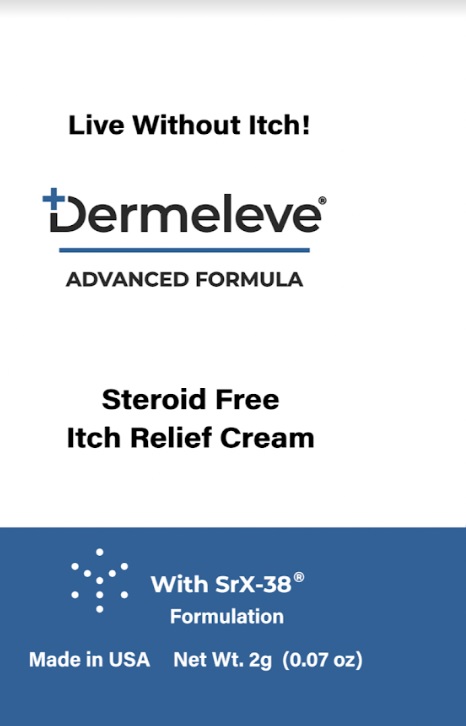
Dermeleve Aluminum Acetate .2 g/100g Cream, 60 g — NDC 81507-002-02 (Billing 81507-0002-02)
This is a package of 60 g of Dermeleve Aluminum Acetate .2 g/100g Cream from Advanced Derm Solutions LLC, marketed since Jun 2021 and currently FDA-listed.
NDC database record
One package, one record: these facts belong to NDC 81507-002-02 alone.
- Record
- FDA NDC Directory package listing · Human OTC drug
- Code segments
- 81507 labeler · 002 product · 02 package
- Package marketed since
- Jun 5, 2021
- Sample package
- No — commercial package
- Listing certified through
- Dec 31, 2026
- Billing quantity
- 60 g per package
- Barcode (UPC-A, from the NDC)
- 3 8150700202 6
- FDA record last changed
- Jul 24, 2026
Identity & classification
Regulatory identifiers FDA, NLM and CMS codes for this package
Drug-database identifiers Medi-Span GPI and First Databank GCN / HICL / AHFS classification
- GSN (GCN sequence number): 083336
- GCN: 52265
- GPI-14 (Medi-Span): 90971003103700
- HICL (First Databank): 002394
- AHFS class code: 84:12.00.00
- RxCUI (RxNorm): 2531532
Where does this data come from?
- FDA openFDA NDC Directory · synced Oct 8, 2026
- FDA label on DailyMed · label index refreshed Oct 8, 2026
- RxNorm (NLM RxNav) · catalog refreshed Oct 1, 2026
- Medi-Span GPI (licensed)
- First Databank (licensed) · refreshed Oct 8, 2026
Clinical
- It's mainly for temporary relief of common skin irritations — things like poison ivy, poison oak, insect bites, athlete's foot, and rashes from soaps, detergents, or jewelry. Derme...
- What kind of skin problems does aluminum acetate actually help with?
- For the ZO Skin Health powder products, you mix one packet into 12 ounces of cool or warm water and stir until it's fully dissolved — no straining needed. Then soak a clean, soft c...
- The gels, creams, and scalp serum are approved for use in children two years of age and older. For kids under two, you'll need to check with your doctor before using any of these p...
Patient education
Supplement & herbal interactions
Some supplements/herbs that may interact with Aluminum Acetate — tap one for details:
Where does this data come from?
- MedlinePlus (NLM) · refreshed Oct 8, 2026
- FDA label on DailyMed · label index refreshed Oct 8, 2026
Ask a licensed pharmacist directly — free, answered by our team.
Pricing
A drug doesn't have one price. Each row is a different public payment system, and none is what you'd pay at the counter — that depends on your insurance. The ⓘ on each row explains what it measures.
| Price system | Per g | Per package |
|---|---|---|
| Retail pharmacies payNADAC · weekly | Not in the retail survey — common for institutional, discontinued, or low-volume packs. | |
| Medicaid paysCMS SDUD · 12 mo | No recent Medicaid claims on file for this NDC — rare and low-volume NDCs are suppressed in the public data. | |
| Medicare drug plans payPart D · quarterly | No Part D plan price is available for this NDC in our data. | |
Where does this data come from?
- CMS NADAC weekly file
- CMS ASP pricing files · refreshed Sep 20, 2026
- CMS Medicaid State Drug Utilization Data · refreshed Oct 8, 2026
- CMS Part D plan pricing files · refreshed Sep 24, 2026
- VA National Acquisition Center price file
Packaging — all sizes for this product
| Package NDC | Description | Marketing start | Marketing end | Status |
|---|---|---|---|---|
| 81507-0002-01 81507-002-01 Main listing | 30 g in 1 TUBE | 2021-06-05 | — | Active |
| 81507-0002-02 You're viewing this | 60 g in 1 TUBE | 2021-06-05 | — | Active |
| 81507-0002-04 81507-002-04 | 80 g in 1 TUBE | 2021-06-05 | — | Active |
| 81507-0002-05 81507-002-05 | 2 g in 1 POUCH | 2022-08-04 | — | Active |
| 81507-0002-06 81507-002-06 | 57 g in 1 POUCH | 2025-05-28 | — | Active |
You're viewing one of 5 pack sizes for this product.
Pack size FAQ
What quantity is in this package?
How does this package differ from NDC 81507-0002-05?
What NDC number is used to bill for this package of Dermeleve Aluminum Acetate .2 g/100g Cream?
Therapeutic equivalents
| Product | Labeler | Pack | NADAC/unit | TE | Status | Price vs. this |
|---|---|---|---|---|---|---|
| Dermeleve .2 g/100gthis 81507-0002-02 | Advanced | 60 g | — | — | FDA listed | — |
| Dermeleve .2 g/100g 81507-0003-01 | Advanced | 120 g | — | — | FDA listed | — |
| Tricalm Hydrogel .2 g/100g 71207-0221-02 | MODULAR | 1 tube | — | — | FDA listed | — |
Where does this data come from?
- FDA openFDA NDC Directory · synced Oct 8, 2026
- FDA Orange Book · refreshed Oct 3, 2026
- CMS NADAC weekly file
Availability & generic status
We did not find an FDA-approved generic match for this exact strength, form and route.
Where does this data come from?
- FDA Orange Book · refreshed Oct 3, 2026
Inactive Ingredients / Excipients
Inactive ingredients, also called excipients, are components of the drug product other than the active ingredient. They may include fillers, dyes, coatings, preservatives, flavors, or other formulation ingredients.
🧪 Avoiding an ingredient? See Aluminum Acetate inactive ingredients by manufacturer: every current product's list side by side, so you can ask your pharmacy for the version that does not list it.
💡 Tap an ingredient (hover on desktop) to see what it is and why it’s used.
-
UNII 9E8X80D2L0
A synthetic form of vitamin E used as an antioxidant and preservative in medications. It helps prevent the active ingredients from degrading when exposed to oxygen or light.
-
UNII Q7UI015FF9
A synthetic polymer material used as a thickener and stabilizer in liquid formulations. It helps create the right texture and prevents separation of ingredients in medicines and topical products.
-
UNII 00YIU5438U
Caprylyl glycol is a clear liquid derived from coconut oil. In medicines, it acts as a humectant to retain moisture, a preservative booster to prevent microbial growth, and a solvent to help dissolve or mix other ingredients.
-
UNII C04977SRJ5
Ceramide NG is a naturally occurring lipid compound that helps form protective barriers in skin and cosmetic formulations. It functions as an emollient and skin-conditioning agent, helping products retain moisture and maintain smooth texture.
-
UNII 2DMT128M1S
A waxy solid derived from plant or animal sources. It acts as an emulsifier to blend oil and water components, and also thickens the medicine to give it the right texture and consistency.
-
UNII 936JST6JCN
Cetyl alcohol is a waxy, fatty substance derived from plant or animal sources. It acts as an emulsifier and thickener in medicines, helping blend oil and water components and giving products a smooth, creamy texture.
-
UNII 2968PHW8QP
A weak organic acid derived from citrus fruits or made through fermentation. It works as a buffer to control pH, a preservative to extend shelf life, and a flavoring agent in medications.
-
UNII 92RU3N3Y1O
Dimethicone is a silicone-based oil that acts as an anti-foaming agent and lubricant in medicines. It reduces gas bubbles in liquid formulations and helps coat and protect the stomach lining when ingested.
-
UNII 7FLD91C86K
Edetate disodium is a chemical compound that binds and removes certain metal ions. In medicines, it acts as a preservative and stabilizer by preventing metals like calcium from interfering with the product's shelf life and consistency.
-
UNII PDC6A3C0OX
Glycerin is a clear, thick liquid derived from plant oils or fats. It acts as a humectant to retain moisture, a sweetener, and a solvent in medications.
-
UNII RD25J5V947
A waxy mixture derived from vegetable oils and polyethylene glycol that helps emulsify and blend oil-based and water-based ingredients. It's used in creams and lotions to create a smooth, uniform texture and improve product stability.
-
UNII YSE9PPT4TH
Hyaluronate sodium is a natural carbohydrate that holds moisture. It's used in medicines as a lubricant, thickener, and moisture-retaining agent to improve texture and delivery of the active ingredient.
-
UNII 0RE8K4LNJS
Isopropyl myristate is an oily liquid made from coconut or palm oil. It's used in medicines as an emollient and penetration enhancer to help the medicine absorb through skin or improve spreadability in topical products.
-
UNII 6M3P64V0NC
A fine powder made from magnesium, aluminum, and silicon compounds. It absorbs moisture and helps keep medicine ingredients from clumping or separating, so the product stays stable and flows smoothly during manufacturing.
-
UNII HIE492ZZ3T
Phenoxyethanol is a synthetic preservative and antimicrobial agent used to prevent bacterial and fungal growth in medicines and cosmetic products, extending shelf life and maintaining product safety.
-
UNII CAL22UVI4M
A synthetic emulsifier derived from sorbitol and fatty acids. It helps mix oil and water-based ingredients together and improves the texture and stability of the medicine.
-
UNII K49155WL9Y
Shea butter is a fat extracted from shea tree nuts. It's used in medicines as an emollient and lubricant to soften the product, improve texture, and help ingredients blend smoothly together.
-
UNII BDG873AQZL
Strontium nitrate is an inorganic salt compound. It may be used as a colorant or in specialized pharmaceutical formulations, though it is not commonly found in most medications.
-
UNII 9LBV3F07AZ
A synthetic, oil-soluble form of vitamin C used as an antioxidant to prevent degradation of the medicine and maintain its stability during storage.
-
UNII 15FIX9V2JP
Titanium dioxide is a bright white mineral powder commonly used as a colorant and opacifying agent. It makes pills and tablets white or lighter in color and helps make coatings non-transparent.
-
UNII O1PB8EU98M
Tricaprin is a naturally occurring fatty acid commonly derived from coconut or palm oil. In medications, it serves as an emulsifier and solubilizer, helping mix oil and water-based ingredients and improve how the body absorbs the active drug.
-
UNII 059QF0KO0R
Water is a liquid solvent that dissolves and mixes ingredients together in liquid medicines, syrups, and injections. It helps distribute the active drug evenly throughout the product.
-
UNII TTV12P4NEE
Xanthan gum is a thickening and stabilizing ingredient made from fermented corn or other sugars. It's added to medicines to improve texture, prevent separation of liquids and solids, and help the product stay consistent.
23 inactive ingredients listed in the exact product block matched to this NDC.
Label-section wording can be broader than the structured product block and may mention additional formulation ingredients.
Where does this data come from?
ingredient classCode="IACT" elements from the exact product block matched by this NDC. Label-section narrative from DailyMed / the openFDA label index is shown separately when available.- FDA label on DailyMed · label index refreshed Oct 8, 2026
- FDA openFDA NDC Directory · synced Oct 8, 2026
Inactive ingredient FAQ
Are inactive ingredients the same for every manufacturer?
Why might an inactive ingredient be missing?
Can inactive ingredients matter?
Manufacturer & labeler
More NDCs from Advanced Derm Solutions LLC labeler code 81507
Where does this data come from?
- FDA openFDA NDC Directory · synced Oct 8, 2026
- Drugs@FDA
FDA label — Drug Facts FDA SPL
🎯 Indications and Usage ▾
Uses • Insects Bites • Minor Burn • Athlete's foot • Poison lvy • Poison oak • Poison sumac • Rashes cause by soaps, detergents, cosmetic or jewelry
⏱️ Dosage and Administration ▾
Directions Adults and children two years of age and older, apply to affected area as needed or as directed by a doctor. Consult a doctor for children under the age of two.
⚠️ Warnings ▾
Warnings ■ For external use only. ■ Avoid contact with eyes. ■ Do not apply to open wounds. ■ STOP USE and ask a doctor if condition worsens or symptoms persist for more than seven days. ■ Keep out of reach of children.
🧪 Active Ingredient ▾
Active Ingredient Aluminum acetate (0.2%)
🧪 Inactive Ingredients ▾
Inactive ingredients Butyrospermum Parkii (Shea) Butter, Caprylic/Capric Triglyceride, Caprylyl Glycol, Ceramide NG, Cetearyl Alcohol, Cetyl Alcohol, Citric Acid Dimethicone, Disodium EDTA, Glycerin, Glyceryl Stearate, Isopropyl Myristate, Magnesium Aluminum Silicate, Phenoxyethanol, Polyacrylate Crosspolymer-6, Polysorbate 60, Sodium Hyaluronate, Strontium Nitrate, Tetrahexyldecyl Ascorbate, Titanium Dioxide, Tocopheryl Acetate Water, Xanthan Gum
🎯 Purpose ▾
Purpose Astringent
📄 Package Label / Principal Display Panel ▾
Product label image description image description image description image description image description image description image description image description image description image description image description image description image description image description image description image description image description
About this NDC listing & data coverage
What data is (and isn’t) available for this NDC — tap to expand
| NDC identity (package / product / labeler codes) | ✓ Available |
| Labeler | ✓ Available |
| Product & package description | ✓ Available |
| Marketing category & status | ✓ Available |
| Active ingredient / dosage form / route | ✓ Available |
| FDA label (SPL via DailyMed) | ✓ Available |
| Package photos | ✓ Available |
| Inactive ingredients (structured) | ✓ Available |
| NADAC pharmacy acquisition price (CMS) | — Not published for this NDC CMS publishes NADAC only for NDCs reported in its retail-pharmacy survey. |
| Orange Book / therapeutic-equivalence data | — Not published for this NDC Applies only to products approved under an NDA/ANDA; many listings are out of scope. |
| HCPCS J-code billing crosswalk | — Not published for this NDC Most self-administered / retail products have no J-code — that is normal. |
| Medicaid utilization (CMS SDUD) | — Not published for this NDC CMS reports utilization only for NDCs with Medicaid claims above its privacy threshold. |