
Are Prescription And Over The Counter Ibuprofen The Same?
In our latest question and answer, our pharmacist discusses whether or not over-the-counter and prescription ibuprofen are the same.

My doctor prescribed 600 mg ibuprofen for any post-procedure pain. Will taking 3 x 200 mg tablets OTC have the same effect? An Rx seems unnecessary. Thanks.
Aug 17, 2022- The active ingredient in over-the-counter and prescription ibuprofen is the same, but prescription versions come in higher doses per tablet.
- Over-the-counter ibuprofen has a maximum recommended dose of 1,200mg per day, while prescription ibuprofen can go up to 3,200mg per day under doctor supervision because higher doses increase risks like stomach bleeding and ulcers.
- You can take multiple over-the-counter tablets to reach a prescription-strength dose if your doctor recommends it, such as taking four 200mg tablets instead of one 800mg prescription tablet.
Answer
Thanks for reaching out! This is a great question and one that comes up often.
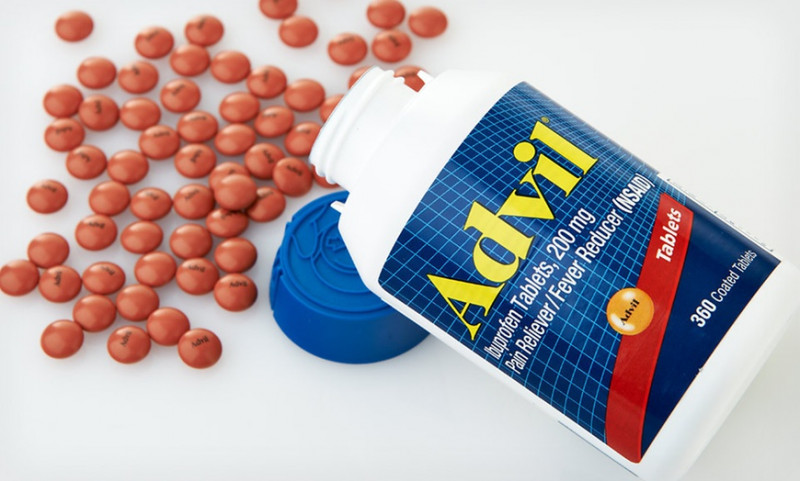
For all intents and purposes, the ibuprofen that you can get over-the-counter (OTC) is the same as what you get as a prescription. However, the highest strength of ibuprofen available over-the-counter is 200mg, while prescription ibuprofen comes in 400mg, 600mg, and 800mg per tablet.
Nevertheless, you could certainly just take more of the OTC 200mg ibuprofen to equal the dosage your doctor has recommended for you and avoid having to get a prescription.
Overall, there is no appreciable difference between OTC and prescription ibuprofen in regard to how it is absorbed or works in your body. Taking four tablets of 200mg over-the-counter ibuprofen would be essentially the same as taking one 800mg prescription tablet.
Prescription And OTC Ibuprofen Have Different Dosage Recommendations
It is important to mention here that even though OTC and prescription ibuprofen are the same (aside from the strength as I mentioned above), one of the main reasons why the drug is available as a prescription at all comes down to dosing.
The FDA has approved different single and daily dosages for ibuprofen, depending on whether or not an individual is self-treating with the over-the-counter product, or is using it as a prescription under the supervision of a doctor.
- For over-the-counter use, the recommended dosing is a maximum of 400mg per dose and a maximum of 1,200mg per day
- For prescription use, the recommended dosing is a maximum of 800mg per dose and a maximum of 3,200 per day
If you look at the drug facts for any over-the-counter ibuprofen product, you will see the directions match the recommendations for over-the-counter dosing only (which is a maximum of 1,200mg, or 6 tablets).

The reason why dosing recommendations are different between OTC and prescription ibuprofen is that high dosages of the drug increase the risk of side effects, such as stomach pain, bleeding, and ulceration. NSAIDs, the class of drugs ibuprofen belongs to, also have cardiovascular risk. Doses higher than 1,200mg per day should only be used under the supervision of your doctor.
Final Words
Going back to your question asking whether or not taking three of the over-the-counter ibuprofen is the same as taking one 600mg prescription pill, the answer is yes. They will have the same effect. Since that dosage has been recommended by your doctor, you are perfectly fine to use OTC ibuprofen to get to that dose.
Thanks again for reaching out and I hope this answer provided some clarity on OTC vs. Rx ibuprofen!
References & sources
Glossary — Terms in This Answer
- Over-the-counter (OTC)
- Medications that can be purchased without a doctor's prescription.
- Prescription
- A medication that can only be obtained with a written order from a doctor.
- Dosage
- The specific amount of a medication to be taken at one time or over a period of time.
- FDA
- The Food and Drug Administration, the government agency that approves and regulates medications.
- Side effects
- Unwanted or harmful reactions that occur in addition to the intended effect of a medication.
- Ulceration
- The formation of open sores or wounds in the stomach or digestive tract.
- NSAIDs
- Nonsteroidal anti-inflammatory drugs, a class of pain-relieving and anti-inflammatory medications.
- Cardiovascular risk
- The danger of developing problems related to the heart and blood vessels.
Dr. Brian Staiger, PharmD
Doctor of Pharmacy, board certified clinical pharmacist (BCPS), American Herbalist Guild, Medication Therapy Management certified
Brian Staiger, PharmD, BCPS, is a licensed pharmacist with more than 13 years of experience across retail pharmacy, clinical pharmacy, medication safety, pharmacy program development, and healthcare administration. He is the founder of HelloPharmacist.com, where he helps patients...
More answers from Brian →