
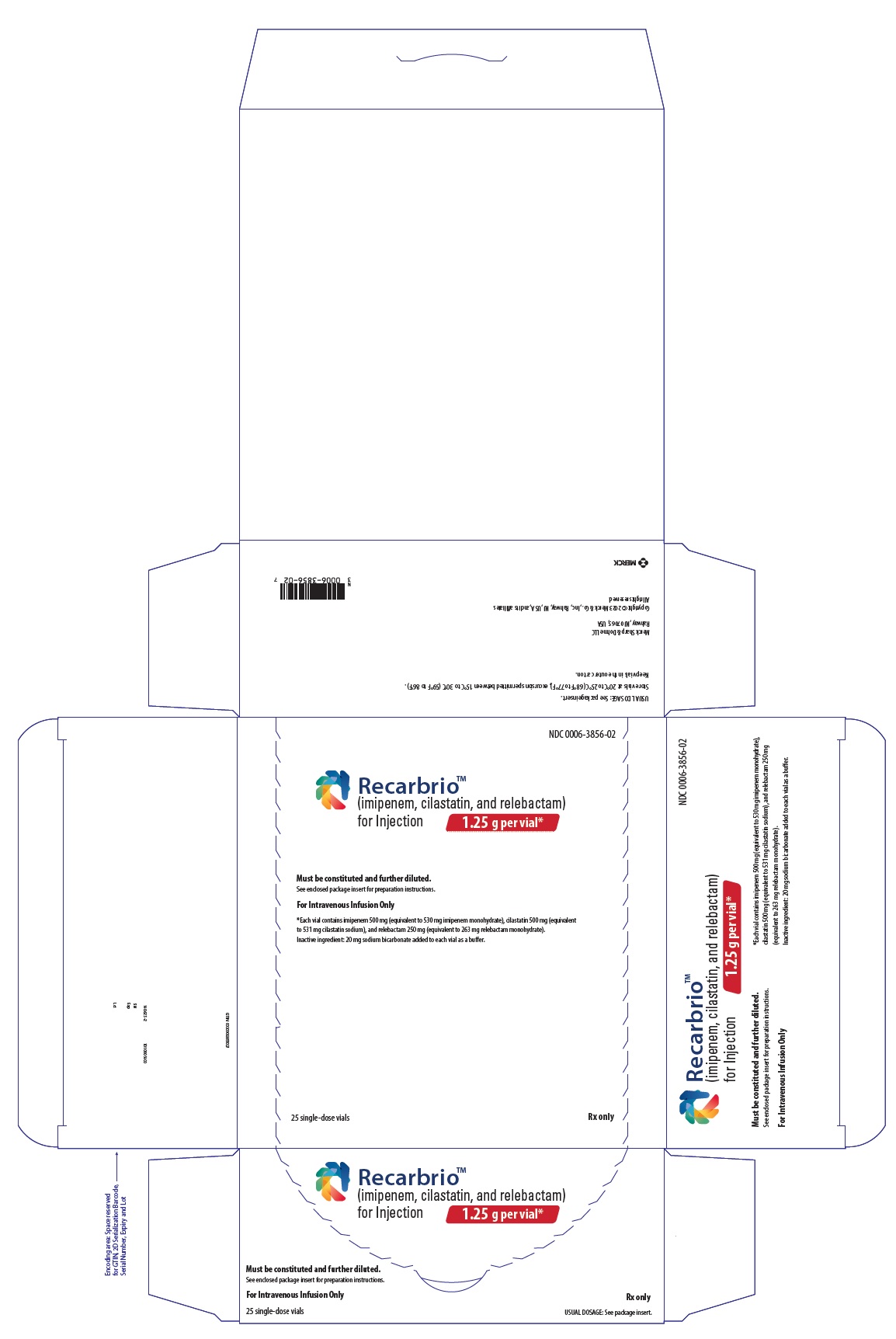
RECARBRIO imipenem anhydrous, cilastatin, and relebactam anhydrous 500 mg/100mL; 500 mg/100mL; 250 mg/100mL Injection, Powder, For Solution
🆔 Identity & classification
Where does this data come from?
🏷️ RxNorm drug class
This medicine belongs to the beta Lactamase Inhibitor class.
Where does this data come from?
🏭 Manufacturer & labeler
Where does this data come from?
🩺 Clinical
- Recarbrio only comes as an IV infusion — there's no pill version. It's designed for serious infections that need high, reliable drug levels fast, and it works against some very tou...
- Why am I getting this antibiotic instead of one in a pill form?
- Most courses run between 4 and 14 days, depending on the type of infection, how serious it is, and how well you're responding to treatment. Your doctor will reassess as you go and...
- How long will I need to be on this antibiotic?
Patient education
Supplement & herbal interactions
Where does this data come from?
Ask a licensed pharmacist directly — free, answered by our team.
💊 What it looks like
Where does this data come from?
🧪 Inactive Ingredients / Excipients
Inactive ingredients, also called excipients, are components of the drug product other than the active ingredient. They may include fillers, dyes, coatings, preservatives, flavors, or other formulation ingredients.
💡 Tap an ingredient (hover on desktop) to see what it is and why it’s used.
-
20 mg / 100 mL
UNII 8MDF5V39QO
A white powder form of baking soda that acts as a buffer and pH regulator in medicines. It helps maintain the right acid-base balance and may aid tablet disintegration.
1 inactive ingredient listed in the exact product block matched to this NDC.
Where does this data come from?
ingredient classCode="IACT" elements from the exact product block matched by this NDC. Label-section narrative from DailyMed / the openFDA label index is shown separately when available.Inactive ingredient FAQ
Are inactive ingredients the same for every manufacturer?
Why might an inactive ingredient be missing?
Can inactive ingredients matter?
💲 Pricing
A drug doesn't have one price. Each row is a different public payment system, and none is what you'd pay at the counter — that depends on your insurance. The ⓘ on each row explains what it measures.
| Price system | Per mL | Per package |
|---|---|---|
| Retail pharmacies payNADAC · weekly | Not in the retail survey — common for institutional, discontinued, or low-volume packs. | |
| Medicaid paysCMS SDUD · 12 mo | $1,376.60 | $688,301.15 / 500 ml |
| Medicare drug plans payPart D · quarterly | No Part D plan price is available for this NDC in our data. | |
| Medicare Part B allowsASP · J0742 | $2.691 / J0742 unit | — |
Where does this data come from?
🧾 Billing & reimbursement
Where does this data come from?
🔁 Therapeutic equivalents
| Product | Labeler | Pack | NADAC/unit | TE | Status | Price vs. this |
|---|---|---|---|---|---|---|
| Recarbrio 500 mg/100mL; 500 mg/100mL; 250 mg/100mLthis 00006-3856-02 | Merck | 25 vials | — | — | FDA listed | — |
Where does this data come from?
⏳ Availability & generic status
We did not find an FDA-approved generic match for this exact strength, form and route. Patent/protection dates below may affect future generic timing.
Why the date isn’t exact: Generic timing can change because patents may be challenged, settled, licensed, added, removed, or worked around with a narrower label — and FDA approval does not always mean a pharmacy can get the generic today.
🛈 What do these terms mean?
- Patent
- Legal protection listed in the Orange Book that may delay generic approval or launch. Issued by the U.S. Patent & Trademark Office.
- Substance patent
- Covers the active drug molecule itself — the hardest to design around. A generic generally can’t launch until it expires.
- Formulation (product) patent
- Covers a specific formulation or dosage form. A generic can sometimes work around it with a different formulation.
- Method-of-use patent
- A patent covering one specific approved use of the drug — not necessarily the whole molecule. A generic can sometimes launch with a “skinny label” that carves out the protected use and keeps the others.
- Skinny label
- A generic label that omits a still-patented use when the FDA allows it — letting a generic reach the market for the unprotected uses.
- Exclusivity
- FDA-granted marketing protection, separate from patents — e.g. 5-yr new chemical entity, 7-yr orphan drug, or a +6-month pediatric extension.
- Paragraph IV
- A generic applicant’s formal challenge to a listed patent. It can potentially lead to earlier generic entry, but often involves litigation or a settlement.
- RLD / RS
- Reference Listed Drug — the brand product the FDA uses as the reference for generic applications. Reference Standard — the product the FDA expects generics to compare against in bioequivalence testing.
- TE / AB rating
- FDA therapeutic-equivalence rating. An AB rating generally means the FDA considers a generic therapeutically equivalent to — and substitutable for — the brand.
- LOE (loss of exclusivity)
- The latest patent or exclusivity currently listed — the loss-of-exclusivity / latest-listed-protection date shown on this page. Paragraph-IV challenges and settlements can move the real date earlier; FDA approval and a manufacturer’s decision to market can move it later.
Built from the FDA Orange Book. The bars above are scaled to each protection’s expiry; the red LOE marker is the last one to lapse.
| Patent | Type | Use code | Expires |
|---|---|---|---|
| US 8487093 ↗ | Drug substance | U-2587 | Mar 21, 2033 |
| US 8487093 ↗ | Drug substance | U-2840 | Mar 21, 2033 |
| US 8487093 ↗ | Drug substance | U-2586 | Mar 21, 2033 |
| Code | What it grants | Expires |
|---|---|---|
| NCE | New Chemical Entity (5-year) | Jul 16, 2024 |
| NPP | New Patient Population | Dec 9, 2028 |
| GAIN | Qualified Infectious Disease Product (+5-year) | Jul 16, 2029 |
Is there a generic version of RECARBRIO 1.25 GRAM VIAL?
The FDA approved a generic — why can’t I get it at my pharmacy yet?
Why do different websites show different generic release dates?
What does “FDA listed” mean?
What does a patent or protection date mean here?
What does “current Orange Book estimate” mean?
Can a generic come out before the last patent expires?
Can a generic come out after the listed dates?
What is the difference between patents and exclusivity?
Why are there multiple patent dates?
Where does this data come from?
🗺️ Medicaid utilization & spend
📊 Medicare Part D spend CMS · PART D · 2026 (Q1)
📦 Packaging — all sizes for this product
| Package NDC | Description | Marketing start | Status |
|---|---|---|---|
| 00006-3856-02 You're viewing this | 25 VIAL, SINGLE-DOSE in 1 CARTON (0006-3856-02) / 20 mL in 1 VIAL, SINGLE-DOSE (0006-3856-01) | 2020-01-06 | Active |
🧭 About this NDC listing & data coverage
What data is (and isn’t) available for this NDC — tap to expand
| NDC identity (package / product / labeler codes) | ✓ Available |
| Labeler | ✓ Available |
| Product & package description | ✓ Available |
| Marketing category & status | ✓ Available |
| Active ingredient / dosage form / route | ✓ Available |
| FDA label (SPL via DailyMed) | ✓ Available |
| Package photos | ✓ Available |
| Inactive ingredients (structured) | ✓ Available |
| NADAC pharmacy acquisition price (CMS) | — Not published for this NDC CMS publishes NADAC only for NDCs reported in its retail-pharmacy survey. |
| Orange Book / therapeutic-equivalence data | ✓ Available |
| HCPCS J-code billing crosswalk | ✓ Available |
| Medicaid utilization (CMS SDUD) | ✓ Available |
Questions about this listing
Why is there no price listed?
Is the NDC printed on the package the same as the 11-digit billing NDC?
What do the three segments of this NDC mean?
Is this package still being marketed?
Who lists this product with the FDA?
Do I need a prescription for this product?
Does this product have a billing J-code?
Where does this data come from?
📄 Full prescribing information FDA SPL
🎯 Indications and Usage ▾
1 INDICATIONS AND USAGE RECARBRIO is a combination of imipenem, a penem antibacterial, cilastatin, a renal dehydropeptidase inhibitor, and relebactam, a beta-lactamase inhibitor, indicated in adult and pediatric patients weighing at least 2 kg for the treatment of the following infections caused by susceptible gram-negative microorganisms: Hospital-acquired bacterial pneumonia and ventilator-associated bacterial pneumonia (HABP/VABP). ( 1.1 ) Complicated urinary tract infections, including pyelonephritis (cUTI) in patients who have limited or no alternative treatment options.
( 1.2 ) Complicated intra-abdominal infections (cIAI) in patients who have limited or no alternative treatment options. ( 1.3 ) Approval of the cUTI and cIAI indications is based on limited clinical safety and efficacy data for RECARBRIO. ( 1.2 , 1.3 , 14 ) Limitations of Use RECARBRIO is not recommended in pediatric patients less than 37 weeks post-menstrual age (gestational age at birth plus post-natal age).
( 1.4 , 2.2 ). RECARBRIO is not recommended in pediatric patients weighing less than 30 kg with renal impairment. ( 1.4 , 2.3 ).
Usage to Reduce Development of Drug-Resistant Bacteria To reduce the development of drug-resistant bacteria and maintain the effectiveness of RECARBRIO and other antibacterial drugs, RECARBRIO should be used only to treat or prevent infections that are proven or strongly suspected to be caused by bacteria. ( 1.5 )
1.1Hospital-acquired Bacterial Pneumonia and Ventilator-associated Bacterial Pneumonia (HABP/VABP) RECARBRIO ® is indicated in adult and pediatric patients weighing at least 2 kg for the treatment of hospital-acquired bacterial pneumonia and ventilator-associated bacterial pneumonia, caused by the following susceptible gram-negative microorganisms: Acinetobacter calcoaceticus-baumannii complex, Enterobacter cloacae , Escherichia coli , Haemophilus influenzae , Klebsiella aerogenes, Klebsiella oxytoca, Klebsiella pneumoniae, Pseudomonas aeruginosa, and Serratia marcescens.
1.2Complicated Urinary Tract Infections (cUTI), including Pyelonephritis RECARBRIO is indicated in adult and pediatric patients weighing at least 2 kg who have limited or no alternative treatment options, for the treatment of complicated urinary tract infections (cUTI), including pyelonephritis, caused by the following susceptible gram-negative microorganisms: Enterobacter cloacae , Escherichia coli , Klebsiella aerogenes, Klebsiella pneumoniae, and Pseudomonas aeruginosa . Approval of this indication is based on limited clinical safety and efficacy data for RECARBRIO [see Clinical Studies (14.2) ] .
1.3Complicated Intra-abdominal Infections (cIAI) RECARBRIO is indicated in adult and pediatric patients weighing at least 2 kg who have limited or no alternative treatment options for the treatment of complicated intra-abdominal infections (cIAI) caused by the following susceptible gram-negative microorganisms: Bacteroides caccae , Bacteroides fragilis , Bacteroides ovatus , Bacteroides stercoris , Bacteroides thetaiotaomicron , Bacteroides uniformis , Bacteroides vulgatus , Citrobacter freundii , Enterobacter cloacae , Escherichia coli , Fusobacterium nucleatum , Klebsiella aerogenes, Klebsiella oxytoca , Klebsiella pneumoniae , Parabacteroides distasonis , and Pseudomonas aeruginosa .
Approval of this indication is based on limited clinical safety and efficacy data for RECARBRIO [see Clinical Studies (14.2) ] .
1.4Limitations of Use RECARBRIO is not recommended in pediatric patients less than 37 weeks post-menstrual age (gestational age at birth plus post-natal age) [see Dosage and Administration (2.2) and Use in Specific Populations (8.4) ] . RECARBRIO is not recommended in pediatric patients weighing less than 30 kg with renal impairment [see Dosage and Administration (2.4) , Use in Specific Populations (8.4 , 8.6) and Clinical Pharmacology (12.3) ].
1.5Usage to Reduce Development of Drug-Resistant Bacteria To reduce the development of drug…
⏱️ Dosage and Administration ▾
2 DOSAGE AND ADMINISTRATION Adult Patients: The recommended dosage of RECARBRIO is 1.25 grams (imipenem 500 mg, cilastatin 500 mg, relebactam 250 mg) administered by intravenous (IV) infusion over 30 minutes every 6 hours to adult patients with creatinine clearance (CLcr) 90 mL/min or greater. ( 2.1 ) Pediatric Patients weighing at least 2 kg: The recommended dosage of RECARBRIO for pediatric patients weighing at least 2kg varies by patient weight and age, with specific dosing recommendations as shown in the table below, ( 2.2 ): Recommended Dosage of RECARBRIO In Pediatric Patients Weighing at Least 2 kg Age Range Body Weight Dose Dosing Frequency Infusion Duration Birth Pediatric patients from birth (includes pediatric patients at least 37 weeks post-menstrual age) to less than 3 months 2 kg or greater RECARBRIO
37.5Provides 15 mg/kg imipenem, 15 mg/kg cilastatin, and 7.5 mg/kg relebactam mg/kg Every 8 hours 60 minutes 3 months to less than 18 years less than 30 kg RECARBRIO 37.5 mg/kg Every 6 hours 60 minutes 3 months to less than 18 years 30 kg or greater RECARBRIO
1.25Provides 500 mg imipenem, 500 mg cilastatin, and 250 mg, relebactam grams Every 6 hours 30 minutes Dose reduction is required in adult and pediatric (weighing at least 30 kg) patients with renal impairment. ( 2.3 , 2.4 ) Do not administer RECARBRIO to adults with CLcr less than 15 mL/min unless hemodialysis is instituted within 48 hours after dose administration. ( 2.3 ) Do not administer RECARBRIO to pediatric patients weighing at least 30 kg with an eGFR less than 15 mL/min/1.73m 2 unless hemodialysis is instituted within 48 hours after dose administration.
( 2.4 ) See Full Prescribing Information for instructions for constituting supplied dry powder and subsequent required dilution. ( 2.5 ) See Full Prescribing Information for drug compatibilities and incompatibilities. ( 2.7 , 2.8 )
2.1Recommended Dosage in Adult Patients The recommended dosage of RECARBRIO is 1.25 grams (imipenem 500 mg, cilastatin 500 mg, and relebactam 250 mg) administered by intravenous (IV) infusion over 30 minutes every 6 hours in adult patients with creatinine clearance (CLcr) of 90 mL/min or greater). The recommended duration of treatment with RECARBRIO is 4 days to 14 days. The duration of therapy should be guided by the severity and location of infection and clinical response.
2.2Recommended Dosage in Pediatric Patients Weighing at Least 2 kg The recommended dosage of RECARBRIO in pediatric patients weighing at least 2 kg varies by patient weight and age, with specific dosing recommendations shown in Table 1 . The recommended duration of treatment with RECARBRIO is 4 days to 14 days. The duration of therapy should be guided by the severity and location of infection and clinical response.
RECARBRIO is not recommended in pediatric patients less than 37 weeks post-menstrual age (gestational age at birth plus post-natal age ) [see Indications and Usage (1.4) and Use in Specific Populations (8.4) ]. RECARBRIO is not recommended for pediatric patients weighing less than 30 kg with renal impairment [see Dosage and administration (2.4) and Use in Specific Populations (8.4) ] . Table 1: Recommended Dosage of RECARBRIO In Pediatric Patients Weighing at Least 2 kg Age Range Body Weight Dose Dosing Frequency Infusion Duration Birth Pediatric patients from birth (includes pediatric patients at least 37 weeks post-menstrual age) to less than 3 months 2 kg or greater RECARBRIO
37.5Provides 15 mg/kg imipenem, 15 mg/kg cilastatin, and 7.5 mg/kg relebactam mg/kg Every 8 hours 60 minutes 3 months to less than 18 years less than 30 kg RECARBRIO 37.5 mg/kg Every 6 hours 60 minutes 3 months to less than 18 years 30 kg or greater RECARBRIO
1.25Provides 500 mg imipenem, 500 mg cilastatin, and 250 mg, relebactam grams Every 6 hours 30 minutes
2.3Recommended Dosage in Adult Patients with Renal Impairment Adult patients who have a CLcr less than 90 mL/min require dosage reduction of RECARBRIO. The…
💊 Dosage Forms and Strengths ▾
3 DOSAGE FORMS AND STRENGTHS RECARBRIO (imipenem, cilastatin, and relebactam) for injection, 1.25 grams is supplied as a white to light yellow sterile powder for constitution in a single-dose glass vial containing imipenem 500 mg (equivalent to 530 mg imipenem monohydrate), cilastatin 500 mg (equivalent to 531 mg cilastatin sodium), and relebactam 250 mg (equivalent to 263 mg relebactam monohydrate). RECARBRIO 1.25 grams for injection is supplied as sterile powder for constitution in a single-dose vial containing imipenem 500 mg (anhydrate equivalent), cilastatin 500 mg (free acid equivalent), and relebactam 250 mg (anhydrate equivalent).
( 3 )
⛔ Contraindications ▾
4 CONTRAINDICATIONS RECARBRIO is contraindicated in patients with a history of known severe hypersensitivity (severe systemic allergic reaction such as anaphylaxis) to any component of RECARBRIO. RECARBRIO is contraindicated in patients with a history of known severe hypersensitivity to any component of RECARBRIO. ( 4 )
⚠️ Warnings and Cautions ▾
5 WARNINGS AND PRECAUTIONS Hypersensitivity Reactions: Serious and occasionally fatal hypersensitivity (anaphylactic) reactions have been reported in patients receiving beta lactam drugs. Discontinue RECARBRIO immediately if a hypersensitivity reaction occurs. ( 5.1 ) Seizures and Central Nervous System Adverse Reactions: CNS adverse reactions such as seizures have been reported with imipenem/cilastatin, a component of RECARBRIO.
If focal tremors, myoclonus, or seizures occur, evaluate patients, to determine whether RECARBRIO should be discontinued. ( 5.2 ) Increased Seizure Potential Due to Interaction with Valproic Acid: Concomitant use of RECARBRIO with valproic acid or divalproex sodium may reduce the serum concentration of valproic acid which may increase the risk of breakthrough seizures. Avoid concomitant use or consider alternative antibacterial drugs other than carbapenems.
( 5.3 , 7.2 ) Clostridioides difficile -Associated Diarrhea (CDAD): Has been reported with RECARBRIO. Evaluate if diarrhea occurs. ( 5.4 )
5.1Hypersensitivity Reactions Serious and occasionally fatal hypersensitivity (anaphylactic) reactions have been reported in patients receiving therapy with beta lactams. Before initiating therapy with RECARBRIO, careful inquiry should be made concerning previous hypersensitivity reactions to carbapenems, penicillins, cephalosporins, other beta lactams, and other allergens. If a hypersensitivity reaction to RECARBRIO occurs, discontinue the therapy immediately.
RECARBRIO is contraindicated in patients with a history of severe hypersensitivity to any component of RECARBRIO [see Contraindications (4) ].
5.2Seizures and Other Central Nervous System (CNS) Adverse Reactions CNS adverse reactions, such as seizures, confusional states, and myoclonic activity, have been reported during treatment with imipenem/cilastatin, a component of RECARBRIO, especially when recommended dosages of imipenem were exceeded . These have been reported most commonly in patients with CNS disorders (e.g., brain lesions or history of seizures) and/or compromised renal function . Anticonvulsant therapy should be continued in patients with known seizure disorders.
If CNS adverse reactions including seizures occur, patients should undergo a neurological evaluation to determine whether RECARBRIO should be discontinued.
5.3Increased Seizure Potential Due to Interaction with Valproic Acid Concomitant use of RECARBRIO, with valproic acid or divalproex sodium may increase the risk of breakthrough seizures. Avoid concomitant use of RECARBRIO with valproic acid or divalproex sodium or consider alternative antibacterial drugs other than carbapenems [see Drug Interactions (7.2) ].
5.4Clostridioides difficile -Associated Diarrhea (CDAD) Clostridioides difficile -associated diarrhea (CDAD) has been reported with use of nearly all antibacterial agents, including RECARBRIO, and may range in severity from mild diarrhea to fatal colitis. Treatment with antibacterial agents alters the normal flora of the colon leading to overgrowth of C. difficile . C. difficile produces toxins A and B which contribute to the development of CDAD.
Hypertoxin producing strains of C. difficile cause increased morbidity and mortality, as these infections can be refractory to antimicrobial therapy and may require colectomy. CDAD must be considered in all patients who present with diarrhea following antibacterial drug use. Careful medical history is necessary since CDAD has been reported to occur over two months after the administration of antibacterial agents.
If CDAD is suspected or confirmed, ongoing antibacterial drug use not directed against C. difficile may need to be discontinued. Appropriate fluid and electrolyte management, protein supplementation, antibacterial drug treatment of C. difficile, and surgical evaluation should be instituted as clinically indicated.
5.5Development of Drug-resistant Bacteria Prescribing RECARBRIO in the absence of a proven or strongly suspe…
🤒 Adverse Reactions ▾
6 ADVERSE REACTIONS The following serious adverse reactions are described in greater detail in the Warnings and Precautions section. Hypersensitivity Reactions [see Warnings and Precautions (5.1) ] Seizures and Other Central Nervous System Adverse Reactions [see Warnings and Precautions (5.2) ] Increased Seizure Potential Due to Interaction with Valproic Acid [see Warnings and Precautions (5.3) ] Clostridioides difficile -Associated Diarrhea (CDAD) [see Warnings and Precautions (5.4) ] Adult HABP/VABP Patients: The most frequently reported adverse reactions occurring in greater than or equal to 5% of patients treated with RECARBRIO were aspartate aminotransferase increased, anemia, alanine aminotransferase increased, diarrhea, hypokalemia, and hyponatremia.
( 6 ) Adult cUTI and cIAI Patients: The most frequently reported adverse reactions occurring in greater than or equal to 2% of patients treated with imipenem/cilastatin plus relebactam 250 mg, the components of RECARBRIO, were diarrhea, nausea, headache, vomiting, alanine aminotransferase increased, aspartate aminotransferase increased, phlebitis/infusion site reactions, pyrexia, and hypertension. ( 6 ) Pediatric HABP/VABP, cUTI, and cIAI Patients: The most frequently reported adverse reactions occurring in greater than 3% of pediatric patients treated with RECARBRIO were vomiting, diarrhea, nausea, headache, phlebitis/infusion site reactions, and rash.
To report SUSPECTED ADVERSE REACTIONS, contact Merck Sharp & Dohme LLC at 1-877-888-4231 or FDA at 1-800-FDA-1088 or www.fda.gov/medwatch .
6.1Clinical Trials Experience Because clinical trials are conducted under widely varying conditions, adverse reaction rates observed in the clinical trials of a drug cannot be directly compared to rates in the clinical trials of another drug and may not reflect the rates observed in practice. Adult Patients Overview of the Safety Evaluation of RECARBRIO in Adult Patients Safety was primarily evaluated in three active-controlled, double-blind trials in HABP/VABP, cUTI, and cIAI (Trials 1, 2, and 3, respectively). In the HABP/VABP trial (Trial 1), patients were treated with either RECARBRIO or piperacillin and tazobactam (4.5 grams).
In the cUTI trial (Trial 2) and cIAI trial (Trial 3), patients in the treatment arms were treated with either imipenem 500 mg/cilastatin 500 mg and relebactam 250 mg or imipenem 500 mg/cilastatin 500 mg and relebactam 125 mg (not an approved dose), and patients in the control arm were treated with imipenem 500 mg/cilastatin 500 mg plus placebo (IV normal saline). Across Trials 2 and 3, the mean duration of IV therapy in patients treated with imipenem/cilastatin plus relebactam 250 mg was approximately 7 days. Clinical Trial Experience in Adult Patients with HABP/VABP Trial 1 included 266 adult patients treated with RECARBRIO and 269 patients treated with piperacillin and tazobactam (4.5 grams) administered intravenously over 30 minutes every 6 hours.
The mean age was 60 years, 43% of patients were 65 years of age and older, 31% were female and 22% had polymicrobial infection. The mean Acute Physiology and Chronic Health Evaluation (APACHE) II score was 15 and 48% of patients had an APACHE II score greater than or equal to 15 at baseline. Overall, 260 (49%) patients were ventilated at enrollment, including 194 (36%) patients with VABP and 66 (12%) patients with ventilated HABP.
Clinical Trial Experience in Adult Patients with cUTI including, Pyelonephritis Trial 2 included 198 adult patients treated with imipenem/cilastatin and relebactam (99 patients each with imipenem 500 mg/cilastatin 500 mg plus relebactam 125 mg or relebactam 250 mg) and 100 patients treated with imipenem 500 mg/cilastatin 500 mg, administered intravenously over 30 minutes every 6 hours. After a minimum of 4 days of IV therapy, patients could be switched to oral ciprofloxacin (500 mg daily every 12 hours) to complete the treatment course of 4 to 14 days total (IV plus oral), at the discre…
🔄 Drug Interactions ▾
7 DRUG INTERACTIONS Ganciclovir: Avoid concomitant use. ( 7.1 ) Valproic Acid or Divalproex Sodium: Avoid concomitant use. ( 7.2 )
7.1Ganciclovir Generalized seizures have been reported in patients who received ganciclovir concomitantly with imipenem/cilastatin, a component of RECARBRIO. Ganciclovir should not be used concomitantly with RECARBRIO unless the potential benefits outweigh the risks.
7.2Valproic Acid Based on case reports in the literature concomitant use of carbapenems, including imipenem/cilastatin, components of RECARBRIO, with valproic acid or divalproex sodium may decrease valproic acid concentrations which may increase the risk of breakthrough seizures [see Warnings and Precautions (5.3) ] . Although the mechanism of this interaction is unknown, data from in vitro and animal studies suggest that carbapenems may inhibit the hydrolysis of valproic acid's glucuronide metabolite (VPA-g) back to valproic acid, thus decreasing the serum concentrations of valproic acid .
Avoid concomitant use of RECARBRIO with valproic acid or divalproex sodium. Consider alternative antibacterials other than carbapenems to treat infections in patients whose seizures are well controlled on valproic acid or divalproex sodium.
👥 Use in Specific Populations ▾
8 USE IN SPECIFIC POPULATIONS
8.1Pregnancy Risk Summary Embryonic loss was observed in monkeys treated with imipenem/cilastatin, and fetal abnormalities were observed in relebactam-treated mice; therefore, advise pregnant women of the potential risks to pregnancy and the fetus. There are insufficient human data to establish whether there is a drug-associated risk for major birth defects, miscarriage, or adverse maternal or fetal outcomes with RECARBRIO, imipenem, cilastatin, or relebactam in pregnant women. Developmental toxicity studies with imipenem and cilastatin (alone or in combination) administered parenterally during organogenesis to mice, rats, rabbits, and monkeys at doses 1 to 5 times the maximum recommended human dose (MRHD of imipenem 500 mg/cilastatin 500 mg every 6 hours for total daily doses of imipenem 2000 mg/cilastatin 2000 mg) based on body surface area comparison, showed no drug-induced fetal malformations.
Embryofetal development studies with imipenem/cilastatin administered to cynomolgus monkeys at doses similar to the MRHD (based on body surface area comparison) showed an increase in embryonic loss. In an embryofetal study, parental administration of relebactam to pregnant mice during the period of organogenesis was associated with a non-dose responsive increase in the litter incidence of cleft palate at a plasma relebactam exposure approximately equal to the human exposure at the MRHD (250 mg every 6 hours for a daily dose of 1000 mg) and an increased percent litter incidence of total skeletal malformations at a plasma exposure approximately 6 times the human exposure at the MRHD.
Reproductive studies with relebactam administered parenterally to pregnant rats and rabbits during the period of organogenesis at plasma exposures up to 7 and 24 times, respectively, the plasma exposure in humans at the MRHD showed no adverse effects on pregnancy or embryofetal development. Relebactam administered to rats during gestation through lactation was not associated with fetal toxicity, developmental delays, or impaired reproduction in first generation offspring at plasma exposures equivalent to 8 times the human exposure at the MRHD (see Data ) .
The background risk of major birth defects and miscarriage for the indicated populations is unknown. All pregnancies have a background risk of birth defect, loss, or other adverse outcomes. The estimated background risk of major birth defects is 2 to 4% and miscarriage is 15 to 20% of clinically recognized pregnancies within the U.S. general population.
Data Animal Data Imipenem and Cilastatin Reproductive toxicity studies with imipenem and cilastatin (alone or in combination) administered parenterally to mice, rats, and rabbits showed no evidence of effects on embryofetal (mice, rats, and rabbits) or pre/postnatal (rats) development. In embryofetal development studies, imipenem was administered intravenously to rats (gestation days (GD) 7 to 17), and rabbits (GD 6 to 18), at doses up to 900 and 60 mg/kg/day, respectively, approximately 4 and 0.6 times the MRHD (based on body surface area comparison).
Cilastatin was administered subcutaneously to rats (GD 6 to 17) and intravenously to rabbits (GD 6 to 18) at doses up to 1000 and 300 mg/kg/day, respectively, approximately 5 and 3 times the MRHD (based on body surface area comparison). Imipenem/cilastatin was administered intravenously to mice at doses up to 320 mg/kg/day (GD 6 to 15) which is approximately equivalent to the MRHD based on body surface area comparison, and to rats at intravenous doses up to 80 mg/kg/day and a subcutaneous dose of 320 mg/kg/day (GD 6 to 17).
In a separate pre-postnatal development study, rats were administered subcutaneous imipenem/cilastatin at doses up to 320 mg/kg/day (GD 15 to day 21 postpartum). The subcutaneous dose of 320 mg/kg/day in rats is approximately double the MRHD based on body surface area comparison. Imipenem/cilastatin administered intravenously to pregnant cynomolgus monkeys…
🤰 Pregnancy ▾
8.1Pregnancy Risk Summary Embryonic loss was observed in monkeys treated with imipenem/cilastatin, and fetal abnormalities were observed in relebactam-treated mice; therefore, advise pregnant women of the potential risks to pregnancy and the fetus. There are insufficient human data to establish whether there is a drug-associated risk for major birth defects, miscarriage, or adverse maternal or fetal outcomes with RECARBRIO, imipenem, cilastatin, or relebactam in pregnant women. Developmental toxicity studies with imipenem and cilastatin (alone or in combination) administered parenterally during organogenesis to mice, rats, rabbits, and monkeys at doses 1 to 5 times the maximum recommended human dose (MRHD of imipenem 500 mg/cilastatin 500 mg every 6 hours for total daily doses of imipenem 2000 mg/cilastatin 2000 mg) based on body surface area comparison, showed no drug-induced fetal malformations.
Embryofetal development studies with imipenem/cilastatin administered to cynomolgus monkeys at doses similar to the MRHD (based on body surface area comparison) showed an increase in embryonic loss. In an embryofetal study, parental administration of relebactam to pregnant mice during the period of organogenesis was associated with a non-dose responsive increase in the litter incidence of cleft palate at a plasma relebactam exposure approximately equal to the human exposure at the MRHD (250 mg every 6 hours for a daily dose of 1000 mg) and an increased percent litter incidence of total skeletal malformations at a plasma exposure approximately 6 times the human exposure at the MRHD.
Reproductive studies with relebactam administered parenterally to pregnant rats and rabbits during the period of organogenesis at plasma exposures up to 7 and 24 times, respectively, the plasma exposure in humans at the MRHD showed no adverse effects on pregnancy or embryofetal development. Relebactam administered to rats during gestation through lactation was not associated with fetal toxicity, developmental delays, or impaired reproduction in first generation offspring at plasma exposures equivalent to 8 times the human exposure at the MRHD (see Data ) .
The background risk of major birth defects and miscarriage for the indicated populations is unknown. All pregnancies have a background risk of birth defect, loss, or other adverse outcomes. The estimated background risk of major birth defects is 2 to 4% and miscarriage is 15 to 20% of clinically recognized pregnancies within the U.S. general population.
Data Animal Data Imipenem and Cilastatin Reproductive toxicity studies with imipenem and cilastatin (alone or in combination) administered parenterally to mice, rats, and rabbits showed no evidence of effects on embryofetal (mice, rats, and rabbits) or pre/postnatal (rats) development. In embryofetal development studies, imipenem was administered intravenously to rats (gestation days (GD) 7 to 17), and rabbits (GD 6 to 18), at doses up to 900 and 60 mg/kg/day, respectively, approximately 4 and 0.6 times the MRHD (based on body surface area comparison).
Cilastatin was administered subcutaneously to rats (GD 6 to 17) and intravenously to rabbits (GD 6 to 18) at doses up to 1000 and 300 mg/kg/day, respectively, approximately 5 and 3 times the MRHD (based on body surface area comparison). Imipenem/cilastatin was administered intravenously to mice at doses up to 320 mg/kg/day (GD 6 to 15) which is approximately equivalent to the MRHD based on body surface area comparison, and to rats at intravenous doses up to 80 mg/kg/day and a subcutaneous dose of 320 mg/kg/day (GD 6 to 17).
In a separate pre-postnatal development study, rats were administered subcutaneous imipenem/cilastatin at doses up to 320 mg/kg/day (GD 15 to day 21 postpartum). The subcutaneous dose of 320 mg/kg/day in rats is approximately double the MRHD based on body surface area comparison. Imipenem/cilastatin administered intravenously to pregnant cynomolgus monkeys during organogenesis (GD 21 to…
🧒 Pediatric Use ▾
8.4Pediatric Use The safety and effectiveness of RECARBRIO for the treatment of HABP/VABP, and for the treatment of cUTI and cIAI in patients who have limited or no alternative treatment options have been established in pediatric patients weighing at least 2 kg. Use of RECARBRIO in pediatric patients is supported by evidence from an adequate and well-controlled trial of RECARBRIO in adults with HABP/VABP, controlled trials in adults with cUTI and cIAI, and additional pharmacokinetic, safety, and efficacy data from pediatric trials [see Clinical Pharmacology (12.3) and Clinical Studies (14.1 , 14.2 and 14.3) ] .
The safety profile of RECARBRIO in pediatric patients from the pediatric trials was comparable to that in adults treated with RECARBRIO [see Adverse Reactions (6.1) ] . RECARBRIO is not recommended in pediatric patients less than 37 weeks post-menstrual age (gestational age at birth plus post-natal age) or weighing less than 30 kg with renal impairment. The safety and effectiveness of RECARBRIO for the treatment of HABP/VABP, cUTI or cIAI have not been established in pediatric patients weighing less than 2 kg.
🧓 Geriatric Use ▾
8.5Geriatric Use Of the 266 patients treated with RECARBRIO in Trial 1, 113 (42.5%) were 65 years of age or older, including 55 (20.7%) patients 75 years of age and older. Of the 216 patients treated with imipenem/cilastatin plus relebactam 250 mg in Trials 2 and 3, 67 (31.0%) were 65 years of age or older, including 25 (11.6%) patients 75 years of age and older. No overall differences in safety or effectiveness were observed between these patients and younger patients, and other reported clinical experience has not identified differences in responses between the elderly and younger patients, but greater sensitivity of some older individuals cannot be ruled out.
RECARBRIO is known to be substantially excreted by the kidney, and the risk of adverse reactions to this drug may be greater in patients with impaired renal function. Because elderly patients are more likely to have decreased renal function, care should be taken in dose selection, and it may be useful to monitor renal function. No dosage adjustment is required based on age.
Dosage adjustment for elderly patients should be based on renal function [see Dosage and Administration (2.2) and Clinical Pharmacology (12.3) ].
🆘 Overdosage ▾
10 OVERDOSAGE In the event of overdose, discontinue RECARBRIO, treat symptomatically, and institute general supportive treatment. Imipenem, cilastatin, and relebactam can be removed by hemodialysis [see Clinical Pharmacology (12.3) ] . No clinical information is available on the use of hemodialysis to treat overdosage.
🧬 Clinical Pharmacology ▾
12 CLINICAL PHARMACOLOGY
12.1Mechanism of Action RECARBRIO is an antibacterial drug [see Microbiology (12.4) ].
12.2Pharmacodynamics For imipenem, the % time of dosing interval that unbound plasma concentrations of imipenem exceed the imipenem/relebactam minimum inhibitory concentration (MIC) (% f T>MIC) against the infecting organism best correlates with antibacterial activity in animal and in vitro models of infection. For relebactam the ratio of the 24-hour unbound plasma relebactam AUC to imipenem/relebactam MIC ( f AUC 0–24hr /MIC) best predicts the activity of relebactam in animal and in vitro models of infection. Cardiac Electrophysiology At a dose 4.6 times the recommended dose, relebactam does not prolong the QTc interval to a clinically relevant extent.
12.3Pharmacokinetics The steady-state pharmacokinetic parameters of imipenem, cilastatin, and relebactam in healthy adults with normal renal function (CLcr 90 mL/min or greater), after multiple 30-minute intravenous infusions of RECARBRIO administered every 6 hours are summarized in Table 7 . Pharmacokinetic parameters were similar for single and multiple dose administration due to minimal accumulation. Pharmacokinetic parameters in pediatric patients are described in Table 9 .
Adult Patients The steady-state pharmacokinetic parameters of imipenem and relebactam in patients with active bacterial infection with CLcr 90 mL/min or greater following administration of the recommended dosage are summarized in Table 7 . Table 7: Population Pharmacokinetic Model-Based Steady State Mean (±SD) Plasma Pharmacokinetic Parameters of Imipenem and Relebactam After Multiple 30 Minute Intravenous Infusions Imipenem/cilastatin and relebactam were administered either as separate infusions given concurrently or as the fixed dose combination (RECARBRIO). of Imipenem 500 mg/Cilastatin 500 mg and Relebactam 250 mg Every 6 Hours in Adult Patients with CLcr 90 mL/min or Greater PK Parameters cUTI/cIAI Patients HABP/VABP Patients AUC 0-24hr =area under the concentration time curve from 0 to 24 hours C max =maximum concentration CL=plasma clearance Imipenem AUC 0-24hr (µM-hr) 570.6 (253.3) 771 (342.3) C max (µM) 116.1 (52.4) 122.7 (56.8) CL (L/hr) 14 (6.1) 10.4 (4.5) Relebactam AUC 0-24hr (µM-hr) 415.8 (212.6) 692.9 (354.3) C max (µM) 62.1 (24.7) 80 (33.3) CL (L/hr) 8.7 (4.5) 5.2 (2.7) Distribution The binding of imipenem and cilastatin to human plasma proteins is approximately 20% and 40%, respectively.
The binding of relebactam to human plasma proteins is approximately 22% and is independent of concentration at a range of 5 to 50 µM. The penetration of imipenem and relebactam into pulmonary epithelial lining fluid is similar, with concentrations around 55% and 54% of unbound plasma concentrations of imipenem and relebactam, respectively. The steady-state volume of distribution of imipenem, cilastatin, and relebactam is
24.3 L,
13.8 L, and
19.0L, respectively, in subjects following multiple doses infused over 30 minutes every 6 hours. Elimination Imipenem and relebactam are eliminated from the body by the kidneys with a mean (±SD) half-life of 1 (±0.5) hour and 1.2 (±0.7) hours, respectively. Metabolism Imipenem, when administered alone, is metabolized in the kidneys by dehydropeptidase, resulting in low levels of imipenem recovered in human urine.
Cilastatin, an inhibitor of this enzyme, effectively prevents renal metabolism so that when imipenem and cilastatin are given concomitantly, adequate concentrations of imipenem are achieved in the urine to enable antibacterial activity. Relebactam is minimally metabolized. Unchanged relebactam was the only drug-related component detected in human plasma.
Excretion Imipenem, cilastatin, and relebactam are mainly excreted by the kidneys. Following multiple-dose administration of imipenem 500 mg, cilastatin 500 mg, and relebactam 250 mg to healthy male subjects, approximately 63% of the administered imipenem dose, and 77% of the administered cilast…
🧬 Mechanism of Action ▾
12.1Mechanism of Action RECARBRIO is an antibacterial drug [see Microbiology (12.4) ].
📦 How Supplied / Storage and Handling ▾
16 HOW SUPPLIED/STORAGE AND HANDLING RECARBRIO (imipenem, cilastatin, and relebactam) for injection, 1.25 grams is supplied as a white to light yellow sterile powder for constitution in a single-dose glass vial containing imipenem 500 mg (equivalent to 530 mg imipenem monohydrate), cilastatin 500 mg (equivalent to 531 mg cilastatin sodium), and relebactam 250 mg (equivalent to 263 mg relebactam monohydrate). The vials are supplied as a single-dose glass vial (NDC 0006-3856-01) and in cartons containing 25 vials (NDC 0006-3856-02).
Store RECARBRIO vials at 20°C to 25°C (68°F to 77°F), excursions permitted between 15°C to 30°C (between 59°F to 86°F) [see USP Controlled Room Temperature]. Keep vials in the carton.
📦 Storage and Handling ▾
Store RECARBRIO vials at 20°C to 25°C (68°F to 77°F), excursions permitted between 15°C to 30°C (between 59°F to 86°F) [see USP Controlled Room Temperature]. Keep vials in the carton.
📋 Description ▾
11 DESCRIPTION RECARBRIO (imipenem, cilastatin, and relebactam) for injection is an antibacterial combination product consisting of imipenem, a carbapenem antibacterial drug, cilastatin, a renal dehydropeptidase inhibitor, and relebactam, a diazabicyclooctane beta-lactamase inhibitor, for intravenous administration. Imipenem Imipenem is a beta lactam antibacterial drug. Imipenem (N-formimidoylthienamycin monohydrate) is a crystalline derivative of thienamycin, which is produced by Streptomyces cattleya .
The chemical name is (5 R ,6 S )-3-[[2-(formimidoylamino)ethyl]thio]-6-[( R )-1-hydroxyethyl]-7-oxo-1-azabicyclo[3.2.0]hept-2-ene-2-carboxylic acid monohydrate. It is an off-white, non-hygroscopic crystalline compound, sparingly soluble in water. The empirical formula is C 12 H 17 N 3 O 4 S∙H 2 O and the molecular weight is 317.37.
Figure 1: Chemical structure of imipenem Chemical Structure Cilastatin Cilastatin sodium is the sodium salt of a derivatized heptenoic acid. The chemical name is sodium ( Z )-7-[[( R )-2-amino-2-carboxyethyl]thio]-2-[( S )-2,2-dimethylcyclopropanecarboxamido]-2-heptenoate. It is an off-white to white, hygroscopic, amorphous compound, very soluble in water.
The empirical formula is C 16 H 25 N 2 NaO 5 S and the molecular weight is 380.44. Figure 2: Chemical structure of cilastatin sodium Chemical Structure Relebactam Relebactam is a beta-lactamase inhibitor. It is a crystalline monohydrate.
The chemical name is (1 R ,2 S ,5 R )-7-oxo-2-(piperidin-1-ium-4-ylcarbamoyl)-1,6-diazabicyclo[3.2.1]octan-6-yl sulfate hydrate. It is a white to off-white powder, soluble in water. The empirical formula is C 12 H 20 N 4 O 6 S∙H 2 O and the molecular weight is 366.39.
Figure 3: Chemical structure of relebactam RECARBRIO is supplied as a white to light yellow sterile powder for constitution in a single-dose vial containing 500 mg imipenem (equivalent to 530 mg imipenem monohydrate), 500 mg cilastatin (equivalent to 531 mg cilastatin sodium), and 250 mg relebactam (equivalent to 263 mg relebactam monohydrate). Each vial of RECARBRIO is buffered with 20 mg sodium bicarbonate to provide solutions in the pH range of 6.5 to 7.6. The total sodium content of the mixture in the vial is 37.5 mg (1.6 mEq).
Solutions of RECARBRIO range from colorless to yellow. Variations of color within this range do not affect the potency of the product. Chemical Structure
💬 Information for Patients ▾
17 PATIENT COUNSELING INFORMATION Serious Allergic Reactions Advise patients, their families, or caregivers that allergic reactions, including serious allergic reactions, could occur that require immediate treatment. Ask them about any previous hypersensitivity reactions to RECARBRIO (imipenem, cilastatin, and relebactam), carbapenems, penicillins, cephalosporins, other beta lactams, or other allergens [see Warnings and Precautions (5.1) ] . Seizures and Central Nervous System Reactions Counsel patients, their families, or caregivers to inform a healthcare provider if they have central nervous system disorders, such as stroke or history of seizures.
Seizures have been reported during treatment with imipenem, a component of RECARBRIO, especially when recommended dosages were exceeded and with closely related antibacterial drugs [see Warnings and Precautions (5.2) ] . Drug Interaction with Valproic Acid Counsel patients, their families, or caregivers to inform a healthcare provider if they are taking valproic acid or divalproex sodium. If treatment with RECARBRIO is necessary, supplemental anti-convulsant medication to prevent and/or treat seizures may be needed [see Warnings and Precautions (5.3) ] .
Potentially Serious Diarrhea Advise patients, their families, or caregivers that diarrhea is a common problem caused by antibacterial drugs, including RECARBRIO and usually resolves when the drug is discontinued. Sometimes, frequent watery or bloody diarrhea may occur and may be a sign of a more serious intestinal infection that may require treatment. If severe watery or bloody diarrhea develops, tell the patient to contact his or her healthcare provider [see Warnings and Precautions (5.4) ] .
Antibacterial Resistance Patients should be counseled that antibacterial drugs, including RECARBRIO, should only be used to treat bacterial infections. They do not treat viral infections (e.g., the common cold). When RECARBRIO is prescribed to treat a bacterial infection, patients should be told that although it is common to feel better early in the course of therapy, the medication should be taken exactly as directed.
Skipping doses or not completing the full course of therapy may (1) decrease the effectiveness of the immediate treatment and (2) increase the likelihood that bacteria will develop resistance and will not be treatable by RECARBRIO or other antibacterial drugs in the future [see Warnings and Precautions (5.5) ] .