
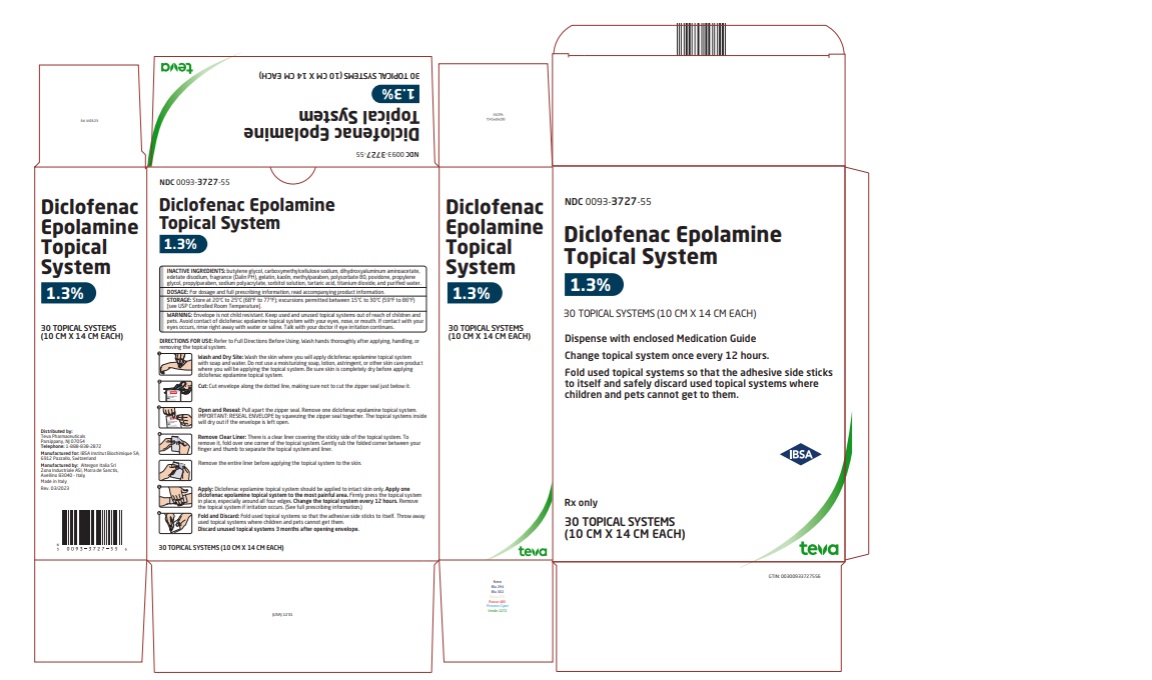
diclofenac epolamine .013 g System — NDC 0093-3727-55 (Billing 00093-3727-55)
This is a package of diclofenac epolamine .013 g System from Teva Pharmaceuticals USA Inc., marketed since May 2020 and currently FDA-listed; retail pharmacies pay about $4.71 per unit (NADAC). It is this product's only package size.
NDC database record
One package, one record: these facts belong to NDC 0093-3727-55 alone.
- Record
- FDA NDC Directory package listing · Human prescription drug
- Code segments
- 0093 labeler · 3727 product · 55 package
- Package marketed since
- May 1, 2020
- Sample package
- No — commercial package
- Listing certified through
- Dec 31, 2027
- Barcode (UPC-A, from the NDC)
- 3 0093372755 6
- Medicaid fills, this package
- 21,190 prescriptions in the last four reported quarters
- FDA record last changed
- Jul 24, 2026
Identity & classification
Regulatory identifiers FDA, NLM and CMS codes for this package
Drug-database identifiers Medi-Span GPI and First Databank GCN / HICL / AHFS classification
- GSN (GCN sequence number): 062176
- GCN: 97958
- GPI-14 (Medi-Span): 90210030205920
- HICL (First Databank): 020420
- AHFS class code: 28:08.04.04
- RxCUI (RxNorm): 855626
Where does this data come from?
- FDA openFDA NDC Directory · synced Oct 8, 2026
- FDA label on DailyMed · label index refreshed Oct 6, 2026
- RxNorm (NLM RxNav) · catalog refreshed Oct 1, 2026
- Medi-Span GPI (licensed)
- First Databank (licensed) · refreshed Oct 8, 2026
RxNorm drug class
This medicine belongs to the Nonsteroidal Anti-inflammatory Drug class.
Where does this data come from?
- RxClass (NLM) · catalog refreshed Oct 1, 2026
Clinical
Transdermal diclofenac is used to treat short-term pain due to minor strains, sprains, and bruises in adults and children 6 years of age and older. Diclofenac is in a class of medications called nonsteroidal anti-inflammatory drugs (NSAIDs). It works by stopping the body's production of a substance that causes pain.
Read the full MedlinePlus article ↗- This gel is specifically approved for osteoarthritis pain — the kind that comes from joint wear and tear over time. It works best on joints close to the skin's surface, like your k...
- What exactly is this gel for — can I use it for any joint pain?
- There's a dosing card in the box — use it every time to measure the right amount. Don't just squeeze from the tube and guess. Once you have the right amount on the card, use your h...
- How do I actually apply it — do I just squeeze some out?
Patient education
Supplement & herbal interactions
Some supplements/herbs that may interact with Diclofenac epolamine — tap one for details:
Diclofenac epolamine may be associated with lower levels of 1 nutrient — worth a chat with your pharmacist, not a cause for alarm.
Where does this data come from?
- MedlinePlus (NLM) · refreshed Oct 1, 2026
- FDA label on DailyMed · label index refreshed Oct 6, 2026
Ask a licensed pharmacist directly — free, answered by our team.
Pricing
A drug doesn't have one price. Each row is a different public payment system, and none is what you'd pay at the counter — that depends on your insurance. The ⓘ on each row explains what it measures.
| Price system | Per ea | Per package |
|---|---|---|
| Retail pharmacies payNADAC · weekly | $4.707 | $141.21 / 30 systems |
| Medicaid paysCMS SDUD · 12 mo | $5.10 | $153.12 / 30 systems |
| Medicare drug plans payPart D · Q2 2026 | $11.35 | $340.41 / 30 systems |
Where does this data come from?
- CMS NADAC weekly file · file of Sep 30, 2026
- CMS ASP pricing files · refreshed Sep 20, 2026
- CMS Medicaid State Drug Utilization Data · through Q4 2025
- CMS Part D plan pricing files · refreshed Sep 24, 2026
- VA National Acquisition Center price file
Packaging — all sizes for this product
| Package NDC | Description | Marketing start | Marketing end | Status |
|---|---|---|---|---|
| 00093-3727-55 You're viewing this Main listing | 6 POUCH in 1 CARTON / 5 SYSTEM in 1 POUCH | 2020-05-01 | — | Active |
Therapeutic equivalents
| Product | Labeler | Pack | NADAC/unit | TE | Status | Price vs. this |
|---|---|---|---|---|---|---|
| diclofenac epolamine .013 gthis 00093-3727-55 | Teva | 6 pouches | $4.707 | — | Availability likely | — |
| Diclofenac Epolamine .013 g 82347-0405-05 | YARAL | 6 pouches | $5.265 | — | FDA listed | +12% |
| Diclofenac Epolamine .013 g 68788-4115-03 | Preferred | 6 pouches | — | — | FDA listed | — |
| Flector .013 g 71858-0405-02 | IBSA | 1 pouch | — | — | FDA listed | — |
| diclofenac epolamine .013 g 76420-0409-30 | ASCLEMED | 6 pouches | — | — | FDA listed | — |
| Diclofenac Epolamine .013 g 76420-0673-30 | Asclemed | 6 pouches | — | — | FDA listed | — |
| diclofenac epolamine .013 g 80425-0364-01 | Advanced | 6 pouches | — | — | FDA listed | — |
| Diclofenac Epolamine .013 g 80425-0403-01 | Advanced | 6 pouches | — | — | FDA listed | — |
| diclofenac epolamine .013 g 83008-0036-30 | Quality | 6 pouches | — | — | FDA listed | — |
| Diclofenac Epolamine .013 g 85509-1405-03 | Phoenix | 6 pouches | — | — | FDA listed | — |
| Diclox Patch 30CT .013 g 87234-0405-05 | Injecta | 6 pouches | — | — | FDA listed | — |
| Licart .013 g 71858-0305-02 | IBSA | 1 pouch | — | — | FDA listed | — |
| Diclofenac Epolamine .013 g 85534-0034-00 | HAWAII | 6 pouches | — | — | FDA listed | — |
| Diclofenac Epolamine .013 g 85766-0265-15 | Sportpharm | 3 pouches | — | — | FDA listed | — |
Where does this data come from?
- FDA openFDA NDC Directory · synced Oct 8, 2026
- FDA Orange Book · refreshed Oct 3, 2026
- CMS NADAC weekly file · file of Sep 30, 2026
Availability & generic status
We did not find an FDA-approved generic match for this exact strength, form and route.
Where does this data come from?
- FDA Orange Book · refreshed Oct 3, 2026
What it looks like
Where does this data come from?
- FDA label on DailyMed · label index refreshed Oct 6, 2026
Inactive Ingredients / Excipients
Inactive ingredients, also called excipients, are components of the drug product other than the active ingredient. They may include fillers, dyes, coatings, preservatives, flavors, or other formulation ingredients.
🧪 Avoiding an ingredient? See Diclofenac Topical (arthritis pain) inactive ingredients by manufacturer: every current product's list side by side, so you can ask your pharmacy for the version that does not list it.
💡 Tap an ingredient (hover on desktop) to see what it is and why it’s used.
-
UNII 3XUS85K0RA
Butylene glycol is a clear liquid derived from petroleum or plants that acts as a humectant, solvent, and preservative booster in medicines. It helps keep formulations stable, dissolve active ingredients, and maintain moisture in topical products.
-
UNII K679OBS311
Carboxymethylcellulose sodium is a plant-derived thickening agent made from cellulose. In medicines, it acts as a binder to hold ingredients together, a disintegrant to help the tablet break apart, or a thickener in liquids.
-
UNII DO250MG0W6
A mineral compound containing aluminum that acts as an antacid and buffering agent. It helps neutralize stomach acid and is used as a pH buffer to stabilize the medicine's formulation.
-
UNII 7FLD91C86K
Edetate disodium is a chemical compound that binds and removes certain metal ions. In medicines, it acts as a preservative and stabilizer by preventing metals like calcium from interfering with the product's shelf life and consistency.
-
UNII 2G86QN327L
Gelatin is a protein derived from animal collagen, commonly used in medicines as a gelling agent and capsule material. It helps create soft or hard capsule shells that hold and release medication, and can also thicken liquid formulations.
-
UNII 24H4NWX5CO
Kaolin is a naturally occurring clay mineral. It's used in tablets and capsules as a filler and absorbent to add bulk, improve texture, and help bind ingredients together.
-
UNII A2I8C7HI9T
Methylparaben is a preservative derived from benzoic acid that prevents growth of bacteria, fungi, and mold in medicines. It extends the product's shelf life and maintains safety during storage.
-
UNII 6OZP39ZG8H
Polysorbate 80 is a synthetic emulsifier derived from sorbitol and oleic acid. It helps mix oil and water-based ingredients together in medications and improves how the product disperses in the body.
-
UNII FZ989GH94E
Povidone is a synthetic polymer made from a plastic-like material. It acts as a binder to hold tablet ingredients together and as a disintegrant to help the tablet break apart in your stomach so the medicine can be absorbed.
-
UNII 6DC9Q167V3
Propylene glycol is a clear liquid derived from petroleum or vegetable sources. It acts as a solvent, humectant, and preservative in medicines, helping dissolve active ingredients and maintain product stability.
-
UNII Z8IX2SC1OH
Propylparaben is a chemical preservative used to prevent bacterial and fungal growth in medicines and personal care products. It helps extend shelf life and maintain product safety during storage.
-
UNII 506T60A25R
Sorbitol is a natural sugar alcohol derived from glucose. It serves as a sweetener, humectant, and bulking agent in medications to improve taste and help maintain moisture in the product.
-
UNII W4888I119H
Tartaric acid is a natural organic acid found in grapes and tamarinds. In medicines, it works as a buffer to control acidity, an antioxidant to prevent spoilage, and sometimes a flavoring or binding agent.
-
UNII 15FIX9V2JP
Titanium dioxide is a bright white mineral powder commonly used as a colorant and opacifying agent. It makes pills and tablets white or lighter in color and helps make coatings non-transparent.
-
UNII 059QF0KO0R
Water is a liquid solvent that dissolves and mixes ingredients together in liquid medicines, syrups, and injections. It helps distribute the active drug evenly throughout the product.
15 inactive ingredients listed in the exact product block matched to this NDC.
Where does this data come from?
ingredient classCode="IACT" elements from the exact product block matched by this NDC. Label-section narrative from DailyMed / the openFDA label index is shown separately when available.- FDA label on DailyMed · label index refreshed Oct 6, 2026
- FDA openFDA NDC Directory · synced Oct 8, 2026
Inactive ingredient FAQ
Are inactive ingredients the same for every manufacturer?
Why might an inactive ingredient be missing?
Can inactive ingredients matter?
Manufacturer & labeler
More NDCs from Teva Pharmaceuticals USA Inc. labeler code 00093
- Acyclovir 50 mg/g Cream NDC 0093-3630-20
- Methylergonovine Maleate .2 mg Tablet NDC 0093-3655-22
- Buprenorphine 5 ug/h Patch, Extended Release NDC 0093-3656-40
- Buprenorphine 10 ug/h Patch, Extended Release NDC 0093-3657-40
- Buprenorphine 15 ug/h Patch, Extended Release NDC 0093-3658-40
- Buprenorphine 20 ug/h Patch, Extended Release NDC 0093-3659-40
- Tobramycin 300 mg/4mL Solution NDC 0093-3750-28
- Cefadroxil 1000 mg Tablet NDC 0093-4059-53
- Formoterol fumarate 20 ug/2mL Solution NDC 0093-4061-06
- Prazosin Hydrochloride 1 mg Capsule NDC 0093-4067-01
- Prazosin Hydrochloride 2 mg Capsule NDC 0093-4068-01
- Prazosin Hydrochloride 5 mg Capsule NDC 0093-4069-01
Where does this data come from?
- FDA openFDA NDC Directory · synced Oct 8, 2026
- Drugs@FDA
Full prescribing information FDA SPL
🚨 Boxed Warning ▾
WARNING: RISK OF SERIOUS CARDIOVASCULAR and GASTROINTESTINAL EVENTS WARNING: RISK OF SERIOUS CARDIOVASCULAR and GASTROINTESTINAL EVENTS See full prescribing information for complete boxed warning. Nonsteroidal anti-inflammatory drugs (NSAIDs) cause an increased risk of serious cardiovascular thrombotic events, including myocardial infarction and stroke, which can be fatal. This risk may occur early in treatment and may increase with duration of use ( 5.1 ) DICLOFENAC EPOLAMINE TOPICAL SYSTEM 1.3% is contraindicated in the setting of coronary artery bypass graft (CABG) surgery ( 4 , 5.1 ) NSAIDs cause an increased risk of serious gastrointestinal (GI) adverse events including bleeding, ulceration, and perforation of the stomach or intestines, which can be fatal.
These events can occur at any time during use and without warning symptoms. Elderly patients and patients with a prior history of peptic ulcer disease and/or GI bleeding are at greater risk for serious GI events ( 5.2 ) Cardiovascular Thrombotic Events Nonsteroidal anti-inflammatory drugs (NSAIDs) cause an increased risk of serious cardiovascular thrombotic events, including myocardial infarction and stroke, which can be fatal. This risk may occur early in treatment and may increase with duration of use [ see Warnings and Precautions (5.1) ].
DICLOFENAC EPOLAMINE TOPICAL SYSTEM 1.3% is contraindicated in the setting of coronary artery bypass graft (CABG) surgery [ see Contraindications (4) and Warnings and Precautions (5.1) ] . Gastrointestinal Bleeding, Ulceration, and Perforation NSAIDs cause an increased risk of serious gastrointestinal (GI) adverse events including bleeding, ulceration, and perforation of the stomach or intestines, which can be fatal. These events can occur at any time during use and without warning symptoms.
Elderly patients and patients with a prior history of peptic ulcer disease and/or GI bleeding are at greater risk for serious GI events [ see Warnings and Precautions (5.2) ].
🎯 Indications and Usage ▾
1 INDICATIONS AND USAGE DICLOFENAC EPOLAMINE TOPICAL SYSTEM 1.3% is indicated for the topical treatment of acute pain due to minor strains, sprains, and contusions in adults and pediatric patients 6 years and older. DICLOFENAC EPOLAMINE TOPICAL SYSTEM 1.3% is a nonsteroidal anti-inflammatory drug (NSAID), and is indicated for the topical treatment of acute pain due to minor strains, sprains, and contusions in adults and pediatric patients 6 years and older. ( 1 )
⏱️ Dosage and Administration ▾
2 DOSAGE AND ADMINISTRATION Use the lowest effective dosage for shortest duration consist with the individual patient treatment goals ( 2.1 ) The recommended dose of DICLOFENAC EPOLAMINE TOPICAL SYSTEM 1.3% for adults and pediatric patients 6 years and older is one (1) topical system to the most painful area twice a day. ( 2 ) DICLOFENAC EPOLAMINE TOPICAL SYSTEM 1.3% should not be applied to damaged or non-intact skin. ( 2 )
2.1General Dosing Instructions Use the lowest effective dosage for the shortest duration consistent with individual patient treatment goals [ see Warnings and Precautions (5) ]. The recommended dose of DICLOFENAC EPOLAMINE TOPICAL SYSTEM 1.3% is one (1) topical system to the most painful area twice a day both in adults and pediatric patients 6 years of age and older.
2.2Special Precautions Inform patients that, if DICLOFENAC EPOLAMINE TOPICAL SYSTEM 1.3% begins to peel-off, the edges of the topical system may be taped down. If problems with adhesion persist, patients may overlay the topical system with a mesh netting sleeve, where appropriate (e.g. to secure topical systems applied to ankles, knees, or elbows). The mesh netting sleeve (e.g.
Curad ® Hold Tite™, Surgilast ® Tubular Elastic Dressing) must allow air to pass through and not be occlusive (non-breathable). Do not apply DICLOFENAC EPOLAMINE TOPICAL SYSTEM 1.3% to non-intact or damaged skin resulting from any etiology e.g. exudative dermatitis, eczema, infected lesion, burns or wounds. Do not wear a DICLOFENAC EPOLAMINE TOPICAL SYSTEM 1.3% when bathing or showering.
Wash your hands after applying, handling or removing the topical system. Avoid eye contact. Do not use combination therapy with DICLOFENAC EPOLAMINE TOPICAL SYSTEM 1.3% and an oral NSAID unless the benefit outweighs the risk and conduct periodic laboratory evaluations.
💊 Dosage Forms and Strengths ▾
3 DOSAGE FORMS AND STRENGTHS Diclofenac Epolamine Topical System is a 10 cm × 14 cm topical system that contains 1.3 % diclofenac epolamine, and is debossed with "DICLOFENAC EPOLAMINE TOPICAL SYSTEM 1.3% TEVA 3727". DICLOFENAC EPOLAMINE TOPICAL SYSTEM 1.3%, for topical use. Each individual topical system is debossed. ( 3 )
⛔ Contraindications ▾
4 CONTRAINDICATIONS DICLOFENAC EPOLAMINE TOPICAL SYSTEM 1.3% is contraindicated in the following patients: Known hypersensitivity (e.g., anaphylactic reactions and serious skin reactions) to diclofenac or any components of the drug product [ see Warnings and Precautions (5.7 , 5.9 ) ] History of asthma, urticaria, or other allergic-type reactions after taking aspirin or other NSAIDs. Severe, sometimes fatal, anaphylactic reactions to NSAIDs have been reported in such patients [ see Warnings and Precautions (5.7 , 5.8 ) ] In the setting of coronary artery bypass graft (CABG) surgery [ see Warnings and Precautions (5.1) ] DICLOFENAC EPOLAMINE TOPICAL SYSTEM 1.3% is contraindicated for use on non-intact or damaged skin resulting from any etiology, including exudative dermatitis, eczema, infection lesions, burns or wounds.
Known hypersensitivity to diclofenac or any components of the drug product ( 4 ) History of asthma, urticaria, or other allergic-type reactions after taking aspirin or other NSAIDs ( 4 ) In the setting of CABG surgery ( 4 ) For use on non-intact or damaged skin ( 4 )
⚠️ Warnings and Cautions ▾
5 WARNINGS AND PRECAUTIONS Hepatotoxicity : Inform patients of warning signs and symptoms of hepatotoxicity. Discontinue if abnormal liver tests persist or worsen or if clinical signs and symptoms of liver disease develop ( 5.3 ) Hypertension : Patients taking some antihypertensive medications may have impaired response to these therapies when taking NSAIDs. Monitor blood pressure ( 5.4 , 7 ) Heart Failure and Edema: Avoid use of DICLOFENAC EPOLAMINE TOPICAL SYSTEM 1.3% in patients with severe heart failure unless benefits are expected to outweigh risk of worsening heart failure ( 5.5 ) Renal Toxicity: Monitor renal function in patients with renal or hepatic impairment, heart failure, dehydration, or hypovolemia.
Avoid use of DICLOFENAC EPOLAMINE TOPICAL SYSTEM 1.3% in patients with advanced renal disease unless benefits are expected to outweigh risk of worsening renal function ( 5.6 ) Anaphylactic Reactions : Seek emergency help if an anaphylactic reaction occurs ( 5.7 ) Exacerbation of Asthma Related to Aspirin Sensitivity : DICLOFENAC EPOLAMINE TOPICAL SYSTEM 1.3% is contraindicated in patients with aspirin-sensitive asthma. Monitor patients with preexisting asthma (without aspirin sensitivity) ( 5.8 ) Serious Skin Reactions: Discontinue DICLOFENAC EPOLAMINE TOPICAL SYSTEM 1.3% at first appearance of skin rash or other signs of hypersensitivity ( 5.9 ) Drug Reaction with Eosinophilia and Systemic Symptoms (DRESS ): Discontinue and evaluate clinically ( 5.10 ).
Fetal Toxicity : Limit use of NSAIDs, including DICLOFENAC EPOLAMINE TOPICAL SYSTEM 1.3%, between about 20 to 30 weeks in pregnancy due to the risk of oligohydramnios/fetal renal dysfunction. Avoid use of NSAIDs in women at about 30 weeks gestation and later in pregnancy due to the risks of oligohydramnios/fetal renal dysfunction and premature closure of the fetal ductus arteriosus ( 5.11 , 8.1 ). Hematologic Toxicity : Monitor hemoglobin or hematocrit in patients with any signs or symptoms of anemia ( 5.12 7 )
5.1Cardiovascular Thrombotic Events Clinical trials of several COX-2 selective and nonselective NSAIDs of up to three years duration have shown an increased risk of serious cardiovascular (CV) thrombotic events, including myocardial infarction (MI) and stroke, which can be fatal. Based on available data, it is unclear that the risk for CV thrombotic events is similar for all NSAIDs. The relative increase in serious CV thrombotic events over baseline conferred by NSAID use appears to be similar in those with and without known CV disease or risk factors for CV disease.
However, patients with known CV disease or risk factors had a higher absolute incidence of excess serious CV thrombotic events, due to their increased baseline rate. Some observational studies found that this increased risk of serious CV thrombotic events began as early as the first weeks of treatment. The increase in CV thrombotic risk has been observed most consistently at higher doses.
To minimize the potential risk for an adverse CV event in NSAID-treated patients, use the lowest effective dose for the shortest duration possible. Physicians and patients should remain alert for the development of such events, throughout the entire treatment course, even in the absence of previous CV symptoms. Patients should be informed about the symptoms of serious CV events and the steps to take if they occur.
There is no consistent evidence that concurrent use of aspirin mitigates the increased risk of serious CV thrombotic events associated with NSAID use. The concurrent use of aspirin and an NSAID, such as diclofenac, increases the risk of serious gastrointestinal (GI) events [ see Warnings and Precautions (5.2) ]. Status Post Coronary Artery Bypass Graft (CABG) Surgery Two large, controlled clinical trials of a COX-2 selective NSAID for the treatment of pain in the first 10–14 days following CABG surgery found an increased incidence of myocardial infarction and stroke.
NSAIDs are contraindicated in the se… [Excerpted — this section continues on DailyMed.]
🤒 Adverse Reactions ▾
6 ADVERSE REACTIONS The following adverse reactions are discussed in greater detail in other sections of the labeling: Cardiovascular Thrombotic Events [see Warnings and Precautions (5.1) ] GI Bleeding, Ulceration and Perforation [see Warnings and Precautions (5.2) ] Hepatotoxicity [see see Warnings and Precautions (5.3) ] Hypertension [ see Warnings and Precautions (5.4) ] Heart Failure and Edema [ see Warnings and Precautions (5.5) ] Renal Toxicity and Hyperkalemia [ see Warnings and Precautions (5.6) ] Anaphylactic Reactions [ see Warnings and Precautions (5.7) ] Serious Skin Reactions [ see Warnings and Precautions (5.9) ] Hematologic Toxicity [ see Warnings and Precautions (5.12) ] The most common adverse reactions in DICLOFENAC EPOLAMINE TOPICAL SYSTEM and placebo-treated adult patients were pruritus (5% and 8%, respectively) and nausea (3% and 2%, respectively) ( 6.1 ).
The most common adverse reactions in DICLOFENAC EPOLAMINE TOPICAL SYSTEM 1.3% treated pediatric patients were headache (9%) and application site pruritus (7%)( 6.1 ) To report SUSPECTED ADVERSE REACTIONS, contact Teva at 1-866-838-2872 or FDA at 1-800-FDA-1088 or www.fda.gov/medwatch.
6.1Clinical Trials Experience Because clinical trials are conducted under widely varying conditions, adverse reaction rates observed in the clinical trials of a drug cannot be directly compared with rates in the clinical trials of another drug and may not reflect the rates observed in practice. Adult Clinical Trials Experience In controlled trials during the premarketing development of DICLOFENAC EPOLAMINE TOPICAL SYSTEM 1.3%, approximately 600 patients with minor sprains, strains, and contusions were treated with DICLOFENAC EPOLAMINE TOPICAL SYSTEM 1.3% for up to two weeks.
Adverse Events Leading to Discontinuation of Treatment In the controlled trials, 3% of patients in both the DICLOFENAC EPOLAMINE TOPICAL SYSTEM 1.3% and placebo groups discontinued treatment due to an adverse event. The most common adverse events leading to discontinuation were application site reactions, occurring in 2% of both the DICLOFENAC EPOLAMINE TOPICAL SYSTEM 1.3% and placebo groups. Application site reactions leading to dropout included pruritus, dermatitis, and burning.
Common Adverse Events Overall, the most common adverse events associated with DICLOFENAC EPOLAMINE TOPICAL SYSTEM 1.3% treatment were skin reactions at the site of treatment. Table 1 lists all adverse events, regardless of causality, occurring in ≥ 1% of patients in controlled trials of DICLOFENAC EPOLAMINE TOPICAL SYSTEM 1.3%. A majority of patients treated with DICLOFENAC EPOLAMINE TOPICAL SYSTEM 1.3% had adverse events with a maximum intensity of "mild" or "moderate." Table 1.
Common Adverse Events (by body system and preferred term) in ≥ 1% of Patients treated with DICLOFENAC EPOLAMINE TOPICAL SYSTEM 1.3% or Placebo The table lists adverse events occurring in placebo-treated patients because the placebo was comprised of the same ingredients as DICLOFENAC EPOLAMINE TOPICAL SYSTEM 1.3% except for diclofenac. Adverse events in the placebo group may therefore reflect effects of the non-active ingredients. Category Diclofenac N=572 Placebo N=564 N Percent N Percent Foreign labeling describes that dermal allergic reactions may occur with DICLOFENAC EPOLAMINE TOPICAL SYSTEM 1.3% treatment.
Additionally, the treated area may become irritated or develop itching, erythema, edema, vesicles, or abnormal sensation. Application Site Conditions 64 11 70 12 Pruritus 31 5 44 8 Dermatitis 9 2 3 <1 Burning 2 <1 8 1 Other Includes: application site dryness, irritation, erythema, atrophy, discoloration, hyperhidriosis, and vesicles. 22 4 15 3 Gastrointestinal Disorders 49 9 33 6 Nausea 17 3 11 2 Dysgeusia 10 2 3 <1 Dyspepsia 7 1 8 1 Other Includes: gastritis, vomiting, diarrhea, constipation, upper abdominal pain, and dry mouth.
15 3 11 2 Nervous System Disorders 13 2 18 3 Headache 7 1 10 2 Paresthesia 6 1 8 1 Somnolence 4 1 6 1 Other Include… [Excerpted — this section continues on DailyMed.]
🔄 Drug Interactions ▾
7 DRUG INTERACTIONS See Table 2 for clinically significant drug interactions with diclofenac. Table 2: Clinically Significant Drug Interactions with Diclofenac Drugs That Interfere with Hemostasis Clinical Impact: Diclofenac and anticoagulants such as warfarin have a synergistic effect on bleeding. The concomitant use of diclofenac and anticoagulants have an increased risk of serious bleeding compared to the use of either drug alone.
Serotonin release by platelets plays an important role in hemostasis. Case-control and cohort epidemiological studies showed that concomitant use of drugs that interfere with serotonin reuptake and an NSAID may potentiate the risk of bleeding more than an NSAID alone. Intervention: Monitor patients with concomitant use of DICLOFENAC EPOLAMINE TOPICAL SYSTEM 1.3% with anticoagulants (e.g., warfarin), antiplatelet agents (e.g., aspirin), selective serotonin reuptake inhibitors (SSRIs), and serotonin norepinephrine reuptake inhibitors (SNRIs) for signs of bleeding [ see Warnings and Precautions (5.12) ].
Aspirin Clinical Impact: Controlled clinical studies showed that the concomitant use of NSAIDs and analgesic doses of aspirin does not produce any greater therapeutic effect than the use of NSAIDs alone. In a clinical study, the concomitant use of an NSAID and aspirin was associated with a significantly increased incidence of GI adverse reactions as compared to use of the NSAID alone [ see Warnings and Precautions (5.2) ]. Intervention: Concomitant use of DICLOFENAC EPOLAMINE TOPICAL SYSTEM 1.3% and analgesic doses of aspirin is not generally recommended because of the increased risk of bleeding [ see Warnings and Precautions (5.12) ].
DICLOFENAC EPOLAMINE TOPICAL SYSTEM 1.3% is not a substitute for low dose aspirin for cardiovascular protection. ACE Inhibitors, Angiotensin Receptor Blockers, and Beta-Blockers Clinical Impact: NSAIDs may diminish the antihypertensive effect of angiotensin converting enzyme (ACE) inhibitors, angiotensin receptor blockers (ARBs), or beta-blockers (including propranolol). In patients who are elderly, volume-depleted (including those on diuretic therapy), or have renal impairment, co-administration of an NSAID with ACE inhibitors or ARBs may result in deterioration of renal function, including possible acute renal failure.
These effects are usually reversible. Intervention: During concomitant use of DICLOFENAC EPOLAMINE TOPICAL SYSTEM 1.3% and ACE-inhibitors, ARBs, or beta-blockers, monitor blood pressure to ensure that the desired blood pressure is obtained. During concomitant use of DICLOFENAC EPOLAMINE TOPICAL SYSTEM 1.3% and ACE-inhibitors or ARBs in patients who are elderly, volume-depleted, or have impaired renal function, monitor for signs of worsening renal function [ see Warnings and Precautions (5.6) ] .
When these drugs are administered concomitantly, patients should be adequately hydrated. Assess renal function at the beginning of the concomitant treatment and periodically thereafter. Diuretics Clinical Impact: Clinical studies, as well as post-marketing observations, showed that NSAIDs reduced the natriuretic effect of loop diuretics (e.g., furosemide) and thiazide diuretics in some patients.
This effect has been attributed to the NSAID inhibition of renal prostaglandin synthesis. Intervention: During concomitant use of DICLOFENAC EPOLAMINE TOPICAL SYSTEM 1.3% with diuretics, observe patients for signs of worsening renal function, in addition to assuring diuretic efficacy including antihypertensive effects [ see Warnings and Precautions (5.6) ]. Digoxin Clinical Impact: The concomitant use of diclofenac with digoxin has been reported to increase the serum concentration and prolong the half-life of digoxin.
Intervention: During concomitant use of DICLOFENAC EPOLAMINE TOPICAL SYSTEM 1.3% and digoxin, monitor serum digoxin levels. Lithium Clinical Impact: NSAIDs have produced elevations in plasma lithium levels and reductions in renal lithium clearance . The me… [Excerpted — this section continues on DailyMed.]
👥 Use in Specific Populations ▾
8 USE IN SPECIFIC POPULATIONS Infertility: NSAIDs are associated with reversible infertility. Consider withdrawal of DICLOFENAC EPOLAMINE TOPICAL SYSTEM 1.3% in women who have difficulties conceiving ( 8.3 )
8.1Pregnancy Risk Summary Use of NSAIDs, including DICLOFENAC EPOLAMINE TOPICAL SYSTEM 1.3%, can cause premature closure of the fetal ductus arteriosus and fetal renal dysfunction leading to oligohydramnios and, in some cases, neonatal renal impairment. Because of these risks, limit dose and duration of DICLOFENAC EPOLAMINE TOPICAL SYSTEM 1.3% use between about 20 and 30 weeks of gestation, and avoid DICLOFENAC EPOLAMINE TOPICAL SYSTEM 1.3% use at about 30 weeks of gestation and later in pregnancy ( see Clinical Considerations, Data ).
Premature Closure of Fetal Ductus Arteriosus Use of NSAIDs, including DICLOFENAC EPOLAMINE TOPICAL SYSTEM 1.3%, at about 30 weeks gestation or later in pregnancy increases the risk of premature closure of the fetal ductus arteriosus. Oligohydramnios/Neonatal Renal Impairment Use of NSAIDs at about 20 weeks gestation or later in pregnancy has been associated with cases of fetal renal dysfunction leading to oligohydramnios, and in some cases, neonatal renal impairment. Data from observational studies regarding other potential embryofetal risks of NSAID use in women in the first or second trimesters of pregnancy are inconclusive.
In animal reproduction studies, diclofenac epolamine administered orally to pregnant rats and rabbits during the period of organogenesis produced embryotoxicity at approximately 3 and 7 times, respectively, the topical exposure from the maximum recommended human dose (MRHD) of DICLOFENAC EPOLAMINE TOPICAL SYSTEM 1.3%. In rats, increased incidences of skeletal anomalies and maternal toxicity were also observed at this dose. Diclofenac epolamine administered orally to both male and female rats prior to mating and throughout the mating period, and during gestation and lactation in females produced embryotoxicity at doses approximately 3 and 7 times, respectively, the topical exposure from the MRHD (see Data ) .
Based on animal data, prostaglandins have been shown to have an important role in endometrial vascular permeability, blastocyst implantation, and decidualization. In animal studies, administration of prostaglandin synthesis inhibitors such as diclofenac, resulted in increased pre- and post-implantation loss. Prostaglandins also have been shown to have an important role in fetal kidney development.
In published animal studies, prostaglandin synthesis inhibitors have been reported to impair kidney development when administered at clinically relevant doses. The estimated background risk of major birth defects and miscarriage for the indicated population is unknown. All pregnancies have a background risk of birth defect, loss, or other adverse outcomes.
In the U.S. general population, the estimated background risk of major birth defects and miscarriage in clinically recognized pregnancies is 2 to 4% and 15 to 20%, respectively. Clinical Considerations Fetal/Neonatal Adverse Reactions Premature Closure of Fetal Ductus Arteriosus: Avoid use of NSAIDs in women at about 30 weeks gestation and later in pregnancy, because NSAIDs, including DICLOFENAC EPOLAMINE TOPICAL SYSTEM 1.3%, can cause premature closure of the fetal ductus arteriosus ( see Data ). Oligohydramnios/Neonatal Renal Impairment: If an NSAID is necessary at about 20 weeks gestation or later in pregnancy, limit the use to the lowest effective dose and shortest duration possible.
If DICLOFENAC EPOLAMINE TOPICAL SYSTEM 1.3% treatment extends beyond 48 hours, consider monitoring with ultrasound for oligohydramnios. If oligohydramnios occurs, discontinue DICLOFENAC EPOLAMINE TOPICAL SYSTEM 1.3% and follow up according to clinical practice ( see Data ). Data Human Data Premature Closure of Fetal Ductus Arteriosus: Published literature reports that the use of NSAIDs at about 30 weeks of gestation and later in pregna… [Excerpted — this section continues on DailyMed.]
🤰 Pregnancy ▾
8.1Pregnancy Risk Summary Use of NSAIDs, including DICLOFENAC EPOLAMINE TOPICAL SYSTEM 1.3%, can cause premature closure of the fetal ductus arteriosus and fetal renal dysfunction leading to oligohydramnios and, in some cases, neonatal renal impairment. Because of these risks, limit dose and duration of DICLOFENAC EPOLAMINE TOPICAL SYSTEM 1.3% use between about 20 and 30 weeks of gestation, and avoid DICLOFENAC EPOLAMINE TOPICAL SYSTEM 1.3% use at about 30 weeks of gestation and later in pregnancy ( see Clinical Considerations, Data ).
Premature Closure of Fetal Ductus Arteriosus Use of NSAIDs, including DICLOFENAC EPOLAMINE TOPICAL SYSTEM 1.3%, at about 30 weeks gestation or later in pregnancy increases the risk of premature closure of the fetal ductus arteriosus. Oligohydramnios/Neonatal Renal Impairment Use of NSAIDs at about 20 weeks gestation or later in pregnancy has been associated with cases of fetal renal dysfunction leading to oligohydramnios, and in some cases, neonatal renal impairment. Data from observational studies regarding other potential embryofetal risks of NSAID use in women in the first or second trimesters of pregnancy are inconclusive.
In animal reproduction studies, diclofenac epolamine administered orally to pregnant rats and rabbits during the period of organogenesis produced embryotoxicity at approximately 3 and 7 times, respectively, the topical exposure from the maximum recommended human dose (MRHD) of DICLOFENAC EPOLAMINE TOPICAL SYSTEM 1.3%. In rats, increased incidences of skeletal anomalies and maternal toxicity were also observed at this dose. Diclofenac epolamine administered orally to both male and female rats prior to mating and throughout the mating period, and during gestation and lactation in females produced embryotoxicity at doses approximately 3 and 7 times, respectively, the topical exposure from the MRHD (see Data ) .
Based on animal data, prostaglandins have been shown to have an important role in endometrial vascular permeability, blastocyst implantation, and decidualization. In animal studies, administration of prostaglandin synthesis inhibitors such as diclofenac, resulted in increased pre- and post-implantation loss. Prostaglandins also have been shown to have an important role in fetal kidney development.
In published animal studies, prostaglandin synthesis inhibitors have been reported to impair kidney development when administered at clinically relevant doses. The estimated background risk of major birth defects and miscarriage for the indicated population is unknown. All pregnancies have a background risk of birth defect, loss, or other adverse outcomes.
In the U.S. general population, the estimated background risk of major birth defects and miscarriage in clinically recognized pregnancies is 2 to 4% and 15 to 20%, respectively. Clinical Considerations Fetal/Neonatal Adverse Reactions Premature Closure of Fetal Ductus Arteriosus: Avoid use of NSAIDs in women at about 30 weeks gestation and later in pregnancy, because NSAIDs, including DICLOFENAC EPOLAMINE TOPICAL SYSTEM 1.3%, can cause premature closure of the fetal ductus arteriosus ( see Data ). Oligohydramnios/Neonatal Renal Impairment: If an NSAID is necessary at about 20 weeks gestation or later in pregnancy, limit the use to the lowest effective dose and shortest duration possible.
If DICLOFENAC EPOLAMINE TOPICAL SYSTEM 1.3% treatment extends beyond 48 hours, consider monitoring with ultrasound for oligohydramnios. If oligohydramnios occurs, discontinue DICLOFENAC EPOLAMINE TOPICAL SYSTEM 1.3% and follow up according to clinical practice ( see Data ). Data Human Data Premature Closure of Fetal Ductus Arteriosus: Published literature reports that the use of NSAIDs at about 30 weeks of gestation and later in pregnancy may cause premature closure of the fetal ductus arteriosus.
Oligohydramnios/Neonatal Renal Impairment: Published studies and postmarketing reports describe maternal NSAID use at about 20 weeks gestation o… [Excerpted — this section continues on DailyMed.]
🧒 Pediatric Use ▾
8.4Pediatric Use The safety and effectiveness of DICLOFENAC EPOLAMINE TOPICAL SYSTEM 1.3% have been established in pediatric patients 6 years and older based on evidence from adequate and well-controlled studies with DICLOFENAC EPOLAMINE TOPICAL SYSTEM 1.3 % in adults, as well as an open-label study in pediatric patients 6 years and older. The pediatric study enrolled 104 patients, 6 years of age and older with minor soft tissue injuries. One DICLOFENAC EPOLAMINE TOPICAL SYSTEM 1.3 % was applied to the injury site twice daily for a maximum of 14 days or until treatment was no longer required for pain management, whichever occurred first.
Based on the available data from the pediatric study, the safety profile of DICLOFENAC EPOLAMINE TOPICAL SYSTEM 1.3 % topical system in pediatric patients is similar to that in adults. The safety and effectiveness of DICLOFENAC EPOLAMINE TOPICAL SYSTEM 1.3 % has not been investigated in pediatric patients less than 6 years old. [see Clinical Trials Experience (6.1) , Clinical Pharmacology (12.3) ].
🧓 Geriatric Use ▾
8.5Geriatric Use Elderly patients, compared to younger patients, are at greater risk for NSAID-associated serious cardiovascular, gastrointestinal, and/or renal adverse reactions. If the anticipated benefit for the elderly patient outweighs these potential risks, start dosing at the low end of the dosing range, and monitor patients for adverse effects [ see Warnings and Precautions (5.1 , 5.2 , 5.3 , 5.6 , 5.14 )]. Clinical studies of DICLOFENAC EPOLAMINE TOPICAL SYSTEM 1.3% did not include sufficient numbers of subjects aged 65 and over to determine whether they respond differently from younger subjects.
Other reported clinical experience has not identified differences in responses between the elderly and younger patients.
🆘 Overdosage ▾
10 OVERDOSAGE Symptoms following acute NSAID overdosages have been typically limited to lethargy, drowsiness, nausea, vomiting, and epigastric pain, which have been generally reversible with supportive care. Gastrointestinal bleeding has occurred. Hypertension, acute renal failure, respiratory depression, and coma have occurred, but were rare [ see Warnings and Precautions (5.1 , 5.2 , 5.4 , 5.6 ) ].
Manage patients with symptomatic and supportive care following an NSAID overdosage. There are no specific antidotes. Forced diuresis, alkalinization of urine, hemodialysis, or hemoperfusion may not be useful due to high protein binding.
For additional information about overdosage treatment contact a poison control center (1-800-222-1222).
🧬 Clinical Pharmacology ▾
12 CLINICAL PHARMACOLOGY
12.1Mechanism of Action Diclofenac has analgesic, anti-inflammatory, and antipyretic properties. The mechanism of action of diclofenac, like that of other NSAIDs, is not completely understood but involves inhibition of cyclooxygenase (COX-1 and COX-2). Diclofenac is a potent inhibitor of prostaglandin synthesis in vitro.
Diclofenac concentrations reached during therapy have produced in vivo effects. Prostaglandins sensitize afferent nerves and potentiate the action of bradykinin in inducing pain in animal models. Prostaglandins are mediators of inflammation.
Because diclofenac is an inhibitor of prostaglandin synthesis, its mode of action may be due to a decrease of prostaglandins in peripheral tissues.
12.2Pharmacodynamics DICLOFENAC EPOLAMINE TOPICAL SYSTEM 1.3% applied to intact skin provides local analgesia by releasing diclofenac epolamine from the topical system into the skin.
12.3Pharmacokinetics Absorption- Adults Following a single application of the DICLOFENAC EPOLAMINE TOPICAL SYSTEM 1.3% on the upper inner arm, peak plasma concentrations of diclofenac (range 0.7 – 6 ng/mL) were noted between 10 – 20 hours of application. Plasma concentrations of diclofenac in the range of 1.3 – 8.8 ng/mL were noted after five days with twice-a-day DICLOFENAC EPOLAMINE TOPICAL SYSTEM 1.3% application. Systemic exposure (AUC) and maximum plasma concentrations of diclofenac, after repeated dosing for four days with DICLOFENAC EPOLAMINE TOPICAL SYSTEM 1.3%, were lower (<1%) than after a single oral 50-mg diclofenac sodium tablet.
The pharmacokinetics of DICLOFENAC EPOLAMINE TOPICAL SYSTEM 1.3% has been tested in healthy volunteers at rest or undergoing moderate exercise (cycling 20 min/h for 12 h at a mean HR of 100.3 bpm). No clinically relevant differences in systemic absorption were observed, with peak plasma concentrations in the range of 2.2 – 8.1 ng/mL while resting, and 2.7 – 7.2 ng/mL during exercise. Absorption – Pediatrics Diclofenac plasma concentration was assessed in pediatric patients 6 years and older at a fixed time point 24-hours after the initial application and at the final visit (Day 3 – 15).
The resulting average concentrations were 1.65 ng/mL and 1.80 ng/mL, respectively, both of which are similar to the values observed in adults. Distribution Diclofenac has a very high affinity (>99%) for human serum albumin. Diclofenac diffuses into and out of the synovial fluid.
Diffusion into the joint occurs when plasma levels are higher than those in the synovial fluid, after which the process reverses, and synovial fluid levels are higher than plasma levels. It is not known whether diffusion into the joint plays a role in the effectiveness of diclofenac. Elimination Metabolism Five diclofenac metabolites have been identified in human plasma and urine.
The metabolites include 4'-hydroxy-, 5-hydroxy-, 3'-hydroxy-, 4',5-dihydroxy- and 3'-hydroxy-4'-methoxy diclofenac. The major diclofenac metabolite, 4'hydroxy-diclofenac, has very weak pharmacologic activity. The formation of 4'-hydroxy diclofenac is primarily mediated by CPY2C9.
Both diclofenac and its oxidative metabolites undergo glucuronidation or sulfation followed by biliary excretion. Acylglucuronidation mediated by UGT2B7 and oxidation mediated by CPY2C8 may also play a role in diclofenac metabolism. CYP3A4 is responsible for the formation of minor metabolites, 5-hydroxy and 3'-hydroxy- diclofenac.
Excretion The plasma elimination half-life of diclofenac after application of DICLOFENAC EPOLAMINE TOPICAL SYSTEM 1.3% is approximately 12 hours. Diclofenac is eliminated through metabolism and subsequent urinary and biliary excretion of the glucuronide and the sulfate conjugates of the metabolites. Little or no free unchanged diclofenac is excreted in the urine.
Approximately 65% of the dose is excreted in the urine and approximately 35% in the bile as conjugates of unchanged diclofenac plus metabolites. Specific Populations The pharmacokinetics… [Excerpted — this section continues on DailyMed.]
🧬 Mechanism of Action ▾
12.1Mechanism of Action Diclofenac has analgesic, anti-inflammatory, and antipyretic properties. The mechanism of action of diclofenac, like that of other NSAIDs, is not completely understood but involves inhibition of cyclooxygenase (COX-1 and COX-2). Diclofenac is a potent inhibitor of prostaglandin synthesis in vitro.
Diclofenac concentrations reached during therapy have produced in vivo effects. Prostaglandins sensitize afferent nerves and potentiate the action of bradykinin in inducing pain in animal models. Prostaglandins are mediators of inflammation.
Because diclofenac is an inhibitor of prostaglandin synthesis, its mode of action may be due to a decrease of prostaglandins in peripheral tissues.
📦 How Supplied / Storage and Handling ▾
16 HOW SUPPLIED/STORAGE AND HANDLING The DICLOFENAC EPOLAMINE TOPICAL SYSTEM 1.3% is supplied in resealable envelopes, each containing 5 topical systems (10 cm × 14 cm), with 6 envelopes per box (NDC 0093-3727-55). Each individual topical system is embossed with "DICLOFENAC EPOLAMINE TOPICAL SYSTEM 1.3% TEVA 3727". The product is intended for topical use only.
Keep out of reach of children and pets. Envelopes should be sealed at all times when not in use. Curad ® Hold Tite™ is a trademark of Medline Industries, Inc., and Surgilast ® Tubular Elastic Dressing is a trademark of Derma Sciences, Inc.
Storage Store at 20°C to 25°C (68°F to 77°F); excursions permitted between 15°C to 30°C (59°F to 86°F) [see USP Controlled Room Temperature].
📦 Storage and Handling ▾
Storage Store at 20°C to 25°C (68°F to 77°F); excursions permitted between 15°C to 30°C (59°F to 86°F) [see USP Controlled Room Temperature].
📋 Description ▾
11 DESCRIPTION DICLOFENAC EPOLAMINE TOPICAL SYSTEM 1.3% is a nonsteroidal anti-inflammatory drug, available for topical application. DICLOFENAC EPOLAMINE TOPICAL SYSTEM 1.3% is a 10 cm × 14 cm topical system comprised of an adhesive material containing 1.3% diclofenac epolamine which is applied to a non-woven polyester felt backing and covered with a polypropylene film release liner. The release liner is removed prior to topical application to the skin.
The chemical name of diclofenac epolamine is 2-[(2,6-dichlorophenyl) amino] benzeneacetic acid, (2-(pyrrolidin-1-yl) ethanol salt, with a molecular formula of C 20 H 24 Cl 2 N 2 O 3, and molecular weight 411.3, an n-octanol/water partition coefficient of 8 at pH 8.5, and the following chemical structure: Each adhesive topical system contains 180 mg of diclofenac epolamine (13 mg per gram adhesive) in an aqueous base. It also contains the following inactive ingredients: butylene glycol, carboxymethylcellulose sodium, dihydroxyaluminum aminoacetate, edetate disodium, fragrance (Dalin PH), gelatin, kaolin, methylparaben, polysorbate 80, povidone, propylene glycol, propylparaben, sodium polyacrylate, sorbitol solution, tartaric acid, titanium dioxide, and purified water.
Chemical Structure
💬 Information for Patients ▾
17 PATIENT COUNSELING INFORMATION Advise the patient to read the FDA-approved patient labeling (Medication Guide) that accompanies each prescription dispensed, as well as the Directions for Use on the product packaging. Inform patients, families, or their caregivers of the following information before initiating therapy with DICLOFENAC EPOLAMINE TOPICAL SYSTEM 1.3% and periodically during the course of ongoing therapy. Cardiovascular Thrombotic Events Advise patients to be alert for the symptoms of cardiovascular thrombotic events, including chest pain, shortness of breath, weakness, or slurring of speech, and to report any of these symptoms to their health care provider immediately [ see Warnings and Precautions (5.1) ].
Gastrointestinal Bleeding, Ulceration, and Perforation Advise patients to report symptoms of ulcerations and bleeding, including epigastric pain, dyspepsia, melena, and hematemesis to their health care provider. In the setting of concomitant use of low-dose aspirin for cardiac prophylaxis, inform patients of the increased risk for and the signs and symptoms of GI bleeding [ see Warnings and Precautions (5.2) ]. Hepatotoxicity Inform patients of the warning signs and symptoms of hepatotoxicity (e.g., nausea, fatigue, lethargy, pruritus, diarrhea, jaundice, right upper quadrant tenderness, and "flu-like" symptoms).
If these occur, instruct patients to stop DICLOFENAC EPOLAMINE TOPICAL SYSTEM 1.3% and seek immediate medical therapy [ see Warnings and Precautions (5.3) ]. Heart Failure and Edema Advise patients to be alert for the symptoms of congestive heart failure including shortness of breath, unexplained weight gain, or edema and to contact their healthcare provider if such symptoms occur [ see Warnings and Precautions (5.5) ]. Anaphylactic Reactions Inform patients of the signs of an anaphylactic reaction (e.g., difficulty breathing, swelling of the face or throat).
Instruct patients to seek immediate emergency help if these occur [ see Contraindications (4) and Warnings and Precautions (5.7) ]. Serious Skin Reactions including DRESS Advise patients to stop using DICLOFENAC EPOLAMINE TOPICAL SYSTEM 1.3% immediately if they develop any type of rash or fever and to contact their healthcare provider as soon as possible [ see Warnings and Precautions ( 5.10 , 5.9) ]. Female Fertility Advise females of reproductive potential who desire pregnancy that NSAIDs, including DICLOFENAC EPOLAMINE TOPICAL SYSTEM 1.3%, may delay or prevent rupture of ovarian follicles, which has been associated with reversible infertility in some women [see Use in Specific Populations (8.3) ] Fetal Toxicity Inform pregnant women to avoid use of DICLOFENAC EPOLAMINE TOPICAL SYSTEM 1.3% and other NSAIDs starting at 30 weeks of gestation because of the risk of the premature closure of the fetal ductus arteriosus.
If treatment with DICLOFENAC EPOLAMINE TOPICAL SYSTEM 1.3% is needed for a pregnant woman between about 20 to 30 weeks gestation, advise her that she may need to be monitored for oligohydramnios, if treatment continues for longer than 48 hours. [see Warnings and Precautions (5.11) and Use in Specific Populations (8.1) ] . Avoid Concomitant Use of NSAIDs Inform patients that the concomitant use of DICLOFENAC EPOLAMINE TOPICAL SYSTEM 1.3% with other NSAIDs or salicylates (e.g., diflunisal, salsalate) is not recommended due to the increased risk of gastrointestinal toxicity, and little or no increase in efficacy [see Warnings and Precautions (5.2) and Drug Interactions (7) ].
Alert patients that NSAIDs may be present in "over the counter" medications for treatment of colds, fever, or insomnia. Use of NSAIDS and Low-Dose Aspirin Inform patients not to use low-dose aspirin concomitantly with DICLOFENAC EPOLAMINE TOPICAL SYSTEM 1.3% until they talk to their healthcare provider [see Drug Interactions (7) ]. Eye Exposure Instruct patients to avoid contact of DICLOFENAC EPOLAMINE TOPICAL SYSTEM 1.3% with the eyes and mucosa.
Advise patients… [Excerpted — this section continues on DailyMed.]
💬 Medication Guide ▾
Medication Guide for Nonsteroidal Anti-inflammatory Drugs (NSAIDs) What is the most important information I should know about medicines called Nonsteroidal Anti-inflammatory Drugs (NSAIDs)? NSAIDs can cause serious side effects, including: Increased risk of a heart attack or stroke that can lead to death . This risk may happen early in treatment and may increase: with increasing doses of NSAIDs with longer use of NSAIDs Do not take NSAIDs right before or after a heart surgery called a "coronary artery bypass graft (CABG)." Avoid taking NSAIDs after a recent heart attack, unless your healthcare provider tells you to.
You may have an increased risk of another heart attack if you take NSAIDs after a recent heart attack. Increased risk of bleeding, ulcers, and tears (perforation) of the esophagus (tube leading from the mouth to the stomach), stomach and intestines: anytime during use without warning symptoms that may cause death The risk of getting an ulcer or bleeding increases with: past history of stomach ulcers, or stomach or intestinal bleeding with use of NSAIDs taking medicines called "corticosteroids", "anticoagulants", "SSRIs", or "SNRIs" increasing doses of NSAIDs longer use of NSAIDs smoking drinking alcohol older age poor health advanced liver disease bleeding problems NSAIDs should only be used: exactly as prescribed at the lowest dose possible for your treatment for the shortest time needed What are NSAIDs?
NSAIDs are used to treat pain and redness, swelling, and heat (inflammation) from medical conditions such as different types of arthritis, menstrual cramps, and other types of short-term pain. Who should not take NSAIDs? Do not take NSAIDs: if you have had an asthma attack, hives, or other allergic reaction with aspirin or any other NSAIDs. right before or after heart bypass surgery.
Before taking NSAIDS, tell your healthcare provider about all of your medical conditions, including if you: have liver or kidney problems have high blood pressure have asthma are pregnant or plan to become pregnant. Taking NSAIDs at about 20 weeks of pregnancy or later may harm your unborn baby. If you need to take NSAIDs for more than 2 days when you are between 20 and 30 weeks of pregnancy, your healthcare provider may need to monitor the amount of fluid in your womb around your baby.
You should not take NSAIDs after about 30 weeks of pregnancy. are breastfeeding or plan to breast feed. Tell your healthcare provider about all of the medicines you take, including prescription or over-the-counter medicines, vitamins or herbal supplements. NSAIDs and some other medicines can interact with each other and cause serious side effects.
Do not start taking any new medicine without talking to your healthcare provider first. What are the possible side effects of NSAIDs? NSAIDs can cause serious side effects, including: See " What is the most important information I should know about medicines called Nonsteroidal Anti-inflammatory Drugs (NSAIDs)? new or worse high blood pressure heart failure liver problems including liver failure kidney problems including kidney failure low red blood cells (anemia) life-threatening skin reactions life-threatening allergic reactions Other side effects of NSAIDs include: stomach pain, constipation, diarrhea, gas, heartburn, nausea, vomiting, and dizziness.
Get emergency help right away if you get any of the following symptoms: shortness of breath or trouble breathing slurred speech chest pain swelling of the face or throat weakness in one part or side of your body Stop taking your NSAID and call your healthcare provider right away if you get any of the following symptoms: nausea vomit blood more tired or weaker than usual there is blood in your bowel movement or it is black and sticky like tar diarrhea itching unusual weight gain your skin or eyes look yellow skin rash or blisters with fever indigestion or stomach pain swelling of the arms, legs, hands and feet flu-like symptoms If you take too much of your NSAI… [Excerpted — this section continues on DailyMed.]
🧬 Pharmacokinetics ▾
12.3Pharmacokinetics Absorption- Adults Following a single application of the DICLOFENAC EPOLAMINE TOPICAL SYSTEM 1.3% on the upper inner arm, peak plasma concentrations of diclofenac (range 0.7 – 6 ng/mL) were noted between 10 – 20 hours of application. Plasma concentrations of diclofenac in the range of 1.3 – 8.8 ng/mL were noted after five days with twice-a-day DICLOFENAC EPOLAMINE TOPICAL SYSTEM 1.3% application. Systemic exposure (AUC) and maximum plasma concentrations of diclofenac, after repeated dosing for four days with DICLOFENAC EPOLAMINE TOPICAL SYSTEM 1.3%, were lower (<1%) than after a single oral 50-mg diclofenac sodium tablet.
The pharmacokinetics of DICLOFENAC EPOLAMINE TOPICAL SYSTEM 1.3% has been tested in healthy volunteers at rest or undergoing moderate exercise (cycling 20 min/h for 12 h at a mean HR of 100.3 bpm). No clinically relevant differences in systemic absorption were observed, with peak plasma concentrations in the range of 2.2 – 8.1 ng/mL while resting, and 2.7 – 7.2 ng/mL during exercise. Absorption – Pediatrics Diclofenac plasma concentration was assessed in pediatric patients 6 years and older at a fixed time point 24-hours after the initial application and at the final visit (Day 3 – 15).
The resulting average concentrations were 1.65 ng/mL and 1.80 ng/mL, respectively, both of which are similar to the values observed in adults. Distribution Diclofenac has a very high affinity (>99%) for human serum albumin. Diclofenac diffuses into and out of the synovial fluid.
Diffusion into the joint occurs when plasma levels are higher than those in the synovial fluid, after which the process reverses, and synovial fluid levels are higher than plasma levels. It is not known whether diffusion into the joint plays a role in the effectiveness of diclofenac. Elimination Metabolism Five diclofenac metabolites have been identified in human plasma and urine.
The metabolites include 4'-hydroxy-, 5-hydroxy-, 3'-hydroxy-, 4',5-dihydroxy- and 3'-hydroxy-4'-methoxy diclofenac. The major diclofenac metabolite, 4'hydroxy-diclofenac, has very weak pharmacologic activity. The formation of 4'-hydroxy diclofenac is primarily mediated by CPY2C9.
Both diclofenac and its oxidative metabolites undergo glucuronidation or sulfation followed by biliary excretion. Acylglucuronidation mediated by UGT2B7 and oxidation mediated by CPY2C8 may also play a role in diclofenac metabolism. CYP3A4 is responsible for the formation of minor metabolites, 5-hydroxy and 3'-hydroxy- diclofenac.
Excretion The plasma elimination half-life of diclofenac after application of DICLOFENAC EPOLAMINE TOPICAL SYSTEM 1.3% is approximately 12 hours. Diclofenac is eliminated through metabolism and subsequent urinary and biliary excretion of the glucuronide and the sulfate conjugates of the metabolites. Little or no free unchanged diclofenac is excreted in the urine.
Approximately 65% of the dose is excreted in the urine and approximately 35% in the bile as conjugates of unchanged diclofenac plus metabolites. Specific Populations The pharmacokinetics of DICLOFENAC EPOLAMINE TOPICAL SYSTEM 1.3% has not been investigated in children, patients with hepatic or renal impairment, or specific racial groups. Drug Interaction Studies Aspirin: When NSAIDs were administered with aspirin, the protein binding of NSAIDs were reduced, although the clearance of free NSAID was not altered.
The clinical significance of this interaction is not known. See Table 1 for clinically significant drug interactions of NSAIDs with aspirin [ see Drug Interactions (7) ] .
🧬 Pharmacodynamics ▾
12.2Pharmacodynamics DICLOFENAC EPOLAMINE TOPICAL SYSTEM 1.3% applied to intact skin provides local analgesia by releasing diclofenac epolamine from the topical system into the skin.
🔬 Clinical Studies ▾
14 CLINICAL STUDIES
14.1Strains, Sprains, and Contusions Efficacy of DICLOFENAC EPOLAMINE TOPICAL SYSTEM 1.3% was demonstrated in two of four studies of patients with minor strains, sprains, and contusions. Patients were randomly assigned to treatment with the DICLOFENAC EPOLAMINE TOPICAL SYSTEM 1.3%, or a placebo identical to the DICLOFENAC EPOLAMINE TOPICAL SYSTEM 1.3% minus the active ingredient. In the first of these two studies, patients with ankle sprains were treated once daily for a week.
In the second study, patients with strains, sprains, and contusions were treated twice daily for up to two weeks. Pain was assessed over the period of treatment. Patients treated with the DICLOFENAC EPOLAMINE TOPICAL SYSTEM 1.3% experienced a greater reduction in pain as compared to patients randomized to placebo as evidenced by the responder curves presented below ( Figures 1-4 ).
Figure 1 and 2 Figure 3 and 4
🧪 Nonclinical Toxicology ▾
13 NONCLINICAL TOXICOLOGY
13.1Carcinogenesis, Mutagenesis, Impairment of Fertility Carcinogenesis Long-term studies in animals have not been performed to evaluate the carcinogenic potential of either diclofenac epolamine or DICLOFENAC EPOLAMINE TOPICAL SYSTEM 1.3%. Mutagenesis Diclofenac epolamine is not mutagenic in Salmonella typhimurium strains, nor does it induce an increase in metabolic aberrations in cultured human lymphocytes, or the frequency of micronucleated cells in the bone marrow micronucleus test performed in rats. Impairment of Fertility Male and female Sprague Dawley rats were administered 1, 3, or 6 mg/kg/day diclofenac epolamine via oral gavage (males treated for 60 days prior to conception and during mating period, females treated for 14 days prior to mating through day 19 of gestation).
Diclofenac epolamine treatment with 6 mg/kg/day resulted in increased early resorptions and post-implantation losses; however, no effects on the mating and fertility indices were found. The 6 mg/kg/day dose corresponds to 3 times the maximum recommended daily exposure in humans based on a body surface area comparison.
📄 Carcinogenesis, Mutagenesis, Impairment of Fertility ▾
13.1Carcinogenesis, Mutagenesis, Impairment of Fertility Carcinogenesis Long-term studies in animals have not been performed to evaluate the carcinogenic potential of either diclofenac epolamine or DICLOFENAC EPOLAMINE TOPICAL SYSTEM 1.3%. Mutagenesis Diclofenac epolamine is not mutagenic in Salmonella typhimurium strains, nor does it induce an increase in metabolic aberrations in cultured human lymphocytes, or the frequency of micronucleated cells in the bone marrow micronucleus test performed in rats. Impairment of Fertility Male and female Sprague Dawley rats were administered 1, 3, or 6 mg/kg/day diclofenac epolamine via oral gavage (males treated for 60 days prior to conception and during mating period, females treated for 14 days prior to mating through day 19 of gestation).
Diclofenac epolamine treatment with 6 mg/kg/day resulted in increased early resorptions and post-implantation losses; however, no effects on the mating and fertility indices were found. The 6 mg/kg/day dose corresponds to 3 times the maximum recommended daily exposure in humans based on a body surface area comparison.
📄 Recent Major Changes ▾
Warning and Precautions 11/2024
📄 Package Label / Principal Display Panel ▾
PRINCIPAL DISPLAY PANEL - 30 Topical System Pouch Carton NDC 0093-3727-55 Diclofenac Epolamine Topical System 1.3% 30 TOPICAL SYSTEMS (10 CM X 14 CM EACH) Dispense with enclosed Medication Guide Change topical system once every 12 hours. Fold used topical systems so that the adhesive side sticks to itself and safely discard used topical systems where children and pets cannot get to them. Rx only IBSA 30 TOPICAL SYSTEMS (10 CM X 14 CM EACH) TEVA carton-box