
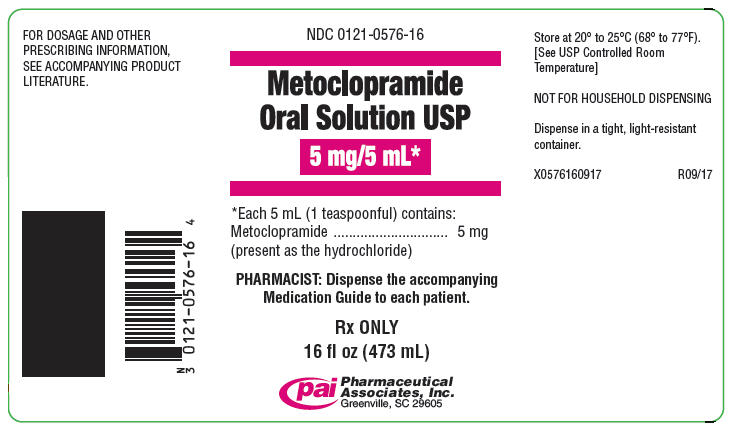
Metoclopramide 5 mg/5mL Solution, 473 mL — NDC 0121-0576-16 (Billing 00121-0576-16)
This is a package of 473 mL of Metoclopramide 5 mg/5mL Solution from PAI Holdings, LLC dba PAI Pharma, marketed since Jun 1991 and currently FDA-listed; retail pharmacies pay about $0.1273 per mL (NADAC). It is this product's only package size.
NDC database record
One package, one record: these facts belong to NDC 0121-0576-16 alone.
- Record
- FDA NDC Directory package listing · Human prescription drug
- Code segments
- 0121 labeler · 0576 product · 16 package
- Package marketed since
- Jun 1, 1991
- Sample package
- No — commercial package
- Listing certified through
- Dec 31, 2026
- Billing quantity
- 473 mL per package
- Barcode (UPC-A, from the NDC)
- 3 0121057616 4
- Medicaid fills, this package
- 173 prescriptions in the last four reported quarters
- FDA record last changed
- Jul 24, 2026
Identity & classification
Regulatory identifiers FDA, NLM and CMS codes for this package
Drug-database identifiers Medi-Span GPI and First Databank GCN / HICL / AHFS classification
- GSN (GCN sequence number): 005230
- GCN: 03610
- GPI-14 (Medi-Span): 52300020102013
- HICL (First Databank): 002148
- AHFS class code: 56:32.00.00
- RxCUI (RxNorm): 104884
Where does this data come from?
- FDA openFDA NDC Directory · synced Oct 8, 2026
- FDA label on DailyMed · label index refreshed Oct 8, 2026
- RxNorm (NLM RxNav) · catalog refreshed Oct 1, 2026
- Medi-Span GPI (licensed)
- First Databank (licensed) · refreshed Oct 8, 2026
RxNorm drug class
This medicine belongs to the Dopamine-2 Receptor Antagonist class.
Where does this data come from?
- RxClass (NLM) · catalog refreshed Oct 1, 2026
Clinical
- It helps the stomach and esophagus move things along. It's used for reflux that hasn't responded to usual treatment and for diabetic gastroparesis. The injection is also used for c...
- The oral forms and Gimoti nasal spray are generally used about 30 minutes before meals and at bedtime. Follow your prescriber's directions and the label. Don't keep taking it longe...
- Treatment is meant to be short, generally no more than 12 weeks. The longer you take it, the higher your risk of tardive dyskinesia, a movement disorder that can be permanent.
- Restlessness, drowsiness, tiredness and weakness are most common. Some people have nausea, diarrhea, headache or dizziness. Be careful driving until you know how it affects you.
Patient education
Supplement & herbal interactions
Some supplements/herbs that may interact with Metoclopramide Hydrochloride — tap one for details:
Where does this data come from?
- MedlinePlus (NLM) · refreshed Oct 8, 2026
- FDA label on DailyMed · label index refreshed Oct 8, 2026
Ask a licensed pharmacist directly — free, answered by our team.
Pricing
A drug doesn't have one price. Each row is a different public payment system, and none is what you'd pay at the counter — that depends on your insurance. The ⓘ on each row explains what it measures.
| Price system | Per mL | Per package |
|---|---|---|
| Retail pharmacies payNADAC · weekly | $0.127 | $60.21 / 473 ml |
| Medicaid paysCMS SDUD · 12 mo | $0.0936 | $44.27 / 473 ml |
| Medicare drug plans payPart D · Q2 2026 | $0.1035 | $48.96 / 473 ml |
Where does this data come from?
- CMS NADAC weekly file · file of Feb 25, 2026
- CMS ASP pricing files · refreshed Sep 20, 2026
- CMS Medicaid State Drug Utilization Data · through Q1 2026
- CMS Part D plan pricing files · refreshed Sep 24, 2026
- VA National Acquisition Center price file
Packaging — all sizes for this product
| Package NDC | Description | Marketing start | Marketing end | Status |
|---|---|---|---|---|
| 00121-0576-16 You're viewing this Main listing | 473 mL in 1 BOTTLE | 1991-06-01 | — | Active |
Therapeutic equivalents
| Product | Labeler | Pack | NADAC/unit | TE | Status | Price vs. this |
|---|---|---|---|---|---|---|
| metoclopramide hydrochloride 5 mg/5mL 62135-0526-47 | Chartwell | 473 ml | $0.126 | — | Availability likely | save 1% |
| Metoclopramide 5 mg/5mL 62559-0190-16 | ANI | 473 ml | $0.126 | AA | Availability likely | save 1% |
| Metoclopramide 5 mg/5mL 64950-0344-16 | Genus | 473 ml | $0.126 | AA | Availability likely | save 1% |
| Metoclopramide 5 mg/5mLthis 00121-0576-16 | PAI | 473 ml | $0.127 | AA | FDA listed | — |
| Metoclopramide 5 mg/5mL 00121-1576-10 | PAI | 10 cups | — | AA | FDA listed | — |
| Metoclopramide 5 mg/5mL 17856-1190-01 | ATLANTIC | 72 cups | — | AA | FDA listed | — |
| Metoclopramide 5 mg/5mL 60687-0837-56 | American | 10 cups | — | AA | FDA listed | — |
| Metoclopramide 5 mg/5mL 63629-1961-01 | Bryant | 473 ml | — | AA | FDA listed | — |
| Metoclopramide 5 mg/5mL 63629-2144-01 | Bryant | 473 ml | — | AA | FDA listed | — |
| metoclopramide hydrochloride 5 mg/5mL 68999-0526-24 | Chartwell | 10 cups | — | — | FDA listed | — |
| Metoclopramide 5 mg/5mL 71335-2732-01 | Bryant | 473 ml | — | AA | FDA listed | — |
| Metoclopramide 5 mg/5mL 71335-2997-01 | Bryant | 473 ml | — | AA | FDA listed | — |
| Metoclopramide 5 mg/5mL 72162-1750-02 | Bryant | 473 ml | — | AA | FDA listed | — |
Where does this data come from?
- FDA openFDA NDC Directory · synced Oct 8, 2026
- FDA Orange Book · refreshed Oct 3, 2026
- CMS NADAC weekly file · file of Feb 25, 2026
Availability & generic status
This product is an FDA-approved generic. Other versions of the same drug are listed under Therapeutic equivalents, least expensive first.
Where does this data come from?
- FDA Orange Book · refreshed Oct 3, 2026
What it looks like
Where does this data come from?
- FDA label on DailyMed · label index refreshed Oct 8, 2026
Inactive Ingredients / Excipients
Inactive ingredients, also called excipients, are components of the drug product other than the active ingredient. They may include fillers, dyes, coatings, preservatives, flavors, or other formulation ingredients.
🧪 Avoiding an ingredient? See Metoclopramide inactive ingredients by manufacturer: every current product's list side by side, so you can ask your pharmacy for the version that does not list it.
💡 Tap an ingredient (hover on desktop) to see what it is and why it’s used.
-
UNII XF417D3PSL
Anhydrous citric acid is a sour, crystalline powder derived from citric acid with water removed. In medicines, it acts as a buffer to control pH, adds tartness to improve taste, and helps tablets disintegrate.
-
UNII H77VEI93A8
A synthetic yellow dye used to color medications. It helps identify the drug and make it visually distinctive, with no effect on how the medicine works.
-
UNII PDC6A3C0OX
Glycerin is a clear, thick liquid derived from plant oils or fats. It acts as a humectant to retain moisture, a sweetener, and a solvent in medications.
-
UNII A2I8C7HI9T
Methylparaben is a preservative derived from benzoic acid that prevents growth of bacteria, fungi, and mold in medicines. It extends the product's shelf life and maintains safety during storage.
-
UNII Z8IX2SC1OH
Propylparaben is a chemical preservative used to prevent bacterial and fungal growth in medicines and personal care products. It helps extend shelf life and maintain product safety during storage.
-
UNII 506T60A25R
Sorbitol is a natural sugar alcohol derived from glucose. It serves as a sweetener, humectant, and bulking agent in medications to improve taste and help maintain moisture in the product.
-
UNII 059QF0KO0R
Water is a liquid solvent that dissolves and mixes ingredients together in liquid medicines, syrups, and injections. It helps distribute the active drug evenly throughout the product.
7 inactive ingredients listed in the exact product block matched to this NDC.
Where does this data come from?
ingredient classCode="IACT" elements from the exact product block matched by this NDC. Label-section narrative from DailyMed / the openFDA label index is shown separately when available.- FDA label on DailyMed · label index refreshed Oct 8, 2026
- FDA openFDA NDC Directory · synced Oct 8, 2026
Inactive ingredient FAQ
Are inactive ingredients the same for every manufacturer?
Why might an inactive ingredient be missing?
Can inactive ingredients matter?
Manufacturer & labeler
More NDCs from PAI Holdings, LLC dba PAI Pharma labeler code 00121
- Milk of Magnesia Magnesium Hydroxide 2400 mg/30mL Suspension NDC 0121-0431-30
- DIPHENHYDRAMINE HYDROCHLORIDE 12.5 mg/5mL Solution NDC 0121-0489-00
- Acetaminophen and Codeine Phosphate 120 mg/5mL; 12 mg/5mL Solution NDC 0121-0504-00
- Phenobarbital 20 mg/5mL Solution NDC 0121-0531-05
- Haloperidol 2 mg/mL Solution NDC 0121-0581-04
- Sodium Citrate and Citric Acid 500 mg/5mL; 334 mg/5mL Solution NDC 0121-0595-00
- GUAIFENESIN DM GUAIFENESIN and DEXTROMETHORPHAN 100 mg/5mL; 10 mg/5mL Syrup NDC 0121-0638-00
- AMANTADINE HYDROCHLORIDE 50 mg/5mL Solution NDC 0121-0646-10
- Fluphenazine Hydrochloride 5 mg/mL Solution, Concentrate NDC 0121-0653-04
- Fluphenazine Hydrochloride .5 mg/mL Elixir NDC 0121-0654-02
Where does this data come from?
- FDA openFDA NDC Directory · synced Oct 8, 2026
- Drugs@FDA
Full prescribing information FDA SPL
🚨 Boxed Warning ▾
WARNING: TARDIVE DYSKINESIA Metoclopramide can cause tardive dyskinesia (TD), a serious movement disorder that is often irreversible. There is no known treatment for TD. The risk of developing TD increases with duration of treatment and total cumulative dosage [see Warnings and Precautions (5.1) ] .
Metoclopramide can cause tardive dyskinesia (TD), a serious movement disorder that is often irreversible. There is no known treatment for TD. The risk of developing TD increases with duration of treatment and total cumulative dosage [see Warnings and Precautions (5.1) ] .
Discontinue metoclopramide in patients who develop signs or symptoms of TD. In some patients, symptoms may lessen or resolve after metoclopramide is stopped [see Warnings and Precautions (5.1) ] . Avoid treatment with metoclopramide for longer than 12 weeks because of the increased risk of developing TD with longer-term use [see Warnings and Precautions (5.1) and Dosage and Administration (2.2 , 2.3) ].
WARNING: TARDIVE DYSKINESIA See full prescribing information for complete boxed warning . Metoclopramide can cause tardive dyskinesia (TD), a serious movement disorder that is often irreversible. There is no known treatment for TD.
The risk of developing TD increases with duration of treatment and total cumulative dosage ( 5.1 ) Discontinue metoclopramide in patients who develop signs or symptoms of TD ( 5.1 ) Avoid treatment with metoclopramide for longer than 12 weeks because of the risk of developing TD with longer-term use ( 5.1 , 2.1 , 2.2 , 2.3 )
🎯 Indications and Usage ▾
1 INDICATIONS AND USAGE Metoclopramide is indicated for the: Treatment for 4 to 12 weeks of symptomatic, documented gastroesophageal reflux in adults who fail to respond to conventional therapy. Relief of symptoms in adults with acute and recurrent diabetic gastroparesis. Metoclopramide is indicated for the: Treatment for 4 to 12 weeks of symptomatic, documented gastroesophageal reflux in adults who fail to respond to conventional therapy.
( 1 ) Relief of symptoms in adults with acute and recurrent diabetic gastroparesis. ( 1 ) Limitations of Use : Metoclopramide is not recommended for use in pediatric patients due to the risk of tardive dyskinesia (TD) and other extrapyramidal symptoms as well as the risk of methemoglobinemia in neonates. ( 1 , 8.4 ) Limitations of Use : Metoclopramide is not recommended for use in pediatric patients due to the risk of developing tardive dyskinesia (TD) and other extrapyramidal symptoms as well as the risk of methemoglobinemia in neonates [see Use in Specific Populations (8.4) ].
⏱️ Dosage and Administration ▾
2 DOSAGE AND ADMINISTRATION Gastroesophageal Reflux ( 2.2 ) Administer metoclopramide continuously or intermittently: Continuous: Administer 10 to 15 mg, 30 minutes before each meal and at bedtime (maximum of 60 mg per day) for 4 to 12 weeks. Intermittent: Single doses up to 20 mg prior to provoking situation. Acute and Recurrent Diabetic Gastroparesis ( 2.3 ) Administer 10 mg, 30 minutes before each meal and at bedtime (maximum of 40 mg per day) for 2 to 8 weeks Dosage Adjustment in Specific Populations ( 2.2 , 2.3 ) For gastroesophageal reflux and acute and recurrent diabetic gastroparesis, see Full Prescribing Information for recommended dosage reductions for elderly patients, in patients with moderate or severe hepatic or renal impairment, and cytochrome P450 2D6 (CYP2D6) poor metabolizers.
2.1Important Administration Instructions Avoid treatment with metoclopramide for longer than 12 weeks because of the increased risk of developing TD with longer-term use [see Dosage and Administration (2.2 , 2.3) , Warnings and Precautions (5.1) ].
2.2Dosage for Gastroesophageal Reflux Metoclopramide may be administered continuously or intermittently in patients with symptomatic gastroesophageal reflux who fail to respond to conventional therapy: Continuous Dosing The recommended adult dosage of metoclopramide is 10 to 15 mg four times daily for 4 to 12 weeks. The treatment duration is determined by endoscopic response. Administer the dosage thirty minutes before each meal and at bedtime.
The maximum recommended daily dosage is 60 mg. Table 1 displays the recommended daily dosage and maximum daily dosage for adults and dosage adjustments for patients with moderate or severe hepatic impairment (Child-Pugh B or C), in patients with creatinine clearance less than 60 mL/minute, in cytochrome P450 2D6 (CYP2D6) poor metabolizers, and with concomitant use with strong CYP2D6 inhibitors. Intermittent Dosing If symptoms only occur intermittently or at specific times of the day, administer metoclopramide in single dose up to 20 mg prior to the provoking situation.
Consider dosage reductions for the populations and situations in Table 1. Table 1. Recommended Metoclopramide Dosage in Patients with Gastroesophageal Reflux Recommended Dosage Maximum Recommended Daily Dosage Adult patients 10 to 15 mg four times daily (thirty minutes before each meal and at bedtime) 60 mg Mild hepatic impairment (Child-Pugh A) Elderly patients [see Use in Specific Populations (8.5) ] 5 mg Elderly patients may be more sensitive to the therapeutic or adverse effects of metoclopramide; therefore, consider a lower starting dosage of 5 mg four times daily with titration to the recommended adult dosage of 10 to 15 mg four times daily based upon response and tolerability. four times daily (thirty minutes before each meal and at bedtime) Moderate or severe hepatic impairment (Child-Pugh B or C) [see Use in Specific Populations (8.7) ] 5 mg four times daily (thirty minutes before each meal and at bedtime), or 10 mg taken three times daily 30 mg CYP2D6 poor metabolizers [see Use in Specific Populations (8.9) ] Concomitant use with strong CYP2D6 inhibitors (e.g., quinidine, bupropion, fluoxetine, and paroxetine) [see Drug Interactions (7.1) ] Moderate or severe renal impairment (creatinine clearance less than or equal to 60 mL/minute) [see Use in Specific Populations (8.6) ] Patients with End-Stage Renal Disease (ESRD) including those treated with hemodialysis and continuous ambulatory peritoneal dialysis [see Use in Specific Populations (8.6) ] 5 mg four times daily (thirty minutes before each meal and at bedtime) or 10 mg twice daily 20 mg
2.3Dosage for Acute and Recurrent Diabetic Gastroparesis The recommended adult dosage for the treatment of acute and recurrent diabetic gastroparesis is 10 mg four times daily for 2 to 8 weeks, depending on symptomatic response. Avoid metoclopramide treatment for greater than 12 weeks [see Warnings and Precautions (5.1) ]. Administer the d… [Excerpted — this section continues on DailyMed.]
💊 Dosage Forms and Strengths ▾
3 DOSAGE FORMS AND STRENGTHS Oral Solution: 10 mg/10 mL metoclopramide Oral Solution: 10 mg/10 mL metoclopramide ( 3 )
⛔ Contraindications ▾
4 CONTRAINDICATIONS Metoclopramide is contraindicated: In patients with a history of tardive dyskinesia (TD) or a dystonic reaction to metoclopramide [see Warnings and Precautions (5.1 , 5.2) ] . When stimulation of gastrointestinal motility might be dangerous (e.g., in the presence of gastrointestinal hemorrhage, mechanical obstruction, or perforation). In patients with pheochromocytoma or other catecholamine-releasing paragangliomas.
Metoclopramide may cause a hypertensive/pheochromocytoma crisis, probably due to release of catecholamines from the tumor . Metoclopramide may cause a hypertensive/pheochromocytoma crisis, probably due to release of catecholamines from the tumor [see Warnings and Precautions (5.5) ] . In patients with epilepsy.
Metoclopramide may increase the frequency and severity of seizures [see Adverse Reactions (6) ] . In patients with hypersensitivity to metoclopramide. Reactions have included laryngeal and glossal angioedema and bronchospasm [see Adverse Reactions (6) ] .
History of TD or dystonic reaction to metoclopramide ( 4 ) When stimulation of gastrointestinal motility might be dangerous ( 4 ) Pheochromocytoma, catecholamine-releasing paragangliomas ( 4 ) Epilepsy ( 4 ) Hypersensitivity to metoclopramide ( 4 )
⚠️ Warnings and Cautions ▾
5 WARNINGS AND PRECAUTIONS Tardive Dyskinesia (TD), Other Extrapyramidal Symptoms (EPS), and Neuroleptic Malignant Syndrome (NMS) : Avoid concomitant use of other drugs known to cause TD/EPS/NMS and avoid use in patients with Parkinson's Disease. If symptoms occur, discontinue metoclopramide and seek immediate medical attention. ( 5.1 , 5.2 , 5.3 , 7.1 , 7.2 ) Depression and suicidal ideation/suicide : Avoid use. ( 5.4 )
5.1Tardive Dyskinesia Metoclopramide can cause tardive dyskinesia (TD), a syndrome of potentially irreversible and disfiguring involuntary movements of the face or tongue, and sometimes of the trunk and/or extremities. Movements may be choreoathetotic in appearance. The risk of developing TD and the likelihood that TD will become irreversible increases with duration of treatment and total cumulative dosage.
Additionally, the risk of developing TD is increased among the elderly, especially elderly women [see Use in Specific Populations (8.5) ] , and in patients with diabetes mellitus. Due to the risk of developing TD, avoid treatment with metoclopramide for longer than 12 weeks and reduce the dosage in elderly patients [see Dosage and Administration (2.2 , 2.3) ]. Discontinue metoclopramide immediately in patients who develop signs and symptoms of TD.
There is no known effective treatment for established cases of TD, although in some patients TD may remit, partially or completely, within several weeks to months after metoclopramide is withdrawn. .Discontinue metoclopramide immediately in patients who develop signs and symptoms of TD. There is no known effective treatment for established cases of TD, although in some patients TD may remit, partially or completely, within several weeks to months after metoclopramide is withdrawn. Metoclopramide itself may suppress, or partially suppress, the signs of TD, thereby masking the underlying disease process.
The effect of this symptomatic suppression upon the long-term course of TD is unknown. Metoclopramide is contraindicated in patients with a history of TD Avoid metoclopramide in patients receiving other drugs that are likely to cause TD (e.g., antipsychotics). Metoclopramide itself may suppress, or partially suppress, the signs of TD, thereby masking the underlying disease process.
The effect of this symptomatic suppression upon the long-term course of TD is unknown. Metoclopramide is contraindicated in patients with a history of TD [see Contraindications (4) ]. Avoid metoclopramide in patients receiving other drugs that are likely to cause TD (e.g., antipsychotics).
5.2Other Extrapyramidal Symptoms In addition to TD, metoclopramide may cause other extrapyramidal symptoms (EPS), parkinsonian symptoms, and motor restlessness. Advise patients to seek immediate medical attention if such symptoms occur and to discontinue metoclopramide. Extrapyramidal symptoms (EPS), such as acute dystonic reactions, occurred in patients treated with metoclopramide dosages of 30 mg to 40 mg daily.
Such reactions occurred more frequently in adults less than 30 years of age and at higher than recommended dosages. EPS occurred more frequently in pediatric patients compared to adults (metoclopramide is not approved for use in pediatric patients) . Symptoms can occur in the first 24 to 48 hours after starting metoclopramide.
Symptoms included involuntary movements of limbs and facial grimacing, torticollis, oculogyric crisis, rhythmic protrusion of tongue, bulbar type of speech, trismus, or dystonic reactions resembling tetanus. Rarely, dystonic reactions were present as stridor and dyspnea, possibly due to laryngospasm. Diphenhydramine hydrochloride or benztropine mesylate may be used to treat these adverse reactions.
Avoid metoclopramide in patients receiving other drugs that can cause EPS (e.g., antipsychotics). Parkinsonian symptoms (bradykinesia, tremor, cogwheel rigidity, mask-like facies) have occurred after starting metoclopramide, more commonly within the first 6 months, but also… [Excerpted — this section continues on DailyMed.]
🤒 Adverse Reactions ▾
6 ADVERSE REACTIONS The following adverse reactions are described, or described in greater detail, in other sections of the labeling: Tardive dyskinesia [see Boxed Warning and Warnings and Precautions (5.1) ] Other extrapyramidal effects [see Warnings and Precautions (5.2) ] Neuroleptic malignant syndrome [see Warnings and Precautions (5.3) ] Depression [see Warnings and Precautions (5.4) ] Hypertension [see Warnings and Precautions (5.5) ] Fluid retention [see Warnings and Precautions (5.6) ] Hyperprolactinemia [see Warnings and Precautions (5.7) ] Effects on the ability to drive and operate machinery [see Warnings and Precautions (5.8) ] The following adverse reactions have been identified from clinical studies or postmarketing reports of metoclopramide.
Because these reactions are reported voluntarily from a population of uncertain size, it is not always possible to reliably estimate their frequency or establish a causal relationship to drug exposure. The most common adverse reactions (in approximately 10% of patients receiving 10 mg of metoclopramide four times daily) were restlessness, drowsiness, fatigue, and lassitude. In general, the incidence of adverse reactions correlated with the dosage and duration of metoclopramide administration.
Adverse reactions, especially those involving the nervous system, occurred after stopping metoclopramide including dizziness, nervousness, and headaches. Central Nervous System Disorders Tardive dyskinesia, acute dystonic reactions, drug-induced parkinsonism, akathisia, and other extrapyramidal symptoms Convulsive seizures Hallucinations Restlessness, drowsiness, fatigue, and lassitude occurred in approximately 10% of patients who received 10 mg four times daily. Insomnia, headache, confusion, dizziness, or depression with suicidal ideation occurred less frequently.
Neuroleptic malignant syndrome, serotonin syndrome (in combination with serotonergic agents). Endocrine Disorders : Fluid retention secondary to transient elevation of aldosterone. Galactorrhea, amenorrhea, gynecomastia, impotence secondary to hyperprolactinemia Cardiovascular Disorders : Acute congestive heart failure, possible atrioventricular block, hypotension, hypertension, supraventricular tachycardia, bradycardia, fluid retention Gastrointestinal Disorders : Nausea, bowel disturbances (primarily diarrhea) Hepatic Disorders : Hepatotoxicity, characterized by, e.g., jaundice and altered liver function tests, when metoclopramide was administered with other drugs with known hepatotoxic potential Renal and Urinary Disorders : Urinary frequency, urinary incontinence Hematologic Disorders : Agranulocytosis, neutropenia, leukopenia, methemoglobinemia, sulfhemoglobinemia Hypersensitivity Reactions : Bronchospasm (especially in patients with a history of asthma), urticaria; rash; angioedema, including glossal or laryngeal edema Eye Disorders : Visual disturbances Metabolism Disorders : Porphyria Most common adverse reactions (> 10%) are restlessness, drowsiness, fatigue, and lassitude.
( 6 ) To report SUSPECTED ADVERSE REACTIONS, contact Pharmaceutical Associates, Inc. at 1-800-845-8210 or FDA at 1-800-FDA-1088 or www.fda.gov/medwatch.
🔄 Drug Interactions ▾
7 DRUG INTERACTIONS Antipsychotics : Potential for additive effects, including TD, EPS, and NMS; avoid concomitant use. ( 7.1 ) CNS depressants : Increased risk of CNS depression. Avoid concomitant use and monitor for adverse reactions.
( 7.1 ) Strong CYP2D6 inhibitors (e.g., quinidine, bupropion, fluoxetine, and paroxetine) : See Full Prescribing Information for recommended dosage reductions. ( 2.2 , 2.3 , 7.1 ) MAO inhibitors : Increased risk of hypertension; avoid concomitant use. ( 5.5 , 7.1 ) Additional drug interactions : See Full Prescribing Information.
( 7.1 , 7.2 )
7.1Effects of Other Drugs on Metoclopramide Table 3 displays the effects of other drugs on metoclopramide. Table 3. Effects of Other Drugs on Metoclopramide Antipsychotics Clinical Impact Potential for additive effects, including increased frequency and severity of tardive dyskinesia (TD), other extrapyramidal symptoms (EPS), and neuroleptic malignant syndrome (NMS).
Intervention Avoid concomitant use [see Warnings and Precautions (5.1 , 5.2 , 5.3) ]. Strong CYP2D6 Inhibitors, not Included in Antipsychotic Category Above Clinical Impact Increased plasma concentrations of metoclopramide; risk of exacerbation of extrapyramidal symptoms [see Clinical Pharmacology (12.3) ]. Intervention Reduce the metoclopramide dosage [see Dosage and Administration (2.2 , 2.3) ].
Examples quinidine, bupropion, fluoxetine, and paroxetine Monoamine Oxidase Inhibitors Clinical Impact Increased risk of hypertension [see Warnings and Precautions (5.5) ]. Intervention Avoid concomitant use. Central Nervous System (CNS) Depressants Clinical Impact Increased risk of CNS depression [see Warnings and Precautions (5.8) ].
Intervention Avoid metoclopramide or the interacting drug, depending on the importance of the drug to the patient. Examples alcohol, sedatives, hypnotics, opiates and anxiolytics Drugs that Impair Gastrointestinal Motility Clinical Impact Decreased systemic absorption of metoclopramide. Intervention Monitor for reduced therapeutic effect.
Examples antiperistaltic antidiarrheal drugs, anticholinergic drugs, and opiates Dopaminergic Agonists and Other Drugs that Increase Dopamine Concentrations Clinical Impact Decreased therapeutic effect of metoclopramide due to opposing effects on dopamine. Intervention Monitor for reduced therapeutic effect. Examples apomorphine, bromocriptine, cabergoline, levodopa, pramipexole, ropinirole, and rotigotine
7.2Effects of Metoclopramide on Other Drugs Table 4 displays the effects of metoclopramide on other drugs. Table 4. Effects of Metoclopramide on Other Drugs Dopaminergic Agonists and Drugs Increasing Dopamine Concentrations Clinical Impact Opposing effects of metoclopramide and the interacting drug on dopamine.
Potential exacerbation of symptoms (e.g., parkinsonian symptoms). Intervention Avoid concomitant use [see Warnings and Precautions (5.2) ] . Examples Apomorphine, bromocriptine, cabergoline, levodopa, pramipexole, ropinirole, rotigotine Succinylcholine, Mivacurium Clinical Impact Metoclopramide inhibits plasma cholinesterase leading to enhanced neuromuscular blockade.
Intervention Monitor for signs and symptoms of prolonged neuromuscular blockade Drugs with Absorption Altered due to Increased Gastrointestinal Motility Clinical Impact The effect of metoclopramide on other drugs is variable. Increased gastrointestinal (GI) motility by metoclopramide may impact absorption of other drugs leading to decreased or increased drug exposure. Intervention Drugs with Decreased Absorption (e.g., digoxin, atovaquone, posaconazole oral suspension Interaction does not apply to posaconazole delayed-release tablets , fosfomycin) : Monitor for reduced therapeutic effect of the interacting drug.
For digoxin monitor therapeutic drug concentrations and increase the digoxin dose as needed (see prescribing information for digoxin). Drugs with Increased Absorption (e.g., sirolimus, tacrolimus, cyclosporine) : Monitor therapeutic drug concentrations… [Excerpted — this section continues on DailyMed.]
👥 Use in Specific Populations ▾
8 USE IN SPECIFIC POPULATIONS
8.1Pregnancy Risk Summary Published studies, including retrospective cohort studies, national registry studies, and meta- analyses, do not report an increased risk of adverse pregnancy-related outcomes with use of metoclopramide during pregnancy. There are potential risks to the neonate following exposure in utero to metoclopramide during delivery [see Clinical Considerations ]. In animal reproduction studies, no adverse developmental effects were observed with oral administration of metoclopramide to pregnant rats and rabbits at exposures about 6 and 12 times the maximum recommended human dose (MRHD) [see Data ] .
The estimated background risk of major birth defects and miscarriage for the indicated population is unknown. All pregnancies have a background risk of birth defects, loss or other adverse outcomes. In the U.S. general population, the estimated background risk of major birth defects and miscarriage in the clinically recognized pregnancies is 2 to 4% and 15 to 20%, respectively.
Clinical Considerations Fetal/Neonatal Adverse Reactions Metoclopramide crosses the placental barrier and may cause extrapyramidal signs and methemoglobinemia in neonates with maternal administration during delivery. Monitor neonates for extrapyramidal signs [see Warnings and Precautions (5.1 , 5.2) , Use in Specific Populations (8.4) ] . Data Animal Data Reproduction studies have been performed following administration of oral metoclopramide during organogenesis in pregnant rats at about 6 times the MRHD calculated on body surface area and in pregnant rabbits at about 12 times the MRHD calculated on body surface area.
No evidence of adverse developmental effects due to metoclopramide were observed.
8.2Lactation Risk Summary Limited published data report the presence of metoclopramide in human milk in variable amounts. Breastfed infants exposed to metoclopramide have experienced gastrointestinal adverse reactions, including intestinal discomfort and increased intestinal gas formation [see Data ] . Metoclopramide elevates prolactin levels [see Warnings and Precautions (5.7) ] ; however, the published data are not adequate to support drug effects on milk production.
The developmental and health benefits of breastfeeding should be considered along with the mother's clinical need for metoclopramide and any potential adverse effects on the breastfed child from metoclopramide or from the underlying maternal condition. Clinical Considerations Monitor breastfeeding neonates because metoclopramide may cause extrapyramidal signs (dystonias) and methemoglobinemia [see Warnings and Precautions (5.1 , 5.2) , Use in Specific Populations (8.4) ] . Data In published clinical studies, the estimated amount of metoclopramide received by the breastfed infant was less than 10% of the maternal weight-adjusted dose.
In one study, the estimated daily amount of metoclopramide received by infants from breast milk ranged from 6 to 24 mcg/kg/day in early puerperium (3 to 9 days postpartum) and from 1 to 13 mcg/kg/day at 8 to 12 weeks postpartum.
8.4Pediatric Use Metoclopramide is not recommended for use in pediatric patients due to the risk of tardive dyskinesia (TD) and other extrapyramidal symptoms as well as the risk of methemoglobinemia in neonates. The safety and effectiveness of metoclopramide in pediatric patients have not been established. Dystonias and other extrapyramidal symptoms associated with metoclopramide are more common in pediatric patients than in adults [see Warnings and Precautions (5.1 , 5.2) ] .
In addition, neonates have reduced levels of NADH-cytochrome b5 reductase, making them more susceptible to methemoglobinemia, a possible adverse reaction of metoclopramide use in neonates [see Use in Specific Populations (8.8) ] .
8.5Geriatric Use Metoclopramide is known to be substantially excreted by the kidney, and the risk of adverse reactions, including tardive dyskinesia (TD), may be greater in patients with impaired… [Excerpted — this section continues on DailyMed.]
🤰 Pregnancy ▾
8.1Pregnancy Risk Summary Published studies, including retrospective cohort studies, national registry studies, and meta- analyses, do not report an increased risk of adverse pregnancy-related outcomes with use of metoclopramide during pregnancy. There are potential risks to the neonate following exposure in utero to metoclopramide during delivery [see Clinical Considerations ]. In animal reproduction studies, no adverse developmental effects were observed with oral administration of metoclopramide to pregnant rats and rabbits at exposures about 6 and 12 times the maximum recommended human dose (MRHD) [see Data ] .
The estimated background risk of major birth defects and miscarriage for the indicated population is unknown. All pregnancies have a background risk of birth defects, loss or other adverse outcomes. In the U.S. general population, the estimated background risk of major birth defects and miscarriage in the clinically recognized pregnancies is 2 to 4% and 15 to 20%, respectively.
Clinical Considerations Fetal/Neonatal Adverse Reactions Metoclopramide crosses the placental barrier and may cause extrapyramidal signs and methemoglobinemia in neonates with maternal administration during delivery. Monitor neonates for extrapyramidal signs [see Warnings and Precautions (5.1 , 5.2) , Use in Specific Populations (8.4) ] . Data Animal Data Reproduction studies have been performed following administration of oral metoclopramide during organogenesis in pregnant rats at about 6 times the MRHD calculated on body surface area and in pregnant rabbits at about 12 times the MRHD calculated on body surface area.
No evidence of adverse developmental effects due to metoclopramide were observed.
🧒 Pediatric Use ▾
8.4Pediatric Use Metoclopramide is not recommended for use in pediatric patients due to the risk of tardive dyskinesia (TD) and other extrapyramidal symptoms as well as the risk of methemoglobinemia in neonates. The safety and effectiveness of metoclopramide in pediatric patients have not been established. Dystonias and other extrapyramidal symptoms associated with metoclopramide are more common in pediatric patients than in adults [see Warnings and Precautions (5.1 , 5.2) ] .
In addition, neonates have reduced levels of NADH-cytochrome b5 reductase, making them more susceptible to methemoglobinemia, a possible adverse reaction of metoclopramide use in neonates [see Use in Specific Populations (8.8) ] .
🧓 Geriatric Use ▾
8.5Geriatric Use Metoclopramide is known to be substantially excreted by the kidney, and the risk of adverse reactions, including tardive dyskinesia (TD), may be greater in patients with impaired renal function [see Use in Specific Populations (8.6) , Clinical Pharmacology (12.3) ] . Elderly patients are more likely to have decreased renal function and may be more sensitive to the therapeutic or adverse effects of metoclopramide; therefore, consider a reduced dosage of metoclopramide in elderly patients [see Boxed Warning , Dosage and Administration (2.2 , 2.3) , Warnings and Precautions (5.1) ].
🆘 Overdosage ▾
10 OVERDOSAGE Manifestations of metoclopramide overdosage included drowsiness, disorientation, extrapyramidal reactions, other adverse reactions associated with metoclopramide use (including, e.g., methemoglobinemia), and sometimes death. Neuroleptic malignant syndrome (NMS) has been reported in association with metoclopramide overdose and concomitant treatment with another drug associated with NMS [see Warnings and Precautions (5.1 , 5.2 , 5.3) ]. There are no specific antidotes for metoclopramide overdosage.
If over-exposure occurs, call your Poison Control Center at 1-800-222-1222 for current information on the management of poisoning or overdosage . Methemoglobinemia can be reversed by the intravenous administration of methylene blue. However, methylene blue may cause hemolytic anemia in patients with glucose-6-phosphate dehydrogenase (G6PD) deficiency, which may be fatal.
Hemodialysis and continuous ambulatory peritoneal dialysis do not remove significant amounts of metoclopramide.
🧬 Clinical Pharmacology ▾
12 CLINICAL PHARMACOLOGY
12.1Mechanism of Action Metoclopramide stimulates motility of the upper gastrointestinal tract without stimulating gastric, biliary, or pancreatic secretions. The exact mechanism of action of metoclopramide in the treatment of gastroesophageal reflux and acute and recurrent diabetic gastroparesis has not been fully established. It seems to sensitize tissues to the action of acetylcholine.
The effect of metoclopramide on motility is not dependent on intact vagal innervation, but it can be abolished by anticholinergic drugs. Metoclopramide increases the tone and amplitude of gastric (especially antral) contractions, relaxes the pyloric sphincter and the duodenal bulb, and increases peristalsis of the duodenum and jejunum resulting in accelerated gastric emptying and intestinal transit. It increases the resting tone of the lower esophageal sphincter.
It has little, if any, effect on the motility of the colon or gallbladder.
12.2Pharmacodynamics Gastroesophageal Reflux In patients with gastroesophageal reflux and low lower esophageal sphincter pressure (LESP), single oral doses of metoclopramide produced dose-related increases in LESP. Effects began at about 5 mg and increased through 20 mg. The increase in LESP from a 5 mg dose lasted about 45 minutes and that of 20 mg lasted between 2 and 3 hours.
Increased rate of stomach emptying was observed with single oral doses of 10 mg.
12.3Pharmacokinetics Absorption Relative to an intravenous dose of 20 mg, the absolute bioavailability of oral metoclopramide is 80% ± 15.5% as demonstrated in a crossover study of 18 subjects. Peak plasma concentrations occurred at about 1 to 2 hours after a single oral dose. Similar time to peak was observed after individual doses at steady state.
In a single dose study of 12 subjects, the area under the drug concentration-time curve increased linearly with doses from 20 to 100 mg (5 times the maximum recommended single dose). Peak concentrations increased linearly with dose; time to peak concentrations remained the same; whole body clearance was unchanged; and the elimination rate remained the same. The mean elimination half-life in subjects with normal renal function was 5 to 6 hours.
Linear kinetic processes adequately describe the absorption and elimination of metoclopramide. Distribution Metoclopramide is not extensively bound to plasma proteins (about 30%). The whole body volume of distribution is high (about
3.5L/kg), which suggests extensive distribution of drug to the tissues. Elimination Metabolism: Metoclopramide undergoes enzymatic metabolism via oxidation as well as glucuronide and sulfate conjugation reactions in the liver. Monodeethylmetoclopramide, a major oxidative metabolite, is formed primarily by CYP2D6, an enzyme subject to genetic variability [see Dosage and Administration (2.2 , 2.3) , Use in Specific Populations (8.9) ] .
Excretion: Approximately 85% of the radioactivity of an orally administered dose appeared in the urine within 72 hours. After oral administration of 10 or 20 mg, a mean of 18% and 22% of the dose, respectively, was recovered as free metoclopramide in urine within 36 hours. Specific Populations Patients with Renal Impairment: In a study of 24 patients with varying degrees of renal impairment (moderate, severe, and end-stage renal disease (ESRD) requiring dialysis), the systemic exposure (AUC) of metoclopramide in patients with moderate to severe renal impairment was about 2-fold the AUC in subjects with normal renal function.
The AUC of metoclopramide in patients with ESRD on dialysis was about 3.5-fold the AUC in subjects with normal renal function [see Dosage and Administration (2.2 , 2.3) and Use in Specific Populations (8.6) ]. Patients with Hepatic Impairment: In a group of 8 patients with severe hepatic impairment (Child-Pugh C), the average metoclopramide clearance was reduced by approximately 50% compared to patients with normal hepatic function [see Dosage and Administration (… [Excerpted — this section continues on DailyMed.]
🧬 Mechanism of Action ▾
12.1Mechanism of Action Metoclopramide stimulates motility of the upper gastrointestinal tract without stimulating gastric, biliary, or pancreatic secretions. The exact mechanism of action of metoclopramide in the treatment of gastroesophageal reflux and acute and recurrent diabetic gastroparesis has not been fully established. It seems to sensitize tissues to the action of acetylcholine.
The effect of metoclopramide on motility is not dependent on intact vagal innervation, but it can be abolished by anticholinergic drugs. Metoclopramide increases the tone and amplitude of gastric (especially antral) contractions, relaxes the pyloric sphincter and the duodenal bulb, and increases peristalsis of the duodenum and jejunum resulting in accelerated gastric emptying and intestinal transit. It increases the resting tone of the lower esophageal sphincter.
It has little, if any, effect on the motility of the colon or gallbladder.
📦 How Supplied / Storage and Handling ▾
16 HOW SUPPLIED/STORAGE AND HANDLING Metoclopramide Oral Solution USP, 5 mg metoclopramide base (as the monohydrochloride monohydrate) per 5 mL (teaspoonful) is available as an orange-colored, berry-citrus flavored, sugar-free solution and is supplied in the following oral dosage forms: NDC 0121-0576-16: 16 fl oz (473 mL) bottle NDC 0121-1576-10: 10 mL unit dose cup. Case contains 100 unit dose cups of 10 mL packaged in 10 trays of 10 unit dose cups each. STORAGE Dispense in a tight, light-resistant container.
Store at controlled room temperature between 20°C to 25°C (68°F to 77°F).
📦 Storage and Handling ▾
STORAGE Dispense in a tight, light-resistant container. Store at controlled room temperature between 20°C to 25°C (68°F to 77°F).
📋 Description ▾
11 DESCRIPTION Metoclopramide, is a dopamine-2 receptor antagonist. Metoclopramide hydrochloride (metoclopramide monohydrochloride monohydrate) is a white crystalline, odorless substance, freely soluble in water. Its chemical name is 4-amino5-chloro-N-[2-(diethylamino)ethyl]-2-methoxy benzamide monohydrochloride monohydrate.
The molecular formula is C 14 H 22 ClN 3 O 2 ∙HCl∙H 2 O. Its molecular weight is 354.3. The structural formula is: Metoclopramide Oral Solution USP is an orange-colored, berry-citrus flavored liquid for oral administration and is available in 10 mg/10 mL oral solution.
Each 5 mL (teaspoonful) for oral administration contains: Metoclopramide base (as the monohydrochloride monohydrate) 5 mg. Inactive ingredients: Citric acid, FD&C Yellow No. 6 (Sunset Yellow), flavoring, glycerin, methylparaben, propylparaben, purified water, and sorbitol solution.
Chemical Structure
💬 Information for Patients ▾
17 PATIENT COUNSELING INFORMATION Advise the patient to read the FDA-approved patient labeling (Medication Guide). Inform patients or their caregivers that metoclopramide can cause serious adverse reactions. Instruct patients to discontinue metoclopramide and contact a healthcare provider immediately if the following serious reactions occur: Tardive dyskinesia and other extrapyramidal reactions [see Warnings and Precautions (5.1 , 5.2) ] Neuroleptic malignant syndrome [see Warnings and Precautions (5.3) ] Depression and/or possible suicidal ideation [see Warnings and Precautions (5.4) ] Inform patients or their caregivers that concomitant treatment with numerous other medications can precipitate or worsen serious adverse reactions such as tardive dyskinesia or other extrapyramidal reactions, neuroleptic malignant syndrome, and CNS depression [see Drug Interactions (7.1 , 7.2) ] .
Explain that the prescriber of any other medication must be made aware that the patient is taking metoclopramide. Inform patients or their caregivers that metoclopramide can cause drowsiness or dizziness, or otherwise impair the mental and/or physical abilities required for the performance of hazardous tasks such as operating machinery or driving a motor vehicle [see Warnings and Precautions (5.8) ] .
💬 Medication Guide ▾
This Medication Guide has been approved by the U.S. Food and Drug Administration Revised: September 2017 MEDICATION GUIDE Metoclopramide (met-o-KLO-pra-mide) Oral Solution USP Read this Medication Guide before you start taking Metoclopramide and each time you get a refill. There may be new information.
If you take another product that contains metoclopramide (such as REGLAN injection, REGLAN orally disintegrating tablets, or metoclopramide oral solution), you should read the Medication Guide that comes with that product. Some of the information may be different. This information does not take the place of talking with your healthcare provider about your medical condition or your treatment.
What is the most important information I should know about Metoclopramide? Metoclopramide can cause serious side effects, including: Tardive dyskinesia (abnormal muscle movements). These movements happen mostly in the face muscles.
You cannot control these movements. They may not go away even after stopping Metoclopramide. There is no treatment for tardive dyskinesia, but symptoms may decrease or go away over time after you stop taking Metoclopramide.
Your chances for getting tardive dyskinesia increase: the longer you take Metoclopramide and the more Metoclopramide you take. You should not take Metoclopramide for more than 12 weeks. if you are older, especially if you are an older woman. if you have diabetes. It is not possible for your healthcare provider to know if you will get tardive dyskinesia if you take Metoclopramide.
Call your healthcare provider right away if you get movements you cannot stop or control, such as: lip smacking, chewing, or puckering up your mouth frowning or scowling sticking out your tongue blinking and moving your eyes shaking of your arms and legs See the section " What are the possible side effects of Metoclopramide?" for more information about side effects. What is Metoclopramide? Metoclopramide is a prescription medicine used in adults: for 4 to 12 weeks to relieve heartburn symptoms with gastroesophageal reflux when certain other treatments do not work. to relieve the symptoms of slow stomach emptying in people with diabetes.
Metoclopramide is not recommended for use in children. Do not take Metoclopramide if you: have a history of tardive dyskinesia or have a problem controlling your muscles and movements after taking Metoclopramide or a medicine that works like Metoclopramide. have stomach or intestine problems that could get worse with Metoclopramide, such as bleeding, blockage or a tear in the stomach or bowel wall. have a type of tumor that can cause high blood pressure such as pheochromocytoma. have epilepsy (seizures). Metoclopramide can increase your chance for seizures and make them worse. are allergic to metoclopramide.
Metoclopramide can cause serious allergic reactions. Stop taking Metoclopramide right away and get emergency help if you have any of these symptoms: swelling of your tongue, throat, lips, eyes or face. trouble swallowing or breathing. skin rash, hives, sores in your mouth, or skin blisters. Before taking Metoclopramide, tell your healthcare provider about all of your medical conditions, including if you: have diabetes.
Your dose of insulin may need to be changed. had problems controlling your muscle movements after taking any medicine. have Parkinson's disease. have a type of tumor that can cause high blood pressure (pheochromocytoma). have kidney or liver disease. have or had depression or mental illness. have high blood pressure. have heart failure or heart rhythm problems. have breast cancer. drink alcohol. have seizures are pregnant or plan to become pregnant. Metoclopramide may harm your unborn baby if taken during the end of pregnancy.
Talk to your healthcare provider if you become pregnant while taking Metoclopramide. are breastfeeding or plan to breastfeed. Metoclopramide can pass into your breast milk and may harm your baby. You and your healthcare provider should decide if… [Excerpted — this section continues on DailyMed.]
🧬 Pharmacokinetics ▾
12.3Pharmacokinetics Absorption Relative to an intravenous dose of 20 mg, the absolute bioavailability of oral metoclopramide is 80% ± 15.5% as demonstrated in a crossover study of 18 subjects. Peak plasma concentrations occurred at about 1 to 2 hours after a single oral dose. Similar time to peak was observed after individual doses at steady state.
In a single dose study of 12 subjects, the area under the drug concentration-time curve increased linearly with doses from 20 to 100 mg (5 times the maximum recommended single dose). Peak concentrations increased linearly with dose; time to peak concentrations remained the same; whole body clearance was unchanged; and the elimination rate remained the same. The mean elimination half-life in subjects with normal renal function was 5 to 6 hours.
Linear kinetic processes adequately describe the absorption and elimination of metoclopramide. Distribution Metoclopramide is not extensively bound to plasma proteins (about 30%). The whole body volume of distribution is high (about
3.5L/kg), which suggests extensive distribution of drug to the tissues. Elimination Metabolism: Metoclopramide undergoes enzymatic metabolism via oxidation as well as glucuronide and sulfate conjugation reactions in the liver. Monodeethylmetoclopramide, a major oxidative metabolite, is formed primarily by CYP2D6, an enzyme subject to genetic variability [see Dosage and Administration (2.2 , 2.3) , Use in Specific Populations (8.9) ] .
Excretion: Approximately 85% of the radioactivity of an orally administered dose appeared in the urine within 72 hours. After oral administration of 10 or 20 mg, a mean of 18% and 22% of the dose, respectively, was recovered as free metoclopramide in urine within 36 hours. Specific Populations Patients with Renal Impairment: In a study of 24 patients with varying degrees of renal impairment (moderate, severe, and end-stage renal disease (ESRD) requiring dialysis), the systemic exposure (AUC) of metoclopramide in patients with moderate to severe renal impairment was about 2-fold the AUC in subjects with normal renal function.
The AUC of metoclopramide in patients with ESRD on dialysis was about 3.5-fold the AUC in subjects with normal renal function [see Dosage and Administration (2.2 , 2.3) and Use in Specific Populations (8.6) ]. Patients with Hepatic Impairment: In a group of 8 patients with severe hepatic impairment (Child-Pugh C), the average metoclopramide clearance was reduced by approximately 50% compared to patients with normal hepatic function [see Dosage and Administration (2.2 , 2.3) and Use in Specific Populations (8.7) ]. Drug Interaction Studies Effect of Metoclopramide on CYP2D6 Substrates Although in vitro studies suggest that metoclopramide can inhibit CYP2D6, metoclopramide is unlikely to interact with CYP2D6 substrates in vivo at therapeutically relevant concentrations.
Effect of CYP2D6 Inhibitors on Metoclopramide In healthy subjects, 20 mg of metoclopramide and 60 mg of fluoxetine (a strong CYP2D6 inhibitor) were administered, following prior exposure to 60 mg fluoxetine orally for 8 days. The patients who received concomitant metoclopramide and fluoxetine had a 40% and 90% increase in metoclopramide C max and AUC 0-∞ , respectively, compared to patients who received metoclopramide alone (see Table 5) [see Drug Interactions (7.1) ] . Table 5.
Metoclopramide Pharmacokinetic Parameters in Healthy Subjects with and without Fluoxetine Parameter Metoclopramide alone (mean ± SD) Metoclopramide with fluoxetine (mean ± SD) C max (ng/mL) 44 ±15 62.7 ±
9.2AUC 0-∞ (ngˑh/mL) 313 ± 113 591 ± 140 t 1/2 (h) 5.5 ± 1.1 8.5 ± 2.2
🧬 Pharmacodynamics ▾
12.2Pharmacodynamics Gastroesophageal Reflux In patients with gastroesophageal reflux and low lower esophageal sphincter pressure (LESP), single oral doses of metoclopramide produced dose-related increases in LESP. Effects began at about 5 mg and increased through 20 mg. The increase in LESP from a 5 mg dose lasted about 45 minutes and that of 20 mg lasted between 2 and 3 hours.
Increased rate of stomach emptying was observed with single oral doses of 10 mg.
🧪 Nonclinical Toxicology ▾
13 NONCLINICAL TOXICOLOGY
13.1Carcinogenesis, Mutagenesis, Impairment of Fertility Carcinogenesis A 77-week study was conducted in rats with oral metoclopramide doses up to 40 mg/kg/day (about six times the maximum recommended human dose on body surface area basis). Metoclopramide elevated prolactin levels and the elevation persisted during chronic administration. An increase in mammary neoplasms was found in rodents after chronic administration of metoclopramide [see Warnings and Precautions (5.7) ].
In a rat model for assessing the tumor promotion potential, a 2-week oral treatment with metoclopramide at a dose of 260 mg/kg/day (about 35 times the maximum recommended human dose based on body surface area) enhanced the tumorigenic effect of N-nitrosodiethylamine. Mutagenesis Metoclopramide was positive in the in vitro Chinese hamster lung cell/HGPRT forward mutation assay for mutagenic effects and in the in vitro human lymphocyte chromosome aberration assay for clastogenic effects. It was negative in the in vitro Ames mutation assay, the in vitro unscheduled DNA synthesis assay with rat and human hepatocytes, and the in vivo rat micronucleus assay.
Impairment of Fertility Metoclopramide at intramuscular doses up to 20 mg/kg/day (about three times the maximum recommended human dose based on body surface area) was found to have no effect on fertility and reproductive performance of male and female rats.
📄 Carcinogenesis, Mutagenesis, Impairment of Fertility ▾
13.1Carcinogenesis, Mutagenesis, Impairment of Fertility Carcinogenesis A 77-week study was conducted in rats with oral metoclopramide doses up to 40 mg/kg/day (about six times the maximum recommended human dose on body surface area basis). Metoclopramide elevated prolactin levels and the elevation persisted during chronic administration. An increase in mammary neoplasms was found in rodents after chronic administration of metoclopramide [see Warnings and Precautions (5.7) ].
In a rat model for assessing the tumor promotion potential, a 2-week oral treatment with metoclopramide at a dose of 260 mg/kg/day (about 35 times the maximum recommended human dose based on body surface area) enhanced the tumorigenic effect of N-nitrosodiethylamine. Mutagenesis Metoclopramide was positive in the in vitro Chinese hamster lung cell/HGPRT forward mutation assay for mutagenic effects and in the in vitro human lymphocyte chromosome aberration assay for clastogenic effects. It was negative in the in vitro Ames mutation assay, the in vitro unscheduled DNA synthesis assay with rat and human hepatocytes, and the in vivo rat micronucleus assay.
Impairment of Fertility Metoclopramide at intramuscular doses up to 20 mg/kg/day (about three times the maximum recommended human dose based on body surface area) was found to have no effect on fertility and reproductive performance of male and female rats.
📄 Recent Major Changes ▾
Boxed Warning 8/2017 Indications and Usage ( 1 ) 8/2017 Dosage and Administration, Dosage for Gastroesophageal Reflux ( 2.2 ) 8/2017 Dosage and Administration, Dosage for Acute and Recurrent Diabetic Gastroparesis ( 2.3 ) 8/2017 Contraindications ( 4 ) 8/2017 Warnings and Precautions, Tardive Dyskinesia ( 5.1 ) 8/2017 Warnings and Precautions, Other Extrapyramidal Symptoms ( 5.2 ) 8/2017 Warnings and Precautions, Neuroleptic Malignant Syndrome ( 5.3 ) 8/2017 Warnings and Precautions, Hyperprolactinemia ( 5.7 ) 8/2017
📄 Package Label / Principal Display Panel ▾
PRINCIPAL DISPLAY PANEL - 473 mL Bottle Label NDC 0121-0576-16 Metoclopramide Oral Solution USP 5 mg/5 mL* *Each 5 mL (1 teaspoonful) contains: Metoclopramide 5 mg (present as the hydrochloride) PHARMACIST: Dispense the accompanying Medication Guide to each patient. Rx ONLY 16 fl oz (473 mL) Pharmaceutical Associates, Inc. Greenville, SC 29605 PRINCIPAL DISPLAY PANEL - 473 mL Bottle Label
PRINCIPAL DISPLAY PANEL - 10 mL Cup Label D elivers 10 mL NDC 0121-1576-10 Delivers 10 mL NDC 0121-1576-10 Metoclopramide Oral Solution USP 10 mg/10 mL (present as the hydrochloride) Package Not Child-Resistant PHARMACEUTICAL ASSOCIATES, INC. GREENVILLE, SC 29605 Rx ONLY F1576101021 PRINCIPAL DISPLAY PANEL - 10 mL Cup Label