
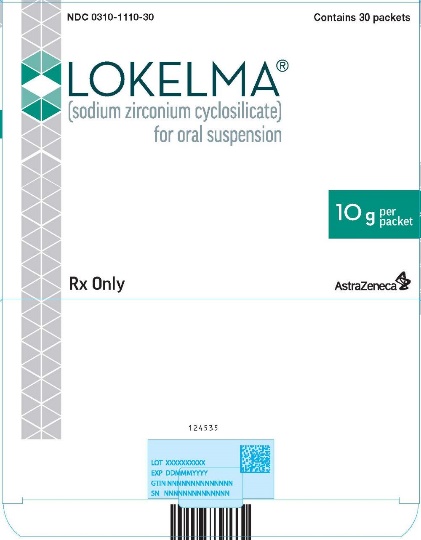
LOKELMA sodium zirconium cyclosilicate 10 g/10g Powder, For Suspension
🆔 Identity & classification
Where does this data come from?
🏷️ RxNorm drug class
This medicine belongs to the Drugs for treatment of hyperkalemia and hyperphosphatemia class.
Where does this data come from?
🏭 Manufacturer & labeler
Where does this data come from?
🩺 Clinical
- Lokelma is used to lower high potassium levels in your blood — a condition called hyperkalemia. It works like a magnet for potassium: you mix the powder into water and drink it, an...
- What exactly is Lokelma for, and how does it work?
- Pour the contents of your packet(s) into a glass with at least 3 tablespoons of water, stir well, and drink it right away. If there's powder left in the glass, add more water, stir...
- How do I take it correctly? Is there anything special I need to do?
Patient education
Supplement & herbal interactions
Some supplements/herbs that may interact with Sodium Zirconium Cyclosilicate — tap one for details:
Where does this data come from?
Ask a licensed pharmacist directly — free, answered by our team.
🧪 Inactive Ingredients / Excipients
Inactive ingredients, also called excipients, are components of the drug product other than the active ingredient. They may include fillers, dyes, coatings, preservatives, flavors, or other formulation ingredients.
Where does this data come from?
IACT rows and label-wide narrative are kept separate; availability and product-level specificity depend on the submitted label.Inactive ingredient FAQ
Are inactive ingredients the same for every manufacturer?
Why might an inactive ingredient be missing?
Can inactive ingredients matter?
💲 Pricing
A drug doesn't have one price. Each row is a different public payment system, and none is what you'd pay at the counter — that depends on your insurance. The ⓘ on each row explains what it measures.
| Price system | Per mL | Per package |
|---|---|---|
| Retail pharmacies payNADAC · weekly | Not in the retail survey — common for institutional, discontinued, or low-volume packs. | |
| Medicaid paysCMS SDUD · 12 mo | No recent Medicaid claims on file for this NDC — rare and low-volume NDCs are suppressed in the public data. | |
| Medicare drug plans payPart D · quarterly | No Part D plan price is available for this NDC in our data. | |
Where does this data come from?
🔁 Therapeutic equivalents
| Product | Labeler | Pack | NADAC/unit | TE | Status | Price vs. this |
|---|---|---|---|---|---|---|
| Lokelma 10 g/10gthis 00310-1110-94 | AstraZeneca | 11 packets | — | AB | Discontinued | — |
| Lokelma 10 g/10g 50090-6501-00 | A-S | 30 packets | — | AB | FDA listed | — |
Where does this data come from?
⏳ Availability & generic status
The FDA lists approved generic versions of this medicine, but that does not always mean a pharmacy can get one today. Patent rules, launch agreements, supply and pricing can affect when generics actually arrive.
Why the date isn’t exact: Generic timing can change because patents may be challenged, settled, licensed, added, removed, or worked around with a narrower label — and FDA approval does not always mean a pharmacy can get the generic today.
🛈 What do these terms mean?
- Patent
- Legal protection listed in the Orange Book that may delay generic approval or launch. Issued by the U.S. Patent & Trademark Office.
- Substance patent
- Covers the active drug molecule itself — the hardest to design around. A generic generally can’t launch until it expires.
- Formulation (product) patent
- Covers a specific formulation or dosage form. A generic can sometimes work around it with a different formulation.
- Method-of-use patent
- A patent covering one specific approved use of the drug — not necessarily the whole molecule. A generic can sometimes launch with a “skinny label” that carves out the protected use and keeps the others.
- Skinny label
- A generic label that omits a still-patented use when the FDA allows it — letting a generic reach the market for the unprotected uses.
- Exclusivity
- FDA-granted marketing protection, separate from patents — e.g. 5-yr new chemical entity, 7-yr orphan drug, or a +6-month pediatric extension.
- Paragraph IV
- A generic applicant’s formal challenge to a listed patent. It can potentially lead to earlier generic entry, but often involves litigation or a settlement.
- RLD / RS
- Reference Listed Drug — the brand product the FDA uses as the reference for generic applications. Reference Standard — the product the FDA expects generics to compare against in bioequivalence testing.
- TE / AB rating
- FDA therapeutic-equivalence rating. An AB rating generally means the FDA considers a generic therapeutically equivalent to — and substitutable for — the brand.
- LOE (loss of exclusivity)
- The latest patent or exclusivity currently listed — the loss-of-exclusivity / latest-listed-protection date shown on this page. Paragraph-IV challenges and settlements can move the real date earlier; FDA approval and a manufacturer’s decision to market can move it later.
Built from the FDA Orange Book. The bars above are scaled to each protection’s expiry; the red LOE marker is the last one to lapse.
| Patent | Type | Use code | Expires |
|---|---|---|---|
| US 9592253 ↗ | Drug substance | U-2312 | Oct 14, 2035 |
| US 9844567 ↗ | Method of use | U-2312 | Feb 10, 2032 |
| US 9861658 ↗ | Method of use | U-2312 | Feb 10, 2032 |
| US 9592253 ↗ | Drug substance | U-2312 | Oct 14, 2035 |
| US 9913860 ↗ | Drug substance | U-2312 | Oct 22, 2033 |
| US 10300087 ↗ | Drug substance | U-2312 | Oct 14, 2035 |
| US 10300087 ↗ | Drug substance | U-2312 | Oct 14, 2035 |
| US 10398730 ↗ | Method of use | U-2312 | Feb 10, 2032 |
| US 10398730 ↗ | Method of use | U-2312 | Feb 10, 2032 |
| US 9844567 ↗ | Method of use | U-2312 | Feb 10, 2032 |
| US 8808750 ↗ | Method of use | U-2312 | Feb 10, 2032 |
| US 11738044 ↗ | Method of use | U-2312 | Oct 14, 2035 |
| US 11738044 ↗ | Method of use | U-2312 | Oct 14, 2035 |
| US 9861658 ↗ | Method of use | U-2312 | Feb 10, 2032 |
| US 9913860 ↗ | Drug substance | U-2312 | Oct 22, 2033 |
| US 10335432 ↗ | Method of use | U-2312 | Feb 10, 2032 |
| US 8808750 ↗ | Method of use | U-2312 | Feb 10, 2032 |
| US 10413569 ↗ | Drug substance | — | Feb 10, 2032 |
| US 10695365 ↗ | Drug substance | — | Oct 22, 2033 |
| US 8877255 ↗ | Drug substance | — | Oct 22, 2033 |
| US 8877255 ↗ | Drug substance | — | Oct 22, 2033 |
| US 11406662 ↗ | Drug substance | — | Feb 10, 2032 |
| US 8802152 ↗ | Drug substance | — | Apr 19, 2032 |
| US 10413569 ↗ | Drug substance | — | Feb 10, 2032 |
| US 10695365 ↗ | Drug substance | — | Oct 22, 2033 |
| US 11406662 ↗ | Drug substance | — | Feb 10, 2032 |
| US 8802152 ↗ | Drug substance | — | Apr 19, 2032 |
Is there a generic version of this drug?
The FDA approved a generic — why can’t I get it at my pharmacy yet?
Why do different websites show different generic release dates?
What does “FDA listed” mean?
What does a patent or protection date mean here?
What does “current Orange Book estimate” mean?
Can a generic come out before the last patent expires?
Can a generic come out after the listed dates?
What is the difference between patents and exclusivity?
Why are there multiple patent dates?
Where does this data come from?
💊 Medicaid utilization by pack size
📊 Medicare Part D spend CMS · PART D · 2026 (Q1)
🔬 Reported adverse events (FAERS)
Top reported reactions
Age at onset
Reporter sex
Serious outcomes
Where does this data come from?
📦 Packaging — all sizes for this product
| Package NDC | Description | Per unit | Per pack | Marketing start | Status |
|---|---|---|---|---|---|
| 00310-1110-30 | 30 PACKET in 1 BOX (0310-1110-30) / 10 g in 1 PACKET (0310-1110-01) | $28.33 / ea | $849.91 | 2018-09-04 | Active |
| 00310-1110-39 | 11 PACKET in 1 BOX (0310-1110-39) / 10 g in 1 PACKET (0310-1110-01) | $28.33 / ea | $311.63 | 2019-01-02 | Active |
| 00310-1110-94 You're viewing this | 11 PACKET in 1 BOX (0310-1110-94) / 10 g in 1 PACKET (0310-1110-91) | — | — | 2019-02-01 | Discontinued by firm |
| 00310-1110-93 | 3 PACKET in 1 BOX (0310-1110-93) / 10 g in 1 PACKET (0310-1110-91) | — | — | 2024-02-01 | Active |
This pack shows little to no recent Medicaid volume — a different pack size carries most fills. See all packs ↓
Pack size FAQ
What quantity is in NDC 00310-1110-94?
What NDC number is used to bill for this package of LOKELMA sodium zirconium cyclosilicate 10 g/10g Powder, For Suspension?
Prices are the latest CMS NADAC pharmacy acquisition cost per NDC; per-pack figures are per-unit × pack quantity, shown only when the pack is denominated in the same measure NADAC prices.
🧭 About this NDC listing & data coverage
What data is (and isn’t) available for this NDC — tap to expand
| NDC identity (package / product / labeler codes) | ✓ Available |
| Labeler | ✓ Available |
| Product & package description | ✓ Available |
| Marketing category & status | ✓ Available |
| Active ingredient / dosage form / route | ✓ Available |
| FDA label (SPL via DailyMed) | ✓ Available |
| Package photos | ✓ Available |
| Inactive ingredients (structured) | — Not published for this NDC The labeler did not submit a structured excipient list, or no SPL is available. |
| NADAC pharmacy acquisition price (CMS) | — Not published for this NDC CMS publishes NADAC only for NDCs reported in its retail-pharmacy survey. |
| Orange Book / therapeutic-equivalence data | ✓ Available |
| HCPCS J-code billing crosswalk | — Not published for this NDC Most self-administered / retail products have no J-code — that is normal. |
| Medicaid utilization (CMS SDUD) | — Not published for this NDC CMS reports utilization only for NDCs with Medicaid claims above its privacy threshold. |
Questions about this listing
Why is there no price listed?
What does the discontinued status mean for this NDC?
Is the NDC printed on the package the same as the 11-digit billing NDC?
What do the three segments of this NDC mean?
Does this product come in other package sizes?
Who lists this product with the FDA?
Do I need a prescription for this product?
Where does this data come from?
📄 Full prescribing information FDA SPL
🎯 Indications and Usage ▾
1 INDICATIONS AND USAGE LOKELMA is indicated for the treatment of hyperkalemia in adults. Limitation of Use LOKELMA should not be used as an emergency treatment for life-threatening hyperkalemia because of its delayed onset of action [see Clinical Pharmacology (12.2) and Clinical Studies (14) ] . LOKELMA is a potassium binder indicated for the treatment of hyperkalemia in adults.
( 1 ) Limitation of Use LOKELMA should not be used as an emergency treatment for life-threatening hyperkalemia because of its delayed onset of action. ( 1 )
⏱️ Dosage and Administration ▾
2 DOSAGE AND ADMINISTRATION • Recommended starting dose is 10 g administered three times a day for up to 48 hours. ( 2.1 ) • For maintenance treatment, recommended dose is 10 g once daily. Adjust dose at one-week intervals as needed (by 5 g daily) to obtain desired serum potassium target range.
( 2.1 ) Patients on Chronic Hemodialysis • Recommended starting dose is 5 g once daily on non-dialysis days. ( 2.2 ) See full Prescribing Information for additional dosing instructions, as well as reconstitution and administration instructions for the oral suspension.
2.1Recommended Dosage For initial treatment of hyperkalemia, the recommended dose of LOKELMA is 10 g administered three times a day for up to 48 hours. Administer LOKELMA orally as a suspension in water [see Dosage and Administration (2.3) ] . For continued treatment, the recommended dose is 10 g once daily.
Monitor serum potassium and adjust the dose of LOKELMA based on the serum potassium level and desired target range. During maintenance treatment, up-titrate based on the serum potassium level at intervals of 1-week or longer and in increments of 5 g. Decrease the dose of LOKELMA or discontinue if the serum potassium is below the desired target range.
The recommended maintenance dose range is from 5 g every other day to 15 g daily.
2.2Dosage Adjustment for Patients on Chronic Hemodialysis For patients on chronic hemodialysis, administer LOKELMA only on non-dialysis days. The recommended starting dose is 5 g once daily on non-dialysis days. Consider a starting dose of 10 g once daily on non-dialysis days in patients with serum potassium greater than 6.5 mEq/L.
Monitor serum potassium and adjust the dose of LOKELMA based on the pre-dialysis serum potassium value after the long inter-dialytic interval and desired target range. During initiation and after a dose adjustment, assess serum potassium after one week. The recommended maintenance dose range is from 5 g to 15 g once daily, on non-dialysis days.
Discontinue or decrease the dose of LOKELMA if: • serum potassium falls below the desired target range based on the pre-dialysis value after the long interdialytic interval, or; • the patient develops clinically significant hypokalemia
2.3Reconstitution and Administration In general, other oral medications should be administered at least 2 hours before or 2 hours after LOKELMA [see Drug Interactions (7) ] . Instruct patients to empty the entire contents of the packet(s) into a drinking glass containing approximately 3 tablespoons of water or more if desired. Stir well and drink immediately.
If powder remains in the drinking glass, add water, stir and drink immediately. Repeat until no powder remains to ensure the entire dose is taken.
💊 Dosage Forms and Strengths ▾
3 DOSAGE FORMS AND STRENGTHS For oral suspension: 5 g or 10 g of white to grey powder in a foil-lined packet. • For oral suspension: 5 g per packet ( 3 ) • For oral suspension: 10 g per packet ( 3 )
⛔ Contraindications ▾
4 CONTRAINDICATIONS None. None. ( 4 )
⚠️ Warnings and Cautions ▾
5 WARNINGS AND PRECAUTIONS • Gastrointestinal Adverse Events in Patients with Motility Disorders. ( 5.1 ) • Edema. ( 5.2 ) • Hypokalemia in patients on hemodialysis. ( 5.3 ) • LOKELMA has radio-opaque properties and, therefore, may give the appearance typical of an imaging agent during abdominal X-ray procedures. ( 5.4 )
5.1Gastrointestinal Adverse Events in Patients with Motility Disorders Avoid use of LOKELMA in patients with severe constipation, bowel obstruction or impaction, including abnormal post-operative bowel motility disorders, because LOKELMA has not been studied in patients with these conditions and may be ineffective and may worsen gastrointestinal conditions.
5.2Edema Each 5 g dose of LOKELMA contains approximately 400 mg of sodium, but the extent of absorption by the patient is unknown. In clinical trials of LOKELMA in patients who were not on dialysis, edema was observed and was generally mild to moderate in severity and was more commonly seen in patients treated with 15 g once daily. Monitor for signs of edema, particularly in patients who should restrict their sodium intake or are prone to fluid overload (e.g., heart failure or renal disease).
Advise patients to adjust dietary sodium, if appropriate. Increase the dose of diuretics as needed [see Adverse Reactions (6) ] . In a clinical trial of LOKELMA in patients on chronic hemodialysis in which most patients were treated with doses of 5 to 10 g once daily on non-dialysis days, there was no difference in the mean change from baseline in interdialytic weight gain (a measure of fluid retention) between the LOKELMA and placebo groups.
5.3Hypokalemia in Patients on Hemodialysis Patients on hemodialysis may be prone to acute illness that can increase the risk of hypokalemia on LOKELMA (e.g., illnesses associated with decreased oral intake, diarrhea). Consider adjusting Lokelma dose based on potassium levels in these settings.
5.4Diagnostic Tests LOKELMA has radio-opaque properties and, therefore, may give the appearance typical of an imaging agent during abdominal X-ray procedures .
🤒 Adverse Reactions ▾
6 ADVERSE REACTIONS The following adverse reactions are discussed in greater detail elsewhere in the label: • Edema [see Warnings and Precautions (5.2) ] . Most common adverse reactions with LOKELMA: mild to moderate edema. ( 6.1 ) To report SUSPECTED ADVERSE REACTIONS, contact AstraZeneca at 1-800-236-9933 or FDA at 1-800-FDA-1088 or www.fda.gov/medwatch.
6.1Clinical Studies Experience Because clinical studies are conducted under widely varying conditions, adverse reaction rates observed in the clinical studies of a drug cannot be directly compared to rates in the clinical studies of another drug and may not reflect the rates observed in practice. The total exposure to LOKELMA in the safety and efficacy clinical trials of patients not on dialysis with hyperkalemia was 1,760 patients with 652 patients exposed to LOKELMA for at least 6 months and 507 patients exposed for at least one year.
The population (n=1,009) in the placebo-controlled trials included patients aged 22 to 96 years, females (n=454), Caucasians (n=859) and Blacks (n=130). Patients had hyperkalemia in association with comorbid diseases such as chronic kidney disease, heart failure, and diabetes mellitus. In placebo-controlled trials in which patients who were not on dialysis were treated with once daily doses of LOKELMA for up to 28 days, edema was reported in 4.4% of patients receiving 5 g, 5.9% of patients receiving 10 g and 16.1% of patients receiving 15 g LOKELMA compared to 2.4% of patients receiving placebo.
In longer-term uncontrolled trials in which most patients were maintained on doses <15 g once daily, adverse reactions of edema (edema, generalized edema and peripheral edema) were reported in 8% to 11% of patients. In a pooled analysis of clinical studies conducted in countries with a predominantly Asian population, constipation occurred in patients receiving LOKELMA with an estimated incidence of 9% and 5% for the 10 g and 5 g dose respectively. Constipation was resolved with dose adjustment or treatment discontinuation.
No cases of constipation were reported in patients receiving placebo. Laboratory Abnormalities In clinical trials in patients who were not on dialysis, 4.1% of LOKELMA-treated patients developed hypokalemia with a serum potassium value less than 3.5 mEq/L, which resolved with dosage reduction or discontinuation of LOKELMA. In a clinical trial of LOKELMA in patients on chronic hemodialysis, 5% of patients developed pre-dialysis hypokalemia (serum potassium <3.5 mEq/L) in both the LOKELMA and placebo groups; 3% and 1% of patients developed a serum potassium < 3.0 mEq/L in the LOKELMA and placebo groups, respectively.
🔄 Drug Interactions ▾
7 DRUG INTERACTIONS LOKELMA can transiently increase gastric pH. As a result, LOKELMA can change the absorption of co-administered drugs that exhibit pH-dependent solubility, potentially leading to altered efficacy or safety of these drugs when taken close to the time LOKELMA is administered. In general, other oral medications should be administered at least 2 hours before or 2 hours after LOKELMA [see Dosage and Administration (2.3) and Clinical Pharmacology (12.3) ] .
LOKELMA is not expected to impact systemic exposure of drugs that do not exhibit pH-dependent solubility and so spacing is not needed if it has been determined that the concomitant medication does not exhibit pH-dependent solubility. In general, other oral medications should be administered at least 2 hours before or 2 hours after LOKELMA. ( 2.3 , 7 , 12.3 )
Drug Interactions Thirty-six (36) drugs were tested in-vitro to determine potential interactions with LOKELMA. Sixteen (16) drugs tested did not show an in vitro interaction with LOKELMA (allopurinol, apixaban, aspirin, captopril, cyclosporine, digoxin, ethinyl estradiol, lisinopril, magnesium, metformin, phenytoin, prednisone, propranolol, quinapril, spironolactone and ticagrelor). Nine (9) of the 20 drugs that showed an in vitro interaction were subsequently tested in vivo with LOKELMA 10 g in healthy volunteers.
Losartan, glipizide and levothyroxine did not show any changes in exposure when co-administered with LOKELMA. However, there was an increase in systemic exposure to weak acids such as furosemide and atorvastatin, and a decrease in systemic exposure to weak bases such as dabigatran when co-administered with LOKELMA, as shown in Figure 2. These changes are consistent with the hypothesis that LOKELMA, by elevating gastric pH, affects the systemic exposure of co-administered drugs whose solubility is pH-dependent [see Drug Interactions (7) ] .
In another drug-drug interaction study in healthy volunteers, co-administration of LOKELMA 15 g decreased the systemic exposures of tacrolimus (Figure 2), likely due to LOKELMA’s action on elevating gastric pH. In the same study, co-administration of LOKELMA and cyclosporine did not show a clinically meaningful interaction. Figure 2: Effects of LOKELMA 10 g or 15 g on the Pharmacokinetic Exposures of Other Orally Administered Medications figure_2
👥 Use in Specific Populations ▾
8 USE IN SPECIFIC POPULATIONS
8.1Pregnancy Risk Summary LOKELMA is not absorbed systemically following oral administration and maternal use is not expected to result in fetal exposure to the drug.
8.2Lactation Risk Summary LOKELMA is not absorbed systemically following oral administration, and breastfeeding is not expected to result in exposure of the child to LOKELMA.
8.4Pediatric Use Safety and effectiveness in pediatric patients have not been established.
8.5Geriatric Use Of the total number of subjects in clinical studies of LOKELMA, 58% were age 65 and over, while 25% were 75 and over. No overall differences in safety or effectiveness were observed between these patients and younger patients.
🤰 Pregnancy ▾
8.1Pregnancy Risk Summary LOKELMA is not absorbed systemically following oral administration and maternal use is not expected to result in fetal exposure to the drug.
🧒 Pediatric Use ▾
8.4Pediatric Use Safety and effectiveness in pediatric patients have not been established.
🧓 Geriatric Use ▾
8.5Geriatric Use Of the total number of subjects in clinical studies of LOKELMA, 58% were age 65 and over, while 25% were 75 and over. No overall differences in safety or effectiveness were observed between these patients and younger patients.
🧬 Clinical Pharmacology ▾
12 CLINICAL PHARMACOLOGY
12.1Mechanism of Action LOKELMA (sodium zirconium cyclosilicate) is a non-absorbed zirconium silicate that preferentially captures potassium in exchange for hydrogen and sodium. In vitro , LOKELMA has a high affinity for potassium ions, even in the presence of other cations such as calcium and magnesium. LOKELMA increases fecal potassium excretion through binding of potassium in the lumen of the gastrointestinal tract.
Binding of potassium reduces the concentration of free potassium in the gastrointestinal lumen, thereby lowering serum potassium levels.
12.2Pharmacodynamics In a study in healthy adult subjects, LOKELMA administered as 5 g or 10 g once daily for four days caused a dose-dependent increase in fecal potassium excretion. Corresponding dose-dependent decreases in urinary potassium excretion and serum potassium were also observed. In patients with hyperkalemia treated with LOKELMA 10 g three times a day for up to 48 hours, reductions in serum potassium were observed one hour after initiation of therapy; serum potassium concentrations continued to decline over the 48-hour treatment period [see Clinical Studies (14.2) ] .
In patients not continuing LOKELMA, potassium levels increased. Patients with higher starting serum potassium levels or receiving a higher dose have greater reductions in serum potassium. LOKELMA causes a small dose-dependent increase in serum bicarbonate concentrations (1.1 mmol/L at 5 g once daily, 2.3 mmol/L at 10 g once daily and 2.6 mmol/L at 15 g once daily as compared with a mean increase of 0.6 mmol/L in patients treated with placebo).
The clinical significance of this finding is unclear.
12.3Pharmacokinetics LOKELMA is an inorganic, insoluble compound that is not subject to enzymatic metabolism. In a clinical study in patients with hyperkalemia in which zirconium concentrations were measured in the urine and blood, zirconium concentrations were similar in treated and untreated patients (i.e., either undetectable or around the lower limit of quantification of the assay). An in vivo mass balance study in rats showed that LOKELMA was recovered in the feces with no evidence of systemic absorption.
Drug Interactions Thirty-six (36) drugs were tested in-vitro to determine potential interactions with LOKELMA. Sixteen (16) drugs tested did not show an in vitro interaction with LOKELMA (allopurinol, apixaban, aspirin, captopril, cyclosporine, digoxin, ethinyl estradiol, lisinopril, magnesium, metformin, phenytoin, prednisone, propranolol, quinapril, spironolactone and ticagrelor). Nine (9) of the 20 drugs that showed an in vitro interaction were subsequently tested in vivo with LOKELMA 10 g in healthy volunteers.
Losartan, glipizide and levothyroxine did not show any changes in exposure when co-administered with LOKELMA. However, there was an increase in systemic exposure to weak acids such as furosemide and atorvastatin, and a decrease in systemic exposure to weak bases such as dabigatran when co-administered with LOKELMA, as shown in Figure 2. These changes are consistent with the hypothesis that LOKELMA, by elevating gastric pH, affects the systemic exposure of co-administered drugs whose solubility is pH-dependent [see Drug Interactions (7) ] .
In another drug-drug interaction study in healthy volunteers, co-administration of LOKELMA 15 g decreased the systemic exposures of tacrolimus (Figure 2), likely due to LOKELMA’s action on elevating gastric pH. In the same study, co-administration of LOKELMA and cyclosporine did not show a clinically meaningful interaction. Figure 2: Effects of LOKELMA 10 g or 15 g on the Pharmacokinetic Exposures of Other Orally Administered Medications figure_2
🧬 Mechanism of Action ▾
12.1Mechanism of Action LOKELMA (sodium zirconium cyclosilicate) is a non-absorbed zirconium silicate that preferentially captures potassium in exchange for hydrogen and sodium. In vitro , LOKELMA has a high affinity for potassium ions, even in the presence of other cations such as calcium and magnesium. LOKELMA increases fecal potassium excretion through binding of potassium in the lumen of the gastrointestinal tract.
Binding of potassium reduces the concentration of free potassium in the gastrointestinal lumen, thereby lowering serum potassium levels.
📦 How Supplied / Storage and Handling ▾
16 HOW SUPPLIED/STORAGE AND HANDLING LOKELMA (sodium zirconium cyclosilicate) for oral suspension is supplied as a white to grey powder in foil-lined packets as follows: LOKELMA (grams) Single Packet Box of 11 Packets Box of 30 Packets 5 NDC 0310-1105-01 NDC 0310-1105-39 NDC 0310-1105-30 10 NDC 0310-1110-01 NDC 0310-1110-39 NDC 0310-1110-30 Storage and Handling Store LOKELMA at 15°C-30°C (59°F-86°F).
📋 Description ▾
11 DESCRIPTION LOKELMA is a powder for oral suspension. The active ingredient in LOKELMA is sodium zirconium cyclosilicate, a potassium binder. Sodium zirconium cyclosilicate is a non-absorbed zirconium silicate that preferentially exchanges potassium for hydrogen and sodium.
LOKELMA is an odorless, insoluble white to grey powder for oral suspension. It has a mean particle size of 20 µm and includes no more than 3% of particles with a diameter below 3 µm. Each 5 g of sodium zirconium cyclosilicate contains 400 mg of sodium.
The chemical formula of sodium zirconium cyclosilicate is Na ~1.5 H ~0.5 ZrSi 3 O 9 •2–3H 2 O. Figure 1: Crystal Structure of Sodium Zirconium Cyclosilicate Figure 1
💬 Information for Patients ▾
17 PATIENT COUNSELING INFORMATION Dosing Instruct the patient how to reconstitute LOKELMA for administration. Inform the patient that it is necessary to drink the full dose [see Dosage and Administration (2.3) ] . Instruct dialysis patients who experience acute illness (e.g., decreased oral intake of food or fluids, diarrhea) to contact the health care provider.
The dose of Lokelma may need to be adjusted [see Warnings and Precautions (5.3) ] . Diagnostic Testing Advise patients to notify their physician prior to an abdominal X-ray [see Warnings and Precautions (5.4) ] . Drug Interactions Advise patients who are taking other oral medications to separate dosing of LOKELMA by at least 2 hours (before or after) [see Drug Interactions (7) ] .
Diet Advise patients to adjust dietary sodium, if appropriate [see Warnings and Precautions (5.2) ] . U.S. Patent No: 6332985, 8808750, 8877255, 8802152, 9592253 © AstraZeneca 2024 Manufactured by: AstraZeneca Pharmaceuticals LP, Wilmington, DE 19850