
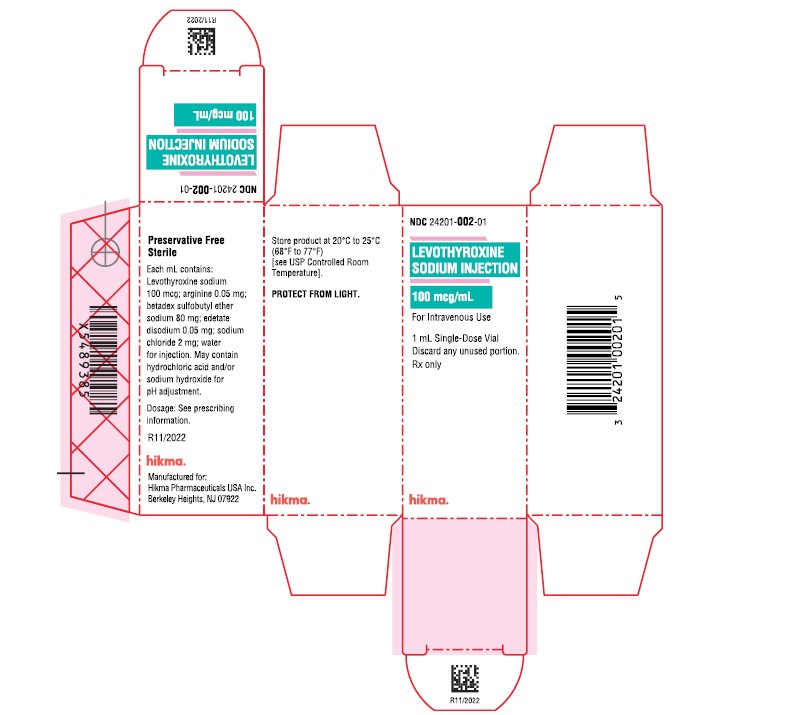
Levothyroxine Sodium 100 ug/mL Injection, Solution
Other active recalls for Levothyroxine Sodium (different manufacturers) — 6 · tap to view
🆔 Identity & classification
Where does this data come from?
🏷️ RxNorm drug class
This medicine belongs to the l-Thyroxine class.
Where does this data come from?
🏭 Manufacturer & labeler
Where does this data come from?
🩺 Clinical
- Your thyroid gland isn't making enough of a hormone called T4, which your whole body depends on to regulate your energy, metabolism, heart rate, and more. Levothyroxine is a precis...
- What exactly is levothyroxine doing for me — why do I need to take it every day?
- Timing really does make a difference with this medication. Food — especially high-fiber foods or anything soy-based — can block your gut from absorbing it properly. Taking it 30 to...
- Why does it matter so much when I take it — can't I just take it with breakfast?
Patient education
Supplement & herbal interactions
Some supplements/herbs that may interact with Levothyroxine Sodium — tap one for details:
Where does this data come from?
Ask a licensed pharmacist directly — free, answered by our team.
🧪 Inactive Ingredients / Excipients
Inactive ingredients, also called excipients, are components of the drug product other than the active ingredient. They may include fillers, dyes, coatings, preservatives, flavors, or other formulation ingredients.
Where does this data come from?
IACT rows and label-wide narrative are kept separate; availability and product-level specificity depend on the submitted label.Inactive ingredient FAQ
Are inactive ingredients the same for every manufacturer?
Why might an inactive ingredient be missing?
Can inactive ingredients matter?
💲 Pricing
A drug doesn't have one price. Each row is a different public payment system, and none is what you'd pay at the counter — that depends on your insurance. The ⓘ on each row explains what it measures.
| Price system | Per mL | Per package |
|---|---|---|
| Retail pharmacies payNADAC · weekly | Not in the retail survey — common for institutional, discontinued, or low-volume packs. | |
| Medicaid paysCMS SDUD · 12 mo | No recent Medicaid claims on file for this NDC — rare and low-volume NDCs are suppressed in the public data. | |
| Medicare drug plans payPart D · quarterly | No Part D plan price is available for this NDC in our data. | |
| Medicare Part B allowsASP · J0652 | $6.315 / J0652 unit | — |
Where does this data come from?
🧾 Billing & reimbursement
Where does this data come from?
🔁 Therapeutic equivalents
| Product | Labeler | Pack | NADAC/unit | TE | Status | Price vs. this |
|---|---|---|---|---|---|---|
| Levothyroxine Sodium 100 ug/mLthis 24201-0002-01 | Hikma | 1 vial | — | — | FDA listed | — |
| Levothyroxine Sodium 100 ug/mL 63323-0895-10 | Fresenius | 1 vial | — | — | FDA listed | — |
Where does this data come from?
⏳ Availability & generic status
The FDA lists approved generic versions of this medicine, but that does not always mean a pharmacy can get one today. Patent rules, launch agreements, supply and pricing can affect when generics actually arrive.
Why the date isn’t exact: Generic timing can change because patents may be challenged, settled, licensed, added, removed, or worked around with a narrower label — and FDA approval does not always mean a pharmacy can get the generic today.
🛈 What do these terms mean?
- Patent
- Legal protection listed in the Orange Book that may delay generic approval or launch. Issued by the U.S. Patent & Trademark Office.
- Substance patent
- Covers the active drug molecule itself — the hardest to design around. A generic generally can’t launch until it expires.
- Formulation (product) patent
- Covers a specific formulation or dosage form. A generic can sometimes work around it with a different formulation.
- Method-of-use patent
- A patent covering one specific approved use of the drug — not necessarily the whole molecule. A generic can sometimes launch with a “skinny label” that carves out the protected use and keeps the others.
- Skinny label
- A generic label that omits a still-patented use when the FDA allows it — letting a generic reach the market for the unprotected uses.
- Exclusivity
- FDA-granted marketing protection, separate from patents — e.g. 5-yr new chemical entity, 7-yr orphan drug, or a +6-month pediatric extension.
- Paragraph IV
- A generic applicant’s formal challenge to a listed patent. It can potentially lead to earlier generic entry, but often involves litigation or a settlement.
- RLD / RS
- Reference Listed Drug — the brand product the FDA uses as the reference for generic applications. Reference Standard — the product the FDA expects generics to compare against in bioequivalence testing.
- TE / AB rating
- FDA therapeutic-equivalence rating. An AB rating generally means the FDA considers a generic therapeutically equivalent to — and substitutable for — the brand.
- LOE (loss of exclusivity)
- The latest patent or exclusivity currently listed — the loss-of-exclusivity / latest-listed-protection date shown on this page. Paragraph-IV challenges and settlements can move the real date earlier; FDA approval and a manufacturer’s decision to market can move it later.
Built from the FDA Orange Book. The bars above are scaled to each protection’s expiry; the red LOE marker is the last one to lapse.
| Patent | Type | Use code | Expires |
|---|---|---|---|
| US 11154498 ↗ | Drug product | — | Jul 20, 2036 |
Is there a generic version of LEVOTHYROXINE 100 MCG/ML VIAL?
The FDA approved a generic — why can’t I get it at my pharmacy yet?
Why do different websites show different generic release dates?
What does “FDA listed” mean?
What does a patent or protection date mean here?
What does “current Orange Book estimate” mean?
Can a generic come out before the last patent expires?
Can a generic come out after the listed dates?
What is the difference between patents and exclusivity?
Why are there multiple patent dates?
Where does this data come from?
📊 Medicare Part D spend CMS · PART D · 2026 (Q1)
🔬 Reported adverse events (FAERS)
Top reported reactions
Age at onset
Reporter sex
Serious outcomes
Where does this data come from?
📦 Packaging — all sizes for this product
| Package NDC | Description | Marketing start | Status |
|---|---|---|---|
| 24201-0002-01 You're viewing this | 1 VIAL, SINGLE-DOSE in 1 CARTON (24201-002-01) / 2 mL in 1 VIAL, SINGLE-DOSE | 2022-11-15 | Active |
🧭 About this NDC listing & data coverage
What data is (and isn’t) available for this NDC — tap to expand
| NDC identity (package / product / labeler codes) | ✓ Available |
| Labeler | ✓ Available |
| Product & package description | ✓ Available |
| Marketing category & status | ✓ Available |
| Active ingredient / dosage form / route | ✓ Available |
| FDA label (SPL via DailyMed) | ✓ Available |
| Package photos | ✓ Available |
| Inactive ingredients (structured) | — Not published for this NDC The labeler did not submit a structured excipient list, or no SPL is available. |
| NADAC pharmacy acquisition price (CMS) | — Not published for this NDC CMS publishes NADAC only for NDCs reported in its retail-pharmacy survey. |
| Orange Book / therapeutic-equivalence data | ✓ Available |
| HCPCS J-code billing crosswalk | ✓ Available |
| Medicaid utilization (CMS SDUD) | — Not published for this NDC CMS reports utilization only for NDCs with Medicaid claims above its privacy threshold. |
Questions about this listing
Why is there no price listed?
Is the NDC printed on the package the same as the 11-digit billing NDC?
What do the three segments of this NDC mean?
Is this package still being marketed?
Who lists this product with the FDA?
Do I need a prescription for this product?
Does this product have a billing J-code?
Where does this data come from?
📄 Full prescribing information FDA SPL
🚨 Boxed Warning ▾
WARNING: NOT FOR TREATMENT OF OBESITY OR FOR WEIGHT LOSS Thyroid hormones, including Levothyroxine Sodium Injection, should not be used for the treatment of obesity or for weight loss. ( 5.3 ) Larger doses may produce serious or even life-threatening manifestations of toxicity. ( 6 ) WARNING: NOT FOR TREATMENT OF OBESITY OR FOR WEIGHT LOSS Thyroid hormones, including Levothyroxine Sodium Injection, should not be used for the treatment of obesity or for weight loss.
( 5.3 ) Larger doses may produce serious or even life-threatening manifestations of toxicity. ( 6 )
🎯 Indications and Usage ▾
1 INDICATIONS AND USAGE Levothyroxine Sodium Injection is indicated for the treatment of myxedema coma. Limitations of Use : The relative bioavailability between Levothyroxine Sodium Injection and oral levothyroxine products has not been established. Caution should be used when switching patients from oral levothyroxine products to Levothyroxine Sodium Injection as accurate dosing conversion has not been studied.
Levothyroxine Sodium is an L-thyroxine product. Levothyroxine (T 4 ) Sodium Injection is indicated for the treatment of myxedema coma. ( 1 ) Important Limitations of Use: The relative bioavailability of this drug has not been established.
Use caution when converting patients from oral to intravenous levothyroxine. ( 1 )
⏱️ Dosage and Administration ▾
2 DOSAGE AND ADMINISTRATION Consider the patient’s age, general physical condition, cardiac risk factors, as well as the clinical severity of myxedema and duration of myxedema symptoms when determining dosages of Levothyroxine Sodium Injection. ( 2.1 ) Start with lower doses in elderly patients and in patients with underlying cardiovascular disease. ( 2.1 ) An initial intravenous loading dose of Levothyroxine Sodium Injection between 300 to 500 mcg followed by once daily intravenous maintenance doses between 50 and 100 mcg should be administered, as clinically indicated, until the patient can tolerate oral therapy.
( 2.1 ) Do not add to other IV fluids. ( 2.2 )
2.1Dosage An initial intravenous loading dose of Levothyroxine Sodium Injection between 300 to 500 mcg, followed by once daily intravenous maintenance doses between 50 and 100 mcg, should be administered, as clinically indicated, until the patient can tolerate oral therapy. The age, general physical condition, and cardiac risk factors of the patient, as well as the clinical severity of myxedema and duration of myxedema symptoms should be considered when determining the starting and maintenance dosages of Levothyroxine Sodium Injection.
Levothyroxine Sodium Injection produces a gradual increase in the circulating concentrations of the hormone with an approximate half-life of 9 to 10 days in hypothyroid patients. Daily administration of Levothyroxine Sodium Injection should be maintained until the patient is capable of tolerating an oral dose and is clinically stable. For chronic treatment of hypothyroidism, an oral dosage form of levothyroxine should be used to maintain a euthyroid state.
Relative bioavailability between Levothyroxine Sodium Injection and oral levothyroxine products has not been established. Based on medical practice, the relative bioavailability between oral and intravenous administration of Levothyroxine Sodium Injection is estimated to be from 48 to 74%. Due to differences in absorption characteristics of patients and the oral levothyroxine product formulations, TSH and thyroid hormone levels should be measured a few weeks after initiating oral levothyroxine and dose adjusted accordingly.
2.2Dosing in the Elderly and in Patients with Cardiovascular Disease Intravenous levothyroxine may be associated with cardiac toxicity – including arrhythmias, tachycardia, myocardial ischemia and infarction, or worsening of congestive heart failure and death – in the elderly and in those with underlying cardiovascular disease. Therefore, cautious use, including doses in the lower end of the recommended range, may be warranted in these populations.
2.3Administration Instructions Intravenous levothyroxine may be associated with cardiac toxicity-including arrhythmias, tachycardia, myocardial ischemia and infarction, or worsening of congestive heart failure and death—in the elderly and in those with underlying cardiovascular disease. Therefore, cautious use, including doses in the lower end of the recommended range, may be warranted in these populations. Discard any unused portion.
DO NOT ADD LEVOTHYROXINE SODIUM INJECTION TO OTHER INTRAVENOUS FLUIDS. Parenteral drug products should be inspected visually for particulate matter and discoloration prior to administration, whenever solution and container permit.
2.1Dosage An initial intravenous loading dose of Levothyroxine Sodium Injection between 300 to 500 mcg, followed by once daily intravenous maintenance doses between 50 and 100 mcg, should be administered, as clinically indicated, until the patient can tolerate oral therapy. The age, general physical condition, and cardiac risk factors of the patient, as well as the clinical severity of myxedema and duration of myxedema symptoms should be considered when determining the starting and maintenance dosages of Levothyroxine Sodium Injection.
Levothyroxine Sodium Injection produces a gradual increase in the circulating concentrations of the hormone with an approximate…
💊 Dosage Forms and Strengths ▾
3 DOSAGE FORMS AND STRENGTHS Levothyroxine sodium injection 100 mcg/mL is a clear, colorless to slightly yellow solution supplied as 1 mL per vial. Injection: 100 mcg/mL in a single-dose vial. Ready-to-use solution. ( 3 )
⛔ Contraindications ▾
4 CONTRAINDICATIONS None None
⚠️ Warnings and Cautions ▾
5 WARNINGS AND PRECAUTIONS Cardiac Adverse Reactions in the Elderly and in Patients with Underlying Cardiovascular Disease: Overtreatment may cause arrhythmias, tachycardia, myocardial ischemia and infarction, or worsening of congestive heart failure and death, particularly in patients with cardiovascular disease and in elderly patients. Start with lower doses in elderly patients and in patients with underlying cardiovascular disease and monitor patients after administration ( 5.1 ). Acute Adrenal Crisis in Patients with Concomitant Adrenal Insufficiency Initiation of thyroid hormone therapy prior to initiating glucocorticoid therapy may precipitate an acute adrenal crisis in patients with adrenal insufficiency.
Treat patients with adrenal insufficiency with replacement glucocorticoids prior to initiating treatment ( 5.2 ). Worsening of Diabetic Control : May worsen glycemic control and result in increased antidiabetic agent or insulin requirements. Carefully monitor glycemic control ( 5.3 )
5.1Risk of Cardiac Complications in Elderly and in Patients with Cardiovascular Disease Excessive bolus dosing of Levothyroxine Sodium Injection (greater than 500 mcg) is associated with cardiac complications, particularly in the elderly and in patients with an underlying cardiac condition. Adverse events that can potentially be related to the administration of large doses of Levothyroxine Sodium Injection include arrhythmias, tachycardia, myocardial ischemia and infarction, or worsening of congestive heart failure and death.
Cautious use, including doses in the lower end of the recommended range, may be warranted in these populations. Close observation of the patient following the administration of Levothyroxine Sodium Injection is advised.
5.2Acute Adrenal Crisis in Patients with Concomitant Adrenal Insufficiency Chronic autoimmune thyroiditis, which can lead to myxedema coma, may occur in association with other autoimmune disorders such as adrenal insufficiency, pernicious anemia, and insulin‑dependent diabetes mellitus. Patients should be treated with replacement glucocorticoids prior to initiation of treatment with Levothyroxine Sodium Injection, until adrenal function has been adequately assessed. Failure to do so may precipitate an acute adrenal crisis when thyroid hormone therapy is initiated, due to increased metabolic clearance of glucocorticoids by thyroid hormone.
With initiation of Levothyroxine Sodium Injection, patients with myxedema coma should also be monitored for previously undiagnosed diabetes insipidus.
5.3Worsening of Diabetic Control Addition of levothyroxine therapy in patients with diabetes mellitus may worsen glycemic control and result in increased antidiabetic agent or insulin requirements. Carefully monitor glycemic control [see Drug Interactions (7.1)].
5.1Risk of Cardiac Complications in Elderly and in Patients with Cardiovascular Disease Excessive bolus dosing of Levothyroxine Sodium Injection (greater than 500 mcg) is associated with cardiac complications, particularly in the elderly and in patients with an underlying cardiac condition. Adverse events that can potentially be related to the administration of large doses of Levothyroxine Sodium Injection include arrhythmias, tachycardia, myocardial ischemia and infarction, or worsening of congestive heart failure and death.
Cautious use, including doses in the lower end of the recommended range, may be warranted in these populations. Close observation of the patient following the administration of Levothyroxine Sodium Injection is advised.
5.2Acute Adrenal Crisis in Patients with Concomitant Adrenal Insufficiency Chronic autoimmune thyroiditis, which can lead to myxedema coma, may occur in association with other autoimmune disorders such as adrenal insufficiency, pernicious anemia, and insulin‑dependent diabetes mellitus. Patients should be treated with replacement glucocorticoids prior to initiation of treatment with Levothyroxine Sodium Injection, un…
🤒 Adverse Reactions ▾
6 ADVERSE REACTIONS Adverse reactions associated with levothyroxine are primarily those of hyperthyroidism due to therapeutic overdosage [see Warnings and Precautions (5) , Overdosage (10) ] . They include the following: General: fatigue, increased appetite, weight loss, heat intolerance, fever, excessive sweating Central nervous system: headache, hyperactivity, nervousness, anxiety, irritability, emotional lability, insomnia Musculoskeletal: tremors, muscle weakness, muscle spasm Cardiovascular: palpitations, tachycardia, arrhythmias, increased pulse and blood pressure, heart failure, angina, myocardial infarction, cardiac arrest Respiratory: dyspnea Gastrointestinal: diarrhea, vomiting, abdominal cramps, elevations in liver function tests Dermatologic: flushing, rash Seizures have been reported rarely with the institution of levothyroxine therapy.
Hypersensitivity Reactions Hypersensitivity reactions to inactive ingredients have occurred in patients treated with thyroid hormone products. These include urticaria, pruritus, skin rash, flushing, angioedema, various gastrointestinal symptoms (abdominal pain, nausea, vomiting and diarrhea), fever, arthralgia, serum sickness, and wheezing. Hypersensitivity to levothyroxine itself is not known to occur.
Adverse reactions associated with Levothyroxine Sodium Injection are primarily those of hyperthyroidism due to therapeutic overdosage: fatigue, increased appetite, weight loss, heat intolerance, fever, excessive sweating, headache, hyperactivity, nervousness, anxiety, irritability, emotional lability, insomnia, tremors, muscle weakness, muscle spasm, palpitations, tachycardia, arrhythmias, increased pulse and blood pressure, heart failure, angina, myocardial infarction, cardiac arrest, dyspnea, diarrhea, vomiting, abdominal cramps, elevations in liver function tests, flushing, and rash.
( 6 ) To report SUSPECTED ADVERSE REACTIONS, contact Hikma at [email protected] or call 1-877-845-0689 or FDA at 1-800-FDA-1088 or www.fda.gov/medwatch.
🔄 Drug Interactions ▾
7 DRUG INTERACTIONS Many drugs affect thyroid hormone pharmacokinetics and metabolism (e.g., absorption, synthesis, secretion, catabolism, protein binding, and target tissue response) and may alter the therapeutic response to Levothyroxine Sodium Injection. ( 7 , 12.3 )
7.1Drugs Known to Affect Thyroid Hormone Pharmacokinetics Many drugs affect thyroid hormone pharmacokinetics and metabolism (e.g., synthesis, secretion, catabolism, protein binding, and target tissue response) and may alter the therapeutic response to Levothyroxine Sodium Injection (see Tables 1-3). Table 1: Drugs That May Alter T 4 and Triiodothyronine (T 3 ) Serum Transport Without Effecting Free Thyroxine (FT 4 ) Concentration (Euthyroidism) Drug or Drug Class Effect Clofibrate Estrogen-containing oral contraceptives Estrogens (oral) Heroin/Methadone 5-Fluorouracil Mitotane Tamoxifen These drugs may increase serum thyroxine-binding globulin (TBG) concentration.
Androgens/Anabolic Steroids Asparaginase Glucocorticoids Slow-Release Nictonic Acid These drugs may decrease serum TBG concentration. Potential impact (below): Administration of these agents with levothyroxine results in an initial transient increase in FT 4 . Continued administration results in a decrease in serum T 4 and normal FT 4 and TSH concentrations.
Salicylates (> 2 g/day) Salicylates inhibit binding of T 4 and T 3 to TBG and transthyretin. An initial increase in serum FT 4 is followed by return of FT 4 to normal levels with sustained therapeutic serum salicylate concentrations, although total T 4 levels may decrease by as much as 30%. Other drugs: Carbamazepine Furosemide (> 80 mg IV) Heparin Hydantoins Non-Steroidal Anti-Inflammatory Drugs - Fenamates These drugs may cause protein-binding site displacement.
Furosemide has been shown to inhibit the protein binding of T4 to TBG and albumin, causing an increase free T4 fraction in serum. Furosemide competes for T4-binding sites on TBG, prealbumin, and albumin, so that a single high dose can acutely lower the total T4 level. Phenytoin and carbamazepine reduce serum protein binding of levothyroxine, and total and free T4 may be reduced by 20% to 40%, but most patients have normal serum TSH levels and are clinically euthyroid.
Closely monitor thyroid hormone parameters. Table 2: Drugs That May Alter Hepatic Metabolism of T 4 (Hypothyroidism) Potential impact: Stimulation of hepatic microsomal drug-metabolizing enzyme activity may cause increased hepatic degradation of levothyroxine, resulting in increased levothyroxine requirements. Drug or Drug Class Effect Phenobarbital Rifampin Phenobarbital has been shown to reduce the response to thyroxine.
Phenobarbital increases L-thyroxine metabolism by inducing uridine 5’-diphospho-glucuronosyltransferase (UGT) and leads to a lower T4 serum levels. Changes in thyroid status may occur if barbiturates are added or withdrawn from patients being treated for hypothyroidism. Rifampin has been shown to accelerate the metabolism of levothyroxine.
Table 3: Drugs That May Decrease Conversion of T 4 to T 3 Potential impact: Administration of these enzyme inhibitors decreases the peripheral conversion of T 4 to T 3 , leading to decreased T 3 levels. However, serum T 4 levels are usually normal but may occasionally be slightly increased. Drug or Drug Class Effect Beta-adrenergic antagonists e.g., Propranolol > 160 mg/day) In patients treated with large doses of propranolol (> 160 mg/day), T 3 and T 4 levels change slightly, TSH levels remain normal, and patients are clinically euthyroid.
It should be noted that actions of particular beta-adrenergic antagonists may be impaired when the hypothyroid patient is converted to the euthyroid state. Glucocorticoids (e.g., Dexamethasone ≥ 4 mg/day) Short-term administration of large doses of glucocorticoids may decrease serum T 3 concentrations by 30% with minimal change in serum T 4 levels. However, long-term glucocorticoid therapy may result in slightly decreased T 3 and T…
👥 Use in Specific Populations ▾
8 USE IN SPECIFIC POPULATIONS Elderly and those with underlying cardiovascular disease should receive doses at the lower end of the recommended range. ( 8.5 )
8.1Pregnancy Risk Summary The clinical data in pregnant women treated with oral levothyroxine to treat hypothyroidism do not indicate a drug-associated risk of major birth defects, miscarriage, or adverse maternal or fetal outcomes. There are no data available on the use of Levothyroxine Sodium Injection in pregnant women. There are risks to the mother and fetus associated with myxedema coma in pregnancy (see Clinical Considerations) .
No developmental or reproductive toxicity studies in animals have been conducted with Levothyroxine Sodium Injection. The estimated background risks of major birth defects and miscarriage for the indicated populations are unknown. All pregnancies have background risks of birth defect, loss, or other adverse outcomes.
In the U.S. general population, the estimated background risks of major birth defects and miscarriage in clinically recognized pregnancies are 2 to 4% and 15 to 20%, respectively. Clinical Considerations Disease-Associated Maternal and/or Embryo/Fetal Risk Myxedema coma is a medical emergency that can be fatal if left untreated. Delaying treatment in pregnant women with myxedema coma increases the risk of maternal and fetal morbidity and mortality.
Life-sustaining therapy for pregnant women with myxedema coma should not be withheld due to potential concerns regarding the effects of Levothyroxine Sodium Injection on the fetus.
8.2Lactation Risk Summary Published studies report that levothyroxine is present in human milk following the administration of oral levothyroxine. No adverse effects on the breastfed infant have been reported, and there is no information on the effects of levothyroxine on milk production from levothyroxine oral treatment. There are no available data with use of Levothyroxine Sodium Injection in lactating women.
The developmental and health benefits of breastfeeding should be considered along with the mother's clinical need for Levothyroxine Sodium Injection and any potential adverse effects on the breastfed infant from Levothyroxine Sodium Injection or from the underlying maternal condition.
8.4Pediatric Use The safety and effectiveness of Levothyroxine Sodium Injection have not been established in pediatric patients.
8.5Geriatric Use and Patients with Underlying Cardiovascular Disease See Section 2, Dosage and Administration, for full prescribing information in the geriatric patient population. Because of the increased prevalence of cardiovascular disease in the elderly, cautious use of Levothyroxine Sodium Injection in the elderly and in patients with known cardiac risk factors is advised. Atrial fibrillation is a common side effect associated with levothyroxine treatment in the elderly [see Dosage and Administration (2) and Warnings and Precautions (5) ].
8.6Renal Impairment Serum creatinine and levothyroxine levels should be closely monitored in patients with severe renal impairment receiving intravenous levothyroxine with betadex sulfobutyl (SBECD) [See Clinical Pharmacology (12.3) ].
8.5Geriatric Use and Patients with Underlying Cardiovascular Disease See Section 2, Dosage and Administration, for full prescribing information in the geriatric patient population. Because of the increased prevalence of cardiovascular disease in the elderly, cautious use of Levothyroxine Sodium Injection in the elderly and in patients with known cardiac risk factors is advised. Atrial fibrillation is a common side effect associated with levothyroxine treatment in the elderly [see Dosage and Administration (2) and Warnings and Precautions (5) ].
8.6Renal Impairment Serum creatinine and levothyroxine levels should be closely monitored in patients with severe renal impairment receiving intravenous levothyroxine with betadex sulfobutyl (SBECD) [See Clinical Pharmacology (12.3) ].
🤰 Pregnancy ▾
8.1Pregnancy Risk Summary The clinical data in pregnant women treated with oral levothyroxine to treat hypothyroidism do not indicate a drug-associated risk of major birth defects, miscarriage, or adverse maternal or fetal outcomes. There are no data available on the use of Levothyroxine Sodium Injection in pregnant women. There are risks to the mother and fetus associated with myxedema coma in pregnancy (see Clinical Considerations) .
No developmental or reproductive toxicity studies in animals have been conducted with Levothyroxine Sodium Injection. The estimated background risks of major birth defects and miscarriage for the indicated populations are unknown. All pregnancies have background risks of birth defect, loss, or other adverse outcomes.
In the U.S. general population, the estimated background risks of major birth defects and miscarriage in clinically recognized pregnancies are 2 to 4% and 15 to 20%, respectively. Clinical Considerations Disease-Associated Maternal and/or Embryo/Fetal Risk Myxedema coma is a medical emergency that can be fatal if left untreated. Delaying treatment in pregnant women with myxedema coma increases the risk of maternal and fetal morbidity and mortality.
Life-sustaining therapy for pregnant women with myxedema coma should not be withheld due to potential concerns regarding the effects of Levothyroxine Sodium Injection on the fetus.
🧒 Pediatric Use ▾
8.4Pediatric Use The safety and effectiveness of Levothyroxine Sodium Injection have not been established in pediatric patients.
🆘 Overdosage ▾
10 OVERDOSAGE In general, the signs and symptoms of overdosage with levothyroxine are those of hyperthyroidism [see Warnings and Precautions (5) and Adverse Reactions (6)]. In addition, confusion and disorientation may occur. Cerebral embolism, shock, coma, and death have been reported.
Excessive doses of Levothyroxine Sodium Injection (greater than 500 mcg) are associated with cardiac complications in patients with underlying cardiac disease. Treatment of Overdosage Levothyroxine Sodium Injection should be reduced in dose or temporarily discontinued if signs or symptoms of overdosage occur. To obtain up-to-date information about the treatment of overdose, a good resource is the certified Regional Poison Control Center.
In managing overdosage, consider the possibility of multiple drug overdoses, interaction among drugs, and unusual drug kinetics in the patient. In the event of an overdose, appropriate supportive treatment should be initiated as dictated by the patient’s medical status.
🧬 Clinical Pharmacology ▾
12 CLINICAL PHARMACOLOGY
12.1Mechanism of Action Thyroid hormones exert their physiologic actions through control of DNA transcription and protein synthesis. Triiodothyronine (T 3 ) and levothyroxine (T 4 ) diffuse into the cell nucleus and bind to thyroid receptor proteins attached to DNA. This hormone nuclear receptor complex activates gene transcription and synthesis of messenger RNA and cytoplasmic proteins.
The physiological actions of thyroid hormones are produced predominantly by T 3 , the majority of which (approximately 80%) is derived from T 4 by deiodination in peripheral tissues.
12.2Pharmacodynamics Thyroid hormone synthesis and secretion is regulated by the hypothalamic pituitary-thyroid axis. Thyrotropin releasing hormone (TRH) released from the hypothalamus stimulates secretion of thyrotropin stimulating hormone (TSH) from the anterior pituitary. TSH, in turn, is the physiologic stimulus for the synthesis and secretion of thyroid hormones, T 4 and T 3 , by the thyroid gland.
Circulating serum T 3 and T 4 levels exert a feedback effect on both TRH and TSH secretion. When serum T 3 and T 4 levels increase, TRH and TSH secretion decrease. When thyroid hormone levels decrease, TRH and TSH secretion increases.
TSH is used for the diagnosis of hypothyroidism and evaluation of levothyroxine therapy adequacy with other laboratory and clinical data [see Dosage (2.1) ]. There are drugs known to affect thyroid hormones and TSH by various mechanisms and those examples are diazepam, ethioamide, lovastatin, metoclopramide, 6-mercaptopurine, nitroprusside, perphenazine, and thiazide diuretics. Some drugs may cause a transient decrease in TSH secretion without hypothyroidism and those drugs (dose) are dopamine (greater than 1 mcg per kg per min), glucocorticoids (hydrocortisone greater than 100 mg per day or equivalent) and octreotide (greater than 100 mcg per day).
Thyroid hormones regulate multiple metabolic processes and play an essential role in normal growth and development, and normal maturation of the central nervous system and bone. The metabolic actions of thyroid hormones include augmentation of cellular respiration and thermogenesis, as well as metabolism of proteins, carbohydrates and lipids. The protein anabolic effects of thyroid hormones are essential to normal growth and development.
12.3Pharmacokinetics Absorption – Levothyroxine Sodium Injection is administered via the intravenous route. Following administration, the synthetic levothyroxine cannot be distinguished from the natural hormone that is secreted endogenously. Distribution – Circulating thyroid hormones are greater than 99% bound to plasma proteins, including thyroxine binding globulin (TBG), thyroxine binding prealbumin (TBPA), and albumin (TBA), whose capacities and affinities vary for each hormone.
The higher affinity of both TBG and TBPA for T 4 partially explains the higher serum levels, slower metabolic clearance, and longer half-life of T 4 compared to T 3 . Protein bound thyroid hormones exist in reverse equilibrium with small amounts of free hormone. Only unbound hormone is metabolically active.
Many drugs and physiologic conditions affect the binding of thyroid hormones to serum proteins [see Warnings and Precautions (5) and Drug Interactions (7) ]. Thyroid hormones do not readily cross the placental barrier [see Warnings and Precautions (5) and Use in Specific Populations (8) ]. Betadex sulfobutyl ether (SBECD) does not affect levothyroxine binding to plasma proteins.
Metabolism – T 4 is slowly eliminated. The major pathway of thyroid hormone metabolism is through sequential deiodination. Approximately eighty percent of circulating T 3 is derived from peripheral T 4 by mono-deiodination.
The liver is the major site of degradation for both T 4 and T 3 , with T 4 deiodination also occurring at a number of additional sites, including the kidney and other tissues. Approximately 80% of the daily dose of T 4 is deiodinated to yield equal amou…
🧬 Mechanism of Action ▾
12.1Mechanism of Action Thyroid hormones exert their physiologic actions through control of DNA transcription and protein synthesis. Triiodothyronine (T 3 ) and levothyroxine (T 4 ) diffuse into the cell nucleus and bind to thyroid receptor proteins attached to DNA. This hormone nuclear receptor complex activates gene transcription and synthesis of messenger RNA and cytoplasmic proteins.
The physiological actions of thyroid hormones are produced predominantly by T 3 , the majority of which (approximately 80%) is derived from T 4 by deiodination in peripheral tissues.
📦 How Supplied / Storage and Handling ▾
16 HOW SUPPLIED/STORAGE AND HANDLING
16.1How Supplied Levothyroxine Sodium Injection 100 mcg/mL is a clear, colorless to slightly yellow solution, supplied as1 mL per vial. Package of 1 single-dose vial: NDC 24201-002-01
16.2Storage and Handling Protect from light and store product at 20° to 25°C (68° to 77°F) [see USP Controlled Room Temperature]. Drug product is preservative free. Discard any unused portion. Manufactured for: Hikma Pharmaceuticals USA Inc. Berkeley Heights, NJ 07922 www.hikma.com/us Revised: 07/2024 462-046-00
16.1How Supplied Levothyroxine Sodium Injection 100 mcg/mL is a clear, colorless to slightly yellow solution, supplied as1 mL per vial. Package of 1 single-dose vial: NDC 24201-002-01
16.2Storage and Handling Protect from light and store product at 20° to 25°C (68° to 77°F) [see USP Controlled Room Temperature]. Drug product is preservative free. Discard any unused portion. Manufactured for: Hikma Pharmaceuticals USA Inc. Berkeley Heights, NJ 07922 www.hikma.com/us Revised: 07/2024 462-046-00
📋 Description ▾
11 DESCRIPTION Levothyroxine sodium injection contains synthetic levothyroxine (L-thyroxine) sodium salt. Levothyroxine sodium has an empirical formula of C 15 H 10 I 4 NNaO 4 , a molecular weight of 798.85 g/mol (anhydrous), and the following structural formula: Levothyroxine sodium injection is a sterile, preservative-free, clear, colorless to slightly yellow solution for intravenous administration available as 100 mcg/mL in a single-dose clear glass vial. Each mL of levothyroxine sodium injection also contains 0.05 mg arginine, USP; 80 mg betadex sulfobutyl ether sodium, USP; 0.05 mg edetate disodium, USP; and water for injection, USP.
Sodium chloride, USP was added to adjust tonicity. Hydrochloric acid, NF and/or sodium hydroxide, NF may have been added for pH adjustment. chemical structure