
Rufinamide 400 mg Tablet, Film Coated, 120-count — NDC 31722-599-12 (Billing 31722-0599-12)
This is a package of 120 tablets of Rufinamide 400 mg Tablet, Film Coated from Camber Pharmaceuticals, Inc., marketed since May 2021 and currently FDA-listed; retail pharmacies pay about $1.39 per tablet (NADAC). It is the main listing for this product, which comes in 2 package sizes.
NDC database record
One package, one record: these facts belong to NDC 31722-599-12 alone.
- Record
- FDA NDC Directory package listing · Human prescription drug
- Code segments
- 31722 labeler · 599 product · 12 package
- Package marketed since
- May 11, 2021
- Sample package
- No — commercial package
- Listing certified through
- Dec 31, 2026
- Billing quantity
- 120 EA per package
- Barcode (UPC)
- 0331722599122, 0331722598125
- Medicaid fills, this package
- 5,180 prescriptions in the last four reported quarters
- FDA record last changed
- Jul 24, 2026
Other active recalls for Rufinamide (different manufacturers) — 1 · tap to view
Identity & classification
Regulatory identifiers FDA, NLM and CMS codes for this package
Drug-database identifiers Medi-Span GPI and First Databank GCN / HICL / AHFS classification
- GSN (GCN sequence number): 063077
- GCN: 98837
- GPI-14 (Medi-Span): 72600065000330
- HICL (First Databank): 034982
- AHFS class code: 28:12.24.00
- RxCUI (RxNorm): 824295
Where does this data come from?
- FDA openFDA NDC Directory · synced Oct 1, 2026
- FDA label on DailyMed · label index refreshed Oct 6, 2026
- RxNorm (NLM RxNav) · catalog refreshed Oct 1, 2026
- Medi-Span GPI (licensed)
- First Databank (licensed) · refreshed Oct 1, 2026
RxNorm drug class
This medicine belongs to the Carboxamide derivatives class.
Where does this data come from?
- RxClass (NLM) · catalog refreshed Oct 1, 2026
Clinical
Rufinamide is used with other medication(s) to control seizures in people who have Lennox-Gastaut syndrome (a severe form of epilepsy that begins during childhood and causes several types of seizures, behavioral disturbances, and developmental delays). Rufinamide is in a class of medications called anticonvulsants. It works by decreasing abnormal excitement in the brain.
Read the full MedlinePlus article ↗- Lennox-Gastaut Syndrome is a severe form of epilepsy that usually starts in childhood and involves multiple types of hard-to-control seizures. It's often difficult to manage with j...
- What exactly is Lennox-Gastaut Syndrome, and why do I need an extra medication like rufinamide?
- Yes, it actually matters quite a bit. Taking rufinamide with food significantly increases how much of the drug your body absorbs — studies show food can boost absorption by around...
- Does it matter if I take rufinamide with food or on an empty stomach?
Patient education
Supplement & herbal interactions
Some supplements/herbs that may interact with Rufinamide — tap one for details:
Where does this data come from?
- MedlinePlus (NLM) · refreshed Oct 1, 2026
- FDA label on DailyMed · label index refreshed Oct 6, 2026
Ask a licensed pharmacist directly — free, answered by our team.
Pricing
A drug doesn't have one price. Each row is a different public payment system, and none is what you'd pay at the counter — that depends on your insurance. The ⓘ on each row explains what it measures.
| Price system | Per ea | Per package |
|---|---|---|
| Retail pharmacies payNADAC · weekly | $1.391 | $166.96 / 120 tablets |
| Medicaid paysCMS SDUD · 12 mo | $2.08 | $249.16 / 120 tablets |
| Medicare drug plans payPart D · Q2 2026 | $3.05 | $365.71 / 120 tablets |
Where does this data come from?
- CMS NADAC weekly file · file of Sep 30, 2026
- CMS ASP pricing files · refreshed Sep 20, 2026
- CMS Medicaid State Drug Utilization Data · through Q1 2026
- CMS Part D plan pricing files · refreshed Sep 24, 2026
- VA National Acquisition Center price file
Packaging — all sizes for this product
| Package NDC | Description | Per unit | Per pack | Marketing start | Marketing end | Status |
|---|---|---|---|---|---|---|
| 31722-0599-12 You're viewing this Main listing | 120 TABLET, FILM COATED in 1 BOTTLE | $1.39 / ea | $166.96 | 2021-05-11 | — | Active |
| 31722-0599-30 31722-599-30 | 30 TABLET, FILM COATED in 1 BOTTLE | — | — | 2021-05-11 | — | Active |
You're viewing the largest of 2 pack sizes for this product.
In Medicaid, this is the most-dispensed pack of this product — about 100% of fills over the last four reported quarters. See all packs ↓
Pack size FAQ
What quantity is in this package?
How does this package differ from NDC 31722-0599-30?
What NDC number is used to bill for this package of Rufinamide 400 mg Tablet, Film Coated?
Prices are the latest CMS NADAC pharmacy acquisition cost per NDC; per-pack figures are per-unit × pack quantity, shown only when the pack is denominated in the same measure NADAC prices.
Therapeutic equivalents
| Product | Labeler | Pack | NADAC/unit | TE | Status | Price vs. this |
|---|---|---|---|---|---|---|
| Rufinamide 400 mg 00054-0426-23 | Hikma | 120 tablets | $1.391 | AB | Availability likely | — |
| Rufinamide 400 mgthis 31722-0599-12 | Camber | 120 tablets | $1.391 | AB | Availability likely | — |
| Rufinamide 400 mg 42571-0392-12 | Micro | 120 tablets | $1.391 | AB | Availability likely | — |
| Rufinamide 400 mg 59651-0617-08 | Aurobindo | 120 tablets | $1.391 | AB | Availability likely | — |
| Rufinamide 400 mg 68180-0804-16 | Lupin | 120 tablets | $1.391 | AB | Availability likely | — |
| Banzel 400 mg 62856-0583-14 | Eisai | 14 tablets | — | AB | FDA listed | — |
| rufinamide 400 mg 68462-0714-05 | Glenmark | 500 tablets | — | AB | FDA listed | — |
| Banzel 400 mg 75929-0098-12 | Pharma | 120 tablets | — | AB | Discontinued | — |
Where does this data come from?
- FDA openFDA NDC Directory · synced Oct 1, 2026
- FDA Orange Book · refreshed Oct 3, 2026
- CMS NADAC weekly file · file of Sep 30, 2026
Availability & generic status
This product is an FDA-approved generic. Other versions of the same drug are listed under Therapeutic equivalents, least expensive first.
Where does this data come from?
- FDA Orange Book · refreshed Oct 3, 2026
What it looks like
Where does this data come from?
- FDA label on DailyMed · label index refreshed Oct 6, 2026
Inactive Ingredients / Excipients
Inactive ingredients, also called excipients, are components of the drug product other than the active ingredient. They may include fillers, dyes, coatings, preservatives, flavors, or other formulation ingredients.
🧪 Avoiding an ingredient? See Rufinamide inactive ingredients by manufacturer: every current product's list side by side, so you can ask your pharmacy for the version that does not list it.
💡 Tap an ingredient (hover on desktop) to see what it is and why it’s used.
-
UNII 2S7830E561
Crospovidone is a synthetic polymer derived from povidone. It acts as a disintegrant, helping the tablet or capsule break apart quickly in the stomach so the active ingredient can be absorbed.
-
UNII 1K09F3G675
Ferric oxide red is an inorganic iron compound used as a colorant in medicines. It gives tablets, capsules, or other dosage forms a red or reddish tint for identification and appearance.
-
UNII 0VUT3PMY82
Hypromellose 2910 is a plant-derived thickening agent made from cellulose. In medicines, it forms protective coatings on tablets or capsules, controls how fast the drug releases, and thickens liquid formulations.
-
UNII 0WZ8WG20P6
Hypromellose 2910 is a plant-based cellulose derivative that acts as a thickener, binder, and film-coating agent. It helps control how quickly the medicine dissolves and protects the tablet or capsule from moisture and light.
-
UNII EWQ57Q8I5X
Lactose monohydrate is a natural sugar derived from milk. It serves as a filler and binder in tablets and capsules, helping create the proper size, texture, and consistency of the medicine.
-
UNII 70097M6I30
Magnesium stearate is a salt made from magnesium and stearic acid, a fatty substance. It's used in tablets and capsules as a lubricant and glidant to help ingredients flow smoothly during manufacturing and prevent sticking.
-
UNII B697894SGQ
Polyethylene glycol 400 is a clear, thick liquid made from petroleum-derived polymers. It acts as a solvent and humectant in medicines, helping dissolve active ingredients and retain moisture in the formulation.
-
UNII 6OZP39ZG8H
Polysorbate 80 is a synthetic emulsifier derived from sorbitol and oleic acid. It helps mix oil and water-based ingredients together in medications and improves how the product disperses in the body.
-
UNII ETJ7Z6XBU4
Silicon dioxide is a naturally occurring mineral used as a glidant and anti-caking agent. It helps powder ingredients flow smoothly and prevents clumping during manufacturing and storage.
-
UNII 368GB5141J
A detergent and foaming agent derived from coconut or palm oil. In medications, it helps break down and mix oil and water-based ingredients, aids in tablet disintegration, and improves how the drug dissolves and spreads in the mouth or digestive system.
-
UNII 15FIX9V2JP
Titanium dioxide is a bright white mineral powder commonly used as a colorant and opacifying agent. It makes pills and tablets white or lighter in color and helps make coatings non-transparent.
11 inactive ingredients listed in the exact product block matched to this NDC.
Where does this data come from?
ingredient classCode="IACT" elements from the exact product block matched by this NDC. Label-section narrative from DailyMed / the openFDA label index is shown separately when available.- FDA label on DailyMed · label index refreshed Oct 6, 2026
- FDA openFDA NDC Directory · synced Oct 1, 2026
Inactive ingredient FAQ
Are inactive ingredients the same for every manufacturer?
Why might an inactive ingredient be missing?
Can inactive ingredients matter?
Manufacturer & labeler
More NDCs from Camber Pharmaceuticals, Inc. labeler code 31722
- Metoprolol Succinate 100 mg Tablet, Film Coated, Extended Release NDC 31722-591-01
- Metoprolol Succinate 200 mg Tablet, Film Coated, Extended Release NDC 31722-592-01
- Fenofibrate 48 mg Tablet, Film Coated NDC 31722-595-30
- Fenofibrate 145 mg Tablet, Film Coated NDC 31722-596-30
- Ritonavir 100 mg Tablet NDC 31722-597-12
- Rufinamide 200 mg Tablet, Film Coated NDC 31722-598-12
- Diphenhydramine hydrochloride 12.5 mg/5mL Solution NDC 31722-600-11
- Diphenhydramine hydrochloride 25 mg/10mL Solution NDC 31722-601-31
- Lopinavir and ritonavir 100 mg; 25 mg Tablet, Film Coated NDC 31722-603-12
- Glycerol Phenylbutyrate 1.1 g/mL Liquid NDC 31722-605-31
- Tolterodine Tartrate 2 mg Capsule, Extended Release NDC 31722-607-05
- Tolterodine Tartrate 4 mg Capsule, Extended Release NDC 31722-608-05
Where does this data come from?
- FDA openFDA NDC Directory · synced Oct 1, 2026
- Drugs@FDA
Full prescribing information FDA SPL
🎯 Indications and Usage ▾
1 INDICATIONS AND USAGE Rufinamide tablets are indicated for adjunctive treatment of seizures associated with Lennox-Gastaut Syndrome in pediatric patients 1 year of age and older and in adults. Rufinamide tablets are indicated for adjunctive treatment of seizures associated with Lennox-Gastaut Syndrome (LGS) in pediatric patients 1 year of age and older, and in adults ( 1 )
⏱️ Dosage and Administration ▾
2 DOSAGE AND ADMINISTRATION • Rufinamide tablets should be given with food. Tablets can be administered whole, as half tablets, or crushed ( 2.2 ) Pediatric patients 1 year and older: • Starting daily dose: 10 mg/kg per day in two equally divided doses ( 2.1 ) • Increase by 10 mg/kg increments every other day to maximum dose of 45 mg/kg per day, not to exceed 3200 mg per day, in two divided doses ( 2.1 ) Adults: • Starting daily dose: 400 to 800 mg per day in two equally divided doses ( 2.1 ) • Increase by 400 to 800 mg every other day until a maximum dose of 3200 mg per day, in two divided doses, is reached ( 2.1 )
2.1Dosage Information Pediatric patients (1 year to less than 17 years) The recommended starting daily dose of rufinamide tablets in pediatric patients with Lennox- Gastaut Syndrome is approximately 10 mg/kg administered in two equally divided doses. The dose should be increased by approximately 10 mg/kg increments every other day until a maximum daily dose of 45 mg/kg, not to exceed 3200 mg, administered in two equally divided doses, is reached. It is not known whether doses lower than the target doses are effective.
Adults (17 years and older) The recommended starting daily dose of rufinamide tablets in adults with Lennox-Gastaut Syndrome is 400 to 800 mg per day administered in two equally divided doses. The dose should be increased by 400 to 800 mg every other day until a maximum daily dose of 3200 mg, administered in two equally divided doses, is reached. It is not known whether doses lower than 3200 mg are effective.
2.2Administration Information Administer rufinamide tablets with food. Rufinamide film-coated tablets can be administered whole, as half tablets or crushed.
2.3Dosing in Patients Undergoing Hemodialysis Hemodialysis may reduce exposure to a limited (about 30%) extent. Accordingly, adjusting the rufinamide tablets dose during the dialysis process should be considered [see Clinical Pharmacology ( 12.3 )].
2.4Dosing in Patients with Hepatic Disease Use of rufinamide tablets in patients with hepatic impairment has not been studied. Therefore, use in patients with severe hepatic impairment is not recommended. Caution should be exercised in treating patients with mild to moderate hepatic impairment [see Use in Specific Populations ( 8.7 )].
2.5Dosing in Patients Taking Valproate Patients taking valproate should begin rufinamide tablets at a dose lower than 10 mg/kg per day in pediatric patients or 400 mg per day in adults [see Drug Interactions ( 7.2 )].
💊 Dosage Forms and Strengths ▾
3 DOSAGE FORMS AND STRENGTHS Film-coated Tablets: 200 mg (pink) and 400 mg (pink). Tablets are functionally scored on both sides. • Film-coated tablets: 200 mg (pink), 400 mg (pink) ( 3 )
⛔ Contraindications ▾
4 CONTRAINDICATIONS Rufinamide tablets are contraindicated in patients with Familial Short QT syndrome [see Warnings and Precautions ( 5.3 )]. Rufinamide tablets are contraindicated in patients with Familial Short QT syndrome ( 4 )
⚠️ Warnings and Cautions ▾
5 WARNINGS AND PRECAUTIONS • Monitor patients for new or worsening depression, suicidal thoughts/behavior, and unusual changes in mood or behavior ( 5.1 ) • Central nervous system reactions can occur ( 5.2 ) • Use caution when administering rufinamide with other drugs that shorten the QT interval ( 5.3 ) • Discontinue rufinamide if multi-organ hypersensitivity reaction occurs ( 5.4 ) • Withdraw rufinamide gradually to minimize the risk of precipitating seizures, seizure exacerbation, or status epilepticus ( 5.5 )
5.1Suicidal Behavior and Ideation Antiepileptic drugs (AEDs), including rufinamide, increase the risk of suicidal thoughts or behavior in patients taking these drugs for any indication. Patients treated with any AED for any indication should be monitored for the emergence or worsening of depression, suicidal thoughts or behavior, and/or any unusual changes in mood or behavior. Pooled analyses of 199 placebo-controlled clinical trials (mono- and adjunctive therapy) of 11 different AEDs showed that patients randomized to one of the AEDs had approximately twice the risk (adjusted Relative Risk 1.8, 95% CI:1.2, 2.7) of suicidal thinking or behavior compared to patients randomized to placebo.
In these trials, which had a median treatment duration of 12 weeks, the estimated incidence rate of suicidal behavior or ideation among 27,863 AED-treated patients was 0.43%, compared to 0.24% among 16,029 placebo-treated patients, representing an increase of approximately one case of suicidal thinking or behavior for every 530 patients treated. There were four suicides in drug-treated patients in the trials and none in placebo-treated patients, but the number is too small to allow any conclusion about drug effect on suicide.
The increased risk of suicidal thoughts or behavior with AEDs was observed as early as 1 week after starting drug treatment with AEDs and persisted for the duration of treatment assessed. Because most trials included in the analysis did not extend beyond 24 weeks, the risk of suicidal thoughts or behavior beyond 24 weeks could not be assessed. The risk of suicidal thoughts or behavior was generally consistent among drugs in the data analyzed.
The finding of increased risk with AEDs of varying mechanisms of action and across a range of indications suggests that the risk applies to all AEDs used for any indication. The risk did not vary substantially by age (5 to 100 years) in the clinical trials analyzed. Table 1 shows absolute and relative risk by indication for all evaluated AEDs.
Table 1: Absolute and Relative Risk of Suicidal Behavior and Ideation Indication Placebo Patients with Events Per 1000 Patients Drug Patients with Events Per 1000 Patients Relative Risk: Incidence of Events in Drug Patients/Incidence in Placebo Patients Risk Difference: Additional Drug Patients with Events Per 1000 Patients Epilepsy 1.0 3.4 3.5
2.4Psychiatric 5.7 8.5 1.5
2.9Other 1.0 1.8 1.9
0.9Total 2.4 4.3 1.8
1.9The relative risk for suicidal thoughts or behavior was higher in clinical trials for epilepsy than in clinical trials for psychiatric or other conditions, but the absolute risk differences were similar for the epilepsy and psychiatric indications. Anyone considering prescribing rufinamide or any other AED must balance the risk of suicidal thoughts or behavior with the risk of untreated illness. Epilepsy and many other illnesses for which AEDs are prescribed are themselves associated with morbidity and mortality and an increased risk of suicidal thoughts and behavior.
Should suicidal thoughts and behavior emerge during treatment, consider whether the emergence of these symptoms in any given patient may be related to the illness being treated.
5.2Central Nervous System Reactions Use of rufinamide has been associated with central nervous system-related adverse reactions in the controlled clinical trial of patients 4 years or older with Lennox-Gastaut Syndrome. The most significant of these can be classified into two gene… [Excerpted — this section continues on DailyMed.]
🤒 Adverse Reactions ▾
6 ADVERSE REACTIONS The following serious adverse reactions are described below and elsewhere in the labeling: • Suicidal Behavior and Ideation [see Warnings and Precautions ( 5.1 )] • Central Nervous System Reactions [see Warnings and Precautions ( 5.2 )] • QT Shortening [see Warnings and Precautions ( 5.3 )] • Multi-Organ Hypersensitivity/Drug Reaction with Eosinophilia and Systemic Symptoms (DRESS) [see Warnings and Precautions ( 5.4 )] • Leukopenia [see Warnings and Precautions ( 5.7 )] Most common adverse reactions (≥ 10% and greater than placebo) were headache, dizziness, fatigue, somnolence, and nausea ( 6.1 ) To report SUSPECTED ADVERSE REACTIONS, contact Hetero Labs Limited at 1-866-495-1995 or FDA at 1-800-FDA-1088 or www.fda.gov/medwatch.
6.1Clinical Trials Experience Because clinical trials are conducted under widely varying conditions, adverse reaction rates observed in the clinical trials of a drug cannot be directly compared to rates in the clinical trials of another drug and may not reflect the rates observed in practice. Adverse Reactions in Adult and Pediatric Patients ages 3 to 17 years of age In the pooled, double-blind, adjunctive therapy studies in adult and pediatric patients ages 3 to 17 years of age, the most common (≥10%) adverse reactions in rufinamide-treated patients, in all doses studied (200 to 3200 mg per day) with a higher frequency than in patients on placebo were: headache, dizziness, fatigue, somnolence, and nausea.
Table 2 lists adverse reactions that occurred in at least 3% of pediatric patients (ages 3 to less than 17 years) with epilepsy treated with rufinamide in controlled adjunctive studies and were numerically more common in patients treated with rufinamide than in patients on placebo. At the target dose of 45 mg/kg per day for adjunctive therapy in pediatric patients (ages 3 to less than 17 years), the most common (≥3%) adverse reactions with an incidence greater than in placebo for rufinamide were somnolence, vomiting, and headache.
Table 2: Adverse Reactions in Pediatric Patients (Ages 3 to less than 17 years) in Pooled Double-Blind Adjunctive Trials Adverse Reaction Rufinamide (N=187) % Placebo (N=182) % Somnolence 17 9 Vomiting 17 7 Headache 16 8 Fatigue 9 8 Dizziness 8 6 Nausea 7 3 Influenza 5 4 Nasopharyngitis 5 3 Decreased Appetite 5 2 Rash 4 2 Ataxia 4 1 Diplopia 4 1 Bronchitis 3 2 Sinusitis 3 2 Psychomotor Hyperactivity 3 1 Upper Abdominal Pain 3 2 Aggression 3 2 Ear Infection 3 1 Disturbance in Attention 3 1 Pruritis 3 0 Table 3 lists adverse reactions that occurred in at least 3% of adult patients with epilepsy treated with rufinamide (up to 3200 mg per day) in adjunctive controlled studies and were numerically more common in patients treated with rufinamide than in patients on placebo.
In these studies, either rufinamide or placebo was added to current AED therapy. At all doses studied of up to 3200 mg per day given as adjunctive therapy in adults, the most common (≥3%) adverse reactions, and with the greatest increase in incidence compared to placebo, for rufinamide were dizziness, fatigue, nausea, diplopia, vision blurred, and ataxia. Table 3: Adverse Reactions in Adults in Pooled Double-Blind Adjunctive Trials Adverse Reaction Rufinamide (N=823) % Placebo (N=376) % Headache 27 26 Dizziness 19 12 Fatigue 16 10 Nausea 12 9 Somnolence 11 9 Diplopia 9 3 Tremor 6 5 Nystagmus 6 5 Blurred Vision 6 2 Vomiting 5 4 Ataxia 4 0 Upper Abdominal Pain 3 2 Anxiety 3 2 Constipation 3 2 Dyspepsia 3 2 Back Pain 3 1 Gait Disturbance 3 1 Vertigo 3 1 Discontinuation in Controlled Clinical Studies In controlled, double-blind, adjunctive clinical studies, 9% of pediatric and adult patients receiving rufinamide as adjunctive therapy and 4% receiving placebo discontinued as a result of an adverse reaction.
The adverse reactions most commonly leading to discontinuation of rufinamide (>1%) used as adjunctive therapy were generally similar in adults and pediatric patients. In pediatric patients… [Excerpted — this section continues on DailyMed.]
🔄 Drug Interactions ▾
7 DRUG INTERACTIONS • Patients on valproate should begin at a rufinamide dose lower than 10 mg/kg per day (pediatric patients) or 400 mg per day (adults) ( 7.2 ) • Hormonal contraceptives may be less effective with rufinamide tablets; use additional non-hormonal forms of contraception ( 7.3 )
7.1Effects of Rufinamide on other AEDs Population pharmacokinetic analysis of average concentration at steady state of carbamazepine, lamotrigine, phenobarbital, phenytoin, topiramate, and valproate showed that typical rufinamide C avss levels had little effect on the pharmacokinetics of other AEDs. Any effects, when they occur, have been more marked in the pediatric population. Table 6 summarizes the drug-drug interactions of rufinamide with other AEDs.
Table 6: Summary of drug-drug interactions of rufinamide with other antiepileptic drugs AED Co-administered Influence of Rufinamide on AED concentration a) Influence of AED on Rufinamide concentration Carbamazepine Decrease by 7 to 13% b) Decrease by 19 to 26% Dependent on dose of carbamazepine Lamotrigine Decrease by 7 to 13% b) No Effect Phenobarbital Increase by 8 to 13% b) Decrease by 25 to 46% c), d) Independent of dose or concentration of phenobarbital Phenytoin Increase by 7 to 21% b) Decrease by 25 to 46% c), d) Independent of dose or concentration of phenytoin Topiramate No Effect No Effect Valproate No Effect Increase by <16 to 70% c) Dependent on concentration of valproate Primidone Not Investigated Decrease by 25 to 46% c), d) Independent of dose or concentration of primidone Benzodiazepines e) Not Investigated No Effect a) Predictions are based on rufinamide concentrations at the maximum recommended dose of rufinamide. b) Maximum changes predicted to be in pediatric patients and in adult patients who achieve significantly higher levels of rufinamide, as the effect of rufinamide on these AEDs is concentration-dependent. c) Larger effects in pediatric patients at high doses/concentrations of AEDs. d) Phenobarbital, primidone and phenytoin were treated as a single covariate (phenobarbital-type inducers) to examine the effect of these agents on rufinamide clearance. e) All compounds of the benzodiazepine class were pooled to examine for ‘class effect’ on rufinamide clearance.
Phenytoin: The decrease in clearance of phenytoin estimated at typical levels of rufinamide (C avss 15 mcg/mL) is predicted to increase plasma levels of phenytoin by 7 to 21%. As phenytoin is known to have non-linear pharmacokinetics (clearance becomes saturated at higher doses), it is possible that exposure will be greater than the model prediction.
7.2Effects of Other AEDs on Rufinamide Potent cytochrome P450 enzyme inducers, such as carbamazepine, phenytoin, primidone, and phenobarbital, appear to increase the clearance of rufinamide (see Table 6). Given that the majority of clearance of rufinamide is via a non-CYP-dependent route, the observed decreases in blood levels seen with carbamazepine, phenytoin, phenobarbital, and primidone are unlikely to be entirely attributable to induction of a P450 enzyme. Other factors explaining this interaction are not understood.
Any effects, where they occurred, were likely to be more marked in the pediatric population. Valproate Patients stabilized on rufinamide before being prescribed valproate should begin valproate therapy at a low dose, and titrate to a clinically effective dose. Similarly, patients on valproate should begin at a rufinamide dose lower than 10 mg/kg per day (pediatric patients) or 400 mg per day (adults) [see Dosage and Administration ( 2.5 ), Clinical Pharmacology ( 12.3 )].
7.3Effects of Rufinamide on Hormonal Contraceptives Female patients of childbearing age should be warned that the concurrent use of rufinamide with hormonal contraceptives may render this method of contraception less effective. Additional non-hormonal forms of contraception are recommended when using rufinamide [see Use in Specific Populations ( 8.3 ), Clinical Pharmacology… [Excerpted — this section continues on DailyMed.]
👥 Use in Specific Populations ▾
8 USE IN SPECIFIC POPULATIONS • Pregnancy: Based on animal data, may cause fetal harm. ( 8.1 ) • Renal impairment: Consider adjusting the rufinamide dose for the loss of drug upon dialysis ( 8.6 ) • Not recommended in patients with severe hepatic impairment ( 8.7 )
8.1Pregnancy Pregnancy Exposure Registry There is a pregnancy exposure registry that monitors pregnancy outcomes in women exposed to AEDs, such as rufinamide, during pregnancy. Encourage women who are taking rufinamide during pregnancy to enroll in the North American Antiepileptic Drug (NAAED) Pregnancy Registry by calling 1-888-233-2334 or visiting http://www.aedpregnancyregistry.org. Risk Summary There are no adequate data on the developmental risks associated with use of rufinamide in pregnant women.
In animal reproduction studies, oral administration of rufinamide resulted in developmental toxicity in pregnant rats and rabbits at clinically relevant doses [see Data]. In the U.S. general population, the estimated background risk of major birth defects and miscarriage in clinically recognized pregnancies is 2 to 4% and 15 to 20%, respectively. The background risk of major birth defects and miscarriage for the indicated population is unknown.
Data Animal data Oral administration of rufinamide (0, 20, 100, or 300 mg/kg/day) to pregnant rats throughout organogenesis resulted in decreased fetal weight and increased incidence of fetal skeletal abnormalities at 100 and 300 mg/kg/day, which were associated with maternal toxicity. The maternal plasma exposure (AUC) at the no-adverse effect dose (20 mg/kg/day) for developmental toxicity was less than that in humans at the maximum recommended human dose (MRHD) of 3200 mg/day. Oral administration of rufinamide (0, 30, 200, or 1000 mg/kg/day) to pregnant rabbits throughout organogenesis resulted in embryofetal death, decreased fetal body weight, and increased incidence of fetal visceral and skeletal abnormalities at doses of 200 and 1000 mg/kg/day.
The high dose (1000 mg/kg/day) was associated with abortion. Plasma exposure (AUC) at the no-adverse effect dose (30 mg/kg/day) was less than that in humans at the MRHD. When rufinamide was orally administered (0, 5, 30, or 150 mg/kg/day) to pregnant rats throughout pregnancy and lactation, decreased offspring growth and survival were observed at all doses tested.
A no-effect dose for adverse effects on pre- and postnatal development was not established. At the lowest dose tested (5 mg/kg/day), plasma exposure (AUC) was less than that in humans at the MRHD.
8.2Lactation Risk Summary There are no data on the presence of rufinamide in human milk, the effects on the breastfed infant, or the effects of the drug on milk production. The developmental and health benefits of breastfeeding should be considered along with the mother’s clinical need for rufinamide and any potential adverse effects on the breastfed infant from rufinamide or from the underlying maternal condition.
8.3Females and Males of Reproductive Potential Contraception Use of rufinamide may reduce the effectiveness of hormonal contraceptives containing ethinyl estradiol or norethindrone. Advise women of reproductive potential taking rufinamide who are using a contraceptive containing ethinyl estradiol and norethindrone to use an additional non-hormonal form of contraception [see Drug Interactions ( 7.3 ) and Clinical Pharmacology ( 12.3 )]. Infertility The effect of rufinamide on fertility in humans has not been established.
Oral administration of rufinamide (20, 60, 200, and 600 mg/kg/day) to male and female rats prior to mating, during mating, and during early gestation (females only) resulted in the impairment of fertility at all dose levels tested. The no-effect dose was not established. The plasma exposure level at 20 mg/kg was approximately 0.2 times the human plasma AUC at the MRHD [see Nonclinical Toxicology ( 13.1 )].
8.4Pediatric Use Safety and effectiveness have been established in pediatric patients 1 to 17… [Excerpted — this section continues on DailyMed.]
🤰 Pregnancy ▾
8.1Pregnancy Pregnancy Exposure Registry There is a pregnancy exposure registry that monitors pregnancy outcomes in women exposed to AEDs, such as rufinamide, during pregnancy. Encourage women who are taking rufinamide during pregnancy to enroll in the North American Antiepileptic Drug (NAAED) Pregnancy Registry by calling 1-888-233-2334 or visiting http://www.aedpregnancyregistry.org. Risk Summary There are no adequate data on the developmental risks associated with use of rufinamide in pregnant women.
In animal reproduction studies, oral administration of rufinamide resulted in developmental toxicity in pregnant rats and rabbits at clinically relevant doses [see Data]. In the U.S. general population, the estimated background risk of major birth defects and miscarriage in clinically recognized pregnancies is 2 to 4% and 15 to 20%, respectively. The background risk of major birth defects and miscarriage for the indicated population is unknown.
Data Animal data Oral administration of rufinamide (0, 20, 100, or 300 mg/kg/day) to pregnant rats throughout organogenesis resulted in decreased fetal weight and increased incidence of fetal skeletal abnormalities at 100 and 300 mg/kg/day, which were associated with maternal toxicity. The maternal plasma exposure (AUC) at the no-adverse effect dose (20 mg/kg/day) for developmental toxicity was less than that in humans at the maximum recommended human dose (MRHD) of 3200 mg/day. Oral administration of rufinamide (0, 30, 200, or 1000 mg/kg/day) to pregnant rabbits throughout organogenesis resulted in embryofetal death, decreased fetal body weight, and increased incidence of fetal visceral and skeletal abnormalities at doses of 200 and 1000 mg/kg/day.
The high dose (1000 mg/kg/day) was associated with abortion. Plasma exposure (AUC) at the no-adverse effect dose (30 mg/kg/day) was less than that in humans at the MRHD. When rufinamide was orally administered (0, 5, 30, or 150 mg/kg/day) to pregnant rats throughout pregnancy and lactation, decreased offspring growth and survival were observed at all doses tested.
A no-effect dose for adverse effects on pre- and postnatal development was not established. At the lowest dose tested (5 mg/kg/day), plasma exposure (AUC) was less than that in humans at the MRHD.
🧒 Pediatric Use ▾
8.4Pediatric Use Safety and effectiveness have been established in pediatric patients 1 to 17 years of age. The effectiveness of rufinamide in pediatric patients 4 years of age and older was based upon an adequate and well-controlled trial of rufinamide that included both adults and pediatric patients, 4 years of age and older, with Lennox Gastaut Syndrome. The effectiveness in patients 1 to less than 4 years was based upon a bridging pharmacokinetic and safety study [see Dosage and Administration ( 2.1 ), Adverse Reactions ( 6.1 ), and Clinical Studies ( 14 )].
The pharmacokinetics of rufinamide in the pediatric patients, ages 1 to less than 4 years of age is similar to children older than 4 years of age and adults [see Clinical Pharmacology ( 12.3 )]. Safety and effectiveness in pediatric patients below the age of 1 year has not been established. Oral administration of rufinamide (0, 15, 50, or 150 mg/kg) to young rats for 10 weeks starting on postnatal day 7 resulted in decreased brain weights at the mid and high doses and neurobehavioral impairment (learning and memory deficit, altered startle response, decreased locomotor activity) and decreased growth (decreased body weight) at the highest dose tested.
The no-effect dose for adverse effects on postnatal development in rats (15 mg/kg) was associated with a plasma exposure (AUC) lower than that in humans at the maximum recommended human dose (MRHD) of 3200 mg/day.
🧓 Geriatric Use ▾
8.5Geriatric Use Clinical studies of rufinamide did not include sufficient numbers of subjects aged 65 and over to determine whether they respond differently from younger subjects. In general, dose selection for an elderly patient should be cautious, usually starting at the low end of the dosing range, reflecting the greater frequency of decreased hepatic, renal, or cardiac function, and of concomitant disease or other drug therapy. Pharmacokinetics of rufinamide in the elderly are similar to that in the young subjects [see Clinical Pharmacology ( 12.3 )].
🆘 Overdosage ▾
10 OVERDOSAGE Because strategies for the management of overdose are continually evolving, it is advisable to contact a Certified Poison Control Center to determine the latest recommendations for the management of an overdose of any drug. One overdose of 7200 mg per day rufinamide was reported in an adult during the clinical trials. The overdose was associated with no major signs or symptoms, no medical intervention was required, and the patient continued in the study at the target dose.
Treatment or Management of Overdose: There is no specific antidote for overdose with rufinamide. If clinically indicated, elimination of unabsorbed drug should be attempted by induction of emesis or gastric lavage. Usual precautions should be observed to maintain the airway.
General supportive care of the patient is indicated including monitoring of vital signs and observation of the clinical status of the patient. Hemodialysis: Standard hemodialysis procedures may result in limited clearance of rufinamide. Although there is no experience to date in treating overdose with hemodialysis, the procedure may be considered when indicated by the patient’s clinical state.
🧬 Clinical Pharmacology ▾
12 CLINICAL PHARMACOLOGY
12.1Mechanism of Action The precise mechanism(s) by which rufinamide exerts its antiepileptic effect is unknown. The results of in vitro studies suggest that the principal mechanism of action of rufinamide is modulation of the activity of sodium channels and, in particular, prolongation of the inactive state of the channel. Rufinamide (≥ 1 µM) significantly slowed sodium channel recovery from inactivation after a prolonged prepulse in cultured cortical neurons, and limited sustained repetitive firing of sodium-dependent action potentials (EC 50 of 3.8 µM).
12.3Pharmacokinetics Overview Rufinamide is well absorbed after oral administration. However, the rate of absorption is relatively slow and the extent of absorption is decreased as dose is increased. The pharmacokinetics does not change with multiple dosing.
Most elimination of rufinamide is via metabolism, with the primary metabolite resulting from enzymatic hydrolysis of the carboxamide moiety to form the carboxylic acid. This metabolic route is not cytochrome P450 dependent. There are no known active metabolites.
Plasma half-life of rufinamide is approximately 6 to 10 hours. Absorption and Distribution Following oral administration of rufinamide, peak plasma concentrations occur between 4 and 6 hours (T max ) both under fed and fasted conditions. Rufinamide tablets display decreasing bioavailability with increasing dose after single and multiple dose administration.
Based on urinary excretion, the extent of absorption was at least 85% following oral administration of a single dose of 600 mg rufinamide tablet under fed conditions. Multiple dose pharmacokinetics can be predicted from single dose data for both rufinamide and its metabolite. Given the dosing frequency of every 12 hours and the half-life of 6 to 10 hours, the observed steady-state peak concentration of about two to three times the peak concentration after a single dose is expected.
Food increased the extent of absorption of rufinamide in healthy volunteers by 34% and increased peak exposure by 56% after a single dose of 400 mg tablet, although the T max was not elevated [see Dosage and Administration (2.2)]. Only a small fraction of rufinamide (34%) is bound to human serum proteins, predominantly to albumin (27%), giving little risk of displacement drug-drug interactions. Rufinamide was evenly distributed between erythrocytes and plasma.
The apparent volume of distribution is dependent upon dose and varies with body surface area. The apparent volume of distribution was about 50 L at 3200 mg per day. Metabolism Rufinamide is extensively metabolized but has no active metabolites.
Following a radiolabeled dose of rufinamide, less than 2% of the dose was recovered unchanged in urine. The primary biotransformation pathway is carboxylesterase(s) mediated hydrolysis of the carboxamide group to the acid derivative CGP 47292. A few minor additional metabolites were detected in urine, which appeared to be acyl-glucuronides of CGP 47292.
There is no involvement of oxidizing cytochrome P450 enzymes or glutathione in the biotransformation process. Rufinamide is a weak inhibitor of CYP 2E1. It did not show significant inhibition of other CYP enzymes.
Rufinamide is a weak inducer of CYP 3A4 enzymes. Rufinamide did not show any significant inhibition of P-glycoprotein in an in vitro study. Elimination/Excretion Renal excretion is the predominant route of elimination for drug related material, accounting for 85% of the dose based on a radiolabeled study.
Of the metabolites identified in urine, at least 66% of the rufinamide dose was excreted as the acid metabolite CGP 47292, with 2% of the dose excreted as rufinamide. The plasma elimination half-life is approximately 6 to 10 hours in healthy subjects and patients with epilepsy. Special Populations Age • Pediatrics Based on a population analysis which included a total of 115 patients, including 85 pediatric patients (24 patients ages 1 to 3 years, 40… [Excerpted — this section continues on DailyMed.]
🧬 Mechanism of Action ▾
12.1Mechanism of Action The precise mechanism(s) by which rufinamide exerts its antiepileptic effect is unknown. The results of in vitro studies suggest that the principal mechanism of action of rufinamide is modulation of the activity of sodium channels and, in particular, prolongation of the inactive state of the channel. Rufinamide (≥ 1 µM) significantly slowed sodium channel recovery from inactivation after a prolonged prepulse in cultured cortical neurons, and limited sustained repetitive firing of sodium-dependent action potentials (EC 50 of 3.8 µM).
📦 How Supplied / Storage and Handling ▾
16 HOW SUPPLIED/STORAGE AND HANDLING
16.1How Supplied Rufinamide tablets USP, 200 mg (containing 200 mg rufinamide) are pink, oval, biconvex tablets, debossed with ‘H’ on one side with score line and ‘R’ and ‘7’ separated by score line on the other side. They are available in Bottles of 30 Tablets NDC 31722-598-30 Bottles of 120 Tablets NDC 31722-598-12 Rufinamide tablets USP, 400 mg (containing 400 mg rufinamide) are pink, oval, biconvex tablets, debossed with ‘H’ on one side with score line and ‘R’ and ‘8’ separated by score line on the other side. They are available in Bottles of 30 Tablets NDC 31722-599-30 Bottles of 120 Tablets NDC 31722-599-12
16.2Storage and Handling Store the tablets at 20º to 25ºC (68º to 77ºF) [see USP Controlled Room Temperature]. Protect from moisture. Replace cap securely after opening.
📋 Description ▾
11 DESCRIPTION Rufinamide is a triazole derivative structurally unrelated to currently marketed antiepileptic drugs (AEDs). Rufinamide has the chemical name 1-[(2, 6-Difluorophenyl)-methyl]-1H-1, 2, 3-triazole-4-carboxamide. It has an empirical formula of C 10 H 8 F 2 N 4 O and a molecular weight of 238.19.
The drug substance is a white to cream colored powder, hygroscopic. Rufinamide is slightly soluble in dimethyl formamide.. Rufinamide is available for oral administration in film-coated tablets, functionally scored on both sides, containing 200 and 400 mg of rufinamide.
Inactive ingredients are colloidal silicon dioxide, crospovidone, hypromellose, iron oxide red, lactose monohydrate, magnesium stearate, polyethylene glycol, polysorbate 80, sodium lauryl sulfate and titanium dioxide. structure
💬 Information for Patients ▾
17 PATIENT COUNSELING INFORMATION Advise the patient to read the FDA-approved patient labeling (Medication Guide). Administration Information • Advise patients to take rufinamide tablets with food [see Dosage and Administration ( 2.2 )]. Suicidal Thinking and Behavior Inform patients, their caregivers, and families that antiepileptic drugs increase the risk of suicidal thoughts and behavior and should be advised of the need to be alert for the emergence or worsening of the signs and symptoms of depression, any unusual changes in mood or behavior, or the emergence of suicidal thoughts, behavior, or thoughts about self-harm.
Behaviors of concern should be reported immediately to healthcare providers [see Warnings and Precautions ( 5.1 )]. Central Nervous System Reactions Inform patients about the potential for somnolence or dizziness and advise them not to drive or operate machinery until they have gained sufficient experience on rufinamide tablets to gauge whether it adversely affects their mental and/or motor performance [see Warnings and Precautions ( 5.2 )]. Multi-Organ Hypersensitivity Reactions Advise patients to notify their physician if they experience a rash associated with fever [see Warnings and Precautions ( 5.4 )].
Drug Interactions • Inform female patients of childbearing age that the concurrent use of rufinamide tablets with hormonal contraceptives may render this method of contraception less effective. Recommend patients use additional non-hormonal forms of contraception when using rufinamide tablets [see Drug Interactions ( 7.3 ) and Use in Specific Populations ( 8.3 )]. • Inform patients that alcohol in combination with rufinamide tablets may cause additive central nervous system effects. Pregnancy Advise patients to notify their physician if they become pregnant or intend to become pregnant during therapy.
Encourage patients to enroll in the North American Antiepileptic Drug Pregnancy Registry if they become pregnant. To enroll, patients can call the toll free number 1-888-233-2334 [see Use in Specific Populations ( 8.1 )]. Breast-feeding Advise patients to notify their physician if they are breast-feeding or intend to breast-feed [see Use in Specific Populations ( 8.2 )].
Trademarks are the property of their respective owners. Manufactured for: Camber Pharmaceuticals, Inc. Piscataway, NJ 08854 By: HETERO TM Hetero Labs Limited Jeedimetla, Hyderabad-500 055, India Revised: 03/2021 camber
🧬 Pharmacokinetics ▾
12.3Pharmacokinetics Overview Rufinamide is well absorbed after oral administration. However, the rate of absorption is relatively slow and the extent of absorption is decreased as dose is increased. The pharmacokinetics does not change with multiple dosing.
Most elimination of rufinamide is via metabolism, with the primary metabolite resulting from enzymatic hydrolysis of the carboxamide moiety to form the carboxylic acid. This metabolic route is not cytochrome P450 dependent. There are no known active metabolites.
Plasma half-life of rufinamide is approximately 6 to 10 hours. Absorption and Distribution Following oral administration of rufinamide, peak plasma concentrations occur between 4 and 6 hours (T max ) both under fed and fasted conditions. Rufinamide tablets display decreasing bioavailability with increasing dose after single and multiple dose administration.
Based on urinary excretion, the extent of absorption was at least 85% following oral administration of a single dose of 600 mg rufinamide tablet under fed conditions. Multiple dose pharmacokinetics can be predicted from single dose data for both rufinamide and its metabolite. Given the dosing frequency of every 12 hours and the half-life of 6 to 10 hours, the observed steady-state peak concentration of about two to three times the peak concentration after a single dose is expected.
Food increased the extent of absorption of rufinamide in healthy volunteers by 34% and increased peak exposure by 56% after a single dose of 400 mg tablet, although the T max was not elevated [see Dosage and Administration (2.2)]. Only a small fraction of rufinamide (34%) is bound to human serum proteins, predominantly to albumin (27%), giving little risk of displacement drug-drug interactions. Rufinamide was evenly distributed between erythrocytes and plasma.
The apparent volume of distribution is dependent upon dose and varies with body surface area. The apparent volume of distribution was about 50 L at 3200 mg per day. Metabolism Rufinamide is extensively metabolized but has no active metabolites.
Following a radiolabeled dose of rufinamide, less than 2% of the dose was recovered unchanged in urine. The primary biotransformation pathway is carboxylesterase(s) mediated hydrolysis of the carboxamide group to the acid derivative CGP 47292. A few minor additional metabolites were detected in urine, which appeared to be acyl-glucuronides of CGP 47292.
There is no involvement of oxidizing cytochrome P450 enzymes or glutathione in the biotransformation process. Rufinamide is a weak inhibitor of CYP 2E1. It did not show significant inhibition of other CYP enzymes.
Rufinamide is a weak inducer of CYP 3A4 enzymes. Rufinamide did not show any significant inhibition of P-glycoprotein in an in vitro study. Elimination/Excretion Renal excretion is the predominant route of elimination for drug related material, accounting for 85% of the dose based on a radiolabeled study.
Of the metabolites identified in urine, at least 66% of the rufinamide dose was excreted as the acid metabolite CGP 47292, with 2% of the dose excreted as rufinamide. The plasma elimination half-life is approximately 6 to 10 hours in healthy subjects and patients with epilepsy. Special Populations Age • Pediatrics Based on a population analysis which included a total of 115 patients, including 85 pediatric patients (24 patients ages 1 to 3 years, 40 patients ages 4 to 11 years, and 21 patients ages 12 to 17 years), the pharmacokinetics of rufinamide was similar across all age groups. • Elderly The results of a study evaluating single-dose (400 mg) and multiple dose (800 mg per day for 6 days) pharmacokinetics of rufinamide in 8 healthy elderly subjects (65 to 80 years old) and 7 younger healthy subjects (18 to 45 years old) found no significant age-related differences in the pharmacokinetics of rufinamide.
Sex Population pharmacokinetic analyses of females show a 6 to 14% lower apparent clearance of rufinamide compared to males… [Excerpted — this section continues on DailyMed.]
🔬 Clinical Studies ▾
14 CLINICAL STUDIES Adult and Pediatric Patients ages 4 years and older The effectiveness of rufinamide as adjunctive treatment for the seizures associated with Lennox-Gastaut Syndrome (LGS) in adult and pediatric patients ages 4 years and older was established in a single multicenter, double-blind, placebo-controlled, randomized, parallel-group study (N=138). Male and female patients (between 4 and 30 years of age) were included if they had a diagnosis of inadequately controlled seizures associated with LGS (including both atypical absence seizures and drop attacks) and were being treated with 1 to 3 concomitant stable dose AEDs.
Each patient must have had at least 90 seizures in the month prior to study entry. After completing a 4-week Baseline Phase on stable therapy, patients were randomized to have rufinamide or placebo added to their ongoing therapy during the 12- week Double-blind Phase. The Double-blind Phase consisted of 2 periods: the Titration Period (1 to 2 weeks) and the Maintenance Period (10 weeks).
During the Titration Period, the dose was increased to a target dosage of approximately 45 mg/kg per day (3200 mg in adults of ≥ 70 kg), given on a twice daily schedule. Dosage reductions were permitted during titration if problems in tolerability were encountered. Final doses at titration were to remain stable during the maintenance period.
Target dosage was achieved in 88% of the rufinamide-treated patients. The majority of these patients reached the target dose within 7 days, with the remaining patients achieving the target dose within 14 days. The primary efficacy variables were: • The percent change in total seizure frequency per 28 days; • The percent change in tonic-atonic (drop attacks) seizure frequency per 28 days; • Seizure severity from the Parent/Guardian Global Evaluation of the patient’s condition.
This was a 7-point assessment performed at the end of the Double-blind Phase. A score of +3 indicated that the patient’s seizure severity was very much improved, a score of 0 that the seizure severity was unchanged, and a score of -3 that the seizure severity was very much worse. The results of the three primary endpoints are shown in Table 7 below.
Table 7: Lennox-Gastaut Syndrome Trial Seizure Frequency Primary Efficacy Variable Results Variable Placebo Rufinamide Median percent change in total seizure frequency per 28 days -11.7 -32.7 (p=0.0015) Median percent change in tonic-atonic seizure frequency per 28 days 1.4 -42.5 (p<0.0001) Improvement in Seizure Severity Rating from Global Evaluation 30.6 53.4 (p=0.0041) Pediatric Patients ages 1 to less than 4 years The effectiveness of rufinamide as adjunctive treatment for the seizures associated with Lennox-Gastaut Syndrome in pediatric patients ages 1 year to less than 4 years was established based on a single multi-center, open-label, active-controlled, randomized, pharmacokinetic bridging study.
The pharmacokinetic profile of rufinamide is not significantly affected by age either as a continuous covariate (1 to 35 years) or as a categorical covariate (age categories: 1 to less than 4 years and 4 years of age and older), after body weight is taken into consideration.
🧪 Nonclinical Toxicology ▾
13 NONCLINICAL TOXICOLOGY
13.1Carcinogenesis, Mutagenesis, Impairment of Fertility Carcinogenesis Rufinamide was given in the diet to mice at 40, 120, and 400 mg/kg per day and to rats at 20, 60, and 200 mg/kg per day for 2 years. The doses in mice were associated with plasma AUCs 0.1 to 1 times the human plasma AUC at the maximum recommended human dose (MRHD, 3200 mg/day). Increased incidences of tumors (benign bone tumors (osteomas) and/or hepatocellular adenomas and carcinomas) were observed in mice at all doses.
Increased incidences of thyroid follicular adenomas were observed in rats at all but the low dose; the low dose is <0.1 times the MRHD on a mg/m 2 basis. Mutagenesis Rufinamide was not mutagenic in the in vitro bacterial reverse mutation (Ames) assay or the in vitro mammalian cell point mutation assay. Rufinamide was not clastogenic in the in vitro mammalian cell chromosomal aberration assay or the in vivo rat bone marrow micronucleus assay.
Impairment of Fertility Oral administration of rufinamide (doses of 20, 60, 200, and 600 mg/kg per day) to male and female rats prior to mating and throughout mating, and continuing in females up to day 6 of gestation resulted in impairment of fertility (decreased conception rates and mating and fertility indices; decreased numbers of corpora lutea, implantations, and live embryos; increased preimplantation loss; decreased sperm count and motility) at all doses tested. Therefore, a no-effect dose was not established.
The lowest dose tested was associated with a plasma AUC ≈ 0.2 times the human plasma AUC at the MRHD.
📄 Carcinogenesis, Mutagenesis, Impairment of Fertility ▾
13.1Carcinogenesis, Mutagenesis, Impairment of Fertility Carcinogenesis Rufinamide was given in the diet to mice at 40, 120, and 400 mg/kg per day and to rats at 20, 60, and 200 mg/kg per day for 2 years. The doses in mice were associated with plasma AUCs 0.1 to 1 times the human plasma AUC at the maximum recommended human dose (MRHD, 3200 mg/day). Increased incidences of tumors (benign bone tumors (osteomas) and/or hepatocellular adenomas and carcinomas) were observed in mice at all doses.
Increased incidences of thyroid follicular adenomas were observed in rats at all but the low dose; the low dose is <0.1 times the MRHD on a mg/m 2 basis. Mutagenesis Rufinamide was not mutagenic in the in vitro bacterial reverse mutation (Ames) assay or the in vitro mammalian cell point mutation assay. Rufinamide was not clastogenic in the in vitro mammalian cell chromosomal aberration assay or the in vivo rat bone marrow micronucleus assay.
Impairment of Fertility Oral administration of rufinamide (doses of 20, 60, 200, and 600 mg/kg per day) to male and female rats prior to mating and throughout mating, and continuing in females up to day 6 of gestation resulted in impairment of fertility (decreased conception rates and mating and fertility indices; decreased numbers of corpora lutea, implantations, and live embryos; increased preimplantation loss; decreased sperm count and motility) at all doses tested. Therefore, a no-effect dose was not established.
The lowest dose tested was associated with a plasma AUC ≈ 0.2 times the human plasma AUC at the MRHD.
📄 Package Label / Principal Display Panel ▾
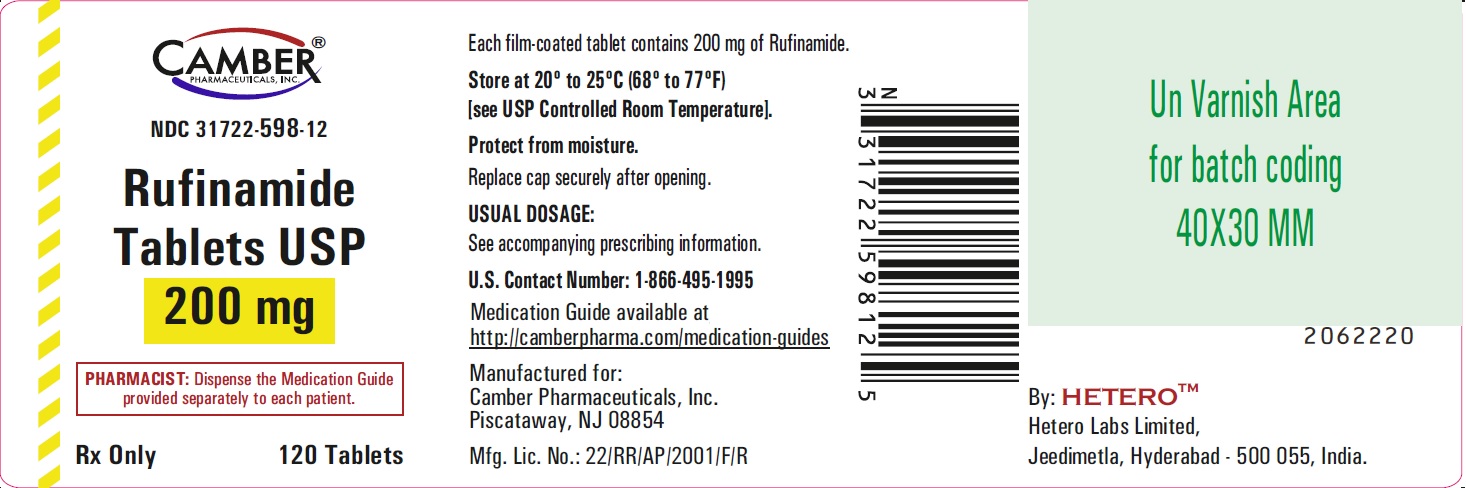
PACKAGE LABEL.PRINCIPAL DISPLAY PANEL Rufinamide Tablets USP 200 mg container label Rufinamide Tablets USP 400 mg container label 200mg 400mg