
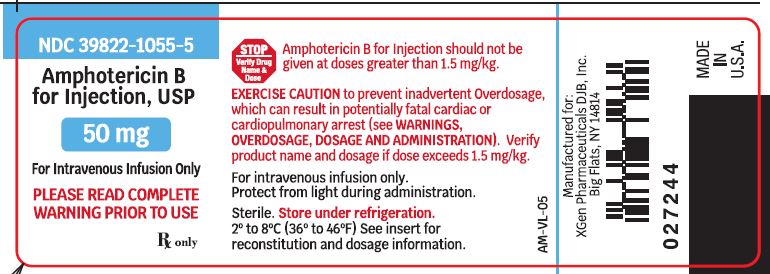
Amphotericin B 50 mg/10mL Injection, Powder, Lyophilized, For Solution, 10 mL — NDC 39822-1055-5 (Billing 39822-1055-05)
This is a package of 10 mL of Amphotericin B 50 mg/10mL Injection, Powder, Lyophilized, For Solution from XGen Pharmaceuticals DJB, Inc., marketed since Apr 1992 and currently FDA-listed. It is this product's only package size.
Other active recalls for Amphotericin B (different manufacturers) — 1 · tap to view
Identity & classification
Regulatory identifiers FDA, NLM and CMS codes for this package
Drug-database identifiers Medi-Span GPI and First Databank GCN / HICL / AHFS classification
- GSN (GCN sequence number): 009525
- GCN: 42420
- GPI-14 (Medi-Span): 11000010002105
- HICL (First Databank): 004128
- AHFS class code: 08:14.28.00
- RxCUI (RxNorm): 239240
Where does this data come from?
- FDA openFDA NDC Directory · synced Oct 1, 2026
- FDA label on DailyMed · label index refreshed Oct 1, 2026
- RxNorm (NLM RxNav) · catalog refreshed Oct 1, 2026
- Medi-Span GPI (licensed)
- First Databank (licensed) · refreshed Oct 1, 2026
RxNorm drug class
This medicine belongs to the Polyene Antifungal class.
Where does this data come from?
- RxClass (NLM) · catalog refreshed Oct 1, 2026
Clinical
- It treats serious, life-threatening fungal infections. The liposomal product AmBisome is also used for fever in people with low white blood cell counts who may have a fungal infect...
- It is given slowly through a vein by healthcare professionals. Conventional amphotericin B infusions take about 2 to 6 hours, and you may get a small test dose first. Your team wil...
- Chills, fever, nausea, vomiting, diarrhea and low potassium are common. AmBisome tends to cause fewer chills and kidney effects than conventional amphotericin B. Tell your nurse ri...
- Amphotericin B can affect your kidneys and lower potassium, which can strain the heart. Your team watches your kidney function and electrolytes closely.
Patient education
Supplement & herbal interactions
Some supplements/herbs that may interact with Amphotericin B — tap one for details:
Amphotericin B may be associated with lower levels of 1 nutrient — worth a chat with your pharmacist, not a cause for alarm.
Where does this data come from?
- MedlinePlus (NLM) · refreshed Oct 1, 2026
- FDA label on DailyMed · label index refreshed Oct 1, 2026
Ask a licensed pharmacist directly — free, answered by our team.
Pricing
A drug doesn't have one price. Each row is a different public payment system, and none is what you'd pay at the counter — that depends on your insurance. The ⓘ on each row explains what it measures.
| Price system | Per mL | Per package |
|---|---|---|
| Retail pharmacies payNADAC · weekly | Not in the retail survey — common for institutional, discontinued, or low-volume packs. | |
| Medicaid paysCMS SDUD · 12 mo | $48.95 | $489.54 / 10 ml |
| Medicare drug plans payPart D · Q2 2026 | $43.05 | $430.48 / 10 ml |
| Medicare Part B allowsASP · J0285 | $41.918 / J0285 unit | — |
Where does this data come from?
- CMS NADAC weekly file
- CMS ASP pricing files · refreshed Sep 20, 2026
- CMS Medicaid State Drug Utilization Data · through Q1 2026
- CMS Part D plan pricing files · refreshed Sep 24, 2026
- VA National Acquisition Center price file
Billing & reimbursement
Where does this data come from?
- CMS ASP NDC-HCPCS crosswalk · refreshed Sep 22, 2026
- DMEPDAC NDC-HCPCS crosswalk
- openFDA NSDE billing units · refreshed Sep 7, 2026
Packaging — all sizes for this product
| Package NDC | Description | Marketing start | Marketing end | Status |
|---|---|---|---|---|
| 39822-1055-05 You're viewing this Main listing | 10 mL in 1 VIAL | 1992-04-29 | — | Active |
Therapeutic equivalents
| Product | Labeler | Pack | NADAC/unit | TE | Status | Price vs. this |
|---|---|---|---|---|---|---|
| Amphotericin B 50 mg/10mLthis 39822-1055-05 | XGen | 10 ml | — | — | FDA listed | — |
Where does this data come from?
- FDA openFDA NDC Directory · synced Oct 1, 2026
- FDA Orange Book · refreshed Sep 3, 2026
- CMS NADAC weekly file
Availability & generic status
This product is an FDA-approved generic. Other versions of the same drug are listed under Therapeutic equivalents, least expensive first.
Where does this data come from?
- FDA Orange Book · refreshed Sep 3, 2026
Inactive Ingredients / Excipients
Inactive ingredients, also called excipients, are components of the drug product other than the active ingredient. They may include fillers, dyes, coatings, preservatives, flavors, or other formulation ingredients.
💡 Tap an ingredient (hover on desktop) to see what it is and why it’s used.
-
38.75 mg / 10 mL
UNII 005990WHZZ
A naturally occurring bile acid derived from cholesterol that helps dissolve and absorb fats and fat-soluble ingredients. In medications, it acts as a solubilizer and emulsifier to improve how the body takes in active ingredients.
-
UNII N762921K75
A colorless, odorless gas that makes up most of the air we breathe. In medicines, it's used as a packaging gas or propellant to protect products from oxidation and maintain freshness.
-
UNII E4GA8884NN
Phosphoric acid is a weak mineral acid used in medicines as a buffer and pH adjuster. It helps stabilize the product and control its acidity level.
-
UNII 55X04QC32I
A strong alkaline chemical used to adjust and maintain the pH balance of liquid medicines. It helps keep the medicine stable and ensures it stays effective during storage.
-
18.85 mg / 10 mL
UNII GR686LBA74
Sodium phosphate, dibasic is a salt derived from phosphoric acid. It acts as a buffer to help maintain the medicine's pH balance and may serve as a binder or filler in tablets and capsules.
-
1.02 mg / 10 mL
UNII 593YOG76RN
A salt made from sodium and phosphate that helps regulate acidity and maintain proper pH balance in the medicine. It also acts as a buffer to keep the product stable.
6 inactive ingredients listed in the exact product block matched to this NDC.
Where does this data come from?
ingredient classCode="IACT" elements from the exact product block matched by this NDC. Label-section narrative from DailyMed / the openFDA label index is shown separately when available.- FDA label on DailyMed · label index refreshed Oct 1, 2026
- FDA openFDA NDC Directory · synced Oct 1, 2026
Inactive ingredient FAQ
Are inactive ingredients the same for every manufacturer?
Why might an inactive ingredient be missing?
Can inactive ingredients matter?
Manufacturer & labeler
Where does this data come from?
- FDA openFDA NDC Directory · synced Oct 1, 2026
- Drugs@FDA
Full prescribing information FDA SPL
🚨 Boxed Warning ▾
WARNING This drug should be used primarily for treatment of patients with progressive and potentially life-threatening fungal infections; it should not be used to treat noninvasive forms of fungal disease such as oral thrush, vaginal candidiasis and esophageal candidiasis in patients with normal neutrophil counts. Amphotericin B for Injection should not be given in doses greater than 1.5 mg/kg. EXERCISE CAUTION to prevent inadvertent overdosage, which may result in potentially fatal cardiac or cardiopulmonary arrest (see WARNINGS , OVERDOSAGE and DOSAGE AND ADMINISTRATION ).
Verify the product name and dosage pre-administration, especially if dose exceeds 1.5 mg/kg.
🎯 Indications and Usage ▾
INDICATIONS & USAGE Amphotericin B for Injection USP should be administered primarily to patients with progressive, potentially life-threatening fungal infections. This potent drug should not be used to treat noninvasive fungal infections, such as oral thrush, vaginal candidiasis and esophageal candidiasis in patients with normal neutrophil counts. Amphotericin B for Injection USP is specifically intended to treat potentially life-threatening fungal infections: aspergillosis, cryptococcosis (torulosis), North American blastomycosis, systemic candidiasis, coccidioido-mycosis, histoplasmosis, zygomycosis including mucormycosis due to susceptible species of the genera Absidia , Mucor and Rhizopus , and infections due to related susceptible species of Conidiobolus and Basidiobolus , and sporotrichosis.
Amphotericin B may be useful in the treatment of American mucocutaneous leishmaniasis, but it is not the drug of choice as primary therapy.
⏱️ Dosage and Administration ▾
DOSAGE & ADMINISTRATION ** VERIFY PRODUCT NAME AND DOSAGE. ** CAUTION: Under no circumstances should a total daily dose of 1.5 mg/kg be exceeded. Amphotericin B overdoses can result in potentially fatal cardiac or cardiopulmonary arrest (see WARNINGS and OVERDOSAGE ). Amphotericin B for Injection should be administered by slow intravenous infusion.
Intravenous infusion should be given over a period of approximately 2 to 6 hours (depending on the dose) observing the usual precautions for intravenous therapy (see PRECAUTIONS: General ). The recommended concentration for intravenous infusion is 0.1 mg/mL (1mg/10mL). Since patient tolerance varies greatly, the dosage of amphotericin B must be individualized and adjusted according to the patient's clinical status (e.g., site and severity of infection, etiologic agent, cardio-renal function, etc.).
A single intravenous test dose (1 mg in 20 mL of 5% dextrose solution) administered over 20 to 30 minutes may be preferred. The patient's temperature, pulse, respiration, and blood pressure should be recorded every 30 minutes for 2 to 4 hours. In patients with good cardio-renal function and a well tolerated test dose , therapy is usually initiated with a daily dose of 0.25 mg/kg of body weight.
However, in those patients having severe and rapidly progressive fungal infection , therapy may be initiated with a daily dose of 0.3 mg/kg of body weight. In patients with impaired cardio-renal function or a severe reaction to the test dose , therapy should be initiated with smaller daily doses (i.e., 5 to 10 mg). Depending on the patient's cardio-renal status (see PRECAUTIONS: Laboratory Tests ), doses may gradually be increased by 5 to 10 mg per day to final daily dosage of 0.5 to 0.7 mg/kg.
There are insufficient data presently available to define total dosage requirements and duration of treatment necessary for eradication of specific mycoses. The optimal dose is unknown. Total daily dosage may range up to 1.0 mg/kg per day or up to 1.5 mg/kg when given on alternate days.
Sporotrichosis: Therapy with intravenous amphotericin B for sporotrichosis has ranged up to nine months with a total dose up to 2.5 g. Aspergillosis: Aspergillosis has been treated with amphotericin B intravenously for a period up to 11 months with a total dose up to 3.6 g. Rhinocerebral phycomycosis: This fulminating disease generally occurs in association with diabetic ketoacidosis.
It is, therefore, imperative that diabetic control be restored in order for treatment with Amphotericin B for Injection to be successful. In contradistinction, pulmonary phycomycosis, which is more common in association with hematologic malignancies, is often an incidental finding at autopsy. A cumulative dose of at least 3 g of amphotericin B is recommended to treat rhinocerebral phycomycosis.
Although a total dose of 3 to 4 g will infrequently cause lasting renal impairment, this would seem a reasonable minimum where there is clinical evidence of invasion of deep tissue. Since rhinocerebral phycomycosis usually follows a rapidly fatal course, the therapeutic approach must necessarily be more aggressive than that used in more indolent mycoses. Preparation of Solutions Reconstitute as follows: An initial concentrate of 5 mg amphotericin B per mL is first prepared by rapidly expressing 10 mL Sterile Water for Injection USP without a bacteriostatic agent directly into the lyophilized cake, using a sterile needle (minimum diameter: 20 gauge) and syringe.
Shake the vial immediately until the colloidal solution is clear. The infusion solution, providing 0.1 mg amphotericin B per mL, is then obtained by further dilution (1:50) with 5% Dextrose Injection USP of pH above 4.2. The pH of each container of Dextrose Injection should be ascertained before use.
Commercial Dextrose Injection usually has a pH above 4.2; however, if it is below 4.2, then 1 or 2 mL of buffer should be added to the Dextrose Injection before it is used to dilute the concentrated so… [Excerpted — this section continues on DailyMed.]
⛔ Contraindications ▾
CONTRAINDICATIONS This product is contraindicated in those patients who have shown hypersensitivity to amphotericin B or any other component in the formulation unless, in the opinion of the physician, the condition requiring treatment is life-threatening and amenable only to amphotericin B therapy.
⚠️ Warnings ▾
WARNINGS Amphotericin B is frequently the only effective treatment available for potentially life-threatening fungal disease. In each case, its possible life-saving benefit must be balanced against its untoward and dangerous side effects. EXERCISE CAUTION to prevent inadvertent Amphotericin B for Injection overdose, which can result in potentially fatal cardiac or cardiopulmonary arrest.
Verify the product name and dosage dosage pre-administration, especially if dose exceeds 1.5 mg/kg. (see OVERDOSAGE and DOSAGE AND ADMINISTRATION )
🤒 Adverse Reactions ▾
ADVERSE REACTIONS Although some patients may tolerate full intravenous doses of amphotericin B without difficulty, most will exhibit some intolerance, often at less than the full therapeutic dose. Tolerance may be improved by treatment with aspirin, antipyretics (e.g., acetaminophen), antihistamines, or antiemetics. Meperidine (25 to 50 mg IV) has been shown in some patients to decrease the duration of shaking chills and fever that may accompany the infusion of amphotericin B.
Administration of amphotericin B on alternate days may decrease anorexia and phlebitis. Intravenous administration of small doses of adrenal corticosteroids just prior to or during the amphotericin B infusion may help decrease febrile reactions. Dosage and duration of such corticosteroid therapy should be kept to a minimum (see PRECAUTIONS: Drug Interactions ).
Addition of heparin (1000 units per infusion), and the use of a pediatric scalp-vein needle may lessen the incidence of thrombophlebitis. Extravasation may cause chemical irritation. The adverse reactions most commonly observed are: General (body as a whole): fever (sometimes accompanied by shaking chills usually occurring within 15 to 20 minutes after initiation of treatment); malaise; weight loss.
Cardiopulmonary: hypotension; tachypnea. Gastrointestinal: anorexia; nausea; vomiting; diarrhea; dyspepsia; cramping epigastric pain. Hematologic: normochromic, normocytic anemia.
Local: pain at the injection site with or without phlebitis or thrombophlebitis. Musculoskeletal: generalized pain, including muscle and joint pains. Neurologic: headache.
Renal: decreased renal function and renal function abnormalities including: azotemia, hypokalemia, hyposthenuria, renal tubular acidosis; and nephrocalcinosis. These usually improve with interruption of therapy. However, some permanent impairment often occurs, especially in those patients receiving large amounts (over 5 g) of amphotericin B or receiving other nephrotoxic agents.
In some patients hydration and sodium repletion prior to amphotericin B administration may reduce the risk of developing nephrotoxicity. Supplemental alkali medication may decrease renal tubular acidosis. The following adverse reactions have also been reported: General (body as a whole): flushing.
Allergic: anaphylactoid and other allergic reactions; bronchospasm; wheezing. Cardiopulmonary: cardiac arrest; shock; cardiac failure; pulmonary edema; hypersensitivity pneumonitis; arrhythmias, including ventricular fibrillation; dyspnea; hypertension. Dermatologic: rash, in particular maculopapular; pruritus.
Skin exfoliation, toxic epidermal necrolysis, and Stevens-Johnson syndrome have been reported during post-marketing surveillance. Gastrointestinal: acute liver failure; hepatitis; jaundice; hemorrhagic gastroenteritis; melena. Hematologic: agranulocytosis; coagulation defects; thrombocytopenia; leukopenia; eosinophilia; leukocytosis.
Neurologic: convulsions; hearing loss; tinnitus; transient vertigo; visual impairment; diplopia; peripheral neuropathy; encephalopathy (see PRECAUTIONS ); other neurologic symptoms. Renal: acute renal failure; anuria; oliguria. Nephrogenic diabetes insipidus has been reported during post-marketing surveillance.
Altered Laboratory Findings Serum Electrolytes: Hypomagnesemia; hypo- and hyperkalemia; hypocalcemia. Liver Function Tests: Elevations of AST, ALT, GGT, bilirubin, and alkaline phosphatase. Renal Function Tests: Elevations of BUN and serum creatinine.
🔄 Drug Interactions ▾
Drug Interactions When administered concurrently, the following drugs may interact with amphotericin B: Antineoplastic agents: may enhance the potential for renal toxicity, bronchospasm and hypotension. Antineoplastic agents (e.g., nitrogen mustard, etc.) should be given concomitantly only with great caution. Corticosteroids and Corticotropin (ACTH): may potentiate amphotericin B-induced hypokalemia which may predispose the patient to cardiac dysfunction.
Avoid concomitant use unless necessary to control side effects of amphotericin B. If used concomitantly, closely monitor serum electrolytes and cardiac function (see ADVERSE REACTIONS ). Digitalis glycosides: amphotericin B-induced hypokalemia may potentiate digitalis toxicity.
Serum potassium levels and cardiac function should be closely monitored and any deficit promptly corrected. Flucytosine: while a synergistic relationship with amphotericin B has been reported, concomitant use may increase the toxicity of flucytosine by possibly increasing its cellular uptake and/or impairing its renal excretion. Imidazoles (e.g., ketoconazole, miconazole, clotrimazole, fluconazole, etc.): in vitro and animal studies with the combination of amphotericin B and imidazoles suggest that imidazoles may induce fungal resistance to amphotericin B.
Combination therapy should be administered with caution, especially in immunocompromised patients. Other nephrotoxic medications: agents such as aminoglycosides, cyclosporine, and pentamidine may enhance the potential for drug-induced renal toxicity, and should be used concomitantly only with great caution. Intensive monitoring of renal function is recommended in patients requiring any combination of nephrotoxic medications (see PRECAUTIONS: Laboratory Tests ).
Skeletal muscle relaxants: amphotericin B-induced hypokalemia may enhance the curariform effect of skeletal muscle relaxants (e.g., tubocurarine). Serum potassium levels should be monitored and deficiencies corrected. Leukocyte transfusions: acute pulmonary toxicity has been reported in patients receiving intravenous amphotericin B and leukocyte transfusions (see PRECAUTIONS: General ).
🤰 Pregnancy ▾
Pregnancy Teratogenic Effects Pregnancy Category B : Reproduction studies in animals have revealed no evidence of harm to the fetus due to amphotericin B for injection. Systemic fungal infections have been successfully treated in pregnant women with amphotericin B for injection without obvious effects to the fetus, but the number of cases reported has been small. Because animal reproduction studies are not always predictive of human response, and adequate and well-controlled studies have not been conducted in pregnant women, this drug should be used during pregnancy only if clearly indicated.
🧒 Pediatric Use ▾
Pediatric Use Safety and effectiveness in pediatric patients have not been established through adequate and well-controlled studies. Systemic fungal infections have been successfully treated in pediatric patients without reports of unusual side effects. Amphotericin B for Injection when administered to pediatric patients should be limited to the smallest dose compatible with an effective therapeutic regimen.
🆘 Overdosage ▾
OVERDOSAGE Amphotericin B overdoses can result in potentially fatal cardiac or cardiopulmonary arrest (see WARNINGS and DOSAGE AND ADMINISTRATION ). If an overdose is suspected, discontinue therapy and monitor the patient's clinical status (e.g., cardiorespiratory, renal, and liver function, hematologic status, serum electrolytes) and administer supportive therapy, as required. Amphotericin B is not hemodialyzable.
Prior to reinstituting therapy, the patient's condition should be stabilized (including correction of electrolyte deficiencies, etc.).
🧬 Clinical Pharmacology ▾
CLINICAL PHARMACOLOGY Microbiology Amphotericin B shows a high order of in vitro activity against many species of fungi. Histoplasma capsulatum , Coccidioides immitis , Candida species, Blastomyces dermatitidis , Rhodotorula, Cryptococcus neoformans , Sporothrix schenckii , Mucor mucedo, and Aspergillus fumigatus are all inhibited by concentrations of amphotericin B ranging from 0.03 to 1.0 mcg/mL in vitro . While Candida albicans is generally quite susceptible to amphotericin B, non- albicans species may be less susceptible.
Pseudallescheria boydii and Fusarium sp. are often resistant to amphotericin B. The antibiotic is without effect on bacteria, rickettsiae, and viruses. Susceptibility Testing Standardized techniques for susceptibility testing for antifungal agents have not been established and results of susceptibility studies have not been correlated with clinical outcomes.
Pharmacokinetics Amphotericin B is fungistatic or fungicidal depending on the concentration obtained in body fluids and the susceptibility of the fungus. The drug acts by binding to sterols in the cell membrane of susceptible fungi with a resultant change in membrane permeability allowing leakage of intracellular components. Mammalian cell membranes also contain sterols and it has been suggested that the damage to human cells and fungal cells may share common mechanisms.
An initial intravenous infusion of 1 to 5 mg of amphotericin B per day, gradually increased to 0.4 to 0.6 mg/kg daily, produces peak plasma concentrations ranging from approximately 0.5 to 2 mcg/mL. Following a rapid initial fall, plasma concentrations plateau at about 0.5 mcg/mL. An elimination half-life of approximately 15 days follows an initial plasma half-life of about 24 hours.
Amphotericin B circulating in plasma is highly bound (>90%) to plasma proteins and is poorly dialyzable. Approximately two thirds of concurrent plasma concentrations have been detected in fluids from inflamed pleura, peritoneum, synovium, and aqueous humor. Concentrations in the cerebrospinal fluid seldom exceed 2.5% of those in the plasma.
Little amphotericin B penetrates into vitreous humor or normal amniotic fluid. Complete details of tissue distribution are not known. Amphotericin B is excreted very slowly (over weeks to months) by the kidneys with 2 to 5% of a given dose being excreted in the biologically active form.
Details of possible metabolic pathways are not known. After treatment is discontinued, the drug can be detected in the urine for at least 7 weeks due to the slow disappearance of the drug. The cumulative urinary output over a 7 day period amounts to approximately 40% of the amount of drug infused.
📦 How Supplied / Storage and Handling ▾
HOW SUPPLIED Amphotericin B for Injection USP Available as single vials providing 50 mg amphotericin B as a yellow to orange lyophilized cake (which may partially reduce to powder following manufacture). NDC 39822-1055-5. Retain in carton until time of use.
Storage Prior to reconstitution Amphotericin B for Injection USP should be stored under refrigeration, 2˚ to 8˚C (36˚to 46˚F), protected against exposure to light. The concentrate (5 mg amphotericin B per mL after reconstitution with 10 mL Sterile Water for Injection USP) may be stored in the dark, at room temperature for 24 hours, or at refrigerator temperatures for one week with minimal loss of potency and clarity. Any unused material should then be discarded.
Solutions prepared for intravenous infusion (0.1 mg or less amphotericin B per mL) should be used promptly after preparation and should be protected from light during administration. Manufactured for: XGen Pharmaceuticals DJB, Inc. Big Flats, NY 14814 Revised October 2020 AM-PI-05 Printed in the USA djb logo rx only
📦 Storage and Handling ▾
Storage Prior to reconstitution Amphotericin B for Injection USP should be stored under refrigeration, 2˚ to 8˚C (36˚to 46˚F), protected against exposure to light. The concentrate (5 mg amphotericin B per mL after reconstitution with 10 mL Sterile Water for Injection USP) may be stored in the dark, at room temperature for 24 hours, or at refrigerator temperatures for one week with minimal loss of potency and clarity. Any unused material should then be discarded.
Solutions prepared for intravenous infusion (0.1 mg or less amphotericin B per mL) should be used promptly after preparation and should be protected from light during administration. Manufactured for: XGen Pharmaceuticals DJB, Inc. Big Flats, NY 14814 Revised October 2020 AM-PI-05 Printed in the USA djb logo rx only
📋 Description ▾
DESCRIPTION Amphotericin B for Injection USP contains amphotericin B, an antifungal polyene antibiotic obtained from a strain of Streptomyces nodosus . Amphotericin B is designated chemically as [1R- (1R*, 3S*, 5R*, 6R*, 9R*, 11R*, 15S*, 16R*, 17R*, 18S*, 19E, 21E, 23E, 25E, 27E, 29E, 31E, 33R*, 35S*, 36R*, 37S*)] -33-[(3-Amino-3, 6-dideoxy-β-D-mannopyranosyl)-oxy]-1,3,5,6,9,11,17,37-octahydroxy-15,16,18-trimethyl-13-oxo-14,39-dioxabicyclo [33.3.1] nonatriaconta-19,21,23,25,27,29,31-heptaene-36-carboxylic acid. Structural formula: Each vial contains a sterile, nonpyrogenic, lyophilized cake (which may partially reduce to powder following manufacture) providing 50 mg amphotericin B and 41 mg sodium desoxycholate buffered with 20.2 mg sodium phosphates (consisting of mono and dibasic sodium phosphate, phosphoric acid and sodium hydroxide).
Crystalline amphotericin B is insoluble in water; therefore, the antibiotic is solubilized by the addition of sodium desoxycholate to form a mixture which provides a colloidal dispersion for intravenous infusion following reconstitution. At the time of manufacture the air in the vial is replaced by nitrogen. H:\Desktop Work\Desktop Work\SPL Submissions\Done\Amphotericin SPL\01.jpg
⚠️ Precautions ▾
PRECAUTIONS General Amphotericin B should be administered intravenously under close clinical observation by medically trained personnel. It should be reserved for treatment of patients with progressive, potentially life-threatening fungal infections due to susceptible organisms (see INDICATIONS AND USAGE ). Acute reactions including fever, shaking chills, hypotension, anorexia, nausea, vomiting, headache, and tachypnea are common 1 to 3 hours after starting an intravenous infusion.
These reactions are usually more severe with the first few doses of amphotericin B and usually diminish with subsequent doses. Rapid intravenous infusion has been associated with hypotension, hypokalemia, arrhythmias, and shock and should, therefore, be avoided (see DOSAGE AND ADMINISTRATION ) . Amphotericin B should be used with care in patients with reduced renal function; frequent monitoring of renal function is recommended (see PRECAUTIONS: Laboratory Tests and ADVERSE REACTIONS ).
In some patients hydration and sodium repletion prior to amphotericin B administration may reduce the risk of developing nephrotoxicity. Supplemental alkali medication may decrease renal tubular acidosis complications. Since acute pulmonary reactions have been reported in patients given amphotericin B during or shortly after leukocyte transfusions, it is advisable to temporarily separate these infusions as far as possible and to monitor pulmonary function (see PRECAUTIONS: Drug Interactions ).
Leukoencephalopathy has been reported following use of amphotericin B. Literature reports have suggested that total body irradiation may be a predisposition. Whenever medication is interrupted for a period longer than 7 days, therapy should be resumed by starting with the lowest dosage level, e.g., 0.25 mg/kg of body weight, and increased gradually as outlined under DOSAGE AND ADMINISTRATION .
Laboratory Tests Renal function should be monitored frequently during amphotericin B therapy (see ADVERSE REACTIONS ). It is also advisable to monitor on a regular basis liver function, serum electrolytes (particularly magnesium and potassium), blood counts, and hemoglobin concentrations. Laboratory test results should be used as a guide to subsequent dosage adjustments.
Drug Interactions When administered concurrently, the following drugs may interact with amphotericin B: Antineoplastic agents: may enhance the potential for renal toxicity, bronchospasm and hypotension. Antineoplastic agents (e.g., nitrogen mustard, etc.) should be given concomitantly only with great caution. Corticosteroids and Corticotropin (ACTH): may potentiate amphotericin B-induced hypokalemia which may predispose the patient to cardiac dysfunction.
Avoid concomitant use unless necessary to control side effects of amphotericin B. If used concomitantly, closely monitor serum electrolytes and cardiac function (see ADVERSE REACTIONS ). Digitalis glycosides: amphotericin B-induced hypokalemia may potentiate digitalis toxicity.
Serum potassium levels and cardiac function should be closely monitored and any deficit promptly corrected. Flucytosine: while a synergistic relationship with amphotericin B has been reported, concomitant use may increase the toxicity of flucytosine by possibly increasing its cellular uptake and/or impairing its renal excretion. Imidazoles (e.g., ketoconazole, miconazole, clotrimazole, fluconazole, etc.): in vitro and animal studies with the combination of amphotericin B and imidazoles suggest that imidazoles may induce fungal resistance to amphotericin B.
Combination therapy should be administered with caution, especially in immunocompromised patients. Other nephrotoxic medications: agents such as aminoglycosides, cyclosporine, and pentamidine may enhance the potential for drug-induced renal toxicity, and should be used concomitantly only with great caution. Intensive monitoring of renal function is recommended in patients requiring any combination of nephrotoxic medications (see PRECAUTIONS: Labo… [Excerpted — this section continues on DailyMed.]
🍼 Nursing Mothers ▾
Nursing Mothers It is not known whether amphotericin B is excreted in human milk. Because many drugs are excreted in human milk and considering the potential toxicity of amphotericin B, it is prudent to advise a nursing mother to discontinue nursing.
🧬 Pharmacokinetics ▾
Pharmacokinetics Amphotericin B is fungistatic or fungicidal depending on the concentration obtained in body fluids and the susceptibility of the fungus. The drug acts by binding to sterols in the cell membrane of susceptible fungi with a resultant change in membrane permeability allowing leakage of intracellular components. Mammalian cell membranes also contain sterols and it has been suggested that the damage to human cells and fungal cells may share common mechanisms.
An initial intravenous infusion of 1 to 5 mg of amphotericin B per day, gradually increased to 0.4 to 0.6 mg/kg daily, produces peak plasma concentrations ranging from approximately 0.5 to 2 mcg/mL. Following a rapid initial fall, plasma concentrations plateau at about 0.5 mcg/mL. An elimination half-life of approximately 15 days follows an initial plasma half-life of about 24 hours.
Amphotericin B circulating in plasma is highly bound (>90%) to plasma proteins and is poorly dialyzable. Approximately two thirds of concurrent plasma concentrations have been detected in fluids from inflamed pleura, peritoneum, synovium, and aqueous humor. Concentrations in the cerebrospinal fluid seldom exceed 2.5% of those in the plasma.
Little amphotericin B penetrates into vitreous humor or normal amniotic fluid. Complete details of tissue distribution are not known. Amphotericin B is excreted very slowly (over weeks to months) by the kidneys with 2 to 5% of a given dose being excreted in the biologically active form.
Details of possible metabolic pathways are not known. After treatment is discontinued, the drug can be detected in the urine for at least 7 weeks due to the slow disappearance of the drug. The cumulative urinary output over a 7 day period amounts to approximately 40% of the amount of drug infused.
📄 Carcinogenesis, Mutagenesis, Impairment of Fertility ▾
Carcinogenesis, Mutagenesis, Impairment of Fertility No long-term studies in animals have been performed to evaluate carcinogenic potential. There also have been no studies to determine mutagenicity or whether this medication affects fertility in males or females.
📄 Package Label / Principal Display Panel ▾
PRINCIPAL DISPLAY PANEL - Vial Label NDC 39822-1055-5 Amphotericin B for Injection, USP 50mg For Intravenous Infusion Only Rx Only 1 Vial XGen Pharmaceuticals DJB, Inc. STOP: Verify product name & dosage if dose exceeds 1.5 mg/kg ampho vial
PRINCIPAL DISPLAY PANEL - Carton NDC 39822-1055-5 Amphotericin B for Injection, USP 50mg For Intravenous Infusion Only Rx Only 1 Vial XGen Pharmaceuticals DJB, Inc. STOP: Verify product name & dosage if dose exceeds 1.5 mg/kg djb carton
Medicaid utilization & spend
Medicare Part D spend CMS · PART D · 2026 (Q1)
Reported adverse events (FAERS)
Top reported reactions
Age at onset
Reporter sex
Serious outcomes
Where does this data come from?
About this NDC listing & data coverage
What data is (and isn’t) available for this NDC — tap to expand
| NDC identity (package / product / labeler codes) | ✓ Available |
| Labeler | ✓ Available |
| Product & package description | ✓ Available |
| Marketing category & status | ✓ Available |
| Active ingredient / dosage form / route | ✓ Available |
| FDA label (SPL via DailyMed) | ✓ Available |
| Package photos | ✓ Available |
| Inactive ingredients (structured) | ✓ Available |
| NADAC pharmacy acquisition price (CMS) | — Not published for this NDC CMS publishes NADAC only for NDCs reported in its retail-pharmacy survey. |
| Orange Book / therapeutic-equivalence data | — Not published for this NDC Applies only to products approved under an NDA/ANDA; many listings are out of scope. |
| HCPCS J-code billing crosswalk | ✓ Available |
| Medicaid utilization (CMS SDUD) | ✓ Available |