
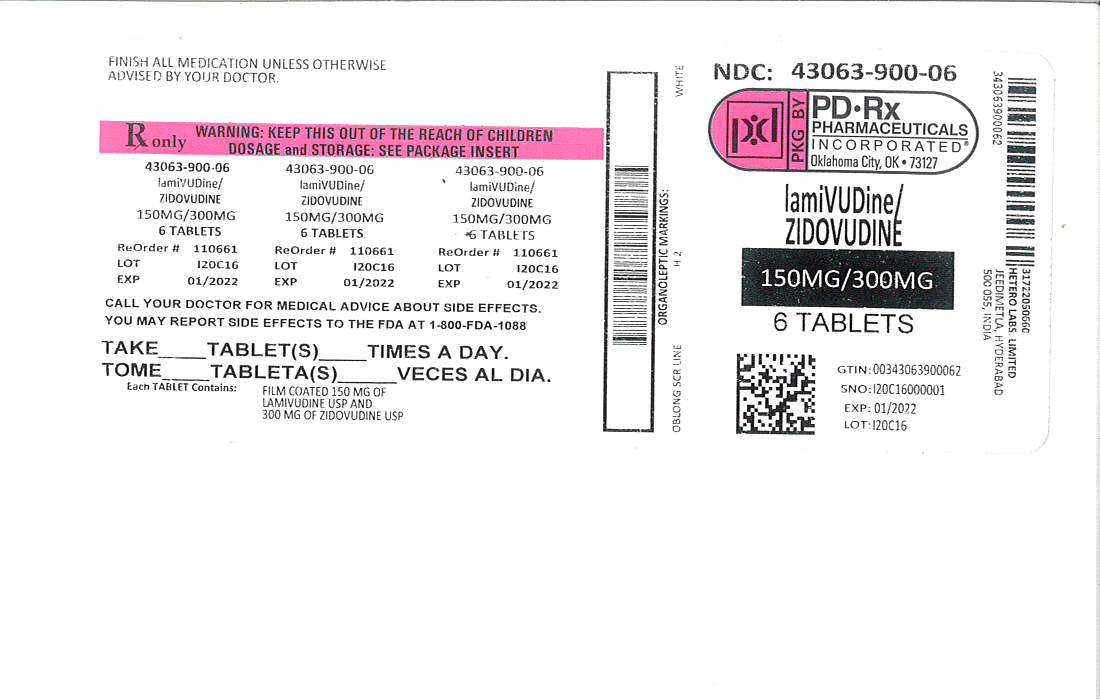
Lamivudine and Zidovudine 150 mg; 300 mg Tablet, Film Coated, 6-count — NDC 43063-900-06 (Billing 43063-0900-06)
This is a package of 6 tablets of Lamivudine and Zidovudine 150 mg; 300 mg Tablet, Film Coated from PD-Rx Pharmaceuticals, Inc., marketed since Sep 2015 and currently FDA-listed. It is this product's only package size.
NDC database record
One package, one record: these facts belong to NDC 43063-900-06 alone.
- Record
- FDA NDC Directory package listing · Human prescription drug
- Code segments
- 43063 labeler · 900 product · 06 package
- Package marketed since
- Oct 11, 2018
- Sample package
- No — commercial package
- Listing certified through
- Dec 31, 2026
- Billing quantity
- 6 EA per package
- Barcode (UPC)
- 0343063900062
- FDA record last changed
- Oct 8, 2026
Identity & classification
Regulatory identifiers FDA, NLM and CMS codes for this package
Drug-database identifiers Medi-Span GPI and First Databank GCN / HICL / AHFS classification
- GSN (GCN sequence number): 034186
- GCN: 89621
- GPI-14 (Medi-Span): 12109902500320
- HICL (First Databank): 014014
- AHFS class code: 08:18.08.20
- RxCUI (RxNorm): 200082
Where does this data come from?
- FDA openFDA NDC Directory · synced Oct 8, 2026
- FDA label on DailyMed · label index refreshed Oct 8, 2026
- RxNorm (NLM RxNav) · catalog refreshed Oct 1, 2026
- Medi-Span GPI (licensed)
- First Databank (licensed) · refreshed Oct 8, 2026
RxNorm drug class
This medicine belongs to the Human Immunodeficiency Virus Nucleoside Analog Reverse Transcriptase Inhibitor class.
Where does this data come from?
- RxClass (NLM) · catalog refreshed Oct 1, 2026
Clinical
The combination of lamivudine and zidovudine is used to treat human immunodeficiency virus (HIV) infection. Lamivudine and zidovudine are in a class of medications called nucleoside reverse transcriptase inhibitors (NRTIs). They work by decreasing the amount of HIV in the blood. Although the combination of lamivudine and zidovudine will not cure HIV, it may decrease your chance of developing acquired immunodeficiency syndrome (AIDS) and HIV-related illnesses. Taking these medications and making other life-style changes may also decrease the risk of giving the HIV virus to other people.
Read the full MedlinePlus article ↗- No, it doesn't cure HIV, and it's important to understand that going in. What lamivudine and zidovudine does is block a key step HIV needs to copy itself in your body. By keeping t...
- What exactly does this medication do — does it cure HIV?
- Please don't stop without talking to your doctor first — even if you feel completely fine. HIV treatment works by keeping the virus consistently suppressed. Stopping on your own ca...
- Can I miss a dose or stop taking it if I feel fine?
Patient education
Supplement & herbal interactions
Where does this data come from?
- MedlinePlus (NLM) · refreshed Oct 8, 2026
- FDA label on DailyMed · label index refreshed Oct 8, 2026
Ask a licensed pharmacist directly — free, answered by our team.
Pricing
A drug doesn't have one price. Each row is a different public payment system, and none is what you'd pay at the counter — that depends on your insurance. The ⓘ on each row explains what it measures.
| Price system | Per each | Per package |
|---|---|---|
| Retail pharmacies payNADAC · weekly | Not in the retail survey — common for institutional, discontinued, or low-volume packs. | |
| Medicaid paysCMS SDUD · 12 mo | No recent Medicaid claims on file for this NDC — rare and low-volume NDCs are suppressed in the public data. | |
| Medicare drug plans payPart D · Q2 2026 | $2.47 | $14.82 / 6 tablets |
Where does this data come from?
- CMS NADAC weekly file
- CMS ASP pricing files · refreshed Sep 20, 2026
- CMS Medicaid State Drug Utilization Data · refreshed Oct 8, 2026
- CMS Part D plan pricing files · refreshed Sep 24, 2026
- VA National Acquisition Center price file
Packaging — all sizes for this product
| Package NDC | Description | Marketing start | Marketing end | Status |
|---|---|---|---|---|
| 43063-0900-06 You're viewing this Main listing | 6 TABLET, FILM COATED in 1 BOTTLE, PLASTIC | 2018-10-11 | — | Active |
Therapeutic equivalents
| Product | Labeler | Pack | NADAC/unit | TE | Status | Price vs. this |
|---|---|---|---|---|---|---|
| Lamivudine and Zidovudine 150 mg/1; 300 mg 33342-0003-09 | Macleods | 60 tablets | $0.771 | AB | Availability likely | — |
| LAMIVUDINE and ZIDOVUDINE 150 mg/1; 300 mg 31722-0506-05 | Camber | 500 tablets | — | AB | FDA listed | — |
| Lamivudine and Zidovudine 150 mg/1; 300 mg 31722-0739-05 | Camber | 500 tablets | — | AB | FDA listed | — |
| LAMIVUDINE and ZIDOVUDINE 150 mg/1; 300 mgthis 43063-0900-06 | PD-Rx | 6 tablets | — | AB | FDA listed | — |
| Combivir 150 mg/1; 300 mg 49702-0202-18 | ViiV | 60 tablets | — | — | FDA listed | — |
| Lamivudine and Zidovudine 150 mg/1; 300 mg 65862-0036-10 | Aurobindo | 10 tablets | — | — | FDA listed | — |
| LAMIVUDINE and ZIDOVUDINE 150 mg/1; 300 mg 71335-0639-01 | Bryant | 6 tablets | — | AB | FDA listed | — |
| Lamivudine and Zidovudine 150 mg/1; 300 mg 71335-1916-01 | Bryant | 6 tablets | — | AB | FDA listed | — |
| Lamivudine And Zidovudine 150 mg/1; 300 mg 72865-0144-60 | XLCare | 60 tablets | — | AB | FDA listed | — |
| Lamivudine and Zidovudine 150 mg/1; 300 mg 76282-0115-05 | Exelan | 500 tablets | — | AB | FDA listed | — |
Where does this data come from?
- FDA openFDA NDC Directory · synced Oct 8, 2026
- FDA Orange Book · refreshed Oct 3, 2026
- CMS NADAC weekly file
Availability & generic status
This product is an FDA-approved generic. Other versions of the same drug are listed under Therapeutic equivalents, least expensive first.
Where does this data come from?
- FDA Orange Book · refreshed Oct 3, 2026
Inactive Ingredients / Excipients
Inactive ingredients, also called excipients, are components of the drug product other than the active ingredient. They may include fillers, dyes, coatings, preservatives, flavors, or other formulation ingredients.
🧪 Avoiding an ingredient? See Lamivudine and Zidovudine inactive ingredients by manufacturer: every current product's list side by side, so you can ask your pharmacy for the version that does not list it.
💡 Tap an ingredient (hover on desktop) to see what it is and why it’s used.
-
UNII OP1R32D61U
Microcrystalline cellulose is a purified form of cellulose, a natural fiber from plant sources. It acts as a binder and filler in tablets and capsules, helping hold ingredients together and give the medicine its shape and size.
-
UNII 3NXW29V3WO
Hypromellose is a plant-based thickener made from cellulose. It's used in medicines as a binder to hold ingredients together, a coating for tablets, and a thickener for liquids.
-
UNII 70097M6I30
Magnesium stearate is a salt made from magnesium and stearic acid, a fatty substance. It's used in tablets and capsules as a lubricant and glidant to help ingredients flow smoothly during manufacturing and prevent sticking.
-
UNII 3WJQ0SDW1A
Polyethylene glycol is a synthetic liquid or solid polymer used in medicines as a solvent, lubricant, and humectant. It helps dissolve active ingredients, reduces friction during manufacturing, and retains moisture in the final product.
-
UNII 6OZP39ZG8H
Polysorbate 80 is a synthetic emulsifier derived from sorbitol and oleic acid. It helps mix oil and water-based ingredients together in medications and improves how the product disperses in the body.
-
UNII ETJ7Z6XBU4
Silicon dioxide is a naturally occurring mineral used as a glidant and anti-caking agent. It helps powder ingredients flow smoothly and prevents clumping during manufacturing and storage.
-
UNII 5856J3G2A2
A starch-based powder made from potatoes and processed with sodium. It acts as a disintegrant, helping the tablet or capsule break apart quickly in the stomach so the medicine can be absorbed.
-
UNII 15FIX9V2JP
Titanium dioxide is a bright white mineral powder commonly used as a colorant and opacifying agent. It makes pills and tablets white or lighter in color and helps make coatings non-transparent.
8 inactive ingredients listed in the exact product block matched to this NDC.
Where does this data come from?
ingredient classCode="IACT" elements from the exact product block matched by this NDC. Label-section narrative from DailyMed / the openFDA label index is shown separately when available.- FDA label on DailyMed · label index refreshed Oct 8, 2026
- FDA openFDA NDC Directory · synced Oct 8, 2026
Inactive ingredient FAQ
Are inactive ingredients the same for every manufacturer?
Why might an inactive ingredient be missing?
Can inactive ingredients matter?
Manufacturer & labeler
More NDCs from PD-Rx Pharmaceuticals, Inc. labeler code 43063
- Promethazine Hydrochloride 25 mg Tablet NDC 43063-874-01
- Promethazine Hydrochloride 12.5 mg Tablet NDC 43063-875-01
- Promethazine Hydrochloride 50 mg Tablet NDC 43063-876-01
- Bupropion Hydrochloride 75 mg Tablet, Film Coated NDC 43063-880-30
- Liothyronine Sodium 25 ug Tablet NDC 43063-884-30
- Amoxicillin 875 mg Tablet, Coated NDC 43063-885-20
- Lithium Carbonate 450 mg Tablet, Extended Release NDC 43063-901-01
- Metformin Hydrochloride Extended Release 750 mg Tablet, Extended Release NDC 43063-902-30
- Methocarbamol 500 mg Tablet, Coated NDC 43063-903-18
- Ketorolac Tromethamine 10 mg Tablet, Film Coated NDC 43063-904-10
- Methocarbamol 750 mg Tablet, Coated NDC 43063-905-14
- Terbinafine Hydrochloride 250 mg Tablet NDC 43063-906-20
Where does this data come from?
- FDA openFDA NDC Directory · synced Oct 8, 2026
- Drugs@FDA
Full prescribing information FDA SPL
🚨 Boxed Warning ▾
WARNING: HEMATOLOGIC TOXICITY, MYOPATHY, LACTIC ACIDOSIS AND SEVERE HEPATOMEGALY WITH STEATOSIS, and EXACERBATIONS OF HEPATITIS B Zidovudine, a component of lamivudine and zidovudine tablets, has been associated with hematologic toxicity including neutropenia and severe anemia, particularly in patients with advanced Human Immunodeficiency Virus (HIV-1) disease [see Warnings and Precautions ( 5.1 )]. Prolonged use of zidovudine has been associated with symptomatic myopathy [see Warnings and Precautions ( 5.2 )]. Lactic acidosis and severe hepatomegaly with steatosis, including fatal cases, have been reported with the use of nucleoside analogues including lamivudine and zidovudine (components of lamivudine and zidovudine tablets).
Suspend treatment if clinical or laboratory findings suggestive of lactic acidosis or pronounced hepatotoxicity occur. ( 5.3 ) Severe acute exacerbations of hepatitis B have been reported in patients who are co-infected with hepatitis B virus (HBV) and HIV-1 and have discontinued lamivudine, which is one component of lamivudine and zidovudine tablets. Hepatic function should be monitored closely with both clinical and laboratory follow-up for at least several months in patients who discontinue lamivudine and zidovudine tablet and are co-infected with HIV-1 and HBV.
If appropriate, initiation of anti-hepatitis B therapy may be warranted [see Warnings and Precautions ( 5.4 )]. WARNING: HEMATOLOGIC TOXICITY, MYOPATHY, LACTIC ACIDOSIS AND SEVERE HEPATOMEGALY WITH STEATOSIS, and EXACERBATIONS OF HEPATITIS B See full prescribing information for complete boxed warning. • Hematologic toxicity, including neutropenia and anemia, has been associated with the use of zidovudine, a component of lamivudine and zidovudine tablets. ( 5.1 ) • Symptomatic myopathy associated with prolonged use of zidovudine.
( 5.2 ) • Lactic acidosis and severe hepatomegaly with steatosis, including fatal cases, have been reported with the use of nucleoside analogues including lamivudine and zidovudine (components of lamivudine and zidovudine tablets). Suspend treatment if clinical or laboratory findings suggestive of lactic acidosis or pronounced hepatotoxicity occur. ( 5.3 ) • Severe acute exacerbations of hepatitis B have been reported in patients who are co-infected with hepatitis B virus (HBV) and human immunodeficiency virus (HIV-1) and have discontinued lamivudine, a component of lamivudine and zidovudine tablet.
Monitor hepatic function closely in these patients and, if appropriate, initiate anti-hepatitis B treatment. ( 5.4 )
🎯 Indications and Usage ▾
1 INDICATIONS AND USAGE Lamivudine and zidovudine tablets a combination of 2 nucleoside analogues, are indicated in combination with other antiretrovirals for the treatment of human immunodeficiency virus type 1 (HIV-1) infection. Lamivudine and zidovudine tablets, a combination of 2 nucleoside analogue reverse transcriptase inibitors, are indicated in combination with other antiretroviral agents for the treatment of HIV-1 infection. (1)
⏱️ Dosage and Administration ▾
2 DOSAGE AND ADMINISTRATION • Adults and Adolescents weighing greater than or equal to 30 kg: 1 tablet orally twice daily. ( 2.1 ) • Pediatrics weighing greater than or equal to 30 kg: 1 tablet orally twice daily. ( 2.2 ) • Because lamivudine and zidovudine tablet is a fixed-dose tablet and cannot be dose adjusted, lamivudine and zidovudine tablet is not recommended in patients requiring dosage adjustment or with hepatic impairment or experiencing dose-limiting adverse reactions.
( 2.3 , 4 )
2.1Recommended Dosage for Adults and Adolescents The recommended dosage of lamivudine and zidovudine tablet in HIV-1-infected adults and adolescents weighing greater than or equal to 30 kg is 1 tablet (containing 150 mg of lamivudine and 300 mg of zidovudine) taken orally twice daily.
2.2Recommended Dosage for Pediatric Patients The recommended dosage of scored lamivudine and zidovudine tablets for pediatric patients who weigh greater than or equal to 30 kg and for whom a solid oral dosage form is appropriate is 1 tablet administered orally twice daily. Before prescribing lamivudine and zidovudine tablets, children should be assessed for the ability to swallow tablets. If a child is unable to reliably swallow a lamivudine and zidovudine tablet, the liquid oral formulations should be prescribed: EPIVIR (lamivudine) oral solution and RETROVIR (zidovudine) syrup.
2.3Not Recommended Due to Lack of Dosage Adjustment Because lamivudine and zidovudine is a fixed-dose tablet and cannot be dose adjusted, lamivudine and zidovudine tablets are not recommended for: • pediatric patients weighing less than 30 kg [see Use in Specific Populations ( 8.4 )]. • patients with creatinine clearance less than 50 mL per minute [see Use in Specific Populations ( 8.6 )]. • patients with hepatic impairment [see Use in Specific Populations ( 8.7 )]. • patients experiencing dose-limiting adverse reactions.
Liquid and solid oral formulations of the individual components of lamivudine and zidovudine tablets are available for these populations
💊 Dosage Forms and Strengths ▾
3 DOSAGE FORMS AND STRENGTHS Lamivudine and Zidovudine Tablets, USP contain 150 mg lamivudine and 300 mg zidovudine are white, film coated, capsule shaped tablets debossed with 'H' and score line on one side and '2' on other side. Tablets: Scored 150 mg lamivudine and 300 mg zidovudine ( 3 )
⛔ Contraindications ▾
4 CONTRAINDICATIONS Lamivudine and zidovudine tablets are contraindicated in patients with a previous hypersensitivity reaction to lamivudine or zidovudine. Lamivudine and zidovudine tablets are contraindicated in patients with a previous hypersensitivity reaction to lamivudine or zidovudine. ( 4 )
⚠️ Warnings and Cautions ▾
5 WARNINGS AND PRECAUTIONS • Hepatic decompensation, some fatal, has occurred in HIV-1/HCV co-infected patients receiving combination antiretroviral therapy and interferon alfa with/without ribavirin. Discontinue lamivudine and zidovudine tablet as medically appropriate and consider dose reduction or discontinuation of interferon alfa, ribavirin, or both. ( 5.5 ) • Exacerbation of anemia has been reported in HIV-1/HCV co-infected patients receiving ribavirin and zidovudine.
Coadministration of ribavirin and zidovudine is not advised. ( 5.5 ) • Pancreatitis: Use with caution in patients with a history of pancreatitis or other significant risk factors for pancreatitis. Discontinue treatment as clinically appropriate.
( 5.6 ) • Immune reconstitution syndrome and lipoatrophy have been reported in patients treated with combination antiretroviral therapy. ( 5.7 , 5.8 )
5.1Hemotologic Toxicity/Bone Marrow Suppression Zidovudine, a component of lamivudine and zidovudine tablet, has been associated with hematologic toxicity including neutropenia and anemia, particularly in patients with advanced HIV-1 disease. Lamivudine and zidovudine tablet should be used with caution in patients who have bone marrow compromise evidenced by granulocyte count less than 1,000 cells per mm 3 or hemoglobin less than 9.5 grams per dL [see Adverse Reactions ( 6.1 )]. Frequent blood counts are strongly recommended in patients with advanced HIV-1 disease who are treated with lamivudine and zidovudine tablet.
Periodic blood counts are recommended for other HIV-1-infected patients. If anemia or neutropenia develops, dosage interruption may be needed.
5.2Myopathy Myopathy and myositis, with pathological changes similar to that produced by HIV-1 disease, have been associated with prolonged use of zidovudine, and therefore may occur with therapy with lamivudine and zidovudine tablet.
5.3Lactic Acidosis and Severe Hepatomegaly with Steatosis Lactic acidosis and severe hepatomegaly with steatosis, including fatal cases, have been reported with the use of nucleoside analogues, including lamivudine and zidovudine (components of lamivudine and zidovudine tablet). A majority of these cases have been in women. Female sex and obesity may be risk factors for the development of lactic acidosis and severe hepatomegaly with steatosis in patients treated with antiretroviral nucleoside analogues.
See full prescribing information for EPIVIR (lamivudine) and RETROVIR (zidovudine). Treatment with lamivudine and zidovudine tablet should be suspended in any patient who develops clinical or laboratory findings suggestive of lactic acidosis or pronounced hepatotoxicity, which may include hepatomegaly and steatosis even in the absence of marked transaminase elevations.
5.4Patients with Hepatitis B Virus Co-infection Posttreatment Exacerbations of Hepatitis Clinical and laboratory evidence of exacerbations of hepatitis have occurred after discontinuation of lamivudine. See full prescribing information for EPIVIR (lamivudine). Patients should be closely monitored with both clinical and laboratory follow-up for at least several months after stopping treatment.
Emergence of Lamivudine-Resistant HBV Safety and efficacy of lamivudine have not been established for treatment of chronic hepatitis B in subjects dually infected with HIV-1 and HBV. Emergence of hepatitis B virus variants associated with resistance to lamivudine has been reported in HIV-1-infected subjects who have received lamivudine-containing antiretroviral regimens in the presence of concurrent infection with hepatitis B virus. See full prescribing information for EPIVIR (lamivudine).
5.5Use with Interferon- and Ribavirin-Based Regimens Patients receiving interferon alfa with or without ribavirin and lamivudine and zidovudine tablet should be closely monitored for treatment-associated toxicities, especially hepatic decompensation, neutropenia, and anemia. See full prescribing information for RETROVIR (zidovudine). Discont… [Excerpted — this section continues on DailyMed.]
🤒 Adverse Reactions ▾
6 ADVERSE REACTIONS The following adverse reactions are discussed in other sections of the labeling: • Hematologic toxicity, including neutropenia and anemia [see Boxed Warning, Warnings and Precautions ( 5.1 )]. • Symptomatic myopathy [see Boxed Warning, Warnings and Precautions ( 5.2 )]. • Lactic acidosis and severe hepatomegaly with steatosis [see Boxed Warning, Warnings and Precautions ( 5.3 )]. • Exacerbations of hepatitis B [see Boxed Warning, Warnings and Precautions ( 5.4 )]. • Hepatic decompensation in patients co-infected with HIV-1 and hepatitis C [see Warnings and Precautions ( 5.5 )]. • Exacerbation of anemia in HIV-1/HCV co-infected patients receiving ribavirin and zidovudine [see Warnings and Precautions ( 5.5 )]. • Pancreatitis [see Warnings and Precautions ( 5.6 )]. • Immune reconstitution syndrome [see Warnings and Precautions ( 5.7 )]. • Lipoatrophy [see Warnings and Precautions ( 5.8 )]. • Most commonly reported adverse reactions (incidence greater than or equal to 15%) in clinical trials of combination lamivudine and zidovudine were headache, nausea, malaise and fatigue, nasal signs and symptoms, diarrhea, and cough.
( 6.1 ) To report SUSPECTED ADVERSE REACTIONS, contact Hetero Labs Limited at 1-866-495-1995 or FDA at 1-800-FDA-1088 or www.fda.gov/medwatch .
6.1Clinical Trials Experience Because clinical trials are conducted under widely varying conditions, adverse reaction rates observed in the clinical trials of a drug cannot be directly compared with rates in the clinical trials of another drug and may not reflect the rates observed in clinical practice. Lamivudine plus Zidovudine Administered as Separate Formulations In 4 randomized, controlled trials of EPIVIR 300 mg per day plus RETROVIR 600 mg per day, the following selected adverse reactions and laboratory abnormalities were observed (Tables 1 and 2).
Table 1. Selected Clinical Adverse Reactions (Greater than or Equal to 5% Frequency) in 4 Controlled Clinical Trials with EPIVIR 300 mg per day and RETROVIR 600 mg per day Adverse Reaction EPIVIR plus RETROVIR (n = 251) Body as a whole Headache 35% Malaise & fatigue 27% Fever or chills 10% Digestive Nausea Diarrhea 33% 18% Nausea & vomiting 13% Anorexia and/or decreased appetite 10% Abdominal pain 9% Abdominal cramps 6% Dyspepsia 5% Nervous system Neuropathy 12% Insomnia & other sleep disorders 11% Dizziness 10% Depressive disorders 9% Respiratory Nasal signs & symptoms 20% Cough 18% Skin Skin rashes 9% Musculoskeletal Musculoskeletal pain 12% Myalgia 8% Arthralgia 5% Pancreatitis was observed in 9 of the 2,613 adult subjects (0.3%) who received EPIVIR in controlled clinical trials [see Warnings and Precautions ( 5.6 )].
Selected laboratory abnormalities observed during therapy are listed in Table 2. Table 2. Frequencies of Selected Laboratory Abnormalities among Adults in 4 Controlled Clinical Trials of EPIVIR 300 mg per day plus RETROVIR 600 mg per day a Test (Abnormal Level) EPIVIR plus RETROVIR % (n) Neutropenia (ANC <750/mm 3 ) 7.2% (237) Anemia (Hgb <8 g/dL) 2.9% (241) Thrombocytopenia (platelets <50,000/mm 3 ) 0.4% (240) ALT (>5.0 x ULN) 3.7% (241) AST (>5.0 x ULN) 1.7% (241) Bilirubin (>2.5x ULN) 0.8% (241) Amylase (>2.0 x ULN) 4.2% (72) ULN = Upper limit of normal.
ANC = Absolute neutrophil count. n = Number of subjects assessed. a Frequencies of these laboratory abnormalities were higher in subjects with mild laboratory abnormalities at baseline.
6.2Postmarketing Experience The following adverse reactions have been identified during postmarketing use. Because these reactions are reported voluntarily from a population of unknown size, it is not always possible to reliably estimate their frequency or establish a causal relationship to drug exposure. Body as a Whole Redistribution/accumulation of body fat [see Warnings and Precautions ( 5.8 )].
Cardiovascular Cardiomyopathy. Endocrine and Metabolic Gynecomastia, hyperglycemia. Gastrointestinal Oral mucosal pigmentation, stomatitis.
General Va… [Excerpted — this section continues on DailyMed.]
🔄 Drug Interactions ▾
7 DRUG INTERACTIONS • Agents antagonistic with zidovudine: Concomitant use should be avoided. ( 7.1 ) • Hematologic/bone marrow suppressive/cytotoxic agents: May increase the hematologic toxicity of zidovudine. ( 7.1 ) • Sorbitol: Coadministration of lamivudine and sorbitol may decrease lamivudine concentrations; when possible, avoid chronic coadministration. ( 7.2 )
7.1Zidovudine Agents Antagonistic with Zidovudine Concomitant use of zidovudine with the following drugs should be avoided since an antagonistic relationship has been demonstrated in vitro : • Stavudine • Doxorubicine • Nucleoside analogues, e.g., ribavirin Hematologic/Bone Marrow Suppressive/Cytotoxic Agents Coadministration with the following drugs may increase the hematologic toxicity of zidovudine: • Ganciclovir • Interferon alfa • Ribavirin • Other bone marrow suppressive or cytotoxic agents
7.2Lamivudine Sorbitol Coadministration of single doses of lamivudine and sorbitol resulted in a sorbitol dose-dependent reduction in lamivudine exposures. When possible, avoid use of sorbitol-containing medicines with lamivudine-containing medicines [see Clinical Pharmacology ( 12.3 )].
👥 Use in Specific Populations ▾
8 USE IN SPECIFIC POPULATIONS • Lactation: Women infected with HIV should be instructed not to breastfeed due to the potential for HIV transmission. ( 8.2 )
8.1Pregnancy Pregnancy Exposure Registry There is a pregnancy exposure registry that monitors pregnancy outcomes in women exposed to lamivudine and zidovudine during pregnancy. Healthcare providers are encouraged to register patients by calling the Antiretroviral Pregnancy Registry (APR) at 1-800-258-4263. Risk Summary Available data from the APR show no difference in the overall risk of birth defects for lamivudine or zidovudine compared with the background rate for birth defects of 2.7% in the Metropolitan Atlanta Congenital Defects Program (MACDP) reference population (see Data).
The APR uses the MACDP as the U.S. reference population for birth defects in the general population. The MACDP evaluates women and infants from a limited geographic area and does not include outcomes for births that occurred at less than 20 weeks’ gestation. The rate of miscarriage is not reported in the APR.
The estimated background rate of miscarriage in clinically recognized pregnancies in the U.S. general population is 15% to 20%. The background risk for major birth defects and miscarriage for the indicated population is unknown. Hyperlactatemia, which may be due to mitochondrial dysfunction, has been reported in infants with in utero exposure to zidovudine-containing products.
These events were transient and asymptomatic in most cases. There have been few reports of developmental delay, seizures, and other neurological disease. However, a causal relationship between these events and exposure to zidovudine-containing products in utero or peri-partum has not been established ( see Data ).
In animal reproduction studies, oral administration of lamivudine to pregnant rabbits during organogenesis resulted in embryolethality at systemic exposure (AUC) similar to the recommended clinical dose; however, no adverse development effects were observed with oral administration of lamivudine to pregnant rats during organogenesis at plasma concentrations (C max ) 35 times the recommended clinical dose. Administration of oral zidovudine to female rats prior to mating and throughout gestation resulted in embryotoxicity at doses that produced systemic exposure (AUC) approximately 33 times higher than exposure at the recommended clinical dose.
However, no embryotoxicity was observed after oral administration of zidovudine to pregnant rats during organogenesis at doses that produced systemic exposure (AUC) approximately 117 times higher than exposures at the recommended clinical dose. Administration of oral zidovudine to pregnant rabbits during organogenesis resulted in embryotoxicity at doses that produced systemic exposure (AUC) approximately 108 times higher than exposure at the recommended clinical dose. However, no embryotoxicity was observed at doses that produced systemic exposure (AUC) approximately 23 times higher than exposures at the recommended clinical dose (see Data).
Data Human Data: Lamivudine : Based on prospective reports to the APR of over 11,000 exposures to lamivudine during pregnancy resulting in live births (including over 4,500 exposed in the first trimester), there was no difference between the overall risk of birth defects for lamivudine compared with the background birth defect rate of 2.7% in a U.S. reference population of the MACDP. The prevalence of birth defects in live births was 3.1% (95% CI: 2.6% to 3.6%) following first trimester exposure to lamivudine-containing regimens and 2.8% (95% CI: 2.5% to 3.3%) following second/third trimester exposure to lamivudine-containing regimens.
Lamivudine pharmacokinetics were studied in pregnant women during 2 clinical trials conducted in South Africa. The trial assessed pharmacokinetics in 16 women at 36 weeks’ gestation using 150 mg lamivudine twice daily with zidovudine, 10 women at 38 weeks’ gestation using 150 mg lamivudine twice dai… [Excerpted — this section continues on DailyMed.]
🤰 Pregnancy ▾
8.1Pregnancy Pregnancy Exposure Registry There is a pregnancy exposure registry that monitors pregnancy outcomes in women exposed to lamivudine and zidovudine during pregnancy. Healthcare providers are encouraged to register patients by calling the Antiretroviral Pregnancy Registry (APR) at 1-800-258-4263. Risk Summary Available data from the APR show no difference in the overall risk of birth defects for lamivudine or zidovudine compared with the background rate for birth defects of 2.7% in the Metropolitan Atlanta Congenital Defects Program (MACDP) reference population (see Data).
The APR uses the MACDP as the U.S. reference population for birth defects in the general population. The MACDP evaluates women and infants from a limited geographic area and does not include outcomes for births that occurred at less than 20 weeks’ gestation. The rate of miscarriage is not reported in the APR.
The estimated background rate of miscarriage in clinically recognized pregnancies in the U.S. general population is 15% to 20%. The background risk for major birth defects and miscarriage for the indicated population is unknown. Hyperlactatemia, which may be due to mitochondrial dysfunction, has been reported in infants with in utero exposure to zidovudine-containing products.
These events were transient and asymptomatic in most cases. There have been few reports of developmental delay, seizures, and other neurological disease. However, a causal relationship between these events and exposure to zidovudine-containing products in utero or peri-partum has not been established ( see Data ).
In animal reproduction studies, oral administration of lamivudine to pregnant rabbits during organogenesis resulted in embryolethality at systemic exposure (AUC) similar to the recommended clinical dose; however, no adverse development effects were observed with oral administration of lamivudine to pregnant rats during organogenesis at plasma concentrations (C max ) 35 times the recommended clinical dose. Administration of oral zidovudine to female rats prior to mating and throughout gestation resulted in embryotoxicity at doses that produced systemic exposure (AUC) approximately 33 times higher than exposure at the recommended clinical dose.
However, no embryotoxicity was observed after oral administration of zidovudine to pregnant rats during organogenesis at doses that produced systemic exposure (AUC) approximately 117 times higher than exposures at the recommended clinical dose. Administration of oral zidovudine to pregnant rabbits during organogenesis resulted in embryotoxicity at doses that produced systemic exposure (AUC) approximately 108 times higher than exposure at the recommended clinical dose. However, no embryotoxicity was observed at doses that produced systemic exposure (AUC) approximately 23 times higher than exposures at the recommended clinical dose (see Data).
Data Human Data: Lamivudine : Based on prospective reports to the APR of over 11,000 exposures to lamivudine during pregnancy resulting in live births (including over 4,500 exposed in the first trimester), there was no difference between the overall risk of birth defects for lamivudine compared with the background birth defect rate of 2.7% in a U.S. reference population of the MACDP. The prevalence of birth defects in live births was 3.1% (95% CI: 2.6% to 3.6%) following first trimester exposure to lamivudine-containing regimens and 2.8% (95% CI: 2.5% to 3.3%) following second/third trimester exposure to lamivudine-containing regimens.
Lamivudine pharmacokinetics were studied in pregnant women during 2 clinical trials conducted in South Africa. The trial assessed pharmacokinetics in 16 women at 36 weeks’ gestation using 150 mg lamivudine twice daily with zidovudine, 10 women at 38 weeks’ gestation using 150 mg lamivudine twice daily with zidovudine, and 10 women at 38 weeks’ gestation using lamivudine 300 mg twice daily without other antiretrovirals. These trials were not designed or… [Excerpted — this section continues on DailyMed.]
🧒 Pediatric Use ▾
8.4Pediatric Use Lamivudine and zidovudine tablet is not recommended for use in pediatric patients who weigh less than 30 kg because it is a fixed-dose combination tablet that cannot be adjusted for this patient population [see Dosage and Administration ( 2.2 )].
🧓 Geriatric Use ▾
8.5Geriatric Use Clinical trials of lamivudine and zidovudine tablet did not include sufficient numbers of subjects aged 65 and over to determine whether they respond differently from younger subjects. In general, caution should be exercised in the administration of lamivudine and zidovudine tablet in elderly patients reflecting the greater frequency of decreased hepatic, renal, or cardiac function, and of concomitant disease or other drug therapy [see Clinical Pharmacology ( 12.3 )].
🆘 Overdosage ▾
10 OVERDOSAGE There is no known specific treatment for overdose with lamivudine and zidovudine tablet. If overdose occurs, the patient should be monitored and standard supportive treatment applied as required. Lamivudine Because a negligible amount of lamivudine was removed via (4-hour) hemodialysis, continuous ambulatory peritoneal dialysis, and automated peritoneal dialysis, it is not known if continuous hemodialysis would provide clinical benefit in a lamivudine overdose event.
Zidovudine Acute overdoses of zidovudine have been reported in pediatric patients and adults. These involved exposures up to 50 grams. No specific symptoms or signs have been identified following acute overdosage with zidovudine apart from those listed as adverse events such as fatigue, headache, vomiting, and occasional reports of hematological disturbances.
Patients recovered without permanent sequelae. Hemodialysis and peritoneal dialysis appear to have a negligible effect on the removal of zidovudine, while elimination of its primary metabolite, 3'-azido-3'-deoxy-5'-O-β-D-glucopyranuronosylthymidine (GZDV), is enhanced.
🧬 Clinical Pharmacology ▾
12 CLINICAL PHARMACOLOGY
12.1Mechanism of Action Lamivudine and zidovudine tablet is an antiretroviral agent [see Microbiology ( 12.4 )].
12.3Pharmacokinetics Pharmacokinetics in Adults One lamivudine and zidovudine tablet was bioequivalent to 1 EPIVIR tablet (150 mg) plus 1 RETROVIR tablet (300 mg) following single-dose administration to fasting healthy subjects (n = 24). Lamivudine : Following oral administration, lamivudine is rapidly absorbed and extensively distributed. Binding to plasma protein is low.
Approximately 70% of an intravenous dose of lamivudine is recovered as unchanged drug in the urine. Metabolism of lamivudine is a minor route of elimination (approximately 5% of an oral dose after 12 hours). In humans, the only known metabolite is the trans-sulfoxide metabolite (approximately 5% of an oral dose after 12 hours).
Zidovudine : Following oral administration, zidovudine is rapidly absorbed and extensively distributed. Binding to plasma protein is low. Zidovudine is eliminated primarily by hepatic metabolism.
The major metabolite of zidovudine is GZDV. GZDV area under the curve (AUC) is about 3-fold greater than the zidovudine AUC. Urinary recovery of zidovudine and GZDV accounts for 14% and 74% of the dose following oral administration, respectively.
A second metabolite, 3'-amino-3'-deoxythymidine (AMT), has been identified in plasma. The AMT AUC was one-fifth of the zidovudine AUC. In humans, lamivudine and zidovudine are not significantly metabolized by cytochrome P450 enzymes.
The pharmacokinetic properties of lamivudine and zidovudine in fasting subjects are summarized in Table 3. Table 3. Pharmacokinetic Parameters a for Lamivudine and Zidovudine in Adults Parameter Lamivudine Zidovudine Oral bioavailability (%) 86 ± 16 n = 12 64 ± 10 n = 5 Apparent volume of distribution (L/kg) 1.3 ± 0.4 n = 20 1.6 ± 0.6 n = 8 Plasma protein binding (%) <36 <38 CSF:plasma ratio b 0.12 [0.04 to 0.47] n = 38 c 0.60 [0.04 to 2.62] n = 39 d Systemic clearance (L/h/kg) 0.33 ± 0.06 n = 20 1.6 ± 0.6 n = 6 Renal clearance (L/h/kg) 0.22 ± 0.06 n = 20 0.34 ± 0.05 n = 9 Elimination half-life (h) e 5 to 7 0.5 to 3 a Data presented as mean ± standard deviation except where noted. b Median [range]. c Children. d Adults. e Approximate range.
Effect of Food on Absorption of Lamivudine and Zidovudine Tablet: Lamivudine and zidovudine tablet may be administered with or without food. The lamivudine and zidovudine AUC following administration of lamivudine and zidovudine tablet with food was similar when compared with fasting healthy subjects (n = 24). Specific Populations Patients with Renal Impairment: Lamivudine and Zidovudine Tablet: The effect of renal impairment on the combination of lamivudine and zidovudine has not been evaluated (see the U.S. prescribing information for the individual lamivudine and zidovudine components).
Patients with Hepatic Impairment: Lamivudine and Zidovudine Tablet: The effect of hepatic impairment on the combination of lamivudine, and zidovudine has not been evaluated (see the U.S. prescribing information for the individual lamivudine and zidovudine components). Pregnancy Women: Lamivudine : Lamivudine pharmacokinetics were studied in 36 pregnant women during 2 clinical trials conducted in South Africa. Lamivudine pharmacokinetics in pregnant women were similar to those seen in non-pregnant adults and in postpartum women.
Lamivudine concentrations were generally similar in maternal, neonatal, and umbilical cord serum samples. Zidovudine: Zidovudine pharmacokinetics have been studied in a Phase 1 trial of 8 women during the last trimester of pregnancy. Zidovudine pharmacokinetics were similar to those of non-pregnant adults.
Consistent with passive transmission of the drug across the placenta, zidovudine concentrations in neonatal plasma at birth were essentially equal to those in maternal plasma at delivery. Although data are limited, methadone maintenance therapy in 5 pregnant women did not appear to alte… [Excerpted — this section continues on DailyMed.]
🧬 Mechanism of Action ▾
12.1Mechanism of Action Lamivudine and zidovudine tablet is an antiretroviral agent [see Microbiology ( 12.4 )].
📦 How Supplied / Storage and Handling ▾
16 HOW SUPPLIED/STORAGE AND HANDLING Lamivudine and Zidovudine Tablets, USP containing 150 mg lamivudine and 300 mg zidovudine, are white, film coated, capsule shaped tablets debossed with 'H' and score line on one side and '2' on other side. They are available as follows: 6 Tablets/Bottle (NDC 43063-900-06) Store at 20 to 25°C (68 to 77°F) [see USP Controlled Room Temperature]
📋 Description ▾
11 DESCRIPTION Lamivudine and Zidovudine tablets, USP are combination tablets containing lamivudine and zidovudine. Lamivudine (EPIVIR) and zidovudine (RETROVIR, azidothymidine, AZT, or ZDV) are synthetic nucleoside analogues with activity against HIV-1. Lamivudine and Zidovudine tablets, USP are for oral administration.
Each film-coated tablet contains 150 mg of lamivudine, USP, 300 mg of zidovudine, USP, and the inactive ingredients microcrystalline cellulose, sodium starch glycolate, colloidal silicon dioxide, magnesium stearate and opadry white (hypromellose, polyethylene glycol, polysorbate 80 and titanium dioxide). Lamivudine The chemical name of lamivudine is (2R,cis)-4-amino-1-(2-hydroxymethyl-1,3-oxathiolan-5-yl)-(1H)-pyrimidine-2-one. Lamivudine is the (-) enantiomer of a dideoxy analogue of cytidine.
Lamivudine has also been referred to as (-)2',3'-dideoxy, 3'-thiacytidine. It has a molecular formula of C 8 H 11 N 3 0 3 S and a molecular weight of 229.26. It has the following structural formula: Lamivudine USP is a white to off-white crystalline solid with a solubility of approximately 70 mg/mL in water at 20°C.
Zidovudine The chemical name of zidovudine is 3'-azido-3'-deoxythymidine. It has a molecular formula of C 10 H 13 N 5 O 4 and a molecular weight of 267.24. It has the following structural formula: Zidovudine USP is a white to beige, odorless, crystalline solid with a solubility of 20.1 mg/mL in water at 25°C.
Meets USP Dissolution Test 2. lamivudinestructure zedovudinechemicalstructure
💬 Information for Patients ▾
17 PATIENT COUNSELING INFORMATION Neutropenia and Anemia Inform patients that the important toxicities associated with zidovudine are neutropenia and/or anemia. Inform them of the extreme importance of having their blood counts followed closely while on therapy, especially for patients with advanced HIV-1 disease [see Boxed Warning, Warnings and Precautions ( 5.1 )]. Myopathy Inform patients that myopathy and myositis with pathological changes, similar to that produced by HIV-1 disease, have been associated with prolonged use of zidovudine [see Warnings and Precautions ( 5.2 )].
Lactic Acidosis/Hepatomegaly with Steatosis Advise patients that lactic acidosis and severe hepatomegaly with steatosis have been reported with use of nucleoside analogues and other antiretrovirals. Advise patients to stop taking lamivudine and zidovudine if they develop clinical symptoms suggestive of lactic acidosis or pronounced hepatotoxicity [see Warnings and Precautions ( 5.3 )]. Patients with Hepatitis B or C Co-infection Advise patients co-infected with HIV-1 and HBV that worsening of liver disease has occurred in some cases when treatment with lamivudine was discontinued.
Advise patients to discuss any changes in regimen with their healthcare provider [see Warnings and Precautions ( 5.4 )]. Inform patients with HIV-1/HCV co-infection that hepatic decompensation (some fatal) has occurred in HIV-1/HCV co-infected patients receiving combination antiretroviral therapy for HIV-1 and interferon alfa with or without ribavirin [see Warnings and Precautions ( 5.5 )]. Drug Interactions Advise patients that other medications may interact with lamivudine and zidovudine and certain medications, including ganciclovir, interferon alfa, and ribavirin, may exacerbate the toxicity of zidovudine, a component of lamivudine and zidovudine tablets [see Drug Interactions ( 7.1 )].
Immune Reconstitution Syndrome Advise patients to inform their healthcare provider immediately of any signs and symptoms of infection as inflammation from previous infection may occur soon after combination antiretroviral therapy, including when lamivudine and zidovudine is started [see Warnings and Precautions ( 5.7 )]. Lipoatrophy Advise patients that loss of subcutaneous fat may occur in patients receiving lamivudine and zidovudine and that they will be regularly assessed during therapy [see Warnings and Precautions ( 5.8 )].
Pregnancy Registry Advise patients that there is a pregnancy exposure registry that monitors pregnancy outcomes in women exposed to lamivudine and zidovudine during pregnancy [see Use in Specific Populations ( 8.1 )]. Lactation Instruct women with HIV-1 infection not to breastfeed because HIV-1 can be passed to the baby in the breast milk [see Use in Specific Populations ( 8.2 )]. Missed Dose Instruct patients that if they miss a dose of lamivudine and zidovudine, to take it as soon as they remember.
Advise patients not to double their next dose or take more than the prescribed dose [see Dosage and Administration ( 2 )]. The brands listed are trademarks of their respective owners and are not trademarks of Hetero Labs Limited. Manufactured for: Camber Pharmaceuticals, Inc.
Piscataway, NJ 08854. Manufactured by: HETERO TM HETERO LABS LIMITED 22-110, I.D.A., Jeedimetla, Hyderabad – 500 055, India. Revised:07/2022
🧬 Pharmacokinetics ▾
12.3Pharmacokinetics Pharmacokinetics in Adults One lamivudine and zidovudine tablet was bioequivalent to 1 EPIVIR tablet (150 mg) plus 1 RETROVIR tablet (300 mg) following single-dose administration to fasting healthy subjects (n = 24). Lamivudine : Following oral administration, lamivudine is rapidly absorbed and extensively distributed. Binding to plasma protein is low.
Approximately 70% of an intravenous dose of lamivudine is recovered as unchanged drug in the urine. Metabolism of lamivudine is a minor route of elimination (approximately 5% of an oral dose after 12 hours). In humans, the only known metabolite is the trans-sulfoxide metabolite (approximately 5% of an oral dose after 12 hours).
Zidovudine : Following oral administration, zidovudine is rapidly absorbed and extensively distributed. Binding to plasma protein is low. Zidovudine is eliminated primarily by hepatic metabolism.
The major metabolite of zidovudine is GZDV. GZDV area under the curve (AUC) is about 3-fold greater than the zidovudine AUC. Urinary recovery of zidovudine and GZDV accounts for 14% and 74% of the dose following oral administration, respectively.
A second metabolite, 3'-amino-3'-deoxythymidine (AMT), has been identified in plasma. The AMT AUC was one-fifth of the zidovudine AUC. In humans, lamivudine and zidovudine are not significantly metabolized by cytochrome P450 enzymes.
The pharmacokinetic properties of lamivudine and zidovudine in fasting subjects are summarized in Table 3. Table 3. Pharmacokinetic Parameters a for Lamivudine and Zidovudine in Adults Parameter Lamivudine Zidovudine Oral bioavailability (%) 86 ± 16 n = 12 64 ± 10 n = 5 Apparent volume of distribution (L/kg) 1.3 ± 0.4 n = 20 1.6 ± 0.6 n = 8 Plasma protein binding (%) <36 <38 CSF:plasma ratio b 0.12 [0.04 to 0.47] n = 38 c 0.60 [0.04 to 2.62] n = 39 d Systemic clearance (L/h/kg) 0.33 ± 0.06 n = 20 1.6 ± 0.6 n = 6 Renal clearance (L/h/kg) 0.22 ± 0.06 n = 20 0.34 ± 0.05 n = 9 Elimination half-life (h) e 5 to 7 0.5 to 3 a Data presented as mean ± standard deviation except where noted. b Median [range]. c Children. d Adults. e Approximate range.
Effect of Food on Absorption of Lamivudine and Zidovudine Tablet: Lamivudine and zidovudine tablet may be administered with or without food. The lamivudine and zidovudine AUC following administration of lamivudine and zidovudine tablet with food was similar when compared with fasting healthy subjects (n = 24). Specific Populations Patients with Renal Impairment: Lamivudine and Zidovudine Tablet: The effect of renal impairment on the combination of lamivudine and zidovudine has not been evaluated (see the U.S. prescribing information for the individual lamivudine and zidovudine components).
Patients with Hepatic Impairment: Lamivudine and Zidovudine Tablet: The effect of hepatic impairment on the combination of lamivudine, and zidovudine has not been evaluated (see the U.S. prescribing information for the individual lamivudine and zidovudine components). Pregnancy Women: Lamivudine : Lamivudine pharmacokinetics were studied in 36 pregnant women during 2 clinical trials conducted in South Africa. Lamivudine pharmacokinetics in pregnant women were similar to those seen in non-pregnant adults and in postpartum women.
Lamivudine concentrations were generally similar in maternal, neonatal, and umbilical cord serum samples. Zidovudine: Zidovudine pharmacokinetics have been studied in a Phase 1 trial of 8 women during the last trimester of pregnancy. Zidovudine pharmacokinetics were similar to those of non-pregnant adults.
Consistent with passive transmission of the drug across the placenta, zidovudine concentrations in neonatal plasma at birth were essentially equal to those in maternal plasma at delivery. Although data are limited, methadone maintenance therapy in 5 pregnant women did not appear to alter zidovudine pharmacokinetics. Geriatric Patients: The pharmacokinetics of lamivudine and zidovudine have not been studied in subjects over… [Excerpted — this section continues on DailyMed.]
🔬 Clinical Studies ▾
14 CLINICAL STUDIES One lamivudine and zidovudine tablet given twice daily is an alternative regimen to EPIVIR tablets 150 mg twice daily plus RETROVIR 600 mg per day in divided doses.
14.1Adults The NUCB3007 (CAESAR) trial was conducted using EPIVIR 150-mg tablets (150 mg twice daily) and RETROVIR 100-mg capsules (2 x 100 mg 3 times daily). CAESAR was a multi-center, double-blind, placebo-controlled trial comparing continued current therapy (zidovudine alone [62% of subjects] or zidovudine with didanosine or zalcitabine [38% of subjects]) to the addition of EPIVIR or EPIVIR plus an investigational non-nucleoside reverse transcriptase inhibitor, randomized 1:2:1. A total of 1,816 HIV-1-infected adults with 25 to 250 (median 122) CD4 cells per mm 3 at baseline were enrolled: median age was 36 years, 87% were male, 84% were nucleoside-experienced, and 16% were therapy-naive.
The median duration on trial was 12 months. Results are summarized in Table 5. Table 5.
Number of Subjects (%) with at Least 1 HIV-1 Disease-Progression Event or Death Endpoint Current Therapy (n=460) EPIVIR plus Current Therapy (n = 896) EPIVIR plus a NNRTI a plus Current Therapy (n = 460) HIV-1 progression or death 90 (19.6%) 86 (9.6%) 41 (8.9%) Death 27 (5.9%) 23 (2.6%) 14 (3.0%) a An investigational non-nucleoside reverse transcriptase inhibitor not approved in the United States.
14.2Prevention of Maternal-Fetal HIV-1 Transmission The utility of zidovudine alone for the prevention of maternal-fetal HIV-1 transmission was demonstrated in a randomized, double-blind, placebo-controlled trial conducted in HIV-1-infected pregnant women with CD4+ cell counts of 200 to 1,818 cells per mm 3 (median in the treated group: 560 cells per mm 3 ) who had little or no previous exposure to zidovudine. Oral zidovudine was initiated between 14 and 34 weeks of gestation (median 11 weeks of therapy) followed by IV administration of zidovudine during labor and delivery.
Following birth, neonates received oral zidovudine syrup for 6 weeks. The trial showed a statistically significant difference in the incidence of HIV-1 infection in the neonates (based on viral culture from peripheral blood) between the group receiving zidovudine and the group receiving placebo. Of 363 neonates evaluated in the trial, the estimated risk of HIV-1 infection was 7.8% in the group receiving zidovudine and 24.9% in the placebo group, a relative reduction in transmission risk of 68.7%.
Zidovudine was well tolerated by mothers and infants. There was no difference in pregnancy-related adverse events between the treatment groups.
🧪 Nonclinical Toxicology ▾
13 NONCLINICAL TOXICOLOGY
13.1Carcinogenesis, Mutagenesis, Impairment Of Fertility Carcinogenicity Lamivudine: Long-term carcinogenicity studies with lamivudine in mice and rats showed no evidence of carcinogenic potential at exposures up to 10 times (mice) and 58 times (rats) the human exposures at the recommended dose of 300 mg. Zidovudine: Zidovudine was administered orally at 3 dosage levels to separate groups of mice and rats (60 females and 60 males in each group). Initial single daily doses were 30, 60, and 120 mg per kg per day in mice and 80, 220, and 600 mg per kg per day in rats.
The doses in mice were reduced to 20, 30, and 40 mg per kg per day after Day 90 because of treatment-related anemia, whereas in rats only the high dose was reduced to 450 mg per kg per day on Day 91 and then to 300 mg per kg per day on Day 279. In mice, 7 late-appearing (after 19 months) vaginal neoplasms (5 non-metastasizing squamous cell carcinomas, 1 squamous cell papilloma, and 1 squamous polyp) occurred in animals given the highest dose. One late-appearing squamous cell papilloma occurred in the vagina of a middle-dose animal.
No vaginal tumors were found at the lowest dose. In rats, 2 late-appearing (after 20 months), non-metastasizing vaginal squamous cell carcinomas occurred in animals given the highest dose. No vaginal tumors occurred at the low or middle dose in rats.
No other drug-related tumors were observed in either sex of either species. At doses that produced tumors in mice and rats, the estimated drug exposure (as measured by AUC) was approximately 3 times (mouse) and 24 times (rat) the estimated human exposure at the recommended therapeutic dose of 100 mg every 4 hours. It is not known how predictive the results of rodent carcinogenicity studies may be for humans.
Mutagenicity Lamivudine: Lamivudine was mutagenic in an L5178Y mouse lymphoma assay and clastogenic in a cytogenetic assay using cultured human lymphocytes. Lamivudine was not mutagenic in a microbial mutagenicity assay, in an in vitro cell transformation assay, in a rat micronucleus test, in a rat bone marrow cytogenetic assay, and in an assay for unscheduled DNA synthesis in rat liver. Zidovudine: Zidovudine was mutagenic in an L5178Y mouse lymphoma assay, positive in an in vitro cell transformation assay, clastogenic in a cytogenetic assay using cultured human lymphocytes, and positive in mouse and rat micronucleus tests after repeated doses.
It was negative in a cytogenetic study in rats given a single dose. Impairment of Fertility Lamivudine: Lamivudine did not affect male or female fertility in rats at doses up to 4,000 mg per kg per day, associated with concentrations approximately 42 times (male) or 63 times (female) higher than the concentrations (C max ) in humans at the dose of 300 mg. Zidovudine: Zidovudine, administered to male and female rats at doses up to 450 mg per kg per day, which is 7 times the recommended adult dose (300 mg twice daily) based on body surface area, had no effect on fertility based on conception rates.
📄 Carcinogenesis, Mutagenesis, Impairment of Fertility ▾
13.1Carcinogenesis, Mutagenesis, Impairment Of Fertility Carcinogenicity Lamivudine: Long-term carcinogenicity studies with lamivudine in mice and rats showed no evidence of carcinogenic potential at exposures up to 10 times (mice) and 58 times (rats) the human exposures at the recommended dose of 300 mg. Zidovudine: Zidovudine was administered orally at 3 dosage levels to separate groups of mice and rats (60 females and 60 males in each group). Initial single daily doses were 30, 60, and 120 mg per kg per day in mice and 80, 220, and 600 mg per kg per day in rats.
The doses in mice were reduced to 20, 30, and 40 mg per kg per day after Day 90 because of treatment-related anemia, whereas in rats only the high dose was reduced to 450 mg per kg per day on Day 91 and then to 300 mg per kg per day on Day 279. In mice, 7 late-appearing (after 19 months) vaginal neoplasms (5 non-metastasizing squamous cell carcinomas, 1 squamous cell papilloma, and 1 squamous polyp) occurred in animals given the highest dose. One late-appearing squamous cell papilloma occurred in the vagina of a middle-dose animal.
No vaginal tumors were found at the lowest dose. In rats, 2 late-appearing (after 20 months), non-metastasizing vaginal squamous cell carcinomas occurred in animals given the highest dose. No vaginal tumors occurred at the low or middle dose in rats.
No other drug-related tumors were observed in either sex of either species. At doses that produced tumors in mice and rats, the estimated drug exposure (as measured by AUC) was approximately 3 times (mouse) and 24 times (rat) the estimated human exposure at the recommended therapeutic dose of 100 mg every 4 hours. It is not known how predictive the results of rodent carcinogenicity studies may be for humans.
Mutagenicity Lamivudine: Lamivudine was mutagenic in an L5178Y mouse lymphoma assay and clastogenic in a cytogenetic assay using cultured human lymphocytes. Lamivudine was not mutagenic in a microbial mutagenicity assay, in an in vitro cell transformation assay, in a rat micronucleus test, in a rat bone marrow cytogenetic assay, and in an assay for unscheduled DNA synthesis in rat liver. Zidovudine: Zidovudine was mutagenic in an L5178Y mouse lymphoma assay, positive in an in vitro cell transformation assay, clastogenic in a cytogenetic assay using cultured human lymphocytes, and positive in mouse and rat micronucleus tests after repeated doses.
It was negative in a cytogenetic study in rats given a single dose. Impairment of Fertility Lamivudine: Lamivudine did not affect male or female fertility in rats at doses up to 4,000 mg per kg per day, associated with concentrations approximately 42 times (male) or 63 times (female) higher than the concentrations (C max ) in humans at the dose of 300 mg. Zidovudine: Zidovudine, administered to male and female rats at doses up to 450 mg per kg per day, which is 7 times the recommended adult dose (300 mg twice daily) based on body surface area, had no effect on fertility based on conception rates.
📄 Package Label / Principal Display Panel ▾
PACKAGE LABEL.PRINCIPAL DISPLAY PANEL Lamivudine and Zidovudine Tablets USP, 150/300 mg 43063900 label
Reported adverse events (FAERS)
Top reported reactions
Reporter sex
Serious outcomes
Where does this data come from?
About this NDC listing & data coverage
What data is (and isn’t) available for this NDC — tap to expand
| NDC identity (package / product / labeler codes) | ✓ Available |
| Labeler | ✓ Available |
| Product & package description | ✓ Available |
| Marketing category & status | ✓ Available |
| Active ingredient / dosage form / route | ✓ Available |
| FDA label (SPL via DailyMed) | ✓ Available |
| Package photos | ✓ Available |
| Inactive ingredients (structured) | ✓ Available |
| NADAC pharmacy acquisition price (CMS) | — Not published for this NDC CMS publishes NADAC only for NDCs reported in its retail-pharmacy survey. |
| Orange Book / therapeutic-equivalence data | ✓ Available |
| HCPCS J-code billing crosswalk | — Not published for this NDC Most self-administered / retail products have no J-code — that is normal. |
| Medicaid utilization (CMS SDUD) | — Not published for this NDC CMS reports utilization only for NDCs with Medicaid claims above its privacy threshold. |