
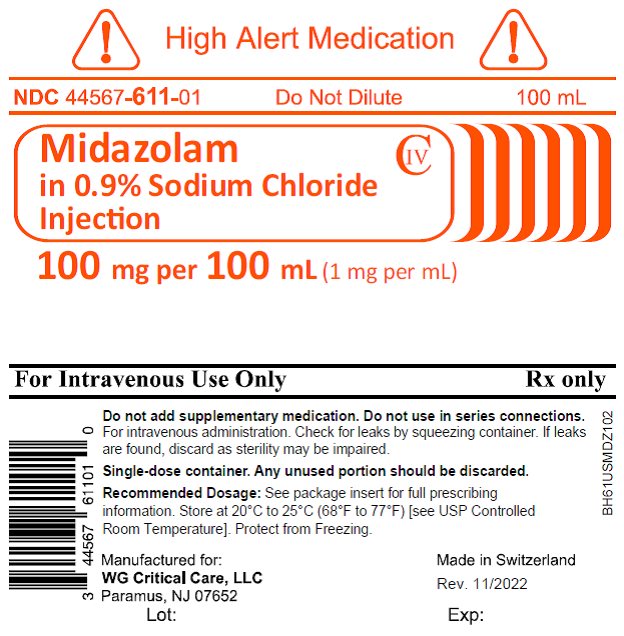
Midazolam in Sodium Chloride 1 mg/mL Injection, Solution
🆔 Identity & classification
Where does this data come from?
🏷️ RxNorm drug class
This medicine belongs to the Benzodiazepine class.
Where does this data come from?
🏭 Manufacturer & labeler
Where does this data come from?
🩺 Clinical
Midazolam injection is used before medical procedures and surgery and during surgery to cause drowsiness, relieve anxiety, and avoid any memory of the event. Midazolam injection is also used in seriously ill people in intensive care units (ICU) who are breathing with the help of a machine. Midazolam injection is in a class of medications called benzodiazepines. It works by slowing activity in the brain to allow relaxation and decreased consciousness.
Read the full MedlinePlus article ↗- Midazolam helps you feel calm and relaxed before or during a medical procedure or surgery. It also temporarily blocks your ability to form new memories, so many patients have littl...
- Why am I being given midazolam before my procedure?
- Not necessarily — it depends on the dose and what it's being used for. Midazolam is primarily a sedative, meaning it makes you very drowsy and relaxed, but it may not put you fully...
- Will I be completely unconscious when I receive midazolam?
Patient education
Supplement & herbal interactions
Some supplements/herbs that may interact with Midazolam — tap one for details:
Where does this data come from?
Ask a licensed pharmacist directly — free, answered by our team.
🧪 Inactive Ingredients / Excipients
Inactive ingredients, also called excipients, are components of the drug product other than the active ingredient. They may include fillers, dyes, coatings, preservatives, flavors, or other formulation ingredients.
💡 Tap an ingredient (hover on desktop) to see what it is and why it’s used.
-
UNII QTT17582CB
A strong acid used to adjust and maintain the proper pH level in liquid medicines, ensuring stability and preventing breakdown of active ingredients.
-
9 mg / 1 mL
UNII 451W47IQ8X
Sodium chloride is common table salt. It's used in medicines as a buffer to maintain proper pH, as a filler to add bulk, or to adjust the osmotic balance in liquid formulations.
-
UNII 55X04QC32I
A strong alkaline chemical used to adjust and maintain the pH balance of liquid medicines. It helps keep the medicine stable and ensures it stays effective during storage.
3 inactive ingredients listed in the exact product block matched to this NDC.
Where does this data come from?
ingredient classCode="IACT" elements from the exact product block matched by this NDC. Label-section narrative from DailyMed / the openFDA label index is shown separately when available.Inactive ingredient FAQ
Are inactive ingredients the same for every manufacturer?
Why might an inactive ingredient be missing?
Can inactive ingredients matter?
💲 Pricing
A drug doesn't have one price. Each row is a different public payment system, and none is what you'd pay at the counter — that depends on your insurance. The ⓘ on each row explains what it measures.
| Price system | Per mL | Per package |
|---|---|---|
| Retail pharmacies payNADAC · weekly | Not in the retail survey — common for institutional, discontinued, or low-volume packs. | |
| Medicaid paysCMS SDUD · 12 mo | $4.30 | $4,298.60 / 1000 ml |
| Medicare drug plans payPart D · quarterly | No Part D plan price is available for this NDC in our data. | |
| Medicare Part B allowsASP · J2251 | $0.117 / J2251 unit | — |
Where does this data come from?
🧾 Billing & reimbursement
Where does this data come from?
🔁 Therapeutic equivalents
| Product | Labeler | Pack | NADAC/unit | TE | Status | Price vs. this |
|---|---|---|---|---|---|---|
| Midazolam in Sodium Chloride 1 mg/mL 00143-9380-10 | Hikma | 10 pouches | — | AP | FDA listed | — |
| Midazolam In 0.8% Sodium Chloride 1 mg/mL 00264-8002-32 | B. | 100 ml | — | — | FDA listed | — |
| Midazolam in Sodium Chloride 1 mg/mL 25021-0688-82 | Sagent | 50 ml | — | AP | FDA listed | — |
| Midazolam in Sodium Chloride 1 mg/mLthis 44567-0611-10 | WG | 100 ml | — | AP | FDA listed | — |
| Midazolam In Sodium Chloride 1 mg/mL 65219-0650-10 | FRESENIUS | 10 pouches | — | AP | FDA listed | — |
| Midazolam In Sodium Chloride 1 mg/mL 68083-0619-10 | Gland | 10 pouches | — | AP | FDA listed | — |
| Midazolam in Sodium Chloride 1 mg/mL 44567-0610-10 | WG | 50 ml | — | AP | FDA listed | — |
Where does this data come from?
⏳ Availability & generic status
The FDA lists approved generic versions of this medicine, but that does not always mean a pharmacy can get one today. Patent rules, launch agreements, supply and pricing can affect when generics actually arrive.
Why the date isn’t exact: Generic timing can change because patents may be challenged, settled, licensed, added, removed, or worked around with a narrower label — and FDA approval does not always mean a pharmacy can get the generic today.
🛈 What do these terms mean?
- Patent
- Legal protection listed in the Orange Book that may delay generic approval or launch. Issued by the U.S. Patent & Trademark Office.
- Substance patent
- Covers the active drug molecule itself — the hardest to design around. A generic generally can’t launch until it expires.
- Formulation (product) patent
- Covers a specific formulation or dosage form. A generic can sometimes work around it with a different formulation.
- Method-of-use patent
- A patent covering one specific approved use of the drug — not necessarily the whole molecule. A generic can sometimes launch with a “skinny label” that carves out the protected use and keeps the others.
- Skinny label
- A generic label that omits a still-patented use when the FDA allows it — letting a generic reach the market for the unprotected uses.
- Exclusivity
- FDA-granted marketing protection, separate from patents — e.g. 5-yr new chemical entity, 7-yr orphan drug, or a +6-month pediatric extension.
- Paragraph IV
- A generic applicant’s formal challenge to a listed patent. It can potentially lead to earlier generic entry, but often involves litigation or a settlement.
- RLD / RS
- Reference Listed Drug — the brand product the FDA uses as the reference for generic applications. Reference Standard — the product the FDA expects generics to compare against in bioequivalence testing.
- TE / AB rating
- FDA therapeutic-equivalence rating. An AB rating generally means the FDA considers a generic therapeutically equivalent to — and substitutable for — the brand.
- LOE (loss of exclusivity)
- The latest patent or exclusivity currently listed — the loss-of-exclusivity / latest-listed-protection date shown on this page. Paragraph-IV challenges and settlements can move the real date earlier; FDA approval and a manufacturer’s decision to market can move it later.
Built from the FDA Orange Book. The bars above are scaled to each protection’s expiry; the red LOE marker is the last one to lapse.
| Patent | Type | Use code | Expires |
|---|---|---|---|
| US 10966990 ↗ | Drug product | — | Jun 20, 2038 |
| US 10966990 ↗ | Drug product | — | Jun 20, 2038 |
Is there a generic version of MIDAZOLAM 100MG/100ML-0.9%NACL?
The FDA approved a generic — why can’t I get it at my pharmacy yet?
Why do different websites show different generic release dates?
What does “FDA listed” mean?
What does a patent or protection date mean here?
What does “current Orange Book estimate” mean?
Can a generic come out before the last patent expires?
Can a generic come out after the listed dates?
What is the difference between patents and exclusivity?
Why are there multiple patent dates?
Where does this data come from?
🗺️ Medicaid utilization & spend
📊 Medicare Part D spend CMS · PART D · 2026 (Q1)
🔬 Reported adverse events (FAERS)
Top reported reactions
Age at onset
Reporter sex
Where does this data come from?
📦 Packaging — all sizes for this product
| Package NDC | Description | Marketing start | Status |
|---|---|---|---|
| 44567-0611-10 You're viewing this | 10 BAG in 1 CARTON (44567-611-10) / 100 mL in 1 BAG (44567-611-01) | 2021-04-19 | Active |
🧭 About this NDC listing & data coverage
What data is (and isn’t) available for this NDC — tap to expand
| NDC identity (package / product / labeler codes) | ✓ Available |
| Labeler | ✓ Available |
| Product & package description | ✓ Available |
| Marketing category & status | ✓ Available |
| Active ingredient / dosage form / route | ✓ Available |
| FDA label (SPL via DailyMed) | ✓ Available |
| Package photos | ✓ Available |
| Inactive ingredients (structured) | ✓ Available |
| NADAC pharmacy acquisition price (CMS) | — Not published for this NDC CMS publishes NADAC only for NDCs reported in its retail-pharmacy survey. |
| Orange Book / therapeutic-equivalence data | ✓ Available |
| HCPCS J-code billing crosswalk | ✓ Available |
| Medicaid utilization (CMS SDUD) | ✓ Available |
Questions about this listing
Why is there no price listed?
Is the NDC printed on the package the same as the 11-digit billing NDC?
What do the three segments of this NDC mean?
Is this package still being marketed?
Who lists this product with the FDA?
Do I need a prescription for this product?
Does this product have a billing J-code?
Where does this data come from?
📄 Full prescribing information FDA SPL
🚨 Boxed Warning ▾
WARNING: PERSONNEL AND EQUIPMENT FOR MONITORING AND RESUSCITATION, AND RISKS FROM CONCOMITANT USE WITH OPIOID ANALGESICS AND OTHER SEDATIVE-HYPNOTICS Personnel and Equipment for Monitoring and Resuscitation Only personnel trained in the administration of procedural sedation, and not involved in the conduct of the diagnostic or therapeutic procedure, should administer Midazolam in 0.9% Sodium Chloride Injection [see Dosage and Administration (2.1), Warnings and Precautions (5.1)]. Administering personnel must be trained in the detection and management of airway obstruction, hypoventilation, and apnea, including the maintenance of a patent airway, supportive ventilation, and cardiovascular resuscitation [see Dosage and Administration (2.1), Warnings and Precautions (5.1)].
Resuscitative drugs, and age- and size-appropriate equipment for bag/valve/mask assisted ventilation must be immediately available during administration of Midazolam in 0.9% Sodium Chloride Injection [see Dosage and Administration (2.1), Warnings and Precautions (5.1)]. Continuously monitor vital signs during sedation and during the recovery period [see Dosage and Administration (2.1), Warnings and Precautions (5.1)]. Risks from Concomitant Use with Opioid Analgesics and Other Sedative Hypnotics Concomitant use of benzodiazepines, including Midazolam in 0.9% Sodium Chloride Injection, and opioids may result in profound sedation, respiratory depression, coma, and death.
Continuously monitor patients for respiratory depression and depth of sedation [see Warnings and Precautions (5.2) and Drug Interaction (7.1 ) ] . WARNING: PERSONNEL AND EQUIPMENT FOR MONITORING AND RESUSCITATION, AND RISKS FROM CONCOMITANT USE WITH OPIOID ANALGESICS AND OTHER SEDATIVE-HYPNOTICS See full prescribing information for complete boxed warning. • Only personnel trained in the administration of procedural sedation, and not involved in the conduct of the diagnostic or therapeutic procedure, should administer Midazolam Injection.
( 2.1 , 5.1 ) • Administering personnel must be trained in the detection and management of airway obstruction, hypoventilation, and apnea, including the maintenance of a patent airway, supportive ventilation, and cardiovascular resuscitation. ( 2.1 , 5.1 ) • Resuscitative drugs, and age- and size-appropriate equipment for bag/valve/mask assisted ventilation must be immediately available during administration of Midazolam Injection. ( 2.1 , 5.1 ) • Continuously monitor vital signs during sedation and through the recovery period.
( 2.1 , 5.1 ) • Concomitant use of benzodiazepines with opioid analgesics may result in profound sedation, respiratory depression, coma, and death. Continuously monitor patients for respiratory depression and depth of sedation. ( 5.2 , 7.1 )
🎯 Indications and Usage ▾
1 INDICATIONS AND USAGE Midazolam in 0.9% Sodium Chloride Injection is indicated: • Continuous intravenous infusion for sedation of intubated and mechanically ventilated adult, pediatric, and neonatal patients as a component of anesthesia or during treatment in a critical care setting. Midazolam in 0.9% Sodium Chloride Injection is a benzodiazepine indicated for: • continuous intravenous infusion for sedation of intubated and mechanically ventilated adult, pediatric, and neonatal patients as a component of anesthesia or during treatment in a critical care setting.
( 1 )
⏱️ Dosage and Administration ▾
2 DOSAGE AND ADMINISTRATION • For intravenous injection only. Avoid intra-arterial injection or extravasation. ( 2.1 ) • Individualize dosing and titrate to desired clinical response, taking into account patient age, clinical status, and concomitant use of other CNS depressants. ( 2.1 ) • See Full Prescribing Information for complete dosage and administration information. ( 2 )
2.1Important Dosage and Administration Instructions • Midazolam in 0.9% Sodium Chloride Injection should only be administered intravenously. Avoid intra-arterial injection or extravasation [see Warnings and Precautions (5.7)] . • Only personnel trained in the administration of procedural sedation, and not involved in the conduct of the diagnostic or therapeutic procedure, should administer Midazolam in 0.9% Sodium Chloride Injection. • Administering personnel must be trained in the detection and management of airway obstruction, hypoventilation, and apnea, including the maintenance of a patent airway, supportive ventilation, and cardiovascular resuscitation. • Supplemental oxygen, resuscitative drugs, and age‑ and size-appropriate equipment for bag/valve/mask assisted ventilation must be immediately available during administration of Midazolam in 0.9% Sodium Chloride Injection.
A benzodiazepine reversal agent should be immediately available. • Continuously monitor vital signs during sedation and through the recovery period [see Warnings and Precautions (5.1)]. Midazolam must never be used without individualization of dosage particularly when used with other medications capable of producing central nervous system depression [Warnings and Precautions (5.2)] . Midazolam in 0.9% Sodium Chloride Injection can cause respiratory depression.
It is a potent sedative agent that requires slow administration and individualization of dosage. Excessive single doses or rapid intravenous administration may result in respiratory depression, airway obstruction and/or arrest. Continuously monitor patients for early signs of hypoventilation, airway obstruction, and apnea using capnography, pulse oximetry, and clinical assessment [see Warnings and Precautions (5.3)].
Reactions such as agitation, involuntary movements, hyperactivity and combativeness have been reported in adult and pediatric patients. Should such reactions occur, the response to each dose of midazolam and all other drugs, including local anesthetics, should be evaluated before proceeding. Reversal of such responses with flumazenil has been reported in pediatric patients [see Warnings and Precautions (5.4)] .
Visually inspect parenteral drug products for particulate matter and discoloration prior to administration, whenever solution and container permit. If solution is discolored or particulate matter is present, do not use.
2.2General Dosing Information Individualize dosing and titrate to desired clinical response, taking into account patient age, clinical status, and concomitant use of other CNS depressants. Titrate to effect with multiple small doses while continuously monitoring respiratory and cardiac function (i.e., pulse oximetry). To minimize the potential for oversedation, allow adequate time between doses to achieve peak central nervous system effect (3 to 5 minutes).
Adults and Pediatrics : Sedation guidelines recommend a careful presedation history to determine how a patient's underlying medical conditions or concomitant medications might affect their response to sedation/analgesia as well as a physical examination including a focused examination of the airway for abnormalities. Further recommendations include appropriate presedation fasting. Pediatrics : Pediatric patients generally require higher dosages of midazolam (mg/kg) than adults.
For deeply sedated pediatric patients a dedicated individual, other than the practitioner performing the procedure, should monitor the patient throughout the procedure. Elderly and Debilitated Patients Intravenous doses of midazolam should be decreased for eld…
💊 Dosage Forms and Strengths ▾
3 DOSAGE FORMS AND STRENGTHS Midazolam in 0.9% Sodium Chloride Injection, 50 mg per 50 mL (1 mg/mL) and 100 mg per 100 mL (1 mg/ mL), is a clear, colorless solution supplied in single-dose bags with an aluminum overwrap. Injection: 50 mg per 50 mL (1mg/mL) and 100 mg per 100 mL (1 mg/mL) in single-dose bags. ( 3 )
⛔ Contraindications ▾
4 CONTRAINDICATIONS Midazolam in 0.9% Sodium Chloride Injection is contraindicated in patients with: • Known hypersensitivity to midazolam • Acute narrow-angle glaucoma Midazolam in 0.9% Sodium Chloride Injection is contraindicated in patients with: • known hypersensitivity to midazolam. ( 4 ) • acute narrow-angle glaucoma. ( 4 )
⚠️ Warnings and Cautions ▾
5 WARNINGS AND PRECAUTIONS Cardiorespiratory Adverse Reactions : Serious cardiorespiratory adverse reactions have occurred, sometimes resulting in death or permanent neurologic injury. ( 5.3 ) Paradoxical Behavior : Agitation, involuntary movements (including tonic/clonic movements and muscle tremor), hyperactivity and combativeness have been reported in both adult and pediatric patients. ( 5.4 ) Dependence and Withdrawal with Long-Term Use : Use for several days to weeks may lead to physical dependence to midazolam.
Do not abruptly discontinue midazolam. Gradually taper the dosage using a tapering schedule that is individualized to the patient. ( 5.5 ) Debilitation and Comorbid Considerations : Higher risk adult and pediatric surgical patients, elderly patients and debilitated adult and pediatric patients require lower dosages, whether or not concomitant sedating medications have been administered.
( 5.6 ) Risk of Intra-Arterial Injection : There have been limited reports of intra-arterial injection of midazolam. Adverse events have included local reactions, as well as isolated reports of seizure activity in which no clear causal relationship was established. ( 5.7 ) Impaired Cognitive Function : Because of partial or complete impairment of recall, patients should not operate hazardous machinery or a motor vehicle until drug effects have subsided.
( 5.8 ) Hypotension and Seizure in Preterm Infants and Neonates : Avoid rapid injection in the neonatal population. ( 5.9 ) Neonatal Sedation and Withdrawal Syndrome: Receiving Midazolam in 0.9% Sodium Chloride Injection during pregnancy can result in neonatal sedation and/or neonatal withdrawal. ( 5.10 , 8.1 ) Pediatric Neurotoxicity : In developing animals, exposures greater than 3 hours cause neurotoxicity.
Weigh benefits against potential risks when considering elective procedures in children under 3 years old. ( 5.11 )
5.1Personnel and Equipment for Monitoring and Resuscitation • Prior to the intravenous administration of midazolam in any dose, ensure the immediate availability of oxygen, resuscitative drugs, age- and size-appropriate equipment for bag/valve/mask ventilation and intubation, and skilled personnel for the maintenance of a patent airway and support of ventilation. • Only personnel trained in the administration of procedural sedation, and not involved in the conduct of the diagnostic or therapeutic procedure, should administer Midazolam in 0.9% Sodium Chloride Injection. • Administering personnel must be trained in the detection and management of airway obstruction, hypoventilation, and apnea, including the maintenance of a patent airway, supportive ventilation, and cardiovascular resuscitation. • Continuously monitor patients for early signs of hypoventilation, airway obstruction, or apnea, with means readily available (e.g., pulse oximetry).
Hypoventilation, airway obstruction, and apnea can lead to hypoxia and/or cardiac arrest unless effective countermeasures are taken immediately. • A benzodiazepine reversal agent (i.e., flumazenil) should be immediately available during administration of Midazolam in 0.9% Sodium Chloride Injection. • Continuously monitor vital signs during the recovery period. Because intravenous midazolam can depress respiration [see Clinical Pharmacology (12)] , especially when used concomitantly with opioid agonists and other sedatives [see Dosage and Administration (2)] , it should be used for sedation/anxiolysis/amnesia only in the presence of personnel skilled in early detection of hypoventilation, maintaining a patent airway, and supporting ventilation.
5.2Risks from Concomitant Use with Opioids, Other Sedative Hypnotics, or Other Central Nervous System Depressants Concomitant use of benzodiazepines and opioids may result in profound sedation, respiratory depression, coma, and death. Monitor patients for respiratory depression and sedation [see Warnings and Precautions (5.2) and Drug Interactions (7.1)] . Titrate the dose of Midazola…
🤒 Adverse Reactions ▾
6 ADVERSE REACTIONS The following serious adverse reactions are discussed in greater detail in other sections: • Cardiorespiratory Adverse Reactions [see Warnings and Precautions (5.3)] • Paradoxical Behavior [see Warnings and Precautions (5.4)] • Dependence and Withdrawal [see Warnings and Precautions (5.5)] • Impaired Cognitive Function [see Warnings and Precautions (5.8)] • Hypotension and Seizure in Preterm Infants and Neonates [see Warnings and Precautions (5.9)] • Neonatal Sedation and Withdrawal Syndrome [see Warnings and Precautions (5.10), Use in Specific Populations (8.1)] • Pediatric Neurotoxicity [see Warnings and Precautions (5.11)] The following adverse reactions have been identified from literature or postmarketing reports of midazolam.
Because some of these reactions are reported voluntarily from a population of uncertain size, it is not always possible to reliably estimate their frequency or establish a causal relationship to drug exposure. Fluctuations in vital signs were the most frequently seen findings following parenteral administration of midazolam in adults and included decreased tidal volume and/or respiratory rate decrease (23.3% of patients following intravenous administration) and apnea (15.4% of patients following intravenous administration), as well as variations in blood pressure and pulse rate.
The majority of serious adverse reactions, particularly those associated with oxygenation and ventilation, have been reported when midazolam is administered with other medications capable of depressing the central nervous system. The incidence of such events is higher in patients undergoing procedures involving the airway without the protective effect of an endotracheal tube, (e.g., upper endoscopy and dental procedures). Adults Table 2: Additional Adverse Reactions Reported Subsequent to Intravenous Administration as a Single Sedative/anxiolytic/amnestic Agent in Adult Patients: hiccoughs (3.9%) Local effects at the intravenous site nausea (2.8%) tenderness (5.6%) vomiting (2.6%) pain during injection (5.0%) coughing (1.3%) redness (2.6%) "oversedation" (1.6%) induration (1.7%) headache (1.5%) phlebitis (0.4%) drowsiness (1.2%) Pediatric Patients The following adverse events related to the use of intravenous midazolam in pediatric patients were reported in the medical literature: desaturation 4.6%, apnea 2.8%, hypotension 2.7%, paradoxical reactions 2.0%, hiccough 1.2%, seizure-like activity 1.1% and nystagmus 1.1%.
The majority of airway-related events occurred in patients receiving other CNS depressing medications and in patients where midazolam was not used as a single sedating agent. Neonates There have been reports of hypotensive episodes and seizures following the administration of midazolam to neonates, [see Warnings and Precautions (5.9)]. Other Adverse Reactions Occurring at an Incidence of <1.0% Following Intravenous Injection as a Single Sedative/Anxiolytic/Amnesia Agent Respiratory : Laryngospasm, bronchospasm, dyspnea, hyperventilation, wheezing, shallow respirations, airway obstruction, tachypnea Cardiovascular : Bigeminy, premature ventricular contractions, vasovagal episode, bradycardia, tachycardia, nodal rhythm Gastrointestinal : Acid taste, excessive salivation, retching CNS/Neuromuscular : Retrograde amnesia, euphoria, hallucination, confusion, argumentativeness, nervousness, anxiety, grogginess, restlessness, emergence delirium or agitation, prolonged emergence from anesthesia, dreaming during emergence, sleep disturbance, insomnia, nightmares, athetoid movements, seizure-like activity, ataxia, dizziness, dysphoria, slurred speech, dysphonia, paresthesia Special Senses : Blurred vision, diplopia, nystagmus, pinpoint pupils, cyclic movements of eyelids, visual disturbance, difficulty focusing eyes, ears blocked, loss of balance, light-headedness Integumentary : Hive-like elevation at injection site, swelling or feeling of burning, warmth or coldness at injection site Hypersensitivity…
🔄 Drug Interactions ▾
7 DRUG INTERACTIONS Opioid Analgesics and Other Sedative Hypnotics : Risk of respiratory depression is increased ( 7.1 ) Cytochrome P450-3A4 Inhibitors : May result in prolonged sedation due to decreased plasma clearance of midazolam. ( 7.2 )
7.1Opioid Analgesics and Other Sedative Hypnotics The concomitant use of benzodiazepines and opioids increases the risk of respiratory depression because of actions at different receptor sites in the CNS that control respiration. Benzodiazepines interact at GABA A sites and opioids interact primarily at mu receptors. When benzodiazepines and opioids are combined, the potential for benzodiazepines to significantly worsen opioid-related respiratory depression exists.
Monitor patients closely for respiratory depression and sedation. The sedative effect of intravenous midazolam is accentuated by any concomitantly administered medication which depresses the central nervous system, particularly opioids (e.g., morphine, meperidine and fentanyl) and also secobarbital and droperidol. Consequently, the dosage of midazolam should be adjusted according to the type and amount of concomitant medications administered and the desired clinical response [see Dosage and Administration (2)] .
7.2Cytochrome P450-3A4 Inhibitors Concomitant administration with drugs that are known to inhibit the P450-3A4 enzyme system, such as cimetidine (not ranitidine), erythromycin, diltiazem, verapamil, ketoconazole and itraconazole, may result in prolonged sedation due to a decrease in plasma clearance of midazolam. The effect of single oral doses of 800 mg cimetidine and 300 mg ranitidine on steady-state concentrations of midazolam was examined in a randomized crossover study (n=8). Cimetidine increased the mean midazolam steady-state concentration from 57 to 71 ng/mL.
Ranitidine increased the mean steady-state concentration to 62 ng/mL. No change in choice reaction time or sedation index was detected after dosing with the H2 receptor antagonists. In a placebo-controlled study, erythromycin administered as a 500 mg dose, three times a day, for 1 week (n=6), reduced the clearance of midazolam following a single 0.5 mg/kg intravenous dose.
The half-life was approximately doubled. The effects of diltiazem (60 mg three times a day) and verapamil (80 mg three times a day) on the pharmacokinetics and pharmacodynamics of oral midazolam were investigated in a three-way crossover study (n=9). The half-life of midazolam increased from 5 to 7 hours when midazolam was taken in conjunction with verapamil or diltiazem.
No interaction was observed in healthy subjects between midazolam and nifedipine.
7.3Saquinavir In a placebo-controlled study, saquinavir administered as a 1200 mg dose, tid, for 5 days (n=12), a 56% reduction in the clearance of midazolam following a single 0.05 mg/kg intravenous dose was observed. The half-life was approximately doubled.
7.4Thiopental A moderate reduction in induction dosage requirements of thiopental (about 15%) has been noted following use of intramuscular midazolam for premedication in adults.
7.5Halothane The intravenous administration of midazolam decreases the minimum alveolar concentration (MAC) of halothane required for general anesthesia. This decrease correlates with the dose of midazolam administered; no similar studies have been carried out in pediatric patients but there is no scientific reason to expect that pediatric patients would respond differently than adults.
7.6Pancuronium Although the possibility of minor interactive effects has not been fully studied, midazolam and pancuronium have been used together in patients without noting clinically significant changes in dosage, onset or duration in adults. Midazolam does not protect against the characteristic circulatory changes noted after administration of succinylcholine or pancuronium and does not protect against the increased intracranial pressure noted following administration of succinylcholine. Midazolam does not cause a clin…
👥 Use in Specific Populations ▾
8 USE IN SPECIFIC POPULATIONS Lactation: A lactating woman may pump and discard breast milk for 4 to 8 hours after treatment with midazolam ( 8.2 ).
8.1Pregnancy Risk Summary Neonates born to mothers using benzodiazepines, including midazolam, late in pregnancy have been reported to experience symptoms of sedation and/or neonatal withdrawal [see Warnings and Precautions (5.10), and Clinical Considerations] . Available data from published observational studies of pregnant women exposed to benzodiazepines do not report a clear association with benzodiazepines and major birth defects (see Data) . Available data from randomized controlled trials, cohort studies and case reports over several decades with midazolam use in pregnant women for anesthesia have not identified a drug-associated risk of major birth defects, miscarriage, or adverse maternal or fetal outcomes.
Most of the reported exposures to midazolam occurred at the time of cesarean delivery . Rare case reports of the prolonged use of midazolam in pregnant women for sedation in a critical care setting are insufficient to evaluate for a drug-associated risk of major birth defects, miscarriage or adverse maternal or fetal outcomes (see Data). In pregnant rats and rabbits, midazolam did not cause adverse effects to the fetus at doses of up to 1.85 times the human induction dose of 0.35 mg/kg based on body surface area comparisons.
Published studies in pregnant primates demonstrate that the administration of anesthetic and sedation drugs that block NMDA receptors and/or potentiate GABA activity during the period of peak brain development increases neuronal apoptosis in the developing brain of the offspring when used for longer than 3 hours. There are no data on pregnancy exposures in primates corresponding to periods prior to the third trimester in humans (see Data) . The background risk of major birth defects and miscarriage for the indicated population is unknown.
All pregnancies have a background risk of birth defect, loss, or other adverse outcomes. In the U.S. general population, the estimated background risk of major birth defects and miscarriage in clinically recognized pregnancies is 2 to 4% and 15 to 20%, respectively. Clinical Considerations Fetal/Neonatal Adverse Reactions Benzodiazepines cross the placenta and may produce respiratory depression, hypotonia, and sedation in neonates.
Monitor neonates exposed to midazolam during pregnancy or labor for signs of sedation, respiratory depression, hypotonia, and feeding problems. Monitor neonates exposed to midazolam during pregnancy for signs of withdrawal. Manage these neonates accordingly [see Warnings and Precautions (5.2)].
Data Human Data Published data from observational studies on the use of benzodiazepines during pregnancy do not report a clear association with benzodiazepines and major birth defects. Although early studies reported an increased risk of congenital malformations with diazepam and chlordiazepoxide, there was no consistent pattern noted. In addition, the majority of more recent case-control and cohort studies of benzodiazepine use during pregnancy, which were adjusted for confounding exposures to alcohol, tobacco and other medications, have not confirmed these findings.
Animal Data Pregnant rats were treated with midazolam using intravenous doses of 0.2, 1, and 4 mg/kg/day (0.09, 0.46, and 1.85 times the human induction dose of 0.35 mg/kg based on body surface area comparisons) during the period of organogenesis (Gestation Day 7 through 15). Midazolam did not cause adverse effects to the fetus at doses of up to 1.85 times the human induction dose. All doses produced slight to moderate ataxia.
The high dose produced a 5% decrease in maternal body weight gain compared to control. Pregnant rabbits were treated with midazolam using intravenous doses of 0.2, 0.6, and 2 mg/kg/day (0.09, 0.46, and 1.85 times the human induction dose of 0.35 mg/kg based on body surface area comparisons) during the period…
🤰 Pregnancy ▾
8.1Pregnancy Risk Summary Neonates born to mothers using benzodiazepines, including midazolam, late in pregnancy have been reported to experience symptoms of sedation and/or neonatal withdrawal [see Warnings and Precautions (5.10), and Clinical Considerations] . Available data from published observational studies of pregnant women exposed to benzodiazepines do not report a clear association with benzodiazepines and major birth defects (see Data) . Available data from randomized controlled trials, cohort studies and case reports over several decades with midazolam use in pregnant women for anesthesia have not identified a drug-associated risk of major birth defects, miscarriage, or adverse maternal or fetal outcomes.
Most of the reported exposures to midazolam occurred at the time of cesarean delivery . Rare case reports of the prolonged use of midazolam in pregnant women for sedation in a critical care setting are insufficient to evaluate for a drug-associated risk of major birth defects, miscarriage or adverse maternal or fetal outcomes (see Data). In pregnant rats and rabbits, midazolam did not cause adverse effects to the fetus at doses of up to 1.85 times the human induction dose of 0.35 mg/kg based on body surface area comparisons.
Published studies in pregnant primates demonstrate that the administration of anesthetic and sedation drugs that block NMDA receptors and/or potentiate GABA activity during the period of peak brain development increases neuronal apoptosis in the developing brain of the offspring when used for longer than 3 hours. There are no data on pregnancy exposures in primates corresponding to periods prior to the third trimester in humans (see Data) . The background risk of major birth defects and miscarriage for the indicated population is unknown.
All pregnancies have a background risk of birth defect, loss, or other adverse outcomes. In the U.S. general population, the estimated background risk of major birth defects and miscarriage in clinically recognized pregnancies is 2 to 4% and 15 to 20%, respectively. Clinical Considerations Fetal/Neonatal Adverse Reactions Benzodiazepines cross the placenta and may produce respiratory depression, hypotonia, and sedation in neonates.
Monitor neonates exposed to midazolam during pregnancy or labor for signs of sedation, respiratory depression, hypotonia, and feeding problems. Monitor neonates exposed to midazolam during pregnancy for signs of withdrawal. Manage these neonates accordingly [see Warnings and Precautions (5.2)].
Data Human Data Published data from observational studies on the use of benzodiazepines during pregnancy do not report a clear association with benzodiazepines and major birth defects. Although early studies reported an increased risk of congenital malformations with diazepam and chlordiazepoxide, there was no consistent pattern noted. In addition, the majority of more recent case-control and cohort studies of benzodiazepine use during pregnancy, which were adjusted for confounding exposures to alcohol, tobacco and other medications, have not confirmed these findings.
Animal Data Pregnant rats were treated with midazolam using intravenous doses of 0.2, 1, and 4 mg/kg/day (0.09, 0.46, and 1.85 times the human induction dose of 0.35 mg/kg based on body surface area comparisons) during the period of organogenesis (Gestation Day 7 through 15). Midazolam did not cause adverse effects to the fetus at doses of up to 1.85 times the human induction dose. All doses produced slight to moderate ataxia.
The high dose produced a 5% decrease in maternal body weight gain compared to control. Pregnant rabbits were treated with midazolam using intravenous doses of 0.2, 0.6, and 2 mg/kg/day (0.09, 0.46, and 1.85 times the human induction dose of 0.35 mg/kg based on body surface area comparisons) during the period of organogenesis (Gestation Day 7 to 18). Midazolam did not cause adverse effects to the fetus at doses of up to 1.85 times the human induction dose.…
🧒 Pediatric Use ▾
8.4Pediatric Use The safety and efficacy of midazolam for sedation/anxiolysis/amnesia following continuous infusion have been established in pediatric and neonatal patients. UNLIKE ADULT PATIENTS, PEDIATRIC PATIENTS GENERALLY RECEIVE INCREMENTS OF MIDAZOLAM ON A MG/KG BASIS. As a group, pediatric patients generally require higher dosages of midazolam (mg/kg) than do adults.
Younger (less than six years) pediatric patients may require higher dosages (mg/kg) than older pediatric patients, and may require closer monitoring. In obese PEDIATRIC PATIENTS, the dose should be calculated based on ideal body weight. When midazolam is given in conjunction with opioids or other sedatives, the potential for respiratory depression, airway obstruction, or hypoventilation is increased.
The health care practitioner who uses this medication in pediatric patients should be aware of and follow accepted professional guidelines for pediatric sedation appropriate to their situation. Midazolam should not be administered by rapid injection in the neonatal population. Severe hypotension and seizures have been reported following rapid intravenous administration, particularly, with concomitant use of fentanyl.
Animal Data Published juvenile animal studies demonstrate that the administration of anesthetic and sedation drugs, such as Midazolam in 0.9% Sodium Chloride Injection, that either block NMDA receptors or potentiate the activity of GABA during the period of rapid brain growth or synaptogenesis, results in widespread neuronal and oligodendrocyte cell loss in the developing brain and alterations in synaptic morphology and neurogenesis. Based on comparisons across species, the window of vulnerability to these changes is believed to correlate with exposures in the third trimester of gestation through the first several months of life, but may extend out to approximately 3 years of age in humans.
In primates, exposure to 3 hours of ketamine that produced a light surgical plane of anesthesia did not increase neuronal cell loss, however, treatment regimens of 5 hours or longer of isoflurane increased neuronal cell loss. Data from isoflurane-treated rodents and ketamine-treated primates suggest that the neuronal and oligodendrocyte cell losses are associated with prolonged cognitive deficits in learning and memory. The clinical significance of these nonclinical findings is not known, and healthcare providers should balance the benefits of appropriate anesthesia in pregnant women, neonates, and young children who require procedures with the potential risks suggested by the nonclinical data [see Warnings and Precautions (5.8) and Nonclinical Pharmacology (13.2)].
🧓 Geriatric Use ▾
8.5Geriatric Use Because geriatric patients may have altered drug distribution and diminished hepatic and/or renal function, reduced doses of midazolam are recommended. Doses of Midazolam in 0.9% Sodium Chloride Injection should be decreased for elderly and for debilitated patients [see Warnings and Precautions (5.6) and Dosage and Administration (2)] and subjects over 70 years of age may be particularly sensitive. These patients will also probably take longer to recover completely after midazolam administration for the induction of anesthesia.
Administration of intravenous midazolam to elderly and/or high-risk surgical patients has been associated with rare reports of death under circumstances compatible with cardiorespiratory depression. In most of these cases, the patients also received other central nervous system depressants capable of depressing respiration, especially opioids [see Dosage and Administration (2)]. Midazolam is known to be substantially excreted by the kidney, and the risk of adverse reactions to this drug may be greater in patients with impaired renal function.
Because elderly patients are more likely to have decreased renal function, care should be taken in dose selection, and it may be useful to monitor renal function.
🆘 Overdosage ▾
10 OVERDOSAGE Clinical Presentation Overdosage of benzodiazepines is characterized by central nervous system depression ranging from drowsiness to coma. In mild to moderate cases, symptoms can include drowsiness, confusion, dysarthria, lethargy, hypnotic state, diminished reflexes, ataxia, and hypotonia. Rarely, paradoxical or disinhibitory reactions (including agitation, irritability, impulsivity, violent behavior, confusion, restlessness, excitement, and talkativeness) may occur.
In severe overdosage cases, patients may develop respiratory depression and coma. Overdosage of benzodiazepines in combination with other CNS depressants (including alcohol and opioids) may be fatal [see Warnings and Precautions (5.2)] . Markedly abnormal (lowered or elevated) blood pressure, heart rate, or respiratory rate raise the concern that additional drugs and/or alcohol are involved in the overdosage.
No evidence of specific organ toxicity from midazolam overdosage has been reported. Management of Overdosage In managing benzodiazepine overdosage, employ general supportive measures, including intravenous fluids and airway management. Flumazenil, a specific benzodiazepine receptor antagonist indicated for the complete or partial reversal of the sedative effects of benzodiazepines in the management of benzodiazepine overdosage, can lead to withdrawal and adverse reactions, including seizures, particularly in the context of mixed overdosage with drugs that increase seizure risk (e.g., tricyclic and tetracyclic antidepressants) and in patients with long-term benzodiazepine use and physical dependency.
The risk of withdrawal seizures with flumazenil use may be increased in patients with epilepsy. Flumazenil is contraindicated in patients who have received a benzodiazepine for control of a potentially life-threatening condition (e.g., status epilepticus). If the decision is made to use flumazenil, it should be used as an adjunct to, not as a substitute for, supportive management of benzodiazepine overdosage.
See the flumazenil injection Prescribing Information. Consider contacting the Poison Help Line (1-800-222-1222) or medical toxicologist for additional overdosage management for recommendations.
🧬 Clinical Pharmacology ▾
12 CLINICAL PHARMACOLOGY
12.1Mechanism of Action Midazolam is a short-acting benzodiazepine central nervous system (CNS) depressant.
12.2Pharmacodynamics The effects of midazolam on the CNS are dependent on the dose administered, the route of administration, and the presence or absence of other medications. Time to Onset Sedation in adult and pediatric patients is achieved within 3 to 5 minutes after intravenous injection; the time of onset is affected by total dose administered and the concurrent administration of opioid premedication. Seventy-one percent of the adult patients in endoscopy studies had no recall of introduction of the endoscope; 82% of the patients had no recall of withdrawal of the endoscope.
In one study of pediatric patients undergoing lumbar puncture or bone marrow aspiration, 88% of patients had impaired recall vs 9% of the placebo controls. In another pediatric oncology study, 91% of midazolam treated patients were amnestic compared with 35% of patients who had received fentanyl alone. When midazolam is given intravenous as an anesthetic induction agent, induction of anesthesia occurs in approximately 1.5 minutes when opioid premedication has been administered and in 2 to 2.5 minutes without opioid premedication or other sedative premedication.
Some impairment in a test of memory was noted in 90% of the patients studied. Midazolam, used as directed, does not delay awakening from general anesthesia in adults. Gross tests of recovery after awakening (orientation, ability to stand and walk, suitability for discharge from the recovery room, return to baseline Trieger competency) usually indicate recovery within 2 hours but recovery may take up to 6 hours in some cases.
When compared with patients who received thiopental, patients who received midazolam generally recovered at a slightly slower rate. Recovery from anesthesia or sedation for procedures in pediatric patients depends on the dose of midazolam administered, coadministration of other medications causing CNS depression and duration of the procedure. In patients without intracranial lesions, induction of general anesthesia with intravenous midazolam is associated with a moderate decrease in cerebrospinal fluid pressure (lumbar puncture measurements), similar to that observed following intravenous thiopental.
Preliminary data in neurosurgical patients with normal intracranial pressure but decreased compliance (subarachnoid screw measurements) show comparable elevations of intracranial pressure with midazolam and with thiopental during intubation. No similar studies have been reported in pediatric patients. Intravenous induction doses of midazolam depress the ventilatory response to carbon dioxide stimulation for 15 minutes or more beyond the duration of ventilatory depression following administration of thiopental in adults.
Impairment of ventilatory response to carbon dioxide is more marked in adult patients with chronic obstructive pulmonary disease (COPD). Sedation with intravenous midazolam does not adversely affect the mechanics of respiration (resistance, static recoil, most lung volume measurements); total lung capacity and peak expiratory flow decrease significantly but static compliance and maximum expiratory flow at 50% of awake total lung capacity (V max ) increase. In cardiac hemodynamic studies in adults, intravenous induction of general anesthesia with midazolam was associated with a slight to moderate decrease in mean arterial pressure, cardiac output, stroke volume and systemic vascular resistance.
Slow heart rates (less than 65/minute), particularly in patients taking propranolol for angina, tended to rise slightly; faster heart rates (e.g., 85/minute) tended to slow slightly. In pediatric patients, a comparison of intravenous midazolam (500 mcg/kg) with propofol (2.5 mg/kg) revealed a mean 15% decrease in systolic blood pressure in patients who had received intravenous midazolam vs a mean 25% decrease in systolic blood pressure foll…
🧬 Mechanism of Action ▾
12.1Mechanism of Action Midazolam is a short-acting benzodiazepine central nervous system (CNS) depressant.
📦 How Supplied / Storage and Handling ▾
16 HOW SUPPLIED/STORAGE AND HANDLING Midazolam in 0.9% Sodium Chloride Injection is a clear, colorless solution supplied in single-dose bags with an aluminum overwrap available as: Total Strength per Total Volume Strength per mL 10 single-dose bags NDC Bag and Overwrap NDC *50 mg per 50 mL 1 mg/mL 44567-610-10 44567-610-01 100 mg per 100 mL 1 mg/mL 44567-611-10 44567-611-01 *Partial fill container 50 mL volume in 100 mL container Store at 20°C to 25°C (68°F to 77°F) [see USP Controlled Room Temperature]. Protect from Freezing.
Individual containers may be used up to 48 hours after initial penetration. Discard unused portion.
📋 Description ▾
11 DESCRIPTION Midazolam in 0.9% Sodium Chloride Injection is a benzodiazepine available as a sterile, preservative-free, nonpyrogenic solution of midazolam and sodium chloride in water for injection for intravenous use. Each single-dose bag of Midazolam in 0.9% Sodium Chloride Injection contains either 50 mg/50 mL (1 mg/mL) or 100 mg/100 mL (1 mg/mL) of midazolam and 9 mg/mL of sodium chloride in water for injection. Midazolam in Sodium Chloride Injection may contain hydrochloric acid and/or sodium hydroxide for pH adjustment.
The pH is approximately 2.5 - 3.5. Midazolam is a white to light yellow crystalline compound, insoluble in water, freely soluble in ethanol, soluble in methanol. Chemically, midazolam is 8-chloro-6-(2-fluorophenyl)-1-methyl-4 H -imidazo[1,5-a][1,4]benzodiazepine.
Midazolam has the empirical formula C 18 H 13 ClFN 3 , a calculated molecular weight of 325.77 and the following structural formula: structure
💬 Information for Patients ▾
17 PATIENT COUNSELING INFORMATION Alcohol and Current Medication Advise patients to notify their healthcare provider about alcohol or medication use, especially blood pressure medication and antibiotics. Alcohol and other CNS depressants, such as opioid analgesic and benzodiazepines, can have an additive effect when administered with Midazolam in 0.9% Sodium Chloride Injection [see Warnings and Precautions (5.2), Drug Interactions (7.1)] . Effect of Anesthetic and Sedation Drugs on Early Brain Development\ Studies conducted in young animals and children suggest repeated or prolonged use of general anesthetic or sedation drugs in children younger than 3 years may have negative effects on their developing brains.
Discuss with parents and caregivers the benefits, risks, and timing and duration of surgery or procedures requiring anesthetic and sedation drugs [see Warnings and Precautions (5.11), Use in Specific Populations (8.1)] . Pregnancy Advise pregnant females exposed to midazolam late in pregnancy can result in sedation (respiratory depression, lethargy, hypotonia) and/or withdrawal symptoms (hyperreflexia, irritability, restlessness, tremors, inconsolable crying, and feeding difficulties) in newborns. Instruct patients to inform their healthcare provider if they are pregnant during treatment with Midazolam in 0.9% Sodium Chloride Injection [see Warnings and Precautions (5.10), Use in Specific Populations (8.1)] .
Lactation Instruct patients to notify their healthcare provider if they are breastfeeding or intend to breastfeed. Instruct breastfeeding patients receiving midazolam to monitor infants for excessive sedation, poor feeding, and poor weight gain, and to seek medical attention if they notice these signs. A lactating woman may consider pumping and discarding breastmilk for at least 4 to 8 hours after receiving midazolam for sedation or anesthesia to minimize drug exposure to a breastfed infant [see Use in Specific Populations (8.2)] .
Residual Sedation and Amnesia Advise patients that they may experience residual sedation and amnesia. The decision as to when patients who have received injectable midazolam, particularly on an outpatient basis, may again engage in activities requiring complete mental alertness, operate hazardous machinery, or drive a motor vehicle must be individualized [see Warnings and Precautions (5.8)] . Withdrawal Advise patients that receive midazolam in a critical care setting over an extended period of time that they may experience symptoms of withdrawal following abrupt discontinuation.
Discard unused portion. Manufactured for: WG Critical Care, LLC Paramus, NJ 07652 Made in Switzerland Patented. See www.wgcriticalcare.com/patents