
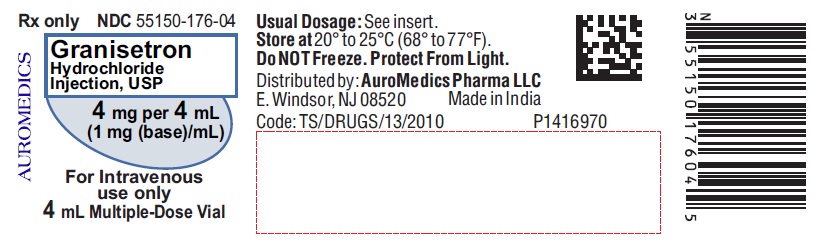
Granisetron Hydrochloride 4 mg/4mL Injection, Solution — NDC 55150-176-04 (Billing 55150-0176-04)
This is a package of Granisetron Hydrochloride 4 mg/4mL Injection, Solution from Eugia US LLC, marketed since Jul 2016 and currently FDA-listed. It is this product's only package size.
NDC database record
One package, one record: these facts belong to NDC 55150-176-04 alone.
- Record
- FDA NDC Directory package listing · Human prescription drug
- Code segments
- 55150 labeler · 176 product · 04 package
- Package marketed since
- Jul 6, 2016
- Sample package
- No — commercial package
- Listing certified through
- Dec 31, 2026
- Barcode (UPC-A, from the NDC)
- 3 5515017604 5
- FDA record last changed
- Jul 24, 2026
Identity & classification
Regulatory identifiers FDA, NLM and CMS codes for this package
- RxCUI (RxNorm): 240912
Where does this data come from?
- FDA openFDA NDC Directory · synced Oct 1, 2026
- FDA label on DailyMed · label index refreshed Oct 6, 2026
- RxNorm (NLM RxNav) · catalog refreshed Oct 1, 2026
- Medi-Span GPI (licensed)
- First Databank (licensed) · refreshed Oct 1, 2026
RxNorm drug class
This medicine belongs to the Serotonin-3 Receptor Antagonist class.
Where does this data come from?
- RxClass (NLM) · catalog refreshed Oct 1, 2026
Clinical
- Granisetron is an anti-nausea medicine. It's mainly used to prevent nausea and vomiting that cancer chemotherapy or radiation therapy can cause. Depending on which product you've b...
- The Sancuso patch delivers granisetron slowly through your skin over up to 7 days — you apply it to your upper outer arm at least 24 hours before chemotherapy starts and leave it o...
- How does the Sancuso patch work differently from the pill or injection?
- The most common ones are headache and constipation — these are the side effects most often reported in clinical studies. Some people also notice fever, stomach pain, or a slight ch...
Patient education
Supplement & herbal interactions
Where does this data come from?
- MedlinePlus (NLM) · refreshed Oct 1, 2026
- FDA label on DailyMed · label index refreshed Oct 6, 2026
Ask a licensed pharmacist directly — free, answered by our team.
Pricing
A drug doesn't have one price. Each row is a different public payment system, and none is what you'd pay at the counter — that depends on your insurance. The ⓘ on each row explains what it measures.
| Price system | Per mL | Per package |
|---|---|---|
| Retail pharmacies payNADAC · weekly | Not in the retail survey — common for institutional, discontinued, or low-volume packs. | |
| Medicaid paysCMS SDUD · 12 mo | No recent Medicaid claims on file for this NDC — rare and low-volume NDCs are suppressed in the public data. | |
| Medicare drug plans payPart D · quarterly | No Part D plan price is available for this NDC in our data. | |
Where does this data come from?
- CMS NADAC weekly file
- CMS ASP pricing files · refreshed Sep 20, 2026
- CMS Medicaid State Drug Utilization Data · refreshed Oct 6, 2026
- CMS Part D plan pricing files · refreshed Sep 24, 2026
- VA National Acquisition Center price file
Packaging — all sizes for this product
| Package NDC | Description | Marketing start | Marketing end | Status |
|---|---|---|---|---|
| 55150-0176-04 You're viewing this Main listing | 1 VIAL, MULTI-DOSE in 1 CARTON / 4 mL in 1 VIAL, MULTI-DOSE | 2016-07-06 | — | Active |
Therapeutic equivalents
| Product | Labeler | Pack | NADAC/unit | TE | Status | Price vs. this |
|---|---|---|---|---|---|---|
| Granisetron Hydrochloride 1 mg/mL 00143-9745-05 | Hikma | 5 vials | — | AP | FDA listed | — |
| Granisetron Hydrochloride 4 mg/4mLthis 55150-0176-04 | Eugia | 1 vial | — | — | FDA listed | — |
| Granisetron Hydrochloride 1 mg/mL 67457-0864-04 | Mylan | 1 vial | — | AP | FDA listed | — |
Where does this data come from?
- FDA openFDA NDC Directory · synced Oct 1, 2026
- FDA Orange Book · refreshed Oct 3, 2026
- CMS NADAC weekly file
Availability & generic status
This product is an FDA-approved generic. Other versions of the same drug are listed under Therapeutic equivalents, least expensive first.
Where does this data come from?
- FDA Orange Book · refreshed Oct 3, 2026
Inactive Ingredients / Excipients
Inactive ingredients, also called excipients, are components of the drug product other than the active ingredient. They may include fillers, dyes, coatings, preservatives, flavors, or other formulation ingredients.
🧪 Avoiding an ingredient? See Granisetron inactive ingredients by manufacturer: every current product's list side by side, so you can ask your pharmacy for the version that does not list it.
💡 Tap an ingredient (hover on desktop) to see what it is and why it’s used.
-
UNII 2968PHW8QP
A weak organic acid derived from citrus fruits or made through fermentation. It works as a buffer to control pH, a preservative to extend shelf life, and a flavoring agent in medications.
-
UNII QTT17582CB
A strong acid used to adjust and maintain the proper pH level in liquid medicines, ensuring stability and preventing breakdown of active ingredients.
-
UNII A2I8C7HI9T
Methylparaben is a preservative derived from benzoic acid that prevents growth of bacteria, fungi, and mold in medicines. It extends the product's shelf life and maintains safety during storage.
-
UNII Z8IX2SC1OH
Propylparaben is a chemical preservative used to prevent bacterial and fungal growth in medicines and personal care products. It helps extend shelf life and maintain product safety during storage.
-
UNII 451W47IQ8X
Sodium chloride is common table salt. It's used in medicines as a buffer to maintain proper pH, as a filler to add bulk, or to adjust the osmotic balance in liquid formulations.
-
UNII 55X04QC32I
A strong alkaline chemical used to adjust and maintain the pH balance of liquid medicines. It helps keep the medicine stable and ensures it stays effective during storage.
-
UNII 059QF0KO0R
Water is a liquid solvent that dissolves and mixes ingredients together in liquid medicines, syrups, and injections. It helps distribute the active drug evenly throughout the product.
7 inactive ingredients listed in the exact product block matched to this NDC.
Where does this data come from?
ingredient classCode="IACT" elements from the exact product block matched by this NDC. Label-section narrative from DailyMed / the openFDA label index is shown separately when available.- FDA label on DailyMed · label index refreshed Oct 6, 2026
- FDA openFDA NDC Directory · synced Oct 1, 2026
Inactive ingredient FAQ
Are inactive ingredients the same for every manufacturer?
Why might an inactive ingredient be missing?
Can inactive ingredients matter?
Manufacturer & labeler
More NDCs from Eugia US LLC labeler code 55150
- Bupivacaine Hydrochloride 5 mg/mL Injection, Solution NDC 55150-170-30
- Bupivacaine Hydrochloride 7.5 mg/mL Injection, Solution NDC 55150-171-10
- Bupivacaine Hydrochloride 7.5 mg/mL Injection, Solution NDC 55150-172-30
- Sumatriptan 6 mg/.5mL Injection, Solution NDC 55150-173-01
- Azithromycin 500 mg Injection, Powder, Lyophilized, For Solution NDC 55150-174-10
- Granisetron Hydrochloride 1 mg/mL Injection, Solution NDC 55150-175-01
- Levetiracetam 500 mg/5mL Injection, Solution NDC 55150-177-05
- Ampicillin and Sulbactam 1 g; .5 g Injection, Powder, For Solution NDC 55150-178-99
- Ampicillin and Sulbactam 2 g; 1 g Injection, Powder, For Solution NDC 55150-179-99
- Amiodarone Hydrochloride 150 mg/3mL Injection, Solution NDC 55150-180-03
- Amiodarone Hydrochloride 450 mg/9mL Injection, Solution NDC 55150-181-09
- Amiodarone Hydrochloride 900 mg/18mL Injection, Solution NDC 55150-182-18
Where does this data come from?
- FDA openFDA NDC Directory · synced Oct 1, 2026
- Drugs@FDA
Full prescribing information FDA SPL
🎯 Indications and Usage ▾
1 INDICATIONS AND USAGE Granisetron hydrochloride injection, is a serotonin-3 (5-HT 3 ) receptor antagonist indicated for: The prevention of nausea and/or vomiting associated with initial and repeat courses of emetogenic cancer therapy, including high-dose cisplatin. The prevention and treatment of postoperative nausea and vomiting in adults. As with other antiemetics, routine prophylaxis is not recommended in patients in whom there is little expectation that nausea and/or vomiting will occur postoperatively.
In patients where nausea and/or vomiting must be avoided during the postoperative period, granisetron hydrochloride injection is recommended even where the incidence of postoperative nausea and/or vomiting is low. Granisetron hydrochloride injection, is a serotonin-3 (5-HT 3 ) receptor antagonist indicated for: Prevention of nausea and/or vomiting associated with initial and repeat courses of emetogenic cancer therapy, including high-dose cisplatin. ( 1 ) Prevention and treatment of postoperative nausea and vomiting in adults.
( 1 )
⏱️ Dosage and Administration ▾
2 DOSAGE AND ADMINISTRATION Prevention of chemotherapy-induced nausea and vomiting ( 2.1 ): Recommended dosage is 10 mcg/kg intravenously within 30 minutes before initiation of chemotherapy Pediatric patients (2 to 16 years): Recommended dosage is 10 mcg/kg Prevention of postoperative nausea and vomiting ( 2.2 ): Recommended dosage is 1 mg, undiluted, administered intravenously over 30 seconds, before anesthetic induction or immediately before reversal of anesthesia. Treatment of postoperative nausea and vomiting ( 2.2 ): Recommended dosage is 1 mg, undiluted, administered intravenously over 30 seconds.
2.1Prevention of Chemotherapy-Induced Nausea and Vomiting Adult Patients The recommended dosage for granisetron hydrochloride injection, is 10 mcg/kg administered intravenously within 30 minutes before initiation of chemotherapy, and only on the day(s) chemotherapy is given. Infusion Preparation Granisetron hydrochloride injection, may be administered intravenously either undiluted over 30 seconds, or diluted with 0.9% Sodium Chloride or 5% Dextrose and infused over 5 minutes. Stability Intravenous infusion of granisetron hydrochloride injection, should be prepared at the time of administration.
However, granisetron hydrochloride injection, has been shown to be stable for at least 24 hours when diluted in 0.9% Sodium Chloride or 5% Dextrose and stored at room temperature under normal lighting conditions. As a general precaution, granisetron hydrochloride injection, should not be mixed in solution with other drugs. Parenteral drug products should be inspected visually for particulate matter and discoloration before administration whenever solution and container permit.
Pediatric Patients The recommended dose in pediatric patients 2 to 16 years of age is 10 mcg/kg [see Clinical Studies (14) ] . Pediatric patients under 2 years of age have not been studied.
2.2Prevention and Treatment of Postoperative Nausea and Vomiting Adult Patients The recommended dosage for prevention of postoperative nausea and vomiting is 1 mg of granisetron hydrochloride injection, undiluted, administered intravenously over 30 seconds, before induction of anesthesia or immediately before reversal of anesthesia. The recommended dosage for the treatment of nausea and/or vomiting after surgery is 1 mg of granisetron hydrochloride injection, undiluted, administered intravenously over 30 seconds.
💊 Dosage Forms and Strengths ▾
3 DOSAGE FORMS AND STRENGTHS Single-Dose Vials for Injection: 1 mg/mL Multiple-Dose Vials for Injection: 4 mg/4 mL Injection 1 mg/mL (free base). (3)
⛔ Contraindications ▾
4 CONTRAINDICATIONS Granisetron hydrochloride injection is contraindicated in patients with known hypersensitivity (e.g., anaphylaxis, shortness of breath, hypotension, urticaria) to the drug or to any of its components. Hypersensitivity to granisetron or to any of its components. (4)
⚠️ Warnings and Cautions ▾
5 WARNINGS AND PRECAUTIONS Granisetron hydrochloride does not stimulate gastric or intestinal peristalsis and should not be used instead of nasogastric suction. (5.1) QT prolongation has been reported with granisetron hydrochloride. Use with caution in patients with pre-existing arrhythmias or cardiac conduction disorders.
(5.2) Hypersensitivity reactions, such as anaphylaxis, shortness of breath, hypotension, and urticaria, may occur in patients with known hypersensitivity to other selective 5-HT 3 receptor antagonists. (5.3) Serotonin syndrome has been reported with granisetron products, alone but particularly with concomitant use of serotonergic drugs. (5.4)
5.1Gastric or Intestinal Peristalsis Granisetron hydrochloride is not a drug that stimulates gastric or intestinal peristalsis. It should not be used instead of nasogastric suction. The use of granisetron hydrochloride in patients following abdominal surgery or in patients with chemotherapy-induced nausea and vomiting may mask a progressive ileus and/or gastric distention.
5.2Cardiovascular Events An adequate QT assessment has not been conducted, but QT prolongation has been reported with granisetron hydrochloride. Therefore, granisetron hydrochloride should be used with caution in patients with pre-existing arrhythmias or cardiac conduction disorders, as this might lead to clinical consequences. Patients with cardiac disease, on cardio-toxic chemotherapy, with concomitant electrolyte abnormalities and/or on concomitant medications that prolong the QT interval are particularly at risk.
5.3Hypersensitivity Reactions Hypersensitivity reactions (e.g., anaphylaxis, shortness of breath, hypotension, urticaria) may occur in patients who have exhibited hypersensitivity to other selective 5-HT 3 receptor antagonists.
5.4Serotonin Syndrome The development of serotonin syndrome has been reported with 5-HT 3 receptor antagonists. Most reports have been associated with concomitant use of serotonergic drugs (e.g., selective serotonin reuptake inhibitors (SSRIs), serotonin and norepinephrine reuptake inhibitors (SNRIs), monoamine oxidase inhibitors, mirtazapine, fentanyl, lithium, tramadol, and intravenous methylene blue). Some of the reported cases were fatal.
Serotonin syndrome occurring with overdose of another 5-HT 3 receptor antagonist alone has also been reported. The majority of reports of serotonin syndrome related to 5-HT 3 receptor antagonist use occurred in a post-anesthesia care unit or an infusion center. Symptoms associated with serotonin syndrome may include the following combination of signs and symptoms: mental status changes (e.g., agitation, hallucinations, delirium, and coma), autonomic instability (e.g., tachycardia, labile blood pressure, dizziness, diaphoresis, flushing, hyperthermia), neuromuscular symptoms (e.g., tremor, rigidity, myoclonus, hyperreflexia, incoordination), seizures, with or without gastrointestinal symptoms (e.g., nausea, vomiting, diarrhea).
Patients should be monitored for the emergence of serotonin syndrome, especially with concomitant use of granisetron and other serotonergic drugs. If symptoms of serotonin syndrome occur, discontinue granisetron and initiate supportive treatment. Patients should be informed of the increased risk of serotonin syndrome, especially if granisetron is used concomitantly with other serotonergic drugs [see Drug Interactions (7), Patient Counseling Information (17.1) ].
🤒 Adverse Reactions ▾
6 ADVERSE REACTIONS QT prolongation has been reported with granisetron hydrochloride [see Warnings and Precautions (5.2) and Drug Interactions (7) ] . Most common adverse reactions: Chemotherapy-induced nausea and vomiting (≥ 3%): Headache, and constipation (6.1) Postoperative nausea and vomiting (≥ 2%): Pain, headache, fever, abdominal pain and hepatic enzymes increased ( 6.1 ) To report SUSPECTED ADVERSE REACTIONS, contact Eugia US LLC at 1-866-850-2876 or FDA at 1-800-FDA-1088 or www.fda.gov/medwatch .
6.1Clinical Trials Experience Because clinical trials are conducted under widely varying conditions, adverse reaction rates observed in the clinical trials of a drug cannot be directly compared to rates in the clinical trials of another drug and may not reflect the rates observed in patients. Chemotherapy-Induced Nausea and Vomiting The following have been reported during controlled clinical trials or in the routine management of patients. The percentage figures are based on clinical trial experience only.
Table 1 gives the comparative frequencies of the two most commonly reported adverse reactions (≥ 3%) in patients receiving granisetron hydrochloride injection, in single-day chemotherapy trials. These patients received chemotherapy, primarily cisplatin, and intravenous fluids during the 24-hour period following granisetron hydrochloride injection administration. Reactions were generally recorded over seven days post-granisetron hydrochloride injection administration.
Table 1 Principal Adverse Reactions in Clinical Trials — Single-Day Chemotherapy 1 Metoclopramide/dexamethasone and phenothiazines/dexamethasone. Percent of Patients With Reaction G ranisetron Hydrochlorid e Injection 40 mcg/kg (n = 1268) Comparator 1 (n = 422) Headache Constipation 14% 3% 6% 3% Additional adverse events reported in clinical trials were asthenia, somnolence and diarrhea. In over 3,000 patients receiving granisetron hydrochloride injection (2 to 160 mcg/kg) in single-day and multiple-day clinical trials with emetogenic cancer therapies, adverse events, other than those adverse reactions listed in Table 1, were observed; attribution of many of these events to granisetron hydrochloride is uncertain.
Hepatic: In comparative trials, mainly with cisplatin regimens, elevations of AST and ALT (> 2 times the upper limit of normal) following administration of granisetron hydrochloride injection occurred in 2.8% and 3.3% of patients, respectively. These frequencies were not significantly different from those seen with comparators (AST: 2.1%; ALT: 2.4%). Cardiovascular: Hypertension (2%); hypotension, arrhythmias such as sinus bradycardia, atrial fibrillation, varying degrees of A-V block, ventricular ectopy including non-sustained tachycardia, and ECG abnormalities have been observed rarely.
Central Nervous System: Agitation, anxiety, CNS stimulation and insomnia were seen in less than 2% of patients. Extrapyramidal syndrome occurred rarely and only in the presence of other drugs associated with this syndrome. Hypersensitivity: Rare cases of hypersensitivity reactions, sometimes severe (e.g., anaphylaxis, shortness of breath, hypotension, urticaria) have been reported.
Other: Fever (3%), taste disorder (2%), skin rashes (1%). In multiple-day comparative studies, fever occurred more frequently with granisetron hydrochloride injection (8.6%) than with comparative drugs (3.4%, P < 0.014), which usually included dexamethasone. Postoperative Nausea and Vomiting The adverse reactions listed in Table 2 were reported in ≥ 2% of adults receiving granisetron hydrochloride injection 1 mg during controlled clinical trials.
Table 2 Adverse Reactions in Controlled Clinical Trials in Postoperative Nausea and Vomiting (Reported in ≥ 2% of Adults Receiving Granisetron Hydrochloride Injection 1 mg) Percent of Patients With Reaction Granisetron Hydrochloride Injection 1 mg (n=267) Placebo (n=266) Pain 10.1
8.3Headache 8.6
7.1Fever 7.9
4.5Abdominal Pain 6 6 Hepatic Enzym… [Excerpted — this section continues on DailyMed.]
🔄 Drug Interactions ▾
7 DRUG INTERACTIONS Granisetron does not induce or inhibit the cytochrome P-450 drug-metabolizing enzyme system in vitro . There have been no definitive drug-drug interaction studies to examine pharmacokinetic or pharmacodynamic interaction with other drugs; however, in humans, granisetron hydrochloride injection has been safely administered with drugs representing benzodiazepines, neuroleptics and anti-ulcer medications commonly prescribed with antiemetic treatments. Granisetron hydrochloride injection also does not appear to interact with emetogenic cancer chemotherapies.
Because granisetron is metabolized by hepatic cytochrome P-450 drug-metabolizing enzymes, inducers or inhibitors of these enzymes may change the clearance and, hence, the half-life of granisetron. No specific interaction studies have been conducted in anesthetized patients. In addition, the activity of the cytochrome P-450 subfamily 3A4 (involved in the metabolism of some of the main narcotic analgesic agents) is not modified by granisetron hydrochloride in vitro .
In in vitro human microsomal studies, ketoconazole inhibited ring oxidation of granisetron hydrochloride. However, the clinical significance of in vivo pharmacokinetic interactions with ketoconazole is not known. In a human pharmacokinetic study, hepatic enzyme induction with phenobarbital resulted in a 25% increase in total plasma clearance of intravenous granisetron hydrochloride.
The clinical significance of this change is not known. QT prolongation has been reported with granisetron hydrochloride. Use of granisetron hydrochloride in patients concurrently treated with drugs known to prolong the QT interval and/or are arrhythmogenic may result in clinical consequences.
Serotonin syndrome (including altered mental status, autonomic instability, and neuromuscular symptoms) has been described following the concomitant use of 5-HT 3 receptor antagonists and other serotonergic drugs, including selective serotonin reuptake inhibitors (SSRIs) and serotonin and norepinephrine reuptake inhibitors (SNRIs) [see Warnings and Precautions (5.4) ] . Granisetron hydrochloride injection has been administered safely with benzodiazepines, neuroleptics, and anti-ulcer medications. (7) Does not appear to interact with emetogenic cancer chemotherapies.
(7) Inducers or inhibitors of CYP450 enzymes may change the clearance and therefore the half-life of granisetron. (7) Coadministration of granisetron hydrochloride with drugs known to prolong the QT interval and/or are arrhythmogenic may result in clinical consequences. (7)
👥 Use in Specific Populations ▾
8 USE IN SPECIFIC POPULATIONS Pregnancy: Use only if clearly needed. (8.1) Nursing mothers: Caution should be exercised when administered to a nursing woman. (8.3) Pediatric use: Safety and efficacy in pediatric patients have not been established for use in postoperative nausea and vomiting. (8.4) Geriatric use: No differences in responses between the elderly and younger patients were observed in reported clinical experience. (8.5)
8.1Pregnancy Teratogenic Effects Reproduction studies have been performed in pregnant rats at intravenous doses up to 9 mg/kg/day (54 mg/m 2 /day, 146 times the recommended human dose based on body surface area) and pregnant rabbits at intravenous doses up to 3 mg/kg/day (35.4 mg/m 2 /day, 96 times the recommended human dose based on body surface area) and have revealed no evidence of impaired fertility or harm to the fetus due to granisetron. There are, however, no adequate and well-controlled studies in pregnant women.
Because animal reproduction studies are not always predictive of human response, this drug should be used during pregnancy only if clearly needed.
8.3Nursing Mothers It is not known whether granisetron is excreted in human milk. Because many drugs are excreted in human milk, caution should be exercised when granisetron hydrochloride injection is administered to a nursing woman.
8.4Pediatric Use Chemotherapy-Induced Nausea and Vomiting [See Dosage and Administration (2) ] for use in chemotherapy-induced nausea and vomiting in pediatric patients 2 to 16 years of age. Safety and effectiveness in pediatric patients under 2 years of age have not been established. Postoperative Nausea and Vomiting Safety and efficacy have not been established in pediatric patients for the prevention of postoperative nausea and vomiting (PONV).
Granisetron has been evaluated in a pediatric patient clinical trial for use in the prevention of PONV. Due to the lack of efficacy and the QT prolongation observed in this trial, use of granisetron for the prevention of PONV in children is not recommended. The trial was a prospective, multicenter, randomized, double-blind, parallel-group trial that evaluated 157 children aged 2 to 16 years who were undergoing elective surgery for tonsillectomy or adenotonsillectomy.
The purpose of the trial was to assess two dose levels (20 mcg/kg and 40 mcg/kg) of intravenous granisetron in the prevention of PONV. There was no active comparator or placebo. The primary endpoint was total control of nausea and vomiting (defined as no nausea, vomiting/retching, or use of rescue medication) in the 24 hours following surgery.
Efficacy was not established due to lack of a dose response. The trial also included standard 12 lead ECGs performed pre-dose and after the induction of anesthesia. ECGs were repeated at the end of surgery after the administration of granisetron and just prior to reversal of anesthesia.
QT prolongation was seen at both dose levels. Five patients in this trial experienced an increase of ≥ 60 msec in QTcF. In addition, there were two patients whose QTcF was ≥ 500 msec.
Interpretation of the QTcF prolongation was confounded by multiple factors, including the use of concomitant medication and the lack of either a placebo or active control. A thorough QT trial in adults has not been performed. Other adverse events that occurred in the study included: vomiting (5 to 8%), post-procedural hemorrhage (3 to 5%), and dehydration (0 to 5%).
Pediatric patients under 2 years of age have not been studied.
8.5Geriatric Use During chemotherapy clinical trials, 713 patients 65 years of age or older received granisetron hydrochloride injection. The safety and effectiveness were similar in patients of various ages. During postoperative nausea and vomiting clinical trials, 168 patients 65 years of age or older, of which 47 were 75 years of age or older, received granisetron hydrochloride injection.
Clinical studies of granisetron hydrochloride injection did not include sufficient… [Excerpted — this section continues on DailyMed.]
🤰 Pregnancy ▾
8.1Pregnancy Teratogenic Effects Reproduction studies have been performed in pregnant rats at intravenous doses up to 9 mg/kg/day (54 mg/m 2 /day, 146 times the recommended human dose based on body surface area) and pregnant rabbits at intravenous doses up to 3 mg/kg/day (35.4 mg/m 2 /day, 96 times the recommended human dose based on body surface area) and have revealed no evidence of impaired fertility or harm to the fetus due to granisetron. There are, however, no adequate and well-controlled studies in pregnant women.
Because animal reproduction studies are not always predictive of human response, this drug should be used during pregnancy only if clearly needed.
🧒 Pediatric Use ▾
8.4Pediatric Use Chemotherapy-Induced Nausea and Vomiting [See Dosage and Administration (2) ] for use in chemotherapy-induced nausea and vomiting in pediatric patients 2 to 16 years of age. Safety and effectiveness in pediatric patients under 2 years of age have not been established. Postoperative Nausea and Vomiting Safety and efficacy have not been established in pediatric patients for the prevention of postoperative nausea and vomiting (PONV).
Granisetron has been evaluated in a pediatric patient clinical trial for use in the prevention of PONV. Due to the lack of efficacy and the QT prolongation observed in this trial, use of granisetron for the prevention of PONV in children is not recommended. The trial was a prospective, multicenter, randomized, double-blind, parallel-group trial that evaluated 157 children aged 2 to 16 years who were undergoing elective surgery for tonsillectomy or adenotonsillectomy.
The purpose of the trial was to assess two dose levels (20 mcg/kg and 40 mcg/kg) of intravenous granisetron in the prevention of PONV. There was no active comparator or placebo. The primary endpoint was total control of nausea and vomiting (defined as no nausea, vomiting/retching, or use of rescue medication) in the 24 hours following surgery.
Efficacy was not established due to lack of a dose response. The trial also included standard 12 lead ECGs performed pre-dose and after the induction of anesthesia. ECGs were repeated at the end of surgery after the administration of granisetron and just prior to reversal of anesthesia.
QT prolongation was seen at both dose levels. Five patients in this trial experienced an increase of ≥ 60 msec in QTcF. In addition, there were two patients whose QTcF was ≥ 500 msec.
Interpretation of the QTcF prolongation was confounded by multiple factors, including the use of concomitant medication and the lack of either a placebo or active control. A thorough QT trial in adults has not been performed. Other adverse events that occurred in the study included: vomiting (5 to 8%), post-procedural hemorrhage (3 to 5%), and dehydration (0 to 5%).
Pediatric patients under 2 years of age have not been studied.
🧓 Geriatric Use ▾
8.5Geriatric Use During chemotherapy clinical trials, 713 patients 65 years of age or older received granisetron hydrochloride injection. The safety and effectiveness were similar in patients of various ages. During postoperative nausea and vomiting clinical trials, 168 patients 65 years of age or older, of which 47 were 75 years of age or older, received granisetron hydrochloride injection.
Clinical studies of granisetron hydrochloride injection did not include sufficient numbers of subjects aged 65 years and over to determine whether they respond differently from younger subjects. Other reported clinical experience has not identified differences in responses between the elderly and younger patients.
🆘 Overdosage ▾
10 OVERDOSAGE There is no specific antidote for granisetron hydrochloride injection overdosage. In case of overdosage, symptomatic treatment should be given. Overdosage of up to 38.5 mg of granisetron hydrochloride injection has been reported without symptoms or only the occurrence of a slight headache.
🧬 Clinical Pharmacology ▾
12 CLINICAL PHARMACOLOGY
12.1Mechanism of Action Granisetron is a selective 5-hydroxytryptamine 3 (5-HT 3 ) receptor antagonist with little or no affinity for other serotonin receptors, including 5-HT 1 ; 5-HT 1A ; 5-HT 1B/C ; 5-HT 2 ; for alpha 1 -, alpha 2 - or beta-adrenoreceptors; for dopamine-D 2 ; or for histamine-H 1 ; benzodiazepine; picrotoxin or opioid receptors. Serotonin receptors of the 5-HT 3 type are located peripherally on vagal nerve terminals and centrally in the chemoreceptor trigger zone of the area postrema. During chemotherapy-induced vomiting, mucosal enterochromaffin cells release serotonin, which stimulates 5-HT 3 receptors.
This evokes vagal afferent discharge and may induce vomiting. Animal studies demonstrate that, in binding to 5-HT 3 receptors, granisetron blocks serotonin stimulation and subsequent vomiting after emetogenic stimuli such as cisplatin. In the ferret animal model, a single granisetron injection prevented vomiting due to high-dose cisplatin or arrested vomiting within 5 to 30 seconds.
In most human studies, granisetron has had little effect on blood pressure, heart rate or ECG. No evidence of an effect on plasma prolactin or aldosterone concentrations has been found in other studies. Granisetron hydrochloride injection exhibited no effect on oro-cecal transit time in normal volunteers given a single intravenous infusion of 50 mcg/kg or 200 mcg/kg.
Single and multiple oral doses slowed colonic transit in normal volunteers.
12.3Pharmacokinetics Chemotherapy-Induced Nausea and Vomiting In adult cancer patients undergoing chemotherapy and in volunteers, mean pharmacokinetic data obtained from an infusion of a single 40 mcg/kg dose of granisetron hydrochloride injection are shown in Table 3. Table 3 Pharmacokinetic Parameters in Adult Cancer Patients Undergoing Chemotherapy and in Volunteers, Following a Single Intravenous 40 mcg/kg Dose of Granisetron Hydrochloride Injection * 5-minute infusion. † 3-minute infusion. Peak Plasma Concentration (ng/mL) Terminal Phase Plasma Half-Life (h) Total Clearance (L/h/kg) Volume of Distribution (L/kg) Cancer Patients Mean Range 63.8 * 18 to 176 8.95 * 0.9 to 31.1 0.38 * 0.14 to 1.54 3.07 * 0.85 to
10.4Volunteers 21 to 42 years Mean Range 64.3 † 11.2 to 182 4.91 † 0.88 to 15.2 0.79 † 0.2 to 2.56 3.04 † 1.68 to 6.13 65 to 81 years Mean Range 57 † 14.6 to 153 7.69 † 2.65 to 17.7 0.44 † 0.17 to 1.06 3.97 † 1.75 to
7.01Distribution Plasma protein binding is approximately 65% and granisetron distributes freely between plasma and red blood cells. Metabolism Granisetron metabolism involves N-demethylation and aromatic ring oxidation followed by conjugation. In vitro liver microsomal studies show that granisetron’s major route of metabolism is inhibited by ketoconazole, suggestive of metabolism mediated by the cytochrome P-450 3A subfamily.
Animal studies suggest that some of the metabolites may also have 5-HT 3 receptor antagonist activity. Elimination Clearance is predominantly by hepatic metabolism. In normal volunteers, approximately 12% of the administered dose is eliminated unchanged in the urine in 48 hours.
The remainder of the dose is excreted as metabolites, 49% in the urine, and 34% in the feces. Subpopulations Gender There was high inter- and intra-subject variability noted in these studies. No difference in mean AUC was found between males and females, although males had a higher C max generally.
Elderly The ranges of the pharmacokinetic parameters in elderly volunteers (mean age 71 years), given a single 40 mcg/kg intravenous dose of granisetron hydrochloride injection, were generally similar to those in younger healthy volunteers; mean values were lower for clearance and longer for half-life in the elderly patients (see Table 3). Pediatric Patients A pharmacokinetic study in pediatric cancer patients (2 to 16 years of age), given a single 40 mcg/kg intravenous dose of granisetron hydrochloride injection, showed that volume of distribution a… [Excerpted — this section continues on DailyMed.]
🧬 Mechanism of Action ▾
12.1Mechanism of Action Granisetron is a selective 5-hydroxytryptamine 3 (5-HT 3 ) receptor antagonist with little or no affinity for other serotonin receptors, including 5-HT 1 ; 5-HT 1A ; 5-HT 1B/C ; 5-HT 2 ; for alpha 1 -, alpha 2 - or beta-adrenoreceptors; for dopamine-D 2 ; or for histamine-H 1 ; benzodiazepine; picrotoxin or opioid receptors. Serotonin receptors of the 5-HT 3 type are located peripherally on vagal nerve terminals and centrally in the chemoreceptor trigger zone of the area postrema. During chemotherapy-induced vomiting, mucosal enterochromaffin cells release serotonin, which stimulates 5-HT 3 receptors.
This evokes vagal afferent discharge and may induce vomiting. Animal studies demonstrate that, in binding to 5-HT 3 receptors, granisetron blocks serotonin stimulation and subsequent vomiting after emetogenic stimuli such as cisplatin. In the ferret animal model, a single granisetron injection prevented vomiting due to high-dose cisplatin or arrested vomiting within 5 to 30 seconds.
In most human studies, granisetron has had little effect on blood pressure, heart rate or ECG. No evidence of an effect on plasma prolactin or aldosterone concentrations has been found in other studies. Granisetron hydrochloride injection exhibited no effect on oro-cecal transit time in normal volunteers given a single intravenous infusion of 50 mcg/kg or 200 mcg/kg.
Single and multiple oral doses slowed colonic transit in normal volunteers.
📦 How Supplied / Storage and Handling ▾
16 HOW SUPPLIED/STORAGE AND HANDLING Granisetron hydrochloride injection USP, 1 mg/mL (free base), is supplied in 1 mL Single-Dose Vials and 4 mg/4 mL Multiple-Dose Vials. 1 mg (base) per mL: Single-Dose Vials in a carton of 1 NDC 55150-175-01 4 mg per 4 mL (1 mg (base)/mL): Multiple-Dose Vials in a carton of 1 NDC 55150-176-04 Store at 20° to 25°C (68° to 77°F) [see USP Controlled Room Temperature]. Discard unused portion for the single-dose vials.
Once the multiple-dose vial is penetrated, its contents should be used within 30 days. Do not freeze. Protect from light.
Retain in carton until time of use. The vial stopper is not made with natural rubber latex.
📋 Description ▾
11 DESCRIPTION Granisetron hydrochloride injection, USP is a serotonin-3 (5-HT 3 ) receptor antagonist. Chemically it is endo -N-(9-methyl-9-azabicyclo [3.3.1] non-3-yl)-1-methyl-1H-indazole-3-carboxamide hydrochloride with a molecular weight of 348.9 (312.4 free base). Its molecular formula is C 18 H 24 N 4 O•HCl, while its chemical structure is: Granisetron hydrochloride USP is a white or almost white powder that is readily soluble in water and normal saline at 20°C.
Granisetron hydrochloride injection, USP is a clear, colorless, sterile, nonpyrogenic, aqueous solution for intravenous administration. Granisetron hydrochloride injection, USP 1 mg/mL is available in 1 mL single-dose and 4 mL multiple-dose vials. Each mL contains 1.12 mg granisetron hydrochloride USP equivalent to granisetron 1 mg; sodium chloride, 9 mg; citric acid, 2 mg; methylparaben, 1.8 mg and propylparaben, 0.2 mg, as preservatives, water for injection, q.s., sodium hydroxide and hydrochloric acid, as pH adjusters.
The solution's pH ranges from 4.0 to 6.0. Granisetron Hydrochloride Chemical Structure
💬 Information for Patients ▾
17 PATIENT COUNSELING INFORMATION Patients should be informed that the most common adverse reactions for the indication of chemotherapy induced nausea and vomiting are headache and constipation (see Table 1). Patients should be informed that the most common adverse reactions for the indication of postoperative nausea and vomiting are pain, headache, fever, abdominal pain and hepatic enzyme increased (see Table 2). Patients should be advised of the risk of allergic reactions if they have a prior allergic reaction to a class of antiemetics known as 5-HT 3 receptor antagonists.
Electrocardiogram changes (QT prolongation) have been reported with the use of granisetron hydrochloride. Patients should be cautioned about the use of this drug if they have heart problems or take medications for heart problems.
17.1Serotonin Syndrome Advise patients of the possibility of serotonin syndrome with concomitant use of granisetron and another serotonergic agent such as medications to treat depression and migraines. Advise patients to seek immediate medical attention if the following symptoms occur: changes in mental status, autonomic instability, neuromuscular symptoms with or without gastrointestinal symptoms. Distributed by: Eugia US LLC 279 Princeton-Hightstown Rd.
E. Windsor, NJ 08520 Manufactured by: Eugia Pharma Specialities Limited Hyderabad - 500032 India
🍼 Nursing Mothers ▾
8.3Nursing Mothers It is not known whether granisetron is excreted in human milk. Because many drugs are excreted in human milk, caution should be exercised when granisetron hydrochloride injection is administered to a nursing woman.
🧬 Pharmacokinetics ▾
12.3Pharmacokinetics Chemotherapy-Induced Nausea and Vomiting In adult cancer patients undergoing chemotherapy and in volunteers, mean pharmacokinetic data obtained from an infusion of a single 40 mcg/kg dose of granisetron hydrochloride injection are shown in Table 3. Table 3 Pharmacokinetic Parameters in Adult Cancer Patients Undergoing Chemotherapy and in Volunteers, Following a Single Intravenous 40 mcg/kg Dose of Granisetron Hydrochloride Injection * 5-minute infusion. † 3-minute infusion. Peak Plasma Concentration (ng/mL) Terminal Phase Plasma Half-Life (h) Total Clearance (L/h/kg) Volume of Distribution (L/kg) Cancer Patients Mean Range 63.8 * 18 to 176 8.95 * 0.9 to 31.1 0.38 * 0.14 to 1.54 3.07 * 0.85 to
10.4Volunteers 21 to 42 years Mean Range 64.3 † 11.2 to 182 4.91 † 0.88 to 15.2 0.79 † 0.2 to 2.56 3.04 † 1.68 to 6.13 65 to 81 years Mean Range 57 † 14.6 to 153 7.69 † 2.65 to 17.7 0.44 † 0.17 to 1.06 3.97 † 1.75 to
7.01Distribution Plasma protein binding is approximately 65% and granisetron distributes freely between plasma and red blood cells. Metabolism Granisetron metabolism involves N-demethylation and aromatic ring oxidation followed by conjugation. In vitro liver microsomal studies show that granisetron’s major route of metabolism is inhibited by ketoconazole, suggestive of metabolism mediated by the cytochrome P-450 3A subfamily.
Animal studies suggest that some of the metabolites may also have 5-HT 3 receptor antagonist activity. Elimination Clearance is predominantly by hepatic metabolism. In normal volunteers, approximately 12% of the administered dose is eliminated unchanged in the urine in 48 hours.
The remainder of the dose is excreted as metabolites, 49% in the urine, and 34% in the feces. Subpopulations Gender There was high inter- and intra-subject variability noted in these studies. No difference in mean AUC was found between males and females, although males had a higher C max generally.
Elderly The ranges of the pharmacokinetic parameters in elderly volunteers (mean age 71 years), given a single 40 mcg/kg intravenous dose of granisetron hydrochloride injection, were generally similar to those in younger healthy volunteers; mean values were lower for clearance and longer for half-life in the elderly patients (see Table 3). Pediatric Patients A pharmacokinetic study in pediatric cancer patients (2 to 16 years of age), given a single 40 mcg/kg intravenous dose of granisetron hydrochloride injection, showed that volume of distribution and total clearance increased with age.
No relationship with age was observed for peak plasma concentration or terminal phase plasma half-life. When volume of distribution and total clearance are adjusted for body weight, the pharmacokinetics of granisetron are similar in pediatric and adult cancer patients. Renal Failure Patients Total clearance of granisetron was not affected in patients with severe renal failure who received a single 40 mcg/kg intravenous dose of granisetron hydrochloride injection.
Hepatically Impaired Patients A pharmacokinetic study in patients with hepatic impairment due to neoplastic liver involvement showed that total clearance was approximately halved compared to patients without hepatic impairment. Given the wide variability in pharmacokinetic parameters noted in patients, dosage adjustment in patients with hepatic functional impairment is not necessary. Postoperative Nausea and Vomiting In adult patients (age range, 18 to 64 years) recovering from elective surgery and receiving general balanced anesthesia, mean pharmacokinetic data obtained from a single 1 mg dose of granisetron hydrochloride injection administered intravenously over 30 seconds are shown in Table 4.
Table 4 Pharmacokinetic Parameters in 16 Adult Surgical Patients Following a Single Intravenous 1 mg Dose of Granisetron Hydrochloride Injection Terminal Phase Plasma Half-Life (h) Total Clearance (L/h/kg) Volume of Distribution (L/kg) Mean 8.63 0.28
2.42Range 1.77 to 17.73 0.… [Excerpted — this section continues on DailyMed.]
🔬 Clinical Studies ▾
14 CLINICAL STUDIES
14.1Chemotherapy-Induced Nausea and Vomiting Single-Day Chemotherapy Cisplatin-Based Chemotherapy In a double-blind, placebo-controlled study in 28 cancer patients, granisetron hydrochloride injection, administered as a single intravenous infusion of 40 mcg/kg, was significantly more effective than placebo in preventing nausea and vomiting induced by cisplatin chemotherapy (see Table 5). Table 5 Prevention of Chemotherapy-Induced Nausea and Vomiting — Single-Day Cisplatin Therapy 1 1 Cisplatin administration began within 10 minutes of granisetron hydrochloride injection infusion and continued for 1.5 to 3 hours.
Mean cisplatin dose was 86 mg/m 2 in the granisetron hydrochloride injection group and 80 mg/m 2 in the placebo group. 2 No vomiting and no moderate or severe nausea. Granisetron Hydrochloride Injection Placebo P-Value Number of Patients 14 14 Response Over 24 Hours Complete Response 2 No Vomiting No More Than Mild Nausea 93% 93% 93% 7% 14% 7% < 0.001 < 0.001 < 0.001 Granisetron hydrochloride injection was also evaluated in a randomized dose response study of cancer patients receiving cisplatin ≥ 75 mg/m 2 .
Additional chemotherapeutic agents included: anthracyclines, carboplatin, cytostatic antibiotics, folic acid derivatives, methylhydrazine, nitrogen mustard analogs, podophyllotoxin derivatives, pyrimidine analogs, and vinca alkaloids. Granisetron hydrochloride injection doses of 10 and 40 mcg/kg were superior to 2 mcg/kg in preventing cisplatin-induced nausea and vomiting, but 40 mcg/kg was not significantly superior to 10 mcg/kg (see Table 6). Table 6 Prevention of Chemotherapy-Induced Nausea and Vomiting — Single-Day High-Dose Cisplatin Therapy 1 1 Cisplatin administration began within 10 minutes of granisetron hydrochloride injection infusion and continued for 2.6 hours (mean).
Mean cisplatin doses were 96 to 99 mg/m 2 . 2 No vomiting and no moderate or severe nausea. Granisetron Hydrochloride Injection (mcg/kg) P-Value (vs.
2 mcg/kg) 2 10 40 10 40 Number of Patients 52 52 53 Response Over 24 Hours Complete Response 2 No Vomiting No More Than Mild Nausea 31% 38% 58% 62% 65% 75% 68% 74% 79% < 0.002 < 0.001 NS < 0.001 < 0.001 0.007 Granisetron hydrochloride injection was also evaluated in a double-blind, randomized dose response study of 353 patients stratified for high (≥ 80 to 120 mg/m 2 ) or low (50 to 79 mg/m 2 ) cisplatin dose. Response rates of patients for both cisplatin strata are given in Table 7. Table 7 Prevention of Chemotherapy-Induced Nausea and Vomiting — Single-Day High-Dose and Low-Dose Cisplatin Therapy 1 1 Cisplatin administration began within 10 minutes of granisetron hydrochloride injection infusion and continued for 2 hours (mean).
Mean cisplatin doses were 64 and 98 mg/m 2 for low and high strata. 2 No vomiting and no use of rescue antiemetic. Granisetron Hydrochloride Injection (mcg/kg) P-Value (vs.
5 mcg/kg) 5 10 20 40 10 20 40 High-Dose Cisplatin Number of Patients 40 49 48 47 Response Over 24 Hours Complete Response 2 No Vomiting No Nausea 18% 28% 15% 41% 47% 35% 40% 44% 38% 47% 53% 43% 0.018 NS 0.036 0.025 NS 0.019 0.004 0.016 0.005 Low-Dose Cisplatin Number of Patients 42 41 40 46 Response Over 24 Hours Complete Response 2 No Vomiting No Nausea 29% 36% 29% 56% 63% 56% 58% 65% 38% 41% 43% 33% 0.012 0.012 0.012 0.009 0.008 NS NS NS NS For both the low and high cisplatin strata, the 10, 20, and 40 mcg/kg doses were more effective than the 5 mcg/kg dose in preventing nausea and vomiting within 24 hours of chemotherapy administration.
The 10 mcg/kg dose was at least as effective as the higher doses. Moderately Emetogenic Chemotherapy Granisetron hydrochloride injection, 40 mcg/kg, was compared with the combination of chlorpromazine (50 to 200 mg/24 hours) and dexamethasone (12 mg) in patients treated with moderately emetogenic chemotherapy, including primarily carboplatin > 300 mg/m 2 , cisplatin 20 to 50 mg/m 2 and cyclophosphamide > 600 mg/m 2 . Granisetron hydrochlor… [Excerpted — this section continues on DailyMed.]
🧪 Nonclinical Toxicology ▾
13 NONCLINICAL TOXICOLOGY
13.1Carcinogenesis, Mutagenesis, Impairment of Fertility In a 24-month carcinogenicity study, rats were treated orally with granisetron 1, 5 or 50 mg/kg/day (6, 30 or 300 mg/m 2 /day). The 50 mg/kg/day dose was reduced to 25 mg/kg/day (150 mg/m 2 /day) during week 59 due to toxicity. For a 50 kg person of average height (1.46 m 2 body surface area), these doses represent 16, 81 and 405 times the recommended clinical dose (0.37 mg/m 2 , iv) on a body surface area basis.
There was a statistically significant increase in the incidence of hepatocellular carcinomas and adenomas in males treated with 5 mg/kg/day (30 mg/m 2 /day, 81 times the recommended human dose based on body surface area) and above, and in females treated with 25 mg/kg/day (150 mg/m 2 /day, 405 times the recommended human dose based on body surface area). No increase in liver tumors was observed at a dose of 1 mg/kg/day (6 mg/m 2 /day, 16 times the recommended human dose based on body surface area) in males and 5 mg/kg/day (30 mg/m 2 /day, 81 times the recommended human dose based on body surface area) in females.
In a 12-month oral toxicity study, treatment with granisetron 100 mg/kg/day (600 mg/m 2 /day, 1622 times the recommended human dose based on body surface area) produced hepatocellular adenomas in male and female rats while no such tumors were found in the control rats. A 24-month mouse carcinogenicity study of granisetron did not show a statistically significant increase in tumor incidence, but the study was not conclusive. Because of the tumor findings in rat studies, granisetron hydrochloride injection should be prescribed only at the dose and for the indication recommended [see Indications and Usage (1) and Dosage and Administration (2) ] .
Granisetron was not mutagenic in an in vitro Ames test and mouse lymphoma cell forward mutation assay, and in vivo mouse micronucleus test and in vitro and ex vivo rat hepatocyte UDS assays. It, however, produced a significant increase in UDS in HeLa cells in vitro and a significant increased incidence of cells with polyploidy in an in vitro human lymphocyte chromosomal aberration test. Granisetron at subcutaneous doses up to 6 mg/kg/day (36 mg/m 2 /day, 97 times the recommended human dose based on body surface area) was found to have no effect on fertility and reproductive performance of male and female rats.
📄 Carcinogenesis, Mutagenesis, Impairment of Fertility ▾
13.1Carcinogenesis, Mutagenesis, Impairment of Fertility In a 24-month carcinogenicity study, rats were treated orally with granisetron 1, 5 or 50 mg/kg/day (6, 30 or 300 mg/m 2 /day). The 50 mg/kg/day dose was reduced to 25 mg/kg/day (150 mg/m 2 /day) during week 59 due to toxicity. For a 50 kg person of average height (1.46 m 2 body surface area), these doses represent 16, 81 and 405 times the recommended clinical dose (0.37 mg/m 2 , iv) on a body surface area basis.
There was a statistically significant increase in the incidence of hepatocellular carcinomas and adenomas in males treated with 5 mg/kg/day (30 mg/m 2 /day, 81 times the recommended human dose based on body surface area) and above, and in females treated with 25 mg/kg/day (150 mg/m 2 /day, 405 times the recommended human dose based on body surface area). No increase in liver tumors was observed at a dose of 1 mg/kg/day (6 mg/m 2 /day, 16 times the recommended human dose based on body surface area) in males and 5 mg/kg/day (30 mg/m 2 /day, 81 times the recommended human dose based on body surface area) in females.
In a 12-month oral toxicity study, treatment with granisetron 100 mg/kg/day (600 mg/m 2 /day, 1622 times the recommended human dose based on body surface area) produced hepatocellular adenomas in male and female rats while no such tumors were found in the control rats. A 24-month mouse carcinogenicity study of granisetron did not show a statistically significant increase in tumor incidence, but the study was not conclusive. Because of the tumor findings in rat studies, granisetron hydrochloride injection should be prescribed only at the dose and for the indication recommended [see Indications and Usage (1) and Dosage and Administration (2) ] .
Granisetron was not mutagenic in an in vitro Ames test and mouse lymphoma cell forward mutation assay, and in vivo mouse micronucleus test and in vitro and ex vivo rat hepatocyte UDS assays. It, however, produced a significant increase in UDS in HeLa cells in vitro and a significant increased incidence of cells with polyploidy in an in vitro human lymphocyte chromosomal aberration test. Granisetron at subcutaneous doses up to 6 mg/kg/day (36 mg/m 2 /day, 97 times the recommended human dose based on body surface area) was found to have no effect on fertility and reproductive performance of male and female rats.
📄 Package Label / Principal Display Panel ▾
PACKAGE LABEL-PRINCIPAL DISPLAY PANEL - 1 mg (base) per mL - 1 mL Container Label Rx only NDC 55150-175-01 Granisetron Hydrochloride Injection, USP 1 mg (base) per mL For Intravenous use only 1 mL Single-Dose Vial PACKAGE LABEL-PRINCIPAL DISPLAY PANEL - 1 mg (base) per mL - 1 mL Container Label
PACKAGE LABEL-PRINCIPAL DISPLAY PANEL - 1 mg (base) per mL - Container-Carton [1 Vial] Rx only NDC 55150-175-01 Granisetron Hydrochloride Injection, USP 1 mg (base) per mL For Intravenous use only Sterile 1 mL Single-Dose Vial eugia PACKAGE LABEL-PRINCIPAL DISPLAY PANEL - 1 mg (base) per mL - Container-Carton [1 Vial]
PACKAGE LABEL-PRINCIPAL DISPLAY PANEL - 4 mg per 4 mL (1 mg (base)/mL) - 4 mL Container Label Rx only NDC 55150-176-04 Granisetron Hydrochloride Injection, USP 4 mg per 4 mL (1 mg (base)/mL) For Intravenous use only 4 mL Multiple-Dose Vial PACKAGE LABEL-PRINCIPAL DISPLAY PANEL - 4 mg per 4 mL (1 mg (base)/mL) - 4 mL Container Label
PACKAGE LABEL-PRINCIPAL DISPLAY PANEL - 4 mg per 4 mL (1 mg (base)/mL) - Container-Carton [1 Vial] Rx only NDC 55150-176-04 Granisetron Hydrochloride Injection, USP 4 mg per 4 mL (1 mg (base)/mL) For Intravenous use only Sterile 4 mL Multiple-Dose Vial eugia PACKAGE LABEL-PRINCIPAL DISPLAY PANEL - 4 mg per 4 mL (1 mg (base)/mL) - Container-Carton [1 Vial]
About this NDC listing & data coverage
What data is (and isn’t) available for this NDC — tap to expand
| NDC identity (package / product / labeler codes) | ✓ Available |
| Labeler | ✓ Available |
| Product & package description | ✓ Available |
| Marketing category & status | ✓ Available |
| Active ingredient / dosage form / route | ✓ Available |
| FDA label (SPL via DailyMed) | ✓ Available |
| Package photos | ✓ Available |
| Inactive ingredients (structured) | ✓ Available |
| NADAC pharmacy acquisition price (CMS) | — Not published for this NDC CMS publishes NADAC only for NDCs reported in its retail-pharmacy survey. |
| Orange Book / therapeutic-equivalence data | — Not published for this NDC Applies only to products approved under an NDA/ANDA; many listings are out of scope. |
| HCPCS J-code billing crosswalk | — Not published for this NDC Most self-administered / retail products have no J-code — that is normal. |
| Medicaid utilization (CMS SDUD) | — Not published for this NDC CMS reports utilization only for NDCs with Medicaid claims above its privacy threshold. |