
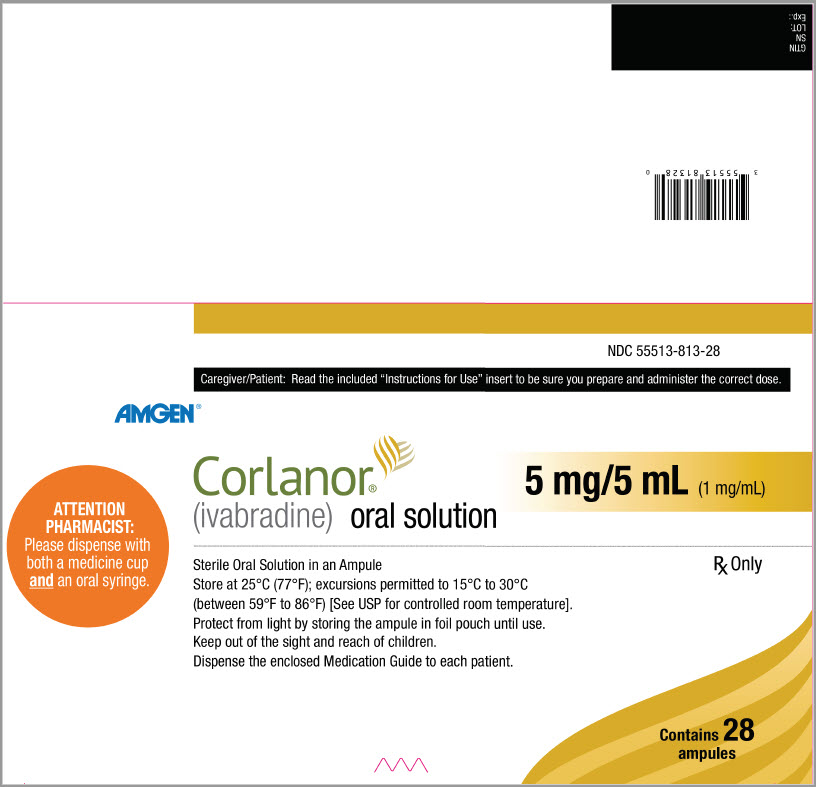
Corlanor ivabradine 5 mg/5mL Solution
🆔 Identity & classification
Where does this data come from?
🏷️ RxNorm drug class
This medicine belongs to the Hyperpolarization-activated Cyclic Nucleotide-gated Channel Blocker class.
Where does this data come from?
🏭 Manufacturer & labeler
Where does this data come from?
🩺 Clinical
Ivabradine is used to treat certain adults with heart failure (condition in which the heart is unable to pump enough blood to the other parts of the body) to decrease the risk that their condition will worsen and need to be treated in a hospital. It is also used to treat a certain type of heart failure in children 6 months of age and older due to cardiomyopathy (a condition in which the heart muscle becomes weakened and enlarged). Ivabradine is in a class of medications called hyperpolarization-activated cyclic nucleotide-gated (HCN) channel blockers. It works by slowing the heart rate so the...
Read the full MedlinePlus article ↗- Ivabradine slows your heart rate by acting directly on your heart's natural pacemaker. When your heart is beating too fast, it has to work harder, which can worsen heart failure sy...
- What exactly is ivabradine supposed to do for my heart failure?
- Yes, it does matter. You should take ivabradine with food every time. Food increases the amount of the drug your body absorbs, which is actually part of how the standard dose is de...
- Those brief flashes or areas of extra brightness are called phosphenes, and they're a known side effect of ivabradine. The drug affects a channel in the eye's retina that is simila...
Patient education
Supplement & herbal interactions
Some supplements/herbs that may interact with Ivabradine — tap one for details:
Where does this data come from?
Ask a licensed pharmacist directly — free, answered by our team.
💊 What it looks like
Where does this data come from?
🧪 Inactive Ingredients / Excipients
Inactive ingredients, also called excipients, are components of the drug product other than the active ingredient. They may include fillers, dyes, coatings, preservatives, flavors, or other formulation ingredients.
💡 Tap an ingredient (hover on desktop) to see what it is and why it’s used.
-
UNII D65DG142WK
Maltitol is a sugar alcohol made by hydrogenating maltose. It's used as a sweetener and filler in medicines to improve taste and add bulk to tablets and capsules.
-
UNII 059QF0KO0R
Water is a liquid solvent that dissolves and mixes ingredients together in liquid medicines, syrups, and injections. It helps distribute the active drug evenly throughout the product.
2 inactive ingredients listed in the exact product block matched to this NDC.
Where does this data come from?
ingredient classCode="IACT" elements from the exact product block matched by this NDC. Label-section narrative from DailyMed / the openFDA label index is shown separately when available.Inactive ingredient FAQ
Are inactive ingredients the same for every manufacturer?
Why might an inactive ingredient be missing?
Can inactive ingredients matter?
💲 Pricing
A drug doesn't have one price. Each row is a different public payment system, and none is what you'd pay at the counter — that depends on your insurance. The ⓘ on each row explains what it measures.
| Price system | Per mL | Per package |
|---|---|---|
| Retail pharmacies payNADAC · weekly | Not in the retail survey — common for institutional, discontinued, or low-volume packs. | |
| Medicaid paysCMS SDUD · 12 mo | $2.17 | $304.35 / 140 ml |
| Medicare drug plans payPart D · quarterly | No Part D plan price is available for this NDC in our data. | |
Where does this data come from?
🔁 Therapeutic equivalents
| Product | Labeler | Pack | NADAC/unit | TE | Status | Price vs. this |
|---|---|---|---|---|---|---|
| Corlanor 5 mg/5mLthis 55513-0813-28 | Amgen | 28 ampules | — | — | FDA listed | — |
Where does this data come from?
⏳ Availability & generic status
We did not find an FDA-approved generic match for this exact strength, form and route. Patent/protection dates below may affect future generic timing.
Why the date isn’t exact: Generic timing can change because patents may be challenged, settled, licensed, added, removed, or worked around with a narrower label — and FDA approval does not always mean a pharmacy can get the generic today.
🛈 What do these terms mean?
- Patent
- Legal protection listed in the Orange Book that may delay generic approval or launch. Issued by the U.S. Patent & Trademark Office.
- Substance patent
- Covers the active drug molecule itself — the hardest to design around. A generic generally can’t launch until it expires.
- Formulation (product) patent
- Covers a specific formulation or dosage form. A generic can sometimes work around it with a different formulation.
- Method-of-use patent
- A patent covering one specific approved use of the drug — not necessarily the whole molecule. A generic can sometimes launch with a “skinny label” that carves out the protected use and keeps the others.
- Skinny label
- A generic label that omits a still-patented use when the FDA allows it — letting a generic reach the market for the unprotected uses.
- Exclusivity
- FDA-granted marketing protection, separate from patents — e.g. 5-yr new chemical entity, 7-yr orphan drug, or a +6-month pediatric extension.
- Paragraph IV
- A generic applicant’s formal challenge to a listed patent. It can potentially lead to earlier generic entry, but often involves litigation or a settlement.
- RLD / RS
- Reference Listed Drug — the brand product the FDA uses as the reference for generic applications. Reference Standard — the product the FDA expects generics to compare against in bioequivalence testing.
- TE / AB rating
- FDA therapeutic-equivalence rating. An AB rating generally means the FDA considers a generic therapeutically equivalent to — and substitutable for — the brand.
- LOE (loss of exclusivity)
- The latest patent or exclusivity currently listed — the loss-of-exclusivity / latest-listed-protection date shown on this page. Paragraph-IV challenges and settlements can move the real date earlier; FDA approval and a manufacturer’s decision to market can move it later.
Built from the FDA Orange Book. The bars above are scaled to each protection’s expiry; the red LOE marker is the last one to lapse.
| Patent | Type | Use code | Expires |
|---|---|---|---|
| US 7867996 ↗ | Drug substance | U-1694 | Dec 12, 2026 |
| US 7361650 ↗ | Drug substance | U-1694 | Feb 22, 2026 |
| US 7361649 ↗ | Drug substance | U-1694 | Feb 22, 2026 |
| US 7879842 ↗ | Drug substance | U-1694 | Feb 22, 2026 |
| Code | What it grants | Expires |
|---|---|---|
| ODE-234 | Orphan Drug Exclusivity (7-year) | Apr 22, 2026 |
| PED | Pediatric Exclusivity (+6 months) | Oct 22, 2026 |
Is there a generic version of CORLANOR 5 MG/5 ML ORAL SOLN?
The FDA approved a generic — why can’t I get it at my pharmacy yet?
Why do different websites show different generic release dates?
What does “FDA listed” mean?
What does a patent or protection date mean here?
What does “current Orange Book estimate” mean?
Can a generic come out before the last patent expires?
Can a generic come out after the listed dates?
What is the difference between patents and exclusivity?
Why are there multiple patent dates?
Where does this data come from?
🗺️ Medicaid utilization & spend
📊 Medicare Part D spend CMS · PART D · 2026 (Q1)
📦 Packaging — all sizes for this product
| Package NDC | Description | Marketing start | Status |
|---|---|---|---|
| 55513-0813-28 You're viewing this | 28 AMPULE in 1 CARTON (55513-813-28) / 5 mL in 1 AMPULE (55513-813-01) | 2019-04-19 | Active |
🧭 About this NDC listing & data coverage
What data is (and isn’t) available for this NDC — tap to expand
| NDC identity (package / product / labeler codes) | ✓ Available |
| Labeler | ✓ Available |
| Product & package description | ✓ Available |
| Marketing category & status | ✓ Available |
| Active ingredient / dosage form / route | ✓ Available |
| FDA label (SPL via DailyMed) | ✓ Available |
| Package photos | ✓ Available |
| Inactive ingredients (structured) | ✓ Available |
| NADAC pharmacy acquisition price (CMS) | — Not published for this NDC CMS publishes NADAC only for NDCs reported in its retail-pharmacy survey. |
| Orange Book / therapeutic-equivalence data | ✓ Available |
| HCPCS J-code billing crosswalk | — Not published for this NDC Most self-administered / retail products have no J-code — that is normal. |
| Medicaid utilization (CMS SDUD) | ✓ Available |
Questions about this listing
Why is there no price listed?
Is the NDC printed on the package the same as the 11-digit billing NDC?
What do the three segments of this NDC mean?
Is this package still being marketed?
Who lists this product with the FDA?
Do I need a prescription for this product?
Where does this data come from?
📄 Full prescribing information FDA SPL
🎯 Indications and Usage ▾
1. INDICATIONS AND USAGE Corlanor (ivabradine) is a hyperpolarization-activated cyclic nucleotide-gated channel blocker indicated: To reduce the risk of hospitalization for worsening heart failure in adult patients with stable, symptomatic chronic heart failure with reduced left ventricular ejection fraction. ( 1.1 ) For the treatment of stable symptomatic heart failure due to dilated cardiomyopathy in pediatric patients ages 6 months and older. ( 1.2 )
1.1Heart Failure in Adult Patients Corlanor is indicated to reduce the risk of hospitalization for worsening heart failure in adult patients with stable, symptomatic chronic heart failure with left ventricular ejection fraction ≤ 35%, who are in sinus rhythm with resting heart rate ≥ 70 beats per minute and either are on maximally tolerated doses of beta-blockers or have a contraindication to beta-blocker use.
1.2Heart Failure in Pediatric Patients Corlanor is indicated for the treatment of stable symptomatic heart failure due to dilated cardiomyopathy (DCM) in pediatric patients aged 6 months and older, who are in sinus rhythm with an elevated heart rate.
⏱️ Dosage and Administration ▾
2. DOSAGE AND ADMINIST R ATION Adult and pediatric patients greater than 40 kg Starting dose is 2.5 (pediatrics and vulnerable adults) or 5 mg twice daily with food. After 2 weeks of treatment, adjust dose based on heart rate.
The maximum dose is 7.5 mg twice daily. ( 2.1 ) Pediatric patients less than 40 kg Starting dose is 0.05 mg/kg twice daily with food. Adjust dose at two-week intervals by 0.05 mg/kg based on heart rate.
Maximum dose is 0.2 mg/kg (patients 6 months to less than 1 year old) or 0.3 mg/kg (patients 1 year old and older), up to a total of 7.5 mg twice daily.
2.1Adults The recommended starting dose of Corlanor is 5 mg twice daily with food. Assess patient after two weeks and adjust dose to achieve a resting heart rate between 50 and 60 beats per minute (bpm) as shown in Table 1. Thereafter, adjust dose as needed based on resting heart rate and tolerability.
The maximum dose is 7.5 mg twice daily. In adult patients unable to swallow tablets, Corlanor oral solution can be used [see Clinical Pharmacology ( 12.3 )]. In patients with a history of conduction defects or other patients in whom bradycardia could lead to hemodynamic compromise, initiate therapy at 2.5 mg twice daily before increasing the dose based on heart rate [see Warnings and Precautions ( 5.3 )].
Table 1. Dose Adjustment for Adults Heart Rate Dose Adjustment > 60 bpm Increase dose by 2.5 mg (given twice daily) up to a maximum dose of 7.5 mg twice daily 50-60 bpm Maintain dose < 50 bpm or signs and symptoms of bradycardia Decrease dose by 2.5 mg (given twice daily); if current dose is 2.5 mg twice daily, discontinue therapy* * [ see Warnings and Precautions ( 5.3 )]
2.2Pediatric Patients Recommended Dosage Pediatric Patients 6 Months of Age and Older Weighing Less than 40 kg (Oral Solution) The recommended starting dose of Corlanor oral solution in pediatric patients 6 months of age and older and weighing less than 40 kg is 0.05 mg/kg twice daily with food. Assess patient at two-week intervals and adjust dose by 0.05 mg/kg to target a heart rate (HR) reduction of at least 20%, based on tolerability. The maximum dose is 0.2 mg/kg twice daily for patients 6 months to less than 1 year old, and 0.3 mg/kg twice daily for patients 1 year old and older, up to a total of 7.5 mg twice daily.
If a dose of Corlanor is missed or spit out, do not give another dose to make up for the missed or spit out dose. Give the next dose at the usual time. Pediatric Patients Weighing 40 kg and Greater (Tablets) The recommended starting dose of Corlanor tablets in pediatric patients weighing more than 40 kg is 2.5 mg twice daily with food.
Assess patient at two-week intervals and adjust dose by 2.5 mg to target a heart rate (HR) reduction of at least 20%, based on tolerability. The maximum dose is 7.5 mg twice daily. In patients unable to swallow tablets, Corlanor oral solution can be used.
Dose Reduction for Bradycardia If bradycardia develops, reduce the dose to the previous titration step. In patients who develop bradycardia at the recommended initial dosage, consider reducing the dosage to 0.02 mg/kg twice daily. Oral Solution Preparation and Administration To administer Corlanor oral solution, empty the entire contents of the ampule(s) into a medication cup.
With a calibrated oral syringe, measure the prescribed dose of Corlanor from the medication cup and administer the drug orally. Corlanor oral solution is sterile and preservative-free. Discard the unused oral solution.
Do not store or reuse any oral solution left in either the medication cup or an ampule.
💊 Dosage Forms and Strengths ▾
3. DOSAGE FORMS AND STRENGT HS Corlanor Tablets 5 mg: salmon-colored, oval-shaped, film-coated tablet, functionally scored on both edges, debossed with “5” on one face and bisected on the other face. The tablet is scored and can be divided into equal halves to provide a 2.5 mg dose.
7.5mg: salmon-colored, triangular-shaped, film-coated tablet debossed with “7.5” on one face and plain on the other face. Corlanor Oral Solution Corlanor 5 mg/5 mL (1 mg/mL) oral solution is a colorless liquid in an opaque, plastic, ampule containing 5 mg of Corlanor in 5 mL of liquid. Tablets: 5 mg, 7.5 mg ( 3 ) Oral Solution: 5 mg/5 mL (1 mg/mL) ( 3 )
⛔ Contraindications ▾
4. CONTRAINDICATIONS Corlanor is contraindicated in patients with: • Acute decompensated heart failure • Clinically significant hypotension • Sick sinus syndrome, sinoatrial block or 3 rd degree AV block, unless a functioning demand pacemaker is present • Clinically significant bradycardia [see Warnings and Precautions ( 5.3 )] • Severe hepatic impairment [see Use in Specific Populations ( 8.6 )] • Pacemaker dependence (heart rate maintained exclusively by the pacemaker) [see Drug Interactions ( 7.3 )] • Concomitant use of strong cytochrome P450 3A4 (CYP3A4) inhibitors [see Drug Interactions ( 7.1 )] Acute decompensated heart failure ( 4 ) Clinically significant hypotension ( 4 ) Sick sinus syndrome, sinoatrial block or 3 rd degree AV block, unless a functioning demand pacemaker is present ( 4 ) Clinically significant bradycardia ( 4 ) Severe hepatic impairment ( 4 ) Heart rate maintained exclusively by the pacemaker ( 4 ) In combination with strong cytochrome CYP3A4 inhibitors ( 4 )
⚠️ Warnings and Cautions ▾
5. WARNINGS AND PRECAUTIONS Fetal toxicity: Females should use effective contraception. ( 5.1 ) Monitor patients for atrial fibrillation. ( 5.2 ) Monitor heart rate decreases and bradycardia symptoms during treatment. ( 5.3 ) Not recommended in patients with 2 nd degree AV block. ( 5.3 )
5.1Fetal Toxicity Corlanor may cause fetal toxicity when administered to a pregnant woman based on findings in animal studies. Embryo-fetal toxicity and cardiac teratogenic effects were observed in fetuses of pregnant rats treated during organogenesis at exposures 1 to 3 times the human exposures (AUC 0-24hr ) at the maximum recommended human dose (MRHD) [see Use in Specific Populations ( 8.1 )] . Advise females of reproductive potential to use effective contraception when taking Corlanor [see Use in Specific Populations ( 8.3 )] .
5.2Atrial Fibrillation Corlanor increases the risk of atrial fibrillation. In the Systolic Heart Failure Treatment with the I f Inhibitor Ivabradine Trial (SHIFT), the rate of atrial fibrillation was 5.0% per patient-year in patients treated with Corlanor and 3.9% per patient-year in patients treated with placebo [see Clinical Studies ( 14 )] . Regularly monitor cardiac rhythm. Discontinue Corlanor if atrial fibrillation develops.
5.3Bradycardia and Conduction Disturbances Adult Patients Bradycardia, sinus arrest, and heart block have occurred with Corlanor. The rate of bradycardia was 6.0% per patient-year in patients treated with Corlanor (2.7% symptomatic; 3.4% asymptomatic) and 1.3% per patient-year in patients treated with placebo. Risk factors for bradycardia include sinus node dysfunction, conduction defects (e.g., 1 st or 2 nd degree atrioventricular block, bundle branch block), ventricular dyssynchrony, and use of other negative chronotropes (e.g., digoxin, diltiazem, verapamil, amiodarone).
Bradycardia may increase the risk of QT prolongation which may lead to severe ventricular arrhythmias, including torsade de pointes, especially in patients with risk factors such as use of QTc prolonging drugs [see Adverse Reactions ( 6.2 )] . Concurrent use of verapamil or diltiazem will increase Corlanor exposure, may themselves contribute to heart rate lowering, and should be avoided [see Clinical Pharmacology ( 12.3 )] . Avoid use of Corlanor in patients with 2 nd degree atrioventricular block unless a functioning demand pacemaker is present [see Contraindications ( 4 ) ].
Pediatric Patients Bradycardia and first-degree heart block were observed in pediatric patients treated with Corlanor. Asymptomatic and symptomatic bradycardia were observed in 6.8% and 4.1% of pediatric patients treated with Corlanor, respectively. In the placebo treatment arm, 2.4% of pediatric patients had asymptomatic bradycardia, but none had symptomatic bradycardia.
Bradycardia was managed through dose titration but did not result in study drug discontinuation [see Dosage and Administration ( 2.2 )] .
🤒 Adverse Reactions ▾
6. ADVERSE REACTIONS Clinically significant adverse reactions that appear in other sections of the labeling include: Atrial Fibrillation [see Warnings and Precautions ( 5.2 )] Bradycardia and Conduction Disturbances [see Warnings and Precautions ( 5.3 )] Most common adverse reactions occurring in ≥ 1% of patients are bradycardia, hypertension, atrial fibrillation and luminous phenomena (phosphenes). ( 6 ) To report SUSPECTED ADVERSE REACTIONS, contact Amgen Medical Information at 1-800-772-6436 (1-800-77-AMGEN) or FDA at 1-800-FDA-1088 or www.fda.gov/medwatch.
6.1Clinical Trials Experience Because clinical trials are conducted under widely varying conditions, adverse reaction rates observed in the clinical trials of a drug cannot be directly compared to rates in the clinical trials of another drug and may not reflect the rates observed in practice. Adult Patients with Heart Failure In SHIFT, safety was evaluated in 3,260 patients treated with Corlanor and 3,278 patients given placebo. The median duration of Corlanor exposure was 21.5 months.
The most common adverse drug reactions in the SHIFT trial are shown in Table 2 [see Warnings and Precautions ( 5.2 ) , ( 5.3 ) ] . Table 2. Adverse Drug Reactions with Rates ≥ 1.0% Higher on Ivabradine than Placebo occurring in > 1% on Ivabradine in SHIFT Ivabradine N = 3,260 Placebo N = 3,278 Bradycardia 10% 2.2% Hypertension, blood pressure increased 8.9% 7.8% Atrial fibrillation 8.3% 6.6% Phosphenes, visual brightness 2.8% 0.5% Luminous P henomena (Phosphenes) Phosphenes are phenomena described as a transiently enhanced brightness in a limited area of the visual field, halos, image decomposition (stroboscopic or kaleidoscopic effects), colored bright lights, or multiple images (retinal persistency).
Phosphenes are usually triggered by sudden variations in light intensity. Corlanor can cause phosphenes, thought to be mediated through Corlanor’s effects on retinal photoreceptors [see Clinical Ph a rmacology ( 12.1 )] . Onset is generally within the first 2 months of treatment, after which they may occur repeatedly.
Phosphenes were generally reported to be of mild to moderate intensity and led to treatment discontinuation in < 1% of patients; most resolved during or after treatment. Pediatric Patients with Heart Failure The safety of Corlanor in pediatric patients 6 months to less than 18 years of age is based on a clinical trial [see Clinical Studies ( 14.2 )] in symptomatic heart failure patients with dilated cardiomyopathy and elevated heart rate. This trial provides experience in 73 patients treated with Corlanor for a median duration of 397 days, and 42 patients given placebo.
Bradycardia (symptomatic and asymptomatic) occurred at rates similar to those in adults. Phosphenes were observed in pediatric patients treated with Corlanor.
6.2Postmarketing Experience Because these reactions are reported voluntarily from a population of uncertain size, it is not always possible to estimate their frequency reliably or establish a causal relationship to drug exposure. The following adverse reactions have been identified in adults during post-approval use of Corlanor: syncope, hypotension, torsade de pointes, ventricular fibrillation, ventricular tachycardia, angioedema, erythema, rash, pruritus, urticaria, vertigo, and diplopia, and visual impairment.
🔄 Drug Interactions ▾
7. DRUG INTERACTIONS Avoid CYP3A4 inhibitors or inducers. ( 7.1 ) Negative chronotropes increase risk of bradycardia; monitor heart rate. ( 7.2 )
7.1Cytochrome P450-Based Interactions Corlanor is primarily metabolized by CYP3A4. Concomitant use of CYP3A4 inhibitors increases ivabradine plasma concentrations and use of CYP3A4 inducers decreases them. Increased plasma concentrations may exacerbate bradycardia and conduction disturbances.
The concomitant use of strong CYP3A4 inhibitors is contraindicated [ s ee Contraindications ( 4 ) and Clinical Pharmacology ( 12.3 )] . Examples of strong CYP3A4 inhibitors include azole antifungals (e.g., itraconazole), macrolide antibiotics (e.g., clarithromycin, telithromycin), HIV protease inhibitors (e.g., nelfinavir), and nefazodone. Avoid concomitant use of moderate CYP3A4 inhibitors when using Corlanor.
Examples of moderate CYP3A4 inhibitors include diltiazem, verapamil, and grapefruit juice [ s ee Warnings and Precautions ( 5.3 ) and Clinical Pharmacology ( 12.3 )] . Avoid concomitant use of CYP3A4 inducers when using Corlanor. Examples of CYP3A4 inducers include St.
John’s wort, rifampicin, barbiturates, and phenytoin [ s ee Clinical Pharmacology ( 12.3 )] .
7.2Negative Chronotropes Most patients receiving Corlanor will also be treated with a beta-blocker. The risk of bradycardia increases with concomitant administration of drugs that slow heart rate (e.g., digoxin, amiodarone, beta-blockers). Monitor heart rate in patients taking Corlanor with other negative chronotropes.
7.3Pacemakers in Adults Corlanor dosing is based on heart rate reduction, targeting a heart rate of 50 to 60 beats per minute in adults [see Dos ag e and Administration ( 2.1 )] . Patients with demand pacemakers set to a rate ≥ 60 beats per minute cannot achieve a target heart rate < 60 beats per minute, and these patients were excluded from clinical trials [see Clinical Studies ( 14.1 )] . The use of Corlanor is not recommended in patients with demand pacemakers set to rates ≥ 60 beats per minute.
👥 Use in Specific Populations ▾
8. USE IN SPECIFIC POPULATIONS Lactation: Breastfeeding not recommended. ( 8.2 )
8.1Pregnancy Risk Summary Based on findings in animals, Corlanor may cause fetal harm when administered to a pregnant woman. There are no adequate and well-controlled studies of Corlanor in pregnant women to inform any drug-associated risks. In animal reproduction studies, oral administration of ivabradine to pregnant rats during organogenesis at a dosage providing 1 to 3 times the human exposure (AUC 0-24hr ) at the MRHD resulted in embryo-fetal toxicity and teratogenicity manifested as abnormal shape of the heart, interventricular septal defect, and complex anomalies of primary arteries.
Increased post-natal mortality was associated with these teratogenic effects in rats. In pregnant rabbits, increased post-implantation loss was noted at an exposure (AUC 0-24hr ) 5 times the human exposure at the MRHD. Lower doses were not tested in rabbits.
The background risk of major birth defects for the indicated population is unknown. The estimated background risk of major birth defects in the U.S. general population is 2 to 4%, however, and the estimated risk of miscarriage is 15 to 20% in clinically recognized pregnancies. Advise a pregnant woman of the potential risk to the fetus.
Clinical Considerations Disease-associated Maternal and/or Embryo - fetal Risk Stroke volume and heart rate increase during pregnancy, increasing cardiac output, especially during the first trimester. Pregnant patients with left ventricular ejection fraction less than 35% on maximally tolerated doses of beta-blockers may be particularly heart rate dependent for augmenting cardiac output. Therefore, pregnant patients who are started on Corlanor, especially during the first trimester, should be followed closely for destabilization of their congestive heart failure that could result from heart rate slowing.
Monitor pregnant women with chronic heart failure in 3 rd trimester of pregnancy for preterm birth. Data Animal Data In pregnant rats, oral administration of ivabradine during the period of organogenesis (gestation day 6-15) at doses of 2.3, 4.6, 9.3, or 19 mg/kg/day resulted in fetal toxicity and teratogenic effects. Increased intrauterine and post-natal mortality and cardiac malformations were observed at doses ≥ 2.3 mg/kg/day (equivalent to the human exposure at the MRHD based on AUC 0- 24 hr ).
Teratogenic effects including interventricular septal defect and complex anomalies of major arteries were observed at doses ≥ 4.6 mg/kg/day (approximately 3 times the human exposure at the MRHD based on AUC 0- 24 hr ). In pregnant rabbits, oral administration of ivabradine during the period of organogenesis (gestation day 6-18) at doses of 7, 14, or 28 mg/kg/day resulted in fetal toxicity and teratogenicity. Treatment with all doses ≥ 7 mg/kg/day (equivalent to the human exposure at the MRHD based on AUC 0- 24 hr ) caused an increase in post-implantation loss.
At the high dose of 28 mg/kg/day (approximately 15 times the human exposure at the MRHD based on AUC 0- 24 hr ), reduced fetal and placental weights were observed, and evidence of teratogenicity (ectrodactylia observed in 2 of 148 fetuses from 2 of 18 litters) was demonstrated. In the pre- and post-natal study, pregnant rats received oral administration of ivabradine at doses of 2.5, 7, or 20 mg/kg/day from gestation day 6 to lactation day 20. Increased post-natal mortality associated with cardiac teratogenic findings was observed in the F1 pups delivered by dams treated at the high dose (approximately 15 times the human exposure at the MRHD based on AUC 0- 24 hr ).
8.2Lactation Risk Summary There is no information regarding the presence of ivabradine in human milk, the effects of ivabradine on the breastfed infant, or the effects of the drug on milk production. Animal studies have shown, however, that ivabradine is present in rat milk [ s ee Data ] . Because of the potential risk to breastfed infants from exposure to Corlan…
🤰 Pregnancy ▾
8.1Pregnancy Risk Summary Based on findings in animals, Corlanor may cause fetal harm when administered to a pregnant woman. There are no adequate and well-controlled studies of Corlanor in pregnant women to inform any drug-associated risks. In animal reproduction studies, oral administration of ivabradine to pregnant rats during organogenesis at a dosage providing 1 to 3 times the human exposure (AUC 0-24hr ) at the MRHD resulted in embryo-fetal toxicity and teratogenicity manifested as abnormal shape of the heart, interventricular septal defect, and complex anomalies of primary arteries.
Increased post-natal mortality was associated with these teratogenic effects in rats. In pregnant rabbits, increased post-implantation loss was noted at an exposure (AUC 0-24hr ) 5 times the human exposure at the MRHD. Lower doses were not tested in rabbits.
The background risk of major birth defects for the indicated population is unknown. The estimated background risk of major birth defects in the U.S. general population is 2 to 4%, however, and the estimated risk of miscarriage is 15 to 20% in clinically recognized pregnancies. Advise a pregnant woman of the potential risk to the fetus.
Clinical Considerations Disease-associated Maternal and/or Embryo - fetal Risk Stroke volume and heart rate increase during pregnancy, increasing cardiac output, especially during the first trimester. Pregnant patients with left ventricular ejection fraction less than 35% on maximally tolerated doses of beta-blockers may be particularly heart rate dependent for augmenting cardiac output. Therefore, pregnant patients who are started on Corlanor, especially during the first trimester, should be followed closely for destabilization of their congestive heart failure that could result from heart rate slowing.
Monitor pregnant women with chronic heart failure in 3 rd trimester of pregnancy for preterm birth. Data Animal Data In pregnant rats, oral administration of ivabradine during the period of organogenesis (gestation day 6-15) at doses of 2.3, 4.6, 9.3, or 19 mg/kg/day resulted in fetal toxicity and teratogenic effects. Increased intrauterine and post-natal mortality and cardiac malformations were observed at doses ≥ 2.3 mg/kg/day (equivalent to the human exposure at the MRHD based on AUC 0- 24 hr ).
Teratogenic effects including interventricular septal defect and complex anomalies of major arteries were observed at doses ≥ 4.6 mg/kg/day (approximately 3 times the human exposure at the MRHD based on AUC 0- 24 hr ). In pregnant rabbits, oral administration of ivabradine during the period of organogenesis (gestation day 6-18) at doses of 7, 14, or 28 mg/kg/day resulted in fetal toxicity and teratogenicity. Treatment with all doses ≥ 7 mg/kg/day (equivalent to the human exposure at the MRHD based on AUC 0- 24 hr ) caused an increase in post-implantation loss.
At the high dose of 28 mg/kg/day (approximately 15 times the human exposure at the MRHD based on AUC 0- 24 hr ), reduced fetal and placental weights were observed, and evidence of teratogenicity (ectrodactylia observed in 2 of 148 fetuses from 2 of 18 litters) was demonstrated. In the pre- and post-natal study, pregnant rats received oral administration of ivabradine at doses of 2.5, 7, or 20 mg/kg/day from gestation day 6 to lactation day 20. Increased post-natal mortality associated with cardiac teratogenic findings was observed in the F1 pups delivered by dams treated at the high dose (approximately 15 times the human exposure at the MRHD based on AUC 0- 24 hr ).
🧒 Pediatric Use ▾
8.4Pediatric Use The safety and effectiveness of Corlanor have been established in pediatric patients (age 6 months to less than 18 years old) and are supported by pharmacokinetic and pharmacodynamic trials and evidence from adequate and well-controlled trials of Corlanor in adult patients. The pediatric study included 116 patients in the following age groups: 17 patients in the 6 months to less than 12 months age group, 36 patients in the 1 year to less than 3 years age group, and 63 patients in the 3 years to less than 18 years age group [see Dosage and Administration ( 2.2 ), Adverse Reactions ( 6.1 ), Clinical Pharmacology ( 12.3 ) and Clinical Studies ( 14.2 )] .
The safety and efficacy of Corlanor have not been established in patients less than 6 months of age. Animal Data Ivabradine given orally to juvenile rats from post-natal day (PND) 7 until PND 77 at 7.5, 15 and 30 mg/kg/day did not affect post-natal (pre-weaning) development and reproductive performance (post-weaning development). Similar to adult animals, ivabradine decreased heart rate dose-dependently, and increased heart weights at the highest dose administered.
Ivabradine also decreased white blood cell counts (lymphocytes) at the highest dose administered. The decrease in white blood cell counts partially reversed within a 3-week recovery period. Exposures in male and female rats at the No Observed Adverse Effect Level (NOAEL) of 7.5 mg/kg/day, was approximately 3 and 8 times, respectively, steady state exposure associated with the highest received maintenance doses across age groups in pediatric patients (based on AUCs).
🧓 Geriatric Use ▾
8.5Geriatric Use No pharmacokinetic differences have been observed in elderly (≥ 65 years) or very elderly (≥ 75 years) patients compared to the overall population. However, Corlanor has only been studied in a limited number of patients ≥ 75 years of age.
🆘 Overdosage ▾
10. OVERDOSAGE Overdose may lead to severe and prolonged bradycardia. In the event of bradycardia with poor hemodynamic tolerance, temporary cardiac pacing may be required. Supportive treatment, including intravenous (IV) fluids, atropine, and intravenous beta-stimulating agents such as isoproterenol, may be considered.
🧬 Clinical Pharmacology ▾
12. CLINICAL PHARMACOLOGY Figure 2. Impact of Coadministered Drugs on the Pharmacokinetics of Corlanor
12.1Mechanism of Action Corlanor blocks the hyperpolarization-activated cyclic nucleotide-gated (HCN) channel responsible for the cardiac pacemaker I f current, which regulates heart rate. In clinical electrophysiology studies, the cardiac effects were most pronounced in the sinoatrial (SA) node, but prolongation of the AH interval has occurred as has PR interval prolongation. There was no effect on ventricular repolarization and no effects on myocardial contractility [see Clinical Pharmacology ( 12.2 )] .
Corlanor can also inhibit the retinal current I h . I h is involved in curtailing retinal responses to bright light stimuli. Under triggering circumstances (e.g., rapid changes in luminosity), partial inhibition of I h by Corlanor may underlie the luminous phenomena experienced by patients.
Luminous phenomena (phosphenes) are described as a transient enhanced brightness in a limited area of the visual field [see A dverse R eactions ( 6.1 )] .
12.2Pharmacodynamics Corlanor causes a dose-dependent reduction in heart rate. The size of the effect is dependent on the baseline heart rate (i.e., greater heart rate reduction occurs in patients with higher baseline heart rate). At recommended doses, heart rate reduction is approximately 10 bpm at rest and during exercise.
Analysis of heart rate reduction vs. dose indicates a plateau effect at doses > 20 mg twice daily. In a study of patients with preexisting conduction system disease (first- or second-degree AV block or left or right bundle branch block) requiring electrophysiologic study, IV ivabradine (0.20 mg/kg) administration slowed the overall heart rate by approximately 15 bpm, increased the PR interval (29 msec), and increased the AH interval (27 msec). Corlanor does not have negative inotropic effects.
Ivabradine increases the uncorrected QT interval with heart rate slowing but does not cause rate-corrected prolongation of QT.
12.3Pharmacokinetics The peak concentration (C max ) and area under the plasma concentration time curve (AUC) are similar for ivabradine and S 18982 between oral solution and tablets for the same dose. Absorption and B ioavailability Following oral administration, peak plasma ivabradine concentrations are reached in approximately 1 hour under fasting conditions. The absolute oral bioavailability of ivabradine is approximately 40% because of first-pass elimination in the gut and liver.
Food delays absorption by approximately 1 hour and increases plasma exposure by 20% to 40%. Corlanor should be taken with food [see Dosage and Administration ( 2 )] . Ivabradine is approximately 70% plasma protein bound, and the volume of distribution at steady state is approximately 100 L.
Metabolism and Excretion The pharmacokinetics of ivabradine are linear over an oral dose range of 0.5 mg to 24 mg. Ivabradine is extensively metabolized in the liver and intestines by CYP3A4-mediated oxidation. The major metabolite is the N-desmethylated derivative (S 18982), which is equipotent to ivabradine and circulates at concentrations approximately 40% that of ivabradine.
The N-desmethylated derivative is also metabolized by CYP3A4. Ivabradine plasma levels decline with a distribution half-life of 2 hours and an effective half-life of approximately 6 hours. The total clearance of ivabradine is 24 L/h, and renal clearance is approximately
4.2L/h, with ~ 4% of an oral dose excreted unchanged in urine. The excretion of metabolites occurs to a similar extent via feces and urine. Drug Interactions The effects of coadministered drugs (CYP3A4 inhibitors, substrates, inducers, and other concomitantly administered drugs) on the pharmacokinetics of Corlanor were studied in several single- and multiple-dose studies.
Pharmacokinetic measures indicating the magnitude of these interactions are presented in Figure 2. Figure 2 . Impact of Co a dministered Drugs on the Pharmacokinetics of C…
🧬 Mechanism of Action ▾
12.1Mechanism of Action Corlanor blocks the hyperpolarization-activated cyclic nucleotide-gated (HCN) channel responsible for the cardiac pacemaker I f current, which regulates heart rate. In clinical electrophysiology studies, the cardiac effects were most pronounced in the sinoatrial (SA) node, but prolongation of the AH interval has occurred as has PR interval prolongation. There was no effect on ventricular repolarization and no effects on myocardial contractility [see Clinical Pharmacology ( 12.2 )] .
Corlanor can also inhibit the retinal current I h . I h is involved in curtailing retinal responses to bright light stimuli. Under triggering circumstances (e.g., rapid changes in luminosity), partial inhibition of I h by Corlanor may underlie the luminous phenomena experienced by patients.
Luminous phenomena (phosphenes) are described as a transient enhanced brightness in a limited area of the visual field [see A dverse R eactions ( 6.1 )] .
📦 How Supplied / Storage and Handling ▾
16. HOW SUPPLIED/STORAGE AND HANDLING Tablets : Corlanor (ivabradine) 5 mg tablets are formulated as salmon-colored, oval-shaped, film-coated tablets functionally scored on both edges, marked with “5” on one face and bisected on the other face. They are supplied as follows: Bottles of 60 tablets with child-resistant closure (NDC 55513-800-60) Corlanor (ivabradine) 7.5 mg tablets are formulated as salmon-colored, triangular-shaped, film-coated tablets debossed with “7.5” on one face and plain on the other face.
They are supplied as follows: Bottles of 60 tablets with child-resistant closure (NDC 55513-810-60) Oral Solution: Corlanor (ivabradine) oral solution is a colorless liquid supplied in an opaque, low density polyethylene (LDPE) plastic ampule. Each 5 mL ampule is individually packaged in a child-resistant foil pouch and supplied in cartons containing 28 foil pouches. Corlanor oral solution is supplied as 5 mg/5 mL (1 mg/mL) (NDC 55513-813-01).
Storage Store Corlanor tablets and oral solution at 25°C (77°F); excursions permitted to 15°C - 30°C (59°F - 86°F) [see USP Controlled Room Temperature] . Protect Corlanor ampule from light by storing in the foil pouch until use.
📋 Description ▾
11. DESCRIPTION Corlanor (ivabradine) tablets and oral solution contains ivabradine as the active pharmaceutical ingredient. Ivabradine is a hyperpolarization-activated cyclic nucleotide-gated channel blocker that reduces the spontaneous pacemaker activity of the cardiac sinus node by selectively inhibiting the I f current, resulting in heart rate reduction with no effect on ventricular repolarization and no effects on myocardial contractility.
The chemical name for ivabradine hydrochloride is 3-(3-{[((7 S )-3,4-Dimethoxybicyclo[4.2.0]octa-1,3,5-trien-7-yl)methyl] methyl amino} propyl)-1,3,4,5-tetrahydro-7,8-dimethoxy-2 H -3-benzazepin-2-one, hydrochloride. The molecular formula is C 27 H 36 N 2 O 5 ∙HCl, and the molecular weight (free base + HCl) is 505.1 (468.6 + 36.5). The chemical structure of ivabradine is shown in Figure 1.
Figure 1 . Chemical Structure of Ivabradine Tablets Corlanor tablets are supplied in 5 mg and 7.5 mg tablets for oral administration. The tablets contain 5 mg and 7.5 mg of ivabradine, as the active ingredient, equivalent to 5.39 mg and 8.09 mg of ivabradine hydrochloride, respectively.
The tablets contain the following inactive ingredients: colloidal silicon dioxide, glycerol, hypromellose, lactose monohydrate, magnesium stearate, maize starch, maltodextrin, polyethylene glycol 6000, red iron oxide, titanium dioxide, and yellow iron oxide. Oral Solution Corlanor 5 mg/5 mL (1 mg/mL) oral solution is formulated as a sterile, preservative-free, colorless solution for oral administration. Each 5 mL ampule contains 5 mg of ivabradine, equivalent to 5.39 mg ivabradine hydrochloride, as the active ingredient.
The solution contains the following inactive ingredients: maltitol and water. Figure 1. Chemical Structure of Ivabradine
💬 Information for Patients ▾
17. PATIENT COUNSELING INFORMATION Advise the patient to read the FDA-approved patient labeling [ see Medication Guide and Instructions for Use ] . Fetal Toxicity Advise pregnant women of the potential risks to a fetus.
Advise females of reproductive potential to use effective contraception and to notify their healthcare provider with a known or suspected pregnancy [see Warnings and Precautions ( 5.1 ) and Use in Specific Populations ( 8.1 ) , ( 8.3 )] . Low Heart Rate Advise patients to report significant decreases in heart rate or symptoms such as dizziness, fatigue, or hypotension [see Warnings and Precautions ( 5.3 )] . Atrial F ibrillation Advise patients to report symptoms of atrial fibrillation, such as heart palpitations or racing, chest pressure, or worsened shortness of breath [see Warnings and Precautions ( 5.2 )] .
Phosphenes Advise patients about the possible occurrence of luminous phenomena (phosphenes). Advise patients to use caution if they are driving or using machines in situations where sudden changes in light intensity may occur, especially when driving at night. Advise patients that phosphenes may subside spontaneously during continued treatment with Corlanor [ see Adverse Reactions ( 6.1 )] .
Drug Interactions Advise patients to avoid ingestion of grapefruit juice and St. John’s wort [ see Drug I nteractions ( 7.1 )] . Intake with Food Advise patients to take Corlanor twice daily with food [ see Dosage and Administration ( 2 )] .
Oral Solution Advise parents/caregivers on preparation and administration instructions including the use of a calibrated oral syringe and a medicine cup (provided by the pharmacy) to avoid dosing errors [see Dosage and Administration ( 2.2 )] . Advise parents/caregivers that the oral solution should not be administered by the child. Advise parents/caregivers to not double up doses (e.g., if patient spits out the drug or caregiver forgets to give the drug at the prescribed time).
Advise parents/caregivers to throw away the unused product remaining in the cup immediately after drawing up the prescribed dose in the syringe. Corlanor ® (ivabradine) Manufactured by : Amgen Inc. One Amgen Center Drive Thousand Oaks, California 91320-1799 Patent: http://pat.amgen.com/Corlanor/ © 2015, 2017, 2019, 2021 Amgen Inc.
All rights reserved. [part number] v5
💬 Medication Guide ▾
MEDICATION GUIDE Corlanor ® (core lan ore) (ivabradine) tablets and oral solution What is the most important information I should know about Corlanor? Corlanor may cause serious side effects in adults and children , including: Harm to an unborn baby. Females who are able to get pregnant: ○ Must use effective birth control during treatment with Corlanor. ○ Tell your doctor right away if you become pregnant during treatment with Corlanor.
Increased risk of irregular or rapid heartbeat (atrial fibrillation or heart rhythm problems) . Tell your doctor if you feel any of the following symptoms of an irregular or rapid heartbeat: ○ heart is pounding or racing (palpitations). ○ chest pressure. ○ worsened shortness of breath. ○ near fainting or fainting. Sl ow er than normal heart rate (bradycardia).
Tell your doctor if you have: ○ a slowing of heart rate, or ○ symptoms of a slow heart rate such as dizziness, fatigue, lack of energy. In young children signs and symptoms of slow heart rate may include: poor feeding, difficulty breathing or turning blue. What is Corlanor?
Corlanor is a prescription medicine used: to treat adults who have chronic (lasting a long time) heart failure, with symptoms, to reduce their risk of hospitalization for worsening heart failure. to treat certain children 6 months of age and older who have stable heart failure, with symptoms, that is due to an enlarged heart (dilated cardiomyopathy). Who should not take Corlanor? Do not take Corlanor if you have: symptoms of heart failure that recently worsened very low blood pressure (hypotension) certain heart conditions: sick sinus syndrome, sinoatrial block, or 3 rd degree atrioventricular block a slow resting heart rate before treatment with Corlanor.
Ask your doctor what a slow resting heart rate is for you. certain liver problems been prescribed any medicines that can increase the effects of Corlanor. Ask your doctor if you are not sure if you have any of the medical conditions listed above. What should I tell my doctor before taking Corlanor?
Before you take Corlanor, tell your doctor about all of your medical conditions, including if you: have any other heart problems, including heart rhythm problems, a slow heart rate, or a heart conduction problem. are breastfeeding or planning to breastfeed. It is not known if Corlanor passes into breast milk. You and your doctor should decide if you will take Corlanor or breastfeed; do not do both. are pregnant or planning to become pregnant.
See “What is the most important information I should know about Corlanor? - Harm to an unborn baby” section. Tell your doctor about all the medicines you take, including prescription and over the counter medicines, vitamins, and herbal supplements. Corlanor may affect the way other medicines work, and other medicines may affect how Corlanor works.
This could cause serious side effects. How should you take Corlanor? Take Corlanor exactly as your doctor tells you.
Do not stop taking Corlanor without talking with your doctor. Corlanor comes as a tablet or as an oral solution. ○ Tell your doctor if you have trouble swallowing tablets. ○ Your doctor may change your dose of Corlanor during treatment If you are prescribed Corlanor oral solution, see the Instructions for Use that comes with your medicine for important information about how to prepare, and give or take a dose of Corlanor oral solution. Take Corlanor 2 times each day with food.
If you miss a dose of Corlanor, do not give another dose. Give the next dose at the usual time. If you or your child take too much Corlanor, call your doctor or go to the nearest emergency room right away.
What should you avoid while taking Corlanor? Avoid drinking grapefruit juice and taking St. John’s wort during treatment with Corlanor.
These can affect the way Corlanor works and may cause serious side effects. What are the possible side effects of Corlanor? Corlanor may cause serious side effects.
See “What is the most important information I should…