
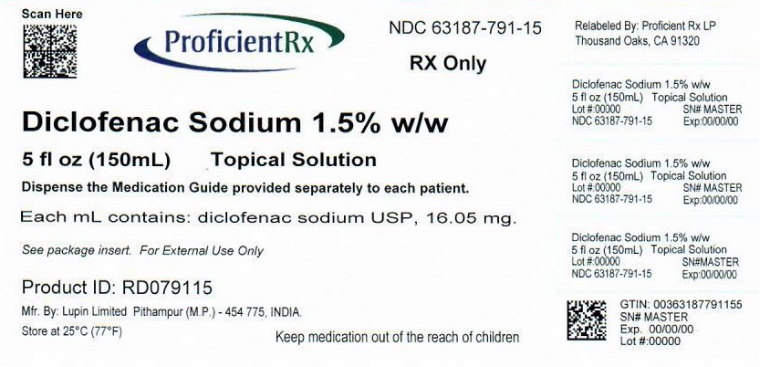
Diclofenac Sodium 16.05 mg/mL Solution/ Drops, 150 mL
Other active recalls for Diclofenac Sodium (different manufacturers) — 3 · tap to view
🆔 Identity & classification
Where does this data come from?
🏷️ RxNorm drug class
This medicine belongs to the Nonsteroidal Anti-inflammatory Drug class.
Where does this data come from?
🏭 Manufacturer & labeler
Where does this data come from?
🩺 Clinical
Nonprescription (over-the-counter) diclofenac topical gel (Voltaren Arthritis Pain) is used to relieve pain from arthritis in certain joints such as those of the knees, ankles, feet, elbows, wrists, and hands. Prescription diclofenac topical solution (Pennsaid) is used to relieve osteoarthritis pain in the knees. Diclofenac is in a class of medications called nonsteroidal anti-inflammatory drugs (NSAIDs). It works by stopping the body's production of a substance that causes pain. Diclofenac is also available as a 3% gel (Solaraze; generic) that is applied to the skin to treat actinic keratosis...
Read the full MedlinePlus article ↗- An actinic keratosis — often just called an AK — is a rough, scaly patch on the skin caused by years of sun exposure. These patches are considered precancerous, meaning they could...
- What exactly is an actinic keratosis, and why do I need a prescription gel for it?
- The typical treatment course runs 60 to 90 days of twice-daily application — that's a solid commitment, but it's necessary for the gel to do its job. Here's the thing: even after y...
- How long do I need to use this gel, and how will I know it's working?
Patient education
Supplement & herbal interactions
Some supplements/herbs that may interact with Diclofenac Sodium — tap one for details:
Diclofenac Sodium may be associated with lower levels of 1 nutrient — worth a chat with your pharmacist, not a cause for alarm.
Where does this data come from?
Ask a licensed pharmacist directly — free, answered by our team.
🧪 Inactive Ingredients / Excipients
Inactive ingredients, also called excipients, are components of the drug product other than the active ingredient. They may include fillers, dyes, coatings, preservatives, flavors, or other formulation ingredients.
💡 Tap an ingredient (hover on desktop) to see what it is and why it’s used.
-
UNII 3K9958V90M
A liquid solvent derived from fermentation or chemical synthesis. In medicines, alcohol dissolves active ingredients, helps preserve the product, and improves how the body absorbs certain drugs.
-
UNII YOW8V9698H
Dimethyl sulfoxide is a clear liquid solvent derived from wood pulp. In medicines, it helps dissolve or carry active ingredients and improve how the body absorbs the drug.
-
UNII PDC6A3C0OX
Glycerin is a clear, thick liquid derived from plant oils or fats. It acts as a humectant to retain moisture, a sweetener, and a solvent in medications.
-
UNII 6DC9Q167V3
Propylene glycol is a clear liquid derived from petroleum or vegetable sources. It acts as a solvent, humectant, and preservative in medicines, helping dissolve active ingredients and maintain product stability.
-
UNII 059QF0KO0R
Water is a liquid solvent that dissolves and mixes ingredients together in liquid medicines, syrups, and injections. It helps distribute the active drug evenly throughout the product.
5 inactive ingredients listed in the exact product block matched to this NDC.
Where does this data come from?
ingredient classCode="IACT" elements from the exact product block matched by this NDC. Label-section narrative from DailyMed / the openFDA label index is shown separately when available.Inactive ingredient FAQ
Are inactive ingredients the same for every manufacturer?
Why might an inactive ingredient be missing?
Can inactive ingredients matter?
💲 Pricing
A drug doesn't have one price. Each row is a different public payment system, and none is what you'd pay at the counter — that depends on your insurance. The ⓘ on each row explains what it measures.
| Price system | Per mL | Per package |
|---|---|---|
| Retail pharmacies payNADAC · weekly | Not in the retail survey — common for institutional, discontinued, or low-volume packs. | |
| Medicaid paysCMS SDUD · 12 mo | No recent Medicaid claims on file for this NDC — rare and low-volume NDCs are suppressed in the public data. | |
| Medicare drug plans payPart D · Q2 2026 | $0.2500 | $37.50 / 150 ml |
Where does this data come from?
🔁 Therapeutic equivalents
| Product | Labeler | Pack | NADAC/unit | TE | Status | Price vs. this |
|---|---|---|---|---|---|---|
| Diclofenac Sodium 16.05 mg/mL 51672-1358-02 | Sun | 1 bottle | $0.135 | AT | Availability likely | — |
| Diclofenac Sodium 16.05 mg/mL 65162-0911-74 | Amneal | 1 bottle | $0.135 | AT | Availability likely | — |
| Diclofenac Sodium 1.5% 16.05 mg/mL 70512-0038-05 | SOLA | 1 bottle | $0.135 | AT | Availability likely | — |
| Diclofenac Sodium 16.05 mg/mL 70512-0810-05 | SOLA | 1 bottle | $0.135 | AT | Availability likely | — |
| Diclofenac Sodium 16.05 mg/mL 40032-0016-61 | Novel | 1 bottle | — | AT | FDA listed | — |
| Diclofenac Sodium 16.05 mg/mL 50090-3316-00 | A-S | 1 bottle | — | AT | FDA listed | — |
| Diclofenac Sodium 16.05 mg/mL 50090-6713-00 | A-S | 1 bottle | — | AT | FDA listed | — |
| Diclofenac Sodium 16.05 mg/mL 55700-0591-15 | Quality | 1 bottle | — | — | FDA listed | — |
| Lixofen 59088-0804-00 | PureTek | 1 kit | — | — | FDA listed | — |
| Diclofenac Sodium 16.05 mg/mLthis 63187-0791-15 | Proficient | 150 ml | — | AT | FDA listed | — |
| Diclofenac Sodium 16.05 mg/mL 68788-7270-01 | Preferred | 1 bottle | — | AT | FDA listed | — |
| Diclofenac Sodium 16.05 mg/mL 68788-7715-01 | Preferred | 1 bottle | — | AT | FDA listed | — |
| Diclofenac Sodium 16.05 mg/mL 70518-2811-00 | REMEDYREPACK | 1 bottle | — | AT | FDA listed | — |
| Diclofenac sodium 16.05 mg/mL 71205-0062-15 | Proficient | 1 bottle | — | AT | FDA listed | — |
| Diclofenac Sodium 16.05 mg/mL 71205-0450-15 | Proficient | 1 bottle | — | — | FDA listed | — |
| Diclofenac Sodium 16.05 mg/mL 71205-0579-15 | Proficient | 1 bottle | — | AT | FDA listed | — |
| Diclofenac Sodium 1.5% 16.05 mg/mL 71205-0640-15 | Proficient | 1 bottle | — | AT | FDA listed | — |
| Diclofenac Sodium 16.05 mg/mL 71205-0811-15 | Proficient | 1 bottle | — | AT | FDA listed | — |
| Diclofenac Sodium 16.05 mg/mL 72162-2031-02 | Bryant | 1 bottle | — | AT | FDA listed | — |
| Diclofenac Sodium 16.05 mg/mL 72189-0075-05 | DIRECT | 150 ml | — | AT | FDA listed | — |
| Diclofenac Sodium 16.05 mg/mL 72189-0273-05 | DIRECT | 150 ml | — | AT | FDA listed | — |
| Diclofenac Sodium 16.05 mg/mL 72189-0319-05 | DirectRx | 150 ml | — | AT | FDA listed | — |
| Diclofenac Sodium 16.05 mg/mL 72189-0454-05 | Direct_Rx | 150 ml | — | AT | FDA listed | — |
| Diclofenac Sodium 16.05 mg/mL 72189-0527-05 | Direct_Rx | 150 ml | — | AT | FDA listed | — |
| Diclofenac Sodium 16.05 mg/mL 76420-0012-30 | Asclemed | 150 ml | — | AT | FDA listed | — |
| Diclofenac Sodium 16.05 mg/mL 76420-0134-05 | Asclemed | 150 ml | — | AT | FDA listed | — |
| Diclofenac Sodium 16.05 mg/mL 76420-0919-02 | Asclemed | 1 bottle | — | AT | FDA listed | — |
| Diclofenac Sodium 16.05 mg/mL 80425-0237-01 | Advanced | 1 bottle | — | AT | FDA listed | — |
| Diclofenac Sodium 16.05 mg/mL 80425-0240-01 | Advanced | 1 bottle | — | AT | FDA listed | — |
| Diclofenac Sodium 16.05 mg/mL 80425-0361-01 | Advanced | 1 bottle | — | AT | FDA listed | — |
| Diclofenac Sodium 16.05 mg/mL 80425-0368-01 | Advanced | 1 bottle | — | AT | FDA listed | — |
| Diclofenac Sodium 1.5% 16.05 mg/mL 85509-1038-01 | PHOENIX | 1 bottle | — | AT | FDA listed | — |
| Diclofenac Sodium 16.05 mg/mL 85509-1911-01 | PHOENIX | 1 bottle | — | AT | FDA listed | — |
Where does this data come from?
⏳ Availability & generic status
This product is an FDA-approved generic. Other versions of the same drug are listed under Therapeutic equivalents, least expensive first.
Where does this data come from?
📊 Medicare Part D spend CMS · PART D · 2026 (Q1)
🔬 Reported adverse events (FAERS)
Top reported reactions
Age at onset
Reporter sex
Serious outcomes
Where does this data come from?
📦 Packaging — all sizes for this product
| Package NDC | Description | Marketing start | Status |
|---|---|---|---|
| 63187-0791-15 You're viewing this | 150 mL in 1 BOTTLE (63187-791-15) | 2016-12-01 | Active |
🧭 About this NDC listing & data coverage
What data is (and isn’t) available for this NDC — tap to expand
| NDC identity (package / product / labeler codes) | ✓ Available |
| Labeler | ✓ Available |
| Product & package description | ✓ Available |
| Marketing category & status | ✓ Available |
| Active ingredient / dosage form / route | ✓ Available |
| FDA label (SPL via DailyMed) | ✓ Available |
| Package photos | ✓ Available |
| Inactive ingredients (structured) | ✓ Available |
| NADAC pharmacy acquisition price (CMS) | — Not published for this NDC CMS publishes NADAC only for NDCs reported in its retail-pharmacy survey. |
| Orange Book / therapeutic-equivalence data | ✓ Available |
| HCPCS J-code billing crosswalk | — Not published for this NDC Most self-administered / retail products have no J-code — that is normal. |
| Medicaid utilization (CMS SDUD) | — Not published for this NDC CMS reports utilization only for NDCs with Medicaid claims above its privacy threshold. |
Questions about this listing
Why is there no price listed?
Is the NDC printed on the package the same as the 11-digit billing NDC?
What do the three segments of this NDC mean?
Is this package still being marketed?
Who lists this product with the FDA?
Do I need a prescription for this product?
Where does this data come from?
📄 Full prescribing information FDA SPL
🚨 Boxed Warning ▾
WARNING: CARDIOVASCULAR AND GASTROINTESTINAL RISK WARNING: CARDIOVASCULAR AND GASTROINTESTINAL RISK See full prescribing information for complete boxed warning Cardiovascular Risk • Nonsteroidal anti-inflammatory drugs (NSAIDS) may cause an increased risk of serious cardiovascular thrombotic events, myocardial infarction, and stroke, which can be fatal. Patients with cardiovascular disease or risk factors for cardiovascular disease may be at greater risk. ( 5.1 ) • Diclofenac sodium topical solution is contraindicated for the treatment of perioperative pain in the setting of coronary artery bypass graft (CABG) surgery.
( 4 ) Gastrointestinal Risk • NSAIDs, including diclofenac sodium topical solution cause an increased risk of serious gastrointestinal adverse events including bleeding, ulceration, and perforation of the stomach or intestines, which can be fatal. These events can occur at any time during use and without warning symptoms. Elderly patients are at greater risk for serious gastrointestinal events.
( 5.2 ) Cardiovascular Risk • Nonsteroidal anti-inflammatory drugs (NSAIDs) may cause an increased risk of serious cardiovascular thrombotic events, myocardial infarction, and stroke, which can be fatal. This risk may increase with duration of use. Patients with cardiovascular disease or risk factors for cardiovascular disease may be at greater risk [see Warnings and Precautions (5.1) ]. • Diclofenac sodium topical solution is contraindicated in the perioperative setting of coronary artery bypass graft (CABG) surgery [see Contraindications (4) ] .
Gastrointestinal Risk • NSAIDs cause an increased risk of serious gastrointestinal adverse events including bleeding, ulceration, and perforation of the stomach or intestines, which can be fatal. These events can occur at any time during use and without warning symptoms. Elderly patients are at greater risk for serious gastrointestinal events [see Warnings and Precautions (5.2) ].
🎯 Indications and Usage ▾
1. INDICATIONS AND USAGE Diclofenac sodium topical solution is a nonsteroidal anti-inflammatory drug (NSAID) indicated for the treatment of signs and symptoms of osteoarthritis of the knee(s). Diclofenac sodium topical solution is a nonsteroidal anti-inflammatory drug (NSAID) indicated for the treatment of signs and symptoms of osteoarthritis of the knee(s). ( 1 )
⏱️ Dosage and Administration ▾
2. DOSAGE AND ADMINISTRATION For the relief of the signs and symptoms of osteoarthritis of the knee(s), the recommended dose is 40 drops on each painful knee, 4 times a day. ( 2 ) • Apply diclofenac sodium topical solution to clean, dry skin.
( 2.1 ) • Dispense diclofenac sodium topical solution 10 drops at a time either directly onto the knee or first into the hand and then onto the knee. Spread diclofenac sodium topical solution evenly around front, back and sides of the knee. Repeat this procedure until 40 drops have been applied and the knee is completely covered with solution.
( 2.1 ) • Wash hands completely after administering the product. • Wait until the area is completely dry before covering with clothing or applying sunscreen, insect repellent, cosmetics, topical medications, or other substances. • Do not get diclofenac sodium topical solution in your eyes, nose or mouth.
2.1General Instructions For the relief of the signs and symptoms of osteoarthritis of the knee(s), the recommended dose is 40 drops per knee, 4 times a day. Apply diclofenac sodium topical solution to clean, dry skin. To avoid spillage, dispense diclofenac sodium topical solution 10 drops at a time either directly onto the knee or first into the hand and then onto the knee.
Spread diclofenac sodium topical solution evenly around front, back and sides of the knee. Repeat this procedure until 40 drops have been applied and the knee is completely covered with solution. To treat the other knee, if symptomatic, repeat the procedure.
Application of diclofenac sodium topical solution in an amount exceeding or less than the recommended dose has not been studied and is therefore not recommended.
2.2Special Precautions • Avoid showering/bathing for at least 30 minutes after the application of diclofenac sodium topical solution to the treated knee. • Wash and dry hands after use. • Do not apply diclofenac sodium topical solution to open wounds. • Avoid contact of diclofenac sodium topical solution with eyes and mucous membranes. • Do not apply external heat and/or occlusive dressings to treated knees. • Avoid wearing clothing over the diclofenac sodium topical solution-treated knee(s) until the treated knee is dry. • Protect the treated knee(s) from sunlight. • Wait until the treated area is dry before applying sunscreen, insect repellant, lotion, moisturizer, cosmetics, or other topical medication to the same knee you have just treated with diclofenac sodium topical solution. • Until the treated knee(s) is completely dry, avoid skin-to-skin contact between other people and the treated knee(s).
💊 Dosage Forms and Strengths ▾
3. DOSAGE FORMS AND STRENGTHS 1.5% w/w topical solution • 1.5% w/w topical solution ( 3 )
⛔ Contraindications ▾
4. CONTRAINDICATIONS Diclofenac sodium topical solution is contraindicated in patients with a known hypersensitivity to diclofenac sodium or any other component of diclofenac sodium topical solution. Diclofenac sodium topical solution is contraindicated in patients who have experienced asthma, urticaria, or allergic-type reactions after taking aspirin or other NSAIDs.
Severe, rarely fatal, anaphylactic-like reactions to NSAIDs have been reported in such patients [see Warnings and Precautions (5.7 , 5.10) ]. Diclofenac sodium topical solution is contraindicated in the setting of coronary artery bypass graft (CABG) surgery [see Warnings and Precautions (5.1) ]. • Known hypersensitivity to diclofenac sodium. ( 4 ) • History of asthma, urticaria, or allergic-type reactions after taking aspirin or other NSAIDs.
( 4 ) • Use in the perioperative period of coronary artery bypass graft (CABG) surgery. ( 4 )
⚠️ Warnings and Cautions ▾
5. WARNINGS AND PRECAUTIONS • Serious and potentially fatal cardiovascular thrombotic events, myocardial infarction, and stroke can occur with NSAID treatment. Use the lowest effective dose of diclofenac sodium topical solution in patients with known CV disease or risk factors for CV disease.
( 5.1 ) • NSAIDs can cause gastrointestinal (GI) adverse events including inflammation, bleeding, ulceration, and perforation. Prescribe diclofenac sodium topical solution with caution in those with a prior history of ulcer disease or gastrointestinal bleeding. ( 5.2 ) • Elevation of one or more liver tests may occur during therapy with NSAIDs.
Discontinue diclofenac sodium topical solution immediately if abnormal liver tests persist or worsen. ( 5.3 ) • Hypertension can occur with NSAID treatment. Monitor blood pressure closely with diclofenac sodium topical solution treatment.
( 5.4 ) • Use diclofenac sodium topical solution with caution in patients with fluid retention or heart failure. ( 5.5 ) • Long-term administration of NSAIDs can result in renal papillary necrosis and other renal injury. Use diclofenac sodium topical solution with caution in patients at greatest risk of this reaction, including the elderly, those with impaired renal function, heart failure, liver dysfunction, and those taking diuretics and ACE-inhibitors.
( 5.6 ) • Anaphylactoid reactions may occur in patients with the aspirin triad or in patients without prior exposure to diclofenac sodium topical solution. ( 5.7 ) • NSAIDs can cause serious skin adverse events such as exfoliative dermatitis, Stevens-Johnson syndrome (SJS), and toxic epidermal necrolysis (TEN), which can be fatal. ( 5.8 ) • Not for use during pregnancy.
( 5.9 ) • Do not administer to patients with aspirin sensitive asthma and use with caution in patients with preexisting asthma. ( 5.10 ) • Avoid exposure of treated knee(s) to natural or artificial sunlight. ( 5.11 ) • Avoid contact of diclofenac sodium topical solution with eyes and mucosa.
( 5.12 ) • Avoid concurrent use with oral NSAIDs. ( 5.13 )
5.1Cardiovascular Thrombotic Events Clinical trials of several oral COX-2 selective and nonselective NSAIDs of up to three years duration have shown an increased risk of serious cardiovascular (CV) thrombotic events, myocardial infarction (MI), and stroke, which can be fatal. All NSAIDs, including diclofenac sodium topical solution and COX-2 selective and nonselective orally administered NSAIDs, may have a similar risk. Patients with known CV disease or risk factors for CV disease may be at greater risk.
To minimize the potential risk for an adverse CV event in patients treated with an NSAID, use the lowest effective dose for the shortest duration possible. Physicians and patients should remain alert for the development of such events, even in the absence of previous CV symptoms. Inform patients about the signs and/or symptoms of serious CV events and the steps to take if they occur.
Two large, controlled, clinical trials of an orally administered COX-2 selective NSAID for the treatment of pain in the first 10 to 14 days following CABG surgery found an increased incidence of myocardial infarction and stroke [see Contraindications (4) ]. There is no consistent evidence that concurrent use of aspirin mitigates the increased risk of serious CV thrombotic events associated with NSAID use. The concurrent use of aspirin and NSAIDS, such as diclofenac, does increase the risk of serious GI events [see Warnings and Precautions (5.2) ]
5.2Gastrointestinal Effects – Risk of GI Ulceration, Bleeding, and Perforation NSAIDs, including diclofenac, can cause serious gastrointestinal (GI) adverse events including bleeding, ulceration, and perforation of the stomach, small intestine, or large intestine, which can be fatal. These serious adverse events can occur at any time, with or without warning symptoms, in patients treated with NSAIDs. Only one in five patients who develop a serious upper GI adverse event on NSAID…
🤒 Adverse Reactions ▾
6. ADVERSE REACTIONS The most common adverse events with diclofenac sodium topical solution are application site reactions. ( 6.1 ) To report SUSPECTED ADVERSE REACTIONS, contact Sircle Laboratories, Inc. at 1-888-452-9975, or FDA at 1-800-FDA-1088 or www.fda.gov/medwatch.
6.1Clinical Studies Experience Because clinical trials are conducted under widely varying conditions, adverse reaction rates observed in the clinical trials of another drug cannot be directly compared to rates in the clinical trial of another drug and may not reflect the rates observed in practice. The data described below reflect exposure to diclofenac sodium topical solution of 911 patients treated between 4 and 12 weeks (mean duration of 49 days) in seven Phase 3 controlled trials, as well as exposure of 793 patients treated in an open-label study, including 463 patients treated for at least 6 months, and 144 patients treated for at least 12 months.
The population mean age was approximately 60 years, 89% of patients were Caucasians, 64% were females, and all patients had primary osteoarthritis. The most common adverse events with diclofenac sodium topical solution were application site skin reactions. These events were the most common reason for withdrawing from the studies.
Application site reactions: In controlled trials, the most common treatment related adverse events in patients receiving diclofenac sodium topical solution were application site skin reactions. Application site reactions were characterized by one or more of the following: dryness, erythema, induration, vesicles, paresthesia, pruritus, vasodilation, acne, and urticaria. The most frequent of these reactions were dry skin (32%), contact dermatitis characterized by skin erythema and induration (9%), contact dermatitis with vesicles (2%) and pruritus (4%).
In one controlled trial, a higher rate of contact dermatitis with vesicles (4%) was observed after treatment of 152 subjects with the combination of diclofenac sodium topical solution and oral diclofenac. In the open label uncontrolled long-term safety study, contact dermatitis occurred in 13% and contact dermatitis with vesicles in 10% of patients, generally within the first 6 months of exposure, leading to a withdrawal rate for an application site event of 14%. Adverse events common to the NSAID class: In controlled trials, subjects treated with diclofenac sodium topical solution experienced some adverse events associated with the NSAID class more frequently than subjects using placebo (constipation, diarrhea, dyspepsia, nausea, flatulence, abdominal pain, edema; see Table 1 ).
The combination of diclofenac sodium topical solution and oral diclofenac, compared to oral diclofenac alone, resulted in a higher rate of rectal hemorrhage (3% vs. less than 1%), and more frequent abnormal creatinine (12% vs. 7%), urea (20% vs. 12%), and hemoglobin (13% vs.
9%), but no difference in elevation of liver transaminases. Table 1: lists all adverse reactions occurring in ≥1% of patients receiving diclofenac sodium topical solution, where the rate in the diclofenac sodium topical solution group exceeded placebo, from seven controlled studies conducted in patients with osteoarthritis. Since these trials were of different durations, these percentages do not capture cumulative rates of occurrence.
Table 1: Adverse Reactions occurring in ≥1% of patients treated with Diclofenac Sodium Topical Solution in placebo and oral diclofenac-controlled trials. Treatment Group: Diclofenac Sodium Topical Solution N=911 Topical Placebo N=332 Adverse Reaction Preferred Term according to COSTART N (%) N (%) Dry Skin (Application Site) 292 (32) 17 (5) Contact Dermatitis (Application Site) 83 (9) 6 (2) Dyspepsia 72 (8) 13 (4) Abdominal Pain 54 (6) 10 (3) Flatulence 35 (4) 1 (<1) Pruritus (Application Site) 34 (4) 7 (2) Diarrhea 33 (4) 7 (2) Nausea 33 (4) 3 (1) Pharyngitis 40 (4) 13 (4) Constipation 29 (3) 1 (<1) Edema 26 (3) 0 Rash (Non-Application Site) 25 (3) 5 (2) Infe…
🔄 Drug Interactions ▾
7. DRUG INTERACTIONS Drug interactions with the use of diclofenac sodium topical solution have not been studied. The following drug interactions [sections 7.1 to 7.7] are noted for oral diclofenac sodium. • Concomitant administration of diclofenac and aspirin is not generally recommended because of the potential of increased adverse effects including increased GAI bleeding.
( 7.1 ) • Concomitant use of anticoagulants and diclofenac have a risk of serious GI bleeding higher than users of either drug alone. ( 7.2 )
7.1Aspirin When diclofenac is administered with aspirin, the binding of diclofenac to protein is reduced, although the clearance of free diclofenac is not altered. The clinical significance of this interaction is not known; however, as with other NSAIDs, concomitant administration of diclofenac and aspirin is not generally recommended because of the potential of increased adverse effects.
7.2Anticoagulants The effects of anticoagulants such as warfarin and NSAIDs on GI bleeding are synergistic, such that users of both drugs together have a risk of serious GI bleeding higher than users of either drug alone.
7.3ACE-Inhibitors NSAIDs may diminish the antihypertensive effect of angiotensin converting enzyme (ACE) inhibitors. Consider this interaction in patients taking NSAIDs concomitantly with ACE-inhibitors.
7.4Diuretics Clinical studies, as well as postmarketing observations, have shown that NSAIDs can reduce the natriuretic effect of furosemide and thiazides in some patients. The response has been attributed to inhibition of renal prostaglandin synthesis. During concomitant therapy with NSAIDs, observe the patient closely for signs of renal failure [ see Warnings and Precautions (5.6) ] , as well as to assure diuretic efficacy.
7.5Lithium NSAIDs have produced an elevation of plasma lithium levels and a reduction in renal lithium clearance. The mean minimum lithium concentration increased 15% and the renal clearance was decreased by approximately 20%. These effects have been attributed to inhibition of renal prostaglandin synthesis by the NSAID.
Thus, when NSAIDs, including diclofenac, and lithium are administered concurrently, observe patients carefully for signs of lithium toxicity.
7.6Methotrexate NSAIDs have been reported to competitively inhibit methotrexate accumulation in rabbit kidney slices. This may indicate that they could enhance the toxicity of methotrexate. Use caution when NSAIDs, including diclofenac, are administered concomitantly with methotrexate.
7.7Cyclosporine Diclofenac, like other NSAIDs, may affect renal prostaglandins and increase the toxicity of certain drugs. Therefore, concomitant therapy with diclofenac may increase cyclosporine's nephrotoxicity. Use caution when diclofenac is administered concomitantly with cyclosporine.
7.8Oral Nonsteroidal Anti-Inflammatory Drugs Concomitant use of oral NSAIDs with diclofenac sodium topical solution has been evaluated in one Phase 3 controlled trial and in combination with oral diclofenac, compared to oral diclofenac alone, resulted in a higher rate of rectal hemorrhage (3% vs. less than 1%), and more frequent abnormal creatinine (12% vs. 7%), urea (20% vs. 12) and hemoglobin (13% vs.
9%). Therefore, do not use combination therapy with diclofenac sodium topical solution and an oral NSAID unless the benefit outweighs the risk and conduct periodic laboratory evaluations.
7.9Topical Treatments Instruct patients that before applying sunscreen, insect repellant, lotion, moisturizer, cosmetics, or other topical medication to the same skin surface of the knee treated with diclofenac sodium topical solution, they must wait until the treated area is completely dry.
👥 Use in Specific Populations ▾
8. USE IN SPECIFIC POPULATIONS • Pregnancy: Not recommended for use during pregnancy. ( 8.1 ) • Nursing Mothers: Use with caution, as it is not known if diclofenac is excreted in human milk. ( 8.3 )
8.1Pregnancy Pregnancy Category C prior to 30 weeks gestation; Category D starting 30 weeks gestation. Teratogenic Effects: There are no adequate and well-controlled studies of diclofenac sodium topical solution in pregnant women. Diclofenac sodium topical solution should not be used by pregnant women as its safe use has not been adequately determined and starting at 30 weeks gestation, diclofenac and other NSAIDs should be avoided by pregnant women as premature closure of the ductus arteriosus in the fetus may occur.
Developmental studies in animals demonstrated that diclofenac sodium administration did not produce teratogenicity despite the induction of maternal toxicity and fetal toxicity in mice at doses up to 20 mg/kg/day (0.6-fold the maximum recommended human dose [MRHD] of 154 mg/day based on body surface area comparison), and in rats and rabbits at doses up to 10 mg/kg/day (approximately 0.6-fold and 1.3-fold the MRHD, respectively). Published reproductive and developmental studies of dimethyl sulfoxide (DMSO, the solvent used in diclofenac sodium topical solution) are equivocal as to potential teratogenicity.
Nonteratogenic Effects: In rats, maternally toxic doses of diclofenac were associated with dystocia, prolonged gestation, reduced fetal weights and growth, and reduced fetal survival.
8.2Labor and Delivery The effects of diclofenac sodium topical solution on labor and delivery in pregnant women are unknown. In rat studies maternal exposure to diclofenac, as with other NSAID drugs, known to inhibit prostaglandin synthesis, increased the incidence of dystocia, delayed parturition, and decreased offspring survival.
8.3Nursing Mothers It is not known whether this drug is excreted in human milk; however, there is a case report in the literature indicating that diclofenac can be detected at low levels in breast milk. Because many drugs are excreted in human milk and because of the potential for serious adverse reactions in nursing infants from diclofenac sodium topical solution, a decision should be made whether to discontinue nursing or to discontinue the drug, taking into account the importance of the drug to the mother.
8.4Pediatric Use Safety and effectiveness in pediatric patients have not been established.
8.5Geriatric Use Of the 911 patients treated with diclofenac sodium topical solution in seven controlled Phase 3 clinical trials, 444 subjects were 65 years of age and over. There was no age-related difference in the incidence of adverse events. Of the 793 patients treated with diclofenac sodium topical solution in one open-labeled safety trial, 334 subjects were 65 years of age and over including 107 subjects 75 and over.
There was no difference in the incidence of adverse events with long-term exposure to diclofenac sodium topical solution for this elderly population. As with any NSAID, use caution in treating the elderly (65 years and older) and it may be useful to monitor renal function since they are more likely to have decreased baseline renal function.
🤰 Pregnancy ▾
8.1Pregnancy Pregnancy Category C prior to 30 weeks gestation; Category D starting 30 weeks gestation. Teratogenic Effects: There are no adequate and well-controlled studies of diclofenac sodium topical solution in pregnant women. Diclofenac sodium topical solution should not be used by pregnant women as its safe use has not been adequately determined and starting at 30 weeks gestation, diclofenac and other NSAIDs should be avoided by pregnant women as premature closure of the ductus arteriosus in the fetus may occur.
Developmental studies in animals demonstrated that diclofenac sodium administration did not produce teratogenicity despite the induction of maternal toxicity and fetal toxicity in mice at doses up to 20 mg/kg/day (0.6-fold the maximum recommended human dose [MRHD] of 154 mg/day based on body surface area comparison), and in rats and rabbits at doses up to 10 mg/kg/day (approximately 0.6-fold and 1.3-fold the MRHD, respectively). Published reproductive and developmental studies of dimethyl sulfoxide (DMSO, the solvent used in diclofenac sodium topical solution) are equivocal as to potential teratogenicity.
Nonteratogenic Effects: In rats, maternally toxic doses of diclofenac were associated with dystocia, prolonged gestation, reduced fetal weights and growth, and reduced fetal survival.
🧒 Pediatric Use ▾
8.4Pediatric Use Safety and effectiveness in pediatric patients have not been established.
🧓 Geriatric Use ▾
8.5Geriatric Use Of the 911 patients treated with diclofenac sodium topical solution in seven controlled Phase 3 clinical trials, 444 subjects were 65 years of age and over. There was no age-related difference in the incidence of adverse events. Of the 793 patients treated with diclofenac sodium topical solution in one open-labeled safety trial, 334 subjects were 65 years of age and over including 107 subjects 75 and over.
There was no difference in the incidence of adverse events with long-term exposure to diclofenac sodium topical solution for this elderly population. As with any NSAID, use caution in treating the elderly (65 years and older) and it may be useful to monitor renal function since they are more likely to have decreased baseline renal function.
🆘 Overdosage ▾
10. OVERDOSAGE There have been no known experiences of overdose with diclofenac sodium topical solution. Symptoms following acute NSAID overdose are usually limited to lethargy, drowsiness, nausea, vomiting, and epigastric pain, which are generally reversible with supportive care.
Gastrointestinal bleeding can occur. Hypertension, acute renal failure, respiratory depression and coma may occur, but are rare. Anaphylactoid reactions have been reported with therapeutic ingestion of NSAIDs, and may occur following an overdose.
Manage patients using symptomatic and supportive care following an NSAID overdose. There are no specific antidotes. Emesis is not recommended due to a possibility of aspiration and subsequent respiratory irritation by DMSO contained in diclofenac sodium topical solution.
Activated charcoal (60 to 100 g in adults, 1 to 2 g/kg in children) and/or osmotic cathartic may be indicated in patients seen within 4 hours of ingestion with symptoms or following a large overdose (5 to 10 times the usual dose). Forced diureses, alkalinization of urine, hemodialysis, or hemoperfusion may not be useful due to high protein binding. For additional information about overdose treatment, call a poison control center (1-800-222-1222).
🧬 Clinical Pharmacology ▾
12. CLINICAL PHARMACOLOGY
12.1Mechanism of Action The mechanism of action of diclofenac is similar to that of other nonsteroidal anti-inflammatory drugs. Diclofenac inhibits the enzyme, cyclooxygenase (COX), an early component of the arachidonic acid cascade, resulting in the reduced formation of prostaglandins, thromboxanes and prostacylin. It is not completely understood how reduced synthesis of these compounds results in therapeutic efficacy.
12.2Pharmacodynamics Diclofenac, the active component of diclofenac sodium topical solution has anti-inflammatory, anti- nociception, and antipyretic effects.
12.3Pharmacokinetics After topical administration to healthy human volunteers of single and multiple maximum doses of diclofenac sodium topical solution, 40 drops (approximately 1.2 mL) to each knee (80 drops total dose), the following diclofenac pharmacokinetic parameters were obtained: (see Table 2 ). Table 2: Single-Dose (80 drops) and Multiple Dose (80 drops four times daily for 7 days) Diclofenac Sodium Topical Solution Pharmacokinetic Parameters Pharmacokinetic Parameters Diclofenac sodium Normal Adults [N=18] (Age: 18-55 years) Normal Adults [N=19] (Age: 18-55 years) Single Dose Multiple Dose Four times daily for 7 days AUC 0-t 177.5 ± 72.6 ng.h/mL 695.4 ± 348.9 ng.h/mL AUC 0-inf 196.3 ± 68.5 ng.h/mL 745.2 ± 374.7 ng.h/mL Plasma C max 8.1 ± 5.9 ng/mL 19.4 ± 9.3 ng/mL Plasma T max (h) 11.0 ± 6.4 4.0 ±
6.5Plasma t 1/2 (h) 36.7 ± 20.8 79.0 ±
38.1Kel (h -1 ) 0.024 ± 0.010 0.011 ± 0.004 CL/F (L/h) 244.7 ±
84.7Apparent total body clearance - Absorption Diclofenac systemic exposure from diclofenac sodium topical solution application (4 times daily for 1 week) was approximately 1/3 of the diclofenac systemic exposure from the Solaraze (diclofenac topical gel) application (twice daily for 4 weeks). Distribution Diclofenac is more than 99% bound to human serum proteins, primarily to albumin. Diclofenac diffuses into and out of the synovial fluid.
Diffusion into the joint occurs when plasma levels are higher than those in the synovial fluid, after which the process reverses and synovial fluid levels are higher than plasma levels. It is not known whether diffusion into the joint plays a role in the effectiveness of diclofenac. Metabolism Five diclofenac metabolites have been identified in human plasma and urine.
The metabolites include 4'- hydroxy-, 5-hydroxy-, 3'-hydroxy-, 4', 5-dihydroxy- and 3'-hydroxy-4'-methoxy diclofenac. The major diclofenac metabolite, 4'-hydroxy-diclofenac, has very weak pharmacologic activity. The formation of 4'-hydroxy diclofenac is primarily mediated by CPY2C9.
Both diclofenac and its oxidative metabolites undergo glucuronidation or sulfation followed by biliary excretion. Acylglucuronidation mediated by UGT2B7 and oxidation mediated by CPY2C8 may also play a role in diclofenac metabolism. CYP3A4 is responsible for the formation of minor metabolites, 5-hydroxy and 3'-hydroxy-diclofenac.
Excretion Diclofenac is eliminated through metabolism and subsequent urinary and biliary excretion of the glucuronide and the sulfate conjugates of the metabolites. Little or no free unchanged diclofenac is excreted in the urine. Special Populations Pediatric: The pharmacokinetics of diclofenac sodium topical solution has not been investigated in pediatric patients.
Race: Pharmacokinetic differences due to race have not been studied.
12.4Platelets The effect of diclofenac sodium topical solution on platelet function was evaluated in 10 healthy human volunteers as a sub-study of a multiple-dose pharmacokinetic study [see Pharmacokinetics (12.3) ]. Average (range) platelet aggregation time following stimulation with adenosine diphosphate, collagen, epinephrine and arachidonic acid was 101.3% (73.3 to 128.1), 99.8% (69.6 to 112.9), 109.9% (66.2 to 178.1) and 99.0% (15.5 to 126.6) of baseline value, respectively. These results indicate that there was no effect on platelet aggregation after application of the maximum cli…
🧬 Mechanism of Action ▾
12.1Mechanism of Action The mechanism of action of diclofenac is similar to that of other nonsteroidal anti-inflammatory drugs. Diclofenac inhibits the enzyme, cyclooxygenase (COX), an early component of the arachidonic acid cascade, resulting in the reduced formation of prostaglandins, thromboxanes and prostacylin. It is not completely understood how reduced synthesis of these compounds results in therapeutic efficacy.
📦 How Supplied / Storage and Handling ▾
16. HOW SUPPLIED/STORAGE AND HANDLING Diclofenac Sodium Topical Solution is supplied as a clear, colorless to faintly pink-orange solution containing 16.05 mg of diclofenac sodium per mL of solution, in a white high density polyethylene bottle with a white low-density dropper cap. NDC Number & Size 150 mL bottle NDC # 63187-791-15 Storage Store at 25°C (77°F); excursions permitted to 15° to 30°C (59° to 86°F) [See USP Controlled Room Temperature].
📦 Storage and Handling ▾
Storage Store at 25°C (77°F); excursions permitted to 15° to 30°C (59° to 86°F) [See USP Controlled Room Temperature].
📋 Description ▾
11. DESCRIPTION Diclofenac sodium topical solution is a clear, colorless to faintly pink-orange solution for topical application. Diclofenac sodium topical solution contains 1.5% w/w diclofenac sodium, a benzeneacetic acid derivative that is a nonsteroidal anti-inflammatory drug (NSAID), designated chemically as 2-[(2,6- dichlorophenyl) amino]-benzeneacetic acid, monosodium salt.
The molecular weight is 318.14. Its molecular formula is C 14 H 10 Cl 2 NNaO 2 and it has the following structural formula: Each 1 mL of solution contains 16.05 mg of diclofenac sodium. In addition diclofenac sodium topical solution contains the following inactive ingredients: dimethyl sulfoxide USP (DMSO, 45.5% w/w), propylene glycol, alcohol, glycerin and purified water.
Chemical Structure
💬 Information for Patients ▾
17. PATIENT COUNSELING INFORMATION See FDA-Approved Patient Labeling (Medication Guide and Instructions for Use) .
17.1Patient/Caregiver Instructions Inform patients of the following information before initiating therapy with an NSAID and periodically during the course of ongoing therapy. Encourage patients to read the NSAID Medication Guide that accompanies each prescription dispensed prior to using diclofenac sodium topical solution [see Medication Guide and Instructions for Use ].
17.2Cardiovascular Effects Diclofenac sodium topical solution, like other NSAIDs, may cause serious DV side effects, such as MI or stroke, which may result in hospitalization and even death. Although serious CV events can occur without warning symptoms, instruct patients to be alert for the signs and symptoms of chest pain, shortness of breath weakness, slurring of speech, and to ask for medical advice when observing any indicative sign or symptoms. Inform patients of the importance of this follow-up [see Warnings and Precautions (5.1) ].
17.3Gastrointestinal Effects Diclofenac sodium topical solution, like other NSAIDs, may cause GI discomfort and, rarely, serious GI side effects, such as ulcers and bleeding, which may result in hospitalization and even death. Although serious GI tract ulcerations and bleeding can occur without warning symptoms, inform patients to be alert for the signs and symptoms of ulceration and bleeding, and to ask for medical advice when observing any indicative sign or symptoms including epigastric pain, dyspepsia, melena, and hematemesis.
Instruct patients of the importance of this follow-up [see Warnings and Precautions (5.2) ].
17.4Hepatotoxicity Inform patients of the warning signs and symptoms of hepatotoxicity (e.g., nausea, fatigue, lethargy, pruritus, jaundice, right upper quadrant tenderness, and "flu-like" symptoms). If these occur, instruct patients to stop therapy with diclofenac sodium topical solution and seek immediate medical therapy [see Warnings and Precautions (5.3) ].
17.5Adverse Skin Reactions Diclofenac sodium topical solution, like other NSAIDs, can cause serious systemic skin side effects such as exfoliative dermatitis, SJS, and TEN, which may result in hospitalizations and even death. Although serious systemic skin reactions may occur without warning, instruct patients to be alert for the signs and symptoms of skin rash and blisters, fever, or other signs of hypersensitivity such as itching, and to ask for medical advice when observing any indicative signs or symptoms [see Warnings and Precautions (5.8) ].
Advise patients to stop diclofenac sodium topical solution immediately if they develop any type of generalized rash and contact their physicians as soon as possible. Diclofenac sodium topical solution can cause a localized skin reaction at the application site. Advise patients to contact their physicians as soon as possible of they develop any type of localized application site rash.
Instruct patients not to apply diclofenac sodium topical solution to open skin wounds, infections, inflammations, or exfoliative dermatitis, as it may affect absorption and reduce tolerability of the drug. Instruct patients to wait until the area treated with diclofenac sodium topical solution is completely dry before applying sunscreen, insect repellant, lotion, moisturizer, cosmetics, or other topical medication. Instruct patients to minimize or avoid exposure of treated knee(s) to natural or artificial sunlight.
17.6Weight Gain and Edema Instruct patients to promptly report to their physician signs or symptoms of unexplained weight gain or edema following treatment with diclofenac sodium topical solution [see Warnings and Precautions (5.5) ].
17.7Anaphylactoid Reactions Inform patients of the signs of an anaphylactoid reaction (e.g. difficulty breathing, swelling of the face or throat). If these occur, instruct patients to seek immediate emergency help [see Warnings and Precautions (5.7) ].
17.8 Effects Du…
💬 Medication Guide ▾
Medication Guide for Non-Steroidal Anti-Inflammatory Drugs (NSAIDs) (See the end of this Medication Guide for a list of prescription NSAID medicines.) What is the most important information I should know about medicines called Non-Steroidal Anti-Inflammatory Drugs (NSAIDs)? NSAID medicines may increase the chance of a heart attack or stroke that can lead to death. This chance increases: • with longer use of NSAID medicines • in people who have heart disease NSAID medicines should never be used right before or after a heart surgery called a "coronary artery bypass graft (CABG)." NSAID medicines can cause ulcers and bleeding in the stomach and intestines at any time during treatment.
Ulcers and bleeding: • can happen without warning symptoms • may cause death The chance of a person getting an ulcer or bleeding increases with: • taking medicines called "corticosteroids" and "anticoagulants" longer • use • smoking drinking • alcohol older • age • having poor health NSAID medicines should only be used: • exactly as prescribed • at the lowest dose possible for your treatment • for the shortest time needed What are Non-Steroidal Anti-Inflammatory Drugs (NSAIDs)? NSAID medicines are used to treat pain and redness, swelling, and heat (inflammation) from medical conditions such as: • different types of arthritis • menstrual cramps and other types of short-term pain Who should not take a Non-Steroidal Anti-Inflammatory Drug (NSAID)?
Do not take an NSAID medicine: • if you had an asthma attack, hives, or other allergic reaction with aspirin or any other NSAID medicine • for pain right before or after heart bypass surgery Tell your healthcare provider: • about all of your medical conditions. • about all of the medicines you take. NSAIDs and some other medicines can interact with each other and cause serious side effects. Keep a list of your medicines to show to your healthcare provider and pharmacist. • if you are pregnant, NSAID medicines should not be used by pregnant women late in their pregnancy. • if you are breastfeeding.
Talk to your doctor. What are the possible side effects of Non-Steroidal Anti-Inflammatory Drugs (NSAIDs)? Serious side effects include: • heart attack • stroke • highblood pressure • heart failure from body swelling (fluid retention) • kidney problems including kidney failure • bleeding and ulcers in the stomach and intestine • low red blood cells (anemia) • life-threatening skin reactions • life-threatening allergic reactions • liver problems including liver failure • asthma attacks in people who have asthma Other s ide effects include: • stomach pain • constipation • diarrhea • gas • heartburn • nausea • vomiting • dizziness Get emergency help right away if you have any of the following symptoms: • shortness of breath or trouble breathing • chest pain • slurred speech • weakness in one part or side of your body • swelling of the face or throat Stop your NSAID medicine and call your healthcare provider right away if you have any of the following symptoms: • nausea • more tired or weaker than usual • itching • your skin or eyes look yellow • stomach pain • flu-like symptoms • vomit blood • there is blood in your bowel movement or it is black and sticky like tar • unusual weight gain • skin rash or blisters with fever • swelling of the arms and legs, hands and feet These are not all the side effects with NSAID medicines.
Talk to your healthcare provider or pharmacist for more information about NSAID medicines. Call your doctor for medical advice about side effects. You may report side effects to FDA at 1- 800-FDA-1088.
Other information about Non-Steroidal Anti-Inflammatory Drugs (NSAIDs): • Aspirin is an NSAID medicine but it does not increase the chance of a heart attack. Aspirin can cause bleeding in the brain, stomach, and intestines. Aspirin can also cause ulcers in the stomach and intestines. • Some of these NSAID medicines are sold in lower doses without a prescription (over-the-counter).
Talk to your healthc…