
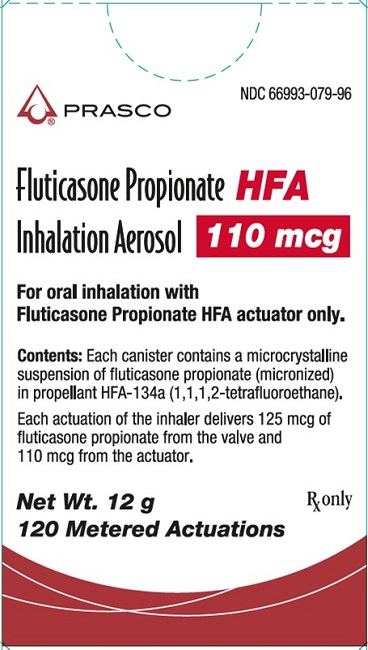
Fluticasone Propionate HFA 110 ug Aerosol, Metered — NDC 66993-079-96 (Billing 66993-0079-96)
This is a package of Fluticasone Propionate HFA 110 ug Aerosol, Metered from Prasco Laboratories, marketed since May 2022 and currently FDA-listed; retail pharmacies pay about $13.59 per g (NADAC). It is this product's only package size.
NDC database record
One package, one record: these facts belong to NDC 66993-079-96 alone.
- Record
- FDA NDC Directory package listing · Human prescription drug
- Code segments
- 66993 labeler · 079 product · 96 package
- Package marketed since
- May 23, 2022
- Sample package
- No — commercial package
- Listing certified through
- Dec 31, 2027
- Barcode (UPC-A, from the NDC)
- 3 6699307996 7
- Medicaid fills, this package
- 678,424 prescriptions in the last four reported quarters
- FDA record last changed
- Oct 8, 2026
Other active recalls for Fluticasone Propionate (different manufacturers) — 1 · tap to view
Identity & classification
Regulatory identifiers FDA, NLM and CMS codes for this package
Drug-database identifiers Medi-Span GPI and First Databank GCN / HICL / AHFS classification
- GSN (GCN sequence number): 021251
- GCN: 53636
- HICL (First Databank): 007873
- AHFS class code: 48:10.08.00
Where does this data come from?
- FDA openFDA NDC Directory · synced Oct 8, 2026
- FDA label on DailyMed · label index refreshed Oct 8, 2026
- RxNorm (NLM RxNav) · catalog refreshed Oct 8, 2026
- Medi-Span GPI (licensed)
- First Databank (licensed) · refreshed Oct 8, 2026
Clinical
Fluticasone oral inhalation is used to prevent difficulty breathing, chest tightness, wheezing, and coughing caused by asthma. It is in a class of medications called corticosteroids. Fluticasone works by decreasing swelling and irritation in the airways to allow for easier breathing.
Read the full MedlinePlus article ↗- It helps prevent asthma symptoms when used every day. It is for adults and children aged 4 and older. It will not stop a sudden attack, so keep your quick-relief inhaler with you.
- Not right away. Some people feel better sooner, but full benefit can take 1 to 2 weeks or longer. Keep using it as prescribed even if you feel fine.
- You breathe it in by mouth, usually twice a day about 12 hours apart. Prime it before first use and again if you have not used it in over 7 days or dropped it. Rinse your mouth wit...
- Common ones include throat irritation, colds or sinus symptoms, cough and headache. Thrush in the mouth can happen, and rinsing helps. Call your doctor if you see white patches or...
Patient education
Supplement & herbal interactions
Some supplements/herbs that may interact with Fluticasone Propionate — tap one for details:
Fluticasone may be associated with lower levels of 8 nutrients — worth a chat with your pharmacist, not a cause for alarm.
Where does this data come from?
- MedlinePlus (NLM) · refreshed Oct 8, 2026
- FDA label on DailyMed · label index refreshed Oct 8, 2026
Ask a licensed pharmacist directly — free, answered by our team.
Pricing
A drug doesn't have one price. Each row is a different public payment system, and none is what you'd pay at the counter — that depends on your insurance. The ⓘ on each row explains what it measures.
| Price system | Per g | Per package |
|---|---|---|
| Retail pharmacies payNADAC · weekly | $13.592 | — |
| Medicaid paysCMS SDUD · 12 mo | $15.70 | — |
| Medicare drug plans payPart D · Q2 2026 | $20.65 | — |
Where does this data come from?
- CMS NADAC weekly file · file of Oct 7, 2026
- CMS ASP pricing files · refreshed Sep 20, 2026
- CMS Medicaid State Drug Utilization Data · through Q1 2026
- CMS Part D plan pricing files · refreshed Sep 24, 2026
- VA National Acquisition Center price file
Packaging — all sizes for this product
| Package NDC | Description | Marketing start | Marketing end | Status |
|---|---|---|---|---|
| 66993-0079-96 You're viewing this Main listing | 1 INHALER in 1 CARTON / 120 AEROSOL, METERED in 1 INHALER | 2022-05-23 | — | Active |
Therapeutic equivalents
| Product | Labeler | Pack | NADAC/unit | TE | Status | Price vs. this |
|---|---|---|---|---|---|---|
| Fluticasone Propionate HFA 110 ugthis 66993-0079-96 | Prasco | 1 inhaler | $13.592 | AB | Availability likely | — |
| Fluticasone Propionate HFA 110 ug 50090-6058-00 | A-S | 1 inhaler | — | AB | FDA listed | — |
Where does this data come from?
- FDA openFDA NDC Directory · synced Oct 8, 2026
- FDA Orange Book · refreshed Oct 3, 2026
- CMS NADAC weekly file · file of Oct 7, 2026
Availability & generic status
FDA-approved generic versions are listed, and recent pricing/market data suggests they may be available — see Therapeutic equivalents.
Where does this data come from?
- FDA Orange Book · refreshed Oct 3, 2026
Inactive Ingredients / Excipients
Inactive ingredients, also called excipients, are components of the drug product other than the active ingredient. They may include fillers, dyes, coatings, preservatives, flavors, or other formulation ingredients.
🧪 Avoiding an ingredient? See Fluticasone Oral Inhalation inactive ingredients by manufacturer: every current product's list side by side, so you can ask your pharmacy for the version that does not list it.
💡 Tap an ingredient (hover on desktop) to see what it is and why it’s used.
-
UNII DH9E53K1Y8
A synthetic fluorinated hydrocarbon used primarily as a propellant or aerosol dispersant in pressurized inhaler formulations to help deliver medication to the lungs.
1 inactive ingredient listed in the exact product block matched to this NDC.
Where does this data come from?
ingredient classCode="IACT" elements from the exact product block matched by this NDC. Label-section narrative from DailyMed / the openFDA label index is shown separately when available.- FDA label on DailyMed · label index refreshed Oct 8, 2026
- FDA openFDA NDC Directory · synced Oct 8, 2026
Inactive ingredient FAQ
Are inactive ingredients the same for every manufacturer?
Why might an inactive ingredient be missing?
Can inactive ingredients matter?
Manufacturer & labeler
More NDCs from Prasco Laboratories labeler code 66993
- Estradiol Vaginal Cream .1 mg/g Cream NDC 66993-002-10
- Albuterol Sulfate HFA 90 ug Aerosol, Metered NDC 66993-019-68
- Atovaquone and Proguanil HCl atovaquone and proguanil hydrochloride 250 mg; 100 mg Tablet, Film Coated NDC 66993-060-02
- Fluticasone Propionate HFA 44 ug Aerosol, Metered NDC 66993-078-96
- Fluticasone Propionate HFA 220 ug Aerosol, Metered NDC 66993-080-96
- SUMATRIPTAN 5 mg/100uL Spray NDC 66993-081-69
- SUMATRIPTAN 20 mg/100uL Spray NDC 66993-082-69
- Fluticasone Propionate and Salmeterol HFA fluticasone propionate and salmeterol xinafoate 45 ug; 21 ug Aerosol, Metered NDC 66993-086-96
- Fluticasone Propionate and Salmeterol HFA fluticasone propionate and salmeterol xinafoate 115 ug; 21 ug Aerosol, Metered NDC 66993-087-96
- Fluticasone Propionate and Salmeterol HFA fluticasone propionate and salmeterol xinafoate 230 ug; 21 ug Aerosol, Metered NDC 66993-088-96
Where does this data come from?
- FDA openFDA NDC Directory · synced Oct 8, 2026
- Drugs@FDA
Full prescribing information FDA SPL
🎯 Indications and Usage ▾
1 INDICATIONS AND USAGE Fluticasone Propionate HFA is indicated for the maintenance treatment of asthma as prophylactic therapy in adult and pediatric patients aged 4 years and older. Limitations of Use Fluticasone Propionate HFA is not indicated for the relief of acute bronchospasm. Fluticasone Propionate HFA is an inhaled corticosteroid indicated for: • Maintenance treatment of asthma as prophylactic therapy in adult and pediatric patients aged 4 years and older.
( 1 ) Limitations of use: Not indicated for relief of acute bronchospasm. ( 1 )
⏱️ Dosage and Administration ▾
2 DOSAGE AND ADMINISTRATION • For oral inhalation only. ( 2.1 ) • Starting dosage is based on prior asthma therapy and disease severity. ( 2.2 ) • Adult and adolescent patients aged 12 years and older: 88 mcg twice daily up to a maximum dosage of 880 mcg twice daily. ( 2.2 ) • Pediatric patients aged 4 to 11 years: 88 mcg twice daily. ( 2.2 )
2.1Administration Information Fluticasone Propionate HFA should be administered by the orally inhaled route only. After inhalation, rinse mouth with water without swallowing to help reduce the risk of oropharyngeal candidiasis. A valved holding chamber and mask may be used to deliver Fluticasone Propionate HFA to young patients.
Priming Prime Fluticasone Propionate HFA before using for the first time by releasing 4 sprays into the air away from the face, shaking well for 5 seconds before each spray. In cases where the inhaler has not been used for more than 7 days or when it has been dropped, prime the inhaler again by shaking well for 5 seconds and releasing 1 spray into the air away from the face. Avoid spraying in eyes.
2.2Recommended Dosage Adult and Adolescent Patients Aged 12 Years and Older The recommended starting dosage for patients aged 12 years and older who are not on an inhaled corticosteroid (ICS): 88 mcg (2 inhalations of 44 mcg fluticasone propionate) twice daily by oral inhalation, approximately 12 hours apart. • The maximum recommended dosage for patients aged 12 years and older is 880 mcg twice daily. Pediatric Patients Aged 4 to 11 Years The recommended dosage for patients aged 4 to 11 years: 88 mcg (2 inhalations of 44 mcg fluticasone propionate) twice daily by oral inhalation, approximately 12 hours apart.
General Dosing Recommendations The starting dosage is based on previous asthma therapy and asthma severity, including consideration of patients’ current control of asthma symptoms and risk of future exacerbation. If symptoms arise between doses, an inhaled short-acting beta 2 -agonist should be used for immediate relief. Individual patients will experience a variable time to onset and degree of symptom relief.
Maximum benefit may not be achieved for 1 to 2 weeks or longer after starting treatment. For other patients, and for patients who do not respond adequately to the starting dosage after 2 weeks of therapy, higher dosages may provide additional asthma control. If a dosage regimen fails to provide adequate control of asthma, the therapeutic regimen should be re-evaluated and additional therapeutic options, e.g., replacing the current strength with a higher strength, initiating an ICS and long-acting beta 2 -agonist (LABA) combination product, or initiating oral corticosteroids, should be considered.
After asthma stability has been achieved, titrate to the lowest effective dosage to reduce the possibility of side effects.
💊 Dosage Forms and Strengths ▾
3 DOSAGE FORMS AND STRENGTHS Inhalation aerosol: dark orange plastic inhaler with a peach cap containing a pressurized metered-dose aerosol canister containing 120 metered inhalations and fitted with a counter. • 44 mcg of fluticasone propionate from the mouthpiece per actuation • 110 mcg of fluticasone propionate from the mouthpiece per actuation • 220 mcg of fluticasone propionate from the mouthpiece per actuation Inhalation aerosol: • 44 mcg fluticasone propionate per actuation ( 3 ) • 110 mcg fluticasone propionate per actuation ( 3 ) • 220 mcg fluticasone propionate per actuation ( 3 )
⛔ Contraindications ▾
4 CONTRAINDICATIONS Fluticasone Propionate HFA is contraindicated in the following conditions: • Primary treatment of status asthmaticus or other acute episodes of asthma where intensive measures are required [see Warnings and Precautions ( 5.2 )] . • Hypersensitivity to any of the ingredients [see Warnings and Precautions ( 5.6 ), Adverse Reactions ( 6.2 ), Description ( 11 )] . • Primary treatment of status asthmaticus or acute episodes of asthma requiring intensive measures. ( 4 ) • Hypersensitivity to any ingredient.
( 4 )
⚠️ Warnings and Cautions ▾
5 WARNINGS AND PRECAUTIONS • Candida albicans infection of the mouth and pharynx may occur. Monitor patients periodically. Advise the patient to rinse his/her mouth with water without swallowing after inhalation to help reduce the risk.
( 5.1 ) • Potential worsening of infections (e.g., existing tuberculosis; fungal, bacterial, viral, or parasitic infections; ocular herpes simplex). Use with caution in patients with these infections. More serious or even fatal course of chickenpox or measles can occur in susceptible patients.
( 5.3 ) • Risk of impaired adrenal function when transferring from systemic corticosteroids. Taper patients slowly from systemic corticosteroids if transferring to Fluticasone Propionate HFA. ( 5.4 ) • Hypercorticism and adrenal suppression may occur with very high dosages or at the regular dosage in susceptible individuals.
If such changes occur, discontinue Fluticasone Propionate HFA slowly. ( 5.5 ) • Assess for decrease in bone mineral density initially and periodically thereafter. ( 5.7 ) • Monitor growth of pediatric patients.
( 5.8 ) • Glaucoma and cataracts may occur with long-term use of an inhaled corticosteroid (ICS). Consider referral to an ophthalmologist in patients who develop ocular symptoms or use Fluticasone Propionate HFA long term. ( 5.9 )
5.1Oropharyngeal Candidiasis In clinical trials, the development of localized infections of the mouth and pharynx with Candida albicans has occurred in subjects treated with fluticasone propionate HFA. When such an infection develops, it should be treated with appropriate local or systemic (i.e., oral) antifungal therapy while treatment with Fluticasone Propionate HFA continues, but at times therapy with Fluticasone Propionate HFA may need to be interrupted. Advise the patient to rinse his/her mouth with water without swallowing following inhalation to help reduce the risk of oropharyngeal candidiasis.
5.2Acute Asthma Episodes Fluticasone Propionate HFA is not to be regarded as a bronchodilator and is not indicated for rapid relief of bronchospasm. Patients should be instructed to contact their physicians immediately when episodes of asthma that are not responsive to bronchodilators occur during the course of treatment with Fluticasone Propionate HFA. During such episodes, patients may require therapy with oral corticosteroids.
5.3Immunosuppression and Risk of Infections Persons who are using drugs that suppress the immune system are more susceptible to infections than healthy individuals. Chickenpox and measles, for example, can have a more serious or even fatal course in susceptible children or adults using corticosteroids. In such children or adults who have not had these diseases or been properly immunized, particular care should be taken to avoid exposure.
How the dose, route, and duration of corticosteroid administration affect the risk of developing a disseminated infection is not known. The contribution of the underlying disease and/or prior corticosteroid treatment to the risk is also not known. If a patient is exposed to chickenpox, prophylaxis with varicella zoster immune globulin (VZIG) may be indicated.
If a patient is exposed to measles, prophylaxis with pooled intramuscular immunoglobulin (IG) may be indicated. (See the respective package inserts for complete VZIG and IG prescribing information.) If chickenpox develops, treatment with antiviral agents may be considered. ICS should be used with caution, if at all, in patients with active or quiescent tuberculosis infections of the respiratory tract; systemic fungal, bacterial, viral, or parasitic infections; or ocular herpes simplex.
5.4Transferring Patients from Systemic Corticosteroid Therapy Hypothalamic-Pituitary-Adrenal Suppression/Adrenal Insufficiency Particular care is needed for patients who have been transferred from systemically active corticosteroids to ICS because deaths due to adrenal insufficiency have occurred in patients with asthma during and after transfer from sys… [Excerpted — this section continues on DailyMed.]
🤒 Adverse Reactions ▾
6 ADVERSE REACTIONS The following clinically significant adverse reactions are described elsewhere in the labeling: • Oropharyngeal candidiasis infection [see Warnings and Precautions ( 5.1 )] • Immunosuppression and risk of infections [see Warnings and Precautions ( 5.3 )] • Hypercorticism and adrenal suppression [see Warnings and Precautions ( 5.5 )] • Reduction in bone mineral density [see Warnings and Precautions ( 5.7 )] • Growth effects [see Warnings and Precautions ( 5.8 )] • Glaucoma and cataracts [see Warnings and Precautions ( 5.9 )] Most common adverse reactions (incidence >3%) are upper respiratory tract infection or inflammation, throat irritation, sinusitis, dysphonia, candidiasis, cough, bronchitis, and headache.
( 6.1 ) To report SUSPECTED ADVERSE REACTIONS, contact Prasco Laboratories at 1-866-525-0688 or FDA at 1-800-FDA-1088 or www.fda.gov/medwatch .
6.1Clinical Trials Experience Because clinical trials are conducted under widely varying conditions, adverse reaction rates observed in the clinical trials of a drug cannot be directly compared with rates in the clinical trials of another drug and may not reflect the rates observed in practice. The incidence of common adverse reactions in Table 1 is based upon 2 placebo-controlled U.S. clinical trials in which 812 adult and adolescent subjects (457 females and 355 males) previously treated with as-needed bronchodilators and/or ICS were treated twice daily for up to 12 weeks with 2 inhalations of fluticasone propionate HFA 44 mcg, fluticasone propionate HFA 110 mcg, fluticasone propionate HFA 220 mcg (dosages of 88, 220, or 440 mcg twice daily), or placebo.
Table 1. Adverse Reactions with Fluticasone Propionate HFA with >3% Incidence and More Common than Placebo in Subjects Aged 12 Years and Older with Asthma Adverse Event Fluticasone Propionate HFA 88 mcg Twice Daily (n = 203) % Fluticasone Propionate HFA 220 mcg Twice Daily (n = 204) % Fluticasone Propionate HFA 440 mcg Twice Daily (n = 202) % Placebo (n = 203) % Ear, nose, and throat Upper respiratory tract infection 18 16 16 14 Throat irritation 8 8 10 5 Upper respiratory inflammation 2 5 5 1 Sinusitis/sinus infection 6 7 4 3 Hoarseness/dysphonia 2 3 6 <1 Gastrointestinal Candidiasis mouth/throat and non-site specific 4 2 5 <1 Lower respiratory Cough 4 6 4 5 Bronchitis 2 2 6 5 Neurological Headache 11 7 5 6 Table 1 includes all events (whether considered drug-related or nondrug-related by the investigator) that occurred at a rate of over 3% in any of the groups treated with fluticasone propionate HFA and were more common than in the placebo group.
Less than 2% of subjects discontinued from the trials because of adverse reactions. The average duration of exposure was 73 to 76 days in the active treatment groups compared with 60 days in the placebo group. Additional Adverse Reactions Other adverse reactions not previously listed, whether considered drug-related or not by the investigators, that were reported more frequently by subjects with asthma treated with fluticasone propionate HFA compared with subjects treated with placebo include the following: rhinitis, rhinorrhea/post-nasal drip, nasal sinus disorders, laryngitis, diarrhea, viral gastrointestinal infections, dyspeptic symptoms, gastrointestinal discomfort and pain, hyposalivation, musculoskeletal pain, muscle pain, muscle stiffness/tightness/rigidity, dizziness, migraines, fever, viral infections, pain, chest symptoms, viral skin infections, muscle injuries, soft tissue injuries, urinary infections.
Fluticasone propionate inhalation aerosol (440 or 880 mcg twice daily) was administered for 16 weeks to 168 subjects with asthma requiring oral corticosteroids (Trial 3). Adverse reactions not included above but reported by more than 3 subjects in either group treated with fluticasone propionate HFA and more commonly than in the placebo group included nausea and vomiting, arthralgia and articular rheumatism, and malaise and fatigue. In 2 long-term trials… [Excerpted — this section continues on DailyMed.]
🔄 Drug Interactions ▾
7 DRUG INTERACTIONS Strong cytochrome P450 3A4 inhibitors (e.g., ritonavir, ketoconazole): Use not recommended. May increase risk of systemic corticosteroid effects. ( 7.1 )
7.1Inhibitors of Cytochrome P450 3A4 Fluticasone propionate is a substrate of CYP3A4. The use of strong CYP3A4 inhibitors (e.g., ritonavir, atazanavir, clarithromycin, indinavir, itraconazole, nefazodone, nelfinavir, saquinavir, ketoconazole, telithromycin) with Fluticasone Propionate HFA is not recommended because increased systemic corticosteroid adverse effects may occur. Ritonavir A drug interaction trial with fluticasone propionate aqueous nasal spray in healthy subjects has shown that ritonavir (a strong CYP3A4 inhibitor) can significantly increase plasma fluticasone propionate exposure, resulting in significantly reduced serum cortisol concentrations [see Clinical Pharmacology ( 12.3 )] .
During postmarketing use, there have been reports of clinically significant drug interactions in patients receiving fluticasone propionate and ritonavir, resulting in systemic corticosteroid effects including Cushing’s syndrome and adrenal suppression. Ketoconazole Coadministration of orally inhaled fluticasone propionate (1,000 mcg) and ketoconazole (200 mg once daily) resulted in a 1.9-fold increase in plasma fluticasone propionate exposure and a 45% decrease in plasma cortisol area under the curve (AUC), but had no effect on urinary excretion of cortisol.
👥 Use in Specific Populations ▾
8 USE IN SPECIFIC POPULATIONS Hepatic impairment: Monitor patients for signs of increased drug exposure. ( 8.6 )
8.1Pregnancy Risk Summary There are insufficient data on the use of fluticasone propionate HFA in pregnant women. There are clinical considerations with the use of fluticasone propionate HFA in pregnant women. (See Clinical Considerations.) In animals, teratogenicity characteristic of corticosteroids, decreased fetal body weight and/or skeletal variations in rats, mice, and rabbits, was observed with subcutaneously administered maternal toxic doses of fluticasone propionate less than the maximum recommended human daily inhaled dose (MRHDID) on a mcg/m 2 basis.
(See Data.) However, fluticasone propionate administered via inhalation to rats decreased fetal body weight but did not induce teratogenicity at a maternal toxic dose less than the MRHDID on a mcg/m 2 basis. (See Data.) Experience with oral corticosteroids suggests that rodents are more prone to teratogenic effects from corticosteroids than humans. The estimated risk of major birth defects and miscarriage for the indicated population is unknown.
In the U.S. general population, the estimated risk of major birth defects and miscarriage in clinically recognized pregnancies is 2% to 4% and 15% to 20%, respectively. Clinical Considerations Disease-Associated Maternal and/or Embryofetal Risk: In women with poorly or moderately controlled asthma, there is an increased risk of several perinatal outcomes such as pre-eclampsia in the mother and prematurity, low birth weight, and small for gestational age in the neonate. Pregnant women with asthma should be closely monitored and medication adjusted as necessary to maintain optimal asthma control.
Data Human Data: Following inhaled administration, fluticasone propionate was detected in the neonatal cord blood after delivery. Animal Data: In embryofetal development studies with pregnant rats and mice dosed by the subcutaneous route throughout the period of organogenesis, fluticasone propionate was teratogenic in both species. Omphalocele, decreased body weight, and skeletal variations were observed in rat fetuses, in the presence of maternal toxicity, at a dose approximately 0.5 times the MRHDID (on a mcg/m 2 basis with a maternal subcutaneous dose of 100 mcg/kg/day).
The rat no observed adverse effect level (NOAEL) was observed at approximately 0.17 times the MRHDID (on a mcg/m 2 basis with a maternal subcutaneous dose of 30 mcg/kg/day). Cleft palate and fetal skeletal variations were observed in mouse fetuses at a dose approximately 0.1 times the MRHDID (on a mcg/m 2 basis with a maternal subcutaneous dose of 45 mcg/kg/day). The mouse NOAEL was observed with a dose approximately 0.04 times the MRHDID (on a mcg/m 2 basis with a maternal subcutaneous dose of 15 mcg/kg/day).
In an embryofetal development study with pregnant rats dosed by the inhalation route throughout the period of organogenesis, fluticasone propionate produced decreased fetal body weights and skeletal variations, in the presence of maternal toxicity, at a dose approximately 0.14 times the MRHDID (on a mcg/m 2 basis with a maternal inhalation dose of 25.7 mcg/kg/day); however, there was no evidence of teratogenicity. The NOAEL was observed with a dose approximately 0.03 times the MRHDID (on a mcg/m 2 basis with a maternal inhalation dose of 5.5 mcg/kg/day).
In an embryofetal development study in pregnant rabbits that were dosed by the subcutaneous route throughout organogenesis, fluticasone propionate produced reductions of fetal body weights, in the presence of maternal toxicity, at doses approximately 0.006 times the MRHDID and higher (on a mcg/m 2 basis with a maternal subcutaneous dose of 0.57 mcg/kg/day). Teratogenicity was evident based upon a finding of cleft palate for 1 fetus at a dose approximately 0.04 times the MRHDID (on a mcg/m 2 basis with a maternal subcutaneous dose of 4 mcg/kg/day).
The NOAEL was observed in rabbit fetuses with a dose ap… [Excerpted — this section continues on DailyMed.]
🤰 Pregnancy ▾
8.1Pregnancy Risk Summary There are insufficient data on the use of fluticasone propionate HFA in pregnant women. There are clinical considerations with the use of fluticasone propionate HFA in pregnant women. (See Clinical Considerations.) In animals, teratogenicity characteristic of corticosteroids, decreased fetal body weight and/or skeletal variations in rats, mice, and rabbits, was observed with subcutaneously administered maternal toxic doses of fluticasone propionate less than the maximum recommended human daily inhaled dose (MRHDID) on a mcg/m 2 basis.
(See Data.) However, fluticasone propionate administered via inhalation to rats decreased fetal body weight but did not induce teratogenicity at a maternal toxic dose less than the MRHDID on a mcg/m 2 basis. (See Data.) Experience with oral corticosteroids suggests that rodents are more prone to teratogenic effects from corticosteroids than humans. The estimated risk of major birth defects and miscarriage for the indicated population is unknown.
In the U.S. general population, the estimated risk of major birth defects and miscarriage in clinically recognized pregnancies is 2% to 4% and 15% to 20%, respectively. Clinical Considerations Disease-Associated Maternal and/or Embryofetal Risk: In women with poorly or moderately controlled asthma, there is an increased risk of several perinatal outcomes such as pre-eclampsia in the mother and prematurity, low birth weight, and small for gestational age in the neonate. Pregnant women with asthma should be closely monitored and medication adjusted as necessary to maintain optimal asthma control.
Data Human Data: Following inhaled administration, fluticasone propionate was detected in the neonatal cord blood after delivery. Animal Data: In embryofetal development studies with pregnant rats and mice dosed by the subcutaneous route throughout the period of organogenesis, fluticasone propionate was teratogenic in both species. Omphalocele, decreased body weight, and skeletal variations were observed in rat fetuses, in the presence of maternal toxicity, at a dose approximately 0.5 times the MRHDID (on a mcg/m 2 basis with a maternal subcutaneous dose of 100 mcg/kg/day).
The rat no observed adverse effect level (NOAEL) was observed at approximately 0.17 times the MRHDID (on a mcg/m 2 basis with a maternal subcutaneous dose of 30 mcg/kg/day). Cleft palate and fetal skeletal variations were observed in mouse fetuses at a dose approximately 0.1 times the MRHDID (on a mcg/m 2 basis with a maternal subcutaneous dose of 45 mcg/kg/day). The mouse NOAEL was observed with a dose approximately 0.04 times the MRHDID (on a mcg/m 2 basis with a maternal subcutaneous dose of 15 mcg/kg/day).
In an embryofetal development study with pregnant rats dosed by the inhalation route throughout the period of organogenesis, fluticasone propionate produced decreased fetal body weights and skeletal variations, in the presence of maternal toxicity, at a dose approximately 0.14 times the MRHDID (on a mcg/m 2 basis with a maternal inhalation dose of 25.7 mcg/kg/day); however, there was no evidence of teratogenicity. The NOAEL was observed with a dose approximately 0.03 times the MRHDID (on a mcg/m 2 basis with a maternal inhalation dose of 5.5 mcg/kg/day).
In an embryofetal development study in pregnant rabbits that were dosed by the subcutaneous route throughout organogenesis, fluticasone propionate produced reductions of fetal body weights, in the presence of maternal toxicity, at doses approximately 0.006 times the MRHDID and higher (on a mcg/m 2 basis with a maternal subcutaneous dose of 0.57 mcg/kg/day). Teratogenicity was evident based upon a finding of cleft palate for 1 fetus at a dose approximately 0.04 times the MRHDID (on a mcg/m 2 basis with a maternal subcutaneous dose of 4 mcg/kg/day).
The NOAEL was observed in rabbit fetuses with a dose approximately 0.001 times the MRHDID (on a mcg/m 2 basis with a maternal subcutaneous dose of 0.08 mcg/kg/day). Flu… [Excerpted — this section continues on DailyMed.]
🧒 Pediatric Use ▾
8.4Pediatric Use The safety and effectiveness of fluticasone propionate HFA in pediatric patients aged 4 years and older have been established [see Adverse Reactions ( 6.1 ), Clinical Pharmacology ( 12.3 ), Clinical Studies ( 14.2 )] . Use of fluticasone propionate HFA in patients aged 4 to 11 years is supported by evidence from adequate and well-controlled trials in adults and adolescents aged 12 years and older, pharmacokinetic trials in patients aged 4 to 11 years, established efficacy of fluticasone propionate formulated as FLOVENT DISKUS (fluticasone propionate inhalation powder) and FLOVENT ROTADISK (fluticasone propionate inhalation powder) in patients aged 4 to 11 years, and supportive findings with fluticasone propionate HFA in a trial conducted in subjects aged 4 to 11 years.
The safety and effectiveness of fluticasone propionate HFA in pediatric patients younger than 4 years have not been established. Effects on Growth Orally inhaled corticosteroids may cause a reduction in growth velocity when administered to pediatric patients. A reduction of growth velocity in children or teenagers may occur as a result of poorly controlled asthma or from use of corticosteroids including ICS.
The effects of long-term treatment of children and adolescents with ICS, including fluticasone propionate, on final adult height are not known. Controlled clinical trials have shown that ICS may cause a reduction in growth in pediatric patients. In these trials, the mean reduction in growth velocity was approximately 1 cm/year (range: 0.3 to 1.8 cm/year) and appeared to depend upon dose and duration of exposure.
This effect was observed in the absence of laboratory evidence of HPA axis suppression, suggesting that growth velocity is a more sensitive indicator of systemic corticosteroid exposure in pediatric patients than some commonly used tests of HPA axis function. The long-term effects of this reduction in growth velocity associated with orally inhaled corticosteroids, including the impact on final adult height, are unknown. The potential for “catch-up” growth following discontinuation of treatment with orally inhaled corticosteroids has not been adequately studied.
The effects on growth velocity of treatment with orally inhaled corticosteroids for over 1 year, including the impact on final adult height, are unknown. The growth of children and adolescents receiving orally inhaled corticosteroids, including Fluticasone Propionate HFA, should be monitored routinely (e.g., via stadiometry). The potential growth effects of prolonged treatment should be weighed against the clinical benefits obtained and the risks associated with alternative therapies.
To minimize the systemic effects of orally inhaled corticosteroids, including Fluticasone Propionate HFA, each patient should be titrated to the lowest dose that effectively controls his/her symptoms. Since a cross trial comparison in adult and adolescent subjects (aged 12 years and older) indicated that systemic exposure of inhaled fluticasone propionate from fluticasone propionate HFA would be higher than exposure from FLOVENT ROTADISK, results from a trial to assess the potential growth effects of FLOVENT ROTADISK in pediatric subjects (aged 4 to 11 years) are provided.
A 52-week placebo-controlled trial to assess the potential growth effects of fluticasone propionate inhalation powder (FLOVENT ROTADISK) at 50 and 100 mcg twice daily was conducted in the U.S. in 325 prepubescent children (244 males and 81 females) aged 4 to 11 years. The mean growth velocities at 52 weeks observed in the intent-to-treat population were 6.32 cm/year in the placebo group (n = 76), 6.07 cm/year in the 50-mcg group (n = 98), and 5.66 cm/year in the 100-mcg group (n = 89). An imbalance in the proportion of children entering puberty between groups and a higher dropout rate in the placebo group due to poorly controlled asthma may be confounding factors in interpreting these data.
A separate subset analysis of childr… [Excerpted — this section continues on DailyMed.]
🧓 Geriatric Use ▾
8.5Geriatric Use Of the total number of subjects treated with fluticasone propionate HFA in U.S. and non-U.S. clinical trials, 173 were aged 65 years or older, 19 of which were 75 years or older. No overall differences in safety or effectiveness were observed between these subjects and younger subjects, and other reported clinical experience has not identified differences in responses between the elderly and younger subjects, but greater sensitivity of some older individuals cannot be ruled out.
🆘 Overdosage ▾
10 OVERDOSAGE Chronic overdosage may result in signs/symptoms of hypercorticism [see Warnings and Precautions ( 5.5 )] .
🧬 Clinical Pharmacology ▾
12 CLINICAL PHARMACOLOGY
12.1Mechanism of Action Fluticasone propionate is a synthetic trifluorinated corticosteroid with anti-inflammatory activity. Fluticasone propionate has been shown in vitro to exhibit a binding affinity for the human glucocorticoid receptor that is 18 times that of dexamethasone, almost twice that of beclomethasone‑17‑monopropionate (BMP), the active metabolite of beclomethasone dipropionate, and over 3 times that of budesonide. Data from the McKenzie vasoconstrictor assay in man are consistent with these results.
The clinical significance of these findings is unknown. Inflammation is an important component in the pathogenesis of asthma. Corticosteroids have been shown to have a wide range of actions on multiple cell types (e.g., mast cells, eosinophils, neutrophils, macrophages, lymphocytes) and mediators (e.g., histamine, eicosanoids, leukotrienes, cytokines) involved in inflammation.
These anti-inflammatory actions of corticosteroids contribute to their efficacy in asthma. Though effective for the treatment of asthma, corticosteroids do not affect asthma symptoms immediately. Individual patients will experience a variable time to onset and degree of symptom relief.
Maximum benefit may not be achieved for 1 to 2 weeks or longer after starting treatment. When corticosteroids are discontinued, asthma stability may persist for several days or longer. Trials in subjects with asthma have shown a favorable ratio between topical anti-inflammatory activity and systemic corticosteroid effects with recommended doses of orally inhaled fluticasone propionate.
This is explained by a combination of a relatively high local anti-inflammatory effect, negligible oral systemic bioavailability (<1%), and the minimal pharmacological activity of the only metabolite detected in man.
12.2Pharmacodynamics Serum cortisol concentrations, urinary excretion of cortisol, and urine 6-β-hydroxycortisol excretion collected over 24 hours in 24 healthy subjects following 8 inhalations of fluticasone propionate HFA 44, 110, and 220 mcg decreased with increasing dose. However, in patients with asthma treated with 2 inhalations of fluticasone propionate HFA 44, 110, and 220 mcg twice daily for at least 4 weeks, differences in serum cortisol AUC (0-12 h) (n = 65) and 24-hour urinary excretion of cortisol (n = 47) compared with placebo were not related to dose and generally not significant.
In the trial with healthy volunteers, the effect of propellant was also evaluated by comparing results following the 220-mcg strength inhaler containing HFA 134a propellant with the same strength of inhaler containing CFC 11/12 propellant. A lesser effect on the HPA axis with the HFA formulation was observed for serum cortisol, but not urine cortisol and 6-betahydroxy cortisol excretion. In addition, in a crossover trial in children with asthma aged 4 to 11 years (N = 40), 24-hour urinary excretion of cortisol was not affected after a 4-week treatment period with 88 mcg of fluticasone propionate HFA twice daily compared with urinary excretion after the 2-week placebo period.
The ratio (95% CI) of urinary excretion of cortisol over 24 hours following fluticasone propionate HFA versus placebo was 0.987 (0.796, 1.223). The potential systemic effects of fluticasone propionate HFA on the HPA axis were also studied in subjects with asthma. Fluticasone propionate given by inhalation aerosol at dosages of 440 or 880 mcg twice daily was compared with placebo in oral corticosteroid-dependent subjects with asthma (range of mean dose of prednisone at baseline: 13 to 14 mg/day) in a 16-week trial.
Consistent with maintenance treatment with oral corticosteroids, abnormal plasma cortisol responses to short cosyntropin stimulation (peak plasma cortisol <18 mcg/dL) were present at baseline in the majority of subjects participating in this trial (69% of subjects later randomized to placebo and 72% to 78% of subjects later randomized to fluticasone propionate HFA). At we… [Excerpted — this section continues on DailyMed.]
🧬 Mechanism of Action ▾
12.1Mechanism of Action Fluticasone propionate is a synthetic trifluorinated corticosteroid with anti-inflammatory activity. Fluticasone propionate has been shown in vitro to exhibit a binding affinity for the human glucocorticoid receptor that is 18 times that of dexamethasone, almost twice that of beclomethasone‑17‑monopropionate (BMP), the active metabolite of beclomethasone dipropionate, and over 3 times that of budesonide. Data from the McKenzie vasoconstrictor assay in man are consistent with these results.
The clinical significance of these findings is unknown. Inflammation is an important component in the pathogenesis of asthma. Corticosteroids have been shown to have a wide range of actions on multiple cell types (e.g., mast cells, eosinophils, neutrophils, macrophages, lymphocytes) and mediators (e.g., histamine, eicosanoids, leukotrienes, cytokines) involved in inflammation.
These anti-inflammatory actions of corticosteroids contribute to their efficacy in asthma. Though effective for the treatment of asthma, corticosteroids do not affect asthma symptoms immediately. Individual patients will experience a variable time to onset and degree of symptom relief.
Maximum benefit may not be achieved for 1 to 2 weeks or longer after starting treatment. When corticosteroids are discontinued, asthma stability may persist for several days or longer. Trials in subjects with asthma have shown a favorable ratio between topical anti-inflammatory activity and systemic corticosteroid effects with recommended doses of orally inhaled fluticasone propionate.
This is explained by a combination of a relatively high local anti-inflammatory effect, negligible oral systemic bioavailability (<1%), and the minimal pharmacological activity of the only metabolite detected in man.
📦 How Supplied / Storage and Handling ▾
16 HOW SUPPLIED/STORAGE AND HANDLING Fluticasone Propionate HFA is supplied in the following boxes of 1 as a pressurized aluminum canister fitted with a counter and supplied with a dark orange actuator with a peach cap: • Fluticasone Propionate HFA 44 mcg: 10.6-g canister containing 120 actuations (NDC 66993-078-96) • Fluticasone Propionate HFA 110 mcg: 12-g canister containing 120 actuations (NDC 66993-079-96) • Fluticasone Propionate HFA 220 mcg: 12-g canister containing 120 actuations (NDC 66993-080-96) Each inhaler is packaged with a Patient Information leaflet.
The dark orange actuator supplied with Fluticasone Propionate HFA should not be used with any other product canisters, and actuators from other products should not be used with a Fluticasone Propionate HFA canister. Counter Fluticasone Propionate HFA has a counter attached to the canister. The counter starts at 124 and counts down each time a spray is released.
The correct amount of medication in each actuation cannot be assured after the counter reads 000, even though the canister is not completely empty and will continue to operate. The inhaler should be discarded when the counter reads 000. Contents under Pressure Do not puncture.
Do not use or store near heat or open flame. Exposure to temperatures above 120°F may cause bursting. Never throw canister into fire or incinerator.
Storage Store at room temperature between 68°F and 77°F (20°C and 25°C); excursions permitted from 59°F to 86°F (15°C to 30°C) [See USP Controlled Room Temperature]. Store the inhaler with the mouthpiece down. For best results, the inhaler should be at room temperature before use.
📋 Description ▾
11 DESCRIPTION Fluticasone Propionate HFA is a pressurized metered dose inhaler for oral inhalation. The active component of Fluticasone Propionate HFA 44 mcg, Fluticasone Propionate HFA 110 mcg, and Fluticasone Propionate HFA 220 mcg is fluticasone propionate, a corticosteroid having the chemical name S -(fluoromethyl) 6α,9-difluoro-11β,17-dihydroxy-16α-methyl-3-oxoandrosta-1,4-diene-17β-carbothioate,17-propionate and the following chemical structure: Fluticasone propionate is a white powder with a molecular weight of 500.6, and the empirical formula is C 25 H 31 F 3 O 5 S.
It is practically insoluble in water, freely soluble in dimethyl sulfoxide and dimethylformamide, and slightly soluble in methanol and 95% ethanol. Fluticasone Propionate HFA is a dark orange plastic inhaler with a peach cap containing a pressurized metered-dose aerosol canister fitted with a counter. Each canister contains a microcrystalline suspension of micronized fluticasone propionate in propellant HFA-134a (1,1,1,2-tetrafluoroethane).
It contains no other excipients. After priming, each actuation of the inhaler delivers 50, 125, or 250 mcg of fluticasone propionate in 60 mg of suspension (for the 44-mcg product) or in 75 mg of suspension (for the 110- and 220-mcg products) from the valve. Each actuation delivers 44, 110, or 220 mcg of fluticasone propionate from the actuator.
The actual amount of drug delivered to the lung will depend on patient factors, such as the coordination between the actuation of the inhaler and inspiration through the delivery system. Prime Fluticasone Propionate HFA before using for the first time by releasing 4 sprays into the air away from the face, shaking well for 5 seconds before each spray. In cases where the inhaler has not been used for more than 7 days or when it has been dropped, prime the inhaler again by shaking well for 5 seconds and releasing 1 spray into the air away from the face.
Avoid spraying in eyes. Fluticasone propionate chemical structure
💬 Information for Patients ▾
17 PATIENT COUNSELING INFORMATION Advise the patient to read the FDA-approved patient labeling (Patient Information and Instructions for Use). Oropharyngeal Candidiasis Inform patients that localized infections with Candida albicans occurred in the mouth and pharynx in some patients. If oropharyngeal candidiasis develops, treat it with appropriate local or systemic (i.e., oral) antifungal therapy while still continuing therapy with Fluticasone Propionate HFA, but at times therapy with Fluticasone Propionate HFA may need to be temporarily interrupted under close medical supervision.
Advise patients to rinse the mouth with water without swallowing after inhalation to help reduce the risk of thrush. [See Warnings and Precautions (5.1).] Status Asthmaticus and Acute Asthma Symptoms Inform patients that Fluticasone Propionate HFA is not a bronchodilator and is not intended for use as rescue medicine for acute asthma exacerbations. Advise patients to treat acute asthma symptoms with an inhaled, short-acting beta 2 -agonist such as albuterol. Instruct patients to contact their physicians immediately if there is deterioration of their asthma. [See Warnings and Precautions (5.2).] Immunosuppression and Risk of Infections Warn patients who are on immunosuppressant doses of corticosteroids to avoid exposure to chickenpox or measles and, if exposed, to consult their physicians without delay.
Inform patients of potential worsening of existing tuberculosis; fungal, bacterial, viral, or parasitic infections; or ocular herpes simplex. [See Warnings and Precautions (5.3).] Hypercorticism and Adrenal Suppression Advise patients that Fluticasone Propionate HFA may cause systemic corticosteroid effects of hypercorticism and adrenal suppression. Additionally, inform patients that deaths due to adrenal insufficiency have occurred during and after transfer from systemic corticosteroids. Patients should taper slowly from systemic corticosteroids if transferring to Fluticasone Propionate HFA. [See Warnings and Precautions (5.5).] Hypersensitivity Reactions, including Anaphylaxis Advise patients that immediate hypersensitivity reactions (e.g., urticaria, angioedema, rash, bronchospasm, hypotension), including anaphylaxis, may occur after administration of Fluticasone Propionate HFA.
Patients should discontinue Fluticasone Propionate HFA if such reactions occur. [See Warnings and Precautions (5.6).] Reduction in Bone Mineral Density Advise patients who are at an increased risk for decreased BMD that the use of corticosteroids may pose an additional risk. [See Warnings and Precautions (5.7).] Reduced Growth Velocity Inform patients that orally inhaled corticosteroids, including Fluticasone Propionate HFA, may cause a reduction in growth velocity when administered to pediatric patients. Physicians should closely follow the growth of children and adolescents taking corticosteroids by any route. [See Warnings and Precautions (5.8).] Glaucoma and Cataracts Advise patients that long-term use of ICS may increase the risk of some eye problems (cataracts or glaucoma); consider regular eye examinations. [See Warnings and Precautions (5.9).] Use Daily for Best Effect Patients should use Fluticasone Propionate HFA at regular intervals as directed.
Individual patients will experience a variable time to onset and degree of symptom relief and the full benefit may not be achieved until treatment has been administered for 1 to 2 weeks or longer. Patients should not increase the prescribed dosage but should contact their physicians if symptoms do not improve or if the condition worsens. Instruct patients not to stop use of Fluticasone Propionate HFA abruptly.
Patients should contact their physicians immediately if they discontinue use of Fluticasone Propionate HFA. Trademarks are owned by or licensed to the GSK group of companies. The other brands listed are trademarks owned by or licensed to their respective owners and are not owned by or licensed to the GSK group of co… [Excerpted — this section continues on DailyMed.]
🧬 Pharmacokinetics ▾
12.3Pharmacokinetics Absorption Fluticasone propionate acts locally in the lung; therefore, plasma levels do not predict therapeutic effect. Trials using oral dosing of labeled and unlabeled drug have demonstrated that the oral systemic bioavailability of fluticasone propionate is negligible (<1%), primarily due to incomplete absorption and presystemic metabolism in the gut and liver. In contrast, the majority of the fluticasone propionate delivered to the lung is systemically absorbed.
Distribution Following intravenous administration, the initial disposition phase for fluticasone propionate was rapid and consistent with its high lipid solubility and tissue binding. The volume of distribution averaged
4.2L/kg. The percentage of fluticasone propionate bound to human plasma proteins averages 99%. Fluticasone propionate is weakly and reversibly bound to erythrocytes and is not significantly bound to human transcortin.
Elimination Following intravenous dosing, fluticasone propionate showed polyexponential kinetics and had a terminal elimination half-life of approximately 7.8 hours. The total clearance of fluticasone propionate is high (average, 1,093 mL/min), with renal clearance accounting for <0.02% of the total. Less than 5% of a radiolabeled oral dose was excreted in the urine as metabolites, with the remainder excreted in the feces as parent drug and metabolites.
Metabolism: The only circulating metabolite detected in man is the 17β-carboxylic acid derivative of fluticasone propionate, which is formed through the CYP3A4 pathway. This metabolite had less affinity (approximately 1/2,000) than the parent drug for the glucocorticoid receptor of human lung cytosol in vitro and negligible pharmacological activity in animal studies. Other metabolites detected in vitro using cultured human hepatoma cells have not been detected in man.
Specific Populations Male and Female Patients: No significant difference in clearance (CL/F) of fluticasone propionate was observed. Pediatric Patients: A population pharmacokinetic analysis was performed for fluticasone propionate HFA using steady‑state data from 4 controlled clinical trials and single-dose data from 1 controlled clinical trial. The combined cohort for analysis included 269 subjects (161 males and 108 females) with asthma aged 6 months to 66 years who received treatment with fluticasone propionate HFA.
Most of these subjects (n = 215) were treated with fluticasone propionate HFA 44 mcg given as 88 mcg twice daily. Fluticasone propionate HFA was delivered using an AeroChamber Plus VHC with a mask to subjects aged younger than 4 years. Data from adult subjects with asthma following fluticasone propionate HFA 110 mcg given as 220 mcg twice daily (n = 15) and following fluticasone propionate HFA 220 mcg given as 440 mcg twice daily (n = 17) at steady state were also included.
Data for 22 subjects came from a single-dose crossover study of 264 mcg (6 doses of fluticasone propionate HFA 44 mcg) with and without AeroChamber Plus VHC in children with asthma aged 4 to 11 years. Stratification of exposure data following fluticasone propionate HFA 88 mcg by age and study indicated that systemic exposure to fluticasone propionate at steady state was similar in children aged 6 to younger than 12 months, children aged 1 to younger than 4 years, and adults and adolescents aged 12 years and older. Exposure was lower in children aged 4 to 11 years, who did not use a VHC, as shown in Table 3 .
Table 3. Systemic Exposure to Fluticasone Propionate following Fluticasone Propionate HFA 88 mcg Twice Daily Age Valved Holding Chamber N AUC (0-τ), pg•h/mL (95% CI) C max , pg/mL (95% CI) 6 to <12 Months Yes 17 141 (88, 227) 19 (13, 29) 1 to <4 Years Yes 164 143 (131, 157) 20 (18, 21) 4 to 11 Years No 14 68 (48, 97) 11 (8, 16) ≥12 Years No 20 149 (106, 210) 20 (15, 27) The lower exposure to fluticasone propionate in children aged 4 to 11 years who did not use a VHC may reflect the inability to coordinate actua… [Excerpted — this section continues on DailyMed.]
🧬 Pharmacodynamics ▾
12.2Pharmacodynamics Serum cortisol concentrations, urinary excretion of cortisol, and urine 6-β-hydroxycortisol excretion collected over 24 hours in 24 healthy subjects following 8 inhalations of fluticasone propionate HFA 44, 110, and 220 mcg decreased with increasing dose. However, in patients with asthma treated with 2 inhalations of fluticasone propionate HFA 44, 110, and 220 mcg twice daily for at least 4 weeks, differences in serum cortisol AUC (0-12 h) (n = 65) and 24-hour urinary excretion of cortisol (n = 47) compared with placebo were not related to dose and generally not significant.
In the trial with healthy volunteers, the effect of propellant was also evaluated by comparing results following the 220-mcg strength inhaler containing HFA 134a propellant with the same strength of inhaler containing CFC 11/12 propellant. A lesser effect on the HPA axis with the HFA formulation was observed for serum cortisol, but not urine cortisol and 6-betahydroxy cortisol excretion. In addition, in a crossover trial in children with asthma aged 4 to 11 years (N = 40), 24-hour urinary excretion of cortisol was not affected after a 4-week treatment period with 88 mcg of fluticasone propionate HFA twice daily compared with urinary excretion after the 2-week placebo period.
The ratio (95% CI) of urinary excretion of cortisol over 24 hours following fluticasone propionate HFA versus placebo was 0.987 (0.796, 1.223). The potential systemic effects of fluticasone propionate HFA on the HPA axis were also studied in subjects with asthma. Fluticasone propionate given by inhalation aerosol at dosages of 440 or 880 mcg twice daily was compared with placebo in oral corticosteroid-dependent subjects with asthma (range of mean dose of prednisone at baseline: 13 to 14 mg/day) in a 16-week trial.
Consistent with maintenance treatment with oral corticosteroids, abnormal plasma cortisol responses to short cosyntropin stimulation (peak plasma cortisol <18 mcg/dL) were present at baseline in the majority of subjects participating in this trial (69% of subjects later randomized to placebo and 72% to 78% of subjects later randomized to fluticasone propionate HFA). At week 16, 8 subjects (73%) on placebo compared with 14 (54%) and 13 (68%) subjects receiving fluticasone propionate HFA (440 and 880 mcg twice daily, respectively) had post-stimulation cortisol levels of <18 mcg/dL.
🔬 Clinical Studies ▾
14 CLINICAL STUDIES
14.1Adult and Adolescent Subjects Aged 12 Years and Older Three randomized, double-blind, parallel-group, placebo-controlled, U.S. clinical trials were conducted in 980 adult and adolescent subjects (aged 12 years and older) with asthma to assess the efficacy and safety of fluticasone propionate HFA in the treatment of asthma. Fixed dosages of 88, 220, and 440 mcg twice daily (each dose administered as 2 inhalations of the 44-, 110-, and 220-mcg strengths, respectively) and 880 mcg twice daily (administered as 4 inhalations of the 220-mcg strength) were compared with placebo to provide information about appropriate dosing to cover a range of asthma severity.
Subjects in these trials included those inadequately controlled with bronchodilators alone (Trial 1), those already receiving ICS (Trial 2), and those requiring oral corticosteroid therapy (Trial 3). In all 3 trials, subjects were allowed to use VENTOLIN (albuterol, USP) Inhalation Aerosol as needed for relief of acute asthma symptoms. In Trials 1 and 2, other maintenance asthma therapies were discontinued.
Trial 1 enrolled 397 subjects with asthma inadequately controlled on bronchodilators alone. Fluticasone propionate HFA was evaluated at dosages of 88, 220, and 440 mcg twice daily for 12 weeks. Baseline FEV 1 values were similar across groups (mean 67% of predicted normal).
All 3 dosages of fluticasone propionate HFA demonstrated a statistically significant improvement in lung function as measured by improvement in AM pre-dose FEV 1 compared with placebo. This improvement was observed after the first week of treatment and was maintained over the 12-week treatment period. At Endpoint (last observation), mean change from baseline in AM pre-dose percent predicted FEV 1 was greater in all 3 groups treated with fluticasone propionate HFA (9.0% to 11.2%) compared with the placebo group (3.4%).
The mean differences between the groups treated with fluticasone propionate HFA 88, 220, and 440 mcg and the placebo group were statistically significant, and the corresponding 95% confidence intervals were (2.2%, 9.2%), (2.8%, 9.9%), and (4.3%, 11.3%), respectively. Figure 1 displays results of pulmonary function tests (mean percent change from baseline in FEV 1 prior to AM dose) for the recommended starting dosage of fluticasone propionate HFA (88 mcg twice daily) and placebo from Trial 1. This trial used predetermined criteria for lack of efficacy (indicators of worsening asthma), resulting in withdrawal of more subjects in the placebo group.
Therefore, pulmonary function results at Endpoint (the last evaluable FEV 1 result, including most subjects’ lung function data) are also displayed. Figure 1. A 12-Week Clinical Trial in Subjects Aged 12 Years and Older Inadequately Controlled on Bronchodilators Alone: Mean Percent Change from Baseline in FEV 1 Prior to AM Dose (Trial 1) In Trial 2, fluticasone propionate HFA at dosages of 88, 220, and 440 mcg twice daily was evaluated over 12 weeks of treatment in 415 subjects with asthma who were already receiving an ICS at a daily dose within its recommended dose range in addition to as-needed albuterol.
Baseline FEV 1 values were similar across groups (mean 65% to 66% of predicted normal). All 3 dosages of fluticasone propionate HFA demonstrated a statistically significant improvement in lung function, as measured by improvement in FEV 1 , compared with placebo. This improvement was observed after the first week of treatment and was maintained over the 12-week treatment period.
Discontinuations from the trial for lack of efficacy (defined by a pre-specified decrease in FEV 1 or PEF, or an increase in use of VENTOLIN or nighttime awakenings requiring treatment with VENTOLIN) were lower in the groups treated with fluticasone propionate HFA (6% to 11%) compared with placebo (50%). At Endpoint (last observation), mean change from baseline in AM pre-dose percent predicted FEV 1 was greater in all 3 groups treated with flutica… [Excerpted — this section continues on DailyMed.]
🧪 Nonclinical Toxicology ▾
13 NONCLINICAL TOXICOLOGY
13.1Carcinogenesis, Mutagenesis, Impairment of Fertility Fluticasone propionate demonstrated no tumorigenic potential in mice at oral doses up to 1,000 mcg/kg (approximately 3 and 10 times the MRHDID for adults and children aged 4 to 11 years, respectively, on a mcg/m 2 basis) for 78 weeks or in rats at inhalation doses up to 57 mcg/kg (approximately 0.3 times and approximately equivalent to the MRHDID for adults and children aged 4 to 11 years, respectively, on a mcg/m 2 basis) for 104 weeks. Fluticasone propionate did not induce gene mutation in prokaryotic or eukaryotic cells in vitro .
No significant clastogenic effect was seen in cultured human peripheral lymphocytes in vitro or in the in vivo mouse micronucleus test. Fertility and reproductive performance were unaffected in male and female rats at subcutaneous doses up to 50 mcg/kg (approximately 0.3 times the MRHDID for adults on a mcg/m 2 basis).
📄 Carcinogenesis, Mutagenesis, Impairment of Fertility ▾
13.1Carcinogenesis, Mutagenesis, Impairment of Fertility Fluticasone propionate demonstrated no tumorigenic potential in mice at oral doses up to 1,000 mcg/kg (approximately 3 and 10 times the MRHDID for adults and children aged 4 to 11 years, respectively, on a mcg/m 2 basis) for 78 weeks or in rats at inhalation doses up to 57 mcg/kg (approximately 0.3 times and approximately equivalent to the MRHDID for adults and children aged 4 to 11 years, respectively, on a mcg/m 2 basis) for 104 weeks. Fluticasone propionate did not induce gene mutation in prokaryotic or eukaryotic cells in vitro .
No significant clastogenic effect was seen in cultured human peripheral lymphocytes in vitro or in the in vivo mouse micronucleus test. Fertility and reproductive performance were unaffected in male and female rats at subcutaneous doses up to 50 mcg/kg (approximately 0.3 times the MRHDID for adults on a mcg/m 2 basis).
📄 Patient Package Insert ▾
PATIENT INFORMATION Fluticasone Propionate HFA inhalation aerosol for oral inhalation use What is Fluticasone Propionate HFA? Fluticasone Propionate HFA is a prescription inhaled corticosteroid (ICS) medicine used for the long-term treatment of asthma in people aged 4 years and older. • ICS medicines such as fluticasone propionate help to decrease inflammation in the lungs. Inflammation in the lungs can lead to breathing problems. • Fluticasone Propionate HFA is not used to relieve sudden breathing problems and will not replace a rescue inhaler. • It is not known if Fluticasone Propionate HFA is safe and effective in children younger than 4 years of age.
Do not use Fluticasone Propionate HFA: • to relieve sudden breathing problems. • as a rescue inhaler. • if you are allergic to fluticasone propionate or any of the ingredients in Fluticasone Propionate HFA. See the end of this leaflet for a complete list of ingredients in Fluticasone Propionate HFA. Before using Fluticasone Propionate HFA, tell your healthcare provider about all of your medical conditions, including if you: • have liver problems. • have weak bones (osteoporosis). • have an immune system problem. • have or have had eye problems such as glaucoma, increased pressure in your eye, cataracts, or other changes in vision. • have any type of viral, bacterial, or fungal infection. • are exposed to chickenpox or measles. • are pregnant or plan to become pregnant.
It is not known if Fluticasone Propionate HFA may harm your unborn baby. • are breastfeeding. It is not known if the medicine in Fluticasone Propionate HFA passes into your milk and if it can harm your baby. Tell your healthcare provider about all the medicines you take, including prescription and over-the-counter medicines, vitamins, and herbal supplements.
Fluticasone Propionate HFA and certain other medicines may interact with each other. This may cause serious side effects. Especially tell your healthcare provider if you take antifungal or anti-HIV medicines.
Know the medicines you take. Keep a list of them to show your healthcare provider and pharmacist when you get a new medicine. How should I use Fluticasone Propionate HFA?
Read the step-by-step instructions for using Fluticasone Propionate HFA at the end of this Patient Information. • Do not use Fluticasone Propionate HFA unless your healthcare provider has taught you how to use the inhaler and you understand how to use it correctly. • Children should use Fluticasone Propionate HFA with an adult’s help, as instructed by the child’s healthcare provider. • Fluticasone Propionate HFA comes in 3 different strengths. Your healthcare provider prescribed the strength that is best for you. • Use Fluticasone Propionate HFA exactly as your healthcare provider tells you to use it.
Do not use Fluticasone Propionate HFA more often than prescribed. • It may take 1 to 2 weeks or longer after you start Fluticasone Propionate HFA for your asthma symptoms to get better. You must use Fluticasone Propionate HFA regularly. • Do not stop using Fluticasone Propionate HFA, even if you are feeling better, unless your healthcare provider tells you to. • If you miss a dose of Fluticasone Propionate HFA, just skip that dose. Take your next dose at your usual time.
Do not take 2 doses at 1 time. • Fluticasone Propionate HFA does not relieve sudden breathing problems. Always have a rescue inhaler with you to treat sudden symptoms. If you do not have a rescue inhaler, call your healthcare provider to have one prescribed for you. • Rinse your mouth with water without swallowing after each dose of Fluticasone Propionate HFA.
This will help lessen the chance of getting a yeast infection (thrush) in your mouth and throat. • Call your healthcare provider or get medical care right away if: o your breathing problems get worse. o you need to use your rescue inhaler more often than usual. o your rescue inhaler does not work as well to relieve your symptoms. o you need to use 4 or more inhalati… [Excerpted — this section continues on DailyMed.]
📖 Instructions for Use ▾
INSTRUCTIONS FOR USE Fluticasone Propionate HFA inhalation aerosol for oral inhalation use Your Fluticasone Propionate HFA inhaler Figure A • The metal canister holds the medicine. See Figure A. • The metal canister has a counter to show how many sprays of medicine you have left. The number shows through a window in the back of the dark orange plastic actuator.
See Figure A. • The counter starts at 124 . The number will count down by 1 each time you spray the inhaler. The counter will stop counting at 000 . • Do not try to change the numbers or take the counter off the metal canister.
The counter cannot be reset, and it is permanently attached to the metal canister. • The dark orange plastic actuator sprays the medicine from the metal canister. The plastic actuator has a peach protective cap that covers the mouthpiece. See Figure A.
Keep the protective cap on the mouthpiece when the metal canister is not in use. • Do not use the plastic actuator with a canister of medicine from any other inhaler. • Do not use a Fluticasone Propionate HFA metal canister with an actuator from any other inhaler. Before using your Fluticasone Propionate HFA inhaler • The inhaler should be at room temperature before you use it. • If a child needs help using the inhaler, an adult should help the child use the inhaler with or without a valved holding chamber, which may also be attached to a mask.
The adult should follow the instructions that came with the valved holding chamber. An adult should watch a child use the inhaler to be sure it is used correctly. Priming your Fluticasone Propionate HFA inhaler Figure B Figure C Figure D Before you use Fluticasone Propionate HFA for the first time, you must prime the inhaler so that you will get the right amount of medicine when you use it. • To take the cap off the mouthpiece, squeeze the sides of the cap and pull it straight out.
See Figure B. • Shake the inhaler well for 5 seconds. • Spray the inhaler 1 time into the air away from your face. Avoid spraying in eyes. See Figure C. • Shake and spray the inhaler like this 3 more times to finish priming it.
The counter should now read 120 . See Figure D. • You must prime your inhaler again if you have not used it in more than 7 days or if you have dropped it. To take the cap off the mouthpiece, squeeze the sides of the cap and pull it straight out.
Shake the inhaler well for 5 seconds. Then spray it 1 time into the air away from your face. How to use your Fluticasone Propionate HFA inhaler Follow these steps every time you use Fluticasone Propionate HFA.
Figure E Figure F Figure G Figure H Step 1. Make sure the metal canister fits firmly in the plastic actuator. The counter should show through the window in the plastic actuator.
To take the cap off the mouthpiece, squeeze the sides of the cap and pull it straight out. Look inside the mouthpiece for foreign objects and take out any you see. Step 2.
Hold the inhaler with the mouthpiece down and shake it well for 5 seconds . See Figure E. Step 3.
Breathe out through your mouth and push as much air from your lungs as you can. See Figure F. Step 4.
Put the mouthpiece in your mouth and close your lips around it. Push the top of the metal canister firmly all the way down while you breathe in deeply and slowly through your mouth. See Figure G.
Step 5. After the spray comes out, take your finger off the metal canister. After you have breathed in all the way, take the inhaler out of your mouth and close your mouth.
Step 6. Hold your breath for about 10 seconds, or for as long as is comfortable. Breathe out slowly as long as you can.
Wait about 30 seconds and shake the inhaler well for 5 seconds. Repeat Step 2 through Step 6. Step 7.
Rinse your mouth with water after breathing in the medicine. Spit out the water. Do not swallow it.
See Figure H. Step 8. Put the cap back on the mouthpiece after you finish using the inhaler.
Make sure it snaps firmly into place. Cleaning your Fluticasone Propionate HFA inhaler Figure I Fig… [Excerpted — this section continues on DailyMed.]
📄 Package Label / Principal Display Panel ▾
PRINCIPAL DISPLAY PANEL NDC 66993-078-96 Fluticasone Propionate HFA Inhalation Aerosol 44 mcg PRASCO For oral inhalation with Fluticasone Propionate HFA actuator only. Contents: Each canister contains a microcrystalline suspension of fluticasone propionate (micronized) in propellant HFA-134a (1,1,1,2-tetrafluorethane). Each actuation of the inhaler delivers 50 mcg of fluticasone propionate from the valve and 44 mcg from the actuator.
Net Wt. 10.6 g 120 Metered Actuations R x only Made in Singapore 62000000066370 Rev. 7/21 Fluticasone Propionate HFA 44 mcg 120 dose carton
PRINCIPAL DISPLAY PANEL NDC 66993-079-96 Fluticasone Propionate HFA Inhalation Aerosol 110 mcg PRASCO For oral inhalation with Fluticasone Propionate HFA actuator only. Contents: Each canister contains a microcrystalline suspension of fluticasone propionate (micronized) in propellant HFA-134a (1,1,1,2-tetrafluorethane). Each actuation of the inhaler delivers 125 mcg of fluticasone propionate from the valve and 110 mcg from the actuator.
Net Wt. 12 g 120 Metered Actuations R x only Made in Singapore 62000000066372 Rev. 7/21 Fluticasone Propionate 110 mcg 120 dose carton
PRINCIPAL DISPLAY PANEL NDC 66993-080-96 Fluticasone Propionate HFA Inhalation Aerosol 220 mcg PRASCO For oral inhalation with Fluticasone Propionate HFA actuator only. Contents: Each canister contains a microcrystalline suspension of fluticasone propionate (micronized) in propellant HFA-134a (1,1,1,2-tetrafluorethane). Each actuation of the inhaler delivers 250 mcg of fluticasone propionate from the valve and 220 mcg from the actuator.
Net Wt. 12 g 120 Metered Actuations R x only Made in Singapore 62000000066371 Rev. 7/21 Fluticasone Propionate HFA 220 mcg dose carton