
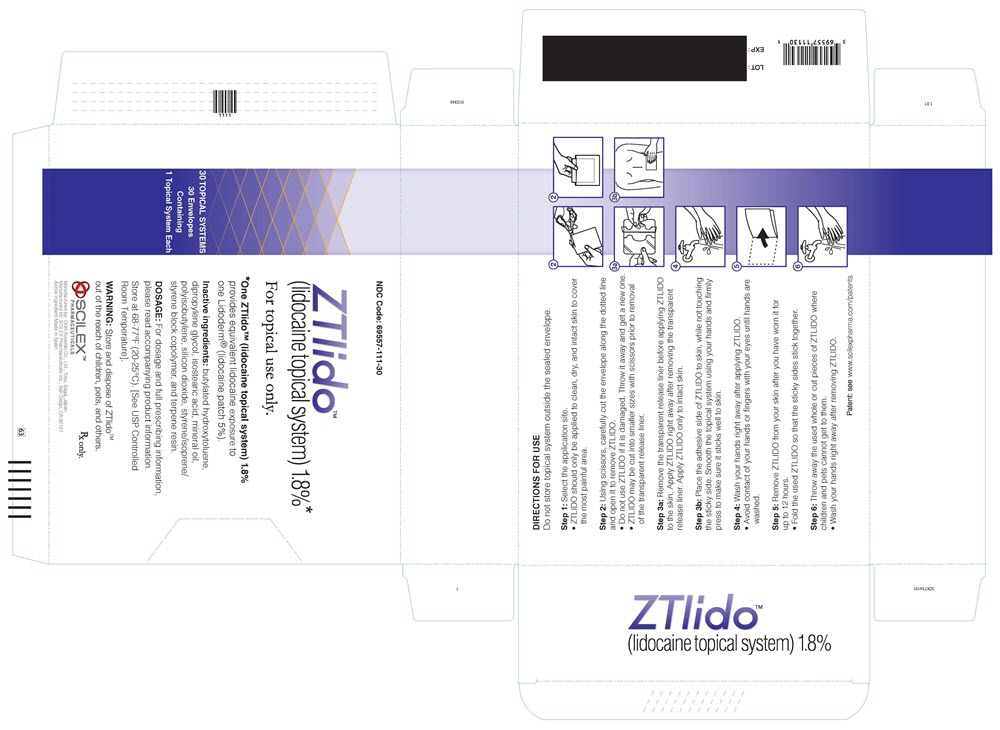
Ztlido Lidocaine 36 mg Patch, 3 patches
Other active recalls for Lidocaine (different manufacturers) — 1 · tap to view
🆔 Identity & classification
Where does this data come from?
🏷️ RxNorm drug class
This medicine belongs to the Antiarrhythmic class.
Where does this data come from?
🏭 Manufacturer & labeler
Where does this data come from?
🩺 Clinical
- This patch is used to treat post-herpetic neuralgia — that's the persistent burning or aching nerve pain that sometimes sticks around after a shingles outbreak, even after the rash...
- What is this patch actually for — why did my doctor prescribe it?
- You wear it for up to 12 hours, then take it off for the next 12 hours — think of it as '12 hours on, 12 hours off.' Your prescriber may allow up to 3 patches at a time, but never...
- How long do I wear the patch, and can I wear more than one?
Patient education
Supplement & herbal interactions
Some supplements/herbs that may interact with Lidocaine — tap one for details:
Where does this data come from?
Ask a licensed pharmacist directly — free, answered by our team.
🧪 Inactive Ingredients / Excipients
Inactive ingredients, also called excipients, are components of the drug product other than the active ingredient. They may include fillers, dyes, coatings, preservatives, flavors, or other formulation ingredients.
Where does this data come from?
IACT rows and label-wide narrative are kept separate; availability and product-level specificity depend on the submitted label.Inactive ingredient FAQ
Are inactive ingredients the same for every manufacturer?
Why might an inactive ingredient be missing?
Can inactive ingredients matter?
💲 Pricing
A drug doesn't have one price. Each row is a different public payment system, and none is what you'd pay at the counter — that depends on your insurance. The ⓘ on each row explains what it measures.
| Price system | Per each | Per package |
|---|---|---|
| Retail pharmacies payNADAC · weekly | Not in the retail survey — common for institutional, discontinued, or low-volume packs. | |
| Medicaid paysCMS SDUD · 12 mo | No recent Medicaid claims on file for this NDC — rare and low-volume NDCs are suppressed in the public data. | |
| Medicare drug plans payPart D · Q2 2026 | $12.25 | $36.75 / 3 patch |
Where does this data come from?
🔁 Therapeutic equivalents
| Product | Labeler | Pack | NADAC/unit | TE | Status | Price vs. this |
|---|---|---|---|---|---|---|
| Ztlido 36 mgthis 69557-0111-03 | Scilex | 3 patches | — | AB | FDA listed | — |
Where does this data come from?
⏳ Availability & generic status
FDA-approved generic versions are listed, and recent pricing/market data suggests they may be available — see Therapeutic equivalents.
Why the date isn’t exact: Generic timing can change because patents may be challenged, settled, licensed, added, removed, or worked around with a narrower label — and FDA approval does not always mean a pharmacy can get the generic today.
🛈 What do these terms mean?
- Patent
- Legal protection listed in the Orange Book that may delay generic approval or launch. Issued by the U.S. Patent & Trademark Office.
- Substance patent
- Covers the active drug molecule itself — the hardest to design around. A generic generally can’t launch until it expires.
- Formulation (product) patent
- Covers a specific formulation or dosage form. A generic can sometimes work around it with a different formulation.
- Method-of-use patent
- A patent covering one specific approved use of the drug — not necessarily the whole molecule. A generic can sometimes launch with a “skinny label” that carves out the protected use and keeps the others.
- Skinny label
- A generic label that omits a still-patented use when the FDA allows it — letting a generic reach the market for the unprotected uses.
- Exclusivity
- FDA-granted marketing protection, separate from patents — e.g. 5-yr new chemical entity, 7-yr orphan drug, or a +6-month pediatric extension.
- Paragraph IV
- A generic applicant’s formal challenge to a listed patent. It can potentially lead to earlier generic entry, but often involves litigation or a settlement.
- RLD / RS
- Reference Listed Drug — the brand product the FDA uses as the reference for generic applications. Reference Standard — the product the FDA expects generics to compare against in bioequivalence testing.
- TE / AB rating
- FDA therapeutic-equivalence rating. An AB rating generally means the FDA considers a generic therapeutically equivalent to — and substitutable for — the brand.
- LOE (loss of exclusivity)
- The latest patent or exclusivity currently listed — the loss-of-exclusivity / latest-listed-protection date shown on this page. Paragraph-IV challenges and settlements can move the real date earlier; FDA approval and a manufacturer’s decision to market can move it later.
Built from the FDA Orange Book. The bars above are scaled to each protection’s expiry; the red LOE marker is the last one to lapse.
| Patent | Type | Use code | Expires |
|---|---|---|---|
| US 9925264 ↗ | Method of use | U-2267 | May 10, 2031 |
| US 11786455 ↗ | Method of use | U-2267 | May 10, 2031 |
| US 11793766 ↗ | Method of use | U-2267 | May 10, 2031 |
| US 9283174 ↗ | Drug product | — | May 10, 2031 |
| US 10765749 ↗ | Drug product | — | May 10, 2031 |
| US 9931403 ↗ | Drug product | — | May 10, 2031 |
| US 11278623 ↗ | Drug product | — | May 10, 2031 |
| US 10765640 ↗ | Drug product | — | May 10, 2031 |
Is there a generic version of ZTLIDO 1.8% TOPICAL SYSTEM?
The FDA approved a generic — why can’t I get it at my pharmacy yet?
Why do different websites show different generic release dates?
What does “FDA listed” mean?
What does a patent or protection date mean here?
What does “current Orange Book estimate” mean?
Can a generic come out before the last patent expires?
Can a generic come out after the listed dates?
What is the difference between patents and exclusivity?
Why are there multiple patent dates?
Where does this data come from?
💊 Medicaid utilization by pack size
📊 Medicare Part D spend CMS · PART D · 2026 (Q1)
📦 Packaging — all sizes for this product
| Package NDC | Description | Per unit | Per pack | Marketing start | Status |
|---|---|---|---|---|---|
| 69557-0111-03 You're viewing this | 3 POUCH in 1 CARTON (69557-111-03) / 1 PATCH in 1 POUCH | — | — | 2018-04-26 | Active |
| 69557-0111-30 | 30 POUCH in 1 CARTON (69557-111-30) / 1 PATCH in 1 POUCH (69557-111-01) | $12.31 / ea | $369.22 | 2018-04-26 | Active |
This pack shows little to no recent Medicaid volume — a different pack size carries most fills. See all packs ↓
Pack size FAQ
What quantity is in NDC 69557-0111-03?
What is the difference between NDC 69557-0111-03 and NDC 69557-0111-30?
What NDC number is used to bill for this package of Ztlido Lidocaine 36 mg Patch?
Prices are the latest CMS NADAC pharmacy acquisition cost per NDC; per-pack figures are per-unit × pack quantity, shown only when the pack is denominated in the same measure NADAC prices.
🧭 About this NDC listing & data coverage
What data is (and isn’t) available for this NDC — tap to expand
| NDC identity (package / product / labeler codes) | ✓ Available |
| Labeler | ✓ Available |
| Product & package description | ✓ Available |
| Marketing category & status | ✓ Available |
| Active ingredient / dosage form / route | ✓ Available |
| FDA label (SPL via DailyMed) | ✓ Available |
| Package photos | ✓ Available |
| Inactive ingredients (structured) | — Not published for this NDC The labeler did not submit a structured excipient list, or no SPL is available. |
| NADAC pharmacy acquisition price (CMS) | — Not published for this NDC CMS publishes NADAC only for NDCs reported in its retail-pharmacy survey. |
| Orange Book / therapeutic-equivalence data | ✓ Available |
| HCPCS J-code billing crosswalk | — Not published for this NDC Most self-administered / retail products have no J-code — that is normal. |
| Medicaid utilization (CMS SDUD) | — Not published for this NDC CMS reports utilization only for NDCs with Medicaid claims above its privacy threshold. |
Questions about this listing
Why is there no price listed?
Is the NDC printed on the package the same as the 11-digit billing NDC?
What do the three segments of this NDC mean?
Is this package still being marketed?
Does this product come in other package sizes?
Who lists this product with the FDA?
Do I need a prescription for this product?
Where does this data come from?
📄 Full prescribing information FDA SPL
🎯 Indications and Usage ▾
1 INDICATIONS AND USAGE ZTLIDO is indicated for relief of pain associated with post-herpetic neuralgia (PHN) in adults. ZTLIDO contains lidocaine, an amide local anesthetic, and is indicated for relief of pain associated with post-herpetic neuralgia (PHN) in adults ( 1 ).
⏱️ Dosage and Administration ▾
2 DOSAGE AND ADMINISTRATION Because of the difference in bioavailability of ZTLIDO compared to Lidoderm®, a different dosage strength is required to be administered to the patient. One ZTLIDO (lidocaine topical system) 1.8% provides equivalent lidocaine exposure to one Lidoderm (lidocaine patch 5%). ( 2.1 ) Apply ZTLIDO to intact skin to cover the most painful area.
Apply the prescribed number of topical systems (maximum of 3) only once for up to 12 hours in a 24-hour period. ( 2.2 ) ZTLIDO may be cut into smaller sizes prior to removal of the release liner. ( 2.2 ) In patients who are debilitated or have impaired elimination, smaller areas of treatment are recommended.
Achieve this by cutting ZTLIDO with scissors into a smaller size prior to removing the release liner. ( 2.2 )
2.1Important Dosage and Administration Instructions Because of the difference in bioavailability of ZTLIDO compared to Lidoderm (lidocaine patch 5%), a different dosage strength is required to be administered to the patient. One ZTLIDO (lidocaine topical system) 1.8% provides equivalent lidocaine exposure to one Lidoderm (lidocaine patch 5%) [see Clinical Pharmacology (12.3) ]. When ZTLIDO is used concomitantly with other products containing local anesthetic agents, the total amount of drug absorbed from all formulations must be considered.
Clearly instruct and advise patients: to wash hands immediately after handling ZTLIDO and to avoid contact with eyes [see Warnings and Precautions (5.6) ] . to store ZTLIDO inside the sealed envelope out of the reach of children, pets, and others and to apply immediately after removal from the envelope. to fold used ZTLIDO so that the adhesive side sticks to itself and to safely discard used ZTLIDO or pieces of cut ZTLIDO where children and pets cannot get to them [see Warnings and Precautions (5.1) ] . to never apply external heat sources, such as heating pads or electric blankets, directly to ZTLIDO, because plasma lidocaine levels are increased.
ZTLIDO can be applied, however, to the administration site after moderate heat exposure, such as 15 minutes of heating pad exposure on a medium setting [see Warnings and Precautions (5.2) , Clinical Pharmacology (12.3) ] . that clothing may be worn over the area of application. that ZTLIDO may be used during moderate exercise, such as biking for 30 minutes. that ZTLIDO may be exposed to water, such as showering for 10 minutes or immersion for 15 minutes. to dry the topical system, after water exposure, by gently patting the skin, not by rubbing the skin or topical system. that ZTLIDO topical systems that have lifted at the edges may be reattached by pressing firmly on the edges and that fully detached topical systems may be reapplied as originally directed. that if a ZTLIDO topical system comes off completely and will not stick to patient's skin, to remove and properly dispose of the used ZTLIDO and to apply a new ZTLIDO topical system for a total duration of 12 hours of used and new topical system together. that if irritation or a burning sensation occurs during application, to remove ZTLIDO and to not reapply until the irritation subsides [see Warnings and Precautions (5.4) ] .
2.2Treatment of Post-Herpetic Neuralgia Advise patients to apply ZTLIDO to intact skin to cover the most painful area and to apply the prescribed number of topical systems (maximum of 3), only once for up to 12 hours within a 24-hour period (12 hours on and 12 hours off) [see Warnings and Precautions (5.2) ] . In patients who are debilitated or have impaired elimination, smaller areas of treatment are recommended. Achieve this by cutting ZTLIDO with scissors into a smaller size prior to removing the release liner.
💊 Dosage Forms and Strengths ▾
3 DOSAGE FORMS AND STRENGTHS Topical system: 1.8% packaged in an individual envelope. ZTLIDO 1.8% is available as a single-dose topical system. ( 3 )
⛔ Contraindications ▾
4 CONTRAINDICATIONS ZTLIDO is contraindicated in patients with a known history of sensitivity to local anesthetics of the amide type, or to any other component of the product. ZTLIDO is contraindicated in patients with a known history of sensitivity to local anesthetics of the amide type, or to any other component of the product. ( 4 )
⚠️ Warnings and Cautions ▾
5 WARNINGS AND PRECAUTIONS Accidental Exposure : Even a used ZTLIDO topical system contains residual lidocaine after use. It is important for patients to store and dispose of ZTLIDO properly and keep out of the reach of children, pets, and others. ( 5.1 ) Excessive Dosing/Overexposure : Applying ZTLIDO to larger surface areas or for a longer duration than recommended could lead to increased absorption and high blood concentrations of lidocaine, leading to adverse effects.
( 5.2 ) Increased Absorption on Non-Intact Skin : May result in higher blood concentrations of lidocaine. ( 5.2 ) Risk of Overexposure with External Heat Sources : Applying external heat sources to ZTLIDO may result in increased drug exposure. ( 5.2 ) Methemoglobinemia : Cases of methemoglobinemia have been reported in association with local anesthetic use.
( 5.3 ) Application Site Reactions : During or immediately after treatment with ZTLIDO, application site reactions may develop. ( 5.4 ) Hypersensitivity Reactions : Cross sensitivity to ZTLIDO in patients with a history of drug sensitivity to para-aminobenzoic acid (PABA) derivatives is possible. ( 5.5 ) Eye Exposure : Immediately wash out the eye with water or saline and protect the eye until sensation returns.
( 5.6 ).
5.1Accidental Exposure A used ZTLIDO topical system contains residual lidocaine after use. The potential exists for a small child or a pet to suffer serious adverse effects from chewing or ingesting a new or used ZTLIDO. It is important for patients to store and dispose of ZTLIDO properly, and keep out of the reach of children, pets, and others [see Dosage and Administration (2.1) ].
5.2Excessive Dosing/Overexposure to Lidocaine Lidocaine toxicity can be expected at lidocaine blood concentrations above 5 mcg/mL. The blood concentration of lidocaine is determined by the rate and extent of lidocaine absorption and elimination. Longer duration of application, application of more than the recommended number of ZTLIDO, smaller patients, or impaired elimination may all contribute to increasing the blood concentration of lidocaine.
If lidocaine overdose is suspected, check drug blood concentration. Management of overdose includes close monitoring, supportive care, and symptomatic treatment [see Overdosage (10) ] . Improper Application and Duration of Use : Application of more than the recommended number of ZTLIDO or applying ZTLIDO for longer than the recommended wearing time (12 hours of every 24 hours) could result in increased absorption and high blood concentrations of lidocaine, leading to adverse reactions.
Advise patients on proper application and duration. Hepatic Disease : Impaired elimination may contribute to increasing blood concentrations of lidocaine. Patients with severe hepatic disease are at greater risk of developing toxic blood concentrations of lidocaine because of their inability to metabolize lidocaine normally.
Use on Non-Intact Skin : Application to broken or inflamed skin, although not tested, may result in higher blood concentrations of lidocaine from increased absorption. ZTLIDO is only recommended for use on intact skin. Advise patients not to apply ZTLIDO to non-intact skin.
External Heat Sources : External heat sources may increase drug exposure, leading to overexposure to lidocaine. Advise patients not to apply external heat sources to ZTLIDO during administration [see Clinical Pharmacology (12.3) ].
5.3Methemoglobinemia Cases of methemoglobinemia have been reported in association with local anesthetic use. Although all patients are at risk for methemoglobinemia, patients with glucose-6-phosphate dehydrogenase deficiency, congenital or idiopathic methemoglobinemia, cardiac or pulmonary compromise, infants under 6 months of age, and concurrent exposure to oxidizing agents or their metabolites are more susceptible to developing clinical manifestations of the condition. If local anesthetics must be used in these patients, close monitoring for symptoms and signs of m…
🤒 Adverse Reactions ▾
6 ADVERSE REACTIONS The following serious adverse reactions are described elsewhere in the labeling: Excessive Dosing/Overexposure to Lidocaine [see Warnings and Precautions (5.2) ] Methemoglobinemia [see Warnings and Precautions (5.3) ] Application Site Reactions [see Warnings and Precautions (5.4) ] Hypersensitivity Reactions [see Warnings and Precautions (5.5) ] Eye Irritation [see Warnings and Precautions (5.6) ] The following adverse reactions from voluntary reports or clinical studies have been reported with lidocaine.
Because some of these reactions were reported voluntarily from a population of uncertain size, it is not always possible to reliably estimate their frequency or establish a causal relationship to drug exposure. Skin and subcutaneous tissues : blisters, bruising, burning sensation, depigmentation, dermatitis, discoloration, edema, erosions, erythema, exfoliation, flushing, irritation, papules, petechia, pruritus, vesicles, and abnormal sensation. Immune system : angioedema, bronchospasm, dermatitis, dyspnea, hypersensitivity, laryngospasm, pruritus, shock, and urticaria.
Central Nervous System : lightheadedness, nervousness, apprehension, euphoria, confusion, dizziness, drowsiness, tinnitus, blurred or double vision, sensations of heat, cold or numbness, twitching, tremors, convulsions, unconsciousness, somnolence, respiratory depression and arrest. Cardiovascular : bradycardia, hypotension, and cardiovascular collapse leading to arrest. Other : asthenia, disorientation, headache, hyperesthesia, hypoesthesia, metallic taste, nausea, pain exacerbated, paresthesia, taste alteration, and vomiting.
Common adverse reactions are application site reactions such as irritation, erythema, and pruritus. ( 6 ) To report SUSPECTED ADVERSE REACTIONS, contact Scilex Pharmaceuticals Inc. at 1-866-SCILEX3 or FDA at 1-800-FDA-1088 or www.fda.gov/medwatch.
🔄 Drug Interactions ▾
7 DRUG INTERACTIONS Class I Antiarrhythmic Drugs: When ZTLIDO is used in patients receiving Class I antiarrhythmic drugs (such as tocainide and mexiletine) the toxic effects are additive and potentially synergistic. Consider risk/benefit before concomitant use. ( 7.2 ) Local Anesthetic Agents: When ZTLIDO is used concomitantly with other products containing local anesthetic agents, the effects are additive.
Consider the amount of drug absorbed from all formulations when local anesthetics are administered concomitantly. ( 7.3 )
7.1Drugs That May Cause Methemoglobinemia When Used with ZTLIDO Patients who are administered local anesthetics may be at increased risk of developing methemoglobinemia when concurrently exposed to the following drugs, which could include other local anesthetics: Examples of Drugs Associated with Methemoglobinemia: Class Examples Nitrates/Nitrites nitric oxide, nitroglycerin, nitroprusside, nitrous oxide Local anesthetics articaine, benzocaine, bupivacaine, lidocaine, mepivacaine, prilocaine, procaine, ropivacaine, tetracaine Antineoplastic agents cyclophosphamide, flutamide, hydroxyurea, ifosfamide, rasburicase Antibiotics dapsone, nitrofurantoin, para-aminosalicyclic acid, sulfonamides Antimalarials chloroquine, primaquine Anticonvulsants phenobarbital, phenytoin, sodium valproate Other drugs acetaminophen, metoclopramide, quinine, sulfasalazine
7.2Antiarrhythmic Drugs When ZTLIDO is used in patients receiving Class I antiarrhythmic drugs (such as tocainide and mexiletine), the toxic effects are additive and potentially synergistic. Consider risk/benefit during concomitant use.
7.3Local Anesthetics When ZTLIDO is used concomitantly with other products containing local anesthetic agents, the effects are additive. Consider the amount of drug absorbed from all formulations when local anesthetic agents are administered concomitantly.
👥 Use in Specific Populations ▾
8 USE IN SPECIFIC POPULATIONS Lactation : Lidocaine is excreted into human milk. Caution should be exercised when ZTLIDO is administered to a nursing mother, especially when administered with other local anesthetics. ( 8.2 )
8.1Pregnancy Risk Summary The limited human data with lidocaine in pregnant woman are not sufficient to inform drug-associated risk for major birth defects and miscarriage. The use of lidocaine for labor neuraxial analgesia has not been associated with an increased incidence of adverse fetal effects either during delivery or during the neonatal period (see Data ) . Should ZTLIDO be used concomitantly with other products containing lidocaine, consider total drug doses contributed by all formulations.
In a published animal reproduction study, pregnant rats administered lidocaine by continuous subcutaneous infusion at a dose approximately 45 times the maximum recommended daily dose (MRDD) of 108 mg in ZTLIDO during the period of organogenesis resulted in lower fetal body weights. In a published animal reproduction study, pregnant rats administered lidocaine, containing 1:100,000 epinephrine, injected into the masseter muscle of the jaw or into the gum of the lower jaw at 0.5 times the MRDD on Gestation Day 11 resulted in developmental delays in neonates (see Data ) .
The estimated background risk of major birth defects and miscarriage for the indicated population is unknown. All pregnancies carry some risk of birth defects, loss, or other adverse outcomes. In the U.S. general population, the estimated background risk of major birth defects and miscarriage in clinically recognized pregnancies is 2% to 4% and 15% to 20%, respectively.
Data Human Data In 22 parturient women given 1.5% lidocaine epidural anesthesia, there were no effects on neonatal behavior, using the early neonatal neurobehavioral scale (ENNS). Neuraxial analgesia also did not affect fetal heart rate, beat-to-beat variability, or uterine activity. Animal Data Reproductive studies with lidocaine have been performed in rats at doses up to 30 mg/kg (2.7 times the maximum recommended daily dose [MRDD] of 108 mg from ZTLIDO on a mg/m 2 basis) subcutaneously and have revealed no evidence of harm to the fetus due to lidocaine.
In a published study, lidocaine administered to pregnant rats by continuous subcutaneous infusion during the period of organogenesis at 100, 250, and 500 mg/kg/day, did not produce any structural abnormalities, but did result in lower fetal weights at 500 mg/kg/day dose (approximately 45 times the MRDD on a mg/m 2 basis) in the absence of maternal toxicity. In a published study, lidocaine containing 1:100,000 epinephrine at a dose of 6 mg/kg (approximately 0.5 times the MRDD on a mg/m 2 basis) injected into the masseter muscle of the jaw or into the gum of the lower jaw of pregnant Long-Evans hooded rats on Gestation Day 11 resulted in developmental delays in the neonates.
Developmental delays were observed for negative geotaxis, static righting reflex, visual discrimination response, sensitivity and response to thermal and electrical shock stimuli, and water maze acquisition. The developmental delays of the neonatal animals were transient, with responses becoming comparable to untreated animals later in life. The clinical relevance of these animal data is uncertain.
8.2Lactation Risk Summary Lidocaine is excreted into human milk. When lidocaine was used as an epidural anesthetic for cesarean section in 27 women, a milk:plasma ratio of 1.07 was observed using AUC values. Lactating women undergoing a dental procedure had a 0.4 milk:plasma ratio.
In another dental procedure study, a single patient was administered 20 mg of lidocaine and the milk:plasma ratio was reported as 1.1 at five to six hours after injection. These data, and the low concentrations of lidocaine in the plasma after topical administration of ZTLIDO in recommended doses, suggest that a small amount of lidocaine would be ingested orally by a suckling infant. Ho…
🤰 Pregnancy ▾
8.1Pregnancy Risk Summary The limited human data with lidocaine in pregnant woman are not sufficient to inform drug-associated risk for major birth defects and miscarriage. The use of lidocaine for labor neuraxial analgesia has not been associated with an increased incidence of adverse fetal effects either during delivery or during the neonatal period (see Data ) . Should ZTLIDO be used concomitantly with other products containing lidocaine, consider total drug doses contributed by all formulations.
In a published animal reproduction study, pregnant rats administered lidocaine by continuous subcutaneous infusion at a dose approximately 45 times the maximum recommended daily dose (MRDD) of 108 mg in ZTLIDO during the period of organogenesis resulted in lower fetal body weights. In a published animal reproduction study, pregnant rats administered lidocaine, containing 1:100,000 epinephrine, injected into the masseter muscle of the jaw or into the gum of the lower jaw at 0.5 times the MRDD on Gestation Day 11 resulted in developmental delays in neonates (see Data ) .
The estimated background risk of major birth defects and miscarriage for the indicated population is unknown. All pregnancies carry some risk of birth defects, loss, or other adverse outcomes. In the U.S. general population, the estimated background risk of major birth defects and miscarriage in clinically recognized pregnancies is 2% to 4% and 15% to 20%, respectively.
Data Human Data In 22 parturient women given 1.5% lidocaine epidural anesthesia, there were no effects on neonatal behavior, using the early neonatal neurobehavioral scale (ENNS). Neuraxial analgesia also did not affect fetal heart rate, beat-to-beat variability, or uterine activity. Animal Data Reproductive studies with lidocaine have been performed in rats at doses up to 30 mg/kg (2.7 times the maximum recommended daily dose [MRDD] of 108 mg from ZTLIDO on a mg/m 2 basis) subcutaneously and have revealed no evidence of harm to the fetus due to lidocaine.
In a published study, lidocaine administered to pregnant rats by continuous subcutaneous infusion during the period of organogenesis at 100, 250, and 500 mg/kg/day, did not produce any structural abnormalities, but did result in lower fetal weights at 500 mg/kg/day dose (approximately 45 times the MRDD on a mg/m 2 basis) in the absence of maternal toxicity. In a published study, lidocaine containing 1:100,000 epinephrine at a dose of 6 mg/kg (approximately 0.5 times the MRDD on a mg/m 2 basis) injected into the masseter muscle of the jaw or into the gum of the lower jaw of pregnant Long-Evans hooded rats on Gestation Day 11 resulted in developmental delays in the neonates.
Developmental delays were observed for negative geotaxis, static righting reflex, visual discrimination response, sensitivity and response to thermal and electrical shock stimuli, and water maze acquisition. The developmental delays of the neonatal animals were transient, with responses becoming comparable to untreated animals later in life. The clinical relevance of these animal data is uncertain.
🧒 Pediatric Use ▾
8.4Pediatric Use Safety and effectiveness in pediatric patients have not been established.
🧓 Geriatric Use ▾
8.5Geriatric Use Clinical studies of ZTLIDO did not include sufficient numbers of subjects aged 65 and over to determine whether they respond differently from younger subjects. Other reported clinical experience has not identified differences in responses between the elderly and younger patients. In general, dose selection for an elderly patient should be done with caution, usually starting at the low end of the dosing range (e.g., a single topical system), reflecting the greater frequency of decreased hepatic, renal, or cardiac function, and of concomitant disease or other drug therapy.
🆘 Overdosage ▾
10 OVERDOSAGE Lidocaine overdose from cutaneous absorption is rare, but could occur. If there is any suspicion of lidocaine overdose, check drug blood concentration. The management of overdose includes close monitoring, supportive care, and symptomatic treatment.
Dialysis is of negligible value in the treatment of acute overdose with lidocaine. In the absence of massive topical overdose or oral ingestion, evaluation of symptoms of toxicity should include consideration of other etiologies for the clinical effects, or overdosage from other sources of lidocaine or other local anesthetics.
🧬 Clinical Pharmacology ▾
12 CLINICAL PHARMACOLOGY
12.1Mechanism of Action Lidocaine is an amide local anesthetic. Lidocaine blocks sodium ion channels required for the initiation and conduction of neuronal impulses.
12.2Pharmacodynamics The penetration of lidocaine into intact skin after application of ZTLIDO is sufficient to produce an analgesic effect, but less than the amount necessary to produce a complete sensory block.
12.3Pharmacokinetics ZTLIDO has different bioavailability compared to Lidoderm. In a single-dose, crossover study conducted in 53 healthy volunteers, ZTLIDO (lidocaine topical system) 1.8% demonstrated equivalent exposure (AUC) and peak concentration (C max ) of lidocaine to Lidoderm (lidocaine patch 5%). Absorption The amount of lidocaine systemically absorbed from ZTLIDO is directly related to both the duration of application and the surface area over which it is applied.
In a pharmacokinetic study, three ZTLIDO topical systems were applied over an area of 420 cm 2 of intact skin on the backs of normal healthy volunteers for 12 hours. Blood samples were drawn for determination of lidocaine concentration during the topical system application and for 12 hours after removal of topical systems. The results are summarized in Table 1 .
Table 1 Mean ± SD Absorption of lidocaine from ZTLIDO Healthy Volunteers (n = 54, 12-hour application time) Topical System Application Site Area (cm 2 ) C max (ng/mL) T max (hr) median (min, max) 3 Topical systems of ZTLIDO (108 mg) Back 420 75.1 ± 28.0 13.9 (4.0, 18.0) Repeated application of three Lidoderm patches simultaneously for 12 hours (recommended maximum daily dose), once per day for three days, indicated that the lidocaine concentration does not increase with daily use. The mean plasma pharmacokinetic profile for the 15 healthy volunteers is shown in Figure 1 .
Figure 1 Mean lidocaine blood concentrations after three consecutive daily applications of three Lidoderm patches simultaneously for 12 hours per day in healthy volunteers (n = 15). The pharmacokinetics of ZTLIDO (n = 3 topical systems) was assessed in 12 healthy volunteers with exposure to external heat source (heating pad at medium setting applied for 20 minutes at Time 0 and 8.5 hours) or undergoing moderate exercise (cycling for 30 minutes at a heart rate of 108 bpm at Time 0, 2.5, 5.5 and 8.5 hours) and compared to pharmacokinetics of ZTLIDO at rest.
Exposure to external heat at 0 and 8.5 hours results in increased peak plasma levels of lidocaine with a mean (SD) of 160.3 ± 100.1 ng/mL versus the peak plasma levels observed at rest with a mean (SD) of 97.6 ± 36.9 ng/mL. For this reason, instruct patients not to apply heating pads directly to ZTLIDO. Concentrations returned to normal within 4 hours after the heat was removed.
No clinically relevant differences in systemic absorption were observed under exercise conditions with a mean (SD) peak plasma concentration of 90.5 ± 25.4 ng/mL. A separate study in 12 healthy volunteers showed that there was no effect on ZTLIDO pharmacokinetics when the topical system is applied to the administration site after external heat exposure (heating pad at medium setting applied for 15 minutes prior to the topical system application) or after engagement in exercise (walking at a moderate pace on a treadmill for approximately 20 minutes beginning approximately 30 minutes prior to the topical system application).
Chemical Structure Distribution When lidocaine is administered intravenously to healthy volunteers, the volume of distribution is 0.7 to
2.7L/kg (mean 1.5 ±
0.6SD, n = 15). At concentrations produced by application of ZTLIDO, lidocaine is approximately 70% bound to plasma proteins, primarily alpha-1-acid glycoprotein. At much higher plasma concentrations (1 to 4 µg/mL of free base), the plasma protein binding of lidocaine is concentration dependent. Lidocaine crosses the placental and blood brain barriers, presumably by passive diffusion. Elimination Metabolism: It is not known if lidoc…
🧬 Mechanism of Action ▾
12.1Mechanism of Action Lidocaine is an amide local anesthetic. Lidocaine blocks sodium ion channels required for the initiation and conduction of neuronal impulses.
📦 How Supplied / Storage and Handling ▾
16 HOW SUPPLIED/STORAGE AND HANDLING ZTLIDO (lidocaine topical system) 1.8% is available as the following: Carton of 30 topical systems, packaged into individual child-resistant envelopes. NDC 69557-111-30 Store at 20° to 25°C (68° to 77°F); excursions permitted between 15° to 30°C (59° to 86°F) [see USP Controlled Room Temperature]. Wash hands thoroughly immediately after handling the topical system.
Upon removal, fold the topical system in half so that the adhesive side sticks to itself. Discard used ZTLIDO and pieces of cut ZTLIDO in a manner that prevents accidental contact or ingestion by children, pets or others [see Dosage and Administration (2.2) , Warnings and Precautions (5.1) ] .
📦 Storage and Handling ▾
Store at 20° to 25°C (68° to 77°F); excursions permitted between 15° to 30°C (59° to 86°F) [see USP Controlled Room Temperature]. Wash hands thoroughly immediately after handling the topical system. Upon removal, fold the topical system in half so that the adhesive side sticks to itself.
Discard used ZTLIDO and pieces of cut ZTLIDO in a manner that prevents accidental contact or ingestion by children, pets or others [see Dosage and Administration (2.2) , Warnings and Precautions (5.1) ] .
📋 Description ▾
11 DESCRIPTION ZTLIDO (lidocaine topical system) 1.8% is a single-layer, drug-in-adhesive topical delivery system comprised of an adhesive material containing 36 mg lidocaine, which is applied to a pliable nonwoven cloth backing and covered with a polyethylene terephthalate film release liner. The release liner is removed prior to application to the skin. The size of ZTLIDO is 10 cm × 14 cm × 0.08 cm.
Lidocaine, an amide local anesthetic, is chemically designated as acetamide, 2-(diethylamino)- N -(2,6-dimethylphenyl), has an octanol:water partition ratio of 43 at pH 7.4, and has the following structure: Each ZTLIDO contains 36 mg of lidocaine (18 mg per gram adhesive) in a non-aqueous base and also contains the following inactive ingredients: butylated hydroxytoluene, dipropylene glycol, isostearic acid, mineral oil, polyisobutylene, silicone dioxide, styrene/isoprene/styrene block copolymer, and terpene resin. Chemical Structure
💬 Information for Patients ▾
17 PATIENT COUNSELING INFORMATION Advise the patient to read the FDA-approved patient labeling (Patient Information and Instructions for Use). Accidental Exposure and Disposal Advise patients to store ZTLIDO out of the reach of children, pets, and others. Advise patients to dispose of used ZTLIDO by folding used ZTLIDO so that the adhesive side sticks to itself and safely discarding used ZTLIDO or pieces of cut ZTLIDO where children, pets, and others cannot come in contact with them [see Warnings and Precautions (5.1) ] .
Proper Application Advise patients: not to apply more than the prescribed number (up to 3 ZTLIDO) [see Dosage and Administration (2.2) , Warnings and Precautions (5.2) ]. not to wear ZTLIDO longer than the recommended wearing time (12 hours of every 24 hours) [see Dosage and Administration (2.2) , Warnings and Precautions (5.2) ]. to apply ZTLIDO to intact skin [see Warnings and Precautions (5.2) ]. to reattach by pressing firmly on the edges of ZTLIDO that are lifting. If a ZTLIDO topical system comes off completely and will not stick to patient's skin, it should be removed and properly disposed of and a new ZTLIDO topical system should be applied for a total duration of 12 hours of used and new topical system together [see Dosage and Administration (2.1 , 2.2) ] .
Methemoglobinemia Inform patients that use of local anesthetics may cause methemoglobinemia, a serious condition that must be treated promptly. Advise patients or caregivers to stop use and seek immediate medical attention if they or someone in their care experience the following signs or symptoms: pale, gray, or blue colored skin (cyanosis); headache; rapid heart rate; shortness of breath; lightheadedness; or fatigue [see Warnings and Precautions (5.3) ]. Application Site Reactions Inform patients that skin irritation and other skin reactions may occur at the site of ZTLido application.
If skin reactions occur during wear, instruct patients to remove ZTLido and not to reapply until the skin reaction subsides [see Warnings and Precautions (5.4) ] Eye Exposure Advise patients to wash hands immediately after handling ZTLIDO and to avoid contact with eyes. Instruct patients to, if eye contact should occur, immediately wash out the eye with water or saline and protect the eye until sensation returns [see Dosage and Administration (2.1) , Warnings and Precautions (5.6) ] .