
Carvedilol Phosphate 10 mg Capsule, Extended Release, 90-count — NDC 71335-0308-2 (Billing 71335-0308-02)
This is a package of 90 capsules of Carvedilol Phosphate 10 mg Capsule, Extended Release from Bryant Ranch Prepack, marketed since Nov 2017 and currently FDA-listed.
NDC database record
One package, one record: these facts belong to NDC 71335-0308-2 alone.
- Record
- FDA NDC Directory package listing · Human prescription drug
- Code segments
- 71335 labeler · 0308 product · 2 package
- Package marketed since
- Sep 22, 2023
- Sample package
- No — commercial package
- Listing certified through
- Dec 31, 2027
- Barcode (UPC-A, from the NDC)
- 3 7133503082 7
- FDA record last changed
- Jul 24, 2026
Identity & classification
Regulatory identifiers FDA, NLM and CMS codes for this package
Drug-database identifiers Medi-Span GPI and First Databank GCN / HICL / AHFS classification
- GSN (GCN sequence number): 061811
- GCN: 97596
- HICL (First Databank): 034245
- AHFS class code: 12:16.04.12
- RxCUI (RxNorm): 860510
Where does this data come from?
- FDA openFDA NDC Directory · synced Oct 8, 2026
- FDA label on DailyMed · label index refreshed Oct 8, 2026
- RxNorm (NLM RxNav) · catalog refreshed Oct 8, 2026
- Medi-Span GPI (licensed)
- First Databank (licensed) · refreshed Oct 8, 2026
RxNorm drug class
This medicine belongs to the alpha-Adrenergic Blocker class.
Where does this data come from?
- RxClass (NLM) · catalog refreshed Oct 8, 2026
Clinical
Carvedilol is used to treat heart failure (condition in which the heart cannot pump enough blood to all parts of the body) and high blood pressure. It also is used to improve survival after a heart attack. Carvedilol is in a class of medications called beta-blockers. It works by relaxing blood vessels and slowing heart rate to improve blood flow and decrease blood pressure
Read the full MedlinePlus article ↗- Food slows how fast the medicine is absorbed. That lowers the chance of dizziness or lightheadedness when you stand up. It doesn't change how much of the drug your body takes in, s...
- Why do I need to take Carvedilol with food?
- No. Stopping suddenly can make chest pain worse and has led to heart attacks and dangerous heart rhythms, even in people who may not know they have heart disease. If you need to st...
- It can, especially when you first start or when the dose goes up. Dizziness is the most common side effect. Until you know how it affects you, be careful with driving or hazardous...
Patient education
Supplement & herbal interactions
Carvedilol may be associated with lower levels of 1 nutrient — worth a chat with your pharmacist, not a cause for alarm.
Where does this data come from?
- MedlinePlus (NLM) · refreshed Oct 8, 2026
- FDA label on DailyMed · label index refreshed Oct 8, 2026
Ask a licensed pharmacist directly — free, answered by our team.
Pricing
A drug doesn't have one price. Each row is a different public payment system, and none is what you'd pay at the counter — that depends on your insurance. The ⓘ on each row explains what it measures.
| Price system | Per each | Per package |
|---|---|---|
| Retail pharmacies payNADAC · weekly | Not in the retail survey — common for institutional, discontinued, or low-volume packs. | |
| Medicaid paysCMS SDUD · 12 mo | No recent Medicaid claims on file for this NDC — rare and low-volume NDCs are suppressed in the public data. | |
| Medicare drug plans payPart D · Q2 2026 | $5.11 | $460.34 / 90 capsules |
Where does this data come from?
- CMS NADAC weekly file
- CMS ASP pricing files · refreshed Sep 20, 2026
- CMS Medicaid State Drug Utilization Data · refreshed Oct 9, 2026
- CMS Part D plan pricing files · refreshed Sep 24, 2026
- VA National Acquisition Center price file
Packaging — all sizes for this product
| Package NDC | Description | Marketing start | Marketing end | Status |
|---|---|---|---|---|
| 71335-0308-01 71335-0308-1 Main listing | 30 CAPSULE, EXTENDED RELEASE in 1 BOTTLE, PLASTIC | 2023-09-22 | — | Active |
| 71335-0308-02 You're viewing this | 90 CAPSULE, EXTENDED RELEASE in 1 BOTTLE, PLASTIC | 2023-09-22 | — | Active |
You're viewing the largest of 2 pack sizes for this product.
Pack size FAQ
What quantity is in this package?
How does this package differ from NDC 71335-0308-01?
What NDC number is used to bill for this package of Carvedilol Phosphate 10 mg Capsule, Extended Release?
Therapeutic equivalents
| Product | Labeler | Pack | NADAC/unit | TE | Status | Price vs. this |
|---|---|---|---|---|---|---|
| Carvedilol Phosphate 10 mg 16714-0227-01 | NorthStar | 30 capsules | $6.520 | AB | Availability likely | — |
| Carvedilol Phosphate 10 mg 57664-0663-83 | Sun | 30 capsules | $6.520 | AB | Availability likely | — |
| Carvedilol Phosphate 10 mg 00115-1248-01 | Amneal | 100 capsules | — | AB | FDA listed | — |
| Carvedilol Phosphate 10 mg 42291-0479-30 | AvKARE | 30 capsules | — | AB | FDA listed | — |
| Carvedilol Phosphate 10 mg 51407-0050-30 | Golden | 30 capsules | — | AB | FDA listed | — |
| Carvedilol Phosphate 10 mg 67046-1551-03 | Coupler | 30 capsules | — | AB | FDA listed | — |
| Carvedilol Phosphate 10 mg 69238-2577-01 | Amneal | 100 capsules | — | AB | FDA listed | — |
| Carvedilol Phosphate 10 mgthis 71335-0308-02 | Bryant | 90 capsules | — | AB | FDA listed | — |
| Coreg CR 10 mg 80725-0383-13 | Waylis | 30 capsules | — | AB | FDA listed | — |
Where does this data come from?
- FDA openFDA NDC Directory · synced Oct 8, 2026
- FDA Orange Book · refreshed Oct 3, 2026
- CMS NADAC weekly file
Availability & generic status
This product is an FDA-approved generic. Other versions of the same drug are listed under Therapeutic equivalents, least expensive first.
Where does this data come from?
- FDA Orange Book · refreshed Oct 3, 2026
What it looks like
Where does this data come from?
- FDA label on DailyMed · label index refreshed Oct 8, 2026
Inactive Ingredients / Excipients
Inactive ingredients, also called excipients, are components of the drug product other than the active ingredient. They may include fillers, dyes, coatings, preservatives, flavors, or other formulation ingredients.
🧪 Avoiding an ingredient? See Carvedilol inactive ingredients by manufacturer: every current product's list side by side, so you can ask your pharmacy for the version that does not list it.
💡 Tap an ingredient (hover on desktop) to see what it is and why it’s used.
-
UNII LMI26O6933
Alumina is a white powder form of aluminum oxide. It's used as a filler to add bulk to tablets and capsules, and sometimes as a thickening or anti-caking agent in powdered formulations.
-
UNII 68401960MK
Crospovidone is a synthetic polymer made from polyvinylpyrrolidone. It acts as a disintegrant, helping tablets break apart quickly in the stomach so the medicine dissolves and absorbs into the body.
-
UNII 35SW5USQ3G
A synthetic yellow dye used to color medicines. It helps make tablets, capsules, and liquids visually distinct so patients can easily identify their medication.
-
UNII H3R47K3TBD
FD&C Blue No. 1 is a synthetic blue dye approved for use in foods and medicines. It serves as a colorant to give the medication its distinctive appearance and help with product identification.
-
UNII L06K8R7DQK
A synthetic blue dye approved by the FDA for use in medications and foods. It serves as a colorant to make pills and liquids visually distinct and easier to identify.
-
UNII WZB9127XOA
A synthetic red dye used to color medications and make them easier to identify. It serves as a colorant in tablets, capsules, and liquid formulations.
-
UNII XM0M87F357
A dark iron oxide compound that gives medicines their black or dark color. It's used as a colorant in tablets and capsules to help identify the product and make it visually distinctive.
-
UNII 2G86QN327L
Gelatin is a protein derived from animal collagen, commonly used in medicines as a gelling agent and capsule material. It helps create soft or hard capsule shells that hold and release medication, and can also thicken liquid formulations.
-
UNII 3NXW29V3WO
Hypromellose is a plant-based thickener made from cellulose. It's used in medicines as a binder to hold ingredients together, a coating for tablets, and a thickener for liquids.
-
UNII EWQ57Q8I5X
Lactose monohydrate is a natural sugar derived from milk. It serves as a filler and binder in tablets and capsules, helping create the proper size, texture, and consistency of the medicine.
-
UNII 70097M6I30
Magnesium stearate is a salt made from magnesium and stearic acid, a fatty substance. It's used in tablets and capsules as a lubricant and glidant to help ingredients flow smoothly during manufacturing and prevent sticking.
-
UNII NX76LV5T8J
A synthetic plastic polymer made from methacrylic acid and ethyl acrylate. It's used as a coating or binder to control how and where the medicine dissolves in your digestive system.
-
UNII 74G4R6TH13
A synthetic polymer made by combining two plastic-like chemicals. It forms a coating on tablets or capsules that dissolves at a specific point in the digestive tract, controlling where and when the medicine releases.
-
UNII OP1R32D61U
Microcrystalline cellulose is a purified form of cellulose, a natural fiber from plant sources. It acts as a binder and filler in tablets and capsules, helping hold ingredients together and give the medicine its shape and size.
-
UNII 3WJQ0SDW1A
Polyethylene glycol is a synthetic liquid or solid polymer used in medicines as a solvent, lubricant, and humectant. It helps dissolve active ingredients, reduces friction during manufacturing, and retains moisture in the final product.
-
UNII 6DC9Q167V3
Propylene glycol is a clear liquid derived from petroleum or vegetable sources. It acts as a solvent, humectant, and preservative in medicines, helping dissolve active ingredients and maintain product stability.
-
UNII 46N107B71O
Shellac is a natural resin secreted by the lac beetle. It's used as a coating on tablets and capsules to control how quickly the medicine dissolves and to improve appearance and stability.
-
UNII ETJ7Z6XBU4
Silicon dioxide is a naturally occurring mineral used as a glidant and anti-caking agent. It helps powder ingredients flow smoothly and prevents clumping during manufacturing and storage.
-
UNII 7SEV7J4R1U
A powder made from a naturally occurring mineral. In medicines, talc works as a glidant and anti-caking agent, helping tablets and capsules flow smoothly during manufacturing and preventing clumping.
-
UNII 15FIX9V2JP
Titanium dioxide is a bright white mineral powder commonly used as a colorant and opacifying agent. It makes pills and tablets white or lighter in color and helps make coatings non-transparent.
-
UNII 8Z96QXD6UM
Triethyl citrate is a clear liquid derived from citric acid. It acts as a plasticizer and solvent in tablet coatings and film formulations, helping the coating remain flexible and adhere properly to the medicine.
21 inactive ingredients listed in the exact product block matched to this NDC.
Where does this data come from?
ingredient classCode="IACT" elements from the exact product block matched by this NDC. Label-section narrative from DailyMed / the openFDA label index is shown separately when available.- FDA label on DailyMed · label index refreshed Oct 8, 2026
- FDA openFDA NDC Directory · synced Oct 8, 2026
Inactive ingredient FAQ
Are inactive ingredients the same for every manufacturer?
Why might an inactive ingredient be missing?
Can inactive ingredients matter?
Manufacturer & labeler
More NDCs from Bryant Ranch Prepack labeler code 71335
- Stool Softener Docusate Sodium 100 mg Capsule, Liquid Filled NDC 71335-0294-0
- Pravastatin Sodium 20 mg Tablet NDC 71335-0296-1
- Omeprazole 40 mg Capsule, Delayed Release NDC 71335-0299-1
- Cetirizine Hydrochloride 10 mg Tablet NDC 71335-0300-1
- Rosuvastatin Calcium 20 mg Tablet, Film Coated NDC 71335-0302-1
- Spironolactone 100 mg Tablet, Film Coated NDC 71335-0304-1
- Doxazosin 2 mg Tablet NDC 71335-0309-1
- Pantoprazole Sodium 40 mg Tablet, Delayed Release NDC 71335-0310-1
- Diphenoxylate Hydrochloride and Atropine Sulfate 2.5 mg; .025 mg Tablet NDC 71335-0311-1
- Temazepam 15 mg Capsule NDC 71335-0315-1
- Oxycodone and Acetaminophen 7.5 mg; 325 mg Tablet NDC 71335-0316-0
- Clindamycin hydrochloride 300 mg Capsule NDC 71335-0320-0
Where does this data come from?
- FDA openFDA NDC Directory · synced Oct 8, 2026
- Drugs@FDA
Full prescribing information FDA SPL
🎯 Indications and Usage ▾
1 INDICATIONS AND USAGE Carvedilol phosphate extended-release capsules are an alpha-/beta-adrenergic blocking agent indicated for the treatment of: mild to severe chronic heart failure. ( 1.1 ) left ventricular dysfunction following myocardial infarction in clinically stable patients. ( 1.2 ) hypertension ( 1.3 )
1.1Heart Failure Carvedilol phosphate extended-release capsules are indicated for the treatment of mild-to-severe chronic heart failure of ischemic or cardiomyopathic origin, usually in addition to diuretics, ACE inhibitors, and digitalis, to increase survival and, also, to reduce the risk of hospitalization [see Drug Interactions (7.4), Clinical Studies (14.1)].
1.2Left Ventricular Dysfunction following Myocardial Infarction Carvedilol phosphate extended-release capsules are indicated to reduce cardiovascular mortality in clinically stable patients who have survived the acute phase of a myocardial infarction and have a left ventricular ejection fraction of less than or equal to 40% (with or without symptomatic heart failure) [see Clinical Studies (14.2)].
1.3Hypertension Carvedilol phosphate extended-release capsules are indicated for the management of essential hypertension [see Clinical Studies (14.3 , 14.4 )] . They can be used alone or in combination with other antihypertensive agents, especially thiazide-type diuretics [see Drug Interactions (7.2) ] .
⏱️ Dosage and Administration ▾
2 DOSAGE AND ADMINISTRATION Carvedilol phosphate extended-release capsules are intended for once-daily administration. Patients controlled with immediate-release carvedilol tablets alone or in combination with other medications may be switched to carvedilol phosphate extended-release capsules based on the total daily doses shown in Table 1. Table 1.
Dosing Conversion Daily Dose of Immediate-Release Carvedilol Tablets Daily Dose of Carvedilol Phosphate Extended-Release Capsules When switching from carvedilol 12.5 mg or 25 mg twice daily, a starting dose of carvedilol phosphate extended-release capsules 20 mg or 40 mg once daily, respectively, may be warranted for elderly patients or those at increased risk of hypotension, dizziness, or syncope. Subsequent titration to higher doses should, as appropriate, be made after an interval of at least 2 weeks. 6.25 mg (3.125 mg twice daily) 10 mg once daily 12.5 mg (6.25 mg twice daily) 20 mg once daily 25 mg (12.5 mg twice daily) 40 mg once daily 50 mg (25 mg twice daily) 80 mg once daily Carvedilol phosphate extended-release capsules should be taken once daily in the morning with food.
Carvedilol phosphate extended-release capsules should be swallowed whole. Carvedilol phosphate extended-release capsules and/or their contents should not be crushed, chewed, or taken in divided doses. Take with food.
Do not crush or chew capsules. Individualize dosage and monitor during up-titration. ( 2 ) Heart failure: Start at 10 mg once daily and increase to 20, 40, and then 80 mg once daily over intervals of at least 2 weeks.
Maintain lower doses if higher doses are not tolerated. ( 2.1 ) Left ventricular dysfunction following myocardial infarction: Start at 20 mg once daily and increase to 40 mg then 80 mg once daily after intervals of 3 to 10 days. A lower starting dose or slower titration may be used.
( 2.2 ) Hypertension: Start at 20 mg once daily and increase if needed for blood pressure control to 40 mg then 80 mg once daily over intervals of 1 to 2 weeks. ( 2.3 ) Elderly patients (> 65 years of age): When switching from higher doses of immediate-release carvedilol tablets to carvedilol phosphate extended-release capsules, a lower starting dose should be considered to reduce the risk of hypotension and syncope. ( 2.5 ) Alternative Administration: The capsules may be carefully opened and the contents sprinkled over a spoonful of applesauce.
The applesauce should not be warm because it could affect the modified-release properties of this formulation. The mixture of drug and applesauce should be consumed immediately in its entirety. The drug and applesauce mixture should not be stored for future use.
Absorption of the contents sprinkled on other foods has not been tested.
2.1Heart Failure DOSAGE MUST BE INDIVIDUALIZED AND CLOSELY MONITORED BY A PHYSICIAN DURING UP-TITRATION. Prior to initiation of carvedilol phosphate extended-release capsules, it is recommended that fluid retention be minimized. The recommended starting dose of carvedilol phosphate extended-release capsules is 10 mg once daily for 2 weeks.
Patients who tolerate a dose of 10 mg once daily may have their dose increased to 20, 40, and 80 mg over successive intervals of at least 2 weeks. Patients should be maintained on lower doses if higher doses are not tolerated. Patients should be advised that initiation of treatment and (to a lesser extent) dosage increases may be associated with transient symptoms of dizziness or lightheadedness (and rarely syncope) within the first hour after dosing.
Thus, during these periods, they should avoid situations such as driving or hazardous tasks, where symptoms could result in injury. Vasodilatory symptoms often do not require treatment, but it may be useful to separate the time of dosing of carvedilol phosphate extended-release capsules from that of the ACE inhibitor or to reduce temporarily the dose of the ACE inhibitor. The dose of carvedilol phosphate extended-release capsules should not be i… [Excerpted — this section continues on DailyMed.]
💊 Dosage Forms and Strengths ▾
3 DOSAGE FORMS AND STRENGTHS The hard gelatin capsules are filled with carvedilol phosphate controlled-release minitablets that are coated with methacrylic acid copolymers and are available in the following strengths: 10 mg – white opaque/white opaque capsules, imprinted MUTUAL 899 20 mg – dark green opaque/dark green opaque capsules, imprinted MUTUAL 900 40 mg – yellow opaque/yellow opaque capsules, imprinted MUTUAL 901 80 mg – green opaque/green opaque capsules, imprinted MUTUAL 902 Capsules: 10mg, 20mg, 40mg and 80 mg ( 3 )
⛔ Contraindications ▾
4 CONTRAINDICATIONS Carvedilol phosphate extended-release capsules are contraindicated in the following conditions: Bronchial asthma or related bronchospastic conditions. Deaths from status asthmaticus have been reported following single doses of immediate-release carvedilol. Second- or third-degree AV block.
Sick sinus syndrome. Severe bradycardia (unless a permanent pacemaker is in place). Patients with cardiogenic shock or who have decompensated heart failure requiring the use of intravenous inotropic therapy.
Such patients should first be weaned from intravenous therapy before initiating carvedilol phosphate extended-release capsules. Patients with severe hepatic impairment. Patients with a history of a serious hypersensitivity reaction (e.g., Stevens-Johnson syndrome, anaphylactic reaction, angioedema) to carvedilol or any of the components of carvedilol phosphate extended-release capsules.
Bronchial asthma or related bronchospastic conditions. ( 4 ) Second- or third-degree AV block. ( 4 ) Sick sinus syndrome.
( 4 ) Severe bradycardia (unless permanent pacemaker in place). ( 4 ) Patients in cardiogenic shock or decompensated heart failure requiring the use of IV inotropic therapy. ( 4 ) Severe hepatic impairment.
( 2.4 , 4 ) History of serious hypersensitivity reaction (e.g., Stevens-Johnson syndrome, anaphylactic reaction, angioedema) to carvedilol or any of the components of carvedilol phosphate extended-release capsules. ( 4 )
⚠️ Warnings and Cautions ▾
5 WARNINGS AND PRECAUTIONS In clinical trials of carvedilol phosphate extended-release capsules in subjects with hypertension (338 subjects) and in subjects with left ventricular dysfunction following a myocardial infarction or heart failure (187 subjects), the profile of adverse events observed with carvedilol phosphate was generally similar to that observed with the administration of immediate-release carvedilol. Therefore, the information included within this section is based on data from controlled clinical trials with carvedilol phosphate extended-release capsules as well as immediate-release carvedilol tablets.
This product contains FD&C Yellow No. 5 (tartrazine) which may cause allergic-type reactions (including bronchial asthma) in certain susceptible persons. Although the overall incidence of FD&C Yellow No.
5 (tartrazine) sensitivity in the general population is low, it is frequently seen in patients who also have aspirin hypersensitivity. Acute exacerbation of coronary artery disease upon cessation of therapy: Do not abruptly discontinue. ( 5.1 ) Bradycardia, hypotension, worsening heart failure/fluid retention may occur.
Reduce the dose as needed. ( 5.2 , 5.3 , 5.4) Non-allergic bronchospasm (e.g., chronic bronchitis and emphysema): Avoid beta-blockers. ( 4 ) However, if deemed necessary, use with caution and at lowest effective dose.
( 5.5 ) Diabetes: May mask symptoms of hypoglycemia and alter glucose levels; monitor. ( 5.6 )
5.1Cessation of Therapy Patients with coronary artery disease, who are being treated with carvedilol phosphate extended-release capsules, should be advised against abrupt discontinuation of therapy. Severe exacerbation of angina and the occurrence of myocardial infarction and ventricular arrhythmias have been reported in patients with angina following the abrupt discontinuation of therapy with beta-blockers. The last 2 complications may occur with or without preceding exacerbation of the angina pectoris.
As with other beta-blockers, when discontinuation of carvedilol phosphate extended-release capsules is planned, the patients should be carefully observed and advised to limit physical activity to a minimum. Carvedilol phosphate extended-release capsules should be discontinued over 1 to 2 weeks whenever possible. If the angina worsens or acute coronary insufficiency develops, it is recommended that carvedilol phosphate extended-release capsules be promptly reinstituted, at least temporarily.
Because coronary artery disease is common and may be unrecognized, it may be prudent not to discontinue therapy with carvedilol phosphate extended-release capsules abruptly even in patients treated only for hypertension or heart failure.
5.2Bradycardia In clinical trials with immediate-release carvedilol, bradycardia was reported in about 2% of hypertensive subjects, 9% of subjects with heart failure, and 6.5% of subjects with myocardial infarction with left ventricular dysfunction. Bradycardia was reported in 0.5% of subjects receiving carvedilol phosphate extended-release capsules in a trial of subjects with heart failure and subjects with myocardial infarction and left ventricular dysfunction. There were no reports of bradycardia in the clinical trial of carvedilol phosphate extended-release capsules in hypertension.
However, if pulse rate drops below 55 beats/minute, the dosage of carvedilol phosphate extended-release capsules should be reduced.
5.3Hypotension In clinical trials of primarily mild-to-moderate heart failure with immediate-release carvedilol, hypotension and postural hypotension occurred in 9.7% and syncope in 3.4% of subjects receiving carvedilol compared with 3.6% and 2.5% of placebo subjects, respectively. The risk for these events was highest during the first 30 days of dosing, corresponding to the up-titration period and was a cause for discontinuation of therapy in 0.7% of carvedilol subjects, compared with 0.4% of placebo subjects. In a long-term, placebo-controlled trial in se… [Excerpted — this section continues on DailyMed.]
🤒 Adverse Reactions ▾
6 ADVERSE REACTIONS The safety profile of carvedilol phosphate extended-release capsules was similar to that observed for immediate-release carvedilol. Most common adverse events seen with immediate-release carvedilol ( 6.1 ): Heart failure and left ventricular dysfunction following myocardial infarction (≥10%): Dizziness, fatigue, hypotension, diarrhea, hyperglycemia, asthenia, bradycardia, weight increase. Hypertension (≥5%): Dizziness.
To report SUSPECTED ADVERSE REACTIONS, contact Sun Pharmaceutical Industries, Inc. at 1-800-406-7984 or FDA at 1-800-FDA-1088 or www.fda.gov/medwatch.
6.1Clinical Trials Experience Because clinical trials are conducted under widely varying conditions, adverse reaction rates observed in the clinical trials of a drug cannot be directly compared with rates in the clinical trials of another drug and may not reflect the rates observed in practice. Carvedilol has been evaluated for safety in subjects with heart failure (mild, moderate, and severe), in subjects with left ventricular dysfunction following myocardial infarction, and in hypertensive subjects. The observed adverse event profile was consistent with the pharmacology of the drug and the health status of the subjects in the clinical trials.
Adverse events reported for each of these populations reflecting the use of either carvedilol phosphate extended-release capsules or immediate-release carvedilol tablets are provided below. Excluded are adverse events considered too general to be informative, and those not reasonably associated with the use of the drug because they were associated with the condition being treated or are very common in the treated population. Rates of adverse events were generally similar across demographic subsets (men and women, elderly and non-elderly, blacks and non-blacks).
Carvedilol phosphate extended-release capsules has been evaluated for safety in a 4-week (2 weeks of immediate release carvedilol tablets and 2 weeks of carvedilol phosphate extended-release capsules) clinical trial (n = 187) which included 157 subjects with stable mild, moderate, or severe chronic heart failure and 30 subjects with left ventricular dysfunction following acute myocardial infarction. The profile of adverse events observed with carvedilol phosphate extended-release capsules in this small, short-term trial was generally similar to that observed with immediate-release carvedilol tablets.
Differences in safety would not be expected based on the similarity in plasma levels for carvedilol phosphate extended-release capsules and immediate-release carvedilol. Heart Failure The following information describes the safety experience in heart failure with immediate-release carvedilol. Carvedilol has been evaluated for safety in heart failure in more than 4,500 subjects worldwide of whom more than 2,100 participated in placebo-controlled clinical trials.
Approximately 60% of the total treated population in placebo-controlled clinical trials received carvedilol for at least 6 months and 30% received carvedilol for at least 12 months. In the COMET trial, 1,511 subjects with mild-to-moderate heart failure were treated with carvedilol for up to 5.9 years (mean 4.8 years). Both in U.S. clinical trials in mild-to-moderate heart failure that compared carvedilol in daily doses up to 100 mg (n = 765) with placebo (n = 437), and in a multinational clinical trial in severe heart failure (COPERNICUS) that compared carvedilol in daily doses up to 50 mg (n = 1,156) with placebo (n = 1,133), discontinuation rates for adverse experiences were similar in carvedilol and placebo subjects.
In placebo-controlled clinical trials, the only cause of discontinuation greater than 1% and occurring more often on carvedilol was dizziness (1.3% on carvedilol, 0.6% on placebo in the COPERNICUS trial). Table 2 shows adverse events reported in subjects with mild-to-moderate heart failure enrolled in U.S. placebo-controlled clinical trials, and with severe heart failure enrol… [Excerpted — this section continues on DailyMed.]
🔄 Drug Interactions ▾
7 DRUG INTERACTIONS CYP P450 2D6 enzyme inhibitors may increase and rifampin may decrease carvedilol levels. ( 7.1 , 7.5 ) Hypotensive agents (e.g., reserpine, MAO inhibitors, clonidine) may increase the risk of hypotension and/or severe bradycardia. ( 7.2 ) Cyclosporine or digoxin levels may increase.
( 7.3 , 7.4 ) Both digitalis glycosides and beta-blockers slow atrioventricular conduction and decrease heart rate. Concomitant use can increase the risk of bradycardia. ( 7.4 ) Amiodarone may increase carvedilol levels resulting in further slowing of the heart rate or cardiac conduction.
( 7.6 ) Verapamil- or diltiazem-type calcium channel blockers may affect ECG and/or blood pressure. ( 7.7 ) Insulin and oral hypoglycemics action may be enhanced. ( 7.8 )
7.1CYP2D6 Inhibitors and Poor Metabolizers Interactions of carvedilol with potent inhibitors of CYP2D6 isoenzyme (such as quinidine, fluoxetine, paroxetine, and propafenone) have not been studied, but these drugs would be expected to increase blood levels of the R(+) enantiomer of carvedilol [see Clinical Pharmacology (12.3) ] . Retrospective analysis of side effects in clinical trials showed that poor 2D6 metabolizers had a higher rate of dizziness during up-titration, presumably resulting from vasodilating effects of the higher concentrations of the alpha-blocking R(+) enantiomer.
7.2Hypotensive Agents Patients taking a beta-blocker and a drug that can deplete catecholamines (e.g., reserpine and monoamine oxidase inhibitors) should be observed closely for signs of hypotension and/or severe bradycardia. Concomitant administration of clonidine with a beta-blocker may cause hypotension and bradycardia. When concomitant treatment with a beta-blocker and clonidine is to be terminated, the beta-blocker should be discontinued first.
Clonidine therapy can then be discontinued several days later by gradually decreasing the dosage.
7.3Cyclosporine Modest increases in mean trough cyclosporine concentrations were observed following initiation of carvedilol treatment in 21 renal transplant subjects suffering from chronic vascular rejection. In about 30% of subjects, the dose of cyclosporine had to be reduced in order to maintain cyclosporine concentrations within the therapeutic range, while in the remainder no adjustment was needed. On the average for the group, the dose of cyclosporine was reduced about 20% in these subjects.
Due to wide interindividual variability in the dose adjustment required, it is recommended that cyclosporine concentrations be monitored closely after initiation of carvedilol therapy and that the dose of cyclosporine be adjusted as appropriate.
7.4Digitalis Glycosides Both digitalis glycosides and beta-blockers slow atrioventricular conduction and decrease heart rate. Concomitant use can increase the risk of bradycardia . Digoxin concentrations are increased by about 15% when digoxin and carvedilol are administered concomitantly.
Therefore, increased monitoring of digoxin is recommended when initiating, adjusting, or discontinuing carvedilol phosphate extended-release capsules [see Clinical Pharmacology (12.5) ] .
7.5Inducers/Inhibitors of Hepatic Metabolism Rifampin reduced plasma concentrations of carvedilol by about 70% [see Clinical Pharmacology (12.5) ] . Cimetidine increased area under the curve (AUC) by about 30% but caused no change in C max [see Clinical Pharmacology (12.5) ] .
7.6Amiodarone Amiodarone and its metabolite desethyl amiodarone, inhibitors of CYP2C9, and P-glycoprotein increased concentrations of the S(-) enantiomer of carvedilol by at least 2-fold [see Clinical Pharmacology (12.5) ] . The concomitant administration of amiodarone or other CYP2C9 inhibitors such as fluconazole with carvedilol phosphate extended-release capsules may enhance the beta-blocking activity, resulting in further slowing of the heart rate or cardiac conduction. Patients should be observed for signs of bradycardia or heart block, particularly when one agent is ad… [Excerpted — this section continues on DailyMed.]
👥 Use in Specific Populations ▾
8 USE IN SPECIFIC POPULATIONS
8.1Pregnancy Risk Summary Available data regarding use of carvedilol phosphate extended-release capsules in pregnant women are insufficient to determine whether there are drug-associated risks of adverse developmental outcomes. There are risks to the mother and fetus associated with poorly controlled hypertension in pregnancy. The use of beta-blockers during the third trimester of pregnancy may increase the risk of hypotension, bradycardia, hypoglycemia, and respiratory depression in the neonate (see Clinical Considerations).
In animal reproduction studies, there was no evidence of adverse developmental outcomes at clinically relevant doses (see Data). Oral administration of carvedilol to pregnant rats during organogenesis resulted in post-implantation loss, decreased fetal body weight, and an increased frequency of delayed fetal skeletal development at maternally toxic doses that were 50 times the maximum recommended human dose (MRHD). In addition, oral administration of carvedilol to pregnant rabbits during organogenesis resulted in increased post-implantation loss at doses 25 times the MRHD (see Data) .
The estimated background risk of major birth defects and miscarriage for the indicated populations are unknown. All pregnancies have a background risk of birth defect, loss, or other adverse outcomes. In the U.S. general population, the estimated background risk of major birth defects and miscarriage in clinically recognized pregnancies is 2% to 4% and 15% to 20%, respectively.
Clinical Considerations Disease-Associated Maternal and/or Embryo/Fetal Risk : Hypertension in pregnancy increases the maternal risk for pre-eclampsia, gestational diabetes, premature delivery, and delivery complications (e.g., need for cesarean section and post-partum hemorrhage). Hypertension increases the fetal risk for intrauterine growth restriction and intrauterine death. Pregnant women with hypertension should be carefully monitored and managed accordingly.
Fetal/Neonatal Adverse Reactions : Neonates of women with hypertension who are treated with beta-blockers during the third trimester of pregnancy may be at increased risk for hypotension, bradycardia, hypoglycemia, and respiratory depression. Observe newborns for symptoms of hypotension, bradycardia, hypoglycemia, and respiratory depression and manage accordingly. Data Animal Data: Studies performed in rats and rabbits given carvedilol during fetal organogenesis revealed increased post-implantation loss in rats at a maternally toxic dose of 300 mg/kg/day (50 times the MRHD as mg/m 2 ) and in rabbits (in the absence of maternal toxicity) at doses of 75 mg/kg/day (25 times the MRHD as mg/m 2 ).
In the rats, there was also a decrease in fetal body weight at 300 mg/kg/day (50 times the MRHD as mg/m 2 ) accompanied by an increased incidence of fetuses with delayed skeletal development. In rats, the no-effect level for embryo-fetal toxicity was 60 mg/kg/day (10 times the MRHD as mg/m 2 ); in rabbits, it was 15 mg/kg/day (5 times the MRHD as mg/m 2 ). In a pre- and post-natal development study in rats administered carvedilol from late gestation through lactation, increased embryo-lethality was observed at a maternally toxic dose of 200 mg/kg/day (approximately 32 times the MRHD as mg/m 2 ), and pup mortality and delays in physical growth/development were observed at 60 mg/kg/day (10 times the MRHD as mg/m 2 ) in the absence of maternal toxicity.
The no-effect level was 12 mg/kg/day (2 times the MRHD as mg/m 2 ). Carvedilol was present in fetal rat tissue.
8.2Lactation Risk Summary There are no data on the presence of carvedilol in human milk, the effects on the breastfed infant, or the effects on milk production. Carvedilol is present in the milk of lactating rats. The developmental and health benefits of breastfeeding should be considered along with the mother’s clinical need for carvedilol phosphate extended-release capsules and any potential adverse effects on the… [Excerpted — this section continues on DailyMed.]
🤰 Pregnancy ▾
8.1Pregnancy Risk Summary Available data regarding use of carvedilol phosphate extended-release capsules in pregnant women are insufficient to determine whether there are drug-associated risks of adverse developmental outcomes. There are risks to the mother and fetus associated with poorly controlled hypertension in pregnancy. The use of beta-blockers during the third trimester of pregnancy may increase the risk of hypotension, bradycardia, hypoglycemia, and respiratory depression in the neonate (see Clinical Considerations).
In animal reproduction studies, there was no evidence of adverse developmental outcomes at clinically relevant doses (see Data). Oral administration of carvedilol to pregnant rats during organogenesis resulted in post-implantation loss, decreased fetal body weight, and an increased frequency of delayed fetal skeletal development at maternally toxic doses that were 50 times the maximum recommended human dose (MRHD). In addition, oral administration of carvedilol to pregnant rabbits during organogenesis resulted in increased post-implantation loss at doses 25 times the MRHD (see Data) .
The estimated background risk of major birth defects and miscarriage for the indicated populations are unknown. All pregnancies have a background risk of birth defect, loss, or other adverse outcomes. In the U.S. general population, the estimated background risk of major birth defects and miscarriage in clinically recognized pregnancies is 2% to 4% and 15% to 20%, respectively.
Clinical Considerations Disease-Associated Maternal and/or Embryo/Fetal Risk : Hypertension in pregnancy increases the maternal risk for pre-eclampsia, gestational diabetes, premature delivery, and delivery complications (e.g., need for cesarean section and post-partum hemorrhage). Hypertension increases the fetal risk for intrauterine growth restriction and intrauterine death. Pregnant women with hypertension should be carefully monitored and managed accordingly.
Fetal/Neonatal Adverse Reactions : Neonates of women with hypertension who are treated with beta-blockers during the third trimester of pregnancy may be at increased risk for hypotension, bradycardia, hypoglycemia, and respiratory depression. Observe newborns for symptoms of hypotension, bradycardia, hypoglycemia, and respiratory depression and manage accordingly. Data Animal Data: Studies performed in rats and rabbits given carvedilol during fetal organogenesis revealed increased post-implantation loss in rats at a maternally toxic dose of 300 mg/kg/day (50 times the MRHD as mg/m 2 ) and in rabbits (in the absence of maternal toxicity) at doses of 75 mg/kg/day (25 times the MRHD as mg/m 2 ).
In the rats, there was also a decrease in fetal body weight at 300 mg/kg/day (50 times the MRHD as mg/m 2 ) accompanied by an increased incidence of fetuses with delayed skeletal development. In rats, the no-effect level for embryo-fetal toxicity was 60 mg/kg/day (10 times the MRHD as mg/m 2 ); in rabbits, it was 15 mg/kg/day (5 times the MRHD as mg/m 2 ). In a pre- and post-natal development study in rats administered carvedilol from late gestation through lactation, increased embryo-lethality was observed at a maternally toxic dose of 200 mg/kg/day (approximately 32 times the MRHD as mg/m 2 ), and pup mortality and delays in physical growth/development were observed at 60 mg/kg/day (10 times the MRHD as mg/m 2 ) in the absence of maternal toxicity.
The no-effect level was 12 mg/kg/day (2 times the MRHD as mg/m 2 ). Carvedilol was present in fetal rat tissue.
🧒 Pediatric Use ▾
8.4Pediatric Use Effectiveness of carvedilol in patients younger than 18 years has not been established. In a double-blind trial, 161 children (mean age: 6 years; range: 2 months to 17 years; 45% younger than 2 years) with chronic heart failure [NYHA class II-IV, left ventricular ejection fraction less than 40% for children with a systemic left ventricle (LV), and moderate-severe ventricular dysfunction qualitatively by echo for those with a systemic ventricle that was not an LV] who were receiving standard background treatment were randomized to placebo or to 2 dose levels of carvedilol.
These dose levels produced placebo-corrected heart rate reduction of 4 to 6 heart beats per minute, indicative of beta-blockade activity. Exposure appeared to be lower in pediatric subjects than adults. After 8 months of follow-up, there was no significant effect of treatment on clinical outcomes.
Adverse reactions in this trial that occurred in greater than 10% of subjects treated with immediate-release carvedilol and at twice the rate of placebo-treated subjects included chest pain (17% versus 6%), dizziness (13% versus 2%), and dyspnea (11% versus 0%).
🧓 Geriatric Use ▾
8.5Geriatric Use The initial clinical trials of carvedilol phosphate extended-release capsules in subjects with hypertension, heart failure, and left ventricular dysfunction following myocardial infarction did not include sufficient numbers of subjects aged 65 years or older to determine whether they respond differently from younger patients. A randomized trial (n = 405) comparing subjects with mild to severe heart failure switched to carvedilol phosphate extended-release capsules or maintained on immediate-release carvedilol tablets included 220 subjects who were aged 65 years or older.
In this elderly subgroup, the combined incidence of dizziness, hypotension, or syncope was 24% (18/75) in subjects switched from the highest dose of immediate-release carvedilol tablets (25 mg twice daily) to the highest dose of carvedilol phosphate extended-release capsules (80 mg once daily) compared with 11% (4/36) in subjects maintained on immediate-release carvedilol tablets (25 mg twice daily). When switching from the higher doses of immediate-release carvedilol tablets to carvedilol phosphate extended-release capsules, a lower starting dose is recommended for elderly patients [see Dosage and Administration (2.5) ] .
The following information is available for trials with immediate-release carvedilol. Of the 765 subjects with heart failure randomized to carvedilol in U.S. clinical trials, 31% (235) were aged 65 years or older, and 7.3% (56) were aged 75 years or older. Of the 1,156 subjects randomized to carvedilol in a long-term, placebo-controlled trial in severe heart failure, 47% (547) were aged 65 years or older, and 15% (174) were aged 75 years or older.
Of 3,025 subjects receiving carvedilol in heart failure trials worldwide, 42% were aged 65 years or older. Of the 975 subjects with myocardial infarction randomized to carvedilol in the CAPRICORN trial, 48% (468) were aged 65 years or older, and 11% (111) were aged 75 years or older. Of the 2,065 hypertensive subjects in U.S. clinical trials of efficacy or safety who were treated with carvedilol, 21% (436) were aged 65 years or older.
Of 3,722 subjects receiving immediate-release carvedilol in hypertension clinical trials conducted worldwide, 24% were aged 65 years or older. With the exception of dizziness in hypertensive subjects (incidence 8.8% in the elderly versus 6% in younger subjects), no overall differences in the safety or effectiveness (see Figures 2 and 4) were observed between the older subjects and younger subjects in each of these populations. Similarly, other reported clinical experience has not identified differences in responses between the elderly and younger subjects, but greater sensitivity of some older individuals cannot be ruled out.
🆘 Overdosage ▾
10 OVERDOSAGE Overdosage may cause severe hypotension, bradycardia, cardiac insufficiency, cardiogenic shock, and cardiac arrest. Respiratory problems, bronchospasms, vomiting, lapses of consciousness, and generalized seizures may also occur. The patient should be placed in a supine position and, where necessary, kept under observation and treated under intensive-care conditions.
The following agents may be administered: For excessive bradycardia: Atropine, 2 mg IV. To support cardiovascular function: Glucagon, 5 to 10 mg IV rapidly over 30 seconds, followed by a continuous infusion of 5 mg/hour; sympathomimetics (dobutamine, isoprenaline, adrenaline) at doses according to body weight and effect. If peripheral vasodilation dominates, it may be necessary to administer adrenaline or noradrenaline with continuous monitoring of circulatory conditions.
For therapy-resistant bradycardia, pacemaker therapy should be performed. For bronchospasm, beta-sympathomimetics (as aerosol or IV) or aminophylline IV should be given. In the event of seizures, slow IV injection of diazepam or clonazepam is recommended.
NOTE: In the event of severe intoxication where there are symptoms of shock, treatment with antidotes must be continued for a sufficiently long period of time consistent with the 7- to 10-hour half-life of carvedilol. There is no experience of overdosage with carvedilol phosphate extended-release capsules. Cases of overdosage with carvedilol alone or in combination with other drugs have been reported.
Quantities ingested in some cases exceeded 1,000 milligrams. Symptoms experienced included low blood pressure and heart rate. Standard supportive treatment was provided and individuals recovered.
🧬 Clinical Pharmacology ▾
12 CLINICAL PHARMACOLOGY
12.1Mechanism of Action Carvedilol is a racemic mixture in which nonselective beta-adrenoreceptor blocking activity is present in the S(–) enantiomer and alpha 1 -adrenergic blocking activity is present in both R(+) and S(–) enantiomers at equal potency. Carvedilol has no intrinsic sympathomimetic activity.
12.2Pharmacodynamics Heart Failure and Left Ventricular Dysfunction following Myocardial Infarction The basis for the beneficial effects of carvedilol in patients with heart failure and in patients with left ventricular dysfunction following an acute myocardial infarction is not known. The concentration-response relationship for beta 1 -blockade following administration of carvedilol phosphate extended-release capsules is equivalent (±20%) to immediate-release carvedilol tablets. Hypertension: The mechanism by which beta-blockade produces an antihypertensive effect has not been established.
Beta-adrenoreceptor blocking activity has been demonstrated in animal and human studies showing that carvedilol (1) reduces cardiac output in normal subjects, (2) reduces exercise- and/or isoproterenol-induced tachycardia, and (3) reduces reflex orthostatic tachycardia. Significant beta-adrenoreceptor blocking effect is usually seen within 1 hour of drug administration. Alpha 1 -adrenoreceptor blocking activity has been demonstrated in human and animal studies, showing that carvedilol (1) attenuates the pressor effects of phenylephrine, (2) causes vasodilation, and (3) reduces peripheral vascular resistance.
These effects contribute to the reduction of blood pressure and usually are seen within 30 minutes of drug administration. Due to the alpha 1 -receptor blocking activity of carvedilol, blood pressure is lowered more in the standing than in the supine position, and symptoms of postural hypotension (1.8%), including rare instances of syncope, can occur. Following oral administration, when postural hypotension has occurred, it has been transient and is uncommon when immediate-release carvedilol is administered with food at the recommended starting dose and titration increments are closely followed [see Dosage and Administration (2) ] .
In a randomized, double-blind, placebo-controlled trial, the beta 1 -blocking effect of carvedilol phosphate extended-release capsules, as measured by heart rate response to submaximal bicycle ergometry, was shown to be equivalent to that observed with immediate-release carvedilol at steady state in adult subjects with essential hypertension. In hypertensive subjects with normal renal function, therapeutic doses of carvedilol decreased renal vascular resistance with no change in glomerular filtration rate or renal plasma flow.
Changes in excretion of sodium, potassium, uric acid, and phosphorus in hypertensive patients with normal renal function were similar after carvedilol and placebo. Carvedilol has little effect on plasma catecholamines, plasma aldosterone, or electrolyte levels, but it does significantly reduce plasma renin activity when given for at least 4 weeks. It also increases levels of atrial natriuretic peptide.
12.3Pharmacokinetics Absorption: Carvedilol is rapidly and extensively absorbed following oral administration of immediate-release carvedilol tablets, with an absolute bioavailability of approximately 25% to 35% due to a significant degree of first-pass metabolism. Carvedilol phosphate extended-release capsules have approximately 85% of the bioavailability of immediate-release carvedilol tablets. For corresponding dosages [see Dosage and Administration (2) ] , the exposure (AUC, C max , trough concentration) of carvedilol as carvedilol phosphate extended-release capsules is equivalent to those of immediate-release carvedilol tablets when both are administered with food.
The absorption of carvedilol from carvedilol phosphate extended-release capsules is slower and more prolonged compared with the immediate-release carvedilol tablet with peak concentrations a… [Excerpted — this section continues on DailyMed.]
🧬 Mechanism of Action ▾
12.1Mechanism of Action Carvedilol is a racemic mixture in which nonselective beta-adrenoreceptor blocking activity is present in the S(–) enantiomer and alpha 1 -adrenergic blocking activity is present in both R(+) and S(–) enantiomers at equal potency. Carvedilol has no intrinsic sympathomimetic activity.
📦 How Supplied / Storage and Handling ▾
16 HOW SUPPLIED/STORAGE AND HANDLING Carvedilol phosphate extended-release capsules 10 mg are white opaque/white opaque capsules, imprinted MUTUAL 899. Available in: NDC 71335-0308-1: 30 Tablets in a Bottle NDC 71335-0308-2: 90 Tablets in a Bottle Store at 20° to 25°C (68° to 77°F). [See USP Controlled Room Temperature] DISPENSE IN TIGHT, LIGHT-RESISTANT CONTAINER. Repackaged/Relabeled by: Bryant Ranch Prepack Burbank, CA 91504
📋 Description ▾
11 DESCRIPTION Carvedilol phosphate is a nonselective beta-adrenergic blocking agent with alpha 1 -blocking activity. It is (2 RS )-1-(9 H -Carbazol-4-yloxy)-3-[[2-(2-methoxyphenoxy)ethyl]amino]propan-2-ol phosphate salt (1:1) hemihydrate. It is a racemic mixture with the following structure: Carvedilol phosphate is a white to almost-white solid with a molecular weight of 513.5 (406.5 carvedilol free base) and a molecular formula of C 24 H 26 N 2 O 4 •H 3 PO 4 •1/2 H 2 O.
Carvedilol phosphate extended-release capsules are available for once-a-day administration as controlled-release oral capsules containing 10, 20, 40, or 80 mg carvedilol phosphate. Carvedilol phosphate extended-release hard gelatin capsules are filled with carvedilol phosphate controlled-release minitablets that are coated with methacrylic acid copolymers. Inactive ingredients include crospovidone, hypromellose, lactose monohydrate, magnesium stearate, methacrylic acid ethyl acrylate, methacrylic acid methyl methacrylate, microcrystalline cellulose, polyethylene glycol, propylene glycol, silicon dioxide, talc and triethyl citrate.
The capsule shell contains gelatin and titanium dioxide. The 20 mg capsule shell also contains FD&C blue #1, FD&C yellow #5 and FD&C yellow #6. The 40 mg capsule shell also contains D&C yellow #10 and FD&C yellow #6.
The 80 mg capsule shell also contains D&C yellow #10 and FD&C blue #1. The imprinting ink for the 10 mg, 40 mg and 80 mg contains D&C yellow #10 lake, FD&C blue #1, FD&C blue #2, FD&C red #40, iron oxide black, propylene glycol and shellac glaze. The imprinting ink for the 20 mg contains ammonium hydroxide, propylene glycol, shellac glaze, simethicone and titanium dioxide.
💬 Information for Patients ▾
17 PATIENT COUNSELING INFORMATION Advise the patient to read the FDA-approved patient labeling (Patient Information). Patients taking carvedilol phosphate extended-release capsules should be advised of the following: Patients should not interrupt or discontinue using carvedilol phosphate extended-release capsules without a physician’s advice. Patients with heart failure should consult their physician if they experience signs or symptoms of worsening heart failure such as weight gain or increasing shortness of breath.
Patients may experience a drop in blood pressure when standing, resulting in dizziness and, rarely, fainting. Patients should sit or lie down when these symptoms of lowered blood pressure occur. If experiencing dizziness or fatigue, patients should avoid driving or hazardous tasks.
Patients should consult a physician if they experience dizziness or faintness, in case the dosage should be adjusted. Patients should not crush or chew carvedilol phosphate extended-release capsules. Patients should take carvedilol phosphate extended-release capsules with food.
Inform patients or caregivers that there is a risk of hypoglycemia when carvedilol tablets are given to patients who are fasting or who are vomiting. Instruct patients or caregivers how to monitor for signs of hypoglycemia [see Warnings and Precautions (5.6) ]. Contact lens wearers may experience decreased lacrimation.
All trademarks are the property of their respective owners. Distributed by: Sun Pharmaceutical Industries, Inc. Cranbury, NJ 08512 Rev 05 January 2024
🧬 Pharmacokinetics ▾
12.3Pharmacokinetics Absorption: Carvedilol is rapidly and extensively absorbed following oral administration of immediate-release carvedilol tablets, with an absolute bioavailability of approximately 25% to 35% due to a significant degree of first-pass metabolism. Carvedilol phosphate extended-release capsules have approximately 85% of the bioavailability of immediate-release carvedilol tablets. For corresponding dosages [see Dosage and Administration (2) ] , the exposure (AUC, C max , trough concentration) of carvedilol as carvedilol phosphate extended-release capsules is equivalent to those of immediate-release carvedilol tablets when both are administered with food.
The absorption of carvedilol from carvedilol phosphate extended-release capsules is slower and more prolonged compared with the immediate-release carvedilol tablet with peak concentrations achieved approximately 5 hours after administration. Plasma concentrations of carvedilol increase in a dose-proportional manner over the dosage range of carvedilol phosphate extended-release capsules 10 to 80 mg. Within-subject and between-subject variability for AUC and C max is similar for carvedilol phosphate extended-release capsules and immediate-release carvedilol.
Effect of Food: Administration of carvedilol phosphate extended-release capsules with a high-fat meal resulted in increases (~20%) in AUC and C max compared with carvedilol phosphate extended-release capsules administered with a standard meal. Decreases in AUC (27%) and C max (43%) were observed when carvedilol phosphate extended-release capsules were administered in the fasted state compared with administration after a standard meal. Carvedilol phosphate extended-release capsules should be taken with food.
In a trial with adult subjects, sprinkling the contents of the carvedilol phosphate extended-release capsule on applesauce did not appear to have a significant effect on overall exposure (AUC) compared with administration of the intact capsule following a standard meal, but did result in a decrease in C max (18%). Distribution: Carvedilol is more than 98% bound to plasma proteins, primarily with albumin. The plasma-protein binding is independent of concentration over the therapeutic range.
Carvedilol is a basic, lipophilic compound with a steady-state volume of distribution of approximately 115 L, indicating substantial distribution into extravascular tissues. Metabolism and Excretion: Carvedilol is extensively metabolized. Following oral administration of radiolabelled carvedilol to healthy volunteers, carvedilol accounted for only about 7% of the total radioactivity in plasma as measured by AUC.
Less than 2% of the dose was excreted unchanged in the urine. Carvedilol is metabolized primarily by aromatic ring oxidation and glucuronidation. The oxidative metabolites are further metabolized by conjugation via glucuronidation and sulfation.
The metabolites of carvedilol are excreted primarily via the bile into the feces. Demethylation and hydroxylation at the phenol ring produce 3 active metabolites with beta-receptor blocking activity. Based on preclinical studies, the 4'-hydroxyphenyl metabolite is approximately 13 times more potent than carvedilol for beta-blockade.
Compared with carvedilol, the 3 active metabolites exhibit weak vasodilating activity. Plasma concentrations of the active metabolites are about one-tenth of those observed for carvedilol and have pharmacokinetics similar to the parent. Carvedilol undergoes stereoselective first-pass metabolism with plasma levels of R(+)-carvedilol approximately 2 to 3 times higher than S(–)-carvedilol following oral administration of carvedilol phosphate extended-release capsules in healthy subjects.
Apparent clearance is 90 L/h and 213 L/h for R(+)- and S(–)-carvedilol, respectively. The primary P450 enzymes responsible for the metabolism of both R(+) and S(–)-carvedilol in human liver microsomes were CYP2D6 and CYP2C9 and to a lesser extent CYP3A4, 2C19, 1… [Excerpted — this section continues on DailyMed.]
🧬 Pharmacodynamics ▾
12.2Pharmacodynamics Heart Failure and Left Ventricular Dysfunction following Myocardial Infarction The basis for the beneficial effects of carvedilol in patients with heart failure and in patients with left ventricular dysfunction following an acute myocardial infarction is not known. The concentration-response relationship for beta 1 -blockade following administration of carvedilol phosphate extended-release capsules is equivalent (±20%) to immediate-release carvedilol tablets. Hypertension: The mechanism by which beta-blockade produces an antihypertensive effect has not been established.
Beta-adrenoreceptor blocking activity has been demonstrated in animal and human studies showing that carvedilol (1) reduces cardiac output in normal subjects, (2) reduces exercise- and/or isoproterenol-induced tachycardia, and (3) reduces reflex orthostatic tachycardia. Significant beta-adrenoreceptor blocking effect is usually seen within 1 hour of drug administration. Alpha 1 -adrenoreceptor blocking activity has been demonstrated in human and animal studies, showing that carvedilol (1) attenuates the pressor effects of phenylephrine, (2) causes vasodilation, and (3) reduces peripheral vascular resistance.
These effects contribute to the reduction of blood pressure and usually are seen within 30 minutes of drug administration. Due to the alpha 1 -receptor blocking activity of carvedilol, blood pressure is lowered more in the standing than in the supine position, and symptoms of postural hypotension (1.8%), including rare instances of syncope, can occur. Following oral administration, when postural hypotension has occurred, it has been transient and is uncommon when immediate-release carvedilol is administered with food at the recommended starting dose and titration increments are closely followed [see Dosage and Administration (2) ] .
In a randomized, double-blind, placebo-controlled trial, the beta 1 -blocking effect of carvedilol phosphate extended-release capsules, as measured by heart rate response to submaximal bicycle ergometry, was shown to be equivalent to that observed with immediate-release carvedilol at steady state in adult subjects with essential hypertension. In hypertensive subjects with normal renal function, therapeutic doses of carvedilol decreased renal vascular resistance with no change in glomerular filtration rate or renal plasma flow.
Changes in excretion of sodium, potassium, uric acid, and phosphorus in hypertensive patients with normal renal function were similar after carvedilol and placebo. Carvedilol has little effect on plasma catecholamines, plasma aldosterone, or electrolyte levels, but it does significantly reduce plasma renin activity when given for at least 4 weeks. It also increases levels of atrial natriuretic peptide.
🔬 Clinical Studies ▾
14 CLINICAL STUDIES Support for the use of carvedilol phosphate extended-release capsules for the treatment of mild-to-severe heart failure and for patients with left ventricular dysfunction following myocardial infarction is based on the equivalence of pharmacokinetic and pharmacodynamic (beta 1 -blockade) parameters between carvedilol phosphate extended-release capsules and immediate-release carvedilol tablets [see Clinical Pharmacology (12.2, 12.3) ] . The clinical trials performed with immediate-release carvedilol tablets in heart failure and left ventricular dysfunction following myocardial infarction are presented below.
14.1Heart Failure A total of 6,975 subjects with mild-to-severe heart failure were evaluated in placebo-controlled and active-controlled trials of immediate-release carvedilol. Mild-to-Moderate Heart Failure Carvedilol was studied in 5 multicenter, placebo-controlled trials, and in 1 active-controlled trial (COMET trial) involving subjects with mild-to-moderate heart failure. Four U.S. multicenter, double-blind, placebo-controlled trials enrolled 1,094 subjects (696 randomized to carvedilol) with NYHA class II-III heart failure and ejection fraction less than or equal to 0.35.
The vast majority were on digitalis, diuretics, and an ACE inhibitor at trial entry. Subjects were assigned to the trials based upon exercise ability. An Australia-New Zealand double-blind, placebo-controlled trial enrolled 415 subjects (half randomized to immediate-release carvedilol) with less severe heart failure.
All protocols excluded subjects expected to undergo cardiac transplantation during the 7.5 to 15 months of double-blind follow-up. All randomized subjects had tolerated a 2-week course on immediate-release carvedilol 6.25 mg twice daily. In each trial, there was a primary end point, either progression of heart failure (1 U.S. trial) or exercise tolerance (2 U.S. trials meeting enrollment goals and the Australia-New Zealand trial).
There were many secondary end points specified in these trials, including NYHA classification, patient and physician global assessments, and cardiovascular hospitalization. Other analyses not prospectively planned included the sum of deaths and total cardiovascular hospitalizations. In situations where the primary end points of a trial do not show a significant benefit of treatment, assignment of significance values to the other results is complex, and such values need to be interpreted cautiously.
The results of the U.S. and Australia-New Zealand trials were as follows: Slowing Progression of Heart Failure: One U.S. multicenter trial (366 subjects) had as its primary end point the sum of cardiovascular mortality, cardiovascular hospitalization, and sustained increase in heart failure medications. Heart failure progression was reduced, during an average follow-up of 7 months, by 48% ( P = 0.008). In the Australia-New Zealand trial, death and total hospitalizations were reduced by about 25% over 18 to 24 months.
In the 3 largest U.S. trials, death and total hospitalizations were reduced by 19%, 39%, and 49%, nominally statistically significant in the last 2 trials. The Australia-New Zealand results were statistically borderline. Functional Measures: None of the multicenter trials had NYHA classification as a primary end point, but all such trials had it as a secondary end point.
There was at least a trend toward improvement in NYHA class in all trials. Exercise tolerance was the primary end point in 3 trials; in none was a statistically significant effect found. Subjective Measures: Health-related quality of life, as measured with a standard questionnaire (a primary end point in 1 trial), was unaffected by carvedilol.
However, patients’ and investigators’ global assessments showed significant improvement in most trials. Mortality: Death was not a pre-specified end point in any trial but was analyzed in all trials. Overall, in these 4 U.S. trials, mortality was reduced, nominally significantly… [Excerpted — this section continues on DailyMed.]
🧪 Nonclinical Toxicology ▾
13 NONCLINICAL TOXICOLOGY
13.1Carcinogenesis, Mutagenesis, Impairment of Fertility In 2-year studies conducted in rats given carvedilol at doses up to 75 mg/kg/day (12 times the MRHD as mg/m 2 ) or in mice given up to 200 mg/kg/day (16 times the MRHD as mg/m 2 ), carvedilol had no carcinogenic effect. Carvedilol was negative when tested in a battery of genotoxicity assays, including the Ames and the CHO/HGPRT assays for mutagenicity and the in vitro hamster micronucleus and in vivo human lymphocyte cell tests for clastogenicity. In a combined fertility/developmental/post-natal toxicity study, rats were given carvedilol (12, 60, 300 mg/kg/day) orally by gavage for 2 weeks before mating and through mating, gestation, and weaning for females and for 62 days prior to and through mating for males.
At a dosage of 300 mg/kg/day (≥ 50 times the MRHD as mg/m 2 ) carvedilol was toxic to adult rats (sedation, reduced weight gain) and was associated with a reduced number of successful matings, prolonged mating time, fewer corpora lutea and implants per dam, fewer live pups per litter, and delays in physical growth/development. The no-effect level for overt toxicity and impairment of fertility was 60 mg/kg/day (10 times the MRHD as mg/m 2 ).
📄 Carcinogenesis, Mutagenesis, Impairment of Fertility ▾
13.1Carcinogenesis, Mutagenesis, Impairment of Fertility In 2-year studies conducted in rats given carvedilol at doses up to 75 mg/kg/day (12 times the MRHD as mg/m 2 ) or in mice given up to 200 mg/kg/day (16 times the MRHD as mg/m 2 ), carvedilol had no carcinogenic effect. Carvedilol was negative when tested in a battery of genotoxicity assays, including the Ames and the CHO/HGPRT assays for mutagenicity and the in vitro hamster micronucleus and in vivo human lymphocyte cell tests for clastogenicity. In a combined fertility/developmental/post-natal toxicity study, rats were given carvedilol (12, 60, 300 mg/kg/day) orally by gavage for 2 weeks before mating and through mating, gestation, and weaning for females and for 62 days prior to and through mating for males.
At a dosage of 300 mg/kg/day (≥ 50 times the MRHD as mg/m 2 ) carvedilol was toxic to adult rats (sedation, reduced weight gain) and was associated with a reduced number of successful matings, prolonged mating time, fewer corpora lutea and implants per dam, fewer live pups per litter, and delays in physical growth/development. The no-effect level for overt toxicity and impairment of fertility was 60 mg/kg/day (10 times the MRHD as mg/m 2 ).
📄 Patient Package Insert ▾
PHARMACIST-DETACH HERE AND GIVE INSTRUCTIONS TO PATIENT PATIENT INFORMATION CARVEDILOL PHOSPHATE (car-VED-ah-lol FOS-fate) EXTENDED-RELEASE CAPSULES Read the Patient Information that comes with carvedilol phosphate extended-release capsules before you start taking it and each time you get a refill. There may be new information. This information does not take the place of talking with your doctor about your medical condition or your treatment.
If you have any questions about carvedilol phosphate extended-release capsules, ask your doctor or pharmacist. What is the most important information I should know about carvedilol phosphate extended-release capsules? It is important for you to take your medicine every day as directed by your doctor.
If you stop taking carvedilol phosphate extended-release capsules suddenly, you could have chest pain and a heart attack. If your doctor decides that you should stop taking carvedilol phosphate extended-release capsules, your doctor may slowly lower your dose over time before stopping it completely. What are carvedilol phosphate extended-release capsules?
Carvedilol phosphate extended-release capsules are a prescription medicine that belongs to a group of medicines called “beta-blockers”. Carvedilol phosphate extended-release capsules are used, often with other medicines, for the following conditions: to treat patients with certain types of heart failure to treat patients who had a heart attack that worsened how well the heart pumps to treat patients with high blood pressure (hypertension) Carvedilol phosphate extended-release capsules are not approved for use in children under 18 years of age.
Who should not take carvedilol phosphate extended-release capsules? Do not take carvedilol phosphate extended-release capsules if you: have severe heart failure and require certain intravenous medicines that help support circulation. have asthma or other breathing problems. have a slow heartbeat or certain conditions that cause your heart to skip a beat (irregular heartbeat). have liver problems. are allergic to any of the ingredients in carvedilol phosphate extended-release capsules. See “What are the ingredients in carvedilol phosphate extended-release capsules?” The 20 mg strength of this drug product contains FD&C Yellow No.
5 (tartrazine) which may cause allergic-type reactions (including bronchial asthma) in certain susceptible persons. Although the overall incidence of FD&C Yellow No. 5 (tartrazine) sensitivity in the general population is low, it is frequently seen in patients who also have aspirin hypersensitivity.
What should I tell my doctor before taking carvedilol phosphate extended-release capsules? Tell your doctor about all of your medical conditions, including if you: have asthma or other lung problems (such as bronchitis or emphysema). have problems with blood flow in your feet and legs (peripheral vascular disease). Carvedilol phosphate extended-release capsules can make some of your symptoms worse. have diabetes. have thyroid problems. have a condition called pheochromocytoma. have had severe allergic reactions. are scheduled for surgery and will be given anesthetic agents. are scheduled for cataract surgery and have taken or are currently taking carvedilol phosphate extended-release capsules. are pregnant or trying to become pregnant.
It is not known if carvedilol phosphate extended-release capsules are safe for your unborn baby. You and your doctor should talk about the best way to control your high blood pressure during pregnancy. are breastfeeding. It is not known if carvedilol phosphate extended-release capsules pass into your breast milk.
Talk with your doctor about the best way to feed your baby if you are taking carvedilol phosphate extended-release capsules. Tell your doctor about all of the medicines you take including prescription and over-the-counter medicines, vitamins, and herbal supplements. Carvedilol phosphate extended-release capsules and certain other medicines ca… [Excerpted — this section continues on DailyMed.]
📄 Package Label / Principal Display Panel ▾
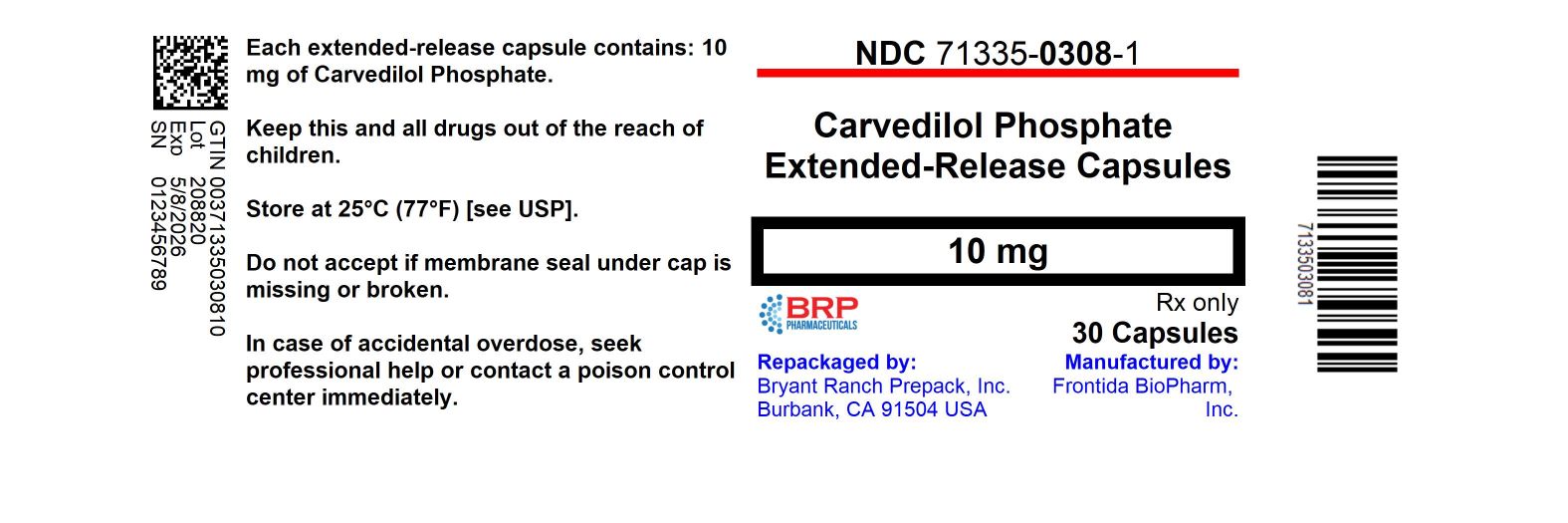
Carvedilol Phosphate Extended-Release 10mg Capsules Label
Medicare Part D spend CMS · PART D · 2026 (Q1)
About this NDC listing & data coverage
What data is (and isn’t) available for this NDC — tap to expand
| NDC identity (package / product / labeler codes) | ✓ Available |
| Labeler | ✓ Available |
| Product & package description | ✓ Available |
| Marketing category & status | ✓ Available |
| Active ingredient / dosage form / route | ✓ Available |
| FDA label (SPL via DailyMed) | ✓ Available |
| Package photos | ✓ Available |
| Inactive ingredients (structured) | ✓ Available |
| NADAC pharmacy acquisition price (CMS) | — Not published for this NDC CMS publishes NADAC only for NDCs reported in its retail-pharmacy survey. |
| Orange Book / therapeutic-equivalence data | ✓ Available |
| HCPCS J-code billing crosswalk | — Not published for this NDC Most self-administered / retail products have no J-code — that is normal. |
| Medicaid utilization (CMS SDUD) | — Not published for this NDC CMS reports utilization only for NDCs with Medicaid claims above its privacy threshold. |