
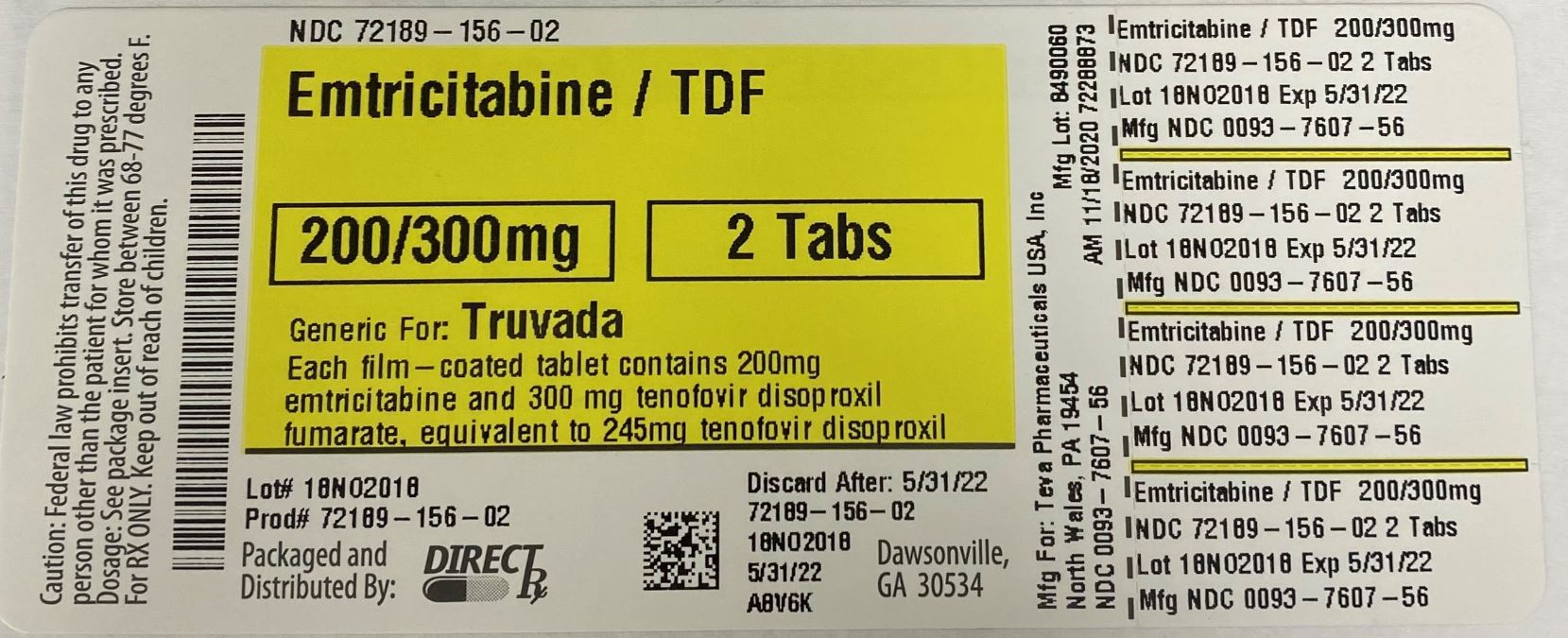
EMTRICITABINE AND TENOFOVIR DISOPROXIL FUMARATE 200; 300 mg; mg Tablet, Film Coated, 2-count
🆔 Identity & classification
Where does this data come from?
🏭 Manufacturer & labeler
Where does this data come from?
🩺 Clinical
The combination of emtricitabine and tenofovir DF is used to treat HIV. Emtricitabine and tenofovir DF is also used along with practicing safer sex (e.g., condom use) to reduce the risk of HIV infection. Emtricitabine and tenofovir DF are in a class of medications called nucleoside and nucleotide reverse transcriptase inhibitors (NRTIs). They work by slowing the spread of HIV in the body. Although emtricitabine and tenofovir DF will not cure HIV, these medications may decrease your chance of developing acquired immunodeficiency syndrome (AIDS) and HIV-related illnesses. Taking these medication...
Read the full MedlinePlus article ↗- If you already have HIV-1, this medication is part of your treatment — taken every day alongside other antivirals to keep the virus suppressed. PrEP is for people who are HIV-negat...
- What exactly is the difference between using this for HIV treatment versus PrEP?
- Please don't stop without talking to your doctor first. If you also have hepatitis B, stopping suddenly can trigger a serious and potentially dangerous flare-up of that infection....
- Common things like nausea, headache, diarrhea, and trouble sleeping often improve in the first few weeks. The ones that need immediate attention are symptoms that could signal a ra...
Patient education
Supplement & herbal interactions
Where does this data come from?
Ask a licensed pharmacist directly — free, answered by our team.
💊 What it looks like
Where does this data come from?
🧪 Inactive Ingredients / Excipients
Inactive ingredients, also called excipients, are components of the drug product other than the active ingredient. They may include fillers, dyes, coatings, preservatives, flavors, or other formulation ingredients.
💡 Tap an ingredient (hover on desktop) to see what it is and why it’s used.
-
UNII 68401960MK
Crospovidone is a synthetic polymer made from polyvinylpyrrolidone. It acts as a disintegrant, helping tablets break apart quickly in the stomach so the medicine dissolves and absorbs into the body.
-
UNII 4AQJ3LG584
A synthetic blue dye combined with aluminum to create a stable colorant. It's used in medicines and supplements to add blue color or create specific shades for product identification and appearance.
-
UNII EWQ57Q8I5X
Lactose monohydrate is a natural sugar derived from milk. It serves as a filler and binder in tablets and capsules, helping create the proper size, texture, and consistency of the medicine.
-
UNII 70097M6I30
Magnesium stearate is a salt made from magnesium and stearic acid, a fatty substance. It's used in tablets and capsules as a lubricant and glidant to help ingredients flow smoothly during manufacturing and prevent sticking.
-
UNII 3OWL53L36A
A natural sugar alcohol derived from seaweed or synthesized in the lab. It's used as a filler to add bulk, a sweetener in sugar-free formulas, and a disintegrant to help tablets break apart in the stomach.
-
UNII 3WJQ0SDW1A
Polyethylene glycol is a synthetic liquid or solid polymer used in medicines as a solvent, lubricant, and humectant. It helps dissolve active ingredients, reduces friction during manufacturing, and retains moisture in the final product.
-
UNII 532B59J990
Polyvinyl alcohol is a synthetic polymer made from plant-derived materials. It's used as a binder to hold ingredients together, a film-former in coatings, and a thickener in liquid formulations.
-
UNII U725QWY32X
Povidone K30 is a synthetic polymer made from petroleum. It acts as a binder to hold tablet ingredients together and as a disintegrant to help the tablet break apart in the stomach so the medicine can be absorbed.
-
UNII 7SEV7J4R1U
A powder made from a naturally occurring mineral. In medicines, talc works as a glidant and anti-caking agent, helping tablets and capsules flow smoothly during manufacturing and preventing clumping.
-
UNII 15FIX9V2JP
Titanium dioxide is a bright white mineral powder commonly used as a colorant and opacifying agent. It makes pills and tablets white or lighter in color and helps make coatings non-transparent.
10 inactive ingredients listed in the exact product block matched to this NDC.
Where does this data come from?
ingredient classCode="IACT" elements from the exact product block matched by this NDC. Label-section narrative from DailyMed / the openFDA label index is shown separately when available.Inactive ingredient FAQ
Are inactive ingredients the same for every manufacturer?
Why might an inactive ingredient be missing?
Can inactive ingredients matter?
💲 Pricing
A drug doesn't have one price. Each row is a different public payment system, and none is what you'd pay at the counter — that depends on your insurance. The ⓘ on each row explains what it measures.
| Price system | Per each | Per package |
|---|---|---|
| Retail pharmacies payNADAC · weekly | Not in the retail survey — common for institutional, discontinued, or low-volume packs. | |
| Medicaid paysCMS SDUD · 12 mo | No recent Medicaid claims on file for this NDC — rare and low-volume NDCs are suppressed in the public data. | |
| Medicare drug plans payPart D · quarterly | No Part D plan price is available for this NDC in our data. | |
Where does this data come from?
🔁 Therapeutic equivalents
Where does this data come from?
⏳ Availability & generic status
This product is an FDA-approved generic. Other versions of the same drug are listed under Therapeutic equivalents, least expensive first.
Where does this data come from?
📦 Packaging — all sizes for this product
| Package NDC | Description | Marketing start | Status |
|---|---|---|---|
| 72189-0156-02 You're viewing this | 2 TABLET, FILM COATED in 1 BOTTLE (72189-156-02) | 2020-11-19 | Inactivated by FDA |
🧭 About this NDC listing & data coverage
What data is (and isn’t) available for this NDC — tap to expand
| NDC identity (package / product / labeler codes) | ✓ Available |
| Labeler | ✓ Available |
| Product & package description | ✓ Available |
| Marketing category & status | ✓ Available |
| Active ingredient / dosage form / route | ✓ Available |
| FDA label (SPL via DailyMed) | ✓ Available |
| Package photos | ✓ Available |
| Inactive ingredients (structured) | ✓ Available |
| NADAC pharmacy acquisition price (CMS) | — Not published for this NDC CMS publishes NADAC only for NDCs reported in its retail-pharmacy survey. |
| Orange Book / therapeutic-equivalence data | ✓ Available |
| HCPCS J-code billing crosswalk | — Not published for this NDC Most self-administered / retail products have no J-code — that is normal. |
| Medicaid utilization (CMS SDUD) | — Not published for this NDC CMS reports utilization only for NDCs with Medicaid claims above its privacy threshold. |
Questions about this listing
Why is there no price listed?
What does the discontinued status mean for this NDC?
Is the NDC printed on the package the same as the 11-digit billing NDC?
What do the three segments of this NDC mean?
Who lists this product with the FDA?
Do I need a prescription for this product?
Where does this data come from?
📄 Full prescribing information FDA SPL
🚨 Boxed Warning ▾
WARNING: POSTTREATMENT ACUTE EXACERBATION OF HEPATITIS B AND RISK OF DRUG RESISTANCE WITH USE OF EMTRICITABINE AND TENOFOVIR DISOPROXIL FUMARATE TABLETS FOR HIV-1 PRE-EXPOSURE PROPHYLAXIS (PREP) IN UNDIAGNOSED EARLY HIV-1 INFECTION Severe acute exacerbations of hepatitis B (HBV) have been reported in HBV-infected individuals who have discontinued emtricitabine and tenofovir disoproxil fumarate tablets. Hepatic function should be monitored closely with both clinical and laboratory follow-up for at least several months in individuals who are infected with HBV and discontinue emtricitabine and tenofovir disoproxil fumarate tablets.
If appropriate, anti-hepatitis B therapy may be warranted [see Warnings and Precautions (5.1)]. Emtricitabine and tenofovir disoproxil fumarate tablets used for HIV-1 PrEP must only be prescribed to individuals confirmed to be HIV-negative immediately prior to initiating and at least every 3 months during use. Drug-resistant HIV-1 variants have been identified with use of emtricitabine and tenofovir disoproxil fumarate tablets for HIV-1 PrEP following undetected acute HIV-1 infection.
Do not initiate emtricitabine and tenofovir disoproxil fumarate tablets for HIV-1 PrEP if signs or symptoms of acute HIV-1 infection are present unless negative infection status is confirmed [see Warnings and Precautions (5.2)].
🎯 Indications and Usage ▾
1.1Treatment of HIV-1 Infection Emtricitabine and tenofovir disoproxil fumarate tablets are indicated in combination with other antiretroviral agents for the treatment of HIV-1 infection in adults and pediatric patients weighing at least 17 kg [see Clinical Studies (14)].
1.2HIV-1 Pre-Exposure Prophylaxis (PrEP) Emtricitabine and tenofovir disoproxil fumarate tablets are indicated in at-risk adults and adolescents weighing at least 35 kg for pre-exposure prophylaxis (PrEP) to reduce the risk of sexually acquired HIV-1 infection. Individuals must have a negative HIV-1 test immediately prior to initiating emtricitabine and tenofovir disoproxil fumarate tablets for HIV-1 PrEP [see Dosage and Administration (2.2), Warnings and Precautions (5.2)].
⏱️ Dosage and Administration ▾
2.1Testing Prior to Initiation of Emtricitabine and Tenofovir Disoproxil Fumarate Tablets for Treatment of HIV-1 Infection or for HIV-1 PrEP Prior to or when initiating emtricitabine and tenofovir disoproxil fumarate tablets, test individuals for hepatitis B virus infection [see Warnings and Precautions (5.1)]. Prior to initiation, and during use of emtricitabine and tenofovir disoproxil fumarate tablets, on a clinically appropriate schedule, assess serum creatinine, estimated creatinine clearance, urine glucose, and urine protein in all individuals.
In individuals with chronic kidney disease, also assess serum phosphorus [see Warnings and Precautions (5.3)].
2.2HIV-1 Screening for Individuals Receiving Emtricitabine and Tenofovir Disoproxil Fumarate Tablets for HIV-1 PrEP Screen all individuals for HIV-1 infection immediately prior to initiating emtricitabine and tenofovir disoproxil fumarate tablets for HIV-1 PrEP and at least once every 3 months while taking emtricitabine and tenofovir disoproxil fumarate tablets, and upon diagnosis of any other sexually transmitted infections (STIs) [see Indications and Usage (1.2), Contraindications (4) and Warnings and Precautions (5.2)].
If recent (<1 month) exposures to HIV-1 are suspected or clinical symptoms consistent with acute HIV-1 infection are present, use a test approved or cleared by the FDA as an aid in the diagnosis of acute or primary HIV-1 infection [see Warnings and Precautions (5.2), Use in Specific Populations (8.4), and Clinical Studies (14.3 and 14.4)].
2.3Recommended Dosage for Treatment of HIV-1 Infection in Adults and Pediatric Patients Weighing at Least 35 kg Emtricitabine and tenofovir disoproxil fumarate tablets are a two-drug fixed dose combination product containing emtricitabine (FTC) and tenofovir disoproxil fumarate (TDF). The recommended dosage of emtricitabine and tenofovir disoproxil fumarate tablets in adults and in pediatric patients weighing at least 35 kg is one tablet (containing 200 mg of FTC and 300 mg of TDF) once daily taken orally with or without food [see Clinical Pharmacology (12.3)].
2.4Recommended Dosage for Treatment of HIV-1 Infection in Pediatric Patients Weighing at Least 17 kg and Able to Swallow a Tablet The recommended oral dosage of emtricitabine and tenofovir disoproxil fumarate tablets for pediatric patients weighing at least 17 kg and who can swallow a tablet is presented in Table 1. Tablets should be taken once daily with or without food. Weight should be monitored periodically and the emtricitabine and tenofovir disoproxil fumarate tablets dose adjusted accordingly.
Table 1 Dosing for Treatment of HIV-1 Infection in Pediatric Patients Weighing 17 kg to less than 35 kg Body Weight (kg) Dosing of emtricitabine and tenofovir disoproxil fumarate tablets (FTC/TDF) 17 to less than 22 one 100 mg /150 mg tablet once daily 22 to less than 28 one 133 mg /200 mg tablet once daily 28 to less than 35 one 167 mg /250 mg tablet once daily
2.5Recommended Dosage for HIV-1 PrEP in Adults and Adolescents Weighing at Least 35 kg The dosage of emtricitabine and tenofovir disoproxil fumarate tablets for HIV-1 PrEP is one tablet (containing 200 mg of FTC and 300 mg of TDF) once daily taken orally with or without food in HIV-1 uninfected adults and adolescents weighing at least 35 kg [see Clinical Pharmacology (12.3)].
2.6Dosage Adjustment in Individuals with Renal Impairment Treatment of HIV-1 Infection Table 2 provides dosage interval adjustment for patients with renal impairment. No dosage adjustment is necessary for HIV-1 infected patients with mild renal impairment (creatinine clearance 50 to 80 mL/min). The safety and effectiveness of the dosing interval adjustment recommendations in patients with moderate renal impairment (creatinine clearance 30 to 49 mL/min) have not been clinically evaluated; therefore, clinical response to treatment and renal function should be closely monitored in these patients [see Warnings and Precautions (5.3)].…
💊 Dosage Forms and Strengths ▾
Emtricitabine and tenofovir disoproxil fumarate is available as tablets. Each film-coated tablet contains 200 mg of emtricitabine and 300 mg of tenofovir DF (which is equivalent to 245 mg of tenofovir disoproxil). The tablets are light-blue to blue, modified capsule-shaped, film-coated, debossed with "TV" on one side of the tablet and with "C75" on the other side.
⛔ Contraindications ▾
Emtricitabine and tenofovir disoproxil fumarate tablets for HIV-1 PrEP is contraindicated in individuals with unknown or positive HIV-1 status [see Warnings and Precautions (5.2)].
⚠️ Warnings and Cautions ▾
5.1Severe Acute Exacerbation of Hepatitis B in Individuals with HBV Infection All individuals should be tested for the presence of chronic hepatitis B virus (HBV) before or when initiating emtricitabine and tenofovir disoproxil fumarate tablets [see Dosage and Administration (2.1)]. Severe acute exacerbations of hepatitis B (e.g., liver decompensation and liver failure) have been reported in HBV-infected individuals who have discontinued emtricitabine and tenofovir disoproxil fumarate tablets. Individuals infected with HBV who discontinue emtricitabine and tenofovir disoproxil fumarate tablets should be closely monitored with both clinical and laboratory follow-up for at least several months after stopping treatment.
If appropriate, anti-hepatitis B therapy may be warranted, especially in individuals with advanced liver disease or cirrhosis, since posttreatment exacerbation of hepatitis may lead to hepatic decompensation and liver failure. HBV-uninfected individuals should be offered vaccination.
5.2Comprehensive Management to Reduce the Risk of Sexually Transmitted Infections, Including HIV-1, and Development of HIV-1 Resistance When Emtricitabine and Tenofovir Disoproxil Fumarate Tablets Is Used for HIV-1 PrEP Use emtricitabine and tenofovir disoproxil fumarate tablets for HIV-1 PrEP to reduce the risk of HIV-1 infection as part of a comprehensive prevention strategy that includes other prevention measures, including adherence to daily administration and safer sex practices, including condoms, to reduce the risk of sexually transmitted infections (STIs).
The time from initiation of emtricitabine and tenofovir disoproxil fumarate tablets for HIV-1 PrEP to maximal protection against HIV-1 infection is unknown. Risk for HIV-1 acquisition includes behavioral, biological, or epidemiologic factors including but not limited to condomless sex, past or current STIs, self-identified HIV risk, having sexual partners of unknown HIV-1 viremic status, or sexual activity in a high prevalence area or network. Counsel individuals on the use of other prevention measures (e.g., consistent and correct condom use, knowledge of partner(s)’ HIV-1 status, including viral suppression status, regular testing for STIs that can facilitate HIV-1 transmission).
Inform uninfected individuals about and support their efforts in reducing sexual risk behavior. Use emtricitabine and tenofovir disoproxil fumarate tablets to reduce the risk of acquiring HIV-1 only in individuals confirmed to be HIV-negative. HIV-1 resistance substitutions may emerge in individuals with undetected HIV-1 infection who are taking only emtricitabine and tenofovir disoproxil fumarate tablets, because emtricitabine and tenofovir disoproxil fumarate tablets alone does not constitute a complete regimen for HIV-1 treatment [see Microbiology (12.4)]; therefore, care should be taken to minimize the risk of initiating or continuing emtricitabine and tenofovir disoproxil fumarate tablets before confirming the individual is HIV-1 negative.
Some HIV-1 tests only detect anti-HIV antibodies and may not identify HIV-1 during the acute stage of infection. Prior to initiating emtricitabine and tenofovir disoproxil fumarate tablets for HIV-1 PrEP, ask seronegative individuals about recent (in past month) potential exposure events (e.g., condomless sex or condom breaking during sex with a partner of unknown HIV-1 status or unknown viremic status, or a recent STI), and evaluate for current or recent signs or symptoms consistent with acute HIV-1 infection (e.g., fever, fatigue, myalgia, skin rash).
If recent (<1 month) exposures to HIV-1 are suspected or clinical symptoms consistent with acute HIV-1 infection are present, use a test approved or cleared by the FDA as an aid in the diagnosis of acute or primary HIV-1 infection. While using emtricitabine and tenofovir disoproxil fumarate tablets for HIV-1 PrEP, HIV-1 testing should be repeated at least every 3 months, and upon diagnosis of any other STI…
🤒 Adverse Reactions ▾
The following adverse reactions are discussed in other sections of the labeling: Severe Acute Exacerbations of Hepatitis B in Patients with HBV Infection [see Warnings and Precautions (5.1)]. New Onset or Worsening Renal Impairment [see Warnings and Precautions (5.3)]. Immune Reconstitution Syndrome [see Warnings and Precautions (5.4)].
Bone Loss and Mineralization Defects [see Warnings and Precautions (5.5)]. Lactic Acidosis/Severe Hepatomegaly with Steatosis [see Warnings and Precautions (5.6)].
6.1Clinical Trials Experience Because clinical trials are conducted under widely varying conditions, adverse reaction rates observed in the clinical trials of a drug cannot be directly compared to rates in the clinical trials of another drug and may not reflect the rates observed in practice. Adverse Reactions from Clinical Trials Experience in HIV-1 Infected Subjects Clinical Trials in Adult Subjects In Study 934, 511 antiretroviral-naïve subjects received efavirenz (EFV) administered in combination with either FTC+TDF (N = 257) or zidovudine (AZT)/lamivudine (3TC) (N = 254) for 144 weeks.
The most common adverse reactions (incidence greater than or equal to 10%, all grades) included diarrhea, nausea, fatigue, headache, dizziness, depression, insomnia, abnormal dreams, and rash. Table 3 provides the treatment-emergent adverse reactions (Grades 2 to 4) occurring in greater than or equal to 5% of subjects treated in any treatment group. Skin discoloration, manifested by hyperpigmentation, occurred in 3% of subjects taking FTC+TDF, and was generally mild and asymptomatic.
The mechanism and clinical significance are unknown. Table 3 Selected Adverse Reactionsa (Grades 2 to 4) Reported in ≥ 5% in Any Treatment Group in Study 934 (0 to 144 Weeks) FTC+TDF+EFVb AZT/3TC+EFV N = 257 N = 254 Fatigue 9% 8% Depression 9% 7% Nausea 9% 7% Diarrhea 9% 5% Dizziness 8% 7% Upper respiratory tract infections 8% 5% Sinusitis 8% 4% Rash eventc 7% 9% Headache 6% 5% Insomnia 5% 7% Nasopharyngitis 5% 3% Vomiting 2% 5% a. Frequencies of adverse reactions are based on all treatment-emergent adverse events, regardless of relationship to study drug. b.
From Weeks 96 to 144 of the trial, subjects received emtricitabine and tenofovir disoproxil fumarate tablets with efavirenz in place of FTC+TDF with efavirenz. c. Rash event includes rash, exfoliative rash, rash generalized, rash macular, rash maculo-papular, rash pruritic, and rash vesicular. Laboratory Abnormalities: Laboratory abnormalities observed in this trial were generally consistent with those seen in other trials of TDF and/or FTC (Table 4).
Table 4 Significant Laboratory Abnormalities Reported in ≥ 1% of Subjects in Any Treatment Group in Study 934 (0 to 144 Weeks) FTC+TDF+EFVa AZT/3TC+EFV N = 257 N = 254 Any ≥ Grade 3 Laboratory Abnormality 30% 26% Fasting Cholesterol (> 240 mg/dL) 22% 24% Creatine Kinase (M: > 990 U/L) (F: > 845 U/L) 9% 7% Serum Amylase (> 175 U/L) 8% 4% Alkaline Phosphatase (> 550 U/L) 1% 0% AST (M: > 180 U/L) (F: > 170 U/L) 3% 3% ALT (M: > 215 U/L) (F: > 170 U/L) 2% 3% Hemoglobin (< 8.0 mg/dL) 0% 4% Hyperglycemia (> 250 mg/dL) 2% 1% Hematuria (> 75 RBC/HPF) 3% 2% Glycosuria (≥ 3+) < 1% 1% Neutrophils (< 750/mm3) 3% 5% Fasting Triglycerides (> 750 mg/dL) 4% 2% a.
From Weeks 96 to 144 of the trial, subjects received emtricitabine and tenofovir disoproxil fumarate tablets with efavirenz in place of FTC+TDF with efavirenz. Clinical Trials in Pediatric Subjects Emtricitabine: In addition to the adverse reactions reported in adults, anemia and hyperpigmentation were observed in 7% and 32%, respectively, of pediatric subjects (3 months to less than 18 years of age) who received treatment with FTC in the larger of two open-label, uncontrolled pediatric trials (N = 116). Tenofovir Disoproxil Fumarate: In pediatric clinical trials (Studies 352 and 321) conducted in 184 HIV1 infected subjects 2 to less than 18 years of age, the adverse reactions observed in pediatric subjects who received t…
🔄 Drug Interactions ▾
7.1Drugs Affecting Renal Function FTC and tenofovir are primarily excreted by the kidneys by a combination of glomerular filtration and active tubular secretion [see Clinical Pharmacology (12.3)]. No drug-drug interactions due to competition for renal excretion have been observed; however, coadministration of emtricitabine and tenofovir disoproxil fumarate tablets with drugs that are eliminated by active tubular secretion may increase concentrations of FTC, tenofovir, and/or the coadministered drug. Some examples include, but are not limited to, acyclovir, adefovir dipivoxil, cidofovir, ganciclovir, valacyclovir, valganciclovir, aminoglycosides (e.g., gentamicin), and high-dose or multiple NSAIDs [see Warnings and Precautions (5.3)].
Drugs that decrease renal function may increase concentrations of FTC and/or tenofovir.
7.2Established and Significant Interactions Table 7 provides a listing of established or clinically significant drug interactions. The drug interactions described are based on studies conducted with either emtricitabine and tenofovir disoproxil fumarate tablets, the components of emtricitabine and tenofovir disoproxil fumarate tablets (FTC and TDF) as individual agents and/or in combination, or are predicted drug interactions that may occur with emtricitabine and tenofovir disoproxil fumarate tablets [see Clinical Pharmacology (12.3)].
Table 7 Established and Significanta Drug Interactions: Alteration in Dose or Regimen May Be Recommended Based on Drug Interaction Trials Concomitant Drug Class: Drug Name Effect on Concentration Clinical Comment NRTI: didanosinec ↑ didanosine Patients receiving emtricitabine and tenofovir disoproxil fumarate tablets and didanosine should be monitored closely for didanosine-associated adverse reactions. Discontinue didanosine in patients who develop didanosine-associated adverse reactions. Higher didanosine concentrations could potentiate didanosine-associated adverse reactions, including pancreatitis, and neuropathy.
Suppression of CD4+ cell counts has been observed in patients receiving TDF with didanosine 400 mg daily. In patients weighing greater than 60 kg, reduce the didanosine dose to 250 mg when it is coadministered with emtricitabine and tenofovir disoproxil fumarate tablets. Data are not available to recommend a dose adjustment of didanosine for adult or pediatric patients weighing less than 60 kg.
When coadministered, emtricitabine and tenofovir disoproxil fumarate tablets and Videx EC may be taken under fasted conditions or with a light meal (less than 400 kcal, 20% fat). HIV-1 Protease Inhibitors: atazanavirc lopinavir/ritonavirc atazanavir/ritonavirc darunavir/ritonavirc ↓ atazanavir ↑ tenofovir When coadministered with emtricitabine and tenofovir disoproxil fumarate tablets, atazanavir 300 mg should be given with ritonavir 100 mg. Monitor patients receiving emtricitabine and tenofovir disoproxil fumarate tablets concomitantly with lopinavir/ritonavir, ritonavir-boosted atazanavir, or ritonavirboosted darunavir for TDF-associated adverse reactions.
Discontinue emtricitabine and tenofovir disoproxil fumarate tablets in patients who develop TDF- associated adverse reactions. Hepatitis C Antiviral Agents: sofosbuvir/velpatasvirc sofosbuvir/velpatasvir/ voxilaprevirc ledipasvir/sofosbuvirc ↑ tenofovir Monitor patients receiving emtricitabine and tenofovir disoproxil fumarate tablets concomitantly with EPCLUSA® (sofosbuvir/velpatasvir) or VOSEVI® (sofosbuvir/velpatasvir/voxilaprevir) for adverse reactions associated with TDF. Monitor patients receiving emtricitabine and tenofovir disoproxil fumarate tablets concomitantly with HARVONI® (ledipasvir/sofosbuvir) without an HIV-1 protease inhibitor/ritonavir or an HIV-1 protease inhibitor/cobicistat combination for adverse reactions associated with TDF.
In patients receiving emtricitabine and tenofovir disoproxil fumarate tablets concomitantly with HARVONI and an HIV-1 protease inhibitor/ritonavir or an HIV-1 protease inhi…
👥 Use in Specific Populations ▾
8.1Pregnancy Pregnancy Exposure Registry There is a pregnancy exposure registry that monitors pregnancy outcomes in women exposed to emtricitabine and tenofovir disoproxil fumarate tablets during pregnancy. Healthcare providers are encouraged to register patients by calling the Antiretroviral Pregnancy Registry (APR) at 1-800-258-4263. Risk Summary Data on the use of emtricitabine and tenofovir disoproxil fumarate tablets during pregnancy from observational studies have shown no increased risk of major birth defects.
Available data from the APR show no significant difference in the overall risk of major birth defects with first trimester exposure for emtricitabine (FTC) (2.3%) or tenofovir disoproxil fumarate (TDF) (2.1%) compared with the background rate for major birth defects of 2.7% in a U.S. reference population of the Metropolitan Atlanta Congenital Defects Program (MACDP) (see Data). The rate of miscarriage for individual drugs is not reported in the APR. In the U.S. general population, the estimated background risk of miscarriage in clinically recognized pregnancies is 15 to 20%.
In animal reproduction studies, no adverse developmental effects were observed when the components of emtricitabine and tenofovir disoproxil fumarate tablets were administered separately at doses/exposures ≥ 60 (FTC), ≥ 14 (TDF) and 2.7 (tenofovir) times those of the recommended daily dose of emtricitabine and tenofovir disoproxil fumarate tablets (see Data). Clinical Considerations Disease-associated maternal and/or embryo/fetal risk HIV-1 PrEP: Published studies indicate an increased risk of HIV-1 infection during pregnancy and an increased risk of mother to child transmission during acute HIV-1 infection.
In women at risk of acquiring HIV-1, consideration should be given to methods to prevent acquisition of HIV, including continuing or initiating emtricitabine and tenofovir disoproxil fumarate tablets for HIV-1 PrEP, during pregnancy. Data Human Data Emtricitabine and Tenofovir Disoproxil Fumarate Tablets for HIV-1 PrEP: In an observational study based on prospective reports to the APR, 78 HIV-seronegative women exposed to emtricitabine and tenofovir disoproxil fumarate tablets during pregnancy delivered live-born infants with no major malformations.
All but one were first trimester exposures, and the median duration of exposure was 10.5 weeks. There were no new safety findings in the women receiving emtricitabine and tenofovir disoproxil fumarate tablets for HIV-1 PrEP compared with HIV-1 infected women treated with other antiretroviral medications. Emtricitabine: Based on prospective reports to the APR of exposures to FTC-containing regimens during pregnancy resulting in live births (including over 3,300 exposed in the first trimester and over 1,300 exposed in the second/third trimester), the prevalence of major birth defects in live births was 2.6% (95% CI: 2.1% to 3.2%) and 2.3% (95% CI: 1.6% to 3.3%) following first and second/third trimester exposure, respectively, to FTC-containing regimens.
Tenofovir Disoproxil Fumarate: Based on prospective reports to the APR of exposures to TDF-containing regimens during pregnancy resulting in live births (including over 4,000 exposed in the first trimester and over 1,700 exposed in the second/third trimester), the prevalence of major birth defects in live births was 2.4% (95% CI: 2.0% to 2.9%) and 2.4% (95% CI: 1.7% to 3.2%), following first and second/third trimester exposure, respectively, to TDF-containing regimens. Methodologic limitations of the APR include the use of MACDP as the external comparator group.
The MACDP population is not disease-specific, evaluates women and infants from a limited geographic area, and does not include outcomes for births that occurred at < 20 weeks gestation. Additionally, published observational studies on emtricitabine and tenofovir exposure in pregnancy have not shown an increased risk for major malformations. Animal Data Emtricitabine: FTC was administered…
🆘 Overdosage ▾
If overdose occurs, the patient must be monitored for evidence of toxicity, and standard supportive treatment applied as necessary. Emtricitabine: Hemodialysis treatment removes approximately 30% of the FTC dose over a 3-hour dialysis period starting within 1.5 hours of FTC dosing (blood flow rate of 400 mL/min and a dialysate flow rate of 600 mL/min). It is not known whether FTC can be removed by peritoneal dialysis.
Tenofovir Disoproxil Fumarate: Tenofovir is efficiently removed by hemodialysis with an extraction coefficient of approximately 54%. Following a single 300 mg dose of TDF, a four-hour hemodialysis session removed approximately 10% of the administered tenofovir dose.
🧬 Clinical Pharmacology ▾
12.1Mechanism of Action Emtricitabine and tenofovir disoproxil fumarate tablets are a fixed-dose combination of antiviral drugs FTC and TDF [see Microbiology (12.4)].
12.3Pharmacokinetics Emtricitabine and Tenofovir Disoproxil Fumarate Tablets: One emtricitabine and tenofovir disoproxil fumarate tablet was comparable to one FTC capsule (200 mg) plus one TDF tablet (300 mg) following single-dose administration to fasting healthy subjects (N = 39). Emtricitabine: The pharmacokinetic properties of FTC are summarized in Table 8. Following oral administration of FTC, FTC is rapidly absorbed with peak plasma concentrations occurring at 1 to 2 hours postdose.
Less than 4% of FTC binds to human plasma proteins in vitro, and the binding is independent of concentration over the range of 0.02 to 200 mcg/mL. Following administration of radiolabelled FTC, approximately 86% is recovered in the urine and 13% is recovered as metabolites. The metabolites of FTC include 3′-sulfoxide diastereomers and their glucuronic acid conjugate.
Emtricitabine is eliminated by a combination of glomerular filtration and active tubular secretion. Following a single oral dose of FTC, the plasma FTC half-life is approximately 10 hours. Tenofovir Disoproxil Fumarate: The pharmacokinetic properties of TDF are summarized in Table 8.
Following oral administration of TDF, maximum tenofovir serum concentrations are achieved in 1.0 ± 0.4 hour. Less than 0.7% of tenofovir binds to human plasma proteins in vitro, and the binding is independent of concentration over the range of 0.01 to 25 mcg/mL. Approximately 70 to 80% of the intravenous dose of tenofovir is recovered as unchanged drug in the urine.
Tenofovir is eliminated by a combination of glomerular filtration and active tubular secretion. Following a single oral dose of TDF, the terminal elimination half-life of tenofovir is approximately 17 hours. Table 8 Single Dose Pharmacokinetic Parameters for FTC and Tenofovir in Adultsa FTC Tenofovir Fasted Oral Bioavailabilityb (%) 92 (83.1 to 106.4) 25 (NC to 45.0) Plasma Terminal Elimination Half-Lifeb (hr) 10 (7.4 to 18.0) 17 (12.0 to 25.7) Cmaxc (mcg/mL) 1.8 ± 0.72d 0.30 ±
0.09AUCc (mcg·hr/mL) 10.0 ± 3.12d 2.29 ±
0.69CL/Fc (mL/min) 302 ± 94 1043 ± 115 CLrenalc (mL/min) 213 ± 89 243 ± 33 a. NC = Not calculated b. Median (range) c.
Mean (± SD) d. Data presented as steady state values Effects of Food on Oral Absorption Emtricitabine and tenofovir disoproxil fumarate tablets may be administered with or without food. Administration of emtricitabine and tenofovir disoproxil fumarate tablets following a high fat meal (784 kcal; 49 grams of fat) or a light meal (373 kcal; 8 grams of fat) delayed the time of tenofovir Cmax by approximately 0.75 hour.
The mean increases in tenofovir AUC and Cmax were approximately 35% and 15%, respectively, when administered with a high fat or light meal, compared to administration in the fasted state. In previous safety and efficacy trials, TDF (tenofovir) was taken under fed conditions. FTC systemic exposures (AUC and Cmax) were unaffected when emtricitabine and tenofovir disoproxil fumarate tablets were administered with either a high fat or a light meal.
Specific Populations Race Emtricitabine: No pharmacokinetic differences due to race have been identified following the administration of FTC. Tenofovir Disoproxil Fumarate: There were insufficient numbers from racial and ethnic groups other than Caucasian to adequately determine potential pharmacokinetic differences among these populations following the administration of TDF. Gender Emtricitabine and Tenofovir Disoproxil Fumarate: FTC and tenofovir pharmacokinetics are similar in male and female subjects.
Pediatric Patients Treatment of HIV-1 Infection: The pharmacokinetic data for tenofovir and FTC following administration of emtricitabine and tenofovir disoproxil fumarate tablets in pediatric subjects weighing 17 kg and above are not available. The dosage recommendations of emtricitabin…
📦 How Supplied / Storage and Handling ▾
Emtricitabine and tenofovir disoproxil fumarate tablets are available as follows: 200 mg of emtricitabine and 300 mg of tenofovir DF (equivalent to 245 mg of tenofovir disoproxil) - light-blue to blue, film-coated, modified capsule-shaped tablets, debossed with "TV" on one side of the tablet and with "C75" on the other side. Available in unit of use bottles of 30 (containing a desiccant [silica gel canister] and closed with a child-resistant closure), Store at 20° to 25°C (68° to 77°F) [See USP Controlled Room Temperature].
Keep container tightly closed Dispense only in original container
📋 Description ▾
Emtricitabine and tenofovir disoproxil fumarate tablets are fixed-dose combination tablets containing emtricitabine (FTC) and tenofovir disoproxil fumarate (TDF). FTC is a synthetic nucleoside analog of cytidine. TDF is converted in vivo to tenofovir, an acyclic nucleoside phosphonate (nucleotide) analog of adenosine 5′-monophosphate.
Both FTC and tenofovir exhibit inhibitory activity against HIV-1 reverse transcriptase. Emtricitabine: The chemical name of FTC is 5-fluoro-1-(2R,5S)-[2-(hydroxymethyl)-1,3-oxathiolan-5yl]cytosine. FTC is the (-) enantiomer of a thio analog of cytidine, which differs from other cytidine analogs in that it has a fluorine in the 5-position.
It has the following structural formula: [Chemical Structure] C8H10FN3O3S M.W. 247.25 FTC is a white to off-white crystalline powder with a solubility of approximately 112 mg/mL in water at 25°C. The partition coefficient (log p) for emtricitabine is −0.43 and the pKa is 2.65.
Tenofovir Disoproxil Fumarate: TDF is a fumaric acid salt of the bis-isopropoxycarbonyloxymethyl ester derivative of tenofovir. The chemical name of tenofovir DF is 9-[(R)-2 [[bis[[(isopropoxycarbonyl)oxy]- methoxy]phosphinyl]methoxy]propyl]adenine fumarate. It has the following structural formula: [Tenofovir Fumurate Chemical Structure] C19H30N5O10P•C4H4O4 M.W.
635.52 Tenofovir disoproxil fumarate is a white to off-white crystalline powder with a solubility of 13.4 mg/mL in water at 25°C. The partition coefficient (log p) for tenofovir disoproxil is 1.25 and the pKa is 3.75. All dosages are expressed in terms of TDF except where otherwise noted.
Emtricitabine and tenofovir disoproxil fumarate tablets are for oral administration. Each film-coated tablet contains 200 mg of emtricitabine and 300 mg of tenofovir DF (which is equivalent to 245 mg of tenofovir disoproxil), as active ingredients. The tablets also include the following inactive ingredients: crospovidone, FD&C blue #2 aluminum lake, lactose monohydrate, magnesium stearate, mannitol, polyethylene glycol, polyvinyl alcohol, povidone, talc, and titanium dioxide.
💬 Medication Guide ▾
Emtricitabine and Tenofovir Disoproxil Fumarate (em" trye sye′ ta been and ten of′ oh vir dye" soe prox′ il fue′ ma rate) Tablets Read this Medication Guide before you start taking emtricitabine and tenofovir disoproxil fumarate tablets and each time you get a refill. There may be new information. This information does not take the place of talking to your healthcare provider about your medical condition or your treatment.
This Medication Guide provides information about two different ways that emtricitabine and tenofovir disoproxil fumarate tablets may be used. See the section “What are emtricitabine and tenofovir disoproxil fumarate tablets” for detailed information about how emtricitabine and tenofovir disoproxil fumarate tablets may be used. What is the most important information I should know about emtricitabine and tenofovir disoproxil fumarate tablets?
Emtricitabine and tenofovir disoproxil fumarate tablets can cause serious side effects, including: Worsening of hepatitis B virus infection (HBV). Your healthcare provider will test you for HBV before start or when you start treatment with emtricitabine and tenofovir disoproxil fumarate tablets. If you have HBV infection and take emtricitabine and tenofovir disoproxil fumarate tablets, your HBV may get worse (flare-up) if you stop taking emtricitabine and tenofovir disoproxil fumarate tablets.
A “flare-up” is when your HBV infection suddenly returns in a worse way than before. Do not run out of emtricitabine and tenofovir disoproxil fumarate tablets. Refill your prescription or talk to your healthcare provider before your emtricitabine and tenofovir disoproxil fumarate tablets is all gone.
Do not stop taking emtricitabine and tenofovir disoproxil fumarate tablets without first talking to your healthcare provider. If you stop taking emtricitabine and tenofovir disoproxil fumarate tablets, your healthcare provider will need to check your health often and do blood tests regularly for several months to check your HBV infection, or give you a medicine to treat hepatitis B. Tell your healthcare provider about any new or unusual symptoms you may have after you stop taking emtricitabine and tenofovir disoproxil fumarate tablets.
For more information about side effects, see the section “What are the possible side effects of emtricitabine and tenofovir disoproxil fumarate tablets? Other important information for people who take emtricitabine and tenofovir disoproxil fumarate tablets to help reduce their risk of getting human immunodeficiency virus-1 (HIV-1) infection, also called pre-exposure prophylaxis or “PrEP”: Before taking emtricitabine and tenofovir disoproxil fumarate tablets to reduce your risk of getting HIV-1: You must be HIV-1-negative to start emtricitabine and tenofovir disoproxil fumarate tablets.
You must get tested to make sure that you do not already have HIV-1 infection. Do not take emtricitabine and tenofovir disoproxil fumarate tablets for HIV-1 PrEP unless you are confirmed to be HIV-1 negative. Some HIV-1 tests can miss HIV-1 infection in a person who has recently become infected.
If you have flu-like symptoms, you could have recently become infected with HIV-1. Tell your healthcare provider if you had a flu-like illness within the last month before starting emtricitabine and tenofovir disoproxil fumarate tablets or at any time while taking emtricitabine and tenofovir disoproxil fumarate tablets. Symptoms of new HIV-1 infection include: tiredness fever joint or muscle aches headache sore throat vomiting or diarrhea rash night sweats enlarged lymph nodes in the neck or groin While you are taking emtricitabine and tenofovir disoproxil fumarate tablets for HIV-1 PrEP: Emtricitabine and tenofovir disoproxil fumarate tablets does not prevent other sexually transmitted infections (STIs).
Practice safer sex by using a latex or polyurethane condom to reduce the risk of getting STIs. You must stay HIV-negative to keep taking emtricitabine and tenofovir disoproxil fuma…