
Best Time Of Day To Take Prozac (Fluoxetine)
Is there a best time of day to take Prozac? I can't take it in the morning because that's when I take my thyroid medication.
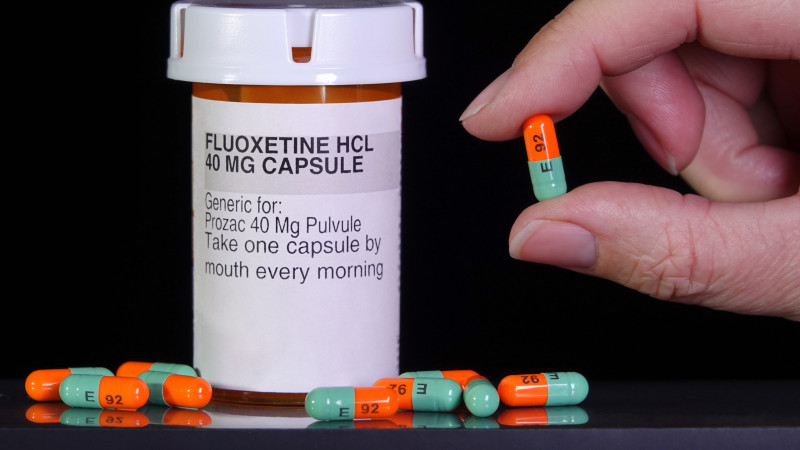

Is there a best time of day to take Prozac? I can't take it in the morning because that's when I take my thyroid medication.
Jun 10, 2022- Most SSRIs including Prozac are typically recommended to be taken in the morning to help reduce side effects like insomnia and dry mouth.
- If you experience drowsiness or fatigue from Prozac, taking it in the evening about 1 to 2 hours before bedtime may help instead.
- The time of day you take Prozac does not affect how well it works, as long as you take it consistently at the same time each day.
effectiveness. The for the medication does recommend morning dosing, as do most SSRI (Selective Serotonin Reuptake Inhibitor) medications. This is due to the typical side effects many people experience.
Two of the most common side effects to Prozac (fluoxetine) are insomnia and dry mouth.
Dry mouth tends to occur more often in the evening as our salivary glands are less active at night. Morning dosing can sometimes alleviate this. Insomnia tends to be less of an issue with morning dosing as well.
However, a small percentage of people do experience fatigue and drowsiness on Prozac (fluoxetine).
If this occurs, it is recommended to take the medication in the evening, about 1 to 2 hours before bedtime. In addition, due to conflicting medication administration schedules (like your current situation), it makes sense to take it in the evening.
As mentioned, there will be no difference in effectiveness, regardless of what time of day you take your dose. Just be sure to remain consistent.
References & sources
Glossary — Terms in This Answer
- SSRI
- A class of antidepressant medications that work by increasing serotonin levels in the brain to improve mood.
- Prozac
- A brand name for the antidepressant medication fluoxetine.
- Fluoxetine
- The active chemical ingredient in Prozac used to treat depression and anxiety.
- Insomnia
- Difficulty falling asleep or staying asleep at night.
- Side effects
- Unwanted or unintended reactions that occur in addition to the desired effect of a medication.
- Salivary glands
- Glands in the mouth that produce saliva to keep the mouth moist.
- Drowsiness
- A state of being sleepy or lacking alertness.
- Fatigue
- Extreme tiredness or lack of energy.
Dr. Brian Staiger, PharmD
Doctor of Pharmacy, board certified clinical pharmacist (BCPS), American Herbalist Guild, Medication Therapy Management certified
Brian Staiger, PharmD, BCPS, is a licensed pharmacist with more than 13 years of experience across retail pharmacy, clinical pharmacy, medication safety, pharmacy program development, and healthcare administration. He is the founder of HelloPharmacist.com, where he helps patients...
More answers from Brian →