
Black Currant Oil With Levothyroxine, Methotrexate, and a Statin
Adding a black currant oil supplement with GLA to a daily routine that already includes levothyroxine, methotrexate, rosuvastatin, folic acid, vitamin D3, and famotidine raises fair questions about interactions and timing, especially for someone managing this many medications at once.
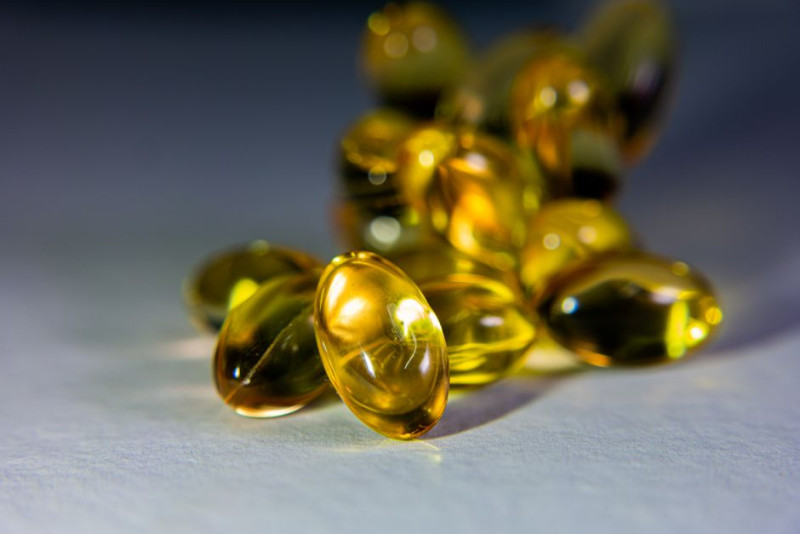

Is it safe for me to take black currant oil 500 mg (providing 70 mg of GLA) while I am also taking levothyroxine 25 mcg daily, methotrexate 7.5 mg once weekly, rosuvastatin 40 mg daily, folic acid 800 mcg daily, vitamin D3 50 mcg daily, and famotidine 10 mg as needed? I am hoping to reduce my rosuvastatin dose because I have been experiencing leg cramps and low energy. I am 72 years old, weigh 128 pounds, exercise regularly, follow a pescatarian diet, and my average blood pressure is about 115/65. Thank you.
Jul 31, 2026- Black currant oil at your dose has no known interactions with levothyroxine, methotrexate, or your statin, so it's generally safe to add. Take your levothyroxine first thing in the morning on an empty stomach, and take the black currant oil later in the day with food to avoid any timing issues. If you're experiencing muscle cramps or fatigue from your statin, talk to your doctor about adjusting the dose rather than stopping it on your own, since the dose was chosen based on your individual heart health needs.
Hello, and thank you for your detailed question! It makes giving a useful answer much easier.
Black currant oil at this dose is not known to interact with any of the medications or supplements you listed, so from an interaction standpoint it is generally considered a reasonable addition. There are two practical points worth walking through, though: how to time it around your levothyroxine, and what to do (and not do) about the statin symptoms you mentioned.
How Black Currant Oil Fits With Your Current Regimen
Black currant seed oil is a plant oil valued mainly as a source of gamma-linolenic acid (GLA), an omega-6 fatty acid the body converts into compounds that may have anti-inflammatory effects.
It has actually been studied for joint symptoms in rheumatoid arthritis, which may be relevant given your weekly methotrexate and daily folic acid. Methotrexate itself is largely excreted unchanged by the kidneys and mostly bypasses the liver enzyme pathways where supplement interactions typically occur, and a dietary oil like this is not expected to affect it.
Your famotidine and vitamin D3 don't raise any concerns with black currant oil either. One general note: GLA-containing oils may have a mild blood-thinning (antiplatelet) effect at higher doses, so if you ever start an anticoagulant or have surgery planned, mention the supplement to your doctor. At 70 mg of GLA daily, this is a fairly modest dose.
As a side note, your folic acid is doing important work alongside the methotrexate. Folic acid supplementation during long-term, low-dose methotrexate therapy is well supported, as it reduces side effects without blunting the drug's benefit. In one well-known randomized trial, researchers concluded that folic acid "protects patients with rheumatoid arthritis who are taking methotrexate from toxicity while preserving the efficacy of methotrexate." You can read more on our folic acid and methotrexate interaction page.
Timing Around Your Levothyroxine
Levothyroxine is very particular about absorption, so it should be taken by itself, first thing in the morning on an empty stomach, at least 30 to 60 minutes before food, other medications, and supplements (unless your doctor has directed you differently).
The easiest routine is to keep your levothyroxine as is and take the black currant oil later in the day with a meal. Since it's an oil-based supplement, taking it with food that contains some fat also helps with absorption, and the same goes for your vitamin D3.
About Your Statin, Leg Cramps, and Low Energy
I want to encourage you not to lower or skip the rosuvastatin on your own, even though your frustration is completely understandable.
Muscle aches, cramps, and fatigue are recognized statin-associated symptoms, and 40 mg is the highest rosuvastatin dose, so there is real room for your prescriber to work with you here. They may check labs, adjust the dose, or try a different approach, but that decision needs to be made with them because your dose was chosen based on your individual cardiovascular risk.
For what it's worth, rosuvastatin is flexible in how it's taken; per the prescribing information, you can take it "as a single dose at any time of day, with or without food." Black currant oil is not a substitute for a statin, so please bring your symptoms to your doctor at your next visit, or sooner if the cramps are worsening.
Final Words
Thanks for trusting HelloPharmacist, and feel free to follow up anytime!
You may also find these related HelloPharmacist resources helpful:
References & sources
- Folic acid and folinic acid for reducing side effects in patients receiving methotrexate for rheumatoid arthritis — PubMed
- Supplementation with folic acid during methotrexate therapy for rheumatoid arthritis. A double-blind, placebo-controlled trial. — PubMed
- Crestor Prescribing Information — DailyMed
Glossary — Terms in This Answer
- Gamma-linolenic acid (GLA)
- A type of omega-6 fatty acid found in black currant oil that the body processes into compounds with potential anti-inflammatory properties.
- Antiplatelet effect
- A property that slightly reduces the blood's ability to clot by affecting platelets, the cells responsible for forming blood clots.
- Anticoagulant
- A medication that prevents blood clots from forming or growing larger.
- Excreted
- Removed from the body through elimination, typically via urine or feces.
- Liver enzyme pathways
- Chemical processes in the liver that break down drugs and supplements, where interactions between medications often occur.
- Efficacy
- The ability of a drug or treatment to produce the desired therapeutic effect.
- Statin-associated symptoms
- Muscle-related side effects like aches, cramps, and fatigue that can occur from taking cholesterol-lowering statin medications.
- Cardiovascular risk
- The likelihood of developing heart disease or having a stroke based on a person's individual health factors.
Dr. Brian Staiger, PharmD
Doctor of Pharmacy, board certified clinical pharmacist (BCPS), American Herbalist Guild, Medication Therapy Management certified
Brian Staiger, PharmD, BCPS, is a licensed pharmacist with more than 13 years of experience across retail pharmacy, clinical pharmacy, medication safety, pharmacy program development, and healthcare administration. He is the founder of HelloPharmacist.com, where he helps patients...
More answers from Brian →