
Can You Take Benadryl With Minocycline?
In our latest question and answer, the pharmacist discusses whether or not there is a drug interaction between Benadryl and minocycline.
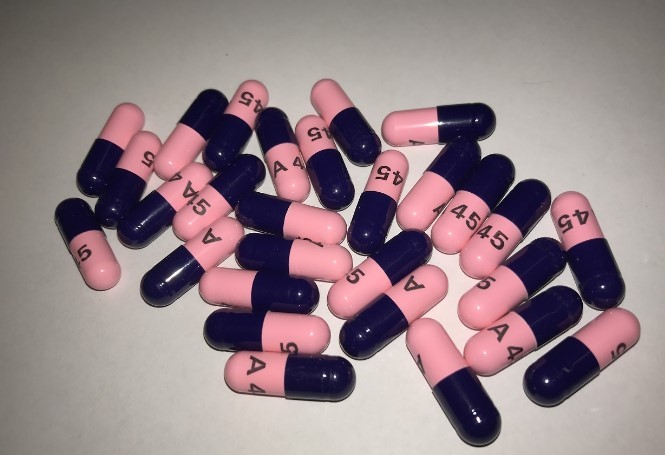

Can I take Benadryl if I'm on minocycline?
Jul 20, 2023- Minocycline capsules and Benadryl do not have a known drug interaction.
- Both medications can cause drowsiness and fatigue, so taking them together may increase your overall sleepiness.
- If you take minocycline injection rather than capsules, there is a greater risk of additive sedative effects when combined with Benadryl.
Quick Answer
Minocycline capsules and Benadryl (diphenhydramine) are not known to interact. However, both medications can potentially cause drowsiness and fatigue, so there may be additive sedative effects if taken together.
As always, it's a good idea to consult with your healthcare provider or pharmacist for personalized advice.
Detailed Answer
Minocycline capsules, an antibiotic commonly used to treat bacterial infections, and Benadryl (diphenhydramine), an antihistamine often used for allergies and sleep aid, are not known to have any significant interactions.
However, it's important to note that both medications have the potential to cause drowsiness and fatigue as side effects.
Benadryl is well-known to cause sedation, which is why it's often used as a nighttime sleep aid.
Minocycline, while not generally associated with causing sedation, can cause it. In fact, the prescribing information for the drug notes that approximately 9% of individuals taking the drug experience fatigue.
So, overall, combining minocycline and Benadryl could increase the overall sedative effect of each, making you feel sleepier or more tired.
As a precaution, it's advisable to be cautious when taking them together, especially if you plan to engage in activities that require alertness or driving.
It's important to understand that the sedative effect may vary among individuals, and certain factors such as dose, frequency, and individual sensitivity can impact how the two medications interact in each person.
Minocycline Injection Has a Greater Sedative Risk
It's important to point out that injectable minocycline contains magnesium sulfate heptahydrate, which can have central nervous system (CNS) depressant effects.
Concurrent use with other CNS depressants, like sedating H1-blockers such as Benadryl, may result in additive central-depressant effects. However, this caution is specific to the injectable form, and it does not apply to minocycline capsules (which don't contain magnesium sulfate heptahydrate).
Final Words
I wanted to thank you for reaching out! Be sure to do so again anytime.
References & sources
Glossary — Terms in This Answer
- Antibiotic
- A medication that kills bacteria or stops them from growing to treat infections.
- Antihistamine
- A medication that blocks histamine in the body to relieve allergy symptoms and reduce itching.
- Sedation
- A state of drowsiness or reduced alertness caused by medication.
- Sedative effect
- The sleep-inducing or drowsiness-causing action of a medication.
- CNS depressants
- Medications that slow down brain and nervous system activity, causing drowsiness or reduced alertness.
- Additive effects
- When two medications combine to increase the overall strength of a side effect beyond what either would cause alone.
- Magnesium sulfate heptahydrate
- A chemical compound in injectable form that can cause drowsiness and reduced alertness in the central nervous system.
- H1-blockers
- Medications that block histamine receptors in the body, often used to treat allergies and may cause drowsiness.
Dr. Brian Staiger, PharmD
Doctor of Pharmacy, board certified clinical pharmacist (BCPS), American Herbalist Guild, Medication Therapy Management certified
Brian Staiger, PharmD, BCPS, is a licensed pharmacist with more than 13 years of experience across retail pharmacy, clinical pharmacy, medication safety, pharmacy program development, and healthcare administration. He is the founder of HelloPharmacist.com, where he helps patients...
More answers from Brian →