
Can You Take L-Carnitine With Xarelto (Rivaroxaban)?
Blood thinners like Xarelto (rivaroxaban) deserve extra caution when adding supplements. This question looks at whether L-carnitine, taken at 2 grams daily in divided doses, can be used alongside it.
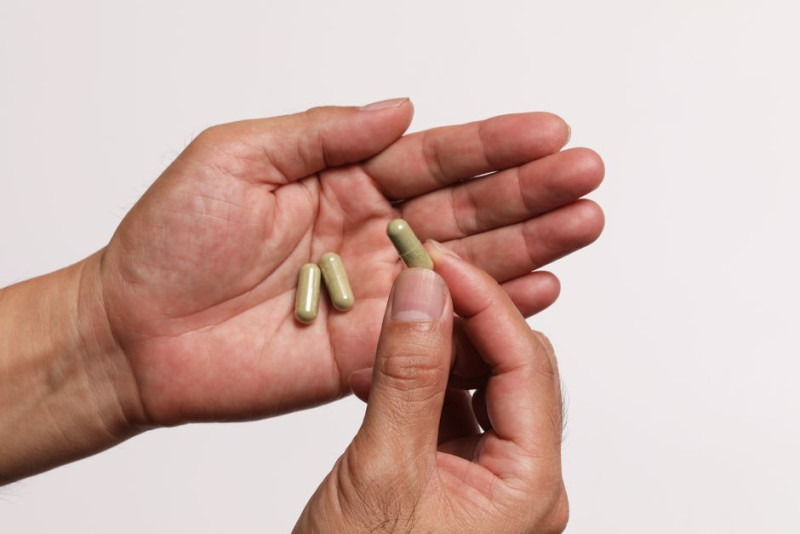

Can I safely take 2 grams of carnitine daily in 2 divided doses while I take Xarelto 20 mg daily?
Jul 23, 2026- L-carnitine isn't known to interact directly with Xarelto since it doesn't meaningfully affect the liver enzymes and transporters that clear rivaroxaban from your body. Although older case reports described L-carnitine potentially enhancing warfarin's effect, Xarelto works through a different mechanism and no similar reports exist with rivaroxaban. It's sensible to watch for signs of unusual bleeding like easy bruising, nosebleeds, or blood in urine or stool, and report these to your doctor right away. Taking your 2 grams of L-carnitine daily in two divided 1-gram doses with food is a smart approach that tends to be gentler on the stomach and is commonly used.
Great question!
L-carnitine isn't known to interact directly with Xarelto (rivaroxaban), and taking 2 grams a day in two divided doses is a very commonly used and generally well-tolerated regimen.
Why a Direct Interaction Isn't Expected
Xarelto is an anticoagulant that works by blocking factor Xa, one of the key proteins in the clotting cascade.
Your body clears it partly through liver enzymes (mainly CYP3A4) and a transporter called P-glycoprotein, and most meaningful Xarelto interactions involve drugs that strongly affect those pathways.
L-carnitine, on the other hand, is a naturally occurring compound your body already makes from amino acids. Its main job is shuttling fatty acids into your cells' mitochondria so they can be burned for energy.
It isn't known to meaningfully inhibit or induce the enzymes that handle Xarelto, so there isn't an obvious mechanism for carnitine to raise or lower your Xarelto levels.
One Caveat Worth Knowing About Carnitine and Blood Thinners
There is one wrinkle in carnitine's history with anticoagulants.
A small number of published case reports have described L-carnitine appearing to enhance the effect of older, warfarin-type blood thinners (vitamin K antagonists), leading to elevated INR readings.
Xarelto works through a completely different mechanism and doesn't depend on vitamin K, so that concern doesn't automatically carry over, and no similar reports exist with rivaroxaban that I'm aware of.
Still, since Xarelto raises bleeding risk on its own, it's sensible to stay alert for anything unusual after starting any new supplement, such as easy bruising, nosebleeds, bleeding gums, or blood in the urine or stool, and to report those to your doctor promptly.
What the Limited Research Looks Like
The small amount of published research touching on both carnitine and rivaroxaban isn't about interactions at all.
One recent human study looked at whether patients' natural carnitine levels could help predict how well rivaroxaban dissolves clots, concluding that a metabolic profile including carnitine "may predict rivaroxaban efficacy in thrombus lysis," which is a biomarker question, not a safety concern.
Other work has been laboratory research on cell metabolism, where rivaroxaban was actually associated with increased expression of carnitine-related transport proteins in isolated artery tissue.
None of this suggests a harmful interplay between the two, but it also means there are no dedicated studies of people taking carnitine supplements on Xarelto, which is why it is important to let your doctor know about everything you are taking.
Practical Points on Your Planned Dose
Splitting 2 grams into two 1-gram doses is a smart approach, since carnitine is absorbed better in smaller amounts and divided dosing tends to be gentler on the stomach.
The most common side effects at this dose are mild, things like nausea, cramping, or diarrhea, and some people notice a fishy body odor at higher intakes. Taking each dose with food usually helps.
Keep taking your Xarelto 20 mg exactly as prescribed, with your evening meal if that's how it was directed, since food helps that dose absorb properly.
Final Words
There's no known interaction between L-carnitine and Xarelto, and 2 grams daily in divided doses is a reasonable, commonly used amount.
Thanks!
We have more detail in this related resource: L-carnitine drug interactions and safety information.
References & sources
Dr. Brian Staiger, PharmD
Doctor of Pharmacy, board certified clinical pharmacist (BCPS), American Herbalist Guild, Medication Therapy Management certified
Brian Staiger, PharmD, BCPS, is a licensed pharmacist with more than 13 years of experience across retail pharmacy, clinical pharmacy, medication safety, pharmacy program development, and healthcare administration. He is the founder of HelloPharmacist.com, where he helps patients...
More answers from Brian →