
Is Topical DMSO Safe to Use With Oxybutynin?
A reader asks whether it is safe to use topical DMSO (dimethyl sulfoxide) while using oxybutynin, a medication commonly prescribed for overactive bladder.
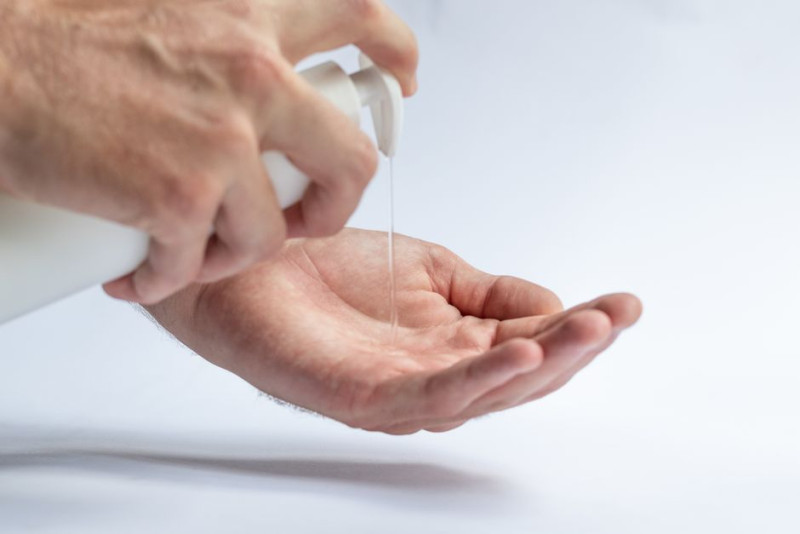

Is it safe to use topical DMSO with oxybutynin?
Jul 11, 2026- DMSO is a penetration enhancer that helps substances absorb through the skin more easily, which can increase how much topical oxybutynin gets absorbed and may strengthen its side effects like dry mouth, constipation, and blurred vision.
- If you take oxybutynin as a pill or syrup, topical DMSO is not expected to cause a problem since skin absorption won't affect how oral medication works in your stomach.
- If you use oxybutynin gel or a patch, you should avoid applying DMSO on or near the same skin area and talk to your pharmacist or doctor before using both products together.
Hello, and thanks for reaching out! The short answer is that this combination can be okay for many people, but there is one important caveat that depends on which form of oxybutynin you use. Oxybutynin comes as oral tablets and syrup, but it's also available as a topical gel (Gelnique) and a skin patch (Oxytrol). If you're using one of those topical forms, the combination deserves extra caution, and I'll explain why below.
What DMSO is
DMSO (dimethyl sulfoxide) is a colorless liquid that's often applied to the skin as a gel or cream for muscle aches, sprains, and arthritis-type pain. One of its best-known properties, though, is that it's a powerful penetration enhancer: it helps other substances pass through the skin more easily. That's actually why it's sometimes added to topical products on purpose, but it's also the source of the interaction concern here.
Interaction Concerns - Topically
Our interaction database lists a moderate interaction between DMSO and topically applied drugs, including oxybutynin. In short, applying DMSO on or near the same area as a topical medication may increase how much of that medication gets absorbed through the skin, which can amplify both its intended effects and its side effects.
The degree of this effect seems to depend on the concentration of the DMSO product and the characteristics of the drug involved.
With oxybutynin specifically, increased absorption could mean more pronounced anticholinergic side effects like dry mouth, constipation, blurred vision, drowsiness, or a fast heartbeat. You can read more on our dedicated page: Dimethylsulfoxide (dmso) with Oxybutynin.
Due to these concerns, if you use oxybutynin gel or the patch, it's best not to apply DMSO on or around the same area of skin, and to talk with your doctor or pharmacist before combining them at all.
Oral Oxybutynin
If your oxybutynin is an oral tablet or syrup, the skin-absorption concern doesn't really apply, since DMSO on your skin won't change how a pill is absorbed from your gut.
There isn't good evidence of a meaningful interaction between topical DMSO and oral oxybutynin, so occasional use is not expected to be a problem for most people.
Interestingly, DMSO and oxybutynin are even used together intentionally in some medical settings: both are established bladder instillation treatments for interstitial cystitis, given directly into the bladder by a healthcare provider.
Final Words
So, the key question is which form of oxybutynin you use. With oral oxybutynin, topical DMSO isn't expected to cause a problem, but with the gel or patch, DMSO could boost absorption and side effects, so keep the products well away from each other on the skin and check with your pharmacist or doctor first.
If anything is unclear, feel free to reach back out — we're happy to help!
References & sources
Glossary — Terms in This Answer
- Dimethyl sulfoxide (DMSO)
- A colorless liquid applied to skin to relieve muscle aches and pain that also has the ability to help other substances pass through the skin more easily.
- Penetration enhancer
- A substance that helps other drugs or compounds pass through the skin more easily and get absorbed into the body.
- Topical
- Applied directly to the skin surface rather than taken by mouth or injected.
- Oxybutynin
- A medication used to treat bladder and urinary problems that comes in several forms including pills, syrup, gel, and skin patches.
- Anticholinergic side effects
- Unwanted effects from medications that block certain nerve signals, including dry mouth, constipation, blurred vision, drowsiness, and fast heartbeat.
- Absorption
- The process by which a drug or substance enters the body and gets into the bloodstream.
- Bladder instillation
- A medical procedure where a liquid medication is placed directly into the bladder through a catheter by a healthcare provider.
- Interstitial cystitis
- A chronic bladder condition characterized by bladder pressure, bladder pain, and sometimes pelvic pain.
Dr. Brian Staiger, PharmD
Doctor of Pharmacy, board certified clinical pharmacist (BCPS), American Herbalist Guild, Medication Therapy Management certified
Brian Staiger, PharmD, BCPS, is a licensed pharmacist with more than 13 years of experience across retail pharmacy, clinical pharmacy, medication safety, pharmacy program development, and healthcare administration. He is the founder of HelloPharmacist.com, where he helps patients...
More answers from Brian →