
What Are the Risks of Getting Shingrix Too Soon After Shingles?
What's known about Shingrix timing after a shingles episode, and whether getting vaccinated before symptoms fully resolve carries any risks.
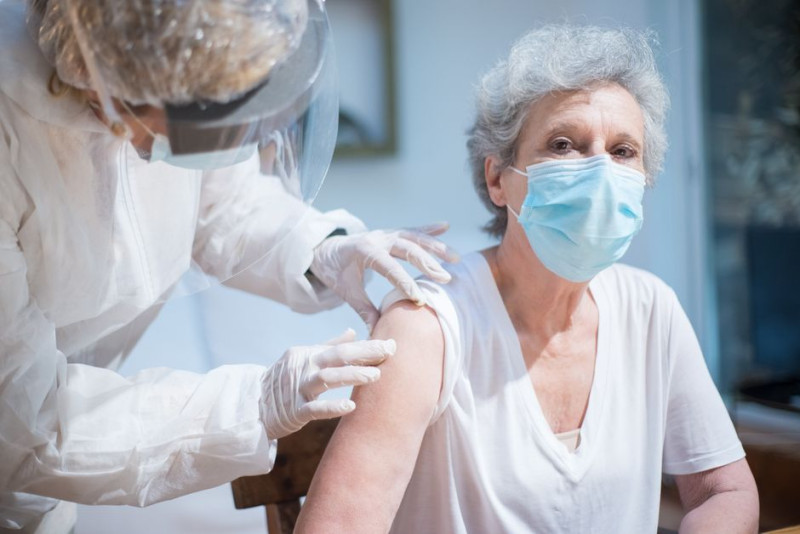

I am following up on the "How Soon After A Shingles Episode Can You Get Shingrix? Q+A you wrote. What isn't expressly addressed in that answer is what risks come from getting vaccinated too soon after an episode. After all, "when symptoms abate" strictly means that the signs of an illness, such as pain, fever, swelling, or discomfort, are lessening over time rather than disappearing completely. So, judging this might be problematic.
Jul 24, 2026- There is no documented specific harm from getting Shingrix shortly after a shingles episode, though it hasn't been formally studied in people actively experiencing or recently recovering from acute shingles. The main reasons to wait until symptoms resolve are to avoid confusion between vaccine side effects and lingering shingles symptoms, and because an actively infected immune system may not mount an optimal vaccine response. You can generally consider getting vaccinated once the rash has fully crusted over or healed and acute symptoms like new blisters, fever, or feeling unwell have resolved, though discussing timing with your doctor is recommended especially if you have lingering nerve pain.
That's an excellent follow-up (thanks for reading HelloPharmacist!), and I appreciate you really digging into the wording here, because you've spotted some real ambiguity in the official government guidance.
The honest answer is that there is no well-documented, specific harm known to occur from getting Shingrix shortly after a shingles episode.
The advice to wait until symptoms abate is driven more by a lack of study data and some practical concerns than by any identified danger.
Why Shingrix Likely Won't Worsen an Active Episode
First, it helps to know what kind of vaccine Shingrix is. It is not a live vaccine.
It contains a single purified viral protein (glycoprotein E) combined with an adjuvant that boosts your immune response, so it cannot cause shingles or reactivate the virus and isn't expected to make an ongoing outbreak worse.
That distinguishes it from the older live vaccine, Zostavax.
Its overall safety profile has been studied extensively, including in people with weakened immune systems.
The Actual Concerns With Vaccinating Too Early
So, what is behind the recommendation to wait? A few things.
The biggest is simply that Shingrix hasn't been formally studied in people who are in the middle of, or just coming out of, an acute episode, so we can't say with confidence how well it works or exactly how it behaves in that window.
There's also a practical issue.
Shingrix is a fairly reactogenic vaccine, meaning sore arm, fatigue, fever, and muscle aches are common for a day or two, and if you're still having shingles pain or malaise, it becomes genuinely difficult for you and your doctor to sort out what's a vaccine reaction versus lingering disease.
There's also a theoretical concern that an immune system actively fighting the infection may not mount an optimal response to the vaccine, though that hasn't been proven.
There also generally isn't a need to rush.
The CDC doesn't require a specific waiting period after a shingles episode, but it recommends waiting until the acute stage of the illness has resolved and symptoms have abated (this is what you called out in your question).
Rare vaccine risks, like the slightly elevated chance of Guillain-Barré syndrome seen in the weeks after vaccination, exist regardless of when you get the shot and aren't known to change based on timing after an episode.
Judging When Symptoms Have Truly Abated
You're right that 'abate' is imprecise. Frustratingly so.
In practice, most clinicians use a workable benchmark, or rule of thumb for lack of a better term. Abated can generally be defined as when the rash has fully crusted over or healed and the acute symptoms, such as new blisters, fever, or feeling unwell, have resolved.
Lingering nerve pain, known as postherpetic neuralgia, can persist for months in some people and doesn't automatically rule out vaccination, but that's exactly the kind of judgment call to make with your doctor rather than on your own.
I think it's important to point out that Health Canada takes a more conservative approach and recommends considering vaccination at least one year after a shingles episode. However, this interval is based largely on expert opinion because there isn't enough evidence to establish the ideal amount of time to wait.
Whenever you do get vaccinated, completing both doses matters, since real-world data confirm the two-dose series provide meaningfully better protection than a single dose.
Final Words
To sum it up, there's no known specific harm from getting Shingrix soon after a shingles episode, just a lack of data and the potential to muddle vaccine side effects with disease symptoms.
The CDC doesn't require you to wait a set number of months once the acute episode has resolved.
A reasonable approach is to wait until the rash has healed and acute symptoms are gone, then discuss timing with your doctor, especially if you have lingering nerve pain.
Thanks again for the thoughtful question, and feel free to reach back out anytime!
References & sources
- Recombinant Zoster Vaccine (Shingrix): Real-World Effectiveness in the First 2 Years Post-Licensure. Clinical infectious diseases — PubMed
- Risk of Guillain-Barré Syndrome Following Recombinant Zoster Vaccine in Medicare Beneficiaries — PubMed
- Use of Recombinant Zoster Vaccine in Immunocompromised Adults Aged ≥19 Years: Recommendations of the Advisory Committee on Immunization Practices — PubMed
- Herpes Zoster Vaccines — PubMed
Dr. Brian Staiger, PharmD
Doctor of Pharmacy, board certified clinical pharmacist (BCPS), American Herbalist Guild, Medication Therapy Management certified
Brian Staiger, PharmD, BCPS, is a licensed pharmacist with more than 13 years of experience across retail pharmacy, clinical pharmacy, medication safety, pharmacy program development, and healthcare administration. He is the founder of HelloPharmacist.com, where he helps patients...
More answers from Brian →