
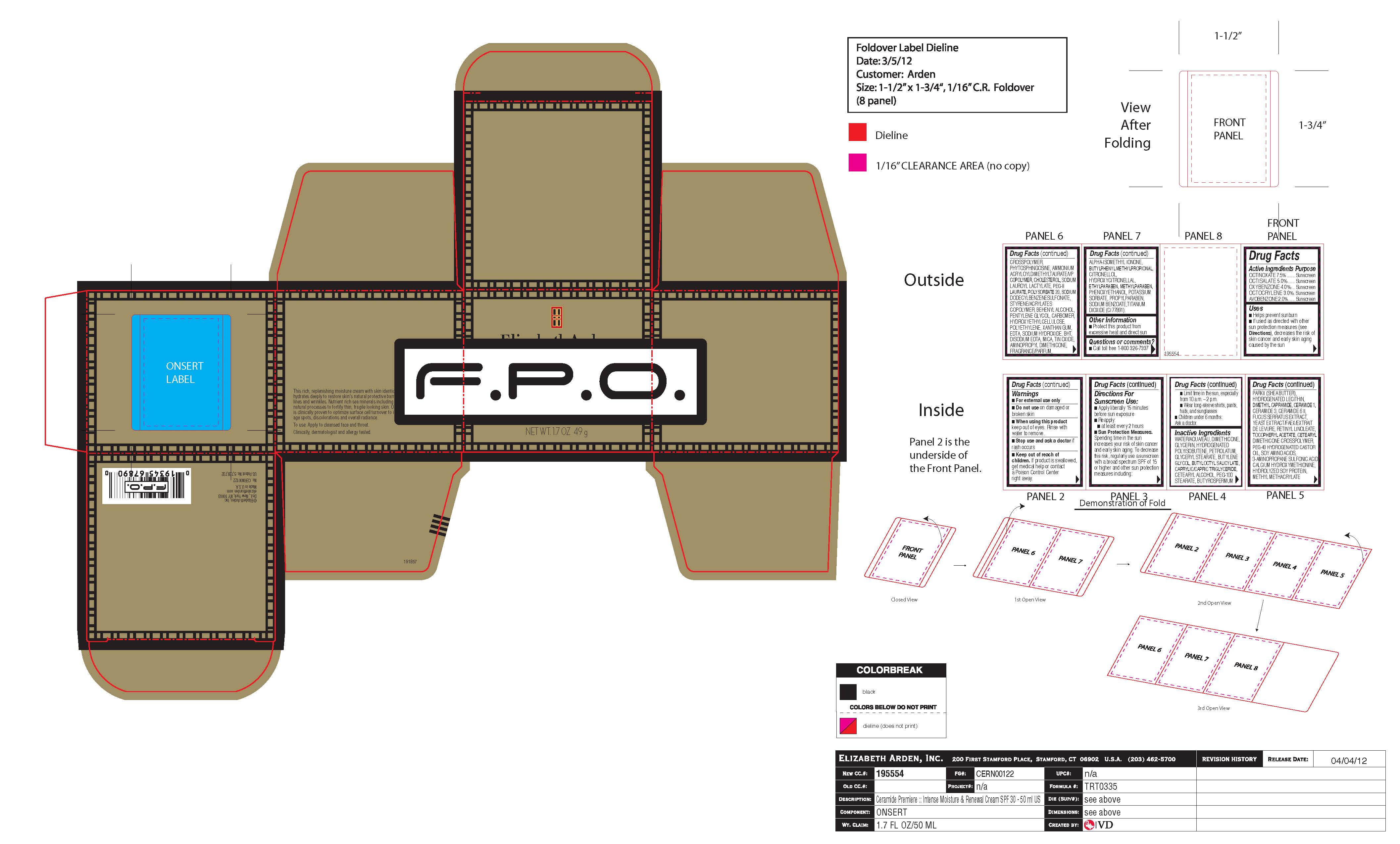
CERAMIDE PREMIERE BROAD SPECTRUM SPF 30 Octinoxate, Octisalate, Oxybenzone, Octocrylene, Avobenzone 4 mg/g; 7.5 mg/g; 3 mg/g; 2 mg/g; 5 mg/g Emulsion, 49 g
🆔 Identity & classification
Where does this data come from?
🏭 Manufacturer & labeler
Where does this data come from?
🩺 Clinical
Ceramide Premiere Broad Spectrum SPF 30 is a topical emulsion (lotion) marketed as an over-the-counter sunscreen under FDA's monograph rules. It contains five UV-filtering agents: oxybenzone, octinoxate, octocrylene, avobenzone, and octisalate, which are commonly used together to absorb and scatter ultraviolet light across both UVA and UVB wavelengths. The emulsion base also typically includes ceramides, which are lipid compounds found in skin-care formulations. This product is intended to be applied to the skin to provide broad-spectrum sun protection.
Patient education
Supplement & herbal interactions
Where does this data come from?
Ask a licensed pharmacist directly — free, answered by our team.
🧪 Inactive Ingredients / Excipients
Inactive ingredients, also called excipients, are components of the drug product other than the active ingredient. They may include fillers, dyes, coatings, preservatives, flavors, or other formulation ingredients.
💡 Tap an ingredient (hover on desktop) to see what it is and why it’s used.
-
UNII NWB9514AZM
A protein building block derived from soy plants. It's used as a nutritional ingredient and to help stabilize or improve the texture and consistency of the medicine.
-
UNII P4P48I53XH
A silicone-based ingredient that reduces friction and prevents clumping. Used as a glidant and lubricant to help powder flow smoothly during manufacturing and improve tablet or capsule handling.
-
UNII 3XUS85K0RA
Butylene glycol is a clear liquid derived from petroleum or plants that acts as a humectant, solvent, and preservative booster in medicines. It helps keep formulations stable, dissolve active ingredients, and maintain moisture in topical products.
-
UNII 2EH13UN8D3
A synthetic compound used as a solvent and penetration enhancer in topical formulations. It helps dissolve active ingredients and allows them to penetrate the skin more effectively.
-
UNII T7540GJV69
A synthetic fragrance compound used as a flavor or scent ingredient in medicines. It helps mask unpleasant tastes or odors in the formulation to make the medication more palatable.
-
UNII 0A5MM307FC
A synthetic polymer that absorbs water and forms a thick, gel-like substance. In medicines, it works as a thickener and stabilizer to improve texture and help ingredients stay mixed together in creams, gels, and lotions.
-
UNII 5THT33P7X7
A waxy, lipid-like substance derived from animal or plant sources. It helps soften and moisturize the skin by acting as an emollient and skin-conditioning agent in topical medicines and creams.
-
UNII 4370DF050B
Ceramide NP is a waxy, lipid-based substance that mimics natural skin oils. It's used in topical formulations as an emollient and skin-conditioning agent to help soften, smooth, and protect the skin barrier.
-
UNII F1X8L2B00J
A naturally derived fatty substance that helps bind and condition the product's texture. It works as an emollient and skin-conditioning agent in topical formulations, helping maintain moisture and smoothness.
-
UNII 97C5T2UQ7J
Cholesterol is a fatty substance found naturally in animal tissues. In medications, it's used as an ingredient in liposomal formulations and lipid-based drug delivery systems to help encapsulate and stabilize active drugs for better absorption.
-
UNII 1VK0YS654L
Desmeninol calcium is a calcium-derived compound used as a buffering and stabilizing agent in medications. It helps maintain the proper pH and shelf stability of the drug product.
-
UNII 92RU3N3Y1O
Dimethicone is a silicone-based oil that acts as an anti-foaming agent and lubricant in medicines. It reduces gas bubbles in liquid formulations and helps coat and protect the stomach lining when ingested.
-
UNII O29Y6X2JEZ
A lubricant derived from capric acid that reduces friction between tablet components and manufacturing equipment. It helps pills move smoothly through machines and prevents sticking during production.
-
UNII 9G1OE216XY
Docosanol is a waxy, fatty alcohol derived from plant sources. It acts as an emollient and thickener in topical medicines, helping to soften the skin and improve product texture and stability.
-
UNII 7FLD91C86K
Edetate disodium is a chemical compound that binds and removes certain metal ions. In medicines, it acts as a preservative and stabilizer by preventing metals like calcium from interfering with the product's shelf life and consistency.
-
UNII 9G34HU7RV0
EDTA is a chemical compound that binds to metals and other substances in medicines. It's used as a preservative and stabilizer to prevent discoloration and extend shelf life.
-
UNII 14255EXE39
Ethylparaben is a preservative, a chemical that stops bacteria and mold from growing in the medicine. It keeps the product safe and effective throughout its shelf life.
-
UNII V8K40WNW5B
Fucus serratus is a brown seaweed extract used in medicines as a thickener and emulsifier to create proper texture and help keep ingredients mixed together evenly in the formulation.
-
UNII PDC6A3C0OX
Glycerin is a clear, thick liquid derived from plant oils or fats. It acts as a humectant to retain moisture, a sweetener, and a solvent in medications.
-
UNII 230OU9XXE4
A waxy substance made from glycerin and stearic acid that acts as an emulsifier to blend oily and watery ingredients together. It also helps thicken and stabilize the medicine's texture.
-
UNII 7D1YQ9Y5EZ
Hydrogenated polybutene is a thick, wax-like ingredient made by chemically processing petroleum. It acts as a binder and lubricant, helping hold tablet ingredients together and allowing pills to slide smoothly during manufacturing and packaging.
-
UNII H1109Z9J4N
A natural emulsifier derived from soybean oil. It helps mix oil and water-based ingredients together, ensuring even distribution of active ingredients throughout the medicine.
-
UNII 1394NXB9L6
A plant-derived protein from soybeans that has been broken down into smaller pieces using enzymes. It acts as a binder and texture agent, helping hold ingredients together and improve the product's consistency and mouthfeel.
-
UNII 8SQ0VA4YUR
A fragrance compound derived from natural sources, used to add pleasant scent to the medicine. It serves as a flavoring or aromatic agent to mask unpleasant tastes or improve the product's sensory appeal.
-
UNII 9XP4LC555B
A fragrance compound derived from natural plant sources or made synthetically. It's added to medicines as a flavoring agent to mask bitter tastes and improve how the medicine smells and tastes.
-
UNII C9H2L21V7U
A fat derived from coconut or palm oil containing shorter fatty acid chains. It serves as a solvent and carrier to help dissolve or suspend active ingredients, improving absorption and stability in liquid formulations.
-
UNII EG97988M5Q
A synthetic plastic polymer that forms a three-dimensional network. It's used as a coating on tablets and capsules to control how fast the medicine releases into the body, or as a binder to hold pill ingredients together.
-
UNII A2I8C7HI9T
Methylparaben is a preservative derived from benzoic acid that prevents growth of bacteria, fungi, and mold in medicines. It extends the product's shelf life and maintains safety during storage.
-
UNII V8A1AW0880
Mica is a naturally occurring mineral that's ground into fine powder. It's used in medicines as a colorant and anti-caking agent to improve appearance and prevent clumping in tablets or powders.
-
UNII YD01N1999R
A waxy substance made from polyethylene glycol and stearic acid. It helps mix oil and water-based ingredients together and serves as an emulsifier and solubilizer in liquid and semi-solid medicines.
-
UNII 762O8IWA10
PEG-8 laurate is a synthetic compound made by combining polyethylene glycol with lauric acid. It acts as an emulsifier and solubilizer in medicines, helping to blend water and oil-based ingredients together and improve how well some drugs dissolve.
-
UNII 4T6H12BN9U
Petrolatum is a purified mineral oil-based jelly derived from petroleum. In medicines, it acts as an emollient, lubricant, and moisture barrier to soften skin, reduce friction, and help prevent water loss from formulations.
-
UNII HIE492ZZ3T
Phenoxyethanol is a synthetic preservative and antimicrobial agent used to prevent bacterial and fungal growth in medicines and cosmetic products, extending shelf life and maintaining product safety.
-
UNII GIN46U9Q2Q
Phytosphingosine is a naturally derived fatty compound that helps stabilize and thicken skincare and cosmetic formulations. It works as an emollient and conditioning agent to improve texture and skin feel in topical products.
-
UNII 7T1F30V5YH
A synthetic emulsifier derived from sorbitol and oleic acid. It helps mix oil and water-based ingredients together and keeps them from separating in liquid formulations.
-
UNII 1VPU26JZZ4
Potassium sorbate is a salt derived from sorbic acid, a naturally occurring preservative. It prevents growth of mold, yeast, and some bacteria, extending the medicine's shelf life.
-
UNII Z8IX2SC1OH
Propylparaben is a chemical preservative used to prevent bacterial and fungal growth in medicines and personal care products. It helps extend shelf life and maintain product safety during storage.
-
UNII OJ245FE5EU
Sodium benzoate is a salt derived from benzoic acid, a preservative. It's added to medicines to prevent growth of bacteria, fungi, and other microorganisms that could spoil the product.
-
UNII 554127163Y
Sodium dodecylbenzenesulfonate is a synthetic detergent and surfactant used in medicines to help dissolve or suspend active ingredients and improve how the product flows and mixes during manufacturing.
-
UNII 55X04QC32I
A strong alkaline chemical used to adjust and maintain the pH balance of liquid medicines. It helps keep the medicine stable and ensures it stays effective during storage.
-
UNII KM7N50LOS6
Tin oxide is an inorganic mineral compound used in medicines as a colorant and opacifying agent. It provides white or off-white color to tablets, capsules, and coatings while helping make formulations less transparent.
-
UNII 15FIX9V2JP
Titanium dioxide is a bright white mineral powder commonly used as a colorant and opacifying agent. It makes pills and tablets white or lighter in color and helps make coatings non-transparent.
-
UNII 5K8EAX0G53
A synthetic organic compound used as a buffer in pharmaceutical formulations. It helps maintain the proper acidity level of the medicine to improve stability and prevent degradation of active ingredients.
-
UNII 059QF0KO0R
Water is a liquid solvent that dissolves and mixes ingredients together in liquid medicines, syrups, and injections. It helps distribute the active drug evenly throughout the product.
-
UNII TTV12P4NEE
Xanthan gum is a thickening and stabilizing ingredient made from fermented corn or other sugars. It's added to medicines to improve texture, prevent separation of liquids and solids, and help the product stay consistent.
-
UNII 3NY3SM6B8U
A microorganism used as a natural source of B vitamins and proteins. In medications, yeast serves as a nutrient supplement and may help with tablet binding or act as a filler to give the product proper form and stability.
46 inactive ingredients listed in the exact product block matched to this NDC.
Label-section wording can be broader than the structured product block and may mention additional formulation ingredients.
Where does this data come from?
ingredient classCode="IACT" elements from the exact product block matched by this NDC. Label-section narrative from DailyMed / the openFDA label index is shown separately when available.Inactive ingredient FAQ
Are inactive ingredients the same for every manufacturer?
Why might an inactive ingredient be missing?
Can inactive ingredients matter?
💲 Pricing
A drug doesn't have one price. Each row is a different public payment system, and none is what you'd pay at the counter — that depends on your insurance. The ⓘ on each row explains what it measures.
| Price system | Per mL | Per package |
|---|---|---|
| Retail pharmacies payNADAC · weekly | Not in the retail survey — common for institutional, discontinued, or low-volume packs. | |
| Medicaid paysCMS SDUD · 12 mo | No recent Medicaid claims on file for this NDC — rare and low-volume NDCs are suppressed in the public data. | |
| Medicare drug plans payPart D · quarterly | No Part D plan price is available for this NDC in our data. | |
Where does this data come from?
🔁 Therapeutic equivalents
| Product | Labeler | Pack | NADAC/unit | TE | Status | Price vs. this |
|---|---|---|---|---|---|---|
| Ceramide Premiere Broad Spectrum Spf 30 4 mg/g; 7.5 mg/g; 3 mg/g; 2 mg/g; 5 mg/gthis 10967-0669-17 | REVLON | 49 g | — | — | FDA listed | — |
Where does this data come from?
⏳ Availability & generic status
We did not find an FDA-approved generic match for this exact strength, form and route.
Where does this data come from?
📦 Packaging — all sizes for this product
| Package NDC | Description | Marketing start | Status |
|---|---|---|---|
| 10967-0669-17 You're viewing this | 49 g in 1 JAR (10967-669-17) | 2017-02-06 | Active |
🧭 About this NDC listing & data coverage
What data is (and isn’t) available for this NDC — tap to expand
| NDC identity (package / product / labeler codes) | ✓ Available |
| Labeler | ✓ Available |
| Product & package description | ✓ Available |
| Marketing category & status | ✓ Available |
| Active ingredient / dosage form / route | ✓ Available |
| FDA label (SPL via DailyMed) | ✓ Available |
| Package photos | ✓ Available |
| Inactive ingredients (structured) | ✓ Available |
| NADAC pharmacy acquisition price (CMS) | — Not published for this NDC CMS publishes NADAC only for NDCs reported in its retail-pharmacy survey. |
| Orange Book / therapeutic-equivalence data | — Not published for this NDC Applies only to products approved under an NDA/ANDA; many listings are out of scope. |
| HCPCS J-code billing crosswalk | — Not published for this NDC Most self-administered / retail products have no J-code — that is normal. |
| Medicaid utilization (CMS SDUD) | — Not published for this NDC CMS reports utilization only for NDCs with Medicaid claims above its privacy threshold. |
Questions about this listing
Is this NDC FDA-approved?
Why is there no price listed?
Is the NDC printed on the package the same as the 11-digit billing NDC?
What do the three segments of this NDC mean?
Is this package still being marketed?
Who lists this product with the FDA?
Do I need a prescription for this product?
Where does this data come from?
📄 FDA label — Drug Facts FDA SPL
🎯 Indications and Usage ▾
Helps prevent sunburn If used as directed with other sun protection measures (see Directions), decreases the risk of skin cancer and early skin againg caused by the sun
⏱️ Dosage and Administration ▾
Apply liberally 15 minutes before sun exposure Reapply at least every 2 hours
⚠️ Warnings ▾
Warnings - For external use only - Do not use on damaged or broken skin - When using this product keep out of eyes. Rinse with water to remove. - Stop use and ask a doctor if rash occurs - Keep out of reach of children. If product is swallowed, get medical help or contact a Poison Control Center right away.
🧪 Active Ingredient ▾
Active Ingredients Purpose Active Ingredients Purpose OCTINOXATE 7.5% ....... Sunscreen OCTISALATE 5.0%........ Sunscreen OXYBENZONE 4.0%........ Sunscreen OCTOCRYLENE 3.0%. ...... Sunscreen AVOBENZONE 2.0%....... Sunscreen
🧪 Inactive Ingredients ▾
Inactive Ingredients WATER/AQUA/EAU, DIMETHICONE, GLYCERIN, HYDROGENATED POLYISOBUTENE, PETROLATUM, GLYCERYL STEARATE, BUTYLENE GLYCOL, BUTYLOCTYL SALICYLATE, CAPRYLIC/CAPRIC TRIGLYCERIDE, CETEARYL ALCOHOL, PEG-100 STEARATE, BUTYROSPERMUM PARKII (SHEA BUTTER), HYDROGENATED LECITHIN, DIMETHYL CAPRAMIDE, CERAMIDE 1, CERAMIDE 3, CERAMIDE 6 II, FUCUS SERRATUS EXTRACT, YEAST EXTRACT/FAEX/EXTRAIT DE LEVURE, RETINYL LINOLEATE, TOCOPHERYL ACETATE, CETEARYL DIMETHICONE CROSSPOLYMER, PEG-40 HYDROGENATED CASTOR OIL, SOY AMINO ACIDS, 3-AMINOPROPANE SULFONIC ACID, CALCIUM HYDROXYMETHIONINE, HYDROLYZED SOY PROTEIN, METHYL METHACRYLATE CROSSPOLYMER, PHYTOSPHINGOSINE, AMMONIUM ACRYLOYLDIMETHYLTAURATE/VP COPOLYMER, CHOLESTEROL, SODIUM LAUROYL LACTYLATE, PEG-8 LAURATE, POLYSORBATE 20, SODIUM DODECYLBENZENESULFONATE, STYRENE/ACRYLATES COPOLYMER, BEHENYL ALCOHOL, PENTYLENE GLYCOL, CARBOMER, HYDROXYETHYLCELLULOSE, POLYETHYLENE, XANTHAN GUM, EDTA, SODIUM HYDROXIDE, BHT, DISODIUM EDTA, MICA, TIN OXIDE, AMINOPROPYL DIMETHICONE, FRAGRANCE/PARFUM, ALPHA-ISOMETHYL IONONE, BUTYLPHENYL METHYLPROPIONAL, CITRONELLOL, HYDROXYCITRONELLAL, ETHYLPARABEN, METHYLPARABEN, PHENOXYETHANOL, POTASSIUM SORBATE, PROPYLPARABEN, SODIUM BENZOATE, TITANIUM DIOXIDE (CI 77891).
🎯 Purpose ▾
Sunscreen