
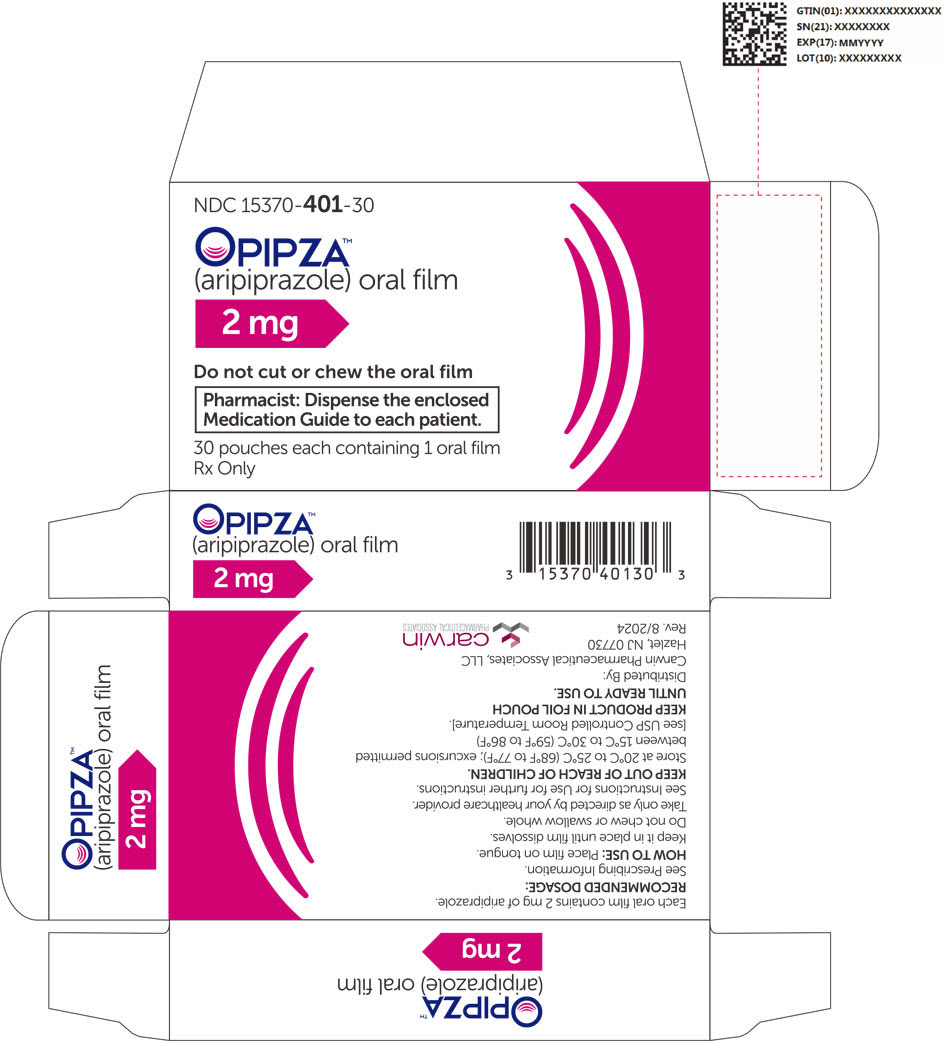
OPIPZA ARIPIPRAZOLE 2 mg Film, Soluble
Other active recalls for Aripiprazole (different manufacturers) — 6 · tap to view
🆔 Identity & classification
Where does this data come from?
🏷️ RxNorm drug class
This medicine belongs to the Atypical Antipsychotic class.
Where does this data come from?
🏭 Manufacturer & labeler
Where does this data come from?
🩺 Clinical
- Not at all — aripiprazole actually has several approved uses. It's prescribed for schizophrenia, manic or mixed episodes of Bipolar I Disorder, and as an add-on to antidepressants...
- What exactly is aripiprazole used for — is it just for schizophrenia?
- It typically takes up to two weeks for aripiprazole to build up to stable levels in your body, so don't be discouraged if you don't feel a difference right away. For some condition...
- How long does it take before I notice it working?
Patient education
Supplement & herbal interactions
Some supplements/herbs that may interact with Aripiprazole — tap one for details:
Where does this data come from?
Ask a licensed pharmacist directly — free, answered by our team.
💊 What it looks like
Where does this data come from?
🧪 Inactive Ingredients / Excipients
Inactive ingredients, also called excipients, are components of the drug product other than the active ingredient. They may include fillers, dyes, coatings, preservatives, flavors, or other formulation ingredients.
💡 Tap an ingredient (hover on desktop) to see what it is and why it’s used.
-
UNII H3R47K3TBD
FD&C Blue No. 1 is a synthetic blue dye approved for use in foods and medicines. It serves as a colorant to give the medication its distinctive appearance and help with product identification.
-
UNII PDC6A3C0OX
Glycerin is a clear, thick liquid derived from plant oils or fats. It acts as a humectant to retain moisture, a sweetener, and a solvent in medications.
-
UNII 9XZ8H6N6OH
A plant-based cellulose derivative used as a binder to hold tablet ingredients together, a thickener in liquids, and a coating agent to control how fast the medicine dissolves.
-
UNII 7T1F30V5YH
A synthetic emulsifier derived from sorbitol and oleic acid. It helps mix oil and water-based ingredients together and keeps them from separating in liquid formulations.
-
UNII 6DC9Q167V3
Propylene glycol is a clear liquid derived from petroleum or vegetable sources. It acts as a solvent, humectant, and preservative in medicines, helping dissolve active ingredients and maintain product stability.
-
UNII 368GB5141J
A detergent and foaming agent derived from coconut or palm oil. In medications, it helps break down and mix oil and water-based ingredients, aids in tablet disintegration, and improves how the drug dissolves and spreads in the mouth or digestive system.
-
UNII 96K6UQ3ZD4
Sucralose is a synthetic sweetener made from sugar. It's added to medicines to improve taste without adding calories, helping make bitter or unpleasant-tasting drugs easier to take.
7 inactive ingredients listed in the exact product block matched to this NDC.
Where does this data come from?
ingredient classCode="IACT" elements from the exact product block matched by this NDC. Label-section narrative from DailyMed / the openFDA label index is shown separately when available.Inactive ingredient FAQ
Are inactive ingredients the same for every manufacturer?
Why might an inactive ingredient be missing?
Can inactive ingredients matter?
💲 Pricing
A drug doesn't have one price. Each row is a different public payment system, and none is what you'd pay at the counter — that depends on your insurance. The ⓘ on each row explains what it measures.
| Price system | Per each | Per package |
|---|---|---|
| Retail pharmacies payNADAC · weekly | Not in the retail survey — common for institutional, discontinued, or low-volume packs. | |
| Medicaid paysCMS SDUD · 12 mo | $62.03 | $1,860.93 / 30 film |
| Medicare drug plans payPart D · Q2 2026 | $66.27 | $1,988.06 / 30 film |
Where does this data come from?
🔁 Therapeutic equivalents
| Product | Labeler | Pack | NADAC/unit | TE | Status | Price vs. this |
|---|---|---|---|---|---|---|
| Opipza 2 mgthis 15370-0401-30 | Carwin | 1 film | — | — | FDA listed | — |
Where does this data come from?
⏳ Availability & generic status
We did not find an FDA-approved generic match for this exact strength, form and route. Patent/protection dates below may affect future generic timing.
Why the date isn’t exact: Generic timing can change because patents may be challenged, settled, licensed, added, removed, or worked around with a narrower label — and FDA approval does not always mean a pharmacy can get the generic today.
🛈 What do these terms mean?
- Patent
- Legal protection listed in the Orange Book that may delay generic approval or launch. Issued by the U.S. Patent & Trademark Office.
- Substance patent
- Covers the active drug molecule itself — the hardest to design around. A generic generally can’t launch until it expires.
- Formulation (product) patent
- Covers a specific formulation or dosage form. A generic can sometimes work around it with a different formulation.
- Method-of-use patent
- A patent covering one specific approved use of the drug — not necessarily the whole molecule. A generic can sometimes launch with a “skinny label” that carves out the protected use and keeps the others.
- Skinny label
- A generic label that omits a still-patented use when the FDA allows it — letting a generic reach the market for the unprotected uses.
- Exclusivity
- FDA-granted marketing protection, separate from patents — e.g. 5-yr new chemical entity, 7-yr orphan drug, or a +6-month pediatric extension.
- Paragraph IV
- A generic applicant’s formal challenge to a listed patent. It can potentially lead to earlier generic entry, but often involves litigation or a settlement.
- RLD / RS
- Reference Listed Drug — the brand product the FDA uses as the reference for generic applications. Reference Standard — the product the FDA expects generics to compare against in bioequivalence testing.
- TE / AB rating
- FDA therapeutic-equivalence rating. An AB rating generally means the FDA considers a generic therapeutically equivalent to — and substitutable for — the brand.
- LOE (loss of exclusivity)
- The latest patent or exclusivity currently listed — the loss-of-exclusivity / latest-listed-protection date shown on this page. Paragraph-IV challenges and settlements can move the real date earlier; FDA approval and a manufacturer’s decision to market can move it later.
Built from the FDA Orange Book. The bars above are scaled to each protection’s expiry; the red LOE marker is the last one to lapse.
| Patent | Type | Use code | Expires |
|---|---|---|---|
| US 11331315 ↗ | Drug product | — | Nov 3, 2040 |
| US 11701352 ↗ | Drug product | — | Dec 15, 2041 |
| US 11331315 ↗ | Drug product | — | Nov 3, 2040 |
| US 11701352 ↗ | Drug product | — | Dec 15, 2041 |
| US 11701352 ↗ | Drug product | — | Dec 15, 2041 |
| US 11331315 ↗ | Drug product | — | Nov 3, 2040 |
Is there a generic version of OPIPZA 2 MG FILM?
The FDA approved a generic — why can’t I get it at my pharmacy yet?
Why do different websites show different generic release dates?
What does “FDA listed” mean?
What does a patent or protection date mean here?
What does “current Orange Book estimate” mean?
Can a generic come out before the last patent expires?
Can a generic come out after the listed dates?
What is the difference between patents and exclusivity?
Why are there multiple patent dates?
Where does this data come from?
🗺️ Medicaid utilization & spend
💊 Medicaid utilization by pack size
📊 Medicare Part D spend CMS · PART D · 2026 (Q1)
📦 Packaging — all sizes for this product
| Package NDC | Description | Marketing start | Status |
|---|---|---|---|
| 15370-0401-30 You're viewing this | 30 POUCH in 1 CARTON (15370-401-30) / 1 FILM, SOLUBLE in 1 POUCH (15370-401-01) | 2024-11-01 | Active |
| 15370-0401-99 | 2 POUCH in 1 CARTON (15370-401-99) / 1 FILM, SOLUBLE in 1 POUCH | 2025-01-28 | Active |
Pack size FAQ
What quantity is in NDC 15370-0401-30?
What NDC number is used to bill for this package of OPIPZA ARIPIPRAZOLE 2 mg Film, Soluble?
🧭 About this NDC listing & data coverage
What data is (and isn’t) available for this NDC — tap to expand
| NDC identity (package / product / labeler codes) | ✓ Available |
| Labeler | ✓ Available |
| Product & package description | ✓ Available |
| Marketing category & status | ✓ Available |
| Active ingredient / dosage form / route | ✓ Available |
| FDA label (SPL via DailyMed) | ✓ Available |
| Package photos | ✓ Available |
| Inactive ingredients (structured) | ✓ Available |
| NADAC pharmacy acquisition price (CMS) | — Not published for this NDC CMS publishes NADAC only for NDCs reported in its retail-pharmacy survey. |
| Orange Book / therapeutic-equivalence data | ✓ Available |
| HCPCS J-code billing crosswalk | — Not published for this NDC Most self-administered / retail products have no J-code — that is normal. |
| Medicaid utilization (CMS SDUD) | ✓ Available |
Questions about this listing
Why is there no price listed?
Is the NDC printed on the package the same as the 11-digit billing NDC?
What do the three segments of this NDC mean?
Is this package still being marketed?
Does this product come in other package sizes?
Who lists this product with the FDA?
Do I need a prescription for this product?
Where does this data come from?
📄 Full prescribing information FDA SPL
🚨 Boxed Warning ▾
WARNING: INCREASED MORTALITY IN ELDERLY PATIENTS WITH DEMENTIARELATED PSYCHOSIS and SUICIDAL THOUGHTS AND BEHAVIORS WARNING: INCREASED MORTALITY IN ELDERLY PATIENTS WITH DEMENTIA-RELATED PSYCHOSIS and SUICIDAL THOUGHTS AND BEHAVIORS See full prescribing information for complete boxed warning. Elderly patients with dementia-related psychosis treated with antipsychotic drugs are at an increased risk of death. OPIPZA is not approved for the treatment of patients with dementia-related psychosis.
( 5.1 ) Increased risk of suicidal thinking and behavior in pediatric and young adult patients taking antidepressants. Closely monitor all antidepressant-treated patients for clinical worsening and emergence of suicidal thoughts and behaviors. ( 5.3 ) Increased Mortality in Elderly Patients with Dementia-Related Psychosis Elderly patients with dementia-related psychosis treated with antipsychotic drugs are at an increased risk of death.
OPIPZA is not approved for the treatment of patients with dementia-related psychosis [see Warnings and Precautions (5.1) ] . Suicidal Thoughts and Behaviors Antidepressants increased the risk of suicidal thoughts and behavior in pediatric and young adult patients in shortterm studies. Closely monitor all antidepressant-treated patients for clinical worsening, and for emergence of suicidal thoughts and behaviors [see Warnings and Precautions (5.3) ] .
🎯 Indications and Usage ▾
1 INDICATIONS AND USAGE OPIPZA is indicated for the: treatment of schizophrenia in patients ages 13 years and older adjunctive treatment of major depressive disorder (MDD) in adults treatment of irritability associated with autistic disorder in pediatric patients 6 years and older treatment of Tourette's disorder in pediatric patients 6 years and older OPIPZA is an atypical antipsychotic indicated for: treatment of schizophrenia in patients ages 13 years and older ( 1 ) adjunctive treatment of major depressive disorder (MDD) in adults ( 1 ) irritability associated with autistic disorder in pediatric patients 6 years and older ( 1 ) treatment of Tourette's disorder in pediatric patients 6 years and older ( 1 )
⏱️ Dosage and Administration ▾
2 DOSAGE AND ADMINISTRATION Initial Starting Dosage Recommended Dosage Maximum Dosage Schizophrenia (adults) ( 2.1 ) 10 to 15 mg/day 10 to 15 mg/day 30 mg/day Schizophrenia – (pediatric patients 13 years and older) ( 2.1 ) 2 mg/day 10 mg/day 30 mg/day Adjunctive Treatment of MDD (adults) ( 2.2 ) 2 to 5 mg/day 5 to 10 mg/day 15 mg/day Irritability associated with autistic disorder (pediatric patients 6 years and older) ( 2.3 ) 2 mg/day 5 to 10 mg/day 15 mg/day Tourette's disorder (pediatric patients 6 years and older) ( 2.4 ) < 50 kg 2 mg/day 5 mg/day 10 mg/day ≥ 50 kg 2 mg/day 10 mg/day 20 mg/day Dissolve on top of tongue once daily with or without food ( 2.4) Known CYP2D6 poor metabolizers: Administer half of the recommended dosage ( 2.6 )
2.1Schizophrenia in Patients 13 Years and Older Adults The recommended starting and target dosage of OPIPZA for the treatment of schizophrenia in adults is 10 mg or 15 mg once daily. Aripiprazole has been systematically evaluated and shown to be effective in a dose range of 10 mg to 30 mg per day; however, doses higher than 10 mg or 15 mg per day were not more effective than 10 mg or 15 mg per day. Dosage increases should generally not be made before 2 weeks, the time needed to achieve steady-state [see Clinical Studies (14.2) ] .
Pediatric Patients Ages 13 Years and Older The recommended starting dosage of OPIPZA for the treatment of schizophrenia in pediatric patients 13 years and older is 2 mg once daily. The recommended target dosage of OPIPZA is 10 mg once daily. Aripiprazole was studied in pediatric patients 13 to 17 years of age with schizophrenia at daily dosages of 10 mg and 30 mg.
The starting daily dosage in these patients was 2 mg, which was titrated to 5 mg after 2 days and to the target dose of 10 mg after 2 additional days. Subsequent dose increases should be administered in 5 mg increments. The 30 mg per day dosage was not shown to be more efficacious than the 10 mg per day dosage.
2.2Adjunctive Treatment of Major Depressive Disorder in Adults The recommended starting dosage for OPIPZA as adjunctive treatment of MDD in adults already taking an antidepressant is 2 mg to 5 mg once daily. The recommended dosage range is 2 mg to 15 mg once daily. Dosage adjustments of up to 5 mg per day should occur gradually, at intervals of no less than one week [see Clinical Studies (14.3) ] .
Patients should be periodically reassessed to determine the continued need for maintenance treatment.
2.3Irritability Associated with Autistic Disorder in Pediatric Patients 6 years and Older The recommended dosage range for the treatment of pediatric patients 6 to 17 years with irritability associated with autistic disorder is 5 mg to 15 mg once daily. Dosing should be initiated at 2 mg once daily. The dose should be increased to 5 mg per day, with subsequent increases to 10 mg or 15 mg per day if needed.
Dose adjustments of up to 5 mg per day should occur gradually, at intervals of no less than one week [see Clinical Studies (14.4) ] . Patients should be periodically reassessed to determine the continued need for maintenance treatment.
2.4Tourette's Disorder in Pediatric Patients 6 years and Older The recommended dosage range for treatment of Tourette's disorder in pediatric patients 6 years and older is 5 mg to 20 mg once daily. For patients weighing less than 50 kg, dosage should be initiated at 2 mg once daily with a target dosage of 5 mg once daily after 2 days. The dosage can be increased to 10 mg once daily in patients who do not achieve optimal control of tics.
Dosage adjustments should occur gradually at intervals of no less than one week. For patients weighing 50 kg or more, dosing should be initiated at 2 mg once daily for 2 days, and then increased to 5 mg once daily for 5 days, with a target dosage of 10 mg once daily on Day 8. The dosage can be increased up to 20 mg once daily for patients who do not achieve optimal control of tics.
Dosage adjustments should occur gradually in increme…
💊 Dosage Forms and Strengths ▾
3 DOSAGE FORMS AND STRENGTHS OPIPZA is a rectangular white film in strengths of 2 mg (1 cm by 1.2 cm), 5 mg (2 cm by 1.5 cm), and 10 mg (2 cm by 3 cm) containing the markings A2, A5, and A10, respectively. Oral Film: 2 mg, 5 mg, 10 mg ( 3 )
⛔ Contraindications ▾
4 CONTRAINDICATIONS OPIPZA is contraindicated in patients with a history of a hypersensitivity to aripiprazole. Hypersensitivity reactions ranging from pruritus/urticaria to anaphylaxis have been reported in patients receiving aripiprazole [see Adverse Reactions (6.1) ] . Known hypersensitivity to aripiprazole ( 4 )
⚠️ Warnings and Cautions ▾
5 WARNINGS AND PRECAUTIONS Cerebrovascular Adverse Reactions in Elderly Patients with Dementia-Related Psychosis: Increased incidence of cerebrovascular adverse reactions (e.g., stroke, transient ischemic attack, including fatalities) ( 5.2 ) Neuroleptic Malignant Syndrome: Manage with immediate discontinuation and close monitoring ( 5.4 ) Tardive Dyskinesia : Discontinue if clinically appropriate ( 5.5 ) Metabolic Changes: Monitor for hyperglycemia/diabetes mellitus, dyslipidemia, and weight gain ( 5.6 ) Pathological Gambling and Other Compulsive Behaviors: Consider dose reduction or discontinuation ( 5.7 ) Orthostatic Hypotension and Syncope: Monitor heart rate and blood pressure and caution patients with known cardiovascular or cerebrovascular disease, and risk of dehydration or syncope ( 5.8 ) Leukopenia, Neutropenia, and Agranulocytosis: Perform complete blood cell counts (CBC) in patients with a history of a clinically significant low white blood cell count (WBC) or a history of leukopenia or neutropenia.
Consider discontinuing OPIPZA if clinically significant decline in WBC in the absence of other causative factors ( 5.10 ) Seizures: Use cautiously in patients with a history of seizures or with conditions that lower the seizure threshold ( 5.11 ) Potential for Cognitive and Motor Impairment: Use caution when operating machinery ( 5.12 )
5.1Increased Mortality in Elderly Patients with Dementia-Related Psychosis Elderly patients with dementia-related psychosis treated with antipsychotic drugs are at an increased risk of death. Analyses of 17 placebo-controlled trials (modal duration of 10 weeks), largely in patients taking atypical antipsychotic drugs, revealed a risk of death in drug-treated patients of between 1.6 to 1.7 times the risk of death in placebo-treated patients. Over the course of a typical 10-week controlled trial, the rate of death in drug-treated patients was about 4.5%, compared to a rate of about 2.6% in the placebo group.
Although the causes of death were varied, most of the deaths appeared to be either cardiovascular (e.g., heart failure, sudden death) or infectious (e.g., pneumonia) in nature. Observational studies suggest that, similar to atypical antipsychotic drugs, treatment with conventional antipsychotic drugs may increase mortality. The extent to which the findings of increased mortality in observational studies may be attributed to the antipsychotic drug as opposed to some characteristic(s) of the patients is not clear.
OPIPZA is not approved for the treatment of patients with dementia-related psychosis [see Boxed Warning and Warnings and Precautions (5.2) ]
5.2Cerebrovascular Adverse Reactions, Including Stroke in Elderly Patients with Dementia-Related Psychosis In placebo-controlled clinical studies (two flexible dose and one fixed dose study) of dementia-related psychosis, there was an increased incidence of cerebrovascular adverse reactions (e.g., stroke, transient ischemic attack), including fatalities, in aripiprazole-treated patients (mean age: 84 years; range: 78 to 88 years). In the fixed-dose study, there was a statistically significant dose response relationship for cerebrovascular adverse reactions in patients treated with aripiprazole.
OPIPZA is not approved for the treatment of patients with dementia-related psychosis [see Warnings and Precautions (5.1) ] .
5.3Suicidal Thoughts and Behaviors in Adolescents and Young Adults In pooled analyses of placebo-controlled trials of antidepressant drugs (SSRIs and other antidepressant classes) that included approximately 77,000 adult patients and 4,500 pediatric patients, the incidence of suicidal thoughts and behaviors in antidepressant-treated patients age 24 years and younger was greater than in placebo-treated patients. There was considerable variation in risk of suicidal thoughts and behaviors among drugs, but there was an increased risk identified in young patients for most drugs studied.
There were differences in absolute risk of…
🤒 Adverse Reactions ▾
6 ADVERSE REACTIONS The following adverse reactions are discussed in more detail in other sections of the labeling: Increased Mortality in Elderly Patients with Dementia-Related Psychosis [see Boxed Warning and Warnings and Precautions (5.1) ] Cerebrovascular Adverse Reactions, Including Stroke in Elderly Patients with Dementia-Related Psychosis [see Warnings and Precautions (5.2) ] Suicidal Thoughts and Behaviors in Children, Adolescents, and Young Adults [see Boxed Warning and Warnings and Precautions (5.3) ] Neuroleptic Malignant Syndrome (NMS) [see Warnings and Precautions (5.4) ] Tardive Dyskinesia [see Warnings and Precautions (5.5) ] Metabolic Changes [see Warnings and Precautions (5.6) ] Pathological Gambling and Other Compulsive Behaviors [see Warnings and Precautions (5.7) ] Orthostatic Hypotension [see Warnings and Precautions (5.8) ] Falls [see Warnings and Precautions (5.9) ] Leukopenia, Neutropenia, and Agranulocytosis [see Warnings and Precautions (5.10) ] Seizures [see Warnings and Precautions (5.11) ] Potential for Cognitive and Motor Impairment [see Warnings and Precautions (5.12) ] Body Temperature Regulation [see Warnings and Precautions (5.13) ] Dysphagia [see Warnings and Precautions (5.14) ] Commonly observed adverse reactions (incidence ≥5% and at least twice that for placebo) were ( 6.1 ): Schizophrenia (adults): akathisia Schizophrenia (pediatric patients 13 to 17 years): extrapyramidal disorder, somnolence, and tremor Adjunctive treatment of MDD (adults): akathisia, restlessness, insomnia, constipation, fatigue, and blurred vision Irritability associated with autistic disorder (pediatric 6 years and older): sedation, fatigue, vomiting, somnolence, tremor, pyrexia, drooling, decreased appetite, salivary hypersecretion, extrapyramidal disorder, and lethargy Tourette's disorder (pediatric patients 6 years and older): sedation, somnolence, nausea, headache, nasopharyngitis, fatigue, increased appetite To report SUSPECTED ADVERSE REACTIONS, contact Carwin Pharmaceutical Associates at 1-877-676-0778 or FDA at 1-800-FDA-1088 or www.fda.gov/medwatch.
6.1Clinical Trials Experience Because clinical trials are conducted under widely varying conditions, adverse reaction rates observed in the clinical trials of a drug cannot be directly compared to rates in the clinical trials of another drug and may not reflect the rates observed in practice. The safety of OPIPZA for the treatment of adults with schizophrenia in patients 13 years and older, adjunctive treatment of adults with MDD, treatment of irritability associated with autistic disorder in pediatric patients 6 years and older, and treatment of Tourette's disorder in pediatric patients 6 years and older is based on adequate and well-controlled studies of another oral aripiprazole product.
Below is a display of adverse reactions of oral aripiprazole (referred to as "aripiprazole" in this section) from those adequate and well-controlled studies. Aripiprazole has been evaluated for safety in 13,543 adult patients who participated in multiple-dose, clinical trials in schizophrenia, major depressive disorder, and other indications, and who had approximately 7,619 patient-years of exposure to oral aripiprazole. A total of 3,390 patients were treated with oral aripiprazole for at least 180 days and 1,933 patients treated with oral aripiprazole had at least one year of exposure.
Aripiprazole has been evaluated for safety in 1,686 pediatric patients (6 to 18 years) who participated in multiple-dose, clinical trials in schizophrenia, autistic disorder, Tourette's disorder or other indications who had approximately 1,342 patient-years of exposure to oral aripiprazole. A total of 959 pediatric patients were treated with oral aripiprazole for at least 180 days and 556 pediatric patients treated with oral aripiprazole had at least one year of exposure. The conditions and duration of treatment with aripiprazole (monotherapy and adjunctive therapy with antidepressants or moo…
🔄 Drug Interactions ▾
7 DRUG INTERACTIONS Dosage adjustments for patients taking CYP2D6 inhibitors, CYP3A4 inhibitors, or CYP3A4 inducers ( 7.1 ): Factors Dosage Recommendations CYP2D6 Poor Metabolizers taking strong CYP3A4 inhibitors ( 7.1 ) Administer a quarter of recommended dosage ( 2.6 ) Strong CYP2D6 or CYP3A4 inhibitors ( 7.1 ) Administer half of recommended dosage ( 2.6 ) Strong CYP2D6 and CYP3A4 inhibitors ( 7.1 ) Administer a quarter of recommended dosage ( 2.6 ) Strong CYP3A4 inducers ( 7.1 ) Double the recommended dosage over 1 to 2 weeks ( 2.6 )
7.1Drugs Having Clinically Important Interactions with OPIPZA Table 18 includes clinically important drug interactions with OPIPZA. Table 18: Clinically Important Drug Interactions with OPIPZA Strong CYP3A4 Inhibitors AND/OR Strong CYP2D6 Inhibitors Clinical Rationale Concomitant use of aripiprazole with strong CYP3A4 and/or CYP2D6 inhibitors increased the exposure of aripiprazole [see Clinical Pharmacology (12.3) ]. Clinical Recommendation Reduce the dosage of OPIPZA when administered concomitantly with a strong CYP3A4 inhibitor and/or strong CYP2D6 inhibitor [see Dosage and Administration (2.6) ] .
Strong CYP3A4 Inducers Clinical Rationale Concomitant use of aripiprazole and carbamazepine decreased the exposure of aripiprazole [see Clinical Pharmacology (12.3) ] . Clinical Recommendation Consider increasing the dosage of OPIPZA when administered concomitantly with a strong CYP3A4 inducer [see Dosage and Administration (2.6) ] . Antihypertensive Drugs Clinical Rationale Due to its alpha-adrenergic antagonism, aripiprazole has the potential to enhance the effect of certain antihypertensive agents.
Clinical Recommendation Monitor blood pressure and adjust dose accordingly [see Warnings and Precautions (5.8) ] . Benzodiazepines Clinical Rationale The intensity of sedation was greater with the combination of oral aripiprazole and lorazepam as compared to that observed with aripiprazole alone. The orthostatic hypotension observed was greater with the combination as compared to that observed with lorazepam alone [see Warnings and Precautions (5.8) ].
Clinical Recommendation Monitor sedation and blood pressure. Adjust dose accordingly.
7.2Drugs Having No Clinically Important Interactions with OPIPZA Based on pharmacokinetic studies, no dosage adjustment of aripiprazole is required when administered concomitantly with famotidine, valproate, lithium, lorazepam. In addition, no dosage adjustment is necessary for substrates of CYP2D6, CYP2C9, CYP2C19, or CYP3A4 when coadministered with OPIPZA. Additionally, no dosage adjustment is necessary for valproate, lithium, lamotrigine, lorazepam, or sertraline when co-administered with OPIPZA [see Clinical Pharmacology (12.3) ] .
👥 Use in Specific Populations ▾
8 USE IN SPECIFIC POPULATIONS Pregnancy: May cause extrapyramidal and/or withdrawal symptoms in neonates with third trimester exposure ( 8.1 )
8.1Pregnancy Pregnancy Exposure Registry There is a pregnancy exposure registry that monitors pregnancy outcomes in women exposed to atypical antipsychotics, including aripiprazole, during pregnancy. Healthcare providers are encouraged to advise patients to register by contacting the National Pregnancy Registry for Atypical Antipsychotics at 1-866-961-2388 or visiting online at http://womensmentalhealth.org/clinical-and-research-programs/pregnancyregistry/ . Risk Summary Neonates exposed to antipsychotic drugs, including OPIPZA, during the third trimester of pregnancy are at risk for extrapyramidal and/or withdrawal symptoms following delivery (see Clinical Considerations ) .
Overall available data from published epidemiologic studies of pregnant women exposed to aripiprazole have not established a drug-associated risk of major birth defects, miscarriage, or adverse maternal or fetal outcomes (see Data ) . There are risks to the mother associated with untreated schizophrenia, or major depressive disorder, and with exposure to antipsychotics, including OPIPZA during pregnancy (see Clinical Considerations ). In animal reproduction studies, oral and intravenous aripiprazole administration during organogenesis in rats and/or rabbits at doses 10 and 19 times, respectively, the maximum recommended human dose (MRHD) of 30 mg/day based on mg/m 2 body surface area, produced fetal death, decreased fetal weight, undescended testicles, delayed skeletal ossification, skeletal abnormalities, and diaphragmatic hernia.
Oral and intravenous aripiprazole administration during the pre- and post-natal period in rats at doses 10 times the MRHD based on mg/m 2 body surface area, produced prolonged gestation, stillbirths, decreased pup weight, and decreased pup survival (see Data ) . The background risk of major birth defects and miscarriage for the indicated population is unknown. All pregnancies have a background risk of birth defect, loss, or other adverse outcomes.
In the U.S. general population, the estimated background risk of major birth defects and miscarriage in clinically recognized pregnancies is 2 % to 4% and 15% to 20%, respectively. Clinical Considerations Disease-associated maternal and/or embryo/fetal risk There is a risk to the mother from untreated schizophrenia, including increased risk of relapse, hospitalization, and suicide. Schizophrenia is associated with increased adverse perinatal outcomes, including preterm birth.
It is not known if this is a direct result of the illness or other comorbid factors. A prospective, longitudinal study followed 201 pregnant women with a history of major depressive disorder who were euthymic and taking antidepressants at the beginning of pregnancy. The women who discontinued antidepressants during pregnancy were more likely to experience a relapse of major depression than women who continued antidepressants.
Consider the risk of untreated depression when discontinuing or changing treatment with antidepressant medication during pregnancy and postpartum. Fetal/Neonatal Adverse Reactions Extrapyramidal and/or withdrawal symptoms, including agitation, hypertonia, hypotonia, tremor, somnolence, respiratory distress, and feeding disorder have been reported in neonates who were exposed to antipsychotic drugs (including aripiprazole) during the third trimester of pregnancy. These symptoms have varied in severity.
Monitor neonates for extrapyramidal and/or withdrawal symptoms and manage symptoms appropriately. Some neonates recovered within hours or days without specific treatment; others required prolonged hospitalization. Data Human Data Published data from observational studies, birth registries, and case reports on the use of atypical antipsychotics during pregnancy do not report a clear association with antipsychotics and major birth defects.
A retrospective…
🤰 Pregnancy ▾
8.1Pregnancy Pregnancy Exposure Registry There is a pregnancy exposure registry that monitors pregnancy outcomes in women exposed to atypical antipsychotics, including aripiprazole, during pregnancy. Healthcare providers are encouraged to advise patients to register by contacting the National Pregnancy Registry for Atypical Antipsychotics at 1-866-961-2388 or visiting online at http://womensmentalhealth.org/clinical-and-research-programs/pregnancyregistry/ . Risk Summary Neonates exposed to antipsychotic drugs, including OPIPZA, during the third trimester of pregnancy are at risk for extrapyramidal and/or withdrawal symptoms following delivery (see Clinical Considerations ) .
Overall available data from published epidemiologic studies of pregnant women exposed to aripiprazole have not established a drug-associated risk of major birth defects, miscarriage, or adverse maternal or fetal outcomes (see Data ) . There are risks to the mother associated with untreated schizophrenia, or major depressive disorder, and with exposure to antipsychotics, including OPIPZA during pregnancy (see Clinical Considerations ). In animal reproduction studies, oral and intravenous aripiprazole administration during organogenesis in rats and/or rabbits at doses 10 and 19 times, respectively, the maximum recommended human dose (MRHD) of 30 mg/day based on mg/m 2 body surface area, produced fetal death, decreased fetal weight, undescended testicles, delayed skeletal ossification, skeletal abnormalities, and diaphragmatic hernia.
Oral and intravenous aripiprazole administration during the pre- and post-natal period in rats at doses 10 times the MRHD based on mg/m 2 body surface area, produced prolonged gestation, stillbirths, decreased pup weight, and decreased pup survival (see Data ) . The background risk of major birth defects and miscarriage for the indicated population is unknown. All pregnancies have a background risk of birth defect, loss, or other adverse outcomes.
In the U.S. general population, the estimated background risk of major birth defects and miscarriage in clinically recognized pregnancies is 2 % to 4% and 15% to 20%, respectively. Clinical Considerations Disease-associated maternal and/or embryo/fetal risk There is a risk to the mother from untreated schizophrenia, including increased risk of relapse, hospitalization, and suicide. Schizophrenia is associated with increased adverse perinatal outcomes, including preterm birth.
It is not known if this is a direct result of the illness or other comorbid factors. A prospective, longitudinal study followed 201 pregnant women with a history of major depressive disorder who were euthymic and taking antidepressants at the beginning of pregnancy. The women who discontinued antidepressants during pregnancy were more likely to experience a relapse of major depression than women who continued antidepressants.
Consider the risk of untreated depression when discontinuing or changing treatment with antidepressant medication during pregnancy and postpartum. Fetal/Neonatal Adverse Reactions Extrapyramidal and/or withdrawal symptoms, including agitation, hypertonia, hypotonia, tremor, somnolence, respiratory distress, and feeding disorder have been reported in neonates who were exposed to antipsychotic drugs (including aripiprazole) during the third trimester of pregnancy. These symptoms have varied in severity.
Monitor neonates for extrapyramidal and/or withdrawal symptoms and manage symptoms appropriately. Some neonates recovered within hours or days without specific treatment; others required prolonged hospitalization. Data Human Data Published data from observational studies, birth registries, and case reports on the use of atypical antipsychotics during pregnancy do not report a clear association with antipsychotics and major birth defects.
A retrospective study from a Medicaid database of 9,258 women exposed to antipsychotics during pregnancy did not indicate an overall increased risk for major…
🧒 Pediatric Use ▾
8.4Pediatric Use Safety and effectiveness of OPIPZA in pediatric patients with major depressive disorder have not been established. The pharmacokinetics of aripiprazole and dehydro-aripiprazole in pediatric patients 10 to 17 years of age were similar to those in adults after correcting for the differences in body weight [see Clinical Pharmacology (12.3) ] . Schizophrenia Safety and effectiveness in pediatric patients with schizophrenia were established in a 6-week, placebo-controlled clinical trial of another oral aripiprazole product in 202 pediatric patients aged 13 to 17 years [see Clinical Studies (14.2) ] .
Although maintenance efficacy in pediatric patients has not been systematically evaluated, maintenance efficacy can be extrapolated from adult data along with comparisons of aripiprazole pharmacokinetic parameters in adult and pediatric patients. Irritability Associated with Autistic Disorder Safety and effectiveness in pediatric patients demonstrating irritability associated with autistic disorder were established in two 8 week, placebo-controlled clinical trials of another oral aripiprazole product in 212 pediatric patients aged 6 to 17 years [Clinical Studies (14.4)] .
A maintenance trial was conducted in pediatric patients (6 to 17 years of age) with irritability associated with autistic disorder. The first phase of this trial was an open-label, flexibly dosed (aripiprazole 2 to 15 mg/day) phase in which patients were stabilized (defined as > 25% improvement on the ABC-I subscale, and a CGI-I rating of "much improved" or "very much improved") on aripiprazole for 12 consecutive weeks. Overall, 85 patients were stabilized and entered the second, 16 week, double-blind phase where they were randomized to either continue aripiprazole treatment or switch to placebo.
In this trial, the efficacy of aripiprazole for the maintenance treatment of irritability associated with autistic disorder was not established. Tourette's Disorder Safety and effectiveness of aripiprazole in pediatric patients with Tourette's Disorder were established in one 8 week (aged 7 to 17 years) and one 10-week trial (aged 6 to 18 years) of another oral aripiprazole product in 194 pediatric patients [see Clinical Studies (14.5) ] . Maintenance efficacy in pediatric patients has not been systematically evaluated.
Juvenile Animal Studies Aripiprazole in juvenile rats caused mortality, CNS clinical signs, impaired memory and learning, and delayed sexual maturation when administered at oral doses of 10, 20, 40 mg/kg/day from weaning (21 days old) through maturity (80 days old). At 40 mg/kg/day, mortality, decreased activity, splayed hind limbs, hunched posture, ataxia, tremors and other CNS signs were observed in both genders. In addition, delayed sexual maturation was observed in males.
At all doses and in a dose-dependent manner, impaired memory and learning, increased motor activity, and histopathology changes in the pituitary (atrophy), adrenals (adrenocortical hypertrophy), mammary glands (hyperplasia and increased secretion), and female reproductive organs (vaginal mucification, endometrial atrophy, decrease in ovarian corpora lutea) were observed. The changes in female reproductive organs were considered secondary to the increase in prolactin serum levels. A No Observed Adverse Effect Level (NOAEL) could not be determined and, at the lowest tested dose of 10 mg/kg/day, there is no safety margin relative to the systemic exposures (AUC 0-24 ) for aripiprazole or its major active metabolite in adolescents at the maximum recommended pediatric dose of 15 mg/day.
All drug-related effects were reversible after a 2 month recovery period, and most of the drug effects in juvenile rats were also observed in adult rats from previously conducted studies. Aripiprazole in juvenile dogs (2 months old) caused CNS clinical signs of tremors, hypoactivity, ataxia, recumbency and limited use of hind limbs when administered orally for 6 months at 3, 10, 30 mg/kg/day. M…
🧓 Geriatric Use ▾
8.5Geriatric Use No dosage adjustment of OPIPZA is recommended for geriatric patients [see Clinical Pharmacology (12.3) ] . Of the 13,543 patients treated with oral aripiprazole in clinical trials, 1,073 (8%) were ≥65 years old and 799 (6%) were ≥75 years old. Placebo-controlled studies of oral aripiprazole in schizophrenia, major depressive disorder, or another indication did not include sufficient numbers of patients aged 65 and over to determine whether they respond differently from younger patients.
Elderly patients with dementia-related psychosis treated with antipsychotic drugs are at an increased risk of death. OPIPZA is not approved for the treatment of patients with dementia-related psychosis [see Boxed Warning and Warnings and Precautions (5.1) ] .
🆘 Overdosage ▾
10 OVERDOSAGE Human Experience In clinical trials and in postmarketing experience, adverse reactions of deliberate or accidental overdosage with oral aripiprazole have been reported worldwide. These include overdoses with oral aripiprazole alone and in combination with other substances. No fatality was reported with aripiprazole alone.
The largest known dose with a known outcome involved acute ingestion of 1,260 mg of oral aripiprazole (42 times the maximum recommended daily dose) by a patient who fully recovered. Deliberate or accidental overdosage was also reported in patients age 12 years and younger involving oral aripiprazole ingestions up to 195 mg (6.5 times the maximum recommended daily dose) with no fatalities. Common adverse reactions (reported in at least 5% of all overdose cases) reported with oral aripiprazole overdosage (alone or in combination with other substances) include vomiting, somnolence, and tremor.
Other clinically important signs and symptoms observed in one or more patients with aripiprazole overdoses (alone or with other substances) include acidosis, aggression, aspartate aminotransferase increased, atrial fibrillation, bradycardia, coma, confusional state, convulsion, blood creatine phosphokinase increased, depressed level of consciousness, hypertension, hypokalemia, hypotension, lethargy, loss of consciousness, QRS complex prolonged, QT prolonged, pneumonia aspiration, respiratory arrest, status epilepticus, and tachycardia.
Management of Overdosage Consider contacting the Poison Help line (1-800-222-1222) or medical toxicologist for additional overdosage management recommendations. No specific information is available on the treatment of overdose with OPIPZA. An electrocardiogram should be obtained in case of overdosage and if QT interval prolongation is present, cardiac monitoring should be instituted.
Otherwise, management of overdose should concentrate on supportive therapy, maintaining an adequate airway, oxygenation and ventilation, and management of symptoms. Close medical supervision and monitoring should continue until the patient recovers. Charcoal: In the event of an overdose of OPIPZA, an early charcoal administration may be useful in partially preventing the absorption of aripiprazole.
Administration of 50 g of activated charcoal, one hour after a single 15 mg oral dose of aripiprazole, decreased the mean AUC and C max of aripiprazole by 50%. Hemodialysis: Although there is no information on the effect of hemodialysis in treating an overdose with OPIPZA, hemodialysis is unlikely to be useful in overdose management since aripiprazole is highly bound to plasma proteins.
🧬 Clinical Pharmacology ▾
12 CLINICAL PHARMACOLOGY
12.1Mechanism of Action The mechanism of action of aripiprazole in the listed indications, is unclear. However, the efficacy of aripiprazole in the listed indications could be mediated through a combination of partial agonist activity at D 2 and 5-HT 1A receptors and antagonist activity at 5-HT 2A receptors.
12.2Pharmacodynamics Aripiprazole exhibits high affinity for dopamine D 2 and D 3 , serotonin 5-HT 1A and 5-HT 2A receptors (Ki values of 0.34 nM, 0.8 nM, 1.7 nM, and 3.4 nM, respectively), moderate affinity for dopamine D4, serotonin 5-HT 2C and 5-HT 7 , alpha 1 -adrenergic and histamine H 1 receptors (K i values of 44 nM, 15 nM, 39 nM, 57 nM, and 61 nM, respectively), and moderate affinity for the serotonin reuptake site (Ki=98 nM). Aripiprazole has no appreciable affinity for cholinergic muscarinic receptors (IC 50 >1000 nM).
12.3Pharmacokinetics Aripiprazole oral film activity is presumably primarily due to the parent drug, aripiprazole, and to a lesser extent, to its major metabolite, dehydro-aripiprazole, which has been shown to have affinities for D 2 receptors similar to the parent drug and represents 40% of the parent drug exposure in plasma. Absorption Following administration of aripiprazole oral film, the median (range) time to reach peak plasma concentrations (T max ) occurs at of 1.5 (1, 6) hours. In two studies comparing the pharmacokinetics of 10 mg aripiprazole oral film to 10 mg aripiprazole tablets under fasting and fed conditions in healthy subjects, the oral film to tablet ratios of geometric mean C max and AUC values under fasting conditions were 114% and 106%, respectively, the oral film to tablet ratios of geometric mean C max and AUC values under fed conditions were 91% and 95%, respectively.
Steady-state concentrations are attained within 14 days of dosing for both active moieties. Aripiprazole accumulation is predictable from single-dose pharmacokinetics. At steady-state, the pharmacokinetics of aripiprazole is dose-proportional.
Effect of Food OPIPZA can be administered with or without food. Administration of a 10 mg aripiprazole oral film with a standard highfat (800 – 1,000 Kcal) meal did not significantly affect the C max or AUC of aripiprazole, but increased median (range) T max for aripiprazole from 1.5 (1, 6) to 6 (1.5, 12) hours. Distribution The steady-state volume of distribution of aripiprazole following intravenous administration is high (404 L or
4.9L/kg), indicating extensive extravascular distribution. At therapeutic concentrations, aripiprazole and its major metabolite are greater than 99% bound to serum proteins, primarily to albumin. In healthy human volunteers administered 0.5 to 30 mg/day aripiprazole for 14 days, there was dose-dependent D 2 receptor occupancy indicating brain penetration of aripiprazole in humans.
Elimination The mean elimination half-lives are about 75 hours and 94 hours for aripiprazole and dehydro-aripiprazole, respectively. For CYP2D6 poor metabolizers, the mean elimination half-life for aripiprazole is about 146 hours. Metabolism Elimination of aripiprazole is mainly through hepatic metabolism involving two P450 isozymes, CYP2D6 and CYP3A4.
Aripiprazole is metabolized primarily by three biotransformation pathways: dehydrogenation, hydroxylation, and Ndealkylation. Based on in vitro studies, CYP3A4 and CYP2D6 enzymes are responsible for dehydrogenation and hydroxylation of aripiprazole, and N-dealkylation is catalyzed by CYP3A4. Aripiprazole is the predominant drug moiety in the systemic circulation.
At steady-state, dehydro-aripiprazole, the active metabolite, represents about 40% of aripiprazole AUC in plasma. Excretion Following a single oral dose of [ 14 C]-labeled aripiprazole, approximately 25% and 55% of the administered radioactivity was recovered in the urine and feces, respectively. Less than 1% of unchanged aripiprazole was excreted in the urine and approximately 18% of the oral dose was recovered unchanged in the…
🧬 Mechanism of Action ▾
12.1Mechanism of Action The mechanism of action of aripiprazole in the listed indications, is unclear. However, the efficacy of aripiprazole in the listed indications could be mediated through a combination of partial agonist activity at D 2 and 5-HT 1A receptors and antagonist activity at 5-HT 2A receptors.
📦 How Supplied / Storage and Handling ▾
16 HOW SUPPLIED/STORAGE AND HANDLING How Supplied OPIPZA is available in the strengths and packages listed in Table 23. Table 23: OPIPZA Presentations Strength Color/Shape Markings Pack Size NDC Code 2 mg 1 cm × 1.2 cm Rectangular white film A2 30 Pouches of 1 15370-401-30 5 mg 2 cm × 1.5 cm Rectangular white film A5 30 Pouches of 1 15370-402-30 10 mg 2 cm × 3 cm Rectangular white film A10 30 Pouches of 1 15370-403-30 Storage Store at 20°C to 25°C (68°F to 77°F); excursions permitted between 15°C to 30°C (59°F to 86°F) [see USP Controlled Room Temperature].
📦 Storage and Handling ▾
Storage Store at 20°C to 25°C (68°F to 77°F); excursions permitted between 15°C to 30°C (59°F to 86°F) [see USP Controlled Room Temperature].
📋 Description ▾
11 DESCRIPTION OPIPZA contains aripiprazole, an atypical antipsychotic drug. Aripiprazole is 7-[4-[4-(2,3-dichlorophenyl)-1-piperazinyl]butoxy]-3,4-dihydrocarbostyril. Aripiprazole has a pKa of 6.2.
It is freely soluble in dichloromethane, sparingly soluble in toluene, and insoluble in methanol and water. The empirical formula is C 23 H 27 Cl 2 N 3 O 2 with a molecular weight of 448.38. The chemical structure is: OPIPZA is for oral administration and is available in 2 mg, 5 mg, and 10 mg strengths.
Inactive ingredients include hydroxypropyl cellulose, sodium lauryl sulfate, and sucralose. Imprinting ink contains glycerin, FD&C Blue No.1, polysorbate 20, and propylene glycol. Chemical Structure
💬 Information for Patients ▾
17 PATIENT COUNSELING INFORMATION Advise the patient to read the FDA-approved patient labeling (Medication Guide and Instructions for Use ). Suicidal Thoughts and Behaviors Advise patients and caregivers to look for the emergence of suicidal ideation and behavior, especially early during treatment and when the dose is adjusted up or down, and instruct them to report such symptoms to the healthcare provider [see Boxed Warning , and Warnings and Precautions (5.1) ] . Neuroleptic Malignant Syndrome Counsel patients about a potentially fatal adverse reaction, Neuroleptic Malignant Syndrome (NMS) that has been reported in association with administration of antipsychotic drugs.
Advise patients, family members, or caregivers to contact a health care provider or report to the emergency room if they experience signs and symptoms of NMS [see Warnings and Precautions (5.4) ] . Tardive Dyskinesia Counsel patients on the signs and symptoms of tardive dyskinesia and to contact their health care provider if these abnormal movements occur [see Warnings and Precautions (5.5) ] . Metabolic Changes Educate patients about the risk of metabolic changes, how to recognize symptoms of hyperglycemia and diabetes mellitus, and the need for specific monitoring, including blood glucose, lipids, and weight [see Warnings and Precautions (5.6) ] .
Pathological Gambling and Other Compulsive Behaviors Advise patients and their caregivers of the possibility that they may experience compulsive urges to shop, intense urges to gamble, compulsive sexual urges, binge eating and/or other compulsive urges and the inability to control these urges while taking OPIPZA . In some cases, but not all, the urges were reported to have stopped when the dose was reduced or stopped [see Warnings and Precautions (5.7) ]. Orthostatic Hypotension and Syncope Educate patients about the risk of orthostatic hypotension and syncope, especially early in treatment, and also at times of re-initiating treatment or increases in dosage [see Warnings and Precautions (5.8) ].
Leukopenia/Neutropenia Advise patients with a pre-existing low WBC count or a history of drug-induced leukopenia/neutropenia that they should have their CBC monitored while receiving OPIPZA [see Warnings and Precautions (5.10) ] . Potential for Cognitive and Motor Impairment Inform patients that OPIPZA has the potential to impair judgment, thinking, or motor skills. Caution patients about performing activities requiring mental alertness, such as operating hazardous machinery or operating a motor vehicle until they are reasonably certain that OPIPZA therapy does not affect them adversely [see Warnings and Precautions (5.12) ] .
Concomitant Medication Advise patients to inform their healthcare providers of any changes to their current prescription or over-the-counter medications because there is a potential for clinically significant interactions [see Drug Interactions (7.1) ] . Heat Exposure and Dehydration Educate patients regarding appropriate care in avoiding overheating and dehydration [see Warnings and Precautions (5.13) ] . Pregnancy Advise patients that OPIPZA may cause extrapyramidal and/or withdrawal symptoms (agitation, hypertonia, hypotonia, tremor, somnolence, respiratory distress, and feeding disorder) in a neonate.
Advise patients to notify their healthcare provider if they become pregnant or intend to become pregnant during treatment with OPIPZA. Advise patients that there is a pregnancy registry that monitors pregnancy outcomes in women exposed to OPIPZA during pregnancy [see Use in Specific Populations (8.1) ]. Administration Information Advise the patient of the following [see Dosage and Administration (2.5) ] : Administer OPIPZA with or without food.
Apply OPIPZA on top of the tongue where it dissolves in saliva and can be swallowed in a normal manner without the need for water or other liquids. Refrain from chewing the film or swallowing an undissolved film. Do not cut or split OPIPZA.
Administer only o…
💬 Medication Guide ▾
MEDICATION GUIDE OPIPZA™ (o-PIP-sah) (aripiprazole) oral film This Medication Guide has been approved by the U.S. Food and Drug Administration. Issued: 8/2024 What is the most important information I should know about OPIPZA?
OPIPZA may cause serious side effects, including: Increased risk of death in elderly people with dementia-related psychosis: Medicines like OPIPZA can increase the risk of death in elderly people who have lost touch with reality (psychosis) due to confusion and memory loss (dementia). OPIPZA is not for the treatment of people with dementia-related psychosis. Increased risk of suicidal thoughts and actions: OPIPZA and antidepressant medicines increase the risk of suicidal thoughts and actions in people 24 years of age and younger, especially within the first few months of treatment or when the dose is changed .
Depression and other mental illnesses are the most important causes of suicidal thoughts and actions. How can I watch for and try to prevent suicidal thoughts and actions in myself or a family member? Pay close attention to any changes, especially sudden changes, in mood, behaviors, thoughts, or feelings or if you develop suicidal thoughts or actions.
This is very important when OPIPZA or the antidepressant medicine is started or when the dose is changed. Call your healthcare provider right away to report new or sudden changes in mood, behavior, thoughts, or feelings of if you develop suicidal thoughts or actions. Keep all follow-up visits with your healthcare provider as scheduled.
Call your healthcare provider between visits as needed, especially if you have concerns about symptoms. Call a healthcare provider right away if you or your family member has any of the following symptoms, especially if they are new, worse, or worry you: thoughts about suicide or dying attempts to commit suicide new or worsening depression new or worsening anxiety feeling very agitated or restless panic attacks trouble sleeping (insomnia) new or worsening irritability acting aggressive, being angry, or violent acting on dangerous impulses an extreme increase in activity and talking (mania) other unusual changes in behavior or mood See " What are the possible side effects of OPIPZA? " for more information about side effects.
What is OPIPZA? OPIPZA is a prescription medicine used to treat: schizophrenia in people ages 13 years and older major depressive disorder (MDD) in adults when OPIPZA is used along with antidepressant medicines irritability associated with autistic disorder in children ages 6 years and older Tourette's disorder in children ages 6 years and older It is not known if OPIPZA is safe and effective for treatment in children: under 13 years of age with schizophrenia with MDD under 6 years of age with irritability associated with autistic disorder under 6 years of age with Tourette's disorder Who should not take OPIPZA?
Do not take OPIPZA if you are allergic to aripiprazole or any of the ingredients in OPIPZA. See the end of this Medication Guide for a complete list of ingredients in OPIPZA. Before taking OPIPZA, tell your healthcare provider about all your medical conditions, including if you: have or had diabetes or high blood sugar in you or your family.
Your healthcare provider should check your blood sugar before you start OPIPZA and during your treatment with OPIPZA. have or had high levels of total cholesterol, LDL cholesterol, or triglycerides, or low levels of HDL cholesterol have or had low or high blood pressure have or had heart problems or stroke have or had low white blood cell counts have or had seizures (convulsions) are pregnant or plan to become pregnant. OPIPZA may harm your unborn baby. Taking OPIPZA during your third trimester of pregnancy may cause your baby to have abnormal muscle movements or withdrawal symptoms after birth.
Talk to your healthcare provider about the risk to your unborn baby if you take OPIPZA during pregnancy. Tell your healthcare provider right away if you become pre…