
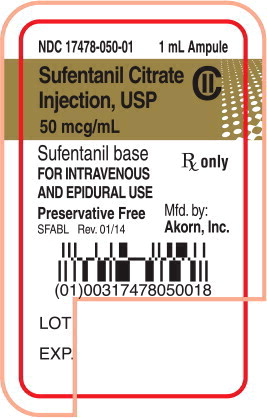
Sufentanil Citrate 50 ug/mL Injection
🆔 Identity & classification
Where does this data come from?
🏭 Manufacturer & labeler
Where does this data come from?
🩺 Clinical
Patient education
Supplement & herbal interactions
Some supplements/herbs that may interact with Sufentanil Citrate — tap one for details:
Where does this data come from?
Ask a licensed pharmacist directly — free, answered by our team.
🧪 Inactive Ingredients / Excipients
Inactive ingredients, also called excipients, are components of the drug product other than the active ingredient. They may include fillers, dyes, coatings, preservatives, flavors, or other formulation ingredients.
💡 Tap an ingredient (hover on desktop) to see what it is and why it’s used.
-
UNII 059QF0KO0R
Water is a liquid solvent that dissolves and mixes ingredients together in liquid medicines, syrups, and injections. It helps distribute the active drug evenly throughout the product.
1 inactive ingredient listed in the exact product block matched to this NDC.
Where does this data come from?
ingredient classCode="IACT" elements from the exact product block matched by this NDC. Label-section narrative from DailyMed / the openFDA label index is shown separately when available.Inactive ingredient FAQ
Are inactive ingredients the same for every manufacturer?
Why might an inactive ingredient be missing?
Can inactive ingredients matter?
💲 Pricing
A drug doesn't have one price. Each row is a different public payment system, and none is what you'd pay at the counter — that depends on your insurance. The ⓘ on each row explains what it measures.
| Price system | Per each | Per package |
|---|---|---|
| Retail pharmacies payNADAC · weekly | Not in the retail survey — common for institutional, discontinued, or low-volume packs. | |
| Medicaid paysCMS SDUD · 12 mo | No recent Medicaid claims on file for this NDC — rare and low-volume NDCs are suppressed in the public data. | |
| Medicare drug plans payPart D · quarterly | No Part D plan price is available for this NDC in our data. | |
Where does this data come from?
🔁 Therapeutic equivalents
| Product | Labeler | Pack | NADAC/unit | TE | Status | Price vs. this |
|---|---|---|---|---|---|---|
| Sufentanil Citrate 50 ug/mLthis 17478-0050-05 | Akorn | 10 ampules | — | AP | Discontinued | — |
Where does this data come from?
⏳ Availability & generic status
The FDA lists approved generic versions of this medicine, but that does not always mean a pharmacy can get one today. Patent rules, launch agreements, supply and pricing can affect when generics actually arrive.
Where does this data come from?
🔬 Reported adverse events (FAERS)
Top reported reactions
Age at onset
Reporter sex
Serious outcomes
Where does this data come from?
📦 Packaging — all sizes for this product
| Package NDC | Description | Marketing start | Status |
|---|---|---|---|
| 17478-0050-01 | 10 AMPULE in 1 CARTON (17478-050-01) / 1 mL in 1 AMPULE | 2010-12-01 | Inactivated by FDA |
| 17478-0050-02 | 10 AMPULE in 1 CARTON (17478-050-02) / 2 mL in 1 AMPULE | 2010-12-01 | Inactivated by FDA |
| 17478-0050-05 You're viewing this | 10 AMPULE in 1 CARTON (17478-050-05) / 5 mL in 1 AMPULE | 2010-12-01 | Inactivated by FDA |
Pack size FAQ
What quantity is in NDC 17478-0050-05?
What NDC number is used to bill for this package of Sufentanil Citrate 50 ug/mL Injection?
🧭 About this NDC listing & data coverage
What data is (and isn’t) available for this NDC — tap to expand
| NDC identity (package / product / labeler codes) | ✓ Available |
| Labeler | ✓ Available |
| Product & package description | ✓ Available |
| Marketing category & status | ✓ Available |
| Active ingredient / dosage form / route | ✓ Available |
| FDA label (SPL via DailyMed) | ✓ Available |
| Package photos | ✓ Available |
| Inactive ingredients (structured) | ✓ Available |
| NADAC pharmacy acquisition price (CMS) | — Not published for this NDC CMS publishes NADAC only for NDCs reported in its retail-pharmacy survey. |
| Orange Book / therapeutic-equivalence data | ✓ Available |
| HCPCS J-code billing crosswalk | — Not published for this NDC Most self-administered / retail products have no J-code — that is normal. |
| Medicaid utilization (CMS SDUD) | — Not published for this NDC CMS reports utilization only for NDCs with Medicaid claims above its privacy threshold. |
Questions about this listing
Why is there no price listed?
What does the discontinued status mean for this NDC?
Is the NDC printed on the package the same as the 11-digit billing NDC?
What do the three segments of this NDC mean?
Does this product come in other package sizes?
Who lists this product with the FDA?
Do I need a prescription for this product?
Where does this data come from?
📄 Full prescribing information FDA SPL
🚨 Boxed Warning ▾
WARNING: ADDICTION, ABUSE, AND MISUSE See full prescribing information for complete boxed warning. Sufentanil citrate injection exposes users to risks of addiction, abuse, and misuse, which can lead to overdose and death. Assess patient's risk before prescribing and monitor regularly for these behaviors and conditions.
( 5.1 ) WARNING: ADDICTION, ABUSE, AND MISUSE See full prescribing information for complete boxed warning. Sufentanil citrate injection exposes users to risks of addiction, abuse, and misuse, which can lead to overdose and death. Assess patient's risk before prescribing and monitor regularly for these behaviors and conditions.
( 5.1 )
🎯 Indications and Usage ▾
1 INDICATIONS AND USAGE Sufentanil Citrate Injection is indicated for intravenous administration in adults and pediatric patients: as an analgesic adjunct in the maintenance of balanced general anesthesia in patients who are intubated and ventilated. as a primary anesthetic agent for the induction and maintenance of anesthesia with 100% oxygen in patients undergoing major surgical procedures, in patients who are intubated and ventilated, such as cardiovascular surgery or neurosurgical procedures in the sitting position, to provide favorable myocardial and cerebral oxygen balance or when extended postoperative ventilation is anticipated.
Sufentanil Citrate Injection is indicated for epidural administration: as an analgesic combined with low dose (usually 12.5 mg per administration) bupivacaine usually during labor and vaginal delivery. Sufentanil Citrate Injection is an opioid agonist indicated: as an analgesic adjunct in the maintenance of balanced general anesthesia in patients who are intubated and ventilated. as a primary anesthetic agent for the induction and maintenance of anesthesia with 100% oxygen in patients undergoing major surgical procedures, in patients who are intubated and ventilated, such as cardiovascular surgery or neurosurgical procedures in the sitting position, to provide favorable myocardial and cerebral oxygen balance or when extended postoperative ventilation is anticipated. for epidural administration as an analgesic combined with low dose (usually 12.5 mg per administration) bupivacaine usually during labor and vaginal delivery.
⏱️ Dosage and Administration ▾
2 DOSAGE AND ADMINISTRATION Sufentanil Citrate Injection should be administered only by persons specifically trained in the use of intravenous anesthetics and management of the respiratory effects of potent opioids. Ensure that an opioid antagonist, resuscitative and intubation equipment, and oxygen are readily available ( 2.1 ). Individualize dosing based on factors such as age, body weight, physical status, underlying pathological condition, use of other drugs, type of anesthesia to be used, and the surgical procedure involved.
( 2.1 ) Initiate analgesic treatment with 1 to 2 mcg/kg intravenously. ( 2.2 ) Initiate epidural injection for labor and delivery at 10 to 15 mcg of Sufentanil administered with 10 mL bupivacaine 0.125% with or without epinephrine ( 2.3 )
2.1Important Dosage and Administration Instructions Sufentanil Citrate Injection should be administered only by persons specifically trained in the use of intravenous or epidural anesthetics and management of the respiratory effects of potent opioids. In patients administered high doses of Sufentanil Citrate Injection, it is essential that qualified personnel and adequate facilities are available for the management of postoperative respiratory depression. For purposes of administering small volumes of Sufentanil Citrate Injection accurately, the use of a tuberculin syringe or equivalent is recommended.
Ensure that an opioid antagonist, resuscitative and intubation equipment, and oxygen are readily available. Individualize dosage based on factors such as age, body weight, physical status, underlying pathological condition, use of other drugs, type of anesthesia to be used, and the surgical procedure involved. Monitor vital signs regularly.
The selection of preanesthetic medications should be based upon the needs of the individual patient. The neuromuscular blocking agent selected should be compatible with the patient's condition, taking into account the hemodynamic effects of a particular muscle relaxant and the degree of skeletal muscle relaxation required. As with other potent opioids, the respiratory depressant effect of sufentanil may persist longer than the measured analgesic effect.
The total dose of all opioid agonists administered should be considered by the practitioner before ordering opioid analgesics during recovery from anesthesia. If Sufentanil Citrate Injection is administered with a CNS depressant, become familiar with the properties of each drug, particularly each product's duration of action. In addition, when such a combination is used, fluids and other countermeasures to manage hypotension should be available [see Warnings and Precautions ( 5.5 )].
Inspect parenteral drug products visually for particulate matter and discoloration prior to administration, whenever solution and container permit.
2.2Intravenous use Sufentanil Citrate may be administered intravenously by slow injection or infusion. Adjunct to general anesthesia: Doses of up to 8 mcg/kg (see Table 1 ) Total Dosage Requirements Of 1 Mcg/Kg/Hr Or Less Are Recommended Dosage should be individualized and adjusted to remaining operative time anticipated. Table 1: Adult Dosage Range Chart, Analgesic Component To General Anesthesia, Intravenous Use Total dosage Maintenance dosage Duration of anesthesia 1 to 2 hours Incremental or Infusion: 1 to 2 mcg/kg Approximately 75% or more of total sufentanil dosage may be administered prior to intubation by either slow injection or infusion titrated to individual patient response.
Dosages in this range are generally administered with nitrous oxide/oxygen in patients undergoing general surgery in which endotracheal intubation and mechanical ventilation are required. Incremental: 10 to 25 mcg (0.2 to 0.5 mL) may be administered in increments as needed when movement and/or changes in vital signs indicate surgical stress or lightening of analgesia. Supplemental dosages should be individualized and adjusted to remaining operative time anticipated.
Infusion…
💊 Dosage Forms and Strengths ▾
3 DOSAGE FORMS AND STRENGTHS Sufentanil Citrate Injection, USP 50 mcg/mL (equivalent to 50 mcg/mL sufentanil base). Solution for injection (sterile): eq. to 50 mcg/mL sufentanil base; 1 mL, 2 mL and 5 mL ampules ( 3 )
⛔ Contraindications ▾
4 CONTRAINDICATIONS Sufentanil Citrate Injection is contraindicated in patients with: Hypersensitivity to sufentanil (e.g., anaphylaxis) [see Adverse Reactions ( 6.2 )] Hypersensitivity to sufentanil. ( 4 )
⚠️ Warnings and Cautions ▾
5 WARNINGS AND PRECAUTIONS Risks of Skeletal Muscle Rigidity and Skeletal Muscle Movement: Manage with neuromuscular blocking agent. See full prescribing information for more detail on managing these risks. ( 5.4 ) Life-Threatening Respiratory Depression in Patients with Chronic Pulmonary Disease or in Elderly, Cachectic, or Debilitated Patients: Monitor closely, particularly during initiation and titration.
( 5.2 ) Severe Cardiovascular Depression: Monitor during dosage initiation and titration. ( 5.6 ) Serotonin Syndrome: Potentially life-threatening condition could result from concomitant serotonergic drug administration. Discontinue Sufentanil Citrate Injection if serotonin syndrome is suspected.
( 5.7 ) Risks of Use in Patients with Increased Intracranial Pressure, Brain Tumors, or Head Injury: Monitor for sedation and respiratory depression. ( 5.9 )
5.1Addiction, Abuse, and Misuse Sufentanil Citrate Injection contains sufentanil, a Schedule II controlled substance. As an opioid, Sufentanil Citrate Injection exposes users to the risks of addiction, abuse, and misuse [see Drug Abuse and Dependence ( 9 )]. Opioids are sought by drug abusers and people with addiction disorders and are subject to criminal diversion.
Consider these risks when handling Sufentanil Citrate Injection. Strategies to reduce these risks include proper product storage and control practices for a C-II drug. Contact local state professional licensing board or state controlled substances authority for information on how to prevent and detect abuse or diversion of this product.
5.2Life-Threatening Respiratory Depression Serious, life-threatening, or fatal respiratory depression has been reported with the use of opioids, even when used as recommended. Respiratory depression, if not immediately recognized and treated, may lead to respiratory arrest and death. Sufentanil Citrate Injection should be administered only by persons specifically trained in the use of anesthetic drugs and the management of the respiratory effects of potent opioids, including respiration and cardiac resuscitation of patients in the age group being treated.
Such training must include the establishment and maintenance of a patent airway and assisted ventilation. Adequate facilities should be available for postoperative monitoring and ventilation of patients administered anesthetic doses of Sufentanil Citrate Injection. It is essential that these facilities be fully equipped to handle all degrees of respiratory depression.
Management of respiratory depression may include close observation, supportive measures, and use of opioid antagonists, depending on the patient's clinical status [see Overdosage ( 10 )]. Carbon dioxide (CO 2 ) retention from opioid-induced respiratory depression can exacerbate the sedating effects of opioids. As with other potent opioids, the respiratory depressant effect of Sufentanil Citrate Injection may persist longer than the measured analgesic effect.
The total dose of all opioid agonists administered should be considered by the practitioner before ordering opioid analgesics during recovery from anesthesia. Certain forms of conduction anesthesia, such as spinal anesthesia and some epidural anesthetics, can alter respiration by blocking intercostal nerves [see Clinical Pharmacology ( 12.2 )] Sufentanil Citrate Injection can also alter respiration. Therefore, when Sufentanil Citrate Injection is used to supplement these forms of anesthesia, the anesthetist should be familiar with the physiological alterations involved, and be prepared to manage them in the patients selected for these forms of anesthesia.
Patients with significant chronic obstructive pulmonary disease or cor pulmonale, and those with a substantially decreased respiratory reserve, hypoxia, hypercapnia, or pre-existing respiratory depression are at increased risk of decreased respiratory drive including apnea, even at recommended dosages of Sufentanil Citrate Injection. Elderly, cachectic, or deb…
🤒 Adverse Reactions ▾
6 ADVERSE REACTIONS The following serious adverse reactions are described, or described in greater detail, in other sections: Addiction, Abuse, and Misuse [see Warnings and Precautions ( 5.1 )] Life-Threatening Respiratory Depression [see Warnings and Precautions ( 5.2 )] Skeletal Muscle Rigidity and Skeletal Muscle Movement [see Warnings and Precautions ( 5.4 )] Interactions with Benzodiazepines or Other CNS Depressants [see Warnings and Precautions ( 5.5 ) Severe Cardiovascular Depression [see Warnings and Precautions ( 5.6 )] Serotonin Syndrome [see Warnings and Precautions ( 5.7 )] Gastrointestinal Adverse Reactions [see Warnings and Precautions ( 5.10 )] Seizures [see Warnings and Precautions ( 5.11 )] Most common adverse reactions were apnea, rigidity, and bradycardia.
( 6 ) To report SUSPECTED ADVERSE REACTIONS, contact Akorn, Inc. at 1-800-932-5676 or FDA at 1-800-FDA-1088 or www.fda.gov.medwatch.
6.1Clinical Trials Experience Because clinical trials are conducted under widely varying conditions, adverse reaction rates observed in the clinical trials of a drug cannot be directly compared to rates in the clinical trials of another drug and may not reflect the rates observed in practice. Epidural Use in Labor and Delivery Epidural sufentanil was tested in 340 patients in two (one single-center and one multicenter) double-blind, parallel studies. Doses ranged from 10 to 15 mcg sufentanil and were delivered in a 10 mL volume of 0.125% bupivacaine with and without epinephrine 1:200,000.
In all cases sufentanil was administered following a dose of local anesthetic to test proper catheter placement. Since epidural opioids and local anesthetics potentiate each other, these results may not reflect the dose or efficacy of epidural sufentanil by itself. Individual doses of 10 to 15 mcg sufentanil plus bupivacaine 0.125% with epinephrine provided analgesia during the first stage of labor with a duration of 1 to 2 hours.
Onset was rapid (within 10 minutes). Subsequent doses (equal dose) tended to have shorter duration. Analgesia was profound (complete pain relief) in 80% to 100% of patients and a 25% incidence of pruritus was observed.
The duration of initial doses of sufentanil plus bupivacaine with epinephrine is approximately 95 minutes, and of subsequent doses, 70 minutes. There are insufficient data to critically evaluate neonatal neuromuscular and adaptive capacity following recommended doses of maternally administered epidural sufentanil with bupivacaine. However, if larger than recommended doses are used for combined local and systemic analgesia, e.g. after administration of a single dose of 50 mcg epidural sufentanil during delivery, then impaired neonatal adaption to sound and light can be detected for 1 to 4 hours and if a dose of 80 mcg is used impaired neuromuscular coordination can be detected for more than 4 hours.
6.2Postmarketing Experience The following adverse reactions have been identified during post approval use of sufentanil. Because these reactions are reported voluntarily from a population of uncertain size, it is not always possible to reliably estimate their frequency or establish a causal relationship to drug exposure. Serotonin syndrome: Cases of serotonin syndrome, a potentially life-threatening condition, have been reported during concomitant use of opioids with serotonergic drugs.
Adrenal insufficiency: Cases of adrenal insufficiency have been reported with opioid use, more often following greater than one month of use. Anaphylaxis: Anaphylaxis has been reported with ingredients contained in Sufentanil Citrate Injection. Androgen deficiency: Cases of androgen deficiency have occurred with chronic use of opioids [see Clinical Pharmacology ( 12.2 )].
🔄 Drug Interactions ▾
7 DRUG INTERACTIONS Table 3 includes clinically significant drug interactions with Sufentanil Citrate Injection. Table 3: Clinically Significant Drug Interactions with Sufentanil Citrate Injection Inhibitors of CYP3A4 Clinical Impact: The concomitant use of Sufentanil Citrate Injection and CYP3A4 inhibitors can increase the plasma concentration of sufentanil, resulting in increased or prolonged opioid effects, particularly when an inhibitor is added after a stable dose of Sufentanil Citrate Injection is achieved [see Warnings and Precautions ( 5.4 )].
After stopping a CYP3A4 inhibitor, as the effects of the inhibitor decline, the sufentanil plasma concentration will decrease [see Clinical Pharmacology ( 12.3 )] , resulting in decreased opioid efficacy or a withdrawal syndrome in patients who had developed physical dependence to sufentanil. Intervention: If concomitant use is necessary, consider dosage reduction of Sufentanil Citrate Injection until stable drug effects are achieved. Monitor patients for respiratory depression and sedation at frequent intervals.
If a CYP3A4 inhibitor is discontinued, consider increasing the Sufentanil Citrate Injection dosage until stable drug effects are achieved. Monitor for signs of opioid withdrawal. Examples: Macrolide antibiotics (e.g., erythromycin), azole-antifungal agents (e.g. ketoconazole), protease inhibitors (e.g., ritonavir), grapefruit juice CYP3A4 Inducers Clinical Impact: The concomitant use of Sufentanil Citrate Injection and CYP3A4 inducers can decrease the plasma concentration of sufentanil [see Clinical Pharmacology ( 12.3 )], resulting in decreased efficacy or onset of a withdrawal syndrome in patients who have developed physical dependence to sufentanil [see Warnings and Precautions ( 5.4 )].
After stopping a CYP3A4 inducer, as the effects of the inducer decline, the sufentanil plasma concentration will increase [see Clinical Pharmacology ( 12.3 )] , which could increase or prolong both the therapeutic effects and adverse reactions, and may cause serious respiratory depression. Intervention: If concomitant use is necessary, consider increasing the Sufentanil Citrate Injection dosage until stable drug effects are achieved. Monitor for signs of opioid withdrawal.
If a CYP3A4 inducer is discontinued, consider Sufentanil Citrate Injection dosage reduction and monitor for signs of respiratory depression. Examples: Rifampin, carbamazepine, phenytoin Benzodiazepines and Other Central Nervous System (CNS) Depressants Clinical Impact: The concomitant use of Sufentanil Citrate Injection with CNS depressants my result in decreased pulmonary artery pressure and may cause hypotension. Even small dosages of diazepam may cause cardiovascular depression when added to high dose or anesthetic dosages of Sufentanil Citrate Injection.
As postoperative analgesia, concomitant use of Sufentanil Citrate Injection can increase the risk of hypotension, respiratory depression, profound sedation, coma, and death. Intervention: As postoperative analgesia, start with a lower dose of Sufentanil Citrate Injection and monitor patients for signs of respiratory depression, sedation, and hypotension. Fluids or other measures to counter hypotension should be available. [see Warnings and Precautions ( 5.5 )].
Examples: Benzodiazepines and other sedatives/hypnotics, anxiolytics, tranquilizers, muscle relaxants, general anesthetics, antipsychotics, other opioids, alcohol. Serotonergic Drugs Clinical Impact: The concomitant use of opioids with other drugs that affect the serotonergic neurotransmitter system has resulted in serotonin syndrome [see Warnings and Precautions 5.5]. Intervention: If concomitant use is warranted, carefully observe the patient, particularly during treatment initiation and dose adjustment.
Discontinue Sufentanil Citrate Injection if serotonin syndrome is suspected. Examples: Selective serotonin reuptake inhibitors (SSRIs), serotonin and norepinephrine reuptake inhibitors (SNRIs), tricycli…
👥 Use in Specific Populations ▾
8 USE IN SPECIFIC POPULATIONS Pregnancy: May cause fetal harm. ( 8.1 ) Lactation: Infants exposed to Sufentanil Citrate Injection through breast milk should be monitored for excess sedation and respiratory depression. ( 8.2 )
8.1Pregnancy Risk Summary Prolonged use of opioid analgesics during pregnancy may cause neonatal opioid withdrawal syndrome. Available data with Sufentanil Citrate Injection in pregnant women are insufficient to inform a drug-associated risk for major birth defects and miscarriage. In animal reproduction studies, embryolethality and maternal toxicity were noted in rabbits when sufentanil was administered intravenously at 0.9 times the human procedural dose of 30 mcg/kg during organogenesis.
Decreased live fetuses and pup survival were noted in rats treated with sufentanil late in gestation and throughout lactation at doses below the human procedural dose. No malformations were observed in either rats or rabbits at doses below the human procedural dose [see Data ]. The estimated background risk of major birth defects and miscarriage for the indicated population is unknown.
All pregnancies have a background risk of birth defect, loss, or other adverse outcomes. In the U.S. general population, the estimated background risk of major birth defects and miscarriage in clinically recognized pregnancies is 2 to 4% and 15 to 20%, respectively. Clinical Considerations Fetal/Neonatal Adverse Reactions Prolonged use of opioid analgesics during pregnancy for medical or nonmedical purposes can result in physical dependence in the neonate and neonatal opioid withdrawal syndrome shortly after birth.
Neonatal opioid withdrawal syndrome presents as irritability, hyperactivity and abnormal sleep pattern, high pitched cry, tremor, vomiting, diarrhea and failure to gain weight. The onset, duration, and severity of neonatal opioid withdrawal syndrome vary based on the specific opioid used, duration of use, timing and amount of last maternal use, and rate of elimination of the drug by the newborn. Observe newborns for symptoms of neonatal opioid withdrawal syndrome and manage accordingly [see Warnings and Precautions ( 5.3 )].
Labor or Delivery Opioids cross the placenta and may produce respiratory depression and psycho-physiologic effects in neonates. An opioid antagonist, such as naloxone, must be available for reversal of opioid-induced respiratory depression in the neonate. Sufentanil Citrate Injection is not recommended for use in pregnant women during or immediately prior to labor, when other analgesic techniques are more appropriate.
Opioid analgesics, including Sufentanil Citrate Injection, can prolong labor through actions which temporarily reduce the strength, duration, and frequency of uterine contractions. However, this effect is not consistent and may be offset by an increased rate of cervical dilation, which tends to shorten labor. Monitor neonates exposed to opioid analgesics during labor for signs of excess sedation and respiratory depression.
The use of epidurally administered sufentanil in combination with bupivacaine 0.125% with or without epinephrine is indicated for labor and delivery. Sufentanil is not recommended for intravenous use or for use of larger epidural doses during labor and delivery because of potential risks to the newborn infant after delivery. In clinical trials, one case of severe fetal bradycardia associated with maternal hypotension was reported within 8 minutes of maternal administration of sufentanil 15 mcg plus bupivacaine 0.125% (10 mL total volume).
Data Animal Data Pregnant rats were treated with intravenous sufentanil doses of 0.005, 0.02, or 0.08 mg/kg/day (0.03, 0.1, or 0.4 times the human total procedural dose of 30 mcg/kg based on body surface area, respectively). No malformations or embryotoxic effects were noted despite maternal toxicity (increased mortality in the mid- and high-dose group). Pregnant rabbits were treated with intravenous sufentanil doses of 0.005, 0.02, or 0.…
🤰 Pregnancy ▾
8.1Pregnancy Risk Summary Prolonged use of opioid analgesics during pregnancy may cause neonatal opioid withdrawal syndrome. Available data with Sufentanil Citrate Injection in pregnant women are insufficient to inform a drug-associated risk for major birth defects and miscarriage. In animal reproduction studies, embryolethality and maternal toxicity were noted in rabbits when sufentanil was administered intravenously at 0.9 times the human procedural dose of 30 mcg/kg during organogenesis.
Decreased live fetuses and pup survival were noted in rats treated with sufentanil late in gestation and throughout lactation at doses below the human procedural dose. No malformations were observed in either rats or rabbits at doses below the human procedural dose [see Data ]. The estimated background risk of major birth defects and miscarriage for the indicated population is unknown.
All pregnancies have a background risk of birth defect, loss, or other adverse outcomes. In the U.S. general population, the estimated background risk of major birth defects and miscarriage in clinically recognized pregnancies is 2 to 4% and 15 to 20%, respectively. Clinical Considerations Fetal/Neonatal Adverse Reactions Prolonged use of opioid analgesics during pregnancy for medical or nonmedical purposes can result in physical dependence in the neonate and neonatal opioid withdrawal syndrome shortly after birth.
Neonatal opioid withdrawal syndrome presents as irritability, hyperactivity and abnormal sleep pattern, high pitched cry, tremor, vomiting, diarrhea and failure to gain weight. The onset, duration, and severity of neonatal opioid withdrawal syndrome vary based on the specific opioid used, duration of use, timing and amount of last maternal use, and rate of elimination of the drug by the newborn. Observe newborns for symptoms of neonatal opioid withdrawal syndrome and manage accordingly [see Warnings and Precautions ( 5.3 )].
Labor or Delivery Opioids cross the placenta and may produce respiratory depression and psycho-physiologic effects in neonates. An opioid antagonist, such as naloxone, must be available for reversal of opioid-induced respiratory depression in the neonate. Sufentanil Citrate Injection is not recommended for use in pregnant women during or immediately prior to labor, when other analgesic techniques are more appropriate.
Opioid analgesics, including Sufentanil Citrate Injection, can prolong labor through actions which temporarily reduce the strength, duration, and frequency of uterine contractions. However, this effect is not consistent and may be offset by an increased rate of cervical dilation, which tends to shorten labor. Monitor neonates exposed to opioid analgesics during labor for signs of excess sedation and respiratory depression.
The use of epidurally administered sufentanil in combination with bupivacaine 0.125% with or without epinephrine is indicated for labor and delivery. Sufentanil is not recommended for intravenous use or for use of larger epidural doses during labor and delivery because of potential risks to the newborn infant after delivery. In clinical trials, one case of severe fetal bradycardia associated with maternal hypotension was reported within 8 minutes of maternal administration of sufentanil 15 mcg plus bupivacaine 0.125% (10 mL total volume).
Data Animal Data Pregnant rats were treated with intravenous sufentanil doses of 0.005, 0.02, or 0.08 mg/kg/day (0.03, 0.1, or 0.4 times the human total procedural dose of 30 mcg/kg based on body surface area, respectively). No malformations or embryotoxic effects were noted despite maternal toxicity (increased mortality in the mid- and high-dose group). Pregnant rabbits were treated with intravenous sufentanil doses of 0.005, 0.02, or 0.08 mg/kg/day (0.05, 0.2, or 0.9 times the human total procedural dose of 30 mcg/kg based on body surface area, respectively).
Decreased live fetuses per litter and decreased litter size in the high dose group were noted in the…
🧒 Pediatric Use ▾
8.4Pediatric Use The safety and efficacy of intravenous sufentanil in pediatric patients as young as 1 day old undergoing cardiovascular surgery have been documented in a limited number of cases. The clearance of sufentanil in healthy neonates is approximately one-half that in adults and children. The clearance rate of sufentanil can be further reduced by up to a third in neonates with cardiovascular disease, resulting in an increase in the elimination half-life of the drug.
🧓 Geriatric Use ▾
8.5Geriatric Use Elderly patients (aged 65 years or older) may have increased sensitivity to sufentanil. In general, use caution when selecting a dosage for an elderly patient, usually starting at the low end of the dosing range, reflecting the greater frequency of decreased hepatic, renal, or cardiac function and of concomitant disease or other drug therapy. Respiratory depression is the chief risk for elderly patients treated with opioids, and has occurred after large initial doses were administered to patients who were not opioid-tolerant or when opioids were co-administered with other agents that depress respiration.
Titrate the dosage of Sufentanil Citrate Injection slowly in geriatric patients and monitor closely for signs of central nervous system and respiratory depression [see Warnings and Precautions ( 5.6 )].
🆘 Overdosage ▾
10 OVERDOSAGE Clinical Presentation Acute overdose with Sufentanil Citrate Injection can be manifested by respiratory depression, somnolence progressing to stupor or coma, skeletal muscle flaccidity, cold and clammy skin, constricted pupils, and, in some cases, pulmonary edema, bradycardia, hypotension, partial or complete airway obstruction, atypical snoring, and death. Marked mydriasis rather than miosis may be seen with hypoxia in overdose situations [see Clinical Pharmacology ( 12.2 )]. Treatment of Overdose In case of overdose, priorities are the reestablishment of a patent and protected airway and institution of assisted or controlled ventilation, if needed.
Employ other supportive measures (including oxygen and vasopressors) in the management of circulatory shock and pulmonary edema as indicated. Cardiac arrest or arrhythmias will require advanced life-support techniques. The opioid antagonists, naloxone or nalmefene, are specific antidotes to respiratory depression resulting from opioid overdose.
For clinically significant respiratory or circulatory depression secondary to sufentanil overdose, administer an opioid antagonist. Opioid antagonists should not be administered in the absence of clinically significant respiratory or circulatory depression secondary to sufentanil overdose. Because the duration of opioid reversal is expected to be less than the duration of action of sufentanil in Sufentanil Citrate Injection, carefully monitor the patient until spontaneous respiration is reliably reestablished.
If the response to an opioid antagonist is suboptimal or only brief in nature, administer additional antagonist as directed by the product's prescribing information. In an individual physically dependent on opioids, administration of the recommended usual dosage of the antagonist will precipitate an acute withdrawal syndrome. The severity of the withdrawal symptoms experienced will depend on the degree of physical dependence and the dose of the antagonist administered.
If a decision is made to treat serious respiratory depression in the physically dependent patient, administration of the antagonist should be initiated with care and by titration with smaller than usual doses of the antagonist.
🧬 Clinical Pharmacology ▾
12 CLINICAL PHARMACOLOGY
12.1Mechanism of Action Sufentanil is an opioid agonist. When used in balanced general anesthesia, sufentanil has been reported to be as much as 10 times as potent as fentanyl. When administered intravenously as a primary anesthetic agent with 100% oxygen, sufentanil is approximately 5 to 7 times as potent as fentanyl.
12.2Pharmacodynamics Effects on the Central Nervous System Sufentanil produces respiratory depression by direct action on brain stem respiratory centers. The respiratory depression involves both a reduction in the responsiveness of the brain stem respiratory centers to increases in carbon dioxide tension and to electrical stimulation. Sufentanil causes miosis, even in total darkness.
Pinpoint pupils are a sign of opioid overdose but are not pathognomonic (e.g., pontine lesions of hemorrhagic or ischemic origins may produce similar findings). Marked mydriasis rather than miosis may be seen due to hypoxia in overdose situations. Effects on the Gastrointestinal Tract and Other Smooth Muscle Sufentanil causes a reduction in motility associated with an increase in smooth muscle tone in the antrum of the stomach and duodenum.
Digestion of food in the small intestine is delayed and propulsive contractions are decreased. Propulsive peristaltic waves in the colon are decreased, while tone may be increased to the point of spasm resulting in constipation. Other opioid-induced effects may include a reduction in biliary and pancreatic secretions, spasm of sphincter of Oddi, and transient elevations in serum amylase.
Effects on the Cardiovascular System Sufentanil produces peripheral vasodilation which may result in orthostatic hypotension or syncope. Manifestations of histamine release and/or peripheral vasodilation may include pruritus, flushing, red eyes and sweating and/or orthostatic hypotension. Effects on the Endocrine System Opioids inhibit the secretion of adrenocorticotropic hormone (ACTH), cortisol, and luteinizing hormone (LH) in humans.
They also stimulate prolactin, growth hormone (GH) secretion, and pancreatic secretion of insulin and glucagon [see Adverse Reactions ( 6.2 )]. Chronic use of opioids may influence the hypothalamic-pituitary-gonadal axis, leading to androgen deficiency that may manifest as low libido, impotence, erectile dysfunction, amenorrhea, or infertility. The causal role of opioids in the clinical syndrome of hypogonadism is unknown because the various medical, physical, lifestyle, and psychological stressors that may influence gonadal hormone levels have not been adequately controlled for in studies conducted to date [see Adverse Reactions ( 6.2 )].
Effects on the Immune System Opioids have been shown to have a variety of effects on components of the immune system in in vitro and animal models. The clinical significance of these findings is unknown. Overall, the effects of opioids appear to be modestly immunosuppressive.
Concentration–Efficacy Relationships The minimum effective analgesic concentration will vary widely among patients, especially among patients who have been previously treated with potent agonist opioids [see Dosage and Administration ( 2.1 , 2.2 )]. The minimum effective analgesic concentration of sufentanil for any individual patient may increase over time due to an increase in pain, the development of a new pain syndrome and/or the development of analgesic tolerance. Concentration–Adverse Reaction Relationships There is a relationship between increasing sufentanil plasma concentration and increasing frequency of dose-related opioid adverse reactions such as nausea, vomiting, CNS effects, and respiratory depression.
In opioid-tolerant patients, the situation may be altered by the development of tolerance to opioid-related adverse reactions [see Dosage and Administration ( 2.1 , 2.2 , 2.3 )].
12.3Pharmacokinetics Sufentanil Citrate Injection is administered by the intravenous or epidural route. The pharmacokinetics of intravenous sufentanil can b…
🧬 Mechanism of Action ▾
12.1Mechanism of Action Sufentanil is an opioid agonist. When used in balanced general anesthesia, sufentanil has been reported to be as much as 10 times as potent as fentanyl. When administered intravenously as a primary anesthetic agent with 100% oxygen, sufentanil is approximately 5 to 7 times as potent as fentanyl.
📦 How Supplied / Storage and Handling ▾
16 HOW SUPPLIED/STORAGE AND HANDLING Sufentanil Citrate Injection, USP is a sterile aqueous, preservative-free solution, containing 50 mcg/mL eq. of sufentanil base, for intravenous and epidural use, supplied as: NDC 17478-050-01 1 mL ampules in packages of 10 NDC 17478-050-02 2 mL ampules in packages of 10 NDC 17478-050-05 5 mL ampules in packages of 10 Storage: Store at 20° to 25°C (68° to 77°F) [See USP Controlled Room Temperature]. Protect from light. U.S.
Patent No. 3,998,834 MAY 1995, SEPTEMBER 1995 AKORN Manufactured by: Akorn, Inc. Lake Forest, IL 60045 SFA0N Rev.
10/19
📦 Storage and Handling ▾
Storage: Store at 20° to 25°C (68° to 77°F) [See USP Controlled Room Temperature]. Protect from light. U.S. Patent No. 3,998,834 MAY 1995, SEPTEMBER 1995 AKORN Manufactured by: Akorn, Inc. Lake Forest, IL 60045 SFA0N Rev. 10/19
📋 Description ▾
11 DESCRIPTION Sufentanil Citrate Injection, is an opioid agonist, available as a solution containing 50 mcg/mL eq. of sufentanil base, adjusted to pH 3.5 to 6.0. The chemical name is N-[4-(methyoxymethyl)-1-[2-(2-thienyl)ethyl]-4-piperidinyl]-N-phenylpropanamide: 2-hydroxy-1,2,3-propanetricarboxylate (1:1). The molecular weight is 578.68.
It has the following chemical structure. Sufentanil Citrate Injection, is a sterile, non-pyrogenic, preservative free aqueous solution for intravenous or epidural injection. Chemical Structure