
SOLIRIS ECULIZUMAB 300 mg/30mL Injection, Solution, Concentrate — NDC 25682-001-01 (Billing 25682-0001-01)
This is a package of SOLIRIS ECULIZUMAB 300 mg/30mL Injection, Solution, Concentrate from Alexion Pharmaceuticals Inc., marketed since Apr 2007 and currently FDA-listed. It is this product's only package size.
NDC database record
One package, one record: these facts belong to NDC 25682-001-01 alone.
- Record
- FDA NDC Directory package listing · Human prescription drug
- Code segments
- 25682 labeler · 001 product · 01 package
- Package marketed since
- Apr 2, 2007
- Sample package
- No — commercial package
- Listing certified through
- Dec 31, 2027
- Barcode (UPC-A, from the NDC)
- 3 2568200101 6
- Medicaid fills, this package
- 1,719 prescriptions in the last four reported quarters
- FDA record last changed
- Jul 24, 2026
Identity & classification
Regulatory identifiers FDA, NLM and CMS codes for this package
Drug-database identifiers Medi-Span GPI and First Databank GCN / HICL / AHFS classification
- GSN (GCN sequence number): 062479
- GCN: 98255
- GPI-14 (Medi-Span): 85805050002020
- HICL (First Databank): 034618
- AHFS class code: 90:20.00.00
- RxCUI (RxNorm): 700384
Where does this data come from?
- FDA openFDA NDC Directory · synced Oct 1, 2026
- FDA label on DailyMed · label index refreshed Oct 6, 2026
- RxNorm (NLM RxNav) · catalog refreshed Oct 1, 2026
- Medi-Span GPI (licensed)
- First Databank (licensed) · refreshed Oct 1, 2026
RxNorm drug class
This medicine belongs to the Complement Inhibitor class.
Where does this data come from?
- RxClass (NLM) · catalog refreshed Oct 1, 2026
Clinical
Patient education
Supplement & herbal interactions
Some supplements/herbs that may interact with Eculizumab — tap one for details:
Where does this data come from?
- MedlinePlus (NLM) · refreshed Oct 1, 2026
- FDA label on DailyMed · label index refreshed Oct 6, 2026
Ask a licensed pharmacist directly — free, answered by our team.
Pricing
A drug doesn't have one price. Each row is a different public payment system, and none is what you'd pay at the counter — that depends on your insurance. The ⓘ on each row explains what it measures.
| Price system | Per mL | Per package |
|---|---|---|
| Retail pharmacies payNADAC · weekly | Not in the retail survey — common for institutional, discontinued, or low-volume packs. | |
| Medicaid paysCMS SDUD · 12 mo | $4,408.14 | $132,244.34 / 30 ml |
| Medicare drug plans payPart D · quarterly | No Part D plan price is available for this NDC in our data. | |
| Medicare Part B allowsASP · J1299 | $44.198 / J1299 unit | — |
Where does this data come from?
- CMS NADAC weekly file
- CMS ASP pricing files · refreshed Sep 20, 2026
- CMS Medicaid State Drug Utilization Data · through Q4 2025
- CMS Part D plan pricing files · refreshed Sep 24, 2026
- VA National Acquisition Center price file
Billing & reimbursement
Where does this data come from?
- CMS ASP NDC-HCPCS crosswalk · refreshed Sep 22, 2026
- DMEPDAC NDC-HCPCS crosswalk
- openFDA NSDE billing units · refreshed Oct 7, 2026
Packaging — all sizes for this product
| Package NDC | Description | Marketing start | Marketing end | Status |
|---|---|---|---|---|
| 25682-0001-01 You're viewing this Main listing | 1 VIAL in 1 CARTON / 30 mL in 1 VIAL | 2007-04-02 | — | Active |
Therapeutic equivalents
| Product | Labeler | Pack | NADAC/unit | TE | Status | Price vs. this |
|---|---|---|---|---|---|---|
| Soliris 300 mg/30mLthis 25682-0001-01 | Alexion | 1 vial | — | — | FDA listed | — |
Where does this data come from?
- FDA openFDA NDC Directory · synced Oct 1, 2026
- FDA Purple Book · refreshed Oct 5, 2026
- CMS NADAC weekly file
Availability & biosimilar status
1 biosimilar and 1 interchangeable are FDA-licensed for this reference biologic — see the list below. (Biologics have no small-molecule generics.)
Where does this data come from?
- FDA Purple Book · refreshed Oct 5, 2026
Inactive Ingredients / Excipients
Inactive ingredients, also called excipients, are components of the drug product other than the active ingredient. They may include fillers, dyes, coatings, preservatives, flavors, or other formulation ingredients.
💡 Tap an ingredient (hover on desktop) to see what it is and why it’s used.
-
UNII 6OZP39ZG8H
Polysorbate 80 is a synthetic emulsifier derived from sorbitol and oleic acid. It helps mix oil and water-based ingredients together in medications and improves how the product disperses in the body.
-
UNII 451W47IQ8X
Sodium chloride is common table salt. It's used in medicines as a buffer to maintain proper pH, as a filler to add bulk, or to adjust the osmotic balance in liquid formulations.
-
UNII GR686LBA74
Sodium phosphate, dibasic is a salt derived from phosphoric acid. It acts as a buffer to help maintain the medicine's pH balance and may serve as a binder or filler in tablets and capsules.
-
UNII 3980JIH2SW
A salt form of phosphoric acid that acts as a buffer and pH adjuster in medicines. It helps keep the product at the correct acidity level for stability and effectiveness.
-
UNII 059QF0KO0R
Water is a liquid solvent that dissolves and mixes ingredients together in liquid medicines, syrups, and injections. It helps distribute the active drug evenly throughout the product.
5 inactive ingredients listed in the exact product block matched to this NDC.
Where does this data come from?
ingredient classCode="IACT" elements from the exact product block matched by this NDC. Label-section narrative from DailyMed / the openFDA label index is shown separately when available.- FDA label on DailyMed · label index refreshed Oct 6, 2026
- FDA openFDA NDC Directory · synced Oct 1, 2026
Inactive ingredient FAQ
Are inactive ingredients the same for every manufacturer?
Why might an inactive ingredient be missing?
Can inactive ingredients matter?
Manufacturer & labeler
More NDCs from Alexion Pharmaceuticals Inc. labeler code 25682
- KANUMA Sebelipase alfa 2 mg/mL Injection, Solution, Concentrate NDC 25682-007-01
- STRENSIQ ASFOTASE ALFA 18 mg/.45mL Solution NDC 25682-010-12
- STRENSIQ ASFOTASE ALFA 28 mg/.7mL Solution NDC 25682-013-12
- STRENSIQ ASFOTASE ALFA 40 mg/mL Solution NDC 25682-016-12
- STRENSIQ ASFOTASE ALFA 80 mg/.8mL Solution NDC 25682-019-12
- Ultomiris ravulizumab 300 mg/30mL Solution, Concentrate NDC 25682-022-01
Where does this data come from?
- FDA openFDA NDC Directory · synced Oct 1, 2026
- Drugs@FDA
Full prescribing information FDA SPL
🚨 Boxed Warning ▾
WARNING: SERIOUS MENINGOCOCCAL INFECTIONS SOLIRIS, a complement inhibitor, increases the risk of serious infections caused by Neisseria meningitidis [see Warnings and Precautions (5.1) ] . Life-threatening and fatal meningococcal infections have occurred in patients treated with complement inhibitors. These infections may become rapidly life-threatening or fatal if not recognized and treated early.
Complete or update vaccination for meningococcal bacteria (for serogroups A, C, W, Y, and B) at least 2 weeks prior to the first dose of SOLIRIS, unless the risks of delaying therapy with SOLIRIS outweigh the risk of developing a serious infection. Comply with the most current Advisory Committee on Immunization Practices (ACIP) recommendations for vaccinations against meningococcal bacteria in patients receiving a complement inhibitor. See Warnings and Precautions (5.1) for additional guidance on the management of the risk of serious infections caused by meningococcal bacteria.
Patients receiving SOLIRIS are at increased risk for invasive disease caused by Neisseria meningitidis , even if they develop antibodies following vaccination. Monitor patients for early signs and symptoms of serious meningococcal infections and evaluate immediately if infection is suspected. Because of the risk of serious meningococcal infections, SOLIRIS is available only through a restricted program under a Risk Evaluation and Mitigation Strategy (REMS) called ULTOMIRIS and SOLIRIS REMS [see Warnings and Precautions (5.2) ] .
WARNING: SERIOUS MENINGOCOCCAL INFECTIONS See full prescribing information for complete boxed warning SOLIRIS increases the risk of serious and life-threatening infections caused by Neisseria meningitidis . Complete or update meningococcal vaccination at least 2 weeks prior to the first dose of SOLIRIS, unless the risks of delaying SOLIRIS outweigh the risk of developing a serious infection. Comply with the most current Advisory Committee on Immunization Practices (ACIP) recommendations for meningococcal vaccination in patients receiving a complement inhibitor.
( 5.1 ) Patients receiving SOLIRIS are at increased risk for invasive disease caused by N. meningitidis , even if they develop antibodies following vaccination. Monitor patients for early signs and symptoms of meningococcal infections, and evaluate immediately if infection is suspected. ( 5.1 ) SOLIRIS is available only through a restricted program called the ULTOMIRIS and SOLIRIS REMS.
( 5.2 )
🎯 Indications and Usage ▾
1 INDICATIONS AND USAGE SOLIRIS is a complement inhibitor indicated for: the treatment of patients with paroxysmal nocturnal hemoglobinuria (PNH) to reduce hemolysis. ( 1.1 ) the treatment of patients with atypical hemolytic uremic syndrome (aHUS) to inhibit complement-mediated thrombotic microangiopathy. ( 1.2 ) Limitation of Use SOLIRIS is not indicated for the treatment of patients with Shiga toxin E. coli related hemolytic uremic syndrome (STEC-HUS). the treatment of generalized myasthenia gravis (gMG) in adult and pediatric patients six years of age and older who are anti-acetylcholine receptor (AChR) antibody positive.
( 1.3 ) the treatment of neuromyelitis optica spectrum disorder (NMOSD) in adult patients who are anti-aquaporin-4 (AQP4) antibody positive. ( 1.4 )
1.1Paroxysmal Nocturnal Hemoglobinuria (PNH) SOLIRIS is indicated for the treatment of patients with paroxysmal nocturnal hemoglobinuria (PNH) to reduce hemolysis.
1.2Atypical Hemolytic Uremic Syndrome (aHUS) SOLIRIS is indicated for the treatment of patients with atypical hemolytic uremic syndrome (aHUS) to inhibit complement-mediated thrombotic microangiopathy. Limitation of Use SOLIRIS is not indicated for the treatment of patients with Shiga toxin E. coli related hemolytic uremic syndrome (STEC-HUS).
1.3Generalized Myasthenia Gravis (gMG) SOLIRIS is indicated for the treatment of generalized myasthenia gravis (gMG) in adult and pediatric patients six years of age and older who are anti-acetylcholine receptor (AChR) antibody positive.
1.4Neuromyelitis Optica Spectrum Disorder (NMOSD) SOLIRIS is indicated for the treatment of neuromyelitis optica spectrum disorder (NMOSD) in adult patients who are anti-aquaporin-4 (AQP4) antibody positive.
⏱️ Dosage and Administration ▾
2 DOSAGE AND ADMINISTRATION For intravenous infusion only; recommended dosage for: PNH: ( 2.2 ) aHUS, gMG, and NMOSD in adults: ( 2.3 ) aHUS and gMG in pediatric patients: ( 2.4 )
2.1Recommended Vaccination and Prophylaxis for Meningococcal Infection Vaccinate patients against meningococcal infection (serogroups A, C, W, Y and B) according to current ACIP recommendations at least 2 weeks prior to initiation of SOLIRIS [see Warnings and Precautions (5.1) ] . If urgent SOLIRIS therapy is indicated in a patient who is not up to date with meningococcal vaccines according to ACIP recommendations, provide the patient with antibacterial drug prophylaxis and administer these vaccines as soon as possible.
Healthcare providers who prescribe SOLIRIS must enroll in the ULTOMIRIS and SOLIRIS REMS [see Warnings and Precautions (5.2) ] .
2.2Recommended Dosage for Adults – PNH The recommended dosage of SOLIRIS for the treatment of PNH in patients 18 years of age and older is administered as an intravenous infusion [see Dosage and Administration (2.7) ] as follows: 600 mg weekly for the first 4 weeks, followed by 900 mg for the fifth dose 1 week later, then 900 mg every 2 weeks thereafter. Administer SOLIRIS at the recommended dosage regimen time points, or within two days of these time points [see Warnings and Precautions (5.4) ] .
2.3Recommended Dosage for Adults – aHUS, gMG, and NMOSD The recommended dosage of SOLIRIS for the treatment of aHUS, gMG, or NMOSD in patients 18 years of age and older is administered as an intravenous infusion [see Dosage and Administration (2.7) ] as follows: 900 mg weekly for the first 4 weeks, followed by 1,200 mg for the fifth dose 1 week later, then 1,200 mg every 2 weeks thereafter.
2.4Recommended Dosage for Pediatric Patients – aHUS and gMG The recommended dosage of SOLIRIS for the treatment of aHUS in pediatric patients less than 18 years of age or gMG in pediatric patients 6 years of age and older is administered as an intravenous infusion based upon body weight, according to the following schedule (Table 1): Table 1: Dosing Recommendations in Pediatric Patients Less Than 18 Years of Age with aHUS and Pediatric Patients 6 Years of Age and Older with gMG Patient Body Weight Induction Maintenance 40 kg and over 900 mg weekly for the first 4 weeks 1,200 mg at week 5; then 1,200 mg every 2 weeks 30 kg to less than 40 kg 600 mg for the first 2 weeks 900 mg at week 3; then 900 mg every 2 weeks 20 kg to less than 30 kg 600 mg for the first 2 weeks 600 mg at week 3; then 600 mg every 2 weeks 10 kg to less than 20 kg 600 mg single dose at Week 1 300 mg at week 2; then 300 mg every 2 weeks 5 kg to less than 10 kg 300 mg single dose at Week 1 300 mg at week 2; then 300 mg every 3 weeks Administer SOLIRIS at the recommended dosage regimen time points, or within two days of these time points.
2.5Dose Adjustment in Case of Plasmapheresis, Plasma Exchange, Fresh Frozen Plasma Infusion or IVIg For adult and pediatric patients with aHUS or gMG, and adult patients with NMOSD, supplemental dosing of SOLIRIS is required in the setting of concomitant plasmapheresis or plasma exchange, or fresh frozen plasma infusion (PE/PI) (Table 2). Table 2: Supplemental Dose of SOLIRIS after Plasmapheresis/PE/PI Type of Plasma Intervention Most Recent SOLIRIS Dose Supplemental SOLIRIS Dose with Each Plasma Intervention Timing of Supplemental SOLIRIS Dose Plasmapheresis or plasma exchange 300 mg 300 mg per each plasmapheresis or plasma exchange session Within 60 minutes after each plasmapheresis or plasma exchange ≥600 mg 600 mg per each plasmapheresis or plasma exchange session Fresh frozen plasma infusion ≥300 mg 300 mg per infusion of fresh frozen plasma 60 minutes prior to each infusion of fresh frozen plasma For patients with gMG, a supplemental dose of SOLIRIS is required in the setting of concomitant use of intravenous immunoglobulin (IVIg) treatment as described in Table 3.
Table 3: Supplemental Dose of SOLIRIS with concomitan… [Excerpted — this section continues on DailyMed.]
💊 Dosage Forms and Strengths ▾
3 DOSAGE FORMS AND STRENGTHS Injection: 300 mg/30 mL (10 mg/mL) as a clear, colorless solution in a single-dose vial. Injection: 300 mg/30 mL (10 mg/mL) in a single-dose vial. ( 3 )
⛔ Contraindications ▾
4 CONTRAINDICATIONS SOLIRIS is contraindicated for initiation in patients with unresolved serious Neisseria meningitidis infection [see Warnings and Precautions (5.1) ] . SOLIRIS is contraindicated for initiation in patients with unresolved serious Neisseria meningitidis infection. ( 4 )
⚠️ Warnings and Cautions ▾
5 WARNINGS AND PRECAUTIONS Use caution when administering SOLIRIS to patients with any other systemic infection. ( 5.3 ) Infusion-Related Reactions: Monitor patients during infusion, interrupt for reactions, and institute appropriate supportive measures. ( 5.6 )
5.1Serious Meningococcal Infections SOLIRIS, a complement inhibitor, increases a patient's susceptibility to serious, life-threatening, or fatal infections caused by meningococcal bacteria (septicemia and/or meningitis) in any serogroup, including non-groupable strains. Life-threatening and fatal meningococcal infections have occurred in both vaccinated and unvaccinated patients treated with complement inhibitors. The initiation of SOLIRIS treatment is contraindicated in patients with unresolved serious Neisseria meningitidis infection.
Complete or update meningococcal vaccination (for serogroups A, C, W, Y and B) at least 2 weeks prior to administration of the first dose of SOLIRIS, according to current ACIP recommendations for patients receiving a complement inhibitor. Revaccinate patients in accordance with ACIP recommendations, considering the duration of therapy with SOLIRIS. Note that ACIP recommends an administration schedule in patients receiving complement inhibitors that differs from the administration schedule in the vaccine prescribing information.
If urgent SOLIRIS therapy is indicated in a patient who is not up to date with meningococcal vaccines according to ACIP recommendations, provide the patient with antibacterial drug prophylaxis and administer meningococcal vaccines as soon as possible. Various durations and regimens of antibacterial drug prophylaxis have been considered, but the optimal durations and drug regimens for prophylaxis and their efficacy have not been studied in unvaccinated or vaccinated patients receiving complement inhibitors, including SOLIRIS.
The benefits and risks of treatment with SOLIRIS, as well as the benefits and risks of antibacterial drug prophylaxis in unvaccinated or vaccinated patients, must be considered against the known risks for serious infections caused by Neisseria meningitidis . Vaccination does not eliminate the risk of serious meningococcal infections, despite development of antibodies following vaccination. Closely monitor patients for early signs and symptoms of meningococcal infection and evaluate patients immediately if infection is suspected.
Inform patients of these signs and symptoms and instruct patients to seek immediate medical care if these signs and symptoms occur. Promptly treat known infections. Meningococcal infection may become rapidly life-threatening or fatal if not recognized and treated early.
Consider interruption of SOLIRIS in patients who are undergoing treatment for serious meningococcal infection depending on the risks of interrupting treatment in the disease being treated. SOLIRIS is available only through a restricted program under a REMS [see Warnings and Precautions (5.2) ] .
5.2ULTOMIRIS and SOLIRIS REMS SOLIRIS is available only through a restricted program under a REMS called ULTOMIRIS and SOLIRIS REMS, because of the risk of serious meningococcal infections [see Warnings and Precautions (5.1) ]. Notable requirements of the ULTOMIRIS and SOLIRIS REMS include the following: Prescribers must enroll in the REMS. Prescribers must counsel patients about the risk of serious meningococcal infection.
Prescribers must provide the patients with the REMS educational materials. Prescribers must assess patient vaccination status for meningococcal vaccines (against serogroups A, C, W, Y and B) and vaccinate if needed according to current ACIP recommendations two weeks prior to the first dose of SOLIRIS. Prescribers must provide a prescription for antibacterial drug prophylaxis if treatment must be started urgently and the patient is not up to date with meningococcal vaccines according to current ACIP recommendations at least two weeks prior to the first dose of SOLIRIS.
Healthcare settings a… [Excerpted — this section continues on DailyMed.]
🤒 Adverse Reactions ▾
6 ADVERSE REACTIONS The following serious adverse reactions are discussed in greater detail in other sections of the labeling: Serious Meningococcal Infections [see Warnings and Precautions (5.1) ] Other Infections [see Warnings and Precautions (5.3) ] Monitoring Disease Manifestations after SOLIRIS Discontinuation [see Warnings and Precautions (5.4) ] Thrombosis Prevention and Management [see Warnings and Precautions (5.5) ] Infusion-Related Reactions [see Warnings and Precautions (5.6) ] The most frequently reported adverse reactions in the PNH randomized trial (≥10% overall and greater than placebo) are: headache, nasopharyngitis, back pain, and nausea.
( 6.1 ) The most frequently reported adverse reactions in aHUS single arm prospective trials (≥20%) are: headache, diarrhea, hypertension, upper respiratory infection, abdominal pain, vomiting, nasopharyngitis, anemia, cough, peripheral edema, nausea, urinary tract infections, pyrexia. ( 6.1 ) The most frequently reported adverse reaction in the gMG placebo-controlled clinical trial (≥10%) in adult patients is musculoskeletal pain. ( 6.1 ) The most frequently reported adverse reactions in the NMOSD placebo- controlled trial (≥10%) are: upper respiratory infection, nasopharyngitis, diarrhea, back pain, dizziness, influenza, arthralgia, pharyngitis, and contusion.
( 6.1 ) To report SUSPECTED ADVERSE REACTIONS, contact Alexion Pharmaceuticals, Inc. at 1-844-259-6783 or FDA at 1-800-FDA-1088 or www.fda.gov/medwatch.
6.1Clinical Trial Experience Because clinical trials are conducted under widely varying conditions, adverse reaction rates observed in the clinical trials of a drug cannot be directly compared to rates in the clinical trials of another drug and may not reflect the rates observed in practice. Meningococcal infections are the most important adverse reactions experienced by patients receiving SOLIRIS. In PNH clinical studies, two patients experienced meningococcal sepsis.
Both patients had previously received a meningococcal vaccine. In clinical studies among patients without PNH, meningococcal meningitis occurred in one unvaccinated patient. Meningococcal sepsis occurred in one previously vaccinated patient enrolled in the retrospective aHUS study during the post-study follow-up period [see Warnings and Precautions (5.1) ] .
PNH The data described below reflect exposure to SOLIRIS in 196 adult patients with PNH, age 18-85, of whom 55% were female. All had signs or symptoms of intravascular hemolysis. SOLIRIS was studied in a placebo-controlled clinical study (PNH Study 1, in which 43 patients received SOLIRIS and 44, placebo); a single arm clinical study (PNH Study 2); and a long term extension study (E05-001).
182 patients were exposed for greater than one year. All patients received the recommended SOLIRIS dose regimen. Table 5 summarizes the adverse reactions that occurred at a numerically higher rate in the SOLIRIS group than the placebo group and at a rate of 5% or more among patients treated with SOLIRIS.
Table 5: Adverse Reactions Reported in 5% or More of SOLIRIS Treated Patients with PNH and Greater than Placebo in the Controlled Clinical Study Reaction SOLIRIS (N=43) N (%) Placebo (N=44) N (%) Headache 19 (44) 12 (27) Nasopharyngitis 10 (23) 8 (18) Back pain 8 (19) 4 (9) Nausea 7 (16) 5 (11) Fatigue 5 (12) 1 (2) Cough 5 (12) 4 (9) Herpes simplex infections 3 (7) 0 Sinusitis 3 (7) 0 Respiratory tract infection 3 (7) 1 (2) Constipation 3 (7) 2 (5) Myalgia 3 (7) 1 (2) Pain in extremity 3 (7) 1 (2) Influenza-like illness 2 (5) 1 (2) In the placebo-controlled clinical study, serious adverse reactions occurred among 4 (9%) patients receiving SOLIRIS and 9 (21%) patients receiving placebo.
The serious reactions included infections and progression of PNH. No deaths occurred in the study and no patients receiving SOLIRIS experienced a thrombotic event; one thrombotic event occurred in a patient receiving placebo. Among 193 patients with PNH treated with SOLIRIS in th… [Excerpted — this section continues on DailyMed.]
🔄 Drug Interactions ▾
7 DRUG INTERACTIONS
7.1Plasmapheresis, Plasma Exchange, Fresh Frozen Plasma Infusion or IVIg Concomitant use of SOLIRIS with plasma exchange (PE), plasmapheresis (PP) , fresh frozen plasma infusion (PE/PI), or in patients with gMG on concomitant IVIg treatment can reduce serum eculizumab concentrations and requires a supplemental dose of SOLIRIS [see Dosage and Administration (2.5) ].
7.2Neonatal Fc Receptor Blockers Concomitant use of SOLIRIS with neonatal Fc receptor (FcRn) blockers may lower systemic exposures and reduce effectiveness of SOLIRIS. Closely monitor for reduced effectiveness of SOLIRIS.
👥 Use in Specific Populations ▾
8 USE IN SPECIFIC POPULATIONS
8.1Pregnancy Risk Summary Limited data on outcomes of pregnancies that have occurred following SOLIRIS use in pregnant women have not identified a concern for specific adverse developmental outcomes ( see Data ). There are risks to the mother and fetus associated with untreated paroxysmal nocturnal hemoglobinuria (PNH) and atypical hemolytic uremic syndrome (aHUS) in pregnancy ( see Clinical Considerations ). Animal studies using a mouse analogue of the SOLIRIS molecule (murine anti-C5 antibody) showed increased rates of developmental abnormalities and an increased rate of dead and moribund offspring at doses 2-8 times the human dose ( see Data ) .
The estimated background risk of major birth defects and miscarriage for the indicated populations is unknown. All pregnancies have a background risk of birth defect, loss, or other adverse outcomes. In the U.S. general population, the estimated background risk of major birth defect and miscarriage in clinically recognized pregnancies is 2-4% and 15-20%, respectively.
Clinical Considerations Disease-associated maternal and/or fetal/neonatal risk PNH in pregnancy is associated with adverse maternal outcomes, including worsening cytopenias, thrombotic events, infections, bleeding, miscarriages and increased maternal mortality, and adverse fetal outcomes, including fetal death and premature delivery. aHUS in pregnancy is associated with adverse maternal outcomes, including pre-eclampsia and preterm delivery, and adverse fetal/neonatal outcomes, including intrauterine growth restriction (IUGR), fetal death and low birth weight.
Data Human Data A pooled analysis of prospectively (50.3%) and retrospectively (49.7%) collected data in more than 300 pregnant women with live births following exposure to SOLIRIS have not suggested safety concerns. However, these data cannot definitively exclude any drug-associated risk during pregnancy, because of the limited sample size. Animal Data Animal reproduction studies were conducted in mice using doses of a murine anti-C5 antibody that approximated 2-4 times (low dose) and 4-8 times (high dose) the recommended human SOLIRIS dose, based on a body weight comparison.
When animal exposure to the antibody occurred in the time period from before mating until early gestation, no decrease in fertility or reproductive performance was observed. When maternal exposure to the antibody occurred during organogenesis, two cases of retinal dysplasia and one case of umbilical hernia were observed among 230 offspring born to mothers exposed to the higher antibody dose; however, the exposure did not increase fetal loss or neonatal death. When maternal exposure to the antibody occurred in the time period from implantation through weaning, a higher number of male offspring became moribund or died (1/25 controls, 2/25 low dose group, 5/25 high dose group).
Surviving offspring had normal development and reproductive function.
8.2Lactation Risk Summary Although limited published data does not report detectable levels of eculizumab in human milk, maternal IgG is known to be present in human milk. Available information is insufficient to inform the effect of eculizumab on the breastfed infant. There are no data on the effects of eculizumab on milk production.
The developmental and health benefits of breastfeeding should be considered along with the mother's clinical need for SOLIRIS and any potential adverse effects on the breastfed child from eculizumab or from the underlying maternal condition.
8.4Pediatric Use PNH and NMOSD Safety and effectiveness of SOLIRIS for the treatment of PNH, or NMOSD in pediatric patients have not been established. aHUS The safety and effectiveness of SOLIRIS for the treatment of aHUS have been established in pediatric patients. Use of SOLIRIS in pediatric patients for this indication is supported by evidence from four adequate and well-controlled clinical studies assessing the safety and effectiveness of SOLIRIS… [Excerpted — this section continues on DailyMed.]
🤰 Pregnancy ▾
8.1Pregnancy Risk Summary Limited data on outcomes of pregnancies that have occurred following SOLIRIS use in pregnant women have not identified a concern for specific adverse developmental outcomes ( see Data ). There are risks to the mother and fetus associated with untreated paroxysmal nocturnal hemoglobinuria (PNH) and atypical hemolytic uremic syndrome (aHUS) in pregnancy ( see Clinical Considerations ). Animal studies using a mouse analogue of the SOLIRIS molecule (murine anti-C5 antibody) showed increased rates of developmental abnormalities and an increased rate of dead and moribund offspring at doses 2-8 times the human dose ( see Data ) .
The estimated background risk of major birth defects and miscarriage for the indicated populations is unknown. All pregnancies have a background risk of birth defect, loss, or other adverse outcomes. In the U.S. general population, the estimated background risk of major birth defect and miscarriage in clinically recognized pregnancies is 2-4% and 15-20%, respectively.
Clinical Considerations Disease-associated maternal and/or fetal/neonatal risk PNH in pregnancy is associated with adverse maternal outcomes, including worsening cytopenias, thrombotic events, infections, bleeding, miscarriages and increased maternal mortality, and adverse fetal outcomes, including fetal death and premature delivery. aHUS in pregnancy is associated with adverse maternal outcomes, including pre-eclampsia and preterm delivery, and adverse fetal/neonatal outcomes, including intrauterine growth restriction (IUGR), fetal death and low birth weight.
Data Human Data A pooled analysis of prospectively (50.3%) and retrospectively (49.7%) collected data in more than 300 pregnant women with live births following exposure to SOLIRIS have not suggested safety concerns. However, these data cannot definitively exclude any drug-associated risk during pregnancy, because of the limited sample size. Animal Data Animal reproduction studies were conducted in mice using doses of a murine anti-C5 antibody that approximated 2-4 times (low dose) and 4-8 times (high dose) the recommended human SOLIRIS dose, based on a body weight comparison.
When animal exposure to the antibody occurred in the time period from before mating until early gestation, no decrease in fertility or reproductive performance was observed. When maternal exposure to the antibody occurred during organogenesis, two cases of retinal dysplasia and one case of umbilical hernia were observed among 230 offspring born to mothers exposed to the higher antibody dose; however, the exposure did not increase fetal loss or neonatal death. When maternal exposure to the antibody occurred in the time period from implantation through weaning, a higher number of male offspring became moribund or died (1/25 controls, 2/25 low dose group, 5/25 high dose group).
Surviving offspring had normal development and reproductive function.
🧒 Pediatric Use ▾
8.4Pediatric Use PNH and NMOSD Safety and effectiveness of SOLIRIS for the treatment of PNH, or NMOSD in pediatric patients have not been established. aHUS The safety and effectiveness of SOLIRIS for the treatment of aHUS have been established in pediatric patients. Use of SOLIRIS in pediatric patients for this indication is supported by evidence from four adequate and well-controlled clinical studies assessing the safety and effectiveness of SOLIRIS for the treatment of aHUS. The studies included a total of 47 pediatric patients (ages 2 months to 17 years).
The safety and effectiveness of SOLIRIS for the treatment of aHUS appear similar in pediatric and adult patients [see Adverse Reactions (6.1) , and Clinical Studies (14.2) ] . gMG The safety and effectiveness of SOLIRIS for the treatment of gMG have been established in pediatric patients 6 years of age and older. Use of SOLIRIS in pediatric patients for this indication is supported by evidence from an adequate and well-controlled trial in adults with additional pharmacokinetic and safety data in pediatric patients with gMG who are 12 years of age and older, and pharmacokinetic and safety data in other pediatric populations aged 6 to less than 12 years [see Dosage and Administration (2.4) , Adverse Reactions (6.1) , Clinical Pharmacology (12.3) , and Clinical Studies (14.2) ] .
Safety and effectiveness of SOLIRIS for the treatment of gMG in pediatric patients below the age of 6 years have not been established. Vaccinations Administer vaccinations for the prevention of infection due to Neisseria meningitidis , Streptococcus pneumoniae and Haemophilus influenzae type b (Hib) according to ACIP guidelines [see Warnings and Precautions (5.1 , 5.3) ] .
🧓 Geriatric Use ▾
8.5Geriatric Use Fifty-one patients 65 years of age or older (15 with PNH, 4 with aHUS, 26 with gMG, and 6 with NMOSD) were treated with SOLIRIS in clinical trials in the approved indications. Although there were no apparent age-related differences observed in these studies, the number of patients aged 65 and over is not sufficient to determine whether they respond differently from younger patients.
🧬 Clinical Pharmacology ▾
12 CLINICAL PHARMACOLOGY
12.1Mechanism of Action Eculizumab, the active ingredient in SOLIRIS, is a monoclonal antibody that specifically binds to the complement protein C5 with high affinity, thereby inhibiting its cleavage to C5a and C5b and preventing the generation of the terminal complement complex C5b-9. SOLIRIS inhibits terminal complement-mediated intravascular hemolysis in PNH patients and complement-mediated thrombotic microangiopathy (TMA) in patients with aHUS. The precise mechanism by which eculizumab exerts its therapeutic effect in gMG patients is unknown, but is presumed to involve reduction of terminal complement complex C5b-9 deposition at the neuromuscular junction.
The precise mechanism by which eculizumab exerts its therapeutic effect in NMOSD is unknown, but is presumed to involve inhibition of aquaporin-4-antibody induced terminal complement C5b-9 deposition.
12.2Pharmacodynamics In the placebo-controlled clinical study (PNH Study 1), SOLIRIS when administered as recommended reduced serum LDH levels from 2,200 ± 1,034 U/L (mean ± SD) at baseline to 700 ± 388 U/L by week one and maintained the effect through the end of the study at week 26 (327 ± 433 U/L) in patients with PNH. In the single arm clinical study (PNH Study 2), the effect was maintained through week 52 [see Clinical Studies (14) ] . In patients with PNH, aHUS, gMG, and NMOSD, free C5 concentrations of < 0.5 mcg/mL was correlated with complete blockade of terminal complement activity.
12.3Pharmacokinetics Following intravenous maintenance doses of 900 mg once every 2 weeks in patients with PNH, the week 26 observed mean ± SD serum eculizumab maximum concentration (C max ) was 194 ± 76 mcg/mL and the trough concentration (C trough ) was 97 ± 60 mcg/mL. Following intravenous maintenance doses of 1,200 mg once every 2 weeks in patients with aHUS, the week 26 observed mean ± SD C trough was 242 ± 101 mcg/mL. Following intravenous maintenance doses of 1,200 mg once every 2 weeks in adult patients with gMG, the week 26 observed mean ± SD C max was 783 ± 288 mcg/mL and the C trough was 341 ± 172 mcg/mL.
Following intravenous maintenance doses of 1,200 mg once every 2 weeks in patients with NMOSD, at week 24, the observed mean±SD C max was 877±331 and the C trough was 429±188 mcg/mL. Steady state was achieved 4 weeks after starting eculizumab treatment, with accumulation ratio of approximately 2-fold in all studied indications. Population pharmacokinetic analyses showed that eculizumab pharmacokinetics were dose-linear and time-independent over the 600 mg to 1,200 mg dose range, with inter-individual variability of 21% to 38%.
Distribution The eculizumab volume of distribution for a typical 70 kg patient was 5 L to 8 L. Elimination The half life of eculizumab ranged between 141 h and 882 h. Plasma exchange or infusion increased the clearance of eculizumab by approximately 6.01-fold and reduced the half-life to 90.2 h.
Supplemental dosing is recommended when SOLIRIS is administered to patients receiving plasma exchange or infusion [see Dosage and Administration (2.5) ] . Specific Populations Age, Sex, and Race The pharmacokinetics of eculizumab were not affected by age (2 months to 85 years), sex, or race. Renal Impairment Renal function did not affect the pharmacokinetics of eculizumab in PNH (creatinine clearance of 8 mL/min to 396 mL/min calculated using Cockcroft-Gault formula), aHUS (estimated glomerular filtration rate [eGFR] of 5 mL/min/1.73 m 2 to105 mL/min/1.73 m 2 using the Modification of Diet in Renal Disease [MDRD] formula), or gMG patients (eGFR of 44 mL/min/1.73 m 2 to 168 mL/min/1.73 m 2 using MDRD formula).
12.6Immunogenicity The observed incidence of anti-drug antibodies is highly dependent on the sensitivity(s) and specificity of the assay. Differences in assay methods preclude meaningful comparisons of the incidence of anti-drug antibodies in the studies described below with the incidence of anti-drug antibodies in other studies… [Excerpted — this section continues on DailyMed.]
🧬 Mechanism of Action ▾
12.1Mechanism of Action Eculizumab, the active ingredient in SOLIRIS, is a monoclonal antibody that specifically binds to the complement protein C5 with high affinity, thereby inhibiting its cleavage to C5a and C5b and preventing the generation of the terminal complement complex C5b-9. SOLIRIS inhibits terminal complement-mediated intravascular hemolysis in PNH patients and complement-mediated thrombotic microangiopathy (TMA) in patients with aHUS. The precise mechanism by which eculizumab exerts its therapeutic effect in gMG patients is unknown, but is presumed to involve reduction of terminal complement complex C5b-9 deposition at the neuromuscular junction.
The precise mechanism by which eculizumab exerts its therapeutic effect in NMOSD is unknown, but is presumed to involve inhibition of aquaporin-4-antibody induced terminal complement C5b-9 deposition.
📦 How Supplied / Storage and Handling ▾
16 HOW SUPPLIED/STORAGE AND HANDLING SOLIRIS (eculizumab) injection is a sterile, preservative-free, clear, colorless solution supplied as one 300 mg/30 mL (10 mg/mL) single-dose vial per carton (NDC 25682-001-01). Store SOLIRIS vials refrigerated at 2°-8° C (36°-46° F) in the original carton to protect from light until time of use. SOLIRIS vials may be stored in the original carton at controlled room temperature (not more than 25° C/77° F) for only a single period up to 3 days.
Do not use beyond the expiration date stamped on the carton. Refer to Dosage and Administration (2) for information on the stability and storage of diluted solutions of SOLIRIS. DO NOT FREEZE.
DO NOT SHAKE.
📦 Storage and Handling ▾
Store SOLIRIS vials refrigerated at 2°-8° C (36°-46° F) in the original carton to protect from light until time of use. SOLIRIS vials may be stored in the original carton at controlled room temperature (not more than 25° C/77° F) for only a single period up to 3 days. Do not use beyond the expiration date stamped on the carton.
Refer to Dosage and Administration (2) for information on the stability and storage of diluted solutions of SOLIRIS. DO NOT FREEZE. DO NOT SHAKE.
📋 Description ▾
11 DESCRIPTION Eculizumab, a complement inhibitor, is a recombinant humanized monoclonal IgG2/4 κ antibody produced by murine myeloma cell culture and purified by standard bioprocess technology. Eculizumab contains human constant regions from human IgG2 sequences and human IgG4 sequences and murine complementarity-determining regions grafted onto the human framework light- and heavy-chain variable regions. Eculizumab is composed of two 448 amino acid heavy chains and two 214 amino acid light chains and has a molecular weight of approximately 148 kDa.
SOLIRIS (eculizumab) injection is a sterile, clear, colorless, preservative-free 10 mg/mL solution for intravenous infusion and is supplied in 30-mL single-dose vials. The product is formulated at pH 7 and each 30 mL vial contains 300 mg of eculizumab, polysorbate 80 (6.6 mg) (vegetable origin), sodium chloride (263.1 mg), sodium phosphate dibasic (53.4 mg), sodium phosphate monobasic (13.8 mg), and Water for Injection, USP.
💬 Information for Patients ▾
17 PATIENT COUNSELING INFORMATION Advise the patients and/or caregivers to read the FDA-approved patient labeling (Medication Guide). Serious Meningococcal Infections Advise patients of the risk of serious meningococcal infection. Inform patients of the need to complete or update their meningococcal vaccinations at least 2 weeks prior to receiving the first dose of SOLIRIS or receive antibacterial drug prophylaxis if SOLIRIS treatment must be initiated immediately and they have not been previously vaccinated.
Inform patients of the requirement to be revaccinated according to current ACIP recommendations for meningococcal infection while on SOLIRIS therapy [see Warnings and Precautions (5.1) ] . Inform patients that vaccination may not prevent serious meningococcal infection and to seek immediate medical attention if the following signs or symptoms occur [see Warnings and Precautions (5.1) ] : fever fever and a rash fever with high heart rate headache with nausea or vomiting headache and a fever headache with a stiff neck or stiff back confusion muscle aches with flu-like symptoms eyes sensitive to light Inform patients that they will be given a Patient Safety Card for SOLIRIS that they should carry with them at all times during and for 3 months following treatment with SOLIRIS.
This card describes symptoms which, if experienced, should prompt the patient to immediately seek medical evaluation. ULTOMIRIS and SOLIRIS REMS SOLIRIS is available only through a restricted program called ULTOMIRIS and SOLIRIS REMS [see Warnings and Precautions (5.2) ] . Inform the patient of the following notable requirements: Patients must receive counseling about the risk of serious meningococcal infections.
Patients must receive written educational materials about this risk. Patients must be instructed to carry the Patient Safety Card with them at all times during and for 3 months following treatment with SOLIRIS. Patients must be instructed to complete or update meningococcal vaccines for serogroups A, C, W, Y and B per ACIP recommendations as directed by the prescriber prior to treatment with SOLIRIS.
Patients must receive antibiotics as directed by the prescriber if they are not up to date with meningococcal vaccines and have to start SOLIRIS right away. Other Infections Counsel patients about gonorrhea prevention and advise regular testing for patients at-risk. Inform patients that there may be an increased risk of other types of infections, particularly those due to encapsulated bacteria.
Aspergillus infections have occurred in immunocompromised and neutropenic patients. Inform parents or caregivers of children receiving SOLIRIS that their child should be vaccinated against Streptococcus pneumoniae and Haemophilus influenzae type b (Hib) according to current medical guidelines. Infusion-Related Reactions Advise patients that administration of SOLIRIS may result in infusion-related reactions.
Discontinuation Inform patients with PNH that they may develop serious hemolysis due to PNH when SOLIRIS is discontinued and that they will be monitored by their healthcare professional for at least 8 weeks following SOLIRIS discontinuation. Inform patients with aHUS that there is a potential for TMA complications due to aHUS when SOLIRIS is discontinued and that they will be monitored by their healthcare professional for at least 12 weeks following SOLIRIS discontinuation. Inform patients who discontinue SOLIRIS to keep the Patient Safety Card with them for three months after the last SOLIRIS dose, because the increased risk of meningococcal infection persists for several weeks following discontinuation of SOLIRIS.
💬 Medication Guide ▾
This Medication Guide has been approved by the U.S. Food and Drug Administration. Revised: 02/2025 MEDICATION GUIDE SOLIRIS ® (so-leer-is) (eculizumab) injection, for intravenous use What is the most important information I should know about SOLIRIS?
SOLIRIS is a medicine that affects your immune system. SOLIRIS may lower the ability of your immune system to fight infections. SOLIRIS increases your chance of getting serious meningococcal infections caused by Neisseria meningitidis bacteria.
Meningococcal infections may quickly become life-threatening or cause death if not recognized and treated early. You must complete or update your meningococcal vaccine(s) at least 2 weeks before your first dose of SOLIRIS. If you have not completed your meningococcal vaccines and SOLIRIS must be started right away, you should receive the required vaccine(s) as soon as possible.
If you have not been vaccinated and SOLIRIS must be started right away, you should also receive antibiotics to take for as long as your healthcare provider tells you. If you had a meningococcal vaccine in the past, you might need additional vaccines before starting SOLIRIS. Your healthcare provider will decide if you need additional meningococcal vaccines.
Meningococcal vaccines do not prevent all meningococcal infections. Call your healthcare provider or get emergency medical care right away if you get any of these signs and symptoms of a serious meningococcal infection : fever fever with high heart rate headache and fever confusion muscle aches with flu-like symptoms fever and a rash headache with nausea or vomiting headache with a stiff neck or stiff back eyes sensitive to light Your healthcare provider will give you a Patient Safety Card about the risk of serious meningococcal infection.
Carry it with you at all times during treatment and for 3 months after your last dose of SOLIRIS. Your risk of meningococcal infection may continue for several weeks after your last dose of SOLIRIS. It is important to show this card to any healthcare provider who treats you.
This will help them diagnose and treat you quickly. SOLIRIS is only available through a program called the ULTOMIRIS and SOLIRIS Risk Evaluation and Mitigation Strategy (REMS). Before you can receive SOLIRIS, your healthcare provider must: enroll in the ULTOMIRIS and SOLIRIS REMS program counsel you about the risk of serious meningococcal infections give you information about the signs and symptoms of serious meningococcal infection make sure that you are vaccinated against serious infections caused by meningococcal bacteria and that you receive antibiotics if you need to start SOLIRIS right away and you are not up to date on your vaccines give you a Patient Safety Card about your risk of meningococcal infection, as discussed above SOLIRIS may also increase the risk of other types of serious infections caused by encapsulated bacteria, including Streptococcus pneumoniae, Haemophilus influenzae, and Neisseria gonorrhoeae .
If your child is treated with SOLIRIS, your child should receive vaccines against Streptococcus pneumoniae and Haemophilus influenzae type b (Hib). Certain people may be at risk of serious infections with gonorrhea. Talk to your healthcare provider about whether you are at risk for gonorrhea infection, about gonorrhea prevention, and regular testing.
Certain fungal infections (aspergillus) may also happen if you take SOLIRIS and have a weak immune system or a low white blood cell count. For more information about side effects, see " What are the possible side effects of SOLIRIS? " What is SOLIRIS? SOLIRIS is a prescription medicine used to treat: people with paroxysmal nocturnal hemoglobinuria (PNH). people with atypical hemolytic uremic syndrome (aHUS).
SOLIRIS is not for use in treating people with Shiga toxin E. coli related hemolytic uremic syndrome (STEC-HUS). people 6 years of age and older with generalized myasthenia gravis (gMG) who are anti-acetylcholine receptor (AChR) antibody posi… [Excerpted — this section continues on DailyMed.]
🧬 Pharmacokinetics ▾
12.3Pharmacokinetics Following intravenous maintenance doses of 900 mg once every 2 weeks in patients with PNH, the week 26 observed mean ± SD serum eculizumab maximum concentration (C max ) was 194 ± 76 mcg/mL and the trough concentration (C trough ) was 97 ± 60 mcg/mL. Following intravenous maintenance doses of 1,200 mg once every 2 weeks in patients with aHUS, the week 26 observed mean ± SD C trough was 242 ± 101 mcg/mL. Following intravenous maintenance doses of 1,200 mg once every 2 weeks in adult patients with gMG, the week 26 observed mean ± SD C max was 783 ± 288 mcg/mL and the C trough was 341 ± 172 mcg/mL.
Following intravenous maintenance doses of 1,200 mg once every 2 weeks in patients with NMOSD, at week 24, the observed mean±SD C max was 877±331 and the C trough was 429±188 mcg/mL. Steady state was achieved 4 weeks after starting eculizumab treatment, with accumulation ratio of approximately 2-fold in all studied indications. Population pharmacokinetic analyses showed that eculizumab pharmacokinetics were dose-linear and time-independent over the 600 mg to 1,200 mg dose range, with inter-individual variability of 21% to 38%.
Distribution The eculizumab volume of distribution for a typical 70 kg patient was 5 L to 8 L. Elimination The half life of eculizumab ranged between 141 h and 882 h. Plasma exchange or infusion increased the clearance of eculizumab by approximately 6.01-fold and reduced the half-life to 90.2 h.
Supplemental dosing is recommended when SOLIRIS is administered to patients receiving plasma exchange or infusion [see Dosage and Administration (2.5) ] . Specific Populations Age, Sex, and Race The pharmacokinetics of eculizumab were not affected by age (2 months to 85 years), sex, or race. Renal Impairment Renal function did not affect the pharmacokinetics of eculizumab in PNH (creatinine clearance of 8 mL/min to 396 mL/min calculated using Cockcroft-Gault formula), aHUS (estimated glomerular filtration rate [eGFR] of 5 mL/min/1.73 m 2 to105 mL/min/1.73 m 2 using the Modification of Diet in Renal Disease [MDRD] formula), or gMG patients (eGFR of 44 mL/min/1.73 m 2 to 168 mL/min/1.73 m 2 using MDRD formula).
🧬 Pharmacodynamics ▾
12.2Pharmacodynamics In the placebo-controlled clinical study (PNH Study 1), SOLIRIS when administered as recommended reduced serum LDH levels from 2,200 ± 1,034 U/L (mean ± SD) at baseline to 700 ± 388 U/L by week one and maintained the effect through the end of the study at week 26 (327 ± 433 U/L) in patients with PNH. In the single arm clinical study (PNH Study 2), the effect was maintained through week 52 [see Clinical Studies (14) ] . In patients with PNH, aHUS, gMG, and NMOSD, free C5 concentrations of < 0.5 mcg/mL was correlated with complete blockade of terminal complement activity.
🔬 Clinical Studies ▾
14 CLINICAL STUDIES
14.1Paroxysmal Nocturnal Hemoglobinuria (PNH) The safety and efficacy of SOLIRIS in PNH patients with hemolysis were assessed in a randomized, double-blind, placebo-controlled 26 week study (PNH Study 1, NCT00122330); PNH patients were also treated with SOLIRIS in a single arm 52 week study (PNH Study 2, NCT00122304) and in a long-term extension study (E05-001, NCT00122317). Patients received meningococcal vaccination prior to receipt of SOLIRIS. In all studies, the dose of SOLIRIS was 600 mg study drug every 7 ± 2 days for 4 weeks, followed by 900 mg 7 ± 2 days later, then 900 mg every 14 ± 2 days for the study duration.
SOLIRIS was administered as an intravenous infusion over 25 - 45 minutes. PNH Study 1 PNH patients with at least four transfusions in the prior 12 months, flow cytometric confirmation of at least 10% PNH cells and platelet counts of at least 100,000/microliter were randomized to either SOLIRIS (n = 43) or placebo (n = 44). Prior to randomization, all patients underwent an initial observation period to confirm the need for RBC transfusion and to identify the hemoglobin concentration (the "set-point") which would define each patient's hemoglobin stabilization and transfusion outcomes.
The hemoglobin set-point was less than or equal to 9 g/dL in patients with symptoms and was less than or equal to 7 g/dL in patients without symptoms. Endpoints related to hemolysis included the numbers of patients achieving hemoglobin stabilization, the number of RBC units transfused, fatigue, and health-related quality of life. To achieve a designation of hemoglobin stabilization, a patient had to maintain a hemoglobin concentration above the hemoglobin set-point and avoid any RBC transfusion for the entire 26 week period.
Hemolysis was monitored mainly by the measurement of serum LDH levels, and the proportion of PNH RBCs was monitored by flow cytometry. Patients receiving anticoagulants and systemic corticosteroids at baseline continued these medications. Major baseline characteristics were balanced (see Table 11 ).
Table 11: PNH Study 1 Patient Baseline Characteristics Study 1 Parameter Placebo (N=44) SOLIRIS (N=43) Mean age (SD) 38 (13) 42 (16) Gender - female (%) 29 (66) 23 (54) History of aplastic anemia or myelodysplastic syndrome (%) 12 (27) 8 (19) Patients with history of thrombosis (events) 8 (11) 9 (16) Concomitant anticoagulants (%) 20 (46) 24 (56) Concomitant steroids/immunosuppressant treatments (%) 16 (36) 14 (33) Packed RBC units transfused per patient in previous 12 months (median (Q1,Q3)) 17 (14, 25) 18 (12, 24) Mean Hgb level (g/dL) at setpoint (SD) 8 (1) 8 (1) Pre-treatment LDH levels (median, U/L) 2,234 2,032 Free hemoglobin at baseline (median, mg/dL) 46 41 Patients treated with SOLIRIS had significantly reduced (p< 0.001) hemolysis resulting in improvements in anemia as indicated by increased hemoglobin stabilization and reduced need for RBC transfusions compared to placebo treated patients (see Table 12 ).
These effects were seen among patients within each of the three pre-study RBC transfusion strata (4 - 14 units; 15 - 25 units; > 25 units). After 3 weeks of SOLIRIS treatment, patients reported less fatigue and improved health-related quality of life. Because of the study sample size and duration, the effects of SOLIRIS on thrombotic events could not be determined.
Table 12: PNH Study 1 Results Placebo (N=44) SOLIRIS (N=43) Percentage of patients with stabilized hemoglobin levels 0 49 Packed RBC units transfused per patient (median) 10 0 (range) (2 - 21) (0 - 16) Transfusion avoidance (%) 0 51 LDH levels at end of study (median, U/L) 2,167 239 Free hemoglobin at end of study (median, mg/dL) 62 5 PNH Study 2 and Extension Study PNH patients with at least one transfusion in the prior 24 months and at least 30,000 platelets/microliter received SOLIRIS over a 52-week period. Concomitant medications included anti-thrombotic agents in 63% of the patients and systemic corticosteroids in 40… [Excerpted — this section continues on DailyMed.]
🧪 Nonclinical Toxicology ▾
13 NONCLINICAL TOXICOLOGY
13.1Carcinogenesis, Mutagenesis, Impairment of Fertility Long-term animal carcinogenicity studies of eculizumab have not been conducted. Genotoxicity studies have not been conducted with eculizumab. Effects of eculizumab upon fertility have not been studied in animals.
Intravenous injections of male and female mice with a murine anti-C5 antibody at up to 4-8 times the equivalent of the clinical dose of SOLIRIS had no adverse effects on mating or fertility.
📄 Carcinogenesis, Mutagenesis, Impairment of Fertility ▾
13.1Carcinogenesis, Mutagenesis, Impairment of Fertility Long-term animal carcinogenicity studies of eculizumab have not been conducted. Genotoxicity studies have not been conducted with eculizumab. Effects of eculizumab upon fertility have not been studied in animals.
Intravenous injections of male and female mice with a murine anti-C5 antibody at up to 4-8 times the equivalent of the clinical dose of SOLIRIS had no adverse effects on mating or fertility.
📄 Package Label / Principal Display Panel ▾
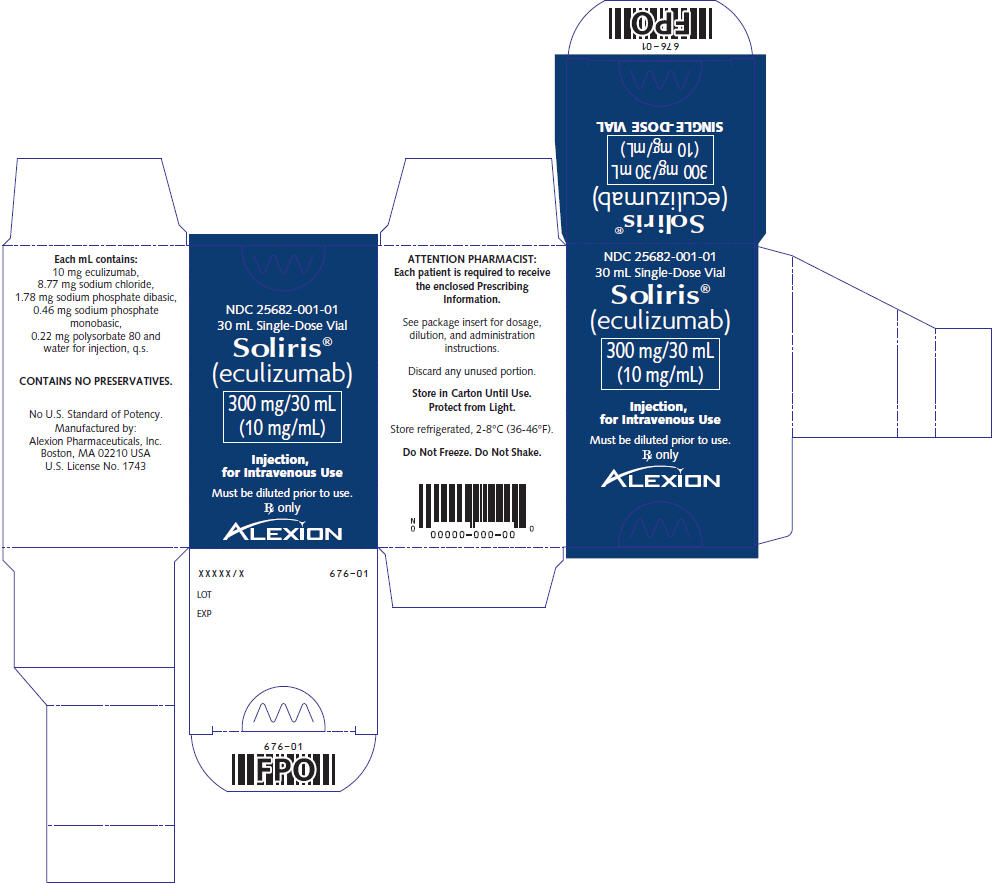
PRINCIPAL DISPLAY PANEL - 30 mL Vial Carton Rx only NDC 25682-001-01 Soliris ® (eculizumab) Injection 300 mg/30 mL (10 mg/mL) For Intravenous Use Must be diluted prior to use. One 30 mL Single-Dose Vial ATTENTION: Dispense the enclosed Medication Guide to each patient. PRINCIPAL DISPLAY PANEL - 30 mL Vial Carton
Medicaid utilization & spend
Medicare Part D spend CMS · PART D · 2026 (Q1)
Reported adverse events (FAERS)
Top reported reactions
Reporter sex
Serious outcomes
Where does this data come from?
About this NDC listing & data coverage
What data is (and isn’t) available for this NDC — tap to expand
| NDC identity (package / product / labeler codes) | ✓ Available |
| Labeler | ✓ Available |
| Product & package description | ✓ Available |
| Marketing category & status | ✓ Available |
| Active ingredient / dosage form / route | ✓ Available |
| FDA label (SPL via DailyMed) | ✓ Available |
| Package photos | ✓ Available |
| Inactive ingredients (structured) | ✓ Available |
| NADAC pharmacy acquisition price (CMS) | — Not published for this NDC CMS publishes NADAC only for NDCs reported in its retail-pharmacy survey. |
| Orange Book / therapeutic-equivalence data | — Not published for this NDC Applies only to products approved under an NDA/ANDA; many listings are out of scope. |
| HCPCS J-code billing crosswalk | ✓ Available |
| Medicaid utilization (CMS SDUD) | ✓ Available |