
Dexmethylphenidate Hydrochloride 35 mg Capsule, Extended Release, 100-count — NDC 31722-235-01 (Billing 31722-0235-01)
This is a package of 100 capsules of Dexmethylphenidate Hydrochloride 35 mg Capsule, Extended Release from Camber Pharmaceuticals, Inc., marketed since Dec 2021 and currently FDA-listed; retail pharmacies pay about $2.07 per capsule (NADAC). It is this product's only package size.
NDC database record
One package, one record: these facts belong to NDC 31722-235-01 alone.
- Record
- FDA NDC Directory package listing · Human prescription drug
- Code segments
- 31722 labeler · 235 product · 01 package
- Package marketed since
- Dec 8, 2021
- Sample package
- No — commercial package
- Listing certified through
- Dec 31, 2026
- Billing quantity
- 100 EA per package
- Barcode (UPC)
- 0331722233019, 0331722229012, 0331722234016, 0331722235013 +4 more
- Medicaid fills, this package
- 1,672 prescriptions in the last four reported quarters
- FDA record last changed
- Jul 24, 2026
Other active recalls for Dexmethylphenidate Hydrochloride (different manufacturers) — 1 · tap to view
Identity & classification
Regulatory identifiers FDA, NLM and CMS codes for this package
Drug-database identifiers Medi-Span GPI and First Databank GCN / HICL / AHFS classification
- GSN (GCN sequence number): 067693
- GCN: 30306
- GPI-14 (Medi-Span): 61400016107055
- HICL (First Databank): 022987
- AHFS class code: 28:20.32.00
- RxCUI (RxNorm): 899439
Where does this data come from?
- FDA openFDA NDC Directory · synced Oct 1, 2026
- FDA label on DailyMed · label index refreshed Oct 5, 2026
- RxNorm (NLM RxNav) · catalog refreshed Oct 1, 2026
- Medi-Span GPI (licensed)
- First Databank (licensed) · refreshed Oct 1, 2026
RxNorm drug class
This medicine belongs to the Central Nervous System Stimulant class.
Where does this data come from?
- RxClass (NLM) · catalog refreshed Oct 1, 2026
Clinical
Dexmethylphenidate is used as part of a treatment program to control symptoms of attention deficit hyperactivity disorder (ADHD; more difficulty focusing, controlling actions, and remaining still or quiet than other people who are the same age) in adults and children. Dexmethylphenidate is in a class of medications called central nervous system (CNS) stimulants. It works by increasing the amounts of certain natural substances in the brain.
Read the full MedlinePlus article ↗- Dexmethylphenidate treats ADHD. It's a stimulant that comes as tablets or extended-release capsules. The label says exactly how it helps ADHD isn't known, but it does affect the br...
- Tablets are taken twice a day, at least 4 hours apart. Extended-release capsules are taken once in the morning. You can open the capsule and sprinkle the beads on applesauce, but e...
- Headache, lower appetite, indigestion and anxiety are common. Adults may also get dry mouth, a sore throat or feel jittery. Call your doctor for hallucinations, painful long erecti...
- Never take it with an MAOI or within 14 days of stopping one, since that can cause a dangerous blood pressure spike. It can also weaken blood pressure medicines and interact with r...
Patient education
Supplement & herbal interactions
Where does this data come from?
- MedlinePlus (NLM) · refreshed Oct 1, 2026
- FDA label on DailyMed · label index refreshed Oct 5, 2026
Ask a licensed pharmacist directly — free, answered by our team.
Pricing
A drug doesn't have one price. Each row is a different public payment system, and none is what you'd pay at the counter — that depends on your insurance. The ⓘ on each row explains what it measures.
| Price system | Per ea | Per package |
|---|---|---|
| Retail pharmacies payNADAC · weekly | $2.072 | $207.15 / 100 capsules |
| Medicaid paysCMS SDUD · 12 mo | $2.43 | $243.16 / 100 capsules |
| Medicare drug plans payPart D · Q2 2026 | $2.39 | $238.58 / 100 capsules |
Where does this data come from?
- CMS NADAC weekly file · file of Sep 30, 2026
- CMS ASP pricing files · refreshed Sep 20, 2026
- CMS Medicaid State Drug Utilization Data · through Q1 2026
- CMS Part D plan pricing files · refreshed Sep 24, 2026
- VA National Acquisition Center price file
Packaging — all sizes for this product
| Package NDC | Description | Marketing start | Marketing end | Status |
|---|---|---|---|---|
| 31722-0235-01 You're viewing this Main listing | 100 CAPSULE, EXTENDED RELEASE in 1 BOTTLE | 2021-12-08 | — | Active |
Therapeutic equivalents
| Product | Labeler | Pack | NADAC/unit | TE | Status | Price vs. this |
|---|---|---|---|---|---|---|
| Dexmethylphenidate Hydrochloride 35 mg 00093-5046-01 | Teva | 100 capsules | $2.072 | AB | Availability likely | — |
| Dexmethylphenidate hydrochloride 35 mg 00115-1710-01 | Amneal | 100 capsules | $2.072 | AB | Availability likely | — |
| Dexmethylphenidate Hydrochloride Extended-Release 35 mg 00527-8112-37 | Lannett | 100 capsules | $2.072 | AB | Availability likely | — |
| Dexmethylphenidate Hydrochloride 35 mgthis 31722-0235-01 | Camber | 100 capsules | $2.072 | AB | Availability likely | — |
| Dexmethylphenidate Hydrochloride 35 mg 49884-0339-01 | Par | 100 capsules | $2.072 | AB | Availability likely | — |
| Dexmethylphenidate Hydrochloride 35 mg 70010-0010-01 | Granules | 100 capsules | $2.072 | AB | Availability likely | — |
| Focalin XR 35 mg 00078-0609-05 | Novartis | 100 capsules | $5.425 | AB | Discontinued | +162% |
| Dexmethylphenidate Hydrochloride 35 mg 63629-2176-01 | Bryant | 100 capsules | — | AB | FDA listed | — |
| Focalin XR 35 mg 66758-0241-01 | Sandoz | 100 capsules | — | AB | FDA listed | — |
| Dexmethylphenidate Hydrochloride 35 mg 72162-1496-01 | Bryant | 100 capsules | — | AB | FDA listed | — |
Where does this data come from?
- FDA openFDA NDC Directory · synced Oct 1, 2026
- FDA Orange Book · refreshed Oct 3, 2026
- CMS NADAC weekly file · file of Sep 30, 2026
Availability & generic status
This product is an FDA-approved generic. Other versions of the same drug are listed under Therapeutic equivalents, least expensive first.
Where does this data come from?
- FDA Orange Book · refreshed Oct 3, 2026
What it looks like
Where does this data come from?
- FDA label on DailyMed · label index refreshed Oct 5, 2026
Inactive Ingredients / Excipients
Inactive ingredients, also called excipients, are components of the drug product other than the active ingredient. They may include fillers, dyes, coatings, preservatives, flavors, or other formulation ingredients.
🧪 Avoiding an ingredient? See Dexmethylphenidate inactive ingredients by manufacturer: every current product's list side by side, so you can ask your pharmacy for the version that does not list it.
Where does this data come from?
IACT rows and label-wide narrative are kept separate; availability and product-level specificity depend on the submitted label.- FDA label on DailyMed · label index refreshed Oct 5, 2026
- FDA openFDA NDC Directory · synced Oct 1, 2026
Inactive ingredient FAQ
Are inactive ingredients the same for every manufacturer?
Why might an inactive ingredient be missing?
Can inactive ingredients matter?
Manufacturer & labeler
More NDCs from Camber Pharmaceuticals, Inc. labeler code 31722
- Dexmethylphenidate Hydrochloride 5 mg Capsule, Extended Release NDC 31722-229-01
- Dexmethylphenidate Hydrochloride 10 mg Capsule, Extended Release NDC 31722-230-01
- Dexmethylphenidate Hydrochloride 15 mg Capsule, Extended Release NDC 31722-231-01
- Dexmethylphenidate Hydrochloride 20 mg Capsule, Extended Release NDC 31722-232-01
- Dexmethylphenidate Hydrochloride 25 mg Capsule, Extended Release NDC 31722-233-01
- Dexmethylphenidate Hydrochloride 30 mg Capsule, Extended Release NDC 31722-234-01
- Dexmethylphenidate Hydrochloride 40 mg Capsule, Extended Release NDC 31722-236-01
- lamotrigine 25 mg Tablet, Film Coated, Extended Release NDC 31722-240-30
- lamotrigine 50 mg Tablet, Film Coated, Extended Release NDC 31722-241-30
- lamotrigine 100 mg Tablet, Film Coated, Extended Release NDC 31722-242-30
- lamotrigine 200 mg Tablet, Film Coated, Extended Release NDC 31722-243-30
- lamotrigine 250 mg Tablet, Film Coated, Extended Release NDC 31722-244-30
Where does this data come from?
- FDA openFDA NDC Directory · synced Oct 1, 2026
- Drugs@FDA
Full prescribing information FDA SPL
🚨 Boxed Warning ▾
WARNING: ABUSE AND DEPENDENCE CNS stimulants, including dexmethylphenidate hydrochloride extended-release capsules, other methylphenidate-containing products, and amphetamines, have a high potential for abuse and dependence. Assess the risk of abuse prior to prescribing, and monitor for signs of abuse and dependence while on therapy [see Warnings and Precautions (5.1), Drug Abuse and Dependence (9.2, 9.3)] . WARNING: ABUSE AND DEPENDENCE See full prescribing information for complete boxed warning.
CNS stimulants, including dexmethylphenidate hydrochloride extended-release capsules, other methylphenidate-containing products, and amphetamines, have a high potential for abuse and dependence (5.1, 9.2, 9.3). Assess the risk of abuse prior to prescribing and monitor for signs of abuse and dependence while on therapy (5.1, 9.2).
🎯 Indications and Usage ▾
1 INDICATIONS AND USAGE Dexmethylphenidate hydrochloride extended-release capsules are indicated for the treatment of Attention Deficit Hyperactivity Disorder (ADHD) [see Clinical Studies (14)] . Dexmethylphenidate hydrochloride extended-release capsules are a central nervous system (CNS) stimulant indicated for the treatment of Attention Deficit Hyperactivity Disorder (ADHD) (1).
⏱️ Dosage and Administration ▾
2 DOSAGE AND ADMINISTRATION Patients new to methylphenidate: Recommended starting dose is 5 mg once daily for pediatric patients and 10 mg once daily for adults with or without food in the morning (2.2). Patients currently on methylphenidate: Dexmethylphenidate hydrochloride extended-release capsules dosage is half (1/2) the current total daily dosage of methylphenidate (2.2). Patients currently on dexmethylphenidate hydrochloride immediate-release tablets: Give the same daily dose of dexmethylphenidate hydrochloride extended-release capsules (2.2).
Titrate weekly in increments of 5 mg in pediatric patients and 10 mg in adult patients (2.2). Maximum recommended daily dose: 30 mg in pediatric patients and 40 mg in adults (2.2). Capsules may be swallowed whole or opened and the entire contents sprinkled on applesauce (2.3).
2.1Pretreatment Screening Prior to treating pediatric patients and adults with central nervous system (CNS) stimulants, including dexmethylphenidate hydrochloride extended-release capsules, assess for the presence of cardiac disease (i.e., perform a careful history, including family history of sudden death or ventricular arrhythmia, and physical examination) [see Warnings and Precautions 5.2]. Assess the risk of abuse prior to prescribing, and monitor for signs of abuse and dependence while on therapy. Maintain careful prescription records, educate patients about abuse, monitor for signs of abuse and overdose, and periodically reevaluate the need for dexmethylphenidate hydrochloride extended-release capsules use [see Boxed Warning, Warnings and Precautions (5.1), Drug Abuse and Dependence (9.2, 9.3)].
2.2Treatment of Attention Deficit Hyperactivity Disorder Patients New to Methylphenidate The recommended starting dosage of dexmethylphenidate hydrochloride extended-release capsules for patients who are not currently taking dexmethylphenidate or racemic methylphenidate, or for patients who are on stimulants other than methylphenidate are: Pediatric patients: Start with 5 mg orally once daily in the morning with or without food. Adult patients: Start with 10 mg orally once daily in the morning with or without food.
Patients Currently on Methylphenidate The recommended starting dose of dexmethylphenidate hydrochloride extended-release capsules for patients currently using methylphenidate is half (1/2) the total daily dose of racemic methylphenidate. Patients currently using dexmethylphenidate hydrochloride immediate-release tablets may be given the same daily dose of dexmethylphenidate hydrochloride extended-release capsules. Titration Schedule The dose may be titrated weekly in increments of 5 mg in pediatric patients and 10 mg in adult patients.
The dose should be individualized according to the needs and response of the patient. Daily doses above 30 mg in pediatrics and 40 mg in adults have not been studied and are not recommended. Maintenance/Extended Treatment Pharmacological treatment of ADHD may be needed for extended periods.
Periodically reevaluate the long-term use of dexmethylphenidate hydrochloride extended-release capsules and adjust dosage as needed.
2.3Administration Instructions Dexmethylphenidate hydrochloride extended-release capsules are administered orally and may be taken whole or the capsule may be opened and the entire contents sprinkled onto applesauce. If the patient is using the sprinkled administration method, the sprinkled applesauce should be consumed immediately; it should not be stored. Patients should take the applesauce with sprinkled beads in its entirety without chewing.
The dose of a single capsule should not be divided. The contents of the entire capsule should be taken, and patients should not take anything less than one capsule per day.
2.4Dose Reduction and Discontinuation If paradoxical aggravation of symptoms or other adverse reactions occur, reduce the dosage, or if necessary, discontinue dexmethylphenidate hydrochloride extended-release capsules. If improvement is n… [Excerpted — this section continues on DailyMed.]
💊 Dosage Forms and Strengths ▾
3 DOSAGE FORMS AND STRENGTHS 5 mg extended-release capsules – Hard gelatin capsule size “2” light brown cap and white opaque body, imprinted with “M5” on cap and “AC” on body in black ink filled with white to off white spherical pellets. 10 mg extended-release capsules – Hard gelatin capsule size “2” white opaque cap and white opaque body, imprinted with “M10” on cap and “AC” on body in black ink filled with white to off white spherical pellets. 15 mg extended-release capsules – Hard gelatin capsule size “1” yellow opaque cap and white opaque body, imprinted with “M15” on cap and “AC” on body in black ink filled with white to off white spherical pellets.
20 mg extended-release capsules – Hard gelatin capsule size “1” light brown cap and white opaque body, imprinted with “M20” on cap and “AC” on body in black ink filled with white to off white spherical pellets. 25 mg extended-release capsules – Hard gelatin capsule size “0” yellow opaque cap and white opaque body, imprinted with “M25” on cap and “AC” on body in black ink filled with white to off white spherical pellets. 30 mg extended-release capsules – Hard gelatin capsule size “00” white opaque cap and white opaque body, imprinted with “M30” on cap and “AC” on body in black ink filled with white to off white spherical pellets.
35 mg extended-release capsules – Hard gelatin capsule size “00” light yellow opaque cap and light yellow opaque body, imprinted with “M35” on cap and “AC” on body in red ink filled with white to off white spherical pellets. 40 mg extended-release capsules – Hard gelatin capsule size “00” yellow opaque cap and white opaque body, imprinted with “M40” on cap and “AC” on body in black ink filled with white to off white spherical pellets. Extended-Release Capsules: 5 mg, 10 mg, 15 mg, 20 mg, 25 mg, 30 mg, 35 mg, and 40 mg of dexmethylphenidate hydrochloride (3).
⛔ Contraindications ▾
4 CONTRAINDICATIONS Hypersensitivity to methylphenidate or other components of dexmethylphenidate hydrochloride extended-release capsules. Hypersensitivity reactions such as angioedema and anaphylactic reactions have been reported in patients treated with methylphenidate [see Adverse Reactions (6.1)]. Concomitant treatment with monoamine oxidase inhibitors (MAOIs) or within 14 days following discontinuation of treatment with an MAOI, because of the risk of hypertensive crises [see Drug Interactions (7.1)].
Known hypersensitivity to methylphenidate or other components of dexmethylphenidate hydrochloride extended-release capsules (4). Concurrent treatment with a monoamine oxidase inhibitor (MAOI), or use of an MAOI within the preceding 14 days (4).
⚠️ Warnings and Cautions ▾
5 WARNINGS AND PRECAUTIONS Serious Cardiovascular Events : Sudden death has been reported in association with CNS stimulant treatment at usual doses in pediatric patients with structural cardiac abnormalities or other serious heart problems. In adults, sudden death, stroke, and myocardial infarction have been reported. Avoid use in patients with known structural cardiac abnormalities, cardiomyopathy, serious heart rhythm arrhythmias, or coronary artery disease (5.2).
Blood Pressure and Heart Rate Increases : Monitor blood pressure and pulse. Consider the benefits and risk in patients for whom an increase in blood pressure or heart rate would be problematic (5.3). Psychiatric Adverse Reactions : Use of stimulants may cause psychotic or manic symptoms in patients with no prior history, or exacerbation of symptoms in patients with preexisting psychiatric illness.
Evaluate for existing psychotic or bipolar disorder prior to dexmethylphenidate hydrochloride extended-release capsules use (5.4). Priapism : Cases of painful and prolonged penile erections and priapism have been reported with methylphenidate products. Immediate medical attention should be sought if signs or symptoms of prolonged penile erections or priapism are observed (5.5).
Peripheral Vasculopathy, Including Raynaud’s Phenomenon : Stimulants used to treat ADHD are associated with peripheral vasculopathy, including Raynaud’s phenomenon. Careful observation for digital changes is necessary during treatment with ADHD stimulants (5.6). Long-Term Suppression of Growth : Monitor height and weight at appropriate intervals in pediatric patients (5.7).
5.1Potential for Abuse and Dependence CNS stimulants, including dexmethylphenidate hydrochloride extended-release capsules, other methylphenidate-containing products, and amphetamines, have a high potential for abuse and dependence. Assess the risk of abuse prior to prescribing, and monitor for signs of abuse and dependence while on therapy [see Boxed Warning, Drug Abuse and Dependence (9.2, 9.3)].
5.2Serious Cardiovascular Reactions Sudden death, stroke and myocardial infarction have been reported in adults with CNS stimulant treatment at recommended doses. Sudden death has been reported in pediatric patients with structural cardiac abnormalities and other serious heart problems taking CNS stimulants at recommended doses for ADHD. Avoid use in patients with known serious structural cardiac abnormalities, cardiomyopathy, serious heart rhythm abnormalities, coronary artery disease, and other serious heart problems.
Further evaluate patients who develop exertional chest pain, unexplained syncope, or arrhythmias during dexmethylphenidate hydrochloride extended-release capsules treatment.
5.3Blood Pressure and Heart Rate Increases CNS stimulants cause an increase in blood pressure (mean increase approximately 2 to 4 mmHg) and heart rate (mean increase approximately 3 to 6 beats per minute). Individuals may have larger increases. Monitor all patients for hypertension and tachycardia.
5.4Psychiatric Adverse Reactions Exacerbation of Preexisting Psychosis CNS stimulants may exacerbate symptoms of behavior disturbance and thought disorder in patients with a preexisting psychotic disorder. Induction of a Manic Episode in Patients with Bipolar Disorder CNS stimulants may induce a manic or mixed mood episode in patients. Prior to initiating treatment, screen patients for risk factors for developing manic episode (e.g., comorbid or history of depressive symptoms or a family history of suicide, bipolar disorder, or depression).
New Psychotic or Manic Symptoms CNS stimulants, at recommended doses, may cause psychotic or manic symptoms (e.g., hallucinations, delusional thinking, or mania) in patients without a prior history of psychotic illness or mania. If such symptoms occur, consider discontinuing dexmethylphenidate hydrochloride extended-release capsules. In a pooled analysis of multiple short-term, placebo-controlled studies of CNS s… [Excerpted — this section continues on DailyMed.]
🤒 Adverse Reactions ▾
6 ADVERSE REACTIONS The following are discussed in more detail in other sections of the labeling: Abuse and Dependence [see Boxed Warning, Warnings and Precautions (5.1), Drug Abuse and Dependence (9.2, 9.3)] Known hypersensitivity to methylphenidate or other ingredients of dexmethylphenidate hydrochloride extended-release capsules [see Contraindications (4)] Hypertensive Crisis with Concomitant Use of Monoamine Oxidase Inhibitors [see Contraindications (4), Drug Interactions (7.1)] Serious Cardiovascular Reactions [see Warnings and Precautions (5.2)] Blood Pressure and Heart Rate Increases [see Warnings and Precautions[(5.3)] Psychiatric Adverse Reactions [see Warnings and Precautions (5.4)] Priapism [see Warnings and Precautions (5.5)] Peripheral Vasculopathy, including Raynaud’s Phenomenon [see Warnings and Precautions (5.6)] Long-Term Suppression of Growth [see Warnings and Precautions (5.7)] The most common adverse reactions (greater than or equal to 5% and twice the rate of placebo): Pediatric patients 6 to 17 years: dyspepsia, decreased appetite, headache, and anxiety (6.1).
Adults: dry mouth, dyspepsia, headache, pharyngolaryngeal pain, and anxiety (6.1). To report SUSPECTED ADVERSE REACTIONS, contact Camber Pharmaceuticals, Inc., at 1-866-495-8330, or FDA at 1-800-FDA-1088 or www.fda.gov/medwatch.
6.1Clinical Trials Experience Because clinical trials are conducted under widely varying conditions, adverse reaction rates observed in the clinical trials of a drug cannot be directly compared to rates in the clinical trials of another drug and may not reflect the rates observed in clinical practice. Clinical Trials Experience with Dexmethylphenidate Hydrochloride Extended-Release Capsules in Pediatric Patients with ADHD The safety data in this section is based on data from a 7-week controlled clinical study of dexmethylphenidate hydrochloride extended-release capsules in 100 (103 randomized) pediatric patients with ADHD ages 6 to 17 years (ages 6 to 12, n = 86; ages 13 to 17, n = 17).
This study was a randomized, double-blind, placebo-controlled, parallel-group study to evaluate the time of onset, duration of efficacy, tolerability, safety of dexmethylphenidate hydrochloride extended-release capsules 5 mg to 30 mg/day who met The Diagnostic and Statistical Manual of Mental Disorders, Fourth Edition (DSM-IV) criteria for ADHD [see Clinical Studies (14.1)] . Most Common Adverse Reactions (incidence of greater than or equal to 5% and at least twice placebo): dyspepsia, decreased appetite, headache and anxiety.
Adverse Reactions Leading to Discontinuation: 50 of 684 (7.3%) pediatric patients treated with dexmethylphenidate hydrochloride immediate-release tablets experienced an adverse reaction that resulted in discontinuation. The most common reasons for discontinuation were twitching (described as motor or vocal tics), anorexia, insomnia, and tachycardia (approximately 1% each). Table 1 enumerates adverse reactions for the placebo-controlled, parallel-group study in children and adolescents with ADHD at flexible dexmethylphenidate hydrochloride extended-release capsules doses of 5-30 mg/day.
The table includes only those events that occurred in 5% or more of patients treated with dexmethylphenidate hydrochloride extended-release capsules and for which the incidence in patients treated with dexmethylphenidate hydrochloride extended-release capsules was at least twice the incidence in placebo-treated patients. Table 2 below enumerates the incidence of dose-related adverse reactions that occurred during a fixed-dose, double-blind, placebo-controlled trial in pediatric patients with ADHD taking dexmethylphenidate hydrochloride extended-release capsules up to 30 mg daily versus placebo.
The table includes only those reactions that occurred in patients treated with dexmethylphenidate hydrochloride extended-release capsules for which the incidence was at least 5% and greater than the incidence among placebo-treated patients. Clin… [Excerpted — this section continues on DailyMed.]
🔄 Drug Interactions ▾
7 DRUG INTERACTIONS Antihypertensive Drugs: Monitor blood pressure. Adjust dosage of antihypertensive drug as needed (7.1). Halogenated Anesthetics: Avoid use of dexmethylphenidate hydrochloride extended-release capsules on the day of surgery if halogenated anesthetics will be used (7.1).
7.1Clinically Important Drug Interactions With Dexmethylphenidate Hydrochloride Extended-Release Capsules Table 5 presents clinically important drug interactions with dexmethylphenidate hydrochloride extended-release capsules. Table 5
👥 Use in Specific Populations ▾
8. USE IN SPECIFIC POPULATIONS
8.1Pregnancy Pregnancy Exposure Registry There is a pregnancy exposure registry that monitors pregnancy outcomes in women exposed to ADHD medications, including dexmethylphenidate hydrochloride extended-release capsules, during pregnancy. Healthcare providers are encouraged to register patients by calling the National Pregnancy Registry for ADHD medications at 1-866-961-2388 or visit https://womensmentalhealth.org/adhdmedications/. Risk Summary Dexmethylphenidate is the d-threo enantiomer of racemic methylphenidate.
Published studies and postmarketing reports on methylphenidate use during pregnancy have not identified a drug-associated risk of major birth defects, miscarriage or adverse maternal or fetal outcomes. There may be risks to the fetus associated with the use of CNS stimulants use during pregnancy ( see Clinical Considerations ). Embryo-fetal development studies in rats showed delayed fetal skeletal ossification at doses up to 5 times the maximum recommended human dose (MRHD) of 20 mg/day given to adults based on plasma levels.
A decrease in pup weight in males was observed in a pre- and post-natal development study with oral administration of methylphenidate to rats throughout pregnancy and lactation at doses 5 times the MRHD of 20 mg/day given to adults based on plasma levels ( see Data ). The estimated background risk of major birth defects and miscarriage for the indicated population is unknown. All pregnancies have a background risk of birth defect, loss, or other adverse outcomes.
In the U.S. general population, the estimated background risk of major birth defects and miscarriage in clinically recognized pregnancies is 2% to 4% and 15% to 20%, respectively. Clinical Considerations Fetal/Neonatal Adverse Reactions CNS stimulants, such as dexmethylphenidate hydrochloride extended-release capsules, can cause vasoconstriction and thereby decrease placental perfusion. No fetal and/or neonatal adverse reactions have been reported with the use of therapeutic doses of methylphenidate during pregnancy; however, premature delivery and low birth weight infants have been reported in amphetamine-dependent mothers.
Data Animal Data In embryo-fetal development studies conducted in rats and rabbits, dexmethylphenidate was administered orally at doses of up to 20 and 100 mg/kg/day, respectively, during the period of organogenesis. No evidence of malformations was found in either the rat or rabbit study; however, delayed fetal skeletal ossification was observed at the highest dose level in rats. When dexmethylphenidate was administered to rats throughout pregnancy and lactation at doses of up to 20 mg/kg/day, post-weaning body weight gain was decreased in male offspring at the highest dose, but no other effects on postnatal development were observed.
At the highest doses tested, plasma levels [area under the curve (AUCs)] of dexmethylphenidate in pregnant rats and rabbits were approximately 5 and 1 times, respectively, those in adults dosed with 20 mg/day. Plasma levels in adults were comparatively similar to plasma levels in adolescents. Racemic methylphenidate has been shown to cause malformations (increased incidence of fetal spina bifida) in rabbits when given in doses of 200 mg/kg/day throughout organogenesis.
8.2Lactation Risk Summary Dexmethylphenidate is the d-threo enantiomer of racemic methylphenidate. Limited published literature, based on milk sampling from seven mothers reports that methylphenidate is present in human milk, which resulted in infant doses of 0.16% to 0.7% of the maternal weight-adjusted dosage and a milk/plasma ratio ranging between 1.1 and 2.7. There are no reports of adverse effects on the breastfed infant and no effects on milk production.
Long-term neurodevelopmental effects on infants from stimulant exposure are unknown. The developmental and health benefits of breastfeeding should be considered along with the mother’s clinical need for dexmethylphenidate hydroc… [Excerpted — this section continues on DailyMed.]
🤰 Pregnancy ▾
8.1Pregnancy Pregnancy Exposure Registry There is a pregnancy exposure registry that monitors pregnancy outcomes in women exposed to ADHD medications, including dexmethylphenidate hydrochloride extended-release capsules, during pregnancy. Healthcare providers are encouraged to register patients by calling the National Pregnancy Registry for ADHD medications at 1-866-961-2388 or visit https://womensmentalhealth.org/adhdmedications/. Risk Summary Dexmethylphenidate is the d-threo enantiomer of racemic methylphenidate.
Published studies and postmarketing reports on methylphenidate use during pregnancy have not identified a drug-associated risk of major birth defects, miscarriage or adverse maternal or fetal outcomes. There may be risks to the fetus associated with the use of CNS stimulants use during pregnancy ( see Clinical Considerations ). Embryo-fetal development studies in rats showed delayed fetal skeletal ossification at doses up to 5 times the maximum recommended human dose (MRHD) of 20 mg/day given to adults based on plasma levels.
A decrease in pup weight in males was observed in a pre- and post-natal development study with oral administration of methylphenidate to rats throughout pregnancy and lactation at doses 5 times the MRHD of 20 mg/day given to adults based on plasma levels ( see Data ). The estimated background risk of major birth defects and miscarriage for the indicated population is unknown. All pregnancies have a background risk of birth defect, loss, or other adverse outcomes.
In the U.S. general population, the estimated background risk of major birth defects and miscarriage in clinically recognized pregnancies is 2% to 4% and 15% to 20%, respectively. Clinical Considerations Fetal/Neonatal Adverse Reactions CNS stimulants, such as dexmethylphenidate hydrochloride extended-release capsules, can cause vasoconstriction and thereby decrease placental perfusion. No fetal and/or neonatal adverse reactions have been reported with the use of therapeutic doses of methylphenidate during pregnancy; however, premature delivery and low birth weight infants have been reported in amphetamine-dependent mothers.
Data Animal Data In embryo-fetal development studies conducted in rats and rabbits, dexmethylphenidate was administered orally at doses of up to 20 and 100 mg/kg/day, respectively, during the period of organogenesis. No evidence of malformations was found in either the rat or rabbit study; however, delayed fetal skeletal ossification was observed at the highest dose level in rats. When dexmethylphenidate was administered to rats throughout pregnancy and lactation at doses of up to 20 mg/kg/day, post-weaning body weight gain was decreased in male offspring at the highest dose, but no other effects on postnatal development were observed.
At the highest doses tested, plasma levels [area under the curve (AUCs)] of dexmethylphenidate in pregnant rats and rabbits were approximately 5 and 1 times, respectively, those in adults dosed with 20 mg/day. Plasma levels in adults were comparatively similar to plasma levels in adolescents. Racemic methylphenidate has been shown to cause malformations (increased incidence of fetal spina bifida) in rabbits when given in doses of 200 mg/kg/day throughout organogenesis.
🧒 Pediatric Use ▾
8.4Pediatric Use The safety and effectiveness of dexmethylphenidate hydrochloride extended-release capsules in pediatric patients less than 6 years have not been established. The safety and effectiveness of dexmethylphenidate hydrochloride extended-release capsules for the treatment of ADHD have been established in pediatric patients ages 6 to 17 years in two adequate and well-controlled clinical trials [see Clinical Studies (14.2)] . The long-term efficacy of dexmethylphenidate hydrochloride extended-release capsules in pediatric patients has not been established.
Long Term Suppression of Growth Growth should be monitored during treatment with stimulants, including dexmethylphenidate hydrochloride extended-release capsules. Pediatric patients who are not growing or gaining weight as expected may need to have their treatment interrupted [see Warnings and Precautions (5.7)] . Juvenile Animal Toxicity Data Rats treated with racemic methylphenidate early in the postnatal period through sexual maturation demonstrated a decrease in spontaneous locomotor activity in adulthood.
A deficit in acquisition of a specific learning task was observed in females only. The doses at which these findings were observed are at least 6 times the MRHD of 60 mg/day given to children on a mg/m 2 basis. In a study conducted in young rats, racemic methylphenidate was administered orally at doses of up to 100 mg/kg/day for 9 weeks, starting early in the postnatal period (postnatal Day 7) and continuing through sexual maturity (postnatal Week 10).
When these animals were tested as adults (postnatal Weeks 13 to 14), decreased spontaneous locomotor activity was observed in males and females previously treated with 50 mg/kg/day (approximately 4 times the MRHD of 60 mg/day of racemic methylphenidate given to children on a mg/m 2 basis) or greater, and a deficit in the acquisition of a specific learning task was seen in females exposed to the highest dose (8 times the MRHD given to children on a mg/m 2 basis). The no effect level for juvenile neurobehavioral development in rats was 5 mg/kg/day (approximately 0.5 times the MRHD given to children on a mg/m 2 basis).
The clinical significance of the long-term behavioral effects observed in rats is unknown.
🧓 Geriatric Use ▾
8.5Geriatric Use Dexmethylphenidate hydrochloride extended-release capsules have not been studied in the geriatric population.
🆘 Overdosage ▾
10 OVERDOSAGE Human Experience Signs and symptoms of acute methylphenidate overdosage, resulting principally from overstimulation of the CNS and from excessive sympathomimetic effects, may include the following: nausea, vomiting, diarrhea, restlessness, anxiety, agitation, tremors, hyperreflexia, muscle twitching, convulsions (may be followed by coma), euphoria, confusion, hallucinations, delirium, sweating, flushing, headache, hyperpyrexia, tachycardia, palpitations, cardiac arrhythmias, hypertension, hypotension, tachypnea, mydriasis, dryness of mucous membranes, and rhabdomyolysis.
Overdose Management Consult with a Certified Poison Control Center (1-800-222-1222) for the latest recommendations.
🧬 Clinical Pharmacology ▾
12 CLINICAL PHARMACOLOGY
12.1Mechanism of Action Dexmethylphenidate hydrochloride is a CNS stimulant. The mode of therapeutic action in ADHD is not known.
12.2Pharmacodynamics Dexmethylphenidate is the more pharmacologically active d -enantiomer of racemic methylphenidate. Methylphenidate blocks the reuptake of norepinephrine and dopamine into the presynaptic neuron and increase the release of these monoamines into the extraneuronal space. Cardiac Electrophysiology At the recommended maximum total daily dosage of 40 mg, dexmethylphenidate hydrochloride extended-release capsules does not prolong the QTc interval to any clinically relevant extent.
12.3Pharmacokinetics Absorption Dexmethylphenidate hydrochloride extended-release capsules produces a bi-modal plasma concentration-time profile (i.e., 2 distinct peaks approximately 4 hours apart) when orally administered to healthy adults. The initial rate of absorption for dexmethylphenidate hydrochloride extended-release capsules is similar to that of dexmethylphenidate hydrochloride tablets as shown by the similar rate parameters between the 2 formulations, i.e., first peak concentration (C max1 ), and time to the first peak (t max1 ), which is reached in 1.5 hours (typical range 1 to 4 hours).
The mean time to the interpeak minimum (t minip ) is slightly shorter, and time to the second peak (t max2 ) is slightly longer for dexmethylphenidate hydrochloride extended-release capsules given once daily (about 6.5 hours; range, 4.5 to 7 hours) compared to dexmethylphenidate hydrochloride tablets given in 2 doses 4 hours apart (see Figure 1), although the ranges observed are greater for dexmethylphenidate hydrochloride extended-release capsules. Dexmethylphenidate hydrochloride extended-release capsules given once daily exhibits a lower second peak concentration (C max2 ), higher interpeak minimum concentrations (C minip ), and fewer peak and trough fluctuations than dexmethylphenidate hydrochloride tablets given in 2 doses given 4 hours apart.
This is due to an earlier onset and more prolonged absorption from the delayed-release beads (see Figure 1). The ratio of geometric mean of AUC (0-inf) and C max after administration of dexmethylphenidate hydrochloride extended-release capsules given once daily are 1.02 and 0.86 respectively, to the same total dose of dexmethylphenidate hydrochloride tablets given in 2 doses 4 hours apart. The variability in C max , C min , and AUC is similar between dexmethylphenidate hydrochloride extended-release capsules and dexmethylphenidate hydrochloride immediate-release tablets with approximately a 3-fold range in each.
Approximately 90% of the dose is absorbed after oral administration of radiolabeled racemic methylphenidate. However, due to first pass metabolism the mean absolute bioavailability of dexmethylphenidate when administered in various formulations was 22% to 25%. After single dose administration, dexmethylphenidate hydrochloride extended-release capsules demonstrated dose proportional pharmacokinetics (PK) in the range of 5 mg to 40 mg.
For patients unable to swallow the capsule, the contents may be sprinkled on applesauce and administered [see Dosage and Administration (2)] . Distribution The plasma protein binding of dexmethylphenidate is not known; racemic methylphenidate is bound to plasma proteins by 12% to 15%, independent of concentration. Dexmethylphenidate shows a volume of distribution of 2.65 ±
1.11L/kg. Elimination Plasma dexmethylphenidate concentrations decline monophasically following oral administration of dexmethylphenidate hydrochloride extended-release capsules. The mean terminal elimination half-life of dexmethylphenidate was about 3 hours in healthy adults. Pediatric patients tend to have slightly shorter half-lives with means of 2 to 3 hours. Dexmethylphenidate was eliminated with a mean clearance of 0.40 ±
0.12L/hr/kg after intravenous administration. Metabolism In humans, dexmethylphenidate is metabolized primari… [Excerpted — this section continues on DailyMed.]
📦 How Supplied / Storage and Handling ▾
16 HOW SUPPLIED/STORAGE AND HANDLING Dexmethylphenidate hydrochloride extended-release capsules are available containing 5 mg, 10 mg, 15 mg, 20 mg, 25 mg, 30 mg, 35 mg or 40 mg of dexmethylphenidate hydrochloride. 5 mg extended-release capsules are hard gelatin capsule size “2” light brown cap and white opaque body, imprinted with “M5” on cap and “AC” on body in black ink filled with white to off white spherical pellets. They are available as follows: NDC 31722-229-01 bottles of 100 capsules 10 mg extended-release capsules are hard gelatin capsule size “2” white opaque cap and white opaque body, imprinted with “M10” on cap and “AC” on body in black ink filled with white to off white spherical pellets.
They are available as follows: NDC 31722-230-01 bottles of 100 capsules 15 mg extended-release capsules are hard gelatin capsule size “1” yellow opaque cap and white opaque body, imprinted with “M15” on cap and “AC” on body in black ink filled with white to off white spherical pellets. They are available as follows: NDC 31722-231-01 bottles of 100 capsules 20 mg extended-release capsules are hard gelatin capsule size “1” light brown cap and white opaque body, imprinted with “M20” on cap and “AC” on body in black ink filled with white to off white spherical pellets.
They are available as follows: NDC 31722-232-01 bottles of 100 capsules 25 mg extended-release capsules are hard gelatin capsule size “0” yellow opaque cap and white opaque body, imprinted with “M25” on cap and “AC” on body in black ink filled with white to off white spherical pellets. They are available as follows: NDC 31722-233-01 bottles of 100 capsules 30 mg extended-release capsules are hard gelatin capsule size “00” white opaque cap and white opaque body, imprinted with “M30” on cap and “AC” on body in black ink filled with white to off white spherical pellets.
They are available as follows: NDC 31722-234-01 bottles of 100 capsules 35 mg extended-release capsules are hard gelatin capsule size “00” light yellow opaque cap and light yellow opaque body, imprinted with “M35” on cap and “AC” on body in red ink filled with white to off white spherical pellets. They are available as follows: NDC 31722-235-01 bottles of 100 capsules 40 mg extended-release capsules are hard gelatin capsule size “00” yellow opaque cap and white opaque body, imprinted with “M40” on cap and “AC” on body in black ink filled with white to off white spherical pellets.
They are available as follows: NDC 31722-236-01 bottles of 100 capsules Store at 20°C to 25°C (68°F to 77°F); with excursions permitted between 15°C and 30°C (59°F to 86°F) [see USP Controlled Room Temperature]. Dispense in tight container (USP). Disposal Comply with local laws and regulations on drug disposal of CNS stimulants.
Dispose of remaining, unused, or expired dexmethylphenidate hydrochloride extended-release capsules by a medicine take-back program or by an authorized collector registered with the Drug Enforcement Administration. If no take-back program or authorized collector is available, mix dexmethylphenidate hydrochloride extended-release capsules with an undesirable, non-toxic substance to make it less appealing to children and pets. Place the mixture in a container, such as a sealed plastic bag and discard dexmethylphenidate hydrochloride extended-release capsules in the household trash.
📋 Description ▾
11 DESCRIPTION Dexmethylphenidate hydrochloride extended-release capsules contains dexmethylphenidate hydrochloride, a CNS stimulant. Dexmethylphenidate hydrochloride is the d-threo enantiomer of racemic methylphenidate hydrochloride. Dexmethylphenidate hydrochloride extended-release capsules are an extended-release formulation of dexmethylphenidate with a bi-modal release profile.
Each bead-filled dexmethylphenidate hydrochloride extended-release capsule contains half the dose as immediate-release beads and half as enteric-coated, delayed-release beads, thus providing an immediate release of dexmethylphenidate and a delayed release of dexmethylphenidate. Dexmethylphenidate hydrochloride extended-release capsules are intended for oral administration and are available as 5 mg, 10 mg, 15 mg, 20 mg, 25 mg, 30 mg, 35 mg, and 40 mg extended-release capsules. Chemically, dexmethylphenidate hydrochloride is methyl α-phenyl-2-piperidineacetate hydrochloride, (R,R’)-(+)-.
Its molecular formula is C 14 H 19 NO 2 •HCl. Its structural formula is: Dexmethylphenidate hydrochloride is a white crystalline powder. Its solutions are acid to litmus.
It is freely soluble in water and in methanol, soluble in alcohol, and slightly soluble in chloroform and in acetone. Its molecular weight is 269.77 g/mol. Inactive ingredients: Polyethylene glycol, sugar spheres (which contain corn starch and sucrose), ammonio methacrylate copolymer, methacrylic acid and methyl methacrylate copolymer, triethyl citrate, talc, acetone, isopropyl alcohol, titanium dioxide, gelatin and sodium lauryl sulfate.
The ink ingredients common for all strengths are shellac, dehydrated alcohol, isopropyl alcohol, butyl alcohol, propylene glycol, and strong ammonia solution. Additional ink ingredients in 5 mg, 10 mg, 15 mg, 20 mg, 25 mg, 30 mg and 40 mg strengths are black iron oxide and potassium hydroxide, 35 mg strength is red iron oxide. Each strength capsule also contains colorant ingredients in the capsule shell as follows: 5 mg: FD&C blue No.
1, FD&C red No. 3, FD&C yellow No. 6 and D&C yellow No.
10 10 mg: contains no colorants 15 mg: FD&C yellow No. 6 and D&C yellow No. 10 20 mg: FD&C red No.
40, FD&C blue No. 1 and D&C yellow No. 10 25 mg: FD&C yellow No.
6 and D&C yellow No. 10 30 mg: contains no colorants 35 mg: Iron oxide yellow 40 mg: FD&C yellow No. 6 and D&C yellow No.
10 structure
💬 Information for Patients ▾
17 PATIENT COUNSELING INFORMATION Advise patients to read the FDA-approved patient labeling (Medication Guide). Controlled Substance Status/High Potential for Abuse and Dependence Advise patients that dexmethylphenidate hydrochloride extended-release capsules are a controlled substance, and it can be abused and lead to dependence. Instruct patients that they should not give dexmethylphenidate hydrochloride extended-release capsules to anyone else.
Advise patients to store dexmethylphenidate hydrochloride extended-release capsules in a safe place, preferably locked, to prevent abuse. Advise patients to comply with laws and regulations on drug disposal. Advise patients to dispose of remaining, unused, or expired dexmethylphenidate hydrochloride extended-release capsules by a medicine take-back program if available [see Boxed Warning, Warnings and Precautions (5.1), Drug Abuse and Dependence (9.1, 9.2, 9.3), How Supplied/Storage and Handling (16)] .
Serious Cardiovascular Risks Advise patients that there is a potential serious cardiovascular risk, including sudden death, myocardial infarction, stroke, and hypertension with dexmethylphenidate hydrochloride extended-release capsules use. Instruct patients to contact a healthcare provider immediately if they develop symptoms, such as exertional chest pain, unexplained syncope, or other symptoms suggestive of cardiac disease [see Warnings and Precautions (5.2)]. Blood Pressure and Heart Rate Increases Instruct patients that dexmethylphenidate hydrochloride extended-release capsules can cause elevations of their blood pressure and pulse rate [see Warnings and Precautions (5.3)] .
Psychiatric Risks Advise patients that dexmethylphenidate hydrochloride extended-release capsules, at recommended doses, can cause psychotic or manic symptoms, even in patients without prior history of psychotic symptoms or mania [see Warnings and Precautions (5.4)]. Priapism Advise patients of the possibility of painful or prolonged penile erections (priapism). Instruct them to seek immediate medical attention in the event of priapism [see Warnings and Precautions (5.5)] .
Circulation Problems in Fingers and Toes (Peripheral Vasculopathy, Including Raynaud’s Phenomenon) Instruct patients beginning treatment with dexmethylphenidate hydrochloride extended-release capsules about the risk of peripheral vasculopathy, including Raynaud’s phenomenon, and associated signs and symptoms: fingers or toes may feel numb, cool, painful, and/or may change color from pale, to blue, to red. Instruct patients to report to their physician any new numbness, pain, skin color change, or sensitivity to temperature in fingers or toes.
Instruct patients to call their physician immediately with any signs of unexplained wounds appearing on fingers or toes while taking dexmethylphenidate hydrochloride extended-release capsules. Further clinical evaluation (e.g., rheumatology referral) may be appropriate for certain patients [see Warnings and Precautions (5.6)] . Suppression of Growth Advise patients that dexmethylphenidate hydrochloride extended-release capsules may cause slowing of growth and weight loss [see Warnings and Precautions (5.7)].
Pregnancy Registry Advise patients that there is a pregnancy exposure registry that monitors pregnancy outcomes in patients exposed to ADHD medications, including dexmethylphenidate hydrochloride extended-release capsules, during pregnancy [see Use in Specific Populations (8.1)] . Manufactured by: Ascent Pharmaceuticals, Inc. Central Islip, NY 11722 Manufactured for: Camber Pharmaceuticals, Inc.
Piscataway, NJ 08854 Rev: 12/21
💬 Medication Guide ▾
MEDICATION GUIDE Dexmethylphenidate Hydrochloride (dex meth″ il fen′ i date hye″ droe klor′ ide) Extended-Release Capsules CII What is the most important information I should know about dexmethylphenidate hydrochloride extended-release capsules? Dexmethylphenidate hydrochloride extended-release capsules are a federal controlled substance (CII) because it can be abused or lead to dependence. Keep dexmethylphenidate hydrochloride extended-release capsules in a safe place to prevent misuse and abuse.
Selling or giving away dexmethylphenidate hydrochloride extended-release capsules may harm others, and is against the law. Tell your doctor if you or your child have abused or been dependent on alcohol, prescription medicines, or street drugs. The following have been reported with use of methylphenidate hydrochloride and other stimulant medicines: 1.
Heart-related problems: sudden death in patients who have heart problems or heart defects stroke and heart attack in adults increased blood pressure and heart rate Tell your doctor if you or your child have any heart problems, heart defects, high blood pressure, or a family history of these problems. Your doctor should check you or your child carefully for heart problems before starting dexmethylphenidate hydrochloride extended-release capsules. Your doctor should check you or your child’s blood pressure and heart rate regularly during treatment with dexmethylphenidate hydrochloride extended-release capsules.
Call your doctor right away if you or your child has any signs of heart problems such as chest pain, shortness of breath, or fainting while taking dexmethylphenidate hydrochloride extended-release capsules. 2. Mental (psychiatric) problems: All Patients new or worse behavior and thought problems new or worse bipolar illness new or worse aggressive behavior or hostility new psychotic symptoms (such as hearing voices, believing things that are not true, are suspicious) or new manic symptoms Tell your doctor about any mental problems you or your child have, or about a family history of suicide, bipolar illness, or depression.
Call your doctor right away if you or your child have any new or worsening mental symptoms or problems while taking dexmethylphenidate hydrochloride extended-release capsules, especially seeing or hearing things that are not real, believing things that are not real, or are suspicious. What are dexmethylphenidate hydrochloride extended-release capsules? Dexmethylphenidate hydrochloride extended-release capsules are a central nervous system stimulant (CNS) prescription medicine.
It is used for the treatment of Attention-Deficit Hyperactivity Disorder (ADHD). Dexmethylphenidate hydrochloride extended-release capsules may help increase attention and decrease impulsiveness and hyperactivity in patients with ADHD. Dexmethylphenidate hydrochloride extended-release capsules should be used as a part of a total treatment program for ADHD that may include counseling or other therapies.
Who should not take dexmethylphenidate hydrochloride extended-release capsules: Dexmethylphenidate hydrochloride extended-release capsules should not be taken if you or your child: are allergic to methylphenidate hydrochloride, or any of the ingredients in dexmethylphenidate hydrochloride extended-release capsules. See the end of this Medication Guide for a complete list of ingredients in dexmethylphenidate hydrochloride extended-release capsules. are taking or have taken within the past 14 days an anti-depression medicine called a monoamine oxidase inhibitor or MAOI.
Dexmethylphenidate hydrochloride extended-release capsules may not be right for you or your child. Before starting dexmethylphenidate hydrochloride extended-release capsules, tell your or your child’s doctor about all health conditions (or a family history of), including: heart problems, heart defects, high blood pressure mental problems, including psychosis, mania, bipolar illness, or depression circulation problems in fingers o… [Excerpted — this section continues on DailyMed.]
🔬 Clinical Studies ▾
14 CLINICAL STUDIES
14.1Pediatric Patients A randomized, double-blind, placebo-controlled, parallel-group study (Study 1) was conducted in 103 pediatric patients (ages 6 to 12, n = 86; ages 13 to 17, n = 17) who met DSM-IV criteria for ADHD inattentive, hyperactive-impulsive or combined inattentive/hyperactive-impulsive subtypes (Study 1). Patients were randomized to receive either a flexible-dose of dexmethylphenidate hydrochloride extended-release capsules (5 to 30 mg/day) or placebo once daily for 7 weeks. During the first 5 weeks of treatment, patients were titrated to their optimal dose and remained on this optimal dose for the last 2 weeks of the study without dose changes or interruption.
Signs and symptoms of ADHD were evaluated by comparing the mean change from baseline to endpoint for dexmethylphenidate hydrochloride extended-release capsules and placebo-treated patients using an intent-to-treat analysis of the primary efficacy outcome measure, the DSM-IV total subscale score of the Conners ADHD/DSM-IV Scales for teachers (CADS-T). The CADS-T includes the ADHD Index (12 items) and the DSM-IV total subscale (18 items, total score range: 0 to 54); the latter is divided into inattentive (9 items) and hyperactive-impulsive (9 items) subscales.
Teachers assessed behavior observed during the school day by completing the CADS-T weekly. A decrease in the CADS-T DSM-IV total subscale score from baseline indicates improvement. The CADS-T total scores showed a statistically significant treatment effect in favor of dexmethylphenidate hydrochloride extended-release capsules than placebo (Table 6).
There were insufficient adolescents enrolled in this study to assess the efficacy for dexmethylphenidate hydrochloride extended-release capsules in the adolescent population. However, pharmacokinetic considerations and evidence of effectiveness of immediate-release dexmethylphenidate hydrochloride tablets in adolescents support the effectiveness of dexmethylphenidate hydrochloride extended-release capsules in this population. In 2 additional cross-over studies (Studies 2 and 3) in pediatric patients ages 6 to 12 years, who received 20 mg dexmethylphenidate hydrochloride extended-release capsules or placebo, dexmethylphenidate hydrochloride extended-release capsules were found to have a statistically significant treatment effect versus placebo on the Swanson, Kotkin, Agler, M-Flynn & Pelham (SKAMP) rating scale total scores at all time points after dosing in each study (0.5, 1, 3, 4, 5, 7, 9, 10, 11, and 12 hours in Study 2 and 1, 2, 4, 6, 8, 9, 10, 11, and 12 hours in the study 3).
SKAMP is a validated 13-item teacher-rated scale that assesses manifestations of ADHD in a classroom setting. A treatment effect was also observed 0.5 hours after administration of dexmethylphenidate hydrochloride extended-release capsules 20 mg in an additional study of ADHD patients ages 6 to 12 years. Table 6
14.2Adult Patients A randomized, double-blind, placebo-controlled, parallel-group (Study 4) was conducted in 221 adult patients ages 18 to 60 years who met DSM-IV criteria for ADHD inattentive, hyperactive-impulsive or combined inattentive/hyperactive-impulsive subtypes (Study 4). Patients were randomized to receive either a fixed dose of dexmethylphenidate hydrochloride extended-release capsules (20, 30, or 40 mg/day) or placebo once daily for 5 weeks. Patients randomized to dexmethylphenidate hydrochloride extended-release capsules were initiated on a 10 mg/day starting dose and titrated in increments of 10 mg/week to the randomly assigned fixed dose.
Patients were maintained on their fixed dose (20, 30, or 40 mg/day) for a minimum of 2 weeks. Signs and symptoms of ADHD were evaluated by comparing the mean change from baseline to endpoint for dexmethylphenidate hydrochloride extended-release capsules and placebo-treated patients using an intent-to-treat analysis of the primary efficacy outcome measure, the investigator-administered DSM-IV Attenti… [Excerpted — this section continues on DailyMed.]
🔒 Drug Abuse and Dependence ▾
9 DRUG ABUSE AND DEPENDENCE
9.1Controlled Substance Dexmethylphenidate hydrochloride extended-release capsules contains dexmethylphenidate hydrochloride, a Schedule II controlled substance.
9.2Abuse CNS stimulants, including dexmethylphenidate hydrochloride extended-release capsules, other methylphenidate-containing products, and amphetamines have a high potential for abuse. Abuse is characterized by impaired control over drug use despite harm, and craving. Signs and symptoms of CNS stimulant abuse include increased heart rate, respiratory rate, blood pressure, and/or sweating, dilated pupils, hyperactivity, restlessness, insomnia, decreased appetite, loss of coordination, tremors, flushed skin, vomiting, and/or abdominal pain.
Anxiety, psychosis, hostility, aggression, suicidal or homicidal ideation have also been observed. Abusers of CNS stimulants may chew, snort, inject, or use other unapproved routes of administration which may result in overdose and death [see Overdosage (10)] . To reduce the abuse of CNS stimulants, including dexmethylphenidate hydrochloride extended-release capsules, assess the risk of abuse prior to prescribing.
After prescribing, keep careful prescription records, educate patients and their families about abuse and on proper storage and disposal of CNS stimulants [see How Supplied/Storage and Handling (16)] , monitor for signs of abuse while on therapy, and reevaluate the need for dexmethylphenidate hydrochloride extended-release capsules use.
9.3Dependence Tolerance Tolerance (a state of adaptation in which exposure to a drug results in a reduction of the drug’s desired and/or undesired effects over time) can occur during chronic therapy with CNS stimulants, including dexmethylphenidate hydrochloride extended-release capsules. Dependence Physical dependence (which is manifested by a withdrawal syndrome produced by abrupt cessation, rapid dose reduction, or administration of an antagonist) may occur in patients treated with CNS stimulants, including dexmethylphenidate hydrochloride extended-release capsules.
Withdrawal symptoms after abrupt cessation following prolonged high-dosage administration of CNS stimulants include dysphoric mood; fatigue; vivid, unpleasant dreams; insomnia or hypersomnia; increased appetite; and psychomotor retardation or agitation.
🧪 Nonclinical Toxicology ▾
13 NONCLINICAL TOXICOLOGY
13.1Carcinogenesis, Mutagenesis, and Impairment of Fertility Carcinogenesis Lifetime carcinogenicity studies have not been carried out with dexmethylphenidate. In a lifetime carcinogenicity study carried out in B6C3F1 mice, racemic methylphenidate caused an increase in hepatocellular adenomas, and in males only, an increase in hepatoblastomas was seen at a daily dose of approximately 60 mg/kg/day. This dose is approximately 2 times the MRHD of 60 mg/day of racemic methylphenidate given to children on a mg/m 2 basis.
Hepatoblastoma is a relatively rare rodent malignant tumor type. There was no increase in total malignant hepatic tumors. The mouse strain used is sensitive to the development of hepatic tumors, and the significance of these results to humans is unknown.
Racemic methylphenidate did not cause any increase in tumors in a lifetime carcinogenicity study carried out in F344 rats; the highest dose used was approximately 45 mg/kg/day, which is approximately 4 times the MRHD (children) of 60 mg/day of racemic methylphenidate in children on a mg/m 2 basis. In a 24-week carcinogenicity study with racemic methylphenidate in the transgenic mouse strain p53+/-, which is sensitive to genotoxic carcinogens, there was no evidence of carcinogenicity. Male and female mice were fed diets containing the same concentrations as in the lifetime carcinogenicity study; the high-dose group was exposed to 60 to74 mg/kg/day of racemic methylphenidate.
Mutagenesis Dexmethylphenidate was not mutagenic in the in vitro Ames reverse mutation assay, in the in vitro mouse lymphoma cell forward mutation assay, or in the in vivo mouse bone marrow micronucleus test. In an in vitro assay using cultured Chinese Hamster Ovary cells treated with racemic methylphenidate, sister chromatid exchanges and chromosome aberrations were increased, indicative of a weak clastogenic response. Impairment of Fertility No human data on the effect of methylphenidate on fertility are available.
Fertility studies have not been conducted with dexmethylphenidate. Racemic methylphenidate did not impair fertility in male or female mice that were fed diets containing the drug in an 18-week continuous breeding study. The study was conducted at doses of up to 160 mg/kg/day, approximately 10 times the MRHD of 60 mg/day of racemic methylphenidate given to adolescents on a mg/m 2 basis.
📄 Package Label / Principal Display Panel ▾
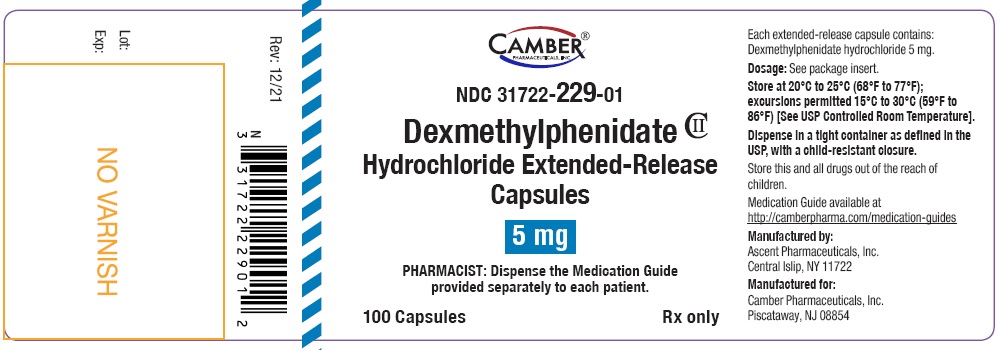
5 mg 10 mg 15 mg 20 mg 25 mg 30 mg 35mg 40 mg