
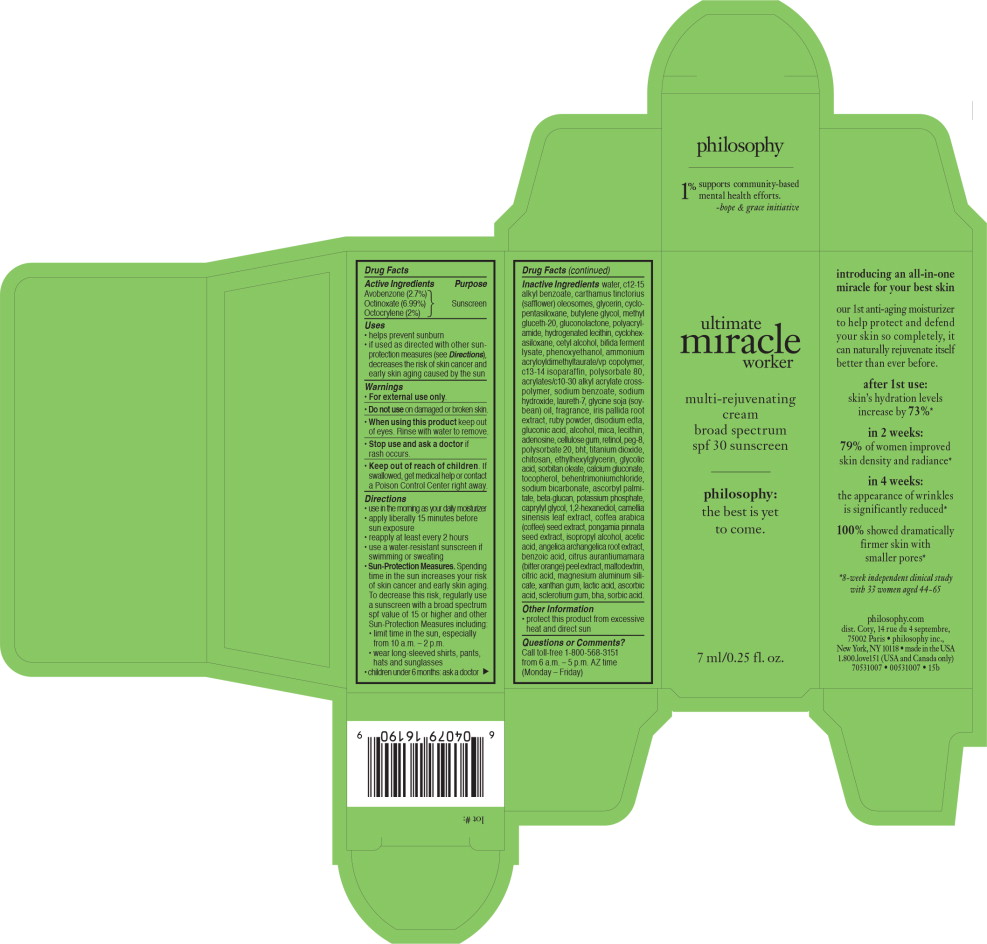
ultimate miracle worker multi-rejuvenating spf 30 Avobenzone, Octinoxate, Octocrylene 2 g/100mL; 2.7 g/100mL; 6.99 g/100mL Cream
🆔 Identity & classification
Where does this data come from?
🏭 Manufacturer & labeler
Where does this data come from?
🩺 Clinical
This is an over-the-counter topical cream marketed under FDA's monograph rules for sunscreen products. It contains three ultraviolet (UV) filters: avobenzone, octinoxate, and octocrylene. These ingredients are typically used together to absorb and scatter UV rays from the sun, functioning as a broad-spectrum sunscreen to help protect skin from sun exposure.
Patient education
Supplement & herbal interactions
Where does this data come from?
Ask a licensed pharmacist directly — free, answered by our team.
🧪 Inactive Ingredients / Excipients
Inactive ingredients, also called excipients, are components of the drug product other than the active ingredient. They may include fillers, dyes, coatings, preservatives, flavors, or other formulation ingredients.
💡 Tap an ingredient (hover on desktop) to see what it is and why it’s used.
-
UNII Q40Q9N063P
Acetic acid is a weak organic acid commonly used in medicines as a buffer and pH adjuster. It helps maintain the proper acidity level to ensure the drug remains stable and effective in its formulation.
-
UNII K72T3FS567
Adenosine is a naturally occurring nucleoside compound. In medicines, it functions as an active pharmaceutical ingredient in some formulations, though when listed as an excipient it may serve as a buffering or stabilizing agent to maintain product stability and pH.
-
UNII 3K9958V90M
A liquid solvent derived from fermentation or chemical synthesis. In medicines, alcohol dissolves active ingredients, helps preserve the product, and improves how the body absorbs certain drugs.
-
UNII A9EJ3J61HQ
A synthetic liquid derived from benzoic acid and long-chain alcohols. It functions as a solvent and penetration enhancer in topical formulations, helping active ingredients dissolve and absorb into the skin.
-
UNII W59H9296ZG
A synthetic polymer made from acrylic compounds and vinylpyrrolidone. It works as a film-former and thickener in topical products, helping create a smooth texture and improve how the medication spreads on skin.
-
UNII DTN01M69SN
A plant extract from angelica root used as a flavoring agent and fragrance component in medicines. It adds taste and aroma to make the product more pleasant to take.
-
UNII PQ6CK8PD0R
Ascorbic acid, also known as vitamin C, is a white crystalline powder. It serves as an antioxidant to prevent degradation of other ingredients and may also function as a preservative in the formulation.
-
UNII QN83US2B0N
Ascorbyl palmitate is a fat-soluble form of vitamin C used as an antioxidant in medicines. It prevents oils and fats in the product from breaking down and becoming less stable over time.
-
UNII X7GNG3S47T
A quaternary ammonium compound used as an antistatic agent and emulsifier in pharmaceutical formulations. It helps reduce static electricity during manufacturing and improves texture or consistency in creams and lotions.
-
UNII 8SKN0B0MIM
Benzoic acid is a naturally occurring organic acid used as a preservative in medicines and foods. It helps prevent bacterial and fungal growth to extend shelf life and maintain product stability.
-
UNII 2X51AD1X3T
A fermented grain-derived polysaccharide used as a thickening and stabilizing agent in liquid formulations to improve texture and help maintain consistent suspension of active ingredients.
-
UNII REK4960K2U
Butylated hydroxyanisole is a synthetic preservative that prevents oils and fats in medicines from spoiling or becoming rancid. It keeps the medicine stable and extends its shelf life.
-
UNII 1P9D0Z171K
BHT is a synthetic antioxidant that prevents fats and oils in medicines from breaking down and becoming rancid. It helps keep the product stable and effective during storage.
-
UNII 3XUS85K0RA
Butylene glycol is a clear liquid derived from petroleum or plants that acts as a humectant, solvent, and preservative booster in medicines. It helps keep formulations stable, dissolve active ingredients, and maintain moisture in topical products.
-
UNII E4F12ROE70
A refined mineral oil derived from crude petroleum containing 13 to 14 carbon chains. It acts as a solvent, emollient, and carrier in topical formulations to help dissolve active ingredients and improve product texture and spreadability.
-
UNII SQE6VB453K
A calcium salt derived from gluconic acid. It acts as a buffer and mineral supplement in formulations, helping maintain stable pH and adding nutritional calcium content to the product.
-
UNII 00YIU5438U
Caprylyl glycol is a clear liquid derived from coconut oil. In medicines, it acts as a humectant to retain moisture, a preservative booster to prevent microbial growth, and a solvent to help dissolve or mix other ingredients.
-
UNII K679OBS311
Carboxymethylcellulose sodium is a plant-derived thickening agent made from cellulose. In medicines, it acts as a binder to hold ingredients together, a disintegrant to help the tablet break apart, or a thickener in liquids.
-
UNII 9S60Q72309
A plant-derived ingredient made from safflower seed components. It acts as an emulsifier and carrier to help distribute oils and active ingredients evenly throughout the medicine.
-
UNII 936JST6JCN
Cetyl alcohol is a waxy, fatty substance derived from plant or animal sources. It acts as an emulsifier and thickener in medicines, helping blend oil and water components and giving products a smooth, creamy texture.
-
UNII 1H07JK4G0C
Cetyl glycol is a waxy substance made from natural or synthetic sources. It acts as an emollient and thickener in formulations, helping to soften textures and stabilize mixtures of oil and water-based ingredients.
-
UNII 2968PHW8QP
A weak organic acid derived from citrus fruits or made through fermentation. It works as a buffer to control pH, a preservative to extend shelf life, and a flavoring agent in medications.
-
UNII 055456JHI7
A natural substance derived from bitter orange peel. It's used as a flavoring agent and fragrance to improve the taste and smell of the medication.
-
UNII 0THT5PCI0R
A silicone-based liquid that helps distribute active ingredients evenly throughout topical products. It acts as a solvent and emollient, allowing medicines to spread smoothly on skin while improving texture and absorption.
-
UNII XHK3U310BA
Cyclohexasiloxane is a silicon-based liquid that acts as a solvent and conditioning agent in medicines. It helps dissolve or carry other ingredients and improves how the product spreads or feels on the skin.
-
UNII 8NLQ36F6MM
Edetate disodium anhydrous is a chemical compound that binds to metal ions in a medicine. It's used as a stabilizer to prevent unwanted chemical reactions and help keep the drug product effective during storage.
-
UNII 147D247K3P
Ethylhexylglycerin is a synthetic preservative used to prevent bacteria and mold from growing in medicines and personal care products. It helps keep the product safe and stable throughout its shelf life.
-
UNII R4R8J0Q44B
Gluconic acid is an organic acid derived from glucose. It functions as a buffer and pH adjuster in medicines, helping maintain the product's acidity or alkalinity for stability and proper absorption.
-
UNII WQ29KQ9POT
Gluconolactone is a mild organic acid derived from glucose. It functions as a buffer and pH regulator in medicines, helping maintain stable acidity levels and improve product stability.
-
UNII PDC6A3C0OX
Glycerin is a clear, thick liquid derived from plant oils or fats. It acts as a humectant to retain moisture, a sweetener, and a solvent in medications.
-
UNII 0WT12SX38S
Glycolic acid is an alpha-hydroxy acid derived from sugar cane that helps dissolve and remove dead skin cells. In topical medicines, it works as an exfoliant and pH adjuster to improve skin penetration and product effectiveness.
-
UNII W2ZU1RY8B0
A plant extract from green tea leaves. It's used as an antioxidant ingredient to help preserve the medicine and maintain its stability during storage.
-
UNII H1109Z9J4N
A natural emulsifier derived from soybean oil. It helps mix oil and water-based ingredients together, ensuring even distribution of active ingredients throughout the medicine.
-
UNII LVV57EM5OG
A plant-derived extract from iris pallida root used as a fragrance and flavoring agent in medicines. It adds aroma and taste to improve the palatability of oral formulations.
-
UNII ND2M416302
Isopropyl alcohol is a clear liquid solvent derived from petroleum. In medicines, it dissolves active ingredients and other components, helps the product flow smoothly, and aids in sterilization during manufacturing.
-
UNII 33X04XA5AT
Lactic acid is a naturally occurring organic acid derived from milk or plant sources. It lowers and maintains pH in formulations, helps preserve the product, and can enhance ingredient stability and absorption.
-
UNII Z95S6G8201
A synthetic surfactant derived from lauryl alcohol and ethylene oxide. It helps dissolve and mix oily and watery ingredients in liquid formulations, and may improve how the medicine spreads or is absorbed.
-
UNII 6M3P64V0NC
A fine powder made from magnesium, aluminum, and silicon compounds. It absorbs moisture and helps keep medicine ingredients from clumping or separating, so the product stays stable and flows smoothly during manufacturing.
-
UNII 7CVR7L4A2D
A starch-derived carbohydrate produced by breaking down corn, potato, or tapioca starch. It functions as a filler and binder to give the medicine bulk and texture, and sometimes as a mild sweetener or texture enhancer in powders and tablets.
-
UNII J3QD0LD11P
A synthetic compound made by combining glucose with methyl alcohol and polyethylene glycol. It acts as an emulsifier and solvent to help blend water and oil-based ingredients and improve how the medicine dissolves or spreads.
-
UNII V8A1AW0880
Mica is a naturally occurring mineral that's ground into fine powder. It's used in medicines as a colorant and anti-caking agent to improve appearance and prevent clumping in tablets or powders.
-
UNII C2BRV53B1V
A plant-derived oil from pongamia seeds used as an emollient and skin-conditioning agent in topical formulations. It helps soften and smooth the product texture while improving how it spreads on skin.
-
UNII HIE492ZZ3T
Phenoxyethanol is a synthetic preservative and antimicrobial agent used to prevent bacterial and fungal growth in medicines and cosmetic products, extending shelf life and maintaining product safety.
-
UNII 82LKS4QV2Y
Poliglusam is a synthetic polymer made from glucose units linked together. It works as a binder and thickening agent to help hold the medicine's ingredients together and control how quickly the drug dissolves.
-
UNII E2KR9C9V2I
Polyacrylamide is a synthetic polymer used as a thickening agent and binder in medications. It helps create the proper texture and hold ingredients together in the formulation.
-
UNII B697894SGQ
Polyethylene glycol 400 is a clear, thick liquid made from petroleum-derived polymers. It acts as a solvent and humectant in medicines, helping dissolve active ingredients and retain moisture in the formulation.
-
UNII 7T1F30V5YH
A synthetic emulsifier derived from sorbitol and oleic acid. It helps mix oil and water-based ingredients together and keeps them from separating in liquid formulations.
-
UNII 6OZP39ZG8H
Polysorbate 80 is a synthetic emulsifier derived from sorbitol and oleic acid. It helps mix oil and water-based ingredients together in medications and improves how the product disperses in the body.
-
UNII B7862WZ632
Potassium phosphate is a mineral salt that acts as a buffer and pH control agent in medicines. It helps keep the medication at the right acidity level for stability and proper absorption.
-
UNII G2SH0XKK91
Retinol is a form of vitamin A derived from animal sources or synthesized in a lab. In medicines, it may serve as an active therapeutic ingredient in some formulations, though when listed as an excipient it functions as a skin-conditioning agent or antioxidant to help stabilize the product.
-
UNII OJ245FE5EU
Sodium benzoate is a salt derived from benzoic acid, a preservative. It's added to medicines to prevent growth of bacteria, fungi, and other microorganisms that could spoil the product.
-
UNII 8MDF5V39QO
A white powder form of baking soda that acts as a buffer and pH regulator in medicines. It helps maintain the right acid-base balance and may aid tablet disintegration.
-
UNII 55X04QC32I
A strong alkaline chemical used to adjust and maintain the pH balance of liquid medicines. It helps keep the medicine stable and ensures it stays effective during storage.
-
UNII X045WJ989B
Sorbic acid is a preservative derived from berries that prevents mold, yeast, and bacterial growth in medicines. It keeps the product stable and safe during storage.
-
UNII 06XEA2VD56
Sorbitan oleate is an emulsifier derived from sorbitol and oleic acid. It helps mix oil and water-based ingredients together and keeps them from separating in the medicine.
-
UNII 241ATL177A
Soybean oil is a natural plant oil derived from soybean seeds. It's used in medicines as a solvent and carrier to help dissolve or suspend active ingredients and improve how the body absorbs them.
-
UNII 15FIX9V2JP
Titanium dioxide is a bright white mineral powder commonly used as a colorant and opacifying agent. It makes pills and tablets white or lighter in color and helps make coatings non-transparent.
-
UNII R0ZB2556P8
Tocopherol is a form of vitamin E derived from plant oils. It acts as an antioxidant in medicines to prevent oils and fats from breaking down and spoiling during storage.
-
UNII 059QF0KO0R
Water is a liquid solvent that dissolves and mixes ingredients together in liquid medicines, syrups, and injections. It helps distribute the active drug evenly throughout the product.
-
UNII TTV12P4NEE
Xanthan gum is a thickening and stabilizing ingredient made from fermented corn or other sugars. It's added to medicines to improve texture, prevent separation of liquids and solids, and help the product stay consistent.
60 inactive ingredients listed in the exact product block matched to this NDC.
Label-section wording can be broader than the structured product block and may mention additional formulation ingredients.
Where does this data come from?
ingredient classCode="IACT" elements from the exact product block matched by this NDC. Label-section narrative from DailyMed / the openFDA label index is shown separately when available.Inactive ingredient FAQ
Are inactive ingredients the same for every manufacturer?
Why might an inactive ingredient be missing?
Can inactive ingredients matter?
💲 Pricing
A drug doesn't have one price. Each row is a different public payment system, and none is what you'd pay at the counter — that depends on your insurance. The ⓘ on each row explains what it measures.
| Price system | Per g | Per package |
|---|---|---|
| Retail pharmacies payNADAC · weekly | Not in the retail survey — common for institutional, discontinued, or low-volume packs. | |
| Medicaid paysCMS SDUD · 12 mo | No recent Medicaid claims on file for this NDC — rare and low-volume NDCs are suppressed in the public data. | |
| Medicare drug plans payPart D · quarterly | No Part D plan price is available for this NDC in our data. | |
Where does this data come from?
🔁 Therapeutic equivalents
| Product | Labeler | Pack | NADAC/unit | TE | Status | Price vs. this |
|---|---|---|---|---|---|---|
| ultimate miracle worker multi-rejuvenating spf 30 2 g/100mL; 2.7 g/100mL; 6.99 g/100mLthis 50184-1013-01 | Philosophy, | 1 tube | — | — | FDA listed | — |
Where does this data come from?
⏳ Availability & generic status
We did not find an FDA-approved generic match for this exact strength, form and route.
Where does this data come from?
🔬 Reported adverse events (FAERS)
Top reported reactions
Reporter sex
Where does this data come from?
📦 Packaging — all sizes for this product
| Package NDC | Description | Marketing start | Status |
|---|---|---|---|
| 50184-1013-01 You're viewing this | 1 TUBE in 1 CARTON (50184-1013-1) / 7 mL in 1 TUBE | 2018-04-01 | Active |
| 50184-1013-02 | 1 JAR in 1 CARTON (50184-1013-2) / 15 mL in 1 JAR | 2018-04-01 | Active |
| 50184-1013-03 | 1 JAR in 1 CARTON (50184-1013-3) / 60 mL in 1 JAR | 2018-04-01 | Active |
Pack size FAQ
What quantity is in NDC 50184-1013-01?
What NDC number is used to bill for this package of ultimate miracle worker multi-rejuvenating spf 30 Avobenzone, Octinoxate, Octocrylene 2 g/100mL; 2.7 g/100mL; 6.99 g/100mL Cream?
🧭 About this NDC listing & data coverage
What data is (and isn’t) available for this NDC — tap to expand
| NDC identity (package / product / labeler codes) | ✓ Available |
| Labeler | ✓ Available |
| Product & package description | ✓ Available |
| Marketing category & status | ✓ Available |
| Active ingredient / dosage form / route | ✓ Available |
| FDA label (SPL via DailyMed) | ✓ Available |
| Package photos | ✓ Available |
| Inactive ingredients (structured) | ✓ Available |
| NADAC pharmacy acquisition price (CMS) | — Not published for this NDC CMS publishes NADAC only for NDCs reported in its retail-pharmacy survey. |
| Orange Book / therapeutic-equivalence data | — Not published for this NDC Applies only to products approved under an NDA/ANDA; many listings are out of scope. |
| HCPCS J-code billing crosswalk | — Not published for this NDC Most self-administered / retail products have no J-code — that is normal. |
| Medicaid utilization (CMS SDUD) | — Not published for this NDC CMS reports utilization only for NDCs with Medicaid claims above its privacy threshold. |
Questions about this listing
Is this NDC FDA-approved?
Why is there no price listed?
Is the NDC printed on the package the same as the 11-digit billing NDC?
What do the three segments of this NDC mean?
Is this package still being marketed?
Does this product come in other package sizes?
Who lists this product with the FDA?
Do I need a prescription for this product?
Where does this data come from?
📄 FDA label — Drug Facts FDA SPL
🎯 Indications and Usage ▾
Uses helps prevent sunburn if used as directed with other sun protection measures (see Directions ), decreases the risk of skin cancer and early skin aging caused by the sun
⏱️ Dosage and Administration ▾
Directions use in the morning as your daily moisturizer apply liberally 15 minutes before sun exposure reapply at least every 2 hours use a water-resistant sunscreen if swimming or sweating Sun-Protection Measures . Spending time in the sun increases your risk of skin cancer and early skin aging. To decrease this risk, regularly use a sunscreen with a broad spectrum spf value of 15 or higher and other Sun-Protection Measures including: limit time in the sun, especially from 10 a.m. – 2 p.m. wear long-sleeved shirts, pants, hats and sunglasses children under 6 months: ask a doctor
⚠️ Warnings ▾
Warnings For external use only. Do not use on damaged or broken skin. When using this product keep out of eyes. Rinse with water to remove. Stop use and ask a doctor if rash occurs. Keep out of reach of children. If swallowed, get medical help or contact a Poison Control Center right away.
🧪 Active Ingredient ▾
Active Ingredients Avobenzone (2.7%) Octinoxate (6.99%) Octocrylene (2%)
🧪 Inactive Ingredients ▾
Inactive Ingredients water, c12-15 alkyl benzoate, carthamus tinctorius (safflower) oleosomes, glycerin, cyclopentasiloxane, butylene glycol, methyl gluceth-20, gluconolactone, polyacrylamide, hydrogenated lecithin, cyclohexasiloxane, cetyl alcohol, bifida ferment lysate, phenoxyethanol, ammonium acryloyldimethyltaurate/vp copolymer, c13-14 isoparaffin, polysorbate 80, acrylates/c10-30 alkyl acrylate crosspolymer, sodium benzoate, sodium hydroxide, laureth-7, glycine soja (soybean) oil, fragrance, iris pallida root extract, ruby powder, disodium edta, gluconic acid, alcohol, mica, lecithin, adenosine, cellulose gum, retinol, peg-8, polysorbate 20, bht, titanium dioxide, chitosan, ethylhexylglycerin, glycolic acid, sorbitan oleate, calcium gluconate, tocopherol, behentrimoniumchloride, sodium bicarbonate, ascorbyl palmitate, beta-glucan, potassium phosphate, caprylyl glycol, 1,2-hexanediol, camellia sinensis leaf extract, coffea arabica (coffee) seed extract, pongamia pinnata seed extract, isopropyl alcohol, acetic acid, angelica archangelica root extract, benzoic acid, citrus aurantiumamara (bitter orange) peel extract, maltodextrin, citric acid, magnesium aluminum silicate, xanthan gum, lactic acid, ascorbic acid, sclerotium gum, bha, sorbic acid.
🎯 Purpose ▾
Purpose Sunscreen