
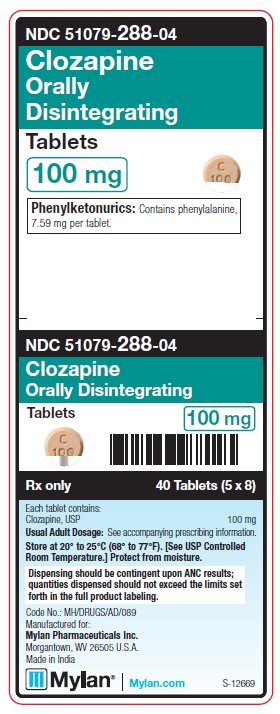
Clozapine 100 mg Tablet, Orally Disintegrating
🆔 Identity & classification
Where does this data come from?
🏷️ RxNorm drug class
This medicine belongs to the Atypical Antipsychotic class.
Where does this data come from?
🏭 Manufacturer & labeler
Where does this data come from?
🩺 Clinical
Clozapine is used to treat schizophrenia (a mental illness that affects how a person thinks, feels or behaves) in certain people. Clozapine is in a class of medications called atypical antipsychotics. It works by changing the activity of certain natural substances in the brain.
Read the full MedlinePlus article ↗- Clozapine is reserved for situations where other antipsychotics haven't provided enough relief. If you're taking it for schizophrenia, it means your care team determined that stand...
- Why am I on clozapine instead of a regular antipsychotic?
- This is genuinely one of the most important parts of being on clozapine. The medication can cause a dangerous drop in the white blood cells that fight infection — a condition calle...
- Why do I have to get blood tests so often?
Patient education
Supplement & herbal interactions
Some supplements/herbs that may interact with Clozapine — tap one for details:
Clozapine may be associated with lower levels of 1 nutrient — worth a chat with your pharmacist, not a cause for alarm.
Where does this data come from?
Ask a licensed pharmacist directly — free, answered by our team.
💊 What it looks like
Where does this data come from?
🧪 Inactive Ingredients / Excipients
Inactive ingredients, also called excipients, are components of the drug product other than the active ingredient. They may include fillers, dyes, coatings, preservatives, flavors, or other formulation ingredients.
💡 Tap an ingredient (hover on desktop) to see what it is and why it’s used.
-
UNII Z0H242BBR1
Aspartame is an artificial sweetener made from amino acids. It's added to medicines to improve taste, making bitter or unpleasant-tasting drugs easier to take.
-
UNII 68401960MK
Crospovidone is a synthetic polymer made from polyvinylpyrrolidone. It acts as a disintegrant, helping tablets break apart quickly in the stomach so the medicine dissolves and absorbs into the body.
-
UNII H77VEI93A8
A synthetic yellow dye used to color medications. It helps identify the drug and make it visually distinctive, with no effect on how the medicine works.
-
UNII 70097M6I30
Magnesium stearate is a salt made from magnesium and stearic acid, a fatty substance. It's used in tablets and capsules as a lubricant and glidant to help ingredients flow smoothly during manufacturing and prevent sticking.
-
UNII 3OWL53L36A
A natural sugar alcohol derived from seaweed or synthesized in the lab. It's used as a filler to add bulk, a sweetener in sugar-free formulas, and a disintegrant to help tablets break apart in the stomach.
-
UNII 7T9FYH5QMK
A plant-derived powder that serves as a binder and filler in tablets and capsules. It helps hold ingredients together, adds bulk, and aids in smooth tablet disintegration when swallowed.
-
UNII V95R5KMY2B
Peppermint is a flavoring agent derived from the peppermint plant. It's added to medicines to improve taste and mask bitter or unpleasant flavors, making them easier to take.
-
UNII ETJ7Z6XBU4
Silicon dioxide is a naturally occurring mineral used as a glidant and anti-caking agent. It helps powder ingredients flow smoothly and prevents clumping during manufacturing and storage.
-
UNII 7CV7WJK4UI
Sodium stearyl fumarate is a synthetic compound made from stearyl alcohol and fumaric acid. It acts as a lubricant and glidant in tablets and capsules, helping ingredients flow smoothly during manufacturing and preventing sticking.
9 inactive ingredients listed in the exact product block matched to this NDC.
Where does this data come from?
ingredient classCode="IACT" elements from the exact product block matched by this NDC. Label-section narrative from DailyMed / the openFDA label index is shown separately when available.Inactive ingredient FAQ
Are inactive ingredients the same for every manufacturer?
Why might an inactive ingredient be missing?
Can inactive ingredients matter?
💲 Pricing
A drug doesn't have one price. Each row is a different public payment system, and none is what you'd pay at the counter — that depends on your insurance. The ⓘ on each row explains what it measures.
| Price system | Per ea | Per package |
|---|---|---|
| Retail pharmacies payNADAC · weekly | $4.251 | $170.06 / 40 tablet |
| Medicaid paysCMS SDUD · 12 mo | $4.59 | $183.69 / 40 tablet |
| Medicare drug plans payPart D · Q2 2026 | $14.60 | $583.85 / 40 tablet |
Where does this data come from?
🔁 Therapeutic equivalents
| Product | Labeler | Pack | NADAC/unit | TE | Status | Price vs. this |
|---|---|---|---|---|---|---|
| Clozapine 100 mg 00093-5419-01 | Teva | 100 tablets | $4.251 | AB | Availability likely | — |
| Clozapine 100 mg 00378-3815-01 | Mylan | 100 tablets | $4.251 | AB | Availability likely | — |
| Clozapine 100 mgthis 51079-0288-04 | Mylan | 1 tablet | $4.251 | AB | Availability likely | — |
| Clozapine 100 mg 59651-0262-01 | Aurobindo | 100 tablets | $4.251 | AB | Availability likely | — |
| Clozapine 100 mg 48433-0022-04 | Safecor | 1 tablet | — | AB | FDA listed | — |
Where does this data come from?
⏳ Availability & generic status
This product is an FDA-approved generic. Other versions of the same drug are listed under Therapeutic equivalents, least expensive first.
Where does this data come from?
🗺️ Medicaid utilization & spend
📊 Medicare Part D spend CMS · PART D · 2026 (Q1)
🔬 Reported adverse events (FAERS)
Top reported reactions
Age at onset
Reporter sex
Serious outcomes
Where does this data come from?
📦 Packaging — all sizes for this product
| Package NDC | Description | Marketing start | Status |
|---|---|---|---|
| 51079-0288-04 You're viewing this | 40 BLISTER PACK in 1 CARTON (51079-288-04) / 1 TABLET, ORALLY DISINTEGRATING in 1 BLISTER PACK (51079-288-01) | 2016-09-26 | Active |
📄 Full prescribing information FDA SPL
🚨 Boxed Warning ▾
WARNING: SEVERE NEUTROPENIA; ORTHOSTATIC HYPOTENSION, BRADYCARDIA, AND SYNCOPE; SEIZURE; MYOCARDITIS, PERICARDITIS, AND CARDIOMYOPATHY; INCREASED MORTALITY IN ELDERLY PATIENTS WITH DEMENTIA-RELATED PSYCHOSIS Severe Neutropenia Clozapine treatment has caused severe neutropenia, defined as an absolute neutrophil count (ANC) less than 500/μL. Severe neutropenia can lead to serious infection and death. Prior to initiating treatment with clozapine orally disintegrating tablets, a baseline ANC must be at least 1500/μL for the general population; and must be at least 1000/μL for patients with documented Benign Ethnic Neutropenia (BEN).
During treatment, patients must have regular ANC monitoring. Advise patients to immediately report symptoms consistent with severe neutropenia or infection (e.g., fever, weakness, lethargy, or sore throat) [see Dosage and Administration (2.1) and Warnings and Precautions (5.1) ] . Because of the risk of severe neutropenia, clozapine orally disintegrating tablets are available only through a restricted program under a Risk Evaluation Mitigation Strategy (REMS) called the Clozapine REMS Program [see Warnings and Precautions (5.2) ] .
Orthostatic Hypotension, Bradycardia, Syncope Orthostatic hypotension, bradycardia, syncope, and cardiac arrest have occurred with clozapine treatment. The risk is highest during the initial titration period, particularly with rapid dose escalation. These reactions can occur with the first dose, with doses as low as 12.5 mg per day, or when restarting patients who have had even a brief interruption in treatment with clozapine orally disintegrating tablets.
Initiate treatment at 12.5 mg once or twice daily; titrate slowly; and use divided dosages to minimize risk. Use clozapine orally disintegrating tablets cautiously in patients with cardiovascular or cerebrovascular disease or conditions predisposing to hypotension (e.g., dehydration, use of antihypertensive medications) [see Dosage and Administration (2.3 , 2.6) , Warnings and Precautions (5.3) ] . Seizures Seizures have occurred with clozapine treatment.
The risk is dose-related. Initiate treatment at 12.5 mg, titrate gradually, and use divided dosing. Use caution when administering clozapine orally disintegrating tablets to patients with a history of seizures or other predisposing risk factors for seizure (CNS pathology, medications that lower the seizure threshold, alcohol abuse).
Caution patients about engaging in any activity where sudden loss of consciousness could cause serious risk to themselves or others [see Dosage and Administration (2.3) and Warnings and Precautions (5.5) ] . Myocarditis, Pericarditis, Cardiomyopathy and Mitral Valve Incompetence Fatal myocarditis and cardiomyopathy have occurred with clozapine treatment. Discontinue clozapine orally disintegrating tablets and obtain a cardiac evaluation upon suspicion of these reactions.
Generally, patients with clozapine orally disintegrating tablets-related myocarditis or cardiomyopathy should not be rechallenged with clozapine orally disintegrating tablets. Consider the possibility of myocarditis, pericarditis, or cardiomyopathy if chest pain, tachycardia, palpitations, dyspnea, fever, flu-like symptoms, hypotension, or ECG changes occur [see Warnings and Precautions (5.6) ] . Increased Mortality in Elderly Patients with Dementia-Related Psychosis Elderly patients with dementia-related psychosis treated with antipsychotic drugs are at an increased risk of death.
Clozapine orally disintegrating tablets are not approved for use in patients with dementia-related psychosis [see Warnings and Precautions (5.7) ] . WARNING: SEVERE NEUTROPENIA; ORTHOSTATIC HYPOTENSION, BRADYCARDIA, AND SYNCOPE; SEIZURE; MYOCARDITIS, PERICARDITIS, AND CARDIOMYOPATHY; INCREASED MORTALITY IN ELDERLY PATIENTS WITH DEMENTIA-RELATED PSYCHOSIS See full prescribing information for complete boxed warning. Severe Neutropenia: Clozapine can cause severe neutropenia, which can lead to serious…
🎯 Indications and Usage ▾
1 INDICATIONS AND USAGE Clozapine orally disintegrating tablets are an atypical antipsychotic indicated for: Treatment-resistant schizophrenia. Efficacy was established in an active-controlled study ( 1.1 , 14.1 ). Reducing suicidal behavior in patients with schizophrenia or schizoaffective disorder. Efficacy was established in an active-controlled study ( 1.2 , 14.2 ).
1.1Treatment-Resistant Schizophrenia Clozapine orally disintegrating tablets are indicated for the treatment of severely ill patients with schizophrenia who fail to respond adequately to standard antipsychotic treatment. Because of the risks of severe neutropenia and of seizure associated with its use, clozapine orally disintegrating tablets should be used only in patients who have failed to respond adequately to standard antipsychotic treatment [see Warnings and Precautions ( 5.1 , 5.5 )] . The effectiveness of clozapine in treatment-resistant schizophrenia was demonstrated in a 6-week, randomized, double-blind, active-controlled study comparing clozapine and chlorpromazine in patients who had failed other antipsychotics [see Clinical Studies (14.1) ].
1.2Reduction in the Risk of Recurrent Suicidal Behavior in Schizophrenia or Schizoaffective Disorder Clozapine orally disintegrating tablets are indicated for reducing the risk of recurrent suicidal behavior in patients with schizophrenia or schizoaffective disorder who are judged to be at chronic risk for re-experiencing suicidal behavior, based on history and recent clinical state. Suicidal behavior refers to actions by a patient that put him/herself at risk for death. The effectiveness of clozapine in reducing the risk of recurrent suicidal behavior was demonstrated over a two-year treatment period in the InterSePT™ trial [see Clinical Studies (14.2) ] .
⏱️ Dosage and Administration ▾
2 DOSAGE AND ADMINISTRATION Starting Dose: 12.5 mg once daily or twice daily ( 2.3 ). Use cautious titration and divided dosage schedule ( 2.3 , 5.3 ). Titration: increase the total daily dosage in increments of 25 mg to 50 mg per day, if well-tolerated ( 2.3 ).
Target Dose: 300 mg to 450 mg per day, in divided doses, by the end of 2 weeks ( 2.3 ). Subsequent Increases: increase in increments of 100 mg or less, once or twice weekly ( 2.3 ). Maximum Daily Dose: 900 mg ( 2.3 ).
Tablets rapidly disintegrate after placement in the mouth and may be chewed if desired. No water is needed ( 2.2 ).
2.1Required Laboratory Testing Prior to Initiation and During Therapy Prior to initiating treatment with clozapine orally disintegrating tablets, a baseline ANC must be obtained. The baseline ANC must be at least 1500/μL for the general population, and at least 1000/μL for patients with documented Benign Ethnic Neutropenia (BEN). To continue treatment, the ANC must be monitored regularly [see Warnings and Precautions (5.1) ] .
2.2Important Administration Instructions Clozapine orally disintegrating tablets should be immediately placed in the mouth after removing the tablet from the blister pack or bottle. The tablet disintegrates rapidly after placement in the mouth. The tablets can be allowed to disintegrate, or they may be chewed.
They may be swallowed with saliva. No water is necessary for administration. The orally disintegrating tablets in a blister pack should be left in the unopened blister until the time of use.
Just prior to use, peel the foil from the blister and gently remove the orally disintegrating tablet. Do not push the tablets through the foil, because this could damage the tablet.
2.3Dosing Information The starting dose is 12.5 mg once daily or twice daily. The total daily dose can be increased in increments of 25 mg to 50 mg per day, if well-tolerated, to achieve a target dose of 300 mg to 450 mg per day (administered in divided doses) by the end of 2 weeks. Subsequently, the dose can be increased once weekly or twice weekly, in increments of up to 100 mg.
The maximum dose is 900 mg per day. To minimize the risk of orthostatic hypotension, bradycardia, and syncope, it is necessary to use this low starting dose, gradual titration schedule, and divided dosages [see Warnings and Precautions (5.3) ] . Clozapine orally disintegrating tablets can be taken with or without food [see Pharmacokinetics (12.3) ] .
2.4Maintenance Treatment Generally, patients responding to clozapine orally disintegrating tablets should continue maintenance treatment on their effective dose beyond the acute episode.
2.5Discontinuation of Treatment Method of treatment discontinuation will vary depending on the patient’s last ANC: See Tables 2 or 3 for appropriate ANC monitoring based on the level of neutropenia if abrupt treatment discontinuation is necessary because of moderate to severe neutropenia. Reduce the dose gradually over a period of 1 to 2 weeks if termination of clozapine orally disintegrating tablets therapy is planned and there is no evidence of moderate to severe neutropenia. For abrupt clozapine discontinuation for a reason unrelated to neutropenia, continuation of the existing ANC monitoring is recommended for general population patients until their ANC is ≥ 1500/μL and for BEN patients until their ANC is ≥ 1000/μL or above their baseline.
Additional ANC monitoring is required for any patient reporting onset of fever (temperature of 38.5°C or 101.3°F, or greater) during the 2 weeks after discontinuation [see Warnings and Precautions (5.1) ] . Monitor all patients carefully for the recurrence of psychotic symptoms and symptoms related to cholinergic rebound such as profuse sweating, headache, nausea, vomiting, and diarrhea.
2.6Re-Initiation of Treatment When restarting clozapine orally disintegrating tablets in patients who have had even a brief interruption in treatment with clozapine orally disintegrating tablets, dosage must be r…
💊 Dosage Forms and Strengths ▾
3 DOSAGE FORMS AND STRENGTHS Clozapine Orally Disintegrating Tablets are available containing 25 mg, 100 mg, 150 mg or 200 mg of clozapine, USP. The 25 mg tablets are peach, round, unscored tablets debossed with C over 25 on one side of the tablet and blank on the other side. The 100 mg tablets are peach, round, unscored tablets debossed with C over 100 on one side of the tablet and blank on the other side.
The 150 mg tablets are peach, round, unscored tablets debossed with C150 on one side of the tablet and blank on the other side. The 200 mg tablets are peach, round, unscored tablets debossed with C200 on one side of the tablet and blank on the other side. Orally disintegrating tablets: 25 mg, 100 mg, 150 mg and 200 mg ( 3 ).
⛔ Contraindications ▾
4 CONTRAINDICATIONS Clozapine orally disintegrating tablets are contraindicated in patients with a history of serious hypersensitivity to clozapine (e.g., photosensitivity, vasculitis, erythema multiforme, or Stevens-Johnson Syndrome) or any other component of clozapine orally disintegrating tablets [see Adverse Reactions (6.2) ] . Known serious hypersensitivity to clozapine or any other component of clozapine orally disintegrating tablets ( 4 ).
⚠️ Warnings and Cautions ▾
5 WARNINGS AND PRECAUTIONS Gastrointestinal Hypomotility with Severe Complications: Severe gastrointestinal adverse reactions have occurred with the use of clozapine orally disintegrating tablets. If constipation is identified, close monitoring and prompt treatment is advised ( 5.8 ). Eosinophilia: Assess for organ involvement (e.g., myocarditis, pancreatitis, hepatitis, colitis, nephritis).
Discontinue if these occur ( 5.9 ). QT Interval Prolongation: Can be fatal. Consider additional risk factors for prolonged QT interval (disorders and drugs) ( 5.10 ).
Metabolic Changes: Atypical antipsychotic drugs have been associated with metabolic changes that may increase cardiovascular/cerebrovascular risk. These metabolic changes include: Hyperglycemia and Diabetes Mellitus: Monitor for symptoms of hyperglycemia including polydipsia, polyuria, polyphagia, and weakness. Monitor glucose regularly in patients with diabetes or at risk for diabetes ( 5.11 ).
Dyslipidemia: Undesirable alterations in lipids have occurred in patients treated with atypical antipsychotics ( 5.11 ). Weight Gain: Significant weight gain has occurred. Monitor weight gain ( 5.11 ).
Neuroleptic Malignant Syndrome (NMS): Immediately discontinue and monitor closely. Assess for co-morbid conditions ( 5.12 ). Hepatotoxicity: Can be fatal.
Monitor for hepatotoxicity. Discontinue treatment if hepatitis or transaminase elevations combined with other symptoms occur ( 5.13 ). Fever: Evaluate for infection and for neutropenia, NMS ( 5.14 ).
Pulmonary Embolism (PE): Consider PE if respiratory distress, chest pain, or deep vein thrombosis occurs ( 5.15 ). Anticholinergic Toxicity: When possible, avoid use with other anticholinergic drugs and use with caution in patients with a current diagnosis or prior history of constipation, urinary retention, clinically significant prostatic hypertrophy, or other conditions in which anticholinergic effects can lead to significant adverse reactions ( 5.16 , 7.1 ). Interference with Cognitive and Motor Performance: Advise caution when operating machinery, including automobiles ( 5.17 ).
5.1Severe Neutropenia Background Clozapine orally disintegrating tablets can cause neutropenia (a low absolute neutrophil count [ANC]), defined as a reduction below pre-treatment normal levels of blood neutrophils. The ANC is usually available as a component of the complete blood count (CBC), including differential, and is more relevant to drug-induced neutropenia than is the white blood cell (WBC) count. The ANC may also be calculated using the following formula: ANC equals the Total WBC count multiplied by the total percentage of neutrophils obtained from the differential (neutrophil “segs” plus neutrophil “bands”).
Other granulocytes (basophils and eosinophils) contribute minimally to neutropenia and their measurement is not necessary [see Adverse Reactions (6.2) ] . Neutropenia may be mild, moderate, or severe (see Tables 2 and 3). To improve and standardize understanding, “severe neutropenia” replaces the previous terms severe leukopenia, severe granulocytopenia, or agranulocytosis.
Severe neutropenia, ANC less than (<) 500/μL, occurs in a small percentage of patients taking clozapine orally disintegrating tablets and is associated with an increase in the risk of serious and potentially fatal infections. Risk of neutropenia appears greatest during the first 18 weeks on treatment and then declines. The mechanism by which clozapine orally disintegrating tablets cause neutropenia is unknown and is not dose-dependent.
Two separate management algorithms are provided below, the first for patients in the general population, and the second for patients identified to have baseline neutropenia. Clozapine Orally Disintegrating Tablets Treatment and Monitoring in the General Patient Population (see Table 2) Obtain a CBC, including the ANC value, prior to initiating treatment with clozapine orally disintegrating tablets to ensure the presence of a normal baseline ne…
🤒 Adverse Reactions ▾
6 ADVERSE REACTIONS The following adverse reactions are discussed in more detail in other sections of the labeling: Severe Neutropenia [see Warnings and Precautions (5.1) ] Orthostatic Hypotension, Bradycardia, and Syncope [see Warnings and Precautions (5.3) ] Falls [see Warnings and Precautions (5.4) ] Seizures [see Warnings and Precautions (5.5) ] Myocarditis, Pericarditis, Cardiomyopathy, and Mitral Valve Incompetence [see Warnings and Precautions (5.6) ] Increased Mortality in Elderly Patients with Dementia-Related Psychosis [see Warnings and Precautions (5.7) ] Gastrointestinal Hypomotility with Severe Complications [see Warnings and Precautions (5.8) ] Eosinophilia [see Warnings and Precautions (5.9) ] QT Interval Prolongation [see Warnings and Precautions (5.10) ] Metabolic Changes (Hyperglycemia and Diabetes Mellitus, Dyslipidemia, and Weight Gain) [see Warnings and Precautions (5.11) ] Neuroleptic Malignant Syndrome [see Warnings and Precautions (5.12) ] Hepatotoxicity [see Warnings and Precautions (5.13) ] Fever [see Warnings and Precautions (5.14) ] Pulmonary Embolism [see Warnings and Precautions (5.15) ] Anticholinergic Toxicity [see Warnings and Precautions (5.16) ] Interference with Cognitive and Motor Performance [see Warnings and Precautions (5.17) ] Tardive Dyskinesia [see Warnings and Precautions (5.18) ] Patients with Phenylketonuria [see Warnings and Precautions (5.19) ] Cerebrovascular Adverse Reactions [see Warnings and Precautions (5.20) ] Recurrence of Psychosis and Cholinergic Rebound after Abrupt Discontinuation [see Warnings and Precautions (5.21) ] Most common adverse reactions (≥ 5%) were: CNS reactions (sedation, dizziness/vertigo, headache, and tremor); cardiovascular reactions (tachycardia, hypotension, and syncope); autonomic nervous system reactions (hypersalivation, sweating, dry mouth, and visual disturbances); gastrointestinal reactions (constipation and nausea); and fever ( 6.1 ).
To report SUSPECTED ADVERSE REACTIONS, contact Mylan at 1-877-446-3679 (1-877-4-INFO-RX) or FDA at 1-800-FDA-1088 or www.fda.gov/medwatch.
6.1Clinical Trials Experience Because clinical trials are conducted under widely varying conditions, adverse reaction rates observed in the clinical trials of a drug cannot be directly compared to rates in the clinical trials of another drug and may not reflect the rates observed in clinical practice. The most commonly reported adverse reactions (≥ 5%) across clozapine clinical trials were: CNS reactions, including sedation, dizziness/vertigo, headache, and tremor; cardiovascular reactions, including tachycardia, hypotension, and syncope; autonomic nervous system reactions, including hypersalivation, sweating, dry mouth, and visual disturbances; gastrointestinal reactions, including constipation and nausea; and fever.
Table 9 summarizes the most commonly reported adverse reactions (≥ 5%) in clozapine-treated patients (compared to chlorpromazine-treated patients) in the pivotal, 6-week, controlled trial in treatment-resistant schizophrenia. Table 9: Common Adverse Reactions (≥ 5%) in the 6-Week, Randomized, Chlorpromazine-Controlled Trial in Treatment-Resistant Schizophrenia Adverse Reaction Clozapine (N = 126) (%) Chlorpromazine (N = 142) (%) Sedation 21 13 Tachycardia 17 11 Constipation 16 12 Dizziness 14 16 Hypotension 13 38 Fever (hyperthermia) 13 4 Hypersalivation 13 1 Hypertension 12 5 Headache 10 10 Nausea/vomiting 10 12 Dry mouth 5 20 Table 10 summarizes the adverse reactions reported in clozapine-treated patients at a frequency of 2% or greater across all clozapine studies (excluding the 2-year InterSePT™ Study).
These rates are not adjusted for duration of exposure. Table 10: Adverse Reactions (≥ 2%) Reported in Clozapine-Treated Patients (N = 842) Across All Clozapine Studies (Excluding the 2-Year InterSePT™ Study) Body System Adverse Reactions Clozapine N = 842 Percentage of Patients Central Nervous System Drowsiness/Sedation 39 Dizziness/Vertigo 19 Headache 7 Tre…
🔄 Drug Interactions ▾
7 DRUG INTERACTIONS Concomitant use of Strong CYP1A2 Inhibitors: Reduce clozapine orally disintegrating tablets dose to one-third when coadministered with strong CYP1A2 inhibitors (e.g., fluvoxamine, ciprofloxacin, enoxacin) ( 2.7 , 7.1 ). Concomitant use of Strong CYP3A4 Inducers is not recommended ( 2.7 , 7.1 ). Discontinuation of CYP1A2 or CYP3A4 Inducers: Consider reducing clozapine orally disintegrating tablets dose when CYP1A2 (e.g., tobacco smoke) or CYP3A4 inducers (e.g., carbamazepine) are discontinued ( 2.7 , 7.1 ).
Anticholinergic drugs: Concomitant use may increase the risk for anticholinergic toxicity ( 5.8 , 5.16 , 7.1 ).
7.1Potential for Other Drugs to Affect Clozapine Orally Disintegrating Tablets Clozapine is a substrate for many cytochrome P450 isozymes, in particular CYP1A2, CYP3A4, and CYP2D6. Use caution when administering clozapine orally disintegrating tablets concomitantly with drugs that are inducers or inhibitors of these enzymes. CYP1A2 Inhibitors Concomitant use of clozapine orally disintegrating tablets and CYP1A2 inhibitors can increase plasma levels of clozapine, potentially resulting in adverse reactions.
Reduce the clozapine orally disintegrating tablets dose to one-third of the original dose when clozapine orally disintegrating tablets are coadministered with strong CYP1A2 inhibitors (e.g., fluvoxamine, ciprofloxacin, or enoxacin). The clozapine orally disintegrating tablets dose should be increased to the original dose when coadministration of strong CYP1A2 inhibitors is discontinued [see Dosage and Administration (2.7) and Clinical Pharmacology (12.3) ] . Moderate or weak CYP1A2 inhibitors include oral contraceptives and caffeine.
Monitor patients closely when clozapine orally disintegrating tablets are coadministered with these inhibitors. Consider reducing the clozapine orally disintegrating tablets dosage if necessary [see Dosage and Administration (2.7) ] . CYP2D6 and CYP3A4 Inhibitors Concomitant treatment with clozapine orally disintegrating tablets and CYP2D6 or CYP3A4 inhibitors (e.g., cimetidine, escitalopram, erythromycin, paroxetine, bupropion, fluoxetine, quinidine, duloxetine, terbinafine, or sertraline) can increase clozapine levels and lead to adverse reactions [see Clinical Pharmacology (12.3) ] .
Use caution and monitor patients closely when using such inhibitors. Consider reducing the clozapine orally disintegrating tablets dose [see Dosage and Administration (2.7) ] . CYP1A2 and CYP3A4 Inducers Concomitant treatment with drugs that induce CYP1A2 or CYP3A4 can decrease the plasma concentration of clozapine, resulting in decreased effectiveness of clozapine orally disintegrating tablets.
Tobacco smoke is a moderate inducer of CYP1A2. Strong CYP3A4 inducers include carbamazepine, phenytoin, St. John’s wort, and rifampin.
It may be necessary to increase the clozapine orally disintegrating tablets dose if used concomitantly with inducers of these enzymes. However, concomitant use of clozapine orally disintegrating tablets and strong CYP3A4 inducers is not recommended [see Dosage and Administration (2.7) ] . Consider reducing the clozapine orally disintegrating tablets dosage when discontinuing coadministered enzyme inducers, because discontinuation of inducers can result in increased clozapine plasma levels and an increased risk of adverse reactions [see Dosage and Administration (2.7) ] .
Anticholinergic Drugs Concomitant treatment with clozapine and other drugs with anticholinergic activity (e.g., benztropine, cyclobenzaprine, diphenhydramine) can increase the risk for anticholinergic toxicity and severe gastrointestinal adverse reactions related to hypomotility. Avoid concomitant use of clozapine orally disintegrating tablets with anticholinergic drugs when possible [see Warnings and Precautions (5.8 , 5.16) ] . Drugs that Cause QT Interval Prolongation Use caution when administering concomitant medications that prolong the QT interval or inhibit the metabolism of clozapine…
👥 Use in Specific Populations ▾
8 USE IN SPECIFIC POPULATIONS Nursing Mothers: Discontinue drug or discontinue nursing, taking into consideration importance of drug to mother ( 8.3 ).
8.1Pregnancy Pregnancy Category B Risk Summary There are no adequate or well-controlled studies of clozapine in pregnant women. Reproduction studies have been performed in rats and rabbits at doses up to 0.4 and 0.9 times, respectively, the maximum recommended human dose (MRHD) of 900 mg/day on a mg/m 2 body surface area basis. The studies revealed no evidence of impaired fertility or harm to the fetus due to clozapine.
Because animal reproduction studies are not always predictive of human response, clozapine orally disintegrating tablets should be used during pregnancy only if clearly needed. Clinical Considerations Consider the risk of exacerbation of psychosis when discontinuing or changing treatment with antipsychotic medications during pregnancy and postpartum. Consider early screening for gestational diabetes for patients treated with antipsychotic medications [see Warnings and Precautions (5.11) ] .
Neonates exposed to antipsychotic drugs during the third trimester of pregnancy are at risk for extrapyramidal and/or withdrawal symptoms following delivery. Monitor neonates for symptoms of agitation, hypertonia, hypotonia, tremor, somnolence, respiratory distress, and feeding difficulties. The severity of complications can vary from self-limited symptoms to some neonates requiring intensive care unit support and prolonged hospitalization.
Animal Data In embryofetal developmental studies, clozapine had no effects on maternal parameters, litter sizes, or fetal parameters when administered orally to pregnant rats and rabbits during the period of organogenesis at doses up to 0.4 and 0.9 times, respectively, the MRHD of 900 mg/day on a mg/m 2 body surface area basis. In peri/postnatal developmental studies, pregnant female rats were administered clozapine over the last third of pregnancy and until day 21 postpartum. Observations were made on fetuses at birth and during the postnatal period; the offspring were allowed to reach sexual maturity and mated.
Clozapine caused a decrease in maternal body weight but had no effects on litter size or body weights of either F1 or F2 generations at doses up to 0.4 times the MRHD of 900 mg/day on a mg/m 2 body surface area basis.
8.3Nursing Mothers Clozapine is present in human milk. Because of the potential for serious adverse reactions in nursing infants from clozapine orally disintegrating tablets, a decision should be made whether to discontinue nursing or to discontinue the drug, taking into account the importance of the drug to the mother.
8.4Pediatric Use Safety and effectiveness in pediatric patients have not been established.
8.5Geriatric Use There have not been sufficient numbers of geriatric patients in clinical studies utilizing clozapine orally disintegrating tablets to determine whether those over 65 years of age differ from younger subjects in their response to clozapine orally disintegrating tablets. Orthostatic hypotension and tachycardia can occur with clozapine treatment [see Boxed Warning and Warnings and Precautions (5.3) ] . Elderly patients, particularly those with compromised cardiovascular functioning, may be more susceptible to these effects.
Elderly patients may be particularly susceptible to the anticholinergic effects of clozapine, such as urinary retention and constipation [see Warnings and Precautions (5.16) ] . Carefully select clozapine orally disintegrating tablets doses in elderly patients, taking into consideration their greater frequency of decreased hepatic, renal, or cardiac function, as well as other concomitant disease and other drug therapy. Clinical experience suggests that the prevalence of tardive dyskinesia appears to be highest among the elderly; especially elderly women [see Warnings and Precautions (5.18) ] .
8.6 Patients with Renal or Hepatic Impairment Dose reduction may be necessary in p…
🤰 Pregnancy ▾
8.1Pregnancy Pregnancy Category B Risk Summary There are no adequate or well-controlled studies of clozapine in pregnant women. Reproduction studies have been performed in rats and rabbits at doses up to 0.4 and 0.9 times, respectively, the maximum recommended human dose (MRHD) of 900 mg/day on a mg/m 2 body surface area basis. The studies revealed no evidence of impaired fertility or harm to the fetus due to clozapine.
Because animal reproduction studies are not always predictive of human response, clozapine orally disintegrating tablets should be used during pregnancy only if clearly needed. Clinical Considerations Consider the risk of exacerbation of psychosis when discontinuing or changing treatment with antipsychotic medications during pregnancy and postpartum. Consider early screening for gestational diabetes for patients treated with antipsychotic medications [see Warnings and Precautions (5.11) ] .
Neonates exposed to antipsychotic drugs during the third trimester of pregnancy are at risk for extrapyramidal and/or withdrawal symptoms following delivery. Monitor neonates for symptoms of agitation, hypertonia, hypotonia, tremor, somnolence, respiratory distress, and feeding difficulties. The severity of complications can vary from self-limited symptoms to some neonates requiring intensive care unit support and prolonged hospitalization.
Animal Data In embryofetal developmental studies, clozapine had no effects on maternal parameters, litter sizes, or fetal parameters when administered orally to pregnant rats and rabbits during the period of organogenesis at doses up to 0.4 and 0.9 times, respectively, the MRHD of 900 mg/day on a mg/m 2 body surface area basis. In peri/postnatal developmental studies, pregnant female rats were administered clozapine over the last third of pregnancy and until day 21 postpartum. Observations were made on fetuses at birth and during the postnatal period; the offspring were allowed to reach sexual maturity and mated.
Clozapine caused a decrease in maternal body weight but had no effects on litter size or body weights of either F1 or F2 generations at doses up to 0.4 times the MRHD of 900 mg/day on a mg/m 2 body surface area basis.
🧒 Pediatric Use ▾
8.4Pediatric Use Safety and effectiveness in pediatric patients have not been established.
🧓 Geriatric Use ▾
8.5Geriatric Use There have not been sufficient numbers of geriatric patients in clinical studies utilizing clozapine orally disintegrating tablets to determine whether those over 65 years of age differ from younger subjects in their response to clozapine orally disintegrating tablets. Orthostatic hypotension and tachycardia can occur with clozapine treatment [see Boxed Warning and Warnings and Precautions (5.3) ] . Elderly patients, particularly those with compromised cardiovascular functioning, may be more susceptible to these effects.
Elderly patients may be particularly susceptible to the anticholinergic effects of clozapine, such as urinary retention and constipation [see Warnings and Precautions (5.16) ] . Carefully select clozapine orally disintegrating tablets doses in elderly patients, taking into consideration their greater frequency of decreased hepatic, renal, or cardiac function, as well as other concomitant disease and other drug therapy. Clinical experience suggests that the prevalence of tardive dyskinesia appears to be highest among the elderly; especially elderly women [see Warnings and Precautions (5.18) ] .
🆘 Overdosage ▾
10 OVERDOSAGE
10.1Overdosage Experience The most commonly reported signs and symptoms associated with clozapine overdose are: sedation, delirium, coma, tachycardia, hypotension, respiratory depression or failure; and hypersalivation. There are reports of aspiration pneumonia, cardiac arrhythmias, and seizure. Fatal overdoses have been reported with clozapine, generally at doses above 2500 mg.
There have also been reports of patients recovering from overdoses well in excess of 4 g.
10.2Management of Overdosage There are no specific antidotes for clozapine orally disintegrating tablets. Establish and maintain an airway; ensure adequate oxygenation and ventilation. Monitor cardiac status and vital signs. Use general symptomatic and supportive measures. Consider the possibility of multiple-drug involvement. Contact a Certified Poison Control Center for the most up to date information on the management of overdosage (1-800-222-1222).
🧬 Clinical Pharmacology ▾
12 CLINICAL PHARMACOLOGY
12.1Mechanism of Action The mechanism of action of clozapine is unknown. However, it has been proposed that the therapeutic efficacy of clozapine in schizophrenia is mediated through antagonism of the dopamine type 2 (D 2 ) and the serotonin type 2A (5-HT 2A ) receptors. Clozapine orally disintegrating tablets also act as an antagonist at adrenergic, cholinergic, histaminergic and other dopaminergic and serotonergic receptors.
12.2Pharmacodynamics Clozapine demonstrated binding affinity to the following receptors: histamine H 1 (K i 1.1 nM), adrenergic α 1A (K i 1.6 nM), serotonin 5-HT 6 (K i 4 nM ) , serotonin 5-HT 2A (K i 5.4 nM), muscarinic M 1 (K i 6.2 nM), serotonin 5-HT 7 (K i 6.3 nM), serotonin 5-HT 2C (K i 9.4 nM), dopamine D 4 (K i 24 nM), adrenergic α 2A (K i 90 nM), serotonin 5-HT 3 (K i 95 nM), serotonin 5-HT 1A (K i 120 nM), dopamine D 2 (K i 160 nM), dopamine D 1 (K i 270 nM), dopamine D 5 (K i 454 nM), and dopamine D 3 (K i 555 nM).
Clozapine causes little or no prolactin elevation. Clinical electroencephalogram (EEG) studies demonstrated that clozapine increases delta and theta activity and slows dominant alpha frequencies. Enhanced synchronization occurs.
Sharp wave activity and spike and wave complexes may also develop. Patients have reported an intensification of dream activity during clozapine therapy. REM sleep was found to be increased to 85% of the total sleep time.
In these patients, the onset of REM sleep occurred almost immediately after falling asleep.
12.3Pharmacokinetics Absorption In man, clozapine tablets (25 mg and 100 mg) are equally bioavailable relative to a clozapine solution. Clozapine orally disintegrating tablets are bioequivalent to Clozaril ® (clozapine) tablets, a registered trademark of Novartis Pharmaceuticals Corporation. Following a dosage of 100 mg b.i.d., the average steady-state peak plasma concentration was 413 ng/mL (range: 132-854 ng/mL), occurring at the average of 2.3 hours (range: 1-6 hours) after dosing.
The average minimum concentration at steady-state was 168 ng/mL (range: 45-574 ng/mL), after 100 mg b.i.d. dosing. A comparative bioequivalence/bioavailability study was conducted in 32 patients (with schizophrenia or schizoaffective disorder) comparing clozapine orally disintegrating 200 mg tablets to 2 × clozapine orally disintegrating 100 mg tablets (the approved reference product) under fasted conditions. The study also evaluated the effect of food and chewing on the pharmacokinetics of the 200 mg tablet.
Under fasted conditions, the mean AUC ss and C min,ss of clozapine for the 200 mg tablets were equivalent to those of the 2 x 100 mg tablets. The mean C max,ss of clozapine for clozapine orally disintegrating 200 mg tablets was 85% that for 2 x 100 mg clozapine orally disintegrating tablets. This decrease in C max,ss for clozapine orally disintegrating 200 mg tablets is not clinically significant.
For clozapine orally disintegrating 200 mg tablets, food significantly increased the C min,ss of clozapine by 21%. However, this increase is not clinically significant. The mean AUC ss and C max,ss of clozapine under fed conditions were equivalent to those under fasted conditions.
Food delayed clozapine absorption by 1.5 hours, from a median T max of 2.5 hours under fasted conditions to 4 hours under fed conditions. The mean C max,ss of clozapine under chewed conditions for clozapine orally disintegrating 200 mg tablets was about 86% that for 2 x 100 mg clozapine orally disintegrating tablets under non-chewed conditions, while the AUC ss and C min,ss values were similar between the chewed and non-chewed conditions. In a food-effect study, a single dose of clozapine orally disintegrating tablets 12.5 mg was administered to healthy volunteers under fasting conditions and after a high-fat meal.
When clozapine orally disintegrating tablets were administered after a high-fat meal, the C max of both clozapine and its active metabolite, desmethylclozapi…
🧬 Mechanism of Action ▾
12.1Mechanism of Action The mechanism of action of clozapine is unknown. However, it has been proposed that the therapeutic efficacy of clozapine in schizophrenia is mediated through antagonism of the dopamine type 2 (D 2 ) and the serotonin type 2A (5-HT 2A ) receptors. Clozapine orally disintegrating tablets also act as an antagonist at adrenergic, cholinergic, histaminergic and other dopaminergic and serotonergic receptors.
📦 How Supplied / Storage and Handling ▾
16 HOW SUPPLIED/STORAGE AND HANDLING
16.1How Supplied Clozapine Orally Disintegrating Tablets are available containing 100 mg of clozapine, USP. The 100 mg tablets are peach, round, unscored tablets debossed with C over 100 on one side of the tablet and blank on the other side. They are available as follows: NDC 51079-288-04 – Unit dose blister packages of 40 (5 cards of 8 tablets each).
16.2Storage and Handling Store at 20° to 25°C (68° to 77°F). [See USP Controlled Room Temperature.] Protect from moisture. Keep out of reach of children. Clozapine orally disintegrating tablets must remain in the original package until used by the patient.
Drug dispensing should not ordinarily exceed a weekly supply. If a patient is eligible for ANC testing every 2 weeks, then a 2-week supply of clozapine orally disintegrating tablets can be dispensed. If a patient is eligible for ANC testing every 4 weeks, then a 4-week supply of clozapine orally disintegrating tablets can be dispensed.
Dispensing should be contingent upon the ANC testing results.
📋 Description ▾
11 DESCRIPTION Clozapine, an atypical antipsychotic drug, is a tricyclic dibenzodiazepine derivative, 8-chloro-11-(4-methyl-1-piperazinyl)-5 H -dibenzo [ b,e ] [1,4] diazepine. The structural formula is: Clozapine orally disintegrating tablets are available as peach, orally disintegrating tablets of 25 mg, 100 mg, 150 mg or 200 mg for oral administration without water. Clozapine orally disintegrating tablets may be chewed.
Each orally disintegrating tablet contains clozapine equivalent to 25 mg, 100 mg, 150 mg or 200 mg. The active component of clozapine orally disintegrating tablets is clozapine. The remaining components are aspartame, crospovidone, FD&C Yellow No.
6 Aluminum Lake, magnesium stearate, mannitol, microcrystalline cellulose, peppermint flavor, silicon dioxide and sodium stearyl fumarate. THIS PRODUCT CONTAINS ASPARTAME AND IS NOT INTENDED FOR USE BY INFANTS. PHENYLKETONURICS: CONTAINS PHENYLALANINE [see Warnings and Precautions (5.19) ] .
Phenylalanine is a component of aspartame. Each 25 mg, orally disintegrating tablet contains 3.38 mg aspartame, thus, 1.90 mg phenylalanine. Each 100 mg, orally disintegrating tablet contains 13.52 mg aspartame, thus, 7.59 mg phenylalanine.
Each 150 mg, orally disintegrating tablet contains 20.28 mg aspartame, thus, 11.38 mg phenylalanine. Each 200 mg, orally disintegrating tablet contains 27.04 mg aspartame, thus, 15.18 mg phenylalanine. The allowable daily intake of aspartame is 50 mg per kilogram of body weight per day.
Clozapine Structural Formula
💬 Information for Patients ▾
17 PATIENT COUNSELING INFORMATION Discuss the following issues with patients and caregivers: Severe Neutropenia: Instruct patients (and caregivers) beginning treatment with clozapine orally disintegrating tablets about the risk of developing severe neutropenia and infection. Instruct patients to immediately report to their physician any symptom or sign of infection (e.g., flu-like illness; fever; lethargy; general weakness or malaise; mucus membrane ulceration; skin, pharyngeal, vaginal, urinary, or pulmonary infection; or extreme weakness or lethargy) occurring at any time during clozapine orally disintegrating tablets therapy, to aid in evaluation for neutropenia and to institute prompt and appropriate management [see Warnings and Precautions (5.1) , (5.12) , and (5.14) ] .
Inform patients and caregivers clozapine orally disintegrating tablets are available only through a restricted program called the Clozapine REMS Program designed to ensure the required blood monitoring, in order to reduce the risk of developing severe neutropenia. Advise patients and caregivers of the importance of having blood tested as follows: Weekly blood tests are required for the first 6 months. An ANC is required every 2 weeks for the next 6 months if an acceptable ANC is maintained during the first 6 months of continuous therapy.
An ANC is required once every 4 weeks thereafter if an acceptable ANC is maintained during the second 6 months of continuous therapy. Clozapine orally disintegrating tablets are available only from certified pharmacies participating in the program. Provide patients (and caregivers) with website information and the telephone number on how to obtain the product [see Warnings and Precautions (5.2) ] .
Orthostatic Hypotension, Bradycardia, and Syncope: Inform patients and caregivers about the risk of orthostatic hypotension and syncope, especially during the period of initial dose titration. Instruct them to strictly follow the clinician’s instructions for dosage and administration [see Dosage and Administration (2.3 , 2.6) ] . Advise patients to consult their clinician immediately if they feel faint, lose consciousness or have signs or symptoms suggestive of bradycardia or arrhythmia [see Warnings and Precautions (5.3) ] .
Falls: Inform patients of the risk of falls, which may lead to fractures or other injuries [see Warnings and Precautions (5.4) ] . Seizures: Inform patients and caregivers about the significant risk of seizure during clozapine orally disintegrating tablets treatment. Caution them about driving and any other potentially hazardous activity while taking clozapine orally disintegrating tablets [see Warnings and Precautions (5.5) ] .
Gastrointestinal Hypomotility with Severe Complications: Educate patients and caregivers on the risks, prevention, and treatment of clozapine-induced constipation, including medications to avoid when possible (e.g., drugs with anticholinergic activity). Encourage appropriate hydration, physical activity, and fiber intake and emphasize that prompt attention and treatment to the development of constipation or other gastrointestinal symptoms is critical in preventing severe complications. Advise patients and caregivers to contact their health care provider if they experience symptoms of constipation (e.g., difficulty passing stools, incomplete passage of stool, decreased bowel movement frequency) or other symptoms associated with gastrointestinal hypomotility (e.g., nausea, abdominal distension or pain, vomiting) [see Warnings and Precautions (5.8) and Drug Interactions (7.1) ] .
QT Interval Prolongation: Advise patients to consult their clinician immediately if they feel faint, lose consciousness, or have signs or symptoms suggestive of arrhythmia. Instruct patients to not take clozapine orally disintegrating tablets with other drugs that cause QT interval prolongation. Instruct patients to inform their clinicians that they are taking clozapine orally disintegrating tablets before an…