
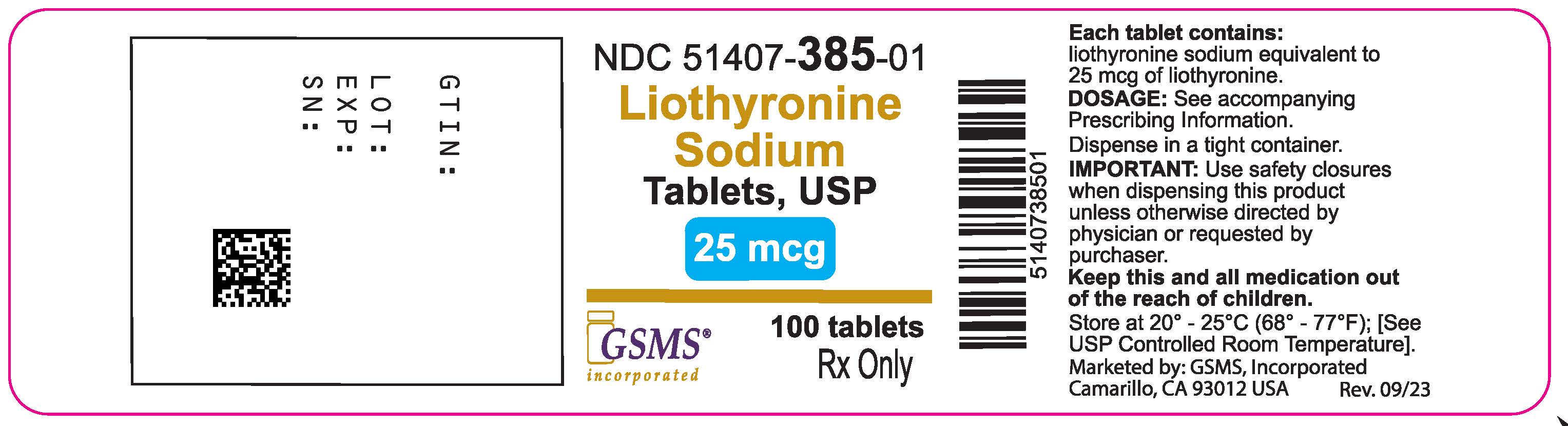
Liothyronine Sodium 25 ug Tablet, 100-count
🆔 Identity & classification
Where does this data come from?
🏭 Manufacturer & labeler
Where does this data come from?
🩺 Clinical
Liothyronine is used to treat hypothyroidism (a condition where the thyroid gland does not produce enough thyroid hormone). Liothyronine is also used to treat a goiter (an enlarged thyroid gland) and to test for hyperthyroidism (a condition where the thyroid gland produces too much thyroid hormone). Liothyronine is in a class of medications called thyroid agents. It works by supplying the thyroid hormones normally produced by the body. Currently, there is not enough evidence from clinical studies to support the use of liothyronine, alone or in combination with other medications, as the first c...
Read the full MedlinePlus article ↗- Both are thyroid hormone replacements, but they're not the same thing. Levothyroxine is T4, a hormone your body has to convert into the active form (T3) before it can be used. Liot...
- What exactly is liothyronine, and how is it different from levothyroxine?
- No — and this is actually a boxed warning on the label. If your thyroid levels are already normal, liothyronine won't meaningfully help you lose weight. Taking doses high enough to...
- I've heard people use thyroid hormone to lose weight. Is that safe?
Patient education
Supplement & herbal interactions
Where does this data come from?
Ask a licensed pharmacist directly — free, answered by our team.
💊 What it looks like
Where does this data come from?
🧪 Inactive Ingredients / Excipients
Inactive ingredients, also called excipients, are components of the drug product other than the active ingredient. They may include fillers, dyes, coatings, preservatives, flavors, or other formulation ingredients.
💡 Tap an ingredient (hover on desktop) to see what it is and why it’s used.
-
UNII WAT0DDB505
Calcium sulfate is a mineral compound used as a filler and binder in tablets and capsules. It helps give the medicine its solid structure and ensures consistent dosing.
-
UNII 3NXW29V3WO
Hypromellose is a plant-based thickener made from cellulose. It's used in medicines as a binder to hold ingredients together, a coating for tablets, and a thickener for liquids.
-
UNII OP1R32D61U
Microcrystalline cellulose is a purified form of cellulose, a natural fiber from plant sources. It acts as a binder and filler in tablets and capsules, helping hold ingredients together and give the medicine its shape and size.
-
UNII ETJ7Z6XBU4
Silicon dioxide is a naturally occurring mineral used as a glidant and anti-caking agent. It helps powder ingredients flow smoothly and prevents clumping during manufacturing and storage.
-
UNII 7SEV7J4R1U
A powder made from a naturally occurring mineral. In medicines, talc works as a glidant and anti-caking agent, helping tablets and capsules flow smoothly during manufacturing and preventing clumping.
5 inactive ingredients listed in the exact product block matched to this NDC.
Where does this data come from?
ingredient classCode="IACT" elements from the exact product block matched by this NDC. Label-section narrative from DailyMed / the openFDA label index is shown separately when available.Inactive ingredient FAQ
Are inactive ingredients the same for every manufacturer?
Why might an inactive ingredient be missing?
Can inactive ingredients matter?
💲 Pricing
A drug doesn't have one price. Each row is a different public payment system, and none is what you'd pay at the counter — that depends on your insurance. The ⓘ on each row explains what it measures.
| Price system | Per each | Per package |
|---|---|---|
| Retail pharmacies payNADAC · weekly | Not in the retail survey — common for institutional, discontinued, or low-volume packs. | |
| Medicaid paysCMS SDUD · 12 mo | No recent Medicaid claims on file for this NDC — rare and low-volume NDCs are suppressed in the public data. | |
| Medicare drug plans payPart D · quarterly | No Part D plan price is available for this NDC in our data. | |
Where does this data come from?
🔁 Therapeutic equivalents
| Product | Labeler | Pack | NADAC/unit | TE | Status | Price vs. this |
|---|---|---|---|---|---|---|
| Liothyronine Sodium 25 ug 00093-2178-01 | Teva | 100 tablets | $0.322 | AB | Availability likely | — |
| Liothyronine sodium 25 ug 16714-0167-01 | Northstar | 100 tablets | $0.322 | AB | Availability likely | — |
| Liothyronine Sodium 25 ug 42794-0019-02 | SIGMAPHARM | 100 tablets | $0.322 | AB | Availability likely | — |
| Liothyronine Sodium 25 ug 59762-1207-01 | Mylan | 100 tablets | $0.322 | AB | Availability likely | — |
| Liothyronine sodium 25 ug 68382-0583-01 | Zydus | 100 tablets | $0.322 | AB | Availability likely | — |
| Liothyronine Sodium 25 ug 75907-0001-01 | Dr. | 100 tablets | $0.322 | AB | Availability likely | — |
| Cytomel 25 ug 60793-0116-01 | Pfizer | 100 tablets | $0.532 | AB | Availability likely | — |
| Liomny 25 ug 42794-0132-02 | SIGMAPHARM | 100 tablets | — | AB | FDA listed | — |
| Liothyronine Sodium 25 ug 43063-0884-30 | PD-Rx | 30 tablets | — | AB | FDA listed | — |
| liothyronine sodium 25 ug 62756-0590-08 | Sun | 100 tablets | — | AB | FDA listed | — |
| Liothyronine sodium 25 ug 70377-0115-11 | Biocon | 90 tablets | — | AB | FDA listed | — |
| Liothyronine sodium 25 ug 70771-1607-00 | Zydus | 1000 tablets | — | AB | FDA listed | — |
| Liothyronine Sodium 25 ug 71335-0166-01 | Bryant | 30 tablets | — | AB | Discontinued | — |
| Liothyronine sodium 25 ug 71335-1943-01 | Bryant | 30 tablets | — | AB | FDA listed | — |
| Liothyronine Sodium 25 ug 87063-0081-00 | ASCLEMED | 1000 tablets | — | AB | FDA listed | — |
| Liothyronine Sodium 25 ugthis 51407-0385-01 | Golden | 100 tablets | — | AB | Discontinued | — |
Where does this data come from?
⏳ Availability & generic status
This product is an FDA-approved generic. Other versions of the same drug are listed under Therapeutic equivalents, least expensive first.
Where does this data come from?
📊 Medicare Part D spend CMS · PART D · 2026 (Q1)
📦 Packaging — all sizes for this product
| Package NDC | Description | Marketing start | Status |
|---|---|---|---|
| 51407-0385-01 You're viewing this | 100 TABLET in 1 BOTTLE, PLASTIC (51407-385-01) | 2020-07-30 | Discontinued by firm |
🧭 About this NDC listing & data coverage
What data is (and isn’t) available for this NDC — tap to expand
| NDC identity (package / product / labeler codes) | ✓ Available |
| Labeler | ✓ Available |
| Product & package description | ✓ Available |
| Marketing category & status | ✓ Available |
| Active ingredient / dosage form / route | ✓ Available |
| FDA label (SPL via DailyMed) | ✓ Available |
| Package photos | ✓ Available |
| Inactive ingredients (structured) | ✓ Available |
| NADAC pharmacy acquisition price (CMS) | — Not published for this NDC CMS publishes NADAC only for NDCs reported in its retail-pharmacy survey. |
| Orange Book / therapeutic-equivalence data | ✓ Available |
| HCPCS J-code billing crosswalk | — Not published for this NDC Most self-administered / retail products have no J-code — that is normal. |
| Medicaid utilization (CMS SDUD) | — Not published for this NDC CMS reports utilization only for NDCs with Medicaid claims above its privacy threshold. |
Questions about this listing
Why is there no price listed?
What does the discontinued status mean for this NDC?
Is the NDC printed on the package the same as the 11-digit billing NDC?
What do the three segments of this NDC mean?
Who lists this product with the FDA?
Do I need a prescription for this product?
Where does this data come from?
📄 Full prescribing information FDA SPL
🚨 Boxed Warning ▾
WARNING: NOT FOR TREATMENT OF OBESITY OR FOR WEIGHT LOSS Thyroid hormones, including liothyronine sodium tablets, either alone or with other therapeutic agents, should not be used for the treatment of obesity or for weight loss. In euthyroid patients, doses within the range of daily hormonal requirements are ineffective for weight reduction. Larger doses may produce serious or even life-threatening manifestations of toxicity, particularly when given in association with sympathomimetic amines such as those used for their anorectic effects [see Adverse Reactions (6) , Drug Interactions (7.7) , and Overdosage (10) ] .
WARNING: NOT FOR TREATMENT OF OBESITY OR FOR WEIGHT LOSS See full prescribing information for complete boxed warning. Thyroid hormones, including liothyronine sodium tablets, should not be used for the treatment of obesity or for weight loss. Doses beyond the range of daily hormonal requirements may produce serious or even life-threatening manifestations of toxicity ( 6 , 7.7 , 10 ).
🎯 Indications and Usage ▾
1 INDICATIONS AND USAGE Liothyronine sodium tablets are an L-triiodothyronine (T3) indicated for: Hypothyroidism: As replacement in primary (thyroidal), secondary (pituitary), and tertiary (hypothalamic) congenital or acquired hypothyroidism ( 1.1 ) Pituitary Thyrotropin (Thyroid-Stimulating Hormone, TSH) Suppression: As an adjunct to surgery and radioiodine therapy in the management of well-differentiated thyroid cancer ( 1.2 ) Thyroid Suppression Test: As a diagnostic agent in suppression tests to differentiate suspected mild hyperthyroidism or thyroid gland autonomy ( 1.3 ) Limitations of Use : - Not indicated for suppression of benign thyroid nodules and nontoxic diffuse goiter in iodine-sufficient patients.
( 1 ) - Not indicated for treatment of hypothyroidism during the recovery phase of subacute thyroiditis. ( 1 )
1.1Hypothyroidism Liothyronine sodium tablets are indicated as a replacement therapy in primary (thyroidal), secondary (pituitary), and tertiary (hypothalamic) congenital or acquired hypothyroidism.
1.2Pituitary Thyrotropin (Thyroid-Stimulating Hormone, TSH) Suppression Liothyronine sodium tablets are indicated as an adjunct to surgery and radioiodine therapy in the management of well-differentiated thyroid cancer .
1.3Thyroid Suppression Test Liothyronine sodium tablets are indicated as a diagnostic agent in suppression tests to differentiate suspected mild hyperthyroidism or thyroid gland autonomy. Limitations of Use Liothyronine sodium tablets are not indicated for suppression of benign thyroid nodules and nontoxic diffuse goiter in iodine-sufficient patients as there are no clinical benefits and overtreatment with liothyronine sodium tablets may induce hyperthyroidism [see Warnings and Precautions (5.4) ] . Liothyronine sodium tablets are not indicated for treatment of hypothyroidism during the recovery phase of subacute thyroiditis.
⏱️ Dosage and Administration ▾
2 DOSAGE AND ADMINISTRATION Administer liothyronine sodium tablets orally once daily and individual dosage according to patient response and laboratory findings ( 2.1 ) See full prescribing information for recommended dosage for hypothyroidism ( 2.2 ) TSH suppression in well-differentiated thyroid cancer ( 2.3 ) and for thyroid suppression test ( 2.4 ) When switching a patient to liothyronine sodium tablets, discontinue levothyroxine therapy and initiate liothyronine sodium tablets at a low dosage. Gradually increase the dose according to the patient's response ( 2.5 ) Adequacy of therapy determined with periodic monitoring of TSH and T3 levels as well as clinical status ( 2.6 )
2.1General Principles of Dosing The dose of liothyronine sodium tablets for hypothyroidism or pituitary Thyroid-Stimulating Hormone (TSH) suppression depends on a variety of factors including: the patient's age, body weight, cardiovascular status, concomitant medical conditions (including pregnancy), concomitant medications, co-administered food and the specific nature of the condition being treated [see Dosage and Administration (2.2 , 2.3 , 2.4) , Warnings and Precautions (5) , and Drug Interactions (7) ] . Dosing must be individualized to account for these factors and dose adjustments made based on periodic assessment of the patient's clinical response and laboratory parameters [see Dosage and Administration (2.4) ] .
Administer liothyronine sodium tablets orally once daily.
2.2Recommended Dosage for Hypothyroidism Adults The recommended starting dosage is 25 mcg orally once daily. Increase the dose by 25 mcg daily every 1 or 2 weeks, if needed. The usual maintenance dose is 25 mcg to 75 mcg once daily.
For elderly patients or patients with underlying cardiac disease, start with liothyronine sodium tablets 5 mcg once daily and increase by 5 mcg increments at the recommended intervals. Serum TSH is not a reliable measure of liothyronine sodium tablets dose adequacy in patients with secondary or tertiary hypothyroidism and should not be used to monitor therapy. Use the serum T3 level to monitor adequacy of therapy in this patient population.
Pediatric Patients The recommended starting dosage is 5 mcg once daily, with a 5 mcg increase every 3 to 4 days until the desired response is achieved. Infants a few months old may require 20 mcg once daily for maintenance. At 1 year of age, 50 mcg once daily may be required.
Above 3 years of age, the full adult dosage may be necessary [see Use in Specific Populations (8.4) ]. Newborns (0 to 3 months) at Risk for Cardiac Failure: Consider a lower starting dose in infants at risk for cardiac failure. Increase the dose as needed based on clinical and laboratory response.
Pediatric Patients at Risk for Hyperactivity To minimize the risk of hyperactivity in pediatric patients, start at one-fourth the recommended full replacement dose, and increase on a weekly basis by one-fourth the full recommended replacement dose until the full recommended replacement dose is reached. Pregnancy Pre-existing Hypothyroidism: Thyroid hormone dose requirements may increase during pregnancy. Measure serum TSH and free-T4 as soon as pregnancy is confirmed and, at minimum, during each trimester of pregnancy.
In patients with primary hypothyroidism, maintain serum TSH in the trimester-specific reference range. For patients with serum TSH above the normal trimester-specific range, increase the dose of thyroid hormone and measure TSH every 4 weeks until a stable dose is reached and serum TSH is within the normal trimester-specific range. Reduce thyroid hormone dosage to pre-pregnancy levels immediately after delivery and measure serum TSH levels 4 to 8 weeks postpartum to ensure thyroid hormone dose is appropriate.
2.3Recommended Dosage for TSH Suppression in Well-Differentiated Thyroid Cancer The dose of liothyronine sodium tablets should target TSH levels within the desired therapeutic range. This may require higher doses, depending on…
💊 Dosage Forms and Strengths ▾
3 DOSAGE FORMS AND STRENGTHS Tablets (round, flat, white to off-white) available as follows: 5 mcg: debossed "5" over "220" on one side and plain on the other 25 mcg: debossed "25" above the score and "222" below the score on one side and plain on the other 50 mcg: debossed "50" above the score and "223" below the score on one side and plain on the other Tablets: 5 mcg, 25 mcg, 50 mcg ( 3 )
⛔ Contraindications ▾
4 CONTRAINDICATIONS Liothyronine sodium tablets are contraindicated in patients with uncorrected adrenal insufficiency [see Warnings and Precautions (5.3) ] . Uncorrected adrenal cortical insufficiency ( 4 )
⚠️ Warnings and Cautions ▾
5 WARNINGS AND PRECAUTIONS Cardiac adverse reactions in the elderly and in patients with underlying cardiovascular disease: Initiate liothyronine sodium tablets at less than the full replacement dose because of the increased risk of cardiac adverse reactions, including atrial fibrillation ( 2.3 , 5.1 , 8.5 ) Myxedema coma: Do not use oral thyroid hormone drug products to treat myxedema coma. ( 5.2 ) Acute adrenal crisis in patients with concomitant adrenal insufficiency: Treat with replacement glucocorticoids prior to initiation of liothyronine sodium tablets treatment ( 5.3 ) Prevention of hyperthyroidism or incomplete treatment of hypothyroidism: Proper dose titration and careful monitoring is critical to prevent the persistence of hypothyroidism or the development of hyperthyroidism.
( 5.4 ) Worsening of diabetic control: Therapy in patients with diabetes mellitus may worsen glycemic control and result in increased antidiabetic agent or insulin requirements. Carefully monitor glycemic control after starting, changing, or discontinuing thyroid hormone therapy ( 5.5 ) Decreased bone mineral density associated with thyroid hormone over-replacement: Over-replacement can increase bone resorption and decrease bone mineral density. Give the lowest effective dose ( 5.6 )
5.1Cardiac Adverse Reactions in the Elderly and in Patients with Underlying Cardiovascular Disease Overtreatment with thyroid hormone may cause an increase in heart rate, cardiac wall thickness, and cardiac contractility and may precipitate angina or arrhythmias, particularly in patients with cardiovascular disease and in elderly patients. Initiate liothyronine sodium tablets therapy in this population at lower doses than those recommended in younger individuals or in patients without cardiac disease [see Dosage and Administration (2.3) and Use in Specific Populations (8.5) ].
Monitor for cardiac arrhythmias during surgical procedures in patients with coronary artery disease receiving suppressive liothyronine sodium tablets therapy. Monitor patients receiving concomitant liothyronine sodium tablets and sympathomimetic agents for signs and symptoms of coronary insufficiency. If cardiovascular symptoms develop or worsen, reduce or withhold the liothyronine sodium tablets dose for one week and restart at a lower dose.
5.2Myxedema Coma Myxedema coma is a life-threatening emergency characterized by poor circulation and hypometabolism, and may result in unpredictable absorption of thyroid hormone from the gastrointestinal tract. Use of oral thyroid hormone drug products is not recommended to treat myxedema coma. Administer thyroid hormone products formulated for intravenous administration to treat myxedema coma.
5.3Acute Adrenal Crisis in Patients with Concomitant Adrenal Insufficiency Thyroid hormone increases metabolic clearance of glucocorticoids. Initiation of thyroid hormone therapy prior to initiating glucocorticoid therapy may precipitate an acute adrenal crisis in patients with adrenal insufficiency. Treat patients with adrenal insufficiency with replacement glucocorticoids prior to initiating treatment with liothyronine sodium tablets [see Contraindications (4) ].
5.4Prevention of Hyperthyroidism or Incomplete Treatment of Hypothyroidism Liothyronine sodium tablets has a narrow therapeutic index. Over- or undertreatment with liothyronine sodium tablets may have negative effects on growth and development, cardiovascular function, bone metabolism, reproductive function, cognitive function, emotional state, gastrointestinal function, and on glucose and lipid metabolism. Titrate the dose of liothyronine sodium tablets carefully and monitor response to titration to avoid these effects [see Dosage and Administration (2.4) ].
Monitor for the presence of drug or food interactions when using liothyronine sodium tablets and adjust the dose as necessary [see Drug Interactions (7) and Clinical Pharmacology (12.3) ].
5.5 Worsening of Diabetic Control Addition of thyroid…
🤒 Adverse Reactions ▾
6 ADVERSE REACTIONS Adverse reactions associated with liothyronine sodium tablets therapy are primarily those of hyperthyroidism due to therapeutic overdosage [see Warnings and Precautions (5.4) and Overdosage (10) ] . They include the following: General : fatigue, increased appetite, weight loss, heat intolerance, fever, excessive sweating Central nervous system : headache, hyperactivity, nervousness, anxiety, irritability, emotional lability, insomnia Musculoskeletal : tremors, muscle weakness and cramps Cardiovascular : palpitations, tachycardia, arrhythmias, increased pulse and blood pressure, heart failure, angina, myocardial infarction, cardiac arrest Respiratory : dyspnea Gastrointestinal : diarrhea, vomiting, abdominal cramps, elevations in liver function tests Dermatologic : hair loss, flushing Endocrine : decreased bone mineral density Reproductive : menstrual irregularities, impaired fertility Most common adverse reactions for liothyronine sodium tablets are primarily those of hyperthyroidism due to therapeutic overdosage: arrhythmias, myocardial infarction, dyspnea, headache, nervousness, irritability, insomnia, tremors, muscle weakness, increased appetite, weight loss, diarrhea, heat intolerance, menstrual irregularities, and skin rash ( 6) To report SUSPECTED ADVERSE REACTIONS, contact Mayne Pharma at 1-844-825-8500 or FDA at 1-800-FDA-1088 or www.fda.gov/medwatch.
Adverse Reactions in Pediatric Patients Pseudotumor cerebri and slipped capital femoral epiphysis have been reported in pediatric patients receiving thyroid replacement therapy. Overtreatment may result in craniosynostosis in infants and premature closure of the epiphyses in pediatric patients with resultant compromised adult height. Hypersensitivity Reactions Hypersensitivity reactions to inactive ingredients have occurred in patients treated with thyroid hormone products.
These include urticaria, pruritus, skin rash, flushing, angioedema, various gastrointestinal symptoms (abdominal pain, nausea, vomiting and diarrhea), fever, arthralgia, serum sickness and wheezing.
🔄 Drug Interactions ▾
7 DRUG INTERACTIONS See full prescribing information for drugs that affect thyroid hormone pharmacokinetics and metabolism (e.g., absorption, synthesis, secretion, catabolism, protein binding, and target tissue response) and may alter the therapeutic response to liothyronine sodium tablets ( 7 )
7.1Drugs Known to Affect Thyroid Hormone Pharmacokinetics Many drugs can exert effects on thyroid hormone pharmacokinetics (e.g. absorption, synthesis, secretion, catabolism, protein binding, and target tissue response) and may alter the therapeutic response to liothyronine sodium tablets (see Tables 1 – 4). Table 1: Drugs That May Decrease T3 Absorption (Hypothyroidism) Potential impact: Concurrent use may reduce the efficacy of liothyronine sodium tablets by binding and delaying or preventing absorption, potentially resulting in hypothyroidism.
Drug or Drug Class Effect Bile Acid Sequestrants -Colesevelam -Cholestyramine -Colestipol Ion Exchange Resins -Kayexalate -Sevelamer Bile acid sequestrants and ion exchange resins are known to decrease thyroid hormones absorption. Administer liothyronine sodium tablets at least 4 hours prior to these drugs or monitor thyrotropin-stimulating hormone (TSH) levels. Table 2: Drugs That May Alter Triiodothyronine (T3) Serum Transport Without Affecting Free Thyroxine (FT4) Concentration (Euthyroidism) Drug or Drug Class Effect Clofibrate Estrogen-containing oral contraceptives Estrogens (oral) Heroin / Methadone 5-Fluorouracil Mitotane Tamoxifen These drugs may increase serum thyroxine-binding globulin (TBG) concentration.
Androgens / Anabolic Steroids Asparaginase Glucocorticoids Slow-Release Nicotinic Acid These drugs may decrease serum TBG concentration. Salicylates (>2 g/day) Salicylates inhibit binding of T4 and T3 to TBG and transthyretin. An initial increase in serum FT4 is followed by return of FT4 to normal levels with sustained therapeutic serum salicylate concentrations, although total T4 levels may decrease by as much as 30%.
Other drugs: Carbamazepine Furosemide (>80 mg IV) Heparin Hydantoins Non-Steroidal Anti-inflammatory Drugs - Fenamates These drugs may cause protein binding site displacement. Furosemide has been shown to inhibit the protein binding of T4 to TBG and albumin, causing an increased free-T4 fraction in serum. Furosemide competes for T4-binding sites on TBG, prealbumin, and albumin, so that a single high dose can acutely lower the total T4 level.
Phenytoin and carbamazepine reduce serum protein binding of thyroid hormones, and total and FT4 may be reduced by 20% to 40%, but most patients have normal serum TSH levels and are clinically euthyroid. Closely monitor thyroid hormone parameters. Table 3: Drugs That May Alter Hepatic Metabolism of Thyroid hormones Potential impact: Stimulation of hepatic microsomal drug-metabolizing enzyme activity may cause increased hepatic degradation of thyroid hormones, resulting in increased liothyronine sodium tablets requirements.
Drug or Drug Class Effect Phenobarbital Rifampin Phenobarbital has been shown to reduce the response to thyroxine. Phenobarbital increases L-thyroxine metabolism by inducing uridine 5'-diphospho-glucuronosyltransferase (UGT) and leads to a lower T4 serum levels. Changes in thyroid status may occur if barbiturates are added or withdrawn from patients being treated for hypothyroidism.
Rifampin has been shown to accelerate the metabolism of thyroid hormones. Table 4: Drugs That May Decrease Conversion of T4 to T3 Potential impact: Administration of these enzyme inhibitors decreases the peripheral conversion of T4 to T3, leading to decreased T3 levels. However, serum T4 levels are usually normal but may occasionally be slightly increased.
Drug or Drug Class Effect Beta-adrenergic antagonists (e.g., Propranolol >160 mg/day) In patients treated with large doses of propranolol (>160 mg/day), T3 and T4 levels change, TSH levels remain normal, and patients are clinically euthyroid. Actions of particular beta-adrenergic…
👥 Use in Specific Populations ▾
8 USE IN SPECIFIC POPULATIONS Pregnancy may require the use of higher doses of thyroid hormone ( 2.2 , 8.1 )
8.1Pregnancy Risk Summary Experience with liothyronine use in pregnant women, including data from post-marketing studies, have not reported increased rates of major birth defects or miscarriages (see Data ). There are risks to the mother and fetus associated with untreated hypothyroidism in pregnancy. Since TSH levels may increase during pregnancy, TSH should be monitored and liothyronine sodium tablets dosage adjusted during pregnancy (see Clinical Considerations ) .
There are no animal studies conducted with liothyronine during pregnancy. Liothyronine sodium tablets should not be discontinued during pregnancy and hypothyroidism diagnosed during pregnancy should be promptly treated. The estimated background risk of major birth defects and miscarriage for the indicated population is unknown.
In the U.S. general population, the estimated background risk of major birth defects and miscarriage in clinically recognized pregnancies is 2 to 4% and 15 to 20%, respectively. Clinical Considerations Disease-associated maternal and/or embryo/fetal risk Maternal hypothyroidism during pregnancy is associated with a higher rate of complications, including spontaneous abortion, gestational hypertension, pre-eclampsia, stillbirth, and premature delivery. Untreated maternal hypothyroidism may have an adverse effect on fetal neurocognitive development.
Dose adjustments during pregnancy and the postpartum period Pregnancy may increase liothyronine sodium tablets requirements. Serum TSH levels should be monitored and the liothyronine sodium tablets dosage adjusted during pregnancy. Since postpartum TSH levels are similar to preconception values, the liothyronine sodium tablets dosage should return to the pre-pregnancy dose immediately after delivery [see Dosage and Administration (2.3) ].
Data Human Data Liothyronine is approved for use as a replacement therapy for hypothyroidism. Data from post-marketing studies have not reported increased rates of fetal malformations, miscarriages, or other adverse maternal or fetal outcomes associated with liothyronine use in pregnant women.
8.2Lactation Risk Summary Limited published studies report that liothyronine is present in human milk. However, there is insufficient information to determine the effects of liothyronine on the breastfed infant and no available information on the effects of liothyronine on milk production. The developmental and health benefits of breastfeeding should be considered along with the mother's clinical need for liothyronine sodium tablets and any potential adverse effects on the breastfed infant from liothyronine sodium tablets or from the underlying maternal condition.
8.4Pediatric Use The initial dose of liothyronine sodium tablets varies with age and body weight. Dosing adjustments are based on an assessment of the individual patient's clinical and laboratory parameters [see Dosage and Administration (2.3 , 2.4) ] . In pediatric patients in whom a diagnosis of permanent hypothyroidism has not been established, discontinue thyroid hormone for a trial period, but only after the child is at least 3 years of age.
Obtain serum TSH, T4, and T3 levels at the end of the trial period, and use laboratory test results and clinical assessments to guide diagnosis and treatment, if warranted [see Dosage and Administration (2.6) ]. Congenital Hypothyroidism [see Dosage and Administration (2.2 , 2.6) ] Rapid restoration of normal serum T4 concentrations is essential for preventing the adverse effects of congenital hypothyroidism on intellectual development as well as on overall physical growth and maturation. Therefore, initiate thyroid hormone immediately upon diagnosis.
Thyroid hormone is generally continued for life in these patients. Closely monitor infants during the first 2 weeks of thyroid hormone therapy for cardiac overload, arrhythmias, and aspiration from avid suckling.…
🤰 Pregnancy ▾
8.1Pregnancy Risk Summary Experience with liothyronine use in pregnant women, including data from post-marketing studies, have not reported increased rates of major birth defects or miscarriages (see Data ). There are risks to the mother and fetus associated with untreated hypothyroidism in pregnancy. Since TSH levels may increase during pregnancy, TSH should be monitored and liothyronine sodium tablets dosage adjusted during pregnancy (see Clinical Considerations ) .
There are no animal studies conducted with liothyronine during pregnancy. Liothyronine sodium tablets should not be discontinued during pregnancy and hypothyroidism diagnosed during pregnancy should be promptly treated. The estimated background risk of major birth defects and miscarriage for the indicated population is unknown.
In the U.S. general population, the estimated background risk of major birth defects and miscarriage in clinically recognized pregnancies is 2 to 4% and 15 to 20%, respectively. Clinical Considerations Disease-associated maternal and/or embryo/fetal risk Maternal hypothyroidism during pregnancy is associated with a higher rate of complications, including spontaneous abortion, gestational hypertension, pre-eclampsia, stillbirth, and premature delivery. Untreated maternal hypothyroidism may have an adverse effect on fetal neurocognitive development.
Dose adjustments during pregnancy and the postpartum period Pregnancy may increase liothyronine sodium tablets requirements. Serum TSH levels should be monitored and the liothyronine sodium tablets dosage adjusted during pregnancy. Since postpartum TSH levels are similar to preconception values, the liothyronine sodium tablets dosage should return to the pre-pregnancy dose immediately after delivery [see Dosage and Administration (2.3) ].
Data Human Data Liothyronine is approved for use as a replacement therapy for hypothyroidism. Data from post-marketing studies have not reported increased rates of fetal malformations, miscarriages, or other adverse maternal or fetal outcomes associated with liothyronine use in pregnant women.
🧒 Pediatric Use ▾
8.4Pediatric Use The initial dose of liothyronine sodium tablets varies with age and body weight. Dosing adjustments are based on an assessment of the individual patient's clinical and laboratory parameters [see Dosage and Administration (2.3 , 2.4) ] . In pediatric patients in whom a diagnosis of permanent hypothyroidism has not been established, discontinue thyroid hormone for a trial period, but only after the child is at least 3 years of age.
Obtain serum TSH, T4, and T3 levels at the end of the trial period, and use laboratory test results and clinical assessments to guide diagnosis and treatment, if warranted [see Dosage and Administration (2.6) ]. Congenital Hypothyroidism [see Dosage and Administration (2.2 , 2.6) ] Rapid restoration of normal serum T4 concentrations is essential for preventing the adverse effects of congenital hypothyroidism on intellectual development as well as on overall physical growth and maturation. Therefore, initiate thyroid hormone immediately upon diagnosis.
Thyroid hormone is generally continued for life in these patients. Closely monitor infants during the first 2 weeks of thyroid hormone therapy for cardiac overload, arrhythmias, and aspiration from avid suckling. Closely monitor patients to avoid undertreatment or overtreatment.
Undertreatment may have deleterious effects on intellectual development and linear growth. Overtreatment is associated with craniosynostosis in infants, may adversely affect the tempo of brain maturation, and may accelerate the bone age and result in premature epiphyseal closure and compromised adult stature [see Dosage and Administration (2.6) and Adverse Reactions (6) ] . Acquired Hypothyroidism in Pediatric Patients Closely monitor patients to avoid undertreatment and overtreatment.
Undertreatment may result in poor school performance due to impaired concentration and slowed mentation and in reduced adult height. Overtreatment may accelerate the bone age and result in premature epiphyseal closure and compromised adult stature. Treated children may manifest a period of catch-up growth, which may be adequate in some cases to normalize adult height.
In children with severe or prolonged hypothyroidism, catch-up growth may not be adequate to normalize adult height [see Adverse Reactions (6) ] .
🧓 Geriatric Use ▾
8.5Geriatric Use Because of the increased prevalence of cardiovascular disease among the elderly, initiate liothyronine sodium tablets at less than the full replacement dose [see Dosage and Administration (2.3) and Warnings and Precautions (5.1) ] . Atrial arrhythmias can occur in elderly patients. Atrial fibrillation is the most common of the arrhythmias observed with thyroid hormone overtreatment in the elderly.
🆘 Overdosage ▾
10 OVERDOSAGE The signs and symptoms of overdosage are those of hyperthyroidism [see Warnings and Precautions (5.4) and Adverse Reactions (6) ] . In addition, confusion and disorientation may occur. Cerebral embolism, seizure, shock, coma, and death have been reported.
Symptoms may not necessarily be evident or may not appear until several days after ingestion. Reduce the liothyronine sodium tablets dose or temporarily discontinued if signs or symptoms of overdosage occur. Initiate appropriate supportive treatment as dictated by the patient's medical status.
For current information on the management of poisoning or overdosage, contact the National Poison Control Center at 1-800-222-1222 or www.poison.org .
🧬 Clinical Pharmacology ▾
12 CLINICAL PHARMACOLOGY
12.1Mechanism of Action Thyroid hormones exert their physiologic actions through control of DNA transcription and protein synthesis. Triiodothyronine (T3) and L-thyroxine (T4) diffuse into the cell nucleus and bind to thyroid receptor proteins attached to DNA. This hormone nuclear receptor complex activates gene transcription and synthesis of messenger RNA and cytoplasmic proteins.
The physiological actions of thyroid hormones are produced predominantly by T3, the majority of which (approximately 80%) is derived from T4 by deiodination in peripheral tissues.
12.2Pharmacodynamics The onset of activity of liothyronine sodium occurs within a few hours. Maximum pharmacologic response occurs within 2 or 3 days.
12.3Pharmacokinetics Absorption T3 is almost totally absorbed, 95 percent in 4 hours. The hormones contained in the natural preparations are absorbed in a manner similar to the synthetic hormones. Distribution Liothyronine sodium (T3) is not firmly bound to serum protein.
The higher affinity of levothyroxine (T4) for both thyroid-binding globulin and thyroid-binding prealbumin as compared to triiodothyronine (T3) partially explains the higher serum levels and longer half-life of the former hormone. Both protein-bound hormones exist in reverse equilibrium with minute amounts of free hormone, the latter accounting for the metabolic activity. Elimination Metabolism The major pathway of thyroid hormone metabolism is through sequential deiodination.
Approximately 80% of circulating T3 is derived from peripheral T4 by monodeiodination. The liver is the major site of degradation for both T4 and T3. T3 is further deiodinated to diiodothyronine.
Thyroid hormones are also metabolized via conjugation with glucuronides and sulfates and excreted directly into the bile and gut where they undergo enterohepatic recirculation. Excretion Thyroid hormones are primarily eliminated by the kidneys. A portion of the conjugated hormone reaches the colon unchanged and is eliminated in the feces.
The biological half-life is about 2-1/2 days.
🧬 Mechanism of Action ▾
12.1Mechanism of Action Thyroid hormones exert their physiologic actions through control of DNA transcription and protein synthesis. Triiodothyronine (T3) and L-thyroxine (T4) diffuse into the cell nucleus and bind to thyroid receptor proteins attached to DNA. This hormone nuclear receptor complex activates gene transcription and synthesis of messenger RNA and cytoplasmic proteins.
The physiological actions of thyroid hormones are produced predominantly by T3, the majority of which (approximately 80%) is derived from T4 by deiodination in peripheral tissues.
📦 How Supplied / Storage and Handling ▾
16 HOW SUPPLIED/STORAGE AND HANDLING Liothyronine sodium tablets, USP (round, flat, white to off-white) are supplied as follows: Strength Tablet Markings NDC – bottles of 100 5 mcg debossed "5" over "220" on one side and plain on the other 51407-384-01 25 mcg debossed "25" above the score and "222" below the score on one side and plain on the other 51407-385-01 50 mcg debossed "50" above the score and "223" below the score on one side and plain on the other 51407-386-01 Store at 20°C to 25°C (68°F to 77°F) [see USP Controlled Room Temperature]
📦 Storage and Handling ▾
Store at 20°C to 25°C (68°F to 77°F) [see USP Controlled Room Temperature]
📋 Description ▾
11 DESCRIPTION Liothyronine sodium tablets contain the active ingredient, liothyronine (L-triiodothyronine or LT 3 ), a synthetic form of a thyroid hormone liothyronine in sodium salt form. It is chemically designated as L-Tyrosine, O -(4-hydroxy-3-iodophenyl)-3,5-diiodo-, monosodium salt. The molecular formula, molecular weight and structural formula of liothyronine sodium are given below.
Liothyronine sodium tablets contain liothyronine sodium equivalent to liothyronine in 5 mcg, 25 mcg, and 50 mcg. Inactive ingredients consist of calcium sulfate, microcrystalline cellulose, hypromellose, talc, and colloidal silicon dioxide. Chemical Structure
💬 Information for Patients ▾
17 PATIENT COUNSELING INFORMATION Dosing and Administration Instruct patients that liothyronine sodium tablets should only be taken as directed by their healthcare provider. Instruct patients to notify their healthcare provider should they become pregnant or breastfeeding or are thinking of becoming pregnant, while taking liothyronine sodium tablets. Important Information Inform patients that the liothyronine in liothyronine sodium tablets are intended to replace a hormone that is normally produced by the thyroid gland.
Generally replacement therapy is to be taken for life. Inform patients that liothyronine sodium tablets should not be used as a primary or adjunctive therapy in a weight control program. Instruct patients to notify their healthcare provider if they are taking any other medications, including prescription and over-the-counter preparations.
Instruct patients to notify their healthcare provider of any other medical conditions, particularly heart disease, diabetes, clotting disorders, and adrenal or pituitary gland problems, as the dose of medications used to control these other conditions may need to be adjusted while taking liothyronine sodium tablets. If patents are taking anticoagulants (blood thinners), their clotting status should be checked frequently. Instruct patients to notify their physician or dentist if they are taking liothyronine sodium tablets prior to any surgery.
Adverse Reactions Instruct patients to notify their healthcare provider if they experience any of the following symptoms: rapid or irregular heartbeat, chest pain, shortness of breath, leg cramps, headache, nervousness, irritability, sleeplessness, tremors, change in appetite, weight gain or loss, vomiting, diarrhea, excessive sweating, heat intolerance, fever, changes in menstrual periods, hives or skin rash, or any other unusual medical event [see Adverse Reactions (6) ] . Inform patients that partial hair loss may occur rarely during the first few months of liothyronine sodium tablets therapy; this is usually temporary [see Adverse Reactions (6) ] .