
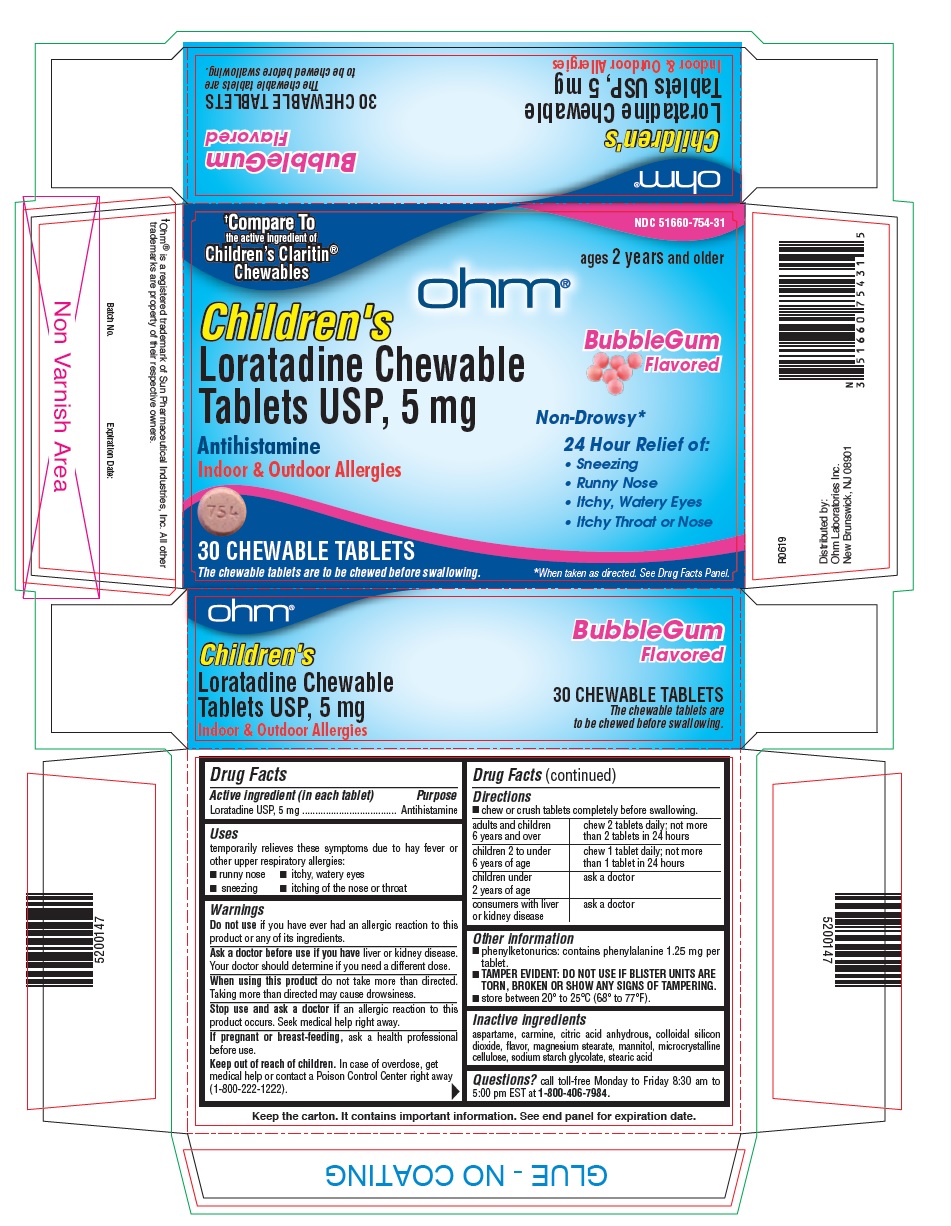
Childrens Loratadine 5 mg Tablet, Chewable
🆔 Identity & classification
Where does this data come from?
🏷️ RxNorm drug class
This medicine belongs to the Other antihistamines for systemic use class.
Where does this data come from?
🏭 Manufacturer & labeler
Where does this data come from?
🩺 Clinical
Loratadine is used to treat allergy symptoms: sneezing runny nose itching of the nose or throat red, itchy, or watery eyes Loratadine is in a class of medications called antihistamines. It works by blocking the action of histamine, a substance in the body that causes allergic symptoms.
Read the full MedlinePlus article ↗- Loratadine is an antihistamine that temporarily relieves common allergy symptoms — things like a runny nose, sneezing, itchy or watery eyes, and an itchy nose or throat. It works f...
- When taken as directed, loratadine is considered non-drowsy for most people. However, if you take more than the recommended daily amount, drowsiness can happen. So stick to the dos...
- It depends on the age. Children 6 and older can take standard adult doses of most forms. Children 2 to under 6 can use the oral solution or chewable tablets, but at a lower amount....
- You should check with your doctor before taking loratadine if you have liver or kidney disease. Your doctor may need to adjust your dose. It's not necessarily off-limits, but it's...
Patient education
Supplement & herbal interactions
Some supplements/herbs that may interact with Loratadine — tap one for details:
Where does this data come from?
Ask a licensed pharmacist directly — free, answered by our team.
💊 What it looks like
Where does this data come from?
🧪 Inactive Ingredients / Excipients
Inactive ingredients, also called excipients, are components of the drug product other than the active ingredient. They may include fillers, dyes, coatings, preservatives, flavors, or other formulation ingredients.
💡 Tap an ingredient (hover on desktop) to see what it is and why it’s used.
-
UNII XF417D3PSL
Anhydrous citric acid is a sour, crystalline powder derived from citric acid with water removed. In medicines, it acts as a buffer to control pH, adds tartness to improve taste, and helps tablets disintegrate.
-
UNII Z0H242BBR1
Aspartame is an artificial sweetener made from amino acids. It's added to medicines to improve taste, making bitter or unpleasant-tasting drugs easier to take.
-
UNII TZ8Z31B35M
Cochineal is a natural red colorant derived from insects, used to give medicines and supplements their red or pink appearance. It helps make tablets and capsules visually identifiable.
-
UNII 70097M6I30
Magnesium stearate is a salt made from magnesium and stearic acid, a fatty substance. It's used in tablets and capsules as a lubricant and glidant to help ingredients flow smoothly during manufacturing and prevent sticking.
-
UNII 3OWL53L36A
A natural sugar alcohol derived from seaweed or synthesized in the lab. It's used as a filler to add bulk, a sweetener in sugar-free formulas, and a disintegrant to help tablets break apart in the stomach.
-
UNII OP1R32D61U
Microcrystalline cellulose is a purified form of cellulose, a natural fiber from plant sources. It acts as a binder and filler in tablets and capsules, helping hold ingredients together and give the medicine its shape and size.
-
UNII ETJ7Z6XBU4
Silicon dioxide is a naturally occurring mineral used as a glidant and anti-caking agent. It helps powder ingredients flow smoothly and prevents clumping during manufacturing and storage.
-
UNII 5856J3G2A2
A starch-based powder made from potatoes and processed with sodium. It acts as a disintegrant, helping the tablet or capsule break apart quickly in the stomach so the medicine can be absorbed.
-
UNII 4ELV7Z65AP
Stearic acid is a fatty acid derived from plant or animal sources. It acts as a binder and lubricant in tablets and capsules, helping them hold together and flow smoothly during manufacturing.
9 inactive ingredients listed in the exact product block matched to this NDC.
Label-section wording can be broader than the structured product block and may mention additional formulation ingredients.
Where does this data come from?
ingredient classCode="IACT" elements from the exact product block matched by this NDC. Label-section narrative from DailyMed / the openFDA label index is shown separately when available.Inactive ingredient FAQ
Are inactive ingredients the same for every manufacturer?
Why might an inactive ingredient be missing?
Can inactive ingredients matter?
💲 Pricing
A drug doesn't have one price. Each row is a different public payment system, and none is what you'd pay at the counter — that depends on your insurance. The ⓘ on each row explains what it measures.
| Price system | Per ea | Per package |
|---|---|---|
| Retail pharmacies payNADAC · weekly | $0.511 | $15.34 / 30 tablets |
| Medicaid paysCMS SDUD · 12 mo | $0.6704 | $20.11 / 30 tablets |
| Medicare drug plans payPart D · quarterly | No Part D plan price is available for this NDC in our data. | |
Where does this data come from?
🔁 Therapeutic equivalents
| Product | Labeler | Pack | NADAC/unit | TE | Status | Price vs. this |
|---|---|---|---|---|---|---|
| Loratadine 5 mg 51660-0753-31 | Ohm | 10 tablets | $0.404 | — | FDA listed | save 21% |
| Childrens Loratadine 5 mgthis 51660-0754-31 | Ohm | 10 tablets | $0.511 | — | FDA listed | — |
| Dye-Free Childrens Loratadine 5 mg 51660-0112-31 | Ohm | 10 tablets | $0.523 | — | Availability likely | +2% |
| foster and thrive childrens allergy relief 5 mg 70677-1043-01 | Strategic | 1 tablet | $0.523 | — | Availability likely | +2% |
| good sense childrens allergy relief 5 mg 00113-1019-39 | L. | 1 tablet | — | — | Discontinued | — |
| Loratadine 5 mg 00363-0752-30 | WALGREEN | 10 tablets | — | — | FDA listed | — |
| Wal-itin 5 mg 00363-0754-30 | Walgreens | 10 tablets | — | — | FDA listed | — |
| Loratadine 5 mg 00363-9985-30 | WALGREENS | 10 tablets | — | — | FDA listed | — |
| Wal-itin 5 mg 00363-9995-30 | WALGREENS | 10 tablets | — | — | FDA listed | — |
| Claritin 5 mg 11523-0104-01 | Bayer | 10 tablets | — | — | FDA listed | — |
| Claritin Chewable Grape and Bubblegum 11523-0123-01 | Bayer | 1 kit | — | — | FDA listed | — |
| Claritin 5 mg 11523-4328-01 | Bayer | 10 tablets | — | — | FDA listed | — |
| Claritin 5 mg 11523-4330-01 | Bayer | 10 tablets | — | — | FDA listed | — |
| Claritin 5 mg 11523-4331-01 | Bayer | 10 tablets | — | — | FDA listed | — |
| Dye-Free Childrens Loratadine 5 mg 11673-0111-30 | UP | 10 tablets | — | — | FDA listed | — |
| Dye-Free Childrens Loratadine 5 mg 11673-0115-30 | UP | 10 tablets | — | — | FDA listed | — |
| Childrens Loratadine 5 mg 11673-0310-30 | TARGET | 10 tablets | — | — | FDA listed | — |
| Childrens Allergy 5 mg 11673-0996-30 | TARGET | 10 tablets | — | — | FDA listed | — |
| Childrens Loratadine 5 mg 11673-0997-30 | TARGET | 10 tablets | — | — | FDA listed | — |
| childrens allergy relief 5 mg 11822-0801-01 | Rite | 1 tablet | — | — | FDA listed | — |
| Loratadine 5 mg 11822-7240-00 | Rite | 30 tablets | — | — | FDA listed | — |
| Dye-Free Childrens Loratadine 5 mg 11822-8329-07 | RITE | 10 tablets | — | — | FDA listed | — |
| Dye-Free Childrens Loratadine 5 mg 11822-9999-03 | RITE | 10 tablets | — | — | FDA listed | — |
| Dye-Free Childrens Loratadine 5 mg 21130-0646-20 | SAFEWAY | 10 tablets | — | — | FDA listed | — |
| Childrens Loratadine 5 mg 21130-0963-20 | SAFEWAY | 10 tablets | — | — | FDA listed | — |
| Childrens Loratadine 5 mg 21130-0999-20 | SAFEWAY | 10 tablets | — | — | FDA listed | — |
| Loratadine 5 mg 30142-0565-30 | KROGER | 10 tablets | — | — | FDA listed | — |
| Loratadine 5 mg 30142-0984-30 | KROGER | 10 tablets | — | — | FDA listed | — |
| Loratadine 5 mg 30142-0996-30 | KROGER | 10 tablets | — | — | FDA listed | — |
| topcare childrens allergy relief 5 mg 36800-0363-39 | Topco | 1 tablet | — | — | FDA listed | — |
| Childrens Allergy Relief 5 mg 37808-0506-39 | H | 1 tablet | — | — | FDA listed | — |
| Equaline Childrens Allergy Relief 5 mg 41163-0364-01 | United | 1 tablet | — | — | FDA listed | — |
| childrens allergy relief 5 mg 41250-0629-39 | Meijer | 1 tablet | — | — | FDA listed | — |
| careone childrens allergy relief 5 mg 41520-0716-01 | American | 1 tablet | — | — | FDA listed | — |
| Childrens Loratadine 5 mg 46122-0550-60 | Amerisource | 10 tablets | — | — | Discontinued | — |
| Loratadine 5 mg 49035-0953-30 | Wal-Mart | 10 tablets | — | — | FDA listed | — |
| childrens allergy relief 5 mg 51316-0133-52 | CVS | 1 tablet | — | — | FDA listed | — |
| Dye-Free Childrens Loratadine 5 mg 51316-0821-20 | CVS | 10 tablets | — | — | FDA listed | — |
| Dye-Free Childrens Loratadine 5 mg 51660-0726-30 | Ohm | 10 tablets | — | — | FDA listed | — |
| dg health childrens allergy relief 5 mg 55910-0807-52 | Dolgencorp, | 1 tablet | — | — | FDA listed | — |
| Dye-Free Childrens Loratadine 5 mg 56062-0900-20 | PUBLIX | 10 tablets | — | — | FDA listed | — |
| Dye-Free Childrens Loratadine 5 mg 56062-0921-20 | PUBLIX | 10 tablets | — | — | FDA listed | — |
| Loratadine 5 mg 56062-0990-20 | PUBLIX | 10 tablets | — | — | FDA listed | — |
| Loratadine 5 mg 68016-0053-10 | Premier | 10 tablets | — | — | FDA listed | — |
| Berkley and Jensen Childrens Allergy Relief 5 mg 68391-0301-49 | BJWC | 1 tablet | — | — | FDA listed | — |
| Dye-Free Childrens Loratadine 5 mg 69842-0894-30 | CVS | 10 tablets | — | — | FDA listed | — |
| Dye-Free Childrens Loratadine 5 mg 69842-0895-20 | CVS | 10 tablets | — | — | FDA listed | — |
| Childrens Loratadine 5 mg 69842-0953-20 | CVS | 10 tablets | — | — | FDA listed | — |
| Childrens Loratadine 5 mg 69842-0954-30 | CVS | 10 tablets | — | — | FDA listed | — |
| Basic Care Childrens Allergy Relief 5 mg 72288-0901-01 | Amazon.com | 1 tablet | — | — | FDA listed | — |
| Curist Childrens Allergy Relief 5 mg 72559-0031-43 | Little | 10 tablets | — | — | FDA listed | — |
| Dye-Free Childrens Loratadine 5 mg 79903-0008-30 | WAL-MART | 10 tablets | — | — | FDA listed | — |
| Dye-Free Childrens Loratadine 5 mg 79903-0330-30 | WAL-MART | 10 tablets | — | — | FDA listed | — |
| Loratadine 5 mg 00363-9994-30 | WALGREENS | 10 tablets | — | — | FDA listed | — |
Where does this data come from?
⏳ Availability & generic status
This product is an FDA-approved generic. Other versions of the same drug are listed under Therapeutic equivalents, least expensive first.
Where does this data come from?
🗺️ Medicaid utilization & spend
🔬 Reported adverse events (FAERS)
Top reported reactions
Reporter sex
Serious outcomes
Where does this data come from?
📦 Packaging — all sizes for this product
| Package NDC | Description | Marketing start | Status |
|---|---|---|---|
| 51660-0754-31 You're viewing this | 3 BLISTER PACK in 1 CARTON (51660-754-31) / 10 TABLET, CHEWABLE in 1 BLISTER PACK | 2018-06-30 | Active |
📄 FDA label — Drug Facts FDA SPL
🎯 Indications and Usage ▾
Uses temporarily relieves these symptoms due to hay fever or other upper respiratory allergies: runny nose sneezing itchy, watery eyes itching of the nose or throat
⏱️ Dosage and Administration ▾
Directions chew or crush tablets completely before swallowing. adults and children 6 years and over chew 2 tablets daily; not more than 2 tablets in 24 hours children 2 to under 6 years of age chew 1 tablet daily; not more than 1 tablet in 24 hours children under 2 years of age ask a doctor consumers with liver or kidney disease ask a doctor
⚠️ Warnings ▾
Warnings Do not use if you have ever had an allergic reaction to this product or any of its ingredients. Ask a doctor before use if you have liver or kidney disease. Your doctor should determine if you need a different dose.
When using this product do not take more than directed. Taking more than directed may cause drowsiness. Stop use and ask a doctor if an allergic reaction to this product occurs.
Seek medical help right away. If pregnant or breast-feeding, ask a health professional before use. Keep out of reach of children.
In case of overdose, get medical help or contact a Poison Control Center right away (1-800-222-1222).
📦 Storage and Handling ▾
Other information phenylketonurics: contains phenylalanine 1.25 mg per tablet. TAMPER EVIDENT: DO NOT USE IF BLISTER UNITS ARE TORN, BROKEN OR SHOW ANY SIGNS OF TAMPERING. store between 20° to 25°C (68° to 77°F).
🧪 Active Ingredient ▾
Active ingredient (in each tablet) Loratadine USP, 5 mg
🧪 Inactive Ingredients ▾
Inactive ingredients aspartame, carmine, citric acid anhydrous, colloidal silicon dioxide, flavor, magnesium stearate, mannitol, microcrystalline cellulose, sodium starch glycolate, stearic acid
🎯 Purpose ▾
Purpose Antihistamine