
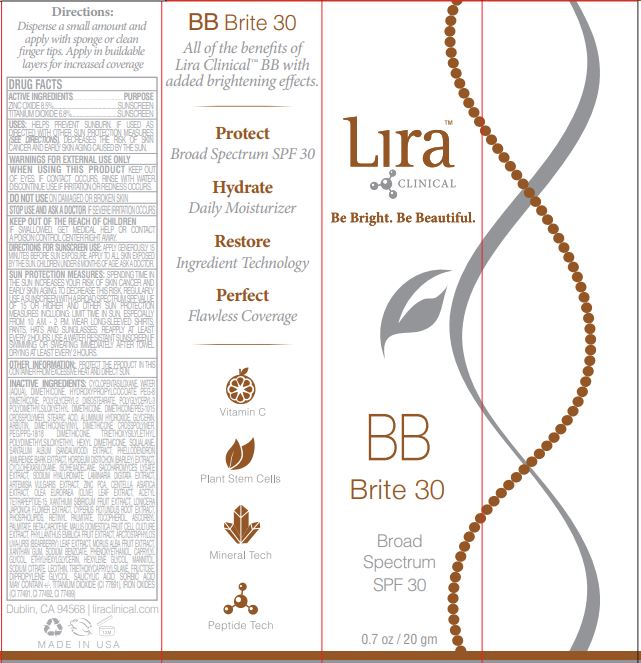
BB Brite 30 BS SPF30 Zinc Oxide and Titanium Dioxide 8.5 g/100g; 6.8 g/100g Cream
🆔 Identity & classification
Where does this data come from?
🏭 Manufacturer & labeler
Where does this data come from?
🩺 Clinical
This is a topical cream marketed as an over-the-counter sunscreen product under FDA's OTC monograph rules. It contains zinc oxide and titanium dioxide, both mineral UV-blocking agents that are commonly used in sunscreens to protect skin from ultraviolet radiation. The product is formulated with an SPF 30 rating and supplied as a 6.8 gram/100 gram zinc oxide and 8.5 gram/100 gram titanium dioxide cream intended for application to the skin.
Patient education
Supplement & herbal interactions
Where does this data come from?
Ask a licensed pharmacist directly — free, answered by our team.
🧪 Inactive Ingredients / Excipients
Inactive ingredients, also called excipients, are components of the drug product other than the active ingredient. They may include fillers, dyes, coatings, preservatives, flavors, or other formulation ingredients.
💡 Tap an ingredient (hover on desktop) to see what it is and why it’s used.
-
UNII 6K389LE0MV
A synthetic peptide made from amino acids. It's used in cosmetic and topical formulations as a conditioning or skin-conditioning agent to help improve texture and appearance.
-
UNII 5QB0T2IUN0
Aluminum hydroxide is a white powder mineral compound used as an antacid ingredient in some formulations. It works as a buffer and pH regulator to help neutralize stomach acid in the medicine.
-
UNII MA36MNW77O
A natural plant material derived from apple skin, used as a source of fiber, color, and texture in the medicine. It may help the tablet hold together and provide bulk to the formulation.
-
UNII C5INA23HXF
Arbutin is a natural compound found in plants that acts as a preservative in medicines. It helps prevent bacterial and fungal growth to keep the product stable and safe during storage.
-
UNII 3M5V3D1X36
A plant extract from bearberry leaves, used in traditional medicine formulations. It may function as a natural flavoring agent or botanical additive in some preparations.
-
UNII 32MP823R8S
A plant-derived ingredient from mugwort root, used in traditional herbal formulations. It may function as a flavoring agent, botanical extract, or natural additive in the medicine.
-
UNII QN83US2B0N
Ascorbyl palmitate is a fat-soluble form of vitamin C used as an antioxidant in medicines. It prevents oils and fats in the product from breaking down and becoming less stable over time.
-
UNII 5PWM7YLI7R
Barley is a grain plant. It may be used in some medicines as a filler or binder to add bulk and help hold the tablet or capsule together.
-
UNII 01YAE03M7J
Beta carotene is a naturally occurring orange pigment found in plants. In medicines, it serves as a colorant to make tablets or capsules appear orange or yellow.
-
UNII 00YIU5438U
Caprylyl glycol is a clear liquid derived from coconut oil. In medicines, it acts as a humectant to retain moisture, a preservative booster to prevent microbial growth, and a solvent to help dissolve or mix other ingredients.
-
UNII 4YS74Q4G4J
A plant extract from Centella asiatica containing natural compounds called triterpenoids. It's used as an active ingredient in some formulations for its purported skin-supporting properties, though it functions as a botanical additive rather than a structural component of the medicine.
-
UNII 0THT5PCI0R
A silicone-based liquid that helps distribute active ingredients evenly throughout topical products. It acts as a solvent and emollient, allowing medicines to spread smoothly on skin while improving texture and absorption.
-
UNII XHK3U310BA
Cyclohexasiloxane is a silicon-based liquid that acts as a solvent and conditioning agent in medicines. It helps dissolve or carry other ingredients and improves how the product spreads or feels on the skin.
-
UNII 4B51SRR959
A plant extract from cyperus rotundus (nutgrass) tubers used in traditional medicine formulations. It may function as a natural flavoring agent, preservative, or botanical filler in herbal or botanical drug products.
-
UNII 92RU3N3Y1O
Dimethicone is a silicone-based oil that acts as an anti-foaming agent and lubricant in medicines. It reduces gas bubbles in liquid formulations and helps coat and protect the stomach lining when ingested.
-
UNII 21AS8B1BSS
A silicone-based ingredient that combines dimethicone (silicone oil) with polyethylene glycol. It works as a skin-conditioning agent and texture enhancer, helping smooth the product's feel and improve how it spreads on skin.
-
UNII 9E4CO0W6C5
A silicone-based polymer that forms soft, spongy particles. Used as a texture modifier and suspending agent to improve how the product feels and flows, and to help keep ingredients evenly distributed throughout the formulation.
-
UNII E107L85C40
Dipropylene glycol is a clear liquid made from propylene glycol. It acts as a solvent and humectant in medicines, helping dissolve active ingredients and retain moisture in the formulation.
-
UNII 1Z74184RGV
Egg phospholipids are naturally derived fats from eggs that help mix oil and water-based ingredients together. They work as emulsifiers in medicines, keeping the formula stable and uniform.
-
UNII 147D247K3P
Ethylhexylglycerin is a synthetic preservative used to prevent bacteria and mold from growing in medicines and personal care products. It helps keep the product safe and stable throughout its shelf life.
-
UNII 1K09F3G675
Ferric oxide red is an inorganic iron compound used as a colorant in medicines. It gives tablets, capsules, or other dosage forms a red or reddish tint for identification and appearance.
-
UNII EX438O2MRT
Ferric oxide yellow is a naturally occurring iron compound used as a colorant in medications. It gives tablets, capsules, and other forms a yellow or golden hue for identification and appearance.
-
UNII XM0M87F357
A dark iron oxide compound that gives medicines their black or dark color. It's used as a colorant in tablets and capsules to help identify the product and make it visually distinctive.
-
UNII 6YSS42VSEV
Fructose is a natural sugar derived from fruits and plants. It's used in medicines as a sweetener and filler to improve taste and add bulk to tablets or syrups.
-
UNII PDC6A3C0OX
Glycerin is a clear, thick liquid derived from plant oils or fats. It acts as a humectant to retain moisture, a sweetener, and a solvent in medications.
-
UNII KEH0A3F75J
Hexylene glycol is a clear liquid alcohol used as a solvent and preservative in medicines. It helps dissolve other ingredients and keeps the product stable during storage.
-
UNII YSE9PPT4TH
Hyaluronate sodium is a natural carbohydrate that holds moisture. It's used in medicines as a lubricant, thickener, and moisture-retaining agent to improve texture and delivery of the active ingredient.
-
UNII 8TE0BZU36S
A silicone-based compound that acts as an emulsifier and skin protectant in topical formulations. It helps blend oil and water ingredients together and creates a smooth, protective barrier on the skin's surface.
-
UNII 918X1OUF1E
Isohexadecane is a synthetic hydrocarbon oil used as an emollient and solvent in topical medicines. It helps dissolve active ingredients and improves spreadability and absorption through the skin.
-
UNII 15E7C67EE8
A natural seaweed extract used as a thickener and gelling agent in medicines. It helps create the right texture and consistency in liquid or semi-solid formulations.
-
UNII 1DI56QDM62
A natural fatty substance from soybeans that helps mix oil and water-based ingredients together. It acts as an emulsifier and lubricant in medicines to improve texture and help the product break down properly in your body.
-
UNII 4465L2WS4Y
A plant extract from Japanese honeysuckle flowers used as a natural flavoring and fragrance ingredient in medicines. It may also help preserve the product and add pleasant taste or aroma.
-
UNII 3OWL53L36A
A natural sugar alcohol derived from seaweed or synthesized in the lab. It's used as a filler to add bulk, a sweetener in sugar-free formulas, and a disintegrant to help tablets break apart in the stomach.
-
UNII MJ95C3OH47
A plant extract from olive leaves used in formulations as an antioxidant and preservative. It helps protect the medicine from degradation and extend shelf life.
-
UNII 9H0AO7T794
A silicone-based lubricant mixed with polyethylene glycol and polypropylene glycol polymers. It reduces friction between pill surfaces and equipment during manufacturing, and helps the finished product slide smoothly when swallowed.
-
UNII PBG27B754G
Phellodendron amurense bark is a plant-derived ingredient from the cork tree. It functions as a natural preservative and antimicrobial agent to help maintain product stability and prevent microbial growth.
-
UNII HIE492ZZ3T
Phenoxyethanol is a synthetic preservative and antimicrobial agent used to prevent bacterial and fungal growth in medicines and cosmetic products, extending shelf life and maintaining product safety.
-
UNII YLX4CW2576
A plant extract from the Indian gooseberry fruit, used as a natural source of vitamin C and antioxidants. It may function as a preservative or potency booster in formulations.
-
UNII DG195GP57P
A synthetic emulsifier made from glycerin and fatty acids. It helps blend oil and water-based ingredients together and keeps them mixed throughout the product's shelf life.
-
UNII RLA2U05Z4Q
A silicone-based compound that acts as an emulsifier and skin-conditioning agent in topical formulations. It helps blend oil and water components together and creates a smooth, protective texture on the skin's surface.
-
UNII R85W246Z1C
A yeast-derived substance made from broken-down Saccharomyces cerevisiae cells. It is used as a natural humectant and moisturizing agent to help keep medicines and supplements stable and prevent them from drying out.
-
UNII O414PZ4LPZ
A beta hydroxy acid derived from willow bark or synthesized chemically. In topical medicines, it acts as a keratolytic agent that helps soften and shed dead skin cells, improving penetration of active ingredients.
-
UNII 3641YW25N2
A fragrant oil extracted from sandalwood tree wood, used as a flavoring agent and fragrance to improve the taste and smell of medicines.
-
UNII OJ245FE5EU
Sodium benzoate is a salt derived from benzoic acid, a preservative. It's added to medicines to prevent growth of bacteria, fungi, and other microorganisms that could spoil the product.
-
UNII 1Q73Q2JULR
Sodium citrate is a salt derived from citric acid. It works as a buffer to maintain the medicine's pH level and may also help improve taste or act as a preservative in the formulation.
-
UNII X045WJ989B
Sorbic acid is a preservative derived from berries that prevents mold, yeast, and bacterial growth in medicines. It keeps the product stable and safe during storage.
-
UNII GW89575KF9
Squalane is a lightweight oil derived from plant sources or synthesized. It acts as an emollient and lubricant in formulations, helping ingredients blend smoothly and improving product texture and spreadability.
-
UNII 4ELV7Z65AP
Stearic acid is a fatty acid derived from plant or animal sources. It acts as a binder and lubricant in tablets and capsules, helping them hold together and flow smoothly during manufacturing.
-
UNII R0ZB2556P8
Tocopherol is a form of vitamin E derived from plant oils. It acts as an antioxidant in medicines to prevent oils and fats from breaking down and spoiling during storage.
-
UNII LDC331P08E
A silicone-based compound that acts as a glidant and flow agent in solid medications. It reduces friction between powder particles, helping the medicine flow smoothly during manufacturing and tablet compression.
-
UNII X75PL53TZJ
A silicone-based polymer that functions as a glidant and anti-caking agent, helping the medicine powder flow smoothly during manufacturing and preventing clumping in the final product.
-
UNII 1D1K0N0VVC
A fat-soluble form of vitamin A used as a colorant and nutritional fortification ingredient. It gives products a yellow or orange tint and increases vitamin A content in the formula.
-
UNII 059QF0KO0R
Water is a liquid solvent that dissolves and mixes ingredients together in liquid medicines, syrups, and injections. It helps distribute the active drug evenly throughout the product.
-
UNII MN25R0HH5A
A natural plant extract from white mulberry fruit and leaves, used as a sweetener, flavor agent, and colorant in medicines. It adds mild sweetness and helps mask bitter tastes while contributing to the product's appearance.
-
UNII TTV12P4NEE
Xanthan gum is a thickening and stabilizing ingredient made from fermented corn or other sugars. It's added to medicines to improve texture, prevent separation of liquids and solids, and help the product stay consistent.
-
UNII 3H333L84C2
A plant-derived ingredient from xanthium sibiricum fruit, used in some formulations as a filler or binder to help hold tablets together and add bulk to the medicine.
-
UNII C32PQ86DH4
Zinc PCA is a zinc salt of pyroglutamic acid, a naturally occurring amino acid derivative. It's used in medications as a skin-conditioning agent and to help maintain product stability and texture in topical formulations.
57 inactive ingredients listed in the exact product block matched to this NDC.
Label-section wording can be broader than the structured product block and may mention additional formulation ingredients.
Where does this data come from?
ingredient classCode="IACT" elements from the exact product block matched by this NDC. Label-section narrative from DailyMed / the openFDA label index is shown separately when available.Inactive ingredient FAQ
Are inactive ingredients the same for every manufacturer?
Why might an inactive ingredient be missing?
Can inactive ingredients matter?
💲 Pricing
A drug doesn't have one price. Each row is a different public payment system, and none is what you'd pay at the counter — that depends on your insurance. The ⓘ on each row explains what it measures.
| Price system | Per g | Per package |
|---|---|---|
| Retail pharmacies payNADAC · weekly | Not in the retail survey — common for institutional, discontinued, or low-volume packs. | |
| Medicaid paysCMS SDUD · 12 mo | No recent Medicaid claims on file for this NDC — rare and low-volume NDCs are suppressed in the public data. | |
| Medicare drug plans payPart D · quarterly | No Part D plan price is available for this NDC in our data. | |
Where does this data come from?
🔁 Therapeutic equivalents
| Product | Labeler | Pack | NADAC/unit | TE | Status | Price vs. this |
|---|---|---|---|---|---|---|
| BB Brite 30 BS SPF30 8.5 g/100g; 6.8 g/100gthis 62742-4247-02 | Allure | 1 bottle | — | — | FDA listed | — |
| BB Sienna 30 BS SPF30 8.5 g/100g; 6.8 g/100g 62742-4251-02 | Allure | 1 bottle | — | — | FDA listed | — |
Where does this data come from?
⏳ Availability & generic status
We did not find an FDA-approved generic match for this exact strength, form and route.
Where does this data come from?
🔬 Reported adverse events (FAERS)
Top reported reactions
Reporter sex
Serious outcomes
Where does this data come from?
📦 Packaging — all sizes for this product
| Package NDC | Description | Marketing start | Status |
|---|---|---|---|
| 62742-4247-02 You're viewing this | 1 BOTTLE, PUMP in 1 CARTON (62742-4247-2) / 20 g in 1 BOTTLE, PUMP (62742-4247-1) | 2024-03-11 | Active |
🧭 About this NDC listing & data coverage
What data is (and isn’t) available for this NDC — tap to expand
| NDC identity (package / product / labeler codes) | ✓ Available |
| Labeler | ✓ Available |
| Product & package description | ✓ Available |
| Marketing category & status | ✓ Available |
| Active ingredient / dosage form / route | ✓ Available |
| FDA label (SPL via DailyMed) | ✓ Available |
| Package photos | ✓ Available |
| Inactive ingredients (structured) | ✓ Available |
| NADAC pharmacy acquisition price (CMS) | — Not published for this NDC CMS publishes NADAC only for NDCs reported in its retail-pharmacy survey. |
| Orange Book / therapeutic-equivalence data | — Not published for this NDC Applies only to products approved under an NDA/ANDA; many listings are out of scope. |
| HCPCS J-code billing crosswalk | — Not published for this NDC Most self-administered / retail products have no J-code — that is normal. |
| Medicaid utilization (CMS SDUD) | — Not published for this NDC CMS reports utilization only for NDCs with Medicaid claims above its privacy threshold. |
Questions about this listing
Is this NDC FDA-approved?
Why is there no price listed?
Is the NDC printed on the package the same as the 11-digit billing NDC?
What do the three segments of this NDC mean?
Is this package still being marketed?
Who lists this product with the FDA?
Do I need a prescription for this product?
Where does this data come from?
📄 FDA label — Drug Facts FDA SPL
🎯 Indications and Usage ▾
USES: HELPS PREVENT SUNBURN. IF USED AS DIRECTED WITH OTHER SUN PROTECTION MEASURES (SEE DIRECTIONS), DECREASES THE RISK OF SKIN CANCER AND EARLY SKIN AGING CAUSED BY THE SUN
⏱️ Dosage and Administration ▾
DIRECTIONS FOR SUNSCREEN USE: APPLY GENEROUSLY 15 MINUTES BEFORE SUN EXPOSURE. APPLY TO ALL SKIN EXPOSED BY THE SUN. CHILDREN UNDER 6 MONTHS OF AGE: ASK A DOCTOR.
SUN PROTECTION MEASURES: SPENDING TIME IN THE SUN INCREASES YOUR RISK OF SKIN CANCER AND EARLY SKIN AGING. TO DECREASE THIS RISK, REGULARLY USE A SUNSCREEN WITH A BROAD SPECTRUM SPF VALUE OF 15 OR HIGHER AND OTHER SUN PROTECTION MEASURES INCLUDING: LIMIT TIME IN SUN, ESPECIALLY FROM 10 A.M. - 2 P.M. WEAR LONG-SLEEVED SHIRTS, PANTS, HATS AND SUNGLASSES.
REAPPLY AT LEAST EVERY 2 HOURS. USE A WATER RESISTANT SUNSCREEN IF SWIMMING OR SWEATING IMMEDIATELY AFTER TOWEL DRYING AT LEAST EVERY 2 HOURS.
⚠️ Warnings ▾
WARNINGS FOR EXTERNAL USE ONLY
🧪 Active Ingredient ▾
ACTIVE INGREDIENTS: ZINC OXIDE 8.5% TITANIUM DIOXIDE 6.8%
🧪 Inactive Ingredients ▾
INACTIVE INGREDIENTS: CYCLOPENTASILOXANE, WATER (AQUA), DIMETHICONE, HYDROXYPROPYLCOCOATE PEG-8 DIMETHICONE, POLYGLYCERYL-2 DIISOSTEARATE, POLYGLYCERYL-3 POLYDIMETHYLSILOXYETHYL DIMETHICONE, DIMETHICONE/PEG-10/15 CROSSPOLYMER, STEARIC ACID, ALUMINUM HYDROXIDE, GLYCERIN, ARBUTIN, DIMETHICONE/VINYL DIMETHICONE CROSSPOLYMER, PEG/PPG-18/18 DIMETHICONE, TRIETHOXYSILYLETHYL POLYDIMETHYLSILOXYETHYL HEXYL DIMETHICONE, SQUALANE, SANTALUM ALBUM (SANDALWOOD) EXTRACT, PHELLODENDRON AMURENSE BARK EXTRACT, HORDEUM DISTICHON (BARLEY) EXTRACT, CYCLOHEXASILOXANE, ISOHEXADECANE, SACCHAROMYCES LYSATE EXTRACT, SODIUM HYALURONATE, LAMINARIA DIGITATA EXTRACT, ARTEMISIA VULGARIS EXTRACT, ZINC PCA, CENTELLA ASIATICA EXTRACT, OLEA EUROPAEA (OLIVE) LEAF EXTRACT, ACETYL TETRAPEPTIDE-15, XANTHIUM SIBIRICUM FRUIT EXTRACT, LONICERA JAPONICA FLOWER EXTRACT, CYPERUS ROTUNDUS ROOT EXTRACT, PHOSPHOLIPIDS, RETINYL PALMITATE, TOCOPHEROL, ASCORBYL PALMITATE, BETA-CAROTENE, MALUS DOMESTICA FRUIT CELL CULTURE EXTRACT, PHYLLANTHUS EMBLICA FRUIT EXTRACT, ARCTOSTAPHYLOS UVA-URSI (BEARBERRY) LEAF EXTRACT, MORUS ALBA FRUIT EXTRACT, XANTHAN GUM, SODIUM BENZOATE, PHENOXYETHANOL, CAPRYLYL GLYCOL, ETHYLHEXYLGLYCERIN, HEXYLENE GLYCOL, MANNITOL, SODIUM CITRATE, LECITHIN, TRIETHOXYCAPRYLYLSILANE, FRUCTOSE, DIPROPYLENE GLYCOL, SALICYLIC ACID, SORBIC ACID MAY CONTAIN +/-, TITANIUM DIOXIDE (CI 77891), IRON OXIDES (CI 77491, CI 77492, CI 77499)
🎯 Purpose ▾
PURPOSE: SUNSCREEN