
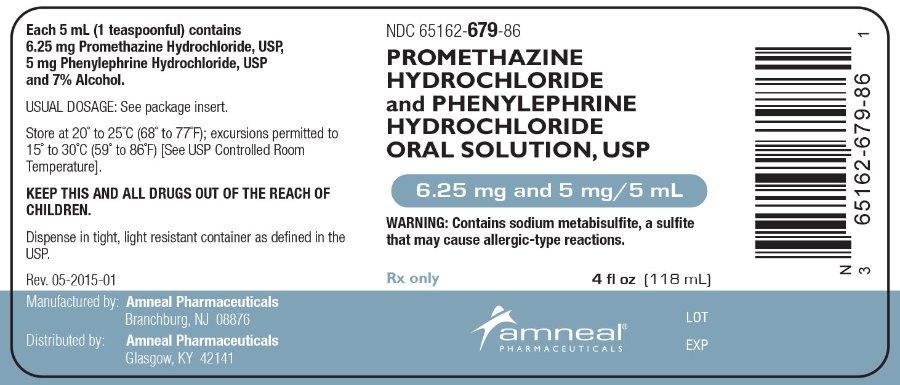
Promethazine Hydrochloride and Phenylephrine 6.25 mg/5mL; 5 mg/5mL Solution, 473 mL
🆔 Identity & classification
Where does this data come from?
🏷️ RxNorm drug class
This medicine belongs to the alpha-1 Adrenergic Agonist class.
Where does this data come from?
🏭 Manufacturer & labeler
Where does this data come from?
🩺 Clinical
Patient education
Supplement & herbal interactions
Where does this data come from?
Ask a licensed pharmacist directly — free, answered by our team.
💊 What it looks like
Where does this data come from?
🧪 Inactive Ingredients / Excipients
Inactive ingredients, also called excipients, are components of the drug product other than the active ingredient. They may include fillers, dyes, coatings, preservatives, flavors, or other formulation ingredients.
💡 Tap an ingredient (hover on desktop) to see what it is and why it’s used.
-
UNII 3K9958V90M
A liquid solvent derived from fermentation or chemical synthesis. In medicines, alcohol dissolves active ingredients, helps preserve the product, and improves how the body absorbs certain drugs.
-
UNII PQ6CK8PD0R
Ascorbic acid, also known as vitamin C, is a white crystalline powder. It serves as an antioxidant to prevent degradation of other ingredients and may also function as a preservative in the formulation.
-
UNII 2968PHW8QP
A weak organic acid derived from citrus fruits or made through fermentation. It works as a buffer to control pH, a preservative to extend shelf life, and a flavoring agent in medications.
-
UNII 7FLD91C86K
Edetate disodium is a chemical compound that binds and removes certain metal ions. In medicines, it acts as a preservative and stabilizer by preventing metals like calcium from interfering with the product's shelf life and consistency.
-
UNII PDC6A3C0OX
Glycerin is a clear, thick liquid derived from plant oils or fats. It acts as a humectant to retain moisture, a sweetener, and a solvent in medications.
-
UNII A2I8C7HI9T
Methylparaben is a preservative derived from benzoic acid that prevents growth of bacteria, fungi, and mold in medicines. It extends the product's shelf life and maintains safety during storage.
-
UNII SB8ZUX40TY
Saccharin sodium is an artificial sweetener made from saccharin salt. It's added to medicines to improve taste, especially in liquid formulations for children or bitter drugs.
-
UNII OJ245FE5EU
Sodium benzoate is a salt derived from benzoic acid, a preservative. It's added to medicines to prevent growth of bacteria, fungi, and other microorganisms that could spoil the product.
-
UNII 1Q73Q2JULR
Sodium citrate is a salt derived from citric acid. It works as a buffer to maintain the medicine's pH level and may also help improve taste or act as a preservative in the formulation.
-
UNII 4VON5FNS3C
Sodium metabisulfite is a preservative derived from sulfur compounds. It prevents microbial growth and oxidation in medicines, helping extend shelf life and maintain product stability.
-
UNII C151H8M554
A natural sugar derived from sugar cane or sugar beets. It's used as a sweetener, filler, and binder to improve taste, add bulk, and help hold tablet or capsule ingredients together.
-
UNII 059QF0KO0R
Water is a liquid solvent that dissolves and mixes ingredients together in liquid medicines, syrups, and injections. It helps distribute the active drug evenly throughout the product.
12 inactive ingredients listed in the exact product block matched to this NDC.
Where does this data come from?
ingredient classCode="IACT" elements from the exact product block matched by this NDC. Label-section narrative from DailyMed / the openFDA label index is shown separately when available.Inactive ingredient FAQ
Are inactive ingredients the same for every manufacturer?
Why might an inactive ingredient be missing?
Can inactive ingredients matter?
💲 Pricing
A drug doesn't have one price. Each row is a different public payment system, and none is what you'd pay at the counter — that depends on your insurance. The ⓘ on each row explains what it measures.
| Price system | Per mL | Per package |
|---|---|---|
| Retail pharmacies payNADAC · weekly | Not in the retail survey — common for institutional, discontinued, or low-volume packs. | |
| Medicaid paysCMS SDUD · 12 mo | No recent Medicaid claims on file for this NDC — rare and low-volume NDCs are suppressed in the public data. | |
| Medicare drug plans payPart D · quarterly | No Part D plan price is available for this NDC in our data. | |
Where does this data come from?
🔁 Therapeutic equivalents
| Product | Labeler | Pack | NADAC/unit | TE | Status | Price vs. this |
|---|---|---|---|---|---|---|
| Promethazine Hydrochloride and Phenylephrine Hydrochloride 6.25 mg/5mL; 5 mg/5mL 64950-0345-16 | Genus | 473 ml | — | AA | FDA listed | — |
| Promethazine Hydrochloride and Phenylephrine Hydrochloride 6.25 mg/5mL; 5 mg/5mLthis 65162-0679-90 | Amneal | 473 ml | — | AA | FDA listed | — |
Where does this data come from?
⏳ Availability & generic status
This product is an FDA-approved generic. Other versions of the same drug are listed under Therapeutic equivalents, least expensive first.
Where does this data come from?
📦 Packaging — all sizes for this product
| Package NDC | Description | Marketing start | Status |
|---|---|---|---|
| 65162-0679-86 | 118 mL in 1 BOTTLE (65162-679-86) | 2009-08-25 | Active |
| 65162-0679-90 You're viewing this | 473 mL in 1 BOTTLE (65162-679-90) | 2009-08-25 | Active |
You're viewing the largest of 2 pack sizes for this product.
Pack size FAQ
What quantity is in NDC 65162-0679-90?
What is the difference between NDC 65162-0679-90 and NDC 65162-0679-86?
What NDC number is used to bill for this package of Promethazine Hydrochloride and Phenylephrine 6.25 mg/5mL; 5 mg/5mL Solution?
🧭 About this NDC listing & data coverage
What data is (and isn’t) available for this NDC — tap to expand
| NDC identity (package / product / labeler codes) | ✓ Available |
| Labeler | ✓ Available |
| Product & package description | ✓ Available |
| Marketing category & status | ✓ Available |
| Active ingredient / dosage form / route | ✓ Available |
| FDA label (SPL via DailyMed) | ✓ Available |
| Package photos | ✓ Available |
| Inactive ingredients (structured) | ✓ Available |
| NADAC pharmacy acquisition price (CMS) | — Not published for this NDC CMS publishes NADAC only for NDCs reported in its retail-pharmacy survey. |
| Orange Book / therapeutic-equivalence data | ✓ Available |
| HCPCS J-code billing crosswalk | — Not published for this NDC Most self-administered / retail products have no J-code — that is normal. |
| Medicaid utilization (CMS SDUD) | — Not published for this NDC CMS reports utilization only for NDCs with Medicaid claims above its privacy threshold. |
Questions about this listing
Why is there no price listed?
Is the NDC printed on the package the same as the 11-digit billing NDC?
What do the three segments of this NDC mean?
Is this package still being marketed?
Does this product come in other package sizes?
Who lists this product with the FDA?
Do I need a prescription for this product?
Where does this data come from?
📄 Full prescribing information FDA SPL
🎯 Indications and Usage ▾
INDICATIONS AND USAGE Promethazine hydrochloride and phenylephrine hydrochloride oral solution, USP is indicated for the temporary relief of upper respiratory symptoms, including nasal congestion, associated with allergy or the common cold.
⏱️ Dosage and Administration ▾
DOSAGE AND ADMINISTRATION It is important that promethazine hydrochloride and phenylephrine hydrochloride oral solution, USP is measured with an accurate measuring device (see Precautions-Information for Patients ). A household teaspoon is not an accurate measuring device and could lead to overdosage, especially when half a teaspoon is to be measured. It is strongly recommended that an accurate measuring device be used.
A pharmacist can provide instructions for measuring the correct dose. Promethazine hydrochloride and phenylephrine hydrochloride oral solution, USP is contraindicated for children under 2 years of age (see WARNINGS –Black Box Warning and Use in Pediatric Patients ). The recommended doses are given in the following table: Adults and Children 12 Years and Over 1 teaspoonful (5 mL) every 4 to 6 hours, not to exceed 6 teaspoonfuls (30 mL) in 24 hours.
Children 6 to Under 12 Years of Age ½ to 1 teaspoonful (2.5 to 5 mL) every 4 to 6 hours, not to exceed 6 teaspoonfuls (30 mL) in 24 hours. Children 2 to Under 6 Years of Age ¼ to ½ teaspoonful (1.25 to 2.5 mL) every 4 to 6 hours.
⛔ Contraindications ▾
CONTRAINDICATIONS Promethazine is contraindicated in comatose states, and in individuals known to be hypersensitive or to have had an idiosyncratic reaction to promethazine or to other phenothiazines. Antihistamines are contraindicated for use in the treatment of lower respiratory tract symptoms, including asthma. Phenylephrine is contraindicated in patients with hypertension or with peripheral vascular insufficiency (ischemia may result with risk of gangrene or thrombosis of compromised vascular beds).
Phenylephrine should not be used in patients known to be hypersensitive to the drug or in those receiving a monoamine oxidase inhibitor (MAOI).
⚠️ Warnings ▾
WARNINGS Promethazine hydrochloride should not be used in pediatric patients less than 2 years of Age because of the potential for fatal respiratory depression. Postmarketing cases of respiratory depression, including fatalities, have been reported with use of promethazine hydrochloride in pediatric patients less than 2 years of age. A wide range of weight-based doses of promethazine hydrochloride have results in respiratory depression in these patients.
Caution should be exercised when administering promethazine hydrochloride to pediatric patients 2 years of age and older. It is recommended that the lowest effective dose of promethazine hydrochloride be used in pediatric patients 2 years of age and older and concomitant administration of other drugs with respiratory depressant effects be avoided. Sulfite Sensitivity: Promethazine Hydrochloride and Phenylephrine Hydrochloride Oral Solution contains sodium metabisulfite, a sulfite that may cause allergic-type reactions including anaphylactic symptoms and life-threatening or less severe asthmatic episodes in certain susceptible people.
The overall prevalence of sulfite sensitivity in the general population is unknown and probably low. Sulfite sensitivity is seen more frequently in asthmatic than in nonasthmatic people. Promethazine: CNS Depression- Promethazine may impair the mental and/or physical abilities required for the performance of potentially hazardous tasks, such as driving a vehicle or operating machinery.
The impairment may be amplified by concomitant use of other central nervous-system depressants such as alcohol, sedatives/hypnotics (including barbiturates), narcotics, narcotic analgesics, general anesthetics, tricyclic antidepressants, and tranquilizers; therefore such agents should either be eliminated or given in reduced dosage in the presence of promethazine HCl (see PRECAUTIONS-Information for Patients and Drug Interactions ). Respiratory Depression - Promethazine may lead to potentially fatal respiratory depression.
Use of Promethazine in patients with compromised respiratory function (e.g., COPD, sleep apnea) should be avoided. Lower Seizure Threshold - Promethazine may lower seizure threshold. It should be used with caution in persons with seizure disorders or in persons who are using concomitant medications, such as narcotics or local anesthetics, which may also affect seizure threshold.
Bone-Marrow Depression - Promethazine should be used with caution in patients with bone-marrow depression. Leukopenia and agranulocytosis have been reported, usually when promethazine HCl has been used in association with other known marrow-toxic agents. Neuroleptic Malignant Syndrome - A potentially fatal symptom complex sometimes referred to as Neuroleptic Malignant Syndrome (NMS) has been reported in association with promethazine HCl alone or in combination with antipsychotic drugs.
Clinical manifestations of NMS are hyperpyrexia, muscle rigidity, altered mental status and evidence of autonomic instability (irregular pulse or blood pressure, tachycardia, diaphoresis and cardiac dysrhythmias). The diagnostic evaluation of patients with this syndrome is complicated. In arriving at a diagnosis, it is important to identify cases where the clinical presentation includes both serious medical illness (e.g. pneumonia, systemic infection, etc.) and untreated or inadequately treated extrapyramidal signs and symptoms (EPS).
Other important considerations in the differential diagnosis include central anticholinergic toxicity, heat stroke, drug fever and primary central nervous system (CNS) pathology. The management of NMS should include 1) immediate discontinuation of promethazine HCl, antipsychotic drugs, if any, and other drugs not essential to concurrent therapy, 2) intensive symptomatic treatment and medical monitoring, and 3) treatment of any concomitant serious medical problems for which specific treatments are available. There is no general agreement about specific pharmacol…
🤒 Adverse Reactions ▾
ADVERSE REACTIONS Promethazine: Central Nervous System - Drowsiness is the most prominent CNS effect of this drug. Sedation, somnolence, blurred vision, dizziness; confusion, disorientation, and extrapyramidal symptoms such as oculogyric crisis, torticollis, and tongue protrusion; lassitude, tinnitus, incoordination, fatigue, euphoria, nervousness, diplopia, insomnia, tremors, convulsive seizures, excitation, catatonic-like states, hysteria. Hallucinations have also been reported.
Cardiovascular - Increased or decreased blood pressure, tachycardia, bradycardia, faintness. Dermatologic - Dermatitis, photosensitivity, urticaria. Hematologic - Leukopenia, thrombocytopenia, thrombocytopenic purpura, agranulocytosis.
Gastrointestinal - Dry mouth, nausea, vomiting, jaundice. Respiratory - Asthma, nasal stuffiness, respiratory depression (potentially fatal) and apnea (potentially fatal). (See WARNINGS-Promethazine; Respiratory Depression .) Other - Angioneurotic edema.
Neuroleptic malignant syndrome (potentially fatal) has also been reported. (See WARNINGS - Promethazine; Neuroleptic Malignant Syndrome .) Paradoxical Reactions - Hyperexcitability and abnormal movements have been reported in patients following a single administration of promethazine HCl. Consideration should be given to the discontinuation of promethazine HCl and to the use of other drugs if these reactions occur.
Respiratory depression, nightmares, delirium, and agitated behavior have also been reported in some of these patients. Phenylephrine: Nervous System - Restlessness, anxiety, nervousness and dizziness. Cardiovascular - Hypertension (see " WARNINGS ").
Other - Precordial pain, respiratory distress, tremor, and weakness.
🆘 Overdosage ▾
OVERDOSAGE Promethazine: Signs and symptoms of overdosage with promethazine HCl range from mild depression of the central nervous system and cardiovascular system to profound hypotension, respiratory depression, unconsciousness, and sudden death. Other reported reactions include hyperreflexia, hypertonia, ataxia, athetosis, and extensor-plantar, reflexes (Babinski reflex). Stimulation may be evident, especially in children and geriatric patients.
Convulsions may rarely occur. A paradoxical reaction has been reported in children receiving single doses of 75 mg to 125 mg orally, characterized by hyperexcitability and nightmares. Atropine-like signs and symptoms - dry mouth, fixed dilated pupils, flushing, as well as gastrointestinal symptoms, may occur.
Phenylephrine: Signs and symptoms of overdosage with phenylephrine include hypertension, headache, convulsions, cerebral hemorrhage, and vomiting. Ventricular premature beats and short-paroxysms of ventricular tachycardia may also occur. Headache may be a symptom of hypertension.
Bradycardia may also be seen early in phenylephrine overdosage through stimulation of baroreceptors. Treatment: The treatment of overdosage with promethazine and phenylephrine is essentially symptomatic and supportive. Only in cases of extreme overdosage or individual sensitivity do vital signs including respiration, pulse, blood pressure, temperature, and EKG need to be monitored.
Activated charcoal orally or by lavage may be given, or sodium or magnesium sulfate orally as a cathartic. Attention should be given to the reestablishment of adequate respiratory exchange through provision of a patent airway and institution of assisted or controlled ventilation. Diazepam may be used to control convulsions.
Acidosis and electrolyte losses should be corrected. Note that any depressant effects of promethazine are not reversed by naloxone. Avoid analeptics which may cause convulsions.
Severe hypotension usually responds to the administration of norepinephrine or phenylephrine. EPINEPHRINE SHOULD NOT BE USED, since its use in a patient with partial adrenergic blockade may further lower the blood pressure. Limited experience with dialysis indicates that it is not helpful.
🧬 Clinical Pharmacology ▾
CLINICAL PHARMACOLOGY Promethazine : Promethazine is a phenothiazine derivative which differs structurally from the antipsychotic phenothiazines by the presence of a branched side chain and no ring substitution. It is thought that this configuration is responsible for its relative lack (1/10 that of chlorpromazine) of dopamine antagonist properties. Promethazine is an H 1 receptor blocking agent.
In addition to its antihistaminic action, it provides clinically useful sedative and antiemetic effects. Promethazine is well absorbed from the gastrointestinal tract. Clinical effects are apparent within 20 minutes after oral administration and generally last four to six hours, although they may persist as long as 12 hours.
Promethazine is metabolized by the liver to a variety of compounds; the sulfoxides of promethazine and N-demethylpromethazine are the predominant metabolites appearing in the urine. Phenylephrine: Phenylephrine is a potent postsynaptic α-receptor agonist with little effect on β-receptors of the heart. Phenylephrine has no effect on β-adrenergic receptors of the bronchi or peripheral blood vessels.
A direct action at receptors accounts for the greater part of its effects, only a small part being due to its ability to release norepinephrine. Therapeutic doses of phenylephrine mainly cause vasoconstriction. Phenylephrine increases resistance and, to a lesser extent, decreases capacitance of blood vessels.
Total peripheral resistance is increased, resulting in increased systolic and diastolic blood pressure. Pulmonary arterial pressure is usually increased, and renal blood flow is usually decreased. Local vasoconstriction and hemostasis occur following topical application or infiltration of phenylephrine into tissues.
The main effect of phenylephrine on the heart is bradycardia; it produces a positive inotropic effect on the myocardium in doses greater than those usually used therapeutically. Rarely, the drug may increase the irritability of the heart, causing arrhythmias. Cardiac output is decreased slightly.
Phenylephrine increases the work of the heart by increasing peripheral arterial resistance. Phenylephrine has a mild central stimulant effect. Following oral administration or topical application of phenylephrine to the mucosa, constriction of blood vessels in the nasal mucosa relieves nasal congestion associated with allergy or head colds.
Following oral administration, nasal decongestion may occur within 15 or 20 minutes and may persist for up to 4 hours. Phenylephrine is irregularly absorbed from and readily metabolized in the gastrointestinal tract. Phenylephrine is metabolized in the liver and intestine by monoamine oxidase.
The metabolites and their route and rate of excretion have not been identified. The pharmacologic action of phenylephrine is terminated at least partially by uptake of the drug into tissues.
📦 How Supplied / Storage and Handling ▾
HOW SUPPLIED Promethazine Hydrochloride and Phenylephrine Hydrochloride Oral Solution, USP is a clear, pale yellow to yellow colored, citrus-flavored solution containing 6.25 mg Promethazine Hydrochloride, USP, 5 mg Phenylephrine Hydrochloride, USP and 7 percent alcohol in each teaspoonful (5 mL) Available as: 4 fl. oz (118 mL) NDC 65162-679-86 16 fl. oz (473 mL) NDC 65162-679-90 Dispense in a tight, light-resistant container as defined in the USP. Store at 20° to 25°C (68° to 77°F); excursions permitted to 15° to 30°C (59° to 86°F) [See USP Controlled Room Temperature].
KEEP THIS AND ALL DRUGS OUT OF THE REACH OF CHILDREN. Rx Only Manufactured by: Amneal Pharmaceuticals Branchburg, NJ 08876 Distributed by: Amneal Pharmaceuticals Glasgow, KY 42141 Rev. 05-2015-01
📋 Description ▾
DESCRIPTION Each 5 mL (one teaspoonful), for oral administration contains: Promethazine hydrochloride, USP 6.25 mg; phenylephrine hydrochloride, USP 5 mg. Alcohol 7%. Inactive Ingredients: alcohol, ascorbic acid, caramel color, citric acid, edetate disodium, glycerin, methylparaben, natural & artificial citrus flavor, purified water, saccharin sodium, sodium benzoate, sodium citrate, sodium metabisulfite and sucrose.
Promethazine hydrochloride, USP, a phenothiazine derivative, is chemically designated as (±)-10-[2-(Dimethylamino)propyl] phenothiazine monohydrochloride. Promethazine hydrochloride, USP occurs as a white to faint yellow, practically odorless, crystalline powder which slowly oxidizes and turns blue on prolonged exposure to air. It is soluble in water and freely soluble in alcohol.
It has a molecular weight of 320.88, a molecular formula of C 17 H 20 N 2 S•HCl and the following structural formula: Phenylephrine hydrochloride, USP is a sympathomimetic amine salt which is chemically designated as (-)- m -Hydroxy-α-[(methylamino)methyl]benzyl alcohol hydrochloride. It occurs as white or nearly white crystals, having a bitter taste. It is freely soluble in water and alcohol.
Phenylephrine hydrochloride, USP is subject to oxidation and must be protected from light and air. It has a molecular weight of 203.67, a molecular formula of C 9 H 13 NO 2 •HCl, and the following structural formula: ee90bcbe-figure-01 ee90bcbe-figure-02