
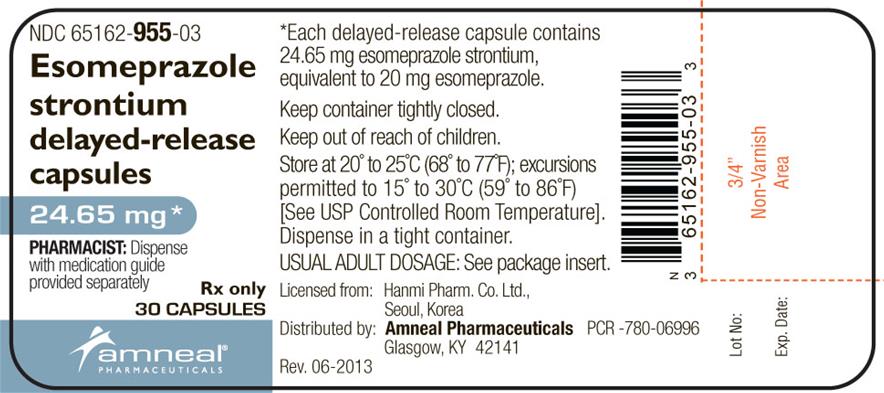
Esomeprazole strontium 40 mg Capsule, Delayed Release, 30-count
🆔 Identity & classification
Where does this data come from?
🏭 Manufacturer & labeler
Where does this data come from?
🩺 Clinical
Patient education
Supplement & herbal interactions
Some supplements/herbs that may interact with Esomeprazole Strontium — tap one for details:
Esomeprazole Strontium may be associated with lower levels of 9 nutrients — worth a chat with your pharmacist, not a cause for alarm.
Where does this data come from?
Ask a licensed pharmacist directly — free, answered by our team.
💊 What it looks like
Where does this data come from?
🧪 Inactive Ingredients / Excipients
Inactive ingredients, also called excipients, are components of the drug product other than the active ingredient. They may include fillers, dyes, coatings, preservatives, flavors, or other formulation ingredients.
💡 Tap an ingredient (hover on desktop) to see what it is and why it’s used.
-
UNII H0G9379FGK
Calcium carbonate is a white mineral powder used as a filler and buffering agent in medicines. It helps give tablets their bulk and size while neutralizing stomach acid in some formulations.
-
UNII H3R47K3TBD
FD&C Blue No. 1 is a synthetic blue dye approved for use in foods and medicines. It serves as a colorant to give the medication its distinctive appearance and help with product identification.
-
UNII WZB9127XOA
A synthetic red dye used to color medications and make them easier to identify. It serves as a colorant in tablets, capsules, and liquid formulations.
-
UNII H77VEI93A8
A synthetic yellow dye used to color medications. It helps identify the drug and make it visually distinctive, with no effect on how the medicine works.
-
UNII 2G86QN327L
Gelatin is a protein derived from animal collagen, commonly used in medicines as a gelling agent and capsule material. It helps create soft or hard capsule shells that hold and release medication, and can also thicken liquid formulations.
-
UNII 230OU9XXE4
A waxy substance made from glycerin and stearic acid that acts as an emulsifier to blend oily and watery ingredients together. It also helps thicken and stabilize the medicine's texture.
-
UNII 3NXW29V3WO
Hypromellose is a plant-based thickener made from cellulose. It's used in medicines as a binder to hold ingredients together, a coating for tablets, and a thickener for liquids.
-
UNII 1CS02G8656
Methacrylic acid is a synthetic polymer used as a coating material and binder in tablets and capsules. It helps control how and where the medication releases in the digestive system.
-
UNII 6OZP39ZG8H
Polysorbate 80 is a synthetic emulsifier derived from sorbitol and oleic acid. It helps mix oil and water-based ingredients together in medications and improves how the product disperses in the body.
-
UNII O8232NY3SJ
A plant-based carbohydrate derived from corn kernels. It acts as a filler to add bulk, a binder to hold ingredients together, and a disintegrant to help the tablet break apart in your stomach for absorption.
-
UNII C151H8M554
A natural sugar derived from sugar cane or sugar beets. It's used as a sweetener, filler, and binder to improve taste, add bulk, and help hold tablet or capsule ingredients together.
-
UNII 7SEV7J4R1U
A powder made from a naturally occurring mineral. In medicines, talc works as a glidant and anti-caking agent, helping tablets and capsules flow smoothly during manufacturing and preventing clumping.
-
UNII 15FIX9V2JP
Titanium dioxide is a bright white mineral powder commonly used as a colorant and opacifying agent. It makes pills and tablets white or lighter in color and helps make coatings non-transparent.
-
UNII 8Z96QXD6UM
Triethyl citrate is a clear liquid derived from citric acid. It acts as a plasticizer and solvent in tablet coatings and film formulations, helping the coating remain flexible and adhere properly to the medicine.
14 inactive ingredients listed in the exact product block matched to this NDC.
Where does this data come from?
ingredient classCode="IACT" elements from the exact product block matched by this NDC. Label-section narrative from DailyMed / the openFDA label index is shown separately when available.Inactive ingredient FAQ
Are inactive ingredients the same for every manufacturer?
Why might an inactive ingredient be missing?
Can inactive ingredients matter?
💲 Pricing
A drug doesn't have one price. Each row is a different public payment system, and none is what you'd pay at the counter — that depends on your insurance. The ⓘ on each row explains what it measures.
| Price system | Per each | Per package |
|---|---|---|
| Retail pharmacies payNADAC · weekly | Not in the retail survey — common for institutional, discontinued, or low-volume packs. | |
| Medicaid paysCMS SDUD · 12 mo | No recent Medicaid claims on file for this NDC — rare and low-volume NDCs are suppressed in the public data. | |
| Medicare drug plans payPart D · quarterly | No Part D plan price is available for this NDC in our data. | |
Where does this data come from?
🔁 Therapeutic equivalents
| Product | Labeler | Pack | NADAC/unit | TE | Status | Price vs. this |
|---|---|---|---|---|---|---|
| Esomeprazole strontium 40 mgthis 65162-0957-03 | Amneal | 30 capsules | — | — | Discontinued | — |
Where does this data come from?
⏳ Availability & generic status
We did not find an FDA-approved generic match for this exact strength, form and route.
Where does this data come from?
🔬 Reported adverse events (FAERS)
Top reported reactions
Age at onset
Reporter sex
Serious outcomes
Where does this data come from?
📦 Packaging — all sizes for this product
| Package NDC | Description | Marketing start | Status |
|---|---|---|---|
| 65162-0957-03 You're viewing this | 30 CAPSULE, DELAYED RELEASE in 1 BOTTLE (65162-957-03) | 2013-08-12 | Inactivated by FDA |
🧭 About this NDC listing & data coverage
What data is (and isn’t) available for this NDC — tap to expand
| NDC identity (package / product / labeler codes) | ✓ Available |
| Labeler | ✓ Available |
| Product & package description | ✓ Available |
| Marketing category & status | ✓ Available |
| Active ingredient / dosage form / route | ✓ Available |
| FDA label (SPL via DailyMed) | ✓ Available |
| Package photos | ✓ Available |
| Inactive ingredients (structured) | ✓ Available |
| NADAC pharmacy acquisition price (CMS) | — Not published for this NDC CMS publishes NADAC only for NDCs reported in its retail-pharmacy survey. |
| Orange Book / therapeutic-equivalence data | — Not published for this NDC Applies only to products approved under an NDA/ANDA; many listings are out of scope. |
| HCPCS J-code billing crosswalk | — Not published for this NDC Most self-administered / retail products have no J-code — that is normal. |
| Medicaid utilization (CMS SDUD) | — Not published for this NDC CMS reports utilization only for NDCs with Medicaid claims above its privacy threshold. |
Questions about this listing
Why is there no price listed?
What does the discontinued status mean for this NDC?
Is the NDC printed on the package the same as the 11-digit billing NDC?
What do the three segments of this NDC mean?
Who lists this product with the FDA?
Do I need a prescription for this product?
Where does this data come from?
📄 Full prescribing information FDA SPL
🎯 Indications and Usage ▾
1 INDICATIONS AND USAGE Esomeprazole strontium is a proton pump inhibitor indicated for adults for: Treatment of gastroesophageal reflux disease (GERD) (1.1) Risk reduction of NSAID-associated gastric ulcer (1.2) H. pylori eradication to reduce the risk of duodenal ulcer recurrence (1.3) Pathological hypersecretory conditions, including Zollinger-Ellison syndrome (1.4)
1.1Treatment of Gastroesophageal Reflux Disease (GERD) in Adults Healing of Erosive Esophagitis Esomeprazole strontium is indicated for the short-term treatment (4 to 8 weeks) in the healing and symptomatic resolution of diagnostically confirmed erosive esophagitis. For those patients who have not healed after 4 to 8 weeks of treatment, an additional 4 to 8 week course of esomeprazole strontium may be considered. Maintenance of Healing of Erosive Esophagitis Esomeprazole strontium is indicated to maintain symptom resolution and healing of erosive esophagitis.
Controlled studies do not extend beyond 6 months. Symptomatic Gastroesophageal Reflux Disease Esomeprazole strontium is indicated for short-term treatment (4 to 8 weeks) of heartburn and other symptoms associated with GERD in adults.
1.2Risk Reduction of NSAID-Associated Gastric Ulcer in Adults Esomeprazole strontium is indicated for the reduction in the occurrence of gastric ulcers associated with continuous NSAID therapy in patients at risk for developing gastric ulcers. Patients are considered to be at risk either due to their age (≥60) and/or documented history of gastric ulcers. Controlled studies do not extend beyond 6 months.
1.3H. pylori Eradication to Reduce the Risk of Duodenal Ulcer Recurrence in Adults Triple Therapy (esomeprazole strontium plus amoxicillin and clarithromycin): esomeprazole strontium, in combination with amoxicillin and clarithromycin, is indicated for the treatment of patients with H. pylori infection and duodenal ulcer disease (active or history of within the past 5 years) to eradicate H. pylori . Eradication of H. pylori has been shown to reduce the risk of duodenal ulcer recurrence [ see Dosage and Administration (2) and Clinical Studies (14) ].
In patients who fail therapy, susceptibility testing should be done. If resistance to clarithromycin is demonstrated or susceptibility testing is not possible, alternative antimicrobial therapy should be instituted [ see Clinical Pharmacology (12.4) and the prescribing information for clarithromycin ].
1.4Pathological Hypersecretory Conditions Including Zollinger-Ellison Syndrome in Adults Esomeprazole strontium is indicated for the long-term treatment of pathological hypersecretory conditions, including Zollinger-Ellison Syndrome.
⏱️ Dosage and Administration ▾
2 DOSAGE AND ADMINISTRATION Esomeprazole strontium is supplied as delayed-release capsules for oral administration. The recommended dosages are outlined in Table 1. Esomeprazole strontium should be taken at least one hour before meals.
The duration of proton pump inhibitor administration should be based on available safety and efficacy data specific to the defined indication and dosing frequency, as described in the prescribing information, and individual patient medical needs. Proton pump inhibitor treatment should only be initiated and continued if the benefits outweigh the risks of treatment. Table 1: Recommended Dosage Schedule of Esomeprazole Strontium Delayed-Release Capsules Indication Dose Frequency Gastroesophageal Reflux Disease (GERD) in Adults Healing of Erosive Esophagitis 24.65 mg a or 49.3 mg b Once Daily for 4 to 8 Weeks * Maintenance of Healing of Erosive Esophagitis 24.65 mg a Once Daily ** Symptomatic Gastroesophageal Reflux Disease 24.65 mg a Once Daily for 4 Weeks *** Risk Reduction of NSAID-Associated Gastric Ulcer in Adults 24.65 mg a or 49.3 mg b Once Daily for up to 6 months ** H. pylori Eradication to Reduce the Risk of Duodenal Ulcer Recurrence in Adults Triple Therapy: esomeprazole strontium 49.3 mg b Once Daily for 10 Days Amoxicillin 1000 mg Twice Daily for 10 Days Clarithromycin 500 mg Twice Daily for 10 Days Pathological Hypersecretory Conditions Including Zollinger-Ellison Syndrome in Adults 49.3 mg †b ‡ Twice Daily * [ See Clinical Studies (14.1) . ] The majority of patients are healed within 4 to 8 weeks.
For patients who do not heal after 4 to 8 weeks, an additional 4 to 8 weeks of treatment may be considered. ** Controlled studies did not extend beyond six months. *** If symptoms do not resolve completely after 4 weeks, an additional 4 weeks of treatment may be considered. † The dosage of esomeprazole strontium in patients with pathological hypersecretory conditions varies with the individual patient. Dosage regimens should be adjusted to individual patient needs. ‡ Doses up to 240 mg daily have been administered [ see Drug Interactions (7) ]. a 24.65 mg of esomeprazole strontium is equivalent to 20 mg of esomeprazole b 49.3 mg of esomeprazole strontium is equivalent to 40 mg of esomeprazole Refer to amoxicillin and clarithromycin full prescribing information for Contraindications, Warnings, and dosing in elderly and in renally-impaired patients.
Special Populations Hepatic Insufficiency In patients with mild to moderate liver impairment (Child Pugh Classes A and B), no dosage adjustment is necessary. For patients with severe liver impairment (Child Pugh Class C), a dose of 24.65 mg of esomeprazole strontium (equivalent to 20 mg of esomeprazole) should not be exceeded [ see Clinical Pharmacology (12.3) ]. Administrative Options Directions for use specific to the route and available methods of administration are presented in Table 2.
Table 2: Administration Options Administration Options (See text following table for additional instructions.) Dosage Form Route Options Delayed-Release Capsules Oral Capsule can be swallowed whole. Do not chew or crush; or Capsule can be opened and granules mixed with applesauce. Do not chew or crush granules.
Delayed-Release Capsules Nasogastric Tube Capsule can be opened and the intact granules emptied into a catheter tipped syringe and delivered through the nasogastric tube. Esomeprazole strontium delayed-release capsules should be swallowed whole. Do not chew or crush capsule.
Alternatively, for patients who have difficulty swallowing capsules, one tablespoon of applesauce can be added to an empty bowl and the esomeprazole strontium delayed-release capsule can be opened, and the granules inside the capsule carefully emptied onto the applesauce. The granules should be mixed with the applesauce and then swallowed immediately: do not store for future use. The applesauce used should not be hot and should be soft enough to be swallowed without chewing.
The granu…
💊 Dosage Forms and Strengths ▾
3 DOSAGE FORMS AND STRENGTHS Delayed-release capsules: 24.65 mg of esomeprazole strontium (equivalent to 20 mg of esomeprazole) - hard capsules with light pink cap and body containing off white to pale brown granules with HMP 20 printed in black ink. Delayed-release capsules: 49.3 mg of esomeprazole strontium (equivalent to 40 mg of esomeprazole) - hard capsules with dark pink cap and body containing off white to pale brown granules with HMP 40 printed in black ink. Delayed-Release Capsules (3) : 24.65 mg of esomeprazole strontium (equivalent to 20 mg of esomeprazole) 49.3 mg of esomeprazole strontium (equivalent to 40 mg of esomeprazole)
⛔ Contraindications ▾
4 CONTRAINDICATIONS Esomeprazole strontium is contraindicated in patients with known hypersensitivity to proton pump inhibitors. Hypersensitivity reactions, e.g., angioedema and anaphylactic shock, have been reported with esomeprazole use. For information about contraindications of antibacterial agents (clarithromycin and amoxicillin) indicated in combination with esomeprazole strontium, refer to the CONTRAINDICATIONS section of their package inserts.
Patients with known hypersensitivity to proton pump inhibitors (PPIs) (angioedema and anaphylaxis have occurred) (4)
⚠️ Warnings and Cautions ▾
5 WARNINGS AND PRECAUTIONS Symptomatic response does not preclude the presence of gastric malignancy (5.1) Atrophic gastritis has been noted with long-term omeprazole therapy (5.2) PPI therapy may be associated with increased risk of Clostridium difficile associated diarrhea. (5.3) Avoid concomitant use of esomeprazole strontium with clopidogrel. (5.4) Bone Fracture: Long-term and multiple daily dose PPI therapy may be associated with an increased risk for osteoporosis-related fractures of the hip, wrist or spine.
(5.5) Hypomagnesemia has been reported rarely with prolonged treatment with PPIs (5.6) Avoid concomitant use of esomeprazole strontium with St. John’s Wort or rifampin due to the potential reduction in esomeprazole levels (5.7, 7.3) Interactions with diagnostic investigations for Neuroendocrine Tumors: Increases in intragastric pH may result in hypergastrinemia and enterochromaffin-like cell hyperplasia and increased chromogranin A levels which may interfere with diagnostic investigations for neuroendocrine tumors. (5.8, 12.2)
5.1Concurrent Gastric Malignancy Symptomatic response to therapy with esomeprazole strontium does not preclude the presence of gastric malignancy.
5.2Atrophic Gastritis Atrophic gastritis has been noted occasionally in gastric corpus biopsies from patients treated long-term with omeprazole, of which esomeprazole is an enantiomer.
5.3Clostridium difficile Associated Diarrhea Published observational studies suggest that PPI therapy like esomeprazole strontium may be associated with an increased risk of Clostridium difficile associated diarrhea, especially in hospitalized patients. This diagnosis should be considered for diarrhea that does not improve [ see Adverse Reactions (6.2) ]. Patients should use the lowest dose and shortest duration of PPI therapy appropriate to the condition being treated.
Clostridium difficile associated diarrhea (CDAD) has been reported with use of nearly all antibacterial agents. For more information specific to antibacterial agents (clarithromycin and amoxicillin) indicated for use in combination with esomeprazole strontium, refer to WARNINGS and PRECAUTIONS sections of those package inserts.
5.4Interaction with Clopidogrel Avoid concomitant use of esomeprazole strontium with clopidogrel. Clopidogrel is a prodrug. Inhibition of platelet aggregation by clopidogrel is entirely due to an active metabolite.
The metabolism of clopidogrel to its active metabolite can be impaired by use with concomitant medications, such as esomeprazole, that inhibit CYP2C19 activity. Concomitant use of clopidogrel with 40 mg esomeprazole reduces the pharmacological activity of clopidogrel. When using esomeprazole strontium, consider alternative anti-platelet therapy [ see Drug Interactions (7.3) and Clinical Pharmacology (12.3) ].
5.5Bone Fracture Several published observational studies suggest that proton pump inhibitor (PPI) therapy may be associated with an increased risk for osteoporosis-related fractures of the hip, wrist, or spine. The risk of fracture was increased in patients who received high-dose, defined as multiple daily doses, and long-term PPI therapy (a year or longer). Patients should use the lowest dose and shortest duration of PPI therapy appropriate to the condition being treated.
Patients at risk for osteoporosis-related fractures should be managed according to established treatment guidelines [ see Dosage and Administration (2) and Adverse Reactions (6.2) ].
5.6Hypomagnesemia Hypomagnesemia, symptomatic and asymptomatic, has been reported rarely in patients treated with PPIs for at least three months, in most cases after a year of therapy. Serious adverse events include tetany, arrhythmias, and seizures. In most patients, treatment of hypomagnesemia required magnesium replacement and discontinuation of the PPI.
For patients expected to be on prolonged treatment or who take PPIs with medications such as digoxin or drugs that may cause hypomagnesemia (e.g., diuretic…
🤒 Adverse Reactions ▾
6 ADVERSE REACTIONS Most common adverse reactions in adults (≥18 years) (incidence ≥1%) are headache, diarrhea, nausea, flatulence, abdominal pain, constipation, and dry mouth (6.1) To report SUSPECTED ADVERSE REACTIONS, contact Amneal Pharmaceuticals at 1‑877-835-5472 or FDA at 1-800-FDA-1088 or www.fda.gov/medwatch.
6.1Clinical Trials Experience Because clinical trials are conducted under widely varying conditions, adverse reaction rates observed in the clinical trials of a drug cannot be directly compared to rates in the clinical trials of another drug and may not reflect the rates observed in practice. The safety of esomeprazole strontium has been established from adequate and well-controlled studies of esomeprazole magnesium [see Clinical Studies (14) ] . Below is a display of the adverse reactions of esomeprazole magnesium in these adequate and well-controlled studies.
Adults The safety of esomeprazole magnesium was evaluated in over 15,000 patients (aged 18 to 84 years) in clinical trials worldwide including over 8,500 patients in the United States and over 6,500 patients in Europe and Canada. Over 2,900 patients were treated in long-term studies for up to 6‑12 months. In general, esomeprazole magnesium was well tolerated in both short and long-term clinical trials.
The safety in the treatment of healing of erosive esophagitis was assessed in four randomized comparative clinical trials, which included 1,240 patients on 22.3 mg of esomeprazole magnesium (equivalent to 20 mg of esomeprazole), 2,434 patients on 44.6 mg of esomeprazole magnesium (equivalent to 40 mg of esomeprazole), and 3,008 patients on 20 mg of omeprazole daily. The most frequently occurring adverse reactions (≥1%) in all three groups were headache (5.5%, 5%, and 3.8%, respectively) and diarrhea (no difference among the three groups).
Nausea, flatulence, abdominal pain, constipation, and dry mouth occurred at similar rates among patients taking esomeprazole magnesium or omeprazole. Additional adverse reactions that were reported as possibly or probably related to esomeprazole magnesium with an incidence <1% are listed below by body system: Body as a Whole: abdomen enlarged, allergic reaction, asthenia, back pain, chest pain, substernal chest pain, facial edema, peripheral edema, hot flushes, fatigue, fever, flu-like disorder, generalized edema, leg edema, malaise, pain, rigors; Cardiovascular: flushing, hypertension, tachycardia; Endocrine: goiter; Gastrointestinal: bowel irregularity, constipation aggravated, dyspepsia, dysphagia, dysplasia GI, epigastric pain, eructation, esophageal disorder, frequent stools, gastroenteritis, GI hemorrhage, GI symptoms not otherwise specified, hiccup, melena, mouth disorder, pharynx disorder, rectal disorder, serum gastrin increased, tongue disorder, tongue edema, ulcerative stomatitis, vomiting; Hearing: earache, tinnitus; Hematologic: anemia, anemia hypochromic, cervical lymphadenopathy, epistaxis, leukocytosis, leukopenia, thrombocytopenia; Hepatic: bilirubinemia, hepatic function abnormal, SGOT increased, SGPT increased; Metabolic/Nutritional: glycosuria, hyperuricemia, hyponatremia, increased alkaline phosphatase, thirst, vitamin B12 deficiency, weight increase, weight decrease; Musculoskeletal: arthralgia, arthritis aggravated, arthropathy, cramps, fibromyalgia syndrome, hernia, polymyalgia rheumatica; Nervous System/Psychiatric: anorexia, apathy, appetite increased, confusion, depression aggravated, dizziness, hypertonia, nervousness, hypoesthesia, impotence, insomnia, migraine, migraine aggravated, paresthesia, sleep disorder, somnolence, tremor, vertigo, visual field defect; Reproductive: dysmenorrhea, menstrual disorder, vaginitis; Respiratory: asthma aggravated, coughing, dyspnea, larynx edema, pharyngitis, rhinitis, sinusitis; Skin and Appendages: acne, angioedema, dermatitis, pruritus, pruritus ani, rash, rash erythematous, rash maculo-papular, skin inflammation, sweating increased, urticaria; Special Sen…
🔄 Drug Interactions ▾
7 DRUG INTERACTIONS Antiretroviral Drugs: Use with atazanavir and nelfinavir is not recommended; if saquinavir is used with esomeprazole strontium, monitor for toxicity and consider saquinavir dose reduction (7.1) May interfere with drugs for which gastric pH affects bioavailability (e.g., ketoconazole, iron salts, erlotinib and digoxin). May need monitoring for digoxin toxicity (7.2) Combined Inhibitor of CYP 2C19 and 3A4: May raise esomeprazole levels (7.3) Clopidogrel: Esomeprazole strontium decreases exposure to the active metabolite of clopidogrel.
(7.3) Cilostazol: May increase systemic exposure of cilostazol and an active metabolite. Consider dose reduction of cilostazol (7.3) Tacrolimus: Esomeprazole strontium may increase serum levels of tacrolimus (7.5) Methotrexate: Esomeprazole strontium may increase serum levels of methotrexate (7.7)
7.1Interference with Antiretroviral Therapy Concomitant use of atazanavir and nelfinavir with proton pump inhibitors is not recommended. Coadministration of atazanavir with proton pump inhibitors is expected to substantially decrease atazanavir plasma concentrations and may result in a loss of therapeutic effect and the development of drug resistance. Coadministration of saquinavir with proton pump inhibitors is expected to increase saquinavir concentrations, which may increase toxicity and require dose reduction.
Omeprazole, of which esomeprazole is an enantiomer, has been reported to interact with some antiretroviral drugs. The clinical importance and the mechanisms behind these interactions are not always known. Increased gastric pH during omeprazole treatment may change the absorption of the antiretroviral drug.
Other possible interaction mechanisms are via CYP2C19. Reduced concentrations of atazanavir and nelfinavir For some antiretroviral drugs, such as atazanavir and nelfinavir, decreased serum levels have been reported when given together with omeprazole. Following multiple doses of nelfinavir (1250 mg, twice daily) and omeprazole (40 mg daily), AUC was decreased by 36% and 92%, C max by 37% and 89% and C min by 39% and 75%, respectively for nelfinavir and M8.
Following multiple doses of atazanavir (400 mg, daily) and omeprazole (40 mg, daily, 2 hr before atazanavir), AUC was decreased by 94%, C max by 96%, and C min by 95%. Concomitant administration with omeprazole and drugs such as atazanavir and nelfinavir is therefore not recommended. Increased concentrations of saquinavir For other antiretroviral drugs, such as saquinavir, elevated serum levels have been reported, with an increase in AUC by 82%, in C max by 75%, and in C min by 106%, following multiple dosing of saquinavir/ritonavir (1000/100 mg) twice daily for 15 days with omeprazole 40 mg daily coadministered days 11 to 15.
Therefore, clinical and laboratory monitoring for saquinavir toxicity is recommended during concurrent use with esomeprazole. Dose reduction of saquinavir should be considered from the safety perspective for individual patients.
7.2Drugs for Which Gastric pH Can Affect Bioavailability Esomeprazole inhibits gastric acid secretion. Therefore, esomeprazole may interfere with the absorption of drugs where gastric pH is an important determinant of bioavailability. Similar to other drugs that decrease the intragastric acidity, the absorption of drugs such as ketoconazole, atazanavir, iron salts, and erlotinib can decrease, while the absorption of drugs such as digoxin can increase during treatment with esomeprazole.
Concomitant treatment with omeprazole (20 mg daily) and digoxin in healthy subjects increased the bioavailability of digoxin by 10% (30% in two subjects). Esomeprazole is an enantiomer of omeprazole. Coadministration of digoxin with esomeprazole is expected to increase the systemic exposure of digoxin.
Therefore, patients may need to be monitored when digoxin is taken concomitantly with esomeprazole.
7.3Effects on Hepatic Metabolism/Cytochrome P-450 Pathways Esomeprazole is extensively met…
👥 Use in Specific Populations ▾
8 USE IN SPECIFIC POPULATIONS Pregnancy: Based on animal data, may cause fetal harm (8.1) Nursing Mothers: Consider discontinuing drug if nursing (8.3) Pediatric Use: Safety and effectiveness of esomeprazole strontium have not been established in pediatric patients. Not recommended for use in pediatric patients (8.4) . Renal Impairment: Safety of esomeprazole strontium has not been studied in patients with severe renal impairment.
Not recommended for use in patients with severe renal impairment (8.6, 12.3) .
8.1Pregnancy Pregnancy Category C Risk Summary There are no adequate and well controlled studies of esomeprazole strontium delayed-release capsules in pregnant women. Teratogenicity was not observed in an embryofetal developmental study in rats with either esomeprazole strontium or esomeprazole magnesium at equimolar oral doses up to 280 mg esomeprazole/kg/day (about 57 times the daily maximum recommended human dose (MRHD) of 40 mg on a body surface area basis). When administered as either the strontium or magnesium salt, changes in bone morphology and physeal dysplasia were observed in pre- and postnatal developmental toxicity studies in rats at doses equal to or greater than 138 mg esomeprazole/kg/day (approximately 33.6 times the daily MRHD of 40 mg on a body surface area basis).
Because of the observed effect at the high doses of esomeprazole strontium on developing bone in rat studies, esomeprazole strontium should be used during pregnancy only if the potential benefit justifies the potential risk to the fetus. Animal Data An embryofetal developmental (teratogenicity) study in rats was performed with both esomeprazole strontium and esomeprazole magnesium at equimolar oral doses of 14 to 280 mg esomeprazole/kg/day (about 3.4 to 57 times the daily maximum recommended human dose (MRHD) of 40 mg, on a body surface area basis).
At the doses tested, there were no teratogenic or adverse effects on general fetal development or on fetal visceral or skeletal structures. In addition, there was no adverse effect on maternal and fetal bone calcium levels when esomeprazole was administered as either the strontium or magnesium salt. Fetal exposure to strontium and esomeprazole was dose-related.
Pre- and postnatal developmental toxicity studies in rats with additional endpoints to evaluate bone development were performed with both esomeprazole strontium and esomeprazole magnesium at equimolar oral doses of 14 to 280 mg esomeprazole/kg/day (about 3.4 to 57 times the daily MRHD of 40 mg of esomeprazole on a body surface area basis). The rats were fed either a standard diet or a diet with reduced levels of calcium and Vitamin D. When administered as either the strontium or magnesium salt, neonatal/early postnatal (birth to weaning) survival was decreased, body weight and body weight gain were reduced and neurobehavioral or general developmental delays in the immediate post-weaning timeframe were evident at doses equal to or greater than 69 mg esomeprazole/kg/day (about 16.8 times the daily MRHD of 40 mg on a body surface area basis).
In addition, when administered as either the strontium or magnesium salt, decreased femur length, width and thickness of cortical bone, decreased thickness of the tibial growth plate and minimal to mild bone marrow hypocellularity were noted at doses equal to or greater than 14 mg esomeprazole/kg/day (about 3.4 times the MRHD of 40 mg on a body surface area basis). Physeal dysplasia in the femur was observed in offspring of rats treated with oral doses of esomeprazole (as either the strontium or the magnesium salt) at doses equal to or greater than 138 mg/kg/day (about 33.6 times the daily MRHD of 40 mg on a body surface area basis).
No significant differences were observed between the groups fed nutritionally complete diet and those fed the diet with reduced levels of calcium and Vitamin D. Adverse effects on maternal bone were observed in pregnant and lactating rats in the pre- and postnatal toxicity stu…
🤰 Pregnancy ▾
8.1Pregnancy Pregnancy Category C Risk Summary There are no adequate and well controlled studies of esomeprazole strontium delayed-release capsules in pregnant women. Teratogenicity was not observed in an embryofetal developmental study in rats with either esomeprazole strontium or esomeprazole magnesium at equimolar oral doses up to 280 mg esomeprazole/kg/day (about 57 times the daily maximum recommended human dose (MRHD) of 40 mg on a body surface area basis). When administered as either the strontium or magnesium salt, changes in bone morphology and physeal dysplasia were observed in pre- and postnatal developmental toxicity studies in rats at doses equal to or greater than 138 mg esomeprazole/kg/day (approximately 33.6 times the daily MRHD of 40 mg on a body surface area basis).
Because of the observed effect at the high doses of esomeprazole strontium on developing bone in rat studies, esomeprazole strontium should be used during pregnancy only if the potential benefit justifies the potential risk to the fetus. Animal Data An embryofetal developmental (teratogenicity) study in rats was performed with both esomeprazole strontium and esomeprazole magnesium at equimolar oral doses of 14 to 280 mg esomeprazole/kg/day (about 3.4 to 57 times the daily maximum recommended human dose (MRHD) of 40 mg, on a body surface area basis).
At the doses tested, there were no teratogenic or adverse effects on general fetal development or on fetal visceral or skeletal structures. In addition, there was no adverse effect on maternal and fetal bone calcium levels when esomeprazole was administered as either the strontium or magnesium salt. Fetal exposure to strontium and esomeprazole was dose-related.
Pre- and postnatal developmental toxicity studies in rats with additional endpoints to evaluate bone development were performed with both esomeprazole strontium and esomeprazole magnesium at equimolar oral doses of 14 to 280 mg esomeprazole/kg/day (about 3.4 to 57 times the daily MRHD of 40 mg of esomeprazole on a body surface area basis). The rats were fed either a standard diet or a diet with reduced levels of calcium and Vitamin D. When administered as either the strontium or magnesium salt, neonatal/early postnatal (birth to weaning) survival was decreased, body weight and body weight gain were reduced and neurobehavioral or general developmental delays in the immediate post-weaning timeframe were evident at doses equal to or greater than 69 mg esomeprazole/kg/day (about 16.8 times the daily MRHD of 40 mg on a body surface area basis).
In addition, when administered as either the strontium or magnesium salt, decreased femur length, width and thickness of cortical bone, decreased thickness of the tibial growth plate and minimal to mild bone marrow hypocellularity were noted at doses equal to or greater than 14 mg esomeprazole/kg/day (about 3.4 times the MRHD of 40 mg on a body surface area basis). Physeal dysplasia in the femur was observed in offspring of rats treated with oral doses of esomeprazole (as either the strontium or the magnesium salt) at doses equal to or greater than 138 mg/kg/day (about 33.6 times the daily MRHD of 40 mg on a body surface area basis).
No significant differences were observed between the groups fed nutritionally complete diet and those fed the diet with reduced levels of calcium and Vitamin D. Adverse effects on maternal bone were observed in pregnant and lactating rats in the pre- and postnatal toxicity studies when esomeprazole strontium or esomeprazole magnesium were administered at equimolar oral doses of 14 to 280 mg esomeprazole/kg/day (about 3.4 to 57 times the daily MRHD of 40 mg on a body surface area basis). When rats were dosed from gestational day 7 through weaning on postnatal day 21, a statistically significant decrease in maternal femur weight of up to 14% (as compared to placebo treatment) was observed at doses equal to or greater than 138 mg esomeprazole/kg/day (about 33.6 times the daily MRHD o…
🧒 Pediatric Use ▾
8.4Pediatric Use The safety and effectiveness of esomeprazole strontium delayed-release capsules have not been established in pediatric patients. Strontium is known to compete with calcium for intestinal absorption and is incorporated into bone. Therefore, use in pediatric patients is not recommended because adequate safety studies have not been performed.
In a juvenile rat toxicity study, following administration of either esomeprazole strontium or esomeprazole magnesium at equimolar oral doses of 140 to 280 mg esomeprazole/kg/day (34 to 57 times the daily MRHD of 40 mg on a body surface area basis), increases in deaths were seen at the high dose, along with treatment-related decreases in body weight and body weight gain, decreases in femur weight and femur length and decreases in overall growth [see Nonclinical Toxicology (13.2) ] . Symptomatic GERD in infants less than one year of age A pediatric study of esomeprazole magnesium did not establish efficacy for symptomatic GERD in patients less than 1 year of age.
A multicenter, randomized, double-blind, placebo-controlled, treatment-withdrawal study of 98 patients ages 1 to 11 months, inclusive, with symptomatic GERD did not demonstrate a difference between esomeprazole magnesium and placebo.
🧓 Geriatric Use ▾
8.5Geriatric Use Of the total number of patients who received esomeprazole magnesium in clinical trials, 1459 were 65 to 74 years of age and 354 patients were ≥75 years of age. No overall differences in safety and efficacy were observed between the elderly and younger individuals, and other reported clinical experience has not identified differences in responses between the elderly and younger patients, but greater sensitivity of some older individuals cannot be ruled out.
🆘 Overdosage ▾
10 OVERDOSAGE A single oral dose of esomeprazole at 510 mg/kg (about 103 times the human dose on a body surface area basis), was lethal to rats. The major signs of acute toxicity were reduced motor activity, changes in respiratory frequency, tremor, ataxia, and intermittent clonic convulsions. The symptoms described in connection with deliberate esomeprazole overdose (limited experience of doses in excess of 240 mg/day) are transient.
Single doses of 80 mg of esomeprazole were uneventful. Reports of overdosage with omeprazole in humans may also be relevant. Doses ranged up to 2,400 mg (120 times the usual recommended clinical dose).
Manifestations were variable, but included confusion, drowsiness, blurred vision, tachycardia, nausea, diaphoresis, flushing, headache, dry mouth, and other adverse reactions similar to those seen in normal clinical experience (see omeprazole package insert - Adverse Reactions ). No specific antidote for esomeprazole is known. Since esomeprazole is extensively protein bound, it is not expected to be removed by dialysis.
In the event of overdosage, treatment should be symptomatic and supportive. As with the management of any overdose, the possibility of multiple drug ingestion should be considered. For current information on treatment of any drug overdose contact a Poison Control Center at 1-800-222-1222.
🧬 Clinical Pharmacology ▾
12 CLINICAL PHARMACOLOGY
12.1Mechanism of Action Esomeprazole is a proton pump inhibitor that suppresses gastric acid secretion by specific inhibition of the H + /K + -ATPase in the gastric parietal cell. The S- and R-isomers of omeprazole are protonated and converted in the acidic compartment of the parietal cell forming the active inhibitor, the achiral sulphenamide. By acting specifically on the proton pump, esomeprazole blocks the final step in acid production, thus reducing gastric acidity.
This effect is dose-related up to a daily dose of 20 to 40 mg and leads to inhibition of gastric acid secretion.
12.2Pharmacodynamics Antisecretory Activity The effect of esomeprazole magnesium on intragastric pH was determined in patients with symptomatic gastroesophageal reflux disease in two separate studies. In the first study of 36 patients, 44.6 mg of esomeprazole magnesium (equivalent to 40 mg of esomeprazole) and 22.3 mg of esomeprazole magnesium (equivalent to 20 mg of esomeprazole) were administered over 5 days. The results are shown in Table 3: Table 3: Effect on Intragastric pH on Day 5 (N=36) Parameter esomeprazole magnesium 44.6 mg esomeprazole magnesium 22.3 mg % Time Gastric pH >4 † (Hours) 70% * (16.8 h) 53% (12.7 h) Coefficient of variation 26% 37% Median 24 Hour pH 4.9 *
4.1Coefficient of variation 16% 27% † Gastric pH was measured over a 24-hour period. * p< 0.01 esomeprazole magnesium 44.6 mg vs. esomeprazole magnesium 22.3 mg In a second study, the effect on intragastric pH of esomeprazole magnesium 44.6 mg administered once daily over a five-day period was similar to the first study, (% time with pH >4 was 68% or 16.3 hours). Serum Gastrin Effects The effect of esomeprazole magnesium on serum gastrin concentrations was evaluated in approximately 2,700 patients in clinical trials up to 8 weeks and in over 1,300 patients for up to 6 to 12 months.
The mean fasting gastrin level increased in a dose-related manner. This increase reached a plateau within two to three months of therapy and returned to baseline levels within four weeks after discontinuation of therapy. Increased gastrin causes enterochromaffin-like cell hyperplasia and increased serum Chromogranin A (CgA) levels.
The increased CgA levels may cause false positive results in diagnostic investigations for neuroendocrine tumors. Enterochromaffin-like (ECL) Cell Effects In 24-month carcinogenicity studies of omeprazole in rats, a dose-related significant occurrence of gastric ECL cell carcinoid tumors and ECL cell hyperplasia was observed in both male and female animals [ see Nonclinical Toxicology (13.1) ]. Carcinoid tumors have also been observed in rats subjected to fundectomy or long-term treatment with other proton pump inhibitors or high doses of H 2 -receptor antagonists.
Human gastric biopsy specimens have been obtained from more than 3,000 patients treated with omeprazole in long-term clinical trials. The incidence of ECL cell hyperplasia in these studies increased with time; however, no case of ECL cell carcinoids, dysplasia, or neoplasia has been found in these patients. In over 1,000 patients treated with esomeprazole magnesium (10, 20, or 40 mg/day) up to 6 to 12 months, the prevalence of ECL cell hyperplasia increased with time and dose.
No patient developed ECL cell carcinoids, dysplasia, or neoplasia in the gastric mucosa. Endocrine Effects Esomeprazole magnesium had no effect on thyroid function when given in oral doses of 22.3 mg or 44.6 mg for 4 weeks. Other effects of esomeprazole on the endocrine system were assessed using omeprazole studies.
Omeprazole given in oral doses of 30 or 40 mg for 2 to 4 weeks had no effect on carbohydrate metabolism, circulating levels of parathyroid hormone, cortisol, estradiol, testosterone, prolactin, cholecystokinin, or secretin.
12.3Pharmacokinetics Absorption Following single oral administration of esomeprazole strontium delayed-release capsules 49.3 mg (equivalent to 40 mg of esomeprazole) in 36 hea…
🧬 Mechanism of Action ▾
12.1Mechanism of Action Esomeprazole is a proton pump inhibitor that suppresses gastric acid secretion by specific inhibition of the H + /K + -ATPase in the gastric parietal cell. The S- and R-isomers of omeprazole are protonated and converted in the acidic compartment of the parietal cell forming the active inhibitor, the achiral sulphenamide. By acting specifically on the proton pump, esomeprazole blocks the final step in acid production, thus reducing gastric acidity.
This effect is dose-related up to a daily dose of 20 to 40 mg and leads to inhibition of gastric acid secretion.
📦 How Supplied / Storage and Handling ▾
16 HOW SUPPLIED/STORAGE AND HANDLING Esomeprazole strontium delayed-release capsules, 24.65 mg (equivalent to 20 mg of esomeprazole), are hard capsules with light pink cap and body containing off-white to pale brown granules with HMP 20 printed in black ink. They are available as follows: Unit of use bottles of 30 NDC 65162-955-03 Esomeprazole strontium delayed-release capsules, 49.3 mg (equivalent to 40 mg of esomeprazole), are hard capsules with dark pink cap and body containing off-white to pale brown granules with HMP 40 printed in black ink.
They are available as follows: Unit of use bottles of 30 NDC 65162-957-03 Store at 20° to 25°C (68° to 77°F); excursions permitted to 15° to 30°C (59° to 86°F) [See USP Controlled Room Temperature]. Keep esomeprazole strontium delayed-release capsules container tightly closed. Dispense in a tight container if the esomeprazole strontium delayed-release capsules product package is subdivided.
📋 Description ▾
11 DESCRIPTION The active ingredient in the proton pump inhibitor esomeprazole strontium delayed-release capsules is bis(5‑ methoxy-2-[(S)-[(4-methoxy-3,5-dimethyl-2-pyridinyl)methyl]sulfinyl]-1 H -benzimidazole-1-yl) strontium tetrahydrate. Esomeprazole is the S-isomer of omeprazole, which is a mixture of the S- and R- isomers. The molecular formula of esomeprazole strontium is (C 17 H 18 N 3 O 3 S) 2 ·Sr·4H 2 O with molecular weight of 848.50.
The structural formula is: Figure 1 The strontium salt is a white or almost white crystalline powder. Each molecule contains 4 moles of water of solvation and is soluble in water. Esomeprazole strontium is supplied in delayed-release capsules.
Each delayed-release capsule contains 24.65 mg esomeprazole strontium equivalent to 20 mg esomeprazole or 49.3 mg esomeprazole strontium equivalent to 40 mg esomeprazole, in the form of enteric-coated granules with the following inactive ingredients: calcium carbonate, hypromellose, methacrylic acid copolymer dispersion, mono- and diglycerides, polysorbate 80, sugar spheres, talc, triethyl citrate. The 24.65 mg capsule shells have the following inactive ingredients: gelatin, titanium dioxide, synthetic iron oxide. The 49.3 mg capsule shells have the following inactive ingredients: gelatin, titanium dioxide, FD&C Blue #1, FD&C Red #40, FD&C Yellow #6.
Each 24.65 mg capsule contains 2.6 mg of strontium. Each 49.3 mg capsule contains 5.1 mg of strontium. Structural Formula
💬 Information for Patients ▾
17 PATIENT COUNSELING INFORMATION See FDA-Approved Patient Labeling (Medication Guide) Advise patients to let you know if they are taking, or begin taking, other medications, because esomeprazole strontium delayed-release capsules can interfere with antiretroviral drugs and drugs that are affected by gastric pH changes [ see Drug Interactions (7.1) ]. Advise patients to let you know if they have kidney or liver disease [ see Use in Specific Populations (8.6) , see Clinical Pharmacology (12.3) ]. Let patients know that antacids may be used while taking esomeprazole strontium delayed-release capsules.
Advise patients to take esomeprazole strontium delayed-release capsules at least one hour before a meal. For patients who are prescribed esomeprazole strontium delayed-release capsules, advise them not to chew or crush the capsules. Advise patients that, if they open esomeprazole strontium delayed-release capsules to mix the granules with food, the granules should only be mixed with applesauce.
Use with other foods has not been evaluated and is not recommended. For patients who are advised to open the esomeprazole strontium delayed-release capsules before taking them, instruct them in the proper technique for administration [ see Dosage and Administration (2) ] and tell them to follow the dosing instructions in the PATIENT INFORMATION insert included in the package. Advise patients to immediately report and seek care for diarrhea that does not improve.
This may be a sign of Clostridium difficile associated diarrhea [ see Warnings and Precautions (5.3) ]. Advise patients to immediately report and seek care for any cardiovascular or neurological symptoms including palpitations, dizziness, seizures, and tetany as these may be signs of hypomagnesemia [ see Warnings and Precautions (5.6) ]. Licensed from: Hanmi Pharm.
Co. Ltd., Seoul, Korea Distributed by: Amneal Pharmaceuticals Glasgow, KY 42141
💬 Medication Guide ▾
MEDICATION GUIDE ESOMEPRAZOLE STRONTIUM (es-o-mep-ra-zol stron-tee-um) delayed-release capsules Read the Medication Guide that comes with esomeprazole strontium before you start taking esomeprazole strontium and each time you get a refill. There may be new information. This information does not take the place of talking with your doctor about your medical condition or your treatment.
What is the most important information I should know about esomeprazole strontium? Esomeprazole strontium may help your acid-related symptoms, but you could still have serious stomach problems. Talk with your doctor.
Esomeprazole strontium can cause serious side effects, including: Diarrhea . Esomeprazole strontium may increase your risk of getting severe diarrhea. This diarrhea may be caused by an infection (Clostridium difficile) in your intestines.
Call your doctor right away if you have watery stool, stomach pain, and fever that does not go away. Bone fractures . People who take multiple daily doses of Proton Pump Inhibitor medicines for a long period of time (a year or longer) may have an increased risk of fractures of the hip, wrist, or spine.
You should take esomeprazole strontium exactly as prescribed, at the lowest dose possible for your treatment and for the shortest time needed. Talk to your doctor about your risk of bone fracture if you take esomeprazole strontium. Esomeprazole strontium can have other serious side effects.
See “What are the possible side effects of esomeprazole strontium?” What is esomeprazole strontium ? Esomeprazole strontium is a prescription medicine called a proton pump inhibitor (PPI). Esomeprazole strontium reduces the amount of acid in your stomach.
Esomeprazole strontium is used in adults: for 4 to 8 weeks to treat the symptoms of gastroesophageal reflux disease (GERD). Esomeprazole strontium may also be prescribed to heal acid-related damage to the lining of the esophagus (erosive esophagitis), and to help continue this healing. GERD happens when acid in your stomach backs up into the tube (esophagus) that connects your mouth to your stomach.
This may cause a burning feeling in your chest or throat, sour taste, or burping. for up to 6 months to reduce the risk of stomach ulcers in some people taking pain medicines called non-steroidal anti-inflammatory drugs (NSAIDs) to treat patients with a stomach infection (Helicobacter pylori), along with the antibiotics amoxicillin and clarithromycin for the long-term treatment of conditions where your stomach makes too much acid, including Zollinger-Ellison Syndrome. Zollinger-Ellison Syndrome is a rare condition in which the stomach produces a more than normal amount of acid.
It is not known if esomeprazole strontium is safe and effective in children. Esomeprazole strontium should not be used in children. Who should not take esomeprazole strontium ?
Do not take esomeprazole strontium if you: are allergic to esomeprazole strontium or any of the ingredients in esomeprazole strontium. See the end of this Medication Guide for a complete list of ingredients in esomeprazole strontium. are allergic to any other Proton Pump Inhibitor (PPI) medicine What should I tell my doctor before taking esomeprazole strontium? Before you take esomeprazole strontium , tell your doctor if you: have been told that you have low magnesium levels in your blood have liver problems have kidney problems.
You should not take esomeprazole strontium if you have severe kidney problems. have any other medical conditions are pregnant or plan to become pregnant. It is not known if esomeprazole strontium can harm your unborn baby. are breastfeeding or planning to breastfeed. Esomeprazole strontium passes into your breast milk.
You and your doctor should decide if you will take esomeprazole strontium or breastfeed. You should not do both. Talk to your doctor about the best way to feed your baby if you take esomeprazole strontium.
Tell your doctor about all of the medicines you take, including prescription…