
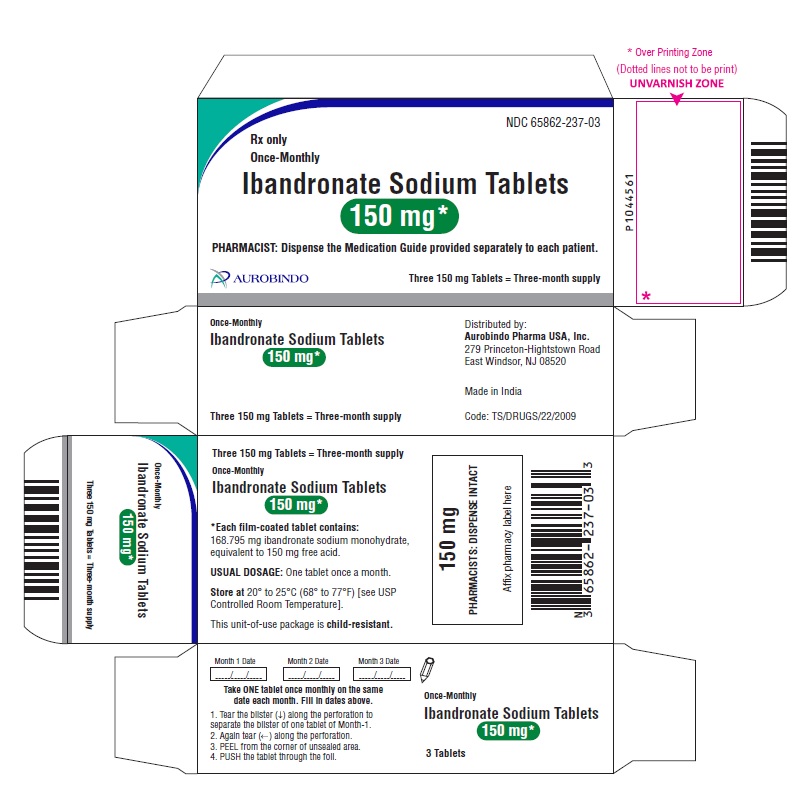
Ibandronate Sodium 150 mg Tablet, Film Coated, 2,500-count
🆔 Identity & classification
Where does this data come from?
🏷️ RxNorm drug class
This medicine belongs to the Bisphosphonate class.
Where does this data come from?
🏭 Manufacturer & labeler
Where does this data come from?
🩺 Clinical
- Ibandronate is a type of medication called a bisphosphonate. It works by slowing down the cells in your body that break down bone tissue, which helps your bones stay denser and str...
- What exactly is ibandronate and what is it supposed to do for me?
- There are a few key steps, and they really matter — skipping them can make the medication less effective or cause stomach and esophageal irritation. Take your tablet first thing in...
- How do I take the tablet correctly? I've heard there are a lot of rules.
Patient education
Supplement & herbal interactions
Where does this data come from?
Ask a licensed pharmacist directly — free, answered by our team.
💊 What it looks like
Where does this data come from?
🧪 Inactive Ingredients / Excipients
Inactive ingredients, also called excipients, are components of the drug product other than the active ingredient. They may include fillers, dyes, coatings, preservatives, flavors, or other formulation ingredients.
💡 Tap an ingredient (hover on desktop) to see what it is and why it’s used.
-
UNII 68401960MK
Crospovidone is a synthetic polymer made from polyvinylpyrrolidone. It acts as a disintegrant, helping tablets break apart quickly in the stomach so the medicine dissolves and absorbs into the body.
-
UNII R75537T0T4
Hypromellose 2910 is a plant-derived thickening agent made from cellulose. It serves as a binder that holds tablet ingredients together, a film-coating for pills, and a viscosity controller in liquids.
-
UNII OP1R32D61U
Microcrystalline cellulose is a purified form of cellulose, a natural fiber from plant sources. It acts as a binder and filler in tablets and capsules, helping hold ingredients together and give the medicine its shape and size.
-
UNII FZ989GH94E
Povidone is a synthetic polymer made from a plastic-like material. It acts as a binder to hold tablet ingredients together and as a disintegrant to help the tablet break apart in your stomach so the medicine can be absorbed.
-
UNII ETJ7Z6XBU4
Silicon dioxide is a naturally occurring mineral used as a glidant and anti-caking agent. It helps powder ingredients flow smoothly and prevents clumping during manufacturing and storage.
-
UNII 7CV7WJK4UI
Sodium stearyl fumarate is a synthetic compound made from stearyl alcohol and fumaric acid. It acts as a lubricant and glidant in tablets and capsules, helping ingredients flow smoothly during manufacturing and preventing sticking.
-
UNII 7SEV7J4R1U
A powder made from a naturally occurring mineral. In medicines, talc works as a glidant and anti-caking agent, helping tablets and capsules flow smoothly during manufacturing and preventing clumping.
-
UNII 15FIX9V2JP
Titanium dioxide is a bright white mineral powder commonly used as a colorant and opacifying agent. It makes pills and tablets white or lighter in color and helps make coatings non-transparent.
-
UNII XHX3C3X673
Triacetin is a clear, oily liquid made from glycerin and acetic acid. It works as a plasticizer and solvent in medicines, helping soften coatings and improve how liquids mix together in formulations.
9 inactive ingredients listed in the exact product block matched to this NDC.
Where does this data come from?
ingredient classCode="IACT" elements from the exact product block matched by this NDC. Label-section narrative from DailyMed / the openFDA label index is shown separately when available.Inactive ingredient FAQ
Are inactive ingredients the same for every manufacturer?
Why might an inactive ingredient be missing?
Can inactive ingredients matter?
💲 Pricing
A drug doesn't have one price. Each row is a different public payment system, and none is what you'd pay at the counter — that depends on your insurance. The ⓘ on each row explains what it measures.
| Price system | Per each | Per package |
|---|---|---|
| Retail pharmacies payNADAC · weekly | Not in the retail survey — common for institutional, discontinued, or low-volume packs. | |
| Medicaid paysCMS SDUD · 12 mo | No recent Medicaid claims on file for this NDC — rare and low-volume NDCs are suppressed in the public data. | |
| Medicare drug plans payPart D · quarterly | No Part D plan price is available for this NDC in our data. | |
Where does this data come from?
🔁 Therapeutic equivalents
| Product | Labeler | Pack | NADAC/unit | TE | Status | Price vs. this |
|---|---|---|---|---|---|---|
| Ibandronate Sodium 150 mg 33342-0150-53 | Macleods | 1 tablet | $2.752 | AB | Availability likely | — |
| Ibandronate Sodium 150 mg 60505-2795-00 | Apotex | 1 tablet | $2.752 | AB | Discontinued | — |
| Ibandronate Sodium 150 mg 69452-0378-74 | Bionpharma | 3 tablets | $2.752 | AB | Availability likely | — |
| Ibandronate sodium 150 mg 55111-0575-03 | Dr. | 3 tablets | $4.267 | AB | FDA listed | — |
| Ibandronate sodium 150 mg 50090-7654-00 | A-S | 3 tablets | — | AB | FDA listed | — |
| Ibandronate Sodium 150 mg 60429-0643-73 | Golden | 1 tablet | — | AB | FDA listed | — |
| Ibandronate Sodium 150 mgthis 65862-0237-26 | Aurobindo | 2500 tablets | — | AB | FDA listed | — |
Where does this data come from?
⏳ Availability & generic status
This product is an FDA-approved generic. Other versions of the same drug are listed under Therapeutic equivalents, least expensive first.
Where does this data come from?
💊 Medicaid utilization by pack size
📊 Medicare Part D spend CMS · PART D · 2026 (Q1)
🔬 Reported adverse events (FAERS)
Top reported reactions
Age at onset
Reporter sex
Serious outcomes
Where does this data come from?
📦 Packaging — all sizes for this product
| Package NDC | Description | Per unit | Per pack | Marketing start | Status |
|---|---|---|---|---|---|
| 65862-0237-03 | 1 BLISTER PACK in 1 CARTON (65862-237-03) / 3 TABLET, FILM COATED in 1 BLISTER PACK | $2.75 / ea | $8.26 | 2016-03-11 | Active |
| 65862-0237-26 You're viewing this | 2500 TABLET, FILM COATED in 1 BAG (65862-237-26) | — | — | — | Active |
This pack shows little to no recent Medicaid volume — a different pack size carries most fills. See all packs ↓
Pack size FAQ
What quantity is in NDC 65862-0237-26?
What is the difference between NDC 65862-0237-26 and NDC 65862-0237-03?
What NDC number is used to bill for this package of Ibandronate Sodium 150 mg Tablet, Film Coated?
Prices are the latest CMS NADAC pharmacy acquisition cost per NDC; per-pack figures are per-unit × pack quantity, shown only when the pack is denominated in the same measure NADAC prices.
🧭 About this NDC listing & data coverage
What data is (and isn’t) available for this NDC — tap to expand
| NDC identity (package / product / labeler codes) | ✓ Available |
| Labeler | ✓ Available |
| Product & package description | ✓ Available |
| Marketing category & status | ✓ Available |
| Active ingredient / dosage form / route | ✓ Available |
| FDA label (SPL via DailyMed) | ✓ Available |
| Package photos | ✓ Available |
| Inactive ingredients (structured) | ✓ Available |
| NADAC pharmacy acquisition price (CMS) | — Not published for this NDC CMS publishes NADAC only for NDCs reported in its retail-pharmacy survey. |
| Orange Book / therapeutic-equivalence data | ✓ Available |
| HCPCS J-code billing crosswalk | — Not published for this NDC Most self-administered / retail products have no J-code — that is normal. |
| Medicaid utilization (CMS SDUD) | — Not published for this NDC CMS reports utilization only for NDCs with Medicaid claims above its privacy threshold. |
Questions about this listing
Why is there no price listed?
Is the NDC printed on the package the same as the 11-digit billing NDC?
What do the three segments of this NDC mean?
Is this package still being marketed?
Does this product come in other package sizes?
Who lists this product with the FDA?
Do I need a prescription for this product?
Where does this data come from?
📄 Full prescribing information FDA SPL
🎯 Indications and Usage ▾
1 INDICATIONS AND USAGE Ibandronate sodium is a bisphosphonate indicated for the treatment and prevention of postmenopausal osteoporosis. ( 1.1 ) Limitations of Use The optimal duration of use has not been determined. For patients at low -risk for fracture, consider drug discontinuation after 3 to 5 years of use. ( 1.2 )
1.1Treatment and Prevention of Postmenopausal Osteoporosis Ibandronate sodium tablets are indicated for the treatment and prevention of osteoporosis in postmenopausal women. Ibandronate sodium tablets increase bone mineral density (BMD) and reduce the incidence of vertebral fractures.
1.2Important Limitations of Use The optimal duration of use has not been determined. The safety and effectiveness of ibandronate sodium tablets for the treatment of osteoporosis are based on clinical data of three years duration. All patients on bisphosphonate therapy should have the need for continued therapy re-evaluated on a periodic basis.
Patients at low-risk for fracture should be considered for drug discontinuation after 3 to 5 years of use. Patients who discontinue therapy should have their risk for fracture re-evaluated periodically.
⏱️ Dosage and Administration ▾
2 DOSAGE AND ADMINISTRATION Take one 150 mg tablet once monthly on the same day each month ( 2.1 ) Instruct patient to: ( 2.2 ) Swallow whole tablet with 6 to 8 oz of plain water only, at least 60 minutes before the first food, beverage, or medication of day. Avoid lying down for at least 60 minutes after taking ibandronate sodium tablets. Do not eat, drink (except for water), or take other medication for 60 minutes after taking ibandronate sodium tablets.
Take supplemental calcium and vitamin D if dietary intake inadequate ( 2.3 )
2.1Dosage Information The dose of ibandronate sodium is one 150 mg tablet taken once monthly on the same date each month.
2.2Important Administration Instructions Instruct Patients to do the following: Take ibandronate sodium tablets at least 60 minutes before the first food or drink (other than water) of the day or before taking any oral medication or supplementation, including calcium, antacids, or vitamins to maximize absorption and clinical benefit, (see DRUG INTERACTIONS [7.1] ) . Avoid the use of water with supplements including mineral water because they may have a higher concentration of calcium. Swallow ibandronate sodium tablets whole with a full glass of plain water (6 to 8 oz) while standing or sitting in an upright position to reduce the potential for esophageal irritation.
Avoid lying down for 60 minutes after taking ibandronate sodium tablets (see WARNINGS AND PRECAUTIONS [5.1] ) . Do not chew or suck the tablet because of a potential for oropharyngeal ulceration. Do not eat, drink anything except plain water, or take other medications for at least 60 minutes after taking ibandronate sodium tablets.
2.3Recommendations for Calcium and Vitamin D Supplementation Instruct patients to take supplemental calcium and vitamin D if their dietary intake is inadequate. Avoid the use of calcium supplements within 60 minutes of ibandronate sodium tablets administration because co-administration of ibandronate sodium tablets and calcium may interfere with the absorption of ibandronate sodium (see DRUG INTERACTIONS [7.1] ) .
2.4Administration Instructions for Missed Once-Monthly Doses If the once-monthly dose is missed, instruct patients to do the following: If the next scheduled ibandronate sodium tablets day is more than 7 days away, take one ibandronate sodium tablet 150 mg (ibandronate) in the morning following the date that it is remembered. If the next scheduled ibandronate sodium tablets day is only 1 to 7 days away, wait until the subsequent month’s scheduled ibandronate sodium tablets day to take their tablet. For subsequent monthly doses for both of the above scenarios, instruct patients to return to their original schedule by taking one ibandronate sodium tablet 150 mg (ibandronate) every month on their previous chosen day.
💊 Dosage Forms and Strengths ▾
3 DOSAGE FORMS AND STRENGTHS Ibandronate sodium tablets, 150 mg: white to off-white, film-coated, caplet shaped, biconvex tablets debossed with ‘X’ on one side and ‘78’ on the other side. Tablets: 150 mg (3)
⛔ Contraindications ▾
4 CONTRAINDICATIONS Ibandronate sodium tablets are contraindicated in patients with the following conditions: Abnormalities of the esophagus which delay esophageal emptying such as stricture or achalasia (see Warnings and Precautions [5.1] ) Inability to stand or sit upright for at least 60 minutes (see Dosage and Administration [2.2] , and Warnings and Precautions [5.1]) Hypocalcemia (see Warnings and Precautions [5.2] ) Known hypersensitivity to ibandronate sodium tablets or to any of its excipients. Cases of anaphylaxis have been reported (see Adverse Reactions [6.2] ).
Abnormalities of the esophagus which delay esophageal emptying such as stricture or achalasia. (4, 5.1) Inability to stand or sit upright for at least 60 minutes. (4, 5.1) Hypocalcemia.
(4) Hypersensitivity to ibandronate sodium tablets. (4)
⚠️ Warnings and Cautions ▾
5 WARNINGS AND PRECAUTIONS Upper gastrointestinal Adverse Reactions can occur. Instruct patients to follow dosing instructions and discontinue use if new or worsening symptoms occur. ( 5.1 ) Hypocalcemia may worsen during treatment.
Correct hypocalcemia before use. ( 5.2 ) Severe Bone, Joint, and Muscle Pain may occur. Consider discontinuing use if symptoms develop.
( 5.3 ) Osteonecrosis of the Jaw has been reported. ( 5.4 ) Atypical Fractures Including Femoral Fractures have been reported. Patients with new thigh or groin pain should be evaluated to rule out a femoral fracture.
Risk/benefit of continuing bisphosphonate therapy should be re-evaluated in these patients and interruption of bisphosphonate therapy should be considered ( 5.5 )
5.1Upper Gastrointestinal Adverse Reactions Ibandronate sodium, like other bisphosphonates administered orally, may cause local irritation of the upper gastrointestinal mucosa. Because of these possible irritant effects and a potential for worsening of the underlying disease, caution should be used when ibandronate sodium is given to patients with active upper gastrointestinal problems (such as known Barrett’s esophagus, dysphagia, other esophageal diseases, gastritis, duodenitis or ulcers). Esophageal adverse experiences, such as esophagitis, esophageal ulcers and esophageal erosions, occasionally with bleeding and rarely followed by esophageal stricture or perforation, have been reported in patients receiving treatment with oral bisphosphonates.
In some cases, these have been severe and required hospitalization. Physicians should therefore be alert to any signs or symptoms signaling a possible esophageal reaction and patients should be instructed to discontinue ibandronate sodium and seek medical attention if they develop dysphagia, odynophagia, retrosternal pain or new or worsening heartburn. The risk of severe esophageal adverse experiences appears to be greater in patients who lie down after taking oral bisphosphonates and/or who fail to swallow it with the recommended full glass (6 to 8 oz) of water, and/or who continue to take oral bisphosphonates after developing symptoms suggestive of esophageal irritation.
Therefore, it is very important that the full dosing instructions are provided to, and understood by, the patient (see DOSAGE AND ADMINISTRATION [2.2] ) . In patients who cannot comply with dosing instructions due to mental disability, therapy with ibandronate sodium should be used under appropriate supervision. There have been post-marketing reports of gastric and duodenal ulcers with oral bisphosphonate use, some severe and with complications, although no increased risk was observed in controlled clinical trials.
5.2Hypocalcemia and Mineral Metabolism Hypocalcemia has been reported in patients taking ibandronate sodium. Treat hypocalcemia and other disturbances of bone and mineral metabolism before starting ibandronate sodium therapy. Instruct patients to take supplemental calcium and vitamin D if their dietary intake is inadequate (see DOSAGE AND ADMINISTRATION [2.3] ) .
5.3Musculoskeletal Pain Severe and occasionally incapacitating bone, joint, and/or muscle pain has been reported in patients taking ibandronate sodium and other bisphosphonates (see ADVERSE REACTIONS [6] ) . The time to onset of symptoms varied from one day to several months after starting the drug. Most patients had relief of symptoms after stopping.
A subset had recurrence of symptoms when rechallenged with the same drug or another bisphosphonate. Consider discontinuing use if severe symptoms develop.
5.4Jaw Osteonecrosis Osteonecrosis of the jaw (ONJ), which can occur spontaneously, is generally associated with tooth extraction and/or local infection with delayed healing, and has been reported in patients taking bisphosphonates, including ibandronate sodium. Known risk factors for osteonecrosis of the jaw include invasive dental procedures (e.g., tooth extraction, dental implants, boney surgery), diagnos…
🤒 Adverse Reactions ▾
6 ADVERSE REACTIONS The following clinically significant adverse drug reactions are described elsewhere in the labeling: Upper Gastrointestinal Adverse Reactions [see Warnings and Precautions (5.1) ] Hypocalcemia and Mineral Metabolism [see Warnings and Precautions (5.2) ] Musculoskeletal [see Warnings and Precautions (5.3) ] Jaw Osteonecrosis [see Warnings and Precautions (5.4) ] Atypical Fractures Including Femoral Fractures [see Warnings and Precautions (5.5) ] Severe Renal Impairment [see Warnings and Precautions (5.6) ] The most common adverse reactions (greater than 5%) are back pain, dyspepsia, pain in extremity, diarrhea, headache, and myalgia.
(6) To report SUSPECTED ADVERSE REACTIONS, contact Aurobindo Pharma USA, Inc. at 1-866-850-2876 or FDA at 1-800-FDA-1088 or www.fda.gov/medwatch.
6.1Clinical Trials Experience Because clinical trials are conducted under widely varying conditions, adverse reaction rates observed in the clinical trials of a drug cannot be directly compared to rates in the clinical trials of another drug and may not reflect the rates observed in practice. Treatment and Prevention of Postmenopausal Osteoporosis Daily Dosing The safety of ibandronate sodium 2.5 mg (ibandronate) once daily in the treatment and prevention of postmenopausal osteoporosis was assessed in 3577 patients aged 41 to 82 years.
The duration of the trials was 2 to 3 years, with 1134 patients exposed to placebo and 1140 exposed to ibandronate sodium 2.5 mg (ibandronate). Patients with pre-existing gastrointestinal disease and concomitant use of non-steroidal anti-inflammatory drugs, proton pump inhibitors and H 2 antagonists were included in these clinical trials. All patients received 500 mg calcium plus 400 international units vitamin D supplementation daily.
The incidence of all-cause mortality was 1% in the placebo group and 1.2% in the ibandronate sodium 2.5 mg (ibandronate) daily group. The incidence of serious adverse reactions was 20% in the placebo group and 23% in the ibandronate sodium 2.5 mg (ibandronate) daily group. The percentage of patients who withdrew from treatment due to adverse reactions was approximately 17% in both the ibandronate sodium 2.5 mg (ibandronate) daily group and the placebo group.
Table 1 lists adverse reactions from the treatment and prevention studies reported in greater than or equal to 2% of patients and more frequently in patients treated daily with ibandronate sodium than patients treated with placebo. Table 1 Adverse Reactions Occurring at an Incidence Greater Than or Equal to 2% and in More Patients Treated with Ibandronate Sodiu m Than in Patients Treated with Placebo Daily in the Osteoporosis Treatment and Prevention Studies Body System Placebo % (n=1134) Ibandronate Sodium 2.5 mg (ibandronate) % (n=1140) Body as a Whole Back Pain 12 14 Pain in Extremity 6 8 Asthenia 2 4 Allergic Reaction 2 3 Digestive System Dyspepsia 10 12 Diarrhea 5 7 Tooth Disorder 2 4 Vomiting 2 3 Gastritis 2 2 Musculoskeletal System Myalgia 5 6 Joint Disorder 3 4 Arthritis 3 3 Nervous System Headache 6 7 Dizziness 3 4 Vertigo 3 3 Respiratory System Upper Respiratory Infection 33 34 Bronchitis 7 10 Pneumonia 4 6 Pharyngitis 2 3 Urogenital System Urinary Tract Infection 4 6 Gastrointestinal Adverse Reactions The incidence of selected gastrointestinal adverse reactions in the placebo and ibandronate sodium 2.5 mg (ibandronate) daily groups were: dyspepsia (10% vs.
12%), diarrhea (5% vs. 7%), and abdominal pain (5% vs. 6%).
Musculoskeletal Adverse Reactions The incidence of selected musculoskeletal adverse reactions in the placebo and ibandronate sodium 2.5 mg (ibandronate) daily groups were: back pain (12% vs. 14%), arthralgia (14% vs. 14%) and myalgia (5% vs.
6%). Ocular Adverse Events Reports in the medical literature indicate that bisphosphonates may be associated with ocular inflammation such as iritis and scleritis. In some cases, these events did not resolve until the bisphosphonate was discontinued.
There we…
🔄 Drug Interactions ▾
7 DRUG INTERACTIONS Calcium supplements, antacids and some oral medications may interfere with absorption of ibandronate. Do not take within 60 minutes of dosing. ( 7.1 ) Use caution when co-prescribing aspirin/nonsteroidal anti-inflammatory drugs that may worsen gastrointestinal irritation. ( 7.2 )
7.1Calcium Supplements/Antacids Products containing calcium and other multivalent cations (such as aluminum, magnesium, iron) are likely to interfere with absorption of ibandronate sodium. Therefore, instruct patients to take ibandronate sodium at least 60 minutes before any oral medications, including medications containing multivalent cations (such as antacids, supplements or vitamins). Also, patients should wait at least 60 minutes after dosing before taking any other oral medications (see Dosage and Administration [2.3] ) .
7.2Aspirin/Nonsteroidal Anti-Inflammatory Drugs (NSAIDs) Because aspirin, NSAIDs, and bisphosphonates are all associated with gastrointestinal irritation, caution should be exercised in the concomitant use of aspirin or NSAIDs with ibandronate sodium.
7.3H 2 Blockers In healthy volunteers, co-administration with ranitidine resulted in a 20% increased bioavailability of ibandronate, which was not considered to be clinically relevant (see CLINICAL PHARMACOLOGY [12.3] ) .
7.4Drug/Laboratory Test Interactions Bisphosphonates are known to interfere with the use of bone-imaging agents. Specific studies with ibandronate have not been performed.
👥 Use in Specific Populations ▾
8 USE IN SPECIFIC POPULATIONS Ibandronate sodium is not recommended in patients with severe renal impairment (creatinine clearance less than 30 mL/min). ( 5.6 , 8.6 )
8.1Pregnancy Risk Summary Ibandronate sodium is not indicated for use in women of reproductive potential. There are no data with ibandronate sodium use in pregnant women to inform any drug-associated risks. In reproductive toxicity studies in the rat, ibandronate sodium caused post-implantation loss and obstruction of labor with maternal and fetal periparturient mortality at greater than or equal to 3 times human exposure at the recommended 2.5 mg daily oral dose, or at greater than or equal to 1 times human exposure at the recommended 150 mg once-monthly oral dose.
In pregnant rats, kidney developmental toxicity occurred in offspring at greater than or equal to 30 times the daily 2.5 mg human dose or at greater than or equal to 9 times the once-monthly 150 mg human dose. In rat reproductive studies, impaired pup neuromuscular development was observed at 45 times the daily 2.5 mg dose and 13 times the once-monthly 150 mg dose. In reproductive studies in the rabbit, ibandronate sodium caused maternal mortality at greater than or equal to 8 times the daily 2.5 mg dose and greater than or equal to 4 times the once-monthly 150 mg dose ( see Data ).
Data Animal Data In female rats given ibandronate at oral doses greater than or equal to 3 times human exposure at the recommended daily oral dose of 2.5 mg or greater than or equal to 1 times human exposure at the recommended once-monthly oral dose of 150 mg beginning 14 days before mating and continuing through lactation, maternal deaths were observed at the time of delivery in all dose groups. Perinatal pup loss in dams given doses producing 45 times human exposure at the recommended daily dose and 13 times human exposure at the recommended once-monthly dose was likely related to maternal dystocia.
Calcium supplementation did not completely prevent dystocia and periparturient mortality in any of the treated groups at greater than or equal to 16 times the recommended daily dose and greater than or equal to 4.6 times the recommended once-monthly dose. A low incidence of postimplantation loss was observed in rats treated from 14 days before mating throughout lactation or during gestation, only at doses causing maternal dystocia and periparturient mortality. In pregnant rats dosed orally from gestation day 17 through lactation day 21 (following closure of the hard palate through weaning), maternal toxicity, including dystocia and mortality, fetal perinatal and postnatal mortality, were observed at doses equivalent to human exposure at the recommended daily dose and greater than or equal to 4 times the recommended once-monthly dose.
Periparturient mortality has also been observed with other bisphosphonates and appears to be a class effect related to inhibition of skeletal calcium mobilization resulting in hypocalcemia and dystocia. Exposure of pregnant rats during the period of organogenesis resulted in an increased fetal incidence of RPU (renal pelvis ureter) syndrome at oral doses producing 30 times human exposure at the recommended daily oral dose of 2.5 mg and greater than or equal to 9 times human exposure at the recommended once-monthly oral dose of 150 mg.
Impaired pup neuromuscular development (cliff avoidance test) was observed at 45 times human exposure at the daily dose and 13 times the once-monthly dose. In pregnant rabbits treated orally with ibandronate during gestation at doses greater than or equal to 8 times the recommended human daily oral dose of 2.5 mg and greater than or equal to 4 times the recommended human once-monthly oral dose of 150 mg, dose-related maternal mortality was observed in all treatment groups. The deaths occurred prior to parturition and were associated with lung edema and hemorrhage.
No significant fetal anomalies were observed. Exposure multiples for the rat studies were calculated f…
🤰 Pregnancy ▾
8.1Pregnancy Risk Summary Ibandronate sodium is not indicated for use in women of reproductive potential. There are no data with ibandronate sodium use in pregnant women to inform any drug-associated risks. In reproductive toxicity studies in the rat, ibandronate sodium caused post-implantation loss and obstruction of labor with maternal and fetal periparturient mortality at greater than or equal to 3 times human exposure at the recommended 2.5 mg daily oral dose, or at greater than or equal to 1 times human exposure at the recommended 150 mg once-monthly oral dose.
In pregnant rats, kidney developmental toxicity occurred in offspring at greater than or equal to 30 times the daily 2.5 mg human dose or at greater than or equal to 9 times the once-monthly 150 mg human dose. In rat reproductive studies, impaired pup neuromuscular development was observed at 45 times the daily 2.5 mg dose and 13 times the once-monthly 150 mg dose. In reproductive studies in the rabbit, ibandronate sodium caused maternal mortality at greater than or equal to 8 times the daily 2.5 mg dose and greater than or equal to 4 times the once-monthly 150 mg dose ( see Data ).
Data Animal Data In female rats given ibandronate at oral doses greater than or equal to 3 times human exposure at the recommended daily oral dose of 2.5 mg or greater than or equal to 1 times human exposure at the recommended once-monthly oral dose of 150 mg beginning 14 days before mating and continuing through lactation, maternal deaths were observed at the time of delivery in all dose groups. Perinatal pup loss in dams given doses producing 45 times human exposure at the recommended daily dose and 13 times human exposure at the recommended once-monthly dose was likely related to maternal dystocia.
Calcium supplementation did not completely prevent dystocia and periparturient mortality in any of the treated groups at greater than or equal to 16 times the recommended daily dose and greater than or equal to 4.6 times the recommended once-monthly dose. A low incidence of postimplantation loss was observed in rats treated from 14 days before mating throughout lactation or during gestation, only at doses causing maternal dystocia and periparturient mortality. In pregnant rats dosed orally from gestation day 17 through lactation day 21 (following closure of the hard palate through weaning), maternal toxicity, including dystocia and mortality, fetal perinatal and postnatal mortality, were observed at doses equivalent to human exposure at the recommended daily dose and greater than or equal to 4 times the recommended once-monthly dose.
Periparturient mortality has also been observed with other bisphosphonates and appears to be a class effect related to inhibition of skeletal calcium mobilization resulting in hypocalcemia and dystocia. Exposure of pregnant rats during the period of organogenesis resulted in an increased fetal incidence of RPU (renal pelvis ureter) syndrome at oral doses producing 30 times human exposure at the recommended daily oral dose of 2.5 mg and greater than or equal to 9 times human exposure at the recommended once-monthly oral dose of 150 mg.
Impaired pup neuromuscular development (cliff avoidance test) was observed at 45 times human exposure at the daily dose and 13 times the once-monthly dose. In pregnant rabbits treated orally with ibandronate during gestation at doses greater than or equal to 8 times the recommended human daily oral dose of 2.5 mg and greater than or equal to 4 times the recommended human once-monthly oral dose of 150 mg, dose-related maternal mortality was observed in all treatment groups. The deaths occurred prior to parturition and were associated with lung edema and hemorrhage.
No significant fetal anomalies were observed. Exposure multiples for the rat studies were calculated for the recommended daily oral dose of 2.5 mg or once-monthly dose of 150 mg based on area under the curve (AUC) comparison. Exposure multiples for the rabbit study wer…
🧒 Pediatric Use ▾
8.4Pediatric Use Safety and effectiveness in pediatric patients have not been established.
🧓 Geriatric Use ▾
8.5Geriatric Use Of the patients receiving ibandronate sodium 2.5 mg (ibandronate) daily in postmenopausal osteoporosis studies, 52% were over 65 years of age, and 10% were over 75 years of age. Of the patients receiving ibandronate sodium 150 mg (ibandronate) once-monthly in the postmenopausal osteoporosis 1-year study, 52% were over 65 years of age, and 9% were over 75 years of age. No overall differences in effectiveness or safety were observed between these patients and younger patients but greater sensitivity in some older individuals cannot be ruled out.
🆘 Overdosage ▾
10 OVERDOSAGE No specific information is available on the treatment of overdosage of ibandronate sodium. However, based on knowledge of this class of compounds, oral overdosage may result in hypocalcemia, hypophosphatemia, and upper gastrointestinal adverse events, such as upset stomach, dyspepsia, esophagitis, gastritis, or ulcer. Milk or antacids should be given to bind ibandronate sodium.
Due to the risk of esophageal irritation, vomiting should not be induced, and the patient should remain fully upright. Dialysis would not be beneficial.
🧬 Clinical Pharmacology ▾
12 CLINICAL PHARMACOLOGY
12.1Mechanism of Action The action of ibandronate on bone tissue is based on its affinity for hydroxyapatite, which is part of the mineral matrix of bone. Ibandronate inhibits osteoclast activity and reduces bone resorption and turnover. In postmenopausal women, it reduces the elevated rate of bone turnover, leading to, on average, a net gain in bone mass.
12.2Pharmacodynamics Osteoporosis is characterized by decreased bone mass and increased fracture risk, most commonly at the spine, hip, and wrist. The diagnosis can be confirmed by a finding of low bone mass, evidence of fracture on x-ray, a history of osteoporotic fracture, or height loss or kyphosis indicative of vertebral fracture. While osteoporosis occurs in both men and women, it is most common among women following menopause.
In healthy humans, bone formation and resorption are closely linked; old bone is resorbed and replaced by newly formed bone. In postmenopausal osteoporosis, bone resorption exceeds bone formation, leading to bone loss and increased risk of fracture. After menopause, the risk of fractures of the spine and hip increases; approximately 40% of 50-year-old women will experience an osteoporosis-related fracture during their remaining lifetimes.
Ibandronate sodium produced biochemical changes indicative of dose-dependent inhibition of bone resorption, including decreases of biochemical markers of bone collagen degradation (such as deoxypyridinoline, and cross-linked C-telopeptide of Type I collagen) in the daily dose range of 0.25 mg to 5 mg and once-monthly doses from 100 mg to 150 mg in postmenopausal women. Treatment with 2.5 mg daily ibandronate sodium resulted in decreases in biochemical markers of bone turnover, including urinary C-terminal telopeptide of Type I collagen (uCTX) and serum osteocalcin, to levels similar to those in premenopausal women.
Changes in markers of bone formation were observed later than changes in resorption markers, as expected, due to the coupled nature of bone resorption and formation. Treatment with 2.5 mg daily ibandronate sodium decreased levels of uCTX within 1 month of starting treatment and decreased levels of osteocalcin within 3 months. Bone turnover markers reached a nadir of approximately 64% below baseline values by 6 months of treatment and remained stable with continued treatment for up to 3 years.
Following treatment discontinuation, there is a return to pretreatment baseline rates of elevated bone resorption associated with postmenopausal osteoporosis. In a 1-year, study comparing once-monthly vs. once-daily oral dosing regimens, the median decrease from baseline in serum CTX values was -76% for patients treated with the 150 mg once-monthly regimen and -67% for patients treated with the 2.5 mg daily regimen. In a 1-year, prevention study comparing ibandronate sodium 150 mg (ibandronate) once-monthly to placebo, the median placebo-subtracted decrease in sCTX was -49.8%.
12.3Pharmacokinetics Absorption The absorption of oral ibandronate occurs in the upper gastrointestinal tract. Plasma concentrations increase in a dose-linear manner up to 50 mg oral intake and increases nonlinearly above this dose. Following oral dosing, the time to maximum observed plasma ibandronate concentrations ranged from 0.5 to 2 hours (median 1 hour) in fasted healthy postmenopausal women.
The mean oral bioavailability of 2.5 mg ibandronate was about 0.6% compared to intravenous dosing. The extent of absorption is impaired by food or beverages (other than plain water). The oral bioavailability of ibandronate is reduced by about 90% when ibandronate sodium is administered concomitantly with a standard breakfast in comparison with bioavailability observed in fasted subjects.
There is no meaningful reduction in bioavailability when ibandronate is taken at least 60 minutes before a meal. However, both bioavailability and the effect on bone mineral density (BMD) are reduced when food or beverages are taken le…
🧬 Mechanism of Action ▾
12.1Mechanism of Action The action of ibandronate on bone tissue is based on its affinity for hydroxyapatite, which is part of the mineral matrix of bone. Ibandronate inhibits osteoclast activity and reduces bone resorption and turnover. In postmenopausal women, it reduces the elevated rate of bone turnover, leading to, on average, a net gain in bone mass.
📦 How Supplied / Storage and Handling ▾
16 HOW SUPPLIED/STORAGE AND HANDLING
16.1How Supplied Ibandronate Sodium Tablets, 150 mg ( ibandronate) are white to off-white, film-coated, caplet shaped, biconvex tablets debossed with ‘X’ on one side and ‘78’ on the other side. Carton of 1 Blister Pack Containing 3 Tablets NDC 65862-237-03
16.2Storage and Handling Store at 20° to 25°C (68° to 77°F) [see USP Controlled Room Temperature].
📋 Description ▾
11 DESCRIPTION Ibandronate sodium is a nitrogen-containing bisphosphonate that inhibits osteoclast-mediated bone resorption. The chemical name for ibandronate sodium is 3-( N -methyl- N -pentyl) amino-1-hydroxypropane-1,1-diphosphonic acid, monosodium salt, monohydrate with the molecular formula C 9 H 22 NO 7 P 2 Na•H 2 O and a molecular weight of 359.24. Ibandronate sodium is a white to almost white powder.
It is freely soluble in water and practically insoluble in organic solvents. Ibandronate sodium has the following structural formula: Ibandronate sodium is available as a white to off-white, caplet shaped, 150 mg film-coated tablet for once-monthly oral administration. One 150 mg film-coated tablet contains 168.795 mg ibandronate sodium monohydrate, equivalent to 150 mg free acid.
Ibandronate sodium tablet also contains the following inactive ingredients: colloidal silicon dioxide, crospovidone, microcrystalline cellulose, povidone and sodium stearyl fumarate. The tablet film-coating contains hypromellose, talc, titanium dioxide and triacetin. Ibandronate Structure
💬 Information for Patients ▾
17 PATIENT COUNSELING INFORMATION “See FDA-approved patient labeling ( Medication Guide )”
17.1Information for Patients Instruct patients to read the Medication Guide carefully before taking ibandronate sodium and to re-read it each time the prescription is renewed because it contains important information the patient should know about ibandronate sodium. The Medication Guide also includes the dosing instructions in order to maximize absorption and clinical benefit. Ibandronate sodium should be taken at least 60 minutes before the first food or drink (other than water) of the day and before taking any oral medication or supplementation including calcium, antacids or vitamins (see DRUG INTERACTIONS [7.1] ) .
To facilitate delivery to the stomach, and thus reduce the potential for esophageal irritation, ibandronate sodium tablets should be swallowed whole with a full glass of plain water (6 to 8 oz) while the patient is standing or sitting in an upright position. Patients should not lie down for 60 minutes after taking ibandronate sodium. Patients should not eat, drink anything except for water, or take other medications for 60 minutes after taking ibandronate sodium.
Plain water is the only drink that should be taken with ibandronate sodium. Note that some mineral waters may have a higher concentration of calcium and therefore should not be used. Patients should not chew or suck the tablet because of a potential for oropharyngeal ulceration.
The ibandronate sodium tablet 150 mg (ibandronate) should be taken on the same date each month (i.e., the patient’s ibandronate sodium tablet day). The patient must not take two 150 mg tablets within the same week. If the once-monthly dose is missed, and the patient’s next scheduled ibandronate sodium tablet day is more than 7 days away, the patient should be instructed to take one ibandronate sodium tablet 150 mg (ibandronate) in the morning following the date that it is remembered (see DOSAGE AND ADMINISTRATION [2.3] ) .
The patient should then return to taking one ibandronate sodium tablet 150 mg (ibandronate) every month in the morning of their chosen day, according to their original schedule. If the once-monthly dose is missed, and the patient’s next scheduled ibandronate sodium tablet day is only 1 to 7 days away, the patient must wait until the subsequent month’s scheduled ibandronate sodium tablet day to take their tablet. The patient should then return to taking one ibandronate sodium tablet 150 mg (ibandronate) every month in the morning of their chosen day, according to their original schedule.
Patients should receive supplemental calcium and vitamin D if dietary intake is inadequate. Intake of supplemental calcium and vitamin D should be delayed for at least 60 minutes following oral administration of ibandronate sodium in order to maximize absorption of ibandronate sodium. Physicians should be alert to signs or symptoms signaling a possible esophageal reaction during therapy, and patients should be instructed to discontinue ibandronate sodium and seek medical attention if they develop symptoms of esophageal irritation such as new or worsening dysphagia, pain on swallowing, retrosternal pain, or heartburn.
Dispense with Medication Guide available at: www.aurobindousa.com/medication-guides Distributed by: Aurobindo Pharma USA, Inc. 279 Princeton-Hightstown Road East Windsor, NJ 08520 Manufactured by: Aurobindo Pharma Limited Hyderabad-500 032, India Revised: 03/2026 Dispense with Medication Guide available at: www.aurobindousa.com/medication-guides
💬 Medication Guide ▾
MEDICATION GUIDE Ibandronate Sodium (eye ban′ droe nate soe′ dee um) Tablets Read the Medication Guide that comes with ibandronate sodium tablets before you start taking them and each time you get a refill. There may be new information. This Medication Guide does not take the place of talking with your doctor about your medical condition or your treatment.
Talk to your doctor if you have any questions about ibandronate sodium tablets. What is the most important information I should know about ibandronate sodium tablets? Ibandronate sodium tablets may cause serious side effects including: Esophagus problems Low calcium levels in your blood (hypocalcemia) Bone, joint or muscle pain Severe jaw bone problems (osteonecrosis) Unusual breaks in thigh and other bones 1.
Esophagus problems. Some people who take ibandronate sodium tablets may develop problems in the esophagus (the tube that connects the mouth and the stomach). These problems include irritation, inflammation, or ulcers of the esophagus which may sometimes bleed.
It is important that you take ibandronate sodium tablets exactly as prescribed to help lower your chance of getting esophagus problems (see the section “How should I take ibandronate sodium tablets?”). Stop taking ibandronate sodium tablets and call your doctor right away if you get chest pain, new or worsening heartburn, or have trouble or pain when you swallow. 2.
Low calcium levels in your blood (hypocalcemia). Ibandronate sodium tablets may lower the calcium levels in your blood. If you have low blood calcium before you start taking ibandronate sodium tablets, it may get worse during treatment.
Your low blood calcium must be treated before you take ibandronate sodium tablets. Most people with low blood calcium levels do not have symptoms, but some people may have symptoms. Call your doctor right away if you have symptoms of low blood calcium such as: Spasms, twitches, or cramps in your muscles Numbness or tingling in your fingers, toes, or around your mouth Your doctor may prescribe calcium and vitamin D to help prevent low calcium levels in your blood, while you take ibandronate sodium tablets.
Take calcium and vitamin D as your doctor tells you to. 3. Bone, joint, or muscle pain.
Some people who take ibandronate sodium tablets develop severe bone, joint, or muscle pain. 4. Severe jaw bone problems (osteonecrosis).
Severe jaw bone problems may happen when you take ibandronate sodium tablets. Your doctor may examine your mouth before you start ibandronate sodium tablets. Your doctor may tell you to see your dentist before you start ibandronate sodium tablets.
It is important for you to practice good mouth care during treatment with ibandronate sodium tablets. 5. Unusual breaks in thigh and other bones .
Some people have had unusual bone breaks, including thigh bone, when taking ibandronate sodium tablets. A break in the thigh bone can feel like a new pain in your hip, groin, or thigh. People taking ibandronate sodium tablets can also have breaks in other bones.
Call your doctor right away if you have any of these side effects. What are ibandronate sodium tablets? Ibandronate sodium tablets are a prescription medicine used to treat or prevent osteoporosis in women after menopause.
Ibandronate sodium tablets help increase bone mass and help reduce the chance of having a spinal fracture (break). It is not known how long ibandronate sodium tablets work for the treatment and prevention of osteoporosis. You should see your doctor regularly to determine if ibandronate sodium tablets are still right for you.
It is not known if ibandronate sodium tablets are safe and effective in children. Who should not take ibandronate sodium tablets? Do not take ibandronate sodium tablets if you: Have certain problems with your esophagus, the tube that connects your mouth with your stomach Cannot stand or sit upright for at least 60 minutes Have low levels of calcium in your blood Are allergic to ibandronate sodium tablets or any o…