
OPSYNVI macitentan and tadalafil 10 mg; 20 mg Tablet, Film Coated, 30-count
🆔 Identity & classification
Where does this data come from?
🏷️ RxNorm drug class
This medicine belongs to the Endothelin Receptor Antagonist class.
Where does this data come from?
🏭 Manufacturer & labeler
Where does this data come from?
🩺 Clinical
Patient education
Supplement & herbal interactions
Where does this data come from?
Ask a licensed pharmacist directly — free, answered by our team.
💊 What it looks like
Where does this data come from?
🧪 Inactive Ingredients / Excipients
Inactive ingredients, also called excipients, are components of the drug product other than the active ingredient. They may include fillers, dyes, coatings, preservatives, flavors, or other formulation ingredients.
Where does this data come from?
IACT rows and label-wide narrative are kept separate; availability and product-level specificity depend on the submitted label.Inactive ingredient FAQ
Are inactive ingredients the same for every manufacturer?
Why might an inactive ingredient be missing?
Can inactive ingredients matter?
💲 Pricing
A drug doesn't have one price. Each row is a different public payment system, and none is what you'd pay at the counter — that depends on your insurance. The ⓘ on each row explains what it measures.
| Price system | Per each | Per package |
|---|---|---|
| Retail pharmacies payNADAC · weekly | Not in the retail survey — common for institutional, discontinued, or low-volume packs. | |
| Medicaid paysCMS SDUD · 12 mo | $434.50 | $13,035.14 / 30 tablets |
| Medicare drug plans payPart D · Q2 2026 | $451.56 | $13,546.71 / 30 tablets |
Where does this data come from?
🔁 Therapeutic equivalents
| Product | Labeler | Pack | NADAC/unit | TE | Status | Price vs. this |
|---|---|---|---|---|---|---|
| Opsynvi 10 mg/1; 20 mgthis 66215-0812-30 | Actelion | 30 tablets | — | — | FDA listed | — |
Where does this data come from?
⏳ Availability & generic status
We did not find an FDA-approved generic match for this exact strength, form and route. Patent/protection dates below may affect future generic timing.
Why the date isn’t exact: Generic timing can change because patents may be challenged, settled, licensed, added, removed, or worked around with a narrower label — and FDA approval does not always mean a pharmacy can get the generic today.
🛈 What do these terms mean?
- Patent
- Legal protection listed in the Orange Book that may delay generic approval or launch. Issued by the U.S. Patent & Trademark Office.
- Substance patent
- Covers the active drug molecule itself — the hardest to design around. A generic generally can’t launch until it expires.
- Formulation (product) patent
- Covers a specific formulation or dosage form. A generic can sometimes work around it with a different formulation.
- Method-of-use patent
- A patent covering one specific approved use of the drug — not necessarily the whole molecule. A generic can sometimes launch with a “skinny label” that carves out the protected use and keeps the others.
- Skinny label
- A generic label that omits a still-patented use when the FDA allows it — letting a generic reach the market for the unprotected uses.
- Exclusivity
- FDA-granted marketing protection, separate from patents — e.g. 5-yr new chemical entity, 7-yr orphan drug, or a +6-month pediatric extension.
- Paragraph IV
- A generic applicant’s formal challenge to a listed patent. It can potentially lead to earlier generic entry, but often involves litigation or a settlement.
- RLD / RS
- Reference Listed Drug — the brand product the FDA uses as the reference for generic applications. Reference Standard — the product the FDA expects generics to compare against in bioequivalence testing.
- TE / AB rating
- FDA therapeutic-equivalence rating. An AB rating generally means the FDA considers a generic therapeutically equivalent to — and substitutable for — the brand.
- LOE (loss of exclusivity)
- The latest patent or exclusivity currently listed — the loss-of-exclusivity / latest-listed-protection date shown on this page. Paragraph-IV challenges and settlements can move the real date earlier; FDA approval and a manufacturer’s decision to market can move it later.
Built from the FDA Orange Book. The bars above are scaled to each protection’s expiry; the red LOE marker is the last one to lapse.
| Patent | Type | Use code | Expires |
|---|---|---|---|
| US 10946015 ↗ | Method of use | U-3881 | Sep 11, 2026 |
| US 10946015 ↗ | Method of use | U-3881 | Sep 11, 2026 |
| US 8268847 ↗ | Method of use | U-3882 | Apr 18, 2029 |
| US 8268847 ↗ | Method of use | U-3882 | Apr 18, 2029 |
| US 7094781 ↗ | Drug substance | — | Dec 5, 2025 |
| US 7094781 ↗ | Drug substance | — | Dec 5, 2025 |
| US 7094781*PED ↗ | Drug product | — | Jun 5, 2026 |
| US 7094781*PED ↗ | Drug product | — | Jun 5, 2026 |
| US 8268847*PED ↗ | Drug product | — | Oct 18, 2029 |
| US 8268847*PED ↗ | Drug product | — | Oct 18, 2029 |
| US 10946015*PED ↗ | Drug product | — | Mar 11, 2027 |
| US 10946015*PED ↗ | Drug product | — | Mar 11, 2027 |
| Code | What it grants | Expires |
|---|---|---|
| NP | New Product | Mar 22, 2027 |
| ODE-475 | Orphan Drug Exclusivity (7-year) | Mar 22, 2031 |
| NP | New Product | Mar 22, 2027 |
| ODE-475 | Orphan Drug Exclusivity (7-year) | Mar 22, 2031 |
| PED | Pediatric Exclusivity (+6 months) | Sep 22, 2027 |
| PED | Pediatric Exclusivity (+6 months) | Sep 22, 2027 |
| PED | Pediatric Exclusivity (+6 months) | Sep 22, 2031 |
| PED | Pediatric Exclusivity (+6 months) | Sep 22, 2031 |
Is there a generic version of OPSYNVI 10-20 MG TABLET?
The FDA approved a generic — why can’t I get it at my pharmacy yet?
Why do different websites show different generic release dates?
What does “FDA listed” mean?
What does a patent or protection date mean here?
What does “current Orange Book estimate” mean?
Can a generic come out before the last patent expires?
Can a generic come out after the listed dates?
What is the difference between patents and exclusivity?
Why are there multiple patent dates?
Where does this data come from?
🗺️ Medicaid utilization & spend
💊 Medicaid utilization by pack size
📊 Medicare Part D spend CMS · PART D · 2026 (Q1)
🔬 Reported adverse events (FAERS)
Top reported reactions
Age at onset
Reporter sex
Serious outcomes
Where does this data come from?
📦 Packaging — all sizes for this product
| Package NDC | Description | Marketing start | Status |
|---|---|---|---|
| 66215-0812-07 | 1 BOTTLE in 1 CARTON (66215-812-07) / 7 TABLET, FILM COATED in 1 BOTTLE | 2024-03-22 | Active |
| 66215-0812-08 | 1 BLISTER PACK in 1 CARTON (66215-812-08) / 7 TABLET, FILM COATED in 1 BLISTER PACK (66215-812-01) | 2024-03-22 | Active |
| 66215-0812-30 You're viewing this | 1 BOTTLE in 1 CARTON (66215-812-30) / 30 TABLET, FILM COATED in 1 BOTTLE | 2024-03-22 | Active |
In Medicaid, this is the most-dispensed pack of this product — about 100% of fills over the last four reported quarters. See all packs ↓
Pack size FAQ
What quantity is in NDC 66215-0812-30?
What is the difference between NDC 66215-0812-30 and NDC 66215-0812-07?
What NDC number is used to bill for this package of OPSYNVI macitentan and tadalafil 10 mg; 20 mg Tablet, Film Coated?
🧭 About this NDC listing & data coverage
What data is (and isn’t) available for this NDC — tap to expand
| NDC identity (package / product / labeler codes) | ✓ Available |
| Labeler | ✓ Available |
| Product & package description | ✓ Available |
| Marketing category & status | ✓ Available |
| Active ingredient / dosage form / route | ✓ Available |
| FDA label (SPL via DailyMed) | ✓ Available |
| Package photos | ✓ Available |
| Inactive ingredients (structured) | — Not published for this NDC The labeler did not submit a structured excipient list, or no SPL is available. |
| NADAC pharmacy acquisition price (CMS) | — Not published for this NDC CMS publishes NADAC only for NDCs reported in its retail-pharmacy survey. |
| Orange Book / therapeutic-equivalence data | ✓ Available |
| HCPCS J-code billing crosswalk | — Not published for this NDC Most self-administered / retail products have no J-code — that is normal. |
| Medicaid utilization (CMS SDUD) | ✓ Available |
Questions about this listing
Why is there no price listed?
Is the NDC printed on the package the same as the 11-digit billing NDC?
What do the three segments of this NDC mean?
Is this package still being marketed?
Does this product come in other package sizes?
Who lists this product with the FDA?
Do I need a prescription for this product?
Where does this data come from?
📄 Full prescribing information FDA SPL
🚨 Boxed Warning ▾
WARNING: EMBRYO-FETAL TOXICITY OPSYNVI is contraindicated for use during pregnancy because it may cause fetal harm based on animal data [see Contraindications (4.1) , Warnings and Precautions (5.1) , Use in Specific Populations (8.1) ]. Therefore, for females of reproductive potential, exclude pregnancy before the start of treatment with OPSYNVI. Advise use of effective contraception before the initiation of treatment, during treatment, and for one month after stopping treatment with OPSYNVI [see Dosage and Administration (2.2) , Use in Specific Populations (8.3) ].
When pregnancy is detected, discontinue OPSYNVI as soon as possible [see Warnings and Precautions (5.1) ] . WARNING: EMBRYO-FETAL TOXICITY See full prescribing information for complete boxed warning. Based on animal data, OPSYNVI may cause fetal harm if used during pregnancy ( 4.1 , 5.1 , 8.1 ).
Females of reproductive potential: exclude pregnancy before start of treatment. Prevent pregnancy prior to initiation of treatment, during treatment and for one month after treatment by using effective methods of contraception ( 2.2 , 8.3 ). When pregnancy is detected, discontinue OPSYNVI as soon as possible ( 5.1 ).
🎯 Indications and Usage ▾
1 INDICATIONS AND USAGE OPSYNVI is a combination of macitentan, an endothelin receptor antagonist (ERA), and tadalafil, a phosphodiesterase 5 (PDE5) inhibitor, indicated for chronic treatment of pulmonary arterial hypertension (PAH, WHO Group I) in adult patients of WHO functional class (FC) II–III. ( 1.1 ) Individually, macitentan reduces the risk of clinical worsening events and hospitalization, and tadalafil improves exercise ability. ( 1.1 , 14 )
1.1Pulmonary Arterial Hypertension OPSYNVI is the combination of macitentan and tadalafil indicated for the chronic treatment of adults with pulmonary arterial hypertension (PAH, WHO Group I and WHO Functional Class (FC) II–III). Individually, macitentan reduces the risk of clinical worsening events and hospitalization, and tadalafil improves exercise ability [see Clinical Studies (14.1) ] .
⏱️ Dosage and Administration ▾
2 DOSAGE AND ADMINISTRATION One 10 mg/20 mg or 10 mg/40 mg tablet taken orally once daily with or without food. ( 2.1 )
2.1Recommended Dosage OPSYNVI is taken orally once daily with or without food. Swallow the tablets whole, with water. Do not cut, crush, or chew tablets.
If the patient misses a dose of OPSYNVI, tell the patient to take it as soon as possible and then take the next dose at the regularly scheduled time. Tell the patient not to take two doses at the same time if a dose has been missed. For patients who are treatment-naïve to any PAH specific therapy or transitioning from ERA monotherapy The recommended starting dose of OPSYNVI is one 10 mg/20 mg tablet taken orally once daily with or without food for one week.
If tolerated, up titrate OPSYNVI to one 10 mg/40 mg tablet taken orally once daily with or without food as the maintenance dose. For patients transitioning from PDE5 inhibitor monotherapy or PDE5 inhibitor and ERA therapy in combination The recommended dose of OPSYNVI is one 10 mg/40 mg tablet taken orally once daily.
2.2Pregnancy Testing in Females of Reproductive Potential Exclude pregnancy before initiating treatment with OPSYNVI in females of reproductive potential [see Boxed Warning , Contraindications (4.1) , Warnings and Precautions (5.1) , and Use in Specific Populations (8.3) ].
💊 Dosage Forms and Strengths ▾
3 DOSAGE FORMS AND STRENGTHS OPSYNVI is available as: 10 mg/20 mg Pink Oblong Film-coated "1020" on one side and "MT" on the other side 10 mg/40 mg White to almost-white Oblong Film-coated "1040" on one side and "MT" on the other side Film-coated tablets: Macitentan 10 mg and tadalafil 20 mg ( 3 ) Macitentan 10 mg and tadalafil 40 mg ( 3 )
⛔ Contraindications ▾
4 CONTRAINDICATIONS Pregnancy ( 4.1 ) Hypersensitivity ( 4.2 ) Concomitant Organic Nitrates ( 4.3 ) Concomitant Guanylate Cyclase (GC) Stimulators ( 4.4 )
4.1Pregnancy OPSYNVI may cause fetal harm when administered to a pregnant woman. OPSYNVI is contraindicated in females who are pregnant. Macitentan was consistently shown to have teratogenic effects when administered to animals. If OPSYNVI is used during pregnancy, advise the patient of the potential risk to a fetus [see Warnings and Precautions (5.1) and Use in Specific Populations (8.1) ] .
4.2Hypersensitivity OPSYNVI is contraindicated in patients with a history of a hypersensitivity reaction to macitentan, tadalafil, or any component of the product. Hypersensitivity reactions have been reported. Stevens-Johnson syndrome and exfoliative dermatitis have been reported with tadalafil [see Adverse Reactions (6.2) ].
4.3Concomitant Organic Nitrates OPSYNVI is contraindicated in patients who are using any form of organic nitrate, either regularly or intermittently. Do not use nitrates within 48 hours of the last dose of OPSYNVI. Tadalafil potentiates the hypotensive effect of nitrates. This potentiation is thought to result from the combined effects of nitrates and tadalafil on the nitric oxide/cGMP pathway [see Clinical Pharmacology (12.2) ].
4.4Concomitant Guanylate Cyclase (GC) Stimulators Coadministration of GC stimulators such as riociguat with OPSYNVI is contraindicated. Tadalafil may potentiate the hypotensive effects of GC stimulators.
⚠️ Warnings and Cautions ▾
5 WARNINGS AND PRECAUTIONS Hepatotoxicity: ERAs cause hepatotoxicity and liver failure. Obtain baseline liver enzymes and monitor as clinically indicated. ( 5.2 ) Hypotension: Vasodilatory effects may cause hypotension in susceptible patients.
( 5.3 ) Hemoglobin decrease. ( 5.4 ) Worsening Pulmonary Veno-Occlusive Disease: If pulmonary edema is confirmed, discontinue treatment. ( 5.5 ) Visual Loss: Sudden loss of vision could be a sign of non-arteritic ischemic optic neuropathy (NAION) and may be permanent.
( 5.6 ) Hearing Impairment: Cases of sudden decrease or loss of hearing have been reported in patients taking tadalafil. ( 5.7 ) Fluid Retention: Fluid retention may require intervention. ( 5.8 ) Combination with Other PDE5 Inhibitors: Avoid use with other PDE5 inhibitors.
( 5.9 ) Decreased Sperm Count: Decreases in sperm count have been observed in patients taking ERAs. ( 5.10 ) Prolonged Erection: Advise patients to seek emergency treatment if an erection lasts greater than 4 hours. ( 5.11 )
5.1Embryo-fetal Toxicity Based on data from animal reproduction studies, OPSYNVI may cause fetal harm when administered to a pregnant patient and is contraindicated during pregnancy. The available human data for ERAs do not establish the presence or absence of major birth defects related to the use of OPSYNVI. Advise patients who can become pregnant of the potential risk to a fetus.
Obtain a pregnancy test prior to initiation of therapy with OPSYNVI. Advise patients who can become pregnant to use effective contraceptive methods prior to initiation of treatment, during treatment, and for one month after discontinuation of treatment with OPSYNVI. When pregnancy is detected, discontinue use as soon as possible [see Dosage and Administration (2.2) , Contraindications (4.1) , and Use in Specific Populations (8.1 , 8.3) ].
5.2Hepatotoxicity ERAs have caused elevations of aminotransferases, hepatotoxicity, and liver failure. The incidence of elevated aminotransferases in the double-blind and combined double-blind (DB)/open-label (OL) arms of the study of OPSYNVI in PAH are shown in Table 1. Table 1: Incidence of Elevated Aminotransferases in the A DUE Study OPSYNVI DB (N=107) OPSYNVI DB/OL (N=185) ≥3 × ULN 1.0% 3.4% ≥8 × ULN 1.0% 1.1% The overall incidence of treatment discontinuations for hepatic adverse events in the double-blind and combined double-blind/open-label arms study of OPSYNVI in PAH data were 0.9% and 2.2% respectively.
The incidence of elevated aminotransferases in the study of OPSUMIT (macitentan) in PAH is shown in Table 2. Table 2: Incidence of Elevated Aminotransferases in the SERAPHIN Study OPSUMIT 10 mg (N=242) Placebo (N=249) >3 × ULN 3.4% 4.5% >8 × ULN 2.1% 0.4% In the placebo-controlled study of OPSUMIT, discontinuations for hepatic adverse events were 3.3% in the OPSUMIT 10 mg group vs. 1.6% for placebo.
Obtain liver enzyme tests prior to initiation of OPSYNVI and repeat during treatment as clinically indicated. Advise patients to report symptoms suggesting hepatic injury (nausea, vomiting, right upper quadrant pain, fatigue, anorexia, jaundice, dark urine, fever, or itching). If clinically relevant aminotransferase elevations occur, or if elevations are accompanied by an increase in bilirubin >2 × ULN, or by clinical symptoms of hepatotoxicity, discontinue OPSYNVI.
Consider re-initiation of OPSYNVI when hepatic enzyme levels normalize in patients who have not experienced clinical symptoms of hepatotoxicity. Do not initiate OPSYNVI in patients with elevated aminotransferases (> 3 × upper limit of normal [ULN]) at baseline. Patients with severe hepatic cirrhosis (Child-Pugh Class C) have not been studied, and, therefore, avoid use of OPSYNVI.
5.3Hypotension OPSYNVI tablets have vasodilatory properties that may result in transient decreases in blood pressure. Prior to prescribing OPSYNVI tablets, carefully consider whether patients with underlying cardiovascular disease could be affected adversely by such vasodilato…
🤒 Adverse Reactions ▾
6 ADVERSE REACTIONS Clinically significant adverse reactions that appear in other sections of the labeling include: Hypersensitivity [see Contraindications (4.2) ] Embryo-fetal Toxicity [see Warnings and Precautions (5.1) ] Hepatotoxicity [see Warnings and Precautions (5.2) ] Hypotension [see Warnings and Precautions (5.3) ] Decrease in Hemoglobin [see Warnings and Precautions (5.4) ] Visual Loss [see Warnings and Precautions (5.6) and Patient Counseling Information (17) ] Hearing loss [see Warnings and Precautions (5.7) ] Fluid Retention [see Warnings and Precautions (5.8) ] Prolonged Erection [see Warnings and Precautions (5.11) ] Most common adverse reactions (≥10%) are edema/fluid retention, anemia, and headache/migraine.
( 6.1 ) To report SUSPECTED ADVERSE REACTIONS, contact Janssen at 1-800-526-7736 (1-800-JANSSEN) or FDA at 1-800-FDA-1088 or www.fda.gov/medwatch.
6.1Clinical Trials Experience Because clinical trials are conducted under widely varying conditions, adverse reaction rates observed in the clinical trials of a drug cannot be directly compared to rates in the clinical trials of another drug and may not reflect the rates observed in practice. The overall safety profile of OPSYNVI is based on data from a double-blind, active-controlled, phase 3 clinical study (A DUE) and an open-label extension study, in patients with PAH [see Clinical Studies (14) ] . In the double-blind portion of the study, a total of 107 patients were treated with OPSYNVI 10 mg/40 mg, 35 patients were treated with 10 mg macitentan monotherapy, and 44 patients were treated with 40 mg tadalafil monotherapy.
The duration of exposure to OPSYNVI during the double-blind portion was 16 weeks. The most common adverse reactions (occurring in ≥ 10% of the OPSYNVI-treated patients) from the double-blind study data were edema/fluid retention (21%), anemia (19%), and headache/migraine (18%). The incidence of treatment discontinuations due to adverse events among patients receiving OPSYNVI in the double-blind phase of the study was 8%.
The most frequent adverse reactions leading to discontinuation were anemia and hemoglobin decreased (2% grouped) and peripheral edema and peripheral swelling (2% grouped). Table 3 presents adverse reactions seen in patients treated for 16 weeks during the double-blind portion of A DUE. Table 3: Adverse Reactions Occurring in 3% or More of Patients Treated with OPSYNVI During the 16-week Double-blind Study Portion of A DUE Adverse Reaction OPSYNVI N=107 % Macitentan Monotherapy N=35 % Tadalafil Monotherapy N=44 % Edema/fluid retention 21 14 16 Anemia 19 3 2 Headache 18 17 14 Abdominal pain 7 3 14 Hypotension 7 0 0 Myalgia 6 0 5 Nasopharyngitis 6 3 0 Nausea 6 0 7 Increased uterine bleeding 5 0 0 Back pain 5 3 9 Flushing 4 6 0 Vomiting 4 0 5 Palpitations 4 3 5 Pain in extremity 3 0 7 Epistaxis 3 0 0 One-hundred eighty-five patients received OPSYNVI in the double-blind or open-label phase of the study.
The median exposure to OPSYNVI during the combined double-blind/open-label extension was 59.9 weeks with a mean exposure of 63.2 weeks. Adverse reactions from the combined double-blind/open-label study data were similar to those observed in the double-blind study. The following adverse reactions have been reported during clinical trials with the individual components of OPSYNVI but were not observed in 3% or more of subjects treated with OPSYNVI in the A DUE clinical trial: Macitentan: bronchitis, pharyngitis, transaminases increased, influenza, urinary tract infection.
Tadalafil: lower respiratory tract infection, prolonged erections, gastroesophageal reflux disease, vision blurred, tinnitus, swelling face, chest pain.
6.2Postmarketing Experience Additional adverse reactions have been identified during post-approval use of tadalafil. Because these reactions are reported voluntarily from a population of uncertain size, it is generally not possible to reliably estimate their frequency or establish a causal relationship to drug e…
🔄 Drug Interactions ▾
7 DRUG INTERACTIONS Strong CYP3A4 Inducers/Inhibitors: Avoid concomitant use ( 7.2 , 7.3 ) Moderate Dual or Combined CYP3A4 and CYP2C9 Inhibitors: Avoid concomitant use ( 7.4 )
7.1Nitrates Administration of nitrates within 48 hours after the last dose of OPSYNVI is contraindicated [see Contraindications (4.3) ] .
7.2Strong CYP3A4 Inducers Strong inducers of CYP3A4 such as rifampin significantly reduce macitentan exposure. Use of OPSYNVI with strong CYP3A4 inducers should be avoided [see Clinical Pharmacology (12.3) ].
7.3Strong CYP3A4 Inhibitors Concomitant use of strong CYP3A4 inhibitors like ketoconazole increase exposure to both macitentan and tadalafil. Avoid concomitant use of OPSYNVI with strong CYP3A4 inhibitors such as ritonavir, ketoconazole and itraconazole. Use other PAH treatment options when strong CYP3A4 inhibitors are needed [see Clinical Pharmacology (12.3) ].
7.4Moderate Dual or Combined CYP3A4 and CYP2C9 Inhibitors Concomitant use of moderate dual inhibitors of CYP3A4 and CYP2C9 such as fluconazole is predicted to increase macitentan exposure approximately 4-fold. Avoid concomitant use of OPSYNVI with moderate dual inhibitors of CYP3A4 and CYP2C9 (such as fluconazole and amiodarone) [see Clinical Pharmacology (12.3) ]. Concomitant treatment of both a moderate CYP3A4 inhibitor and moderate CYP2C9 inhibitor with OPSYNVI should also be avoided [see Clinical Pharmacology (12.3) ].
7.5Alpha-Blockers PDE5 inhibitors, including tadalafil, and alpha-adrenergic blocking agents are both vasodilators with blood-pressure-lowering effects. In patients who are taking alpha 1 blockers, concomitant administration of tadalafil may lead to symptomatic hypotension in some patients. Therefore, the combination of OPSYNVI and doxazosin is not recommended [see Warnings and Precautions (5.3) and Clinical Pharmacology (12.2) ].
7.6Antihypertensives PDE5 inhibitors, including tadalafil, are mild systemic vasodilators. Clinical pharmacology studies were conducted to assess the effect of tadalafil on the potentiation of the blood–pressure–lowering effects of selected antihypertensive medications (amlodipine, angiotensin II receptor blockers, bendroflumethiazide, enalapril, and metoprolol). Small reductions in blood pressure occurred following coadministration of tadalafil with these agents compared with placebo [see Clinical Pharmacology (12.2) ].
7.7Alcohol Both alcohol and tadalafil, a PDE5 inhibitor, act as mild vasodilators. When mild vasodilators are taken in combination, blood-pressure–lowering effects of each individual compound may be increased. Substantial consumption of alcohol (e.g., 5 units or greater) in combination with OPSYNVI can increase the potential for orthostatic signs and symptoms, including increase in heart rate, decrease in standing blood pressure, dizziness, and headache.
Tadalafil (10 mg or 20 mg) did not affect alcohol plasma concentrations and alcohol did not affect tadalafil plasma concentrations [see Clinical Pharmacology (12.2) ].
👥 Use in Specific Populations ▾
8 USE IN SPECIFIC POPULATIONS Lactation: Advise not to breastfeed ( 8.2 ) Renal Impairment: Avoid use in patients with creatinine clearance 15–29 mL/min ( 8.6 ) Hepatic Impairment: Do not initiate in patients with severe hepatic impairment ( 8.7 )
8.1Pregnancy Risk Summary Based on data from animal reproduction studies, OPSYNVI is contraindicated during pregnancy. Macitentan, a component of OPSYNVI, may cause embryo-fetal toxicity, including birth defects and fetal death, when administered to a pregnant female. Available data from postmarketing reports and published literature over decades of use with ERAs in the same class as OPSYNVI have not identified an increased risk of major birth defects; however, these data are limited.
Methodological limitations of these postmarketing reports and published literature include lack of a control group; limited information regarding dose, duration, and timing of drug exposure; and missing data. These limitations preclude establishing a reliable estimate of the risk of adverse fetal and neonatal outcomes with maternal ERA use. Macitentan was teratogenic in rabbits and rats at all doses tested.
Available data from a randomized controlled trial, observational studies, and case series with tadalafil use in pregnant women have not identified a drug-associated risk of major birth defects, miscarriage, or adverse maternal or fetal outcomes. In tadalafil animal reproduction studies, no adverse developmental effects were observed with oral administration of tadalafil to pregnant rats and mice during organogenesis at exposures 7 times the maximum recommended human dose (MRHD) of 40 mg/day (see Data ) . There are risks to the mother and the fetus associated with PAH in pregnancy (see Clinical Considerations ) .
If this drug is used during pregnancy, or if the patient becomes pregnant while taking this drug, advise pregnant women of the potential risk to a fetus [see Contraindications (4.1) and Warnings and Precautions (5.1) ]. The background risk of major birth defects and miscarriage for the indicated population is unknown. All pregnancies have a background risk of birth defect, loss, or other adverse outcomes.
In the U.S. general population, the estimated background risk of major birth defects and miscarriage in clinically recognized pregnancies is 2–4% and 15–20%, respectively. Clinical Considerations Disease-associated Maternal and/or Embryo/Fetal Risk In patients with PAH, pregnancy is associated with an increased rate of maternal and fetal morbidity and mortality, including heart failure, stroke, spontaneous abortion, intrauterine growth restriction, premature labor, and preterm birth. Data Animal Data Macitentan In both rabbits and rats, there were cardiovascular and mandibular arch fusion abnormalities.
Administration of macitentan to female rats from late pregnancy through lactation caused reduced pup survival and impairment of the male fertility of the offspring at all dose levels tested. Tadalafil Tadalafil and/or its metabolites cross the placenta, resulting in fetal exposure in rats. Animal reproduction studies showed no evidence of teratogenicity, embryotoxicity, or fetotoxicity when tadalafil was given to pregnant rats or mice at unbound tadalafil exposures up to 7 times the exposure at the maximum recommended human dose (MRHD) of 40 mg/day during organogenesis based on AUC.
In one of two perinatal/postnatal developmental studies in rats, a reduction of postnatal pup survival was observed at dose levels of 60, 200 and 1000 mg/kg. The no-observed-effect-level (NOEL) for developmental toxicity was 30 mg/kg, which provided maternal exposure to unbound tadalafil concentrations approximately 5 times the exposure at the MRHD based on AUC. Signs of maternal toxicity occurred at doses greater than 200 mg/kg/day, which produced AUCs greater than 8 times the exposure at the MRHD.
Surviving offspring had normal development and reproductive performance.
8.2 Lactation Risk Summary There are no da…
🤰 Pregnancy ▾
8.1Pregnancy Risk Summary Based on data from animal reproduction studies, OPSYNVI is contraindicated during pregnancy. Macitentan, a component of OPSYNVI, may cause embryo-fetal toxicity, including birth defects and fetal death, when administered to a pregnant female. Available data from postmarketing reports and published literature over decades of use with ERAs in the same class as OPSYNVI have not identified an increased risk of major birth defects; however, these data are limited.
Methodological limitations of these postmarketing reports and published literature include lack of a control group; limited information regarding dose, duration, and timing of drug exposure; and missing data. These limitations preclude establishing a reliable estimate of the risk of adverse fetal and neonatal outcomes with maternal ERA use. Macitentan was teratogenic in rabbits and rats at all doses tested.
Available data from a randomized controlled trial, observational studies, and case series with tadalafil use in pregnant women have not identified a drug-associated risk of major birth defects, miscarriage, or adverse maternal or fetal outcomes. In tadalafil animal reproduction studies, no adverse developmental effects were observed with oral administration of tadalafil to pregnant rats and mice during organogenesis at exposures 7 times the maximum recommended human dose (MRHD) of 40 mg/day (see Data ) . There are risks to the mother and the fetus associated with PAH in pregnancy (see Clinical Considerations ) .
If this drug is used during pregnancy, or if the patient becomes pregnant while taking this drug, advise pregnant women of the potential risk to a fetus [see Contraindications (4.1) and Warnings and Precautions (5.1) ]. The background risk of major birth defects and miscarriage for the indicated population is unknown. All pregnancies have a background risk of birth defect, loss, or other adverse outcomes.
In the U.S. general population, the estimated background risk of major birth defects and miscarriage in clinically recognized pregnancies is 2–4% and 15–20%, respectively. Clinical Considerations Disease-associated Maternal and/or Embryo/Fetal Risk In patients with PAH, pregnancy is associated with an increased rate of maternal and fetal morbidity and mortality, including heart failure, stroke, spontaneous abortion, intrauterine growth restriction, premature labor, and preterm birth. Data Animal Data Macitentan In both rabbits and rats, there were cardiovascular and mandibular arch fusion abnormalities.
Administration of macitentan to female rats from late pregnancy through lactation caused reduced pup survival and impairment of the male fertility of the offspring at all dose levels tested. Tadalafil Tadalafil and/or its metabolites cross the placenta, resulting in fetal exposure in rats. Animal reproduction studies showed no evidence of teratogenicity, embryotoxicity, or fetotoxicity when tadalafil was given to pregnant rats or mice at unbound tadalafil exposures up to 7 times the exposure at the maximum recommended human dose (MRHD) of 40 mg/day during organogenesis based on AUC.
In one of two perinatal/postnatal developmental studies in rats, a reduction of postnatal pup survival was observed at dose levels of 60, 200 and 1000 mg/kg. The no-observed-effect-level (NOEL) for developmental toxicity was 30 mg/kg, which provided maternal exposure to unbound tadalafil concentrations approximately 5 times the exposure at the MRHD based on AUC. Signs of maternal toxicity occurred at doses greater than 200 mg/kg/day, which produced AUCs greater than 8 times the exposure at the MRHD.
Surviving offspring had normal development and reproductive performance.
🧒 Pediatric Use ▾
8.4Pediatric Use The safety and efficacy of OPSYNVI in children has not been established.
🧓 Geriatric Use ▾
8.5Geriatric Use Of the total number of subjects in the clinical study of OPSYNVI for PAH, 20% were 65 and over. No overall differences in safety or effectiveness were observed between these subjects and younger subjects.
🆘 Overdosage ▾
10 OVERDOSAGE In the event of an overdose, standard supportive measures should be taken, as required. Dialysis is unlikely to be effective because macitentan is highly protein-bound. Macitentan Macitentan has been administered as a single dose of up to and including 600 mg to healthy subjects (60 times the approved dosage).
Adverse reactions of headache, nausea and vomiting were observed. Tadalafil Single doses of tadalafil up to 500 mg have been given to healthy male subjects, and multiple daily doses up to 100 mg have been given to male patients with erectile dysfunction. Adverse reactions were similar to those seen at lower doses.
Doses greater than 40 mg have not been studied in patients with PAH. Hemodialysis contributes negligibly to tadalafil elimination.
🧬 Clinical Pharmacology ▾
12 CLINICAL PHARMACOLOGY
12.1Mechanism of Action Macitentan Endothelin (ET)-1 and its receptors (ETA and ETB) mediate a variety of deleterious effects, such as vasoconstriction, fibrosis, proliferation, hypertrophy, and inflammation. In disease conditions such as PAH, the local ET system is upregulated and is involved in vascular hypertrophy and in organ damage. Macitentan is an endothelin receptor antagonist that inhibits the binding of ET-1 to both ETA and ETB receptors.
Macitentan displays high affinity and sustained occupancy of the ET receptors in human pulmonary arterial smooth muscle cells. One of the metabolites of macitentan is also pharmacologically active at the ET receptors and is estimated to be about 20% as potent as the parent drug in vitro . The clinical impact of dual endothelin blockage is unknown.
Tadalafil Tadalafil is an inhibitor of phosphodiesterase type 5 (PDE5), the enzyme responsible for the degradation of cyclic guanosine monophosphate (cGMP). PAH is associated with impaired release of nitric oxide by the vascular endothelium and consequent reduction of cGMP concentrations in the pulmonary vascular smooth muscle. PDE5 is the predominant phosphodiesterase in the pulmonary vasculature.
Inhibition of PDE5 by tadalafil increases the concentrations of cGMP resulting in relaxation of pulmonary vascular smooth muscle cells and vasodilation of the pulmonary vascular bed. Studies in vitro have shown that tadalafil is a selective inhibitor of PDE5. PDE5 is an enzyme found in corpus cavernosum, vascular smooth muscle, visceral smooth muscle, skeletal muscle, platelets, kidney, lung, and cerebellum.
The effect of tadalafil is more potent on PDE5 than on other phosphodiesterases. Tadalafil is > 10,000-fold more potent for PDE5 than for PDE1, PDE2, PDE4 and PDE7, enzymes which are found in the heart, brain, blood vessels, liver, and other organs. Tadalafil is > 10,000-fold more potent for PDE5 than for PDE3, an enzyme found in the heart and blood vessels.
This selectivity for PDE5 over PDE3 is important because PDE3 is an enzyme involved in cardiac contractility. Additionally, tadalafil is approximately 700-fold more potent for PDE5 than for PDE6, an enzyme which is found in the retina and is responsible for phototransduction. Tadalafil is also > 9,000-fold more potent for PDE5 than for PDE8, PDE9 and PDE10.
12.2Pharmacodynamics Pharmacodynamic studies with OPSYNVI have not been conducted. As OPSYNVI contains macitentan and tadalafil, the pharmacodynamic effects for each component should be considered. Pulmonary Hemodynamics of Macitentan The SERAPHIN clinical efficacy study in patients with PAH assessed hemodynamic parameters in a subset of patients after 6 months of treatment.
Patients treated with macitentan 10 mg (N=57) achieved a median reduction of 37% (95% CI 22–49) in pulmonary vascular resistance and an increase of
0.6L/min/m 2 (95% CI 0.3–0.9) in cardiac index compared to placebo (N=67). Effects on Cardiac Electrophysiology Macitentan In a randomized, placebo-controlled four-way crossover study with a positive control in healthy subjects, repeated doses of macitentan 10 and 30 mg (3 times the recommended dosage) had no significant effect on the QTc interval. Tadalafil In a randomized, placebo-controlled four-way crossover study with a positive control in healthy subjects, a single dose of 100 mg tadalafil (2.5 times the recommended dosage) had no significant effect on the QTc interval.
Effects on Blood Pressure When Administered with Nitrates In clinical pharmacology studies, tadalafil (5 to 20 mg) was shown to potentiate the hypotensive effect of nitrates. Do not use OPSYNVI in patients taking any form of nitrates [see Contraindications (4.3) ]. A double–blind, placebo–controlled, crossover study in 150 male subjects at least 40 years of age (including subjects with diabetes mellitus and/or controlled hypertension) assessed the interaction between nitroglycerin and tadalafil.
Subjects received daily…
🧬 Mechanism of Action ▾
12.1Mechanism of Action Macitentan Endothelin (ET)-1 and its receptors (ETA and ETB) mediate a variety of deleterious effects, such as vasoconstriction, fibrosis, proliferation, hypertrophy, and inflammation. In disease conditions such as PAH, the local ET system is upregulated and is involved in vascular hypertrophy and in organ damage. Macitentan is an endothelin receptor antagonist that inhibits the binding of ET-1 to both ETA and ETB receptors.
Macitentan displays high affinity and sustained occupancy of the ET receptors in human pulmonary arterial smooth muscle cells. One of the metabolites of macitentan is also pharmacologically active at the ET receptors and is estimated to be about 20% as potent as the parent drug in vitro . The clinical impact of dual endothelin blockage is unknown.
Tadalafil Tadalafil is an inhibitor of phosphodiesterase type 5 (PDE5), the enzyme responsible for the degradation of cyclic guanosine monophosphate (cGMP). PAH is associated with impaired release of nitric oxide by the vascular endothelium and consequent reduction of cGMP concentrations in the pulmonary vascular smooth muscle. PDE5 is the predominant phosphodiesterase in the pulmonary vasculature.
Inhibition of PDE5 by tadalafil increases the concentrations of cGMP resulting in relaxation of pulmonary vascular smooth muscle cells and vasodilation of the pulmonary vascular bed. Studies in vitro have shown that tadalafil is a selective inhibitor of PDE5. PDE5 is an enzyme found in corpus cavernosum, vascular smooth muscle, visceral smooth muscle, skeletal muscle, platelets, kidney, lung, and cerebellum.
The effect of tadalafil is more potent on PDE5 than on other phosphodiesterases. Tadalafil is > 10,000-fold more potent for PDE5 than for PDE1, PDE2, PDE4 and PDE7, enzymes which are found in the heart, brain, blood vessels, liver, and other organs. Tadalafil is > 10,000-fold more potent for PDE5 than for PDE3, an enzyme found in the heart and blood vessels.
This selectivity for PDE5 over PDE3 is important because PDE3 is an enzyme involved in cardiac contractility. Additionally, tadalafil is approximately 700-fold more potent for PDE5 than for PDE6, an enzyme which is found in the retina and is responsible for phototransduction. Tadalafil is also > 9,000-fold more potent for PDE5 than for PDE8, PDE9 and PDE10.
📦 How Supplied / Storage and Handling ▾
16 HOW SUPPLIED/STORAGE AND HANDLING OPSYNVI ® (macitentan and tadalafil) tablets, 10 mg/20 mg, are supplied as pink, oblong film-coated tablets debossed with "1020" on one side and "MT" on the other side. OPSYNVI 10 mg/20 mg is supplied as follows: 7-count bottles with child-resistant closure NDC 66215-812-07 7-count blister NDC 66215-812-08 30-count bottle with child-resistant closure NDC 66215-812-30 OPSYNVI ® (macitentan and tadalafil) tablets, 10 mg/40 mg, are supplied as white to almost-white, oblong film-coated tablets debossed with "1040" on one side and "MT" on the other side.
OPSYNVI 10 mg/40 mg is supplied as follows: 10-count blister NDC 66215-814-10 30-count bottle with child-resistant closure NDC 66215-814-30 Store at 20ºC to 25ºC (68ºF to 77ºF); excursions are permitted between 15°C and 30°C (59°F and 86°F) [see USP Controlled Room Temperature] . Store and dispense in the original package to protect from moisture. Do not discard the desiccant.
📦 Storage and Handling ▾
Store at 20ºC to 25ºC (68ºF to 77ºF); excursions are permitted between 15°C and 30°C (59°F and 86°F) [see USP Controlled Room Temperature] . Store and dispense in the original package to protect from moisture. Do not discard the desiccant.
📋 Description ▾
11 DESCRIPTION OPSYNVI ® is a single tablet combination containing two oral components used to treat pulmonary arterial hypertension: macitentan, an endothelin receptor antagonist (ERA), and tadalafil, a phosphodiesterase 5 (PDE5) inhibitor. Macitentan Macitentan is an endothelin receptor antagonist. The chemical name of macitentan is N-[5-(4-Bromophenyl)-6-[2-[(5-bromo-2-pyrimidinyl)oxy]ethoxy]-4- pyrimidinyl]-N'-propylsulfamide.
It has a molecular formula of C 19 H 20 Br 2 N 6 O 4 S and a molecular weight of 588.27. Macitentan is achiral and has the following structural formula: Macitentan is a crystalline powder that is insoluble in water. In the solid state macitentan is very stable, is not hygroscopic, and is not light sensitive.
Chemical Structure Tadalafil Tadalafil, an oral treatment for pulmonary arterial hypertension, is a selective inhibitor of cyclic guanosine monophosphate (cGMP)–specific phosphodiesterase type 5 (PDE5). Tadalafil has the empirical formula C 22 H 19 N 3 O 4 representing a molecular weight of 389.41. The structural formula is: The chemical designation is pyrazino[1´,2´:1,6]pyrido[3,4–b]indole-1,4-dione, 6-(1,3- benzodioxol-5-yl)-2,3,6,7,12,12a-hexahydro-2-methyl-, (6R,12aR)-.
It is a crystalline solid that is practically insoluble in water and very slightly soluble in ethanol. Chemical Structure OPSYNVI OPSYNVI is available as 10 mg/20 mg macitentan/tadalafil and 10 mg/40 mg macitentan/tadalafil film-coated tablets for oral administration. Each OPSYNVI core tablet contains the following inactive ingredients: Hydroxypropyl cellulose, hydroxypropyl cellulose (low-substituted), lactose monohydrate, magnesium stearate, microcrystalline cellulose, polysorbate 80, povidone, sodium starch glycolate, sodium lauryl sulfate.
OPSYNVI 10 mg/20 mg tablets are film-coated with a coating material containing hydroxypropyl methylcellulose, iron oxide red, iron oxide yellow, lactose monohydrate, talc, titanium dioxide, and triacetin. OPSYNVI 10 mg/40 mg tablets are film-coated with a coating material containing hydroxypropyl methylcellulose, lactose monohydrate, talc, titanium dioxide, and triacetin.
💬 Information for Patients ▾
17 PATIENT COUNSELING INFORMATION Advise the patient to read the FDA-approved patient labeling (Medication Guide). Embryo-Fetal Toxicity Counsel female patients of reproductive potential about the need to use effective methods of contraception prior to initiation of treatment with OPSYNVI, during treatment, and for one month after treatment discontinuation. Females of reproductive potential should have a negative pregnancy test prior to treatment with OPSYNVI [see Contraindications (4.1) , and Use in Specific Populations (8.1 , 8.3) ] .
Patients should be instructed to contact their physician if they suspect they may be pregnant. Patients should seek additional contraceptive advice from a gynecologist or similar expert as needed. Educate and counsel females of reproductive potential on the use of emergency contraception in the event of unprotected sex or contraceptive failure.
Advise pre-pubertal females to report any changes in their reproductive status immediately to her prescriber. Review the Medication Guide with female patients. Lactation Advise women not to breastfeed during treatment with OPSYNVI [see Use in Specific Populations (8.2) ] .
Infertility Advise males of reproductive potential that OPSYNVI may impair fertility [see Warnings and Precautions (5.10) , Clinical Pharmacology (12.2) , Use in Specific Populations (8.3) , and Nonclinical Toxicology (13.1) ]. Hepatotoxicity Some members of this pharmacological class are hepatotoxic. Educate patients on signs of hepatotoxicity.
Advise patients that they should contact their doctor if they have unexplained nausea, vomiting, right upper quadrant pain, fatigue, anorexia, jaundice, dark urine, fever, or itching. Hemoglobin Decrease Advise patients that they may develop anemia. Advise patients that they will have blood tests to check their red blood cells before starting OPSYNVI.
Use with Organic Nitrates or Guanylate Cyclase (GC) Stimulators Inform patients of contraindication of OPSYNVI with any use of organic nitrates or GC stimulators. Vision Loss Advise patients to seek immediate medical attention in the event of a sudden loss of vision in one or both eyes while taking OPSYNVI. Such an event may be a sign of NAION.
Also discuss with patients that there is an increased risk of NAION in individuals who have already experienced NAION in one eye, including whether such individuals could be adversely affected by use of vasodilators such as PDE5 inhibitors. Hearing Loss Advise patients to seek prompt medical attention in the event of sudden decrease or loss of hearing while taking OPSYNVI. These events may be accompanied by tinnitus and dizziness.
Fluid Retention Educate patients on signs of fluid retention. Advise patients that they should contact their doctor if they have unusual weight increase or swelling of the ankles or legs. Administration Patients should be advised not to cut, crush, or chew tablets.
💬 Medication Guide ▾
MEDICATION GUIDE OPSYNVI ® (op-SIN-vee) (macitentan and tadalafil) tablets This Medication Guide has been approved by the U.S. Food and Drug Administration. Issued: 4/2025 Read this Medication Guide for OPSYNVI before you start taking OPSYNVI and each time you get a refill.
There may be new information. This Medication Guide does not take the place of talking with your healthcare provider about your medical condition or your treatment. What is the most important information I should know about OPSYNVI?
Serious birth defects. OPSYNVI can cause serious birth defects if taken during pregnancy. Females should not be pregnant when they start taking OPSYNVI or become pregnant during treatment with OPSYNVI.
Females who are able to get pregnant should have a negative pregnancy test before beginning treatment with OPSYNVI. Talk to your healthcare provider about your menstrual cycle. Your healthcare provider will decide when to do the pregnancy test and will order a pregnancy test for you depending on your menstrual cycle.
Females who are able to get pregnant are females who: have entered puberty, even if they have not started their menstrual period, and have a uterus, and have not gone through menopause. Menopause means that you have not had a menstrual period for at least 12 months for natural reasons, or that you have had your ovaries removed. Females who are not able to get pregnant are females who: have not yet entered puberty, or do not have a uterus, or have gone through menopause.
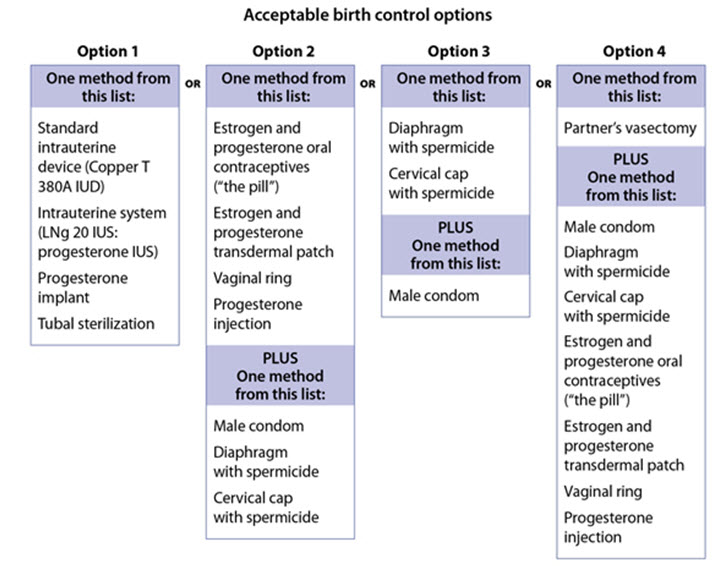
Menopause means that you have not had a menstrual period for at least 12 months for natural reasons, or that you have had your ovaries removed, or are infertile for other medical reasons and this infertility is permanent and cannot be reversed. Females who are able to get pregnant should use effective birth control before starting treatment with OPSYNVI, during treatment, and for 1 month after stopping OPSYNVI because the medicine may still be in the body. Talk with your healthcare provider or gynecologist (a doctor who specializes in female reproduction) to find out about options for acceptable birth control that you may use to prevent pregnancy during treatment with OPSYNVI.
If you decide that you want to change the form of birth control that you use, talk with your healthcare provider or gynecologist to be sure that you choose another acceptable form of birth control. Do not have unprotected sex. Talk to your healthcare provider or pharmacist right away if you have unprotected sex or if you think your birth control has failed.
Your healthcare provider may talk with you about using emergency birth control. Tell your healthcare provider right away if you miss a menstrual period or think you may be pregnant. If you are the parent or caregiver of a female child who started taking OPSYNVI before reaching puberty, you should check your child regularly to see if she is developing signs of puberty.
Tell your healthcare provider right away if you notice that she is developing breast buds or any pubic hair. Your healthcare provider should decide if your child has reached puberty. Your child may reach puberty before having her first menstrual period.
If you are a female who can get pregnant, you should talk to your healthcare provider to understand the benefits and risks of OPSYNVI. See " What are the possible side effects of OPSYNVI? " for more information about side effects. What is OPSYNVI?
OPSYNVI is a prescription medicine that contains 2 medicines called macitentan and tadalafil. OPSYNVI is used for long-term treatment of adults with pulmonary arterial hypertension (PAH), which is high blood pressure in the arteries of your lungs. It is not known if OPSYNVI is safe and effective in children.
Who should not take OPSYNVI? Do not take OPSYNVI if you: are pregnant, plan to become pregnant, or become pregnant during treatment with OPSYNVI. OPSYNVI can cause serious birth defects (see " What is the most important information I should know about OPSYNVI? ") are…