
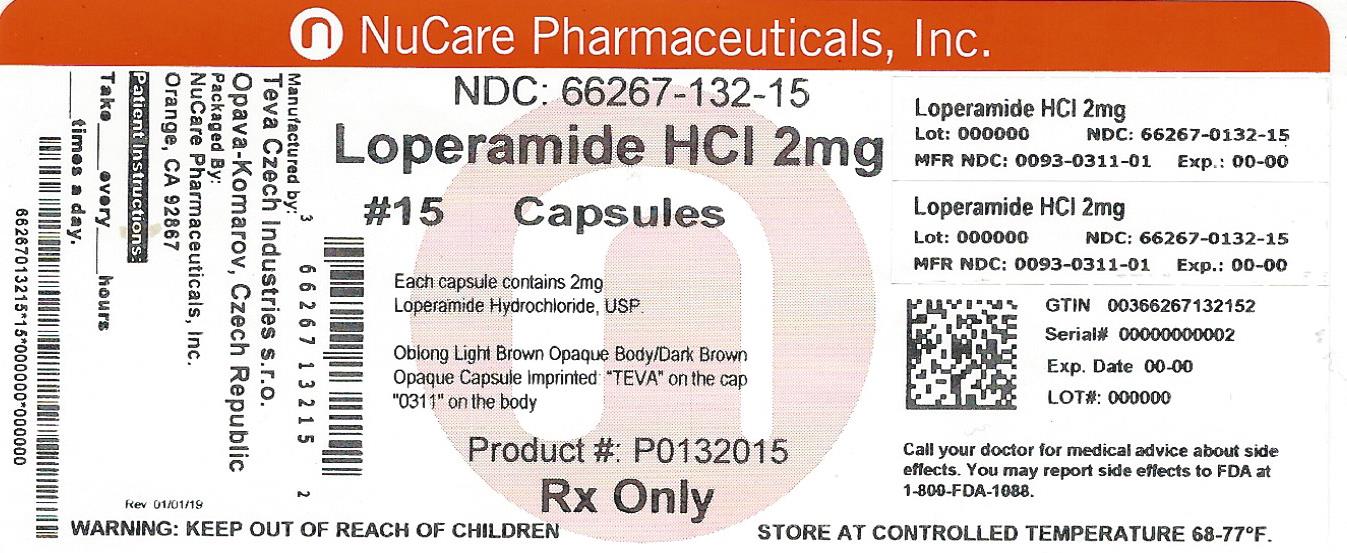
Loperamide Hydrochloride 2 mg Capsule, 18-count
🆔 Identity & classification
Where does this data come from?
🏷️ RxNorm drug class
This medicine belongs to the Opioid Agonist class.
Where does this data come from?
🏭 Manufacturer & labeler
Where does this data come from?
🩺 Clinical
Nonprescription (over-the-counter) loperamide is used to control acute diarrhea (loose stools that come on suddenly and usually lasts less than 2 weeks), including travelers' diarrhea. Prescription loperamide is also used to control acute diarrhea and also ongoing diarrhea associated with inflammatory bowel disease (IBD; condition in which the lining of all or part of the intestine is swollen, irritated, or has sores). Prescription loperamide is also used to reduce the amount of fluid in people with ileostomies (surgery to create an opening for waste to leave the body through the abdomen). Lop...
Read the full MedlinePlus article ↗- Loperamide works by binding to the same type of receptors in your gut that opioids do, but it stays mostly in the intestines and very little gets into your bloodstream at the recom...
- What exactly does loperamide do — and is it like taking an opioid?
- For acute diarrhea, stop and call your doctor if symptoms don't improve within 2 days, or if they get worse. You should also stop right away if you develop bloating or a swollen be...
- How long can I take loperamide before I should see a doctor?
Patient education
Supplement & herbal interactions
Where does this data come from?
Ask a licensed pharmacist directly — free, answered by our team.
💊 What it looks like
Where does this data come from?
🧪 Inactive Ingredients / Excipients
Inactive ingredients, also called excipients, are components of the drug product other than the active ingredient. They may include fillers, dyes, coatings, preservatives, flavors, or other formulation ingredients.
💡 Tap an ingredient (hover on desktop) to see what it is and why it’s used.
-
UNII 92RU3N3Y1O
Dimethicone is a silicone-based oil that acts as an anti-foaming agent and lubricant in medicines. It reduces gas bubbles in liquid formulations and helps coat and protect the stomach lining when ingested.
-
UNII 1K09F3G675
Ferric oxide red is an inorganic iron compound used as a colorant in medicines. It gives tablets, capsules, or other dosage forms a red or reddish tint for identification and appearance.
-
UNII EX438O2MRT
Ferric oxide yellow is a naturally occurring iron compound used as a colorant in medications. It gives tablets, capsules, and other forms a yellow or golden hue for identification and appearance.
-
UNII XM0M87F357
A dark iron oxide compound that gives medicines their black or dark color. It's used as a colorant in tablets and capsules to help identify the product and make it visually distinctive.
-
UNII 2G86QN327L
Gelatin is a protein derived from animal collagen, commonly used in medicines as a gelling agent and capsule material. It helps create soft or hard capsule shells that hold and release medication, and can also thicken liquid formulations.
-
UNII EWQ57Q8I5X
Lactose monohydrate is a natural sugar derived from milk. It serves as a filler and binder in tablets and capsules, helping create the proper size, texture, and consistency of the medicine.
-
UNII 70097M6I30
Magnesium stearate is a salt made from magnesium and stearic acid, a fatty substance. It's used in tablets and capsules as a lubricant and glidant to help ingredients flow smoothly during manufacturing and prevent sticking.
-
UNII 46N107B71O
Shellac is a natural resin secreted by the lac beetle. It's used as a coating on tablets and capsules to control how quickly the medicine dissolves and to improve appearance and stability.
-
UNII O8232NY3SJ
A plant-based carbohydrate derived from corn kernels. It acts as a filler to add bulk, a binder to hold ingredients together, and a disintegrant to help the tablet break apart in your stomach for absorption.
-
UNII 15FIX9V2JP
Titanium dioxide is a bright white mineral powder commonly used as a colorant and opacifying agent. It makes pills and tablets white or lighter in color and helps make coatings non-transparent.
10 inactive ingredients listed in the exact product block matched to this NDC.
Where does this data come from?
ingredient classCode="IACT" elements from the exact product block matched by this NDC. Label-section narrative from DailyMed / the openFDA label index is shown separately when available.Inactive ingredient FAQ
Are inactive ingredients the same for every manufacturer?
Why might an inactive ingredient be missing?
Can inactive ingredients matter?
💲 Pricing
A drug doesn't have one price. Each row is a different public payment system, and none is what you'd pay at the counter — that depends on your insurance. The ⓘ on each row explains what it measures.
| Price system | Per each | Per package |
|---|---|---|
| Retail pharmacies payNADAC · weekly | Not in the retail survey — common for institutional, discontinued, or low-volume packs. | |
| Medicaid paysCMS SDUD · 12 mo | No recent Medicaid claims on file for this NDC — rare and low-volume NDCs are suppressed in the public data. | |
| Medicare drug plans payPart D · Q2 2026 | $0.2376 | $4.28 / 18 capsules |
Where does this data come from?
🔁 Therapeutic equivalents
| Product | Labeler | Pack | NADAC/unit | TE | Status | Price vs. this |
|---|---|---|---|---|---|---|
| Loperamide Hydrochloride 2 mg 00093-0311-01 | Teva | 100 capsules | $0.056 | AB | Availability likely | — |
| Loperamide Hydrochloride 2 mg 00378-2100-01 | Mylan | 100 capsules | $0.056 | AB | Availability likely | — |
| Loperamide Hydrochloride 2 mg 00904-7472-61 | Major | 100 capsules | $0.056 | AB | Availability likely | — |
| Loperamide Hydrochloride 2 mg 42799-0605-01 | Edenbridge | 100 capsules | $0.056 | AB | Availability likely | — |
| Loperamide Hydrochloride 2 mg 50268-0482-15 | AvPAK | 50 capsules | $0.056 | AB | Availability likely | — |
| Loperamide Hydrochloride 2 mg 51079-0690-20 | Mylan | 100 capsules | $0.056 | AB | Availability likely | — |
| Loperamide Hydrochloride 2 mg 59651-0691-01 | Aurobindo | 100 capsules | $0.056 | AB | Availability likely | — |
| Loperamide Hydrochloride 2 mg 60687-0229-01 | American | 100 capsules | $0.056 | AB | Availability likely | — |
| Loperamide Hydrochloride 2 mg 69452-0271-20 | Bionpharma | 100 capsules | $0.056 | AB | Availability likely | — |
| Loperamide hydrochloride 2 mg 72578-0138-01 | Viona | 100 capsules | $0.056 | AB | Availability likely | — |
| Loperamide Hydrochloride 2 mg 72603-0328-01 | NorthStar | 100 capsules | $0.056 | AB | Availability likely | — |
| Anti-Diarrheal 2 mg 46122-0581-62 | AMERISOURCE | 12 capsules | $0.136 | — | Availability likely | — |
| Anti-Diarrheal 2 mg 70000-0461-01 | CARDINAL | 12 capsules | $0.136 | — | Availability likely | — |
| Anti-Diarrheal 2 mg 70677-1062-01 | STRATEGIC | 12 capsules | $0.136 | — | Availability likely | — |
| Anti-Diarrheal 2 mg 83324-0208-12 | CHAIN | 12 capsules | $0.136 | — | Availability likely | — |
| Anti-Diarrheal 2 mg 83324-0209-24 | CHAIN | 12 capsules | $0.136 | — | Availability likely | — |
| Anti-Diarrheal 2 mg 63868-0876-12 | CHAIN | 12 capsules | $0.140 | — | FDA listed | — |
| Anti-Diarrheal 2 mg 62011-0390-01 | Strategic | 12 capsules | $0.150 | — | FDA listed | — |
| Anti-Diarrheal 2 mg 00363-1176-08 | WALGREENS | 12 capsules | — | — | FDA listed | — |
| Loperamide Hydrochloride 2 mg 00615-8497-39 | NCS | 30 capsules | — | AB | FDA listed | — |
| Anti-Diarrheal 2 mg 11673-0177-12 | TARGET | 12 capsules | — | — | FDA listed | — |
| Anti-Diarrheal 2 mg 11822-7834-02 | Rite | 12 capsules | — | — | FDA listed | — |
| anti-diarrheal 2 mg 21130-0835-12 | Albertsons | 12 capsules | — | — | FDA listed | — |
| Anti-Diarrheal 2 mg 30142-0159-08 | KROGER | 12 capsules | — | — | FDA listed | — |
| Anti-Diarrheal 2 mg 36800-0208-12 | TOP | 12 capsules | — | — | FDA listed | — |
| Anti-Diarrheal 2 mg 37808-0988-12 | HEB | 12 capsules | — | — | FDA listed | — |
| anti-diarrheal 2 mg 41250-0210-08 | MEIJER | 12 capsules | — | — | FDA listed | — |
| First Aid Direct Anti-Diarrheal 2 mg 42961-0103-02 | Cintas | 12 capsules | — | — | FDA listed | — |
| Loperamide Hydrochloride 2 mg 43063-0020-12 | PD-Rx | 12 capsules | — | AB | FDA listed | — |
| Loperamide Hydrochloride 2 mg 43598-0770-24 | Dr. | 12 capsules | — | — | FDA listed | — |
| Loperamide Hydrochloride 2 mg 48433-0063-20 | Safecor | 100 capsules | — | AB | FDA listed | — |
| Anti-Diarrheal 2 mg 49035-0483-12 | Wal-Mart | 12 capsules | — | — | FDA listed | — |
| Loperamide Hydrochloride 2 mg 50090-0460-00 | A-S | 15 capsules | — | AB | FDA listed | — |
| Loperamide Hydrochloride 2 mg 50090-7398-00 | A-S | 15 capsules | — | AB | FDA listed | — |
| Imodium A-D 2 mg 50580-0367-01 | Kenvue | 12 capsules | — | — | FDA listed | — |
| Loperamide Hydrochloride 2 mg 51407-0999-01 | Golden | 100 capsules | — | AB | FDA listed | — |
| Anti-Diarrheal 2 mg 53943-0176-12 | DISCOUNT | 12 capsules | — | — | FDA listed | — |
| Loperamide Hydrochloride 2 mg 55154-4699-00 | Cardinal | 10 capsules | — | AB | FDA listed | — |
| Loperamide Hydrochloride 2 mg 55154-5585-00 | Cardinal | 10 capsules | — | AB | FDA listed | — |
| Loperamide Hydrochloride 2 mg 55289-0315-06 | PD-Rx | 6 capsules | — | AB | FDA listed | — |
| Anti-Diarrheal 2 mg 55910-0176-08 | DOLGENCORP, | 12 capsules | — | — | FDA listed | — |
| anti-diarrheal 2 mg 56062-0680-12 | PUBLIX | 12 capsules | — | — | FDA listed | — |
| Loperamide Hydrochloride 2 mg 58602-0727-74 | Aurohealth | 6 capsules | — | — | FDA listed | — |
| Loperamide Hydrochloride 2 mg 60468-0005-01 | allphamed | 100 capsules | — | AB | FDA listed | — |
| Loperamide Hydrochloride 2 mg 63629-8747-01 | Bryant | 100 capsules | — | AB | FDA listed | — |
| anti-diarrheal 2 mg 63941-0684-12 | VALU | 12 capsules | — | — | FDA listed | — |
| Loperamide Hydrochloride 2 mgthis 66267-0132-18 | NuCare | 18 capsules | — | AB | FDA listed | — |
| Loperamide Hydrochloride 2 mg 67046-1676-03 | Coupler | 30 capsules | — | AB | FDA listed | — |
| Loperamide Hydrochloride 2 mg 67296-2172-01 | Redpharm | 15 capsules | — | AB | FDA listed | — |
| Anti-Diarrheal 2 mg 68016-0058-12 | Premier | 12 capsules | — | — | FDA listed | — |
| Loperamide Hydrochloride 2 mg 68071-2257-06 | NuCare | 6 capsules | — | AB | FDA listed | — |
| Loperamide Hydrochloride 2 mg 68071-2700-01 | NuCare | 12 capsules | — | AB | FDA listed | — |
| Loperamide Hydrochloride 2 mg 68071-3618-01 | NuCare | 12 capsules | — | AB | FDA listed | — |
| anti-diarrheal 2 mg 69452-0176-12 | Bionpharma | 24 capsules | — | — | FDA listed | — |
| anti-diarrheal 2 mg 69452-0266-12 | Bionpharma | 12 capsules | — | — | FDA listed | — |
| Anti-Diarrheal 2 mg 69842-0061-12 | CVS | 12 capsules | — | — | FDA listed | — |
| Loperamide Hydrochloride 2 mg 70518-4283-00 | REMEDYREPACK | 30 capsules | — | AB | FDA listed | — |
| Loperamide hydrochloride 2 mg 70771-1769-01 | Zydus | 100 capsules | — | AB | FDA listed | — |
| Loperamide Hydrochloride 2 mg 71335-1921-00 | Bryant | 50 capsules | — | AB | FDA listed | — |
| Loperamide Hydrochloride 2 mg 71335-2061-00 | Bryant | 50 capsules | — | AB | FDA listed | — |
| Loperamide Hydrochloride 2 mg 71335-2111-00 | Bryant | 50 capsules | — | AB | FDA listed | — |
| Loperamide Hydrochloride 2 mg 71335-2487-00 | Bryant | 50 capsules | — | AB | FDA listed | — |
| Loperamide Hydrochloride 2 mg 71335-2571-00 | Bryant | 50 capsules | — | AB | FDA listed | — |
| Loperamide Hydrochloride 2 mg 71610-0648-53 | Aphena | 60 capsules | — | AB | FDA listed | — |
| Loperamide Hydrochloride 2 mg 71610-0781-53 | Aphena | 60 capsules | — | AB | FDA listed | — |
| Loperamide Hydrochloride 2 mg 71610-0950-30 | Aphena | 30 capsules | — | AB | FDA listed | — |
| Loperamide Hydrochloride 2 mg 71610-0973-53 | Aphena | 60 capsules | — | AB | FDA listed | — |
| anti-diarrheal 2 mg 72288-0313-12 | Amazon.com | 12 capsules | — | — | FDA listed | — |
| Loperamide Hydrochloride 2 mg 72888-0130-00 | Advagen | 1000 capsules | — | AB | FDA listed | — |
| WELMATE Anti Diarrheal Loperamide HCl Softgels 2 mg 73581-0102-24 | YYBA | 24 capsules | — | — | FDA listed | — |
| Loperamide Hydrochloride 2 mg 75907-0097-12 | Dr. | 12 capsules | — | — | FDA listed | — |
| Anti-Diarrheal 2 mg 80136-0851-42 | Northeast | 12 capsules | — | — | FDA listed | — |
| Loperamide Hydrochloride 2 mg 55154-0277-00 | Cardinal | 10 capsules | — | AB | FDA listed | — |
| Loperamide Hydrochloride 2 mg 59556-0959-05 | Strides | 12 capsules | — | — | FDA listed | — |
| Loperamide Hydrochloride 2 mg 73581-0177-02 | YYBA | 12 capsules | — | — | FDA listed | — |
Where does this data come from?
⏳ Availability & generic status
This product is an FDA-approved generic. Other versions of the same drug are listed under Therapeutic equivalents, least expensive first.
Where does this data come from?
🔬 Reported adverse events (FAERS)
Top reported reactions
Age at onset
Reporter sex
Serious outcomes
Where does this data come from?
📦 Packaging — all sizes for this product
| Package NDC | Description | Marketing start | Status |
|---|---|---|---|
| 66267-0132-12 | 12 CAPSULE in 1 BOTTLE (66267-132-12) | 2016-10-10 | Active |
| 66267-0132-15 | 15 CAPSULE in 1 BOTTLE (66267-132-15) | 2016-10-10 | Active |
| 66267-0132-18 You're viewing this | 18 CAPSULE in 1 BOTTLE (66267-132-18) | 2016-10-10 | Active |
| 66267-0132-20 | 20 CAPSULE in 1 BOTTLE (66267-132-20) | 2016-10-10 | Active |
| 66267-0132-60 | 15 CAPSULE in 1 BOTTLE (66267-132-60) | 2017-12-28 | Active |
Pack size FAQ
What quantity is in NDC 66267-0132-18?
What is the difference between NDC 66267-0132-18 and NDC 66267-0132-12?
What NDC number is used to bill for this package of Loperamide Hydrochloride 2 mg Capsule?
🧭 About this NDC listing & data coverage
What data is (and isn’t) available for this NDC — tap to expand
| NDC identity (package / product / labeler codes) | ✓ Available |
| Labeler | ✓ Available |
| Product & package description | ✓ Available |
| Marketing category & status | ✓ Available |
| Active ingredient / dosage form / route | ✓ Available |
| FDA label (SPL via DailyMed) | ✓ Available |
| Package photos | ✓ Available |
| Inactive ingredients (structured) | ✓ Available |
| NADAC pharmacy acquisition price (CMS) | — Not published for this NDC CMS publishes NADAC only for NDCs reported in its retail-pharmacy survey. |
| Orange Book / therapeutic-equivalence data | ✓ Available |
| HCPCS J-code billing crosswalk | — Not published for this NDC Most self-administered / retail products have no J-code — that is normal. |
| Medicaid utilization (CMS SDUD) | — Not published for this NDC CMS reports utilization only for NDCs with Medicaid claims above its privacy threshold. |
Questions about this listing
Why is there no price listed?
Is the NDC printed on the package the same as the 11-digit billing NDC?
What do the three segments of this NDC mean?
Is this package still being marketed?
Does this product come in other package sizes?
Who lists this product with the FDA?
Do I need a prescription for this product?
Where does this data come from?
📄 Full prescribing information FDA SPL
🎯 Indications and Usage ▾
INDICATIONS AND USAGE Loperamide hydrochloride capsules are indicated for the control and symptomatic relief of acute nonspecific diarrhea and of chronic diarrhea associated with inflammatory bowel disease. Loperamide hydrochloride capsules are also indicated for reducing the volume of discharge from ileostomies.
⏱️ Dosage and Administration ▾
DOSAGE AND ADMINISTRATION (1 capsule = 2 mg) Patients should receive appropriate fluid and electrolyte replacement as needed. Acute Diarrhea Adults The recommended initial dose is 4 mg (two capsules) followed by 2 mg (one capsule) after each unformed stool. Daily dosage should not exceed 16 mg (eight capsules).
Clinical improvement is usually observed within 48 hours. Children In children 2 to 5 years of age (20 kg or less), the non-prescription liquid formulation (loperamide hydrochloride for oral solution, 1 mg/5 mL) should be used; for ages 6 to 12, either loperamide hydrochloride capsules or loperamide hydrochloride for oral solution may be used. For children 2 to 12 years of age, the following schedule for capsules or liquid will usually fulfill initial dosage requirements: Recommended First Day Dosage Schedule Two to five years: 1 mg t.i.d.
(3 mg daily dose) (13 to 20 kg) Six to eight years: 2 mg b.i.d. (4 mg daily dose) (20 to 30 kg) Eight to twelve years: 2 mg t.i.d. (6 mg daily dose) (greater than 30 kg) Recommended Subsequent Daily Dosage Following the first treatment day, it is recommended that subsequent loperamide hydrochloride doses (1 mg/10 kg body weight) be administered only after a loose stool.
Total daily dosage should not exceed recommended dosages for the first day. Chronic Diarrhea Children Although loperamide hydrochloride has been studied in a limited number of children with chronic diarrhea; the therapeutic dose for the treatment of chronic diarrhea in a pediatric population has not been established. Adults The recommended initial dose is 4 mg (two capsules) followed by 2 mg (one capsule) after each unformed stool until diarrhea is controlled, after which the dosage of loperamide hydrochloride capsules should be reduced to meet individual requirements.
When the optimal daily dosage has been established, this amount may then be administered as a single dose or in divided doses. The average daily maintenance dosage in clinical trials was 4 to 8 mg (two to four capsules). A dosage of 16 mg (eight capsules) was rarely exceeded.
If clinical improvement is not observed after treatment with 16 mg per day for at least 10 days, symptoms are unlikely to be controlled by further administration. Loperamide hydrochloride capsules administration may be continued if diarrhea cannot be adequately controlled with diet or specific treatment. Children Under 2 Years The use of loperamide hydrochloride in children under 2 years is not recommended.
There have been rare reports of paralytic ileus associated with abdominal distention. Most of these reports occurred in the setting of acute dysentery, overdose, and with very young children less than two years of age. Elderly No formal pharmacokinetic studies were conducted in elderly subjects.
However, there were no major differences reported in the drug disposition in elderly patients with diarrhea relative to young patients. No dosage adjustment is required for the elderly. Renal Impairment No pharmacokinetic data are available in patients with renal impairment.
Since the metabolites and the unchanged drug are mainly excreted in the feces, no dosage adjustment is required for patients with renal impairment (see PRECAUTIONS ). Hepatic Impairment Although no pharmacokinetic data are available in patients with hepatic impairment, loperamide hydrochloride should be used with caution in such patients because of reduced first pass metabolism (see PRECAUTIONS ).
⛔ Contraindications ▾
CONTRAINDICATIONS Loperamide hydrochloride capsules are contraindicated in patients with a known hypersensitivity to loperamide hydrochloride or to any of the excipients. Loperamide hydrochloride is contraindicated in patients with abdominal pain in the absence of diarrhea. Loperamide hydrochloride is not recommended in infants below 24 months of age.
Loperamide hydrochloride should not be used as the primary therapy: in patients with acute dysentery, which is characterized by blood in stools and high fever, in patients with acute ulcerative colitis, in patients with bacterial enterocolitis caused by invasive organisms including Salmonella, Shigella, and Campylobacter, in patients with pseudomembranous colitis associated with the use of broad-spectrum antibiotics.
⚠️ Warnings ▾
WARNINGS Fluid and electrolyte depletion often occur in patients who have diarrhea. In such cases, administration of appropriate fluid and electrolytes is very important. The use of loperamide hydrochloride does not preclude the need for appropriate fluid and electrolyte therapy.
In general, loperamide hydrochloride should not be used when inhibition of peristalsis is to be avoided due to the possible risk of significant sequelae including ileus, megacolon and toxic megacolon. Loperamide hydrochloride must be discontinued promptly when constipation, abdominal distention or ileus develop. Treatment of diarrhea with loperamide hydrochloride is only symptomatic.
Whenever an underlying etiology can be determined, specific treatment should be given when appropriate (or when indicated). Patients with AIDS treated with loperamide hydrochloride for diarrhea should have therapy stopped at the earliest signs of abdominal distention. There have been isolated reports of toxic megacolon in AIDS patients with infectious colitis from both viral and bacterial pathogens treated with loperamide hydrochloride. {ref EDMS-PSDB-2564186, p.
12} Loperamide hydrochloride should be used with special caution in young children because of the greater variability of response in this age group. Dehydration, particularly in younger children, may further influence the variability of response to loperamide hydrochloride.
🤒 Adverse Reactions ▾
ADVERSE REACTIONS Clinical Trial Data The adverse effects reported during clinical investigations of loperamide hydrochloride are difficult to distinguish from symptoms associated with the diarrheal syndrome. Adverse experiences recorded during clinical studies with loperamide hydrochloride were generally of a minor and self-limiting nature. They were more commonly observed during the treatment of chronic diarrhea.
The adverse events reported are summarized irrespective of the causality assessment of the investigators. 1) Adverse events from 4 placebo-controlled studies in patients with acute diarrhea The adverse events with an incidence of 1.0% or greater, which were reported at least as often in patients on loperamide hydrochloride as on placebo, are presented in the table below. Acute Diarrhea Loperamide Hydrochloride Placebo No. of treated patients 231 236 Gastrointestinal AE% Constipation 2.6% 0.8% The adverse events with an incidence of 1.0% or greater, which were more frequently reported in patients on placebo than on loperamide hydrochloride were: dry mouth, flatulence, abdominal cramp and colic.
2) Adverse events from 20 placebo-controlled studies in patients with chronic diarrhea The adverse events with an incidence of 1.0% or greater, which were reported at least as often in patients on loperamide hydrochloride as on placebo, are presented below in the table below. Chronic Diarrhea Loperamide Hydrochloride Placebo No. of treated patients 285 277 Gastrointestinal AE% Constipation 5.3% 0% Central and peripheral nervous system AE% Dizziness 1.4% 0.7% The adverse events with an incidence of 1.0% or greater, which were more frequently reported in patients on placebo than on loperamide hydrochloride were: nausea, vomiting, headache, meteorism, abdominal pain, abdominal cramp and colic.
3) Adverse events from seventy-six controlled and uncontrolled studies in patients with acute or chronic diarrhea The adverse events with an incidence of 1.0% or greater in patients from all studies are given in the table below. Acute Diarrhea Chronic Diarrhea All Studies All patients in all studies, including those in which it was not specified if the adverse events occurred in patients with acute or chronic diarrhea. No. of treated patients 1913 1371 3740 Gastrointestinal AE% Nausea 0.7% 3.2% 1.8% Constipation 1.6% 1.9% 1.7% Abdominal cramps 0.5% 3.0% 1.4% Postmarketing Experience The following adverse events have been reported: Skin and Subcutaneous Tissue Disorders Rash, pruritus, urticaria, angioedema, and extremely rare cases of bullous eruption including erythema multiforme, Stevens-Johnson syndrome and Toxic Epidermal Necrolysis have been reported with use of loperamide hydrochloride.
Immune System Disorders Isolated occurrences of allergic reactions and in some cases severe hypersensitivity reactions including anaphylactic shock and anaphylactoid reactions have been reported with the use of loperamide hydrochloride. Gastrointestinal Disorders Dry mouth, abdominal pain, distention or discomfort, nausea, vomiting, flatulence, dyspepsia, constipation, paralytic ileus, megacolon, including toxic megacolon (see CONTRAINDICATIONS and WARNINGS ). Renal and Urinary Disorders Urinary retention.
Nervous System Disorders Drowsiness, dizziness. General Disorders and Administrative Site Conditions Tiredness. A number of the adverse events reported during the clinical investigations and postmarketing experience with loperamide are frequent symptoms of the underlying diarrheal syndrome (abdominal pain/discomfort, nausea, vomiting, dry mouth, tiredness, drowsiness, dizziness, constipation, and flatulence).
These symptoms are often difficult to distinguish from undesirable drug effects.
🔄 Drug Interactions ▾
Drug Interactions Nonclinical data have shown that loperamide is a P-glycoprotein substrate. Concomitant administration of loperamide (16 mg single dose) with a 600 mg single dose of either quinidine or ritonavir, both of which are P-glycoprotein inhibitors, resulted in a 2 to 3 fold increase in loperamide plasma levels. Due to the potential for enhanced central effects when loperamide is coadministered with quinidine and with ritonavir, caution should be exercised when loperamide is administered at the recommended dosages (2 mg, up to 16 mg maximum daily dose) with P-glycoprotein inhibitors.
When a single 16 mg dose of loperamide is coadministered with a 600 mg single dose of saquinavir, loperamide decreased saquinavir exposure by 54%, which may be of clinical relevance due to reduction of therapeutic efficacy of saquinavir. The effect of saquinavir on loperamide is of less clinical significance. Therefore, when loperamide is given with saquinavir, the therapeutic efficacy of saquinavir should be closely monitored.
🤰 Pregnancy ▾
Pregnancy Teratogenic Effects Pregnancy category C Teratology studies have been performed in rats using oral doses of 2.5, 10, and 40 mg/kg/day, and in rabbits using oral doses of 5, 20, and 40 mg/kg/day. These studies have revealed no evidence of impaired fertility or harm to the fetus at doses up to 10 mg/kg/day in rats (5 times the human dose based on body surface area comparison) and 40 mg/kg/day in rabbits (43 times the human dose based on body surface area comparison). Treatment of rats with 40 mg/kg/day p.o.
(21 times the human dose based on a body surface area comparison) produced marked impairment of fertility. The studies produced no evidence of teratogenic activity. There are no adequate and well-controlled studies in pregnant women.
Loperamide should be used during pregnancy only if the potential benefit justifies the potential risk to the fetus. Non-teratogenic Effects In a peri- and post-natal reproduction study in rats, oral administration of 40 mg/kg/day produced impairment of growth and survival of offspring.
🧒 Pediatric Use ▾
Pediatric Use See the WARNINGS section for information on the greater variability of response in this age group. In case of accidental overdosage of loperamide hydrochloride by pediatric patients, see OVERDOSAGE section for suggested treatment.
🆘 Overdosage ▾
OVERDOSAGE In cases of overdosage, (including relative overdose due to hepatic dysfunction), urinary retention, paralytic ileus and CNS depression may occur. Children may be more sensitive to CNS effects than adults. Clinical trials have demonstrated that a slurry of activated charcoal administered promptly after ingestion of loperamide hydrochloride can reduce the amount of drug which is absorbed into the systemic circulation by as much as ninefold.
If vomiting occurs spontaneously upon ingestion, a slurry of 100 grams of activated charcoal should be administered orally as soon as fluids can be retained. If vomiting has not occurred, gastric lavage should be performed followed by administration of 100 grams of the activated charcoal slurry through the gastric tube. In the event of overdosage, patients should be monitored for signs of CNS depression for at least 24 hours.
If symptoms of overdose occur, naloxone can be given as an antidote. If responsive to naloxone, vital signs must be monitored carefully for recurrence of symptoms of drug overdose for at least 24 hours after the last dose of naloxone. In view of the prolonged action of loperamide and the short duration (one to three hours) of naloxone, the patient must be monitored closely and treated repeatedly with naloxone as indicated.
Since relatively little drug is excreted in the urine, forced diuresis is not expected to be effective for loperamide hydrochloride overdosage. In clinical trials an adult who took three 20 mg doses within a 24 hour period was nauseated after the second dose and vomited after the third dose. In studies designed to examine the potential for side effects, intentional ingestion of up to 60 mg of loperamide hydrochloride in a single dose to healthy subjects resulted in no significant adverse effects.
🧬 Clinical Pharmacology ▾
CLINICAL PHARMACOLOGY In vitro and animal studies show that loperamide hydrochloride acts by slowing intestinal motility and by affecting water and electrolyte movement through the bowel. Loperamide binds to the opiate receptor in the gut wall. Consequently, it inhibits the release of acetylcholine and prostaglandins, thereby reducing peristalsis, and increasing intestinal transit time.
Loperamide increases the tone of the anal sphincter, thereby reducing incontinence and urgency. In man, loperamide hydrochloride prolongs the transit time of the intestinal contents. It reduces the daily fecal volume, increases the viscosity and bulk density, and diminishes the loss of fluid and electrolytes.
Tolerance to the antidiarrheal effect has not been observed. Clinical studies have indicated that the apparent elimination half-life of loperamide hydrochloride in man is 10.8 hours with a range of 9.1 to 14.4 hours. Plasma levels of unchanged drug remain below 2 nanograms per mL after the intake of a 2 mg loperamide hydrochloride capsule.
Plasma levels are highest approximately five hours after administration of the capsule and 2.5 hours after the liquid. The peak plasma levels of loperamide were similar for both formulations. Elimination of loperamide mainly occurs by oxidative N-demethylation.
Cytochrome P450 (CYP450) isozymes, CYP2C8 and CYP3A4, are thought to play an important role in loperamide N-demethylation process since quercetin (CYP2C8 inhibitor) and ketoconazole (CYP3A4 inhibitor) significantly inhibited the N-demethylation process in vitro by 40% and 90%, respectively. In addition, CYP2B6 and CYP2D6 appear to play a minor role in loperamide N-demethylation. Excretion of the unchanged loperamide and its metabolites mainly occurs through the feces.
In those patients in whom biochemical and hematological parameters were monitored during clinical trials, no trends toward abnormality during loperamide hydrochloride therapy were noted. Similarly, urinalyses, EKG and clinical ophthalmological examinations did not show trends toward abnormality.
📦 How Supplied / Storage and Handling ▾
HOW SUPPLIED Loperamide hydrochloride capsules USP, 2 mg are available as: A light brown opaque body and dark brown opaque capsule, imprinted "TEVA" on the cap and "0311" on the body and packaged in bottles of 12, 15, 18, 20, and 60. Store at 20° to 25°C (68° to 77°F) [See USP Controlled Room Temperature]. Dispense in a well-closed container, as defined in the USP, with a child-resistant closure (as required).
KEEP THIS AND ALL MEDICATIONS OUT OF THE REACH OF CHILDREN. Manufactured In Czech Republic By: TEVA Czech Industries, s.r.o. Opava-Komarov, Czech Republic Manufactured For: TEVA PHARMACEUTICALS USA, INC.
North Wales, PA 19454 Rev. N 9/2014
📋 Description ▾
DESCRIPTION Loperamide hydrochloride is a white to slightly yellow powder and is freely soluble in methanol, isopropyl alcohol, chloroform and slightly soluble in water. Loperamide hydrochloride, 4-(p-chlorophenyl)-4-hydroxy-N,N-dimethyl-α,α-diphenyl-1-piperidinebutyramide monohydrochloride, is a synthetic antidiarrheal for oral use. Its structural formula is: C 29 H 33 ClN 2 O 2 •HCl M.W.
513.51 Loperamide hydrochloride is available in 2 mg capsules. Each capsule, for oral administration, contains 2 mg loperamide hydrochloride. Loperamide hydrochloride capsules USP also contain the inactive ingredients: dimethylpolysiloxane, gelatin, iron oxide black, iron oxide red, iron oxide yellow, lactose monohydrate, pregelatinized corn starch, magnesium stearate, shellac, and titanium dioxide.
Structural formula for loperaminde hydrochloride
💬 Information for Patients ▾
Information for Patients Patients should be advised to check with their physician if their diarrhea does not improve in 48 hours or if they note blood in their stools, develop a fever or develop abdominal distention. Tiredness, dizziness, or drowsiness may occur in the setting of diarrheal syndromes treated with loperamide hydrochloride. Therefore, it is advisable to use caution when driving a car or operating machinery. (See ADVERSE REACTIONS .)