
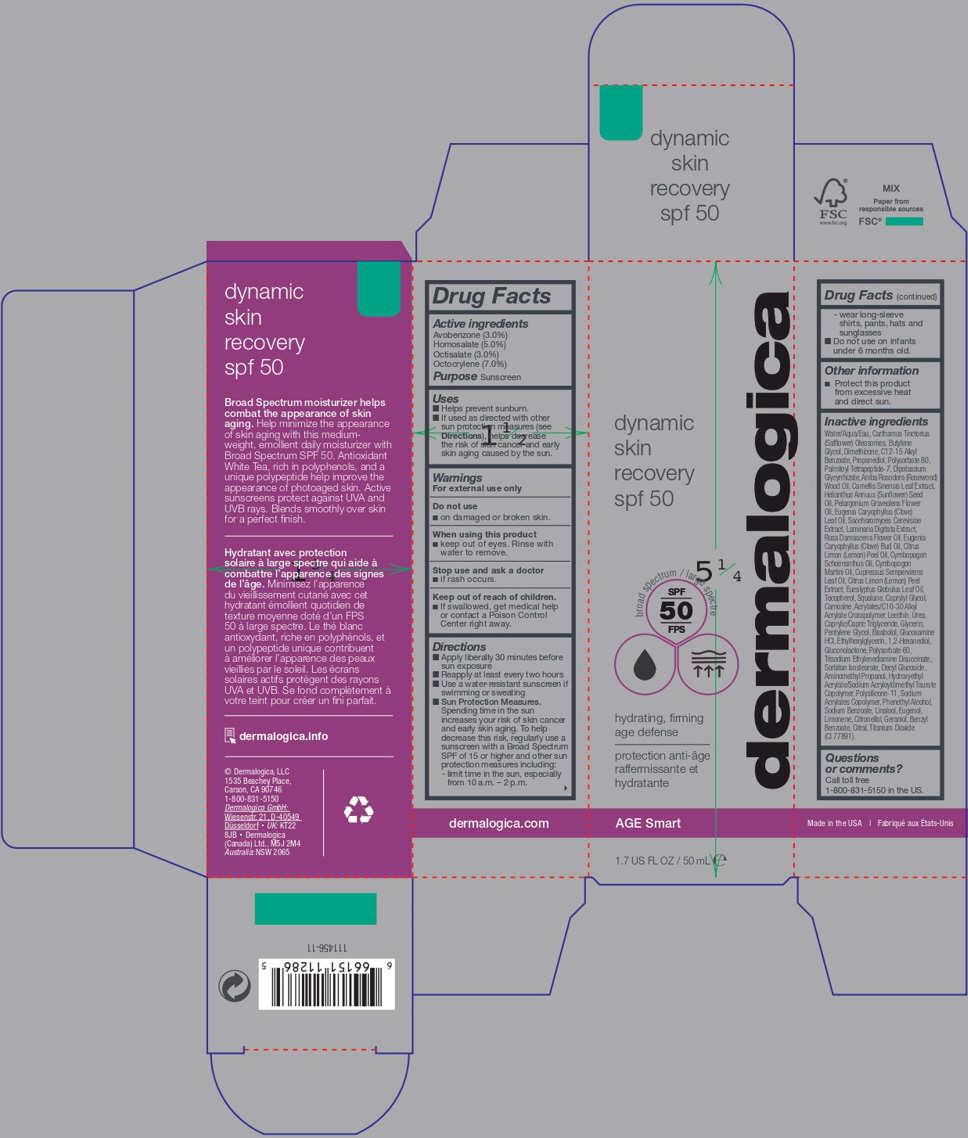
dermalogica dynamic skin recovery spf 50 Sunscreen 3 g/100mL; 5 g/100mL; 3 g/100mL; 7 g/100mL Lotion
🆔 Identity & classification
Where does this data come from?
🏭 Manufacturer & labeler
Where does this data come from?
🩺 Clinical
This is a topical lotion sunscreen marketed under FDA's over-the-counter monograph rules. It contains four active ingredients that function as ultraviolet (UV) light filters: avobenzone, homosalate, octisalate, and octocrylene. These chemical filters are commonly used together in sunscreen formulas to absorb and scatter UV radiation from the sun. The product is labeled with an SPF 50 rating and is applied to skin to help reduce sun exposure.
Patient education
Supplement & herbal interactions
Where does this data come from?
Ask a licensed pharmacist directly — free, answered by our team.
💊 What it looks like
Where does this data come from?
🧪 Inactive Ingredients / Excipients
Inactive ingredients, also called excipients, are components of the drug product other than the active ingredient. They may include fillers, dyes, coatings, preservatives, flavors, or other formulation ingredients.
💡 Tap an ingredient (hover on desktop) to see what it is and why it’s used.
-
UNII 105S6I733Z
A natural oil extracted from chamomile and other plants. It acts as a fragrance and flavoring agent to improve the taste and smell of the medicine.
-
UNII 565OK72VNF
A natural-origin fragrance compound derived from plants like citronella and geranium. Used as a flavoring agent and fragrance ingredient to improve taste or aroma in medications.
-
UNII TR046Y3K1G
A liquid alcohol derived from petroleum or plant sources. It acts as a solvent and humectant in medicines, helping dissolve active ingredients and retain moisture in the formulation.
-
UNII 8Z5ZAL5H3V
A synthetic polymer made from acrylate compounds. It acts as a thickener and stabilizer in topical formulations, helping create the right texture and prevent separation of ingredients.
-
UNII A9EJ3J61HQ
A synthetic liquid derived from benzoic acid and long-chain alcohols. It functions as a solvent and penetration enhancer in topical formulations, helping active ingredients dissolve and absorb into the skin.
-
UNII LU49E6626Q
A synthetic organic compound used as a pH buffer and neutralizing agent in medicines. It helps maintain the proper acidity level in liquid formulations to improve stability and comfort.
-
UNII N863NB338G
Benzyl benzoate is a liquid organic compound used as a solvent and preservative in medicines. It helps dissolve active ingredients and can extend shelf life by preventing microbial growth in liquid formulations.
-
UNII 3XUS85K0RA
Butylene glycol is a clear liquid derived from petroleum or plants that acts as a humectant, solvent, and preservative booster in medicines. It helps keep formulations stable, dissolve active ingredients, and maintain moisture in topical products.
-
UNII FJ1H6M2JG9
A blend of plant-derived fatty acids that helps dissolve and deliver active ingredients. It acts as a solvent and absorption enhancer in soft gelatin capsules and liquid formulations.
-
UNII 00YIU5438U
Caprylyl glycol is a clear liquid derived from coconut oil. In medicines, it acts as a humectant to retain moisture, a preservative booster to prevent microbial growth, and a solvent to help dissolve or mix other ingredients.
-
UNII 59TL3WG5CO
A synthetic polymer made by crosslinking acrylic acid with allyl sucrose. It thickens liquids, forms gels, and helps control how fast the medicine is released in your body.
-
UNII 8HO6PVN24W
Carnosine is a naturally occurring compound made from two amino acids. In medicines, it may serve as a buffer to help maintain the product's pH stability.
-
UNII 9S60Q72309
A plant-derived ingredient made from safflower seed components. It acts as an emulsifier and carrier to help distribute oils and active ingredients evenly throughout the medicine.
-
UNII T7EU0O9VPP
Citral is a natural oil compound found in lemon and citrus plants. It's used in medicines as a flavoring agent and to add pleasant lemon or citrus scent to the product.
-
UNII VCA5491KVF
A fragrant oil extracted from clove leaves, used as a flavoring and aromatic agent to mask unpleasant tastes or add pleasant scent to medicines.
-
UNII 578389D6D0
Clove oil is an essential oil derived from clove plant buds. It's used in medicines as a flavoring agent and for its mild preservative properties to help maintain product stability.
-
UNII M7QUY89S4O
A natural oil extracted from cypress tree leaves, used as a fragrance ingredient and flavoring agent to add scent and taste to the medicine.
-
UNII XE7K568ILO
A plant-derived oil from lemongrass used as a flavoring agent and fragrance component. It adds taste and aroma to medicines, making them more palatable.
-
UNII Z17H97EA6Y
A plant-derived mild cleanser made from natural sugars and oils. It acts as an emulsifier and surfactant to help mix water and oil-based ingredients together in the medicine.
-
UNII 92RU3N3Y1O
Dimethicone is a silicone-based oil that acts as an anti-foaming agent and lubricant in medicines. It reduces gas bubbles in liquid formulations and helps coat and protect the stomach lining when ingested.
-
UNII 9E4CO0W6C5
A silicone-based polymer that forms soft, spongy particles. Used as a texture modifier and suspending agent to improve how the product feels and flows, and to help keep ingredients evenly distributed throughout the formulation.
-
UNII 147D247K3P
Ethylhexylglycerin is a synthetic preservative used to prevent bacteria and mold from growing in medicines and personal care products. It helps keep the product safe and stable throughout its shelf life.
-
UNII 2R04ONI662
Eucalyptus oil is a fragrant liquid extracted from eucalyptus tree leaves. It's used in medicines as a flavor, scent, or soothing agent in topical products and cough preparations.
-
UNII 3T8H1794QW
Eugenol is a natural oil extracted from clove and other plants. It's used in medicines as a flavoring agent and to provide a mild anesthetic effect in topical products, particularly in dental formulations.
-
UNII L837108USY
Geraniol is a natural fragrant compound found in plants like roses and lemons. It's used in medicines as a flavoring agent and to improve the taste or aroma of the product.
-
UNII WQ29KQ9POT
Gluconolactone is a mild organic acid derived from glucose. It functions as a buffer and pH regulator in medicines, helping maintain stable acidity levels and improve product stability.
-
UNII 750W5330FY
Glucosamine hydrochloride is an amino sugar derived from shellfish or produced synthetically. In medicines, it serves as an active nutritional ingredient rather than a typical inactive excipient, used to support joint and cartilage function.
-
UNII PDC6A3C0OX
Glycerin is a clear, thick liquid derived from plant oils or fats. It acts as a humectant to retain moisture, a sweetener, and a solvent in medications.
-
UNII CA2Y0FE3FX
A salt derived from licorice root extract, used as a flavoring agent and sweetener. It may also help soothe and protect mucous membranes in throat lozenges and cough products.
-
UNII W2ZU1RY8B0
A plant extract from green tea leaves. It's used as an antioxidant ingredient to help preserve the medicine and maintain its stability during storage.
-
UNII 86FQE96TZ4
A synthetic polymer, this ingredient acts as a thickener and suspending agent in liquid formulations. It helps maintain uniform consistency and keeps particles evenly distributed throughout the medicine.
-
UNII 15E7C67EE8
A natural seaweed extract used as a thickener and gelling agent in medicines. It helps create the right texture and consistency in liquid or semi-solid formulations.
-
UNII I9GRO824LL
Lemon oil is a natural fragrant extract from lemon peel. It's used in medicines as a flavoring agent to mask unpleasant tastes and improve how the medicine tastes to patients.
-
UNII 72O054U628
Lemon peel is a natural plant material from citrus fruit used as a flavoring agent and colorant in medicines. It adds tartness and a pale yellow tint to make the medication more pleasant to taste and look at.
-
UNII GFD7C86Q1W
A natural oil extracted from citrus peels, (+)-limonene is used as a flavoring agent and solvent in medicines. It helps dissolve active ingredients and provides a lemon or orange taste.
-
UNII F4VNO44C09
Linalool is a natural fragrant compound found in flowers and plants. It's added to medicines as a flavor and scent agent to improve taste and aroma.
-
UNII 0J3G3O53ST
Palmarosa oil is a fragrant plant-derived oil used as a flavoring agent and fragrance in medications. It helps mask unpleasant tastes or odors in oral medicines and improves overall product appeal.
-
UNII Q41S464P1R
A synthetic peptide (short protein-like molecule) used in skincare and cosmetic formulations as an active conditioning ingredient to help improve skin texture and appearance. It may function as a humectant or skin-conditioning agent in topical products.
-
UNII 3K0J1S7QGC
A fragrant essential oil derived from geranium flowers, used as a flavoring and fragrance agent to improve the taste and aroma of medicines.
-
UNII 50C1307PZG
Pentylene glycol is a humectant and preservative helper derived from petroleum or plant sources. It draws moisture into the product and helps prevent bacterial growth, keeping medicines stable during storage.
-
UNII ML9LGA7468
A naturally-derived alcohol used as a preservative and fragrance in medicines. It helps prevent bacterial and fungal growth, extending the product's shelf life.
-
UNII CAL22UVI4M
A synthetic emulsifier derived from sorbitol and fatty acids. It helps mix oil and water-based ingredients together and improves the texture and stability of the medicine.
-
UNII 6OZP39ZG8H
Polysorbate 80 is a synthetic emulsifier derived from sorbitol and oleic acid. It helps mix oil and water-based ingredients together in medications and improves how the product disperses in the body.
-
UNII 5965N8W85T
Propanediol is a clear liquid organic compound derived from vegetable sources or synthesized chemically. It acts as a humectant to retain moisture, a solvent to dissolve active ingredients, and a preservative booster in liquid medications and supplements.
-
UNII 18920M3T13
Rosa damascena flower oil is a fragrant plant oil extracted from damask rose petals. It's used in medicines as a flavoring and aromatic agent to improve taste and scent.
-
UNII F2522O5L7B
Rosewood oil is a fragrant plant extract used as a flavoring agent and fragrance component in medicines. It helps mask unpleasant tastes or odors in the medication.
-
UNII 978D8U419H
A yeast strain commonly used in food and pharmaceutical manufacturing. In medicines, it may serve as a filler, culture medium carrier, or source of beneficial compounds in probiotic formulations.
-
UNII N30934870L
A synthetic polymer made from sodium acrylate and styrene sulfonate. It acts as a super-absorbent material and binder that helps the medicine hold together and absorb moisture in the formulation.
-
UNII OJ245FE5EU
Sodium benzoate is a salt derived from benzoic acid, a preservative. It's added to medicines to prevent growth of bacteria, fungi, and other microorganisms that could spoil the product.
-
UNII 01S2G2C1E4
Sorbitan isostearate is an emulsifier derived from sorbitol and isostearic acid. It helps mix oil and water-based ingredients together and keeps them blended throughout the medicine's shelf life.
-
UNII 1DI56QDM62
A natural fatty substance from soybeans that helps mix oil and water-based ingredients together. It acts as an emulsifier and lubricant in medicines to improve texture and help the product break down properly in your body.
-
UNII GW89575KF9
Squalane is a lightweight oil derived from plant sources or synthesized. It acts as an emollient and lubricant in formulations, helping ingredients blend smoothly and improving product texture and spreadability.
-
UNII 3W1JG795YI
Sunflower oil is a natural vegetable oil derived from sunflower seeds. It serves as a solvent, lubricant, and carrier in medicines, helping dissolve active ingredients and improve how the medication flows and absorbs in the body.
-
UNII 15FIX9V2JP
Titanium dioxide is a bright white mineral powder commonly used as a colorant and opacifying agent. It makes pills and tablets white or lighter in color and helps make coatings non-transparent.
-
UNII R0ZB2556P8
Tocopherol is a form of vitamin E derived from plant oils. It acts as an antioxidant in medicines to prevent oils and fats from breaking down and spoiling during storage.
-
UNII YA22H34H9Q
A chelating agent derived from sodium and organic compounds. It binds to metal ions in the formulation to improve stability and prevent unwanted chemical reactions that could degrade the medicine.
-
UNII 8W8T17847W
A nitrogen-containing chemical compound used in pharmaceuticals as a humectant to retain moisture, and sometimes as a keratolytic agent in topical formulations to help soften and remove dead skin cells.
-
UNII 059QF0KO0R
Water is a liquid solvent that dissolves and mixes ingredients together in liquid medicines, syrups, and injections. It helps distribute the active drug evenly throughout the product.
58 inactive ingredients listed in the exact product block matched to this NDC.
Label-section wording can be broader than the structured product block and may mention additional formulation ingredients.
Where does this data come from?
ingredient classCode="IACT" elements from the exact product block matched by this NDC. Label-section narrative from DailyMed / the openFDA label index is shown separately when available.Inactive ingredient FAQ
Are inactive ingredients the same for every manufacturer?
Why might an inactive ingredient be missing?
Can inactive ingredients matter?
💲 Pricing
A drug doesn't have one price. Each row is a different public payment system, and none is what you'd pay at the counter — that depends on your insurance. The ⓘ on each row explains what it measures.
| Price system | Per g | Per package |
|---|---|---|
| Retail pharmacies payNADAC · weekly | Not in the retail survey — common for institutional, discontinued, or low-volume packs. | |
| Medicaid paysCMS SDUD · 12 mo | No recent Medicaid claims on file for this NDC — rare and low-volume NDCs are suppressed in the public data. | |
| Medicare drug plans payPart D · quarterly | No Part D plan price is available for this NDC in our data. | |
Where does this data come from?
🔁 Therapeutic equivalents
| Product | Labeler | Pack | NADAC/unit | TE | Status | Price vs. this |
|---|---|---|---|---|---|---|
| dermalogica dynamic skin recovery spf 50 3 g/100mL; 5 g/100mL; 3 g/100mL; 7 g/100mLthis 68479-0382-03 | Dermalogica, | 1 bottle | — | — | FDA listed | — |
Where does this data come from?
⏳ Availability & generic status
We did not find an FDA-approved generic match for this exact strength, form and route.
Where does this data come from?
🔬 Reported adverse events (FAERS)
Top reported reactions
Age at onset
Reporter sex
Serious outcomes
Where does this data come from?
📦 Packaging — all sizes for this product
| Package NDC | Description | Marketing start | Status |
|---|---|---|---|
| 68479-0382-01 | 12 mL in 1 TUBE (68479-382-01) | 2022-01-17 | Active |
| 68479-0382-02 | 50 mL in 1 BOTTLE, PUMP (68479-382-02) | 2022-01-17 | Active |
| 68479-0382-04 | 118 mL in 1 BOTTLE (68479-382-04) | 2022-01-17 | Discontinued by firm |
| 68479-0382-00 | 2 mL in 1 POUCH (68479-382-00) | 2023-10-01 | Active |
| 68479-0382-03 You're viewing this | 1 BOTTLE in 1 CARTON (68479-382-03) / 100 mL in 1 BOTTLE | 2023-10-01 | Active |
| 68479-0382-41 | 118 mL in 1 TUBE (68479-382-41) | 2023-10-01 | Active |
Pack size FAQ
What quantity is in NDC 68479-0382-03?
What NDC number is used to bill for this package of dermalogica dynamic skin recovery spf 50 Sunscreen 3 g/100mL; 5 g/100mL; 3 g/100mL; 7 g/100mL Lotion?
🧭 About this NDC listing & data coverage
What data is (and isn’t) available for this NDC — tap to expand
| NDC identity (package / product / labeler codes) | ✓ Available |
| Labeler | ✓ Available |
| Product & package description | ✓ Available |
| Marketing category & status | ✓ Available |
| Active ingredient / dosage form / route | ✓ Available |
| FDA label (SPL via DailyMed) | ✓ Available |
| Package photos | ✓ Available |
| Inactive ingredients (structured) | ✓ Available |
| NADAC pharmacy acquisition price (CMS) | — Not published for this NDC CMS publishes NADAC only for NDCs reported in its retail-pharmacy survey. |
| Orange Book / therapeutic-equivalence data | — Not published for this NDC Applies only to products approved under an NDA/ANDA; many listings are out of scope. |
| HCPCS J-code billing crosswalk | — Not published for this NDC Most self-administered / retail products have no J-code — that is normal. |
| Medicaid utilization (CMS SDUD) | — Not published for this NDC CMS reports utilization only for NDCs with Medicaid claims above its privacy threshold. |
Questions about this listing
Is this NDC FDA-approved?
Why is there no price listed?
Is the NDC printed on the package the same as the 11-digit billing NDC?
What do the three segments of this NDC mean?
Is this package still being marketed?
Does this product come in other package sizes?
Who lists this product with the FDA?
Do I need a prescription for this product?
Where does this data come from?
📄 FDA label — Drug Facts FDA SPL
🎯 Indications and Usage ▾
Uses Helps prevent sunburn. If used as directed with other sun protection measures (see Directions), helps decrease the risk of skin cancer and early skin aging caused by the sun.
⏱️ Dosage and Administration ▾
Directions Apply liberally 30 minutes before sun exposure Reapply at least every two hours Use a water-resistant sunscreen if swimming or sweating Sun Protection Measures. Spending time in the sun increases your risk of skin cancer and early skin aging. To help decrease this risk, regularly use a sunscreen with a Broad Spectrum SPF of 15 or higher and other sun protection measures including: - limit time in the sun, especially from 10 a.m. – 2 p.m. - wear long-sleeve shirts, pants, hats and sunglasses Do not use on infants under 6 months old.
⚠️ Warnings ▾
Warnings For external use only Do not use on damaged or broken skin. When using this product keep out of eyes. Rinse with water to remove. Stop use and ask a doctor if rash occurs. Keep out of reach of children. If swallowed, get medical help or contact a Poison Control Center right away.
🧪 Active Ingredient ▾
Active ingredients Avobenzone (3.0%) Homosalate (5.0%) Octisalate (3.0%) Octocrylene (7.0%)
🧪 Inactive Ingredients ▾
Inactive ingredients Water/Aqua/Eau, Carthamus Tinctorius (Safflower) Oleosomes, Butylene Glycol, Dimethicone, C12-15 Alkyl Benzoate, Propanediol, Polysorbate 80, Palmitoyl Tetrapeptide-7, Dipotassium Glycyrrhizate, Aniba Rosodora (Rosewood) Wood Oil, Camellia Sinensis Leaf Extract, Helianthus Annuus (Sunflower) Seed Oil, Pelargonium Graveolens Flower Oil, Eugenia Caryophyllus (Clove) Leaf Oil, Saccharomyces Cerevisiae Extract, Laminaria Digitata Extract, Rosa Damascena Flower Oil, Eugenia Caryophyllus (Clove) Bud Oil, Citrus Limon (Lemon) Peel Oil, Cymbopogon Schoenanthus Oil, Cymbopogon Martini Oil, Cupressus Sempervirens Leaf Oil, Citrus Limon (Lemon) Peel Extract, Eucalyptus Globulus Leaf Oil, Tocopherol, Squalane, Caprylyl Glycol, Carnosine, Acrylates/C10-30 Alkyl Acrylate Crosspolymer, Lecithin, Urea, Caprylic/Capric Triglyceride, Glycerin, Pentylene Glycol, Bisabolol, Glucosamine HCl, Ethylhexylglycerin, 1,2-Hexanediol, Gluconolactone, Polysorbate 60, Trisodium Ethylenediamine Disuccinate, Sorbitan Isostearate, Decyl Glucoside, Aminomethyl Propanol, Hydroxyethyl Acrylate/Sodium Acryloyldimethyl Taurate Copolymer, Polysilicone-11, Sodium Acrylates Copolymer, Phenethyl Alcohol, Sodium Benzoate, Linalool, Eugenol, Limonene, Citronellol, Geraniol, Benzyl Benzoate, Citral, Titanium Dioxide (CI 77891).
🎯 Purpose ▾
Purpose Sunscreen