
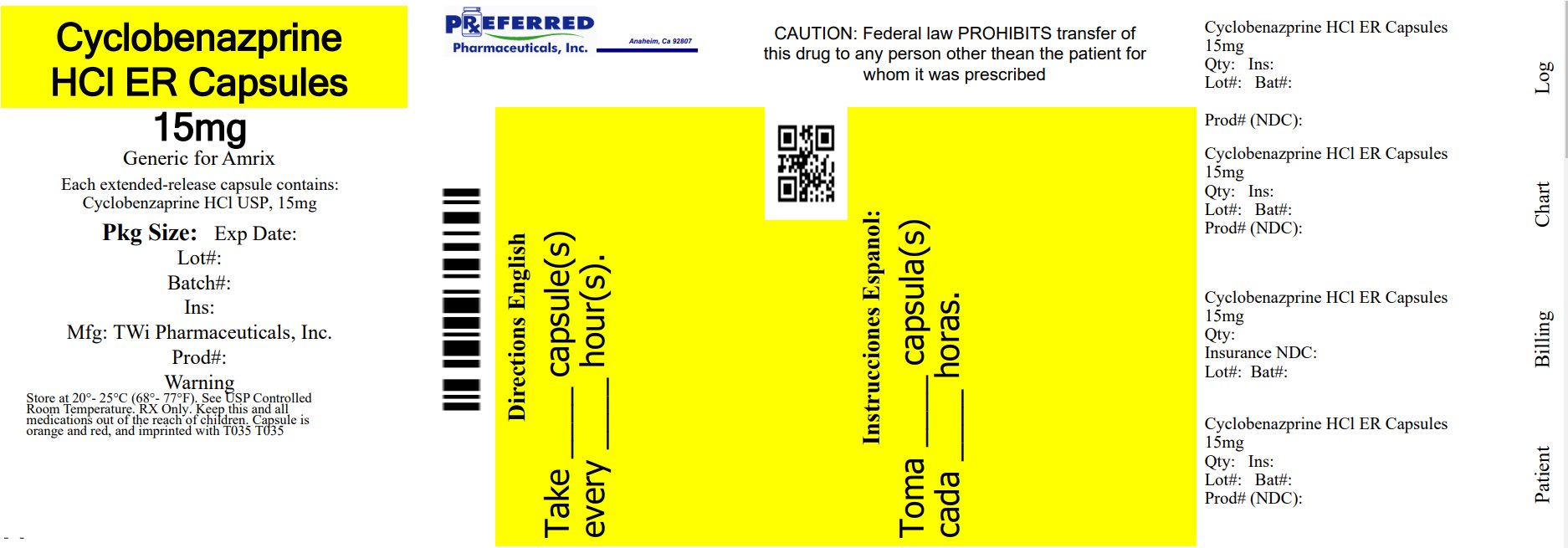
Cyclobenzaprine Hydrochloride 15 mg Capsule, Extended Release, 30-count — NDC 68788-8522-3 (Billing 68788-8522-03)
This is a package of 30 capsules of Cyclobenzaprine Hydrochloride 15 mg Capsule, Extended Release from Preferred Pharmaceuticals, Inc., marketed since Sep 2023 and currently FDA-listed. It is this product's only package size.
NDC database record
One package, one record: these facts belong to NDC 68788-8522-3 alone.
- Record
- FDA NDC Directory package listing · Human prescription drug
- Code segments
- 68788 labeler · 8522 product · 3 package
- Package marketed since
- Sep 12, 2023
- Sample package
- No — commercial package
- Listing certified through
- Dec 31, 2027
- Billing quantity
- 30 EA per package
- Barcode (UPC-A, from the NDC)
- 3 6878885223 6
- FDA record last changed
- Jul 24, 2026
Other active recalls for Cyclobenzaprine Hydrochloride (different manufacturers) — 1 · tap to view
Identity & classification
Regulatory identifiers FDA, NLM and CMS codes for this package
- RxCUI (RxNorm): 828358
Where does this data come from?
- FDA openFDA NDC Directory · synced Oct 1, 2026
- FDA label on DailyMed · label index refreshed Oct 5, 2026
- RxNorm (NLM RxNav) · catalog refreshed Oct 1, 2026
- Medi-Span GPI (licensed)
- First Databank (licensed) · refreshed Oct 1, 2026
RxNorm drug class
This medicine belongs to the Muscle Relaxant class.
Where does this data come from?
- RxClass (NLM) · catalog refreshed Oct 1, 2026
Clinical
Cyclobenzaprine is used to treat muscle spasms. Cyclobenzaprine is in a class of medications called skeletal muscle relaxants. It works by acting in the brain and nervous system to allow the muscles to relax.
Read the full MedlinePlus article ↗- Cyclobenzaprine tablets and extended-release capsules ease muscle spasm from recent, painful muscle or joint problems. You use them with rest and physical therapy. Tonmya, a differ...
- For muscle spasm, it's meant for short-term use only, about two or three weeks. Spasms usually improve in that time, and there's no good evidence it works longer.
- Dry mouth, drowsiness, dizziness, tiredness, constipation and nausea are the most common. Be careful driving until you know how it affects you. Call your doctor if side effects bot...
- Alcohol and other sedating medicines can make it stronger, so avoid mixing them. Tell me about any antidepressants, tramadol or other related medicines, because of the risk of sero...
Patient education
Supplement & herbal interactions
Where does this data come from?
- MedlinePlus (NLM) · refreshed Oct 1, 2026
- FDA label on DailyMed · label index refreshed Oct 5, 2026
Ask a licensed pharmacist directly — free, answered by our team.
Pricing
A drug doesn't have one price. Each row is a different public payment system, and none is what you'd pay at the counter — that depends on your insurance. The ⓘ on each row explains what it measures.
| Price system | Per each | Per package |
|---|---|---|
| Retail pharmacies payNADAC · weekly | Not in the retail survey — common for institutional, discontinued, or low-volume packs. | |
| Medicaid paysCMS SDUD · 12 mo | No recent Medicaid claims on file for this NDC — rare and low-volume NDCs are suppressed in the public data. | |
| Medicare drug plans payPart D · Q2 2026 | $2.06 | $61.89 / 30 capsules |
Where does this data come from?
- CMS NADAC weekly file
- CMS ASP pricing files · refreshed Sep 20, 2026
- CMS Medicaid State Drug Utilization Data · refreshed Oct 5, 2026
- CMS Part D plan pricing files · refreshed Sep 24, 2026
- VA National Acquisition Center price file
Packaging — all sizes for this product
| Package NDC | Description | Marketing start | Marketing end | Status |
|---|---|---|---|---|
| 68788-8522-03 You're viewing this Main listing | 30 CAPSULE, EXTENDED RELEASE in 1 BOTTLE | 2023-09-12 | — | Active |
Therapeutic equivalents
| Product | Labeler | Pack | NADAC/unit | TE | Status | Price vs. this |
|---|---|---|---|---|---|---|
| Cyclobenzaprine Hydrochloride 15 mg 00093-1920-06 | Teva | 60 capsules | $1.186 | AB | Availability likely | — |
| Cyclobenzaprine Hydrochloride 15 mg 00115-1436-13 | Amneal | 60 capsules | $1.186 | AB | Availability likely | — |
| Cyclobenzaprine Hydrochloride 15 mg 24979-0035-04 | Upsher-Smith | 60 capsules | $1.186 | AB | Availability likely | — |
| Amrix 15 mg 63459-0700-60 | Cephalon, | 60 capsules | $66.233 | AB | Availability likely | — |
| Cyclobenzaprine Hydrochloride 15 mg 33342-0272-09 | Macleods | 60 capsules | — | AB | FDA listed | — |
| Cyclobenzaprine Hydrochloride 15 mg 63629-8206-01 | Bryant | 30 capsules | — | AB | FDA listed | — |
| Cyclobenzaprine Hydrochloride 15 mg 68788-4087-03 | Preferred | 30 capsules | — | AB | FDA listed | — |
| Cyclobenzaprine Hydrochloride 15 mgthis 68788-8522-03 | Preferred | 30 capsules | — | AB | FDA listed | — |
| Cyclobenzaprine Hydrochloride 15 mg 69306-0015-03 | Doc | 30 capsules | — | AB | FDA listed | — |
| Cyclobenzaprine Hydrochloride 15 mg 70518-4225-00 | REMEDYREPACK | 30 capsules | — | AB | FDA listed | — |
| Cyclobenzaprine Hydrochloride 15 mg 70518-4246-00 | REMEDYREPACK | 30 capsules | — | AB | FDA listed | — |
| Cyclobenzaprine Hydrochloride 15 mg 71205-0454-30 | Proficient | 30 capsules | — | AB | FDA listed | — |
| Cyclobenzaprine Hydrochloride 15 mg 71205-0857-00 | Proficient | 100 capsules | — | AB | FDA listed | — |
| Cyclobenzaprine Hydrochloride 15 mg 71335-2514-01 | Bryant | 30 capsules | — | AB | FDA listed | — |
| Cyclobenzaprine Hydrochloride 15 mg 72189-0101-60 | DIRECT | 60 capsules | — | AB | FDA listed | — |
| Cyclobenzaprine HCL ER 15 mg 72189-0362-60 | Direct_Rx | 60 capsules | — | AB | FDA listed | — |
| Cyclobenzaprine HCL ER 15 mg 72189-0389-60 | Direct_Rx | 60 capsules | — | AB | FDA listed | — |
| Cyclobenzaprine Hydrochloride 15 mg 76420-0895-01 | Asclemed | 100 capsules | — | AB | FDA listed | — |
| Cyclobenzaprine HCL ER 15 mg 80425-0292-01 | Advanced | 30 capsules | — | AB | FDA listed | — |
| Cyclobenzaprine Hydrochloride 15 mg 80425-0451-01 | Advanced | 30 capsules | — | AB | FDA listed | — |
| Cyclobenzaprine Hydrochloride 15 mg 80425-0460-01 | Advanced | 30 capsules | — | AB | FDA listed | — |
| Cyclobenzaprine Hydrochloride 15 mg 85509-1035-03 | PHOENIX | 30 capsules | — | AB | FDA listed | — |
| Cyclobenzaprine Hydrochloride 15 mg 85509-1920-03 | PHOENIX | 30 capsules | — | AB | FDA listed | — |
Where does this data come from?
- FDA openFDA NDC Directory · synced Oct 1, 2026
- FDA Orange Book · refreshed Oct 3, 2026
- CMS NADAC weekly file
Availability & generic status
This product is an FDA-approved generic. Other versions of the same drug are listed under Therapeutic equivalents, least expensive first.
Where does this data come from?
- FDA Orange Book · refreshed Oct 3, 2026
What it looks like
Where does this data come from?
- FDA label on DailyMed · label index refreshed Oct 5, 2026
Inactive Ingredients / Excipients
Inactive ingredients, also called excipients, are components of the drug product other than the active ingredient. They may include fillers, dyes, coatings, preservatives, flavors, or other formulation ingredients.
💡 Tap an ingredient (hover on desktop) to see what it is and why it’s used.
-
UNII 3K9958V90M
A liquid solvent derived from fermentation or chemical synthesis. In medicines, alcohol dissolves active ingredients, helps preserve the product, and improves how the body absorbs certain drugs.
-
UNII 8PJ61P6TS3
Butyl alcohol is a clear liquid organic solvent derived from petroleum or natural sources. In medicines, it helps dissolve active ingredients and serves as a solvent in liquid formulations and some topical products.
-
UNII 35SW5USQ3G
A synthetic yellow dye used to color medicines. It helps make tablets, capsules, and liquids visually distinct so patients can easily identify their medication.
-
UNII 3DYK7UYZ62
Ethylcellulose is a plant-fiber derivative used as a binder and film-coating agent in tablets and capsules. It helps hold ingredients together and can create a protective coating that controls how quickly the medicine dissolves.
-
UNII H3R47K3TBD
FD&C Blue No. 1 is a synthetic blue dye approved for use in foods and medicines. It serves as a colorant to give the medication its distinctive appearance and help with product identification.
-
UNII L06K8R7DQK
A synthetic blue dye approved by the FDA for use in medications and foods. It serves as a colorant to make pills and liquids visually distinct and easier to identify.
-
UNII WZB9127XOA
A synthetic red dye used to color medications and make them easier to identify. It serves as a colorant in tablets, capsules, and liquid formulations.
-
UNII H77VEI93A8
A synthetic yellow dye used to color medications. It helps identify the drug and make it visually distinctive, with no effect on how the medicine works.
-
UNII 1K09F3G675
Ferric oxide red is an inorganic iron compound used as a colorant in medicines. It gives tablets, capsules, or other dosage forms a red or reddish tint for identification and appearance.
-
UNII XM0M87F357
A dark iron oxide compound that gives medicines their black or dark color. It's used as a colorant in tablets and capsules to help identify the product and make it visually distinctive.
-
UNII 2G86QN327L
Gelatin is a protein derived from animal collagen, commonly used in medicines as a gelling agent and capsule material. It helps create soft or hard capsule shells that hold and release medication, and can also thicken liquid formulations.
-
UNII U3JF91U133
Hydroxypropyl cellulose is a plant-derived polymer that acts as a binder, thickener, and film-former in medications. It helps hold tablet ingredients together, control how quickly the drug dissolves, and create protective coatings on pills.
-
UNII ND2M416302
Isopropyl alcohol is a clear liquid solvent derived from petroleum. In medicines, it dissolves active ingredients and other components, helps the product flow smoothly, and aids in sterilization during manufacturing.
-
UNII Y4S76JWI15
Methyl alcohol, also called methanol, is a simple organic solvent. It helps dissolve and carry active ingredients in liquid medicines, and helps the product mix evenly.
-
UNII WZH3C48M4T
Potassium hydroxide is a strong alkaline chemical used in medicines to adjust and maintain the pH level of liquid formulations, helping keep the product stable and the active ingredients effective.
-
UNII 6DC9Q167V3
Propylene glycol is a clear liquid derived from petroleum or vegetable sources. It acts as a solvent, humectant, and preservative in medicines, helping dissolve active ingredients and maintain product stability.
-
UNII 46N107B71O
Shellac is a natural resin secreted by the lac beetle. It's used as a coating on tablets and capsules to control how quickly the medicine dissolves and to improve appearance and stability.
-
UNII ETJ7Z6XBU4
Silicon dioxide is a naturally occurring mineral used as a glidant and anti-caking agent. It helps powder ingredients flow smoothly and prevents clumping during manufacturing and storage.
-
UNII O8232NY3SJ
A plant-based carbohydrate derived from corn kernels. It acts as a filler to add bulk, a binder to hold ingredients together, and a disintegrant to help the tablet break apart in your stomach for absorption.
-
UNII C151H8M554
A natural sugar derived from sugar cane or sugar beets. It's used as a sweetener, filler, and binder to improve taste, add bulk, and help hold tablet or capsule ingredients together.
-
UNII 15FIX9V2JP
Titanium dioxide is a bright white mineral powder commonly used as a colorant and opacifying agent. It makes pills and tablets white or lighter in color and helps make coatings non-transparent.
21 inactive ingredients listed in the exact product block matched to this NDC.
Where does this data come from?
ingredient classCode="IACT" elements from the exact product block matched by this NDC. Label-section narrative from DailyMed / the openFDA label index is shown separately when available.- FDA label on DailyMed · label index refreshed Oct 5, 2026
- FDA openFDA NDC Directory · synced Oct 1, 2026
Inactive ingredient FAQ
Are inactive ingredients the same for every manufacturer?
Why might an inactive ingredient be missing?
Can inactive ingredients matter?
Manufacturer & labeler
More NDCs from Preferred Pharmaceuticals, Inc. labeler code 68788
- Glipizide 5 mg Tablet NDC 68788-8512-1
- Azelastine Hydrochloride 137 ug Spray, Metered NDC 68788-8514-2
- triamcinolone acetonide .25 mg/g Cream NDC 68788-8515-8
- Hydrochlorothiazide 25 mg Tablet NDC 68788-8517-0
- Famotidine 40 mg Tablet, Film Coated NDC 68788-8518-3
- Metformin Hydrochloride 1000 mg Tablet, Extended Release NDC 68788-8520-6
- Cetirizine Hydrochloride 1 mg/mL Solution NDC 68788-8523-1
- esomeprazole magnesium 40 mg Capsule, Delayed Release NDC 68788-8524-1
- Fluconazole 200 mg Tablet NDC 68788-8526-0
- Atenolol 25 mg Tablet NDC 68788-8527-1
- Metformin Hydrochloride 850 mg Tablet NDC 68788-8528-1
- Meclizine HCl MECLIZINE HYDROCHLORIDE CHEWABLE 25 mg Tablet, Chewable NDC 68788-8529-1
Where does this data come from?
- FDA openFDA NDC Directory · synced Oct 1, 2026
- Drugs@FDA
Full prescribing information FDA SPL
🎯 Indications and Usage ▾
1 INDICATIONS AND USAGE Cyclobenzaprine hydrochloride extended-release capsules are indicated as an adjunct to rest and physical therapy for relief of muscle spasm associated with acute, painful musculoskeletal conditions. Improvement is manifested by relief of muscle spasm and its associated signs and symptoms, namely, pain, tenderness, and limitation of motion. Limitations of Use: • Cyclobenzaprine hydrochloride extended-release capsules should be used only for short periods (up to two or three weeks) because adequate evidence of effectiveness for more prolonged use is not available and because muscle spasm associated with acute, painful musculoskeletal conditions is generally of short duration and specific therapy for longer periods is seldom warranted. • Cyclobenzaprine hydrochloride extended-release capsules have not been found effective in the treatment of spasticity associated with cerebral or spinal cord disease or in children with cerebral palsy.
Cyclobenzaprine hydrochloride extended-release capsules are muscle relaxant indicated as an adjunct to rest and physical therapy for relief of muscle spasm associated with acute, painful musculoskeletal conditions. Improvement is manifested by relief of muscle spasm and its associated signs and symptoms, namely, pain, tenderness, and limitation of motion. ( 1 ) Limitations of Use: • Cyclobenzaprine hydrochloride extended-release capsules should be used only for short periods (up to 2 or 3 weeks) because adequate evidence of effectiveness for more prolonged use is not available and because muscle spasm associated with acute, painful musculoskeletal conditions is generally of short duration and specific therapy for longer periods is seldom warranted.
( 1 ) • Cyclobenzaprine hydrochloride extended-release capsules have not been found effective in the treatment of spasticity associated with cerebral or spinal cord disease or in children with cerebral palsy. (1)
⏱️ Dosage and Administration ▾
2 DOSAGE AND ADMINISTRATION The recommended adult dose for most patients is one (1) cyclobenzaprine hydrochloride extended-release capsule, 15 mg taken once daily. Some patients may require up to 30 mg/day, given as one (1) cyclobenzaprine hydrochloride extended-release capsule, 30 mg taken once daily or as two (2) cyclobenzaprine hydrochloride extended-release capsules, 15 mg taken once daily. • It is recommended that doses be taken at approximately the same time each day. • Use of cyclobenzaprine hydrochloride extended-release capsules for periods longer than two or three weeks is not recommended [ see Indications and Usage (1) ].
Instruct patients to swallow cyclobenzaprine hydrochloride extended-release capsules intact. Alternatively, the contents of the cyclobenzaprine hydrochloride extended-release capsules may be sprinkled over applesauce and then swallowed. This method is appropriate only for patients able to reliably swallow the applesauce without chewing.
Other foods have not been tested and should not be substituted for applesauce. Instruct the patient to: • Sprinkle the contents of the capsule onto a tablespoon of applesauce and consume immediately without chewing. • Rinse the mouth to ensure all of the contents have been swallowed. • Discard any unused portion of the cyclobenzaprine hydrochloride extended-release capsules after the contents have been sprinkled on applesauce. • Recommended adult dose for most patients is 15 mg taken once daily. Some patients may require 30 mg taken once daily (2) • Recommended to take doses at approximately same time each day (2) • Instruct patients to swallow cyclobenzaprine hydrochloride extended-release capsules intact or to sprinkle capsule contents on a tablespoon of applesauce and swallow immediately without chewing ( 2 ) • Use for periods longer than 2 or 3 weeks is not recommended (2)
💊 Dosage Forms and Strengths ▾
3 DOSAGE FORMS AND STRENGTHS Extended-release capsules USP in the following strengths: • 15 mg: Capsules are dark orange cap/red opaque body and are imprinted with black ink with “T035” on the body and cap. • 30 mg: Capsules are orange opaque cap/white opaque body and are imprinted with black ink with “T036” on the body and cap. • Extended-release capsules: 15 and 30 mg (3)
⛔ Contraindications ▾
4 CONTRAINDICATIONS • Hypersensitivity to any component of this product. Adverse reactions may include as an anaphylactic reaction, urticaria, facial and/or tongue swelling, or pruritus. Discontinue cyclobenzaprine hydrochloride extended-release capsules if a hypersensitivity reaction is suspected. • Concomitant use of monoamine oxidase (MAO) inhibitors or within 14 days after their discontinuation.
Hyperpyretic crisis seizures and deaths have occurred in patients receiving cyclobenzaprine (or structurally similar tricyclic antidepressants) concomitantly with MAO inhibitor drugs. • During the acute recovery phase of myocardial infarction, and in patients with arrhythmias, heart block or conduction disturbances, or congestive heart failure. • Hyperthyroidism. • Hypersensitivity to any component of this product (4) • Concomitant use of monoamine oxidase (MAO) inhibitors or within 14 days after their discontinuation (4) • During acute recovery phase of myocardial infarction, and in patients with arrhythmias, heart block or conduction disturbances, or congestive heart failure (4) • Hyperthyroidism (4)
⚠️ Warnings and Cautions ▾
5 WARNINGS AND PRECAUTIONS • Serotonin syndrome has been reported with cyclobenzaprine when used in combination with other serotonergic drugs ( 5.1 ) • Cyclobenzaprine is structurally related to tricyclic antidepressants which have been reported to produce adverse cardiovascular effects or CNS depressant effects ( 5.2 ) • Use in the elderly is not recommended ( 5.3 ) • Use in patients with hepatic impairment is not recommended ( 5.4 ) • Use with caution in patients with a history of urinary retention, angle-closure glaucoma, increased intraocular pressure and in patients taking anticholinergic medications ( 5.5 )
5.1Serotonin Syndrome The development of a potentially life-threatening serotonin syndrome has been reported with cyclobenzaprine when used in combination with other drugs, such as selective serotonin reuptake inhibitors (SSRIs), serotonin norepinephrine reuptake inhibitors (SNRIs), tricyclic antidepressants (TCAs), tramadol, bupropion, meperidine, verapamil, or MAO inhibitors. The concomitant use of cyclobenzaprine hydrochloride extended-release capsules with MAO inhibitors is contraindicated [see Contraindications (4)] .
Serotonin syndrome symptoms may include mental status changes (e.g., confusion, agitation, hallucinations), autonomic instability (e.g., diaphoresis, tachycardia, labile blood pressure, hyperthermia), neuromuscular abnormalities (e.g., tremor, ataxia, hyperreflexia, clonus, muscle rigidity), and/or gastrointestinal symptoms (e.g., nausea, vomiting, diarrhea). Treatment with cyclobenzaprine hydrochloride extended-release capsules and any concomitant serotonergic agents should be discontinued immediately if the above reactions occur and supportive symptomatic treatment should be initiated.
If concomitant treatment with cyclobenzaprine hydrochloride extended-release capsules and other serotonergic drugs is clinically warranted, careful observation is advised, particularly during treatment initiation or dose increases.
5.2Tricyclic Antidepressant-like Effects Cyclobenzaprine is structurally related to the tricyclic antidepressants, e.g., amitriptyline and imipramine. Tricyclic antidepressants have been reported to produce arrhythmias, sinus tachycardia, prolongation of the conduction time leading to myocardial infarction and stroke [see Contraindications (4)] . Cyclobenzaprine hydrochloride extended-release capsules may enhance the effects of alcohol, barbiturates, and other CNS depressants.
Some of the more serious central nervous system (CNS) reactions noted with the tricyclic antidepressants have occurred in short-term studies of cyclobenzaprine for indications other than muscle spasm associated with acute musculoskeletal conditions, and usually at doses somewhat greater than those recommended for skeletal muscle spasm. If clinically significant CNS symptoms develop, consider discontinuation of cyclobenzaprine hydrochloride extended-release capsules.
5.3Use in the Elderly As a result of a 40% increase in cyclobenzaprine plasma levels and a 56% increase in plasma half-life following administration of cyclobenzaprine hydrochloride extended-release capsules in elderly subjects as compared to young adults, use of cyclobenzaprine hydrochloride extended-release capsules is not recommended in the elderly [ see Clinical Pharmacology (12.3) ].
5.4Use in Patients with Hepatic Impairment As a result of two-fold higher cyclobenzaprine plasma levels in subjects with mild hepatic impairment, as compared to healthy subjects, following administration of immediate-release cyclobenzaprine and because there is limited dosing flexibility with cyclobenzaprine hydrochloride extended-release capsules, use of cyclobenzaprine hydrochloride extended-release capsules is not recommended in patients with mild, moderate, or severe hepatic impairment [ see Clinical Pharmacology (12.3) ].
5.5Atropine-like Action Because of its atropine-like action, cyclobenzaprine hydrochloride extended-release capsules should be used with cau… [Excerpted — this section continues on DailyMed.]
🤒 Adverse Reactions ▾
6 ADVERSE REACTIONS The following clinically significant reactions are described in greater detail, in other sections. • Serotonin Syndrome [see Warnings and Precautions ( 5.1 )] • Adverse Cardiovascular Effects [see Warnings and Precautions ( 5.2 )] Most common adverse reactions (incidence ≥3% in any treatment group and greater than placebo): dry mouth, dizziness, fatigue, constipation, nausea, dyspepsia, and somnolence ( 6 ) To report SUSPECTED ADVERSE REACTIONS, contact Upsher-Smith Laboratories, LLC at 1-855-899-9180 or FDA at 1-800-FDA-1088 or www.fda.gov/medwatch.
6.1Clinical Trials Experience Because clinical trials are conducted under widely varying conditions, adverse reaction rates observed in the clinical trials of a drug cannot be directly compared to rates in the clinical trials of another drug and may not reflect the rates observed in clinical practice. The data described below reflect exposure to cyclobenzaprine hydrochloride extended-release capsules in 253 patients in 2 clinical trials. Cyclobenzaprine hydrochloride extended-release capsules were studied in two double-blind, parallel-group, placebo-controlled, active-controlled trials of identical design [see Clinical Studies (14)] .
The study population was composed of patients with muscle spasms associated with acute painful musculoskeletal conditions. Patients received 15 mg or 30 mg of cyclobenzaprine hydrochloride extended-release capsules taken orally once daily, cyclobenzaprine immediate-release (IR) 10 mg three times a day, or placebo for 14 days. The most common adverse reactions (incidence ≥3% in any treatment group and greater than placebo) were dry mouth, dizziness, fatigue, constipation, nausea, dyspepsia, and somnolence (see Table 1).
Table 1: Incidence of the Most Common Adverse Reactions Occurring in ≥ 3% of Patients in any Treatment Group* and Greater Than Placebo in the Two Phase 3, Double-Blind Cyclobenzaprine Hydrochloride Extended-Release Capsules Trials Placebo Cyclobenzaprine Hydrochloride Extended-Release Capsules 15 mg Cyclobenzaprine Hydrochloride Extended-Release Capsules 30 mg N=128 N=127 N=126 Dry mouth 2% 6% 14% Dizziness 2% 3% 6% Fatigue 2% 3% 3% Constipation 0% 1% 3% Somnolence 0% 1% 2% Nausea 1% 3% 3% Dyspepsia 1% 0% 4% *Cyclobenzaprine Hydrochloride Extended-Release Capsules 15 mg QD, Cyclobenzaprine Hydrochloride Extended-Release Capsules 30 mg QD, or cyclobenzaprine IR tablets TID
6.2Postmarketing Experience The following adverse reactions have been reported in clinical studies or postmarketing experience with cyclobenzaprine hydrochloride extended-release capsules, cyclobenzaprine IR, or tricyclic drugs. Because some of these reactions are reported voluntarily from a population of uncertain size, it is not always possible to reliably estimate their frequency or establish a causal relationship to drug exposure. In a postmarketing surveillance program of cyclobenzaprine IR, the adverse reactions reported most frequently were drowsiness, dry mouth, and dizziness and adverse reactions reported in 1% to 3% of the patients were: fatigue/tiredness, asthenia, nausea, constipation, dyspepsia, unpleasant taste, blurred vision, headache, nervousness, and confusion.
The following adverse reactions have been reported in postmarketing experience (cyclobenzaprine hydrochloride extended-release capsules or cyclobenzaprine IR), in clinical studies of cyclobenzaprine IR (incidence <1%), or in postmarketing experience with other tricyclic drugs: Body as a Whole: Syncope; malaise; chest pain; edema. Cardiovascular: Tachycardia; arrhythmia; vasodilatation; palpitation; hypotension; hypertension; myocardial infarction; heart block; stroke. Digestive: Vomiting; anorexia; diarrhea; gastrointestinal pain; gastritis; thirst; flatulence; edema of the tongue; abnormal liver function and rare reports of hepatitis, jaundice, and cholestasis; paralytic ileus, tongue discoloration; stomatitis; parotid swelling.
Endocrine: Inappropriate ADH syndrome. Hem… [Excerpted — this section continues on DailyMed.]
🔄 Drug Interactions ▾
7 DRUG INTERACTIONS Based on its structural similarity to tricyclic antidepressants, cyclobenzaprine hydrochloride extended-release capsules may have life-threatening interactions with MAO inhibitors [ see Contraindications (4) ] , may enhance the effects of alcohol, barbiturates, and other CNS depressants, may enhance the seizure risk in patients taking tramadol, or may block the antihypertensive action of guanethidine and similarly acting compounds. Postmarketing cases of serotonin syndrome have been reported during combined use of cyclobenzaprine and other drugs, such as SSRIs, SNRIs, TCAs, tramadol, bupropion, meperidine, verapamil, or MAO inhibitors [see Warnings and Precautions (5.1)] . • MAO Inhibitors: Life-threatening interactions may occur ( 4 , 7 ) • Serotonergic Drugs: Serotonin syndrome has been reported ( 5.1 , 7 ) • CNS Depressants: Effects of alcohol, barbiturates, and other CNS depressants may be enhanced ( 5.2 , 7 ) • Tramadol: Seizure risk may be enhanced ( 7 ) • Guanethidine: Antihypertensive effect may be blocked ( 7 )
👥 Use in Specific Populations ▾
8 USE IN SPECIFIC POPULATIONS
8.1Pregnancy Risk Summary Available data from case reports with cyclobenzaprine hydrochloride extended-release capsules use in pregnancy have not identified a drug-associated risk of major birth defects, miscarriage, or adverse maternal or fetal outcomes. In rats, decreased pup body weight and survival was noted at cyclobenzaprine doses ≥10 mg/kg/day (approximately ≥3 times the maximum recommended human dose (MRHD) of 30 mg/day), when administered orally during pregnancy and lactation (see Data). The estimated background risk of major birth defects and miscarriage for the indicated populations is unknown.
All pregnancies have a background risk of birth defect, loss, or other adverse outcomes. In the US general population, the estimated background risk of major birth defects and miscarriage in clinically recognized pregnancies is 2% to 4% and 15% to 20%, respectively. Data Animal Data No adverse embryofetal effects were reported following oral administration of cyclobenzaprine during organogenesis to mice and rabbits at maternal doses up to 20 mg/kg/day (approximately 3 and 15 times the MRHD, respectively, on a mg/m 2 basis).
Maternal toxicity characterized by decreased body weight gain was observed only in mice at the highest tested dose of 20 mg/kg/day. Decreased pup body weight and survival were reported in a prenatal and postnatal study where pregnant rats were treated orally with cyclobenzaprine during pregnancy and lactation with maternal doses of 10 and 20 mg/kg/day (approximately 3 and 6 times the MRHD on a mg/m 2 basis). Maternal toxicity, characterized by a decreased body weight gain, was observed only at the highest tested dose of 20 mg/kg/day.
8.2Lactation Risk Summary There are no data on the presence of cyclobenzaprine in either human or animal milk, the effects on a breastfed infant, or the effects on milk production. The developmental and health benefits of breastfeeding should be considered along with the mother’s clinical need for cyclobenzaprine hydrochloride extended-release capsules and any potential adverse effects on the breastfed child from cyclobenzaprine hydrochloride extended-release capsules or from the underlying maternal condition.
8.4Pediatric Use Safety and effectiveness of cyclobenzaprine hydrochloride extended-release capsules have not been studied in pediatric patients.
8.5Geriatric Use Clinical studies of cyclobenzaprine hydrochloride extended-release capsules did not include sufficient numbers of patients aged 65 and over to determine the safety and efficacy of cyclobenzaprine hydrochloride extended-release capsules in the elderly population. The plasma concentration and half-life of cyclobenzaprine are substantially increased in the elderly when compared to the general patient population. Accordingly, use of cyclobenzaprine hydrochloride extended-release capsules is not recommended in the elderly [see Warnings and Precautions (5.3) and Clinical Pharmacology (12.3)] .
8.6Hepatic Impairment The use of cyclobenzaprine hydrochloride extended-release capsules is not recommended in patients with mild, moderate, or severe hepatic impairment [ see Warnings and Precautions (5.4 ) and Clinical Pharmacology ( 12.3 )].
🤰 Pregnancy ▾
8.1Pregnancy Risk Summary Available data from case reports with cyclobenzaprine hydrochloride extended-release capsules use in pregnancy have not identified a drug-associated risk of major birth defects, miscarriage, or adverse maternal or fetal outcomes. In rats, decreased pup body weight and survival was noted at cyclobenzaprine doses ≥10 mg/kg/day (approximately ≥3 times the maximum recommended human dose (MRHD) of 30 mg/day), when administered orally during pregnancy and lactation (see Data). The estimated background risk of major birth defects and miscarriage for the indicated populations is unknown.
All pregnancies have a background risk of birth defect, loss, or other adverse outcomes. In the US general population, the estimated background risk of major birth defects and miscarriage in clinically recognized pregnancies is 2% to 4% and 15% to 20%, respectively. Data Animal Data No adverse embryofetal effects were reported following oral administration of cyclobenzaprine during organogenesis to mice and rabbits at maternal doses up to 20 mg/kg/day (approximately 3 and 15 times the MRHD, respectively, on a mg/m 2 basis).
Maternal toxicity characterized by decreased body weight gain was observed only in mice at the highest tested dose of 20 mg/kg/day. Decreased pup body weight and survival were reported in a prenatal and postnatal study where pregnant rats were treated orally with cyclobenzaprine during pregnancy and lactation with maternal doses of 10 and 20 mg/kg/day (approximately 3 and 6 times the MRHD on a mg/m 2 basis). Maternal toxicity, characterized by a decreased body weight gain, was observed only at the highest tested dose of 20 mg/kg/day.
🧒 Pediatric Use ▾
8.4Pediatric Use Safety and effectiveness of cyclobenzaprine hydrochloride extended-release capsules have not been studied in pediatric patients.
🧓 Geriatric Use ▾
8.5Geriatric Use Clinical studies of cyclobenzaprine hydrochloride extended-release capsules did not include sufficient numbers of patients aged 65 and over to determine the safety and efficacy of cyclobenzaprine hydrochloride extended-release capsules in the elderly population. The plasma concentration and half-life of cyclobenzaprine are substantially increased in the elderly when compared to the general patient population. Accordingly, use of cyclobenzaprine hydrochloride extended-release capsules is not recommended in the elderly [see Warnings and Precautions (5.3) and Clinical Pharmacology (12.3)] .
🆘 Overdosage ▾
10 OVERDOSAGE Clinical Presentation Although rare, deaths may occur from overdosage with cyclobenzaprine hydrochloride extended-release capsules. Multiple drug ingestion (including alcohol) is common in deliberate cyclobenzaprine overdose. As management of overdose is complex and changing, it is recommended that the physician contact a poison control center for current information on treatment .
Signs and symptoms of toxicity may develop rapidly after cyclobenzaprine overdose; therefore, hospital monitoring is required as soon as possible. The most common effects associated with cyclobenzaprine overdose are drowsiness and tachycardia. Less frequent symptoms include tremor, agitation, coma, ataxia, hypertension, slurred speech, confusion, dizziness, nausea, vomiting, and hallucinations.
Rare but potentially critical symptoms of overdose are cardiac arrest, chest pain, cardiac dysrhythmias, severe hypotension, seizures, cases of neuroleptic malignant syndrome and rhabdomyolysis have been reported. Changes in the electrocardiogram, particularly in QRS axis or width, are clinically significant indicators of cyclobenzaprine toxicity. Other potential effects of overdosage include any of the symptoms listed under Adverse Reactions (6) .
General As management of overdose is complex and changing, it is recommended that the physician contact a poison control center for current information on treatment. In order to protect against the rare but potentially critical symptoms described above, obtain an ECG and immediately initiate cardiac monitoring. Protect the patient’s airway, establish an intravenous line, and initiate gastric decontamination.
Observation with cardiac monitoring and observation for signs of CNS or respiratory depression, hypotension, cardiac dysrhythmias and/or conduction blocks, and seizures is necessary. If signs of toxicity occur at any time during this period, extended monitoring is required. Monitoring of plasma drug levels should not guide management of the patient.
Dialysis is probably of no value because of low plasma concentrations of the drug. Gastrointestinal Decontamination All patients suspected of an overdose with cyclobenzaprine hydrochloride extended-release capsules should receive gastrointestinal decontamination. This should include large volume gastric lavage followed by activated charcoal.
If consciousness is impaired, the airway should be secured prior to lavage and emesis is contraindicated. Cardiovascular A maximal limb-lead QRS duration of 0.10 seconds may be the best indication of the severity of the overdose. Serum alkalinization, to a pH of 7.45 to 7.55, using intravenous sodium bicarbonate and hyperventilation (as needed), should be instituted for patients with dysrhythmias and/or QRS widening.
A pH >7.60 or a pCO 2 <20 mmHg is undesirable. Dysrhythmias unresponsive to sodium bicarbonate therapy/hyperventilation may respond to lidocaine, bretylium, or phenytoin. Type 1A and 1C antiarrhythmics are generally contraindicated (e.g., quinidine, disopyramide, and procainamide).
CNS In patients with CNS depression, early intubation is advised because of the potential for abrupt deterioration. Seizures should be controlled with benzodiazepines or, if these are ineffective, other anticonvulsants (e.g., phenobarbital, phenytoin). Physostigmine is not recommended except to treat life-threatening symptoms that have been unresponsive to other therapies, and then only in close consultation with a poison control center.
Psychiatric Follow-Up Since overdosage is often deliberate, patients may attempt suicide by other means during the recovery phase. Psychiatric referral may be appropriate. Pediatric Management The principles of management of child and adult overdosage are similar.
It is strongly recommended that the physician contact the local poison control center for specific pediatric treatment.
🧬 Clinical Pharmacology ▾
12 CLINICAL PHARMACOLOGY
12.1Mechanism of Action Cyclobenzaprine relieves skeletal muscle spasm of local origin without interfering with muscle function. Cyclobenzaprine has not been shown to be effective in muscle spasm due to central nervous system disease. In animal models, cyclobenzaprine reduced or abolished skeletal muscle hyperactivity.
Animal studies indicate that cyclobenzaprine does not act at the neuromuscular junction or directly on skeletal muscle. Such studies show that cyclobenzaprine acts primarily within the central nervous system at the brain stem as opposed to the spinal cord level, although an overlapping action on the latter may contribute to its overall skeletal muscle relaxant activity. Evidence suggests that the net effect of cyclobenzaprine is a reduction of tonic somatic motor activity, influencing both gamma (γ) and alpha (α) motor systems.
Pharmacological studies in animals demonstrated a similarity between the effects of cyclobenzaprine and the structurally related tricyclic antidepressants, including reserpine antagonism, norepinephrine potentiation, potent peripheral and central anticholinergic effects, and sedation. Cyclobenzaprine caused slight to moderate increase in heart rate in animals.
12.3Pharmacokinetics Absorption Following single-dose administration of cyclobenzaprine hydrochloride extended-release capsules 15 mg and 30 mg in healthy adult subjects (n=15) , C max, AUC 0-168h and AUC 0-∞ increased in an approximately dose-proportional manner from 15 mg to 30 mg. The time to peak plasma cyclobenzaprine concentration (T max ) was 7 to 8 hours for both doses of cyclobenzaprine hydrochloride extended-release capsules. A food effect study conducted in healthy adult subjects (n=15) utilizing a single dose of AMRIX 30 mg demonstrated a statistically significant increase in bioavailability when cyclobenzaprine hydrochloride extended-release capsules 30 mg was given with food relative to the fasted state.
There was a 35% increase in peak plasma cyclobenzaprine concentration (C max ) and a 20% increase in exposure (AUC 0-168h and AUC 0-∞ ) in the presence of food. No effect, however, was noted in T max or the shape of the mean plasma cyclobenzaprine concentration versus time profile. Cyclobenzaprine in plasma was first detectable in both the fed and fasted states at 1.5 hours.
When the contents of cyclobenzaprine hydrochloride extended-release capsules were administered by sprinkling on applesauce, it was found to be bioequivalent to the same dose when administered as an intact capsule. In a multiple-dose study utilizing cyclobenzaprine hydrochloride extended-release capsules 30 mg administered once daily for 7 days in a group of healthy adult subjects (n=35), a 2.5-fold accumulation of plasma cyclobenzaprine levels was noted at steady-state. Metabolism and Excretion Cyclobenzaprine is extensively metabolized and is excreted primarily as glucuronides via the kidney.
Cytochromes P-450 3A4, 1A2, and, to a lesser extent, 2D6, mediate N-demethylation, one of the oxidative pathways for cyclobenzaprine. Cyclobenzaprine has an elimination half-life of 32 hours (range 8-37 hours; n=18); plasma clearance is
0.7L/min following single-dose administration of cyclobenzaprine hydrochloride extended-release capsules. Special Populations Elderly Although there were no notable differences in C max or T max , cyclobenzaprine plasma AUC is increased by 40% and the plasma half-life of cyclobenzaprine is prolonged in elderly subjects greater than 65 years of age (50 hours) after dosing with cyclobenzaprine hydrochloride extended-release capsules compared to younger subjects 18 to 45 years of age (32 hours). Pharmacokinetic characteristics of cyclobenzaprine following multiple-dose administration of cyclobenzaprine hydrochloride extended-release capsules in the elderly were not evaluated.
Hepatic Impairment In a pharmacokinetic study of immediate-release cyclobenzaprine in 16 subjects with hepatic impairment (15 mi… [Excerpted — this section continues on DailyMed.]
🧬 Mechanism of Action ▾
12.1Mechanism of Action Cyclobenzaprine relieves skeletal muscle spasm of local origin without interfering with muscle function. Cyclobenzaprine has not been shown to be effective in muscle spasm due to central nervous system disease. In animal models, cyclobenzaprine reduced or abolished skeletal muscle hyperactivity.
Animal studies indicate that cyclobenzaprine does not act at the neuromuscular junction or directly on skeletal muscle. Such studies show that cyclobenzaprine acts primarily within the central nervous system at the brain stem as opposed to the spinal cord level, although an overlapping action on the latter may contribute to its overall skeletal muscle relaxant activity. Evidence suggests that the net effect of cyclobenzaprine is a reduction of tonic somatic motor activity, influencing both gamma (γ) and alpha (α) motor systems.
Pharmacological studies in animals demonstrated a similarity between the effects of cyclobenzaprine and the structurally related tricyclic antidepressants, including reserpine antagonism, norepinephrine potentiation, potent peripheral and central anticholinergic effects, and sedation. Cyclobenzaprine caused slight to moderate increase in heart rate in animals.
📦 How Supplied / Storage and Handling ▾
16 HOW SUPPLIED/STORAGE AND HANDLING
16.1How Supplied Cyclobenzaprine hydrochloride extended-release capsules USP are available in 15 and 30 mg strengths, packaged in bottles of 60 capsules. Cyclobenzaprine hydrochloride extended-release capsules USP, 15 mg are available as hard gelatin capsule with dark orange opaque cap and red opaque body imprinted with “T035” in black ink. They are supplied as follows: Bottle of 30 NDC 68788-8522-3
16.2Storage and Handling Dispense in a tight, light-resistant container as defined in the USP/NF. Store at 20° to 25°C (68° to 77°F) [see USP Controlled Room Temperature].
16.1How Supplied Cyclobenzaprine hydrochloride extended-release capsules USP are available in 15 and 30 mg strengths, packaged in bottles of 60 capsules. Cyclobenzaprine hydrochloride extended-release capsules USP, 15 mg are available as hard gelatin capsule with dark orange opaque cap and red opaque body imprinted with “T035” in black ink. They are supplied as follows: Bottle of 30 NDC 68788-8522-3
📦 Storage and Handling ▾
16.2Storage and Handling Dispense in a tight, light-resistant container as defined in the USP/NF. Store at 20° to 25°C (68° to 77°F) [see USP Controlled Room Temperature].
📋 Description ▾
11 DESCRIPTION Cyclobenzaprine hydrochloride extended-release capsules USP are skeletal muscle relaxant which relieves muscle spasm of local origin without interfering with muscle function. The active ingredient in cyclobenzaprine hydrochloride extended-release capsules is cyclobenzaprine hydrochloride, USP. Cyclobenzaprine hydrochloride (HCl) is a white, crystalline tricyclic amine salt with the empirical formula C 20 H 21 N·HCl and a molecular weight of 311.9.
It has a melting point of 217°C, and a pK a of 8.47 at 25°C. It is freely soluble in water and alcohol, sparingly soluble in isopropanol, and insoluble in hydrocarbon solvents. If aqueous solutions are made alkaline, the free base separates.
Cyclobenzaprine HCl is designated chemically as 3-( 5H -dibenzo[ a,d ] cyclohepten-5-ylidene)- N,N -dimethyl-1-propanamine hydrochloride, and has the following structural formula: Cyclobenzaprine hydrochloride extended-release capsules for oral administration are supplied in 15 and 30 mg strengths. Cyclobenzaprine hydrochloride extended-release capsules contain the following inactive ingredients: colloidal silicon dioxide, ethyl alcohol, ethylcellulose, FDC yellow #6, gelatin, hydroxypropyl cellulose, isopropyl alcohol, potassium hydroxide, sugar spheres (which contain sucrose and corn starch) and titanium dioxide.
In addition, red iron oxide is also included in the 15 mg strength. The capsule is imprinted with black ink consisting of: black iron oxide, DC Yellow #10, ethanol, FDC Blue #1, FDC Blue #2, FDC Red #40, methanol, N-butyl alcohol, propylene glycol, and shellac. Structural Formula
💬 Information for Patients ▾
17 PATIENT COUNSELING INFORMATION See FDA-approved patient labeling (Patient Information). • Instruct patients to swallow cyclobenzaprine hydrochloride extended-release capsules intact or to sprinkle capsule contents on a tablespoon of applesauce and swallow immediately without chewing. • Advise patients to stop taking cyclobenzaprine hydrochloride extended-release capsules and to notify their physician right away if they experience symptoms of an allergic reaction, such as difficulty breathing, hives, swelling of face or tongue, or itching. • Advise patients that cyclobenzaprine hydrochloride extended-release capsules should not be taken with MAO inhibitors or within 14 days after their discontinuation. • Caution patients about the risk of serotonin syndrome with concomitant use of cyclobenzaprine hydrochloride extended-release capsules and other drugs, such as SSRIs, SNRIs, TCAs, tramadol, bupropion, meperidine, verapamil, or MAO inhibitors.
Advise patients of the signs and symptoms of serotonin syndrome [ see Warnings and Precautions (5.1) ] and instruct patients to seek medical care immediately if they experience these symptoms. • Advise patients to stop taking cyclobenzaprine hydrochloride extended-release capsules and to notify their physician right away if they experience arrhythmias or tachycardia. • Advise patients that cyclobenzaprine hydrochloride extended-release capsules may enhance the impairment effects of alcohol. These effects may also be seen if cyclobenzaprine hydrochloride extended-release capsules are taken with other CNS depressants. • Caution patients about operating an automobile or other hazardous machinery until it is reasonably certain that cyclobenzaprine hydrochloride extended-release capsules therapy will not adversely affect their ability to engage in such activities. • Advise patients to take cyclobenzaprine hydrochloride extended-release capsules at approximately the same time each day.
Distributed by UPSHER-SMITH LABORATORIES, LLC Maple Grove, MN 55369 Made in Taiwan LA-3117-03 Revised: 1/2025 Repackaged By: Preferred Pharmaceuticals, Inc.
🧬 Pharmacokinetics ▾
12.3Pharmacokinetics Absorption Following single-dose administration of cyclobenzaprine hydrochloride extended-release capsules 15 mg and 30 mg in healthy adult subjects (n=15) , C max, AUC 0-168h and AUC 0-∞ increased in an approximately dose-proportional manner from 15 mg to 30 mg. The time to peak plasma cyclobenzaprine concentration (T max ) was 7 to 8 hours for both doses of cyclobenzaprine hydrochloride extended-release capsules. A food effect study conducted in healthy adult subjects (n=15) utilizing a single dose of AMRIX 30 mg demonstrated a statistically significant increase in bioavailability when cyclobenzaprine hydrochloride extended-release capsules 30 mg was given with food relative to the fasted state.
There was a 35% increase in peak plasma cyclobenzaprine concentration (C max ) and a 20% increase in exposure (AUC 0-168h and AUC 0-∞ ) in the presence of food. No effect, however, was noted in T max or the shape of the mean plasma cyclobenzaprine concentration versus time profile. Cyclobenzaprine in plasma was first detectable in both the fed and fasted states at 1.5 hours.
When the contents of cyclobenzaprine hydrochloride extended-release capsules were administered by sprinkling on applesauce, it was found to be bioequivalent to the same dose when administered as an intact capsule. In a multiple-dose study utilizing cyclobenzaprine hydrochloride extended-release capsules 30 mg administered once daily for 7 days in a group of healthy adult subjects (n=35), a 2.5-fold accumulation of plasma cyclobenzaprine levels was noted at steady-state. Metabolism and Excretion Cyclobenzaprine is extensively metabolized and is excreted primarily as glucuronides via the kidney.
Cytochromes P-450 3A4, 1A2, and, to a lesser extent, 2D6, mediate N-demethylation, one of the oxidative pathways for cyclobenzaprine. Cyclobenzaprine has an elimination half-life of 32 hours (range 8-37 hours; n=18); plasma clearance is
0.7L/min following single-dose administration of cyclobenzaprine hydrochloride extended-release capsules. Special Populations Elderly Although there were no notable differences in C max or T max , cyclobenzaprine plasma AUC is increased by 40% and the plasma half-life of cyclobenzaprine is prolonged in elderly subjects greater than 65 years of age (50 hours) after dosing with cyclobenzaprine hydrochloride extended-release capsules compared to younger subjects 18 to 45 years of age (32 hours). Pharmacokinetic characteristics of cyclobenzaprine following multiple-dose administration of cyclobenzaprine hydrochloride extended-release capsules in the elderly were not evaluated.
Hepatic Impairment In a pharmacokinetic study of immediate-release cyclobenzaprine in 16 subjects with hepatic impairment (15 mild, 1 moderate per Child-Pugh score), both AUC and C max were approximately double the values seen in the healthy control group. The pharmacokinetics of cyclobenzaprine in subjects with severe hepatic impairment is not known.
🔬 Clinical Studies ▾
14 CLINICAL STUDIES Efficacy was assessed in two double-blind, parallel-group, active-controlled, placebo-controlled studies of identical design of cyclobenzaprine hydrochloride extended-release capsules 15 mg and 30 mg taken once daily, between 6:00 and 7:00 PM, cyclobenzaprine 10 mg three times a day, or placebo for 14 days in patients with muscle spasms associated with acute painful musculoskeletal conditions. There were significant differences in the primary efficacy analysis, the patient’s rating of medication helpfulness, between the cyclobenzaprine hydrochloride extended-release capsules 15 mg group and the placebo group at Days 4 and 14 in one study and between the cyclobenzaprine hydrochloride extended-release capsules 30 mg group and the placebo group at Day 4 in the second study.
Table 2: Patients’ Rating of Medication Helpfulness - Study 1* Day 4 Day 14 Number of Patients (%) Number of Patients (%) Placebo (N = 64) Cyclobenzaprine Hydrochloride Extended-Release Capsules 30 mg (N = 64) Placebo (N = 64) Cyclobenzaprine Hydrochloride Extended-Release Capsules 30 mg (N = 64) Excellent 1 (2%) 3 (5%) 12 (19%) 15 (23%) Very Good 5 (8%) 13 (20%) 9 (14%) 19 (30%) Good 15 (23%) 22 (34%) 10 (16%) 15 (23%) Fair 24 (38%) 20 (31%) 16 (25%) 10 (16%) Poor 10 (16%) 5 (8%) 9 (14%) 4 (6%) Missing 9 (14%) 1 (2%) 8 (13%) 1 (2%) * Percentages are rounded to the nearest whole percent.
Table 3: Patients’ Rating of Medication Helpfulness - Study 2* Day 4 Day 14 Number of Patients (%) Number of Patients (%) Placebo (N = 64) Cyclobenzaprine Hydrochloride Extended-Release Capsules 15 mg (N = 63) Placebo (N = 64) Cyclobenzaprine Hydrochloride Extended-Release Capsules 15 mg (N = 63) Excellent 1 (2%) 2 (3%) 10 (16%) 13 (21%) Very Good 10 (16%) 12 (19%) 12 (19%) 21 (33%) Good 14 (22%) 21 (33%) 13 (20%) 9 (14%) Fair 16 (25%) 17 (27%) 14 (22%) 10 (16%) Poor 19 (30%) 6 (10%) 12 (19%) 5 (8%) Missing 4 (6%) 5 (8%) 3 (5%) 5 (8%) * Percentages are rounded to the nearest whole percent.
In addition, one of the two studies demonstrated significant differences between the cyclobenzaprine hydrochloride extended-release capsules 30 mg group and the placebo group in terms of patient-rated relief from local pain due to muscle spasm at Day 4 and Day 8, in patient-rated restriction of movement at Day 4 and Day 8, and in patient-rated global impression of change at Day 4, Day 8, and Day 14. In both studies, there were no significant treatment differences between the cyclobenzaprine hydrochloride extended-release capsules treatment groups and the placebo group in physician's global assessment, patient-rated restriction in activities of daily living, or quality of nighttime sleep.
🔒 Drug Abuse and Dependence ▾
9 DRUG ABUSE AND DEPENDENCE
9.3Dependence Pharmacologic similarities among the tricyclic drugs require that certain withdrawal symptoms be considered when cyclobenzaprine hydrochloride extended-release capsules are administered, even though they have not been reported to occur with this drug. Abrupt cessation of treatment after prolonged administration rarely may produce nausea, headache, and malaise. These are not indicative of addiction.
🧪 Nonclinical Toxicology ▾
13 NONCLINICAL TOXICOLOGY
13.1Carcinogenesis, Mutagenesis, Impairment of Fertility Carcinogenesis Long-term studies were conducted in CD-1 mice and Sprague-Dawley rats with oral cyclobenzaprine to evaluate its carcinogenic potential. In an 81-week carcinogenicity study, metastatic hemangiosarcoma was seen in 3 of 21 male mice at 10 mg/kg/day (approximately 2 times the maximum recommended human dose (MRHD) of 30 mg/day on a mg/m 2 basis). In a 105-week carcinogenicity study, malignant astrocytoma was seen in 3 of 50 male rats at 10 mg/kg/day (approximately 3 times the MRHD on a mg/m 2 basis).
There were no tumor findings in female mice or rats. Mutagenesis Cyclobenzaprine HCl was not mutagenic or clastogenic in the following assays: an in vitro Ames bacterial mutation assay, in vitro Chinese hamster ovary (CHO) cell chromosomal aberration test, and in vivo mouse bone marrow micronucleus assay. Impairment of Fertility Cyclobenzaprine HCl, when administered 70 and 14 days prior to mating to male and female rats, respectively, had no effects on fertility or reproductive performance at oral doses up to 20 mg/kg/day (approximately 6.5 times the MRHD on a mg/m 2 basis).
13.2Animal Toxicology and/or Pharmacology In a 67-week study with rats that received cyclobenzaprine at oral doses of 10, 20, or 40 mg/kg/day (3 to 15 times the MRHD on mg/m 2 basis), there were findings in the liver consisting of midzonal vacuolation with lipidosis for males and midzonal and centrilobular hepatocytic enlargement for females. In addition, there were findings of centrilobular coagulative necrosis. In the higher dose groups, these microscopic changes were seen after 26 weeks and even earlier in rats that died prior to 26 weeks; at lower doses, these changes were not seen until after 26 weeks.
In a 26-week study with Cynomolgus monkeys that received cyclobenzaprine at oral of doses of 2.5, 5, 10, or 20 mg/kg/day, one monkey at 20 mg/kg/day (15 times the MRHD on mg/m 2 basis) was euthanized in week 17. Morbidity for this animal was attributed to findings of chronic pancreatitis, cholecystitis, cholangitis, and focal liver necrosis.
📄 Carcinogenesis, Mutagenesis, Impairment of Fertility ▾
13.1Carcinogenesis, Mutagenesis, Impairment of Fertility Carcinogenesis Long-term studies were conducted in CD-1 mice and Sprague-Dawley rats with oral cyclobenzaprine to evaluate its carcinogenic potential. In an 81-week carcinogenicity study, metastatic hemangiosarcoma was seen in 3 of 21 male mice at 10 mg/kg/day (approximately 2 times the maximum recommended human dose (MRHD) of 30 mg/day on a mg/m 2 basis). In a 105-week carcinogenicity study, malignant astrocytoma was seen in 3 of 50 male rats at 10 mg/kg/day (approximately 3 times the MRHD on a mg/m 2 basis).
There were no tumor findings in female mice or rats. Mutagenesis Cyclobenzaprine HCl was not mutagenic or clastogenic in the following assays: an in vitro Ames bacterial mutation assay, in vitro Chinese hamster ovary (CHO) cell chromosomal aberration test, and in vivo mouse bone marrow micronucleus assay. Impairment of Fertility Cyclobenzaprine HCl, when administered 70 and 14 days prior to mating to male and female rats, respectively, had no effects on fertility or reproductive performance at oral doses up to 20 mg/kg/day (approximately 6.5 times the MRHD on a mg/m 2 basis).
📄 Patient Package Insert ▾
PATIENT INFORMATION Cyclobenzaprine Hydrochloride (sye″ kloe ben′ za preen hye″ droe klor′ ide) Extended-Release Capsules, USP What are cyclobenzaprine hydrochloride extended-release capsules? Cyclobenzaprine hydrochloride extended-release capsules are prescription medicine used along with rest and physical therapy to help treat muscle spasm due to acute, painful musculoskeletal problems. Cyclobenzaprine hydrochloride extended-release capsules should only be used for up to 2 or 3 weeks.
It is not known if cyclobenzaprine hydrochloride extended-release capsules are effective when used for longer periods. It is not known if cyclobenzaprine hydrochloride extended-release capsules are safe and effective in children. Do not take cyclobenzaprine hydrochloride extended-release capsules if you: • are allergic to cyclobenzaprine or any of the ingredients in cyclobenzaprine hydrochloride extended-release capsules.
See the end of this Patient Information leaflet for a complete list of ingredients in cyclobenzaprine hydrochloride extended-release capsules. Talk to your healthcare provider or get medical help right away if you have symptoms of an allergic reaction such as: • difficulty breathing • hives • swelling of your face or tongue • itching • are taking certain antidepressants, known as monoamine oxidase (MAO) inhibitors or it has been 14 days or less since you stopped taking a MAO inhibitor. Ask your healthcare provider or pharmacist for a list of these medicines if you are not sure. • have had a recent heart attack • have heart rhythm problems (arrhythmias) • have heart failure • have an overactive thyroid (hyperthyroidism) Talk to your healthcare provider before taking this medicine if you have any of the conditions listed above.
Before taking cyclobenzaprine hydrochloride extended-release capsules, tell your healthcare provider about all of your medical conditions, including if you: • have a history of eye problems including glaucoma • have heart problems or have had a heart attack • have liver problems • have trouble emptying your bladder (urinary retention) • are pregnant or plan to become pregnant. It is not known if cyclobenzaprine hydrochloride extended-release capsules will harm your unborn baby. • are breastfeeding or plan to breastfeed.
It is not known if cyclobenzaprine hydrochloride extended-release capsules pass into your breast milk. Talk to your healthcare provider about the best way to to feed your baby if you take cyclobenzaprine hydrochloride extended-release capsules. Tell your healthcare provider about all the medicines you take including prescription and over-the-counter medicines, vitamins, and herbal supplements.
Especially tell your healthcare provider if you take: • a medicine to treat depression, mood, anxiety, psychotic, or thought disorders • a pain medicine called tramadol or meperidine • barbiturates or other medicines that depress your central nervous system (CNS depressants) • a medicine that prevents nerve impulses (anticholinergic medicines) • a medicine to help quit smoking called bupropion • a blood pressure medicine called verapamil Know the medicines you take. Keep a list of your medicines and show it to your healthcare provider or pharmacist when you get a new medicine.
How should I take cyclobenzaprine hydrochloride extended-release capsules? • Take cyclobenzaprine hydrochloride extended-release capsules exactly as your healthcare provider tells you to take it. • Your healthcare provider will tell you how much cyclobenzaprine hydrochloride extended-release capsules to take and when to take it. • Your healthcare provider may change your cyclobenzaprine hydrochloride extended-release capsules dose if needed. • Take cyclobenzaprine hydrochloride extended-release capsules around the same time every day. • Swallow cyclobenzaprine hydrochloride extended-release capsules whole. • If you have difficulty swallowing cyclobenzaprine hydrochloride extended-release capsules, tell your healthcare provider.… [Excerpted — this section continues on DailyMed.]
📖 Instructions for Use ▾
INSTRUCTIONS FOR USE Cyclobenzaprine Hydrochloride (sye″ kloe ben′ za preen hye″ droe klor′ ide) Extended-Release Capsules, USP Read this Instructions for Use before you prepare your first dose of cyclobenzaprine hydrochloride extended-release capsules mixed with applesauce using the capsule sprinkle method, each time you get a refill, and as needed. There may be new information. Ask your healthcare provider or pharmacist if you have any questions about how to mix or give a dose of cyclobenzaprine hydrochloride extended-release capsules using the capsule sprinkle method.
Important Information: • Do not chew cyclobenzaprine hydrochloride extended-release capsules or the granules that are in the capsules. • The capsule sprinkle method for mixing the contents of cyclobenzaprine hydrochloride extended-release capsules with applesauce may be used for adults who cannot swallow capsules. Do not use any other food in the place of applesauce. Preparing a dose of cyclobenzaprine hydrochloride extended-release capsules using the capsule sprinkle method.
Before you prepare a dose of cyclobenzaprine hydrochloride extended-release capsules mixed with applesauce using the capsule sprinkle method, gather the following supplies: • paper towels • tablespoon • applesauce • cup of water Step 1: Choose a clean, flat work surface. Place a clean paper towel on the work surface. Then place the other supplies on the paper towel.
Step 2: Wash and dry your hands well. Step 3: Check the dose that was prescribed by your healthcare provider. Take out the number of cyclobenzaprine hydrochloride extended-release capsules needed to prepare your dose.
Place them on the paper towel. Step 4: Place enough applesauce to fill your tablespoon. Set the tablespoon down on the paper towel.
Step 5: Hold the cyclobenzaprine hydrochloride extended-release capsule in an upright position (vertical) directly over the tablespoon. Hold each end of the cyclobenzaprine hydrochloride extended-release capsule between your thumbs and index (pointer) fingers. Step 6: Carefully twist both ends of the cyclobenzaprine hydrochloride extended-release capsule in opposite directions to open it.
Be careful not to spill the capsule contents. Step 7: Sprinkle the contents of the cyclobenzaprine hydrochloride extended-release capsule onto the applesauce. • Check the capsule shells to make sure they are empty. • Throw away the empty capsule shells. If the total prescribed dose is more than 1 capsule, repeat Steps 5 through 7 for each capsule.
Do not add more applesauce. Then follow the rest of the steps below. Step 8: Pick up the tablespoon and swallow the cyclobenzaprine hydrochloride extended-release capsule contents and applesauce mixture right away.
Do not chew the cyclobenzaprine hydrochloride extended-release capsule contents and applesauce mixture. Step 9: Rinse your mouth with a sip of water and swallow to make sure that all of the cyclobenzaprine hydrochloride extended-release granules have been swallowed. Step 10: Throw away any unused cyclobenzaprine hydrochloride extended-release capsule content and applesauce mixture.
Do not keep any cyclobenzaprine hydrochloride extended-release capsule content and applesauce mixture for future use. How should I store cyclobenzaprine hydrochloride extended-release capsules? • Store cyclobenzaprine hydrochloride extended-release capsules at room temperature between 68°F to 77°F (20°C to 25°C). Keep cyclobenzaprine hydrochloride extended-release capsules and all medicines out of the reach of children.
This Instructions for Use has been approved by the U.S. Food and Drug Administration. Distributed by UPSHER-SMITH LABORATORIES, LLC Maple Grove, MN 55369 Made in Taiwan LA-3117-03 Revised: 1/2025 Repackaged By: Preferred Pharmaceuticals, Inc. image image image image image image
📄 Package Label / Principal Display Panel ▾
Package/Label Display Panel NDC 68788-8522-3 Cyclobenzaprine Hydrochloride Extended-Release Capsules, 15 mg Rx ONLY 60 Capsules Cyclobenzaprine HCl ER Capsules 15mg
About this NDC listing & data coverage
What data is (and isn’t) available for this NDC — tap to expand
| NDC identity (package / product / labeler codes) | ✓ Available |
| Labeler | ✓ Available |
| Product & package description | ✓ Available |
| Marketing category & status | ✓ Available |
| Active ingredient / dosage form / route | ✓ Available |
| FDA label (SPL via DailyMed) | ✓ Available |
| Package photos | ✓ Available |
| Inactive ingredients (structured) | ✓ Available |
| NADAC pharmacy acquisition price (CMS) | — Not published for this NDC CMS publishes NADAC only for NDCs reported in its retail-pharmacy survey. |
| Orange Book / therapeutic-equivalence data | ✓ Available |
| HCPCS J-code billing crosswalk | — Not published for this NDC Most self-administered / retail products have no J-code — that is normal. |
| Medicaid utilization (CMS SDUD) | — Not published for this NDC CMS reports utilization only for NDCs with Medicaid claims above its privacy threshold. |