
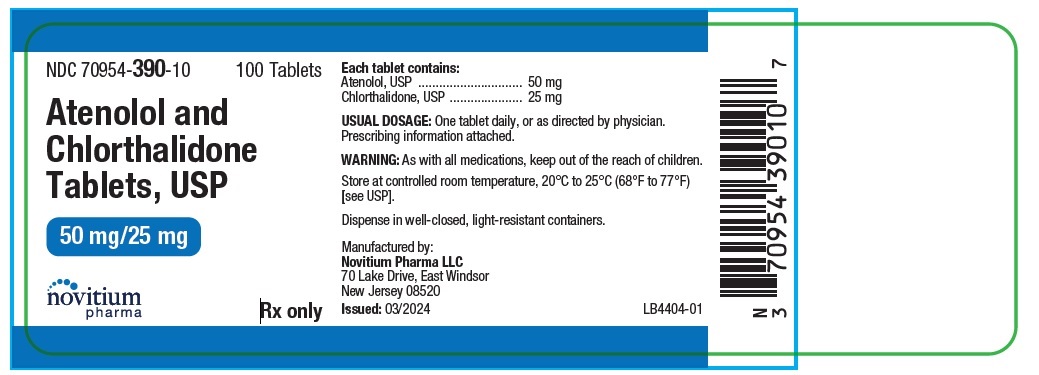
Atenolol and Chlorthalidone 100 mg; 25 mg Tablet, 100-count
🆔 Identity & classification
Where does this data come from?
🏷️ RxNorm drug class
This medicine belongs to the beta-Adrenergic Blocker class.
Where does this data come from?
🏭 Manufacturer & labeler
Where does this data come from?
🩺 Clinical
Atenolol is used to treat high blood pressure, angina (chest pain) and improve survival after a heart attack. Atenolol is in a class of medications called beta blockers. It works by relaxing blood vessels and slowing heart rate to improve blood flow and decrease blood pressure.
Read the full MedlinePlus article ↗- This tablet combines two medicines — atenolol and chlorthalidone — to lower your blood pressure. Controlling high blood pressure is important because it significantly reduces your...
- Please don't stop taking this medication suddenly without talking to your doctor first. Stopping abruptly — especially if you have any underlying heart disease — can cause a reboun...
- Can I just stop taking it if I feel fine or if I'm having side effects?
- Yes, and this is really important. Atenolol can mask one of the main warning signs of low blood sugar — a racing heart. So if your blood sugar drops, you might not feel the usual r...
Patient education
Supplement & herbal interactions
Where does this data come from?
Ask a licensed pharmacist directly — free, answered by our team.
💊 What it looks like
Where does this data come from?
🧪 Inactive Ingredients / Excipients
Inactive ingredients, also called excipients, are components of the drug product other than the active ingredient. They may include fillers, dyes, coatings, preservatives, flavors, or other formulation ingredients.
💡 Tap an ingredient (hover on desktop) to see what it is and why it’s used.
-
UNII OP1R32D61U
Microcrystalline cellulose is a purified form of cellulose, a natural fiber from plant sources. It acts as a binder and filler in tablets and capsules, helping hold ingredients together and give the medicine its shape and size.
-
UNII 70097M6I30
Magnesium stearate is a salt made from magnesium and stearic acid, a fatty substance. It's used in tablets and capsules as a lubricant and glidant to help ingredients flow smoothly during manufacturing and prevent sticking.
-
UNII FZ989GH94E
Povidone is a synthetic polymer made from a plastic-like material. It acts as a binder to hold tablet ingredients together and as a disintegrant to help the tablet break apart in your stomach so the medicine can be absorbed.
-
UNII 5856J3G2A2
A starch-based powder made from potatoes and processed with sodium. It acts as a disintegrant, helping the tablet or capsule break apart quickly in the stomach so the medicine can be absorbed.
4 inactive ingredients listed in the exact product block matched to this NDC.
Where does this data come from?
ingredient classCode="IACT" elements from the exact product block matched by this NDC. Label-section narrative from DailyMed / the openFDA label index is shown separately when available.Inactive ingredient FAQ
Are inactive ingredients the same for every manufacturer?
Why might an inactive ingredient be missing?
Can inactive ingredients matter?
💲 Pricing
A drug doesn't have one price. Each row is a different public payment system, and none is what you'd pay at the counter — that depends on your insurance. The ⓘ on each row explains what it measures.
| Price system | Per ea | Per package |
|---|---|---|
| Retail pharmacies payNADAC · weekly | $0.342 | $34.16 / 100 tablets |
| Medicaid paysCMS SDUD · 12 mo | $0.5038 | $50.38 / 100 tablets |
| Medicare drug plans payPart D · Q2 2026 | $0.3852 | $38.52 / 100 tablets |
Where does this data come from?
🔁 Therapeutic equivalents
| Product | Labeler | Pack | NADAC/unit | TE | Status | Price vs. this |
|---|---|---|---|---|---|---|
| Atenolol and Chlorthalidone 100 mg/1; 25 mg 00591-5783-01 | Actavis | 100 tablets | $0.342 | AB | Availability likely | — |
| Atenolol and Chlorthalidone 100 mg/1; 25 mg 16714-0937-01 | Northstar | 100 tablets | $0.342 | AB | Availability likely | — |
| Atenolol and Chlorthalidone 100 mg/1; 25 mg 29300-0401-01 | Unichem | 100 tablets | $0.342 | AB | Availability likely | — |
| Atenolol and Chlorthalidone 100 mg/1; 25 mg 70710-1168-01 | Zydus | 100 tablets | $0.342 | AB | Availability likely | — |
| Atenolol and Chlorthalidone 100 mg/1; 25 mgthis 70954-0391-10 | ANI | 100 tablets | $0.342 | AB | Availability likely | — |
| Atenolol And Chlorthalidone 100 mg/1; 25 mg 10135-0734-01 | MARLEX | 100 tablets | — | AB | FDA listed | — |
| Tenoretic 100 mg/1; 25 mg 24979-0257-07 | Upsher-Smith | 90 tablets | — | — | Discontinued | — |
| Atenolol and Chlorthalidone 100 mg/1; 25 mg 70518-4111-00 | REMEDYREPACK | 90 tablets | — | AB | FDA listed | — |
| Atenolol and Chlorthalidone 100 mg/1; 25 mg 70771-1373-01 | Zydus | 100 tablets | — | AB | FDA listed | — |
| Atenolol and Chlorthalidone 100 mg/1; 25 mg 68788-4156-01 | Preferred | 100 tablets | — | AB | FDA listed | — |
Where does this data come from?
⏳ Availability & generic status
This product is an FDA-approved generic. Other versions of the same drug are listed under Therapeutic equivalents, least expensive first.
Where does this data come from?
🗺️ Medicaid utilization & spend
📦 Packaging — all sizes for this product
| Package NDC | Description | Marketing start | Status |
|---|---|---|---|
| 70954-0391-10 You're viewing this | 100 TABLET in 1 BOTTLE (70954-391-10) | 2021-10-25 | Active |
📄 Full prescribing information FDA SPL
🎯 Indications and Usage ▾
INDICATIONS & USAGE Atenolol and Chlorthalidone Tablets, USP are indicated for the treatment of hypertension, to lower blood pressure. Lowering blood pressure lowers the risk of fatal and non-fatal cardiovascular events, primarily strokes and myocardial infarctions. These benefits have been seen in controlled trials of antihypertensive drugs from a wide variety of pharmacologic classes including atenolol and chlorthalidone.
Control of high blood pressure should be part of comprehensive cardiovascular risk management, including, as appropriate, lipid control, diabetes management, antithrombotic therapy, smoking cessation, exercise, and limited sodium intake. Many patients will require more than 1 drug to achieve blood pressure goals. For specific advice on goals and management, see published guidelines, such as those of the National High Blood Pressure Education Program’s Joint National Committee on Prevention, Detection, Evaluation, and Treatment of High Blood Pressure (JNC).
Numerous antihypertensive drugs, from a variety of pharmacologic classes and with different mechanisms of action, have been shown in randomized controlled trials to reduce cardiovascular morbidity and mortality, and it can be concluded that it is blood pressure reduction, and not some other pharmacologic property of the drugs, that is largely responsible for those benefits. The largest and most consistent cardiovascular outcome benefit has been a reduction in the risk of stroke, but reductions in myocardial infarction and cardiovascular mortality also have been seen regularly.
Elevated systolic or diastolic pressure causes increased cardiovascular risk, and the absolute risk increase per mmHg is greater at higher blood pressures, so that even modest reductions of severe hypertension can provide substantial benefit. Relative risk reduction from blood pressure reduction is similar across populations with varying absolute risk, so the absolute benefit is greater in patients who are at higher risk independent of their hypertension (for example, patients with diabetes or hyperlipidemia), and such patients would be expected to benefit from more aggressive treatment to a lower blood pressure goal.
Some antihypertensive drugs have smaller blood pressure effects (as monotherapy) in black patients, and many antihypertensive drugs have additional approved indications and effects (e.g., on angina, heart failure, or diabetic kidney disease). These considerations may guide selection of therapy. This fixed dose combination drug is not indicated for initial therapy of hypertension.
If the fixed dose combination represents the dose appropriate to the individual patient's needs, it may be more convenient than the separate components.
⏱️ Dosage and Administration ▾
DOSAGE & ADMINISTRATION DOSAGE MUST BE INDIVIDUALIZED. (See INDICATIONS AND USAGE .) Chlorthalidone is usually given at a dose of 25 mg daily; the usual initial dose of atenolol is 50 mg daily. Therefore, the initial dose should be one Atenolol and Chlorthalidone Tablet, USP 50 mg/25 mg given once a day.
If an optimal response is not achieved, the dosage should be increased to one Atenolol and Chlorthalidone Tablet, USP 100 mg/25 mg given once a day. When necessary, another antihypertensive agent may be added gradually beginning with 50 percent of the usual recommended starting dose to avoid an excessive fall in blood pressure. Since atenolol is excreted via the kidneys, dosage should be adjusted in cases of severe impairment of renal function.
No significant accumulation of atenolol occurs until creatinine clearance falls below 35 mL/min/1.73m 2 (normal range is 100 mL/min/1.73m 2 to 150 mL/min/1.73m 2 ); therefore, the following maximum dosages are recommended for patients with renal impairment. Creatinine Clearance (mL/min/1.73m 2 ) Atenolol Elimination Half-Life (hrs) Maximum Dosage 15-35 16-27 50 mg daily <15 >27 50 mg every other day
⛔ Contraindications ▾
CONTRAINDICATIONS Atenolol and chlorthalidone is contraindicated in patients with: sinus bradycardia; heart block greater than first degree; cardiogenic shock; overt cardiac failure (See WARNINGS ); anuria; hypersensitivity to this product or to sulfonamide-derived drugs.
⚠️ Warnings ▾
WARNINGS Cardiac Failure Sympathetic stimulation is necessary in supporting circulatory function in congestive heart failure, and beta blockade carries the potential hazard of further depressing myocardial contractility and precipitating more severe failure. IN PATIENTS WITHOUT A HISTORY OF CARDIAC FAILURE, continued depression of the myocardium with beta-blocking agents over a period of time can, in some cases, lead to cardiac failure. At the first sign or symptom of impending cardiac failure, patients should be treated appropriately according to currently recommended guidelines, and the response observed closely.
If cardiac failure continues despite adequate treatment, atenolol and chlorthalidone should be withdrawn. (See DOSAGE AND ADMINISTRATION .) Renal and Hepatic Disease and Electrolyte Disturbances Since atenolol is excreted via the kidneys, atenolol and chlorthalidone should be used with caution in patients with impaired renal function. In patients with renal disease, thiazides may precipitate azotemia.
Since cumulative effects may develop in the presence of impaired renal function, if progressive renal impairment becomes evident, atenolol and chlorthalidone should be discontinued. In patients with impaired hepatic function or progressive liver disease, minor alterations in fluid and electrolyte balance may precipitate hepatic coma. Atenolol and chlorthalidone should be used with caution in these patients.
Ischemic Heart Disease Following abrupt cessation of therapy with certain beta-blocking agents in patients with coronary artery disease, exacerbations of angina pectoris and, in some cases, myocardial infarction have been reported. Therefore, such patients should be cautioned against interruption of therapy without the physician's advice. Even in the absence of overt angina pectoris, when discontinuation of atenolol and chlorthalidone is planned, the patient should be carefully observed and should be advised to limit physical activity to a minimum.
Atenolol and chlorthalidone should be reinstated if withdrawal symptoms occur. Because coronary artery disease is common and may be unrecognized, it may be prudent not to discontinue atenolol and chlorthalidone therapy abruptly even in patients treated only for hypertension. Concomitant Use of Calcium Channel Blockers Bradycardia and heart block can occur and the left ventricular end diastolic pressure can rise when beta-blockers are administered with verapamil or diltiazem.
Patients with pre-existing conduction abnormalities or left ventricular dysfunction are particularly susceptible. (See PRECAUTIONS .) Bronchospastic Diseases PATIENTS WITH BRONCHOSPASTIC DISEASE SHOULD, IN GENERAL, NOT RECEIVE BETA-BLOCKERS. Because of its relative beta 1 -selectivity, however, atenolol and chlorthalidone may be used with caution in patients with bronchospastic disease who do not respond to or cannot tolerate, other antihypertensive treatment.
Since beta 1 -selectivity is not absolute, the lowest possible dose of atenolol and chlorthalidone should be used and a beta 2 -stimulating agent (bronchodilator) should be made available. If dosage must be increased, dividing the dose should be considered in order to achieve lower peak blood levels. Major Surgery Chronically administered beta-blocking therapy should not be routinely withdrawn prior to major surgery, however the impaired ability of the heart to respond to reflex adrenergic stimuli may augment the risks of general anesthesia and surgical procedures.
Metabolic and Endocrine Effects Beta-blockers may prevent early warning signs of hypoglycemia, such as tachycardia, and increase the risk for severe or prolonged hypoglycemia at any time during treatment, especially in patients with diabetes mellitus or children and patients who are fasting (i.e., surgery, not eating regularly, or are vomiting). If severe hypoglycemia occurs, patients should be instructed to seek emergency treatment. Insulin requirements in diabetic patients may be in…
🤒 Adverse Reactions ▾
ADVERSE REACTIONS Atenolol and chlorthalidone is usually well tolerated in properly selected patients. Most adverse effects have been mild and transient. The adverse effects observed for atenolol and chlorthalidone are essentially the same as those seen with the individual components.
Atenolol The frequency estimates in the following table were derived from controlled studies in which adverse reactions were either volunteered by the patient (US studies) or elicited, e.g., by checklist (foreign studies). The reported frequency of elicited adverse effects was higher for both atenolol and placebo-treated patients than when these reactions were volunteered. Where frequency of adverse effects for atenolol and placebo is similar, causal relationship to atenolol is uncertain.
Volunteered (US Studies) Total − Volunteered and Elicited (Foreign + US Studies) Atenolol (n = 164) Placebo (n = 206) Atenolol (n = 399) Placebo (n = 407) % % % % CARDIOVASCULAR Bradycardia 3 0 3 0 Cold Extremities 0 0.5 12 5 Postural Hypotension 2 1 4 5 Leg Pain 0 0.5 3 1 CENTRAL NERVOUS SYSTEM/NEUROMUSCULAR Dizziness 4 1 13 6 Vertigo 2 0.5 2
0.2 Light-Headedness 1 0 3
0.7Tiredness 0.6 0.5 26 13 Fatigue 3 1 6 5 Lethargy 1 0 3
0.7Drowsiness 0.6 0 2
0.5Depression 0.6 0.5 12 9 Dreaming 0 0 3 1 GASTROINTESTINAL Diarrhea 2 0 3 2 Nausea 4 1 3 1 RESPIRATORY (see WARNINGS ) Wheeziness 0 0 3 3 Dyspnea 0.6 1 6 4 During postmarketing experience, the following have been reported in temporal relationship to the use of the drug: elevated liver enzymes and/or bilirubin, hallucinations, headache, impotence, Peyronie's disease, postural hypotension which may be associated with syncope, psoriasiform rash or exacerbation of psoriasis, psychoses, purpura, reversible alopecia, thrombocytopenia, visual disturbance, sick sinus syndrome, and dry mouth.
Atenolol and chlorthalidone, like other beta-blockers, has been associated with the development of antinuclear antibodies (ANA), lupus syndrome, and Raynaud’s phenomenon. Chlorthalidone Cardiovascular: orthostatic hypotension; Gastrointestinal: anorexia, gastric irritation, vomiting, cramping, constipation, jaundice (intrahepatic cholestatic jaundice), pancreatitis; CNS: vertigo, paresthesia, xanthopsia; Hematologic: leukopenia, agranulocytosis, thrombocytopenia, aplastic anemia; Hypersensitivity: purpura, photosensitivity, rash, urticaria, necrotizing angiitis (vasculitis) (cutaneous vasculitis), Lyell's syndrome (toxic epidermal necrolysis); Miscellaneous: hyperglycemia, glycosuria, hyperuricemia, muscle spasm, weakness, restlessness.
Clinical trials of atenolol and chlorthalidone conducted in the United States (89 patients treated with atenolol and chlorthalidone) revealed no new or unexpected adverse effects. POTENTIAL ADVERSE EFFECTS In addition, a variety of adverse effects not observed in clinical trials with atenolol but reported with other beta-adrenergic blocking agents should be considered potential adverse effects of atenolol. Nervous System: Reversible mental depression progressing to catatonia; an acute reversible syndrome characterized by disorientation for time and place, short-term memory loss, emotional lability, slightly clouded sensorium, decreased performance on neuropsychometrics; Cardiovascular: Intensification of AV block (see CONTRAINDICATIONS ); Gastrointestinal: Mesenteric arterial thrombosis, ischemic colitis; Hematologic: Agranulocytosis; Allergic: Erythematous rash, fever combined with aching and sore throat, laryngospasm and respiratory distress.
Miscellaneous There have been reports of skin rashes and/or dry eyes associated with the use of beta-adrenergic blocking drugs. The reported incidence is small, and, in most cases, the symptoms have cleared when treatment was withdrawn. Discontinuance of the drug should be considered if any such reaction is not otherwise explicable.
Patients should be closely monitored following cessation of therapy. (See DOSAGE AND ADMINISTRATION .) The oculomucocutaneous synd…
🔄 Drug Interactions ▾
DRUG INTERACTIONS Atenolol and chlorthalidone may potentiate the action of other antihypertensive agents used concomitantly. Patients treated with atenolol and chlorthalidone plus a catecholamine depletor (e.g., reserpine) should be closely observed for evidence of hypotension and/or marked bradycardia which may produce vertigo, syncope or postural hypotension. Calcium channel blockers may also have an additive effect when given with atenolol and chlorthalidone.
(See WARNINGS .) Disopyramide is a Type I antiarrhythmic drug with potent negative inotropic and chronotropic effects. Disopyramide has been associated with severe bradycardia, asystole and heart failure when administered with beta-blockers. Amiodarone is an antiarrhythmic agent with negative chronotropic properties that may be additive to those seen with beta-blockers.
Thiazides may decrease arterial responsiveness to norepinephrine. This diminution is not sufficient to preclude the therapeutic effectiveness of norepinephrine. Thiazides may increase the responsiveness to tubocurarine.
Concomitant use of prostaglandin synthase inhibiting drugs, e.g., indomethacin, may decrease the hypotensive effects of beta-blockers. Lithium generally should not be given with diuretics because they reduce its renal clearance and add a high risk of lithium toxicity. Read prescribing information for lithium preparations before use of such preparations with atenolol and chlorthalidone.
Beta-blockers may exacerbate the rebound hypertension which can follow the withdrawal of clonidine. If the two drugs are coadministered, the beta-blocker should be withdrawn several days before the gradual withdrawal of clonidine. If replacing clonidine by beta-blocker therapy, the introduction of beta-blockers should be delayed for several days after clonidine administration has stopped.
While taking beta-blockers, patients with a history of anaphylactic reaction to a variety of allergens may have a more severe reaction on repeated challenge, either accidental, diagnostic or therapeutic. Such patients may be unresponsive to the usual doses of epinephrine used to treat the allergic reaction. Both digitalis glycosides and beta-blockers slow atrioventricular conduction and decrease heart rate.
Concomitant use can increase the risk of bradycardia.
🤰 Pregnancy ▾
PREGNANCY See WARNINGS - Pregnancy and Fetal Injury.
🧒 Pediatric Use ▾
PEDIATRIC USE Safety and effectiveness in pediatric patients have not been established.
🧓 Geriatric Use ▾
GERIATRIC USE Clinical studies of atenolol and chlorthalidone did not include sufficient numbers of subjects aged 65 and over to determine whether they respond differently from younger subjects. Other reported clinical experience has not identified differences in responses between the elderly and younger patients. In general, dose selection for an elderly patient should be cautious, usually starting at the low end of the dosing range, reflecting the greater frequency of decreased hepatic, renal, or cardiac function, and concomitant disease or other drug therapy.
🆘 Overdosage ▾
OVERDOSAGE No specific information is available with regard to overdosage and atenolol and chlorthalidone in humans. Treatment should be symptomatic and supportive and directed to the removal of any unabsorbed drug by induced emesis, or administration of activated charcoal. Atenolol can be removed from the general circulation by hemodialysis.
Further consideration should be given to dehydration, electrolyte imbalance and hypotension by established procedures. Atenolol Overdosage with atenolol has been reported with patients surviving acute doses as high as 5 g. One death was reported in a man who may have taken as much as 10 g acutely.
The predominant symptoms reported following atenolol overdose are lethargy, disorder of respiratory drive, wheezing, sinus pause, and bradycardia. Additionally, common effects associated with overdosage of any beta-adrenergic blocking agent are congestive heart failure, hypotension, bronchospasm, and/or hypoglycemia. Other treatment modalities should be employed at the physician's discretion and may include: BRADYCARDIA: Atropine 1 mg to 2 mg intravenously.
If there is no response to vagal blockade, give isoproterenol cautiously. In refractory cases, a transvenous cardiac pacemaker may be indicated. Glucagon in a 10 mg intravenous bolus has been reported to be useful.
If required, this may be repeated or followed by an intravenous infusion of glucagon 1 mg/h to 10 mg/h depending on response. HEART BLOCK (SECOND OR THIRD DEGREE): Isoproterenol or transvenous pacemaker. CONGESTIVE HEART FAILURE: Digitalize the patient and administer a diuretic.
Glucagon has been reported to be useful. HYPOTENSION: Vasopressors such as dopamine or norepinephrine (levarterenol). Monitor blood pressure continuously.
BRONCHOSPASM: A beta 2 -stimulant such as isoproterenol or terbutaline and/or aminophylline. HYPOGLYCEMIA: Intravenous glucose. ELECTROLYTE DISTURBANCE: Monitor electrolyte levels and renal function.
Institute measures to maintain hydration and electrolytes. Based on the severity of symptoms, management may require intensive support care and facilities for applying cardiac and respiratory support. Chlorthalidone Symptoms of chlorthalidone overdose include nausea, weakness, dizziness and disturbances of electrolyte balance.
🧬 Clinical Pharmacology ▾
CLINICAL PHARMACOLOGY Atenolol and Chlorthalidone Atenolol and chlorthalidone have been used singly and concomitantly for the treatment of hypertension. The antihypertensive effects of these agents are additive, and studies have shown that there is no interference with bioavailability when these agents are given together in the single combination tablet. Therefore, this combination provides a convenient formulation for the concomitant administration of these two entities.
In patients with more severe hypertension, atenolol and chlorthalidone may be administered with other antihypertensives such as vasodilators. Atenolol Atenolol is a beta 1 -selective (cardioselective) beta-adrenergic receptor blocking agent without membrane stabilizing or intrinsic sympathomimetic (partial agonist) activities. This preferential effect is not absolute, however, and at higher doses, atenolol inhibits beta 2 -adrenoreceptors, chiefly located in the bronchial and vascular musculature.
Pharmacodynamics In standard animal or human pharmacological tests, beta-adrenoreceptor blocking activity of atenolol has been demonstrated by: (1) reduction in resting and exercise heart rates and cardiac output, (2) reduction of systolic and diastolic blood pressure at rest and on exercise, (3) inhibition of isoproterenol induced tachycardia and (4) reduction in reflex orthostatic tachycardia. A significant beta-blocking effect of atenolol, as measured by reduction of exercise tachycardia, is apparent within one hour following oral administration of a single dose.
This effect is maximal at about 2 to 4 hours and persists for at least 24 hours. The effect at 24 hours is dose related and also bears a linear relationship to the logarithm of plasma atenolol concentration. However, as has been shown for all beta-blocking agents, the antihypertensive effect does not appear to be related to plasma level.
In normal subjects, the beta 1 -selectivity of atenolol has been shown by its reduced ability to reverse the beta 2 -mediated vasodilating effect of isoproterenol as compared to equivalent beta-blocking doses of propranolol. In asthmatic patients, a dose of atenolol producing a greater effect on resting heart rate than propranolol resulted in much less increase in airway resistance. In a placebo controlled comparison of approximately equipotent oral doses of several beta-blockers, atenolol produced a significantly smaller decrease of FEV 1 than nonselective beta-blockers, such as propranolol and unlike those agents did not inhibit bronchodilation in response to isoproterenol.
Consistent with its negative chronotropic effect due to beta blockade of the SA node, atenolol increases sinus cycle length and sinus node recovery time. Conduction in the AV node is also prolonged. Atenolol is devoid of membrane stabilizing activity, and increasing the dose well beyond that producing beta blockade does not further depress myocardial contractility.
Several studies have demonstrated a moderate (approximately 10%) increase in stroke volume at rest and exercise. In controlled clinical trials, atenolol given as a single daily dose, was an effective antihypertensive agent providing 24-hour reduction of blood pressure. Atenolol has been studied in combination with thiazide-type diuretics and the blood pressure effects of the combination are approximately additive.
Atenolol is also compatible with methyldopa, hydralazine and prazosin, the combination resulting in a larger fall in blood pressure than with the single agents. The dose range of atenolol is narrow, and increasing the dose beyond 100 mg once daily is not associated with increased antihypertensive effect. The mechanisms of the antihypertensive effects of beta-blocking agents have not been established.
Several mechanisms have been proposed and include: (1) competitive antagonism of catecholamines at peripheral (especially cardiac) adrenergic neuron sites, leading to decreased cardiac output, (2) a central effect leading to reduced…
📦 How Supplied / Storage and Handling ▾
HOW SUPPLIED Atenolol and Chlorthalidone Tablets, USP 50 mg/25 mg (atenolol, USP 50 mg and chlorthalidone, USP 25 mg) are white to off-white, round, biconvex, uncoated tablets, bisected on one side and debossed with “N 390” on the other side, supplied in bottles of 100 tablets (NDC 70954-390-10). Atenolol and Chlorthalidone Tablets, USP 100 mg/25 mg (atenolol, USP 100 mg and chlorthalidone, USP 25 mg), are white to off-white, round, biconvex, uncoated tablets, debossed with "N" on one side and "391" on other side, supplied in bottles of 100 tablets (NDC 70954-391-10).
Store at controlled room temperature, 20°C to 25°C (68°F to 77°F) [see USP]. Dispense in well-closed, light-resistant containers. Trademarks are the property of their respective owners.
Manufactured by: Novitium Pharma LLC 70 Lake Drive, East Windsor New Jersey 08520 Issued: 03/2024 LB4403-01
📋 Description ▾
DESCRIPTION Atenolol and Chlorthalidone Tablets, USP are for the treatment of hypertension. It combines the antihypertensive activity of two agents: a beta 1 -selective (cardioselective) hydrophilic blocking agent (atenolol) and a monosulfonamyl diuretic (chlorthalidone). Atenolol is Benzeneacetamide, 4-[2'-hydroxy-3'-[(1-methylethyl) amino] propoxy]-.
Atenolol (free base) is a relatively polar hydrophilic compound with a water solubility of 26.5 mg/mL at 37°C. It is freely soluble in 1N HCl (300 mg/mL at 25°C) and less soluble in chloroform (3 mg/mL at 25°C). Chlorthalidone is 2-Chloro-5-(1-hydroxy-3-oxo-1-isoindolinyl) benzene sulfonamide: Chlorthalidone has a water solubility of 12 mg/100 mL at 20°C.
Each Atenolol and Chlorthalidone Tablet, USP 100 mg/25 mg contains: Atenolol, USP ....................................... 100 mg Chlorthalidone, USP ........................................................ 25 mg Each Atenolol and Chlorthalidone Tablet, USP 50 mg/25 mg contains: Atenolol, USP .........................................
50 mg Chlorthalidone, USP ….................................................... 25 mg Inactive ingredients: magnesium stearate, microcrystalline cellulose, povidone, sodium starch glycolate. Structure 2
💬 Information for Patients ▾
INFORMATION FOR PATIENTS Hypoglycemia Inform patients or caregivers that there is a risk of hypoglycemia when atenolol and chlorthalidone is given to patients who are fasting or who are vomiting. Monitor for symptoms of hypoglycemia. Electrolyte and Fluid Balance Status Periodic determination of serum electrolytes to detect possible electrolyte imbalance should be performed at appropriate intervals.
Patients should be observed for clinical signs of fluid or electrolyte imbalance; i.e., hyponatremia, hypochloremic alkalosis, and hypokalemia. Serum and urine electrolyte determinations are particularly important when the patient is vomiting excessively or receiving parenteral fluids. Warning signs or symptoms of fluid and electrolyte imbalance include dryness of the mouth, thirst, weakness, lethargy, drowsiness, restlessness, muscle pains or cramps, muscular fatigue, hypotension, oliguria, tachycardia, and gastrointestinal disturbances such as nausea and vomiting.
Measurement of potassium levels is appropriate especially in elderly patients, those receiving digitalis preparations for cardiac failure, patients whose dietary intake of potassium is abnormally low, or those suffering from gastrointestinal complaints. Hypokalemia may develop especially with brisk diuresis, when severe cirrhosis is present, or during concomitant use of corticosteroids or ACTH. Interference with adequate oral electrolyte intake will also contribute to hypokalemia.
Hypokalemia can sensitize or exaggerate the response of the heart to the toxic effects of digitalis (e.g., increased ventricular irritability). Hypokalemia may be avoided or treated by use of potassium supplements or foods with a high potassium content. Any chloride deficit during thiazide therapy is generally mild and usually does not require specific treatment except under extraordinary circumstances (as in liver disease or renal disease).
Dilutional hyponatremia may occur in edematous patients in hot weather; appropriate therapy is water restriction rather than administration of salt except in rare instances when the hyponatremia is life-threatening. In actual salt depletion, appropriate replacement is the therapy of choice.