
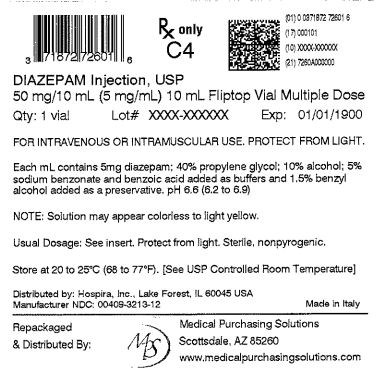
Diazepam 5 mg/mL Injection, Solution — NDC 71872-7260-1 (Billing 71872-7260-01)
This is a package of Diazepam 5 mg/mL Injection, Solution from Medical Purchasing Solutions, LLC, marketed since Oct 2007 and currently FDA-listed. It is this product's only package size.
NDC database record
One package, one record: these facts belong to NDC 71872-7260-1 alone.
- Record
- FDA NDC Directory package listing · Human prescription drug
- Code segments
- 71872 labeler · 7260 product · 1 package
- Package marketed since
- Jul 7, 2021
- Sample package
- No — commercial package
- Listing certified through
- Dec 31, 2026
- Barcode (UPC-A, from the NDC)
- 3 7187272601 6
- FDA record last changed
- Jul 24, 2026
Identity & classification
Regulatory identifiers FDA, NLM and CMS codes for this package
- RxCUI (RxNorm): 309845
Where does this data come from?
- FDA openFDA NDC Directory · synced Oct 8, 2026
- FDA label on DailyMed · label index refreshed Oct 6, 2026
- RxNorm (NLM RxNav) · catalog refreshed Oct 1, 2026
- Medi-Span GPI (licensed)
- First Databank (licensed) · refreshed Oct 8, 2026
RxNorm drug class
This medicine belongs to the Benzodiazepine class.
Where does this data come from?
- RxClass (NLM) · catalog refreshed Oct 1, 2026
Clinical
- It depends on the form. Tablets and oral solution are used for anxiety, alcohol withdrawal symptoms, muscle spasm, and as an add-on for seizure disorders. Valtoco nasal spray and r...
- No. Alcohol adds to the sedation and can slow your breathing. Avoid it while on diazepam.
- This combination is risky. It can cause extreme sleepiness, slowed breathing, coma, and death. Tell your prescriber about every opioid you take.
- Is it safe with my opioid pain medicine?
Patient education
Supplement & herbal interactions
Some supplements/herbs that may interact with Diazepam — tap one for details:
Diazepam may be associated with lower levels of 1 nutrient — worth a chat with your pharmacist, not a cause for alarm.
Where does this data come from?
- MedlinePlus (NLM) · refreshed Oct 1, 2026
- FDA label on DailyMed · label index refreshed Oct 6, 2026
Ask a licensed pharmacist directly — free, answered by our team.
Pricing
A drug doesn't have one price. Each row is a different public payment system, and none is what you'd pay at the counter — that depends on your insurance. The ⓘ on each row explains what it measures.
| Price system | Per mL | Per package |
|---|---|---|
| Retail pharmacies payNADAC · weekly | Not in the retail survey — common for institutional, discontinued, or low-volume packs. | |
| Medicaid paysCMS SDUD · 12 mo | No recent Medicaid claims on file for this NDC — rare and low-volume NDCs are suppressed in the public data. | |
| Medicare drug plans payPart D · quarterly | No Part D plan price is available for this NDC in our data. | |
Where does this data come from?
- CMS NADAC weekly file
- CMS ASP pricing files · refreshed Sep 20, 2026
- CMS Medicaid State Drug Utilization Data · refreshed Oct 8, 2026
- CMS Part D plan pricing files · refreshed Sep 24, 2026
- VA National Acquisition Center price file
Packaging — all sizes for this product
| Package NDC | Description | Marketing start | Marketing end | Status |
|---|---|---|---|---|
| 71872-7260-01 You're viewing this Main listing | 1 VIAL, MULTI-DOSE in 1 BAG / 10 mL in 1 VIAL, MULTI-DOSE | 2021-07-07 | — | Active |
Therapeutic equivalents
| Product | Labeler | Pack | NADAC/unit | TE | Status | Price vs. this |
|---|---|---|---|---|---|---|
| Diazepam 5 mg/mL 00404-9762-10 | Henry | 1 vial | — | — | FDA listed | — |
| Diazepam 5 mg/mL 00404-9848-10 | Henry | 1 vial | — | AP | FDA listed | — |
| Diazepam 5 mg/mL 00409-3213-12 | Hospira, | 10 vials | — | AP | FDA listed | — |
| Diazepam 5 mg/mL 00641-6243-10 | Hikma | 10 vials | — | — | FDA listed | — |
| Diazepam 5 mg/mL 69339-0137-95 | Natco | 5 vials | — | AP | Discontinued | — |
| Diazepam 5 mg/mL 71872-7259-01 | Medical | 1 vial | — | AP | FDA listed | — |
| Diazepam 5 mg/mLthis 71872-7260-01 | Medical | 1 vial | — | AP | FDA listed | — |
| Diazepam 5 mg/mL 00409-1273-32 | Hospira, | 10 cartridges | — | AP | FDA listed | — |
| Diazepam 5 mg/mL 00404-9769-02 | Henry | 1 syringe | — | AP | FDA listed | — |
| Diazepam 5 mg/mL 00641-6244-10 | Hikma | 10 syringes | — | AP | FDA listed | — |
| Diazepam 5 mg/mL 25021-0618-72 | Sagent | 10 syringes | — | AP | FDA listed | — |
| Diazepam 5 mg/mL 00641-6283-25 | Hikma | 25 vials | — | — | FDA listed | — |
| Diazepam 5 mg/mL 72572-0175-10 | Civica, | 10 syringes | — | AP | FDA listed | — |
Where does this data come from?
- FDA openFDA NDC Directory · synced Oct 8, 2026
- FDA Orange Book · refreshed Oct 3, 2026
- CMS NADAC weekly file
Availability & generic status
This product is an FDA-approved generic. Other versions of the same drug are listed under Therapeutic equivalents, least expensive first.
Where does this data come from?
- FDA Orange Book · refreshed Oct 3, 2026
Inactive Ingredients / Excipients
Inactive ingredients, also called excipients, are components of the drug product other than the active ingredient. They may include fillers, dyes, coatings, preservatives, flavors, or other formulation ingredients.
🧪 Avoiding an ingredient? See Diazepam inactive ingredients by manufacturer: every current product's list side by side, so you can ask your pharmacy for the version that does not list it.
💡 Tap an ingredient (hover on desktop) to see what it is and why it’s used.
-
UNII 3K9958V90M
A liquid solvent derived from fermentation or chemical synthesis. In medicines, alcohol dissolves active ingredients, helps preserve the product, and improves how the body absorbs certain drugs.
-
UNII 8SKN0B0MIM
Benzoic acid is a naturally occurring organic acid used as a preservative in medicines and foods. It helps prevent bacterial and fungal growth to extend shelf life and maintain product stability.
-
UNII LKG8494WBH
Benzyl alcohol is a clear liquid used as a preservative and solvent in medicines. It helps prevent bacterial and fungal growth and dissolves other ingredients to create uniform liquid formulations.
-
UNII 6DC9Q167V3
Propylene glycol is a clear liquid derived from petroleum or vegetable sources. It acts as a solvent, humectant, and preservative in medicines, helping dissolve active ingredients and maintain product stability.
-
UNII OJ245FE5EU
Sodium benzoate is a salt derived from benzoic acid, a preservative. It's added to medicines to prevent growth of bacteria, fungi, and other microorganisms that could spoil the product.
5 inactive ingredients listed in the exact product block matched to this NDC.
Where does this data come from?
ingredient classCode="IACT" elements from the exact product block matched by this NDC. Label-section narrative from DailyMed / the openFDA label index is shown separately when available.- FDA label on DailyMed · label index refreshed Oct 6, 2026
- FDA openFDA NDC Directory · synced Oct 8, 2026
Inactive ingredient FAQ
Are inactive ingredients the same for every manufacturer?
Why might an inactive ingredient be missing?
Can inactive ingredients matter?
Manufacturer & labeler
More NDCs from Medical Purchasing Solutions, LLC labeler code 71872
- Atropine Sulfate .1 mg/mL Injection NDC 71872-7252-1
- Lidocaine Hydrochloride 10 mg/mL Injection, Solution NDC 71872-7254-1
- Lidocaine Hydrochloride 20 mg/mL Injection, Solution NDC 71872-7256-1
- Ephedrine Sulfate 50 mg/mL Injection NDC 71872-7257-1
- Ketamine Hydrochloride 100 mg/mL Injection NDC 71872-7258-1
- Diazepam 5 mg/mL Injection, Solution NDC 71872-7259-1
- Rocuronium Bromide 50 mg/5mL Injection NDC 71872-7262-1
- Vasostrict Vasopressin 20 [USP'U]/mL Injection NDC 71872-7264-1
- Metoclopramide 5 mg/mL Injection NDC 71872-7265-1
- Sodium Bicarbonate 84 mg/mL Injection, Solution NDC 71872-7266-1
- Phenylephrine Hydrochloride 10 mg/mL Injection NDC 71872-7267-1
- Hydralazine Hydrochloride 20 mg/mL Injection NDC 71872-7268-1
Where does this data come from?
- FDA openFDA NDC Directory · synced Oct 8, 2026
- Drugs@FDA
Full prescribing information FDA SPL
🚨 Boxed Warning ▾
WARNING: RISKS FROM CONCOMITANT USE WITH OPIOIDS; ABUSE, MISUSE, AND ADDICTION; and DEPENDENCE AND WITHDRAWAL REACTIONS Concomitant use of benzodiazepines and opioids may result in profound sedation, respiratory depression, coma, and death (see WARNINGS ). Reserve concomitant prescribing of these drugs in patients for whom alternative treatment options are inadequate. Limit dosages and durations to the minimum required.
Follow patients for signs and symptoms of respiratory depression and sedation (see WARNINGS and PRECAUTIONS ). The use of benzodiazepines, including diazepam, exposes users to risks of abuse, misuse, and addiction, which can lead to overdose or death. Abuse and misuse of benzodiazepines commonly involve concomitant use of other medications, alcohol, and/or illicit substances, which is associated with an increased frequency of serious adverse outcomes.
Before prescribing diazepam and throughout treatment, assess each patient's risk for abuse, misuse, and addiction (see WARNINGS ). The continued use of benzodiazepines may lead to clinically significant physical dependence. The risks of dependence and withdrawal increase with longer treatment duration and higher daily dose.
Although diazepam is indicated only for intermittent use (see INDICATIONS AND USAGE and DOSAGE AND ADMINISTRATION ), if used more frequently than recommended, abrupt discontinuation or rapid dosage reduction of diazepam may precipitate acute withdrawal reactions, which can be life-threatening. For patients using diazepam more frequently than recommended, to reduce the risk of withdrawal reactions, use a gradual taper to discontinue diazepam (see WARNINGS ).
🎯 Indications and Usage ▾
INDICATIONS AND USAGE Diazepam is indicated for the management of anxiety disorders or for the short-term relief of the symptoms of anxiety. Anxiety or tension associated with the stress of everyday life usually does not require treatment with an anxiolytic. In acute alcohol withdrawal, diazepam may be useful in the symptomatic relief of acute agitation, tremor, impending or acute delirium tremens and hallucinosis.
As an adjunct prior to endoscopic procedures if apprehension, anxiety or acute stress reactions are present, and to diminish the patient's recall of the procedures. (See WARNINGS .) Diazepam is a useful adjunct for the relief of skeletal muscle spasm due to reflex spasm to local pathology (such as inflammation of the muscles or joints, or secondary to trauma); spasticity caused by upper motor neuron disorders (such as cerebral palsy and paraplegia); athetosis; stiff-man syndrome; and tetanus. Diazepam Injection is a useful adjunct in status epilepticus and severe recurrent convulsive seizures.
Diazepam is a useful premedication (the intramuscular route is preferred) for relief of anxiety and tension in patients who are to undergo surgical procedures. Intravenously, prior to cardioversion for the relief of anxiety and tension and to diminish the patient's recall of the procedure.
⏱️ Dosage and Administration ▾
DOSAGE AND ADMINISTRATION Dosage should be individualized for maximum beneficial effect. The usual recommended dose in older children and adults ranges from 2 mg to 20 mg IM or IV, depending on the indication and its severity. In some conditions, e.g., tetanus, larger doses may be required.
(See dosage for specific indications.) In acute conditions the injection may be repeated within one hour although an interval of 3 to 4 hours is usually satisfactory. Lower doses (usually 2 mg to 5 mg) and slow increase in dosage should be used for elderly or debilitated patients and when other sedative drugs are administered. (See WARNINGS and ADVERSE REACTIONS .) For dosage in infants above the age of 30 days and children, see the specific indications below.
When intravenous use is indicated, facilities for respiratory assistance should be readily available. Intramuscular: Diazepam Injection, USP should be injected deeply into the muscle. Intravenous use: (See WARNINGS , particularly for use in children.) The solution should be injected slowly, taking at least one minute for each 5 mg (1 mL) given.
Do not use small veins, such as those on the dorsum of the hand or wrist. Extreme care should be taken to avoid intra-arterial administration or extravasation. Do not mix or dilute diazepam with other solutions or drugs in syringe or infusion flask.
If it is not feasible to administer diazepam directly IV., it may be injected slowly through the infusion tubing as close as possible to the vein insertion. INDICATION USUAL ADULT DOSAGE DOSAGE RANGE IN CHILDREN (IV administration should be made slowly) Moderate Anxiety Disorders and Symptoms of Anxiety 2 mg to 5 mg, IM or IV. Repeat in 3 to 4 hours, if necessary.
Severe Anxiety Disorders and Symptoms of Anxiety 5 mg to 10 mg, IM or IV. Repeat in 3 to 4 hours, if necessary. Acute Alcohol Withdrawal: As an aid in symptomatic relief of acute agitation, tremor, impending or acute delirium tremens and hallucinosis.
10 mg, IM or IV. initially, then 5 mg to 10 mg in 3 to 4 hours, if necessary. Endoscopic Procedures: Adjunctively, if apprehension, anxiety or acute stress reactions are present prior to endoscopic procedures. Dosage of narcotics should be reduced by at least a third and in some cases may be omitted.
See PRECAUTIONS for peroral procedures. Titrate IV. dosage to desired sedative response, such as slurring of speech, with slow administration immediately prior to the procedure. Generally 10 mg or less is adequate, but up to 20 mg IV. may be given, particularly when concomitant narcotics are omitted.
If IV cannot be used, 5 mg to 10 mg IM approximately 30 minutes prior to the procedure. Muscle Spasm: Associated with local pathology, cerebral palsy, athetosis, stiff-man syndrome or tetanus. 5 mg to 10 mg, IM or IV initially, then 5 mg to 10 mg in 3 to 4 hours, if necessary.
For tetanus, larger doses may be required. For tetanus in infants over 30 days of age, 1 mg to 2 mg IM or IV, slowly, repeated every 3 to 4 hours as necessary. In children 5 years or older, 5 mg to 10 mg repeated every 3 to 4 hours may be required to control tetanus spasms.
Respiratory assistance should be available. Status Epilepticus and Severe Recurrent Convulsive Seizures: In the convulsing patient, the IV route is by far preferred. This injection should be administered slowly.
However, if IV administration is impossible, the IM route may be used. 5 mg to 10 mg initially (IV preferred). This injection may be repeated if necessary at 10 to 15 minute intervals up to a maximum dose of 30 mg.
If necessary, therapy with diazepam may be repeated in 2 to 4 hours; however, residual active metabolites may persist, and readministration should be made with this consideration. Extreme caution must be exercised with individuals with chronic lung disease or unstable cardiovascular status. Infants over 30 days of age and children under 5 years, 0.2 mg to 0.5 mg slowly every 2 to 5 minutes up to a maximum of 5 mg (IV preferred).
Children 5… [Excerpted — this section continues on DailyMed.]
⛔ Contraindications ▾
CONTRAINDICATIONS Diazepam Injection is contraindicated in patients with a known hypersensitivity to this drug; acute narrow angle glaucoma; and open angle glaucoma unless patients are receiving appropriate therapy.
⚠️ Warnings ▾
WARNINGS Risks from Concomitant Use with Opioids Concomitant use of benzodiazepines, including diazepam, and opioids may result in profound sedation, respiratory depression, coma, and death. Because of these risks, reserve concomitant prescribing of benzodiazepines and opioids in patients for whom alternative treatment options are inadequate. Observational studies have demonstrated that concomitant use of opioid analgesics and benzodiazepines increases the risk of drug-related mortality compared to use of opioids alone.
If a decision is made to prescribe diazepam concomitantly with opioids, prescribe the lowest effective dosages and minimum durations of concomitant use, and follow patients closely for signs and symptoms of respiratory depression and sedation. Advise both patients and caregivers about the risks of respiratory depression and sedation when diazepam is used with opioids (see PRECAUTIONS; Drug Interactions ) . Abuse, Misuse, and Addiction The use of benzodiazepines, including diazepam, exposes users to the risks of abuse, misuse, and addiction, which can lead to overdose or death.
Abuse and misuse of benzodiazepines often (but not always) involve the use of doses greater than the maximum recommended dosage and commonly involve concomitant use of other medications, alcohol, and/or illicit substances, which is associated with an increased frequency of serious adverse outcomes, including respiratory depression, overdose, or death (see DRUG ABUSE AND DEPENDENCE; Abuse ). Before prescribing diazepam and throughout treatment, assess each patient's risk for abuse, misuse, and addiction. Use of diazepam, particularly in patients at elevated risk, necessitates counseling about the risks and proper use of diazepam along with monitoring for signs and symptoms of abuse, misuse, and addiction.
Do not exceed the recommended dosing frequency; avoid or minimize concomitant use of CNS depressants and other substances associated with abuse, misuse, and addiction (e.g., opioid analgesics, stimulants); and advise patients on the proper disposal of unused drug. If a substance use disorder is suspected, evaluate the patient and institute (or refer them for) early treatment, as appropriate. Dependence and Withdrawal Reactions After Use of Diazepam More Frequently Than Recommended For patients using diazepam more frequently than recommended, to reduce the risk of withdrawal reactions, use a gradual taper to discontinue diazepam (a patient-specific plan should be used to taper the dose).
Patients at an increased risk of withdrawal adverse reactions after benzodiazepine discontinuation or rapid dosage reduction include those who take higher dosages, and those who have had longer durations of use. Acute Withdrawal Reactions The continued use of benzodiazepines may lead to clinically significant physical dependence. Although diazepam is indicated only for intermittent use (see INDICATIONS AND USAGE and DOSAGE AND ADMINISTRATION ), if used more frequently than recommended, abrupt discontinuation or rapid dosage reduction of diazepam or administration of flumazenil (a benzodiazepine antagonist) may precipitate acute withdrawal reactions, which can be life-threatening (e.g., seizures) (see DRUG ABUSE AND DEPENDENCE; Dependence ).
Protracted Withdrawal Syndrome In some cases, benzodiazepine users have developed a protracted withdrawal syndrome with withdrawal symptoms lasting weeks to more than 12 months (see DRUG ABUSE AND DEPENDENCE; Dependence ). When used intravenously, the following procedures should be undertaken to reduce the possibility of venous thrombosis, phlebitis, local irritation, swelling, and, rarely, vascular impairment; the solution should be injected slowly, taking at least one minute for each 5 mg (1 mL) given; do not use small veins, such as those on the dorsum of the hand or wrist; extreme care should be taken to avoid intra-arterial administration or extravasation.
Do not mix or dilute diazepam with other solutions or drugs… [Excerpted — this section continues on DailyMed.]
🤒 Adverse Reactions ▾
ADVERSE REACTIONS Side effects most commonly reported were drowsiness, fatigue and ataxia; venous thrombosis and phlebitis at the site of injection. Other adverse reactions less frequently reported include: CNS: confusion, depression, dysarthria, headache, hypoactivity, slurred speech, syncope, tremor, vertigo. G.I.: constipation, nausea.
G.U.: incontinence, changes in libido, urinary retention. Cardiovascular: bradycardia, cardiovascular collapse, hypotension. EENT: blurred vision, diplopia, nystagmus.
Skin: urticaria, skin rash. Other: hiccups, changes in salivation, neutropenia, jaundice. Paradoxical reactions such as acute hyperexcited states, anxiety, hallucinations, increased muscle spasticity, insomnia, rage, sleep disturbances and stimulation have been reported; should these occur, use of the drug should be discontinued.
Minor changes in EEG patterns, usually low-voltage fast activity, have been observed in patients during and after diazepam therapy and are of no known significance. In peroral endoscopic procedures, coughing, depressed respiration, dyspnea, hyperventilation, laryngospasm and pain in throat or chest have been reported. Because of isolated reports of neutropenia and jaundice, periodic blood counts and liver function tests are advisable during long-term therapy.
🔄 Drug Interactions ▾
Drug Interactions The concomitant use of benzodiazepines and opioids increases the risk of respiratory depression because of actions at different receptor sites in the CNS that control respiration. Benzodiazepines interact at GABA A sites and opioids interact primarily at mµ receptors. When benzodiazepines and opioids are combined, the potential for benzodiazepines to significantly worsen opioid-related respiratory depression exists.
Limit dosage and duration of concomitant use of benzodiazepines and opioids, and monitor patients closely for respiratory depression and sedation. Although seizures may be brought under control promptly, a significant proportion of patients experience a return to seizure activity, presumably due to the short-lived effect of diazepam after intravenous administration. The physician should be prepared to re-administer the drug.
However, diazepam is not recommended for maintenance, and once seizures are brought under control, consideration should be given to the administration of agents useful in longer term control of seizures. If diazepam is to be combined with other psychotropic agents or anticonvulsant drugs, careful consideration should be given to the pharmacology of the agents to be employed—particularly with known compounds which may potentiate the action of diazepam, such as phenothiazines, narcotics, barbiturates, MAO inhibitors and other antidepressants.
In highly anxious patients with evidence of accompanying depression, particularly those who may have suicidal tendencies, protective measures may be necessary. The usual precautions in treating patients with impaired hepatic function should be observed. Metabolites of diazepam are excreted by the kidney; to avoid their excess accumulation, caution should be exercised in the administration to patients with compromised kidney function.
Since an increase in cough reflex and laryngospasm may occur with peroral endoscopic procedures, the use of a topical anesthetic agent and the availability of necessary countermeasures are recommended. Until additional information is available, diazepam injection is not recommended for obstetrical use. Diazepam injection has produced hypotension or muscular weakness in some patients particularly when used with narcotics, barbiturates or alcohol.
Lower doses (usually 2 mg to 5 mg) should be used for elderly and debilitated patients. The clearance of diazepam and certain other benzodiazepines can be delayed in association with cimetidine administration. The clinical significance of this is unclear.
🧒 Pediatric Use ▾
Use in Children Efficacy and safety of parenteral diazepam has not been established in the neonate (30 days or less of age). Prolonged central nervous system depression has been observed in neonates, apparently due to inability to biotransform diazepam into inactive metabolites. In pediatric use, in order to obtain maximal clinical effect with the minimum amount of drug and thus to reduce the risk of hazardous side effects, such as apnea or prolonged periods of somnolence, it is recommended that the drug be given slowly over a three-minute period in a dosage not to exceed 0.25 mg/kg.
After an interval of 15 to 30 minutes the initial dosage can be safely repeated. If, however, relief of symptoms is not obtained after a third administration, adjunctive therapy appropriate to the condition being treated is recommended. Benzyl alcohol has been reported to be associated with a fatal gasping syndrome in premature infants.
🧬 Clinical Pharmacology ▾
CLINICAL PHARMACOLOGY In animals, diazepam appears to act on parts of the limbic system, the thalamus and hypothalamus, and induces calming effects. Diazepam, unlike chlorpromazine and reserpine, has no demonstrable peripheral autonomic blocking action, nor does it produce extrapyramidal side effects; however, animals treated with diazepam do have a transient ataxia at higher doses. Diazepam was found to have transient cardiovascular depressor effects in dogs.
Long-term experiments in rats revealed no disturbances of endocrine function. Injections into animals have produced localized irritation of tissue surrounding injection sites and some thickening of veins after intravenous use.
📦 How Supplied / Storage and Handling ▾
HOW SUPPLIED Diazepam Injection, USP is supplied as follows: 10 mL multiple dose vials containing 50 mg (5 mg/mL) Box of 10 Fliptop Vial NDC 0409-3213-12 Store at 20 to 25°C (68 to 77°F). [See USP Controlled Room Temperature.] Protect from light.
📦 Storage and Handling ▾
Store at 20 to 25°C (68 to 77°F). [See USP Controlled Room Temperature.] Protect from light.
📋 Description ▾
DESCRIPTION Diazepam Injection, USP is a sterile, nonpyrogenic solution intended for intramuscular or intravenous administration. Each milliliter (mL) contains 5 mg diazepam; 40% propylene glycol; 10% alcohol; 5% sodium benzoate and benzoic acid added as buffers; and 1.5% benzyl alcohol added as a preservative. pH 6.6 (6.2 to 6.9). Note: Solution may appear colorless to light yellow.
Diazepam is a benzodiazepine derivative chemically designated as 7-chloro-1,3-dihydro-1-methyl-5-phenyl-2H-1,4-benzodiazepin-2-one. It is a colorless crystalline compound, insoluble in water, with a molecular weight of 284.74 and with the following molecular structure: Chemical Structure
⚠️ Precautions ▾
PRECAUTIONS Risks from Concomitant Use with Opioids Advise both patients and caregivers about the risks of potentially fatal respiratory depression and sedation when diazepam is used with opioids and not to use such drugs concomitantly unless supervised by a health care provider. Advise patients not to drive or operate heavy machinery until the effects of concomitant use with the opioid have been determined (see WARNINGS; Risks from Concomitant Use with Opioids and PRECAUTIONS; Drug Interactions ). Abuse, Misuse, and Addiction Inform patients that the use of diazepam more frequently than recommended, even at recommended dosages, exposes users to risks of abuse, misuse, and addiction, which can lead to overdose and death, especially when used in combination with other medications (e.g., opioid analgesics), alcohol, and/or illicit substances.
Inform patients about the signs and symptoms of benzodiazepine abuse, misuse, and addiction; to seek medical help if they develop these signs and/or symptoms; and on the proper disposal of unused drug (see WARNINGS and DRUG ABUSE AND DEPENDENCE ). Withdrawal Reactions Inform patients that use of diazepam more frequently than recommended may lead to clinically significant physical dependence and that abrupt discontinuation or rapid dosage reduction of diazepam may precipitate acute withdrawal reactions, which can be life-threatening.
Inform patients that in some cases, patients taking benzodiazepines have developed a protracted withdrawal syndrome with withdrawal symptoms lasting weeks to more than 12 months (see WARNINGS and DRUG ABUSE AND DEPENDENCE ). Propylene glycol toxicity has been reported in patients treated with diazepam injection at doses significantly greater than recommended. In these cases, diazepam was being used to treat alcohol withdrawal symptoms at doses greater than 900 mg/day.
Propylene glycol toxicity is associated with an anion gap metabolic acidosis, serum hyperosmolality, and increased lactate. Propylene glycol toxicity can cause acute tubular necrosis (which can progress to multi-organ failure), mental status changes, hypotension, seizures, and cardiac arrhythmias. Patients at high risk for propylene glycol toxicity include those with renal dysfunction, hepatic dysfunction, impaired alcohol dehydrogenase enzymes, or other comorbidities (such as a history of alcoholism).
Drug Interactions The concomitant use of benzodiazepines and opioids increases the risk of respiratory depression because of actions at different receptor sites in the CNS that control respiration. Benzodiazepines interact at GABA A sites and opioids interact primarily at mµ receptors. When benzodiazepines and opioids are combined, the potential for benzodiazepines to significantly worsen opioid-related respiratory depression exists.
Limit dosage and duration of concomitant use of benzodiazepines and opioids, and monitor patients closely for respiratory depression and sedation. Although seizures may be brought under control promptly, a significant proportion of patients experience a return to seizure activity, presumably due to the short-lived effect of diazepam after intravenous administration. The physician should be prepared to re-administer the drug.
However, diazepam is not recommended for maintenance, and once seizures are brought under control, consideration should be given to the administration of agents useful in longer term control of seizures. If diazepam is to be combined with other psychotropic agents or anticonvulsant drugs, careful consideration should be given to the pharmacology of the agents to be employed—particularly with known compounds which may potentiate the action of diazepam, such as phenothiazines, narcotics, barbiturates, MAO inhibitors and other antidepressants.
In highly anxious patients with evidence of accompanying depression, particularly those who may have suicidal tendencies, protective measures may be necessary. The usual precautions in treating patients with impai… [Excerpted — this section continues on DailyMed.]
🔒 Drug Abuse and Dependence ▾
DRUG ABUSE AND DEPENDENCE Controlled Substance Diazepam Injection is a schedule IV controlled substance. Abuse Diazepam is a benzodiazepine and a CNS depressant with a potential for abuse and addiction. Abuse is the intentional, non-therapeutic use of a drug, even once, for its desirable psychological or physiological effects.
Misuse is the intentional use, for therapeutic purposes, of a drug by an individual in a way other than prescribed by a health care provider or for whom it was not prescribed. Drug addiction is a cluster of behavioral, cognitive, and physiological phenomena that may include a strong desire to take the drug, difficulties in controlling drug use (e.g., continuing drug use despite harmful consequences, giving a higher priority to drug use than other activities and obligations), and possible tolerance or physical dependence.
Even taking benzodiazepines as prescribed may put patients at risk for abuse and misuse of their medication. Abuse and misuse of benzodiazepines may lead to addiction. Abuse and misuse of benzodiazepines often (but not always) involve the use of doses greater than the maximum recommended dosage and commonly involve concomitant use of other medications, alcohol, and/or illicit substances, which is associated with an increased frequency of serious adverse outcomes, including respiratory depression, overdose, or death.
Benzodiazepines are often sought by individuals who abuse drugs and other substances, and by individuals with addictive disorders (see WARNINGS; Abuse, Misuse, and Addiction ). The following adverse reactions have occurred with benzodiazepine abuse and/or misuse: abdominal pain, amnesia, anorexia, anxiety, aggression, ataxia, blurred vision, confusion, depression, disinhibition, disorientation, dizziness, euphoria, impaired concentration and memory, indigestion, irritability, muscle pain, slurred speech, tremors, and vertigo.
The following severe adverse reactions have occurred with benzodiazepine abuse and/or misuse: delirium, paranoia, suicidal ideation and behavior, seizures, coma, breathing difficulty, and death. Death is more often associated with polysubstance use (especially benzodiazepines with other CNS depressants such as opioids and alcohol). Dependence Physical Dependence After Use of Diazepam More Frequently Than Recommended Diazepam may produce physical dependence if used more frequently than recommended.
Physical dependence is a state that develops as a result of physiological adaptation in response to repeated drug use, manifested by withdrawal signs and symptoms after abrupt discontinuation or a significant dose reduction of a drug. Although diazepam is indicated only for intermittent use (see INDICATIONS AND USAGE and DOSAGE AND ADMINISTRATION ), if used more frequently than recommended, abrupt discontinuation or rapid dosage reduction or administration of flumazenil, a benzodiazepine antagonist, may precipitate acute withdrawal reactions, including seizures, which can be life-threatening.
Patients at an increased risk of withdrawal adverse reactions after benzodiazepine discontinuation or rapid dosage reduction include those who take higher dosages (i.e., higher and/or more frequent doses) and those who have had longer durations of use (see WARNINGS; Dependence and Withdrawal Reactions ). For patients using diazepam more frequently than recommended, to reduce the risk of withdrawal reactions, use a gradual taper to discontinue diazepam (see WARNINGS; Dependence and Withdrawal Reactions ). Acute Withdrawal Signs and Symptoms Acute withdrawal signs and symptoms associated with benzodiazepines have included abnormal involuntary movements, anxiety, blurred vision, depersonalization, depression, derealization, dizziness, fatigue, gastrointestinal adverse reactions (e.g., nausea, vomiting, diarrhea, weight loss, decreased appetite), headache, hyperacusis, hypertension, irritability, insomnia, memory impairment, muscle pain and stiffness, panic attacks, photophobi… [Excerpted — this section continues on DailyMed.]
🔒 Controlled Substance ▾
Controlled Substance Diazepam Injection is a schedule IV controlled substance.
📄 Package Label / Principal Display Panel ▾
PRINCIPAL DISPLAY PANEL - Vial Label 10 mL Multiple-dose DIAZEPAM Injection, USP CIV 50 mg/10 mL (5 mg/mL) NOTE: Solution may appear colorless to light yellow. diazvial
PRINCIPAL DISPLAY PANEL - OUTER PACKAGE NDC 71872-7260-01 1 X 10 mL Fliptop Vial Multiple Dose Sterile, nonpyrogenic DIAZEPAM Injection, USP 50 mg/10 mL (5 mg/mL) Rx only CIV FOR INTRAVENOUS OR INTRAMUSCULAR USE PROTECT FROM LIGHT. Each mL contains 5 mg diazepam; 40% propylene glycol; 10% alcohol; 5% sodium benzoate and benzoic acid added as buffers and 1.5% benzyl alcohol added as a preservative. pH 6.6 (6.2 to 6.9). NOTE: Solution may appear colorless to light yellow. diazlabel
Medicare Part D spend CMS · PART D · 2026 (Q1)
About this NDC listing & data coverage
What data is (and isn’t) available for this NDC — tap to expand
| NDC identity (package / product / labeler codes) | ✓ Available |
| Labeler | ✓ Available |
| Product & package description | ✓ Available |
| Marketing category & status | ✓ Available |
| Active ingredient / dosage form / route | ✓ Available |
| FDA label (SPL via DailyMed) | ✓ Available |
| Package photos | ✓ Available |
| Inactive ingredients (structured) | ✓ Available |
| NADAC pharmacy acquisition price (CMS) | — Not published for this NDC CMS publishes NADAC only for NDCs reported in its retail-pharmacy survey. |
| Orange Book / therapeutic-equivalence data | ✓ Available |
| HCPCS J-code billing crosswalk | — Not published for this NDC Most self-administered / retail products have no J-code — that is normal. |
| Medicaid utilization (CMS SDUD) | — Not published for this NDC CMS reports utilization only for NDCs with Medicaid claims above its privacy threshold. |