
Accutane Isotretinoin 20 mg Capsule, Gelatin Coated — NDC 72143-252-30 (Billing 72143-0252-30)
This is a package of Accutane Isotretinoin 20 mg Capsule, Gelatin Coated from JG Pharma Inc., marketed since Aug 2022 and currently FDA-listed. It is this product's only package size.
Other active recalls for Isotretinoin (different manufacturers) — 5 · tap to view
Identity & classification
Regulatory identifiers FDA, NLM and CMS codes for this package
Drug-database identifiers Medi-Span GPI and First Databank GCN / HICL / AHFS classification
- GSN (GCN sequence number): 036046
- GCN: 59842
- GPI-14 (Medi-Span): 90050013000120
- HICL (First Databank): 002476
- AHFS class code: 84:28.00.00
- RxCUI (RxNorm): 197843
Where does this data come from?
- FDA openFDA NDC Directory · synced Oct 1, 2026
- FDA label on DailyMed · label index refreshed Oct 1, 2026
- RxNorm (NLM RxNav) · catalog refreshed Oct 1, 2026
- Medi-Span GPI (licensed)
- First Databank (licensed) · refreshed Oct 1, 2026
RxNorm drug class
This medicine belongs to the Retinoid class.
Where does this data come from?
- RxClass (NLM) · catalog refreshed Oct 1, 2026
Clinical
Isotretinoin is used to treat severe recalcitrant nodular acne (a certain type of severe acne) that has not been helped by other treatments, such as antibiotics. Isotretinoin is in a class of medications called retinoids. It works by slowing the production of certain natural substances that can cause acne.
Read the full MedlinePlus article ↗- Isotretinoin causes extremely serious birth defects — even one dose during pregnancy can cause devastating harm to a developing baby. Because of that risk, the FDA requires everyon...
- Why is there so much paperwork and testing before I can even get this prescription filled?
- For most brands — including Accutane, Amnesteem, Claravis, and generic isotretinoin — yes, taking it with food is essential. Studies show that a fatty meal more than doubles the am...
- Do I really need to take this with food every time?
Patient education
Supplement & herbal interactions
Some supplements/herbs that may interact with Isotretinoin — tap one for details:
Isotretinoin may be associated with lower levels of 4 nutrients — worth a chat with your pharmacist, not a cause for alarm.
Where does this data come from?
- MedlinePlus (NLM) · refreshed Oct 1, 2026
- FDA label on DailyMed · label index refreshed Oct 1, 2026
Ask a licensed pharmacist directly — free, answered by our team.
Pricing
A drug doesn't have one price. Each row is a different public payment system, and none is what you'd pay at the counter — that depends on your insurance. The ⓘ on each row explains what it measures.
| Price system | Per each | Per package |
|---|---|---|
| Retail pharmacies payNADAC · weekly | Not in the retail survey — common for institutional, discontinued, or low-volume packs. | |
| Medicaid paysCMS SDUD · 12 mo | No recent Medicaid claims on file for this NDC — rare and low-volume NDCs are suppressed in the public data. | |
| Medicare drug plans payPart D · Q2 2026 | $3.71 | $111.38 / 30 capsules |
Where does this data come from?
- CMS NADAC weekly file
- CMS ASP pricing files · refreshed Sep 20, 2026
- CMS Medicaid State Drug Utilization Data · refreshed Oct 3, 2026
- CMS Part D plan pricing files · refreshed Sep 24, 2026
- VA National Acquisition Center price file
Packaging — all sizes for this product
| Package NDC | Description | Marketing start | Marketing end | Status |
|---|---|---|---|---|
| 72143-0252-30 You're viewing this Main listing | 3 BLISTER PACK in 1 CARTON / 10 CAPSULE, GELATIN COATED in 1 BLISTER PACK | 2022-08-01 | — | Active |
Therapeutic equivalents
| Product | Labeler | Pack | NADAC/unit | TE | Status | Price vs. this |
|---|---|---|---|---|---|---|
| Amnesteem 20 mg 00378-6612-93 | Mylan | 30 capsules | $1.932 | AB1 | Availability likely | — |
| Claravis 20 mg 00555-1055-56 | Teva | 10 capsules | $1.932 | AB1 | Availability likely | — |
| Isotretinoin 20 mg 00832-8302-30 | Upsher-Smith | 10 capsules | $1.932 | AB1 | Availability likely | — |
| Zenatane 20 mg 55111-0136-81 | Dr. | 10 capsules | $1.932 | AB1 | Availability likely | — |
| Zenatane 20 mg 68001-0653-17 | BluePoint | 10 capsules | $1.932 | AB1 | Availability likely | — |
| Isotretinoin 20 mg 68308-0782-30 | Mayne | 10 capsules | $1.932 | AB1 | Availability likely | — |
| Isotretinoin 20 mg 69238-1175-03 | Amneal | 10 capsules | $1.932 | AB1 | Availability likely | — |
| Isotretinoin 20 mg 00245-0571-01 | Upsher-Smith | 10 capsules | $4.254 | AB2 | Availability likely | — |
| Isotretinoin 20 mg 00591-2434-15 | Actavis | 30 capsules | $4.254 | AB2 | Availability likely | — |
| Isotretinoin 20 mg 57664-0021-97 | Sun | 30 capsules | $4.254 | AB2 | Availability likely | — |
| Isotretinoin 20 mg 59651-0632-03 | Aurobindo | 30 capsules | $4.254 | AB2 | Availability likely | — |
| Isotretinoin 20 mg 68308-0571-30 | Mayne | 10 capsules | $4.254 | AB2 | Availability likely | — |
| Isotretinoin 20 mg 70710-1575-08 | Zydus | 30 capsules | $4.254 | AB2 | Availability likely | — |
| Absorica 20 mg 10631-0116-31 | Sun | 30 capsules | $35.744 | AB2 | Availability likely | — |
| Isotretinoin 20 mg 69238-1255-03 | Amneal | 30 capsules | — | — | FDA listed | — |
| Isotretinoin 20 mg 70710-1023-04 | Zydus | 100 capsules | — | AB1 | FDA listed | — |
| Isotretinoin 20 mg 70771-1558-04 | Zydus | 100 capsules | — | AB1 | FDA listed | — |
| Isotretinoin 20 mg 70771-1663-08 | Zydus | 30 capsules | — | AB2 | FDA listed | — |
| Accutane 20 mgthis 72143-0252-30 | JG | 10 capsules | — | AB1 | FDA listed | — |
| Isotretinoin 20 mg 84386-0009-03 | Aurobindo | 30 capsules | — | — | FDA listed | — |
Where does this data come from?
- FDA openFDA NDC Directory · synced Oct 1, 2026
- FDA Orange Book · refreshed Sep 3, 2026
- CMS NADAC weekly file
Availability & generic status
This product is an FDA-approved generic. Other versions of the same drug are listed under Therapeutic equivalents, least expensive first.
Where does this data come from?
- FDA Orange Book · refreshed Sep 3, 2026
What it looks like
Where does this data come from?
- FDA label on DailyMed · label index refreshed Oct 1, 2026
Inactive Ingredients / Excipients
Inactive ingredients, also called excipients, are components of the drug product other than the active ingredient. They may include fillers, dyes, coatings, preservatives, flavors, or other formulation ingredients.
💡 Tap an ingredient (hover on desktop) to see what it is and why it’s used.
-
UNII 8PJ61P6TS3
Butyl alcohol is a clear liquid organic solvent derived from petroleum or natural sources. In medicines, it helps dissolve active ingredients and serves as a solvent in liquid formulations and some topical products.
-
UNII REK4960K2U
Butylated hydroxyanisole is a synthetic preservative that prevents oils and fats in medicines from spoiling or becoming rancid. It keeps the medicine stable and extends its shelf life.
-
UNII 2LRS185U6K
D&C Red No. 27 is a synthetic red colorant used in medicines and cosmetics. It gives tablets, capsules, or liquids their red or reddish color so products are visually identifiable.
-
UNII 2S42T2808B
A synthetic red dye used as a colorant to give the medicine its red color. It helps make pills or liquids visually distinct and easier to identify.
-
UNII 7FLD91C86K
Edetate disodium is a chemical compound that binds and removes certain metal ions. In medicines, it acts as a preservative and stabilizer by preventing metals like calcium from interfering with the product's shelf life and consistency.
-
UNII L06K8R7DQK
A synthetic blue dye approved by the FDA for use in medications and foods. It serves as a colorant to make pills and liquids visually distinct and easier to identify.
-
UNII XM0M87F357
A dark iron oxide compound that gives medicines their black or dark color. It's used as a colorant in tablets and capsules to help identify the product and make it visually distinctive.
-
UNII 2G86QN327L
Gelatin is a protein derived from animal collagen, commonly used in medicines as a gelling agent and capsule material. It helps create soft or hard capsule shells that hold and release medication, and can also thicken liquid formulations.
-
UNII PDC6A3C0OX
Glycerin is a clear, thick liquid derived from plant oils or fats. It acts as a humectant to retain moisture, a sweetener, and a solvent in medications.
-
UNII C9H2L21V7U
A fat derived from coconut or palm oil containing shorter fatty acid chains. It serves as a solvent and carrier to help dissolve or suspend active ingredients, improving absorption and stability in liquid formulations.
-
UNII A2I8C7HI9T
Methylparaben is a preservative derived from benzoic acid that prevents growth of bacteria, fungi, and mold in medicines. It extends the product's shelf life and maintains safety during storage.
-
UNII 6DC9Q167V3
Propylene glycol is a clear liquid derived from petroleum or vegetable sources. It acts as a solvent, humectant, and preservative in medicines, helping dissolve active ingredients and maintain product stability.
-
UNII Z8IX2SC1OH
Propylparaben is a chemical preservative used to prevent bacterial and fungal growth in medicines and personal care products. It helps extend shelf life and maintain product safety during storage.
-
UNII 46N107B71O
Shellac is a natural resin secreted by the lac beetle. It's used as a coating on tablets and capsules to control how quickly the medicine dissolves and to improve appearance and stability.
-
UNII 241ATL177A
Soybean oil is a natural plant oil derived from soybean seeds. It's used in medicines as a solvent and carrier to help dissolve or suspend active ingredients and improve how the body absorbs them.
-
UNII 15FIX9V2JP
Titanium dioxide is a bright white mineral powder commonly used as a colorant and opacifying agent. It makes pills and tablets white or lighter in color and helps make coatings non-transparent.
-
UNII 7G1J5DA97F
White wax is a refined, bleached plant-based or mineral wax that serves as a coating and hardening agent in medicines. It helps control how fast the drug dissolves and improves the product's texture and appearance.
17 inactive ingredients listed in the exact product block matched to this NDC.
Where does this data come from?
ingredient classCode="IACT" elements from the exact product block matched by this NDC. Label-section narrative from DailyMed / the openFDA label index is shown separately when available.- FDA label on DailyMed · label index refreshed Oct 1, 2026
- FDA openFDA NDC Directory · synced Oct 1, 2026
Inactive ingredient FAQ
Are inactive ingredients the same for every manufacturer?
Why might an inactive ingredient be missing?
Can inactive ingredients matter?
Manufacturer & labeler
Where does this data come from?
- FDA openFDA NDC Directory · synced Oct 1, 2026
- Drugs@FDA
Full prescribing information FDA SPL
🚨 Boxed Warning ▾
CONTRAINDICATIONS AND WARNINGS Accutane™ must not be used by patients who are or may become pregnant. There is an extremely high risk that life-threatening birth defects will result if pregnancy occurs while taking Accutane in any amount, even for short periods of time. Potentially any fetus exposed during pregnancy can be affected.
There are no accurate means of determining whether an exposed fetus has been affected. Birth defects which have been documented following Accu tane exposure include abnormalities of the face, eyes, ears, skull, central nervous system, cardiovascular system, and thymus and parathyroid glands. Cases of IQ scores less than 85 with or without other abnormalities have been reported.
There is an increased risk of spontaneous abortion, and premature births have been reported. Documented external abnormalities include: skull abnormality; ear abnormalities (including anotia, micropinna, small or absent external auditory canals); eye abnormalities (including microphthalmia); facial dysmorphia; cleft palate. Documented internal abnormalities include: CNS abnormalities (including cerebral abnormalities, cerebellar malformation, hydrocephalus, microcephaly, cranial nerve deficit); cardiovascular abnormalities; thymus gland abnormality; parathyroid hormone deficiency.
In some cases death has occurred with certain of the abnormalities previously noted. If pregnancy does occur during treatment of a patient who is taking Accu tane , Accu tane must be discontinued immediately and the patient should be referred to an Obstetrician-Gynecologist experienced in reproductive toxicity for further evaluation and counseling. Special Prescribing Requirements Because of Accutane's teratogenicity and to minimize fetal exposure, Accutane is approved for marketing only under a special restricted distribution program approved by the Food and Drug Administration.
This REMS is called iPLEDGE ® . Accutane must only be prescribed by prescribers who are registered and activated with the iPLEDGE Program. Accutane must only be dispensed by a pharmacy registered and activated with iPLEDGE, and must only be dispensed to patients who are enrolled and meet all the requirements of iPLEDGE (see PRECAUTIONS ).
🎯 Indications and Usage ▾
INDICATIONS AND USAGE Severe Recalcitrant Nodular Acne Accutane is indicated for the treatment of severe recalcitrant nodular acne. Nodules are inflammatory lesions with a diameter of 5 mm or greater. The nodules may become suppurative or hemorrhagic. “Severe,” by definition, 2 means “many” as opposed to “few or several” nodules.
Because of significant adverse effects associated with its use, Accutane should be reserved for patients with severe nodular acne who are unresponsive to conventional therapy, including systemic antibiotics. In addition, Accutane is indicated only for those patients who are not pregnant, because Accutane can cause life-threatening birth defects (see Boxed CONTRAINDICATIONS AND WARNINGS ). A single course of therapy for 15 to 20 weeks has been shown to result in complete and prolonged remission of disease in many patients.
1,3,4 If a second course of therapy is needed, it should not be initiated until at least 8 weeks after completion of the first course, because experience has shown that patients may continue to improve while off Accutane. The optimal interval before retreatment has not been defined for patients who have not completed skeletal growth (see WARNINGS: Skeletal: Bone Mineral Density, Hyperostosis, Premature Epiphyseal Closure ).
⏱️ Dosage and Administration ▾
DOSAGE AND ADMINISTRATION Accutane should be administered with a meal (see PRECAUTIONS : Information for Patients ). The recommended dosage range for Accutane is 0.5 to 1 mg/kg/day given in two divided doses with food for 15 to 20 weeks. In studies comparing 0.1, 0.5, and 1 mg/kg/day, 8 it was found that all dosages provided initial clearing of disease, but there was a greater need for retreatment with the lower dosages.
During treatment, the dose may be adjusted according to response of the disease and/or the appearance of clinical side effects — some of which may be dose related. Adult patients whose disease is very severe with scarring or is primarily manifested on the trunk may require dose adjustments up to 2 mg/kg/day, as tolerated. Failure to take Accutane with food will significantly decrease absorption.
Before upward dose adjustments are made, the patients should be questioned about their compliance with food instructions. The safety of once daily dosing with Accutane has not been established. Once daily dosing is not recommended.
If the total nodule count has been reduced by more than 70% prior to completing 15 to 20 weeks of treatment, the drug may be discontinued. After a period of 2 months or more off therapy, and if warranted by persistent or recurring severe nodular acne, a second course of therapy may be initiated. The optimal interval before retreatment has not been defined for patients who have not completed skeletal growth.
Long-term use of Accutane, even in low doses, has not been studied, and is not recommended. It is important that Accutane be given at the recommended doses for no longer than the recommended duration. The effect of long-term use of Accutane on bone loss is unknown (see WARNINGS : Skeletal : Bone Mineral Density , Hyperostosis , and Premature Epiphyseal closure ).
Contraceptive measures must be followed for any subsequent course of therapy (see PRECAUTIONS ). Table 4 Accutane Dosing by Body Weight (Based on Administration With Food) Body Weight Total mg/day kilograms pounds 0.5 mg/kg 1 mg/kg 2 mg/kg* 40 88 20 40 80 50 110 25 50 100 60 132 30 60 120 70 154 35 70 140 80 176 40 80 160 90 198 45 90 180 100 220 50 100 200 *See DOSAGE AND ADMINISTRATION : the recommended dosage range is 0.5 to 1 mg/kg/day. INFORMATION FOR PHARMACISTS Access the iPLEDGE Program system via the internet ( www.ipledgeprogram.com ), or telephone (1-866-495-0654) or through electornic telecommunication verification (via submission of an isotretinoin prescription claim) to obtain an authorization and the “do not dispense to patient after” date.
Accutane must only be dispensed in no more than a 30 day supply. REFILLS REQUIRE A NEW PRESCRIPTION AND A NEW AUTHORIZATION FROM THE iPLEDGE SYSTEM. An Accutane Medication Guide must be given to the patient each time Accutane is dispensed, as required by law.
This Accutane Medication Guide is an important part of the risk management program for the patient.
⛔ Contraindications ▾
CONTRAINDICATIONS Pregnancy: Category X. See Boxed CONTRAINDICATIONS AND WARNINGS . Allergic Reactions Accutane is contraindicated in patients who are hypersensitive to this medication or to any of its components ( see PRECAUTIONS: Hypersensitivity ).
⚠️ Warnings ▾
Special Patient Populations Pediatric Patients The pharmacokinetics of isotretinoin were evaluated after single and multiple doses in 38 pediatric patients (12 to 15 years) and 19 adult patients (≥18 years) who received Accutane for the treatment of severe recalcitrant nodular acne. In both age groups, 4- oxo -isotretinoin was the major metabolite; tretinoin and 4- oxo -tretinoin were also observed. The dose-normalized pharmacokinetic parameters for isotretinoin following single and multiple doses are summarized in Table 3 for pediatric patients.
There were no statistically significant differences in the pharmacokinetics of isotretinoin between pediatric and adult patients. Table 3. Pharmacokinetic Parameters of Isotretinoin Following Single and Multiple Dose Administration in Pediatric Patients, 12 to 15 Years of Age Mean ( ± SD), N=38* Parameter Isotretinoin (Single Dose) Isotretinoin (Steady-State) C max (ng/mL) 573.25 (278.79) 731.98 (361.86) AUC (0-12) (ng⋅hr/mL) 3033.37 (1394.17) 5082 (2184.23) AUC (0-24) (ng⋅hr/mL) 6003.81 (2885.67) – T max (hr)† 6 (1 to 24.6) 4 (0 to12) C ss min (ng/mL) – 352.32 (184.44) T 1/2 (hr) – 15.69 (5.12) CL/F (L/hr) – 17.96 (6.27) *The single and multiple dose data in this table were obtained following a non-standardized meal that is not comparable to the high-fat meal that was used in the study in Table 2 . † Median (range) In pediatric patients (12 to 15 years), the mean ± SD elimination half-lives (t 1/2 ) of isotretinoin and 4- oxo -isotretinoin were 15.7 ± 5.1 hours and 23.1 ± 5.7 hours, respectively.
The accumulation ratios of isotretinoin ranged from 0.46 to 3.65 for pediatric patients.
WARNINGS Psychiatric Disorders Accutane may cause depression, psycho sis and, rarely, suicidal ideation, suicide attempts, suicide, and aggressive and/or violent behaviors. No mechanism of action has been established for these events (see ADVERSE REACTIONS: Psychiatric ). Prescribers should read the brochure, Recognizing Psychiatric Disorders in Adolescents and Young Adults : A Guide for Prescribers of Isotretinoin .
Prescribers should be alert to the warning signs of psychiatric disorders to guide patients to receive the help they need. Therefore, prior to initiation of Accutane therapy, patients and family members should be asked about any history of psychiatric disorder, and at each visit during therapy patients should be assessed for symptoms of depression, mood disturbance, psychosis, or aggression to determine if further evaluation may be necessary. Signs and symptoms of depression, as described in the brochure (“Recognizing Psychiatric Disorders in Adolescents and Young Adults”), include sad mood, hopelessness, feelings of guilt, worthlessness or helplessness, loss of pleasure or interest in activities, fatigue, difficulty concentrating, change in sleep pattern, change in weight or appetite, suicidal thoughts or attempts, restlessness, irritability, acting on dangerous impulses, and persistent physical symptoms unresponsive to treatment.
Patients should stop Accutane and the patient or a family member should promptly contact their prescriber if the patient develops depression, mood disturbance, psychosis, or aggression, without waiting until the next visit. Discontinuation of Accutane therapy may be insufficient; further evaluation may be necessary. While such monitoring may be helpful, it may not detect all patients at risk.
Patients may report mental health problems or family history of psychiatric disorders. These reports should be discussed with the patient and/or the patient’s family. A referral to a mental health professional may be necessary.
The physician should consider whether Accutane therapy is appropriate in this setting; for some patients the risks may outweigh the benefits of Accutane therapy. Pseudotumor Cerebri Accutane use has been associated with a number of cases of pseudotumor cerebri (benign intracranial hypertension), some of which involved concomitant use of tetracyclines.… [Excerpted — this section continues on DailyMed.]
🤒 Adverse Reactions ▾
ADVERSE REACTIONS Clinical Trials and Postmarketing Surveillance The adverse reactions listed below reflect the experience from investigational studies of Accutane, and the postmarketing experience. The relationship of some of these events to Accutane therapy is unknown. Many of the side effects and adverse reactions seen in patients receiving Accutane are similar to those described in patients taking very high doses of vitamin A (dryness of the skin and mucous membranes, e.g., of the lips, nasal passage, and eyes).
Dose Relationship Cheilitis and hypertriglyceridemia are usually dose related. Most adverse reactions reported in clinical trials were reversible when therapy was discontinued; however, some persisted after cessation of therapy (see WARNINGS and ADVERSE REACTIONS ). Body as a Whole allergic reactions, including vasculitis, systemic hypersensitivity (see PRECAUTIONS : Hypersensitivity ), edema, fatigue, lymphadenopathy, weight loss Cardiovascular palpitation, tachycardia, vascular thrombotic disease, stroke Endocrine/Metabolic hypertriglyceridemia (see WARNINGS : Lipids ), alterations in blood sugar levels (see PRECAUTIONS : Laboratory Tests ) Gastrointestinal inflammatory bowel disease (see WARNINGS : Inflammatory Bowel Disease ), hepatitis (see WARNINGS : Hepatotoxicity ), pancreatitis (see WARNINGS : Lipids ), bleeding and inflammation of the gums, colitis, esophagitis/esophageal ulceration, ileitis, nausea, other nonspecific gastrointestinal symptoms.
Hematologic allergic reactions (see PRECAUTIONS : Hypersensitivity ), anemia, thrombocytopenia, neutropenia, rare reports of agranulocytosis (see PRECAUTIONS : Information for Patients ). See PRECAUTIONS : Laboratory Tests for other hematological parameters. Musculoskeletal skeletal hyperostosis, calcification of tendons and ligaments, premature epiphyseal closure, decreases in bone mineral density (see WARNINGS : Skeletal ), musculoskeletal symptoms (sometimes severe) including back pain, myalgia, and arthralgia (see PRECAUTIONS : Information for Patients ), transient pain in the chest (see PRECAUTIONS : Information for Patients ), arthritis, tendonitis, other types of bone abnormalities, elevations of CPK/rare reports of rhabdomyolysis (see PRECAUTIONS : Laboratory Tests ).
Neurological pseudotumor cerebri (see WARNINGS : Pseudotumor Cerebri ), dizziness, drowsiness, headache, insomnia, lethargy, malaise, nervousness, paresthesias, seizures, stroke, syncope, weakness Psychiatric suicidal ideation, suicide attempts, suicide, depression, psychosis, aggression, violent behaviors (see WARNINGS : Psychiatric Disorders ), emotional instability. Of the patients reporting depression, some reported that the depression subsided with discontinuation of therapy and recurred with reinstitution of therapy.
Reproductive System abnormal menses. Respiratory bronchospasms (with or without a history of asthma), respiratory infection, voice alteration Skin and Appendages acne fulminans, alopecia (which in some cases persists), bruising, cheilitis (dry lips), dry mouth, dry nose, dry skin, epistaxis, eruptive xanthomas, 7 erythema multiforme, flushing, fragility of skin, hair abnormalities, hirsutism, hyperpigmentation and hypopigmentation, infections (including disseminated herpes simplex), nail dystrophy, paronychia, peeling of palms and soles, photoallergic/photosensitizing reactions, pruritus, pyogenic granuloma, rash (including facial erythema, seborrhea, and eczema), Stevens-Johnson syndrome, sunburn susceptibility increased, sweating, toxic epidermal necrolysis, urticaria, vasculitis (including Wegener’s granulomatosis; see PRECAUTIONS : Hypersensitivity ), abnormal wound healing (delayed healing or exuberant granulation tissue with crusting; see PRECAUTIONS : Information for Patients ) Special Senses Hearing hearing impairment (see WARNINGS : Hearing Impairment ), tinnitus.
Vision corneal opacities (see WARNINGS : Corneal Opacities ), decreased night vision which may persist… [Excerpted — this section continues on DailyMed.]
🔄 Drug Interactions ▾
Drug Interactions Drug Interactions Vitamin A: Because of the relationship of Accutane to vitamin A, patients should be advised against taking vitamin supplements containing vitamin A to avoid additive toxic effects. Tetracyclines: Concomitant treatment with Accutane and tetracyclines should be avoided because Accutane use has been associated with a number of cases of pseudotumor cerebri (benign intracranial hypertension), some of which involved concomitant use of tetracyclines. Micro-dosed Progesterone Preparations: Micro-dosed progesterone preparations (“minipills” that do not contain an estrogen) may be an inadequate method of contraception during Accutane therapy.
Although other hormonal contraceptives are highly effective, there have been reports of pregnancy from patients who can become pregnant who have used combined oral contraceptives, as well as transdermal patch/injectable/implantable/vaginal ring hormonal birth control products. These reports are more frequent for patients who can become pregnant who use only a single form of contraception. It is not known if hormonal contraceptives differ in their effectiveness when used with Accutane.
Therefore, it is critically important for patients who can become pregnant to select and commit to use two forms of effective contraception simultaneously, at least one of which must be a primary form (see PRECAUTIONS ). Norethindrone/ethinyl estradiol: In a study of 31 premenopausal female patients with severe recalcitrant nodular acne receiving Ortho-Novum ® 7/7/7 Tablets as an oral contraceptive agent, Accutane at the recommended dose of 1 mg/kg/day, did not induce clinically relevant changes in the pharmacokinetics of ethinyl estradiol and norethindrone and in the serum levels of progesterone, follicle-stimulating hormone (FSH) and luteinizing hormone (LH).
Prescribers are advised to consult the package insert of medication administered concomitantly with hormonal contraceptives, since some medications may decrease the effectiveness of these birth control products. St. John’s Wort: Accu tane use is associated with depression in some patients (see WARNINGS : Psychiatric Disorders and ADVERSE REACTIONS : Psychiatric).
Patients should be prospectively cautioned not to self-medicate with the herbal supplement St. John’s Wort because a possible interaction has been suggested with hormonal contraceptives based on reports of breakthrough bleeding on oral contraceptives shortly after starting St.John's Wort. Pregnancies have been reported by users of combined hormonal contraceptives who also used some form of St.John's Wort.
Phenytoin: Accutane has not been shown to alter the pharmacokinetics of phenytoin in a study in seven healthy volunteers. These results are consistent with the in vitro finding that neither isotretinoin nor its metabolites induce or inhibit the activity of the CYP 2C9 human hepatic P450 enzyme. Phenytoin is known to cause osteomalacia.
No formal clinical studies have been conducted to assess if there is an interactive effect on bone loss between phenytoin and Accutane. Therefore, caution should be exercised when using these drugs together. Systemic Corticosteroids: Systemic corticosteroids are known to cause osteoporosis.
No formal clinical studies have been conducted to assess if there is an interactive effect on bone loss between systemic corticosteroids and Accutane. Therefore, caution should be exercised when using these drugs together.
🤰 Pregnancy ▾
Pregnancy: Category X. See Boxed CONTRAINDICATIONS AND WARNINGS.
🧒 Pediatric Use ▾
Pediatric Use The use of Accutane in pediatric patients less than 12 years of age has not been studied. The use of Accutane for the treatment of severe recalcitrant nodular acne in pediatric patients ages 12 to 17 years should be given careful consideration, especially for those patients where a known metabolic or structural bone disease exists (see PRECAUTIONS : General ). Use of Accutane in this age group for severe recalcitrant nodular acne is supported by evidence from a clinical study comparing 103 pediatric patients (13 to 17 years) to 197 adult patients (≥18 years).
Results from this study demonstrated that Accutane, at a dose of 1 mg/kg/day given in two divided doses, was equally effective in treating severe recalcitrant nodular acne in both pediatric and adult patients. In studies with Accutane, adverse reactions reported in pediatric patients were similar to those described in adults except for the increased incidence of back pain and arthralgia (both of which were sometimes severe) and myalgia in pediatric patients (see ADVERSE REACTIONS ). In an open-label clinical trial (N=217) of a single course of therapy with Accutane for severe recalcitrant nodular acne, bone density measurements at several skeletal sites were not significantly decreased (lumbar spine change >-4% and total hip change >-5%) or were increased in the majority of patients.
One patient had a decrease in lumbar spine bone mineral density >4% based on unadjusted data. Sixteen (7.9%) patients had decreases in lumbar spine bone mineral density >4%, and all the other patients (92%) did not have significant decreases or had increases (adjusted for body mass index). Nine patients (4.5%) had a decrease in total hip bone mineral density >5% based on unadjusted data.
Twenty-one (10.6%) patients had decreases in total hip bone mineral density >5%, and all the other patients (89%) did not have significant decreases or had increases (adjusted for body mass index). Follow-up studies performed in eight of the patients with decreased bone mineral density for up to 11 months thereafter demonstrated increasing bone density in five patients at the lumbar spine, while the other three patients had lumbar spine bone density measurements below baseline values. Total hip bone mineral densities remained below baseline (range −1.6% to −7.6%) in five of eight patients (62.5%).
In a separate open-label extension study of ten patients, ages 13 to 18 years, who started a second course of Accutane 4 months after the first course, two patients showed a decrease in mean lumbar spine bone mineral density up to 3.25% (see WARNINGS : Skeletal : Bone Mineral Density ).
🧓 Geriatric Use ▾
Geriatric Use Clinical studies of isotretinoin did not include sufficient numbers of subjects aged 65 years and over to determine whether they respond differently from younger subjects. Although reported clinical experience has not identified differences in responses between elderly and younger patients, effects of aging might be expected to increase some risks associated with isotretinoin therapy (see WARNINGS and PRECAUTIONS ).
🆘 Overdosage ▾
OVERDOSAGE The oral LD 50 of isotretinoin is greater than 4000 mg/kg in rats and mice (>600 times the recommended clinical dose of 1 mg/kg/day after normalization of the rat dose for total body surface area and >300 times the recommended clinical dose of 1 mg/kg/day after normalization of the mouse dose for total body surface area) and is approximately 1960 mg/kg in rabbits (653 times the recommended clinical dose of 1 mg/kg/day after normalization for total body surface area). In humans, overdosage has been associated with vomiting, facial flushing, cheilosis, abdominal pain, headache, dizziness, and ataxia.
These symptoms quickly resolve without apparent residual effects. Accutane causes life-threatening birth defects at any dosage (see Boxed CONTRAINDICATIONS AND WARNINGS ). Patients who can become pregnant who present with isotretinoin overdose must be evaluated for pregnancy.
Patients who are pregnant should receive counseling about the risks to the fetus, as described in the Boxed CONTRAINDICATIONS AND WARNINGS . Non-pregnant patients must be warned to avoid pregnancy for at least one month and receive contraceptive counseling as described in PRECAUTIONS . Educational materials for such patients can be obtained by calling the manufacturer.
Because an overdose would be expected to result in higher levels of isotretinoin in semen than found during a normal treatment course, male patients should use a condom, or avoid reproductive sexual activity with a patient who is or might become pregnant, for one month after the overdose. All patients with isotretinoin overdose should not donate blood for at least one month.
🧬 Clinical Pharmacology ▾
CLINICAL PHARMACOLOGY Isotretinoin is a retinoid, which when administered in pharmacologic dosages of 0.5 to 1 mg/kg/day (see DOSAGE AND ADMINISTRATION ), inhibits sebaceous gland function and keratinization. The exact mechanism of action of isotretinoin is unknown. Nodular Acne Clinical improvement in nodular acne patients occurs in association with a reduction in sebum secretion.
The decrease in sebum secretion is temporary and is related to the dose and duration of treatment with Accutane, and reflects a reduction in sebaceous gland size and an inhibition of sebaceous gland differentiation. 1 Pharmacokinetics Absorption Due to its high lipophilicity, oral absorption of isotretinoin is enhanced when given with a high-fat meal. In a crossover study, 74 healthy adult subjects received a single 80 mg oral dose (2 x 40 mg capsules) of Accutane under fasted and fed conditions.
Both peak plasma concentration (C max ) and the total exposure (AUC) of isotretinoin were more than doubled following a standardized high-fat meal when compared with Accutane given under fasted conditions (see Table 2 ). The observed elimination half-life was unchanged. This lack of change in half-life suggests that food increases the bioavailability of isotretinoin without altering its disposition.
The time to peak concentration (T max ) was also increased with food and may be related to a longer absorption phase. Therefore, Accutane should always be taken with food (see DOSAGE AND ADMINISTRATION ). Clinical studies have shown that there is no difference in the pharmacokinetics of isotretinoin between patients with nodular acne and healthy subjects with normal skin.
Table 2 Pharmacokinetic Parameters of Isotretinoin Mean (%CV), N=74 Accutane 2 x 40 mg Capsules AUC 0-∞ (ng ⋅ hr/mL) C max (ng/mL) T max (hr) t 1/2 (hr) Fed* 10,004 (22%) 862 (22%) 5.3 (77%) 21 (39%) Fasted 3,703 (46%) 301 (63%) 3.2 (56%) 21 (30%) *Eating a standardized high-fat meal Distribution Isotretinoin is more than 99.9% bound to plasma proteins, primarily albumin. Metabolism Following oral administration of isotretinoin, at least three metabolites have been identified in human plasma: 4-oxo-isotretinoin, retinoic acid (tretinoin), and 4-oxo-retinoic acid (4-oxotretinoin).
Retinoic acid and 13-cis-retinoic acid are geometric isomers and show reversible interconversion. The administration of one isomer will give rise to the other. Isotretinoin is also irreversibly oxidized to 4- oxo -isotretinoin, which forms its geometric isomer 4- oxo -tretinoin.
After a single 80 mg oral dose of Accutane to 74 healthy adult subjects, concurrent administration of food increased the extent of formation of all metabolites in plasma when compared to the extent of formation under fasted conditions. All of these metabolites possess retinoid activity that is in some in vitro models more than that of the parent isotretinoin. However, the clinical significance of these models is unknown.
After multiple oral dose administration of isotretinoin to adult cystic acne patients (≥18 years), the exposure of patients to 4- oxo -isotretinoin at steady-state under fasted and fed conditions was approximately 3.4 times higher than that of isotretinoin. In vitro studies indicate that the primary P450 isoforms involved in isotretinoin metabolism are 2C8, 2C9, 3A4, and 2B6. Isotretinoin and its metabolites are further metabolized into conjugates, which are then excreted in urine and feces.
Elimination Following oral administration of an 80 mg dose of 14 C-isotretinoin as a liquid suspension, 14 C-activity in blood declined with a half-life of 90 hours. The metabolites of isotretinoin and any conjugates are ultimately excreted in the feces and urine in relatively equal amounts (total of 65% to 83%). After a single 80 mg oral dose of Accutane to 74 healthy adult subjects under fed conditions, the mean ± SD elimination half-lives (t 1/2 ) of isotretinoin and 4- oxo -isotretinoin were 21 ± 8.2 hours and 24 ± 5.3 hours, respective… [Excerpted — this section continues on DailyMed.]
📦 How Supplied / Storage and Handling ▾
HOW SUPPLIED Accutane (isotretinoin capsules USP) 10 mg are opaque blue elliptical soft gelatin capsules imprinted with black ink, “J1” on one side and are supplied in boxes of 30 containing 3 prescription packs of 10 capsules as unit dose blisters Boxes of 30 (3 Prescription Packs of 10 capsules) NDC 72143-251-30 Accutane (isotretinoin capsules USP) 20 mg are opaque pink elliptical soft gelatin capsules imprinted with black ink, “J2” on one side and are supplied in boxes of 30 containing 3 prescription packs of 10 capsules as unit dose blisters Boxes of 30 (3 Prescription Packs of 10 capsules) NDC 72143-252-30 Accutane (isotretinoin capsules USP) 30 mg are reddish brown colored opaque, elliptical shaped soft gelatin capsule imprinted with “J3” in black colored ink along the length of body on one side and are supplied in boxes of 30 containing 3 prescription packs of 10 capsules as unit dose blisters Boxes of 30 (3 Prescription Packs of 10 capsules) NDC 72143-253-30 Accutane (isotretinoin capsules USP) 40 mg are opaque green elliptical soft gelatin capsules imprinted with black ink, “J4” on one side and are supplied in boxes of 30 containing 3 prescription packs of 10 capsules as unit dose blisters Boxes of 30 (3 Prescription Packs of 10 capsules) NDC 72143-254-30
📋 Description ▾
DESCRIPTION Isotretinoin USP, a retinoid, is available as Accutane (isotretinoin capsules, USP) in 10 mg, 20 mg, 30 mg and 40 mg soft gelatin capsules for oral administration. Each capsule contains butylatedhydroxyanisole, edetate disodium, hydrogenated vegetable oil (Type-I and Type-II), medium chain triglyceride, refined soybean oil and white wax. Gelatin capsules contain ferric oxide red, ferricoxide yellow (for 30 mg), gelatin, glycerin, methyl paraben, propyl paraben, lake blend blue(LB-332) containing D&C Yellow No.10, FD&C Blue No.1 (for 10 mg), lake blend red (LB-1574) containing D&C Red No.27, D&C Red No.30 (for 20 mg), lake blend green (LB-333) containing D&C Yellow No.10, FD&C Blue No.1 (for 40 mg), lake blend white (TLB-1774) containing FD&C Blue No.2, titanium dioxide, and opacode black S-1-17823 containing iron oxide black, N-butyl alcohol, propylene glycol, ammonium hydroxide and shellac.
Chemically, isotretinoin is 13-cis-retinoic acid and is related to both retinoic acid and retinol (vitamin A). It is a yellow to slightly orange crystalline powder with a molecular weight of 300.44. The structural formula is: Meets USP Dissolution Test 5. chemical structure
💬 Medication Guide ▾
MEDICATION GUIDE ACCUTANE ® (ACK – U – TANE) (isotretinoin capsules) Read the Medication Guide that comes with Accutane before you start taking it and each time you get a prescription. There may be new information. This information does not take the place of talking with your doctor about your medical condition or your treatment.
What is the most important information I should know about Accutane? Accutane is used to treat a type of severe acne (nodular acne) that has not been helped by other treatments, including antibiotics. Because Accutane can cause birth defects, Accutane is only for patients who can understand and agree to carry out all of the instructions in the iPLEDGE REMS.
Accutane may cause serious mental health problems. 1. Birth defects (deformed babies), loss of a baby before birth (miscarriage), death of the baby, and early (premature) births.
Patients who are pregnant or who plan to become pregnant must not take Accutane. Patients must not get pregnant: for 1 month before starting Accutane while taking Accutane for 1 month after stopping Accutane If you get pregnant while taking Accutane, stop taking it right away and call your doctor. Doctors and patients should report all cases of pregnancy to: FDA MedWatch at 1-800-FDA-1088, and The iPLEDGE Pregnancy Registry at 1-866-495-0654 2.
Serious mental health problems. Accutane may cause: depression psychosis (seeing or hearing things that are not real) suicide . Some patients taking Accutane have had thoughts about hurting themselves or putting an end to their own lives (suicidal thoughts).
Some people tried to end their own lives. And some people have ended their own lives. Stop Accutane and call your doctor right away if you or a family member notices that you have any of the following signs and symptoms of depression or psychosis: start to feel sad or have crying spells lose interest in activities you once enjoyed sleep too much or have trouble sleeping become more irritable, angry, or aggressive than usual (for example, temper outbursts, thoughts of violence) have a change in your appetite or body weight have trouble concentrating withdraw from your friends or family feel like you have no energy have feelings of worthlessness or guilt start having thoughts about hurting yourself or taking your own life (suicidal thoughts) start acting on dangerous impulses start seeing or hearing things that are not real After stopping Accutane, you may also need follow-up mental health care if you had any of these symptoms.
What is Accutane? Accutane is a medicine taken by mouth to treat the most severe form of acne (nodular acne) that cannot be cleared up by any other acne treatments, including antibiotics. Accutane can cause serious side effects (see “What is the most important information I should know about Accutane?” ).
Accutane can only be: prescribed by doctors that are enrolled in the iPLEDGE REMS dispensed by a pharmacy that is enrolled with the iPLEDGE REMS given to patients who are enrolled in the iPLEDGE REMS and agree to do everything required in the program. What is severe nodular acne? Severe nodular acne is when many red, swollen, tender lumps form in the skin.
These can be the size of pencil erasers or larger. If untreated, nodular acne can lead to permanent scars. Who should not take Accutane?
Do not take Accutane if you are pregnant, plan to become pregnant, or become pregnant during Accutane treatment. Accutane causes life-threatening birth defects. See “What is the most important information I should know about Accutane?” Do not take Accutane if you are allergic to anything in it.
See the end of this Medication Guide for a complete list of ingredients in Accutane. What should I tell my doctor before taking Accutane? Tell your doctor if you or a family member has any of the following health conditions: mental problems asthma liver disease diabetes heart disease bone loss (osteoporosis) or weak bones an eating problem called anorexia nervosa (where people ea… [Excerpted — this section continues on DailyMed.]
⚠️ Precautions ▾
PRECAUTIONS Accutane must only be prescribed by prescribers who are enrolled and activated with the iPLEDGE REMS. Accutane must only be dispensed by a pharmacy enrolled and activated with iPLEDGE, and must only be dispensed to patients who are enrolled and meet all the requirements of iPLEDGE. Enrolled and activated pharmacies must receive Accutane only from wholesalers enrolled with iPLEDGE. iPLEDGE REMS requirements for wholesalers, prescribers, and pharmacists are described below: Wholesalers: For the purpose of the iPLEDGE REMS, the term wholesaler refers to wholesaler, distributor, and/or chain pharmacy distributor.
To distribute Accutane, wholesalers must be enrolled with iPLEDGE, and agree to meet all iPLEDGE requirements for wholesale distribution of isotretinoin products. Wholesalers must enroll with iPLEDGE by signing and returning the iPLEDGE wholesaler agreement that affirms they will comply with all iPLEDGE requirements for distribution of isotretinoin. These include: Enrolling prior to distributing isotretinoin and re-enrolling annually thereafter Distributing only FDA approved isotretinoin product Only shipping isotretinoin to - wholesalers enrolled in the iPLEDGE REMS with prior written consent from the manufacturer or - pharmacies licensed in the US and enrolled and activated in the iPLEDGE REMS Notifying the isotretinoin manufacturer (or delegate) of any non-enrolled and/or non-activated pharmacy or unenrolled wholesaler that attempts to order isotretinoin Complying with inspection/audit of wholesaler records for verification of compliance with the iPLEDGE REMS by the isotretinoin manufacturer (or delegate) Returning to the manufacturer (or delegate) any undistributed product if the wholesaler is deactivated by the iPLEDGE REMS or if the wholesaler chooses to not re-enroll annually Prescribers: To prescribe isotretinoin, the prescriber must be enrolled and activated with the pregnancy risk management program iPLEDGE.
Prescribers can enroll by signing and returning the completed enrollment form. Prescribers can only activate their enrollment by affirming that they meet requirements and will comply with all iPLEDGE requirements by attesting to the following points: I know the risk and severity of fetal injury/birth defects from isotretinoin. I know the risk factors for unplanned pregnancy and the effective measures for avoidance of unplanned pregnancy.
I have the expertise to provide the patient with detailed pregnancy prevention counseling, or I will refer the patient to an expert for such counseling, reimbursed by the manufacturer. I will comply with the iPLEDGE REMS requirements described in the booklets entitled iPLEDGE REMS Prescriber Guide. Before beginning treatment of patients who can become pregnant with isotretinoin, and on a monthly basis, the patient will be counseled to avoid pregnancy by using two forms of contraception simultaneously and continuously for at least one month prior to initiation of isotretinoin treatment, during isotretinoin treatment and for one month after discontinuing isotretinoin treatment, unless the patient commits to continuous abstinence, not having any sexual contact with a partner that could result in pregnancy.
I will not prescribe isotretinoin to any patient who can become pregnant until verifying the patient has a negative screening pregnancy test and monthly negative CLIA-certified (Clinical Laboratory Improvement Amendment) pregnancy tests. Patients should have a pregnancy test at the completion of the entire course of isotretinoin and another pregnancy test one month later. I will report any pregnancy case that I become aware of while the patient who can become pregnant is on isotretinoin or one month after the last dose to the pregnancy registry.
To prescribe isotretinoin, the prescriber must access the iPLEDGE system via the internet ( www.ipledgeprogram.com ) or telephone (1-866-495-0654) to: 1) Enroll each patient in the iPLEDGE REMS. 2) Confirm monthly that ea… [Excerpted — this section continues on DailyMed.]
🍼 Nursing Mothers ▾
Nursing Mothers It is not known whether this drug is excreted in human milk. Because of the potential for adverse effects, nursing mothers should not receive Accutane.
🧬 Pharmacokinetics ▾
Pharmacokinetics Absorption Due to its high lipophilicity, oral absorption of isotretinoin is enhanced when given with a high-fat meal. In a crossover study, 74 healthy adult subjects received a single 80 mg oral dose (2 x 40 mg capsules) of Accutane under fasted and fed conditions. Both peak plasma concentration (C max ) and the total exposure (AUC) of isotretinoin were more than doubled following a standardized high-fat meal when compared with Accutane given under fasted conditions (see Table 2 ).
The observed elimination half-life was unchanged. This lack of change in half-life suggests that food increases the bioavailability of isotretinoin without altering its disposition. The time to peak concentration (T max ) was also increased with food and may be related to a longer absorption phase.
Therefore, Accutane should always be taken with food (see DOSAGE AND ADMINISTRATION ). Clinical studies have shown that there is no difference in the pharmacokinetics of isotretinoin between patients with nodular acne and healthy subjects with normal skin. Table 2 Pharmacokinetic Parameters of Isotretinoin Mean (%CV), N=74 Accutane 2 x 40 mg Capsules AUC 0-∞ (ng ⋅ hr/mL) C max (ng/mL) T max (hr) t 1/2 (hr) Fed* 10,004 (22%) 862 (22%) 5.3 (77%) 21 (39%) Fasted 3,703 (46%) 301 (63%) 3.2 (56%) 21 (30%) *Eating a standardized high-fat meal Distribution Isotretinoin is more than 99.9% bound to plasma proteins, primarily albumin.
Metabolism Following oral administration of isotretinoin, at least three metabolites have been identified in human plasma: 4-oxo-isotretinoin, retinoic acid (tretinoin), and 4-oxo-retinoic acid (4-oxotretinoin). Retinoic acid and 13-cis-retinoic acid are geometric isomers and show reversible interconversion. The administration of one isomer will give rise to the other.
Isotretinoin is also irreversibly oxidized to 4- oxo -isotretinoin, which forms its geometric isomer 4- oxo -tretinoin. After a single 80 mg oral dose of Accutane to 74 healthy adult subjects, concurrent administration of food increased the extent of formation of all metabolites in plasma when compared to the extent of formation under fasted conditions. All of these metabolites possess retinoid activity that is in some in vitro models more than that of the parent isotretinoin.
However, the clinical significance of these models is unknown. After multiple oral dose administration of isotretinoin to adult cystic acne patients (≥18 years), the exposure of patients to 4- oxo -isotretinoin at steady-state under fasted and fed conditions was approximately 3.4 times higher than that of isotretinoin. In vitro studies indicate that the primary P450 isoforms involved in isotretinoin metabolism are 2C8, 2C9, 3A4, and 2B6.
Isotretinoin and its metabolites are further metabolized into conjugates, which are then excreted in urine and feces. Elimination Following oral administration of an 80 mg dose of 14 C-isotretinoin as a liquid suspension, 14 C-activity in blood declined with a half-life of 90 hours. The metabolites of isotretinoin and any conjugates are ultimately excreted in the feces and urine in relatively equal amounts (total of 65% to 83%).
After a single 80 mg oral dose of Accutane to 74 healthy adult subjects under fed conditions, the mean ± SD elimination half-lives (t 1/2 ) of isotretinoin and 4- oxo -isotretinoin were 21 ± 8.2 hours and 24 ± 5.3 hours, respectively. After both single and multiple doses, the observed accumulation ratios of isotretinoin ranged from 0.9 to 5.43 in patients with cystic acne.
📄 Carcinogenesis, Mutagenesis, Impairment of Fertility ▾
Carcinogenesis, Mutagenesis and Impairment of Fertility In male and female Fischer 344 rats given oral isotretinoin at dosages of 8 or 32 mg/kg/day (1.3 to 5.3 times the recommended clinical dose of 1 mg/kg/day, respectively, after normalization for total body surface area) for greater than 18 months, there was a dose-related increased incidence of pheochromocytoma relative to controls. The incidence of adrenal medullary hyperplasia was also increased at the higher dosage in both sexes. The relatively high level of spontaneous pheochromocytomas occurring in the male Fischer 344 rat makes it an equivocal model for study of this tumor; therefore, the relevance of this tumor to the human population is uncertain.
The Ames test was conducted with isotretinoin in two laboratories. The results of the tests in one laboratory were negative while in the second laboratory a weakly positive response (less than 1.6 x background) was noted in S. typhimurium TA100 when the assay was conducted with metabolic activation. No dose response effect was seen and all other strains were negative.
Additionally, other tests designed to assess genotoxicity (Chinese hamster cell assay, mouse micronucleus test, S.cerevisiae D7 assay, in vitro clastogenesis assay with human-derived lymphocytes, and unscheduled DNA synthesis assay) were all negative. In rats, no adverse effects on gonadal function, fertility, conception rate, gestation or parturition were observed at oral dosages of isotretinoin of 2, 8, or 32 mg/kg/day (0.3, 1.3, or 5.3 times the recommended clinical dose of 1 mg/kg/day, respectively, after normalization for total body surface area).
In dogs, testicular atrophy was noted after treatment with oral isotretinoin for approximately 30 weeks at dosages of 20 or 60 mg/kg/day (10 or 30 times the recommended clinical dose of 1.0 mg/kg/day, respectively, after normalization for total body surface area). In general, there was microscopic evidence for appreciable depression of spermatogenesis but some sperm were observed in all testes examined and in no instance were completely atrophic tubules seen. In studies of 66 men, 30 of whom were patients with nodular acne under treatment with oral isotretinoin, no significant changes were noted in the count or motility of spermatozoa in the ejaculate.
In a study of 50 men (ages 17 to 32 years) receiving Accutanetherapy for nodular acne, no significant effects were seen on ejaculate volume, sperm count, total sperm motility, morphology or seminal plasma fructose.
📄 Patient Package Insert ▾
Patient Information Document Patient Identification Number________________________________________________________ Patient Enrollment Form for Patients who can get Pregnant To be completed by the patient (and their parent or guardian* if patient is under age 18) and signed by their doctor. Read each item below and initial in the space provided to show that you understand each item and agree to follow your doctor's instructions. D o not sign this consent and do not take isotretinoin if there is anything that you do not understand. *A parent or guardian of a minor patient (under age 18) must also read and initial each item before signing the consent. _________________________________________________________ (Patient’s Name) 1.
I understand that there is a very high chance that my unborn baby could have life-threatening birth defects if I am pregnant or become pregnant while taking isotretinoin. This can happen with any amount and even if taken for short periods of time. This is why I must not be pregnant while taking isotretinoin.
Initial: ______ 2. I understand that I must not get pregnant one month before, during the entire time of my treatment, and for one month after the end of my treatment with isotretinoin. Initial: ______ 3.
I understand that I must avoid having any sexual contact (penis-vaginal) with a partner who could get me pregnant completely, or I must use two separate, effective forms of birth control (contraception) at the same time . The only exceptions are if I have had surgery to remove the uterus (a hysterectomy) or both of my ovaries (bilateral oophorectomy), or my doctor has medically confirmed that I am post-menopausal. Initial: ______ 4.
I understand that hormonal birth control products are among the most effective forms of birth control. Combination birth control pills and other hormonal products include skin patches, shots, under-the-skin implants, vaginal rings, and intrauterine devices (IUDs). Any method of birth control can fail.
That is why I must use two different birth control forms at the same time, starting one month before, during, and for one month after stopping therapy every time I have any sexual contact (penis-vaginal) with a partner who could get me pregnant, even if one of the forms I choose is hormonal birth control. Initial: ______ 5. I understand that the following are effective forms of birth control: Primary forms Secondary forms • tying my tubes (tubal sterilization) Barrier: • male vasectomy • male latex condom with or without spermicide • intrauterine device • diaphragm with spermicide • hormonal (combination birth control pills, skin patches, shots, under- the-skin implants, or vaginal ring) • cervical cap with spermicide Other: • vaginal sponge (contains spermicide) A diaphragm and cervical cap must each be used with spermicide, a special cream that kills sperm I understand that at least one of my two forms of birth control must be a primary form.
Initial: ______ 6. I will talk with my doctor about any medicines including herbal products I plan to take during my isotretinoin treatment because hormonal birth control forms may not work if I am taking certain medicines or herbal products. Initial: ______ 7.
I may receive a free birth control counseling session from a doctor or other family planning expert. My isotretinoin doctor can give me an Isotretinoin Contraception Referral Form for this free consultation. Initial: ______ 8.
I must begin using the birth control forms I have chosen as described above at least one month before I start taking isotretinoin. Initial: ______ 9. I cannot get my first prescription for isotretinoin unless my doctor has told me that I have two negative pregnancy test results.
The first pregnancy test should be done when my doctor decides to prescribe isotretinoin. The second pregnancy test must be done in a lab during the first 5 days of my menstrual period right before starting isotretinoin therapy treatment, or as instructed by my doctor. I will then… [Excerpted — this section continues on DailyMed.]
📄 Package Label / Principal Display Panel ▾
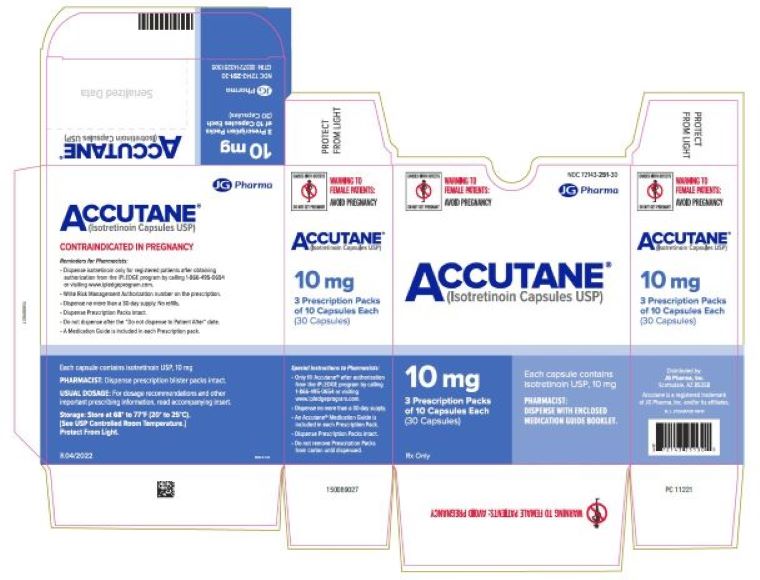
PACKAGE LABEL.PRINCIPAL DISPLAY PANEL SECTION Carton 10 mg : 30's pack (3x10's) carton 10 mg
Carton 20 mg : 30's pack (3x10's) carton 20 mg
Carton 30 mg: 30's pack (3x10's) carton 30 mg
Carton 40 mg : 30's pack (3x10's) carton 40 mg
Medicare Part D spend CMS · PART D · 2026 (Q1)
Reported adverse events (FAERS)
Top reported reactions
Age at onset
Reporter sex
Serious outcomes
Where does this data come from?
About this NDC listing & data coverage
What data is (and isn’t) available for this NDC — tap to expand
| NDC identity (package / product / labeler codes) | ✓ Available |
| Labeler | ✓ Available |
| Product & package description | ✓ Available |
| Marketing category & status | ✓ Available |
| Active ingredient / dosage form / route | ✓ Available |
| FDA label (SPL via DailyMed) | ✓ Available |
| Package photos | ✓ Available |
| Inactive ingredients (structured) | ✓ Available |
| NADAC pharmacy acquisition price (CMS) | — Not published for this NDC CMS publishes NADAC only for NDCs reported in its retail-pharmacy survey. |
| Orange Book / therapeutic-equivalence data | ✓ Available |
| HCPCS J-code billing crosswalk | — Not published for this NDC Most self-administered / retail products have no J-code — that is normal. |
| Medicaid utilization (CMS SDUD) | — Not published for this NDC CMS reports utilization only for NDCs with Medicaid claims above its privacy threshold. |