
Clobazam 20 mg Tablet, 100-count — NDC 72205-048-91 (Billing 72205-0048-91)
This is a package of 100 tablets of Clobazam 20 mg Tablet from Novadoz Pharmaceuticals LLC, marketed since Jun 2022 and currently FDA-listed; retail pharmacies pay about $0.4321 per tablet (NADAC). It is this product's only package size.
NDC database record
One package, one record: these facts belong to NDC 72205-048-91 alone.
- Record
- FDA NDC Directory package listing · Human prescription drug
- Code segments
- 72205 labeler · 048 product · 91 package
- Package marketed since
- Jun 10, 2022
- Sample package
- No — commercial package
- Listing certified through
- Dec 31, 2026
- Billing quantity
- 100 EA per package
- Barcode (UPC)
- 0372205047914, 0372205048911
- Medicaid fills, this package
- 273 prescriptions in the last four reported quarters
- FDA record last changed
- Jul 24, 2026
Other active recalls for Clobazam (different manufacturers) — 3 · tap to view
Identity & classification
Regulatory identifiers FDA, NLM and CMS codes for this package
Drug-database identifiers Medi-Span GPI and First Databank GCN / HICL / AHFS classification
- GSN (GCN sequence number): 020647
- GCN: 09070
- GPI-14 (Medi-Span): 72100007000320
- HICL (First Databank): 006536
- AHFS class code: 28:12.08.00
- RxCUI (RxNorm): 199450
Where does this data come from?
- FDA openFDA NDC Directory · synced Oct 1, 2026
- FDA label on DailyMed · label index refreshed Oct 6, 2026
- RxNorm (NLM RxNav) · catalog refreshed Oct 1, 2026
- Medi-Span GPI (licensed)
- First Databank (licensed) · refreshed Oct 1, 2026
RxNorm drug class
This medicine belongs to the Benzodiazepine class.
Where does this data come from?
- RxClass (NLM) · catalog refreshed Oct 1, 2026
Clinical
Clobazam is used with other medication(s) to control seizures in adults and children 2 years of age and older who have Lennox-Gastaut syndrome (a disorder that causes seizures and often causes developmental delays). Clobazam is in a class of medications called benzodiazepines. It works by decreasing abnormal electrical activity in the brain.
Read the full MedlinePlus article ↗- Clobazam is an add-on medicine for seizures caused by Lennox-Gastaut syndrome in people 2 years and older. It is used along with other seizure medicines, not on its own.
- Take it by mouth exactly as prescribed, usually split into two doses a day if your dose is above the lowest amount. You can take it with or without food. Tablets can be swallowed w...
- No. Stopping suddenly can cause withdrawal reactions, including seizures, and can be life-threatening. Your prescriber will lower the dose slowly over time.
- Sleepiness is the most common. You may also notice tiredness, fever, constipation, drooling, irritability, or poor balance. Call your doctor right away for a rash, breathing troubl...
Patient education
Supplement & herbal interactions
Some supplements/herbs that may interact with Clobazam — tap one for details:
Clobazam may be associated with lower levels of 1 nutrient — worth a chat with your pharmacist, not a cause for alarm.
Where does this data come from?
- MedlinePlus (NLM) · refreshed Oct 1, 2026
- FDA label on DailyMed · label index refreshed Oct 6, 2026
Ask a licensed pharmacist directly — free, answered by our team.
Pricing
A drug doesn't have one price. Each row is a different public payment system, and none is what you'd pay at the counter — that depends on your insurance. The ⓘ on each row explains what it measures.
| Price system | Per ea | Per package |
|---|---|---|
| Retail pharmacies payNADAC · weekly | $0.432 | $43.21 / 100 tablets |
| Medicaid paysCMS SDUD · 12 mo | $0.6323 | $63.23 / 100 tablets |
| Medicare drug plans payPart D · Q2 2026 | $0.6481 | $64.81 / 100 tablets |
Where does this data come from?
- CMS NADAC weekly file · file of Sep 30, 2026
- CMS ASP pricing files · refreshed Sep 20, 2026
- CMS Medicaid State Drug Utilization Data · through Q4 2025
- CMS Part D plan pricing files · refreshed Sep 24, 2026
- VA National Acquisition Center price file
Packaging — all sizes for this product
| Package NDC | Description | Marketing start | Marketing end | Status |
|---|---|---|---|---|
| 72205-0048-91 You're viewing this Main listing | 1 BOTTLE in 1 CARTON / 100 TABLET in 1 BOTTLE | 2022-06-10 | — | Active |
Therapeutic equivalents
| Product | Labeler | Pack | NADAC/unit | TE | Status | Price vs. this |
|---|---|---|---|---|---|---|
| Clobazam 20 mg 00832-0581-11 | Upsher-Smith | 100 tablets | $0.432 | AB | Availability likely | — |
| Clobazam 20 mg 16714-0888-01 | NorthStar | 100 tablets | $0.432 | AB | Availability likely | — |
| Clobazam 20 mg 42571-0316-01 | Micro | 100 tablets | $0.432 | AB | Availability likely | — |
| Clobazam 20 mg 67877-0666-01 | Ascend | 100 tablets | $0.432 | AB | Availability likely | — |
| Clobazam 20 mg 68180-0158-01 | Lupin | 100 tablets | $0.432 | AB | Availability likely | — |
| Clobazam 20 mg 69238-1306-01 | Amneal | 100 tablets | $0.432 | AB | Availability likely | — |
| Clobazam 20 mgthis 72205-0048-91 | Novadoz | 100 tablets | $0.432 | AB | Availability likely | — |
| Clobazam 20 mg 51672-4203-01 | Taro | 100 tablets | $0.938 | — | Discontinued | +117% |
| Clobazam 20 mg 31722-0640-01 | Camber | 100 tablets | $0.970 | AB | FDA listed | +124% |
| Onfi 20 mg 67386-0315-01 | Lundbeck | 100 tablets | $59.816 | AB | Availability likely | +13744% |
| Clobazam 20 mg 51407-0586-01 | Golden | 100 tablets | — | AB | FDA listed | — |
Where does this data come from?
- FDA openFDA NDC Directory · synced Oct 1, 2026
- FDA Orange Book · refreshed Oct 3, 2026
- CMS NADAC weekly file · file of Sep 30, 2026
Availability & generic status
This product is an FDA-approved generic. Other versions of the same drug are listed under Therapeutic equivalents, least expensive first.
Where does this data come from?
- FDA Orange Book · refreshed Oct 3, 2026
What it looks like
Where does this data come from?
- FDA label on DailyMed · label index refreshed Oct 6, 2026
Inactive Ingredients / Excipients
Inactive ingredients, also called excipients, are components of the drug product other than the active ingredient. They may include fillers, dyes, coatings, preservatives, flavors, or other formulation ingredients.
🧪 Avoiding an ingredient? See Clobazam inactive ingredients by manufacturer: every current product's list side by side, so you can ask your pharmacy for the version that does not list it.
💡 Tap an ingredient (hover on desktop) to see what it is and why it’s used.
-
UNII 9XZ8H6N6OH
A plant-based cellulose derivative used as a binder to hold tablet ingredients together, a thickener in liquids, and a coating agent to control how fast the medicine dissolves.
-
UNII EWQ57Q8I5X
Lactose monohydrate is a natural sugar derived from milk. It serves as a filler and binder in tablets and capsules, helping create the proper size, texture, and consistency of the medicine.
-
UNII 70097M6I30
Magnesium stearate is a salt made from magnesium and stearic acid, a fatty substance. It's used in tablets and capsules as a lubricant and glidant to help ingredients flow smoothly during manufacturing and prevent sticking.
-
UNII ETJ7Z6XBU4
Silicon dioxide is a naturally occurring mineral used as a glidant and anti-caking agent. It helps powder ingredients flow smoothly and prevents clumping during manufacturing and storage.
-
UNII O8232NY3SJ
A plant-based carbohydrate derived from corn kernels. It acts as a filler to add bulk, a binder to hold ingredients together, and a disintegrant to help the tablet break apart in your stomach for absorption.
-
UNII 7SEV7J4R1U
A powder made from a naturally occurring mineral. In medicines, talc works as a glidant and anti-caking agent, helping tablets and capsules flow smoothly during manufacturing and preventing clumping.
6 inactive ingredients listed in the exact product block matched to this NDC.
Where does this data come from?
ingredient classCode="IACT" elements from the exact product block matched by this NDC. Label-section narrative from DailyMed / the openFDA label index is shown separately when available.- FDA label on DailyMed · label index refreshed Oct 6, 2026
- FDA openFDA NDC Directory · synced Oct 1, 2026
Inactive ingredient FAQ
Are inactive ingredients the same for every manufacturer?
Why might an inactive ingredient be missing?
Can inactive ingredients matter?
Manufacturer & labeler
More NDCs from Novadoz Pharmaceuticals LLC labeler code 72205
- Oseltamivir phosphate 30 mg Capsule NDC 72205-042-11
- Oseltamivir phosphate 45 mg Capsule NDC 72205-043-11
- Oseltamivir phosphate 75 mg Capsule NDC 72205-044-11
- Thiotepa 15 mg Injection, Powder, Lyophilized, For Solution NDC 72205-045-01
- Thiotepa 100 mg Injection, Powder, Lyophilized, For Solution NDC 72205-046-01
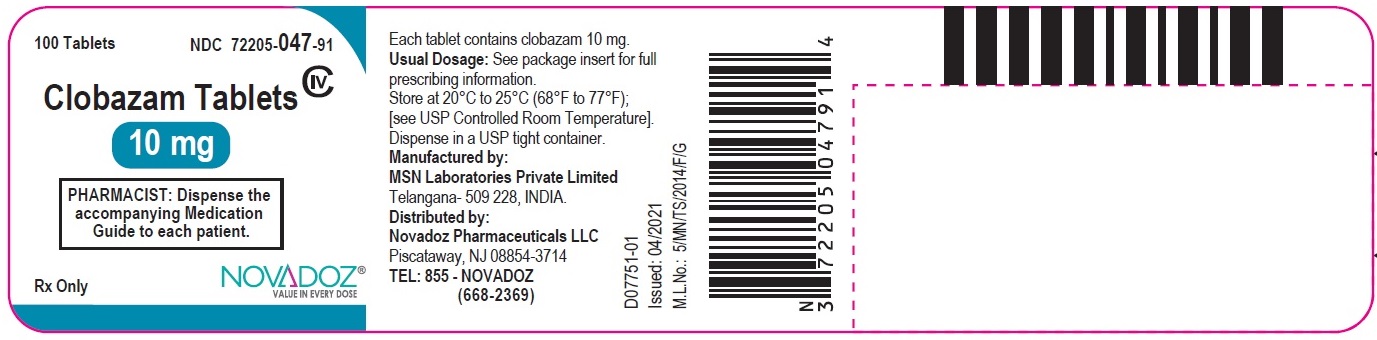
- Clobazam 10 mg Tablet NDC 72205-047-91
- Aminocaproic acid 500 mg Tablet NDC 72205-049-30
- toremifene citrate 60 mg Tablet NDC 72205-050-30
- Albendazole 200 mg Tablet NDC 72205-051-08
- Doxepin hydrochloride 3 mg Tablet NDC 72205-052-05
- Doxepin hydrochloride 6 mg Tablet NDC 72205-053-05
- Fosaprepitant 150 mg/5mL Injection, Powder, Lyophilized, For Solution NDC 72205-054-01
Where does this data come from?
- FDA openFDA NDC Directory · synced Oct 1, 2026
- Drugs@FDA
Full prescribing information FDA SPL
🚨 Boxed Warning ▾
WARNING: RISKS FROM CONCOMITANT USE WITH OPIOIDS; ABUSE, MISUSE, AND ADDICTION; and DEPENDENCE AND WITHDRAWAL REACTIONS Concomitant use of benzodiazepines and opioids may result in profound sedation, respiratory depression, coma, and death. Reserve concomitant prescribing of these drugs for patients for whom alternative treatment options are inadequate. Limit dosages and durations to the minimum required.
Follow patients for signs and symptoms of respiratory depression and sedation [see Warnings and Precautions (5.1) , Drug Interactions (7.1) ]. The use of benzodiazepines, including clobazam, exposes users to risks of abuse, misuse, and addiction, which can lead to overdose or death. Abuse and misuse of benzodiazepines commonly involve concomitant use of other medications, alcohol, and/or illicit substances, which is associated with an increased frequency of serious adverse outcomes.
Before prescribing clobazam and throughout treatment, assess each patient’s risk for abuse, misuse, and addiction [see Warnings and Precautions (5.2) ]. The continued use of benzodiazepines, including clobazam, may lead to clinically significant physical dependence. The risks of dependence and withdrawal increase with longer treatment duration and higher daily dose.
Abrupt discontinuation or rapid dosage reduction of clobazam after continued use may precipitate acute withdrawal reactions, which can be life-threatening. To reduce the risk of withdrawal reactions, use a gradual taper to discontinue clobazam or reduce the dosage [see Dosage and Administration (2.2) and Warnings and Precautions (5.3 )]. WARNING: RISKS FROM CONCOMITANT USE WITH OPIOIDS; ABUSE, MISUSE, AND ADDICTION; and DEPENDENCE AND WITHDRAWAL REACTIONS See full prescribing information for complete boxed warning.
Concomitant use of benzodiazepines and opioids may result in profound sedation, respiratory depression, coma, and death. Reserve concomitant prescribing of these drugs for patients for whom alternative treatment options are inadequate. Limit dosages and durations to the minimum required.
Follow patients for signs and symptoms of respiratory depression and sedation ( 5.1 , 7.1 ). The use of benzodiazepines, including clobazam, exposes users to risks of abuse, misuse, and addiction, which can lead to overdose or death. Before prescribing clobazam and throughout treatment, assess each patient’s risk for abuse, misuse, and addiction ( 5.2 ).
Abrupt discontinuation or rapid dosage reduction of clobazam after continued use may precipitate acute withdrawal reactions, which can be life-threatening. To reduce the risk of withdrawal reactions, use a gradual taper to discontinue clobazam or reduce the dosage ( 2.2, 5.3 ).
🎯 Indications and Usage ▾
1 INDICATIONS AND USAGE Clobazam tablets are indicated for the adjunctive treatment of seizures associated with Lennox-Gastaut syndrome (LGS) in patients 2 years of age or older. Clobazam tablets are a benzodiazepine indicated for adjunctive treatment of seizures associated with Lennox-Gastaut syndrome (LGS) in patients 2 years of age or older ( 1 )
⏱️ Dosage and Administration ▾
2 DOSAGE AND ADMINISTRATION • For doses above 5 mg/day administer in two divided doses (2.1) • Patients ≤30 kg body weight: Initiate at 5 mg daily and titrate as tolerated up to 20 mg daily ( 2.1 ) • Patients >30 kg body weight: Initiate at 10 mg daily and titrate as tolerated up to 40 mg daily ( 2.1 ) • Dosage adjustment needed in following groups: o Geriatric patients ( 2.4 , 8.5 ) o Known CYP2C19 poor metabolizers ( 2.5 ) o Mild or moderate hepatic impairment; no information for severe hepatic impairment ( 2.7 , 8.8 ) • Tablets: Administer whole, broken in half along the score, or crush and mix in applesauce ( 2.3 ) • Tablets: Can be taken with or without food ( 2.3 )
2.1Dosing Information A daily dose of clobazam tablets greater than 5 mg should be administered in divided doses twice daily; a 5 mg daily dose can be administered as a single dose. Dose patients according to body weight. Individualize dosing within each body weight group, based on clinical efficacy and tolerability.
Each dose in Table 1 (e.g., 5 to 20 mg in ≤30 kg weight group)has been shown to be effective, although effectiveness increases with increasing dose [see Clinical Studies ( 14 )] . Do not proceed with dose escalation more rapidly than weekly, because serum concentrations of clobazam and its active metabolite require 5 and 9 days, respectively, to reach steady-state. Table 1.
Recommended Total Daily Dosing by Weight Group ≤30 kg Body Weight >30 kg Body Weight Starting Dose 5 mg 10 mg Starting Day 7 10 mg 20 mg Starting Day 14 20 mg 40 mg
2.2Discontinuation or Dosage Reduction of Clobazam Tablets To reduce the risk of withdrawal reactions, increased seizure frequency, and status epilepticus, use a gradual taper to discontinue clobazam tablets or reduce the dosage. Taper by decreasing the total daily dose by 5 to 10 mg/day on a weekly basis until discontinued. If a patient develops withdrawal reactions, consider pausing the taper or increasing the dosage to the previous tapered dosage level.
Subsequently decrease the dosage more slowly [see Warnings and Precautions (5.3) and Drug Abuse and Dependence (9.3) ].
2.3Important Administration Instructions Clobazam Tablet Oral Administration Clobazam tablets can be taken with or without food. Clobazam tablets can be administered whole, broken in half along the score, or crushed and mixed in applesauce.
2.4Dosage Adjustments in Geriatric Patients Plasma concentrations at any given dose are generally higher in the elderly: proceed slowly with dose escalation. The starting dose should be 5 mg/day for all elderly patients. Then titrate elderly patients according to weight, but to half the dose presented in Table 1, as tolerated.
If necessary and based upon clinical response, an additional titration to the maximum dose (20 mg/day or 40 mg/day, depending on weight) may be started on day 21 [see Use in Specific Populations ( 8.5 )].
2.5Dosage Adjustments in CYP2C19 Poor Metabolizers In CYP2C19 poor metabolizers, levels of N-desmethylclobazam, clobazam’s active metabolite, will be increased. Therefore, in patients known to be CYP2C19 poor metabolizers, the starting dose should be 5 mg/day and dose titration should proceed slowly according to weight, but to half the dose presented in Table 1, as tolerated. If necessary and based upon clinical response, an additional titration to the maximum dose (20 mg/day or 40 mg/day, depending on the weight group) may be started on day 21 [see Use in Specific Populations ( 8.6 ), Clinical Pharmacology ( 12.5 )].
2.6Patients with Renal Impairment No dose adjustment is required for patients with mild and moderate renal impairment. There is no experience with clobazam tablets in patients with severe renal impairment or end stage renal disease (ESRD). It is not known if clobazam or its active metabolite, N-desmethylclobazam, is dialyzable [see Use in Specific Populations ( 8.7 ), Clinical Pharmacology ( 12.3 )].
2.7Dosage Adjustments in Patients with Hepatic Impairment Clobazam… [Excerpted — this section continues on DailyMed.]
💊 Dosage Forms and Strengths ▾
3 DOSAGE FORMS AND STRENGTHS Tablets: 10 mg and 20 mg with a functional score for oral administration. Each clobazam tablet is a white to off-white, oval shaped uncoated tablet with a functional score on one side and either a "C" and "M" or a "C" and "L" debossed on the other side. • Tablet: 10 mg and 20 mg with a functional score ( 3 )
⛔ Contraindications ▾
4 CONTRAINDICATIONS Clobazam is contraindicated in patients with a history of hypersensitivity to the drug or its ingredients. Hypersensitivity reactions have included serious dermatological reactions [see Warnings and Precautions (5.6 , 5.7) ]. History of hypersensitivity to the drug or its ingredients ( 4 )
⚠️ Warnings and Cautions ▾
5 WARNINGS AND PRECAUTIONS • Somnolence or Sedation: Monitor for central nervous system (CNS) depression. Risk may be increased with concomitant use of other CNS depressants ( 5.4, 5.5 ) • Serious Dermatological Reactions (including Stevens-Johnson syndrome and toxic epidermal necrolysis): Discontinue clobazam at first sign of rash unless the rash is clearly not drug-related ( 5.6 ) • Drug Reaction with Eosinophilia and Systemic Symptoms (DRESS)/Multiorgan Hypersensitivity: Discontinue if no alternative etiology ( 5.7 ) • Suicidal Behavior and Ideation: Monitor for suicidal thoughts or behaviors ( 5.8) • Neonatal Sedation and Withdrawal Syndrome: Clobazam use during pregnancy can result in neonatal sedation and/or neonatal withdrawal ( 5.9 , 8.1 )
5.1Risks from Concomitant Use with Opioids Concomitant use of benzodiazepines, including clobazam, and opioids may result in profound sedation, respiratory depression, coma, and death. Because of these risks, reserve concomitant prescribing of benzodiazepines and opioids for patients for whom alternative treatment options are inadequate. Observational studies have demonstrated that concomitant use of opioid analgesics and benzodiazepines increases the risk of drug-related mortality compared to use of opioids alone.
If a decision is made to prescribe clobazam concomitantly with opioids, prescribe the lowest effective dosages and minimum durations of concomitant use, and follow patients closely for signs and symptoms of respiratory depression and sedation. Advise both patients and caregivers about the risks of respiratory depression and sedation when clobazam is used with opioids [see Drug Interactions ( 7.1 )].
5.2Abuse, Misuse, and Addiction The use of benzodiazepines, including clobazam, exposes users to the risks of abuse, misuse, and addiction, which can lead to overdose or death. Abuse and misuse of benzodiazepines often (but not always) involve the use of doses greater than the maximum recommended dosage and commonly involve concomitant use of other medications, alcohol, and/or illicit substances, which is associated with an increased frequency of serious adverse outcomes, including respiratory depression, overdose, or death [see Drug Abuse and Dependence (9.2) ].
Before prescribing clobazam and throughout treatment, assess each patient’s risk for abuse, misuse, and addiction (e.g., using a standardized screening tool). Use of clobazam, particularly in patients at elevated risk, necessitates counseling about the risks and proper use of clobazam along with monitoring for signs and symptoms of abuse, misuse, and addiction. Prescribe the lowest effective dosage; avoid or minimize concomitant use of CNS depressants and other substances associated with abuse, misuse, and addiction (e.g., opioid analgesics, stimulants); and advise patients on the proper disposal of unused drug.
If a substance use disorder is suspected, evaluate the patient and institute (or refer them for) early treatment, as appropriate.
5.3Dependence and Withdrawal Reactions To reduce the risk of withdrawal reactions, use a gradual taper to discontinue clobazam or reduce the dosage [see Dosage and Administration (2.2) ]. Patients at an increased risk of withdrawal adverse reactions after benzodiazepine discontinuation or rapid dosage reduction include those who take higher dosages, and those who have had longer durations of use. Acute Withdrawal Reactions The continued use of benzodiazepines, including clobazam, may lead to clinically significant physical dependence.
Abrupt discontinuation or rapid dosage reduction of clobazam after continued use, or administration of flumazenil (a benzodiazepine antagonist) may precipitate acute withdrawal reactions, which can be life-threatening (e.g., seizures) [see Drug Abuse and Dependence (9.3) ]. Protracted Withdrawal Syndrome In some cases, benzodiazepine users have developed a protracted withdrawal syndrome with withdrawal symptoms lasting weeks to more than 12 months [s… [Excerpted — this section continues on DailyMed.]
🤒 Adverse Reactions ▾
6 ADVERSE REACTIONS Clinically significant adverse reactions that appear in other sections of the labeling include the following: Risks from Concomitant Use with Opioids [see Warnings and Precautions (5.1) ] Abuse, Misuse, and Addiction [see Warnings and Precautions (5.2) ] Dependence and Withdrawal Reactions [see Warnings and Precautions (5.3) ] Potentiation of Sedation from Concomitant Use with Central Nervous System Depressants [see Warnings and Precautions (5.4) ] Somnolence or Sedation [see Warnings and Precautions (5.5) ] Serious Dermatological Reactions [see Contraindications (4) , Warnings and Precautions (5.6) ] Drug Reaction with Eosinophilia and Systemic Symptoms (DRESS)/Multiorgan Hypersensitivity [see Warnings and Precautions (5.7) ] Suicidal Behavior and Ideation [see Warnings and Precautions (5.8) ] Neonatal Sedation and Withdrawal Syndrome [see Warnings and Precautions (5.9) ] Adverse reactions that occurred at least 10% more frequently than placebo in any clobazam dose included constipation, somnolence or sedation, pyrexia, lethargy, and drooling ( 6.1 ) To report SUSPECTED ADVERSE REACTIONS, contact Novadoz Pharmaceuticals LLC at 1-855-668-2369 or FDA at 1-800-FDA-1088 or www.fda.gov/medwatch.
6.1Clinical Trials Experience Because clinical trials are conducted under widely varying conditions, adverse reaction rates observed in the clinical trials of a drug cannot be directly compared to rates in the clinical trials of another drug and may not reflect the rates observed in practice. During its development for the adjunctive treatment of seizures associated with LGS, clobazam was administered to 333 healthy volunteers and 300 patients with a current or prior diagnosis of LGS, including 197 patients treated for 12 months or more.
The conditions and duration of exposure varied greatly and included single- and multiple-dose clinical pharmacology studies in healthy volunteers and two double-blind studies in patients with LGS (Study 1 and 2) [see Clinical Studies (14)]. Only Study 1 included a placebo group, allowing comparison of adverse reaction rates on clobazam at several doses to placebo. Adverse Reactions Leading to Discontinuation in an LGS Placebo Controlled Clinical Trial (Study 1) The adverse reactions associated with clobazam treatment discontinuation in ≥1% of patients in decreasing order of frequency included lethargy, somnolence, ataxia, aggression, fatigue, and insomnia.
Most Common Adverse Reactions in an LGS Placebo Controlled Clinical Trial (Study 1) Table 3 lists the adverse reactions that occurred in ≥5% of clobazam-treated patients (at any dose), and at a rate greater than placebo-treated patients, in the randomized, double-blind, placebo-controlled, parallel group clinical study of adjunctive AED therapy for 15 weeks (Study 1). Table 3. Adverse Reactions Reported for ≥5% of Patients and More Frequently than Placebo in Any Treatment Group Placebo N=59 % Clobazam Dose Level All Clobazam N=179 % Low a N=58 % Medium b N=62 % High c N=59 % Gastrointestinal Disorders Vomiting 5 9 5 7 7 Constipation 0 2 2 10 5 Dysphagia 0 0 0 5 2 General Disorders and Administration Site Conditions Pyrexia 3 17 10 12 13 Irritability 5 3 11 5 7 Fatigue 2 5 5 3 5 Infections and Infestations Upper respiratory tract infection 10 10 13 14 12 Pneumonia 2 3 3 7 4 Urinary tract infection 0 2 5 5 4 Bronchitis 0 2 0 5 2 Metabolism and Nutrition Disorders Decreased appetite 3 3 0 7 3 Increased appetite 0 2 3 5 3 Nervous System Disorders Somnolence or Sedation 15 17 27 32 26 Somnolence 12 16 24 25 22 Sedation 3 2 3 9 5 Lethargy 5 10 5 15 10 Drooling 3 0 13 14 9 Ataxia 3 3 2 10 5 Psychomotor hyperactivity 3 3 3 5 4 Dysarthria 0 2 2 5 3 Psychiatric Disorders Aggression 5 3 8 14 8 Insomnia 2 2 5 7 5 Respiratory Disorders Cough 0 3 5 7 5 a Maximum daily dose of 5 mg for ≤30 kg body weight; 10 mg for >30 kg body weight b Maximum daily dose of 10 mg for ≤30 kg body weight; 20 mg for >30 kg body weight c Maximum daily dose of 20 mg for… [Excerpted — this section continues on DailyMed.]
🔄 Drug Interactions ▾
7 DRUG INTERACTIONS • Alcohol: Increases blood levels of clobazam by about 50% ( 7.2 ) • Drugs metabolized by CYP2D6: Lower doses of these drugs may be required when used concomitantly with clobazam (7.3 ) • Strong or Moderate CYP2C19 Inhibitors: Dosage adjustment of clobazam may be necessary ( 7.4 )
7.1Opioids The concomitant use of benzodiazepines and opioids increases the risk of respiratory depression because of actions at different receptor sites in the CNS that control respiration. Benzodiazepines interact at GABA A sites, and opioids interact primarily at mu receptors. When benzodiazepines and opioids are combined, the potential for benzodiazepines to significantly worsen opioid-related respiratory depression exists.
Limit dosage and duration of concomitant use of benzodiazepines and opioids, and follow patients closely for respiratory depression and sedation [see Warnings and Precautions ( 5.1 )].
7.2CNS Depressants and Alcohol Concomitant use of clobazam with other CNS depressants may increase the risk of sedation and somnolence [see Warnings and Precautions (5.4) ]. Alcohol, as a CNS depressant, will interact with clobazam in a similar way and also increases clobazam’s maximum plasma exposure by approximately 50%. Therefore, caution patients or their caregivers against simultaneous use with other CNS depressant drugs or alcohol, and caution that the effects of other CNS depressant drugs or alcohol may be potentiated [see Warnings and Precautions (5.4) ].
7.3Effect of Clobazam on Other Drugs Hormonal Contraceptives Clobazam is a weak CYP3A4 inducer. As some hormonal contraceptives are metabolized by CYP3A4, their effectiveness may be diminished when given with clobazam. Additional non-hormonal forms of contraception are recommended when using clobazam [see Clinical Pharmacology ( 12.3 ), Patient Counseling Information ( 17 )].
Drugs Metabolized by CYP2D6 Clobazam inhibits CYP2D6. Dose adjustment of drugs metabolized by CYP2D6 may be necessary [see Clinical Pharmacology ( 12.3 )].
7.4Effect of Other Drugs on Clobazam Strong and moderate inhibitors of CYP2C19 Strong and moderate inhibitors of CYP2C19 may result in increased exposure to N-desmethylclobazam, the active metabolite of clobazam. This may increase the risk of dose-related adverse reactions. Dosage adjustment of clobazam may be necessary when co-administered with strong CYP2C19 inhibitors (e.g., fluconazole, fluvoxamine, ticlopidine) or moderate CYP2C19 inhibitors (e.g., omeprazole) [see Clinical Pharmacology ( 12.3 )].
👥 Use in Specific Populations ▾
8 USE IN SPECIFIC POPULATIONS Pregnancy: Based on animal data, may cause fetal harm ( 8.1 )
8.1Pregnancy Pregnancy Registry There is a pregnancy exposure registry that monitors pregnancy outcomes in women exposed to AEDs, such as clobazam, during pregnancy. Healthcare providers are encouraged to recommend that pregnant women taking clobazam enroll in the North American Antiepileptic Drug (NAAED) Pregnancy Registry by calling 1-888-233-2334 or online at http://www.aedpregnancyregistry.org/. Risk Summary Neonates born to mothers using benzodiazepines late in pregnancy have been reported to experience symptoms of sedation and/or neonatal withdrawal [see Warnings and Precautions (5.9) and Clinical Considerations].
Available data from published observational studies of pregnant women exposed to benzodiazepines do not report a clear association with benzodiazepines and major birth defects (see Data). Administration of clobazam to pregnant rats and rabbits during the period of organogenesis or to rats throughout pregnancy and lactation resulted in developmental toxicity, including increased incidences of fetal malformations and mortality, at plasma exposures for clobazam and its major active metabolite, N-desmethylclobazam, below those expected at therapeutic doses in patients [see Animal Data].
Data for other benzodiazepines suggest the possibility of long-term effects on neurobehavioral and immunological function in animals following prenatal exposure to benzodiazepines at clinically relevant doses. Clobazam should be used during pregnancy only if the potential benefit to the mother justifies the potential risk to the fetus. Advise a pregnant woman and women of childbearing age of the potential risk to a fetus.
The background risk of major birth defects and miscarriage for the indicated population is unknown. All pregnancies have a background risk of birth defect, loss, or other adverse outcomes. In the U.S. general population, the estimated background risk of major birth defects and of miscarriage in clinically recognized pregnancies is 2-4% and 15-20%, respectively.
Clinical Considerations Fetal/Neonatal Adverse Reactions Benzodiazepines cross the placenta and may produce respiratory depression, hypotonia, and sedation in neonates. Monitor neonates exposed to clobazam during pregnancy or labor for signs of sedation, respiratory depression, hypotonia, and feeding problems. Monitor neonates exposed to clobazam during pregnancy for signs of withdrawal.
Manage these neonates accordingly [see Warnings and Precautions (5.9) ]. Data Human Data Published data from observational studies on the use of benzodiazepines during pregnancy do not report a clear association with benzodiazepines and major birth defects. Although early studies reported an increased risk of congenital malformations with diazepam and chlordiazepoxide, there was no consistent pattern noted.
In addition, the majority of more recent case-control and cohort studies of benzodiazepine use during pregnancy, which were adjusted for confounding exposures to alcohol, tobacco and other medications, have not confirmed these findings. Animal Data In a study in which clobazam (0, 150, 450, or 750 mg/kg/day) was orally administered to pregnant rats throughout the period of organogenesis, embryofetal mortality and incidences of fetal skeletal variations were increased at all doses. The low-effect dose for embryofetal developmental toxicity in rats (150 mg/kg/day) was associated with plasma exposures (AUC) for clobazam and its major active metabolite, N-desmethylclobazam, lower than those in humans at the maximum recommended human dose (MRHD) of 40 mg/day.
Oral administration of clobazam (0, 10, 30, or 75 mg/kg/day) to pregnant rabbits throughout the period of organogenesis resulted in decreased fetal body weights, and increased incidences of fetal malformations (visceral and skeletal) at the mid and high doses, and an increase in embryofetal mortality at the high dose. Incidences o… [Excerpted — this section continues on DailyMed.]
🤰 Pregnancy ▾
8.1Pregnancy Pregnancy Registry There is a pregnancy exposure registry that monitors pregnancy outcomes in women exposed to AEDs, such as clobazam, during pregnancy. Healthcare providers are encouraged to recommend that pregnant women taking clobazam enroll in the North American Antiepileptic Drug (NAAED) Pregnancy Registry by calling 1-888-233-2334 or online at http://www.aedpregnancyregistry.org/. Risk Summary Neonates born to mothers using benzodiazepines late in pregnancy have been reported to experience symptoms of sedation and/or neonatal withdrawal [see Warnings and Precautions (5.9) and Clinical Considerations].
Available data from published observational studies of pregnant women exposed to benzodiazepines do not report a clear association with benzodiazepines and major birth defects (see Data). Administration of clobazam to pregnant rats and rabbits during the period of organogenesis or to rats throughout pregnancy and lactation resulted in developmental toxicity, including increased incidences of fetal malformations and mortality, at plasma exposures for clobazam and its major active metabolite, N-desmethylclobazam, below those expected at therapeutic doses in patients [see Animal Data].
Data for other benzodiazepines suggest the possibility of long-term effects on neurobehavioral and immunological function in animals following prenatal exposure to benzodiazepines at clinically relevant doses. Clobazam should be used during pregnancy only if the potential benefit to the mother justifies the potential risk to the fetus. Advise a pregnant woman and women of childbearing age of the potential risk to a fetus.
The background risk of major birth defects and miscarriage for the indicated population is unknown. All pregnancies have a background risk of birth defect, loss, or other adverse outcomes. In the U.S. general population, the estimated background risk of major birth defects and of miscarriage in clinically recognized pregnancies is 2-4% and 15-20%, respectively.
Clinical Considerations Fetal/Neonatal Adverse Reactions Benzodiazepines cross the placenta and may produce respiratory depression, hypotonia, and sedation in neonates. Monitor neonates exposed to clobazam during pregnancy or labor for signs of sedation, respiratory depression, hypotonia, and feeding problems. Monitor neonates exposed to clobazam during pregnancy for signs of withdrawal.
Manage these neonates accordingly [see Warnings and Precautions (5.9) ]. Data Human Data Published data from observational studies on the use of benzodiazepines during pregnancy do not report a clear association with benzodiazepines and major birth defects. Although early studies reported an increased risk of congenital malformations with diazepam and chlordiazepoxide, there was no consistent pattern noted.
In addition, the majority of more recent case-control and cohort studies of benzodiazepine use during pregnancy, which were adjusted for confounding exposures to alcohol, tobacco and other medications, have not confirmed these findings. Animal Data In a study in which clobazam (0, 150, 450, or 750 mg/kg/day) was orally administered to pregnant rats throughout the period of organogenesis, embryofetal mortality and incidences of fetal skeletal variations were increased at all doses. The low-effect dose for embryofetal developmental toxicity in rats (150 mg/kg/day) was associated with plasma exposures (AUC) for clobazam and its major active metabolite, N-desmethylclobazam, lower than those in humans at the maximum recommended human dose (MRHD) of 40 mg/day.
Oral administration of clobazam (0, 10, 30, or 75 mg/kg/day) to pregnant rabbits throughout the period of organogenesis resulted in decreased fetal body weights, and increased incidences of fetal malformations (visceral and skeletal) at the mid and high doses, and an increase in embryofetal mortality at the high dose. Incidences of fetal variations were increased at all doses. The highest dose tested was associated with… [Excerpted — this section continues on DailyMed.]
🧒 Pediatric Use ▾
8.4Pediatric Use Safety and effectiveness in patients less than 2 years of age have not been established. In a study in which clobazam (0, 4, 36, or 120 mg/kg/day) was orally administered to rats during the juvenile period of development (postnatal days 14 to 48), adverse effects on growth (decreased bone density and bone length) and behavior (altered motor activity and auditory startle response; learning deficit) were observed at the high dose. The effect on bone density, but not on behavior, was reversible when drug was discontinued.
The no-effect level for juvenile toxicity (36 mg/kg/day) was associated with plasma exposures (AUC) to clobazam and its major active metabolite, N-desmethylclobazam, less than those expected at therapeutic doses in pediatric patients.
🧓 Geriatric Use ▾
8.5Geriatric Use Clinical studies of clobazam did not include sufficient numbers of subjects aged 65 and over to determine whether they respond differently from younger subjects. However, elderly subjects appear to eliminate clobazam more slowly than younger subjects based on population pharmacokinetic analysis. For these reasons, the initial dose in elderly patients should be 5 mg/day.
Patients should be titrated initially to 10 to 20 mg/day. Patients may be titrated further to a maximum daily dose of 40 mg if tolerated [see Dosage and Administration ( 2.4 ), Clinical Pharmacology ( 12.3 )].
🆘 Overdosage ▾
10 OVERDOSAGE Overdosage of benzodiazepines is characterized by central nervous system depression ranging from drowsiness to coma. In mild to moderate cases, symptoms can include drowsiness, confusion, dysarthria, lethargy, hypnotic state, diminished reflexes, ataxia, and hypotonia. Rarely, paradoxical or disinhibitory reactions (including agitation, irritability, impulsivity, violent behavior, confusion, restlessness, excitement, and talkativeness) may occur.
In severe overdosage cases, patients may develop respiratory depression and coma. Overdosage of benzodiazepines in combination with other CNS depressants (including alcohol and opioids) may be fatal [see Warnings and Precautions (5.2)] . Markedly abnormal (lowered or elevated) blood pressure, heart rate, or respiratory rate raise the concern that additional drugs and/or alcohol are involved in the overdosage.
In managing benzodiazepine overdosage, employ general supportive measures, including intravenous fluids and airway maintenance. Flumazenil, a specific benzodiazepine receptor antagonist indicated for the complete or partial reversal of the sedative effects of benzodiazepines in the management of benzodiazepine overdosage, can lead to withdrawal and adverse reactions, including seizures, particularly in the context of mixed overdosage with drugs that increase seizure risk (e.g., tricyclic and tetracyclic antidepressants) and in patients with long-term benzodiazepine use and physical dependency.
The risk of withdrawal seizures with flumazenil may be increased in patients with epilepsy. Flumazenil is contraindicated in patients who have received a benzodiazepine for control of a potentially life-threatening condition (e.g., status epilepticus). If the decision is made to use flumazenil, it should be used as an adjunct to, not as a substitute for, supportive management of benzodiazepine overdosage.
See the flumazenil injection Prescribing Information. Consider contacting the Poison Help line (1-800-222-1222) or a medical toxicologist for additional overdosage management recommendations.
🧬 Clinical Pharmacology ▾
12 CLINICAL PHARMACOLOGY
12.1Mechanism of Action The exact mechanism of action for clobazam, a 1,5-benzodiazepine, is not fully understood but is thought to involve potentiation of GABAergic neurotransmission resulting from binding at the benzodiazepine site of the GABA A receptor.
12.2Pharmacodynamics Effects on Electrocardiogram The effect of clobazam 20 mg and 80 mg administered twice daily on QTc interval was evaluated in a randomized, evaluator-blinded, placebo-, and active-controlled (moxifloxacin 400 mg) parallel thorough QT study in 280 healthy subjects. In a study with demonstrated ability to detect small effects, the upper bound of the one-sided 95% confidence interval for the largest placebo-adjusted, baseline-corrected QTc based on the Fridericia correction method was below 10 ms, the threshold for regulatory concern.
Thus, at a dose two times the maximum recommended dose, clobazam did not prolong the QTc interval to any clinically relevant extent.
12.3Pharmacokinetics The peak plasma levels (C max ) and the area under the curve (AUC) of clobazam are dose-proportional over the dose range of 10 to 80 mg following single- or multiple-dose administration of clobazam. Based on a population pharmacokinetic analysis, the pharmacokinetics of clobazam are linear from 5 to 160 mg/day. Clobazam is converted to N-desmethylclobazam which has about 1/5 the activity of clobazam.
The estimated mean elimination half-lives (t ½ ) of clobazam and N-desmethylclobazam were 36-42 hours and 71-82 hours, respectively. Absorption Clobazam is rapidly and extensively absorbed following oral administration. The time to peak concentrations (T max ) of clobazam tablets under fasted conditions ranged from 0.5 to 4 hours after single- or multiple-dose administrations.
The relative bioavailability of clobazam tablets compared to an oral solution is approximately 100%. After single dose administration of the oral suspension under fasted conditions, the T max ranged from 0.5 to 2 hours. Based on exposure (C max and AUC) of clobazam, clobazam tablets and suspension were shown to have similar bioavailability under fasted conditions.
The administration of clobazam tablets with food or when crushed in applesauce does not affect absorption. Although not studied, the oral bioavailability of the oral suspension is unlikely to be affected under fed conditions. Distribution Clobazam is lipophilic and distributes rapidly throughout the body.
The apparent volume of distribution at steady state was approximately 100 L. The in vitro plasma protein binding of clobazam and N-desmethylclobazam is approximately 80-90% and 70%, respectively. Metabolism and Excretion Clobazam is extensively metabolized in the liver, with approximately 2% of the dose recovered in urine and 1% in feces as unchanged drug.
The major metabolic pathway of clobazam involves N-demethylation, primarily by CYP3A4 and to a lesser extent by CYP2C19 and CYP2B6. N-desmethylclobazam, an active metabolite, is the major circulating metabolite in humans, and at therapeutic doses, plasma concentrations are 3-5 times higher than those of the parent compound. Based on animal and in vitro receptor binding data, estimates of the relative potency of N-desmethylclobazam compared to parent compound range from 1/5 to equal potency.
N-desmethylclobazam is extensively metabolized, mainly by CYP2C19. N-desmethylclobazam and its metabolites comprise ~94% of the total drug-related components in urine. Following a single oral dose of radiolabeled drug, approximately 11% of the dose was excreted in the feces and approximately 82% was excreted in the urine.
The polymorphic CYP2C19 is the major contributor to the metabolism of the pharmacologically active N-desmethylclobazam [see Clinical Pharmacology ( 12.5 )]. In CYP2C19 poor metabolizers, levels of N-desmethylclobazam were 5-fold higher in plasma and 2- to 3-fold higher in the urine than in CYP2C19 extensive metabolizers. Pharmacokinetics in Specific Populations… [Excerpted — this section continues on DailyMed.]
🧬 Mechanism of Action ▾
12.1Mechanism of Action The exact mechanism of action for clobazam, a 1,5-benzodiazepine, is not fully understood but is thought to involve potentiation of GABAergic neurotransmission resulting from binding at the benzodiazepine site of the GABA A receptor.
📦 How Supplied / Storage and Handling ▾
16 HOW SUPPLIED/STORAGE AND HANDLING Each clobazam tablet contains 10 mg or 20 mg of clobazam and is a white to off-white, oval shaped uncoated tablet with a functional score on one side and either a “C” and “M” or a “C” and “L” debossed on the other side. NDC 72205-047-91: 10 mg scored tablet, Bottles of 100 NDC 72205-047-99: 10 mg scored tablet, Bottles of 1000 NDC 72205-048-91: 20 mg scored tablet, Bottles of 100 NDC 72205-048-99: 20 mg scored tablet, Bottles of 1000 Store tablets at 20°C to 25°C (68°F to 77°F). [See USP controlled room temperature.] Dispense in a USP tight container.
📋 Description ▾
11 DESCRIPTION Table 4. Description Established Name: Clobazam Dosage Forms: Tablet Route of Administration: Oral Established Pharmacologic Class of Drug: Benzodiazepine Chemical Name: 7-Chloro-1-methyl-5-phenyl-1H-benzo[b] [1,4]diazepine-2,4(3H,5H)-dione Structural Formula: Clobazam is a white or almost white crystalline powder and freely soluble in dichloromethane, sparingly soluble in ethanol and insoluble in water. The melting range of clobazam is from 182.01ºC to 182.98 ºC.
The molecular formula is C 16 H 13 O 2 N 2 Cl and the molecular weight is 300.7. Each clobazam tablet contains 10 mg or 20 mg of clobazam. Tablets also contain as inactive ingredients: colloidal silicon dioxide, hydroxy propyl cellulose, lactose monohydrate, maize starch, magnesium stearate, and talc. clobazam-structure
💬 Information for Patients ▾
17 PATIENT COUNSELING INFORMATION Advise the patient to read the FDA-approved patient labeling (Medication Guide and Instructions for Use). Risks from Concomitant Use with Opioids Inform patients and caregivers that potentially fatal additive effects may occur if clobazam is used with opioids and not to use such drugs concomitantly unless supervised by a healthcare provider [see Warnings and Precautions (5.1) , Drug Interactions (7.1) ]. Abuse, Misuse, and Addiction Inform patients that the use of clobazam, even at recommended dosages, exposes users to risks of abuse, misuse, and addiction, which can lead to overdose and death, especially when used in combination with other medications (e.g., opioid analgesics), alcohol, and/or illicit substances.
Inform patients about the signs and symptoms of benzodiazepine abuse, misuse, and addiction; to seek medical help if they develop these signs and/or symptoms; and on the proper disposal of unused drug [see Warnings and Precautions (5.2) and Drug Abuse and Dependence (9.2) ]. Withdrawal Reactions Advise patients or caregivers that abrupt withdrawal of AEDs may increase their risk of seizure. Inform patients that the continued use of clobazam may lead to clinically significant physical dependence and that abrupt discontinuation or rapid dosage reduction of clobazam may precipitate acute withdrawal reactions, which can be life-threatening.
Inform patients that in some cases, patients taking benzodiazepines have developed a protracted withdrawal syndrome with withdrawal symptoms lasting weeks to more than 12 months. Instruct patients that discontinuation or dosage reduction of clobazam may require a slow taper [see Warnings and Precautions (5.3) and Drug Abuse and Dependence (9.3) ]. Somnolence or Sedation Advise patients or caregivers to check with their healthcare provider before clobazam is taken with other CNS depressants such as other benzodiazepines, opioids, tricyclic antidepressants, sedating antihistamines, or alcohol [see Warnings and Precautions (5.4 , 5.5) ].
If applicable, caution patients about operating hazardous machinery, including automobiles, until they are reasonably certain that clobazam does not affect them adversely (e.g., impair judgment, thinking or motor skills). Hypersensitivity Inform patients or caregivers that clobazam is contraindicated in patients with a history of hypersensitivity to the drug or its ingredients [see Warnings and Precautions (5.6) ]. Interactions with Hormonal Contraceptives Counsel women to also use non-hormonal methods of contraception when clobazam is used with hormonal contraceptives and to continue these alternative methods for 28 days after discontinuing clobazam to ensure contraceptive reliability [see Drug Interactions (7.3) , Clinical Pharmacology (12.3) ].
Serious Dermatological Reactions Advise patients or caregivers that serious skin reactions have been reported in patients taking clobazam. Serious skin reactions, including SJS/TEN, may need to be treated in a hospital and may be life-threatening. If a skin reaction occurs while taking clobazam, patients or caregivers should consult with healthcare providers immediately [see Warnings and Precautions (5.6) ].
DRESS/Multiorgan Hypersensitivity I nstruct patients and caregivers that a fever or rash associated with signs of other organ system involvement (e.g., lymphadenopathy, hepatic dysfunction) may be drug-related and should be reported to their healthcare provider immediately. Clobazam should be discontinued immediately if a serious hypersensitivity reaction is suspected [see Warnings and Precautions (5.7) ] . Suicidal Thinking and Behavior Counsel patients, their caregivers, and their families that AEDs, including clobazam, may increase the risk of suicidal thoughts and behavior and advise them of the need to be alert for the emergence or worsening of symptoms of depression, any unusual changes in mood or behavior, or the emergence of suicidal thoughts, behavior, or thoughts… [Excerpted — this section continues on DailyMed.]
🧬 Pharmacokinetics ▾
12.3Pharmacokinetics The peak plasma levels (C max ) and the area under the curve (AUC) of clobazam are dose-proportional over the dose range of 10 to 80 mg following single- or multiple-dose administration of clobazam. Based on a population pharmacokinetic analysis, the pharmacokinetics of clobazam are linear from 5 to 160 mg/day. Clobazam is converted to N-desmethylclobazam which has about 1/5 the activity of clobazam.
The estimated mean elimination half-lives (t ½ ) of clobazam and N-desmethylclobazam were 36-42 hours and 71-82 hours, respectively. Absorption Clobazam is rapidly and extensively absorbed following oral administration. The time to peak concentrations (T max ) of clobazam tablets under fasted conditions ranged from 0.5 to 4 hours after single- or multiple-dose administrations.
The relative bioavailability of clobazam tablets compared to an oral solution is approximately 100%. After single dose administration of the oral suspension under fasted conditions, the T max ranged from 0.5 to 2 hours. Based on exposure (C max and AUC) of clobazam, clobazam tablets and suspension were shown to have similar bioavailability under fasted conditions.
The administration of clobazam tablets with food or when crushed in applesauce does not affect absorption. Although not studied, the oral bioavailability of the oral suspension is unlikely to be affected under fed conditions. Distribution Clobazam is lipophilic and distributes rapidly throughout the body.
The apparent volume of distribution at steady state was approximately 100 L. The in vitro plasma protein binding of clobazam and N-desmethylclobazam is approximately 80-90% and 70%, respectively. Metabolism and Excretion Clobazam is extensively metabolized in the liver, with approximately 2% of the dose recovered in urine and 1% in feces as unchanged drug.
The major metabolic pathway of clobazam involves N-demethylation, primarily by CYP3A4 and to a lesser extent by CYP2C19 and CYP2B6. N-desmethylclobazam, an active metabolite, is the major circulating metabolite in humans, and at therapeutic doses, plasma concentrations are 3-5 times higher than those of the parent compound. Based on animal and in vitro receptor binding data, estimates of the relative potency of N-desmethylclobazam compared to parent compound range from 1/5 to equal potency.
N-desmethylclobazam is extensively metabolized, mainly by CYP2C19. N-desmethylclobazam and its metabolites comprise ~94% of the total drug-related components in urine. Following a single oral dose of radiolabeled drug, approximately 11% of the dose was excreted in the feces and approximately 82% was excreted in the urine.
The polymorphic CYP2C19 is the major contributor to the metabolism of the pharmacologically active N-desmethylclobazam [see Clinical Pharmacology ( 12.5 )]. In CYP2C19 poor metabolizers, levels of N-desmethylclobazam were 5-fold higher in plasma and 2- to 3-fold higher in the urine than in CYP2C19 extensive metabolizers. Pharmacokinetics in Specific Populations Age Population pharmacokinetic analyses showed that the clearance of clobazam is lower in elderly subjects compared to other age groups (ages 2 to 64).
Dosing should be adjusted in the elderly [see Dosage and Administration ( 2.4 )]. Sex Population pharmacokinetic analyses showed no difference in the clearance of clobazam between women and men. Race Population pharmacokinetic analyses including Caucasian (75%), African American (15%), and Asian (9%) subjects showed that there is no evidence of clinically significant effect of race on the clearance of clobazam.
Renal Impairment The effect of renal impairment on the pharmacokinetics of clobazam was evaluated in patients with mild (creatinine clearance [CL CR ] >50 to 80 mL/min; N=6) and moderate (CL CR =30 to 50 mL/min; N=6) renal dysfunction, with matching healthy controls (N=6), following administration of multiple doses of clobazam 20 mg/day. There were insignificant changes in C max (3-24%) and AUC (≤13%) for c… [Excerpted — this section continues on DailyMed.]
🧬 Pharmacodynamics ▾
12.2Pharmacodynamics Effects on Electrocardiogram The effect of clobazam 20 mg and 80 mg administered twice daily on QTc interval was evaluated in a randomized, evaluator-blinded, placebo-, and active-controlled (moxifloxacin 400 mg) parallel thorough QT study in 280 healthy subjects. In a study with demonstrated ability to detect small effects, the upper bound of the one-sided 95% confidence interval for the largest placebo-adjusted, baseline-corrected QTc based on the Fridericia correction method was below 10 ms, the threshold for regulatory concern.
Thus, at a dose two times the maximum recommended dose, clobazam did not prolong the QTc interval to any clinically relevant extent.
🔬 Clinical Studies ▾
14 CLINICAL STUDIES The effectiveness of clobazam for the adjunctive treatment of seizures associated with Lennox-Gastaut syndrome was established in two multicenter controlled studies (Study 1 and Study 2). Both studies were similar in terms of disease characteristics and concomitant AED treatments. The most common concomitant AED treatments at baseline included: valproate, lamotrigine, levetiracetam, and topiramate.
Study 1 Study 1 (N=238) was a randomized, double-blind, placebo-controlled study consisting of a 4-week baseline period followed by a 3-week titration period and 12-week maintenance period. Patients age 2-54 years with a current or prior diagnosis of LGS were stratified into 2 weight groups (12.5 kg to ≤30 kg or >30 kg) and then randomized to placebo or one of three target maintenance doses of clobazam according to Table 5. Table 5.
Study 1 Total Daily Dose ≤30 kg Body Weight >30 kg Body Weight Low Dose 5 mg daily 10 mg daily Medium Dose 10 mg daily 20 mg daily High Dose 20 mg daily 40 mg daily Doses above 5 mg/day were administered in two divided doses. The primary efficacy measure was the percent reduction in the weekly frequency of drop seizures (atonic, tonic, or myoclonic), also known as drop attacks, from the 4-week baseline period to 12-week maintenance period. The pre-dosing baseline mean weekly drop seizure frequency was 98, 100, 61, and 105 for the placebo, low-, medium-, and high-dose groups, respectively.
Figure 1 presents the mean percent reduction in weekly drop seizures from this baseline. All dose groups of clobazam were statistically superior (p≤0.05) to the placebo group. This effect appeared to be dose dependent.
Figure 1. Mean Percent Reduction from Baseline in Weekly Drop Seizure Frequency (Study 1) Figure 2 shows changes from baseline in weekly drop seizure frequency by category for patients treated with clobazam and placebo in Study 1. Patients in whom the seizure frequency increased are shown at left as “worse.” Patients in whom the seizure frequency decreased are shown in five categories.
Figure 2. Drop Seizure Response by Category for Clobazam and Placebo (Study 1) There was no evidence that tolerance to the therapeutic effect of clobazam developed during the 3-month maintenance period. Study 2 Study 2 (N=68) was a randomized, double-blind comparison study of high- and low-dose clobazam, consisting of a 4-week baseline period followed by a 3-week titration period and 4-week maintenance period.
Patients age 2-25 years with a current or prior diagnosis of LGS were stratified by weight, then randomized to either a low or high dose of clobazam, and then entered a 3-week titration period. The primary efficacy measure was the percent reduction in the weekly frequency of drop seizures (atonic, tonic, or myoclonic), also known as drop attacks, from the 4-week baseline period to the 4-week maintenance period. A statistically significantly greater reduction in seizure frequency was observed in the high-dose group compared to the low-dose group (median percent reduction of 93% vs 29%; p<0.05). clobazam-figure-1 clobazam-figure-2
🔒 Drug Abuse and Dependence ▾
9 DRUG ABUSE AND DEPENDENCE
9.1Controlled Substance Clobazam contains clobazam, a Schedule IV controlled substance.
9.2Abuse Clobazam is a benzodiazepine and a CNS depressant with a potential for abuse and addiction. Abuse is the intentional, non-therapeutic use of a drug, even once, for its desirable psychological or physiological effects. Misuse is the intentional use, for therapeutic purposes, of a drug by an individual in a way other than prescribed by a health care provider or for whom it was not prescribed.
Drug addiction is a cluster of behavioral, cognitive, and physiological phenomena that may include a strong desire to take the drug, difficulties in controlling drug use (e.g., continuing drug use despite harmful consequences, giving a higher priority to drug use than other activities and obligations), and possible tolerance or physical dependence. Even taking benzodiazepines as prescribed may put patients at risk for abuse and misuse of their medication. Abuse and misuse of benzodiazepines may lead to addiction.
Abuse and misuse of benzodiazepines often (but not always) involve the use of doses greater than the maximum recommended dosage and commonly involve concomitant use of other medications, alcohol, and/or illicit substances, which is associated with an increased frequency of serious adverse outcomes, including respiratory depression, overdose, or death. Benzodiazepines are often sought by individuals who abuse drugs and other substances, and by individuals with addictive disorders [see Warnings and Precautions (5.2) ].
The following adverse reactions have occurred with benzodiazepine abuse and/or misuse: abdominal pain, amnesia, anorexia, anxiety, aggression, ataxia, blurred vision, confusion, depression, disinhibition, disorientation, dizziness, euphoria, impaired concentration and memory, indigestion, irritability, muscle pain, slurred speech, tremors, and vertigo. The following severe adverse reactions have occurred with benzodiazepine abuse and/or misuse: delirium, paranoia, suicidal ideation and behavior, seizures, coma, breathing difficulty, and death.
Death is more often associated with polysubstance use (especially benzodiazepines with other CNS depressants such as opioids and alcohol). The World Health Organization epidemiology database contains reports of drug abuse, misuse, and overdoses associated with clobazam.
9.3Dependence Physical Dependence Clobazam may produce physical dependence from continued therapy. Physical dependence is a state that develops as a result of physiological adaptation in response to repeated drug use, manifested by withdrawal signs and symptoms after abrupt discontinuation or a significant dose reduction of a drug. Abrupt discontinuation or rapid dosage reduction of benzodiazepines or administration of flumazenil, a benzodiazepine antagonist, may precipitate acute withdrawal reactions, including seizures, which can be life-threatening.
Patients at an increased risk of withdrawal adverse reactions after benzodiazepine discontinuation or rapid dosage reduction include those who take higher dosages (i.e., higher and/or more frequent doses) and those who have had longer durations of use [see Warnings and Precautions (5.3) ] . In clinical trials, cases of dependency were reported following abrupt discontinuation of clobazam. To reduce the risk of withdrawal reactions, use a gradual taper to discontinue clobazam or reduce the dosage [see Dosage and Administration (2.2) and Warnings and Precautions (5.3) ].
Acute Withdrawal Signs and Symptoms Acute withdrawal signs and symptoms associated with benzodiazepines have included abnormal involuntary movements, anxiety, blurred vision, depersonalization, depression, derealization, dizziness, fatigue, gastrointestinal adverse reactions (e.g., nausea, vomiting, diarrhea, weight loss, decreased appetite), headache, hyperacusis, hypertension, irritability, insomnia, memory impairment, muscle pain and stiffness, panic attacks, photophobia,… [Excerpted — this section continues on DailyMed.]
🔒 Controlled Substance ▾
9.1Controlled Substance Clobazam contains clobazam, a Schedule IV controlled substance.
🧪 Nonclinical Toxicology ▾
13 NONCLINICAL TOXICOLOGY
13.1Carcinogenesis, Mutagenesis, Impairment of Fertility Carcinogenesis In mice, oral administration of clobazam (0, 6, 12, or 24 mg/kg/day) for 2 years did not result in an increase in tumors. The highest dose tested was approximately 3 times the maximum recommended human dose (MRHD) of 40 mg/day, based on body surface area (mg/m 2 ). In rats, oral administration of clobazam for 2 years resulted in increases in tumors of the thyroid gland (follicular cell adenoma and carcinoma) and liver (hepatocellular adenoma) at the mid and high doses.
The low dose, not associated with an increase in tumors, was associated with plasma exposures (AUC) for clobazam and its major active metabolite, N-desmethylclobazam, less than that in humans at the MRHD. Mutagenesis Clobazam and the major active metabolite, N-desmethylclobazam, were negative for genotoxicity, based on data from a battery of in vitro (bacteria reverse mutation, mammalian clastogenicity) and in vivo (mouse micronucleus) assays. Impairment of Fertility In a fertility study in which clobazam (50, 350, or 750 mg/kg/day, corresponding to 12, 84 and 181 times the oral Maximum Recommended Human Dose, MRHD, of 40 mg/day based on mg/m 2 body surface) was orally administered to male and female rats prior to and during mating and continuing in females to gestation day 6, increases in abnormal sperm and pre-implantation loss were observed at the highest dose tested.
The no-effect level for fertility and early embryonic development in rats was associated with plasma exposures (AUC) for clobazam and its major active metabolite, N-desmethylclobazam, less than those in humans at the maximum recommended human dose of 40 mg/day.
📄 Carcinogenesis, Mutagenesis, Impairment of Fertility ▾
13.1Carcinogenesis, Mutagenesis, Impairment of Fertility Carcinogenesis In mice, oral administration of clobazam (0, 6, 12, or 24 mg/kg/day) for 2 years did not result in an increase in tumors. The highest dose tested was approximately 3 times the maximum recommended human dose (MRHD) of 40 mg/day, based on body surface area (mg/m 2 ). In rats, oral administration of clobazam for 2 years resulted in increases in tumors of the thyroid gland (follicular cell adenoma and carcinoma) and liver (hepatocellular adenoma) at the mid and high doses.
The low dose, not associated with an increase in tumors, was associated with plasma exposures (AUC) for clobazam and its major active metabolite, N-desmethylclobazam, less than that in humans at the MRHD. Mutagenesis Clobazam and the major active metabolite, N-desmethylclobazam, were negative for genotoxicity, based on data from a battery of in vitro (bacteria reverse mutation, mammalian clastogenicity) and in vivo (mouse micronucleus) assays. Impairment of Fertility In a fertility study in which clobazam (50, 350, or 750 mg/kg/day, corresponding to 12, 84 and 181 times the oral Maximum Recommended Human Dose, MRHD, of 40 mg/day based on mg/m 2 body surface) was orally administered to male and female rats prior to and during mating and continuing in females to gestation day 6, increases in abnormal sperm and pre-implantation loss were observed at the highest dose tested.
The no-effect level for fertility and early embryonic development in rats was associated with plasma exposures (AUC) for clobazam and its major active metabolite, N-desmethylclobazam, less than those in humans at the maximum recommended human dose of 40 mg/day.
📄 Recent Major Changes ▾
Warnings and Precautions ( 5. 7 ) 3/2024
📄 Package Label / Principal Display Panel ▾
PACKAGE LABEL.PRINCIPAL DISPLAY PANEL Clobazam tablets-10 mg -100s container label Clobazam tablets-10 mg - 100s carton label Clobazam tablets-20 mg - 100s container label Clobazam tablets-20 mg - 100's carton label clobazam-10mg-100s-container-label clobazam-10mg-100s-carton-label.jpg clobazam-20mg-100s-container-label clobazam-20mg-100s-carton-label.jpg