
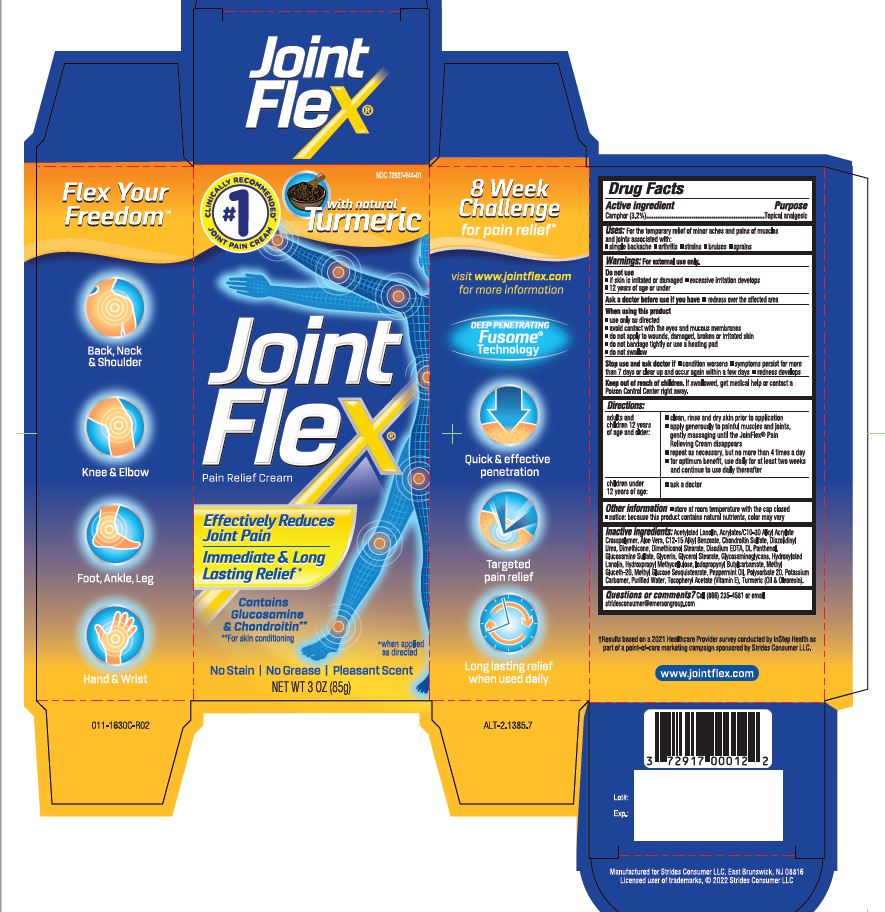
Jointflex Camphor 3.2 g/100g Cream — NDC 72927-944-02 (Billing 72927-0944-02)
This is a package of Jointflex Camphor 3.2 g/100g Cream from Strides Consumer LLC, marketed since Mar 2020 and currently FDA-listed.
NDC database record
One package, one record: these facts belong to NDC 72927-944-02 alone.
- Record
- FDA NDC Directory package listing · Human OTC drug
- Code segments
- 72927 labeler · 944 product · 02 package
- Package marketed since
- Sep 1, 2021
- Sample package
- No — commercial package
- Listing certified through
- Dec 31, 2026
- Barcode (UPC)
- 0372917000245
- FDA record last changed
- Jul 24, 2026
Identity & classification
Regulatory identifiers FDA, NLM and CMS codes for this package
- RxCUI (RxNorm): 2181415
Where does this data come from?
- FDA openFDA NDC Directory · synced Oct 8, 2026
- FDA label on DailyMed · label index refreshed Oct 8, 2026
- RxNorm (NLM RxNav) · catalog refreshed Oct 8, 2026
- Medi-Span GPI (licensed)
- First Databank (licensed) · refreshed Oct 8, 2026
Clinical
Jointflex Camphor is an over-the-counter topical cream containing synthetic camphor at a 3.2 percent concentration. This product is marketed as an OTC monograph drug, meaning it follows FDA's established rules for this category of product rather than undergoing individual FDA review. Camphor in topical creams is typically used to produce a warming or cooling sensation on the skin and may be included in products intended for temporary relief of minor muscle and joint discomfort. The cream is applied directly to the skin over the affected area.
Patient education
Supplement & herbal interactions
Where does this data come from?
- MedlinePlus (NLM) · refreshed Oct 8, 2026
- FDA label on DailyMed · label index refreshed Oct 8, 2026
Ask a licensed pharmacist directly — free, answered by our team.
Pricing
A drug doesn't have one price. Each row is a different public payment system, and none is what you'd pay at the counter — that depends on your insurance. The ⓘ on each row explains what it measures.
| Price system | Per g | Per package |
|---|---|---|
| Retail pharmacies payNADAC · weekly | Not in the retail survey — common for institutional, discontinued, or low-volume packs. | |
| Medicaid paysCMS SDUD · 12 mo | No recent Medicaid claims on file for this NDC — rare and low-volume NDCs are suppressed in the public data. | |
| Medicare drug plans payPart D · quarterly | No Part D plan price is available for this NDC in our data. | |
Where does this data come from?
- CMS NADAC weekly file
- CMS ASP pricing files · refreshed Sep 20, 2026
- CMS Medicaid State Drug Utilization Data · refreshed Oct 9, 2026
- CMS Part D plan pricing files · refreshed Sep 24, 2026
- VA National Acquisition Center price file
Packaging — all sizes for this product
| Package NDC | Description | Marketing start | Marketing end | Status |
|---|---|---|---|---|
| 72927-0944-01 72927-944-01 Main listing | 1 TUBE in 1 CARTON / 85 g in 1 TUBE | 2020-03-09 | — | Active |
| 72927-0944-02 You're viewing this | 1 TUBE in 1 CARTON / 28 g in 1 TUBE | 2021-09-01 | — | Active |
| 72927-0944-03 72927-944-03 | 1 TUBE in 1 CARTON / 28 g in 1 TUBE | 2021-03-26 | — | Active |
Pack size FAQ
What quantity is in this package?
What NDC number is used to bill for this package of Jointflex Camphor 3.2 g/100g Cream?
Therapeutic equivalents
| Product | Labeler | Pack | NADAC/unit | TE | Status | Price vs. this |
|---|---|---|---|---|---|---|
| Jointflex 3.2 g/100g 72927-0904-01 | Strides | 1 tube | — | — | FDA listed | — |
| Jointflex 3.2 g/100gthis 72927-0944-02 | Strides | 1 tube | — | — | FDA listed | — |
| Jointflex 3.2 g/100g 72927-0976-02 | Strides | 1 tube | — | — | FDA listed | — |
Where does this data come from?
- FDA openFDA NDC Directory · synced Oct 8, 2026
- FDA Orange Book · refreshed Oct 9, 2026
- CMS NADAC weekly file
Availability & generic status
We did not find an FDA-approved generic match for this exact strength, form and route.
Where does this data come from?
- FDA Orange Book · refreshed Oct 9, 2026
Inactive Ingredients / Excipients
Inactive ingredients, also called excipients, are components of the drug product other than the active ingredient. They may include fillers, dyes, coatings, preservatives, flavors, or other formulation ingredients.
💡 Tap an ingredient (hover on desktop) to see what it is and why it’s used.
-
UNII 2X654GD19H
Acetylated lanolin is a waxy substance derived from sheep's wool that has been chemically modified. It serves as an emollient and lubricant in medicines, helping to soften formulations and improve how they spread or are absorbed.
-
UNII A9EJ3J61HQ
A synthetic liquid derived from benzoic acid and long-chain alcohols. It functions as a solvent and penetration enhancer in topical formulations, helping active ingredients dissolve and absorb into the skin.
-
UNII ZY81Z83H0X
Aloe vera leaf is a plant extract derived from the aloe plant. It is used in medicines as a natural moisturizer and skin-soothing agent in topical formulations.
-
UNII 9E8X80D2L0
A synthetic form of vitamin E used as an antioxidant and preservative in medications. It helps prevent the active ingredients from degrading when exposed to oxygen or light.
-
UNII 809Y72KV36
A synthetic polymer made from acrylic acid and crosslinked with allyl pentaerythritol. It's used as a thickening agent and gelling ingredient in creams, gels, and lotions to create the proper texture and help the medicine spread and stay on the skin.
-
UNII 59TL3WG5CO
A synthetic polymer made by crosslinking acrylic acid with allyl sucrose. It thickens liquids, forms gels, and helps control how fast the medicine is released in your body.
-
UNII 2ZAJ1K50XH
A naturally derived compound extracted from shark cartilage, used as a binder and thickening agent in tablet and capsule formulations to help hold ingredients together and control product texture.
-
UNII H5RIZ3MPW4
A chemical preservative used to prevent bacterial and fungal growth in medicines. It helps extend shelf life and maintain product safety during storage and use.
-
UNII 92RU3N3Y1O
Dimethicone is a silicone-based oil that acts as an anti-foaming agent and lubricant in medicines. It reduces gas bubbles in liquid formulations and helps coat and protect the stomach lining when ingested.
-
UNII 7FLD91C86K
Edetate disodium is a chemical compound that binds and removes certain metal ions. In medicines, it acts as a preservative and stabilizer by preventing metals like calcium from interfering with the product's shelf life and consistency.
-
UNII 15VQ11I66N
Glucosamine sulfate potassium chloride is a compound combining glucosamine, a natural sugar, with sulfate and potassium chloride salts. It may serve as an active ingredient or structural component in formulations, helping stabilize the product and support consistency.
-
UNII PDC6A3C0OX
Glycerin is a clear, thick liquid derived from plant oils or fats. It acts as a humectant to retain moisture, a sweetener, and a solvent in medications.
-
UNII 230OU9XXE4
A waxy substance made from glycerin and stearic acid that acts as an emulsifier to blend oily and watery ingredients together. It also helps thicken and stabilize the medicine's texture.
-
UNII EOI0B9800C
A waxy substance derived from sheep's wool that has been chemically modified to improve its properties. Used as an emollient, emulsifier, and thickener in creams and ointments to help blend oil and water ingredients and soften the product.
-
UNII 3NXW29V3WO
Hypromellose is a plant-based thickener made from cellulose. It's used in medicines as a binder to hold ingredients together, a coating for tablets, and a thickener for liquids.
-
UNII 603P14DHEB
A synthetic antimicrobial chemical used as a preservative in topical and cosmetic formulations. It prevents bacterial and fungal growth in products to maintain stability and safety during storage and use.
-
UNII J3QD0LD11P
A synthetic compound made by combining glucose with methyl alcohol and polyethylene glycol. It acts as an emulsifier and solvent to help blend water and oil-based ingredients and improve how the medicine dissolves or spreads.
-
UNII V1YW10H14D
A waxy substance made from glucose and stearic acid that acts as an emulsifier and thickener in medicines, helping to blend ingredients together and create a smooth, stable texture in creams and ointments.
-
UNII WV9CM0O67Z
Panthenol is a humectant and skin-conditioning agent derived from pantothenic acid. It's added to medicines to help retain moisture and soothe skin irritation.
-
UNII AV092KU4JH
A natural oil extracted from peppermint plants. It's used as a flavoring agent to mask bitter tastes and add a refreshing mint flavor to medicines, making them easier to take.
-
UNII 13A4J4NH9I
A synthetic emulsifier derived from stearic acid and polyethylene glycol. It helps mix oil and water-based ingredients together in liquid medicines and creams to create a smooth, uniform product.
-
UNII 7T1F30V5YH
A synthetic emulsifier derived from sorbitol and oleic acid. It helps mix oil and water-based ingredients together and keeps them from separating in liquid formulations.
-
UNII WZH3C48M4T
Potassium hydroxide is a strong alkaline chemical used in medicines to adjust and maintain the pH level of liquid formulations, helping keep the product stable and the active ingredients effective.
-
UNII D2YCN1I522
Shark cartilage is a natural material derived from shark skeletal tissue. In medications, it acts as a filler and binder to help form tablets and capsules while providing bulk and structure to the dose.
-
UNII 6KGS8SP16U
A natural essential oil from turmeric root that gives medicines a yellow color and mild spice flavor. It's used mainly as a colorant and flavoring agent in tablets, capsules, and liquid formulations.
-
UNII 059QF0KO0R
Water is a liquid solvent that dissolves and mixes ingredients together in liquid medicines, syrups, and injections. It helps distribute the active drug evenly throughout the product.
26 inactive ingredients listed in the exact product block matched to this NDC.
Label-section wording can be broader than the structured product block and may mention additional formulation ingredients.
Where does this data come from?
ingredient classCode="IACT" elements from the exact product block matched by this NDC. Label-section narrative from DailyMed / the openFDA label index is shown separately when available.- FDA label on DailyMed · label index refreshed Oct 8, 2026
- FDA openFDA NDC Directory · synced Oct 8, 2026
Inactive ingredient FAQ
Are inactive ingredients the same for every manufacturer?
Why might an inactive ingredient be missing?
Can inactive ingredients matter?
Manufacturer & labeler
More NDCs from Strides Consumer LLC labeler code 72927
Where does this data come from?
- FDA openFDA NDC Directory · synced Oct 8, 2026
- Drugs@FDA
FDA label — Drug Facts FDA SPL
🎯 Indications and Usage ▾
Uses: For the temporary relief of minor aches and pains of muscles and joints associated with: simple backache arthritis strains bruises sprains
⏱️ Dosage and Administration ▾
Directions: adults and children 12 years of age and older: clean, rinse and dry skin prior to application apply generously to painful muscles and joints, gently massaging until the JointFlex ® Pain Relieving Cream disappears repeat as necessary, but no more than 4 times a day for optimum benefit, use daily for at least two weeks and continue to use daily thereafter children under 12 years of age: ask a doctor
⚠️ Warnings ▾
Warnings: For external use only.
🧪 Active Ingredient ▾
Active ingredient Camphor (3.2%)
🧪 Inactive Ingredients ▾
Inactive ingredients: Acetylated Lanolin, Acrylates/C10-30 Alkyl Acrylate Crosspolymer, Aloe Vera, C12-15 Alkyl Benzoate, Chondroitin Sulfate, Diazolidinyl Urea, Dimethicone, Dimethiconol Stearate, Disodium EDTA, DL Panthenol, Glucosamine Sulfate, Glycerin, Glycerol Stearate, Glycosaminoglycans, Hydroxylated Lanolin, Hydroxpropyl Methycellulose, Iodopropynyl Butylcarbamate, Methyl Gluceth-20, Methyl Glucose Sesquistearate, Peppermint Oil, Polysorbate 20, Potassium Carbomer, Purified Water, Tocopheryl Acetate (Vitamin E), Turmeric (Oil & Oleoresin).
🎯 Purpose ▾
Purpose Topical analgesic
📄 Do Not Use ▾
Do not use if skin is irritated or damaged excessive irritation develops 12 years of age or under
📄 Ask a Doctor Before Use If ▾
Ask a doctor before use if you have redness over the affected area
📄 When Using This Product ▾
When using this product use only as directed avoid contact with the eyes and mucous membranes do not apply to wounds, damaged, broken or irritated skin do not bandage tightly or use a heating pad do not swallow
📄 Stop Use and Ask a Doctor If ▾
Stop use and ask doctor if condition worsens symptoms persist for more than 7 days or clear up and occur again within a few days redness develops
📄 Keep Out of Reach of Children ▾
Keep out of reach of children. If swallowed, get medical help or contact a Poison Control Center right away.
📄 Other Information ▾
Other information store at room temperature with the cap closed notice: because this product contains natural nutrients, color may vary
📄 Questions or Comments ▾
Questions or comments? Call (866) 235-4581 or email [email protected] Manufactured for Strides Consumer LLC, East Brunswick, NJ 08816 Licensed user of trademarks. © 2020 Strides Consumer LLC †Results based on a 2021 Healthcare Provider survey conducted by InStep Health as part of a point-of-care marketing campaign sponsored by Strides Consumer LLC. www.jointflex.com
📄 Package Label / Principal Display Panel ▾
PACKAGE LABEL.PRINCIPAL DISPLAY PANEL 8 Week Challenge for pain relief* #1 CLINICALLY RECOMMENDED† JOINT PAIN CREAM JointFlex ® - Pain Relief Cream with natural Turmeric Effectively Reduces Joint Pain Immediate & Long Lasting Relief* Contains Glucosamine & Chondroitin** No stain/ No Grease/ Pleasant Scent NET WT 3 OZ (85g) DEEP PENETRATING Fusome ® Technology Quick & effective penetration Targeted pain relief Long lasting relief when used daily Flex Your Freedom ™ Relieves Back, Neck, Shoulder, Knees, Elbow, Foot, Ankle, Leg Hand and Wrist pain NDC 72927-944-01 Visit www.jointflex.com for more information * when applied as directed ** For skin conditioning 011-1630C-R02 8 Week Challenge for pain relief* 100% Money Back Guarantee* Effectively Reduces Joint Pain JointFlex ® - Pain Relief Cream with natural Turmeric Immediate & Long Lasting Relief* Contains Glucosamine & Chondroitin** No stain/ No Grease/ Pleasant Scent DEEP PENETRATING Fusome ® Technology Quick & effective penetration Targeted pain relief Long lasting relief when used daily Flex Your Freedom ™ Relieves Back, Neck, Shoulder, Knees, Elbow, Foot, Ankle, Leg Hand and Wrist pain NET WT 1 OZ (28g) JointFlex ® GUARANTEE "If you use JointFlex as directed and are not completely amazed with the pain relief you received, simply return the tube (even if it's empty) and the cash register receipt to the address below for a full refund.
No questions asked." Questions or comments? Call (866)-235-4581. Strides Consumer LLC, East Brunswick, NJ 08816 NDC 72927-944-03 Visit www.jointflex.com for more information Licensed user of trademarks. © 2020 Strides Consumer LLC Sample not for retail sale. * when applied as directed ** For skin conditioning 8 Week Challenge for pain relief* 100% Money Back Guarantee* Effectively Reduces Joint Pain JointFlex ® - Pain Relief Cream with natural Turmeric Immediate & Long Lasting Relief* Contains Glucosamine & Chondroitin** No stain/ No Grease/ Pleasant Scent DEEP PENETRATING Fusome ® Technology Quick & effective penetration Targeted pain relief Long lasting relief when used daily Flex Your Freedom ™ Relieves Back, Neck, Shoulder, Knees, Elbow, Foot, Ankle, Leg Hand and Wrist pain NET WT 1 OZ (28g) JointFlex ® GUARANTEE "If you use JointFlex as directed and are not completely amazed with the pain relief you received, simply return the tube (even if it's empty) and the cash register receipt to the address below for a full refund.
No questions asked." Questions or comments? Call (866)-235-4581. Strides Consumer LLC, East Brunswick, NJ 08816 NDC 72927-944-02 Visit www.jointflex.com for more information Licensed user of trademarks. © 2020 Strides Consumer LLC * when applied as directed ** For skin conditioning Jointflex turmeric - 3 OZ 28g Carton image Carton-1oz-for sale
Reported adverse events (FAERS)
Top reported reactions
Age at onset
Reporter sex
Serious outcomes
Where does this data come from?
About this NDC listing & data coverage
What data is (and isn’t) available for this NDC — tap to expand
| NDC identity (package / product / labeler codes) | ✓ Available |
| Labeler | ✓ Available |
| Product & package description | ✓ Available |
| Marketing category & status | ✓ Available |
| Active ingredient / dosage form / route | ✓ Available |
| FDA label (SPL via DailyMed) | ✓ Available |
| Package photos | ✓ Available |
| Inactive ingredients (structured) | ✓ Available |
| NADAC pharmacy acquisition price (CMS) | — Not published for this NDC CMS publishes NADAC only for NDCs reported in its retail-pharmacy survey. |
| Orange Book / therapeutic-equivalence data | — Not published for this NDC Applies only to products approved under an NDA/ANDA; many listings are out of scope. |
| HCPCS J-code billing crosswalk | — Not published for this NDC Most self-administered / retail products have no J-code — that is normal. |
| Medicaid utilization (CMS SDUD) | — Not published for this NDC CMS reports utilization only for NDCs with Medicaid claims above its privacy threshold. |