
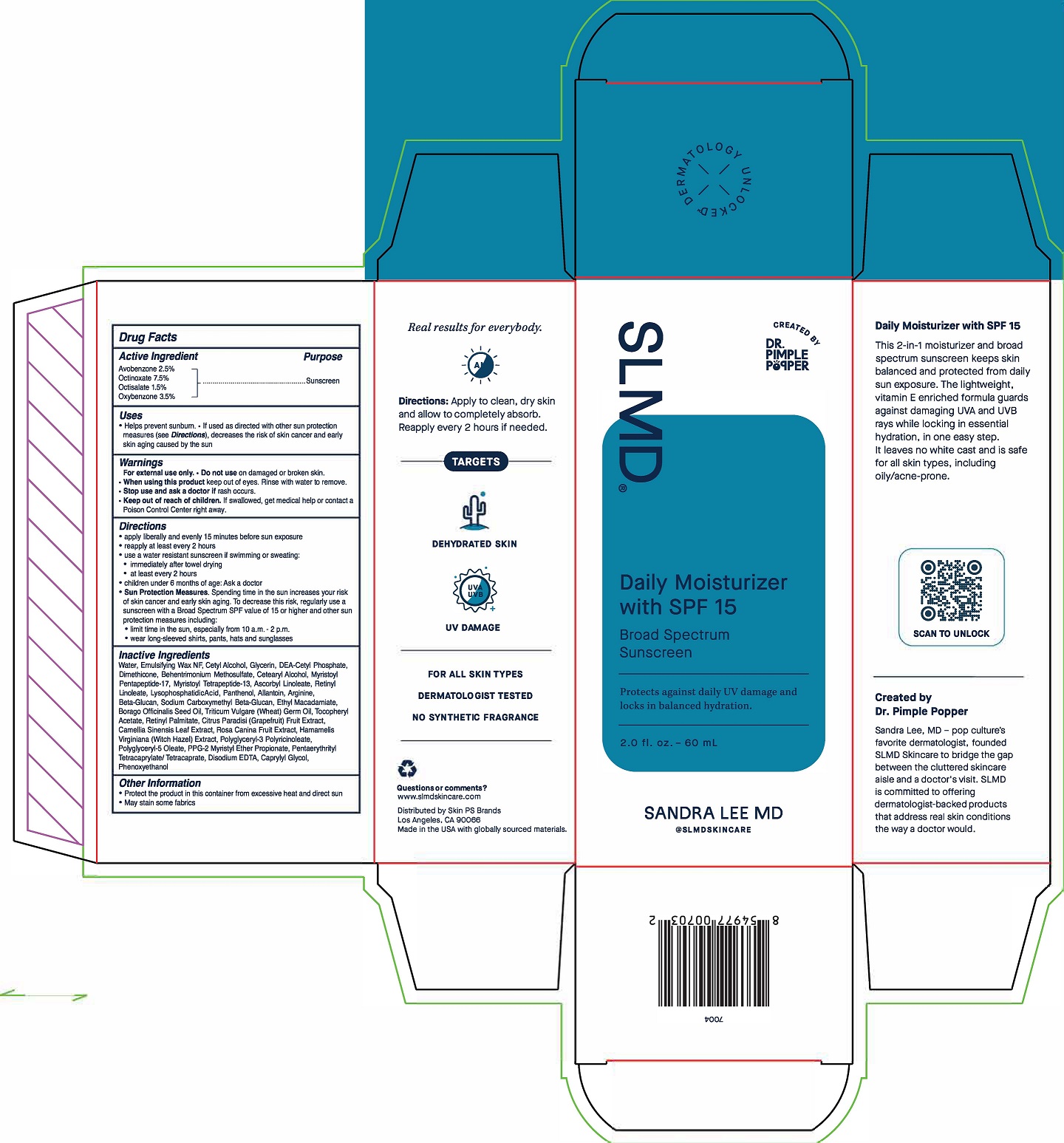
SLMD Avobenzone, Octinoxate, Octisalate, Oxybenzone 1.5 mg/g; 3.5 mg/g; 2.5 mg/g; 7.5 mg/g Cream
🆔 Identity & classification
Where does this data come from?
🏭 Manufacturer & labeler
Where does this data come from?
🩺 Clinical
SLMD Avobenzone, Octinoxate, Octisalate, Oxybenzone is a topical cream sunscreen marketed under FDA's OTC monograph rules. It contains four UV-filtering chemicals that work together to help protect skin from ultraviolet radiation. Avobenzone, octinoxate, octisalate, and oxybenzone are all commonly used as active ingredients in over-the-counter sunscreen products to absorb or reflect UV rays from the sun.
Patient education
Supplement & herbal interactions
Where does this data come from?
Ask a licensed pharmacist directly — free, answered by our team.
🧪 Inactive Ingredients / Excipients
Inactive ingredients, also called excipients, are components of the drug product other than the active ingredient. They may include fillers, dyes, coatings, preservatives, flavors, or other formulation ingredients.
💡 Tap an ingredient (hover on desktop) to see what it is and why it’s used.
-
UNII A7E6112E4N
A form of vitamin E used as an antioxidant in medicines. It prevents oils and fats in the product from breaking down, helping maintain stability and shelf life.
-
UNII 4FRY3LJG0V
A fungal protein component used as a binder and structural agent in some pharmaceutical formulations. It helps hold tablet ingredients together and may improve the stability of certain medicine preparations.
-
UNII 344S277G0Z
Allantoin is a naturally derived compound that helps soften and soothe skin. In medicines, it works as a skin-conditioning agent and may help support wound healing and reduce irritation in topical formulations.
-
UNII 94ZLA3W45F
Arginine is an amino acid used in medicines as a buffer and pH adjuster. It helps maintain the proper acidity level and stability of liquid formulations.
-
UNII Z54S26111B
Ascorbyl linoleate is a compound combining vitamin C with linoleic acid, a fatty acid. It serves as an antioxidant in medicines to prevent degradation of active ingredients and maintain product stability during storage.
-
UNII 5SHP745C61
A quaternary ammonium compound used as an antistatic agent and conditioning ingredient in solid dosage forms. It reduces static electricity buildup during manufacturing and helps improve the texture and flow of powders and granules in tablets or capsules.
-
UNII 2GXJ790US0
A plant-derived oil from borage seeds, used as an emollient and skin-conditioning agent in topical formulations to help soften and smooth the product's texture on application.
-
UNII 9I2BJY2J17
A plant extract from tea flowers used as a natural coloring agent and antioxidant in medicines. It helps maintain product stability and may provide a subtle color to the formulation.
-
UNII 00YIU5438U
Caprylyl glycol is a clear liquid derived from coconut oil. In medicines, it acts as a humectant to retain moisture, a preservative booster to prevent microbial growth, and a solvent to help dissolve or mix other ingredients.
-
UNII 2DMT128M1S
A waxy solid derived from plant or animal sources. It acts as an emulsifier to blend oil and water components, and also thickens the medicine to give it the right texture and consistency.
-
UNII 936JST6JCN
Cetyl alcohol is a waxy, fatty substance derived from plant or animal sources. It acts as an emulsifier and thickener in medicines, helping blend oil and water components and giving products a smooth, creamy texture.
-
UNII 6A7N43E0OJ
A natural oil from grapefruit peel used as a flavoring agent to improve taste and provide a citrus scent to the medicine.
-
UNII 4UG0316V9S
A chemical compound used as an emulsifier and surfactant in topical medicines. It helps blend oil and water ingredients together and improves how the product spreads on skin or absorbs into it.
-
UNII 92RU3N3Y1O
Dimethicone is a silicone-based oil that acts as an anti-foaming agent and lubricant in medicines. It reduces gas bubbles in liquid formulations and helps coat and protect the stomach lining when ingested.
-
UNII 7FLD91C86K
Edetate disodium is a chemical compound that binds and removes certain metal ions. In medicines, it acts as a preservative and stabilizer by preventing metals like calcium from interfering with the product's shelf life and consistency.
-
UNII ANA2NCS6V1
A natural oil derived from macadamia nuts, used as an emollient and conditioning agent. It helps soften the product's texture and improve how it spreads or absorbs on skin or mucous membranes.
-
UNII PDC6A3C0OX
Glycerin is a clear, thick liquid derived from plant oils or fats. It acts as a humectant to retain moisture, a sweetener, and a solvent in medications.
-
UNII V663Q8TEFU
A plant extract from witch hazel that acts as an astringent and skin-conditioning agent in topical medicines. It helps tighten tissues and is used for its traditional soothing properties in formulations.
-
UNII PG6M3969SG
Lysophosphatidic acid is a lipid derived from natural fats. It acts as an emulsifier and penetration enhancer in medications, helping to improve absorption and mix oil and water-based ingredients together in formulations.
-
UNII AMR73HY95Q
A synthetic peptide derived from amino acids. It functions as a skin-conditioning agent and emollient in topical formulations, helping soften and smooth the product's texture on application.
-
UNII PMA59A699X
A synthetic peptide (short protein fragment) used as a thickener and film-former in topical formulations. It helps create texture, improve spreadability, and maintain product consistency on skin.
-
UNII WV9CM0O67Z
Panthenol is a humectant and skin-conditioning agent derived from pantothenic acid. It's added to medicines to help retain moisture and soothe skin irritation.
-
UNII 832C4KF14X
A synthetic oil derived from pentaerythritol and fatty acids. It acts as an emollient and solubilizer in formulations, helping dissolve active ingredients and improve texture and spreadability in topical or oral products.
-
UNII HIE492ZZ3T
Phenoxyethanol is a synthetic preservative and antimicrobial agent used to prevent bacterial and fungal growth in medicines and cosmetic products, extending shelf life and maintaining product safety.
-
UNII MZQ63P0N0W
A plant-derived emulsifier made from glycerin and castor oil. It helps mix oil and water ingredients together in formulations like creams and lotions, keeping them blended.
-
UNII SZ1T9D7ZKX
A plant-derived oily substance made from glycerin and oleic acid. It works as an emulsifier and solubilizer in medicines, helping mix oily and watery ingredients together and keeping them blended throughout the product's shelf life.
-
UNII CAL22UVI4M
A synthetic emulsifier derived from sorbitol and fatty acids. It helps mix oil and water-based ingredients together and improves the texture and stability of the medicine.
-
UNII 88R97D8U8A
A synthetic liquid derived from propylene glycol and myristic acid. It functions as an emollient and solvent in topical formulations, helping to soften the skin and improve the texture and spreadability of the product.
-
UNII 61911N8D6W
Retinyl linoleate is a derivative of vitamin A combined with linoleic acid, a natural fatty acid. It's used in medicines as an emollient and skin-conditioning agent to help soften and protect the skin.
-
UNII CR7307M3QZ
Rosa canina fruit oil is a natural oil extracted from rosehip fruit. It's used in medicines as an emollient and skin-conditioning agent to help soften and smooth the product's texture or skin contact surface.
-
UNII 2YGO1190AP
A plant-derived carbohydrate from yeast or fungi, chemically modified to carry sodium and carboxyl groups. It acts as a thickener, stabilizer, and binder in medications to improve texture, consistency, and shelf life.
-
UNII 1D1K0N0VVC
A fat-soluble form of vitamin A used as a colorant and nutritional fortification ingredient. It gives products a yellow or orange tint and increases vitamin A content in the formula.
-
UNII 059QF0KO0R
Water is a liquid solvent that dissolves and mixes ingredients together in liquid medicines, syrups, and injections. It helps distribute the active drug evenly throughout the product.
-
UNII 14C97E680P
Wheat germ oil is an oil extracted from wheat kernels. It's used in medicines as an emollient and lubricant to improve texture and help ingredients blend smoothly.
34 inactive ingredients listed in the exact product block matched to this NDC.
Label-section wording can be broader than the structured product block and may mention additional formulation ingredients.
Where does this data come from?
ingredient classCode="IACT" elements from the exact product block matched by this NDC. Label-section narrative from DailyMed / the openFDA label index is shown separately when available.Inactive ingredient FAQ
Are inactive ingredients the same for every manufacturer?
Why might an inactive ingredient be missing?
Can inactive ingredients matter?
💲 Pricing
A drug doesn't have one price. Each row is a different public payment system, and none is what you'd pay at the counter — that depends on your insurance. The ⓘ on each row explains what it measures.
| Price system | Per g | Per package |
|---|---|---|
| Retail pharmacies payNADAC · weekly | Not in the retail survey — common for institutional, discontinued, or low-volume packs. | |
| Medicaid paysCMS SDUD · 12 mo | No recent Medicaid claims on file for this NDC — rare and low-volume NDCs are suppressed in the public data. | |
| Medicare drug plans payPart D · quarterly | No Part D plan price is available for this NDC in our data. | |
Where does this data come from?
🔁 Therapeutic equivalents
| Product | Labeler | Pack | NADAC/unit | TE | Status | Price vs. this |
|---|---|---|---|---|---|---|
| Slmd 1.5 mg/g; 3.5 mg/g; 2.5 mg/g; 7.5 mg/gthis 73318-7008-02 | Skin | 1 tube | — | — | FDA listed | — |
Where does this data come from?
⏳ Availability & generic status
We did not find an FDA-approved generic match for this exact strength, form and route.
Where does this data come from?
📦 Packaging — all sizes for this product
| Package NDC | Description | Marketing start | Status |
|---|---|---|---|
| 73318-7008-02 You're viewing this | 1 TUBE in 1 CARTON (73318-7008-2) / 60 g in 1 TUBE | 2024-06-11 | Active |
🧭 About this NDC listing & data coverage
What data is (and isn’t) available for this NDC — tap to expand
| NDC identity (package / product / labeler codes) | ✓ Available |
| Labeler | ✓ Available |
| Product & package description | ✓ Available |
| Marketing category & status | ✓ Available |
| Active ingredient / dosage form / route | ✓ Available |
| FDA label (SPL via DailyMed) | ✓ Available |
| Package photos | ✓ Available |
| Inactive ingredients (structured) | ✓ Available |
| NADAC pharmacy acquisition price (CMS) | — Not published for this NDC CMS publishes NADAC only for NDCs reported in its retail-pharmacy survey. |
| Orange Book / therapeutic-equivalence data | — Not published for this NDC Applies only to products approved under an NDA/ANDA; many listings are out of scope. |
| HCPCS J-code billing crosswalk | — Not published for this NDC Most self-administered / retail products have no J-code — that is normal. |
| Medicaid utilization (CMS SDUD) | — Not published for this NDC CMS reports utilization only for NDCs with Medicaid claims above its privacy threshold. |
Questions about this listing
Is this NDC FDA-approved?
Why is there no price listed?
Is the NDC printed on the package the same as the 11-digit billing NDC?
What do the three segments of this NDC mean?
Is this package still being marketed?
Who lists this product with the FDA?
Do I need a prescription for this product?
Where does this data come from?
📄 FDA label — Drug Facts FDA SPL
🎯 Indications and Usage ▾
Uses Helps prevent sunburn. If used as directed with other sun protection measures (see Directions ), decreases the risk of skin cancer and early skin aging caused by the sun
⏱️ Dosage and Administration ▾
Directions apply liberally and evenly 15 minutes before sun exposure. reapply at least every 2 hours use a water resistant sunscreen if swimming or sweating: immediately after towel drying at least every 2 hours children under 6 months of age: Ask a doctor Sun Protection Measures: Spending time in the sun increases your risk of skin cancer and early skin aging. To decrease this risk, regularly use a sunscreen with a Broad Spectrum SPF value of 15 or higher and other sun protection measures including: limit time in the sun, especially from 10 a.m. - 2 p.m. wear long-sleeved shirts, pants, hats and sunglasses
⚠️ Warnings ▾
Warnings For external use only. Do not use on damaged or broken skin. When using this product keep out of eyes. Rinse with water to remove. Stop use and ask a doctor if rash occurs. Keep out of reach of children . If swallowed, get medical help or contact a Poison Control Center right away.
🧪 Active Ingredient ▾
Drug Facts Active Ingredient Avobenzone 2.5% Octinoxate 7.5% Octisalate 1.5% Oxybenzone 3.5%
🧪 Inactive Ingredients ▾
Inactive Ingredients Water, Emulsifying Wax NF, Cetyl Alcohol, Glycerin, DEA-Cetyl Phosphate, Dimethicone, Behentrimonium Methosulfate, Cetearyl Alcohol, Myristol Pentapeptide-17, Myristol Pentapeptide-13, Ascorbyl Loneleate, Retinyl Linoleate, Lysophophatidic Acid, Penthonol, Allantoin, Arginine, Beta-Glucan, Sodium Carboxymethyl Beta-Glucan, Ethyl Macadamiate, Borago Officinail Seed OPil, Tiricum Vulgare (Wheat) Germ Oil, Tocopheryl Acetate, Retinyl Palmitate, Citrus Paradisi (Grapefruit) Fruit Extract, Camellia Sinensis Leaf Extract, Rosa Canina Fruit Extract, Hamamelis Virginiana (Witch Hazel) Extract, Polyglyceryl-3 Polyricinoleate, Polyglyceryl-5 Oleate, PPG-2 Myristyl Ether Propionate, Pentaerythrityl Tetracaprylate/Tetracaprate, Disodium EDTA, Caprylyl Glycol, Phenoxyethanol
🎯 Purpose ▾
Purpose Sunscreen